

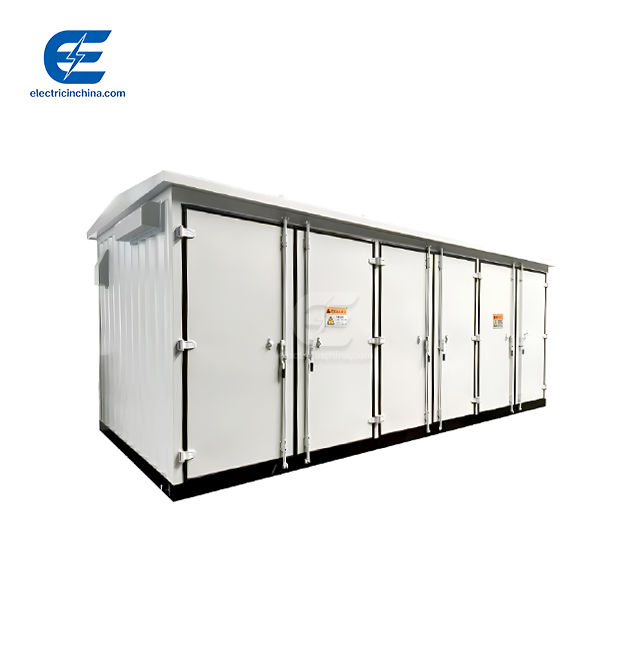
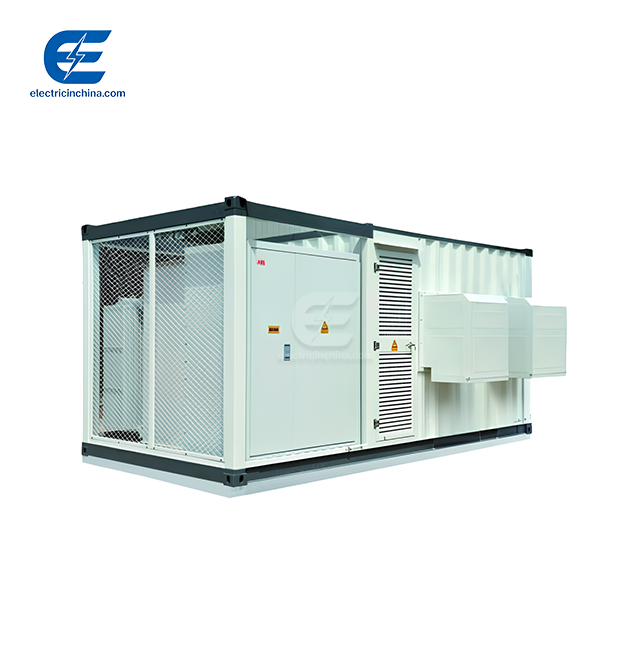
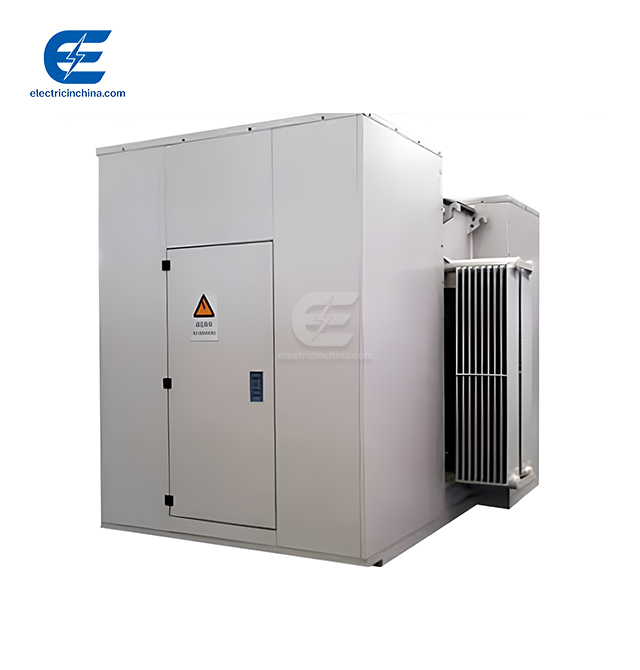
.webp)
When procuring power distribution equipment for critical infrastructure, understanding pricing structures and lead times determines project success. Manufacturer quotations for dry-type distribution transformers reflect complex cost factors, including raw materials, customization requirements, and compliance certifications. Delivery cycles typically span 4 to 12 weeks, depending on capacity specifications, technical modifications, and production schedules. Transparent pricing and reliable timelines separate dependable suppliers from those who overpromise and underdeliver in competitive tender environments.
Understanding Dry-Type Distribution Transformers and Their Market Context
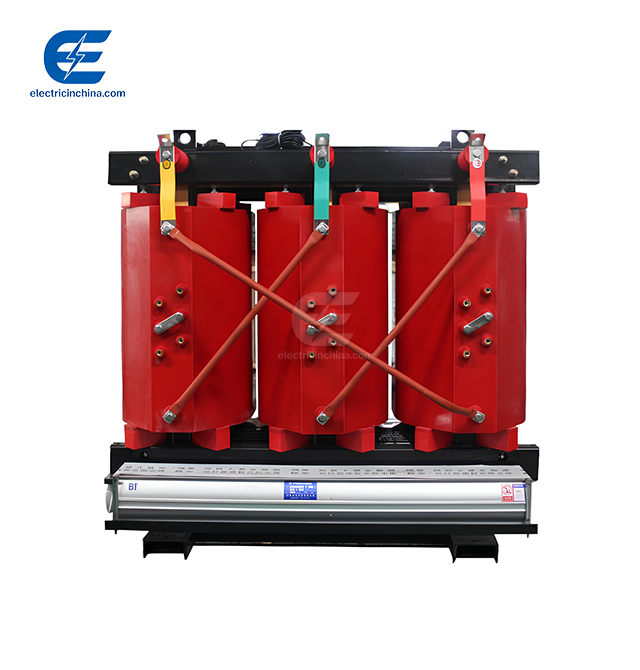
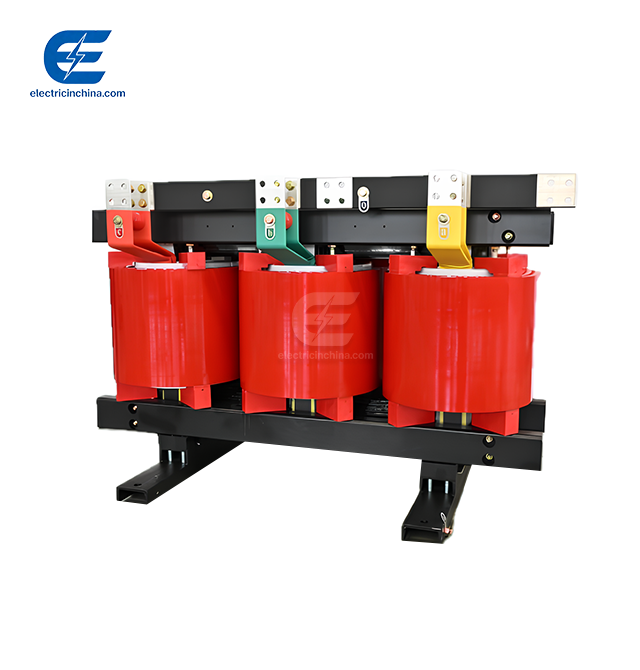
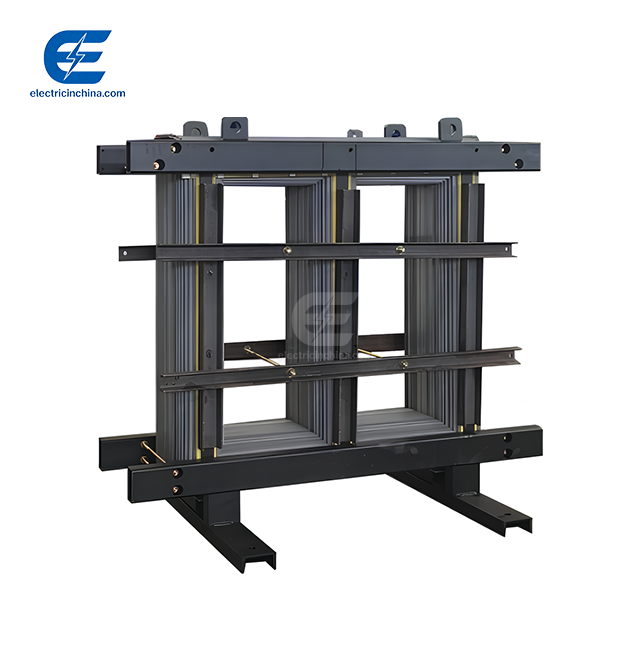
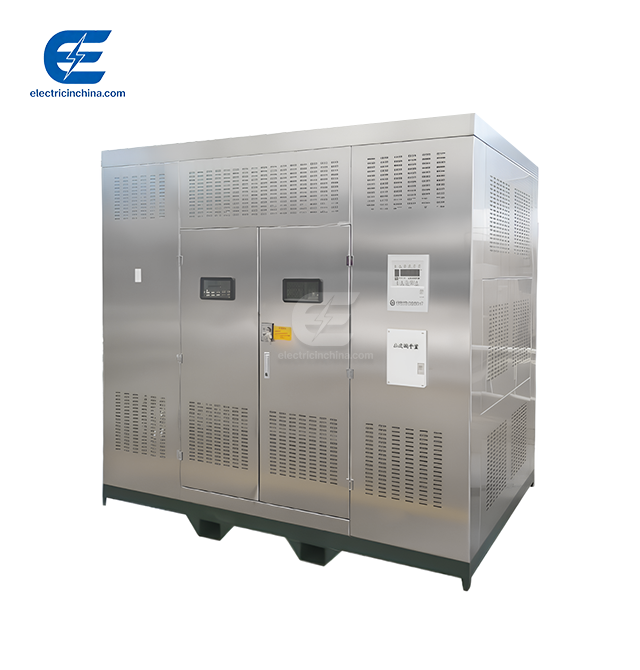
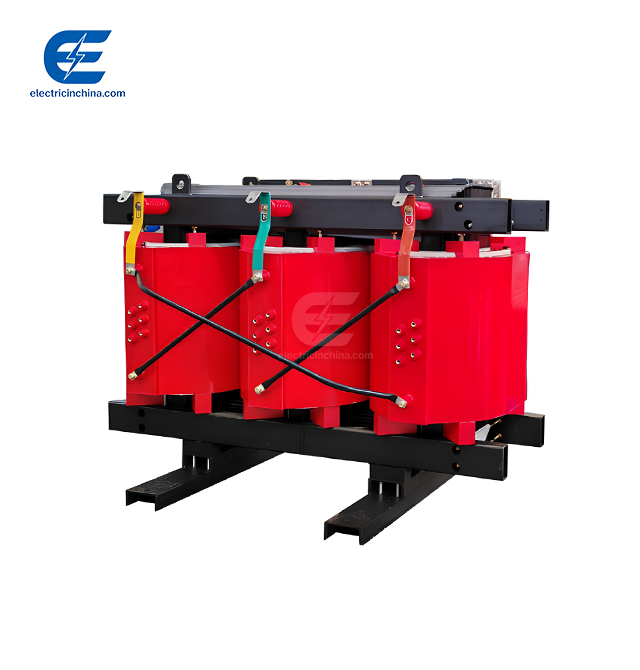
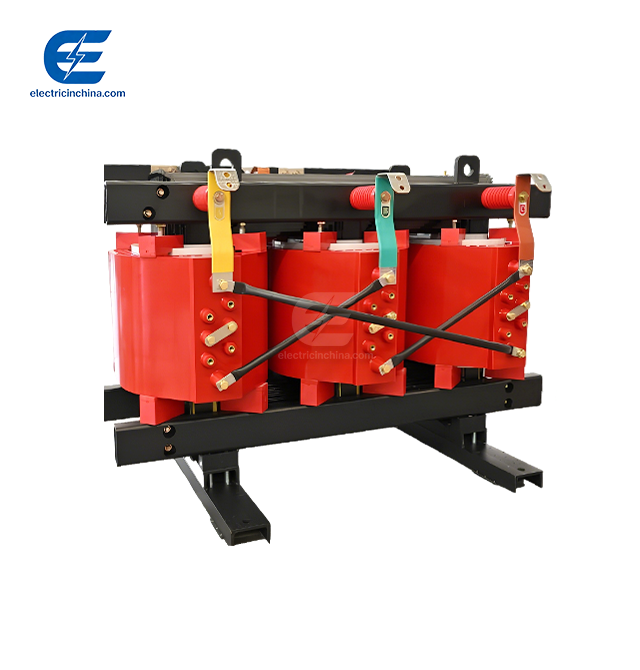
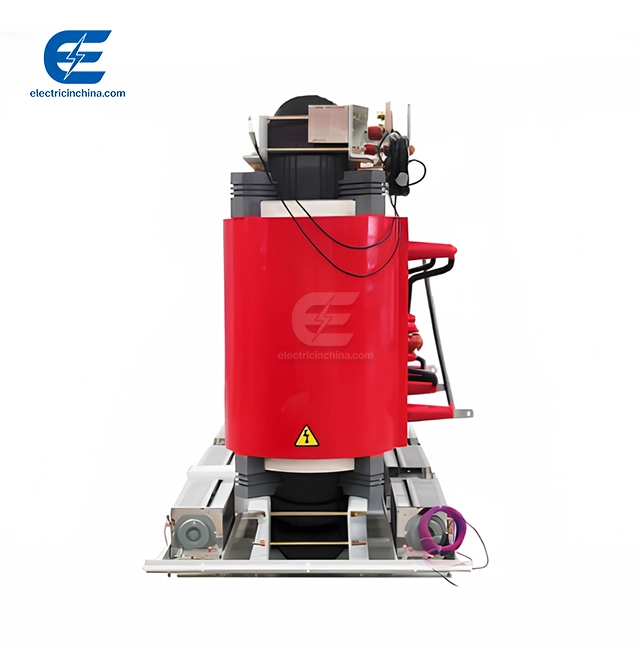
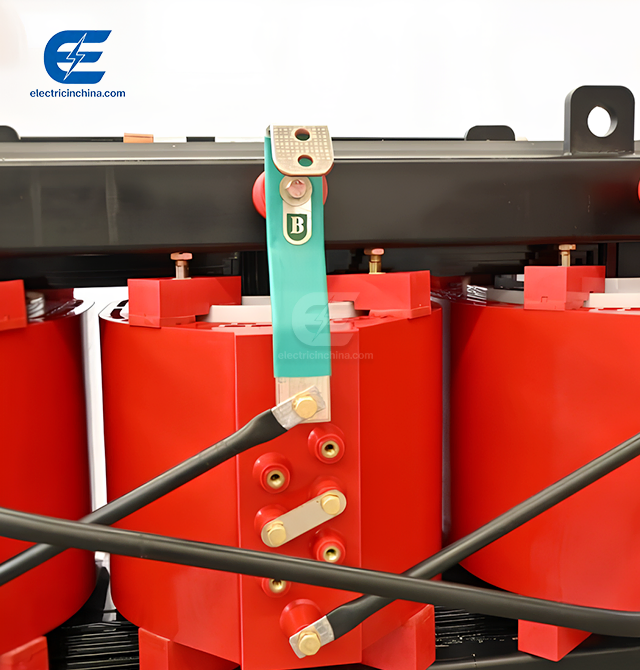
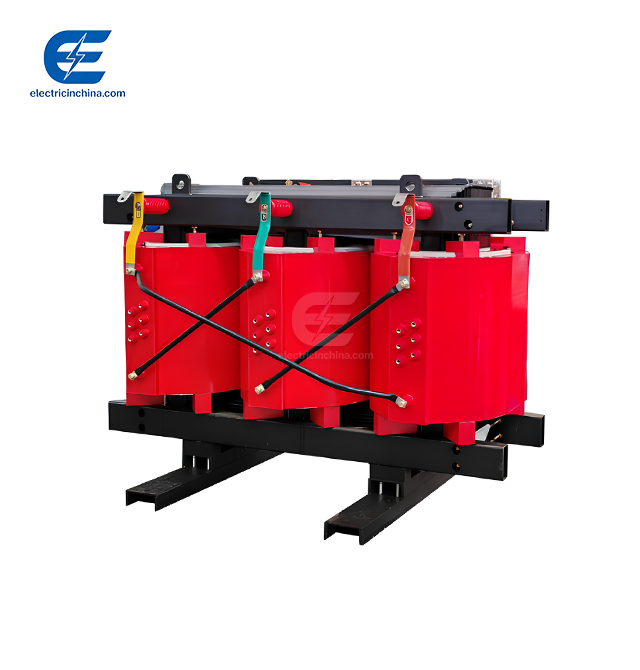
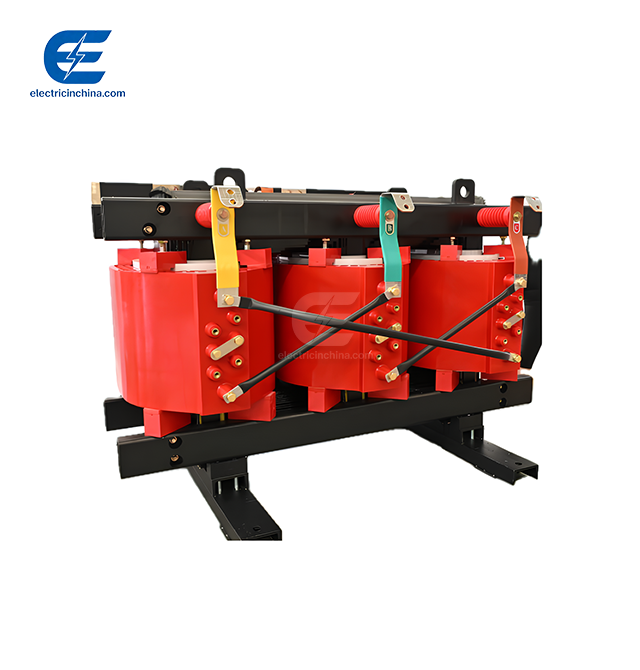
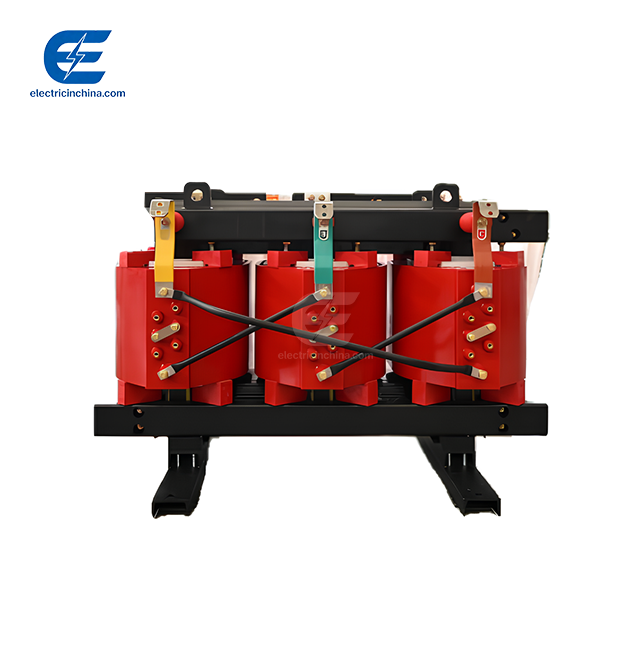
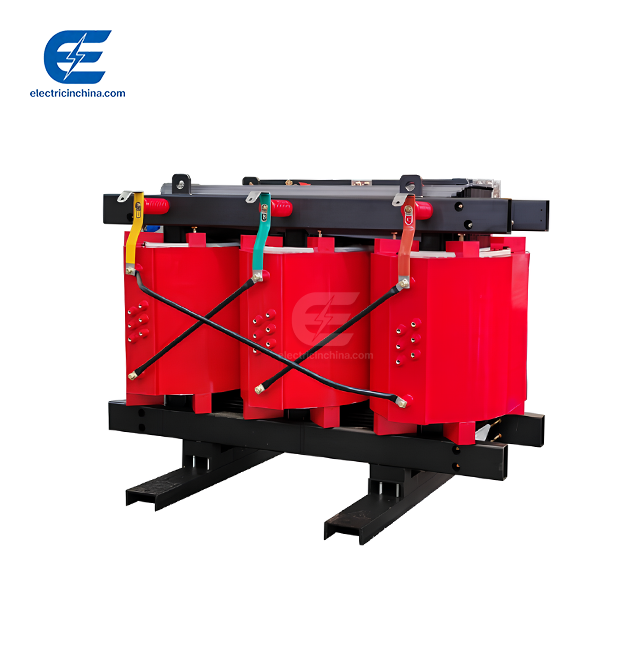
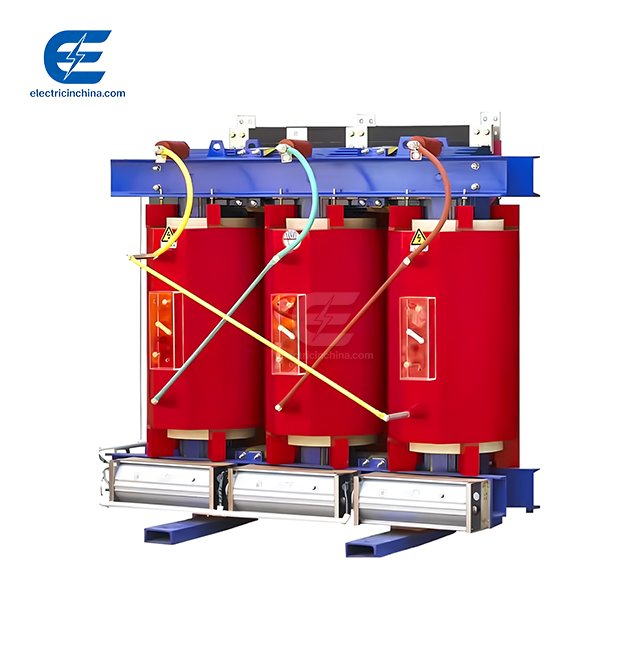
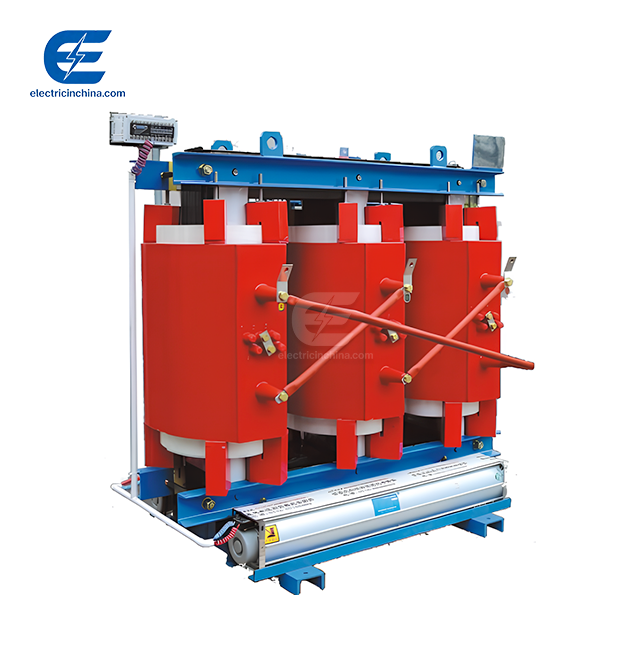
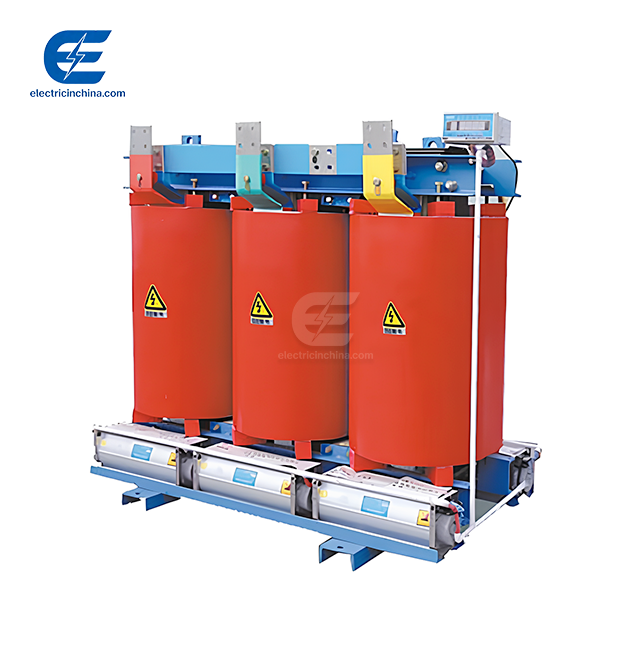
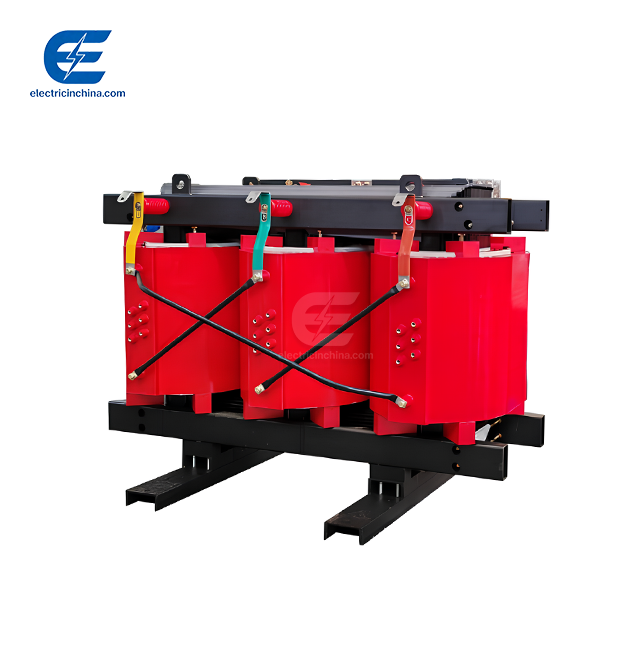
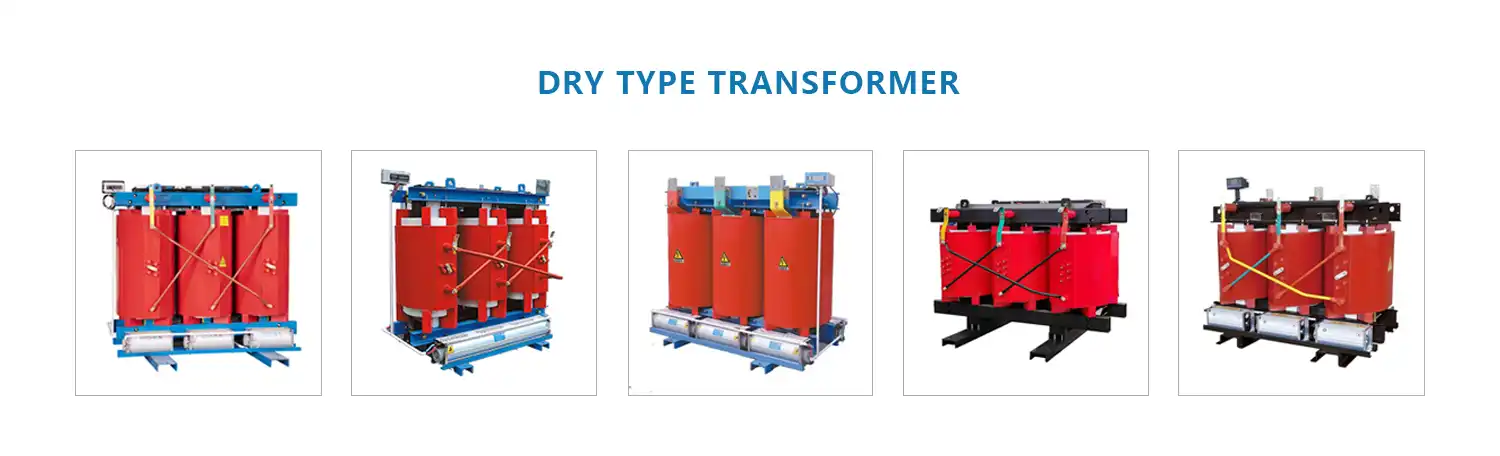
Dry-type distribution transformers are a big change in how safe and reliable the electricity grid is. Unlike oil-filled options, these units use solid insulation materials, mostly epoxy resin or cast resin systems, to get rid of the fire risks that come with designs that use liquids. This technology is especially useful in places where oil leaks are dangerous, like occupied buildings, underground installations, and areas that are sensitive to the environment.
Cast resin transformers are becoming more popular on the global market for industrial facilities, business developments, and government projects. The procurement teams know that the starting prices of an item only make up a small part of its total lifecycle costs. When choosing a vendor, operational efficiency, maintenance needs, and regulatory compliance all play a big role.
Key Market Considerations
When procurement workers look at transformer providers, they look at several important factors. Technical requirements must exactly match the needs of the project. Voltage ratings, capacity ranges, environmental conditions, and space limitations all play a role in choosing the right equipment. We've seen that projects ranging from 30KVA installations in small business buildings to 31,500KVA units serving industrial complexes need customised engineering methods rather than solutions that work for all of them.
The need for certification adds another level of difficulty. International standards like IEC 60076, UL ratings, and regional compliance requirements tell us if a piece of equipment is suitable for a certain job. Our SCB series transformers are certified to meet both ISO 9001 and ISO 14001 environmental standards. This ensures they meet the strict requirements common in EPC contracts and government bids.
Efficiency and Operational Lifespan
Dry-type distribution transformers made of modern cast plastic have an efficiency rate of 99.2% to 99.5%, which means they will save money over many years of use. Compared to older technologies, these levels of efficiency cut down on heat production, the need for cooling, and electricity losses. When partial discharge levels are less than 10 pC, it means that the insulation is of a higher quality, which means that it will last 25 to 30 years under normal conditions.
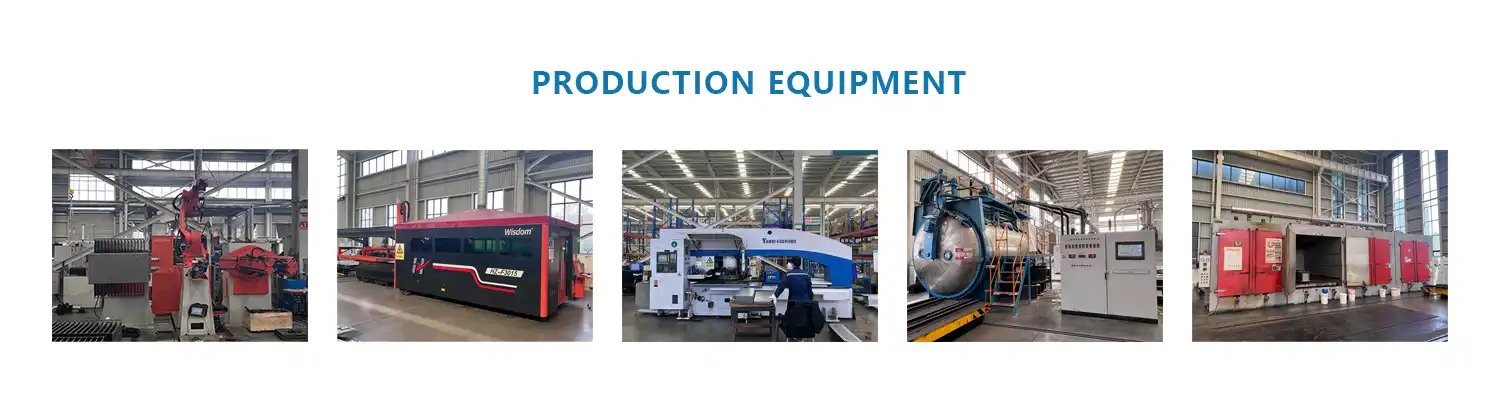
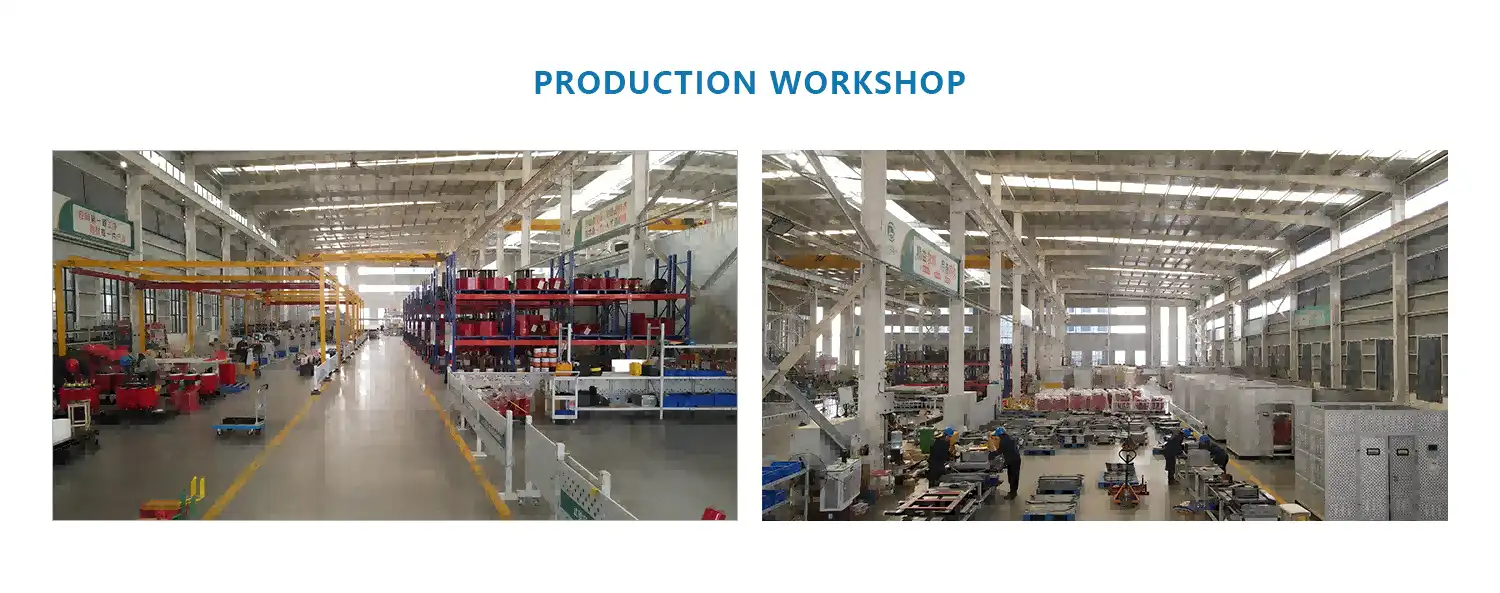
When there are many people around, sound performance is important. Our units keep noise levels below 50 dB, so they can be installed in basement electrical rooms, shelters on roofs, and buildings that are already occupied without getting noise complaints. Precision manufacturing, with over 120 specialised production units such as CNC automatic winding machines and gradient curing ovens, makes this operation quiet. These units make sure that the quality of every transformer we make is the same.
How are Manufacturer Quotations for Dry-Type Distribution Transformers formed?
Transformer buyers won't be able to see prices clearly until they understand how costs are structured. Quotes take into account many different factors that skilled manufacturers look at in a planned way, not just randomly.
Material Costs and Design Complexity
Baseline prices are based on core components. The most expensive parts are the grain-oriented silicon steel cores, the copper or aluminium windings, and the epoxy resin shielding systems. Changes in the market price of copper, which can vary by up to 15% every three months, directly affect quotes. We keep smart relationships with suppliers of materials that keep prices stable for our clients even when the commodity market changes.
Customisation requests increase the costs of engineering and production. Standard voltage combinations, like 13.8kV/480V, are cheaper than custom ratios that need special tools. Quote prices increase in direct proportion to the complexity of the engineering. This is true for K-factor rates for harmonic loads, seismic clearances for Zone 4 installations, and specialised enclosures for harsh locations.
Compliance and Certification Expenses
Following international standards doesn't come for free. Protocols for testing IEC 60076 conformity, UL approval processes, and third-party proof add measurable costs that are clearly shown in quotes from reliable makers. Our spending on 18 patents and ongoing research and development makes sure that our products meet changing government standards without having to make last-minute design changes that cause projects to be delayed.
Warranty terms also affect how we set prices. Longer warranties that cover 25 to 30 years of operation mean that manufacturers have to keep replacement parts and technical support staff on hand. Because our warranty terms are based on long-term client promises, we hire 15 senior experts and over 30 intermediate techs.
Volume Considerations and Value-Added Services
Minimum order amounts have a big effect on unit prices. For large developments, ordering more than one unit at a time saves money on each transformer. When EPC companies buy tools for building projects, they can get volume discounts that take into account the fact that larger production runs are more efficient.
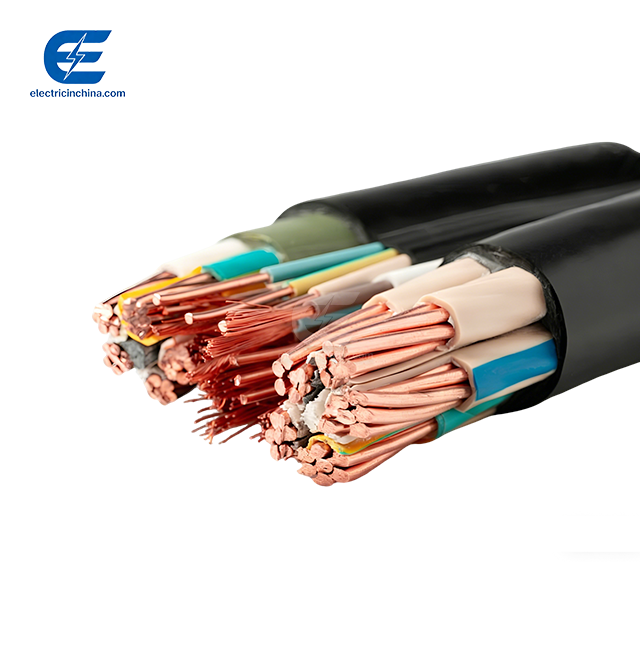
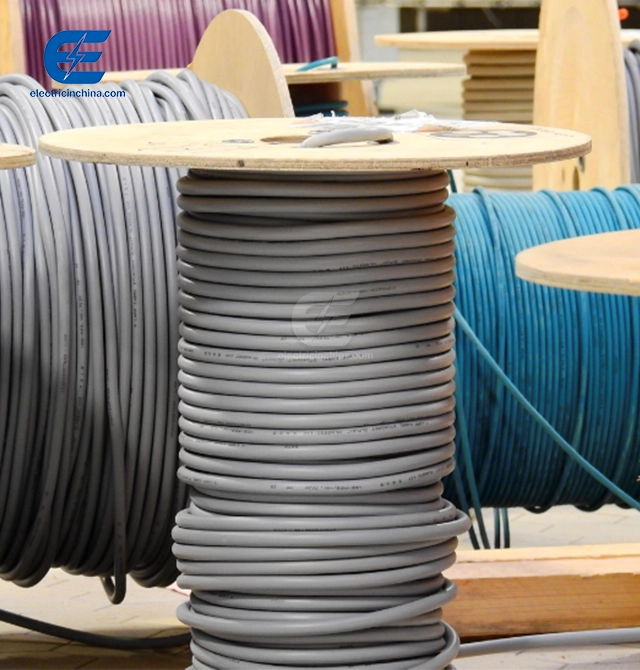
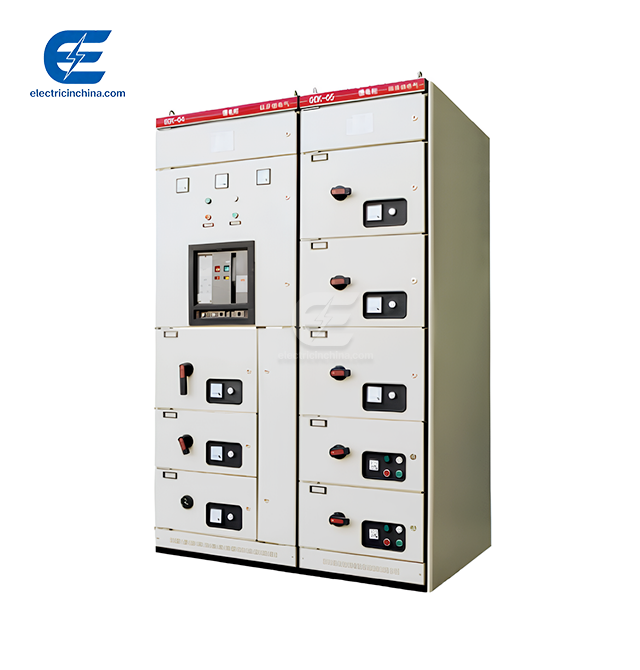
Some makers include value-added services like installation help, commissioning assistance, and extra parts packages in their full quotes. Our "one-stop" method includes the sale of transformers, low-voltage switchgear, and cable systems that work well together. This makes the buying process easier for big projects like the Xuzhou Rail Transit Network Control Center we finished.
Delivery Cycles: What Influences Lead Times for Dry-Type Transformers
When procurement teams know when to deliver equipment, they can ensure it arrives at the right time for construction. The wait times for Dry-type distribution transformers depend on several things that affect each other.
Standard Manufacturing Phases
Production is done in steps that take a certain amount of time. Design validation typically requires one to two weeks for standard configurations and three to four weeks for highly customised units. During this step, engineering teams check that the electrical formulas, mechanical designs, and thermal performance specs meet the needs of the customer.
The longest part of the timeline is manufacturing. Core assembly, winding, resin casting, and curing can take anywhere from 4 to 8 weeks, depending on the number of units and their capacity. Our microcomputer-controlled gradient curing ovens make the best use of polymerisation processes, keeping quality high while cutting down on production time. Our 30KVA–31,500KVA units are made according to set rules that make sure they are all the same.
Quality Assurance Procedures
For thorough testing, quality assurance procedures add one to two weeks. Measurements of resistance, voltage withstand tests, and partial discharge verification are all common types of testing. Type testing for first-production units or designs that have been changed adds to the time it takes to make sure they meet IEC standards and project requirements before they are shipped.
Production Capacity and Queue Position
How busy the manufacturer is directly affects deliveries. When factories are close to full, new orders have to wait in a queue behind scheduled production, which lengthens lead times. We keep up with over 120 precise production units so that we can handle changes in capacity and keep our delivery promises even when demand is high.
When common setups are in stock, we cut lead times down by a huge amount. When manufacturers keep common voltage levels and sizes in stock, they can ship within days instead of weeks. However, custom specifications—especially for industrial makers that need specific K-factor scores or unique enclosure designs—require made-to-order production, which takes longer.
Logistics and Regional Considerations
Shipping plans add time frames that change based on where the goods are going. International shipments to faraway markets take an extra 3 to 6 weeks because of ocean freight and the time it takes to clear customs. Domestic deliveries within regional markets typically take an additional one to two weeks.
Different markets have different requirements for regulatory documentation. Based on how efficiently bureaucrats work, export certifications, customs reports, and destination-country compliance checks can speed up or slow down shipping. Because we've worked on projects in various legal settings, we can make accurate time estimates that keep projects from going over budget and costing more than planned.
Comparing Quotes and Delivery Cycles Across Manufacturers
To do effective procurement, you need to compare suppliers in a way that goes beyond just looking at prices. Complex assessment methods show what the real value proposals are.
Cost Breakdown Analysis
Quotes that are clear break down the prices of parts, engineering, testing, and shipping into different lines. This level of detail lets buyers find any hidden costs that competitors may include in single-line prices. We give you detailed breakdowns of material costs, labour allocation, certification costs, and margin structures that show how fair our pricing is.
When you do a comparative study, you should set all the quotes to the same specs. For our Resin-insulated dry-type transformer, a quote that offers 98% efficiency at a lower price has a lower lifecycle value than our rates of 99.2% to 99.5% efficiency, even though the starting costs are higher. Total cost of ownership estimates that include energy savings over 25- to 30-year lifespans show that there are real economic benefits.
Delivery Reliability Verification
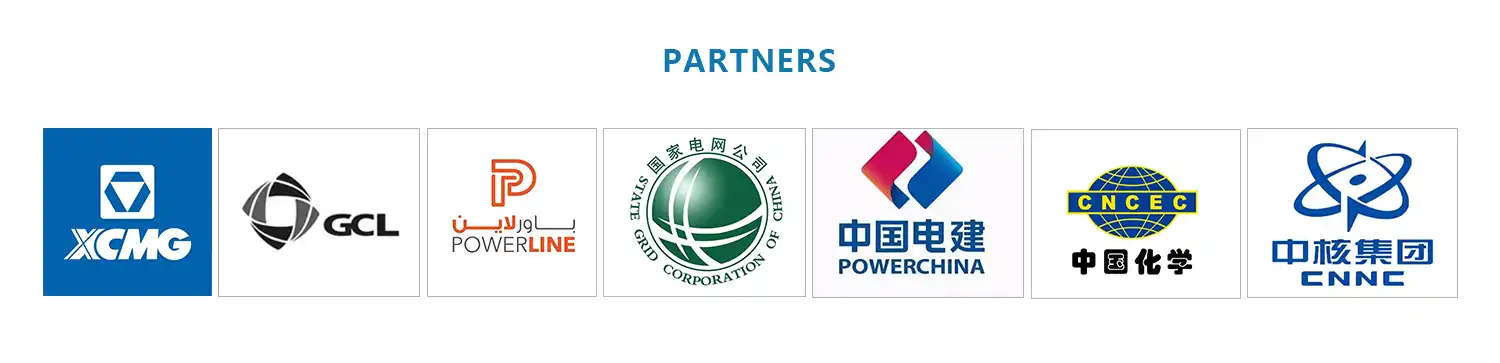
Performance in the past is a better indicator of future dependability than promises made in contracts. Ask for examples from similar projects, like government infrastructure, business developments, or industrial installations, and compare the real delivery performance to the dates that were agreed upon. We finished hundreds of important projects, like upgrading XCMG Group facilities, ahead of plan, which shows that we have actual capability, not just theoretical capacity.
Certifications show that the manufacturing process is mature. The ISO 9001 quality management system approval shows that the process is disciplined, which keeps delays from happening because of quality problems that need to be fixed. Our new ISO 14001 and OHSAS 45001 certifications show that we have complete operational excellence that goes beyond quality and includes safety and environmental management systems.
Technical Support and Warranty Comparison
Post-delivery help makes providers very different from each other. Manufacturers who give installation help, commissioning help, and user training add measured value on top of providing tools. The depth of our technical team—15 senior engineers and 17 senior technicians—ensures quick support throughout the lifecycle of a project.
The terms of the warranty should be carefully read. Know what the coverage covers, what it doesn't cover, how long it takes to respond, and if replacement parts are available. Our 25–30-year design life commitments, along with our full warranty coverage and well-documented spare parts inventory, give our customers operational security that they can't get from suppliers who don't have long-term support infrastructure.
Best Practices for Procuring Dry-Type Distribution Transformers
Strategic methods for buying get the most value for the money while reducing risk throughout the lifespan of a project. Systematic evaluation systems are used by buyers with a lot of experience.
Specification Clarity
Clear technical standards get rid of the uncertainty that leads to quotes that don't match up. Clearly define voltage values, list working conditions such as temperature ranges and altitude, and make harmonic load requirements clear with K-factor details. Our engineering team helps customers write specifications by making sure that requirements are based on real-world application situations instead of theoretical assumptions.
Supplier Qualification
Before purchasing decisions are made, suppliers are carefully evaluated. In addition to price and shipping promises, you should also look at the company's ability to manufacture, its quality control systems, and its financial stability. Factory audits show how much can be made, how complex the equipment is, and how quality control is done. Our building has CNC automatic winding machines, static vacuum casting systems, and automated foil wrapping equipment, all of which represent big investments in better production.
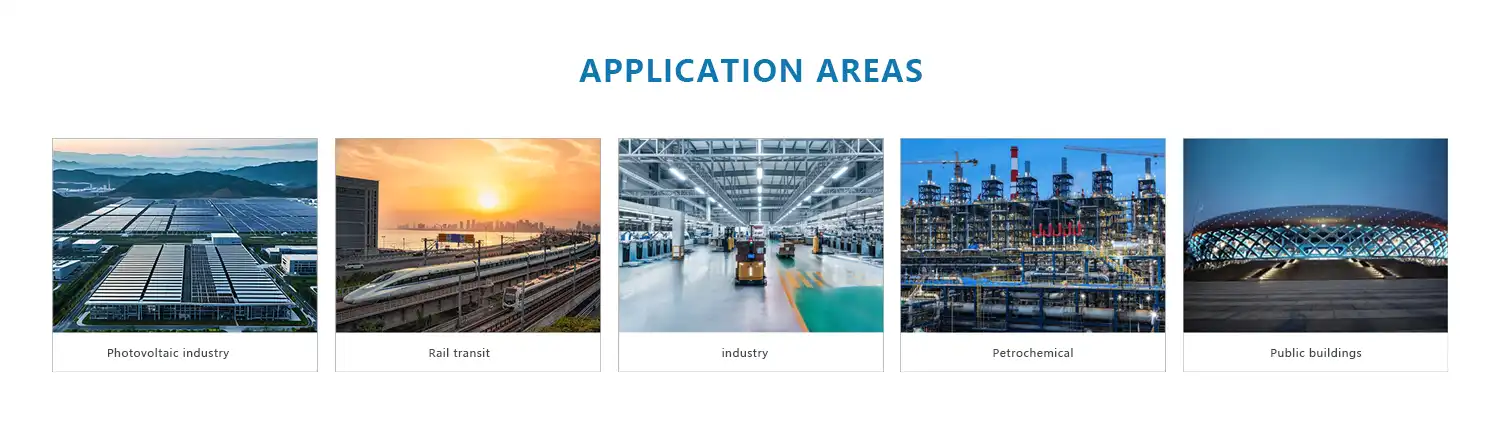
Having project knowledge gives you confidence. Suppliers who have worked on similar projects before know the unique challenges and legal requirements that come with your project. Our experience in city engineering (Xuzhou High-speed Railway East Station), business real estate (Xinhuai Central Complex), and industrial facilities (GCL Photovoltaic Industrial Park) shows that we can work in a variety of fields.
Negotiation Strategies
When you engage early, you can get better terms. Contacting manufacturers during the design development process lets you optimise the specifications in a way that balances the need for performance with the need to stay within budget. We work with project managers and EPC contractors to find cost-effective solutions that meet technical goals without making things too detailed.
Contract freedom takes into account the unknowns of a job. For phased building, staggered delivery schedules, the ability to change the amount if the design changes, and clear escalation terms for long projects protect both parties from unplanned events. Our knowledge of complicated EPC contracts helps us make flexible agreement structures that are good for everyone involved in the project.
These strategic approaches, along with our technical know-how and track record of completing projects, put procurement teams in the best position to get the best results when it comes to balancing cost, quality, delivery reliability, and the long-term support needs that are necessary for infrastructure development to go smoothly.
Conclusion
A successful transformer procurement combines looking at quotes with checking the dependability of delivery. Cost transparency, the ability to make the product, and support after the sale are what set qualified manufacturers apart from commodity suppliers. Our SCB series Dry-type distribution transformers use fire-safe epoxy glue technology that has been used in hundreds of important projects and shown to work. Buyers can be sure that the company has a lot of technical knowledge thanks to its 15 top engineers, 120 precise production units, and many certifications. Systematic supplier evaluation makes sure that equipment is reliable for 25 to 30 years of use while still meeting tight project deadlines, whether units are being specified for government infrastructure, commercial developments, or industry facilities.
FAQ
What typical lead times should I expect for dry-type distribution transformers?
For Dry-type distribution transformers, what lead times should I anticipate? Standard configurations usually take 4 to 6 weeks from the time the order is confirmed until they are finished in the factory. Customised units with specific K-factor values, voltage settings, or better enclosures make delivery times 8 to 12 weeks longer. Schedules are greatly affected by how well production capacity is being used and how readily available parts are. We keep strategic inventories of materials and flexible production schedules across our 120+ manufacturing units so that we can meet urgent needs when projects need to be delivered quickly.
How can I verify quotation accuracy and competitiveness?
How can I make sure that the quotes are correct and competitive? Ask for detailed cost breakdowns that separate costs for things like materials, building, testing, and transportation. Compare the scores for efficiency—higher values cover the original costs by saving money on running the business. Check statements of approval against real documents. Our clear pricing structures show how much each part costs, and our ISO 9001 certification proves that we have strict quality management. Ratings of 99.2% to 99.5% efficiency and compliance with IEC 60076 standards give our products measurable value that supports their high prices in a competitive market.
What warranty coverage should I expect?
What should I expect from the warranty? Reputable makers offer full coverage for 25 to 30 years, which is the expected design life. The warranty terms should cover things like manufacturing flaws, insulation problems, and how to replace parts. Check reaction times and the existence of spare parts. Our guarantee promises show that we are sure of the quality of our products, which is backed up by strict testing procedures and proven performance in the field in a wide range of settings, from rail transit systems to industrial buildings, with the help of our experienced engineering team.
Partner with Tuojie for Reliable Dry-Type Distribution Transformer Supply
Work with Tuojie to get a steady supply of Dry-type distribution transformers. You can trust Xuzhou Tuojie International Trade Co., Ltd. as a manufacturer of Dry-type distribution transformers because they give you honest quotes and finish projects on time. Our SCB line, which has powers from 30KVA to 31,500KVA, uses advanced epoxy resin insulation and has efficiency rates of 99.2% to 99.5% that meet international standards. We have the technical depth and manufacturing skills your purchase needs, with 18 patents, over 120 precision production units, and successful completion of hundreds of critical infrastructure projects. You can email our engineering team at tuojie@electricinchina.com to talk about the details of your project, get detailed quotes, and experience the one-stop service that sets us apart in competitive tender settings. You can look at all of our power delivery options at electricinchina.com.
References
1. Institute of Electrical and Electronics Engineers. (2011). IEEE Standard General Requirements for Liquid-Immersed and Dry-Type Distribution and Power Transformers. IEEE C57.12.00-2010.
2. International Electrotechnical Commission. (2018). Power Transformers - Part 11: Dry-Type Transformers. IEC 60076-11:2018 Standard Documentation.
3. National Electrical Manufacturers Association. (2016). Requirements for Liquid-Immersed Distribution, Power, and Regulating Transformers. NEMA Standards Publication TP 1-2016.
4. Kennedy, Barry W. (2008). Energy-Efficient Transformers. McGraw-Hill Professional Engineering Series, New York.
5. Heathcote, Martin J. (2007). The J&P Transformer Book: A Practical Technology of the Power Transformer, Thirteenth Edition. Newnes Publishing, Oxford.
6. United States Department of Energy. (2016). Energy Conservation Standards for Distribution Transformers: Final Rule Technical Support Document. DOE Office of Energy Efficiency and Renewable Energy.