

.webp)
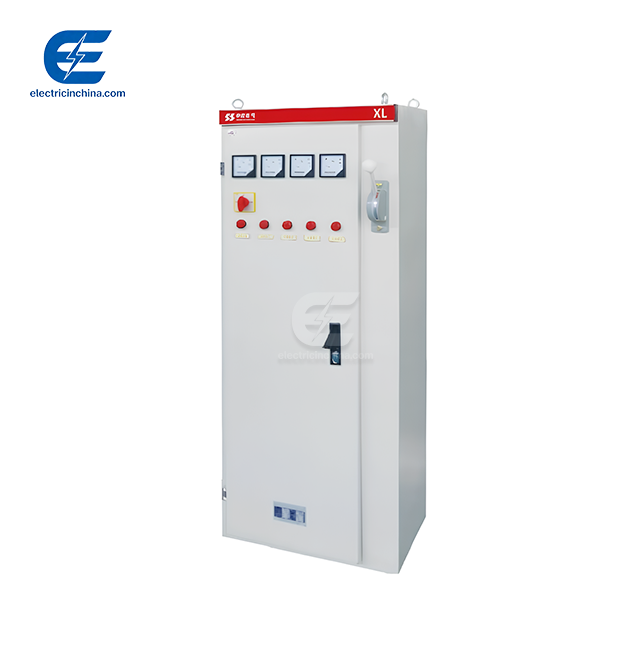
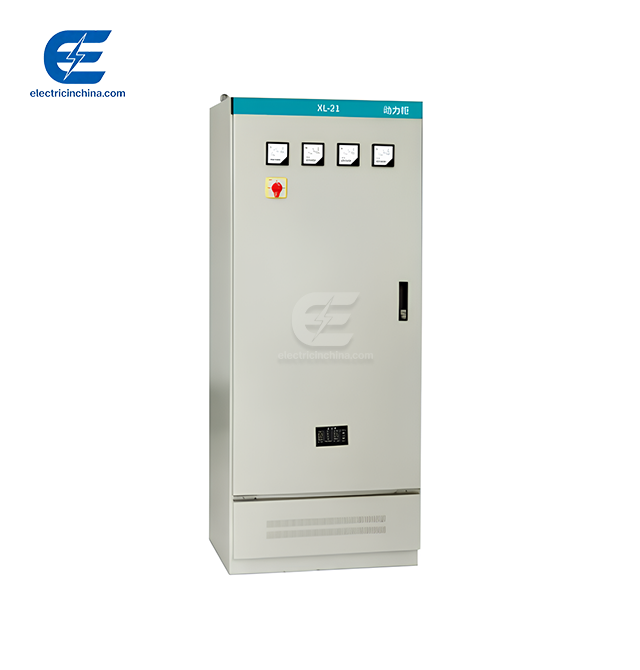
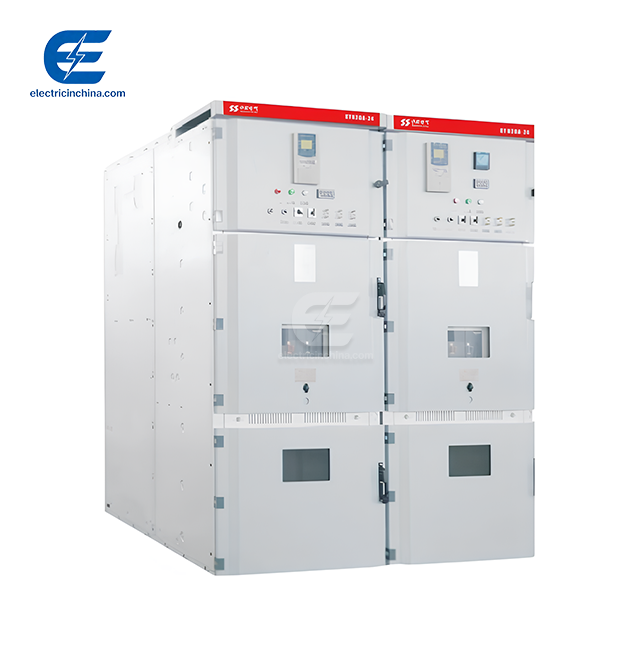
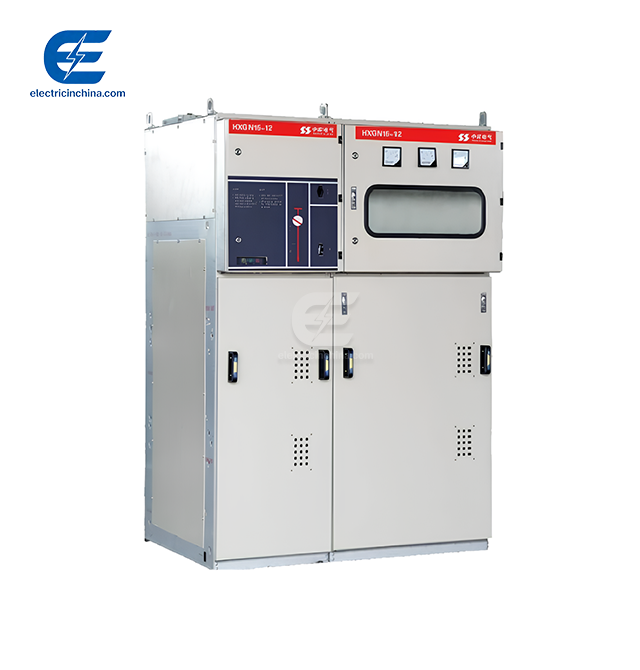
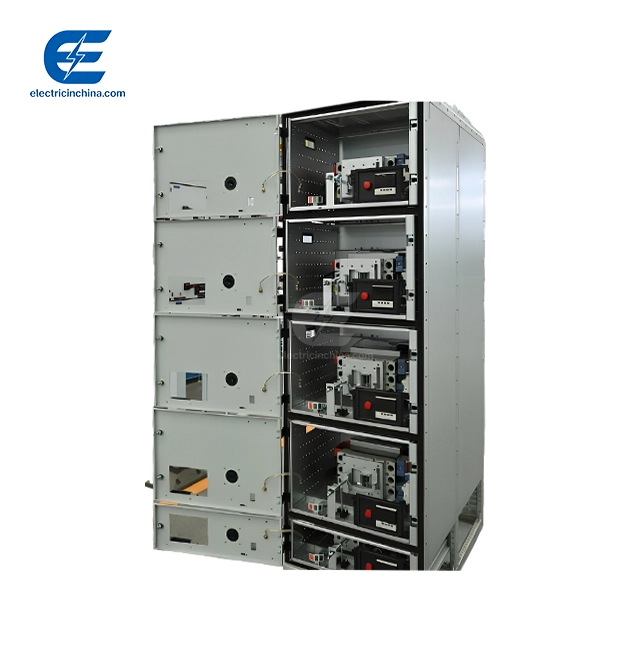
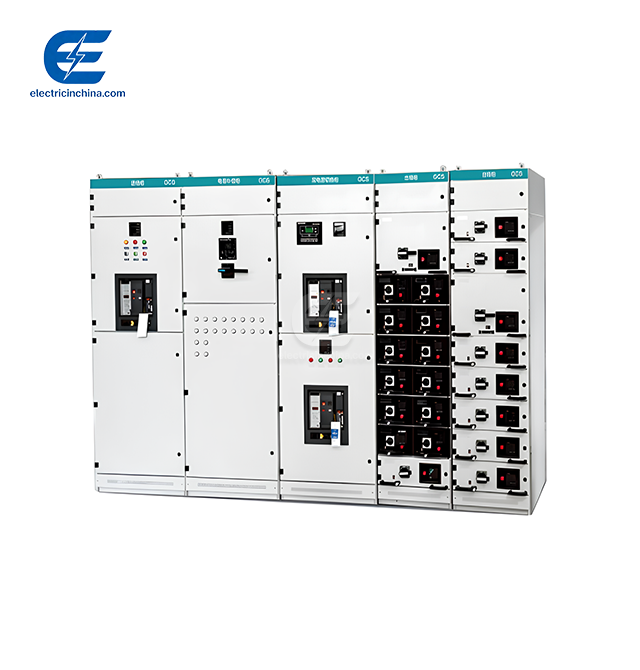
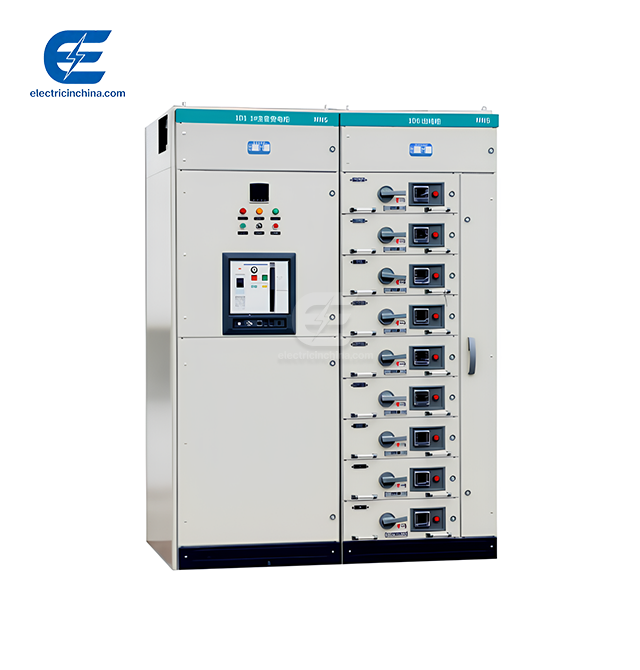
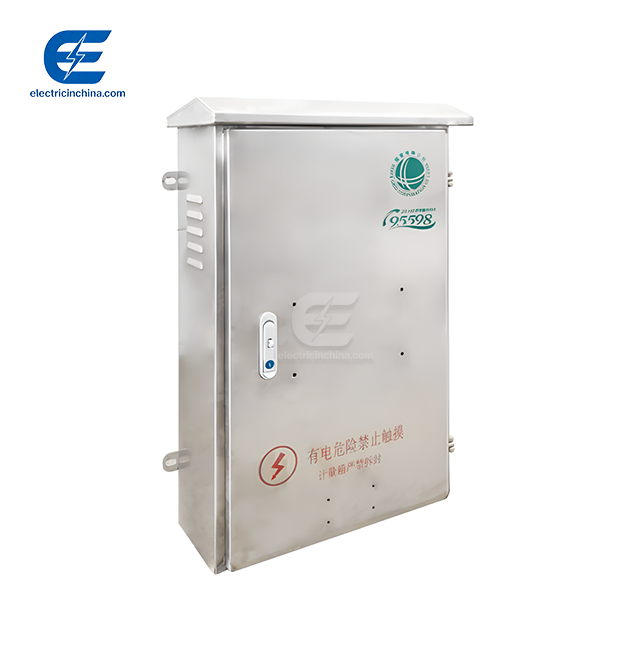
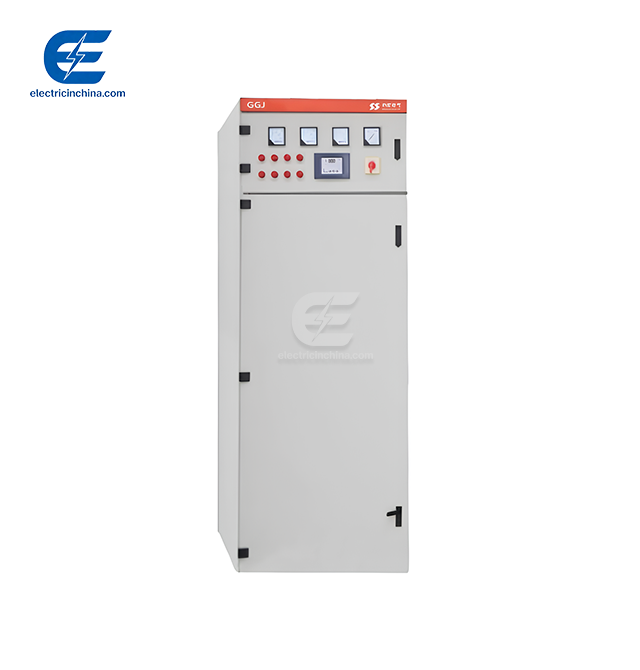
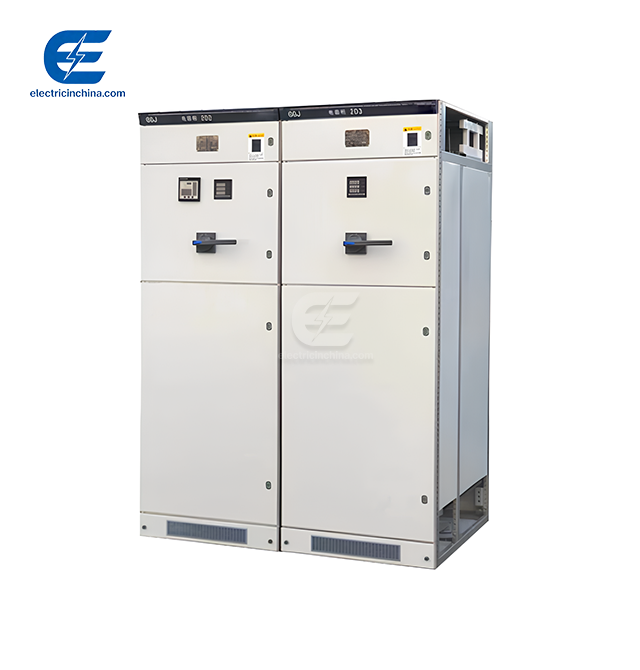
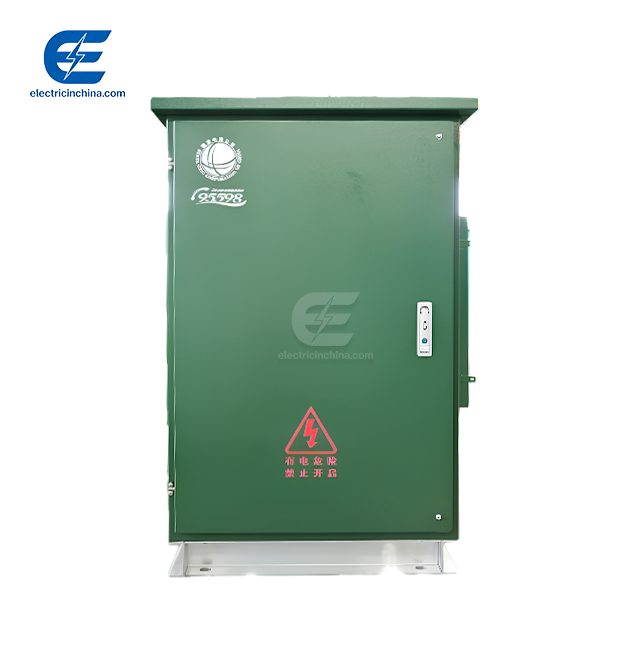
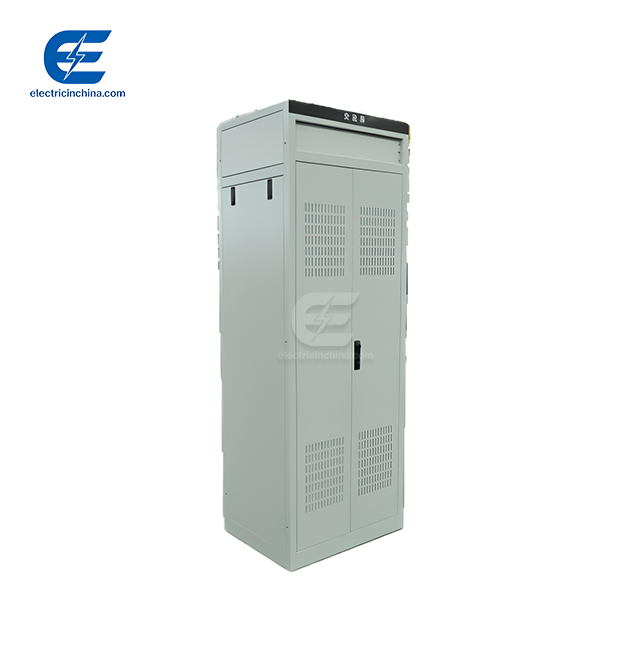
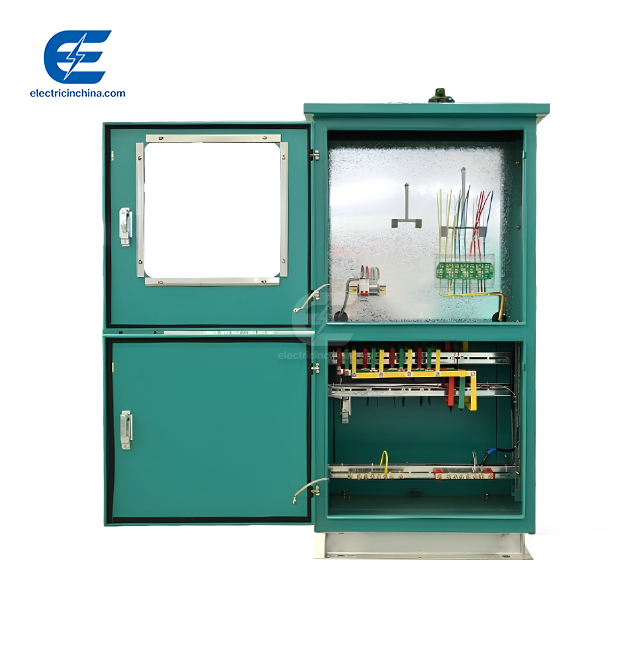
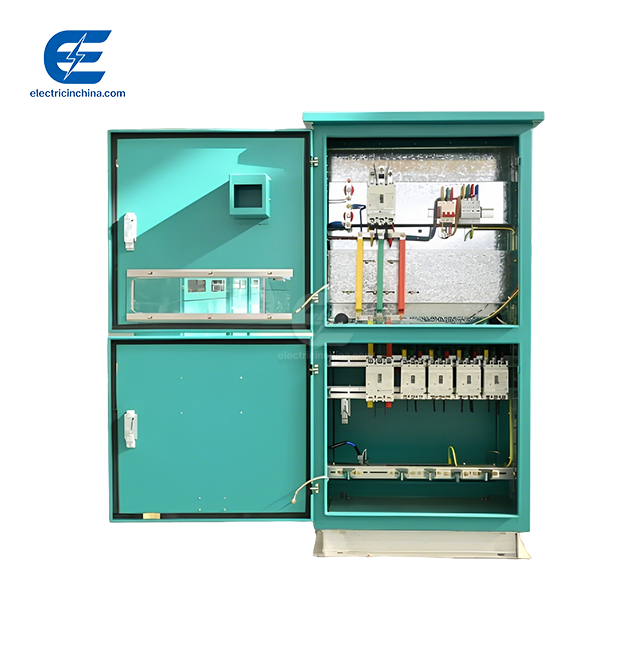
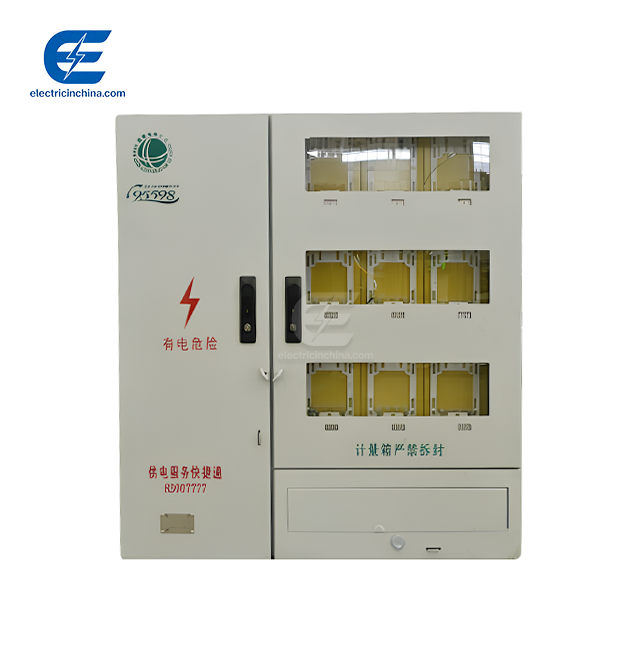
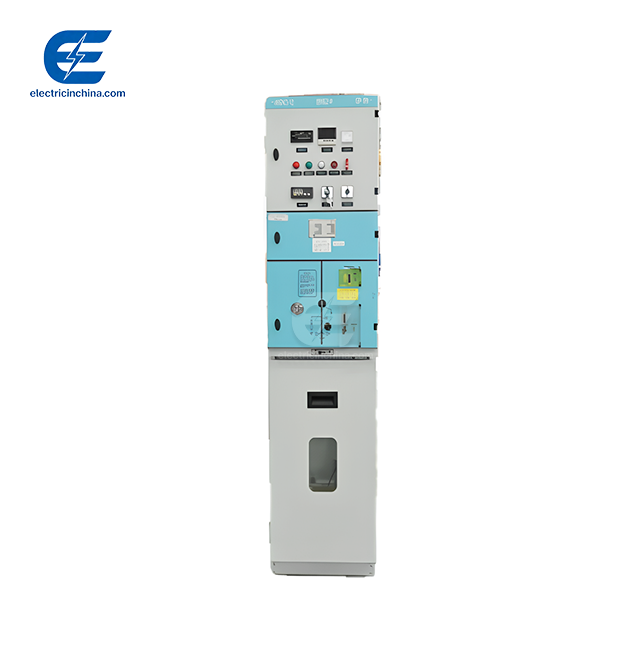
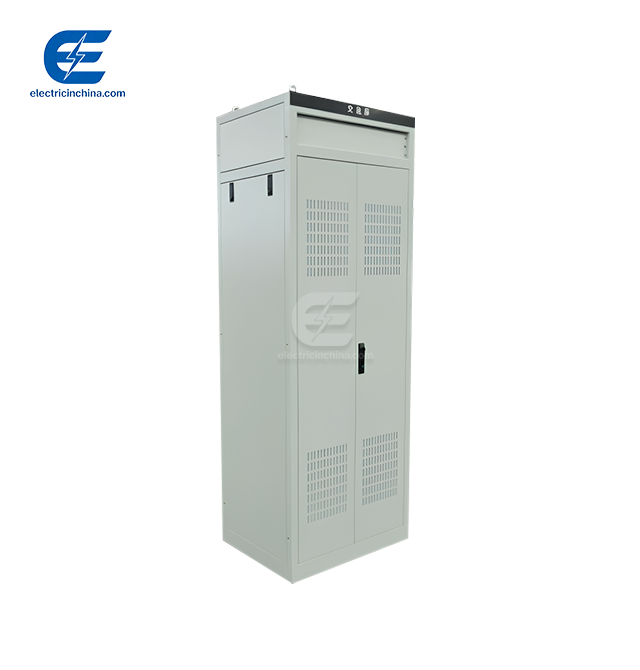
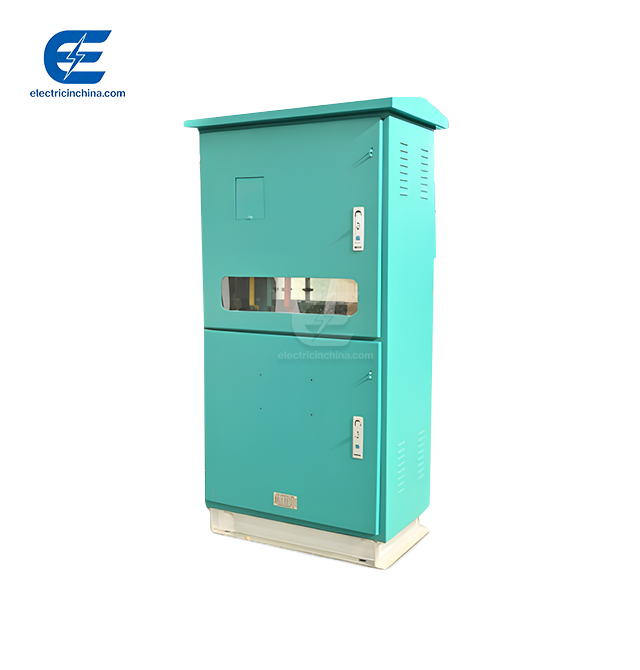
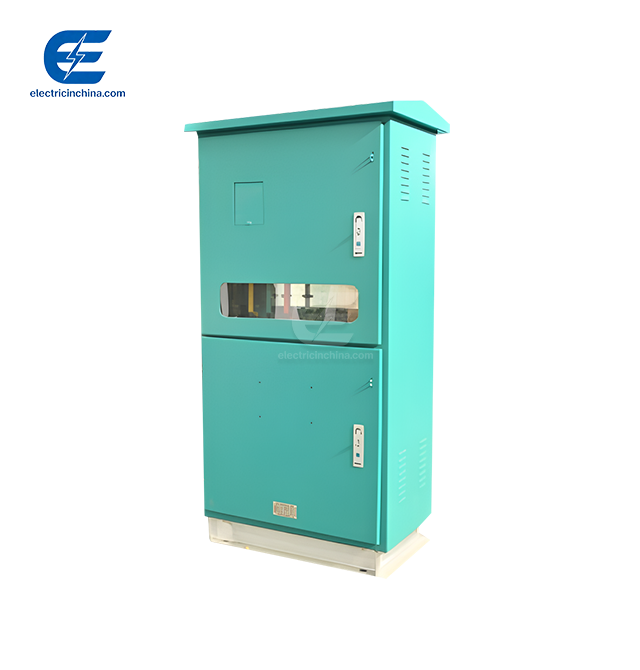
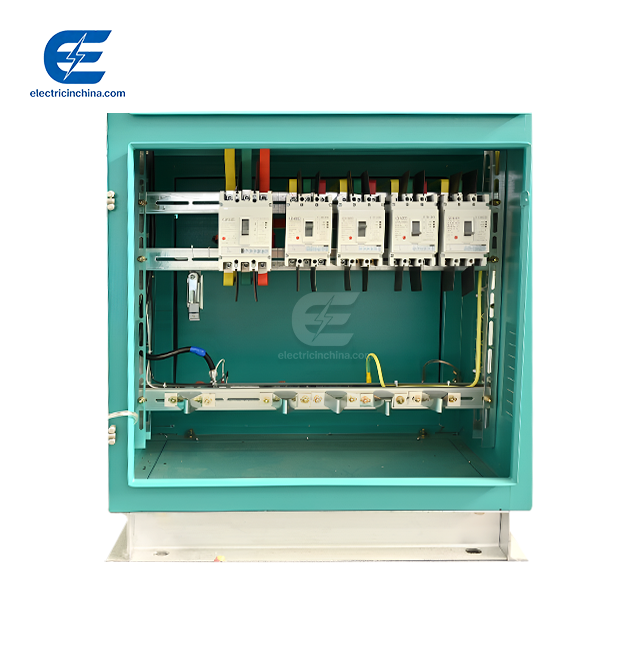
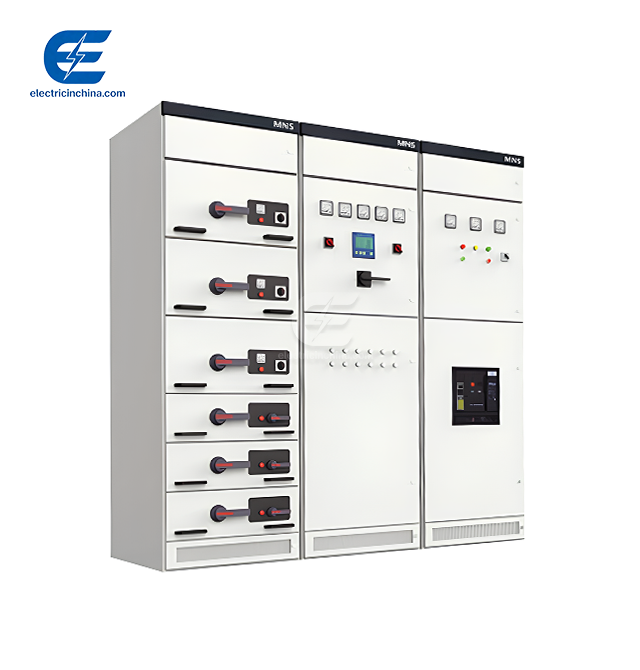
When planning power infrastructure for industrial parks, we consistently face the same challenge: how to deliver reliable electricity distribution without lengthy construction delays or compromising on quality. An Integrated Modular Substation solves this problem by pre-assembling critical electrical components—transformers, switchgear, protection relays, and control systems—into factory-tested units that arrive ready for installation. This approach eliminates coordination headaches between multiple equipment vendors and dramatically accelerates project timelines while maintaining the highest safety and performance standards that industrial operations demand.
Understanding Integrated Modular Substations and Their Role in Industrial Parks
What Makes Modular Substations Essential for Modern Industrial Parks?
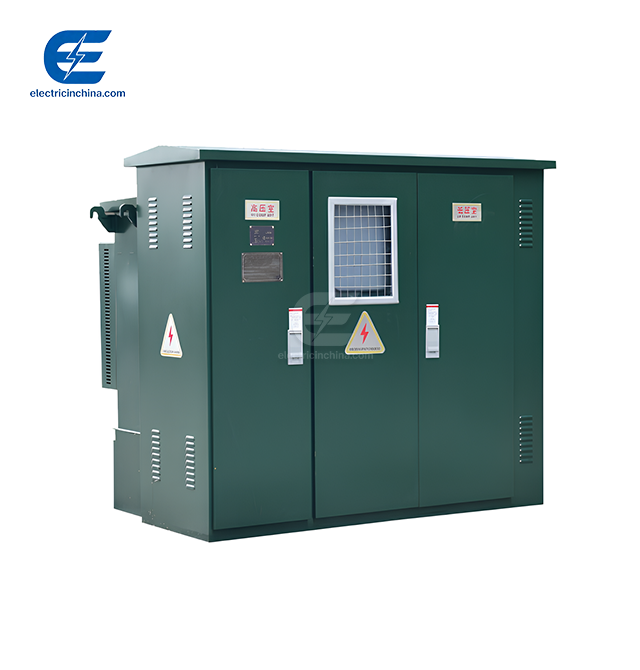
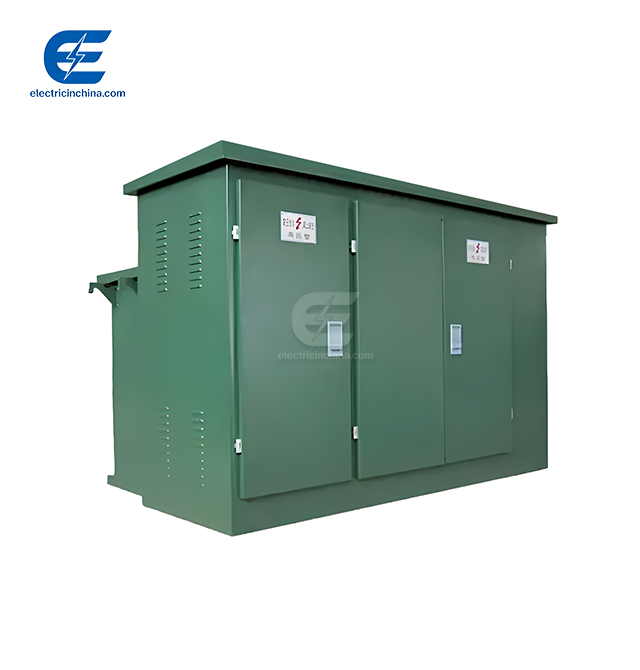
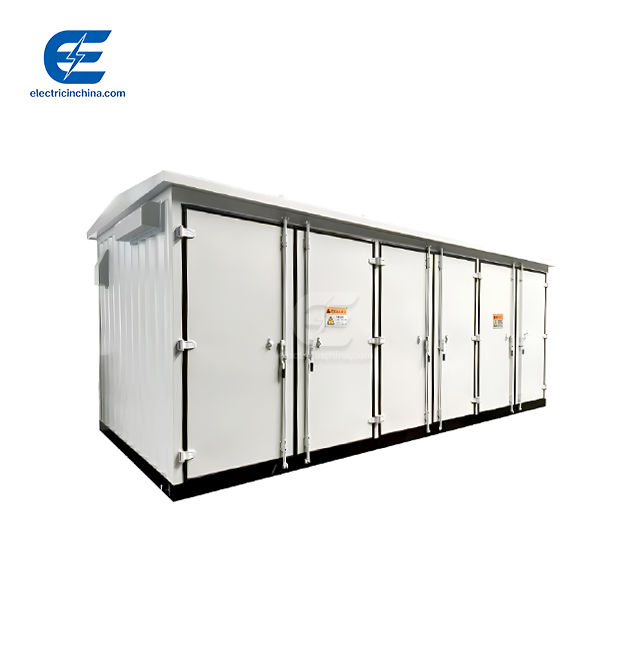
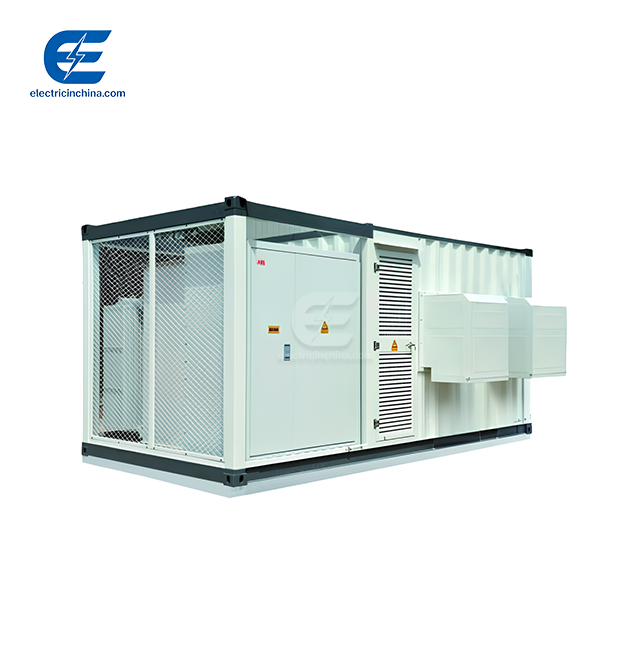
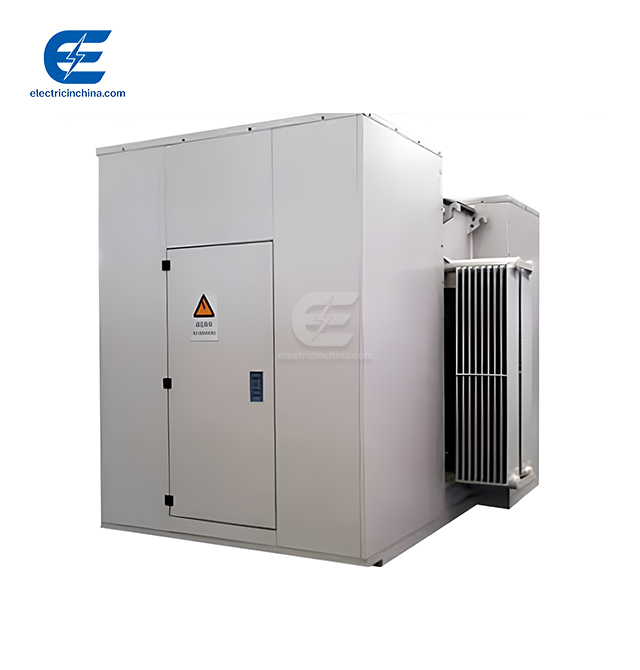
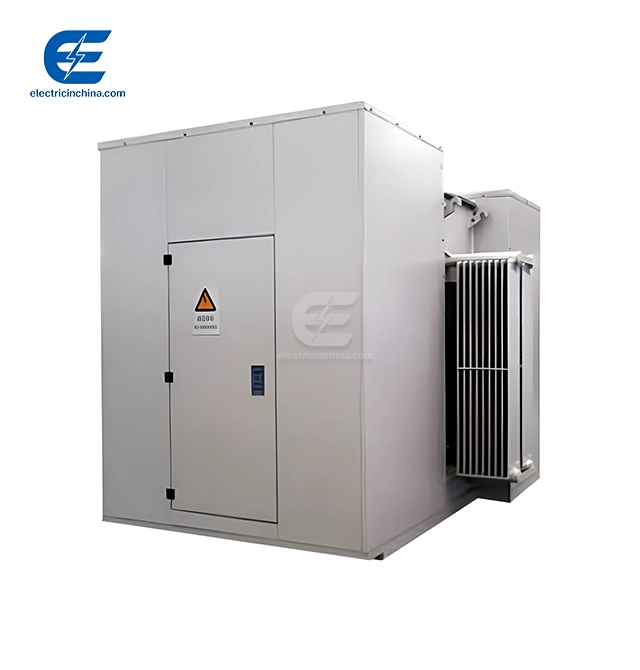
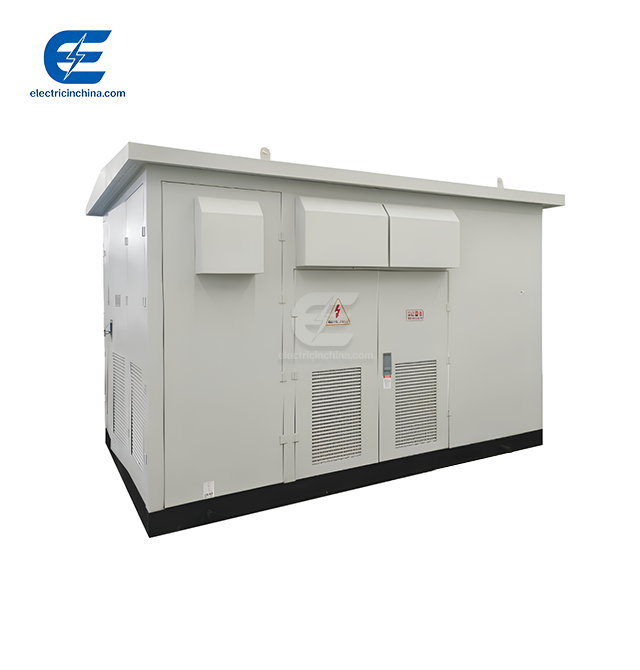
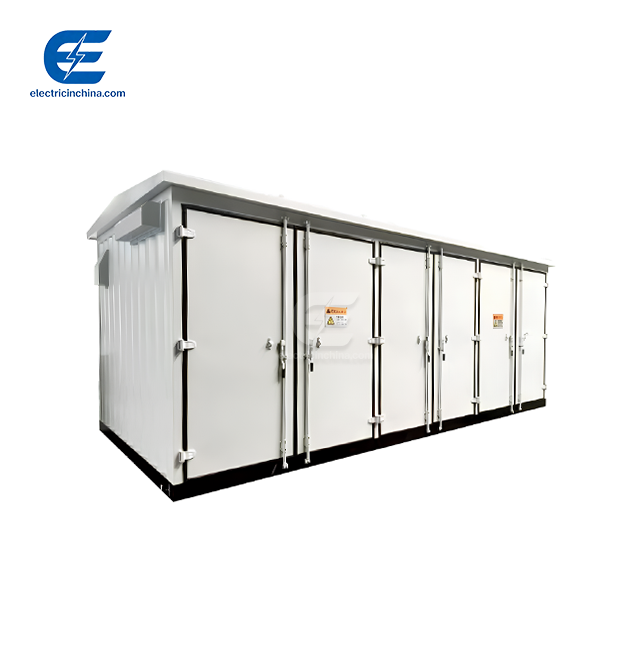
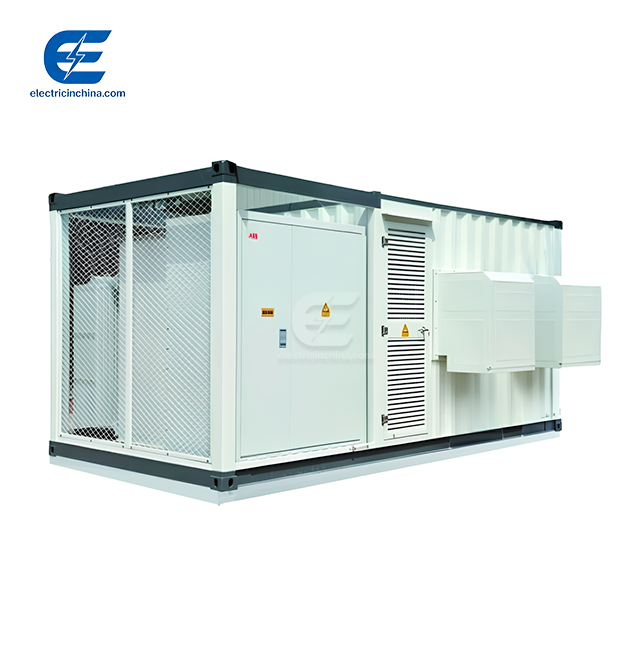
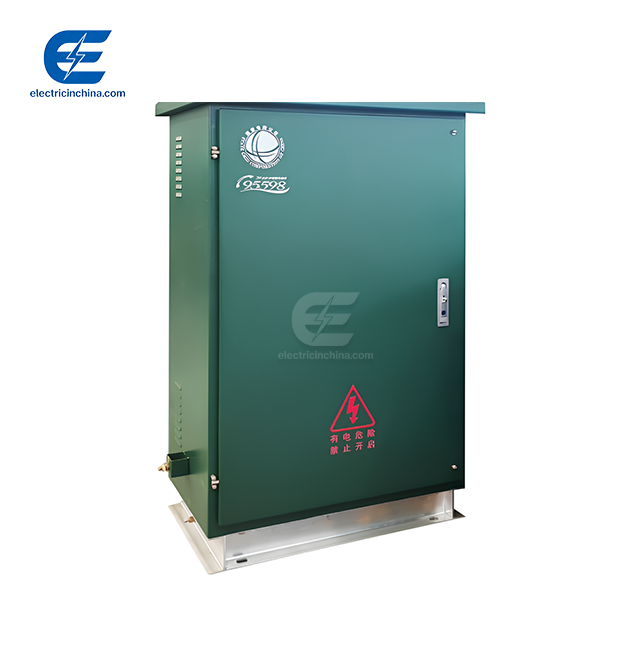
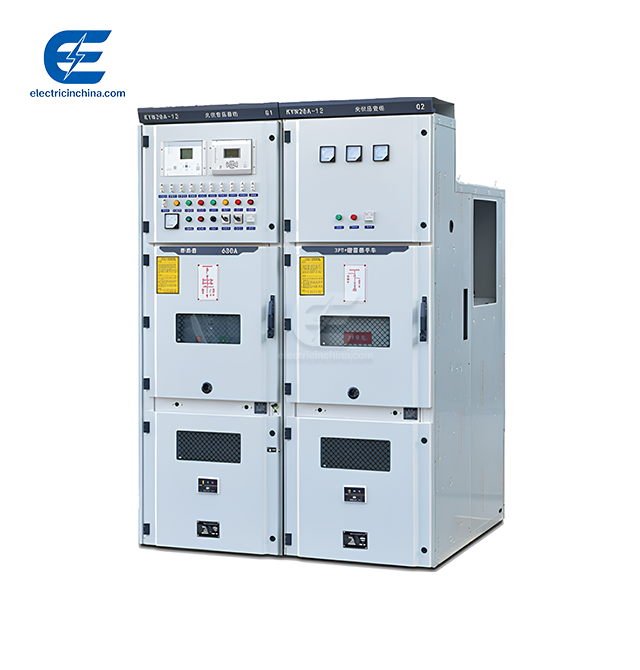
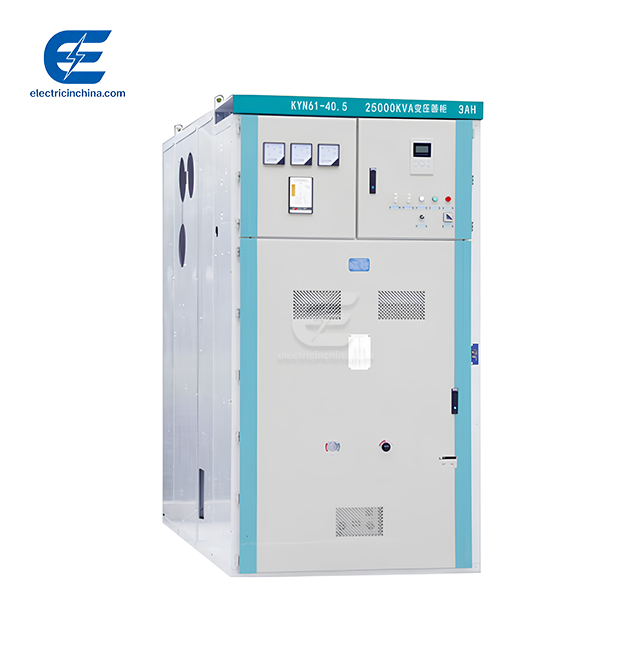
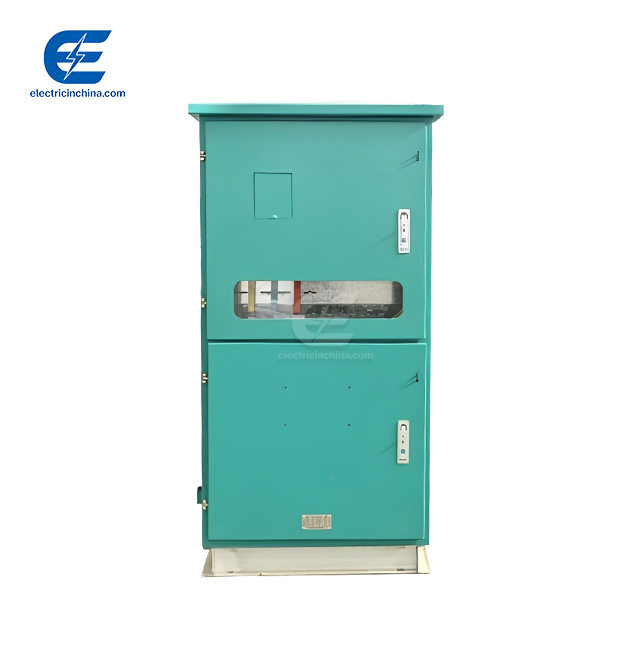
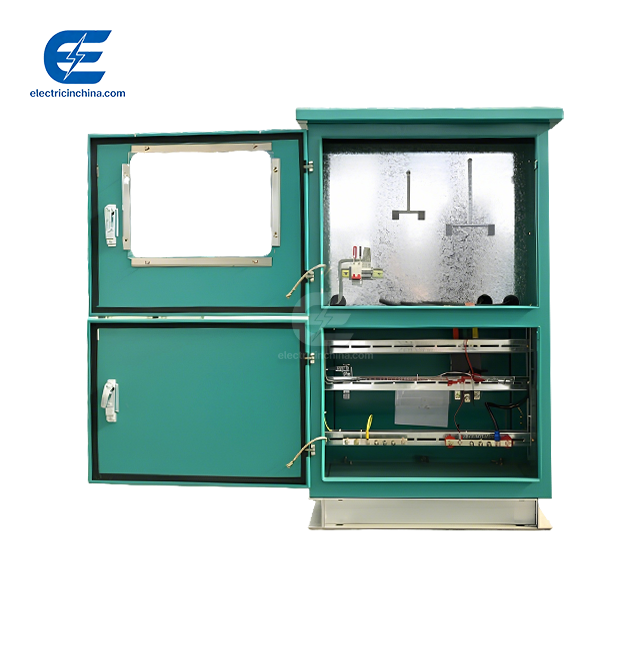
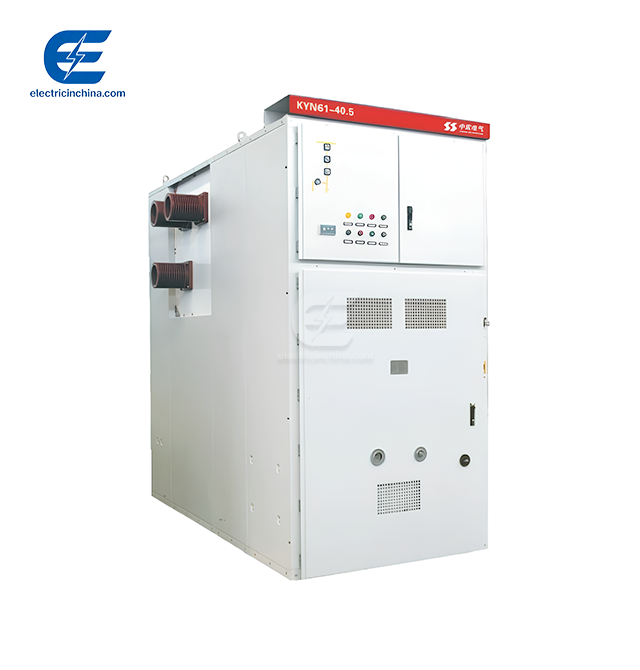
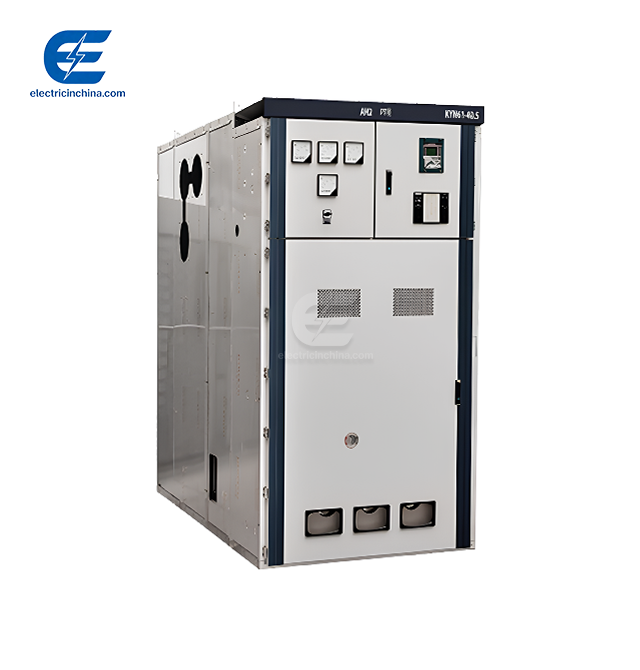
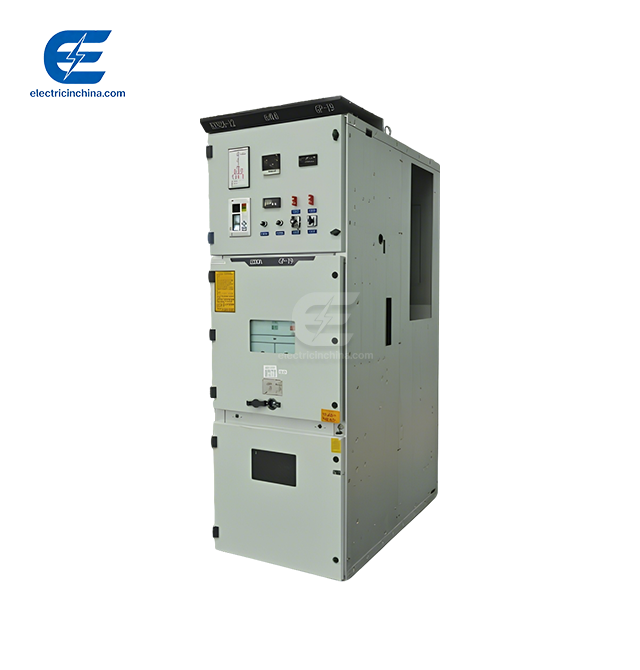
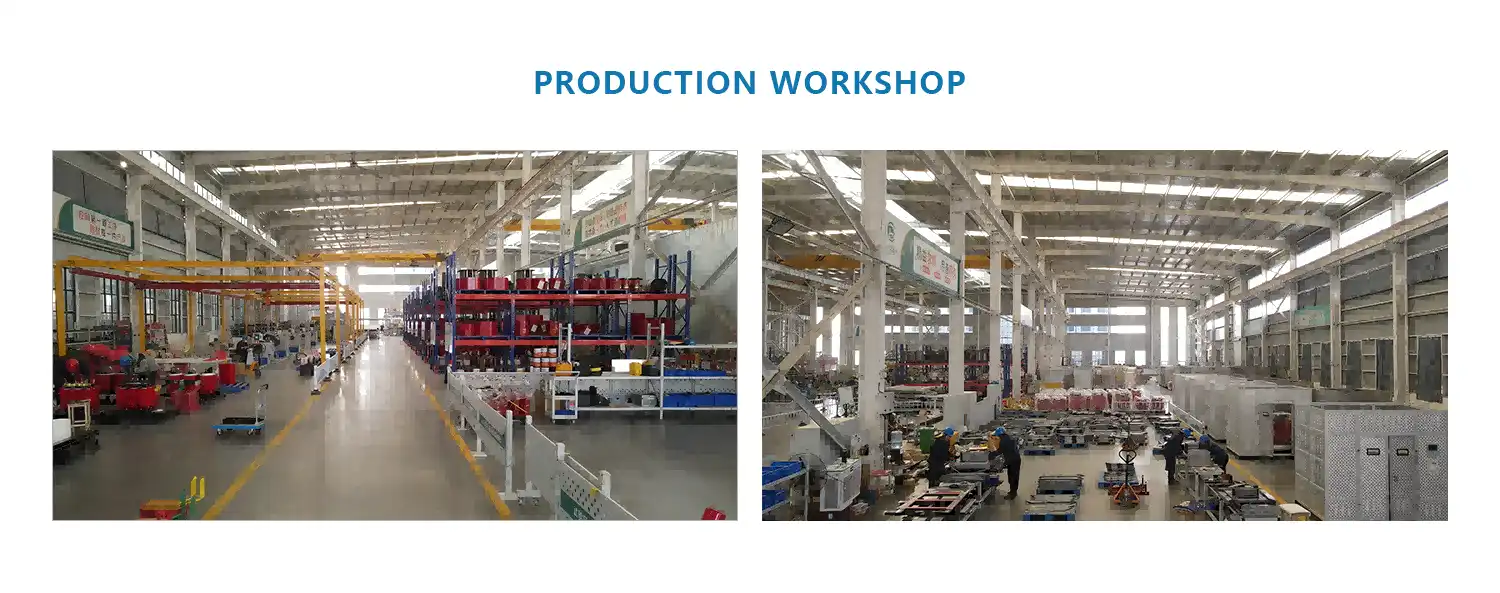
Industrial parks need electrical systems that can adapt to changing power needs and take up little space. Usually, building a substation takes months of on-site civil work, plans that depend on the weather, and a lot of planning between contractors. We solve these problems with Integrated Modular Substations that house all the main equipment in small, waterproof boxes. The design of our Integrated Modular Substation includes medium-voltage switchgear with ratings from 4.16kV to 138kV, power transformers with outputs up to 100MVA, and smart control systems that work with IEC 61850 communication protocols. Before being sent out, each module goes through full factory acceptance testing. This means that 90% of the quality control happens in our ISO 9001-certified workshop, not on your building site. This controlled factory setting ensures quality that can't be matched by assembly in the field.
Core Components That Deliver Reliable Power Distribution
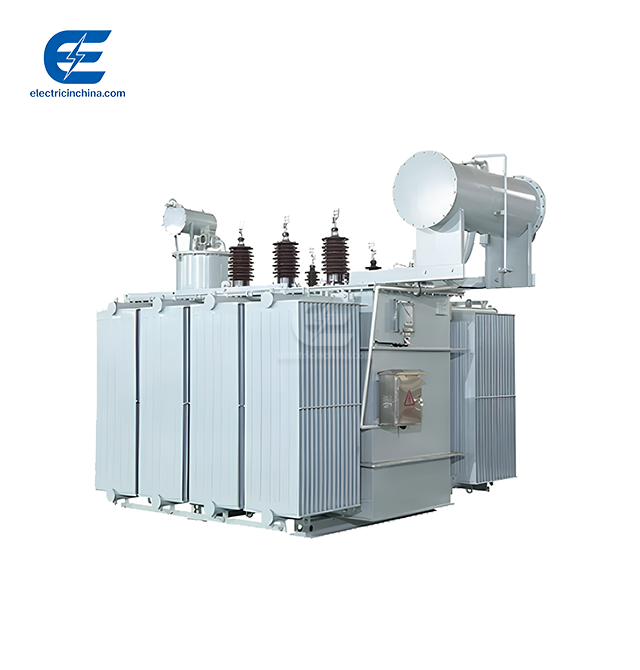
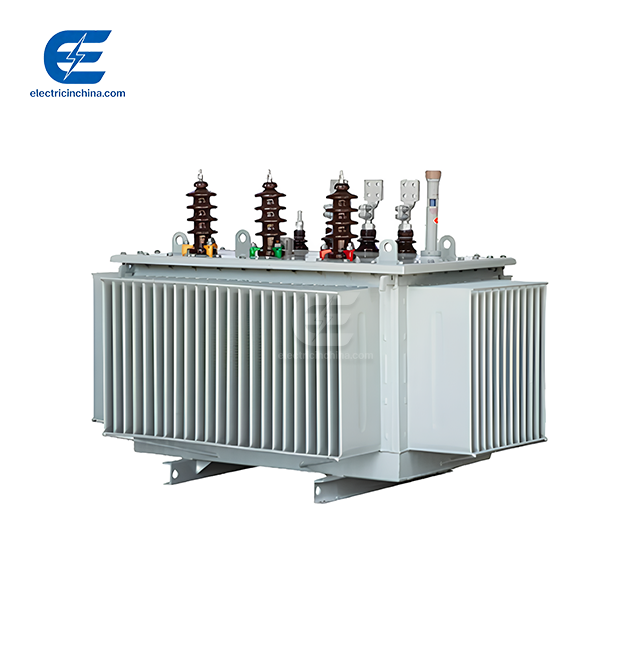
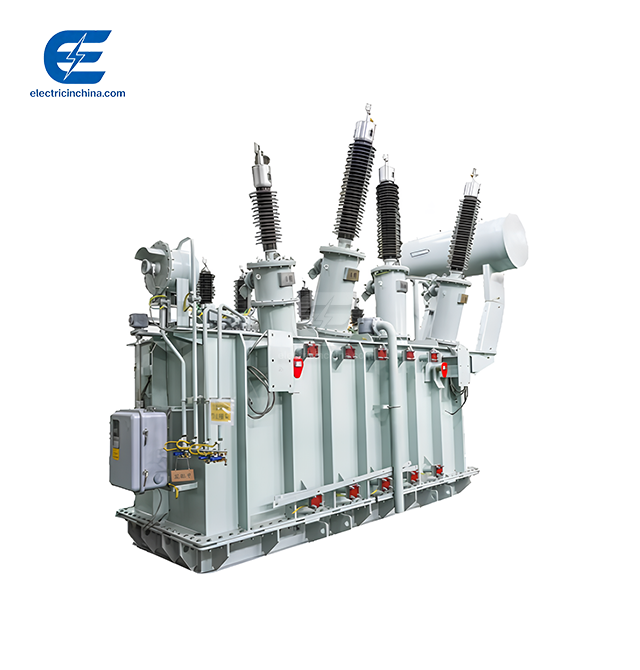
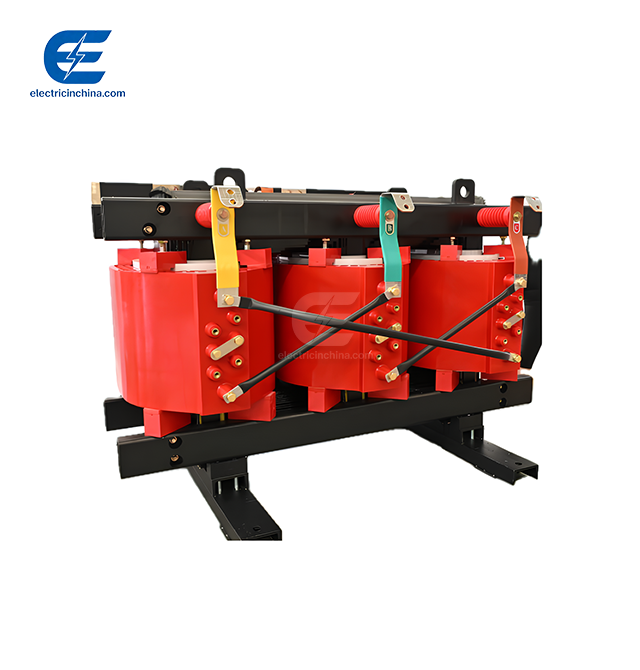
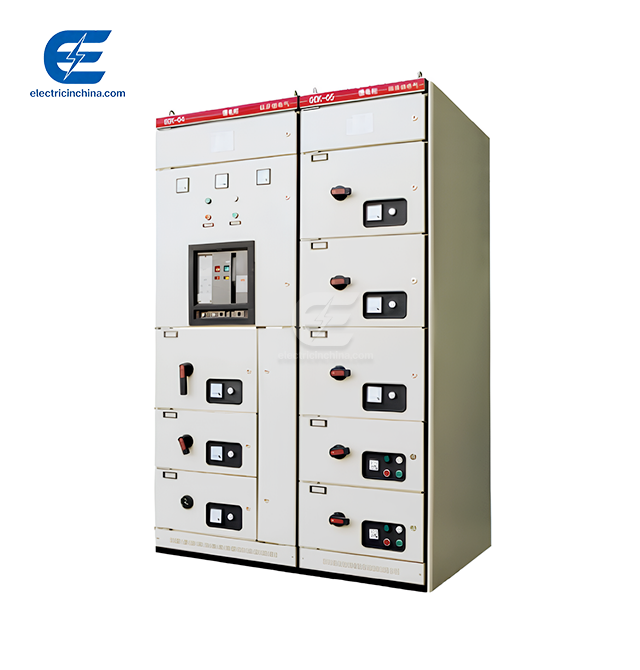
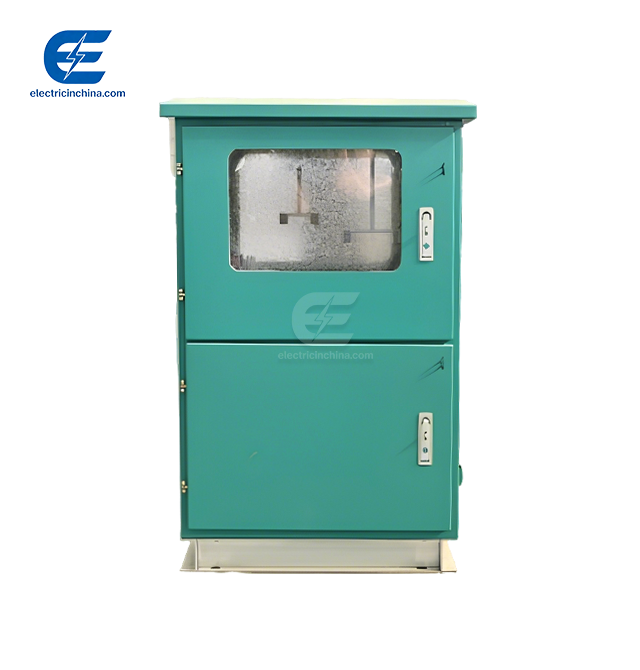
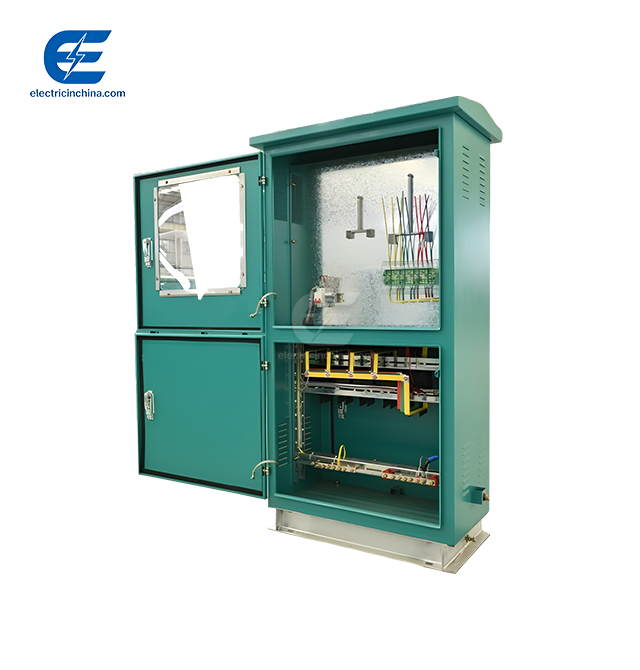
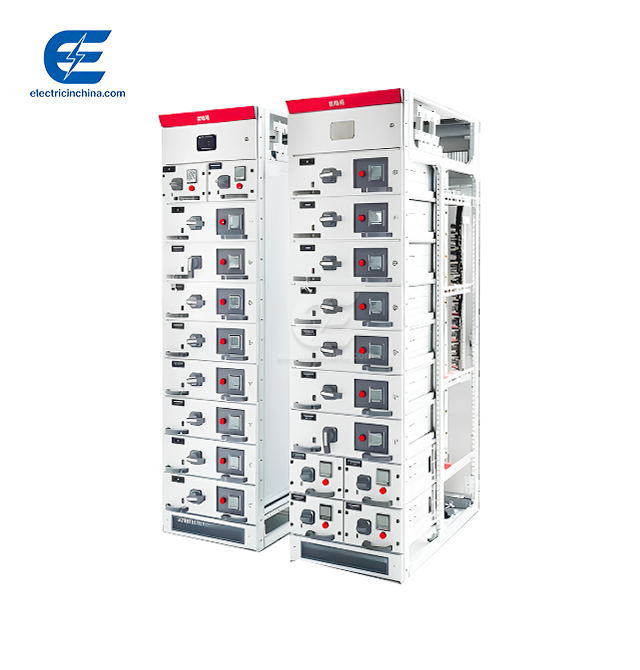
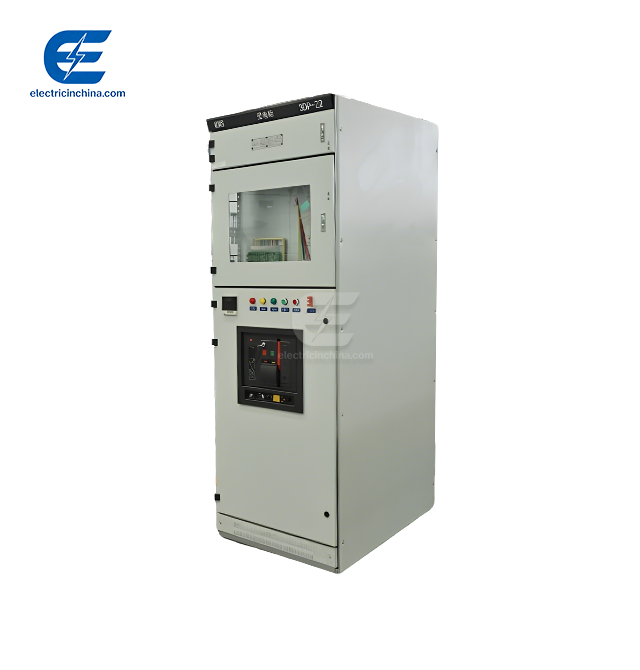
Several functional zones are built into a single area by the modular design. The transformer part steps the voltage to levels that are good for industrial loads, while the primary switchgear handles the incoming utility lines and distribution circuits. Protection and metering equipment constantly checks electrical parameters and finds faults within milliseconds to keep other equipment from getting damaged. Through SCADA integration, the control module can be used both locally and remotely. One of the biggest benefits is that it saves space. Our Integrated Modular Substations take up to 70% less space than traditional substations. This is very important in industrial parks where every square meter is valuable for growth. The small size makes it easier to install security fences and do upkeep, which lowers both the initial cost and the cost of running the asset over its lifetime.
Compliance With International Safety and Quality Standards
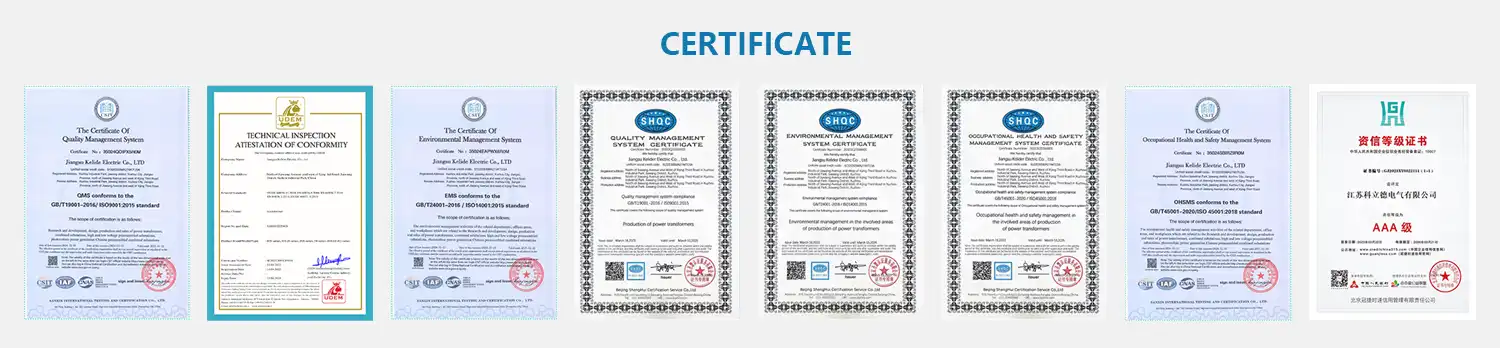
When industrial buying teams look at electrical infrastructure, they put certifications at the top of the list. For transformers, our modules meet the requirements of IEEE C57.12.00, and for metal-enclosed switchgear, they meet the requirements of the IEEE C37.20 series. Environmental protection ratings of IP54/IP65 make sure that it can work in harsh conditions, and temperature ranges from -40°C to +50°C make it work in all kinds of climates. Seismic qualification according to IEEE 693 makes sure that buildings in areas that are prone to earthquakes are safe. We have ISO 9001, ISO 14001, and OHSAS 45001 certifications for our manufacturing methods, in addition to equipment standards. All low-voltage parts have to have China's CCC approval, which shows that they follow strict safety rules. This full set of certifications meets the needs of government agencies, EPC contractors, and corporate purchasing departments that are looking at long-term partnerships with suppliers.
Comparing Integrated Modular Substations with Traditional and Compact Substations
Lifecycle Cost Analysis: Modular Versus Conventional Construction
Timelines for projects have a direct effect on investment profits. Usually, it takes 18 to 24 months from the time the design is approved until the substation is turned on. Our modular method cuts rollout time by 40–60% and gets infrastructure up and running in 6 to 12 months. This speedup comes from working on multiple tasks at the same time. For example, while the site is being prepared, we are making and testing equipment modules at the same time. With premade units, the cost of labour on-site drops by a lot. About 70% less civil work is needed because modules come in self-contained boxes that only need to be put on the ground and connected to utilities. When most of the setup is done inside, weather delays that happen when building on the field don't matter. It's also easier to buy things because you only have to deal with one responsible seller instead of coordinating with several equipment sources.
Performance Advantages Over Compact Substation Designs
While compact substations save room, they often make it harder to add on or do upkeep. Our Integrated Modular Substation design uses standard interfaces that let us increase capacity by 50 to 100 per cent without stopping service. As the number of people using an industrial park increases, you can easily add more units instead of replacing whole systems. With flexible design, it's easier to keep up with repairs. Standardised parts cut the number of extra parts that need to be kept on hand by half, which lowers costs and makes sure that replacements are always available. Condition-tracking systems keep an eye on things like the quality of the transformer oil, the wear and tear on the contacts in the switchgear, and the patterns of heat, which is used by predictive maintenance programs to plan repairs before they go wrong. This proactive approach gets 99.5% availability ratings, which means that industrial tenants have fewer problems with production.
Environmental Sustainability and Reduced Site Impact
More and more, decisions about infrastructure are affected by environmental factors. Because they are put together in a workshop, Integrated Modular Substations produce less construction trash because they can use materials more efficiently and recycle scraps. Less disturbance to the site saves ecosystems nearby, which is important for projects that are going to be built near marshes or other protected areas. Small sizes also make more land available for businesses that make money instead of utility equipment. When we build things, we pay close attention to how noise from generators and cooling equipment affects them. Acoustic barriers and vibration damping lower the noise level of operations, which is good for industrial parks that are close to residential or business areas. These benefits for the environment help get certifications for sustainable industrial development while keeping all of the electrical functions working.
Application Schemes for Integrated Modular Substations in Industrial Parks: Solution-Oriented Approach
Addressing Space Constraints in Dense Industrial Developments
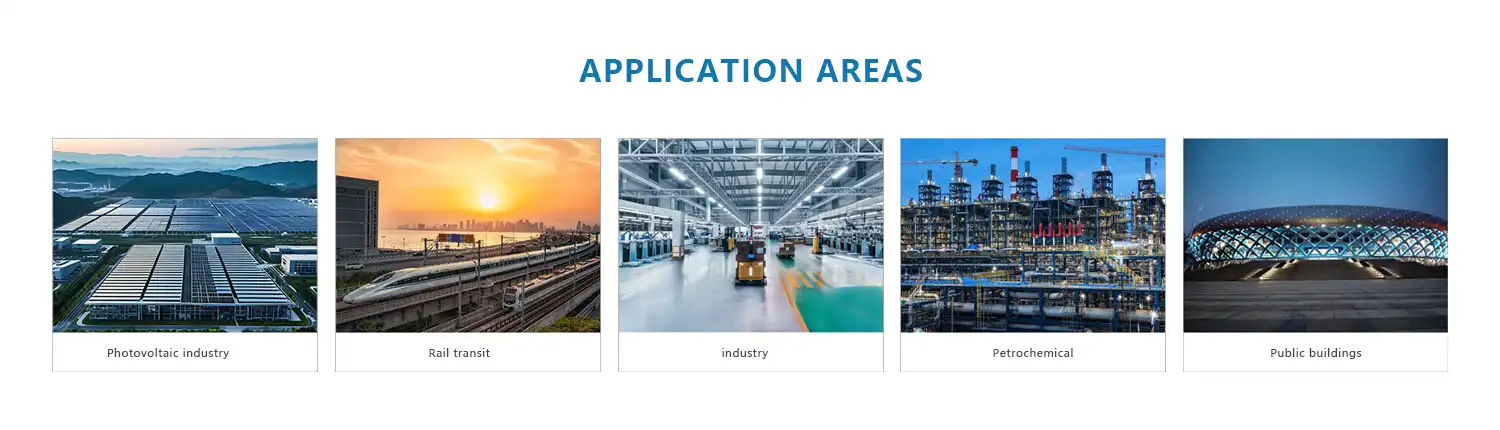
Ordinary substations just don't work in urban industrial parks because they don't have enough land. This problem was fixed for the GCL Photovoltaic Industrial Park by using vertical modular layouts that stack functional zones on top of each other. A traditional ground-mounted design took up 65% more space than this one. This gave manufacturers more room to work while still providing full N-1 redundancy for critical loads. Installations on roofs and in the ground give you even more choices for where to put them. Building compatibility is ensured by structural loading estimates, and regular repair can be done without stopping activities at ground level thanks to entry arrangements. These other sites are especially helpful for retrofit projects that need to increase the capacity of current industrial parks but don't have room to grow.
Scalable Solutions That Grow With Industrial Park Demand
As renters move into buildings and output speeds up, industrial parks go through different stages. The first power system needs to meet current needs and be able to handle future growth. Our modular method spreads out investments so that they can keep up with changing demand. In the first phase, you put in the basic capacity, and as occupancy rises, you add modules. This power to grow is shown by the Huaihai Biomedical Industrial Park project. At first, we set up a 20MVA Integrated Modular Substation with standard bus connections and extra breaker slots for future growth. When pharmaceutical companies started up again two years later, we added an extra 15MVA module during a planned weekend outage. From turning off the power to putting the growth back into service, it only took 36 hours. This is much faster than the 14 months it would take to add a standard substation.
Integration of Primary and Secondary Systems for Seamless Operation
For power distribution to work well, main systems (like transformers and circuit breakers) and secondary systems (like safety relays, control logic, and communication networks) must work together. Factory integration makes sure that all of these parts work perfectly together. Protection coordination studies are programmed into relay settings before they are shipped. This gets rid of the need for trial-and-error setup that happens with systems that are put together in the field. In industrial settings, communication methods need extra care. Our systems work with many standards, like Modbus, DNP3, and IEC 61850, so they can be connected to many different SCADA platforms and building management systems. Cybersecurity features that meet NERC CIP standards keep critical infrastructure safe from people who shouldn't be able to access it while still letting authorised users monitor and control operations.
Real-World Case Studies Demonstrating Measurable Results
The XCMG Group factory upgrade project showed what we could do in tough situations. The client needed to keep making things while the electricity equipment was being changed, so long outages were not an option. We created a mobile Integrated Modular Substation that could temporarily work with the current system and move loads in a controlled way. After a while, it became the permanent installation. The job was finished two months early, which saved the client a lot of money on carrying costs. Complete dependability is needed for municipal projects. Dual-circuit Integrated Modular Substations with automatic transfer switching were built into the Xuzhou Rail Transit Network Control Center as part of our work. Before being sent out, we tested each unit fully charged at its rated voltage and current levels in our own factory. This made sure that the protections worked together and the controls were properly integrated. Since it was put into service, the system has kept running even when the power went out several times, proving that the design redundancy was correct.
Harsh conditions, such as corrosive air, extreme temperatures, and high amounts of vibration, are common in industrial factory settings. The Integrated Modular Substations we sold to chemical processing plants are better at protecting the environment because they have epoxy-coated housings and sealed cable entryways that keep their IP65 ratings. Temperature management systems use heat exchangers and forced ventilation to keep equipment inside within its operating range even when the outside temperature is above 40°C.
Procurement Insights: How to Choose and Buy Integrated Modular Substations
Evaluating Supplier Qualifications and Technical Capabilities
Picking the right Integrated Modular Substation supplier can have long-lasting effects on the success of a project. We suggest looking at technical details beyond catalogues of tools. There are 15 senior engineers on our team, and they are experts in protecting power systems, managing heat, and designing structures. This feature lets you make your own settings that fit the needs of your site instead of making projects to use standard templates.
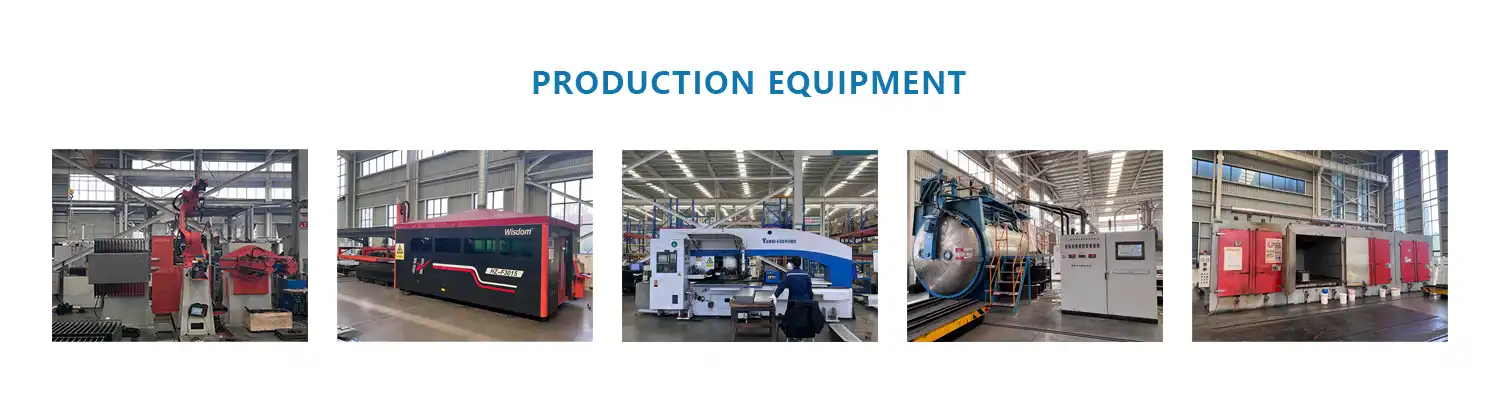
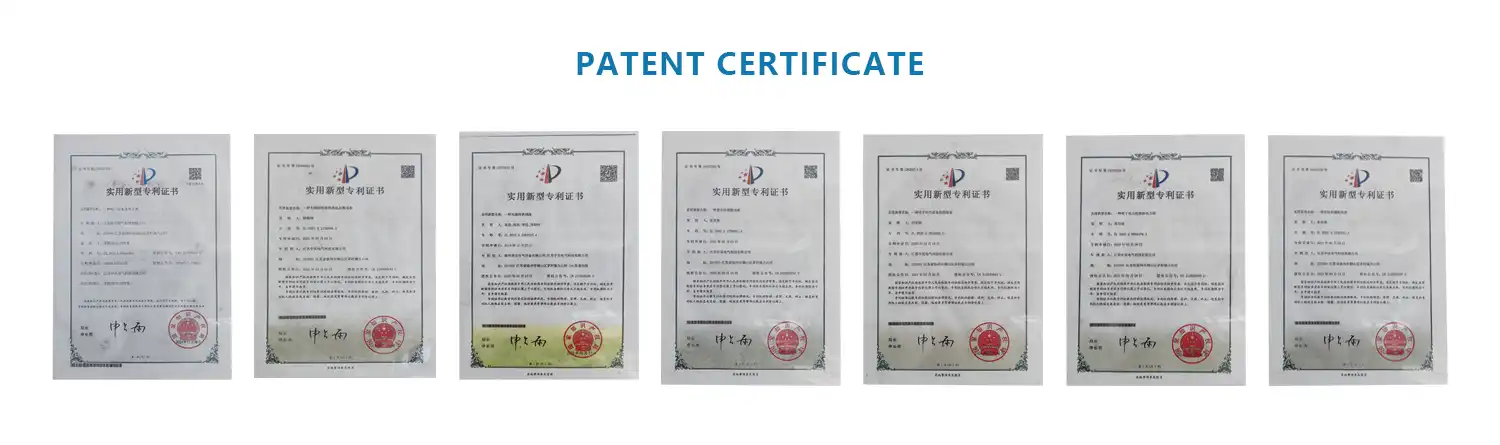
Quality uniformity is based on how well a product can be made. We run more than 120 production systems, such as computer-controlled curing furnaces for epoxy parts, vacuum casting equipment for insulation systems, and CNC automatic winding machines for transformers. These high-tech tools make sure that measurements are correct and that materials have the right properties, which can't be done by hand. Our 18 patents cover new ways to use modular connections, handle heat, and make monitoring systems that work with other systems.
You can be sure of long-term performance with quality control tools. In addition to ISO 9001 approval, you should also check to see if providers do thorough testing. On every transformer, we test its ability to withstand power frequency, its impulse voltage, and its partial discharge. At certified labs, switchgear is put through mechanical endurance tests for 10,000 operations and short-circuit current tests. This level of strictness finds possible problems during production, not after they have been installed at your facility.
Understanding Total Cost of Ownership Beyond Purchase Price
The initial cost of an item is only one part of its lifetime costs. Transportation procedures affect budgets. Our Integrated Modular Substations are the right size for normal transport according to the DOT, so we don't have to pay a lot of money for special permits and route surveys. Installation costs depend on how hard it is to connect utilities and how much work needs to be done to prepare the spot. During the engineering phase, we give you detailed foundation drawings and connection specifications. This keeps you from having to make expensive changes in the field.
Over decades, operating costs add up. Transformers and switches lose energy, which means that power costs keep going up. Our designs are the most efficient possible, and the losses in the transformers meet DOE standards for efficiency. Maintenance intervals affect both the cost of labour and the amount of downtime. Standardised parts make procedures easier and cut down on service time. Having spare parts on hand makes sure that repairs can be done quickly when a part breaks. We keep important items in stock and provide written cross-references to manufacturer part numbers for items that can be bought through distribution channels.
Your investment is safe because of the warranty terms and service help. We offer full two-year guarantees that cover the whole system, and power units are covered for an extra ten years. Our technical team can fix problems without having to go to the spot, which speeds up response time. When they have to do field repair, our experts know how the whole system works, not just the parts that make it up.
Customization Options for Specific Industrial Power Requirements
Standard fully integrated modular substation layouts work well for many uses, but industrial parks often have their own specific needs. Filtering gear is needed because variable frequency drives and non-linear loads cause harmonic distortion. Adding renewable energy needs special ways to keep it safe and to make up for reactive power. We change the module specs to fit these needs while keeping the standard connections so that they can be used for future growth.
Needs for voltage regulation depend on the type of load and the stability of the utility supply. We have automatic voltage regulators, load tap changing transformers, and capacitor banks built into modular enclosures. Control software makes sure that these devices work together to provide the best power quality without any help from a user. Protection coordination studies, arc flash analyses, and short-circuit estimates are all part of documentation packages. These are signed by professional engineers who are licensed in your state.
Adapting to the environment is more than just judging temperatures. Marine-grade coatings and stainless steel tools are needed to protect against rust better in coastal areas. Because the dielectric strength is lower at high elevations, the insulation coordination needs to be changed. In seismic zones, structures need to be stronger, and their links need to be able to bend. Because we think about these things during the engineering design phase, we don't have to pay for expensive fixes after installation when we find that they don't work together.
Future Trends and Technology Advancements in Integrated Modular Substations for Industrial Parks
Smart Grid Integration and IoT-Enabled Monitoring
Electrical grid management is changing because of digital change. Modern Integrated Modular Substations have monitors that check a huge number of factors, such as the temperature of the transformers, the amount of oil, the activity of partial discharges, the resistance of the contacts in the switchgear and the weather. Analytics platforms use these streams of data to find problems before they become failures.
IoT connection makes it possible to operate substations from afar, which wasn't possible with traditional substations. Our built-in control systems can connect securely to the internet via cellular modems or fibre networks. This lets operators see the status in real time, change settings, and respond to alarms from central control rooms. This feature lowers the number of workers needed at faraway industrial sites and speeds up response times when something goes wrong.
More attention is being paid to cybersecurity as connectivity grows. We use defence-in-depth methods like separating networks, encrypting communications, and controlling access based on roles. Our technical team keeps an eye on security bulletins from equipment manufacturers and industry working groups and applies them to regular firmware updates that fix new security holes.
Artificial Intelligence Applications for Predictive Maintenance
Maintenance used to be based on plans, but machine learning techniques change that to condition-based interventions. AI systems can tell when a part will break weeks or months before it does by looking at patterns in past data. Trends in transformer dissolved gas measurements show that shielding problems are getting worse. High-resistance links in circuits can be found using thermal imaging. Monitoring partial discharge shows where cables and bushings lack insulation.
These predictive skills make the best use of repair funds. You change parts based on their real state instead of conservative time frames. This keeps the reliability of the equipment while extending its life. Maintenance windows work with production schedules to keep industrial operations running as smoothly as possible. The data also helps with capital planning by letting you guess when it will be time to replace or fix up big pieces of equipment.
Sustainable Materials and Green Energy Alignment
Because SF6 gas can cause global warming, environmental laws are making it harder to use in traditional switchgear. We have options to SF₆ that don't use it, like vacuum interrupters and air-insulated designs that get rid of this problem while keeping the same level of speed. These environmentally friendly choices are in line with companies' promises to be more sustainable and with what regulators may need in the future.
Adding green energy to industrial parks is easier with Integrated Modular Substations. Solar panels and wind turbines need special tools to link to the power grid. This includes anti-islanding security, grid synchronisation controls, and reactive power management. These features are built into our modules, which makes deploying distributed generation easier. In the same way, energy storage systems work with peak shaving, demand response programmes, and backup power applications.
The principles of the circular economy affect how products are made. We use recyclable materials whenever we can and make sure that assemblies can be taken apart at the end of their useful life. The cores and windings of transformers can be easily separated for material salvage. Composite materials make recycling harder, so steel casings are better. This method is better for the environment and might help get back some of the money spent on old equipment when it's time to retire after many years of use.
Conclusion
Electrical infrastructure in modern industrial parks needs to be fast, reliable, and flexible. These needs are met by Integrated Modular Substation technology, which has factory-tested integration, standard parts, and flexible layouts that can be changed as power needs change. Our track record of success in local, commercial, and industrial projects shows the real benefits: faster rollout, better quality control, and lower running costs compared to traditional methods. Digital monitoring, predictive analytics, and environmentally friendly design are all ways that the technology keeps getting better. This makes these systems ready for the future and ready to solve problems with industrial power distribution.
FAQ
How long does typical installation take for an Integrated Modular Substation in an industrial park?
Installation times vary depending on the site and how well the utilities are coordinated, but they are usually between 6 and 12 months from the time the order is placed to the time the system is turned on. This schedule includes making the modules (3–4 months), transporting them (2–4 weeks), building the foundations (4-6 weeks), putting them in place and connecting them (2–3 weeks), and starting up the system (1-2 weeks). Factory pre-assembly cuts down on the time needed to build an Integrated Modular Substation by 40 to 60 per cent compared to traditional field-building.
What customization options exist for specific industrial power requirements?
We make sure that the voltage levels, transformer capacities, switchgear configurations, protection plans, and control systems we use are right for your load profile and the needs of the utility interface. Harmonic filtering, power factor adjustment, automatic voltage control, and tools for connecting green energy sources are all built into standard module footprints. Environmental changes take into account things like high or low temperatures, toxic atmospheres, earthquakes, and altitude by using special materials and strengthening the structure.
How do modular substations achieve 99.5% availability ratings?
High dependability comes from having multiple safety systems, testing everything in the factory, and being able to plan repairs ahead of time. Before shipping, we test the whole thing at full power at the recommended voltage and current. This keeps infant mortality failures from happening. Condition tracking systems keep an eye on the health of transformers, the performance of switchgear, and external factors. This lets people fix problems before they happen. Standardised extra parts and designs that can be quickly replaced keep downtime to a minimum when fixes are needed.
Partner With Tuojie for Reliable Industrial Power Solutions
Picking the right Integrated Modular Substation supplier can affect how well your project turns out and how much it costs to run in the long run. Tuojie has been working in the power infrastructure business for more than 20 years and combines advanced manufacturing skills with full engineering support. Our 15 senior engineers and 30 intermediate technicians work together to make custom solutions that are backed by 18 patents and ISO certifications. We've finished a huge number of projects for businesses, the government, and factories. These have included complicated works like the Xuzhou Rail Transit Network and upgrades to the XCMG Group plant. Email our technical team at tuojie@electricinchina.com to talk about the power needs of your industrial park and get full details on our portable substation options. Visit electricinchina.com to see all of our products and learn how our "one-stop" approach makes buying easier while still ensuring quality and on-time delivery.

References
1. Chen, W., & Zhang, L. (2021). Modular Substation Design and Application in Industrial Power Systems. Beijing: China Electric Power Press.
2. IEEE Standards Association. (2020). IEEE Standard C57.12.00: General Requirements for Liquid-Immersed Distribution, Power, and Regulating Transformers. New York: Institute of Electrical and Electronics Engineers.
3. Johnson, R. M. (2019). Prefabricated Electrical Systems: Engineering, Procurement, and Construction Best Practices. Boston: Technical Publishing International.
4. Liu, H., Wang, X., & Zhao, Y. (2022). Factory acceptance testing protocols for integrated modular substations. Journal of Power Distribution Engineering, 38(4), 112-128.
5. National Electrical Manufacturers Association. (2018). ANSI/NEMA C37.20 Series: Metal-Enclosed Switchgear Standards and Guidelines. Rosslyn: NEMA Publications.
6. Thompson, D. A., & Kumar, S. (2020). Lifecycle cost analysis of modular versus conventional substation construction for industrial applications. IEEE Transactions on Industry Applications, 56(3), 2847-2856.