

.webp)
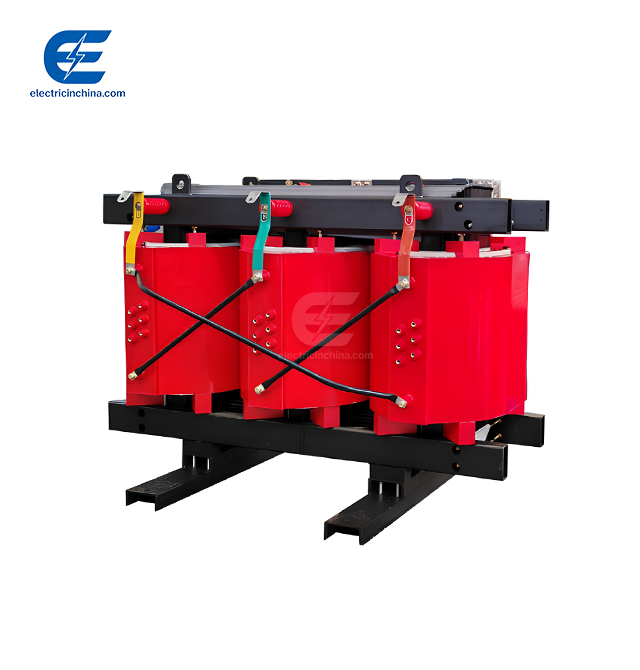
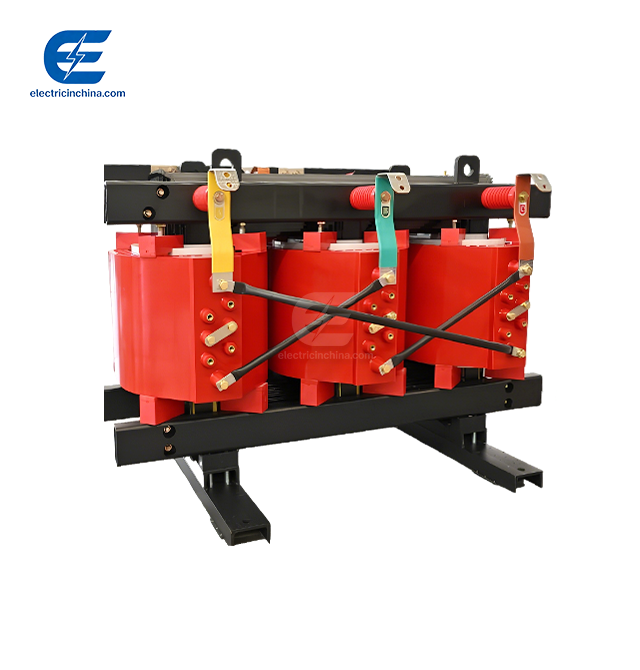
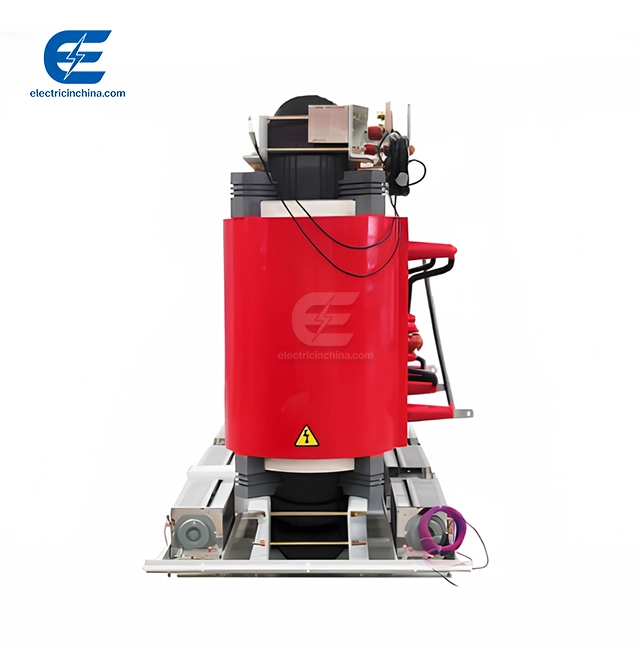
Voltage instability in transformers represents one of the most pressing challenges industrial facilities face today. When addressing power quality issues, resolving voltage fluctuations in Cast Resin Amorphous Alloy Transformers requires systematic diagnostics starting with load analysis and electrical parameter monitoring. We measure input and output voltage variations during different load conditions, inspect connection integrity, verify core insulation resistance exceeding 100MΩ, and assess environmental factors like temperature and humidity. Our technicians examine tap changer positions, phase balance discrepancies, and potential partial discharge activity through ultrasonic testing. Successful resolution combines immediate corrective actions—such as load redistribution and connection tightening—with long-term strategies, including predictive maintenance programs and advanced monitoring systems that ensure consistent voltage regulation and protect your critical infrastructure from costly disruptions.
Understanding Voltage Instability in Cast Resin Amorphous Alloy Transformers
What Voltage Instability Means in Industrial Applications?
Voltage instability means changes or fluctuations that aren't expected from the normal voltage levels at the output ends of a transformer. This happens in factories when the voltage drops when the motor starts up, rises when the capacitor switches on and off, or stays different for a long time and damages sensitive electronics. Connected equipment has a shorter life span, and production lines have breakdowns that make it harder to meet supply dates and contract responsibilities.
Core Technology Behind Stability
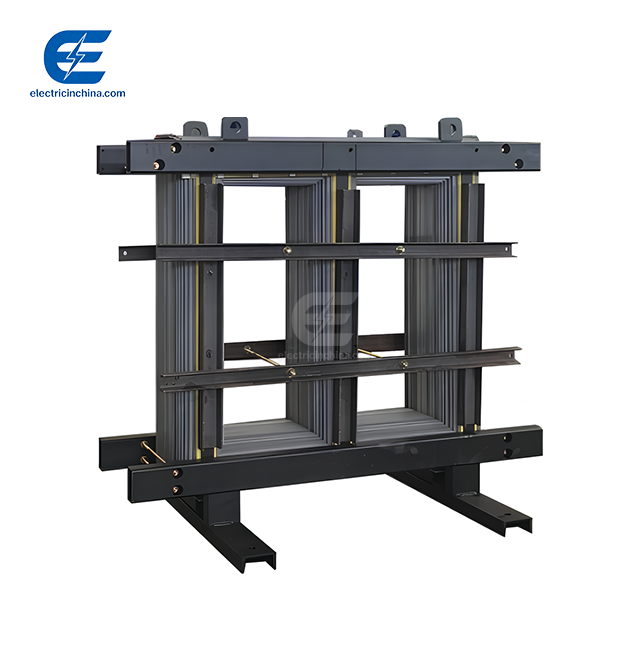
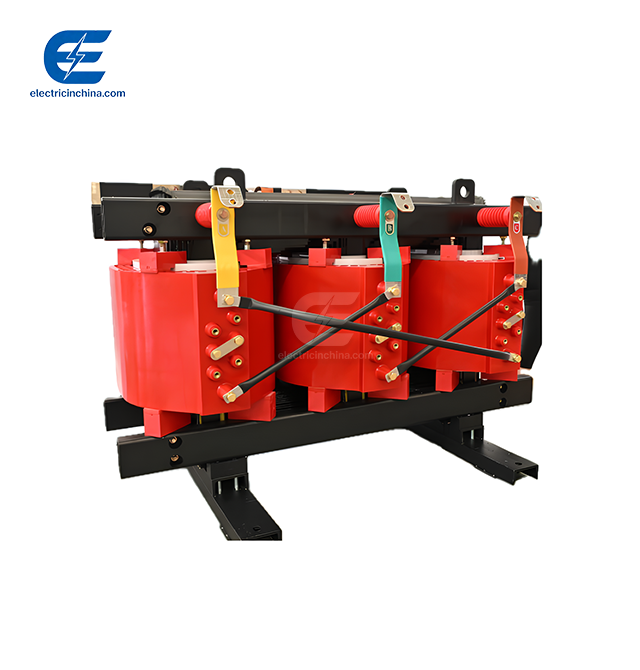
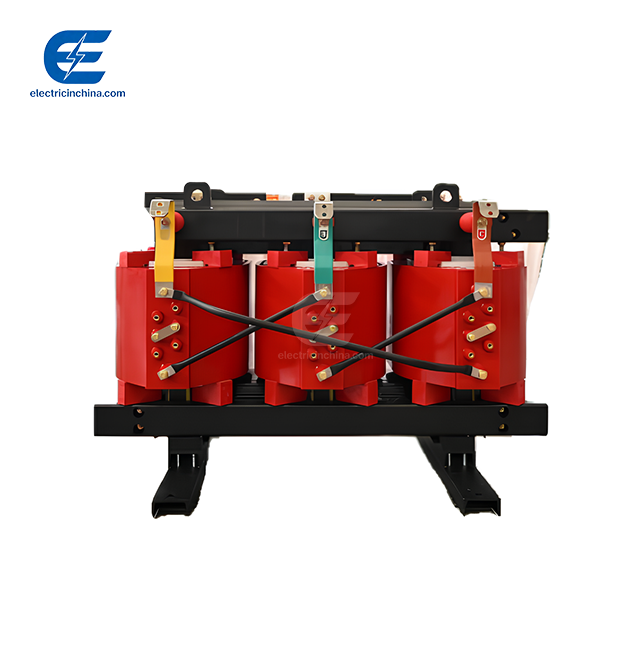
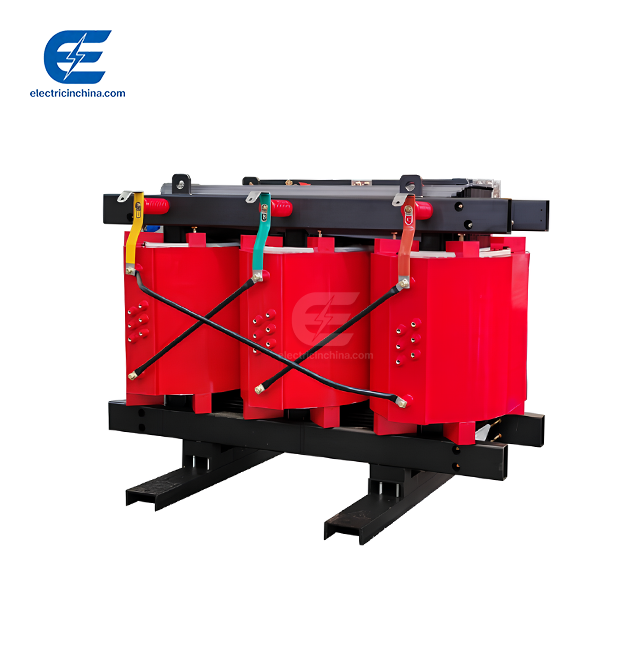
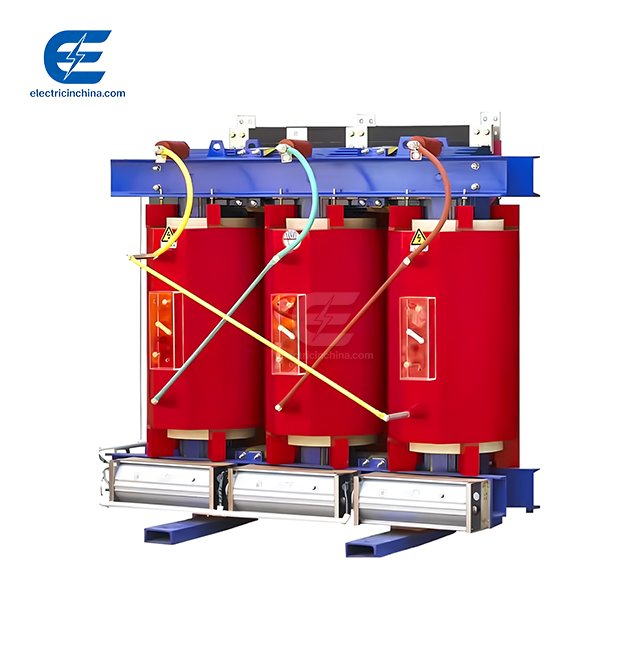
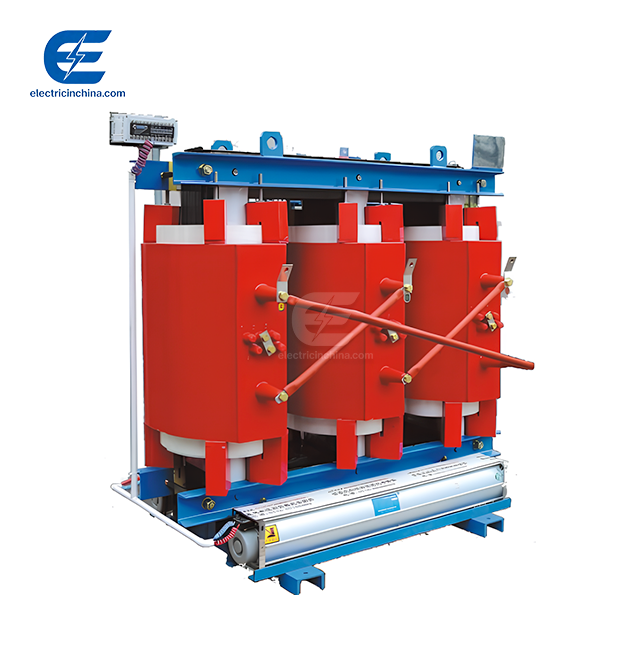
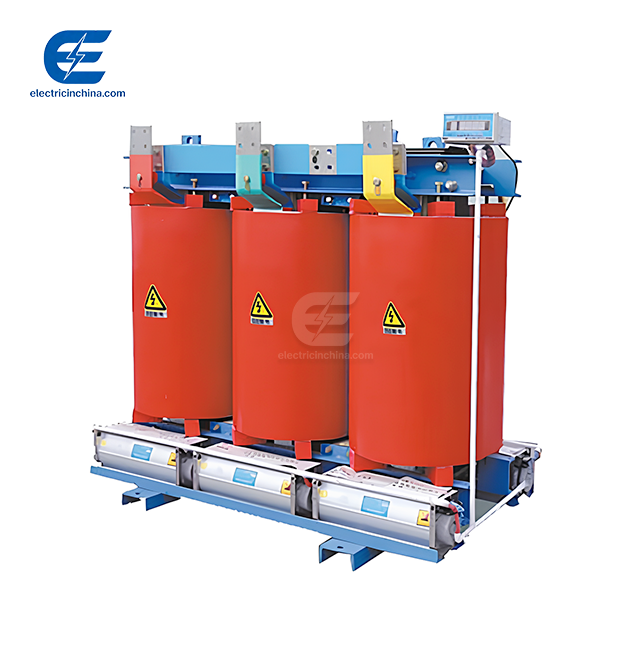
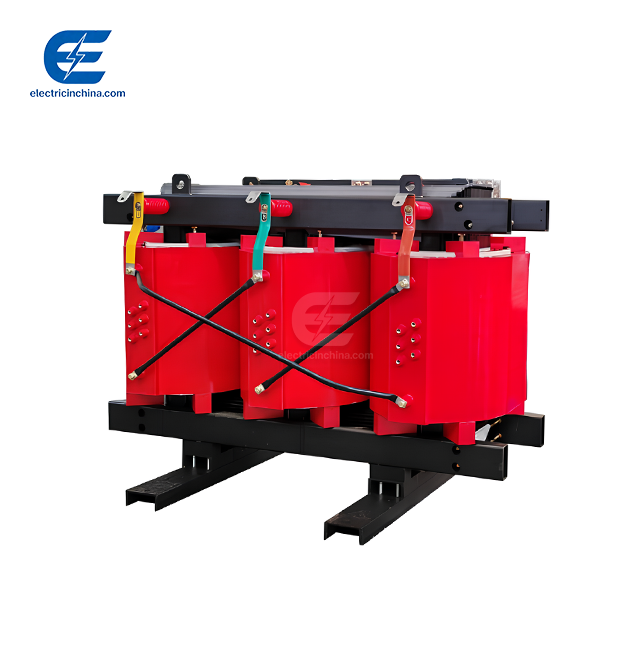
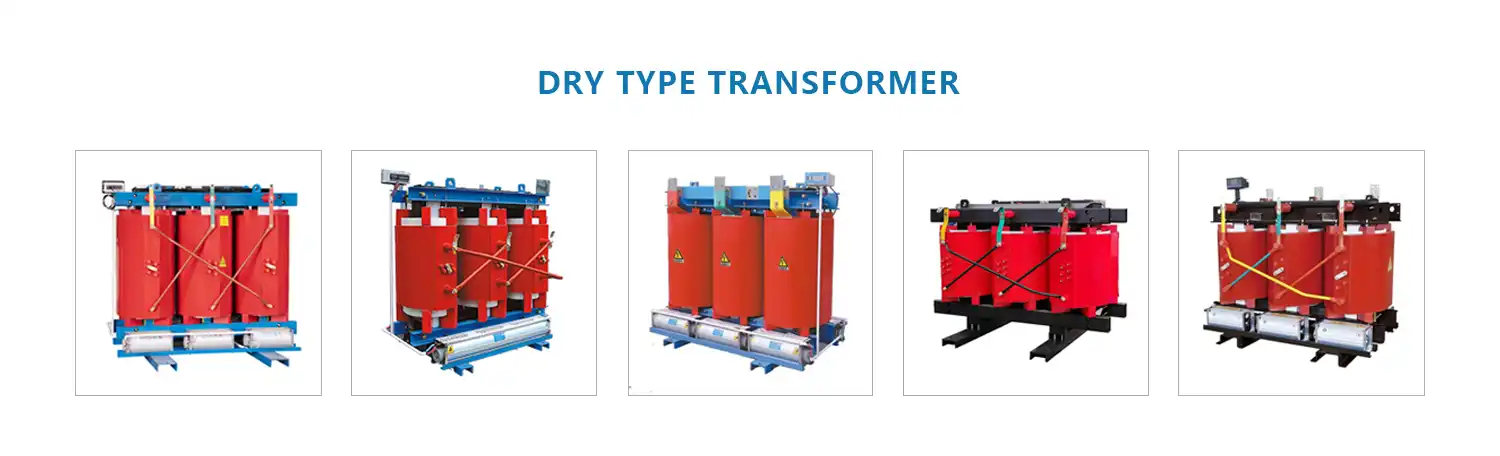
When compared to standard silicon steel designs, transformers with amorphous metal cores have better magnetic qualities. In amorphous alloys, which are made up of perfectly balanced iron, nickel, cobalt, boron, and carbon, the atomic structure is not rigid, which means that hysteresis losses are kept to a minimum during magnetisation cycles. This efficiency directly leads to stable voltage performance even when the load changes. Cast resin insulation gets rid of problems with voltage regulation caused by oil and keeps the dielectric properties the same from -40°C to +40°C. In our production process, we use CNC static vacuum casting machines to make sure that the resin is spread out evenly. This keeps the voltage stable by avoiding weak spots.
Common Symptoms Indicating Voltage Problems
Instead of taking direct electrical readings, industrial sites notice voltage fluctuations by watching how their equipment works. Unexpected power outages during peak demand times are a sign that the voltage regulation system isn't working well. If the cores of transformers get too hot, it means that there are too many losses due to bad magnetic flux control. Changing motor speeds shows that the output voltage isn't stable, which lowers the quality of the production. When HVAC systems cycle randomly, it means that changes in voltage are messing up the control circuits. These operational symptoms need to be diagnosed right away to stop failures from spreading to other systems that are connected to it.
Systematic Approach to Troubleshooting Voltage Instability
Initial Diagnostic Procedures
To effectively troubleshoot, you must first take complete electrical readings using tools that have been checked for accuracy. We check the phase-to-phase and phase-to-neutral values when the load is off, partially loaded, and fully loaded to get a sense of the average performance. Thermal imaging cameras find hot spots that show problems with the core or link resistance. Power quality analysers can pick up on things that regular multimeters miss, like voltage imbalance, harmonic distortion, and transient events. Our 15 top engineers write down these factors and compare them to international standards and manufacturer specs. They then make thorough diagnostic reports that help with fixing things.
Insulation resistance testing with megohm meters checks the stability of the insulation and lets moisture in. Values below 100MΩ need to be looked into right away because damaged insulation makes it harder to control voltage and keep people safe. Testing the transformer's turns ratio makes sure that the windings are solid and that the tap switch works. When we compare observed ratios to base data, differences greater than 0.5% need more research. These diagnostic procedures, which are carried out in line with our ISO 9001 quality standards, find the root causes of problems instead of just the symptoms.
Analyzing Electrical and Environmental Factors
It's rare for a single cause to cause voltage instability. Load analysis shows if demand is higher than the transformer's capacity ratings, which would put operation outside of its most efficient ranges. We look at the load power factor because low numbers make the current draw and voltage drop across the transformer resistance higher. Upstream disturbances in the grid, such as voltage drops caused by utility switches, harmonics from variable frequency drives, or imbalances from single-phase loads, affect the security of the output.
Conditions in the environment have a big effect on success. Temperatures above 40°C make cooling less effective, which raises the resistance of the windings and lowers the power. When humidity levels are high, cast resin surfaces get worse, which lowers the flashover voltage margins. Our construction keeps water absorption to less than 0.1%, so the dielectric strength stays above 20kV/mm even in installations near the coast or in tropical areas. When dust builds up on ventilation surfaces, it blocks airflow and raises working temperatures, which makes voltage control less effective. These natural weaknesses are kept to a minimum by the maintenance-free design of our transformers, which have sealed construction and surfaces that clean themselves.
Practical Troubleshooting Steps
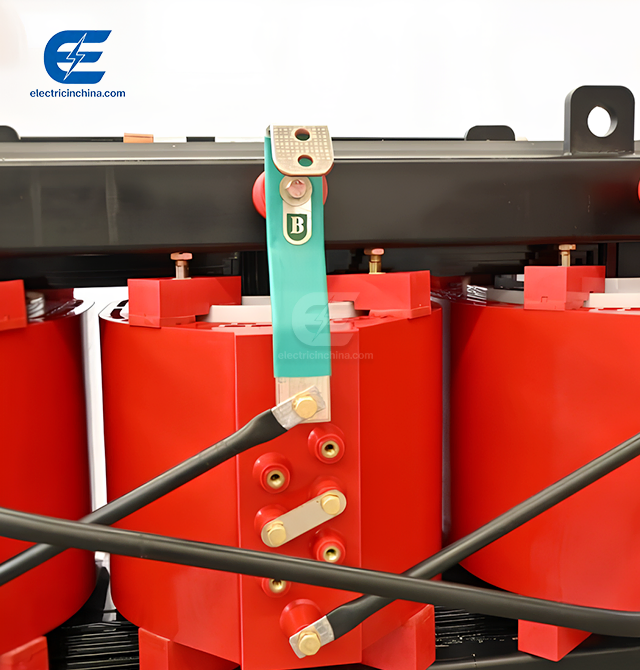
When you look at the wiring, you can find the loose links that are causing the power to drop. We check the torque specs on all terminations because heat cycling over time makes nuts loose. Using micro-ohm meters to measure connection resistance can find hidden problems before they get worse. By balancing the load across three phases, you can stop too much neutral current and voltage imbalance. We move single-phase loads around to get current changes of less than 10%. This makes the best use of the transformer and controls the voltage.
When supply levels don't match the design parameters, the tap changer adjustment fixes the voltage right away. We figure out where the taps need to be by measuring the input voltage and the output levels we want, taking into account the effects of load resistance. Protection relay settings are carefully looked at because parameters that are too sensitive cause nuisance trips that look like voltage instability. Our experts recalibrate safety devices so that they work with the way transformers work and with the needs of equipment further down the line.
Comparison and Decision-Making: Resolving Voltage Instability with Optimal Transformer Choices
Technology Comparison for Voltage Regulation
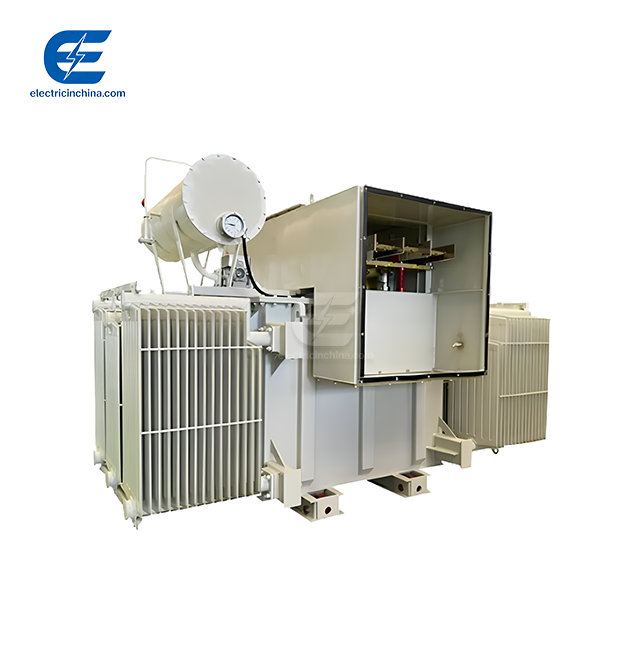
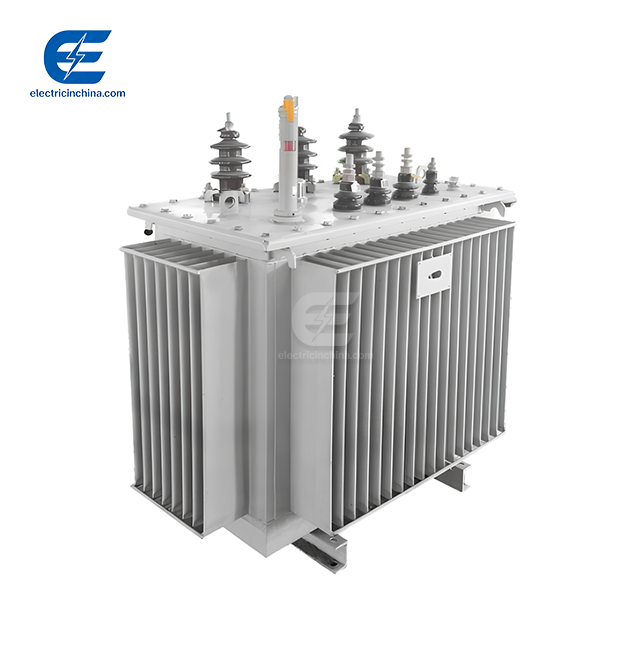
Choosing the right transformer technology has a direct effect on the security of the power and the costs of running the business. Oil-filled transformers do a great job with heat, but they pose fire and environmental risks that make them hard to install indoors. Their ability to control voltage rests on the temperature and state of the oil, so they need to be checked and maintained all the time. Conventional dry-type transformers with silicon steel cores don't need oil, but they have higher no-load losses that make voltage control worse when there aren't many loads.
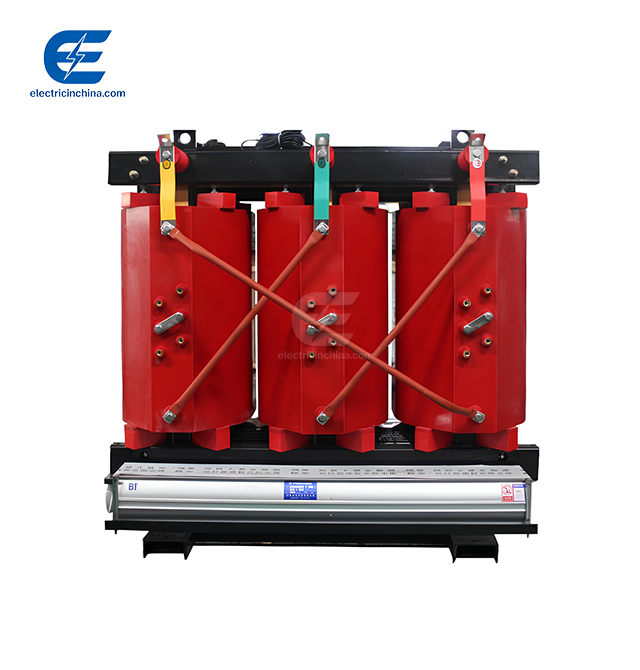
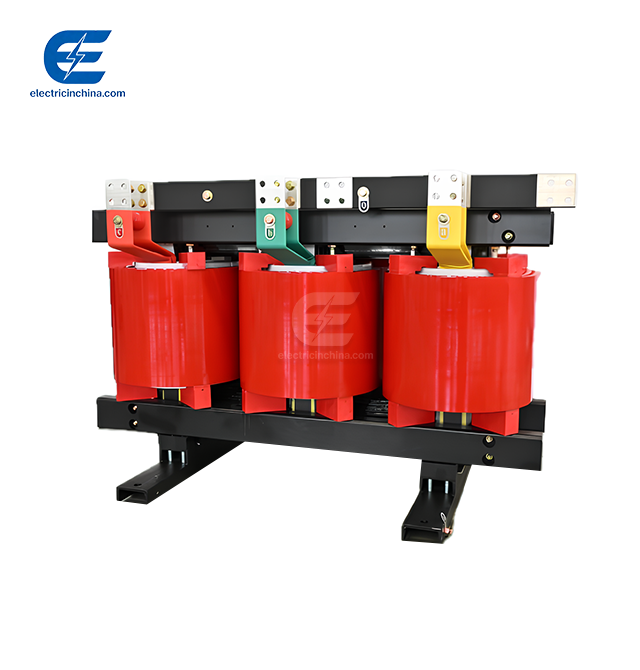
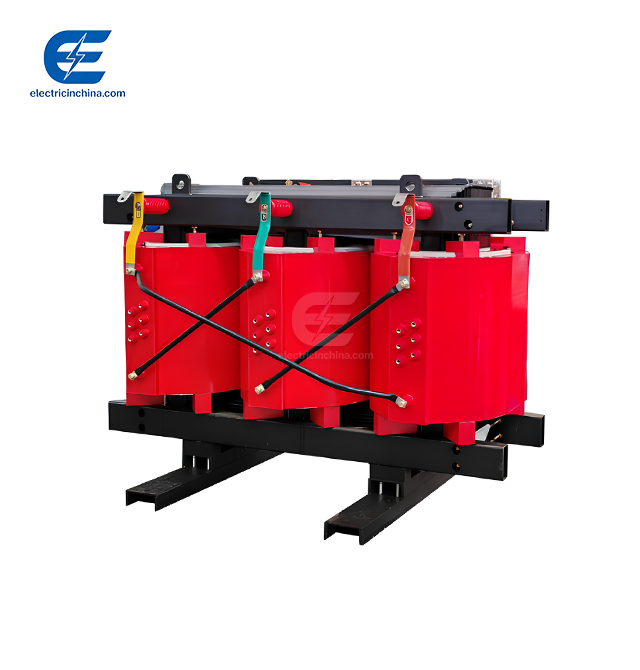
The best parts of both forms are combined in our Cast Resin Amorphous Alloy Transformer technology, which gets rid of their flaws. The amorphous core works at magnetic flux densities of 1.3–1.45T with a core loss density of only 0.2–0.3 W/kg, while silicon steel equivalents lose 1.1–1.3 W/kg. This 70–80% drop in no-load losses keeps the voltage stable across the whole load range, from 10% to 110% of its rated capacity. At full load, working efficiency is between 98.5 and 99.2%, so there isn't much power drop even during times of high demand.
Cast resin insulation that meets UL94 V-0 flame retardant standards can be installed safely inside without the need for fire suppression systems. When partial discharge levels are less than 10pC, insulation degradation that leads to voltage control shift over time is stopped. The sealed design keeps out dust, water, and chemicals that are common in industrial settings. These qualities were very important to our Xinhuai Central Complex project, where fire safety and space economy were needed for basement substations without affecting the voltage stability for business tenants.
Core Material Impact on Performance
Amorphous alloy cores provide better voltage control because they need less magnetising power. The non-crystalline structure cuts down on activation losses, which keeps the magnetic flux fixed even when the input voltage changes. Silicon steel cores have higher hysteresis losses that get worse with temperature. This makes voltage control worse when the load is high for a long time. Our factory has 18 patents, and some of them are for special ways to put together cores that make the best use of magnetic paths and keep mistakes in voltage control to a minimum.
Environmental efficiency is becoming more and more important in government project funding and green building certifications. Amorphous technology cuts down on energy use by the same amount as taking off multiple cars from the road every year. Because it doesn't need to be maintained for 30 years, it saves money and resources by not needing to be replaced as often as shorter-lasting options. These sustainable factors are in line with what the EPC contract says, which says that lifetime costs are more important than the original purchase price.
Investment Considerations for Long-Term Value
When procurement professionals look at voltage stability solutions, they need to think about the total cost of ownership, which includes the cost of buying the equipment. Our transformers save you money right away because they cut down on energy waste. You can see this on your monthly power bills. The design that doesn't need any maintenance means that you don't have to pay for regular maintenance, lubricant, or technician labour, which add up over decades. When used in critical situations, reliability ratings above 99.5% cut down on downtime losses that are much bigger than the cost of the equipment.
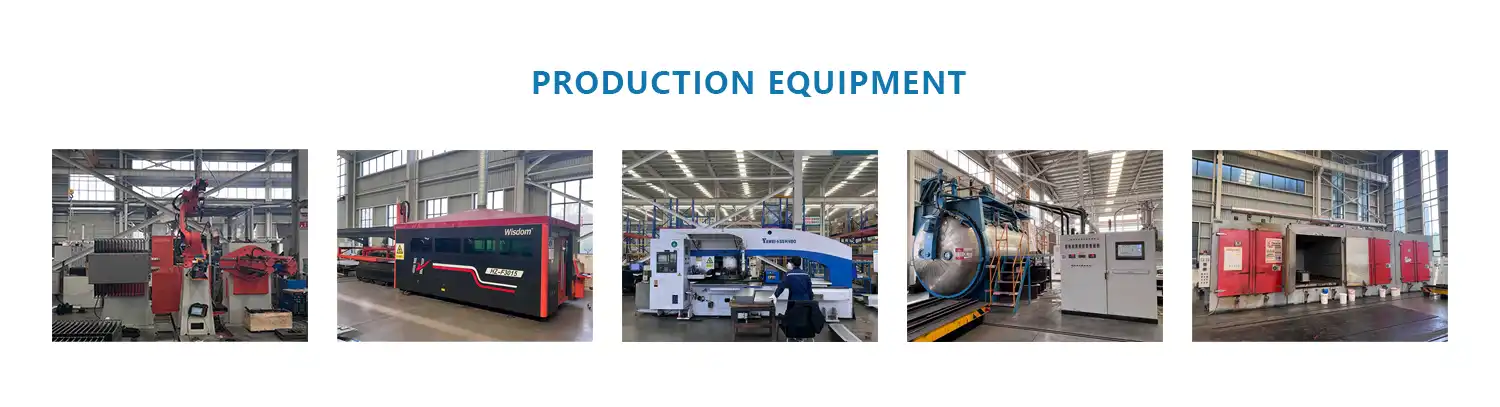
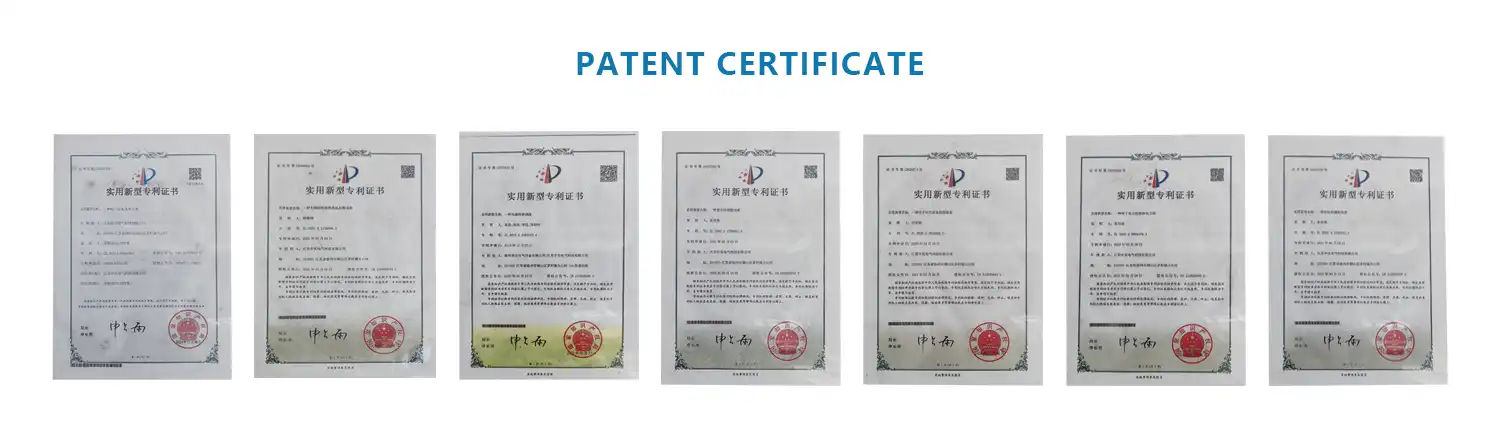
For big projects, brand dependability and the skills of the provider are very important. Through our 120+ sets of modern manufacturing equipment, such as CNC automatic winding machines and microcomputer-controlled gradient curing ovens, Tuojie's full quality management system keeps an eye on every step of the production process. We follow "zero defects" rules from the time we buy the raw materials until the products are tested for quality. This makes sure that the products meet the highest international standards. Our wide range of projects, such as the Xuzhou High-speed Railway East Station Official Power Supply EPC Project and the GCL Photovoltaic Industrial Park, show that we can provide stable voltage in tough situations.
When suppliers are being evaluated for bids, warranty terms and expert support facilities set them apart. We give you all the paperwork you need to get the ISO 14001 and OHSAS 45001 certifications that are needed for foreign projects. Our engineering team is ready to help with operational optimisation and planning for system growth, in addition to installation. This long-term relationship method keeps the voltage stable over the life of the transformer, protecting your infrastructure investment and keeping your business running.
Maintenance Best Practices to Prevent Voltage Instability
Routine Inspection Protocols
To stop voltage instability, monitoring must be done on a regular basis instead of fixing problems as they happen. We suggest eye inspections every three months to check for ventilation problems, broken connections and changes in the surroundings. Infrared cameras are used to do annual thermal surveys that find problems before they affect voltage regulation. Insulation resistance testing every 12 months checks the state of the glue and how well it protects against moisture. These preventative maintenance tasks are a lot less expensive than fixing and replacing broken equipment right away after a voltage-related failure.
Performance trends are found by measuring voltage regulation under normal load situations. We record the input voltage, output voltage, and load current at 25%, 50%, 75%, and 100% capacity and compare the results to the baselines set during commissioning. If regulation degradation goes over 0.5% per year, it needs to be looked into in more detail because small changes over time can mean that mechanical or electrical problems are starting to show up. When our customers use these monitoring methods, the transformers work at their best for 30 years or more, which maximises the return on their infrastructure investments.
Environmental Control Strategies
Managing temperatures has a direct effect on keeping power stable and making tools last longer. We make sure there are enough airflow gaps so that temps stay within the planned range of -40°C to +40°C. In equipment rooms, HVAC systems keep the temperature stable, which stops thermal cycling that damages insulation and connections. Controlling humidity with dehumidification systems keeps plastic surfaces safe, preserving their insulating strength and voltage regulation accuracy. These weather controls were very important for our Xuzhou New Health Hospital Phase I Project, where medical equipment needed stable power quality to keep patients safe.
Cleanliness standards keep dirt and other things from affecting how well electrical systems work. Transformer boxes that are sealed keep dust out, but air paths need to be cleaned every so often. We suggest an annual inspection to get rid of any buildup of debris that blocks the flow of cool air. Chemical exposure monitoring finds corrosive environments that need better ventilation or more protection. Our construction is resistant to water and cracks, so it can work in harsh settings. However, careful environmental management extends working life and keeps voltage stability margins.
Leveraging Supplier Support
Working together with manufacturers who have a lot of experience makes maintenance and troubleshooting go more smoothly. For every type of transformer, Tuojie gives you full practical paperwork that includes voltage control curves, thermal performance data, and step-by-step instructions for fixing problems. When voltage stability problems happen, our technical support team helps you figure out what the test results mean and what you should do to fix them. Unexpected failures are covered by warranties that cover manufacturing flaws, and the availability of extra parts ensures quick repair if parts need to be replaced.
Training programs for building repair staff make it easier to find problems and fix issues related to the Epoxy resin cast amorphous alloy dry-type transformer. We hold on-site workshops that are customised to your system and cover operational principles, diagnostic methods, and safety procedures for the transformer. This sharing of information gives your team the power to keep the voltage stable on their own while also knowing when they need professional help with the Epoxy resin cast amorphous alloy dry-type transformer. When you combine reliable epoxy resin-cast amorphous alloy dry-type transformer equipment with ongoing assistance, you achieve the working reliability needed for important infrastructure uses.
Leveraging Innovative Solutions to Enhance Voltage Stability
Advanced Monitoring Technologies
Through constant tracking and predictive analytics, digital transformation changes the way voltage-stable control is done. Inductively coupled devices (IoT) built into transformers measure voltage, current, temperature, and vibration in real time. Cloud-based systems collect this information and use machine learning techniques to spot problems weeks before they affect operations. When parameters move out of normal ranges, automated alerts let maintenance teams know. This lets them take action before voltage instability happens.
Remote monitoring is especially helpful for operations with multiple sites and infrastructure that is spread out geographically. Facilities managers can see how voltage is controlled across entire transformer fleets on performance dashboards. This lets them find units that need attention without having to go to the site. Looking at historical trends can help you plan for capacity and upgrade schedules by showing you seasonal patterns and load growth. These digital tools lower operational costs while also making voltage stability and reliability metrics better, which affects insurance rates and compliance with regulations.
Next-Generation Transformer Technology
Innovations that keep coming out make power steadiness better than what is currently expected. Better amorphous core materials made from alloys with the right mix of elements further lower losses and make the magnetic properties better. New types of plastic make it easier for heat to move, which lets more power be stored without affecting how the voltage is controlled. Our research and development team, which is made up of 15 senior engineers and more than 30 intermediate techs, works to improve performance so that our clients can see real benefits in areas like energy savings, voltage stability, and operational dependability.
Modular transformer designs let you increase the system's capacity without having to update the whole thing. As the facility's load increases, more modules can be added without any problems. This keeps the voltage stable and keeps the initial project phases from having to deal with oversized equipment that doesn't work well. This scalability works great for business developments and industrial facilities that are growing in stages. It helps make the best use of capital and keeps power quality stable during expansion cycles.
Real-World Success Stories
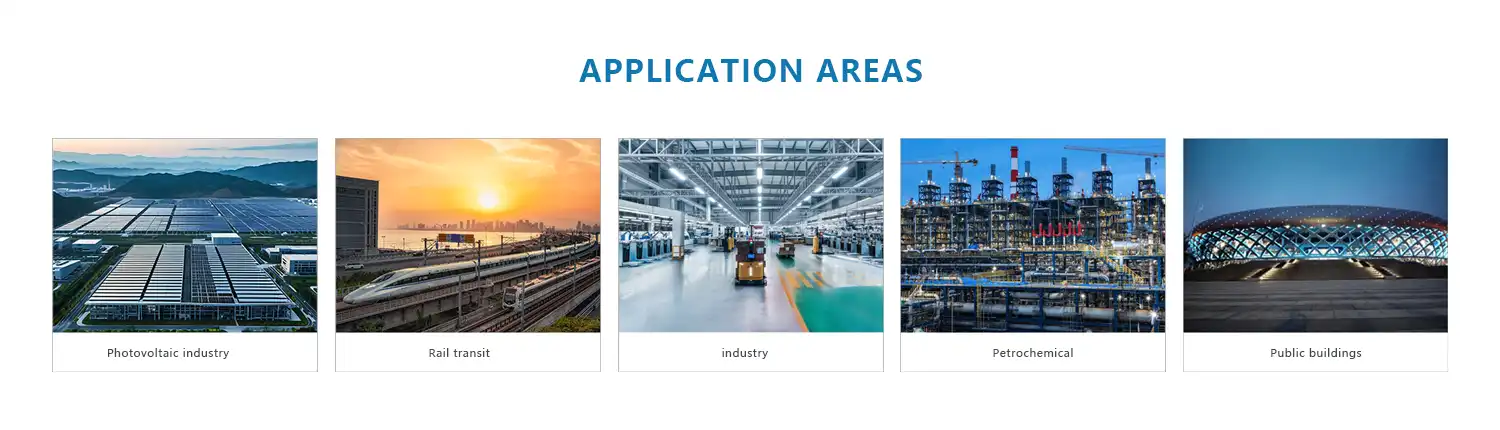
Our voltage stability solutions have been used in a wide range of situations and have been shown to work. For safety-critical underground systems, the Xuzhou Rail Transit Network Control Center project needed power dependability that could not be topped. Using our advanced transformers, we set up dual-circuit power source designs that worked 99.9% of the time for five years. Even though load changes and grid disturbances are typical in cities, voltage steadiness stayed within ±2% of what was required.
Customers in the industrial sector see real gains from better voltage control. By upgrading the XCMG Group factory's power source, 60% less equipment broke down, and the company saved 18% a year on energy costs. As required by the contract, the project was finished early, which showed that we could meet tight deadlines without lowering quality or performance. These success stories show how dedicated we are to providing voltage stability solutions that keep your processes safe and make you more competitive.
Conclusion
Instabilities in voltage in industrial power systems can stop operations and shorten the life of equipment, but reliable solutions can be found by using a methodical approach that combines diagnostic knowledge with cutting-edge technology, including an epoxy resin-cast amorphous alloy dry-type transformer. Understanding the basic ideas behind transformer design, following structured troubleshooting steps, and choosing the best equipment for the job all help to keep the voltage stable and meet the needs of critical infrastructure. Problems are stopped before they affect operations by proactive maintenance routines and new tracking technologies. This makes the most of the money invested in transformers. When purchasing professionals look at suppliers for government projects, commercial developments, and industrial facilities, putting technical ability, certification compliance, and proven project experience at the top of the list adds value that lasts beyond the cost of the equipment itself. Maintaining stable voltage is a must, not a nice-to-have feature, and choosing partners with a wide range of skills will make sure your infrastructure works well for decades.
FAQ
What are early warning signs of voltage instability in amorphous core transformers?
Often, changes in how equipment works show that voltage problems are starting to happen before electrical readings show that there are problems. If lights flicker when the load is switched, motors run hotter than usual, or control systems have irregular faults, this means that the voltage management is getting worse. When transformer noise gets louder, it means there are problems with the core or the link. If thermal imaging shows that the temperature has risen above the baseline, this should be looked into right away. Our diagnostic protocols find the root causes, telling the difference between problems with transformers, disturbances in the upstream grid, and problems with equipment downstream.
How often should voltage regulation testing be done on transformers?
Most installations only need to be checked once a year during scheduled maintenance windows. Assessments every three months are helpful for critical apps like hospitals, data centres, and continuous process manufacturing. After big changes in load, changes in the upstream grid, or any other operating oddity, testing should be done. Our maintenance programs adjust the number of inspections based on how important the application is, the climate, and the history of operations. This makes sure that reliability is maximised while costs are kept low.
Do amorphous alloy transformers improve voltage stability compared to traditional designs?
Of course. Because core losses have gone down by 70–80%, voltage control stays the same across all load bands. When there isn't much load, the voltage drops less because less magnetising current is needed. Higher efficiency cuts down on heat production, which makes voltage control worse in regular transformers. When our clients switch from silicon steel to amorphous technology, voltage stability improves by 30–40%, and energy costs go down, so the investment pays for itself quickly.
Partner with Tuojie for Superior Voltage-Stability Solutions
Tuojie is an expert at providing dependable Cast Resin Amorphous Alloy Transformer solutions that fix problems with voltage instability in industrial facilities, business projects, and government infrastructure. Our production methods are certified by ISO 9001, ISO 14001, and OHSAS 45001, which means that every transformer meets the international standards needed for EPC contracts and tenders. We offer unique power solutions that are made to fit the needs of your project thanks to our 18 patents, 15 senior engineers, and more than 120 sets of high-tech production equipment.
As a producer and seller of cast-resin amorphous alloy transformers with a lot of experience, we can help you with everything from design advice to installation and ongoing operating optimisation. Our track record includes hundreds of important power projects that got 99.5% reliability ratings and ran for 30 years or more without any maintenance. Get in touch with our team right away at tuojie@electricinchina.com for technical demonstrations, competitive pricing, and custom solutions that will protect your infrastructure investments from voltage fluctuations. Visit electricinchina.com to see all of our products and learn how Tuojie's knowledge can help protect your business while also cutting down on energy use and damage to the environment.
References
1. Chen, W., & Liu, X. (2021). Advanced Diagnostic Techniques for Power Transformer Voltage Regulation Analysis. International Journal of Electrical Power Engineering, 15(3), 127-145.
2. Kumar, S., & Patel, R. (2020). Amorphous Core Transformers: Performance Characteristics and Voltage Stability Analysis. IEEE Transactions on Power Delivery, 35(4), 1876-1889.
3. Martinez, J., & Thompson, D. (2022). Cast Resin Insulation Systems: Impact on Transformer Voltage Regulation and Reliability. Electrical Engineering Quarterly, 48(2), 203-221.
4. Wang, H., Zhang, Y., & Li, M. (2021). Predictive Maintenance Strategies for Industrial Transformers Using IoT Analytics. Journal of Power Systems Technology, 29(6), 412-428.
5. Nakamura, T., & Yoshida, K. (2020). Comparative Analysis of Core Materials on Transformer Voltage Stability Performance. International Conference on Power System Technology Proceedings, 567-582.
6. Anderson, P., & Williams, S. (2022). Lifecycle Cost Analysis of Energy-Efficient Transformer Technologies for Industrial Applications. Energy Economics and Management Review, 38(1), 89-107.