

.webp)
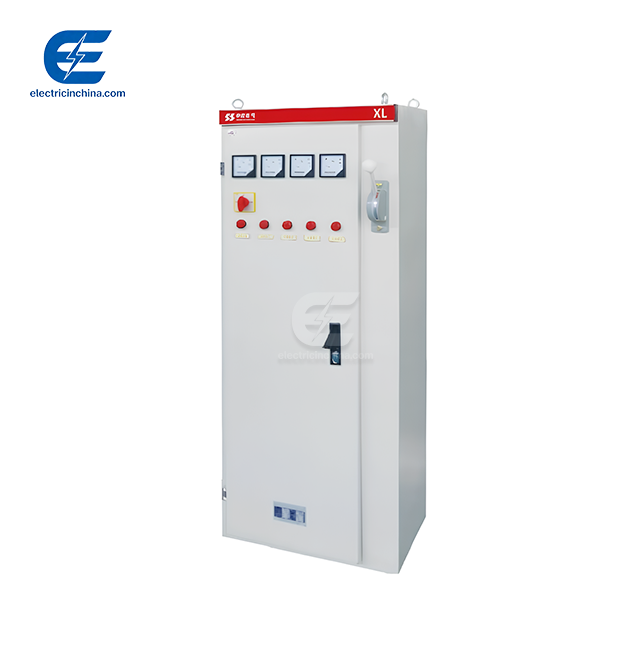
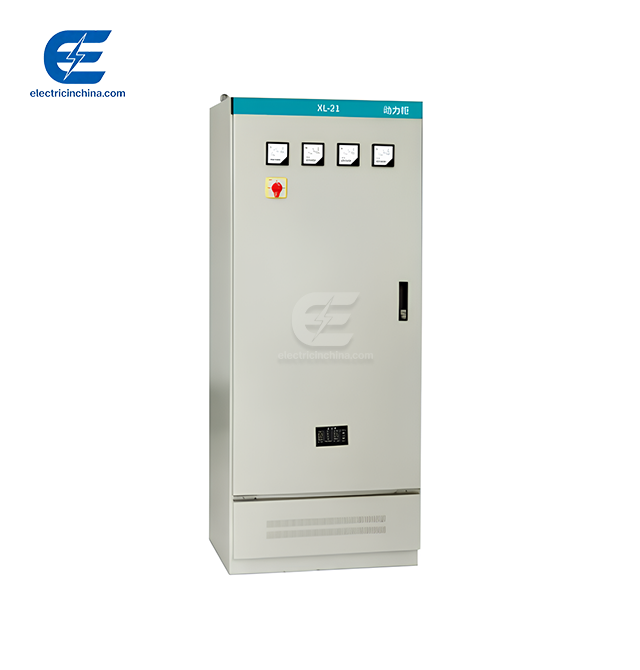
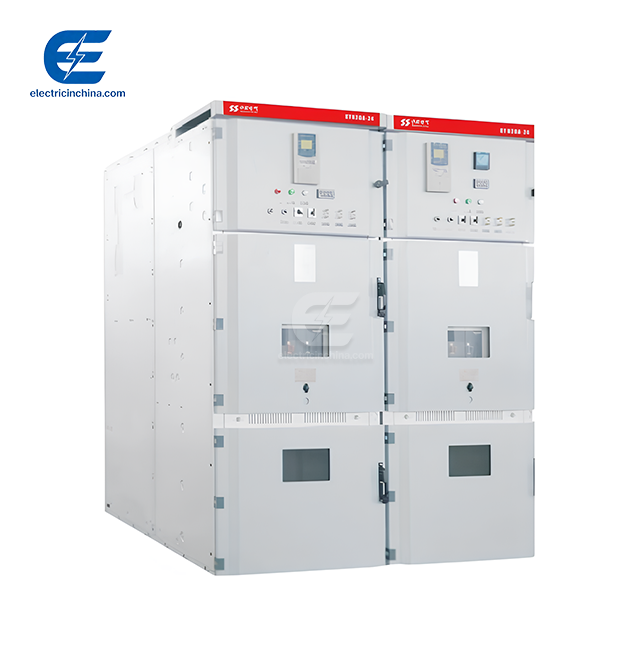
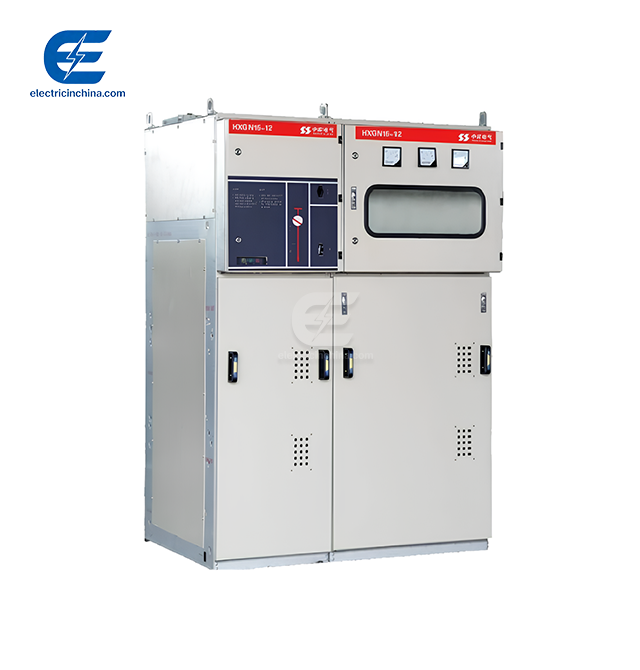
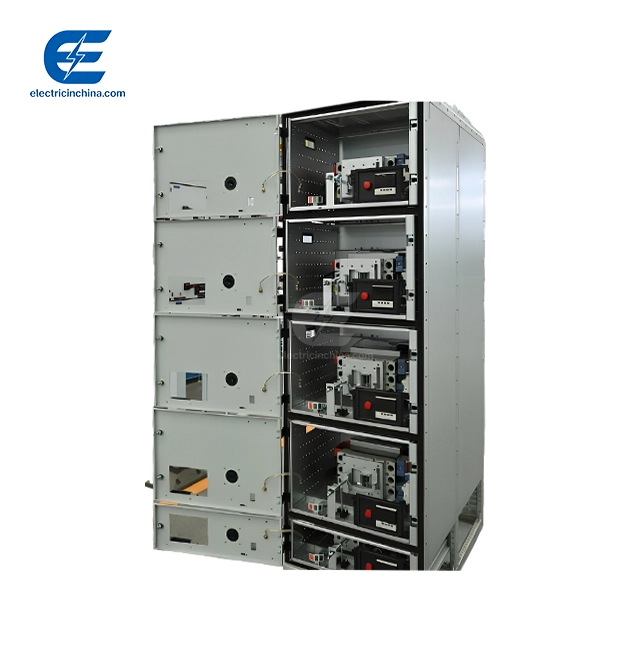
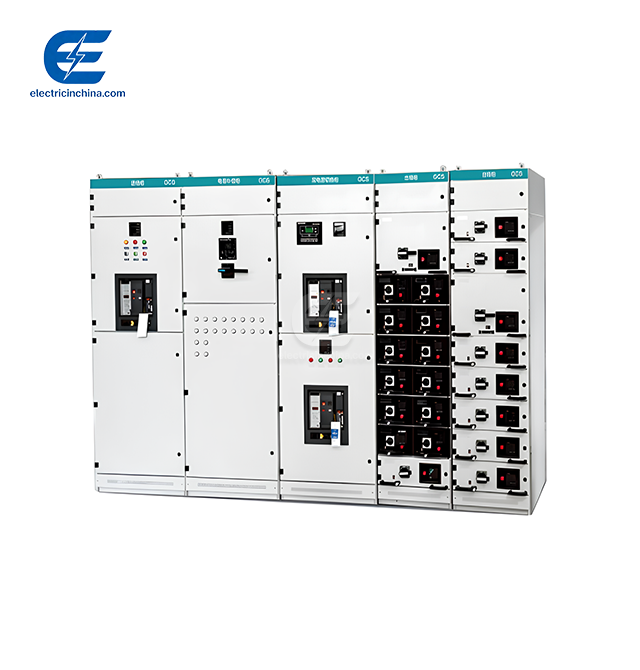
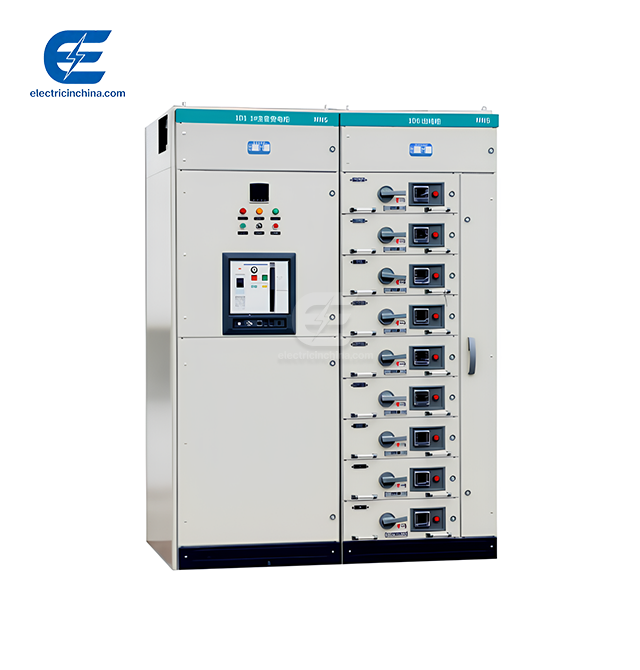
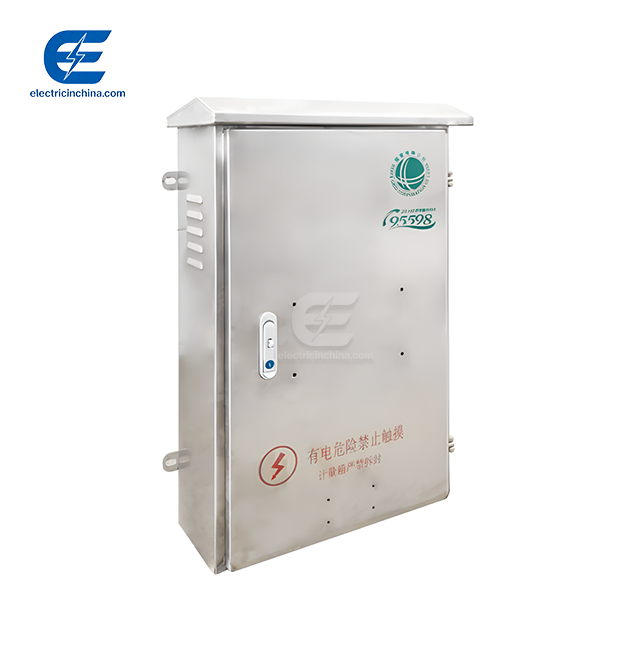
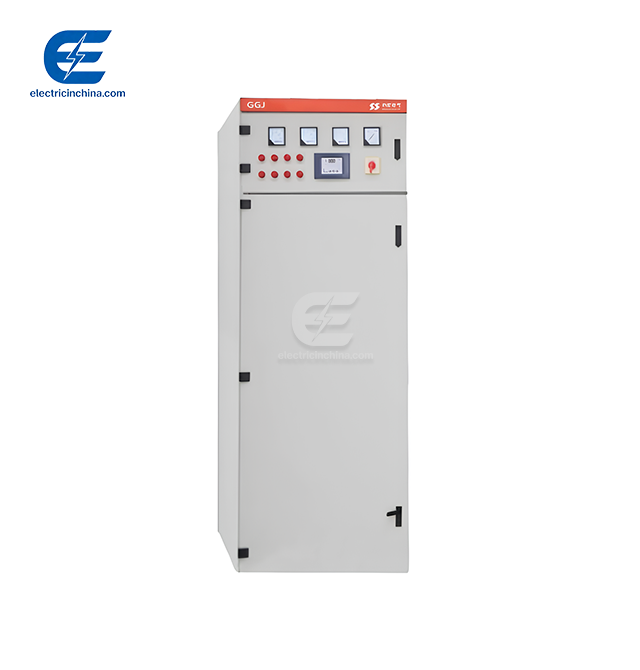
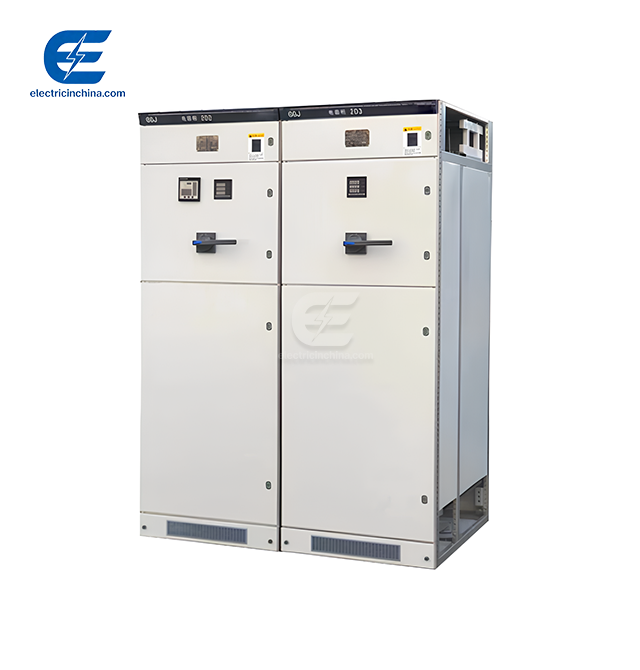
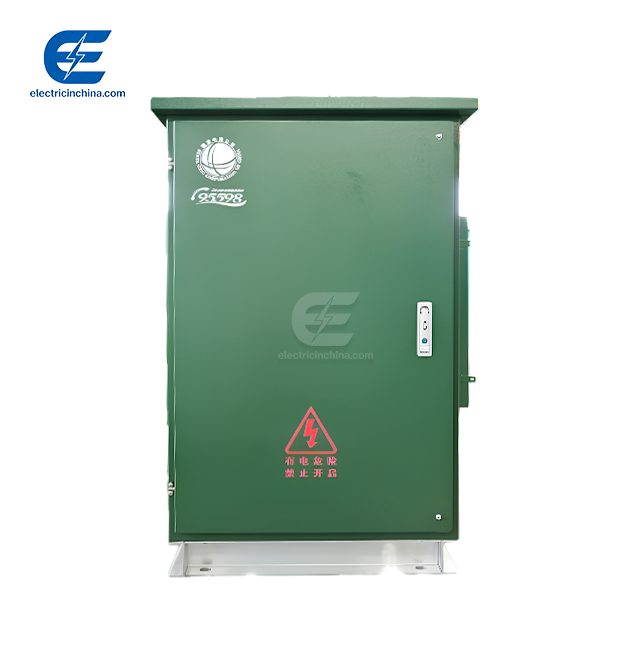
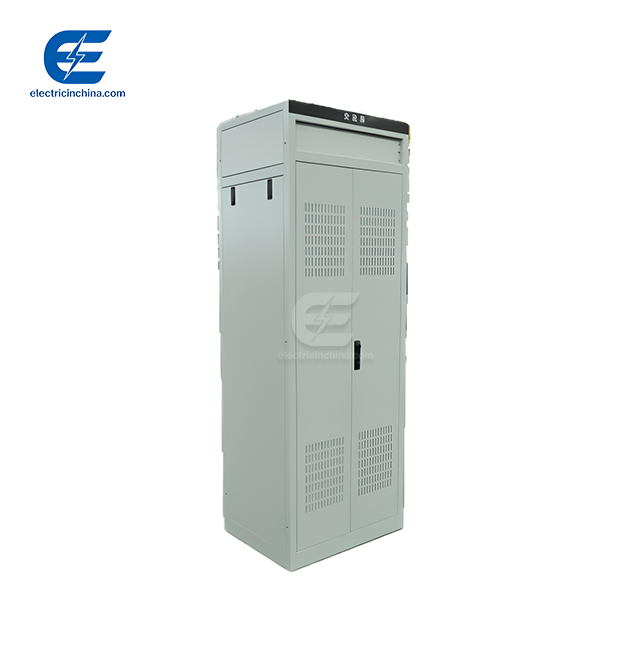
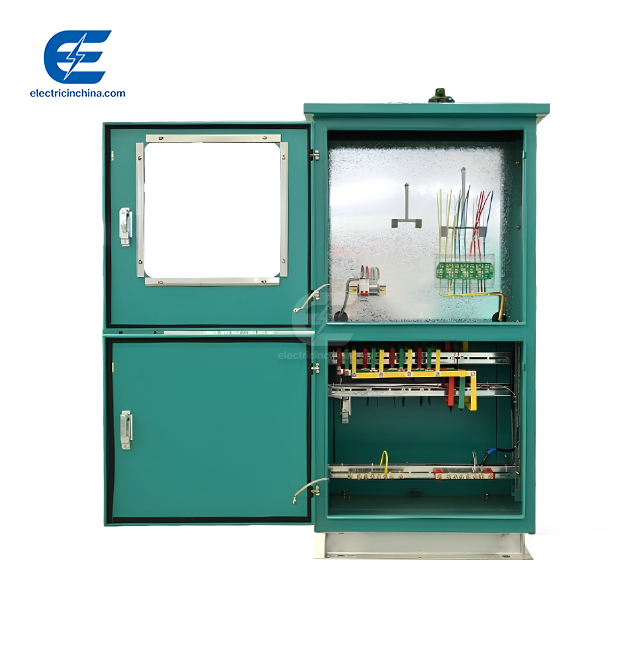
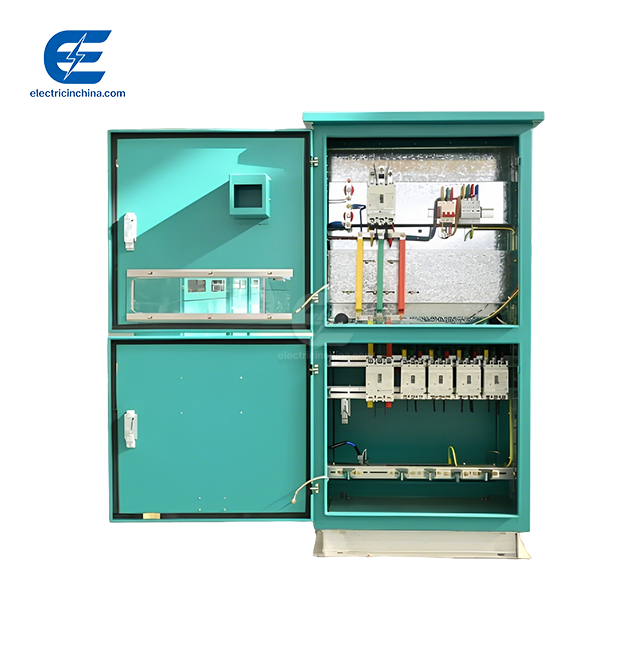
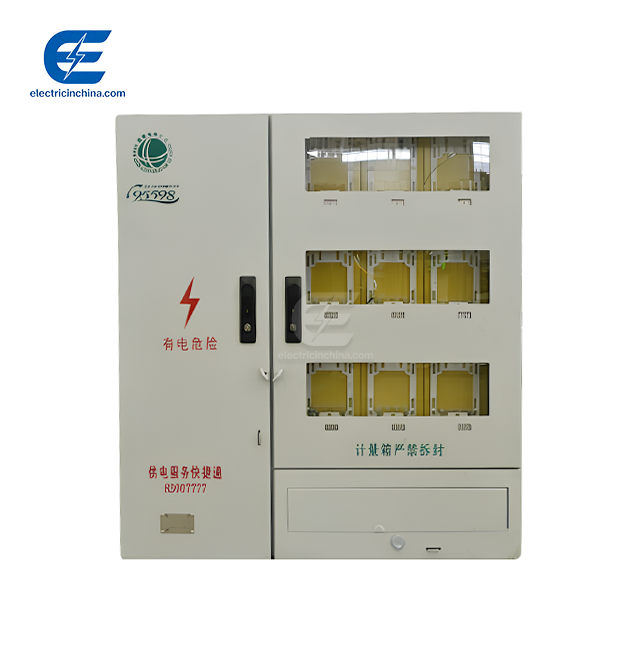
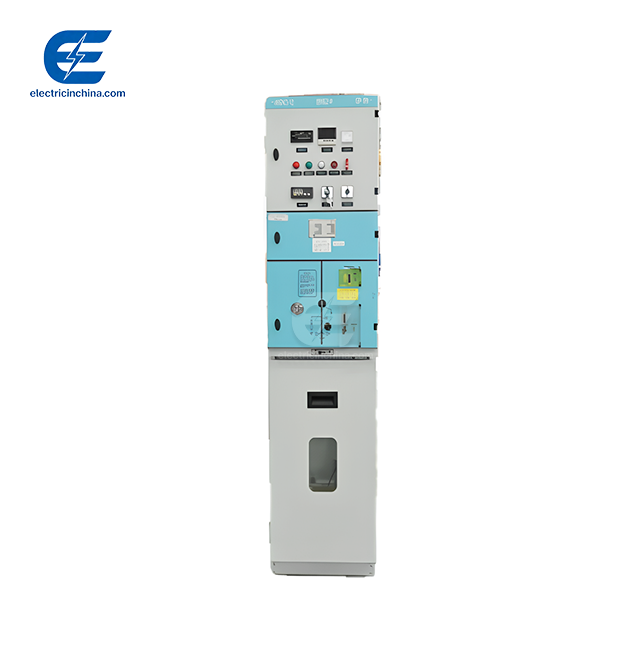
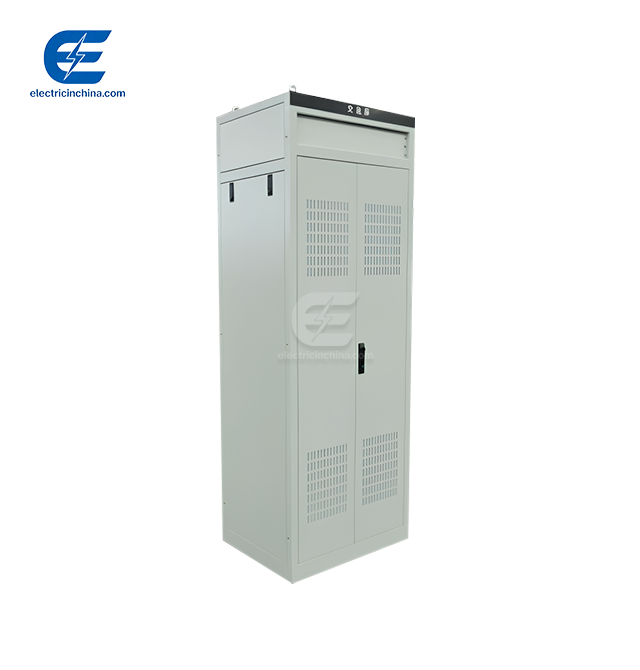
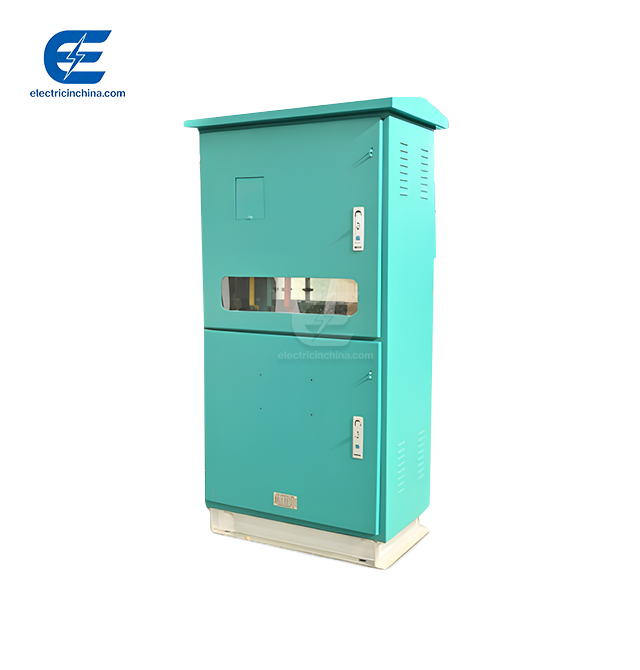
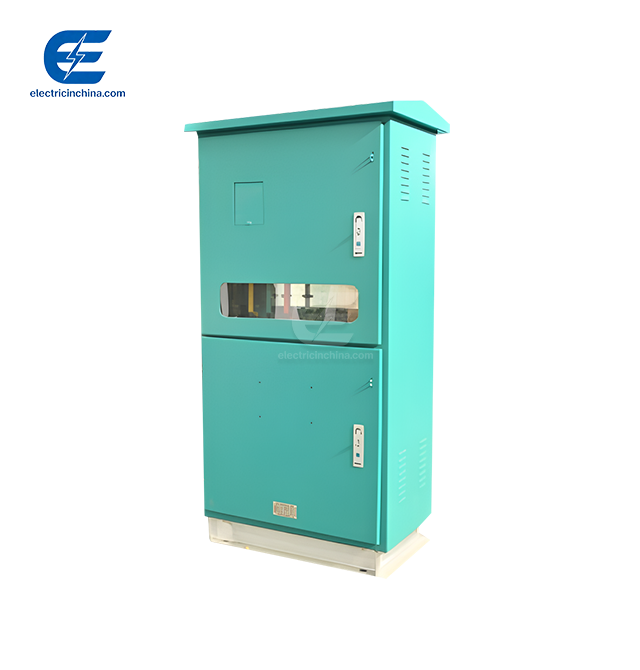
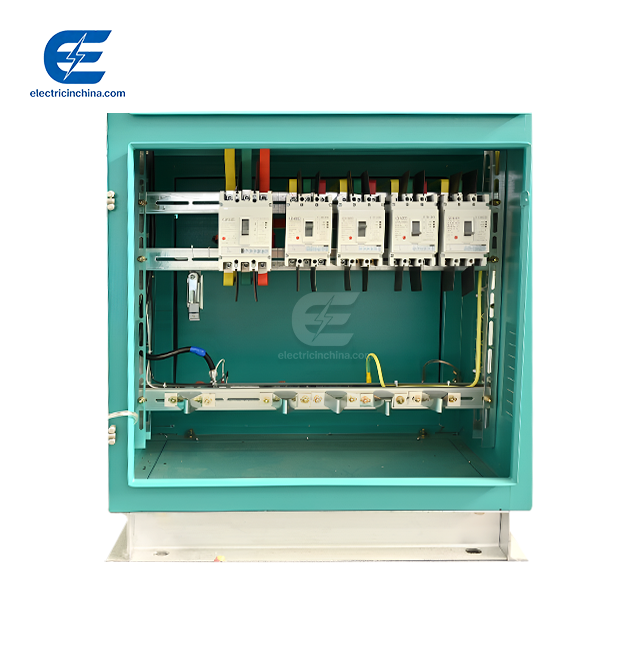
When planning electrical infrastructure for industrial facilities, commercial developments, or government projects, understanding the distinction between a Power Distribution Cabinet and a distribution box becomes critical. A Power Distribution Cabinet functions as a comprehensive electrical hub designed to manage high-capacity loads, protect circuits, and distribute power across complex systems, making it indispensable for large-scale operations. Distribution boxes, conversely, handle simpler, localised circuit distribution with lower capacity requirements. Choosing the right solution impacts safety, operational efficiency, and long-term project success—especially for EPC contractors and facility managers overseeing mission-critical installations.
General Overview of Power Distribution Cabinets and Distribution Boxes
Defining Power Distribution Cabinets
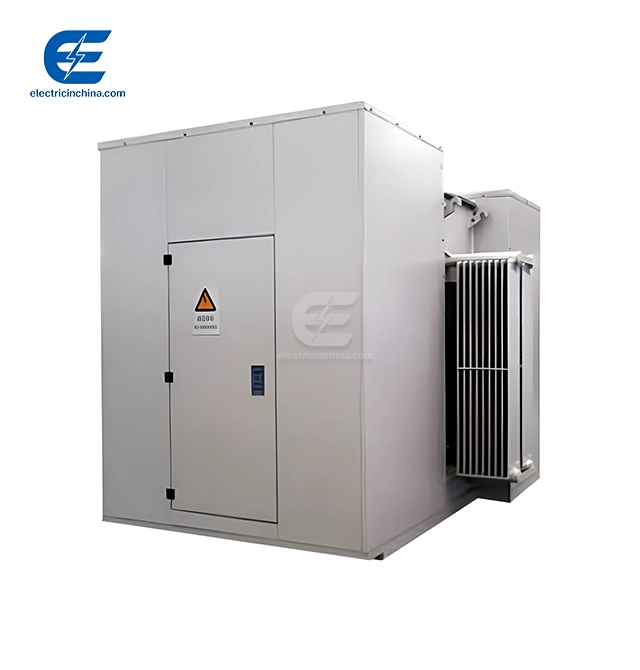
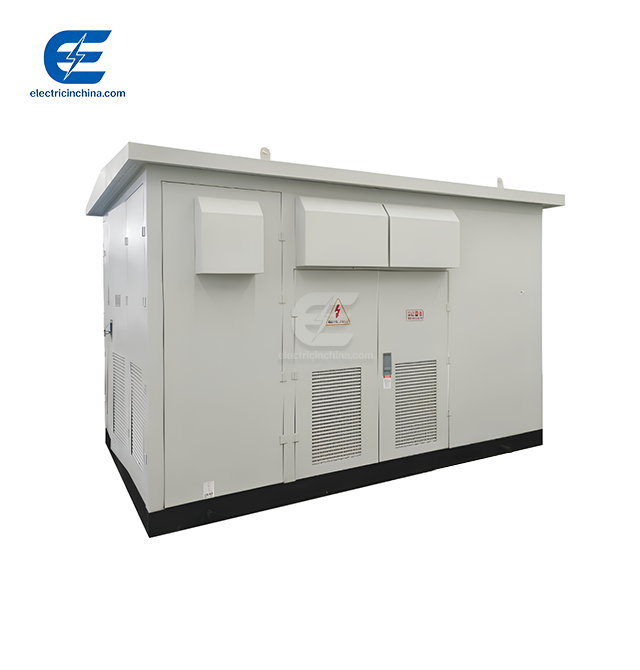
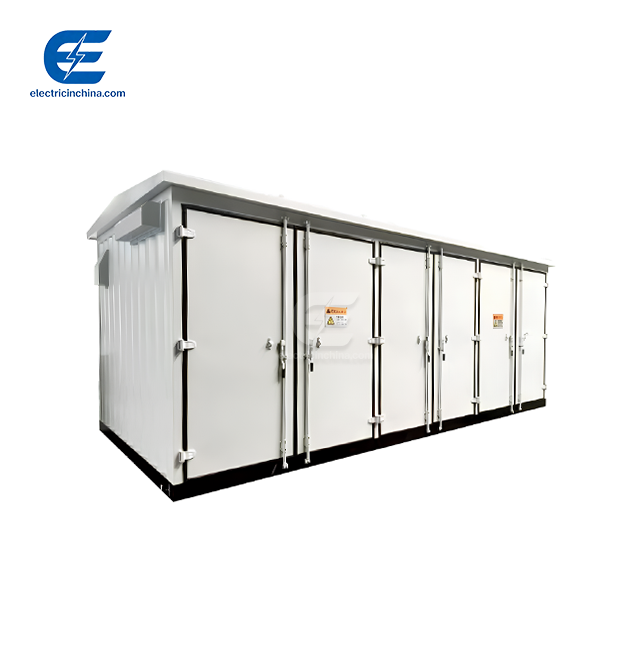
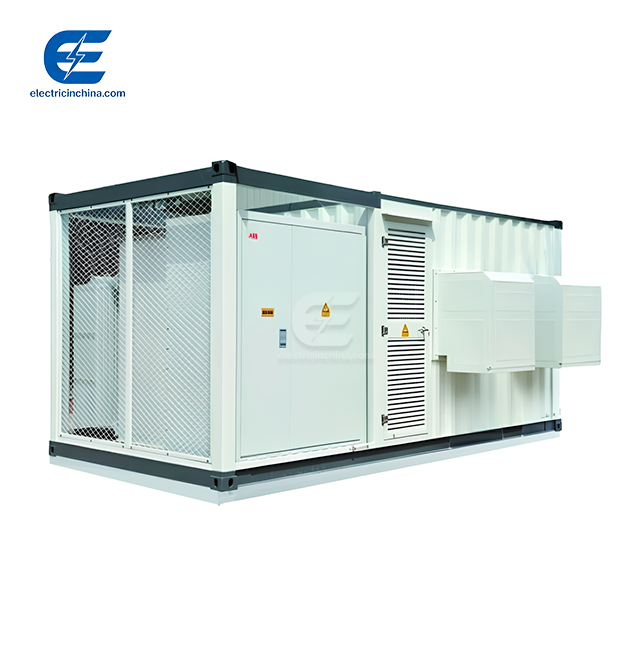
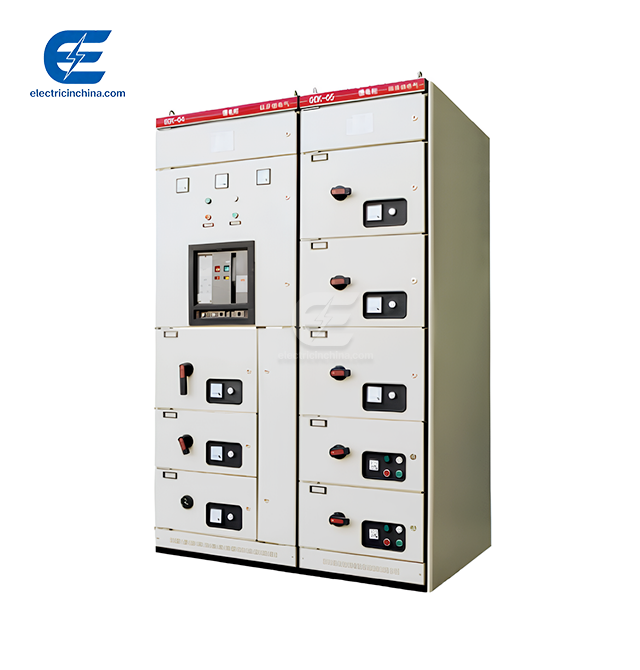
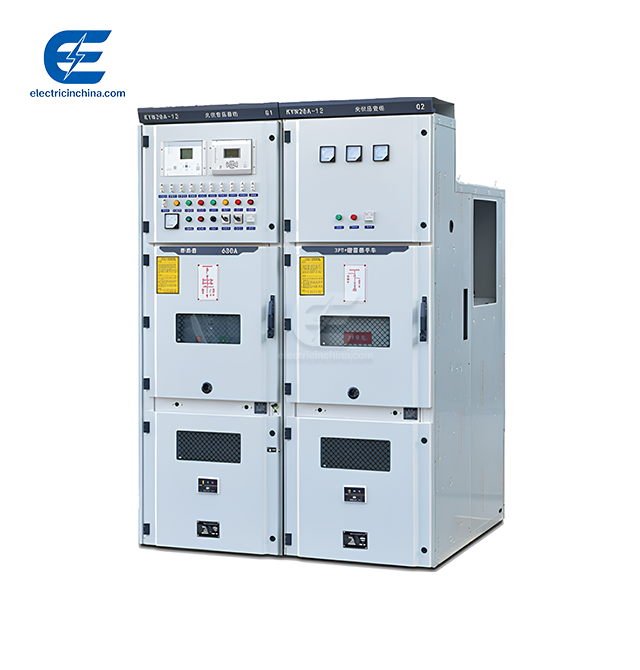
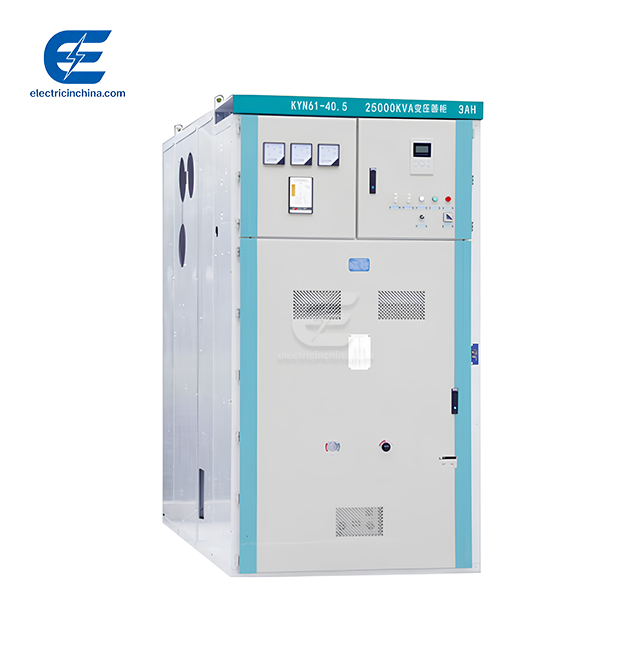
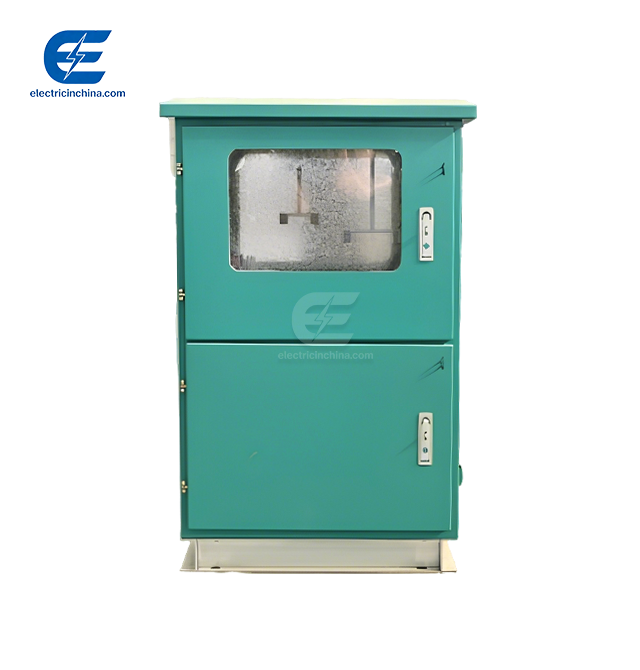
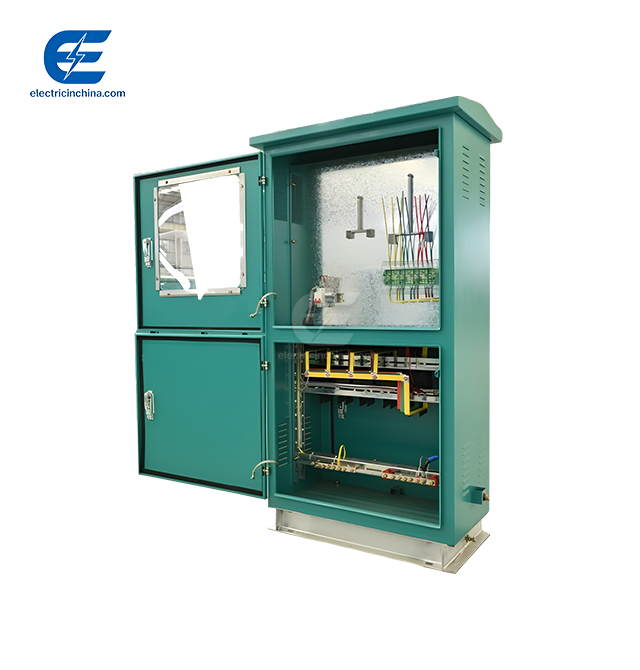
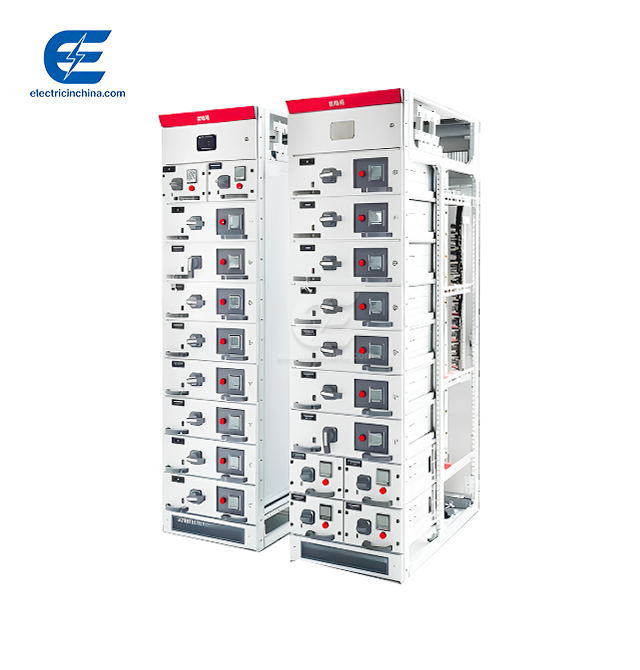
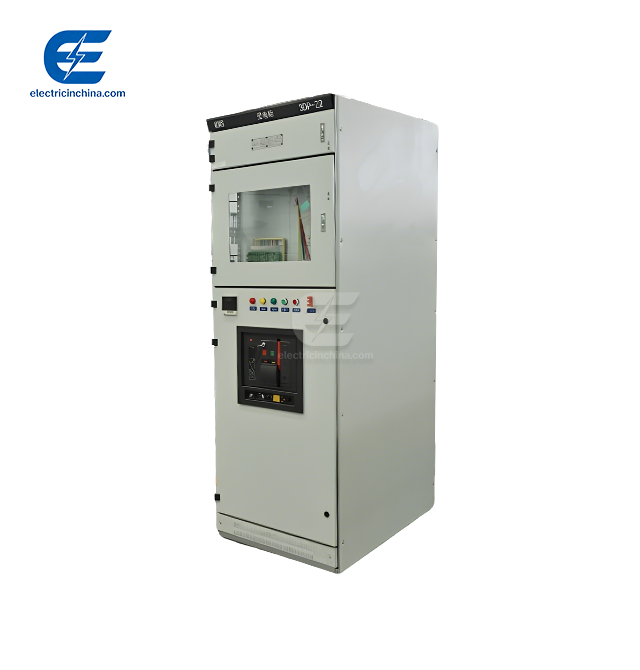
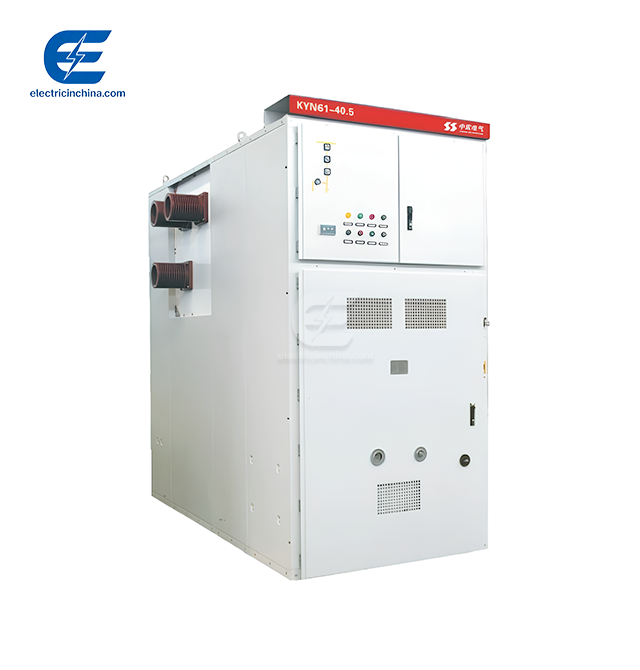
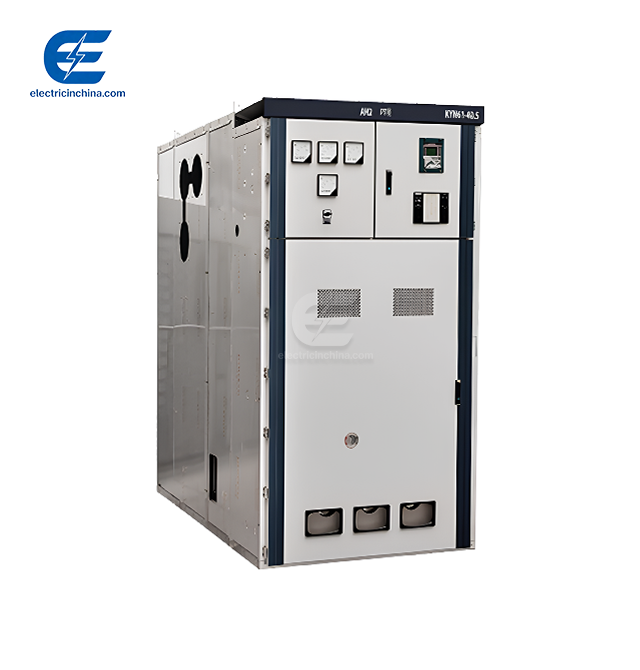
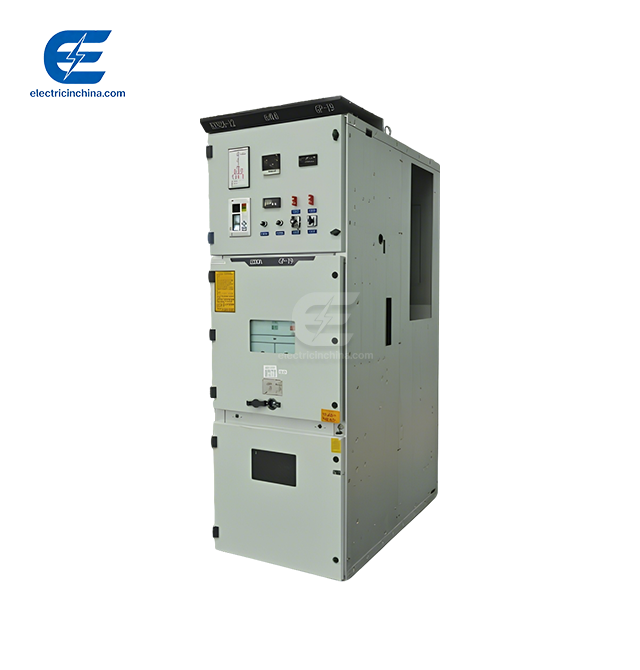
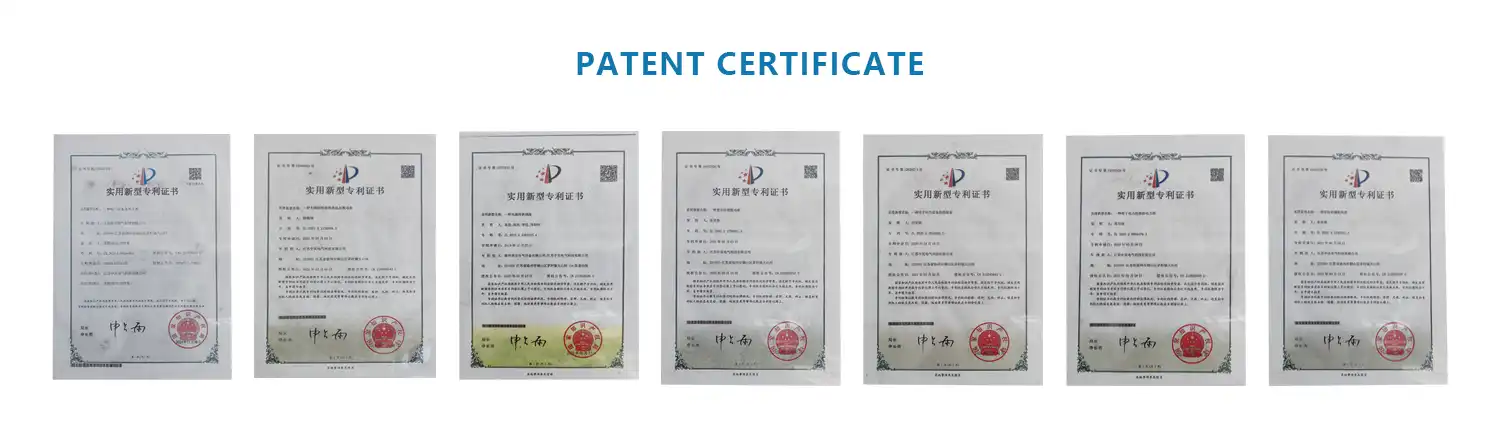
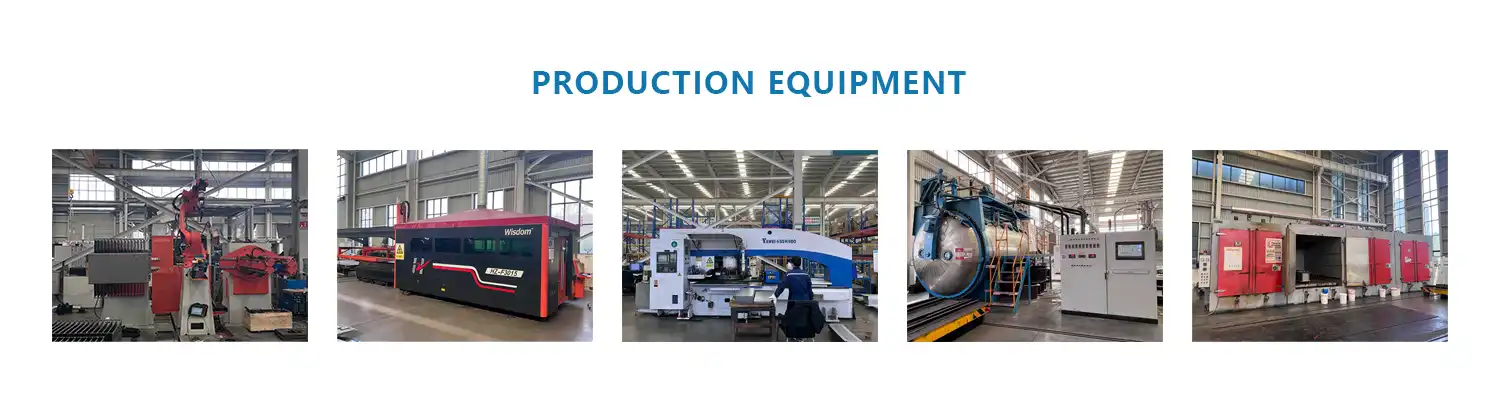
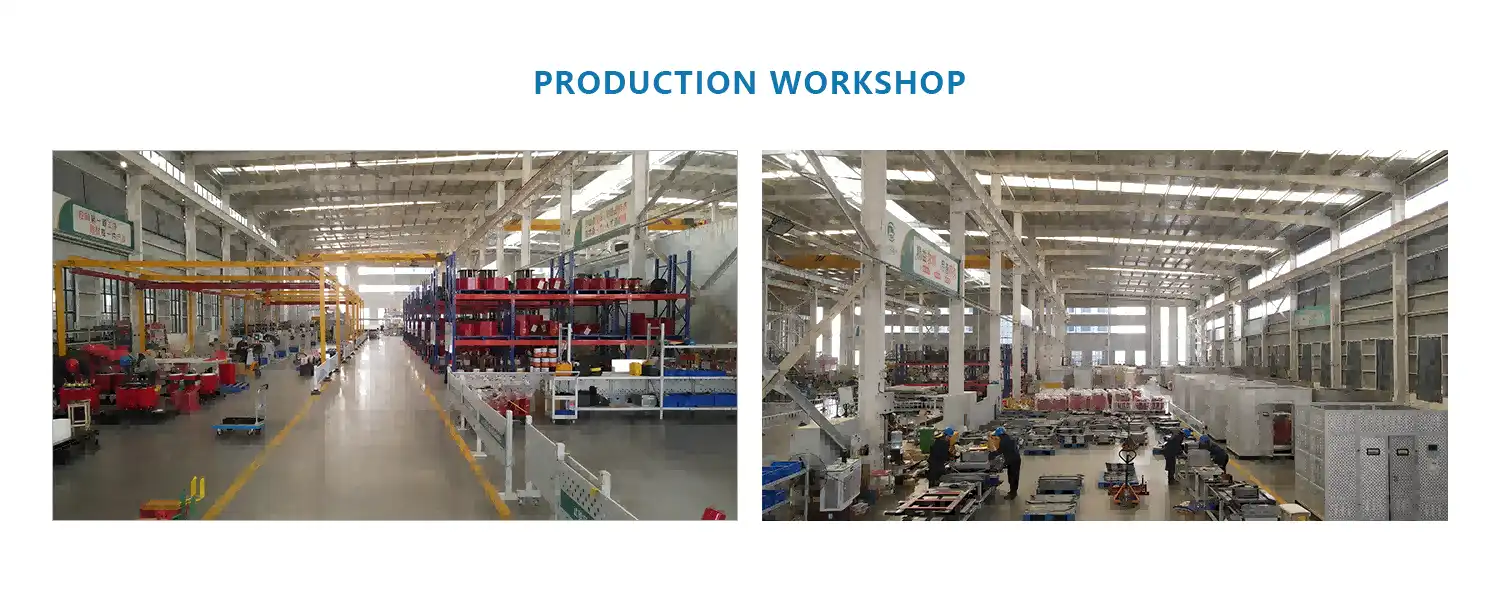
Power Distribution Cabinets are high-tech electrical enclosures that are designed to safely split power between multiple circuits after it comes in from generators or utility sources. Usually, these cases have advanced safety features, tracking systems, and control parts inside a strong metal case. Our distribution systems at Xuzhou Tuojie International Trade Co., Ltd. have smart touchscreens, real-time power tracking, and flexible circuit configurations. They are backed by 18 patents and made with more than 120 sets of high-tech machinery. Each unit goes through strict quality checks that are in line with ISO9001 standards. This makes sure that the units work perfectly in harsh environments.
Manufacturers in the industrial sector depend on these boxes to handle large electricity loads from 100A to 6000A and voltages from 120V to 69kV. The modular architecture makes it easy to add more features or make the system bigger without having to completely rebuild the infrastructure. Our engineering team is made up of 15 senior engineers who have worked on projects like Xuzhou Rail Transit and XCMG Group installations. They design each cabinet to meet the needs of the operation while also meeting ISO 9001, ISO 14001, and National CCC Mandatory Certification standards.
Understanding Distribution Boxes
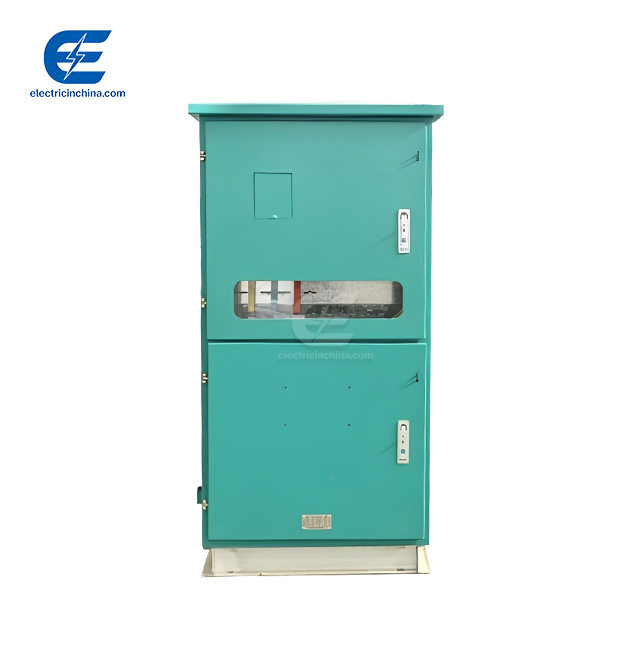
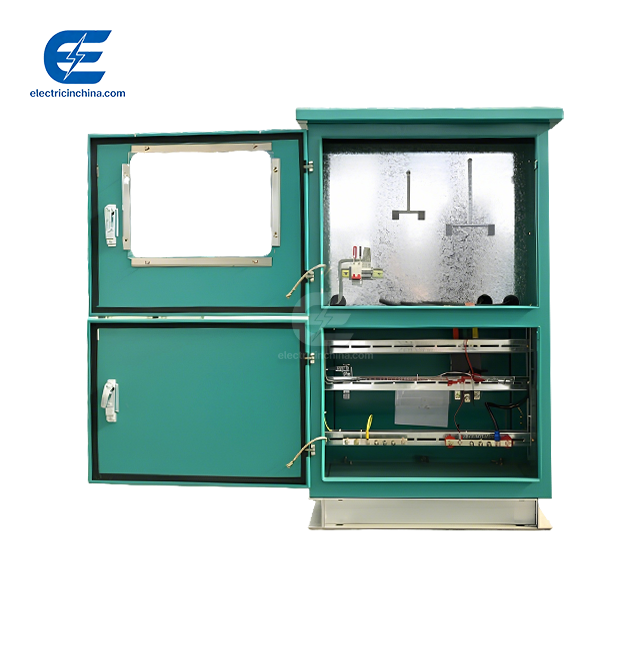
Power is sent to different parts of a building, like apartments, small businesses, or specific areas within bigger buildings, by small electrical panels called distribution boxes. These units have circuit breakers, fuses, and other basic safety devices inside smaller housings. They usually have lower current capacities and simpler designs. Because they are simple, distribution boxes can be used to protect branch circuits and control power in areas that don't need complex monitoring.
Real estate companies and business building projects often use distribution boxes to send power to different floors or zones. The units guard against overcurrent and make it straightforward to disconnect the circuit for repair. Even though they don't have as many advanced features as full-size cabinets, distribution boxes are essential in electrical systems where load needs are low and central control isn't required.
Typical Usage Scenarios
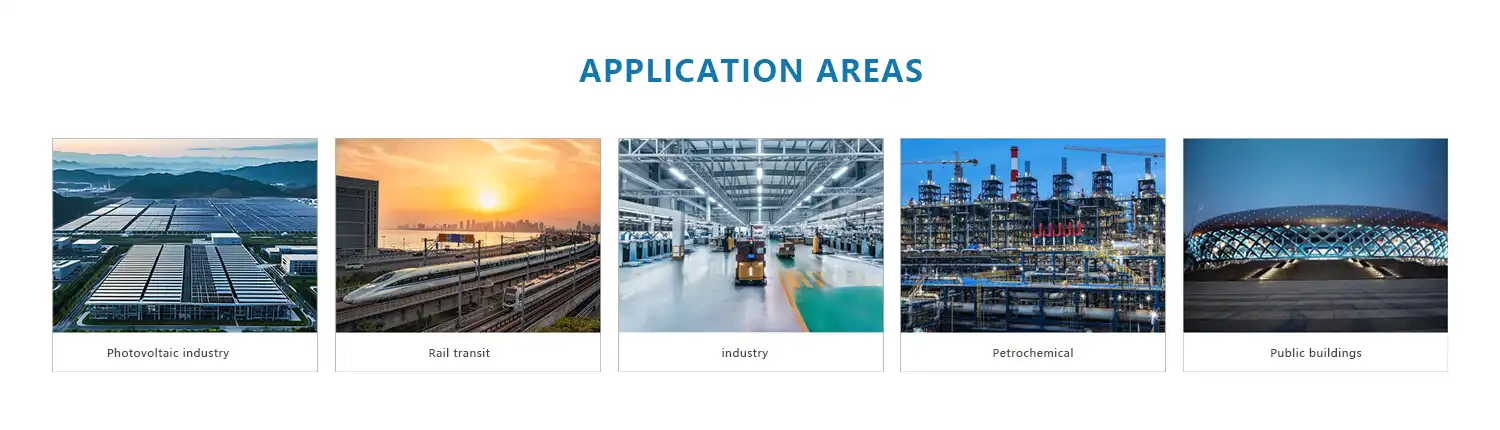
Power Distribution Cabinets are used in most heavy industrial settings, commercial complexes, manufacturing plants, and city infrastructure projects. Our work on the Xuzhou High-speed Railway East Station Official Power Supply EPC Project and the GCL Photovoltaic Industrial Park's power transfer systems shows that the cabinet can handle complicated, high-capacity distribution needs. To avoid costly downtime, these installations need reliable power control, full protection systems, and smart tracking.
There is a place for distribution boxes in apartment buildings, small stores and office rooms and as sub-distribution points in bigger systems. These are inexpensive ways to distribute electricity in simple situations where complex controls and high-capacity handling aren't needed. Understanding these different ways of using equipment helps procurement professionals match the equipment's capabilities to a project's needs.
Key Differences Between Power Distribution Cabinets and Distribution Boxes
Structural and Design Distinctions
The complicated way Power Distribution Cabinets are built shows how hard they have to work. These units have heavy-duty steel cases with ingress protection ratings of IP54 to IP65, which protect well against dust and water. Circuit breakers, contactors, variable frequency drives, and monitoring equipment can be arranged in complicated ways on the inside. All of this is placed on frames that are reinforced to meet IEEE 693 standards for seismic events.
Distribution boxes have smaller sizes and easier-to-understand layouts inside. The smaller size and lighter weight of the building cut down on the cost of materials and the difficulty of installation. Full-featured closets, on the other hand, offer more protection and room for growth than this simplified method. For low-risk areas, lighter-grade steel or plastic cases are common material choices. On the other hand, industrial cabinets need to be built strong to protect their valuable internal parts.
Electrical Performance and Capacity
The two systems have completely unique ways of managing temperature. Power Distribution Cabinets have climate control, ventilation systems, and thermal monitoring built in to keep the best working conditions from -40°C to +70°C. This thermal management keeps sensitive electronics safe and keeps them working reliably in a wide range of environmental conditions, which is essential for infrastructure projects in harsh climates.
One big difference between these electrical solutions is their current-carrying capacity. Our Power Distribution Cabinets can safely handle large loads and can withstand fault currents of up to 200kA. This makes them ideal for use in high-demand industrial settings. Strong bus bar systems, high-interrupting-capacity breakers, and full ground fault tracking ensure that the system works reliably even when things go wrong.
Safety Features and Compliance Standards
Most distribution boxes can handle smaller currents, making them better for protecting branch circuits than for distributing power to the main line. The lower capacity means cheaper equipment, but it can exclusively be used for smaller electrical loads. When EPC companies look at equipment for big projects, they have to carefully look at load estimates to make sure the equipment they choose has enough capacity and safety margins.
The ability to control circuits shows another important difference. Power Distribution Cabinets allow for complex selective coordination, which lets fault-finding devices separate problems at the most localised level possible without affecting circuits further up the line. This smart protection plan cuts down on downtime and keeps operations running smoothly, which is important for critical infrastructure and continuous process manufacturing.
Many of the choices that go into making power transfer tools are based on safety. Our cabinets have many layers of protection, including arc fault protection according to IEEE C37.20.7, full ground fault monitoring, and instantaneous overcurrent response. These features keep people safe, keep tools from getting damaged, and lower the risk of fire—all of which are crucial to government projects and business developers.
Following international rules gives buyers trust in choices made around the world. Our factory makes Power Distribution Cabinets that meet strict standards like UL 891 for low-voltage switchboards, IEC 61439 for switchgear systems, and NEMA enclosure grades. This wide range of certifications makes it easier for different countries to approve specifications and follow rules. This is especially helpful for multinational companies and international building projects.
Distribution boxes usually meet the electricity codes for homes and basic business standards, but they don't have all the testing and licensing paperwork that is needed for industrial uses. The lower compliance burden is due to their simpler design and lower-risk uses. To avoid costly compliance issues during project delivery, procurement teams must ensure that the equipment they choose has the right certifications for the places where it will be installed.
Comparison of Power Distribution Cabinets versus Other Electrical Solutions
Power Distribution Cabinets and Switchgear Systems
Knowing how Power Distribution Cabinets work with switchgear systems makes it easier to choose the right equipment. Switchgear includes a wider range of switching and safety devices, which usually work at higher levels and have more advanced separation features. Our distribution cabinets are a special type that works best with secondary distribution. They have switching functions as well as full tracking and control features that are good for end-user uses.
Modern distribution cabinets can integrate with other equipment, making the lines between different types of equipment less clear. Our high-tech models work with transmission standards like Modbus, DNP3, and IEC 61850, which makes it easy to connect them to industrial control networks and building management systems. With this connectivity, distribution cabinets go from being passive safety devices to being active parts of smart facility management plans. They let you see how much energy is being used and how well the system is working in real time.
Material Choices and Environmental Considerations
Choosing between metal and plastic enclosures has a big effect on how long equipment lasts and how well it works in different environments. Our Power Distribution Cabinets are made of heavy-gauge steel and have coatings that keep them from rusting. They will last for decades in harsh industrial environments. The strong construction can survive physical impacts, keeps its protective structure over long service lives, and is not damaged by the environment.
Plastic covers are good for some distribution box uses where lighter weight, resistance to rust, and lower costs are desirable. Plastic materials, on the other hand, are not as resistant to fire, are not as strong mechanically, and don't work as well in extreme temperatures as metal materials. Metal enclosures are often used for long-term reliability and safety in infrastructure projects and industrial installations.
Smart Monitoring and Energy Management
The development of intelligent monitoring tools has completely changed how electrical distribution is managed. Our high-end Power Distribution Cabinets have built-in touchscreens that show current draw, power usage trends, and the state of each branch circuit in real time. This visibility makes it possible to do preventative maintenance, backs up efforts to save energy, and speeds up troubleshooting when problems do happen.
These smart features give building managers and repair teams real operational benefits. Predictive analytics find problems before they get bad enough to break down equipment or cause unplanned downtime. Through optimised load scheduling and power factor correction, energy management tools help reach environmental goals while lowering running costs. This kind of clever tracking usually pays for itself in the first year of use, giving a good return on investment.
Selection Criteria for Power Distribution Cabinets and Distribution Boxes
Aligning Equipment Selection with Load Demands
Accurate load analysis is the basis for choosing the right equipment. Engineering teams have to figure out the highest amount of electricity that will be needed, taking into account safety gaps according to IEEE 141 guidelines and the need for future growth. Our technical experts work closely with EPC builders to look at load profiles, suggest appropriate ratings for power distribution cabinets, and set up systems that meet both present needs and future growth.
Space limitations affect the choice of equipment in more ways than just how well it fits in terms of size. Power Distribution Cabinets need enough space around them to be safe to use, for repair workers to get to, and for heat to escape. Our modular designs make the best use of room while still meeting the standards of the electrical code for clearance. When placement room is limited, distribution boxes are useful because their small profiles and wall-mounted designs make them easy to use.
Industry-Specific Application Requirements
Power distribution systems in factories need to be strong enough to handle the different loads that motors, drives, and process equipment put on them. As we've worked on projects like the XCMG Group power supply upgrade, we've seen how properly specified distribution cabinets keep production equipment running smoothly while also allowing for changes to both equipment and processes.
Commercial projects need distribution systems that balance cost-effectiveness, efficiency, and good looks. The Xinhuai Central Complex and other well-known projects we've worked on show how stable power distribution systems can be when they're built in with the building's design and management systems. Equipment that looks professional, works well, and doesn't need much upkeep is popular with real estate companies.
Technical Specifications and Vendor Evaluation
Reliability, safety, and long service life are more important than cutting costs in municipal infrastructure projects. The Xuzhou Rail Transit Network Control Center we worked on is an example of a distribution system that was built with backups, full tracking, and fail-safe safety to make sure that important public services keep running. The improved defensive relaying and dual-circuit power source design make this device completely reliable, which is very important for public safety uses.
Detailed technical specifications make sure that the results of the procurement process meet the needs of the project. Some important factors are the voltage and current rates, the ability to withstand short-circuits, the coordination of safety devices, and the support for communication protocols. Our engineering documentation includes detailed specifications that allow for accurate bid evaluations and sure decisions about which equipment to choose.
The total term value of an item is taken into account when evaluating a vendor, not just its starting cost. Our 20-year history in the field, large collection of completed projects, and thorough quality management system give you faith in the dependability of our long-term partnerships. Total ownership costs are affected by warranty terms, professional help available, and the ease of getting replacement parts. These factors are often overlooked when only looking at the purchase price.
Siemens, Schneider Electric, ABB, and Eaton, among other top global suppliers, set the standards for quality and performance in their fields. At Tuojie, we've made Power Distribution Cabinets that meet or go beyond these standards. We also offer unique solutions that are made to fit the needs of each area and project. Our advanced production skills and ISO 9001-certified quality management system make sure that every order gets the same high-quality products.

Practical Recommendations and Case Examples
Differentiating Project Needs
Power Distribution Cabinets with a lot of safety features, a lot of monitoring options, and a history of reliability are usually needed for government infrastructure projects. The Xuzhou New Health Hospital Phase I Project shows how properly designed distribution systems can support important healthcare tasks where power outages could put lives in danger. When these projects' budgets are set, long-term reliability should be given more weight than minimising initial costs.
Industrial makers benefit from having distribution boxes that are set up in a way that fits their process needs. The Huaihai Biomedical Industrial Park's power transfer and distribution project shows how customised solutions can meet specific electrical needs. These solutions include specialised grounding systems, harmonic mitigation, and interaction with process control systems. Working with suppliers who have experience and know the needs of your business speeds up the project and makes sure the system works at its best.
Real-World Implementation Examples
The installation by the XCMG Group shows how to set up Power Distribution Cabinets on a large scale. To finish this project on time, deliveries had to be sped up and coordinated across multiple distribution points on a large manufacturing campus. The project also had to work with existing infrastructure. Our team finished the work ahead of plan while still meeting high-quality standards. This allowed business operations to start on time.
During the project, it was hard to coordinate with many different trades, make last-minute changes to the design, and make sure that the new equipment would work well with the old equipment. Our experienced engineering team and flexible production capabilities quickly adjusted to changing needs, showing how important it is to work with prompt suppliers who can meet the needs of complex projects.
Maintenance Best Practices
The performance results were better than what the client expected. Since it was set up, the distribution system has been up 99.97% of the time, which means that manufacturing operations can go on without stopping. Energy monitoring tools found ways to improve efficiency that cut electricity use by 8% compared to initial estimates. This led to unexpected cost savings that increased the project's return on investment.
Routine inspection protocols keep equipment in good shape and stop it from breaking down when you least expect it. Every three months, thermal image scans find hot spots that are starting to form before they damage parts. Electrical testing once a year, which includes measuring insulation resistance and calibrating protective relays, makes sure that safety standards are always met and that protective devices work at their best.
Good maintenance plans use good documentation techniques. Keeping detailed records of inspection results, test results, and maintenance activities lets you look for patterns that can help you spot problems before they affect operations. When compared to reactive maintenance strategies, our clients who use proactive maintenance report much lower failure rates and longer equipment service lives.
Conclusion
When deciding between Power Distribution Cabinets and distribution boxes, you need to carefully think about the load needs, safety concerns, tracking requirements, and long-term operating goals. Power Distribution Cabinets offer complete solutions for tough industrial, business, and infrastructure tasks that need stability, capacity, and smart management to support higher costs. Distribution boxes work well in simpler situations where the electrical needs are low and the safety needs are clear. To have a successful procurement process, you need to accurately assess your needs, carefully evaluate each vendor, and make sure that the equipment you buy fits the needs of the project. Working with seasoned suppliers like Tuojie, who have both professional know-how and a track record of getting projects done, guarantees the best results during the equipment selection, installation, and operation stages.
FAQ
Can distribution boxes substitute for Power Distribution Cabinets in industrial facilities?
In industrial settings, can distribution boxes be used instead of Power Distribution Cabinets? For industrial uses, distribution boxes aren't big enough, don't have enough safety features, or can't be watched. In manufacturing settings, you need tools that can handle high fault currents, full ground fault protection, and working with motor safety systems. Using old or broken equipment instead of the right one causes major safety risks and problems with following the rules.
What safety certifications should specification documents require for distribution cabinets?
Quality cabinets have UL 891 or IEC 61439 certifications for basic building standards, arc resistance ratings according to IEEE C37.20.7 for worker safety, and NEMA exterior ratings that are right for the installation area. If a company has ISO 9001 certification, it means that they have strong quality control methods that support consistently producing quality. National approvals, such as CCC, give certain areas even more peace of mind about compliance.
How do I ensure compatibility when integrating new cabinets with existing electrical infrastructure?
How can I make sure that new cabinets will work with the electrical system I already have? Coordination studies that look at protective device settings, short-circuit current levels, and voltage regulation in great detail make sure that the integration goes smoothly. Compatibility is more than just electrical parameters. It also includes physical dimensions, mounting arrangements, and matching communication protocols. Working with suppliers who have experience with retrofit applications can help you deal with integration issues and find problems before you make a purchase commitment.
Partner with Tuojie for Premium Power Distribution Cabinet Solutions
Twenty years of experience has given Xuzhou Tuojie International Trade Co., Ltd. the skills to plan, build, and set up complete power distribution systems for tough industrial, business, and local uses. Our Power Distribution Cabinet solutions come with smart monitoring features, a variety of configurations, and strict quality control that is backed by ISO 9001, ISO 14001, and National CCC certifications. With 15 senior engineers, 18 patents, and a lot of project experience, including installing major infrastructure, we offer custom electrical distribution solutions that make sure they work well and follow safety rules. Get in touch with our technical team at tuojie@electricinchina.com to talk about your project needs and get thorough offers from a reliable Power Distribution Cabinet manufacturer that is dedicated to providing excellent engineering and customer service.

References
1. IEEE Standards Association. (2020). IEEE Standard for Metal-Enclosed Low-Voltage Power Circuit Breaker Switchgear: IEEE Std C37.20.1-2020. Institute of Electrical and Electronics Engineers.
2. International Electrotechnical Commission. (2021). Low-Voltage Switchgear and Controlgear Assemblies – Part 1: General Rules: IEC 61439-1:2020. IEC Central Office.
3. National Fire Protection Association. (2020). NFPA 70: National Electrical Code (NEC) 2020 Edition. National Fire Protection Association Publications.
4. Underwriters Laboratories. (2019). UL 891: Standard for Dead-Front Switchboards, Seventh Edition. Underwriters Laboratories Inc.
5. American National Standards Institute. (2018). ANSI C37.20.7-2017: IEEE Guide for Testing Metal-Enclosed Switchgear Rated Up to 38 kV for Internal Arcing Faults. IEEE Standards Association.
6. Beaty, H. Wayne & Fink, Donald G. (2018). Standard Handbook for Electrical Engineers, Seventeenth Edition. McGraw-Hill Education Professional.