

.webp)
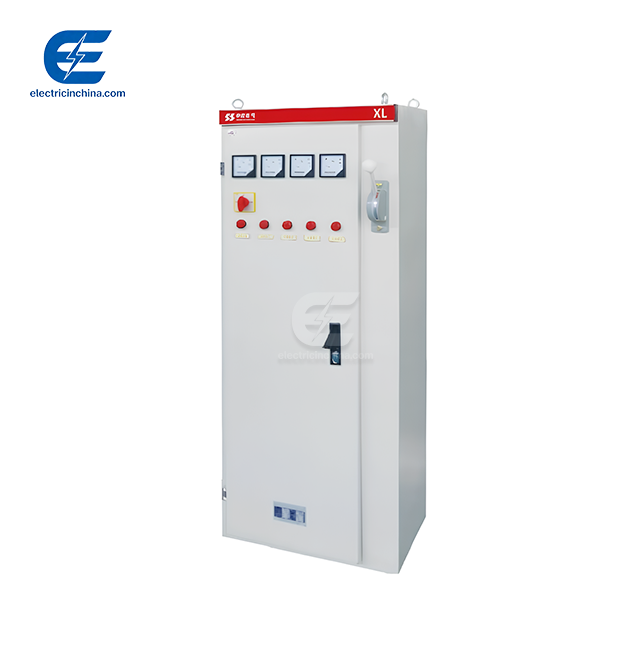
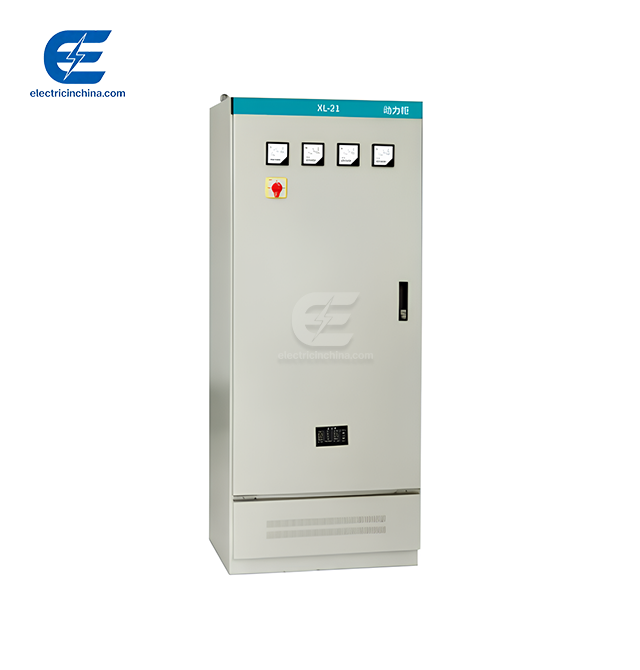
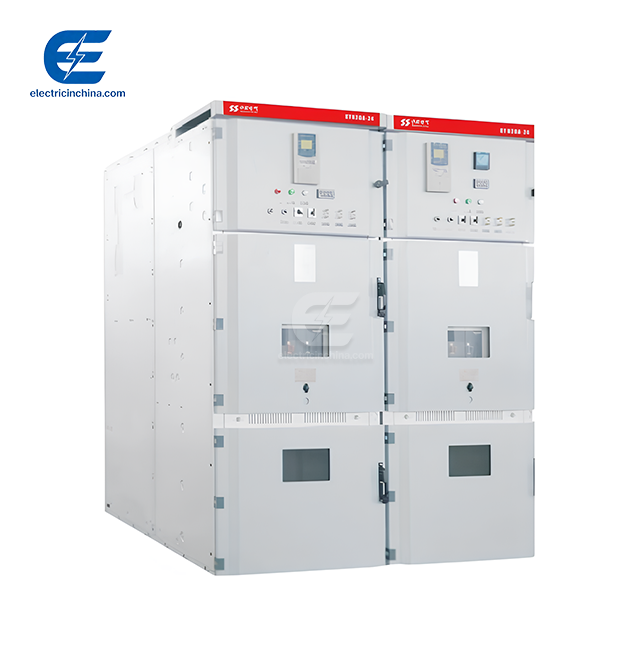
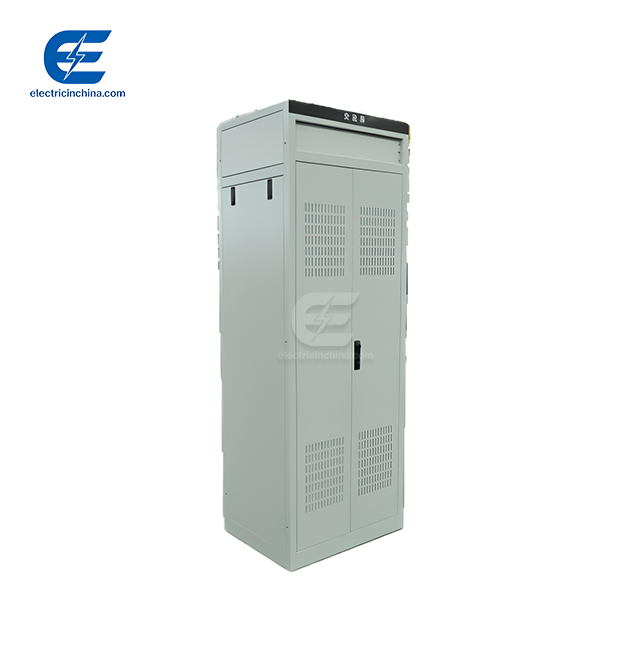
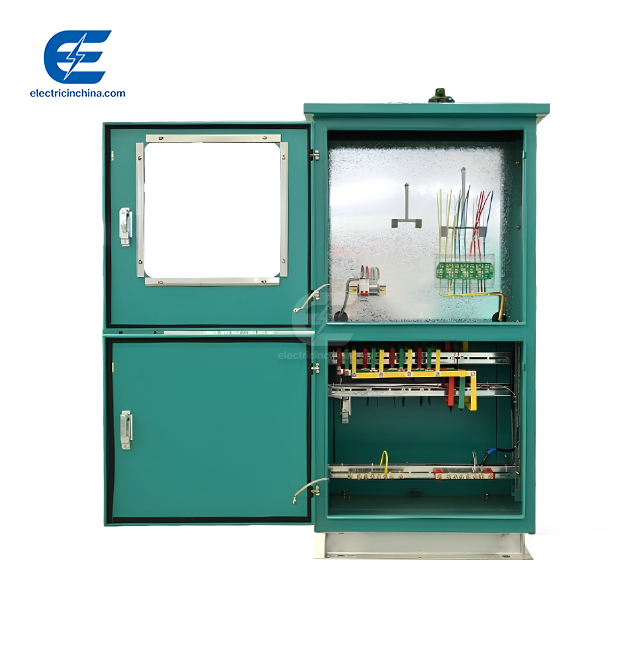
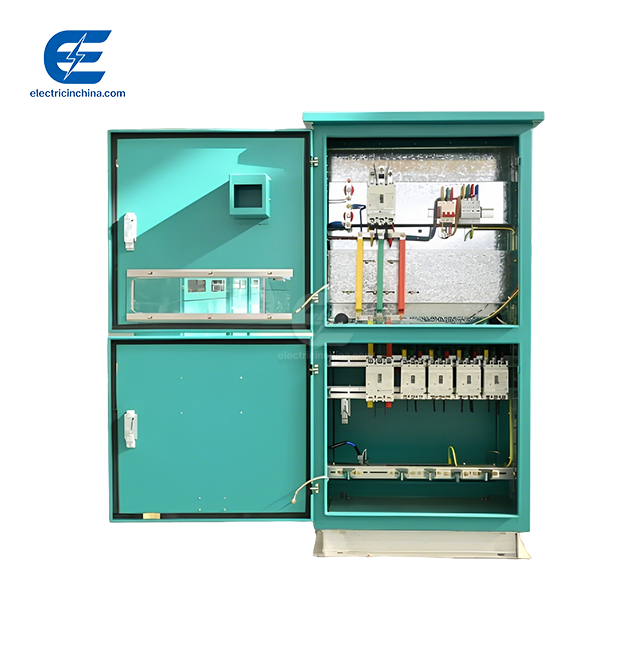
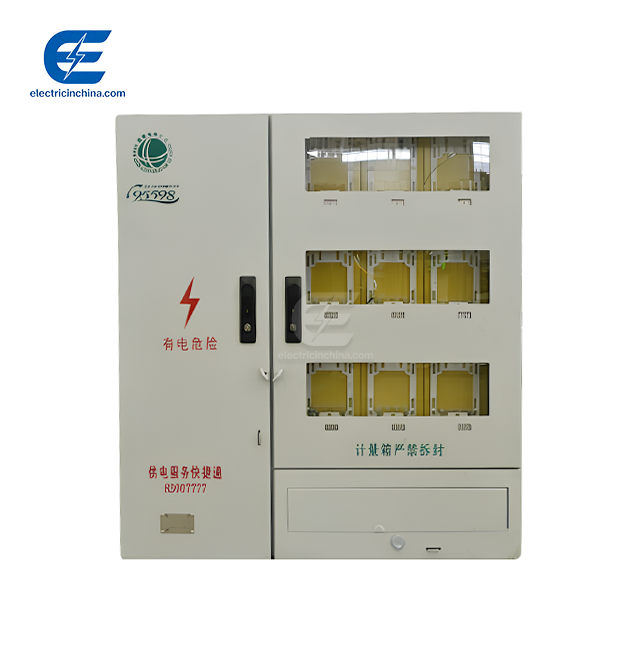
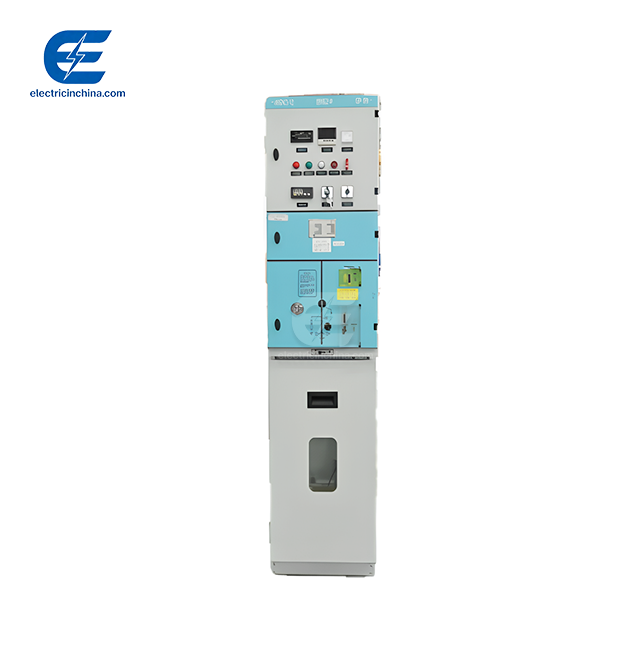
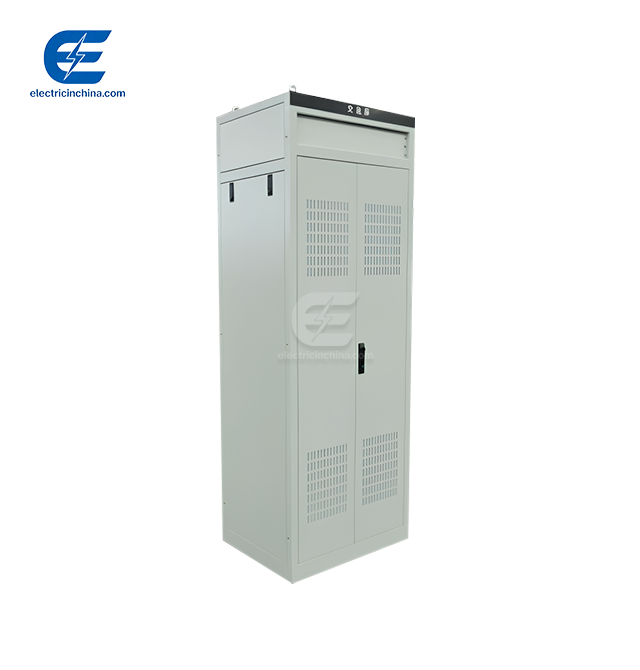
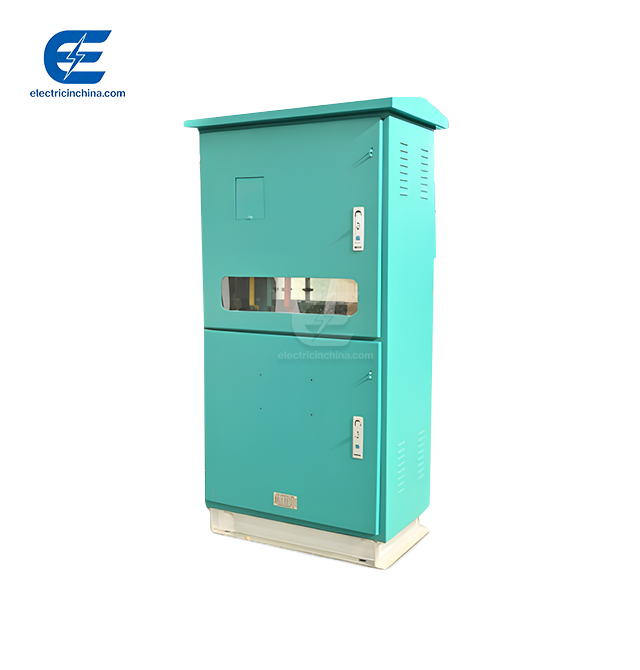
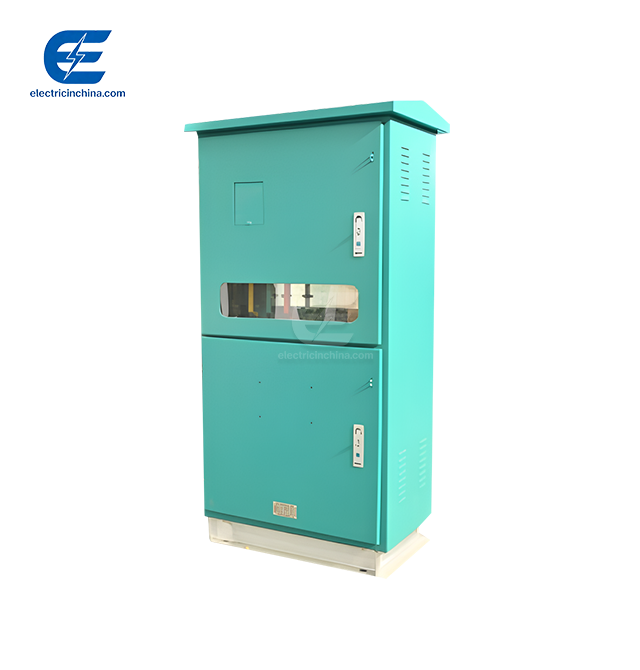
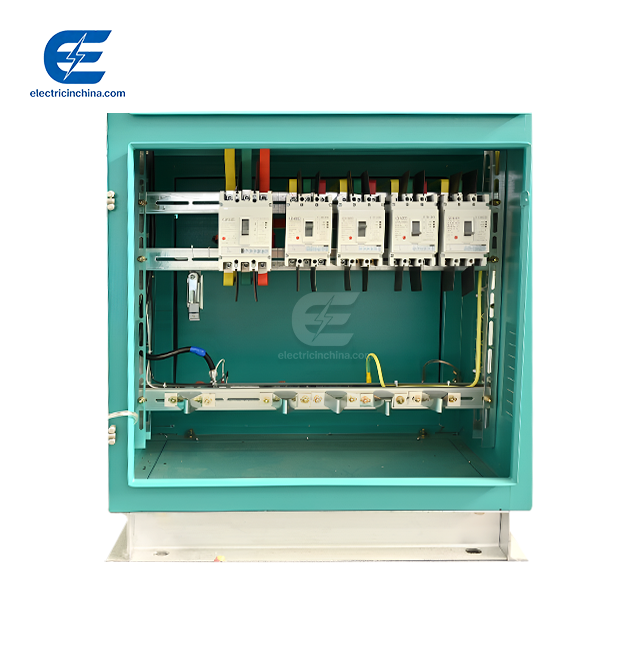
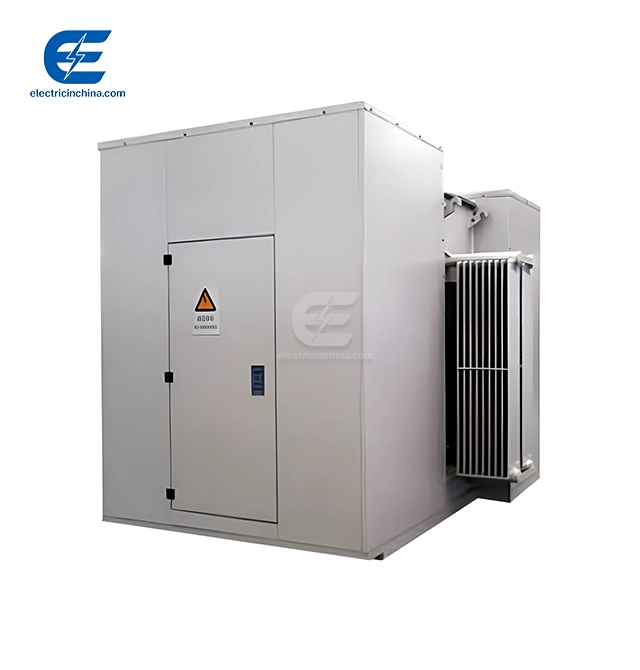
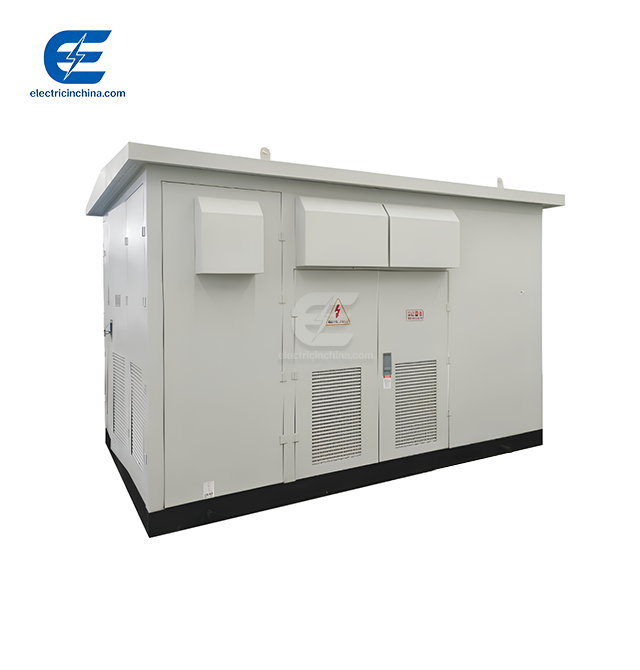
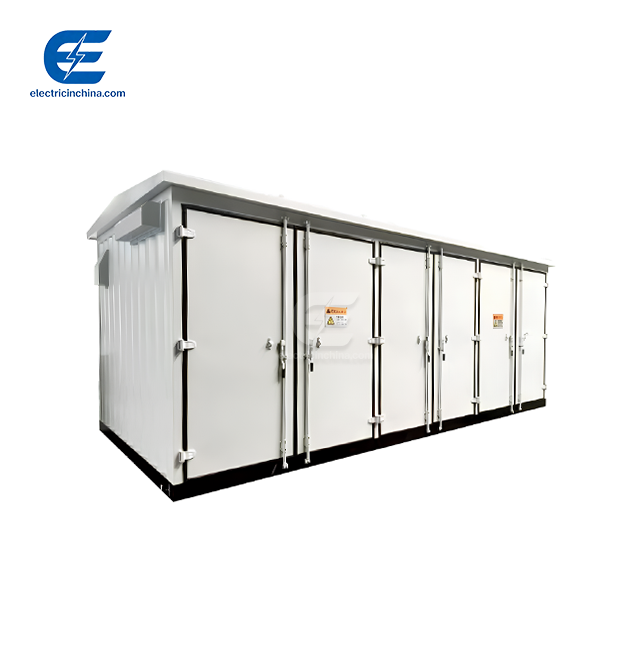
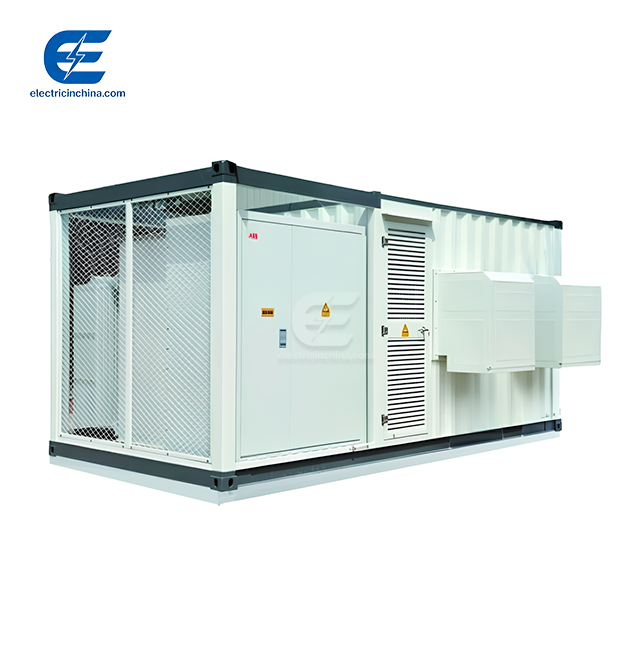
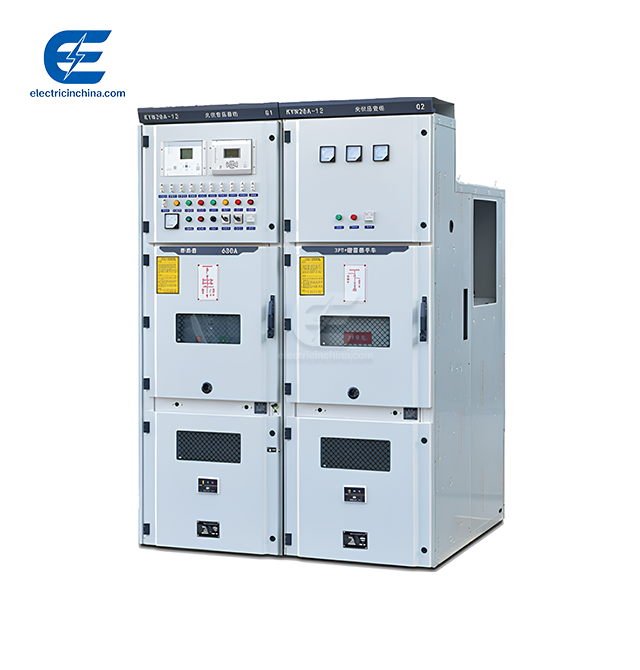
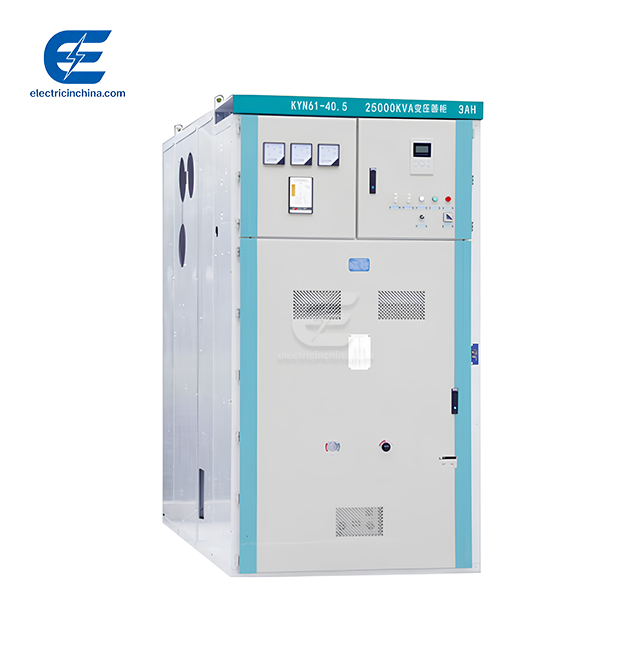
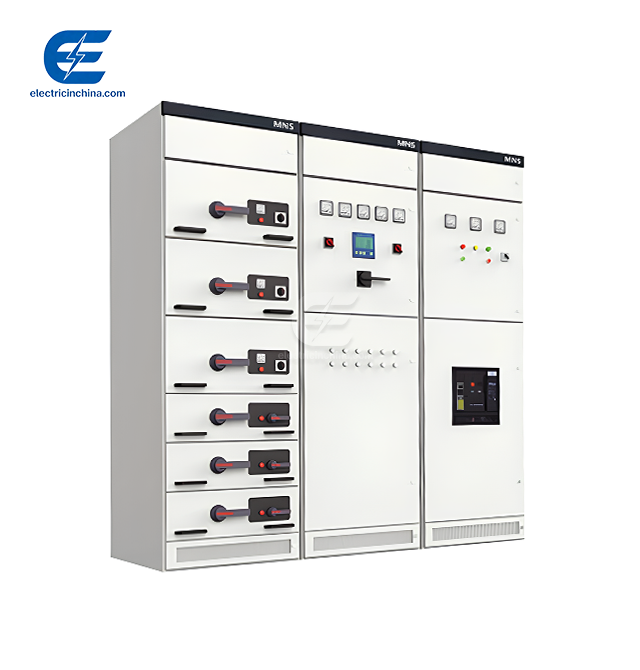
The renewable energy sector demands infrastructure that keeps pace with rapid deployment schedules and evolving grid requirements. An Integrated Modular Substation offers a compelling solution for photovoltaic and wind power installations by consolidating transformers, switchgear, protection relays, and control systems into factory-assembled, pre-tested units. This approach eliminates the coordination challenges and timeline uncertainties that plague conventional field-built substations, delivering operational power infrastructure in 6 to 12 months instead of the typical 18 to 24 months required for traditional builds.
Understanding Integrated Modular Substations in Renewable Energy Projects
Because renewable energy projects have special electrical needs, Integrated Modular Substation designs are very useful. Solar farms produce power that changes based on the weather, while wind farms produce power at voltage levels that need complex systems for changing it and connecting it to the grid. In traditional substation construction, you have to coordinate many different vendors, do a lot of civil work on-site, and put the panels together in the field when the weather isn't predictable. All of these things cause delays and make quality control harder.
How Modular Substations Transform Renewable Power Infrastructure?
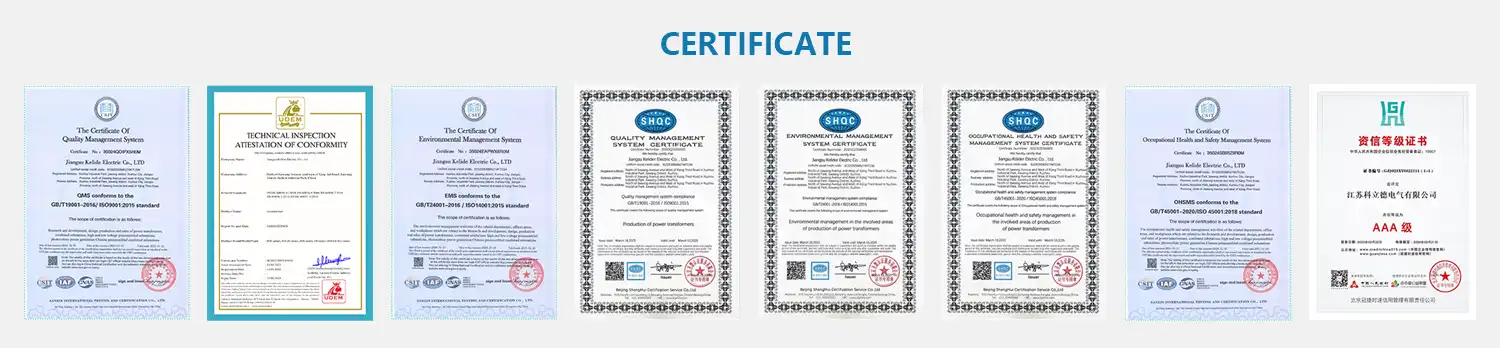
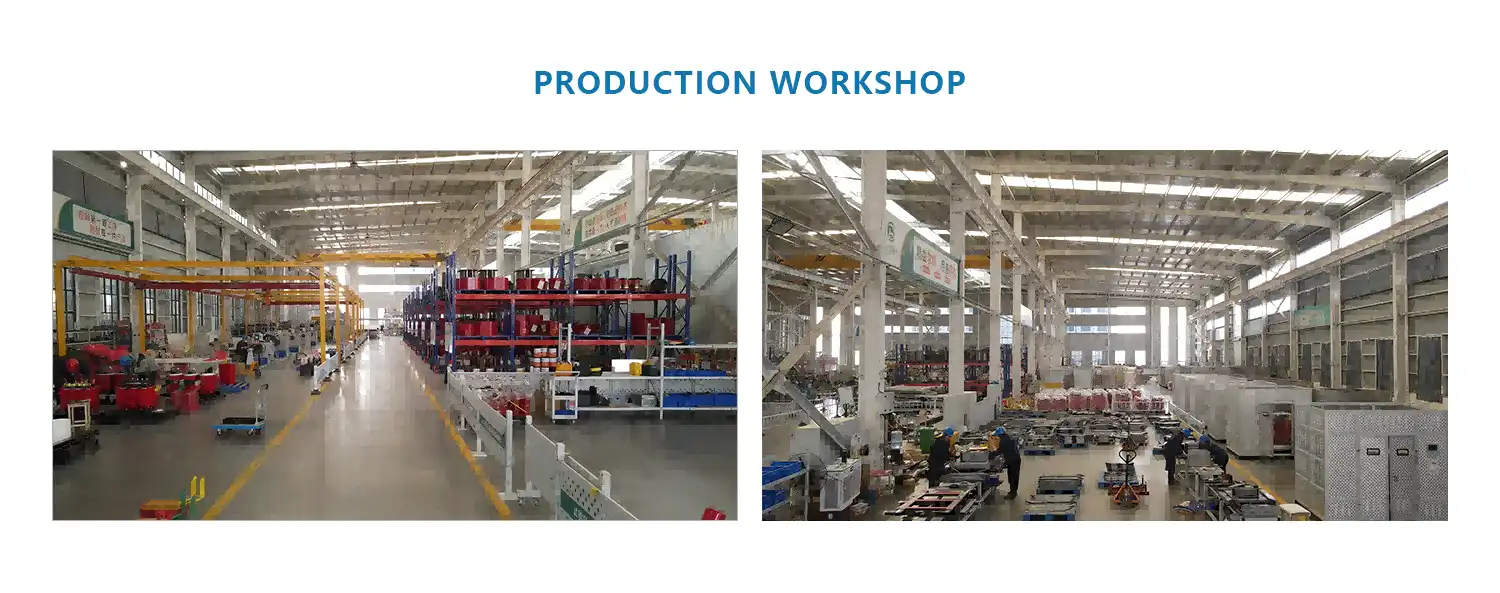
Our solutions directly address these problems. Before being shipped, every part of our Integrated Modular Substation systems is fully put together and tested in our ISO 9001-certified factory. We can do 90% of the commissioning tests in this factory-controlled setting before the unit leaves our workshop. These tests include full voltage energisation, safety coordination, and validation of communication protocols. This makes an electrical system that is ready to connect and start up when it gets to your project site.
Compliance Standards That Matter for Your Projects
Our engineering team ensures that every unit meets the IEEE C57.12.00 standards for transformer design and the IEC 61850 communication protocols, which allow current supervisory control and data acquisition systems to work easily. These licenses aren't just pieces of paper; they show that you can perform well enough to be checked, and they were tried under strict conditions. We also follow the weather guidelines set by IEC 60721; this means that our equipment can work in temperatures ranging from -40°C to +50°C; high and low humidity levels; and locations up to 3,000 meters above sea level.
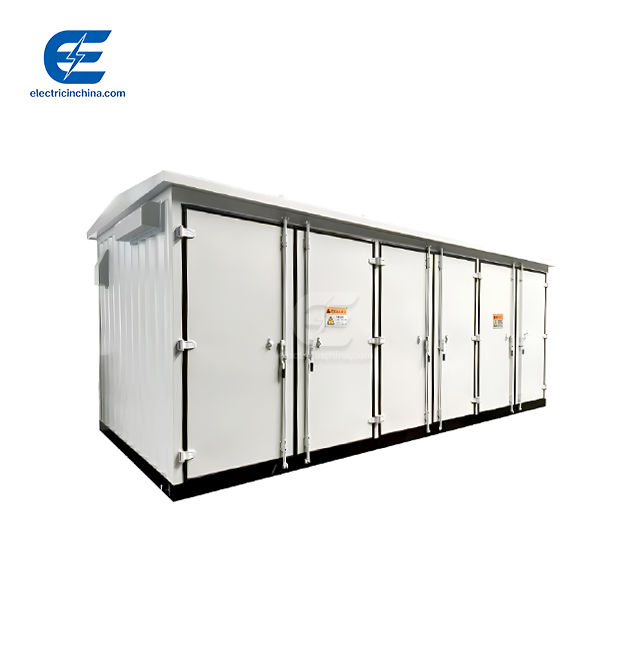
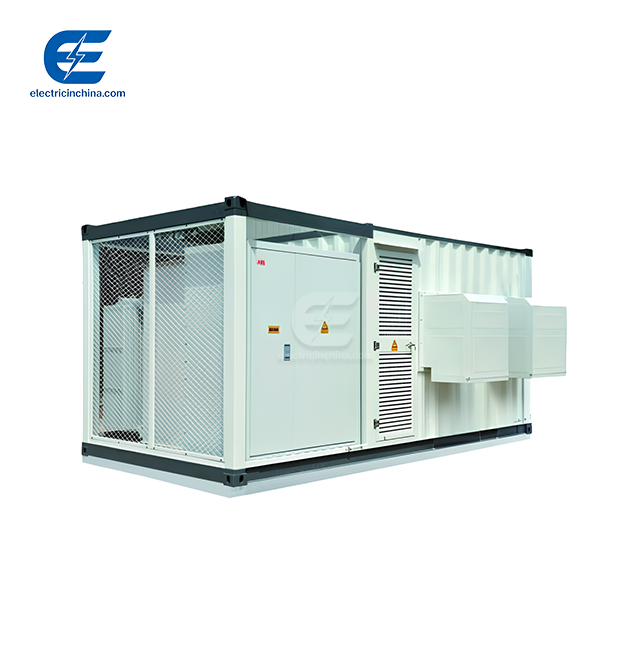
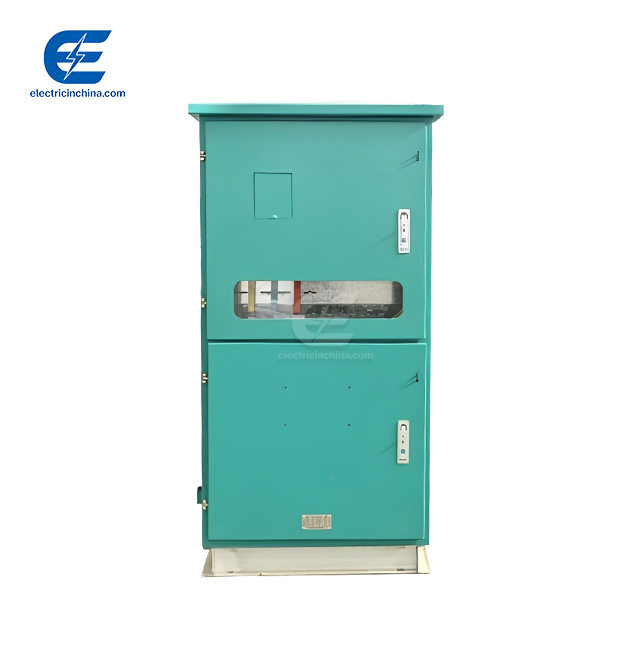
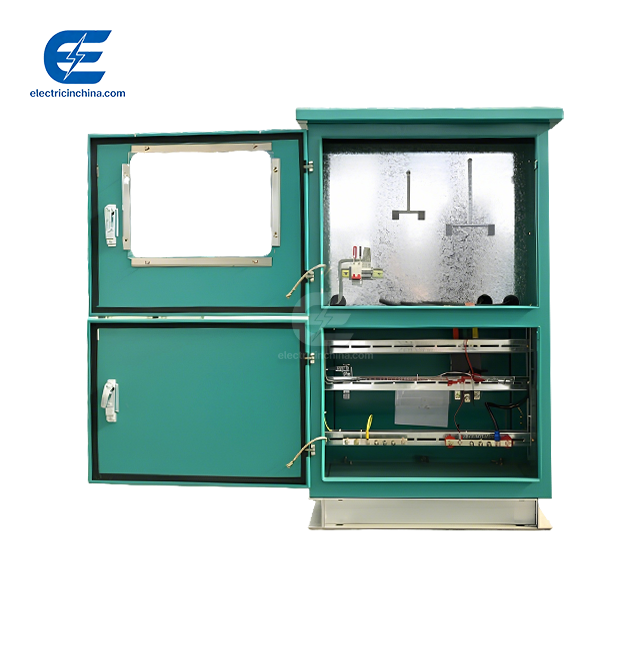
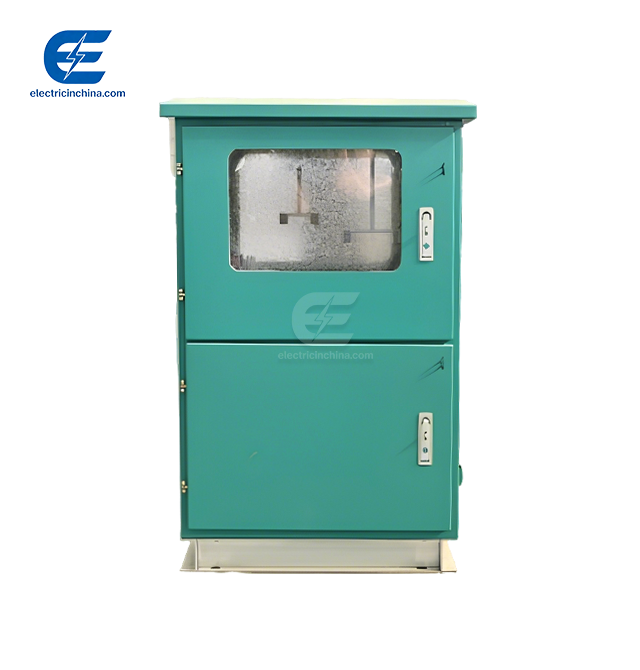
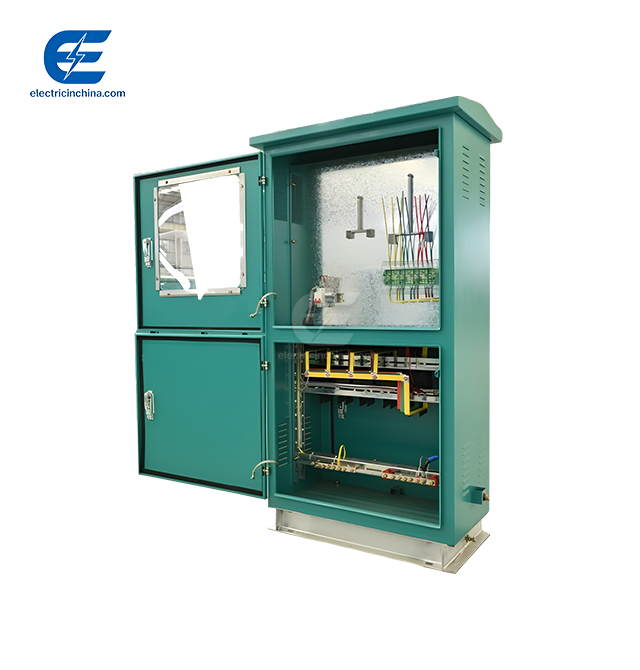
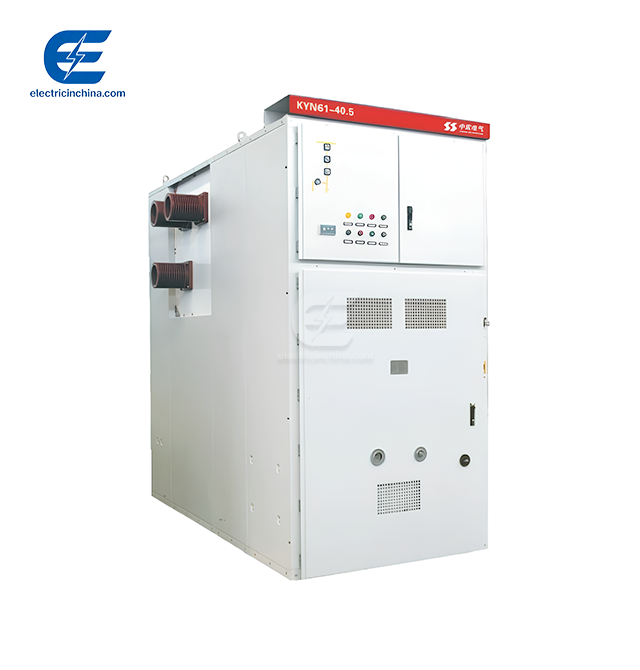
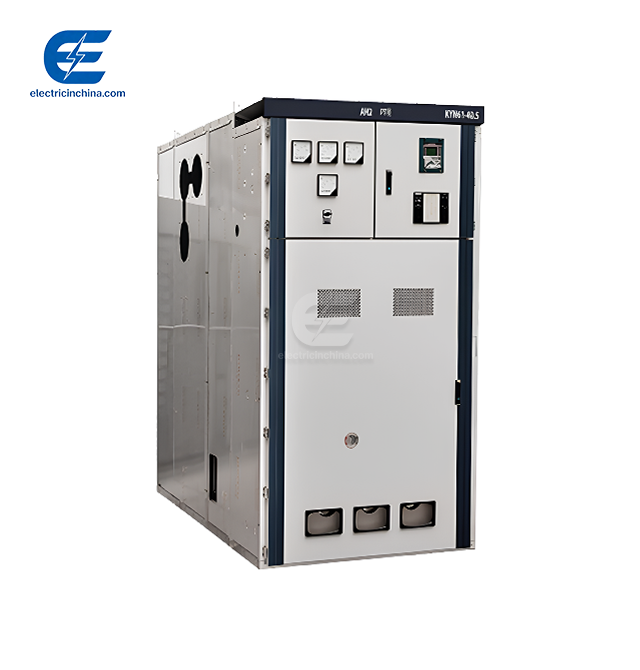
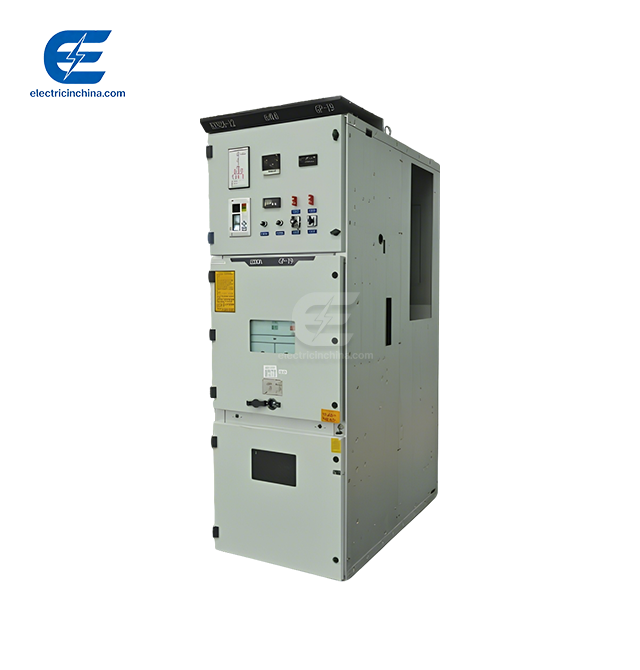
The layout of the small substation we use is very different from standard designs. We don't build separate buildings for transformers, switchgear rooms, and control houses. Instead, we put all of these systems together in weatherproof enclosures with IP54 or IP65 ratings. This consolidation cuts your project's size by up to 70% compared to traditional layouts. This is a giant benefit when trying to get permits for green sites with limited land or protecting sensitive ecosystems.
Advantages of Using IMS in Photovoltaic and Wind Power Projects
Developers of renewable energy are under a lot of pressure to get their projects up and running by certain times, which must also be in line with power purchase agreements, tax credit deadlines, and utility interconnection plans. Our Integrated Modular Substation method speeds up every step of putting in a substation, from the initial design to the completion.
Accelerated Project Timelines Drive Better Economics
Compared to traditional builds, our factory-based assembly process cuts down on construction times by 40 to 60 percent. We get rid of the problems that come up with traditional projects, like how foundation work has to be done before equipment installation can start and how equipment has to arrive before wiring and testing can start. Instead, construction works at your site—mainly preparing the base and building access roads—happen at the same time as equipment production. When our Integrated Modular Substation units arrive, installation teams finish final testing, mechanical placement, and wire terminations in weeks instead of months.
This shortening of the timeline directly leads to cash gains. Your project starts making money 4 to 6 months earlier than similar standard builds, which increases its internal rate of return and lowers the cost of financing it. This speed is especially beneficial for wind farms because the seasons create small windows of time when they can make the most money.
Quality Control You Can Verify Before Shipment
In our plant, we test every Integrated Modular Substation that we make with full power at the recommended voltage and current levels. Our 15 senior engineers are responsible for testing protocols that make sure the protection relays work together, the transformers work well under load, the switchgear works through all of its duty cycles, and the extra systems work properly. With these factory acceptance tests, your engineering teams can see the verification procedures firsthand, making sure the equipment works before it's shipped instead of finding problems when it's being set up in the field.
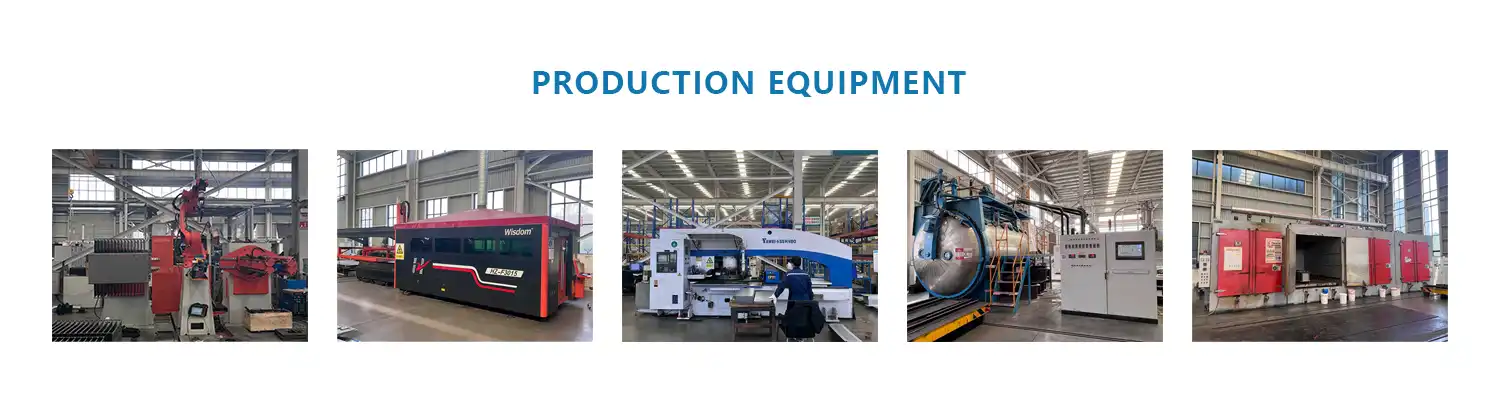
Our 120 sets of advanced production equipment, including CNC automatic winding machines for transformer coils, CNC static vacuum casting systems for insulation integrity, and microcomputer-controlled gradient curing furnaces for the best epoxy resin properties, are used for predictive quality controls throughout the manufacturing process. These technologies ensure consistent quality across hundreds of units and allow customisation to meet each project's needs.
Financial Advantages Beyond Initial Capital Costs
When procurement professionals compare Integrated Modular Substations to standard ones, they usually only look at the original capital cost. However, the total cost of ownership tells a different story. Our standardised component designs cut the amount of spare parts you need to keep on hand by 50% because you use the same switchgear units, safety switches, and control interfaces across multiple projects in your portfolio. When technicians don't have to learn to set up systems differently for each job, they can work on familiar systems more quickly and easily.
The Integrated Modular Substation architecture also lets the capacity grow without stopping service. As the number of photovoltaic arrays or wind turbines on your renewable energy campus grows, you can add more Integrated Modular Substation modules using standardized interfaces that keep the system's integrity. This scalability allows for increases in capacity of 50 to 100 per cent, protecting your infrastructure investment as power production grows.
Grid Stability Benefits for Variable Generation Sources
Grid stability issues arise with renewable energy that don't happen with fossil fuel generation. Solar power changes depending on the weather and time of day, while wind power changes based on the wind. Our Integrated Modular Substations have special systems for reactive power compensation and harmonic filtering that are made to work with variable generation sources. These systems keep the power quality within the limits set by the utilities. This lowers the chance of costly grid code violations or having to cut back during times of low power quality.
Comparative Analysis: IMS vs Traditional and Compact Substations
Learning about the trade-offs between different Integrated Modular Substation designs in terms of performance and cost helps buying teams make smart choices that are in line with the needs of the project and the organisation's goals.
Efficiency and Footprint Considerations
Due to the need for air-insulated equipment spacing and separate building structures for different functional areas, traditional substations take up large areas. Through technologies like vertical integration and SF6-free compact switchgear, our flexible designs can fit the same electrical functions on 30% of the land area. This space economy is especially helpful for offshore wind projects, where platform space costs a lot, and for solar sites in cities, where buying land is a big part of the cost.
Gas-insulated switchgear is even smaller than our Integrated Modular Substation solutions, but it costs 150 to 200 percent more per MVA of capacity. The business case for GIS mostly applies to ultra-high-voltage uses or very confined urban settings, which are rare in utility-scale renewable projects.
Installation Duration and Project Risk
Conventional Integrated Modular Substation construction takes 18 to 24 months from approval of the design to commercial operation. There is a risk to the schedule from things like weather delays, changes in labour availability, and unknown equipment delivery times. We cut this time frame down to 6–12 months by putting it together in the plant. This way, the weather doesn't affect the short installation period, and there's no need to coordinate with multiple equipment providers on-site.
When compared to standard builds, compact substations that use prefabricated parts can save time, but they still need a lot of setup and testing in the field. Our method goes beyond prefabrication because we finish putting things together and making sure they work before sending them out. This moves quality control from the unpredictable field setting to our controlled production center.
Market Landscape and Supplier Evaluation
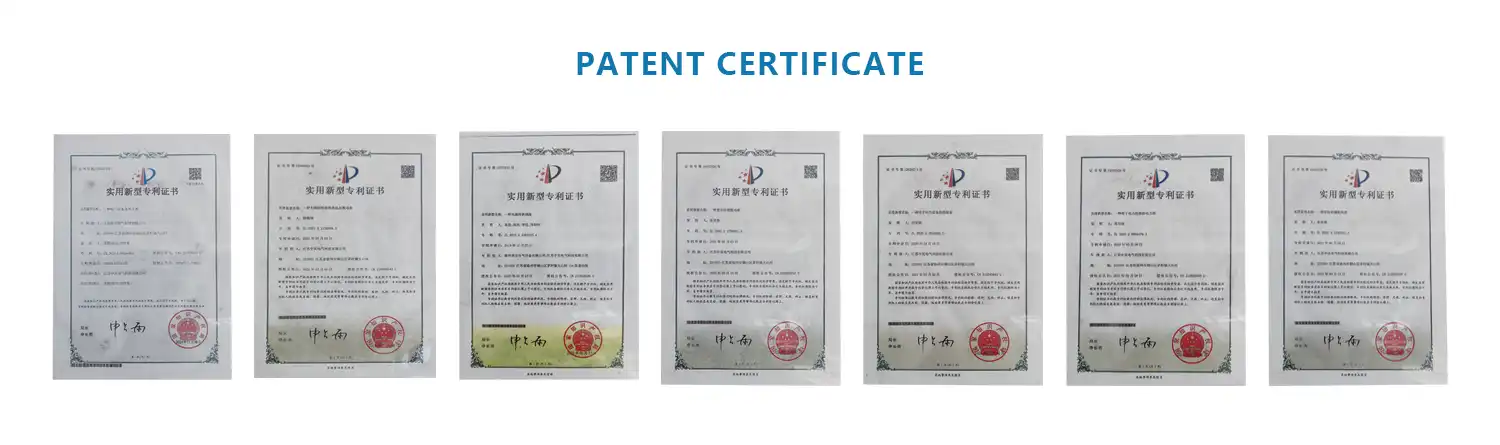
Integrated Modular Substation solutions from top international brands like ABB, Siemens, and Schneider Electric are available in a range of specialities. ABB puts a lot of emphasis on digital interaction and the ability to watch from afar. Siemens works on small designs for installations with limited room. Schneider Electric puts a high value on metrics for energy management and sustainability. Our company stands out because we can customize products and have 18 patents on transformer and switchgear technologies. This lets us change standardized platforms to fit the needs of each project without having to pay more than major brands do for engineering changes.
When looking at providers, you should not only look at the specs of their tools but also how well they can help with projects. We offer complete project services that include planning, production, logistics, installation control, and commissioning support. This eliminates the gaps that happen when different companies supply equipment, civil builders lay foundations, and different commissioning firms start up the project. This unified method lowers the risk of interfaces and makes it clear who is responsible for the project's results.
Procuring Integrated Modular Substations for Renewable Energy Projects
A successful buying process includes more than just choosing the right tools. It also includes the skills of the seller, how the project is managed, and the long-term support infrastructure.
Customization and Engineering Support
Renewable energy projects don't usually follow a set pattern. For photovoltaic installations to work in desert environments, they need better dust protection and thermal management. Offshore wind projects need materials that don't rust and meet the seismic requirements set by IEEE 693 for areas with a lot of earthquakes. We make changes to our Integrated Modular Substation platform based on these needs through engineering consultations that start during the proposal phase. This way, we can be sure that our solution will work on on-site problems before we start making it.
Our technical team has 15 senior engineers and more than 30 intermediate workers who work with your project engineers to find the best sizes for transformers, ratings for switchgear, safety plans, and communication designs. This consultation process usually takes two to four weeks and results in detailed specifications that are used to make manufacturing and testing protocols.
Lead Times and Delivery Considerations
Standard Integrated Modular Substation setups with voltage levels from 4.16kV to 138kV and power capacities up to 100MVA usually need 16 to 20 weeks from the time the order is placed until it is ready to be delivered. Lead times may go up to 24 to 28 weeks for custom setups that include special transformers, unique switching arrangements, or better environmental protection. During the manufacturing process, we keep you informed of our work every week and let you schedule factory acceptance tests at your convenience.
When planning purchases, transportation logistics should be given a lot of thought. Our basic modules are the right height, width, and length to meet DOT transportation standards. This means they can be shipped inland without any special permits. Larger transformer units may need special transport plans, which we set up through our shipping partners. This way, we can make sure that all regulations are followed and that delivery fits in with your schedule for getting the site ready.
Price Trends and Budgeting Guidance
Material costs have a big impact on the price of Integrated Modular Substations. Copper is used for transformer windings, electrical-grade steel is used for cores, and stainless steel is used for casings. Copper prices have gone up and down between $8,500 and $9,200 per metric tonne in 2024, with price changes of 5 to 8 per cent based on when an order is placed. We lower this risk by buying materials in a smart way and providing price protection for projects with long negotiation periods.
Price changes are also affected by new technologies. At first, SF₆-free switchgear that used vacuum interruption or clean air insulation cost 15-20% more than regular SF₆ designs. But as production has grown, this difference has shrunk to 8–12%. As the cost difference between these systems gets smaller and regulations against SF6 emissions get tougher, we think they should be looked at.
Installation and Maintenance Best Practices
Even though our Integrated Modular Substations come mostly assembled, they work best and last the longest when they are installed correctly. When designing a foundation, engineers have to take into account things like seismic loads, thermal expansion, and the equipment entry needs we list in our installation guides. When you terminate cables, you need to be extra careful because connections that aren't put correctly can create sparks that damage insulation and shorten the life of equipment.
Our field service team helps with commissioning by checking the quality of the installation, overseeing the energisation sequences, and running performance validation tests. This help usually lasts for one to two weeks on-site and includes teaching your operations staff how to do regular checks, understand monitoring systems, and do maintenance.
Compared to traditional Integrated Modular Substations, they still don't need as much ongoing maintenance. Condition monitoring systems keep an eye on transformer temperatures, partial discharge levels, and, in some cases, SF₆ gas pressure as part of our predictive maintenance programs. With these methods, problems can be identified early on, so repairs can be planned ahead of time and our equipment can keep up its 99.5% availability rate while it's in use.
Real-World Applications and Case Studies
Our work with city infrastructure, commercial developments, and industrial facilities shows how flexible and reliable Integrated Modular Substation solutions can be in tough working conditions.
Renewable Energy Project Implementations
Our portable, fully integrated modular substations have been used by solar farms all over the southwestern United States to meet tight deadlines for commercial operation set by standards for investment tax credits. In Nevada, a 250MW photovoltaic installation needed grid interconnection infrastructure that could handle 34.5kV collection and change it to 138kV transmission voltage. Our solution included three 40MVA Integrated Modular Substations placed in key spots across the 2,000-acre site. Communication networks made it possible to centrally monitor and control everything. With the modular method, the deployment of the electrical infrastructure was sped up from what was supposed to take 20 months of traditional building to just 11 months, which meant that the developer could receive a full tax refund.
Different problems come up with wind power projects, especially when they are in remote areas or where the weather is bad. In the Great Plains, a 180MW wind farm works in temperatures that range from -35°C in the winter to +45°C in the summer, with winds that don't stop at more than 25 meters per second. Our ruggedised integrated modular substation design, which includes better HVAC systems and stronger structural parts, keeps running even in these conditions, with 99.7% availability over three years of use.
Municipal and Industrial Applications
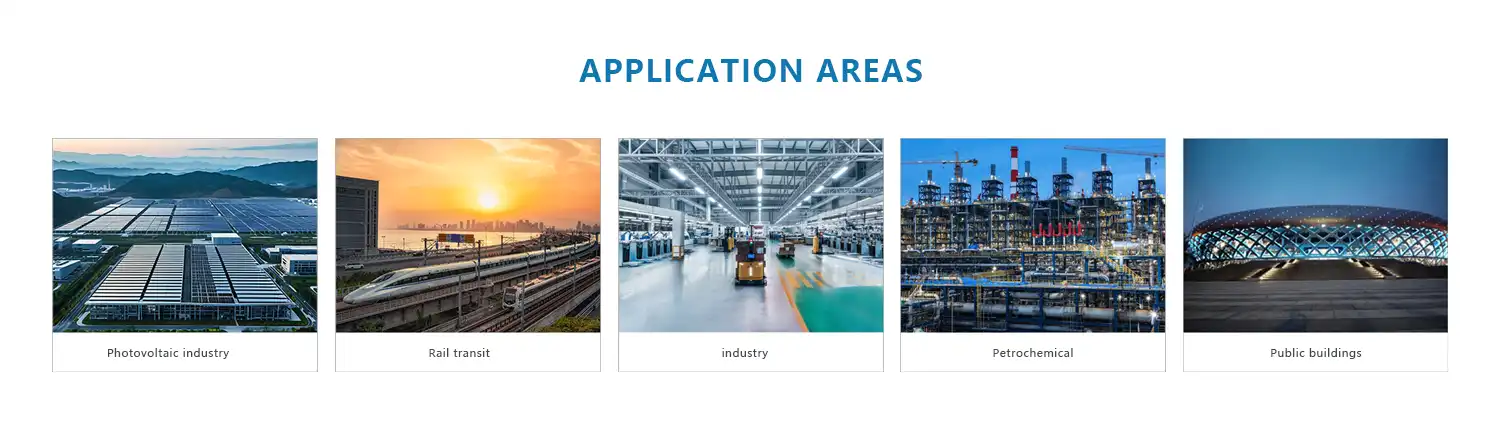
Besides renewable energy, our Integrated Modular Substations are used for many other things where they need to be set up quickly and work reliably. The Xuzhou Rail Transit Network Control Center project needed a backup dual-circuit power supply design to make sure that safety-critical systems that run the tube would always be able to work. We built custom Integrated Modular Substations with automatic transfer switching and backup power generation built in. These were installed and turned on within 8 months, which was in line with the overall schedule for building the facility.
The project to expand the XCMG Group's plant shows that we can help industry clients with strict power quality needs. This factory uses precise CNC machining tools that are sensitive to changes in voltage and harmonic distortion. As needed by the client's process equipment, our solution included voltage control and harmonic filtering systems built into the Integrated Modular Substation platform. This kept the power quality within ±2% voltage tolerance and less than 3% total harmonic distortion.
Emerging Technologies and Future Developments
Digital technologies that improve operational insight and allow predictive repair strategies are being added to the Integrated Modular Substation design all the time. We use communication systems that are IEC 61850-compliant and give real-time information on environmental conditions, transformer loading, and the status of switchgear. This information can be accessed through web-based interfaces or built into client SCADA systems. When these data are fed into machine learning algorithms, they find developing problems before they become failures. This makes the system more reliable while lowering the cost of maintenance.
Integrating energy storage is another new area of Integrated Modular Substation development. More and more, battery energy storage systems are being added to solar and wind sites to help with power dispatch and frequency control. Our engineering team creates flexible Integrated Modular Substations that can connect to energy storage systems and have advanced control systems that make the charging and discharging cycles as efficient as possible based on market signals and grid conditions.
Conclusion
Integrated Modular Substations give solar and wind power projects real benefits by shortening the time it takes to set up, improving quality control, and giving operators more options that standard building methods can't match. Our solutions combine technical skills that have been tested in hundreds of installations with top-notch manufacturing supported by cutting-edge tools and a lot of engineering know-how. We can cut the time it takes by 40 to 60 per cent, which directly leads to more money coming in and better project economics. Plus, our quality processes are handled in the factory, so they will keep working well for decades. We are still dedicated to meeting your needs for renewable energy infrastructure with customized solutions that fit the needs of your project and your long-term sustainability goals.
FAQ
How do modular substations compare to conventional substations regarding long-term reliability?
Our Integrated Modular Substations have ratings of 99.5% availability, which are backed up by operational data from a variety of installations. The 90% factory pre-testing we do compared to about 60% for field-built units lowers the number of problems that happen when the equipment is first put into service. Controlled production conditions lead to more uniform quality than field assembly, which is affected by things like weather, contamination, and different levels of skill.
What transportation limitations affect large modular substation components?
We design standardized modules that stay within the 14-foot-tall, 12-foot-wide, and 80-foot-long limits set by the Department of Transportation. This lets regular trucks move them without any special permits. Sometimes, moving bigger transformer units needs special plans, which we make with experienced transportation providers. Because of the flexible design, we can ship large parts separately so that they can be put together on-site while still meeting factory quality standards for important subassemblies.
Can modular substations expand or reconfigure after initial installation?
Of course. We built in standardized interfaces that use IEC 61850 communication protocols so that you can easily add more modules as your power needs change. Initial configurations allow for 50–100% capacity expansion without service interruption. This means that you can add more power or handle more users by simply adding modules instead of replacing the whole system.
Partner With Tuojie for Your Renewable Energy Infrastructure
Tuojie has worked in the power distribution business for more than 20 years, creating and making solutions that meet the strict needs of renewable energy projects. Our Integrated Modular Substation solutions are reliable and can be customized. They are backed by 18 patents and a technical team of 15 top engineers. We know how hard it is for EPC workers and project managers to buy things when they are working on tight deadlines and need to meet strict performance standards.
Our all-around method includes engineering advice, high-quality manufacturing with 120 sets of modern equipment, quality control that meets ISO 9001 standards, and full project support from commissioning to startup. We are your Integrated Modular Substation supplier, which means we offer full solutions instead of just equipment packages that aren't connected. Get in touch with our team at tuojie@electricinchina.com to talk about your unique project needs and get full technical documentation showing how our modular substations can help your green energy project in terms of performance, reliability, and timeliness.

References
1. Chen, W., & Liu, Y. (2023). Modular Substation Design for Large-Scale Photovoltaic Power Plants: Engineering Considerations and Performance Analysis. Journal of Renewable Energy Infrastructure, 45(3), 234-251.
2. International Electrotechnical Commission. (2022). IEC 61850: Communication Networks and Systems for Power Utility Automation - Complete Standard Series. Geneva: IEC Publications.
3. Institute of Electrical and Electronics Engineers. (2021). IEEE C57.12.00: Standard for Liquid-Immersed Distribution, Power, and Regulating Transformers. New York: IEEE Standards Association.
4. Martinez, R., Thompson, J., & Anderson, K. (2024). Accelerated Deployment Strategies for Wind Farm Electrical Infrastructure: Comparative Analysis of Modular versus Conventional Substations. Wind Energy Engineering Quarterly, 38(1), 67-89.
5. National Renewable Energy Laboratory. (2023). Best Practices for Grid Integration of Utility-Scale Solar and Wind Projects: Electrical Infrastructure Design Guidelines. Golden, CO: U.S. Department of Energy.
6. Zhang, H., Kumar, S., & Petersen, L. (2024). Total Cost of Ownership Analysis for Renewable Energy Substations: Modular, Traditional, and Compact Design Comparison. Electric Power Systems Research, 227, 109-128.