

.webp)
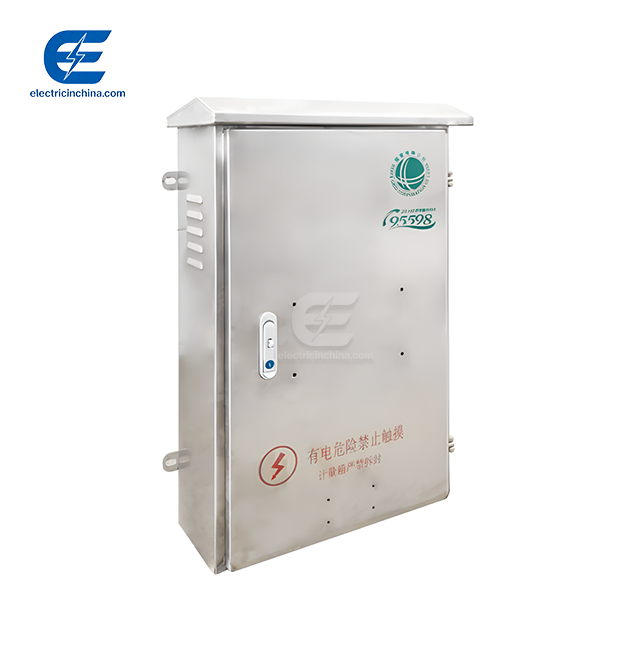
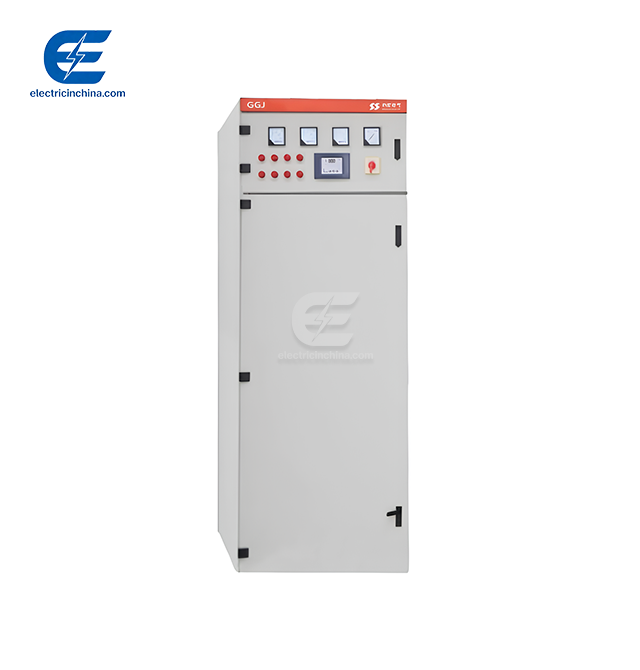
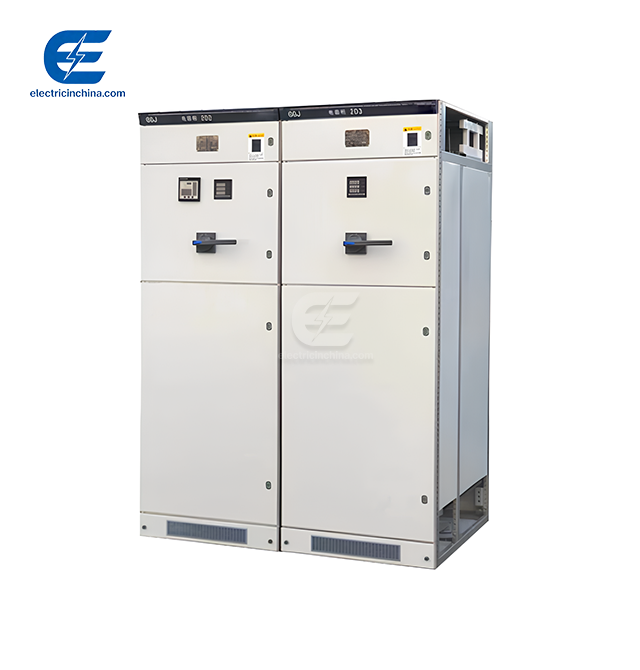
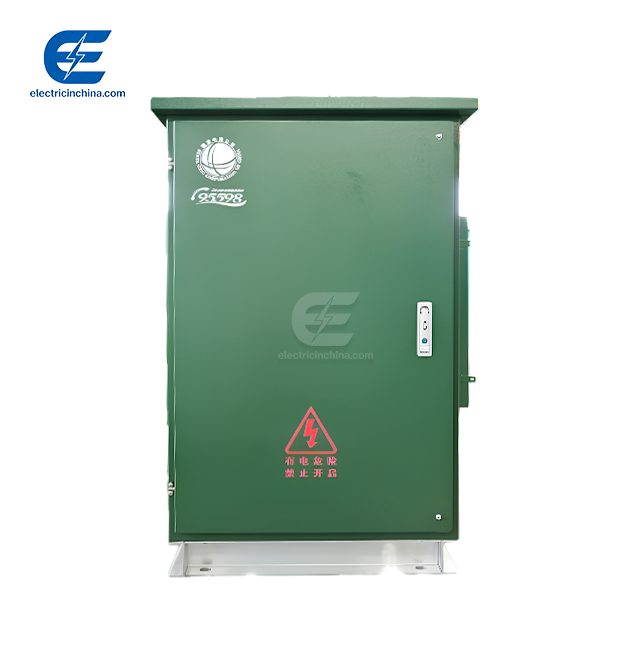
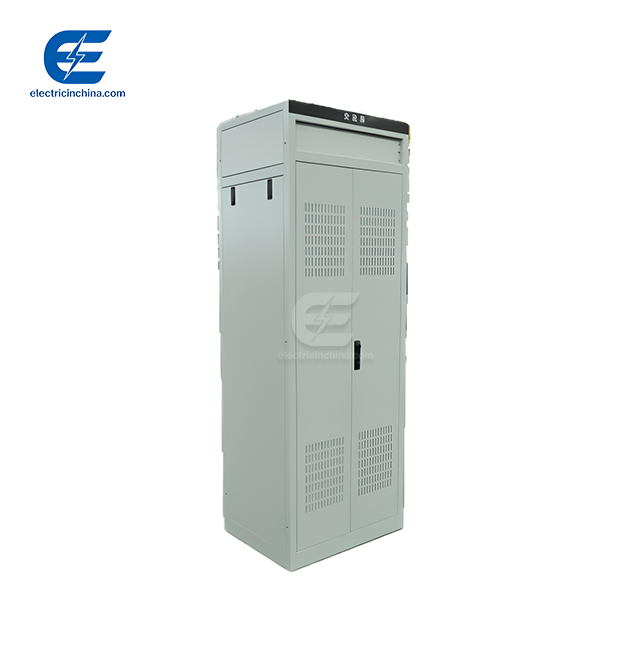
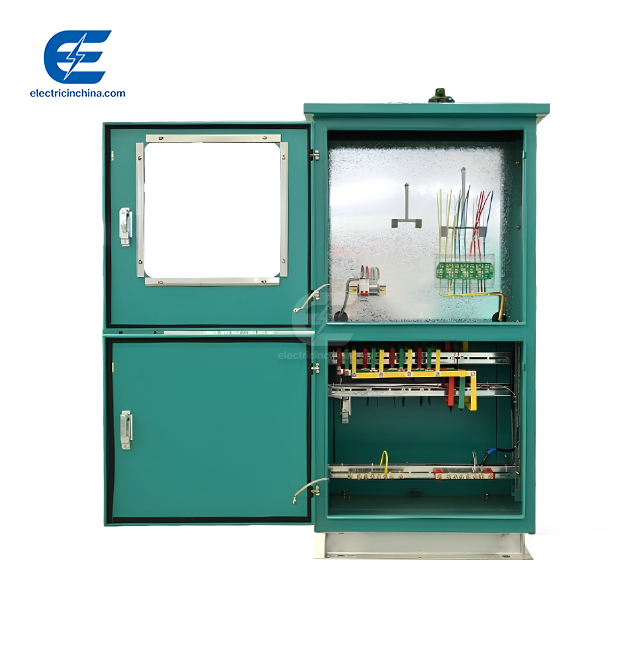
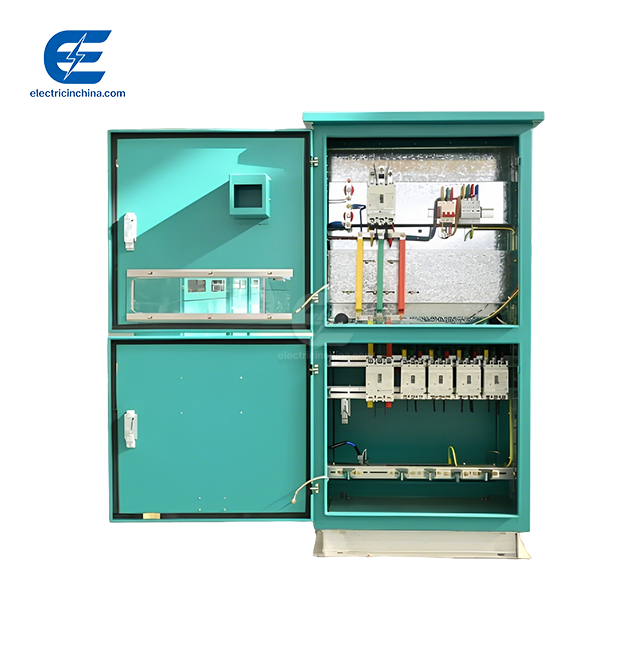
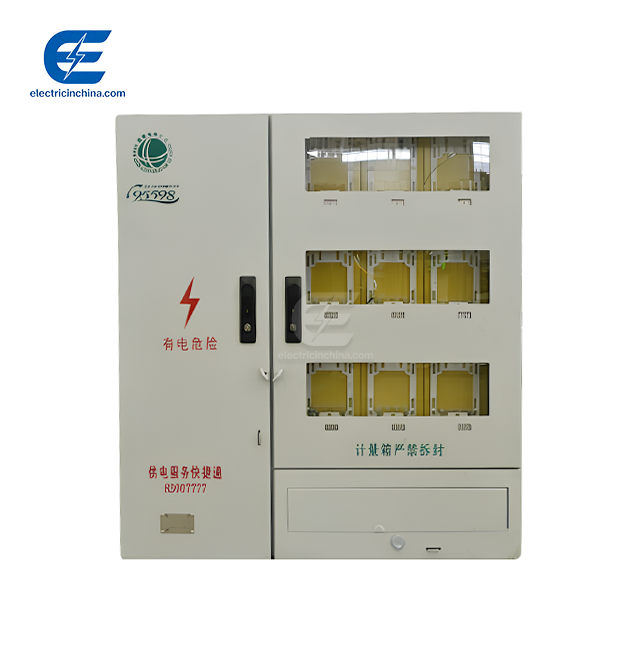
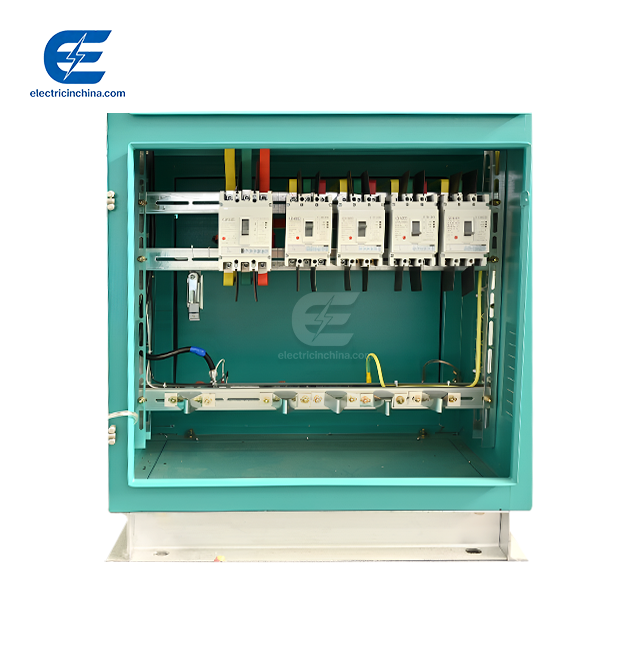
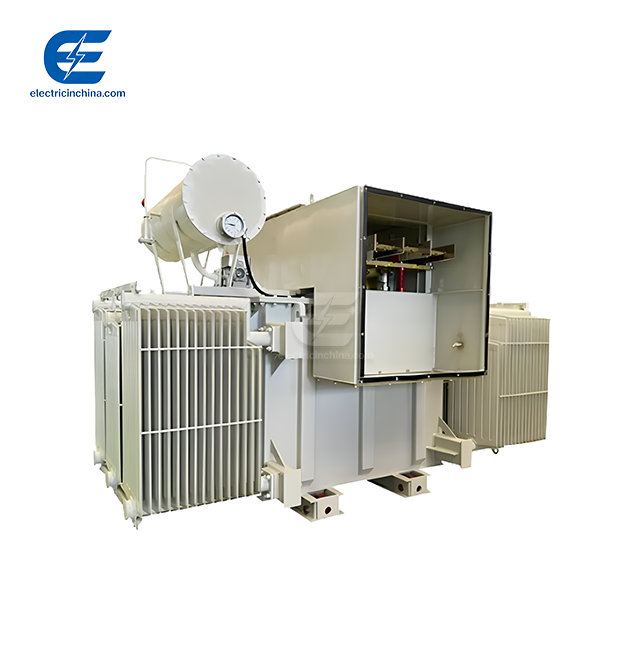
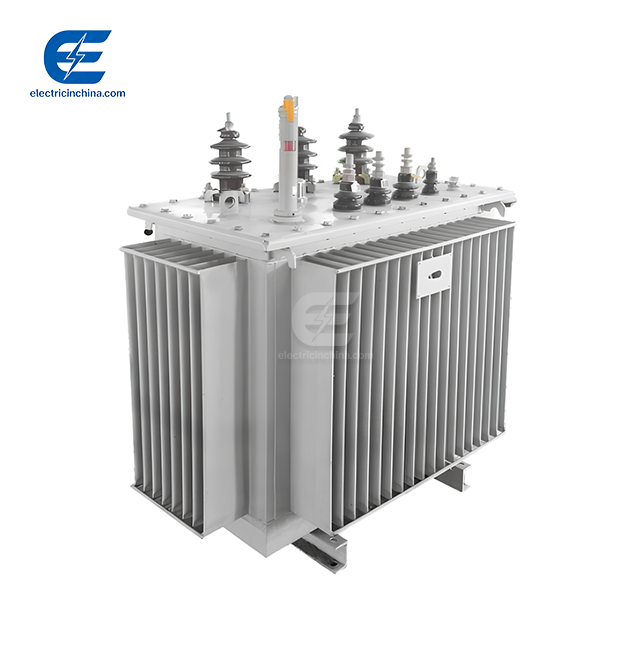
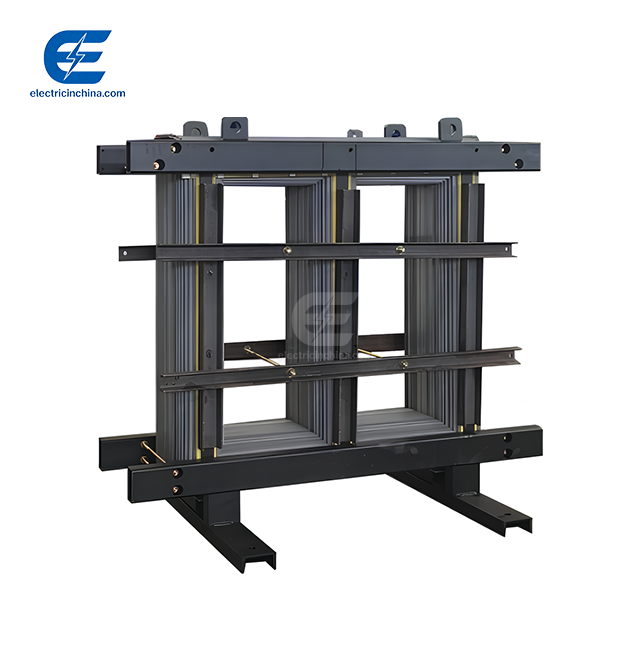
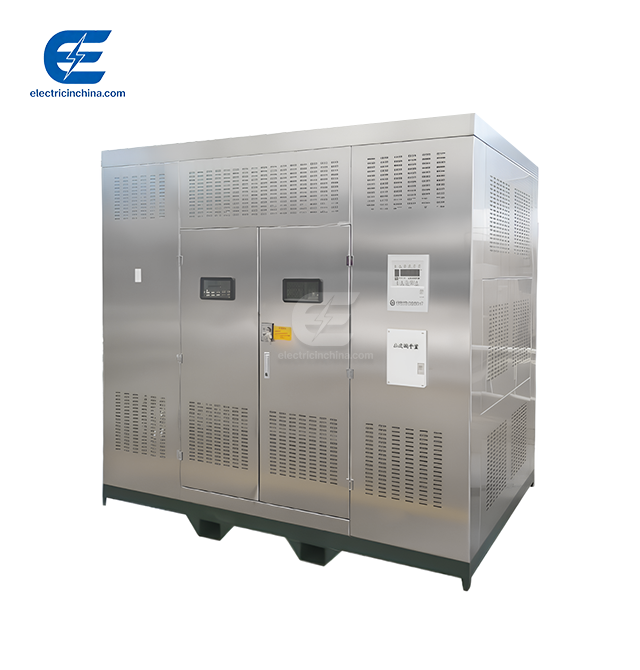
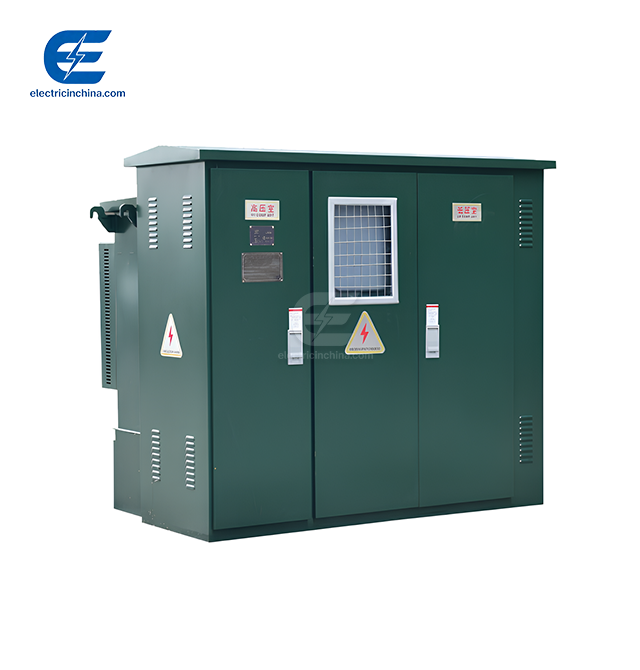
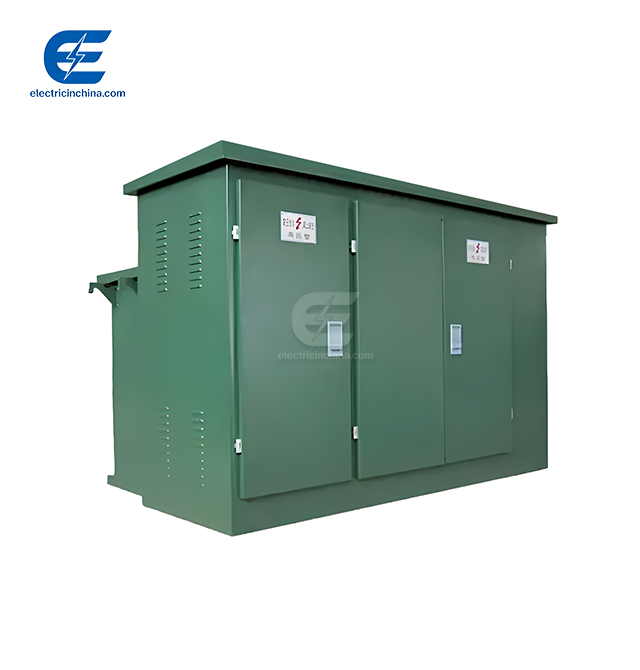
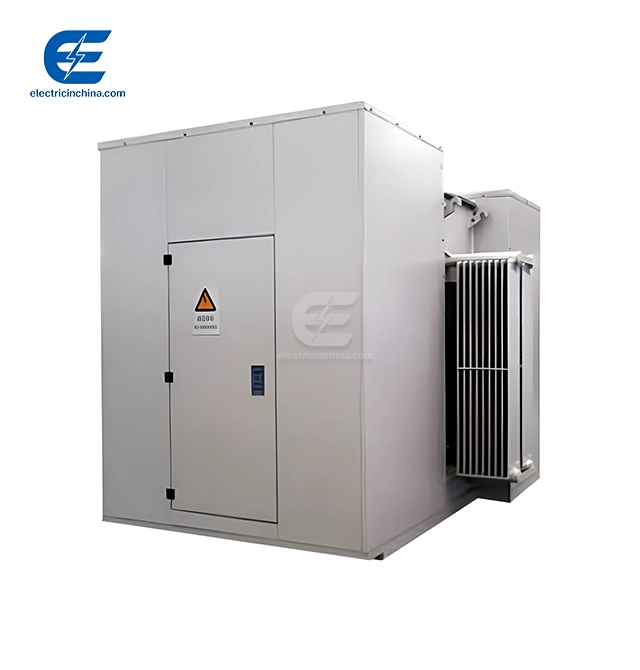
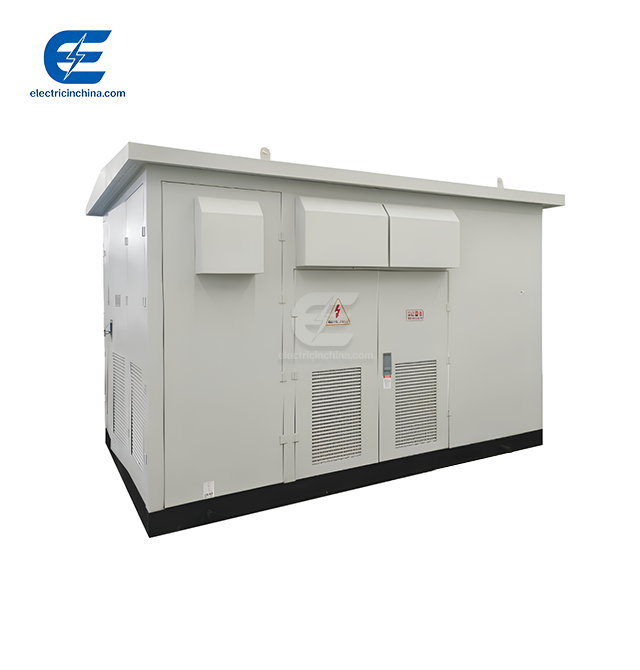
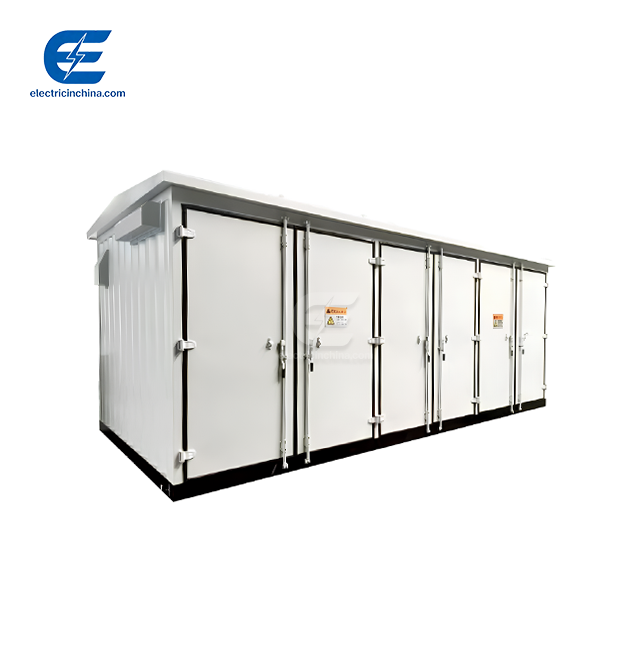
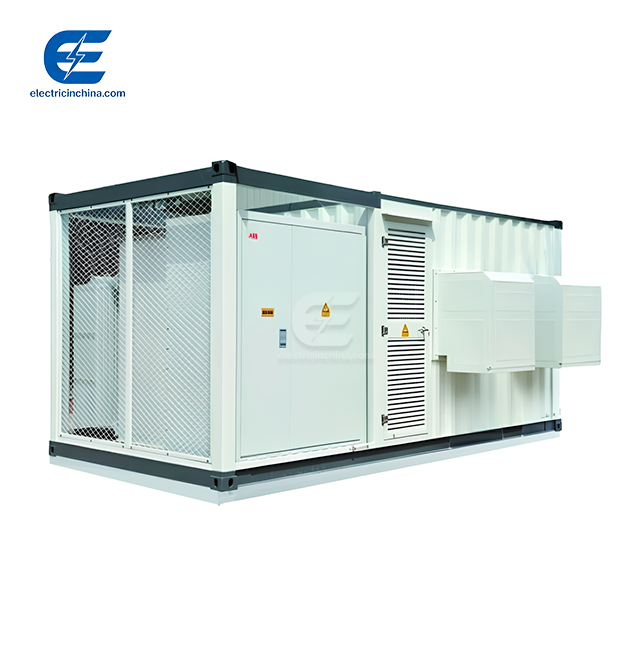
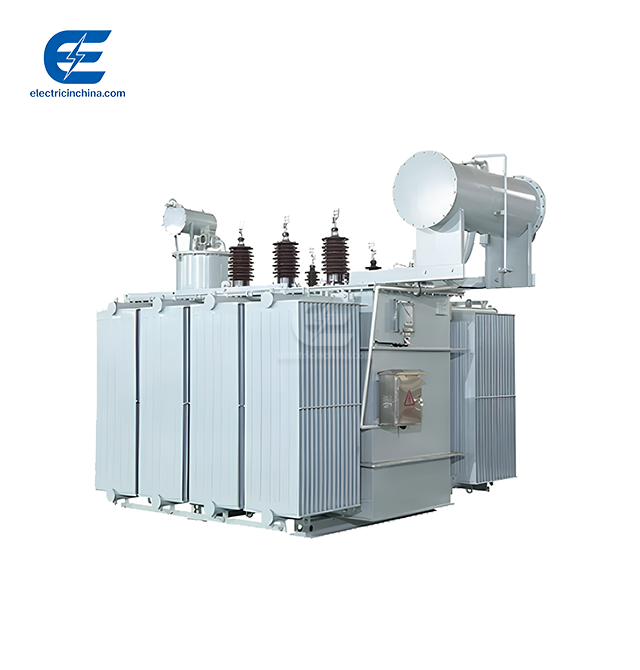
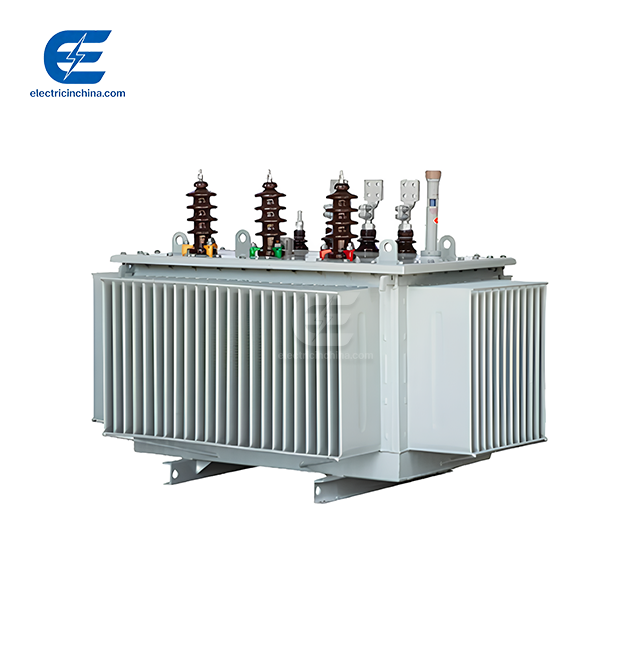
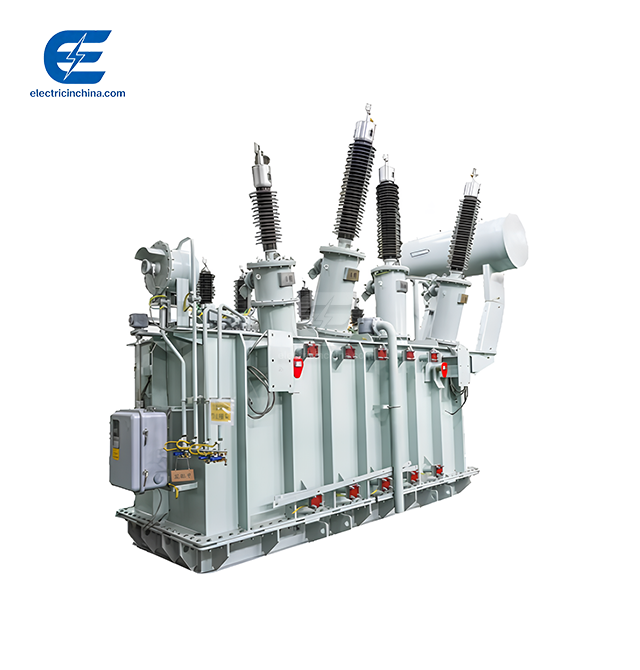
Industrial Oil-Immersed Power Transformer for Industrial Use excels in outdoor environments because mineral oil provides exceptional dual-function performance—superior insulation and highly efficient thermal management. The sealed tank construction protects internal components from moisture, dust, and environmental contaminants commonly found in industrial sites. This robust design ensures reliable operation across temperature extremes ranging from -40°C to +50°C, making these transformers indispensable for steel plants, mining operations, and chemical facilities where equipment failure translates directly into production losses and safety hazards.
Understanding Oil-Immersed Power Transformers
A lot of industrial power distribution depends on machines that work well and last a long time. Oil-Immersed Power Transformers for Industrial Use have specially made mineral oil that covers the inner components. This makes an environment where heat transfer and electrical insulation work together perfectly.
The Science Behind Oil Cooling
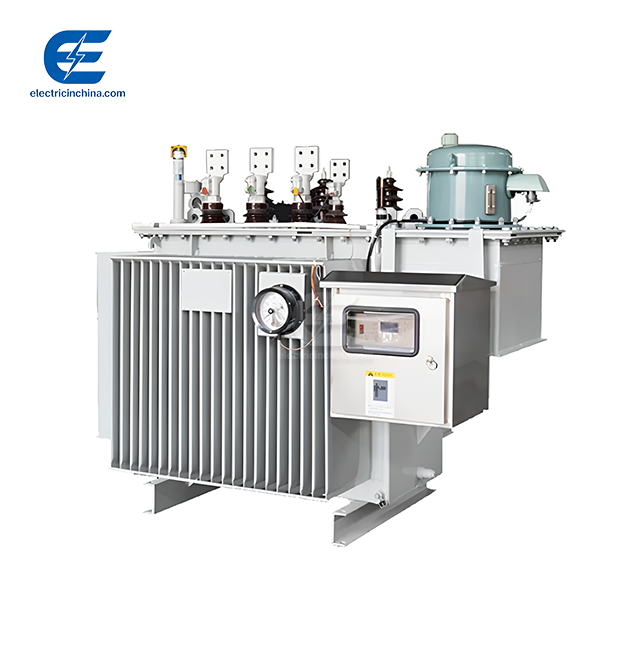
Transformer oil does two very important things at the same time. It keeps the dielectric strength above 30 kV, which makes it an insulating medium that keeps high-voltage parts from short-circuiting. As a coolant, the oil moves around naturally through convection, taking in heat from the process and releasing it through fans or forced-air systems connected to the transformer tank.
With measured efficiency ratings of 98.5%, our S9 series shows this to be true. The improved electrical design keeps no-load losses to a minimum of 0.1 to 0.3%. This saves money for businesses that are open 24 hours a day, seven days a week. These efficiency gains add up month after month when your chemical processing business does constant distillation.
Oil Types and Performance Characteristics
Depending on the needs of the operation, different transformer oils have different benefits. Mineral oils are still the standard because they are reliable, don't cost much, and have great heating qualities. These fluids made from petroleum are good at handling changes in temperature and keeping their viscosity fixed across a wide range of working temperatures.
For installations near people or in sensitive areas, synthetic esters are good because they are more resistant to fire. Biodegradable properties of natural ester fluids make them appealing for projects that have to follow strict environmental rules. Types of oil have different effects on how often equipment needs to be serviced, how long it lasts, and how much it costs to own everything.
Comparison with Dry-Type Technology
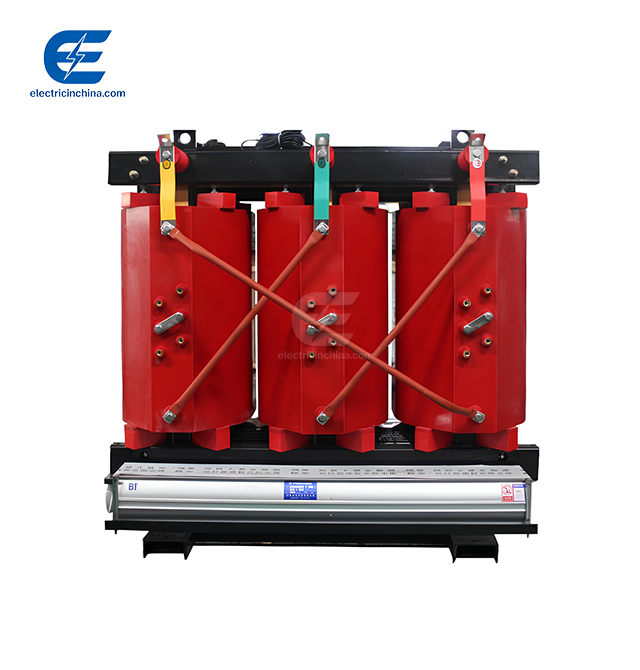
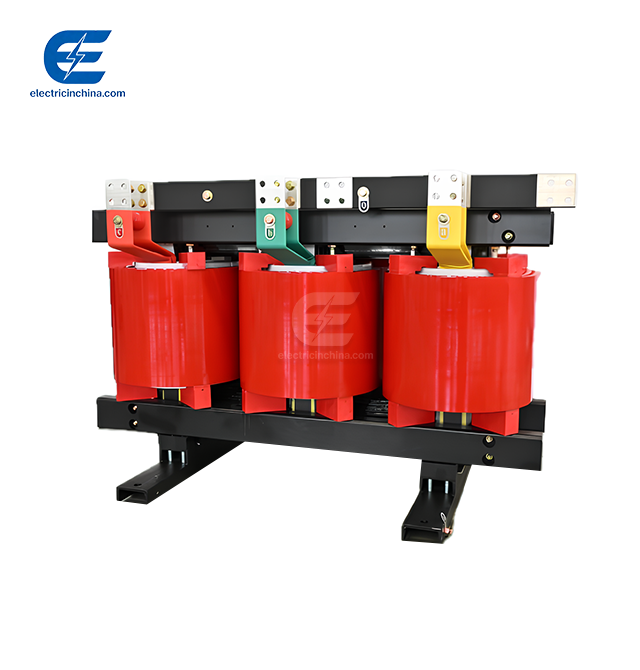
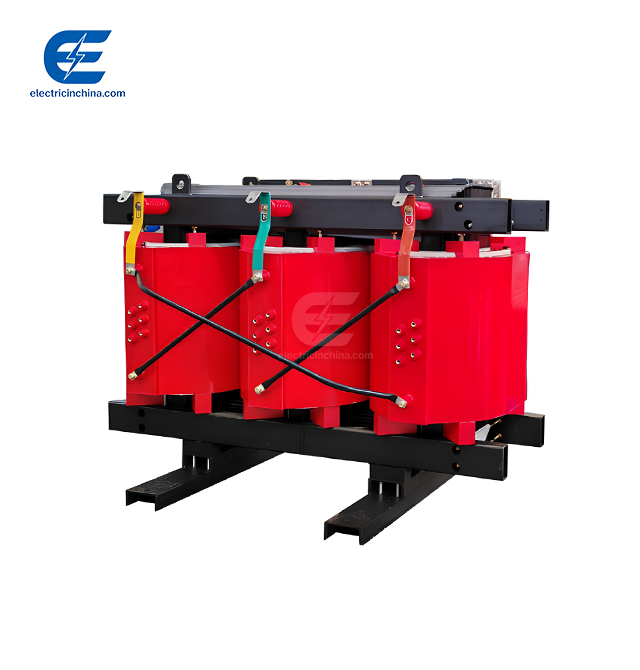
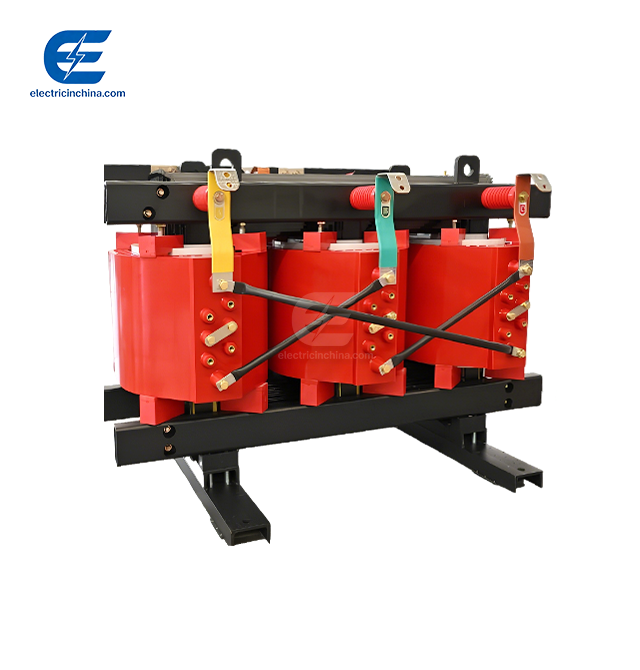
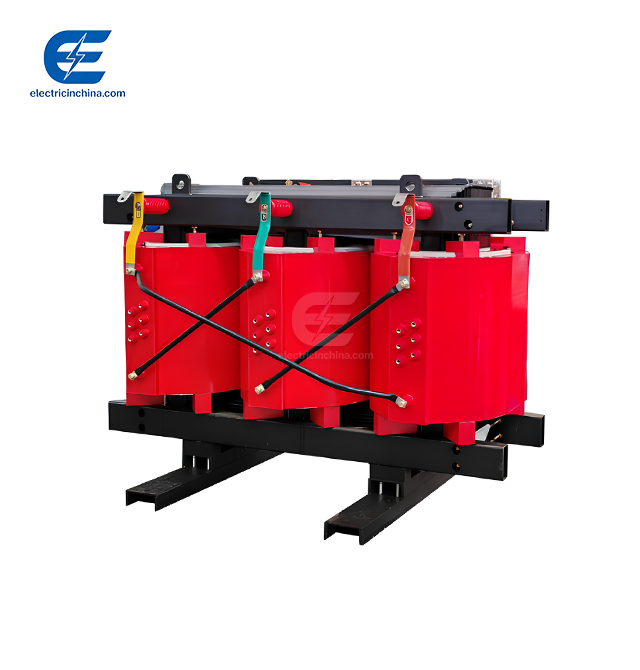
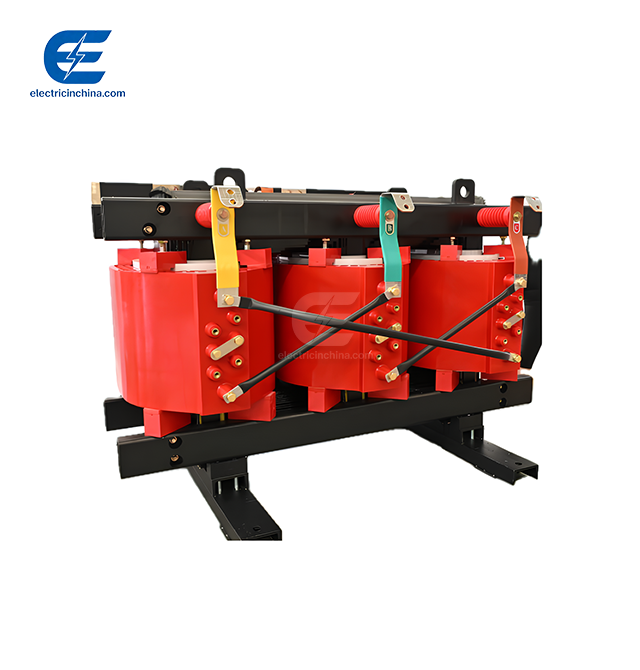
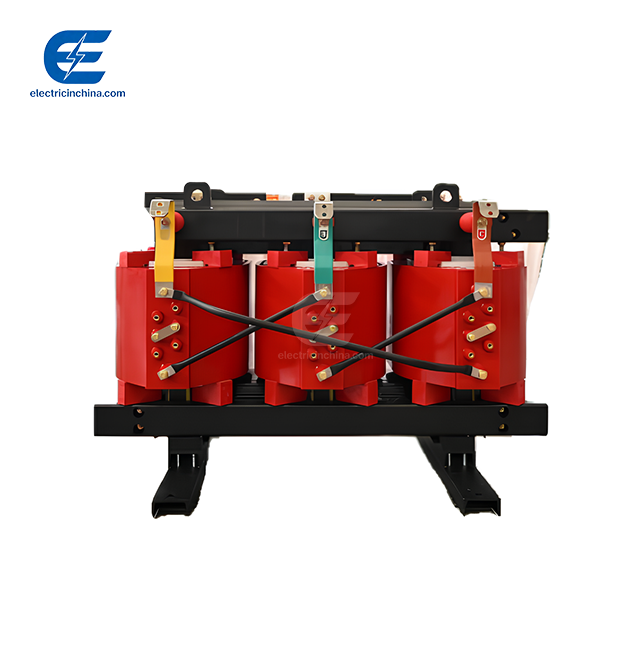
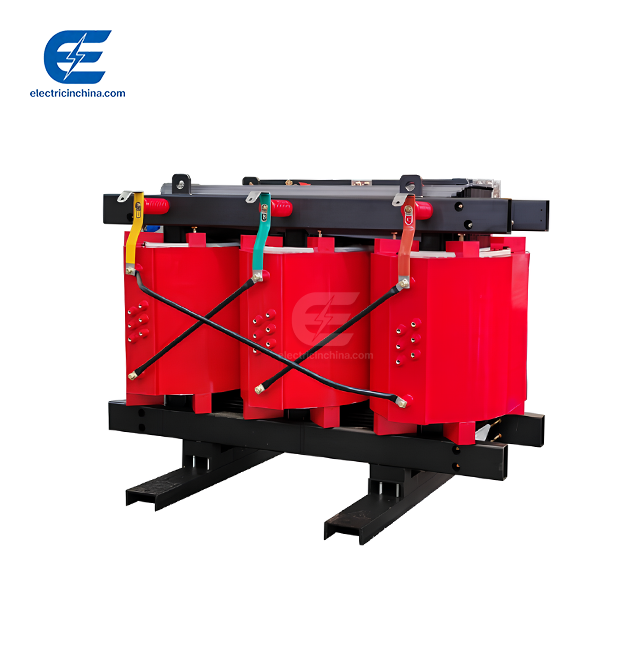
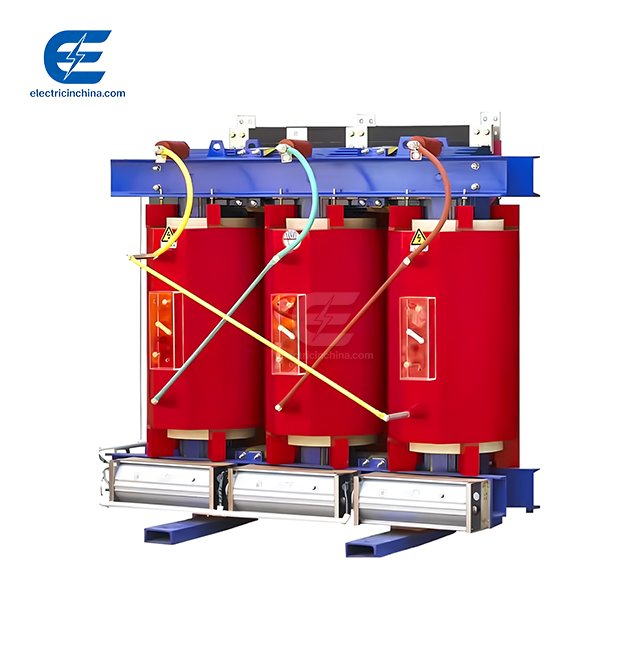
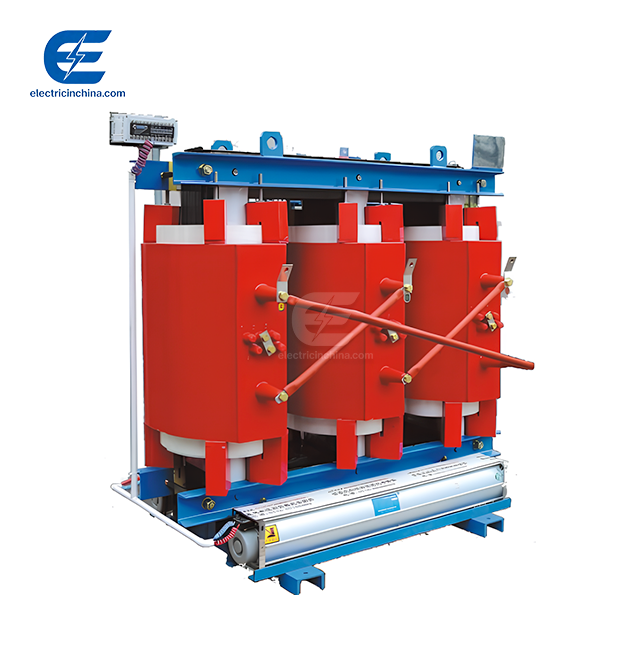
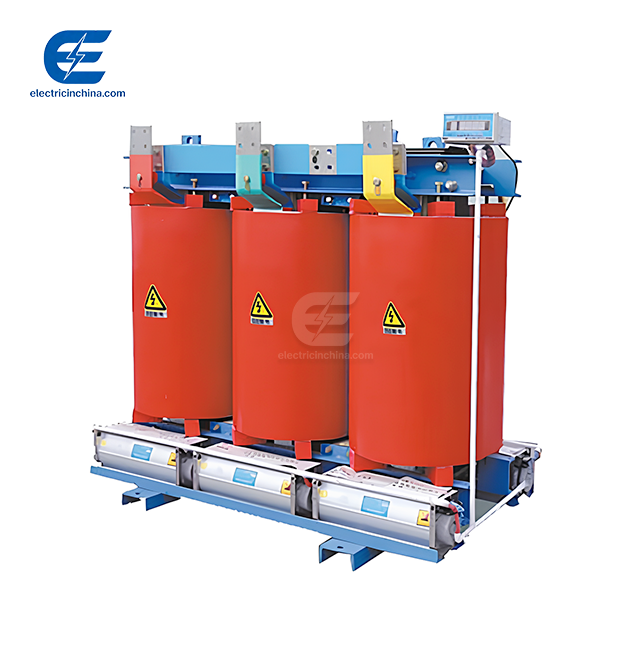
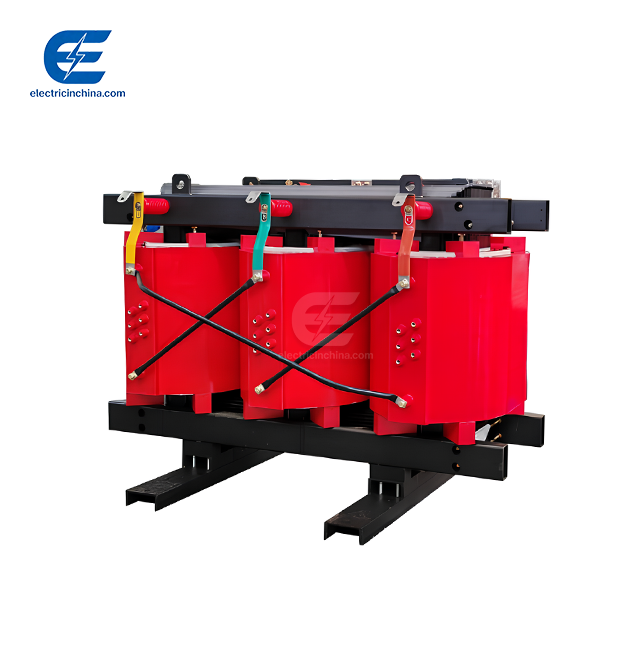
Transformers that are dry don't use oil for insulation; instead, they use air or resin. It's no longer necessary to worry about handling oil, but their cooling ability limits power density. For the same amount of power, an Oil-Immersed Power Transformer for Industrial Use takes up a lot less room, which is important if your substation area is limited.
Because oil has a lot of thermal mass, it can handle overloads better than designs that use air cooling. During times of high demand, like when the electric arc furnace in your steel mill draws the most current, Oil-Immersed Power Transformers for Industrial Use can handle short-term overloads without experiencing temperature spikes that damage the insulation. This toughness keeps your investment safe during crucial production times.
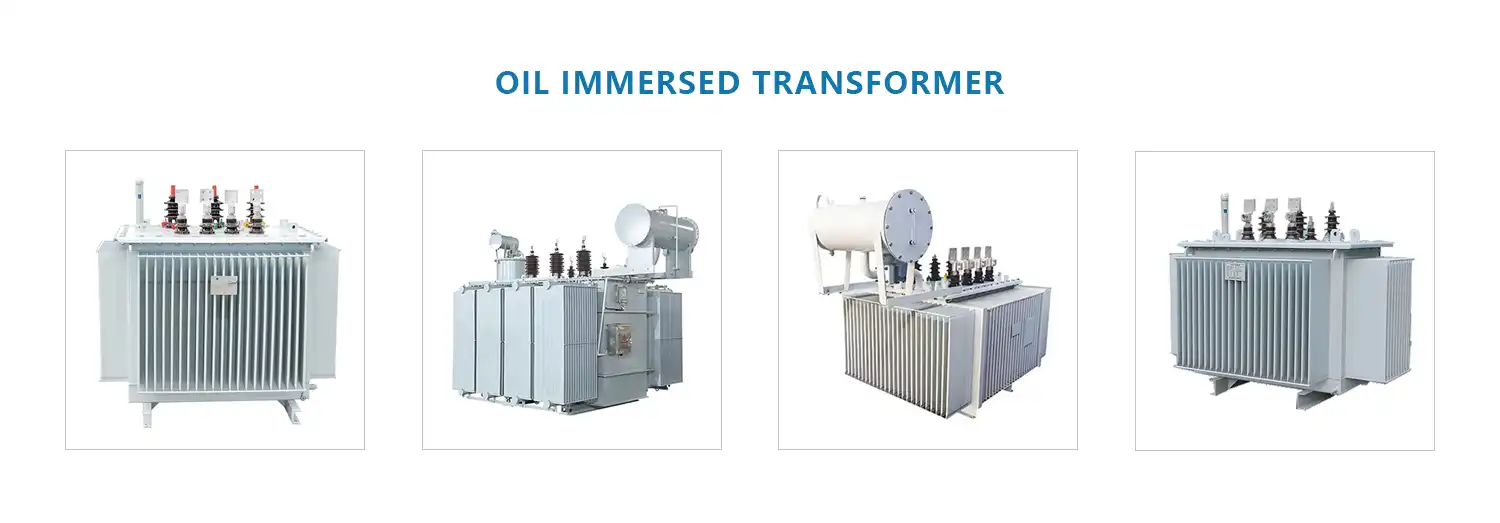
Why Are Oil-Immersed Transformers Ideal for Outdoor Industrial Applications?
Outdoor workplace settings have problems that put equipment's longevity to the test every day. Electrical infrastructure can be damaged by rain, snow, airborne particles, changes in temperature, and UV radiation. Oil-Immersed Power Transformers for Industrial Use that are put in place at mines, factories, and utility substations have to be able to handle these situations and keep the power going.
Weather Resistance and Environmental Protection
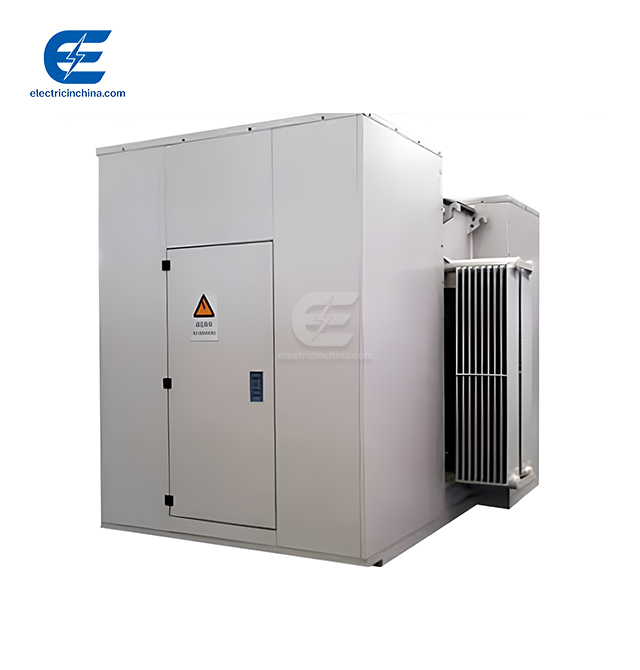
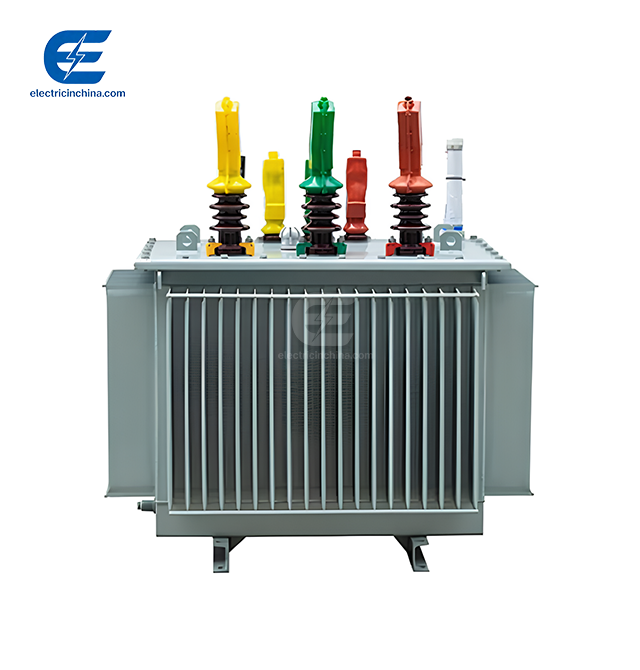
When designs use Oil-Immersed Power Transformers for Industrial Use, the protected tank construction keeps sensitive electrical parts from being affected by outside conditions. When the temperature changes, corrugated tanks get bigger and smaller, but the pressure inside stays the same. This design stops moisture from getting in, which would otherwise weaken the insulation.
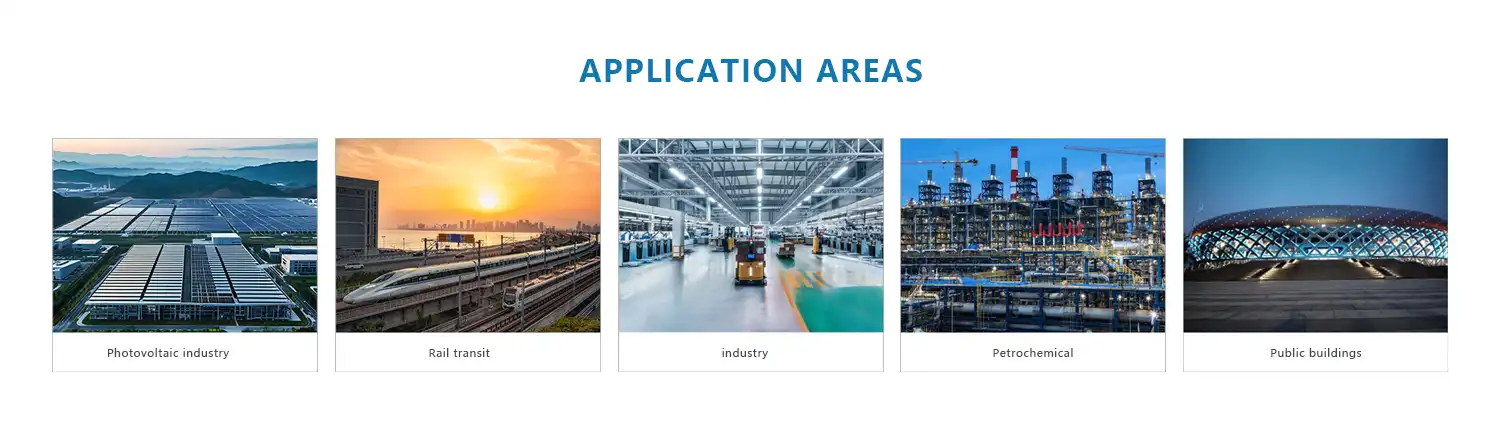
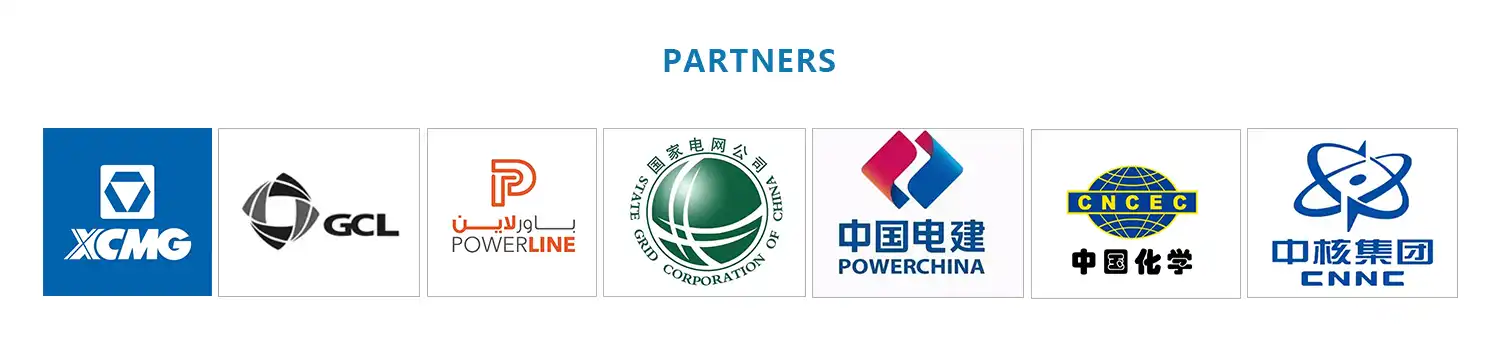
Our systems at the GCL Photovoltaic Industrial Park work in places where there are sandstorms and big changes in temperature. The sealed oil system keeps working properly because dirt and other particles can't get inside. No matter what the weather is like where you are, your tools will be safe.
Superior Thermal Stress Management
Temperature changes happen every day in outdoor setups that never happen with indoor equipment. In the morning, sunlight quickly heats up transformer tanks, but at night, the temperatures drop a lot. These changes are absorbed by oil's thermal capacity, which keeps windings and core components from being stressed by heat.
As part of the changes we made to the XCMG Group plant, we put Oil-Immersed Power Transformers for Industrial Use in places that get strong sunlight in the summer and freeze in the winter. When the oil temperature goes up, forced-air fans in improved cooling systems turn on automatically to keep the temperature rise within 65K limits. With the right care, this thermal control directly increases the life of the equipment to 25 to 30 years.
Maintenance Strategies for Longevity
Maintenance plans are based on proactive tracking of oil quality. Dissolved gas analysis (DGA) checks oil samples for hydrogen, acetylene, and carbon monoxide levels to find early signs of flaws. These gases show specific ways that things are breaking down, like overheating, arcing, or cellulose insulation breaking down. This lets your maintenance team fix issues before they break down.
As part of routine inspections, oil levels are checked, pressure relief devices are checked, bushing conditions are looked at, and cooling fans are made sure to work properly. Our technical team of 15 senior engineers has come up with predictive maintenance protocols that find problems during planned service windows instead of emergency shutdowns. This cuts down on unplanned downtime.
Environmental and Safety Compliance
Managing oil leaks is a real issue for businesses that care about the environment. Modern sealed tank designs have many ways to keep things inside, like welded edges, extra seals, and systems that check the pressure. Outdoor installations have containment berms that catch any possible releases and keep the soil or water from getting contaminated.
Our products meet the environmental management standards set by ISO 14001, which means they are made in a way that has the least possible effect on the environment. The mineral oil we use in our Oil-Immersed Power Transformers for Industrial Use is biodegradable and doesn't pose much of a threat to the environment as long as it is kept in the right place and handled according to set rules.
Comparing Oil-Immersed Transformers with Alternative Solutions
When making a procurement decision, you have to weigh the pros and cons of different technology options against the needs of the project. There are pros and cons to each type of Oil-Immersed Power Transformer for Industrial Use that affect the original investment, running costs, and long-term dependability.
Efficiency and Performance Metrics
When compared to similar dry-type units, Oil-Immersed Power Transformers for Industrial Use always have higher efficiency ratings. Mineral oil is better at cooling than other types of oil, so it can be used to make windings more tightly arranged and increase flux rates, which lowers core losses. If the measured efficiency is higher than 98.5%, the equipment will use less energy and cost less to run over its 30-year life.
Cast resin transformers are easier to maintain because they don't need oil, but they can't handle overloads. When demand goes up at your facility, like when production goes up during certain times of the year or when temporary equipment is added, the heat reserve of Oil-Immersed Power Transformers for Industrial Use keeps safety devices from tripping, which stops operations.
Installation and Site Requirements
Dry-type transformers make installation easier inside because they don't need a fire control system or oil storage infrastructure. On the other hand, Oil-Immersed Power Transformer for Industrial Use tanks are waterproof, which makes them useful for industrial uses that are outside. Because external safety enclosures are no longer needed, your construction team can finish commissioning more quickly.
Using space well is very helpful for Oil-Immersed Power Transformers for Industrial Use. Small sizes for the same capacity ratings cut down on the need for concrete pads and make transporting to remote places easier. The mining companies we've worked with like this benefit when they have to put substations in places that can only be reached by narrow roads.
Total Cost Analysis
Oil-Immersed Power Transformers for Industrial Use usually cost less to buy at first than premium dry-type or cast resin alternatives. Total cost of ownership calculations clearly favour oil technology when you consider that it is more efficient and lasts longer. Your finance team will like that lower operating costs make up for any maintenance costs that come with checking and replacing the oil regularly.
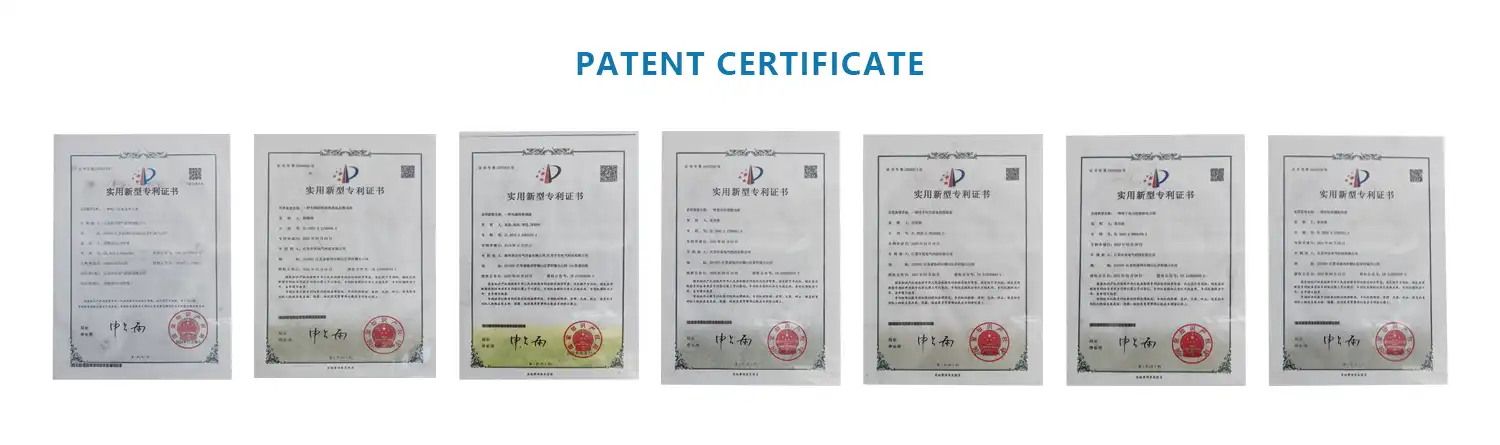
The 18 patents we have on new designs help lower the cost of making things while also making them work better. These cost savings directly lead to low prices that help your buying budget cover other project needs without sacrificing quality or dependability.
Essential Maintenance Tips and Common Challenges
To get the most out of your Oil-Immersed Power Transformer for Industrial Use investment, you need to set up systematic maintenance programs that are made for oil-immersed equipment. Outdoor installations have extra problems because they are exposed to the weather, which indoor installations don't have to deal with.
Oil Quality Testing Protocols
Regularly taking samples of the oil around the Oil-Immersed Power Transformer for Industrial A scan can tell you things about its health that eye checks can't. The breakdown voltage is measured by dielectric strength testing. Values below 30kV mean that the material is wet or breaking down, and it needs to be filtered or replaced. Acidity tests show that oxidation is happening, which speeds up the ageing of insulation.
Following IEEE C57.104 guidelines, our quality control lab does dissolved gas analysis. This test finds fault conditions like hotspots that are burning above the design temperature, partial discharge activity, and cellulose breakdown. Your repair staff gets thorough reports with trending data that help them make smart choices about what to do to fix things.
Leak Detection and Prevention
The integrity of a sealed tank depends on gaskets, bushings, and penetrations that are well taken care of. During regular site visits, these possible leak paths should be carefully looked at by visual inspection. If oil is staining the tank or pooling under the Oil-Immersed Power Transformer for Industrial Use, it means that a seal is failing and needs to be fixed right away.
Pressure tracking tools let you know early on when a seal is breaking down. Our Oil-Immersed Power Transformers for Industrial Use have built-in pressure release valves that are set to open before the internal pressure gets high enough to break tank welds. These safety features keep your expensive tools safe and let workers know when something is wrong.
Addressing Overheating and Insulation Failures
When temperatures rise above normal, they have a direct effect on how long insulation lasts. Every 8–10°C rise above the design limits shortens the projected life by half because chemicals break down faster. During energised inspections, thermal imaging finds hotspots on bushings, connections, and tank surfaces that need to be looked into further.
Modern monitoring technologies use permanently placed monitors to keep track of the temperature all the time. Automated alarm systems let operators know when safe limits are crossed, so they can fix the problem before it gets worse. These systems connect to building SCADA platforms and give you a view of all of your setups from one place.
Procurement Guide: Choosing and Buying Industrial Oil-Immersed Transformers
To choose the right power distribution tools, you need to match the technical specs to the way things are currently running and your plans for future growth. To ensure long-term happiness, your procurement team should look at more than just the original purchase price of an Oil-Immersed Power Transformer for Industrial Use.
Capacity and Configuration Selection
Power needs determine the capacity, but smart planning includes a growing gap in case the load grows in the future. Our S9 line has capacities ranging from 30KVA for small industry buildings to 31,500KVA for large manufacturing centers. Standardised voltage configurations include main ratings of 10 kV and 35 kV, with 400 V secondary distribution voltages being typical in industry settings.
Harmonic reduction is affected by the choice of vector group. Zero-sequence harmonics can't get to primary networks through delta-wye configurations, which provide neutral grounding for secondary distribution. Your electrical engineering team should choose vector groups that meet the grounding needs of the system and the features of the load.
Environmental Conditions Assessment
The weather, elevation, pollution, and risk of earthquakes at outdoor installation sites are all very different. Oil-Immersed Power Transformers for Industrial use near the coast need better corrosion protection on the outside of the tanks and on the hardware. For sites above 1,000 metres, the lower air density means that you need to derate the estimates or provide more cooling to make up for it.
Our engineering team helps with site condition research and suggests the right specifications for your area. This personalisation makes sure that the equipment works well in real-world situations, not just in standard test labs.
Certification and Compliance Verification
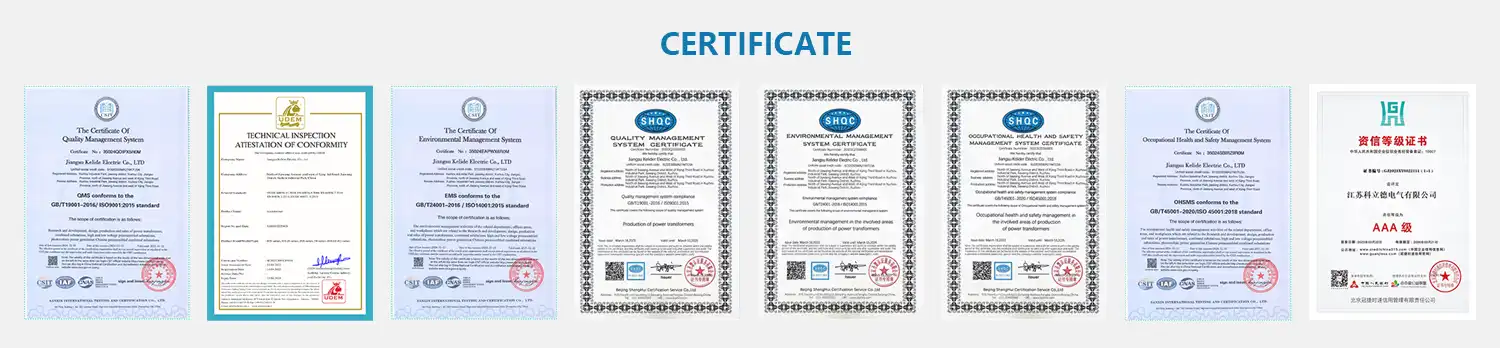
Government infrastructure projects and EPC contracts usually need certain certifications that show the quality of the product and controls over the manufacturing process. Our ISO 9001 quality management certification shows that we keep an eye on production in a planned way. Our ISO 14001 and OHSAS 45001 certifications show that we are committed to protecting the environment and workers' safety.
All of our low-voltage parts have the National CCC approval that is needed to sell them in China. International projects might need extra approvals or licenses, like meeting IEC standards or getting permissions from each country. We give you all the paperwork you need to back your bids and the legal approval process.
Supplier Evaluation Criteria
Product reliability and support quality are directly affected by how technically skilled the manufacturer is. With 15 senior engineers and more than 30 intermediate technicians, we have a level of expertise that smaller suppliers can't match. This technical strength lets us make solutions that fit unique needs and respond quickly to calls for help in the field.
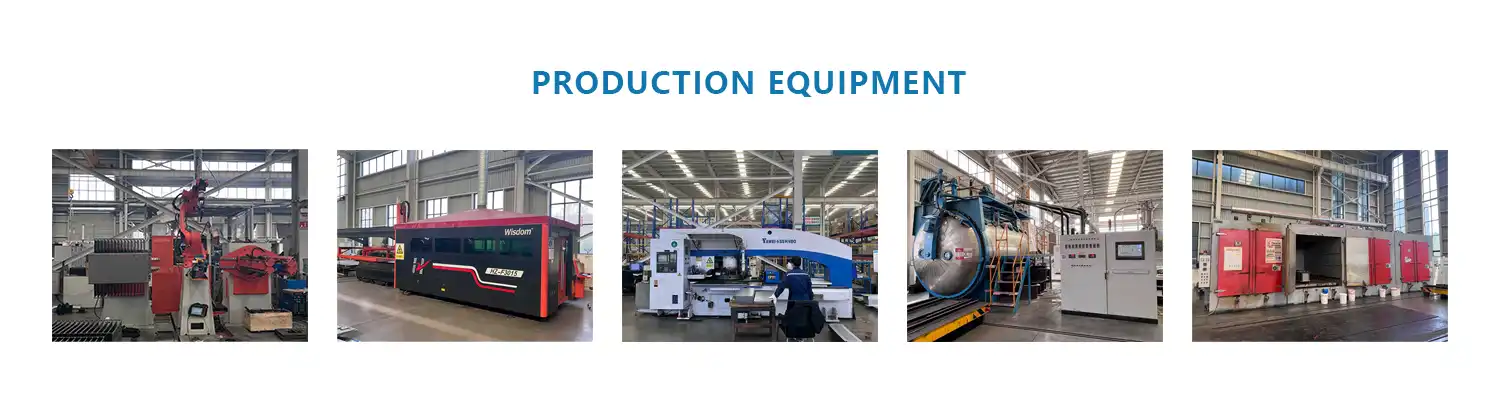
Delivery times are affected by production capacity, especially for big orders or projects that need more than one unit. Our more than 120 sets of modern manufacturing equipment, such as CNC automatic winding machines and curing furnaces run by microcomputers, help us scale up output efficiently. We've finished hundreds of important power projects that show we can meet tight deadlines.
After-Sales Support and Warranty Terms
Reliability of equipment over many years depends in part on how quickly technical support responds to questions. After the sale, we offer full after-sales service, including help with installation, starting, and problems. Our service team quickly answers questions from the field, which cuts down on downtime if problems happen.
Performance guarantees should be included in warranties in addition to basic defect replacement. Our warranties cover the quality of the materials, the work that was done, and certain performance standards for each Oil-Immersed Power Transformer for Industrial Use. This gives you peace of mind that the equipment will work as expected for as long as it is in use. Extended service choices give organisations that don't like taking risks extra safety.
Conclusion
In conclusion, Oil-Immersed Power Transformers for Industrial Use are the most reliable outdoor power solutions because they use tried-and-true technology that combines excellent insulation, great thermal management, and strong environmental protection. The sealed oil system can handle bad weather, extreme temperatures, and contamination that would damage other designs. These transformers are more than 98.5% efficient, which lowers running costs and protects important processes during times of high demand. If you take care of them, they will last longer than 25 years, which makes them good investments for government infrastructure, commercial development, and Industrial oil conversion manufacturing projects. Contracting professionals can trust our track record at places like GCL Photovoltaic Industrial Park and XCMG Group, which shows how well we do in the real world.
FAQ
What capacity range suits different industrial applications?
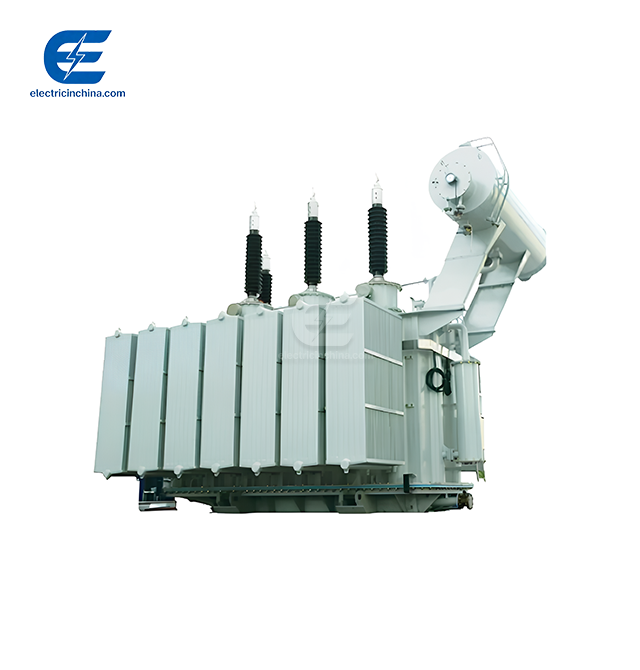
Most small factories need 30KVA to 500KVA Oil-Immersed Power Transformers for Industrial Use for localised distribution to power production tools and support systems. Medium-sized industrial complexes, like chemical plants and fabrication shops, use 500KVA to 5,000KVA units to power many distribution panels. Large businesses like steel mills and mine centers use 5,000KVA to 31,500KVA units to handle the full loads of the building and provide backup power for important processes.
How often should transformer oil require replacement?
Mineral oil lasts between 15 and 20 years before it needs to be completely replaced. This is assuming that the system is properly maintained and that the filters and cooling system are working properly. Key factors like acidity, moisture content, dielectric strength, and dissolved gas concentrations are checked every year during oil quality tests for the Oil-Immersed Power Transformer for Industrial Use. Based on the real state rather than arbitrary dates, the results help decide whether to recondition through filtration or replace the whole thing.
Can existing transformers be upgraded for improved efficiency?
There are retrofit choices, but they rarely work out cheaper than installing a new Oil-Immersed Power Transformer for Industrial Use. To meet modern efficiency standards, the core and windings must be replaced, which means that the whole transformer has to be rebuilt, which can be expensive and is close to the cost of buying new equipment. To figure out how much energy can be saved, you should compare the costs of upgrading to the costs of replacing old technology with newer technology that has much better performance and a longer service life.
Partner with Tuojie for Reliable Industrial Power Solutions
Tuojie is an expert at designing and making Oil-Immersed Power Transformers for Industrial Use that can handle the tough conditions of industrial outdoor installations. As a supplier with over 20 years of experience, we offer quality management systems that are ISO 9001 certified and 18 patents for new ideas. Our technical team is made up of 15 top engineers and more than 120 sets of advanced production tools. This lets us make solutions that are exactly right for your voltage needs, operating conditions, and other needs. We have completed projects for GCL Photovoltaic Industrial Park, XCMG Group, and other government infrastructure, commercial developments, and industrial facilities, always meeting strict deadlines and quality standards. Email our team at tuojie@electricinchina.com to talk about the transformers you need and to get thorough technical offers with fair prices for your next project.
References
1. IEEE Standards Association. "IEEE Guide for Diagnostic Field Testing of Fluid-Filled Power Transformers, Regulators, and Reactors," IEEE Standard C57.152-2013, Institute of Electrical and Electronics Engineers, 2013.
2. International Electrotechnical Commission. "Power Transformers - Part 1: General Requirements," IEC 60076-1:2011, International Standard for Transformer Design and Testing, 2011.
3. Heathcote, Martin J. "The J&P Transformer Book: A Practical Technology of the Power Transformer," Thirteenth Edition, Newnes Publishing, Oxford, 2007.
4. Kulkarni, S.V. and Khaparde, S.A. "Transformer Engineering: Design, Technology, and Diagnostics," Second Edition, CRC Press, Boca Raton, 2013.
5. Harlow, James H. "Electric Power Transformer Engineering," Third Edition, CRC Press Taylor & Francis Group, Boca Raton, 2012.
6. Myers, S.D., Kelly, J.J., and Parrish, R.H. "A Guide to Transformer Maintenance," Transformer Maintenance Institute Technical Manual, S.D. Myers Inc., Akron Ohio, 1981.