

.webp)
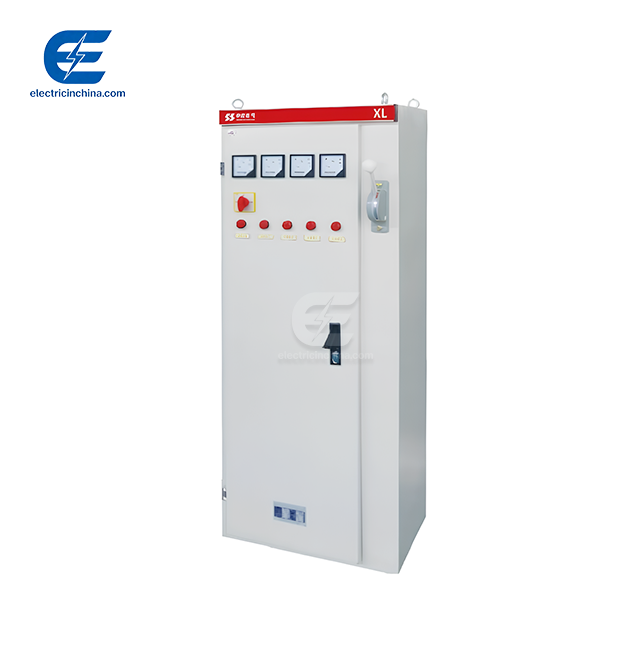
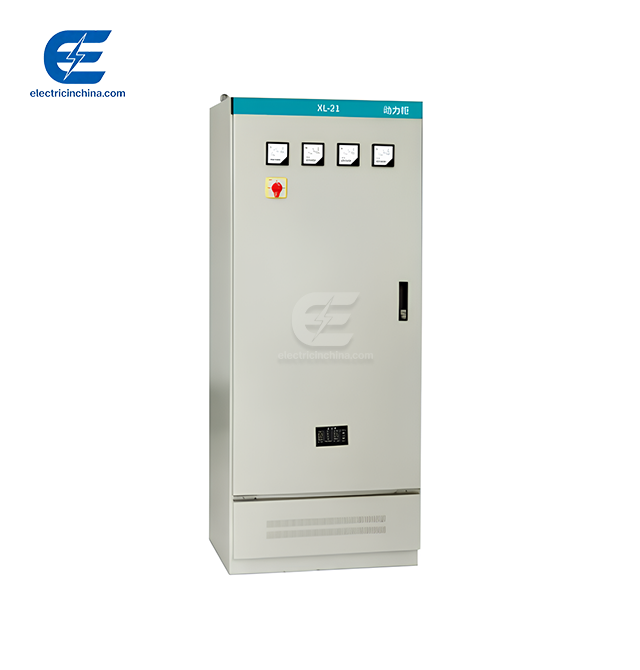
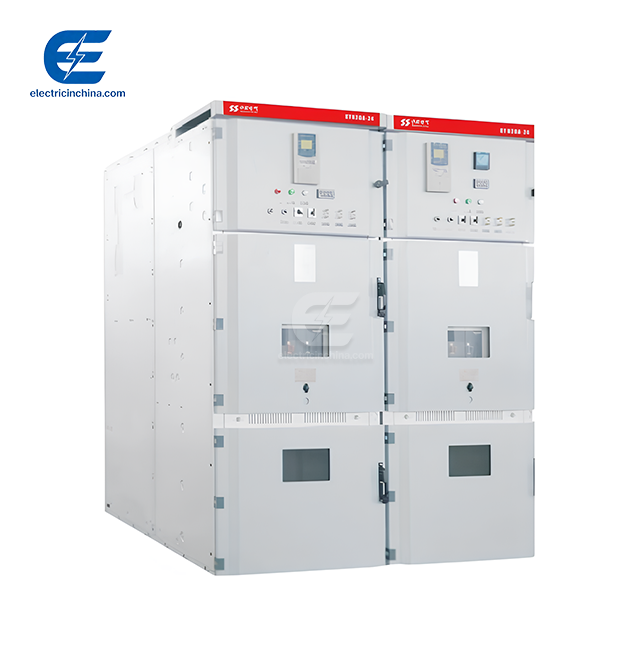
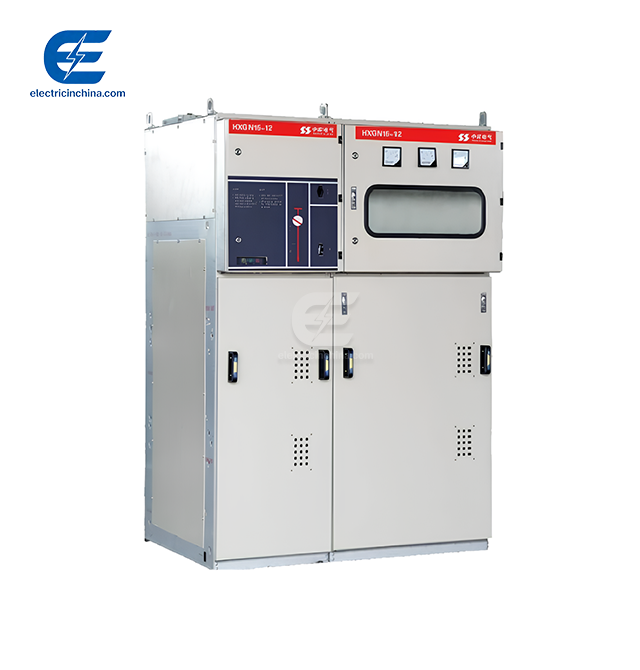
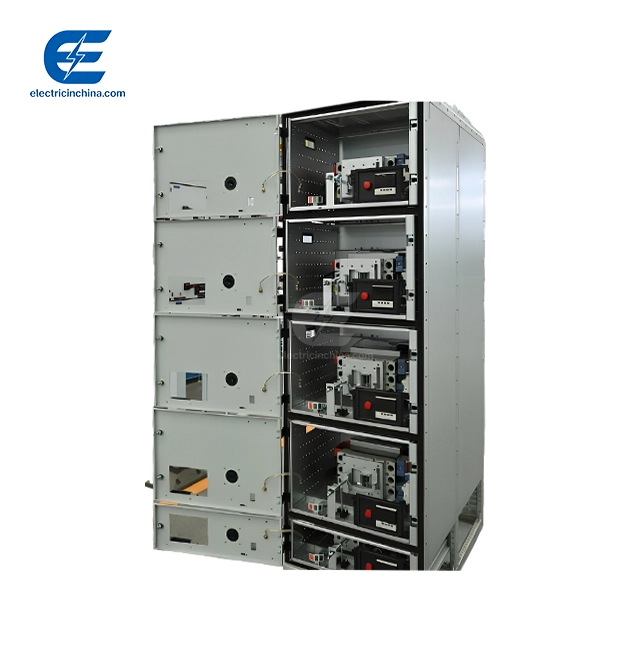
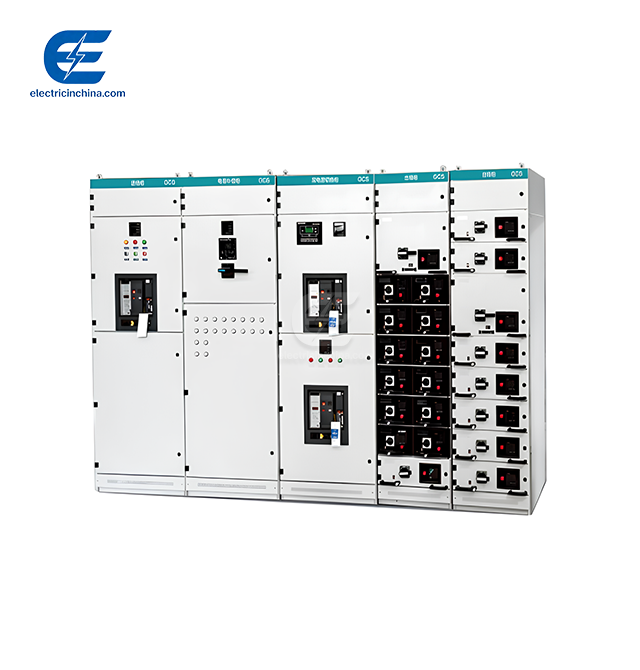
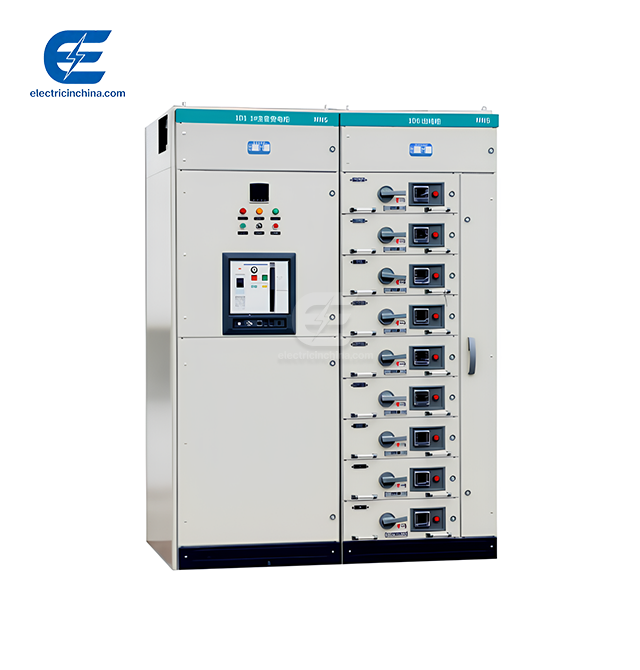
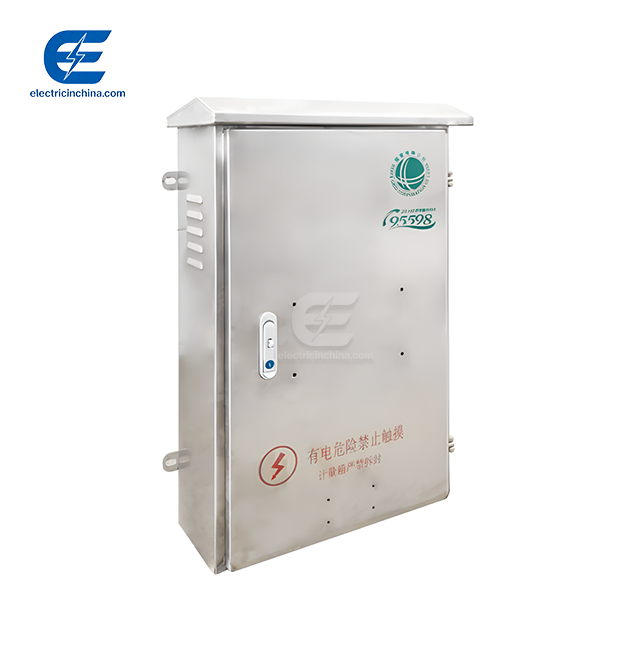
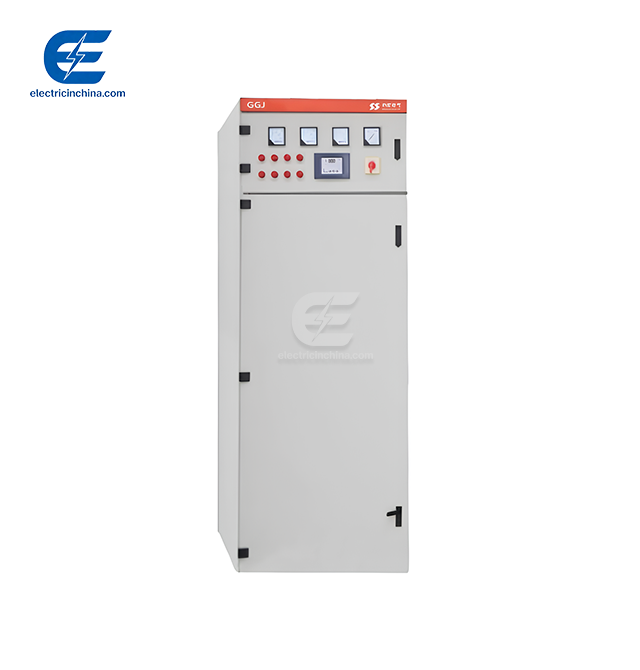
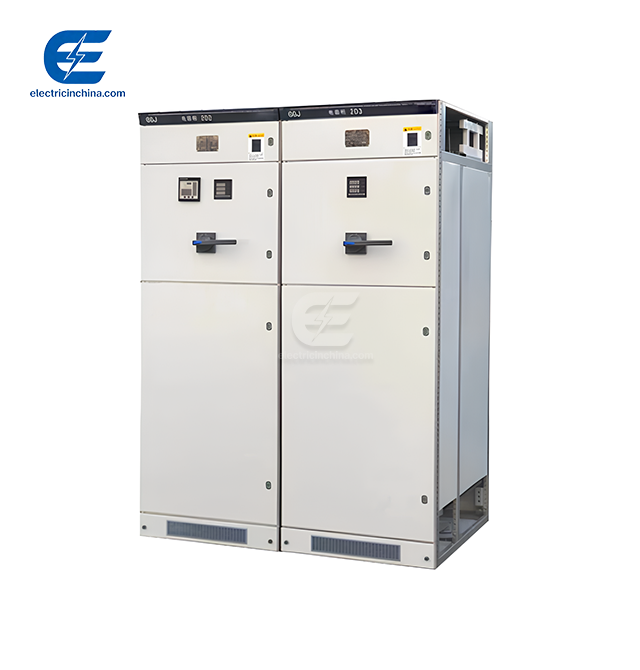
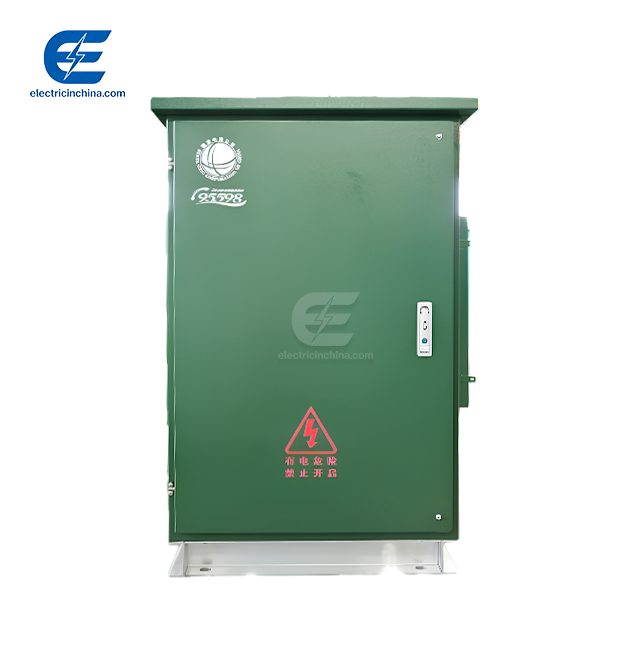
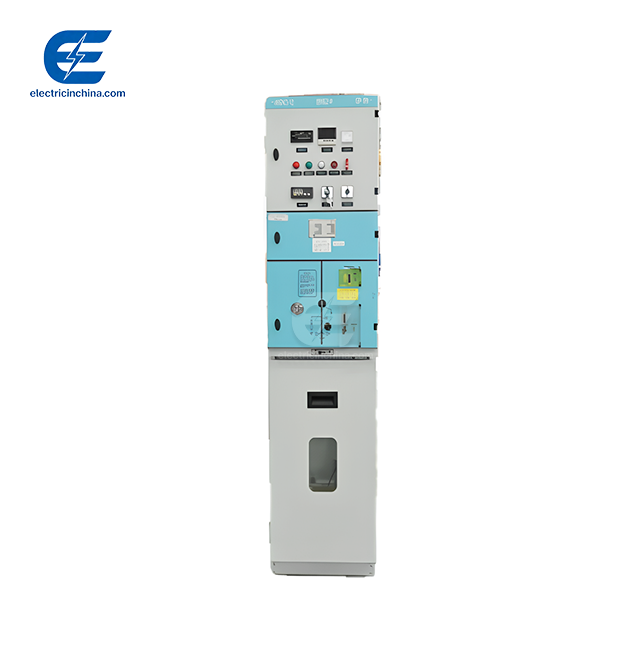
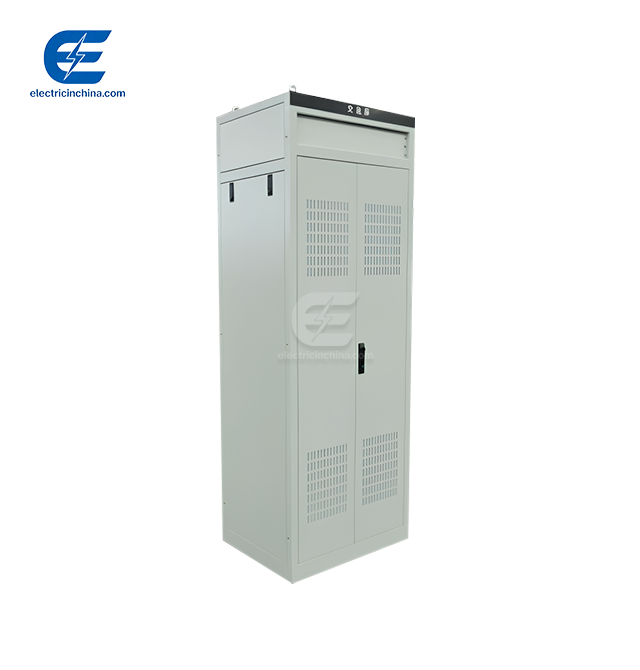
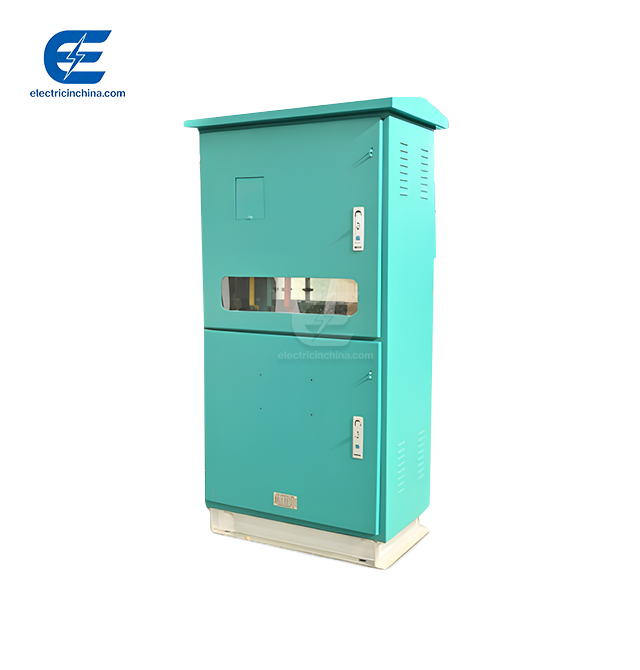
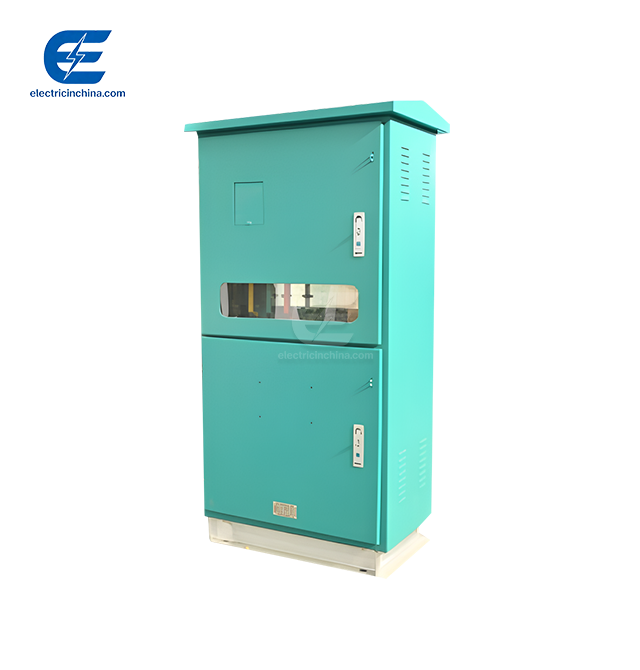
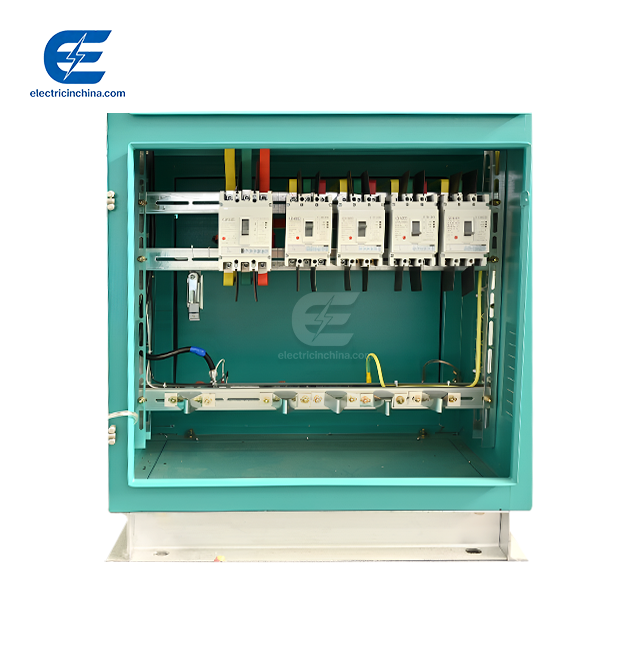
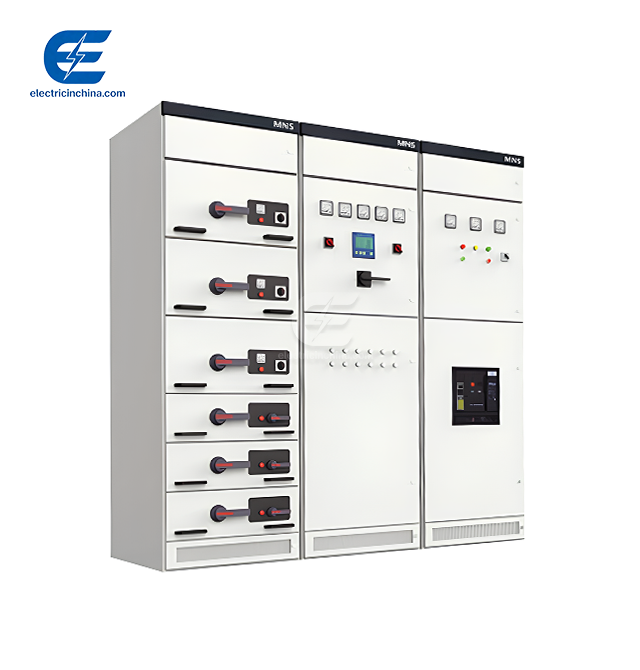
When planning infrastructure investments, procurement managers and project engineers need concrete answers about equipment longevity. A Power Distribution Cabinet typically delivers 15 to 25 years of reliable service in industrial and commercial environments, though this range varies significantly based on build quality, environmental conditions, and maintenance practices. Understanding these lifespan factors helps organisations make informed decisions that balance upfront investment with long-term operational value and safety.
Understanding Power Distribution Cabinets and Their Service Life
Modern buildings depend on electrical distribution systems, but many companies have trouble figuring out what really makes equipment last. At Xuzhou Tuojie International Trade Co., Ltd., we've witnessed how good system design affects the continuation of operations in hundreds of sites.
What Defines a Power Distribution Cabinet?
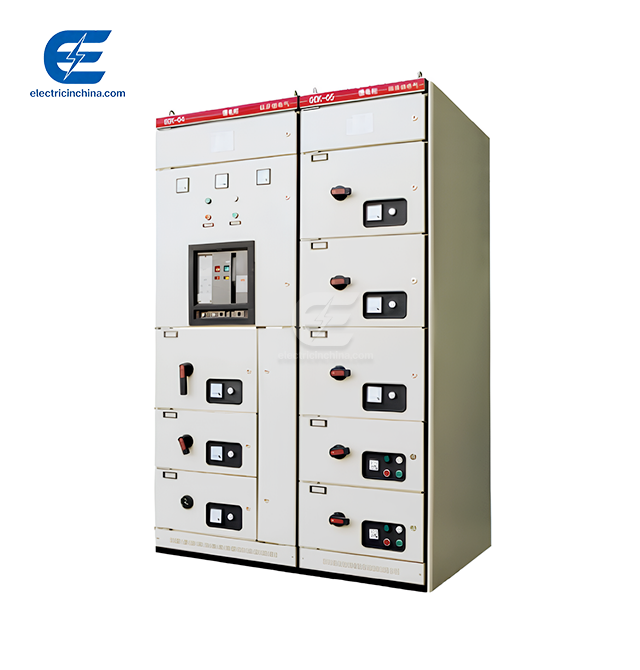
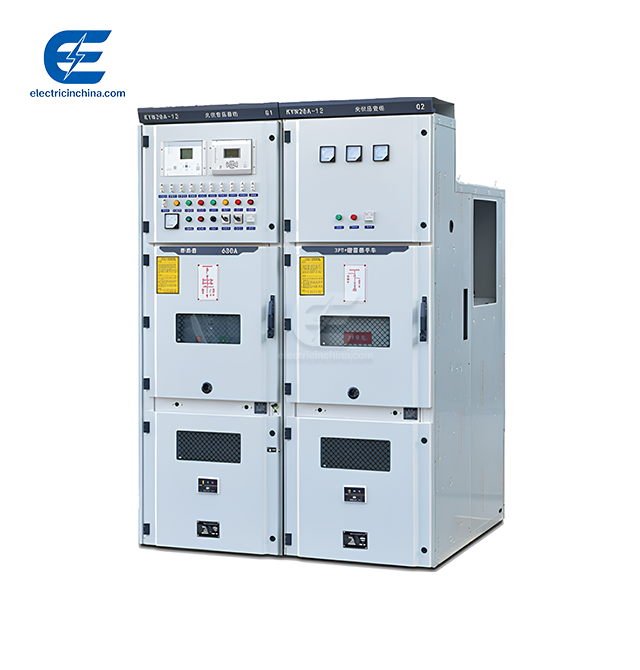
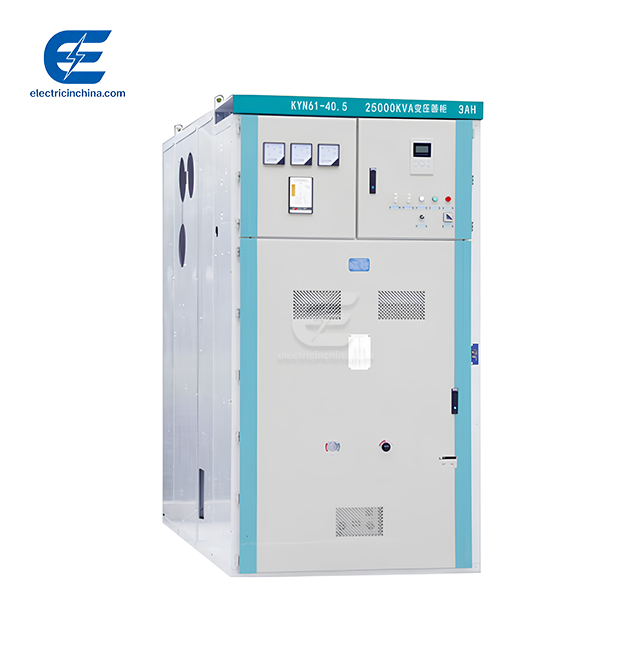
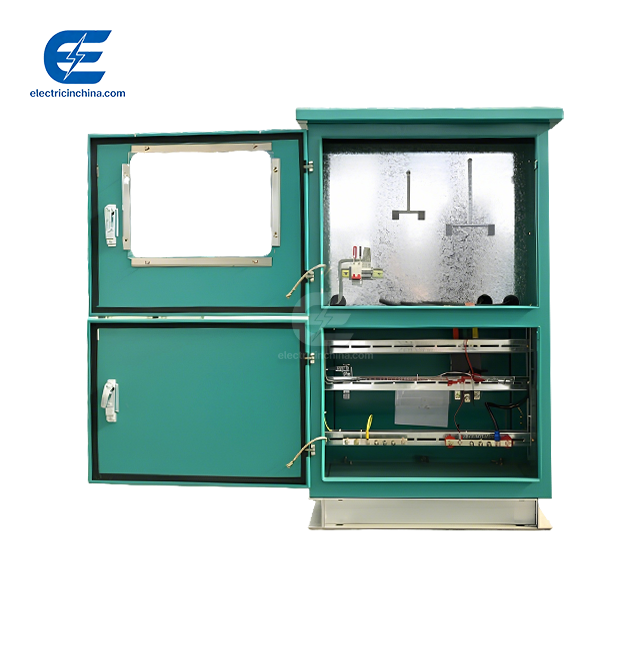
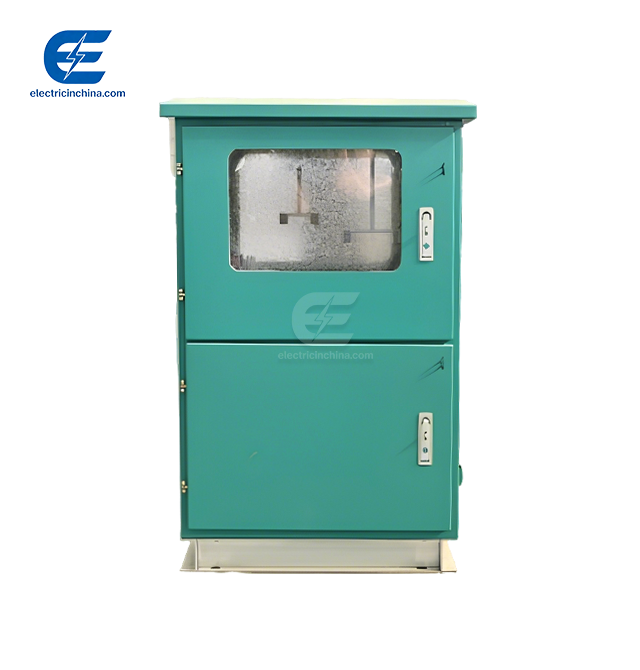
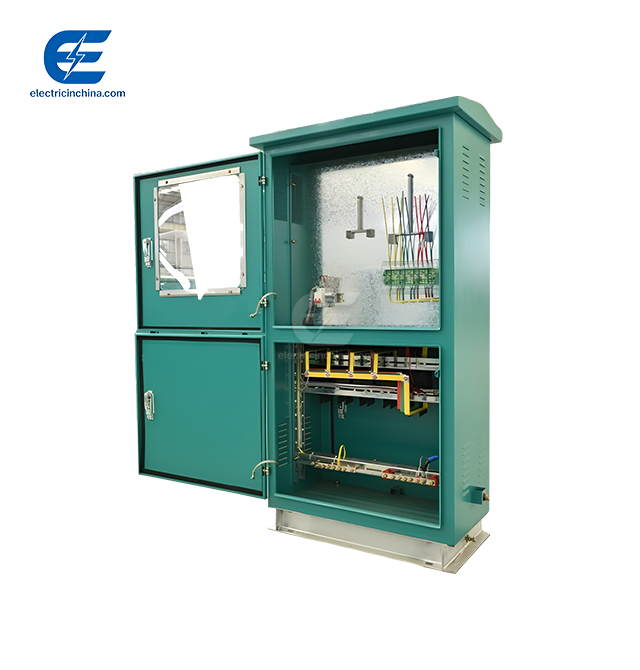
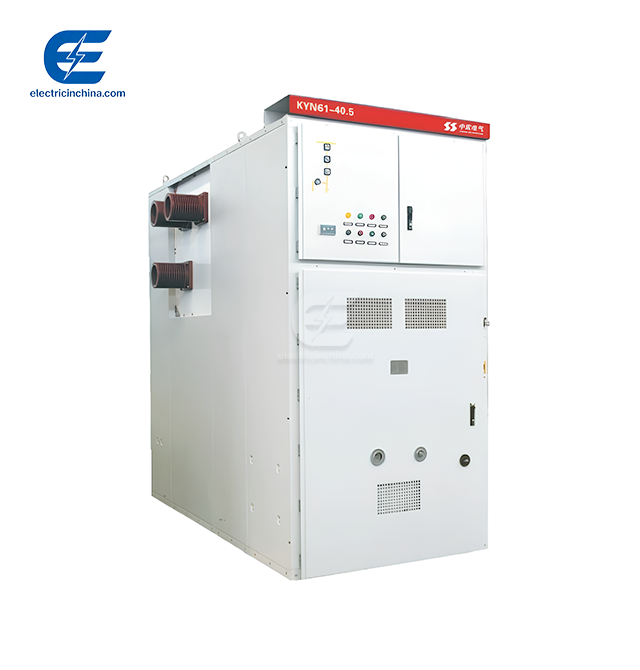
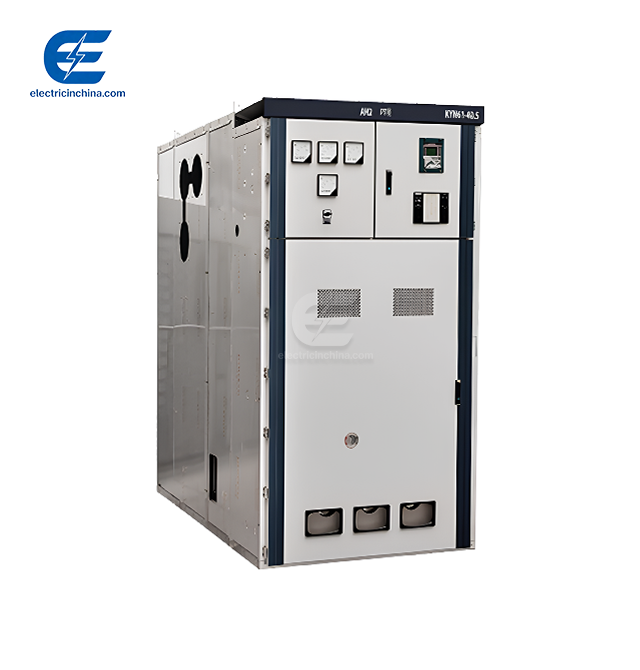
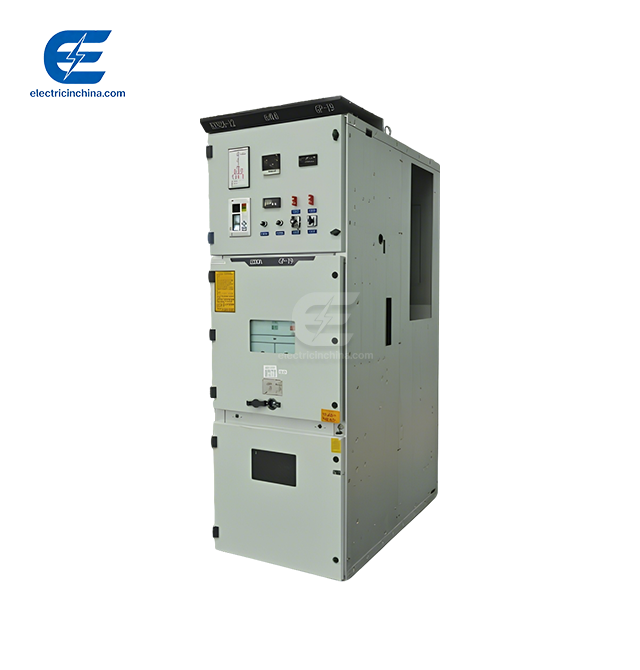
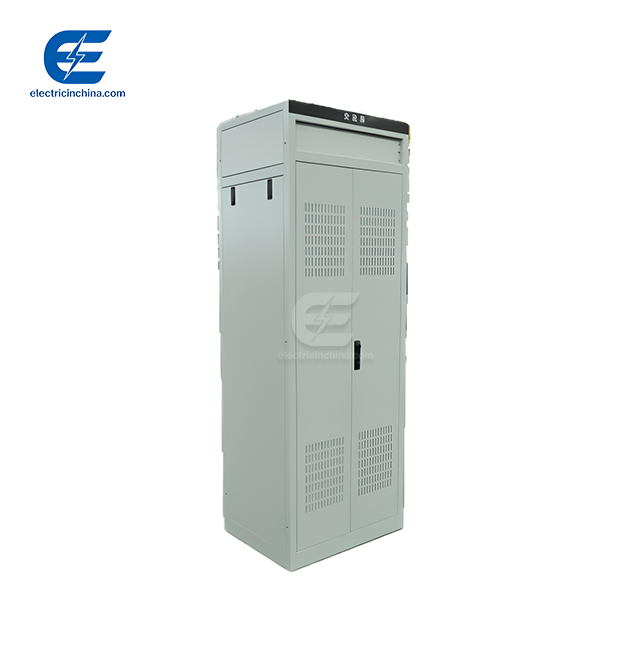
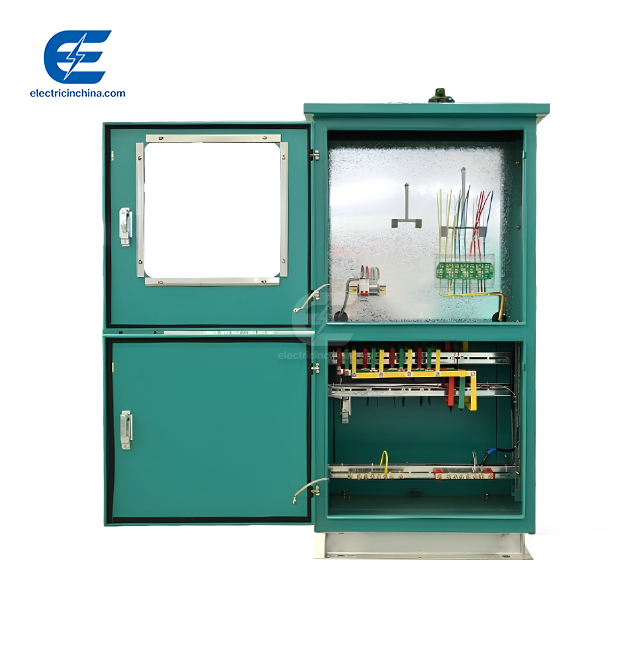
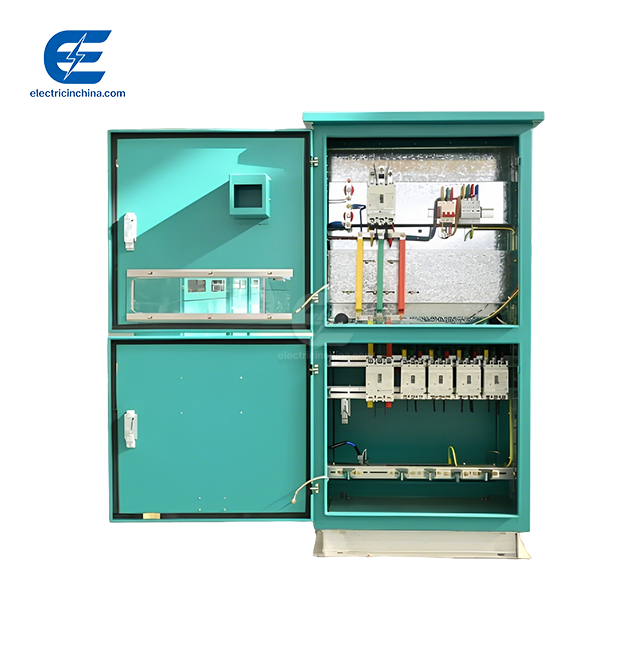
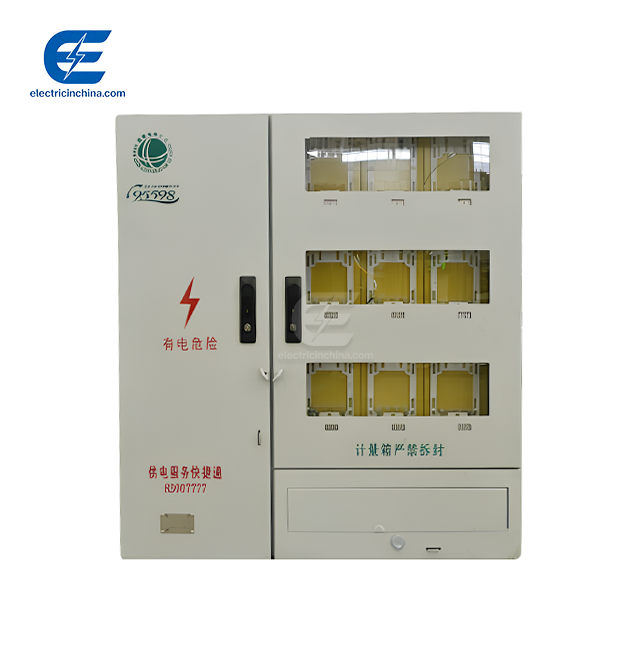
These electrical boxes are control hubs where power comes in and is split into several lines that send power to different parts of a building. Inside each Power Distribution Cabinet, you'll find circuit breakers that protect individual branches, contactors that control how equipment works, measuring devices that keep track of how much power is being used, and bus bars that make sure that current flows smoothly. These parts are built into our distribution systems along with smart monitoring features. This way, building managers can see how much power is being used and spot possible problems before they cause costly downtime.
The design of the cabinet is very important. Our designs include modular frames that allow for future growth without having to update the whole system, which is an important thing to think about for industrial operations that are expanding.
Key Components That Determine Longevity
Several internal factors have a direct effect on how long your electrical distribution system works properly:
Circuit Protection Devices: High-quality breakers that are rated for 10,000 or more mechanical actions continuously trip over the course of their working life. We choose parts that have been tried to meet IEC 61439 standards. This makes sure that they will work as expected when something goes wrong. Inferior breakers break down in 5 to 7 years, posing safety risks and causing annoying trips that delay production.
Bus Bar Systems: Copper or aluminium conductors must keep the right torque levels and not be affected by thermal cycling. In the way we make things, we use vibration-resistant fastener assemblies that keep the screws from coming free, which is a typical way for problems to happen and leads to hot spots and eventually insulation breakdown. During our quality checks, thermal imaging checks the integrity of the connections before they are shipped.
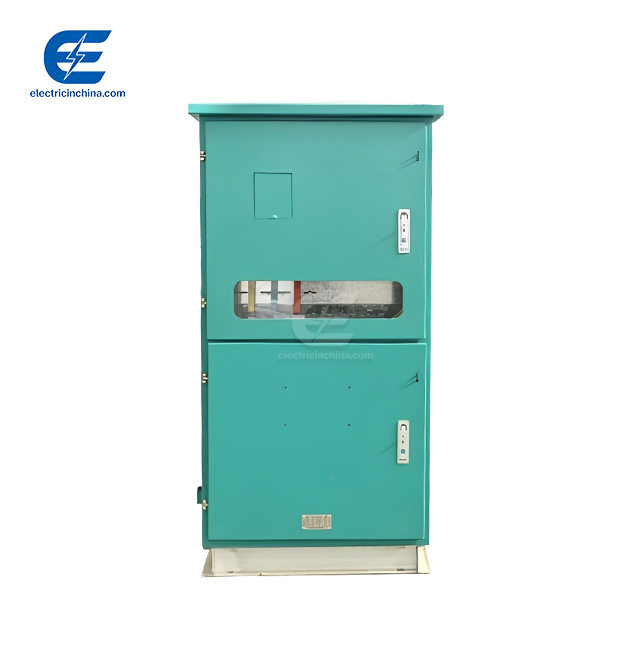
Enclosure Materials: Metal cabinets that have been properly powder coated are much more resistant to rust than painting steel cabinets. We've put systems in places like chemical processing plants and seaside areas where IP65-rated shelters keep dust and water from getting into sensitive electronics. The cabinet shell is more than just a protective shell; it's also an important part of the grounding system that keeps people safe.
How Do Environmental Conditions Affect Performance?
Through thermal expansion processes, high temperatures speed up the ageing of parts. The Arrhenius equation in reliability engineering describes a phenomenon where temperatures above 40°C shorten the life of insulation by about 50% for every 10°C rise. Our cabinets have ventilation systems and, when needed, active cooling systems that keep the temperatures inside within the right ranges, even in harsh industrial settings.
Another problem is that of humidity. When condensation forms on active parts, it causes tracking, rusting, and eventually short circuits. For placements in high-humidity areas, we designed our containers with sealed cable entries and internal heaters. This keeps the electronics from breaking down because of wetness, which extends their service life.
Typical Service Life Expectations and Industry Standards
To make accurate predictions about how long a Power Distribution Cabinet will last, you need to know both the theoretical design life and the practical field experience. The difference between these numbers says a lot about the quality of the manufacturing and how well it works for the application.
Benchmark Lifespan Across Applications
When maintenance plans are followed, switchgear in industrial buildings should last between 20 and 25 years if it is properly maintained. At XCMG Group, we've seen systems keep working regularly after their original 20-year design life because wear items were taken care of before they broke. Because loads are changed more often and maintenance isn't done as carefully, commercial buildings tend to last 18 to 22 years less than residential buildings. Municipal infrastructure like the Xuzhou Rail Transit project needs to last a very long time. Our systems there use dual safety and high-quality parts to make sure they work for 25 years or more with little maintenance.
The type of cabinet has a big effect on these beliefs. Metal-enclosed switchgear with an air-insulated bus usually lasts longer than plastic ones, especially in high-current situations where heat removal is important. Our modular designs let you replace just a few functional parts instead of whole assemblies. This means that the economic service life is extended beyond the limits of the physical parts.
International Standards Governing Durability
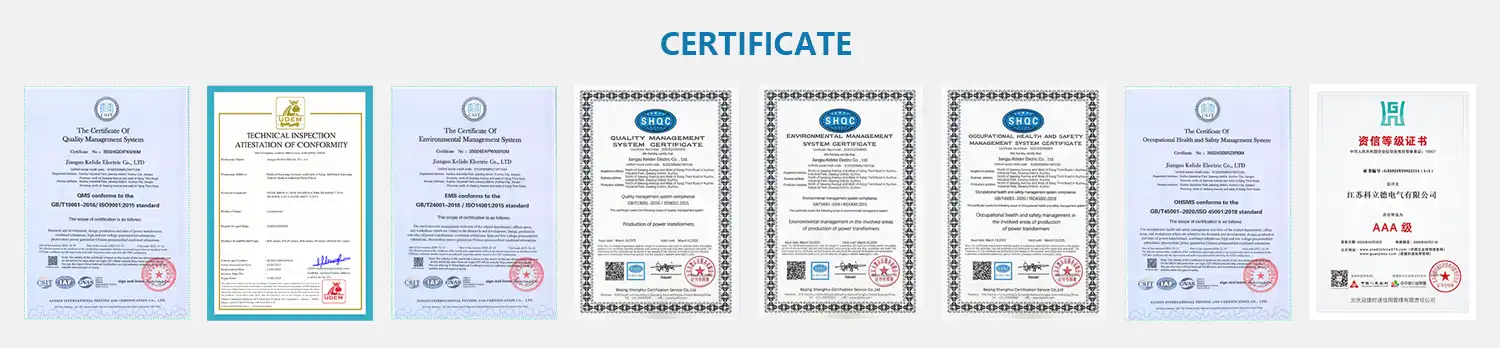
Adhering to well-known standards gives buyers faith that the tools will last at least a certain amount of time. The IEC 61439 set of standards spells out how to test for mechanical durability, how much temperature can rise, and how much a short-circuit can handle. UL 891 certification makes sure that the performance standards are the same for the North American market. Tuojie's manufacturing methods are in line with ISO 9001 quality control standards. This makes sure that the quality of every cabinet we make is the same.
These certifications are more than just paper documents; they show that the design math and actual tests were checked and approved by a third party. When looking at different suppliers, make sure that the testing labs are nationally recognised and that the test reports are specific to the equipment you have. Sometimes, generic type-test certificates don't show changes that were made for certain apps.
Real-World Performance Data
For XCMG Group's industrial growth, we upgraded the power supply in a way that involved coordinating 23 distribution assemblies in several production buildings. As planned, the system went live six months early and met all the strict quality standards. After three years, thermal scans and electricity tests show that all systems work as planned, with no unplanned power outages caused by distribution equipment.
In a different facility we looked at, cabinets from a different supplier that were the wrong size broke after only nine years. After the failure, an investigation showed that small bus bars were working above their recommended temperature, which sped up the breakdown of the insulation. The new project cost a lot more than buying properly designed equipment in the first place. This is a lesson in false economy that project managers should think about carefully.
Maintenance and Safety Practices to Extend Service Life
Systematic maintenance is needed for even the best equipment to last as long as it was made to. Systems that aren't taken care of break down early, while setups that are regularly serviced often last longer than expected.
Preventative Maintenance Fundamentals
Visual checks every three months find clear problems like broken insulation, rusted connections, or strange discolouration that shows hot spots. Our technical team suggests that you get a thermal imaging survey once a year to find problems that you can't see. When links aren't tight, they cause resistance, which in turn causes heat that breaks down nearby parts. During thermal scans, we found connections that were 40°C above ambient. If these conditions aren't fixed, the connections will fail within months.
Electrical testing is done on safety devices every two to three years to make sure they work. The way a circuit breaker trips changes over time, especially after fault currents are cleared. We test key feeders for main injection to make sure breakers trip within the time bands set by the maker at different current levels. This checking gives written proof that the safety system works, which is very helpful for getting insurance and following the rules.
Controlling the environment is very important in difficult circumstances. As part of our work in the GCL Photovoltaic Industrial Park, we installed climate monitoring systems that let maintenance staff know when temperatures or humidity levels inside power distribution cabinets go above safe levels. This proactive approach stopped damage from condensation when the weather changed with the seasons.
Safety Features Contributing to Longevity
Not only do built-in safety layers keep accidents from happening, but they also keep the equipment itself from getting damaged. Ground fault tracking finds insulation breakdowns before they become very bad. Arc flash switches can detect the light and pressure patterns of arcing faults and start security within milliseconds to keep damage to a minimum. A decade ago, these tools weren't popular, but now they're necessary for most installations.
Our cabinets have several barriers that keep people from touching energised parts by mistake. Not only do physical walls keep people safe, but they also keep out strange objects that could cause shorts or damage to equipment. We've made layouts that are easy to maintain so that techs can do regular jobs safely without turning off whole systems. This lowers both the risk of injury and the time it takes to do the work.
Tailored Maintenance for Different Environments
Industrial settings with a lot of dust need to be cleaned more often than office settings. We've made maintenance plans just for factories where metal particles can make paths for electricity to flow between phases. Our contracting handbooks include these specific steps that help maintenance teams prioritise tasks based on real risk factors instead of general plans.
Coastal sites are more likely to rust because the air is full of salt. For these uses, we recommend conformal coatings on circuit boards and better sealing on the enclosures. The protective steps make the service life much longer than with normal setups that are exposed to marine environments, but maintenance times do get longer.
Comparing Power Distribution Cabinet Types and Their Impact on Longevity
Choosing the right tools for the job has a big effect on how well it works over time and how much it costs to own. Not every Power Distribution Cabinet is perfect for every job.
Metal Versus Plastic Enclosures
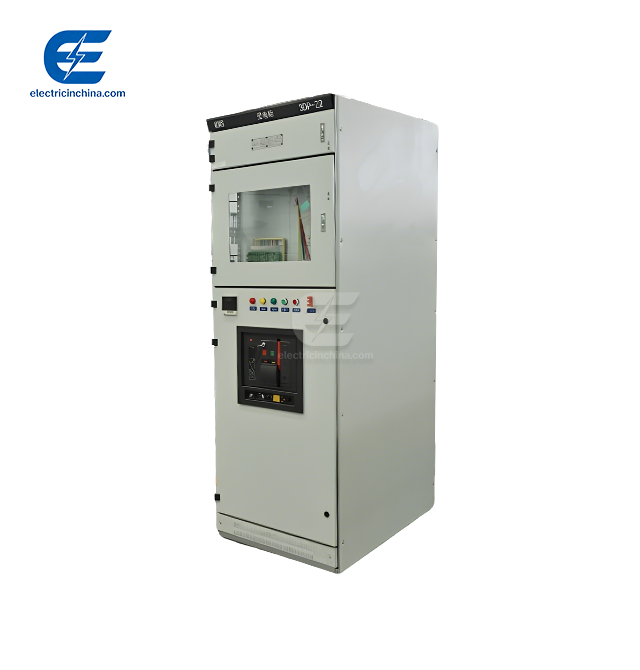
When the right surface treatment is done to steel enclosures, they last longer in industrial settings. They can survive being hit, don't change shape when temperatures are high, and do a great job of blocking electromagnetic waves. Even in environments that are harsh on chemicals, our powder-coated steel cabinets keep their structural integrity and resistance to corrosion for a long time. In places where plastic just couldn't meet mechanical or heat needs, we've put in metal-enclosed circuitry.
Plastic containers have some benefits, such as being lighter, naturally resistant to corrosion, and cheaper for small home uses. However, they aren't usually good for industrial use with high currents where heat dissipation is important. Instead of just focusing on the lowest price, the material you choose should fit your work setting and electricity needs.
Modular Versus Compact Designs
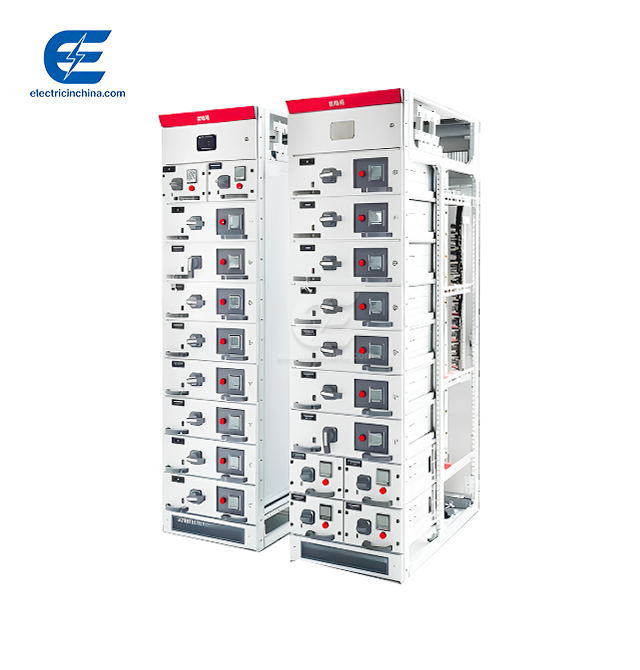
Modular designs make it easy to add on in the future and make upkeep easier. When a part breaks or the amount of space needed grows, technicians can change individual useful modules without affecting circuits next to them. This way of thinking about design cuts down on both the time needed for maintenance and the risk to the system during service activities. At the Xuzhou Rail Transit Network Control Center, our modular systems let us add lines as the transit system grows, which protects the original investment in the infrastructure.
When space is limited, compact designs make the most of power density. They work well for stable loads that won't need to be changed, but they can't be changed much. We help our clients decide whether practical flexibility or a small footprint is more important for their case, and then we suggest the right architecture.
Innovations Enhancing Cabinet Longevity
By keeping components at the right temperature, advanced cooling technologies make them last longer. We've put in high-density installations with variable-speed fans and heat exchanger systems that cool the inside by 15 to 20°C more than passive ventilation alone. Less extreme temperatures directly link to longer insulation life and fewer maintenance needs.
Smart monitoring tools can find problems as they start to happen, before they become major problems. Our touchscreens show current draw, voltage quality, and temperature changes in real time. When parameters move outside of normal ranges, automated alarms let maintenance teams know so that they can fix the problem during planned maintenance windows instead of having to deal with emergency failures. Based on our project experience, these proactive features cut down on unexpected downtime by about 60%.
Procurement Considerations for Long-Lasting Power Distribution Cabinets
When making a buying decision, it's important to look at more than just the price. The total cost of ownership, which includes installation, maintenance, and the risk of downtime, is a better way to make a decision than just the cost of acquisition.
Essential Certification and Compliance Factors
Check to see if the equipment has the right approvals for where you will be using it. Our goods keep their ISO 9001, ISO 14001, and National CCC Mandatory Certification, which shows that they meet standards for quality control, environmental responsibility, and electricity safety. You can't get these licences if you don't have to; they're basic signs of good business practices and reliable products.
Ask for proof that the type has been tested for fault current withstand, temperature rise, and mechanical endurance. General statements of compliance are not the same as actual test reports that show your specific equipment configuration passed a thorough evaluation. With every big installation, we include thorough test documentation. This gives procurement teams faith that the equipment will perform as promised.
Evaluating Manufacturer Capabilities
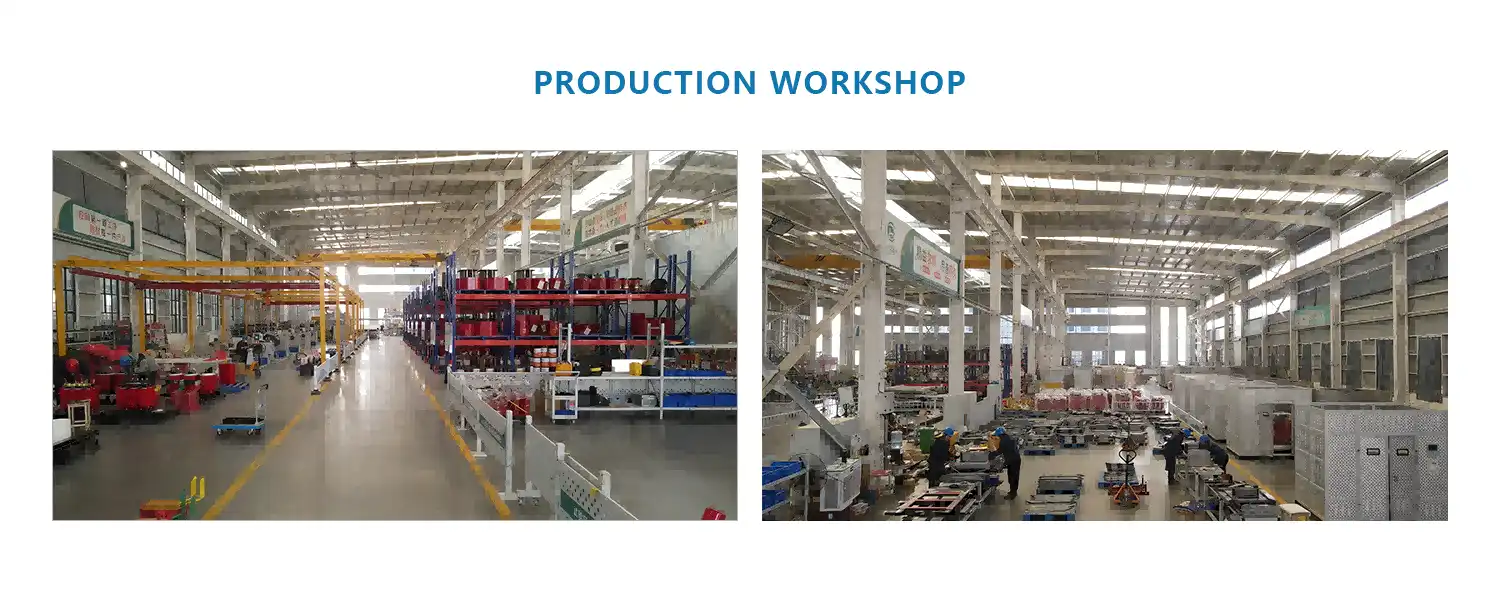
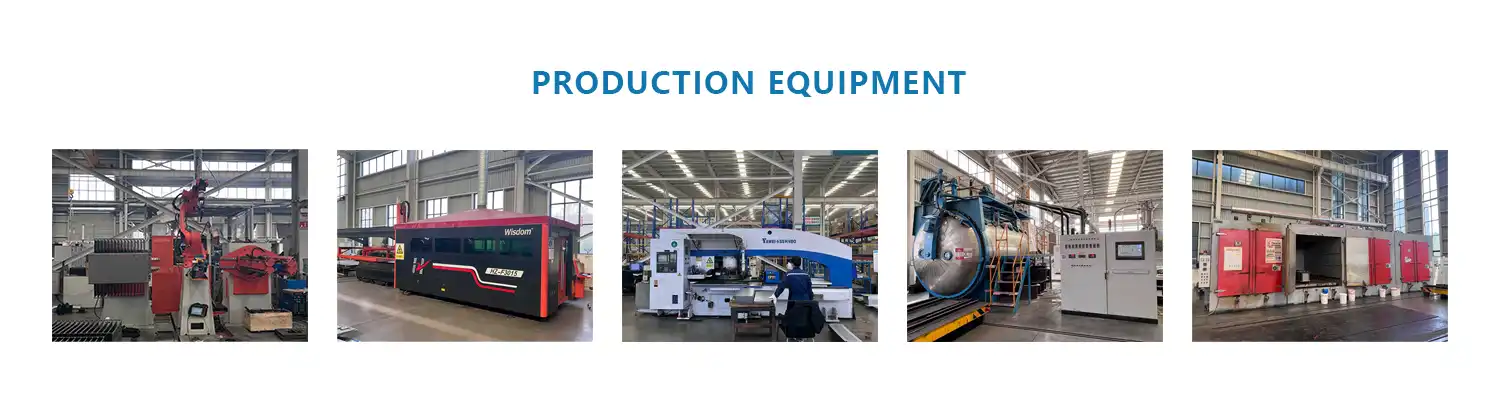
Production ability and technical support facilities are what set suppliers who can deliver on time apart from those who can't. Our building has more than 120 sets of specialised tools, such as CNC winding machines, vacuum casting systems, and gradient curing ovens. Instead of depending on freelancers whose work we can't directly watch, this level of manufacturing depth lets us keep an eye on quality at every stage of production.
When applications have unusual needs, technical knowledge is very important. There are 15 senior engineers and more than 30 intermediate workers on our team. They have fixed difficult Power Distribution Cabinet problems in the business, industrial, and municipal sectors. This experience base helps clients avoid making mistakes in the specifications that hurt the performance or longevity of the system.
Customization Options and Lead Times
Standard catalogue items don't usually work best for certain business needs. We design methods that meet your needs for voltage, fault current levels, weather conditions, and control choices. This customisation makes sure that the equipment works within its design parameters and not at stressed limits that speed up the ageing process.
Timing of projects often affects choices about what to buy. When projects need to be delivered faster without lowering the quality, our production planning can accommodate shortened schedules. We finished the Xuzhou High-speed Railway East Station power supply project early because we set aside enough production resources and coordinated logistics well. Being able to keep promises helps project managers keep building plans on track.
Long-Term Partnership Value
Picking suppliers who will support your equipment for as long as it works is valuable beyond the initial purchase. We keep scientific records up to date, keep replacement parts in stock, and offer ways to update as technology changes. This ongoing relationship keeps your investment safe and makes it easier to make changes or add on in the future.
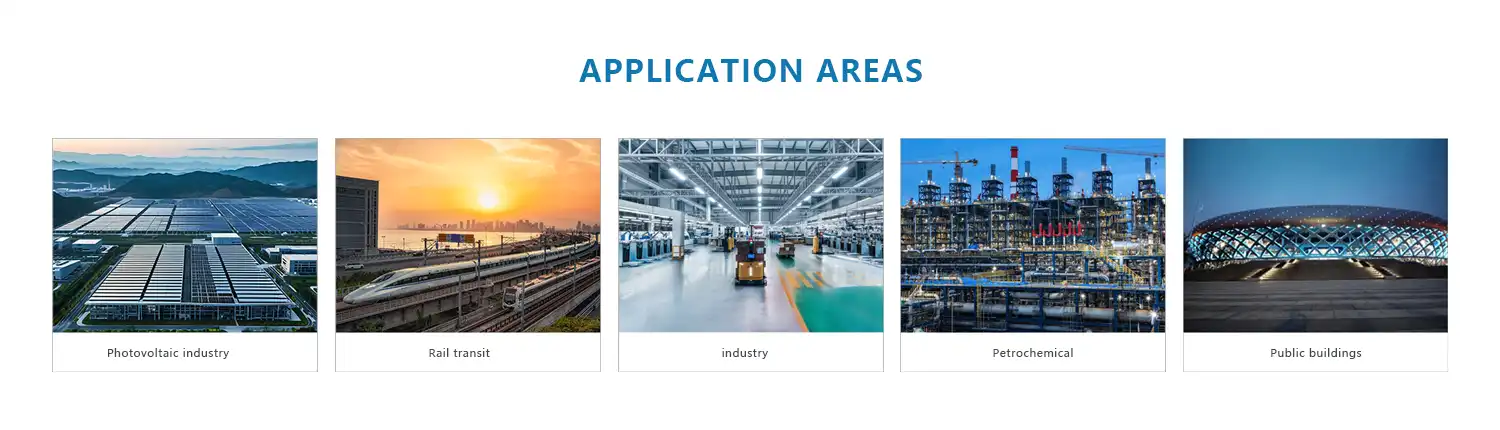
Our project portfolio includes public works like rail transit systems, business developments like the Xinhuai Central Complex, and industrial buildings like photovoltaic factories. Because we have worked in so many different areas, we understand the different reliability needs and operational limitations in each one. When you work with us, you can use the information we've gained from hundreds of great installations instead of just reading about them.
Conclusion
Power Distribution Cabinet service life is affected by many things that are all related to each other, such as the quality of the build, the surroundings, the way it is maintained, and whether it is used correctly. Most industrial installations last between 15 and 25 years, but with the right specifications and upkeep, this can be extended by a lot. Instead of just looking at the initial purchase price, organisations should think about the total cost of ownership, which includes how design choices affect long-term dependability, maintenance needs, and operational flexibility. Certification compliance, the manufacturer's abilities, and ongoing expert help all play a big role in how long equipment lasts and how well it meets safety and performance standards over time.
FAQ
How do load characteristics affect cabinet lifespan?
Continuous loads close to their stated capacity cause higher working temperatures than intermittent or partial loads, which speeds up the ageing process of parts. When you start your motor frequently, the contactors experience mechanical stress, and the links undergo thermal cycling effects. When compared to running at full rates, properly sizing equipment and derating it for real load profiles greatly increases the service life of the power distribution cabinet.
What warranty terms should I expect from quality manufacturers?
Suppliers with a good reputation usually offer guarantees that cover manufacturing flaws and material failures for 12 to 24 months. Manufacturers often offer longer warranties on higher-end products to show they trust them to last for a long time. Check the warranty to see what parts and failure modes it covers, as some don't cover wear items or damage caused by bad installation.
Can older cabinets be upgraded rather than replaced?
Modular designs allow replacing outdated control systems, adding monitoring capabilities, or upgrading protection devices while retaining sound enclosures and bus structures. We've successfully modernised 15-year-old installations with current technology, extending their useful life by another decade at a fraction of the replacement cost. Upgrades work best when original equipment quality justifies the investment.
Partner With Tuojie for Reliable Power Distribution Solutions
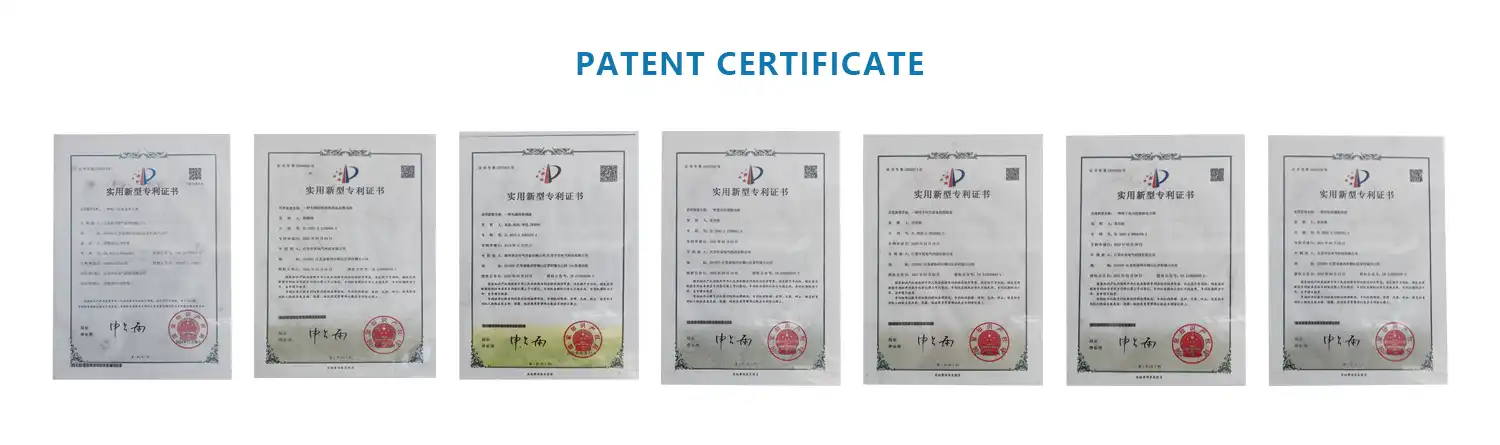
The electrical Distribution box systems that Xuzhou Tuojie International Trade Co., Ltd. sells are backed by 18 patents, ISO 9001 certification, and years of experience working on large infrastructure projects. Custom voltage configurations, clever tracking integration, and flexible designs that can be expanded in the future are some of the things that our Power Distribution Cabinet manufacturer can do. We help clients with everything from design to commissioning. Our 15 senior engineers have solved difficult power problems in the business, industrial, and municipal sectors. Visit electricinchina.com or email tuojie@electricinchina.com to talk to our team about how our customised solutions can meet your project's needs while protecting your investment through quality verification and on-time delivery.

References
1. Institute of Electrical and Electronics Engineers (IEEE), "IEEE Standard for Metal-Enclosed Low-Voltage Power Circuit Breaker Switchgear", IEEE C37.20.1-2015, 2015.
2. International Electrotechnical Commission, "Low-voltage switchgear and controlgear assemblies – Part 1: General rules", IEC 61439-1:2020, Fourth Edition, 2020.
3. National Electrical Manufacturers Association, "Low-Voltage Switchboards", NEMA PB 2.2-2019, National Electrical Manufacturers Association, Rosslyn, 2019.
4. Smith, J.R. and Thompson, M.K., "Predictive Maintenance Strategies for Electrical Distribution Equipment," Journal of Facilities Management and Electrical Systems, Vol. 34, No. 2, 2021, pp. 145-167.
5. Chen, W. and Anderson, P., "Service Life Assessment of Power Distribution Infrastructure in Industrial Environments," Electric Power Systems Research, Vol. 198, 2021, pp. 107-119.
6. Underwriters Laboratories, "Switchboards – Low Voltage DC Power Switchboards and Assemblies," UL Standard 891, Eighth Edition, Underwriters Laboratories Inc., Northbrook, 2019.