

.webp)
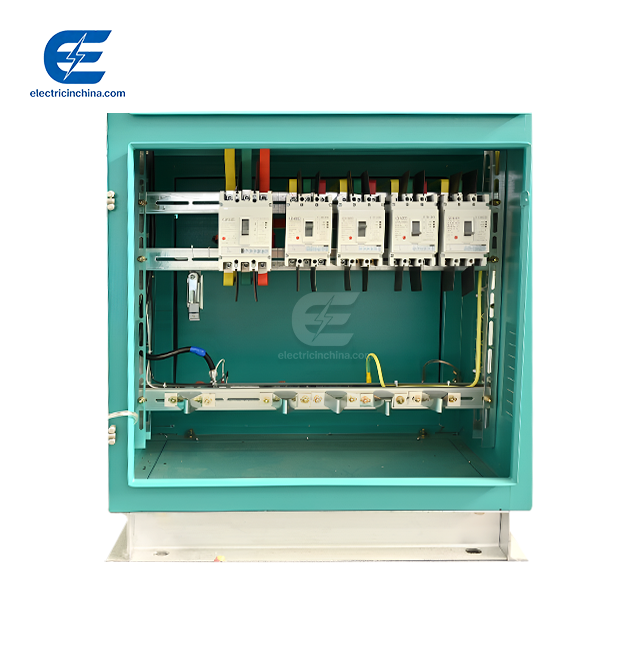
Daily maintenance for an oil-immersed power transformer for industrial use involves systematic visual inspections, oil level verification, temperature monitoring, and dielectric testing to ensure continuous performance. Routine checks include examining bushing conditions, detecting leaks in the sealed tank, verifying cooling system operation, and conducting oil sampling for dissolved gas analysis. Regular maintenance prevents costly downtime by identifying insulation degradation, moisture contamination, and overheating conditions early, extending equipment life to 25–30 years and maintaining efficiency ratings above 98.5% in demanding environments such as mining, chemical plants, and steel facilities.
Understanding the Basics of Oil-Immersed Power Transformers
Core Structure and Operational Principles
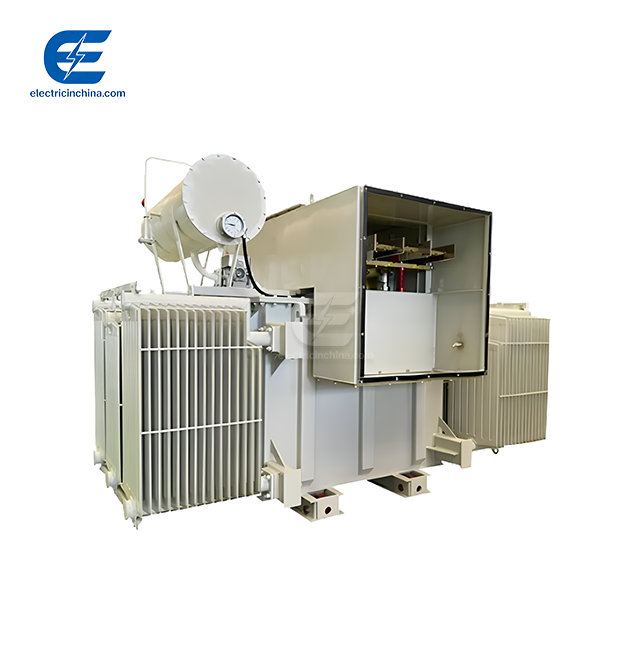
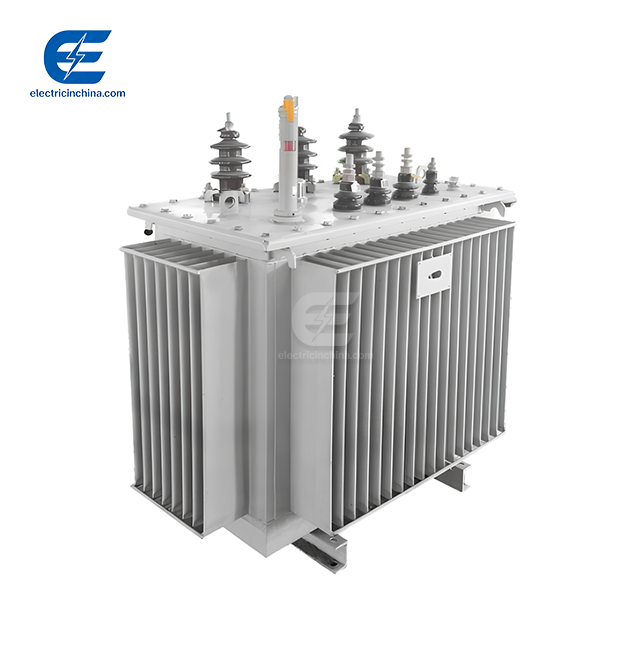
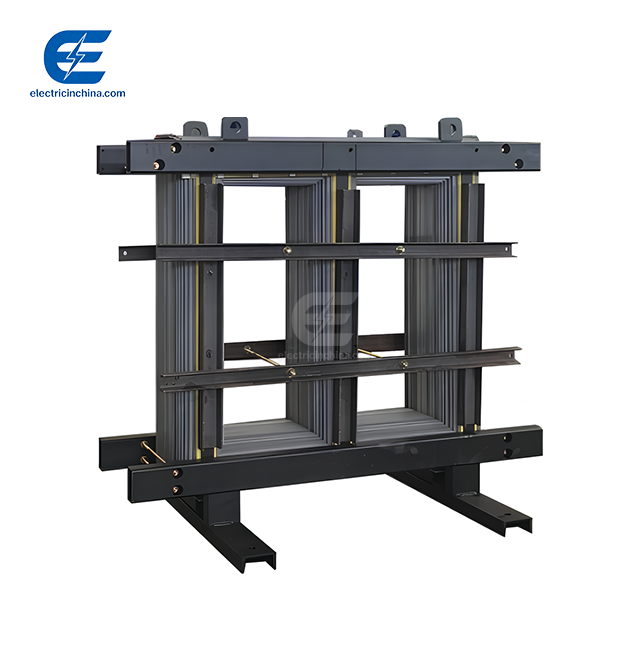
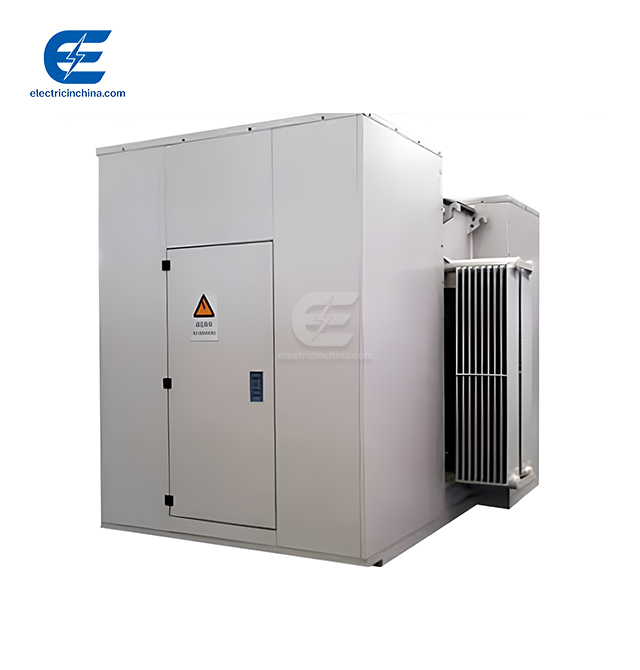
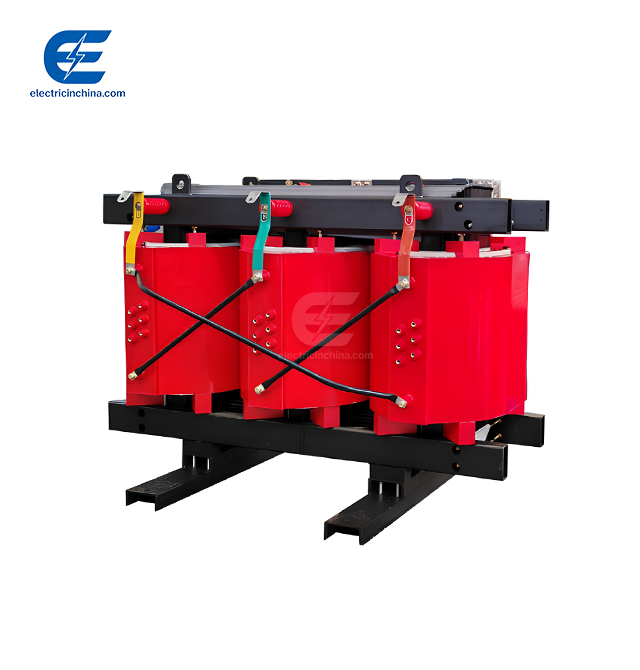
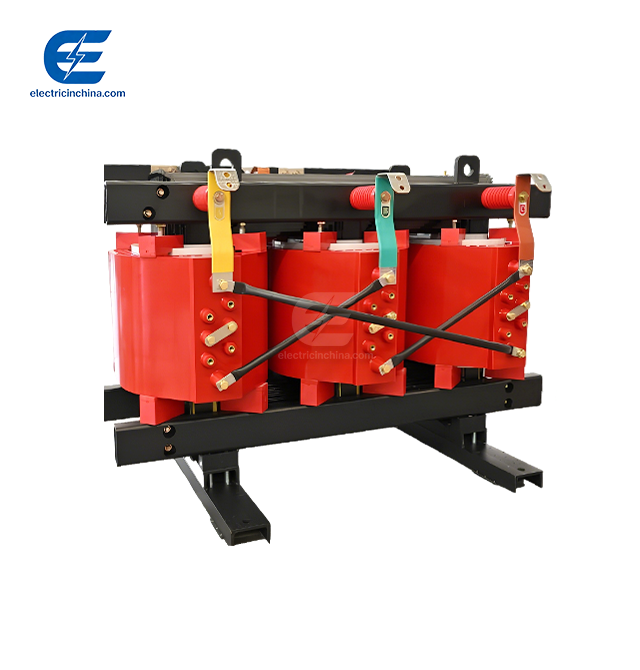
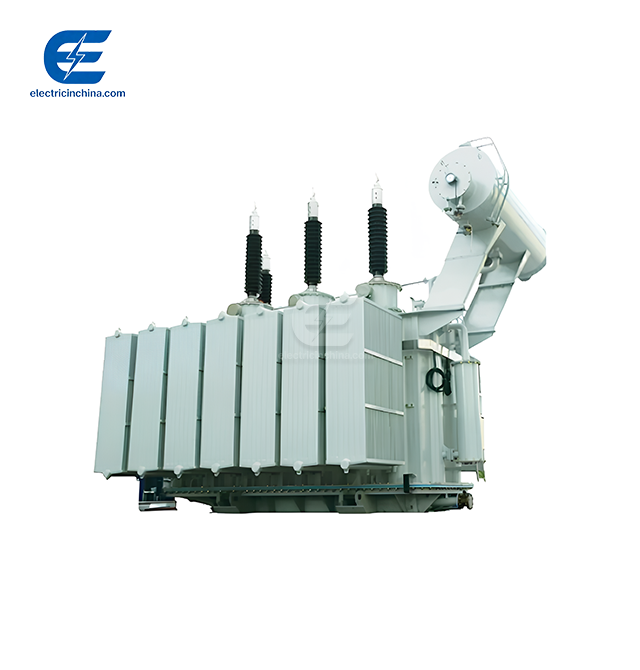
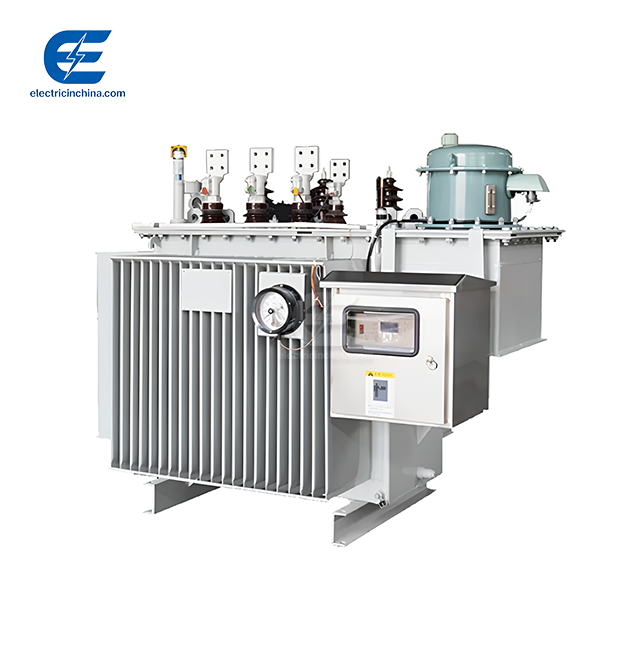
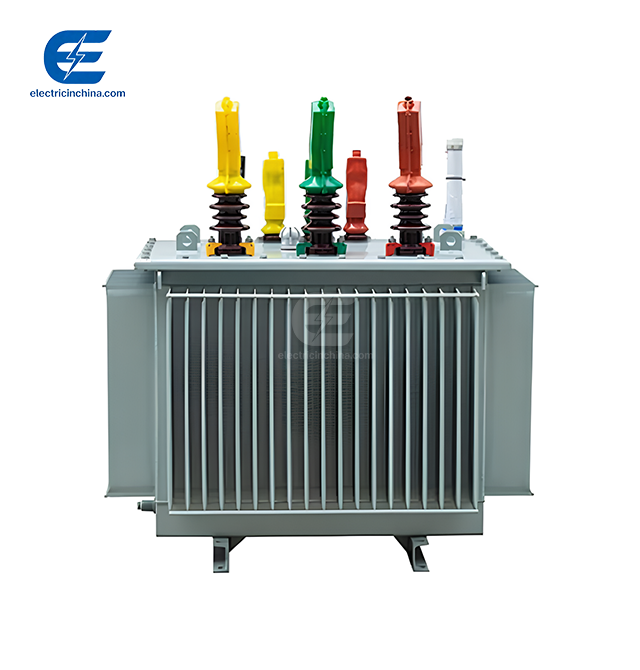
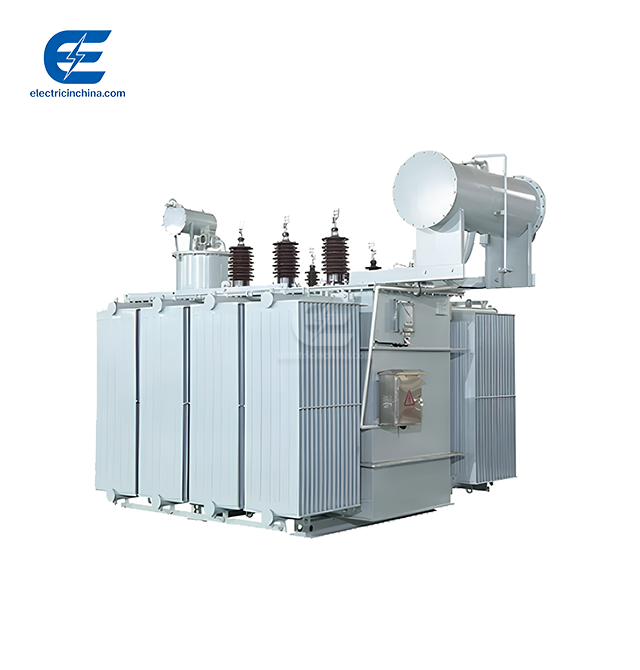
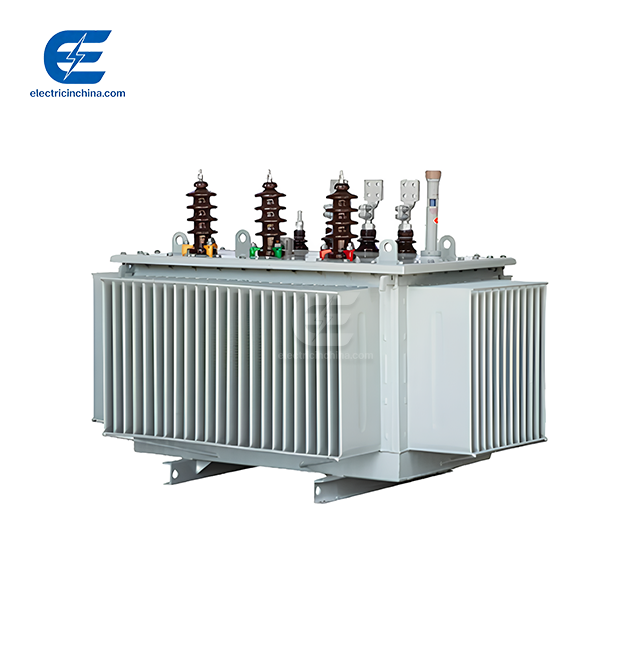
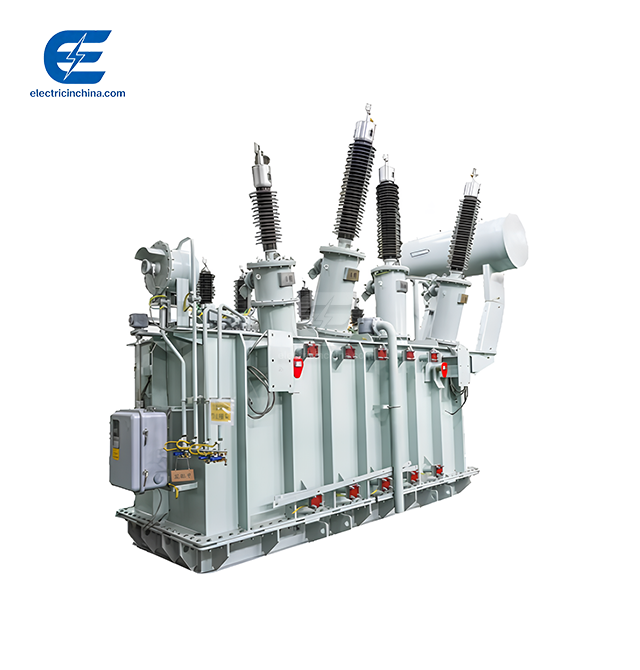
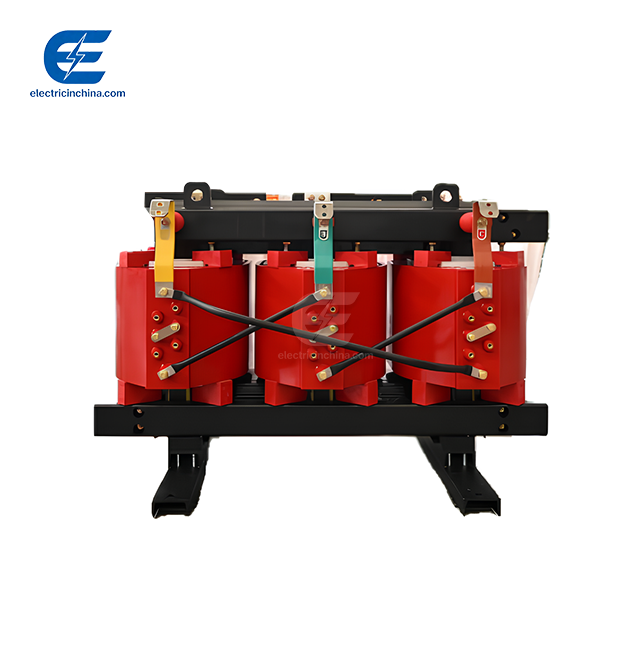
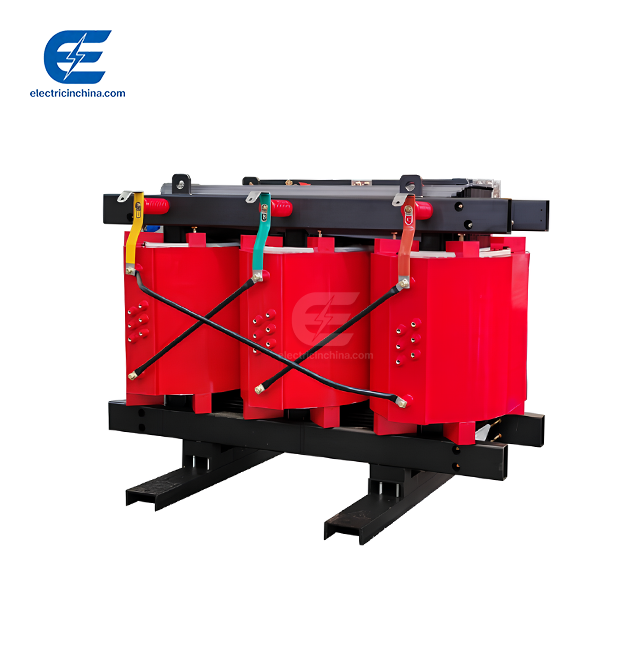
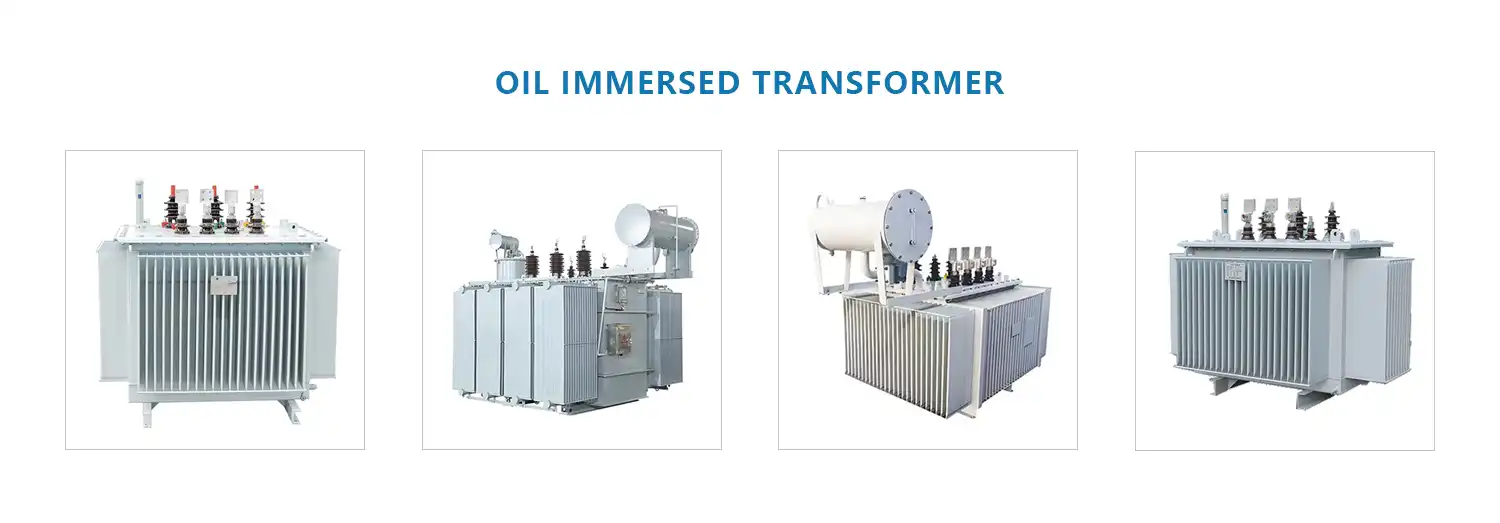
An Oil-Immersed Power Transformer for Industrial Use has both high-voltage and low-voltage windings wrapped around a layered silicon steel core. The whole thing is immersed in mineral oil that acts as an insulator inside a sealed steel tank that is sealed. The oil does two critical things: it provides better dielectric protection between powered parts, and it gets rid of the heat that is made when electricity is converted. Eddy current losses are kept to a minimum with cold-rolled grain-oriented silicon steel cores, which achieve no-load losses of 0.1-0.3%. With this design, transformers can handle loads ranging from 30KVA for small substations to 31500KVA for heavy industrial uses, like steel mills and mines.
The closed design of the tank keeps outside contaminants from damaging the insulation. Forced air cooling systems or radiator fans keep the machine running at its best temperature even when it's fully loaded all the time. When maintenance teams understand this basic structure, they can better understand why certain inspection tasks focus on oil quality, temperature control, and physical stability.
Advantages in Heavy Industrial Settings
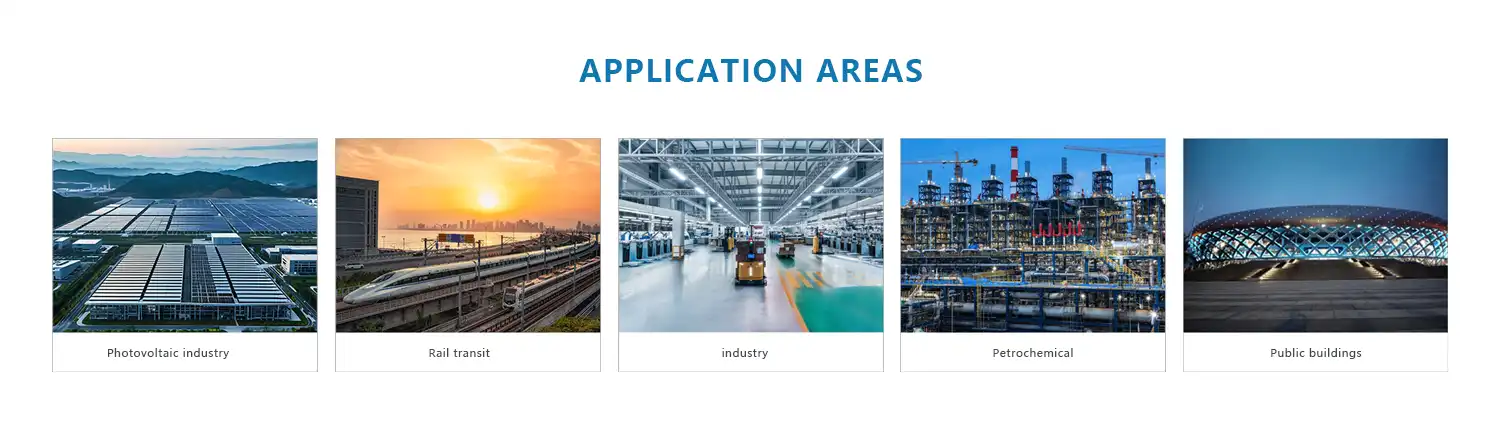
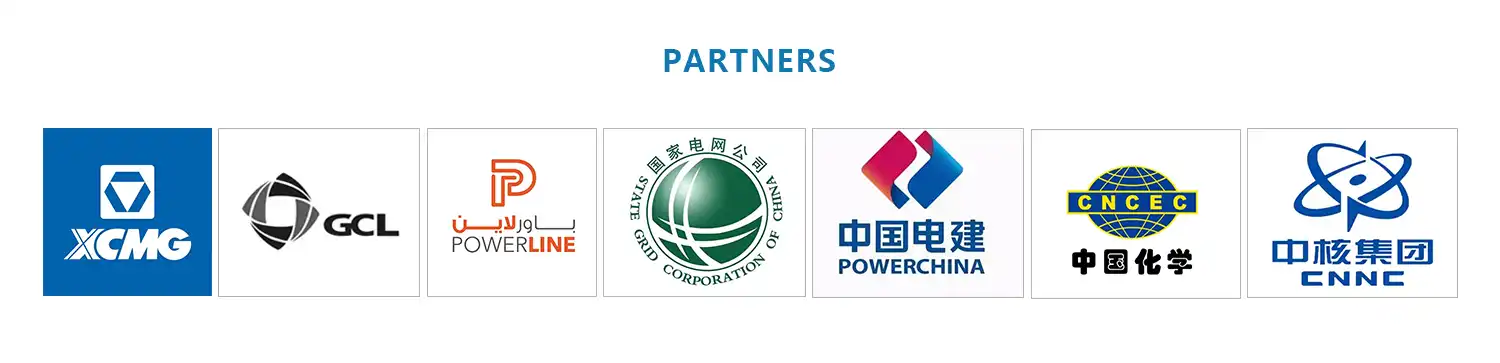
In industrial settings, you need equipment that can handle mechanical stress, toxic atmospheres, and electrical shocks that would damage regular distribution transformers. Our S9 series transformers work great in these conditions thanks to strong engineering that was tested at the GCL Photovoltaic Industrial Park and XCMG Group facility upgrades. We completed installations on time and to strict quality standards. When production peaks, the mineral oil cooling system handles overload. This protects your investment when temporary demand is 20–30% higher than the rated capacity.
Designs that are sealed keep out dust, water, and chemical vapours that are common in mines and chemical processing plants. This protection makes the system last longer and requires less maintenance than dry-type options. Efficiency ratings above 98.5% mean that energy costs will go down over many years of use, which makes the total cost of ownership much lower, even though the initial investment was higher.
Transformer Oil Types and Their Characteristics
Mineral oils are still the most common choice for industrial transformers because they are cheap, have excellent insulating qualities, and don't change much when heated. These fluids made from petroleum can handle the temperature changes and electrical stress that are common in heavy-load situations. Synthetic esters are better at resisting fire and breaking down naturally, so they can be used in places that are sensitive to the environment or where lowering the risk of fire is worth the extra cost. Natural esters from veggie oils are also good for the earth, but they don't perform as well at high temperatures as mineral alternatives.
When making your procurement decision, you should think about the operational needs of your installation along with fire safety rules, environmental laws in your area, and your budget. We make transformers for all three oil types, so you can choose one that meets your job's specific needs. During the procurement phase, our technical team of 15 senior engineers can look at your site's needs and suggest the best configurations.
Daily Maintenance Tasks for Oil-Immersed Power Transformers
Common Challenges Threatening Reliability
In industrial settings, oil breakdown is the most common reason why transformers fail too soon. Thermal stress, electrical discharge, and moisture pollution break down oil molecules over time, lowering the dielectric strength below the levels that are safe for use. Overheating occurs when cooling systems clog, or sludge buildup changes oil flow patterns. Changes in voltage caused by variable frequency drives cause harmonic distortion, which makes insulation wear out faster and raises the temperature in certain areas of the windings.
Outside factors make these internal stresses worse. When dust builds up on radiators, it makes it harder for heat to escape. Electrical connections become less stable when heavy machinery moves close, causing resistance hot spots. Oil becomes contaminated when moisture gets in through broken seals or breathing equipment. Such contamination lowers the breakdown voltage and allows partial discharge to happen. Because of these problems, they need to be carefully monitored every day to ensure they are detected before they become catastrophic.
Essential Daily Inspection Procedures
Oil Level Verification
Every morning before work starts, check the oil level indicator gauge. The level should stay within the lines that are drawn on the gauge glass. If the levels are going down, it means that there are leaks in the tank seals, bushing gaskets, or radiator connections that need to be looked into right away. Low oil levels leave the top windings without enough cooling and insulating, which can lead to thermal runaway. Record numbers in maintenance logs to identify slow breaks that occur over weeks and may not be noticed immediately.
Temperature Monitoring
Check the temperature readings on the transformer's tank and any wire thermometers that are present. When the engine is running at full load, the top oil temperature should be between 55°C and 65°C. Temperatures in the windings are usually 10 to 15°C higher than those in the oil. If the temperature readings go above 75°C, reduce the load right away and check the performance of the cooling system. To find out if performance is slowly getting worse, compare current readings to baselines that were taken in the past under similar load conditions.
Visual Inspections of Critical Components
Walk around the transformer installation and look for oil leaks that can be seen in the form of stains on the outside of the tank, puddles under the unit, or ground that is saturated with oil. Check the bushings for cracks, discolouration, or tracking marks that could mean that the surface is dirty or the inside is breaking down. Check the pressure release devices to make sure they're not broken and are sitting correctly. Listen for strange sounds, vibrations, or signs of bearing wear in the radiator fans and oil pumps. Check for signs of animal entry, plant growth, or a buildup of trash that could block airflow or pose a fire risk.
During operation, listen for sounds that don't seem right. Sounds like humming or ringing at twice the power frequency mean that the magnetostriction in the core is working normally. If you hear crackling or sizzling sounds, that means there is partial discharge activity that needs to be diagnosed right away. Gurgling sounds could mean that oil is boiling because of burning in one area or problems inside the machine.
Root Cause Analysis for Common Faults
If the temperature numbers suddenly go up, check to see if the cooling system is working properly before thinking there are electrical problems. Make sure the radiator fans work right and that the oil pumps keep the oil moving. Look for clogged cooling tubes or sludge buildup that is stopping oil from moving. Check the electricity load records to ensure that the temperature rise is caused by real load increases and not by problems inside the building.
When insulation resistance drops during regular testing, it's generally because of moisture damage rather than wear and tear from age in units that have been properly kept. Find out where the moisture is coming from by looking for broken breathing equipment, worn-out gaskets, or water getting in from the outside through damaged roofs or pipe leaks. Once moisture sources are gone, oil regeneration or replacement improves the insulation's function.
Case Study: Preventive Maintenance Impact
We set up strict daily inspection protocols for our project to upgrade the XCMG Group factory. These helped us identify a problem with the cooling system six weeks before it would have caused a forced outage. A trend study of the temperature indicated that it slowly rose by 3°C over 10 days with no change in the load. An investigation found that a radiator fan motor bearing was starting to seize up, which cut the cooling capacity by 15%. Replacing the part during a planned weekend shutdown could have avoided an unexpected failure that would have stopped production for 48 hours and cost the client over $200,000 in lost production. This example shows how routine daily checks can lead to predictive maintenance plans that change maintenance from managing problems after they happen to improving performance before they occur.
Comparing Maintenance of Oil-Immersed vs. Dry-Type Transformers
Distinctive Maintenance Requirements
For designs that are submerged in oil, the quality of the fluid needs to be checked regularly by taking samples and analysing them in a lab. Dissolved gas analysis finds early signs of faults by checking the levels of hydrogen, acetylene, and carbon monoxide, which each show a different type of failure. Testing the oil's moisture content makes sure that the dielectric strength stays acceptable, usually keeping values below 10 to 12 parts per million. Specialised lab tools and skills are needed for these tests, but they provide early warning of problems that cannot be seen with the naked eye.
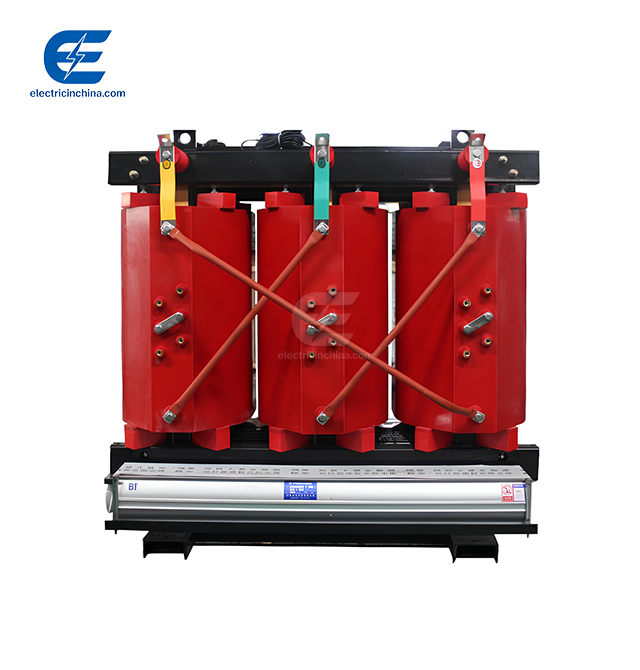
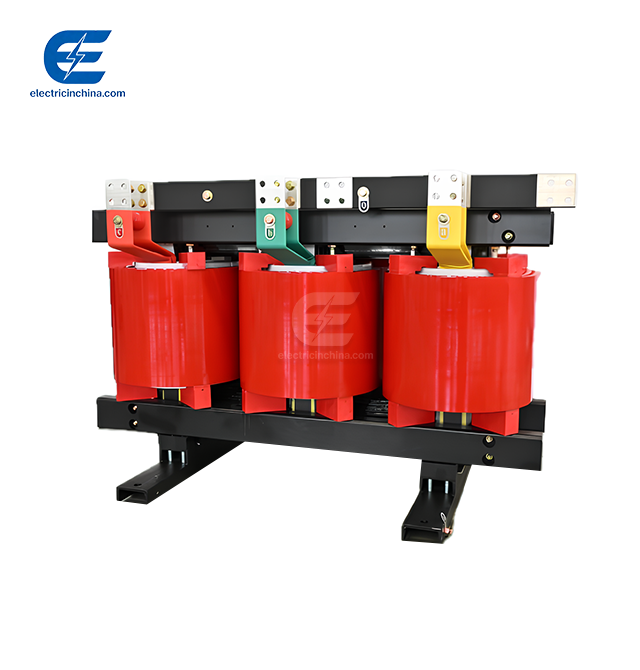
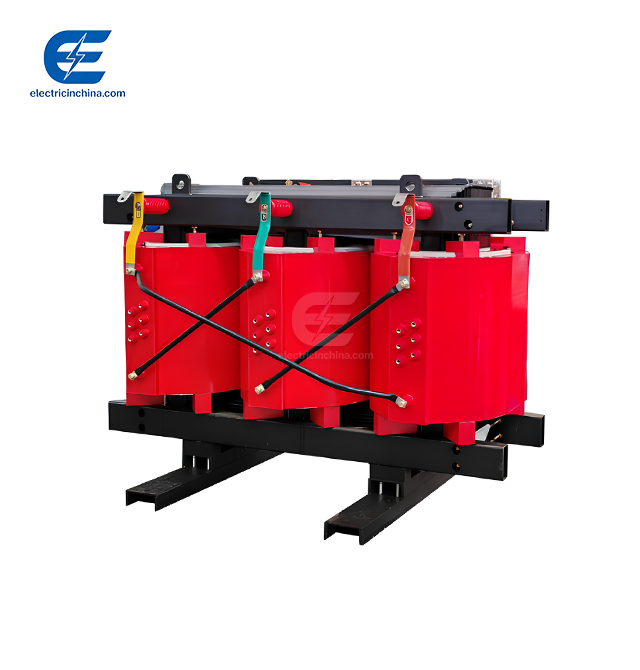
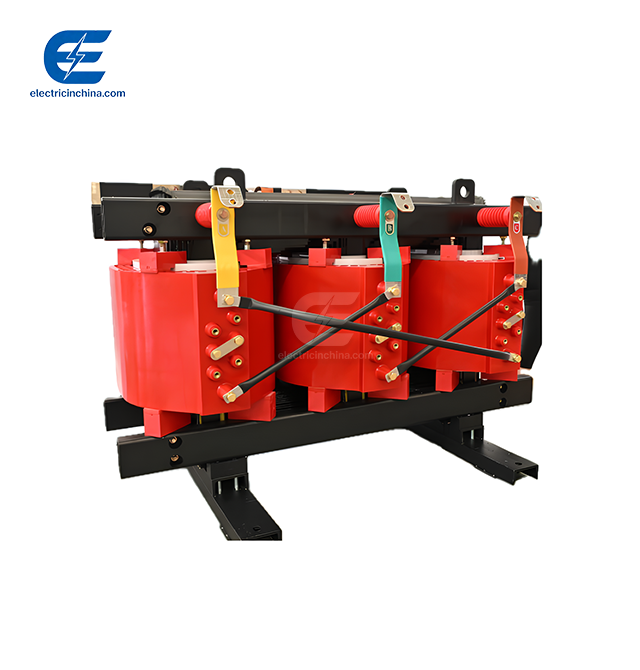
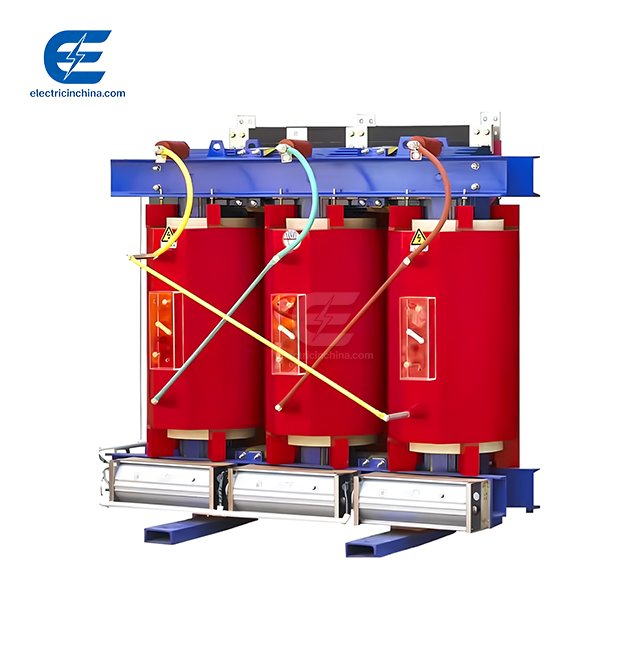
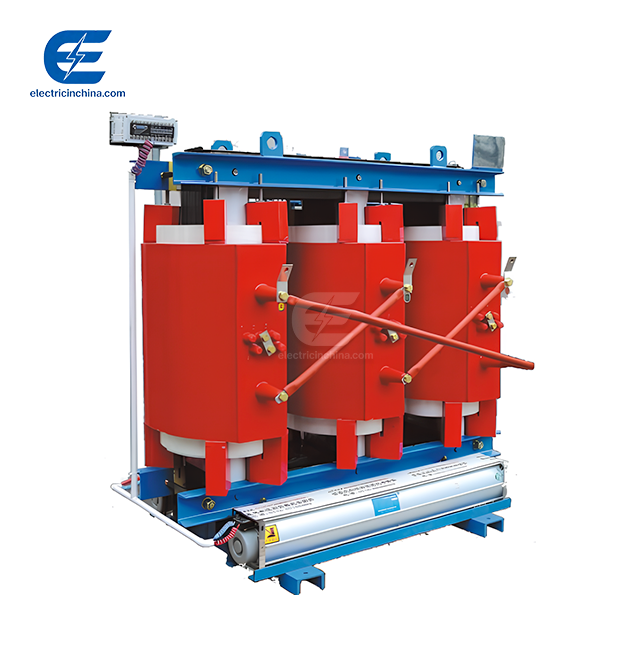
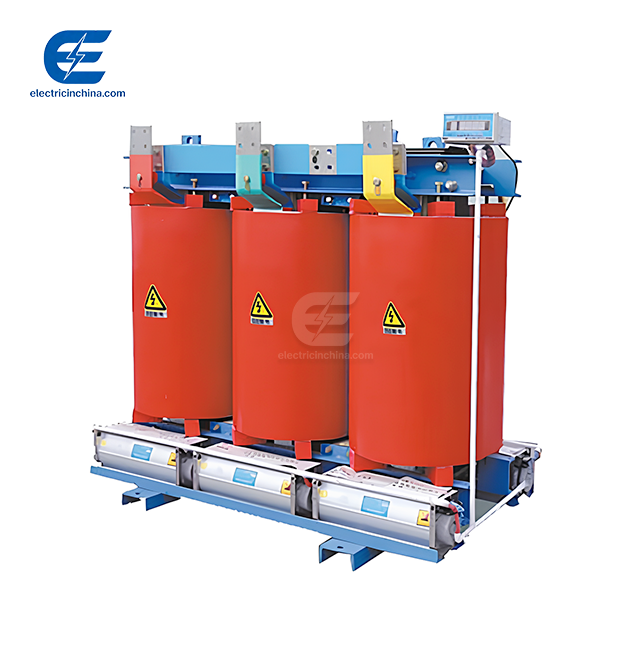
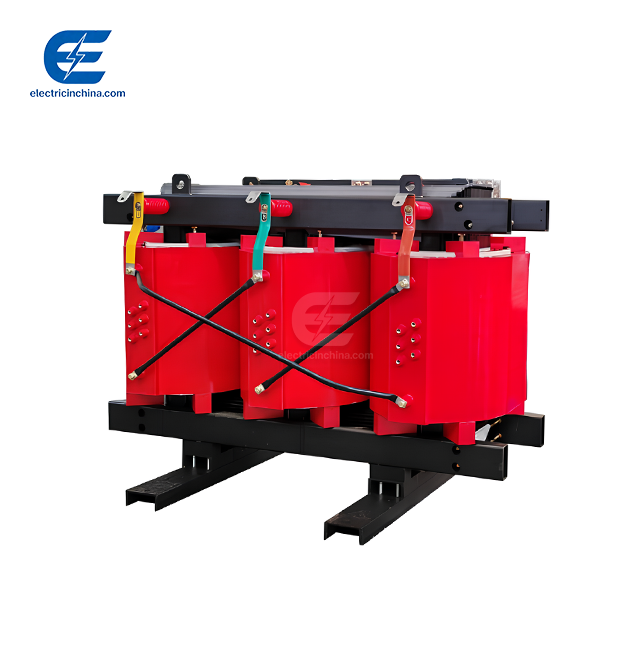
Dry-type transformers get rid of the need to manage oil, but they make them more vulnerable to environmental contamination. When dust builds up on winding surfaces, it makes it harder for heat to escape and forms tracks for surface discharge to follow. When epoxy resin insulation absorbs water, the dielectric strength goes down forever. Since these units depend on forced air movement instead of oil convection, cooling fan upkeep becomes critical. The skills needed for maintenance are completely unique for each technology.
Cost and Efficiency Considerations
For industrial use, oil-immersed transformers usually have better efficiency rates (98.5%+) than dry-type units of the same size (97.5–98%). This means that they will cost less to run over their 20–30-year lifetimes. Most of the time, the energy savings are greater than the extra costs of maintenance that come with managing oil. Standard grades have similar starting prices, but custom specs may favour one technology over another depending on the need for cooling and the limitations of the installation space.
Maintenance work needs vary in type rather than number of hours. Every 10 to 15 years, oil-immersed units need to have their oil tested and replaced, which are not very frequent but important maintenance tasks. Dry-type units need to be cleaned and kept in a certain temperature all the time, but they don't need major fluid upkeep. Your choice should be based on what your repair team already knows and can do. You can choose based on your operating needs rather than our manufacturing limits because we make both technologies with capacities ranging from 30 kVA to 31500 kVA.
Selecting the Right Oil-Immersed Transformer: Maintenance and Procurement Insights
Critical Specifications Affecting Maintenance
When evaluating suppliers during the buying process, look at the details that have a direct effect on the maintenance needs in the long term. Maintenance intervals are affected by the amount of oil in the tank and how it is designed. More oil in the tank protects against heat stress and contamination, so it takes longer to change the oil. The operational flexibility of a cooling system depends on how it is designed. Natural convection (ONAN) doesn't have any moving parts, but it can't handle high loads. For example, forced oil and air cooling (OFAF) can handle high loads, but it needs regular maintenance for its pumps and fans.
The quality of the bushing has a big effect on how reliable it is. We recommend porcelain or composite bushings that meet IEC 60137 standards and have enough creepage distance for the level of pollution in your installation. Both the pressure relief and the liquid level indicators must meet international standards to provide accurate information and protect people. Our 18 unique design improvements solve specific upkeep problems that we've learned about over many years of working in the field.
Comparing Global Suppliers and Service Support
Well-known companies like ABB, Siemens, and GE have large service networks, clear maintenance instructions, and parts that you can buy anywhere in the world for Industrial oil conversion. These benefits are helpful for sites that are far away from where expert support is available. Lead times, on the other hand, are often longer than 16 to 24 weeks for regular units and even longer for special orders. Most warranties cover problems with the way the product was made for 24 to 36 months, but they don't cover damage caused by poor maintenance.
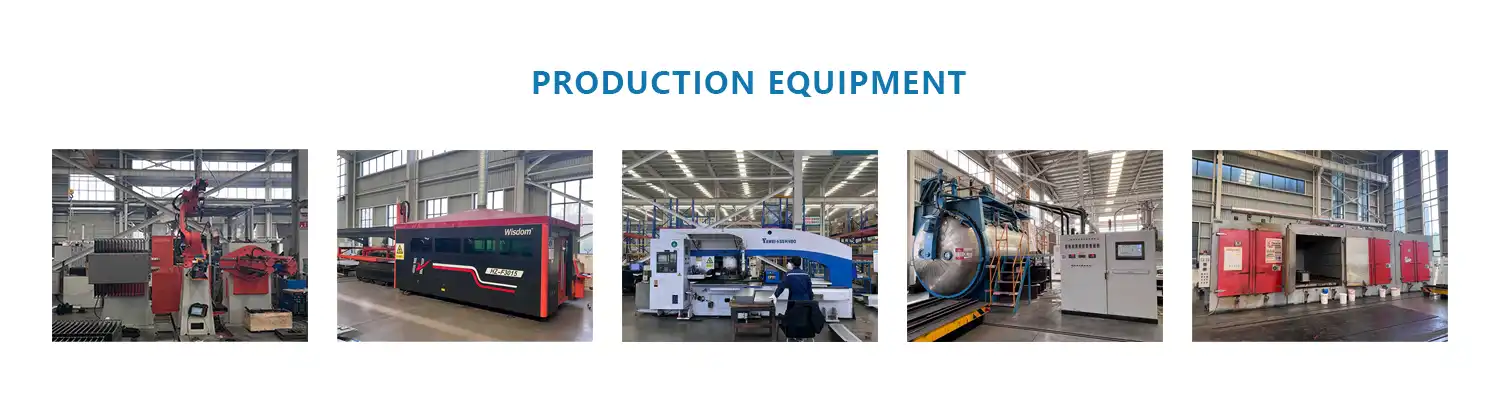
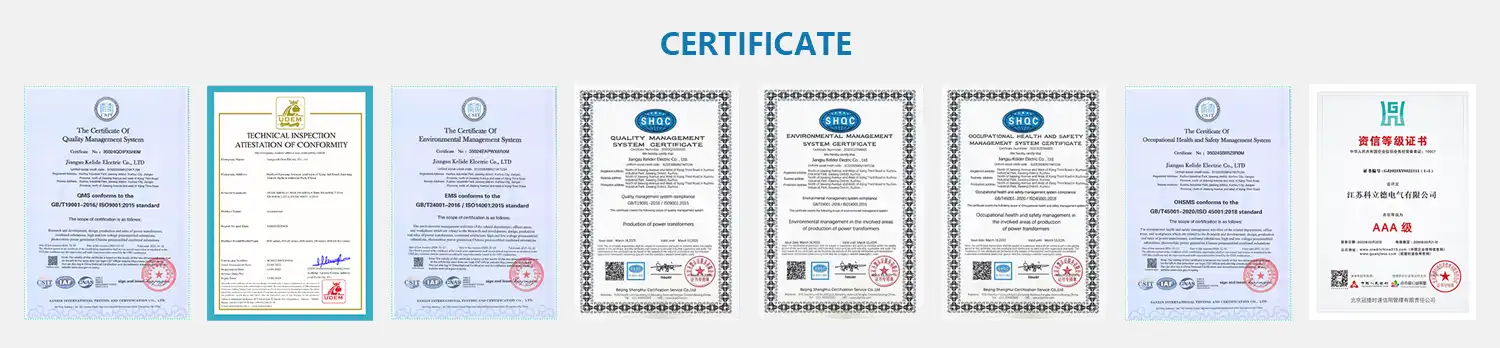
As an expert manufacturer with more than 120 sets of high-tech tools, such as CNC automatic winding machines and microcomputer-controlled gradient curing furnaces, we can provide custom solutions in 8 to 12 weeks while upholding quality standards that are backed up by ISO 9001, ISO 14001, and OHSAS 45001 certifications. Our technical team of 15 senior engineers gives direct feedback during design development to make sure that the configuration of your transformer fits the conditions at your site and your ability to maintain it. We've done successful work at business developments that had to meet high-quality standards and government infrastructure projects like the Xuzhou Rail Transit Network Control Center.
Lead Times, Installation, and Service Readiness
Make sure that the time you spend buying transformers fits in with the time you spend on your project, including manufacturing, shipping, and commissioning. Standard Oil-Immersed Power Transformers for Industrial Use take 8 to 16 weeks to manufacture, depending on their size and the amount of customisation. International shipping can add 4 to 8 weeks, depending on the package's origin and destination. Allow two to four weeks for site preparation, installation, and testing before the power is turned on.
We help projects get done more quickly by offering a wide range of services, such as installation supervision, commissioning support, and operator training. From getting the raw materials to delivering the finished product, our quality control system keeps a close eye on everything. This approach keeps broken units from getting to your place. This "zero defects" philosophy reduces the problems that arise during installation and startup due to poorly made equipment.
Troubleshooting and Safety Measures in Daily Maintenance
Diagnostic Methods for Routine Inspections
Systematic diagnosis keeps people from making the wrong diagnosis and wasting time and money on repairs when problems show up during daily checks. Strange noises can tell you what kind of fault it is: sharp cracking means there is a partial discharge in the insulation, rumble means the core laminations are loose, and buzzing sounds mean the windings are deforming. Temperature distribution patterns show where the problems are: uniform heating across all phases indicates overloading or cooling issues, while heating on only one phase indicates electrical problems in the circuit.
The way the oil looks gives immediate diagnostic clues. A clear yellow colour means that the oil is good. A cloudy look means there is moisture contamination that needs to be tested right away. A dark brown or black colour means that the temperature has dropped due to long-term overloading or a failed cooling system. No matter what the electrical test results say, visible particles or sludge mean that the oil is badly worn out and needs to be replaced.
Critical Safety Features Requiring Daily Verification
Fire Prevention Systems
Fire Prevention Systems ensure that the fire suppression equipment is still charged and can be reached. Ensure that the space around the transformer meets the minimum requirements set out in your building's fire safety plan. ensure that fire-resistant barriers and drainage systems that are meant to keep oil spills contained stay in place and aren't blocked. The protected design of our tank keeps oil from coming into contact with things that can start a fire. However, you should verify every day to make sure that nothing outside has caused any new fire risks.
Pressure Relief and Temperature Protection
Every day, check the pressure release valves to ensure they are properly set and show no signs of prior use. These devices keep the inside of the device from getting too hot or from arcing faults that cause pressure to build up. Temperature alarms should be checked once a week to make sure they are working properly. Usually, alarm setpoints go off at a 90°C top oil temperature, giving you time to fix the problem before it gets worse. Our units have two sets of protection systems that work together and meet international safety standards.
Safe Handling Practices and Emergency Response
To keep people safe from electrical hazards and chemical exposure, oil sampling needs to follow certain safety procedures. If you can, turn off the power to the equipment. If you have to do live sampling, make sure you use shielded tools and stay at the safe approach distances set by your facility's electrical safety programme. When working near energised equipment, make sure you have the right PPE on, like face shields and clothes that can handle arcs. Put oil samples in clean, dry cases so that contamination doesn't change the results of the test.
Make plans for what to do in case of an emergency, like an oil leak, a fire, or an electrical problem. Teach the people who work in operations to spot danger signs and take the right steps before the repair staff gets there. Put up emergency contact information in a visible place next to each battery placement. We include full operation and care guides with every unit, which include specific emergency steps for your transformer's setup.
Conclusion
Performing routine daily upkeep on your Oil-Immersed Power Transformer for Industrial Use will protect your investment and ensure effective power distribution, which is necessary for industry activities. Checking the oil level, keeping an eye on the temperature, doing visual checks, and doing diagnostic tests are all steps that are taken to stop major failures that put production plans and worker safety at risk. Our S9 series transformers are made with high-quality materials and design principles that have been tested and approved by ISO 9001. When properly kept, they will last 25 to 30 years and work at 98.5% efficiency. We are committed to quality and on-time delivery for your mission-critical applications, as shown by the successful projects at the GCL Photovoltaic Industrial Park and XCMG Group facilities.
FAQ
How often should transformer oil be tested in industrial applications?
Do a dissolved gas study once a year on transformers that are working normally, and every three months on units that are constantly working under heavy loads or in difficult conditions. Every six months, check the electrical strength and moisture level. Every three years or whenever operational changes point to the possibility of contamination, you should do a full oil quality assessment that includes acidity, interfacial tension, and power factor testing.
What are the warning signs of oil degradation?
Changes in colour from amber to brown, higher viscosity, and particles or sludge that can be seen are all visual signs. Testing in the lab shows that the breakdown voltage is going down below 30 kV, the moisture content is above 12 ppm, the acidity is going up above 0.2 mg KOH/g, and the amounts of dissolved gases show that the material is under heat or electrical stress. Take care of these problems right away by replacing or regenerating the oil to keep the insulation from failing.
How does daily maintenance extend transformer lifespan?
Consistent monitoring finds problems early on, when they are easiest to fix and before they do any damage. Temperature trending finds problems with the cooling system before they cause thermal stress on the windings. When you check the oil level, you find leaks early, when they are just minor seal problems and not major structural problems. This proactive approach keeps the insulation strong and manages the temperature of the transformer for its entire design life, which is 25 to 30 years instead of the usual 15 to 20 years for units that aren't well taken care of.
Partner with Tuojie for Reliable Industrial Power Solutions
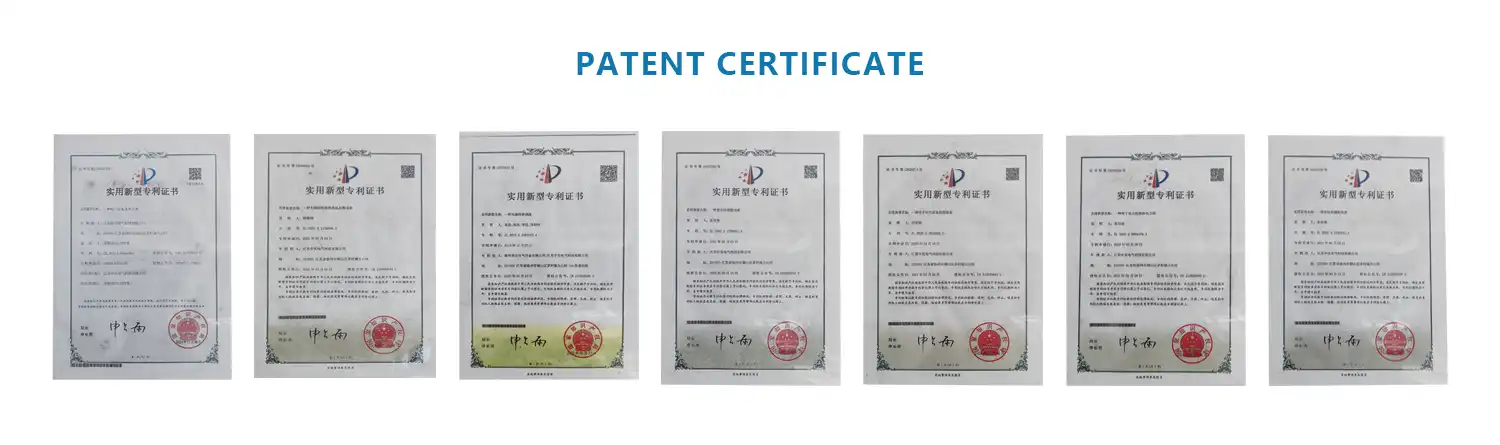
Tuojie is an expert at making Oil-Immersed Power Transformers for Industrial Use that require little upkeep and work reliably all the time. Our 30KVA to 31500KVA capacity range is used for government infrastructure projects, business developments, and industrial makers who need performance that has been proven by 18 patents and more than 20 years of experience in the field. We have state-of-the-art production facilities with more than 120 sets of specialised equipment and a technical team of 15 senior engineers whose sole job is to create custom solutions that meet your specific needs.
Before it is shipped, each generator goes through a strict quality check that follows ISO 9001 guidelines. This makes sure that your important operations never get interrupted without warning. Email our team at tuojie@electricinchina.com to talk about your project needs with experienced engineers who know how hard it is to keep industrial facilities running smoothly. As a reliable supplier of Oil-Immersed Power Transformer for Industrial Use, we offer complete solutions that include help with purchasing, supervision of installation, and full support after the sale. You can look at our full line of products at electricinchina.com and learn how Tuojie's dedication to quality and service helps your long-term business success.
References
1. Chen, W. (2019). Power Transformer Maintenance and Testing Handbook. Industrial Power Press.
2. International Electrotechnical Commission. (2018). IEC 60076-7: Power Transformers - Part 7: Loading Guide for Oil-Immersed Power Transformers. Geneva: IEC Publications.
3. Myers, S.D., Kelly, J.J., & Parrish, R.H. (2020). A Guide to Transformer Maintenance. Transformer Maintenance Institute.
4. National Electrical Manufacturers Association. (2021). NEMA TR 1: Transformers, Regulators, and Reactors - Performance Standards. Rosslyn: NEMA Standards Publication.
5. Singh, R. & Kumar, A. (2020). Predictive Maintenance Strategies for Industrial Power Transformers. Journal of Electrical Engineering and Technology, 15(3), 1247-1259.
6. Wang, M., Vandermaar, A.J., & Srivastava, K.D. (2019). Transformer Oil Analysis and Condition Monitoring: A Practical Guide for Industrial Applications. IEEE Press.