

.webp)
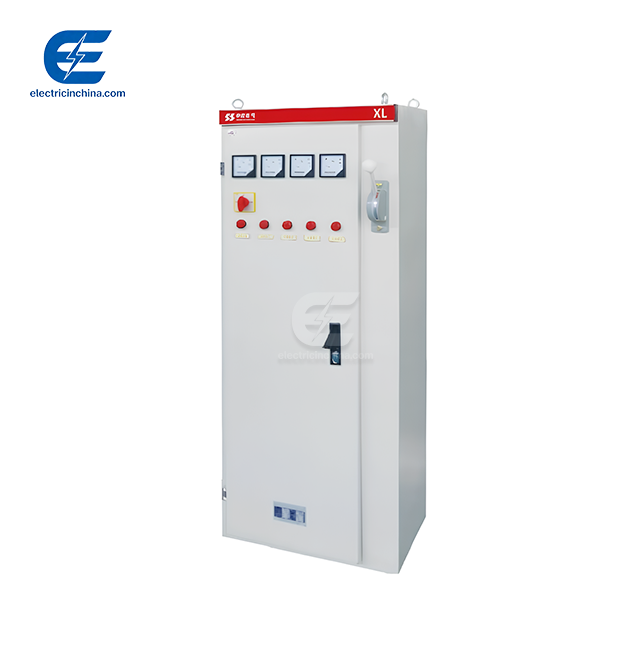
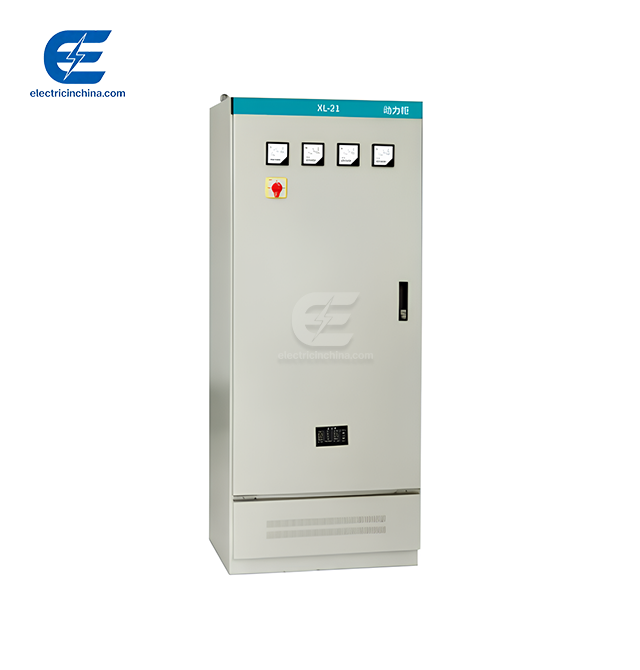
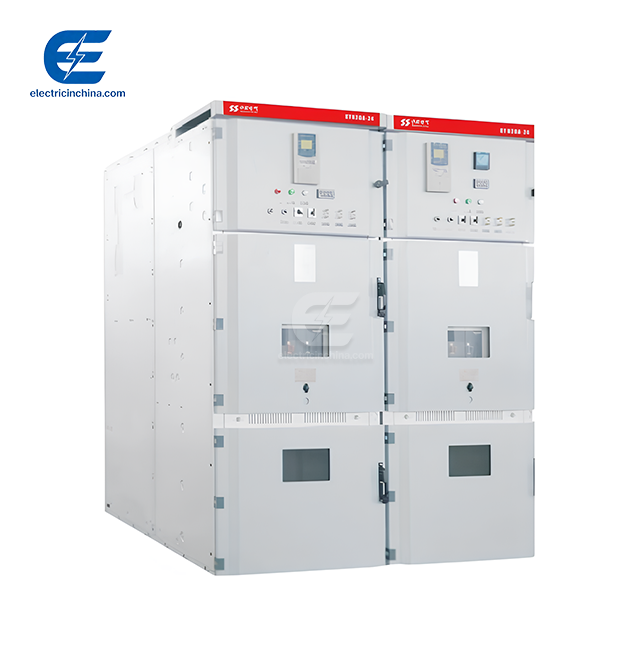
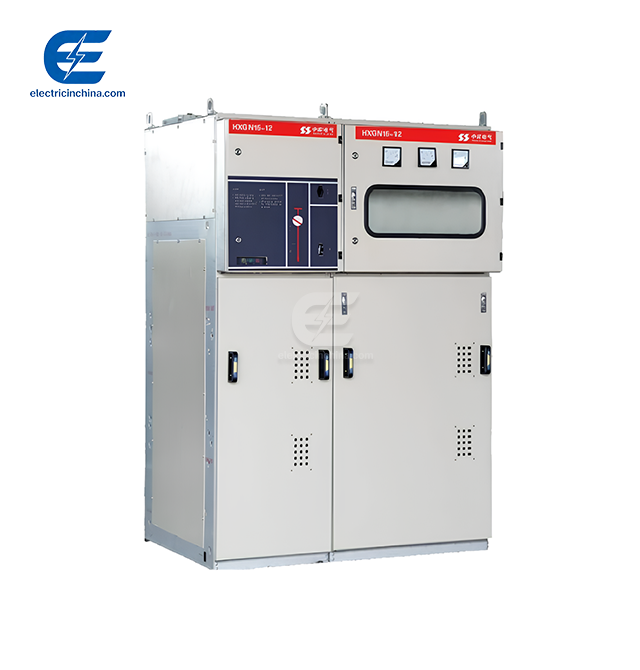
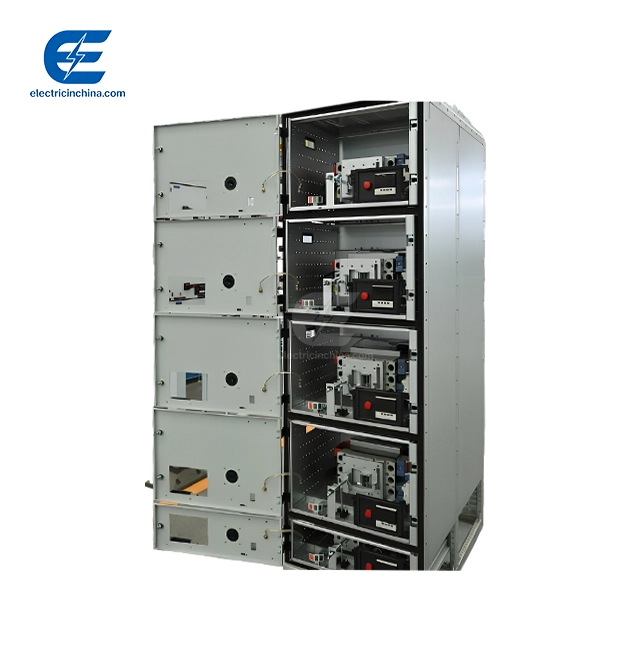
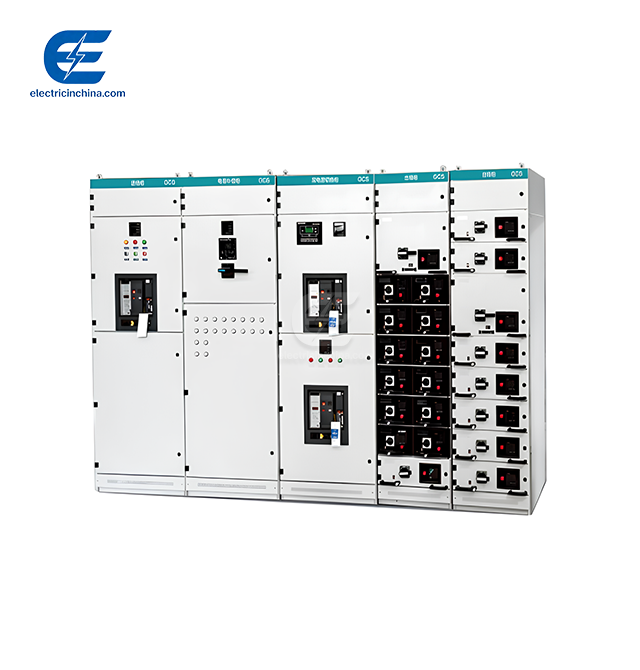
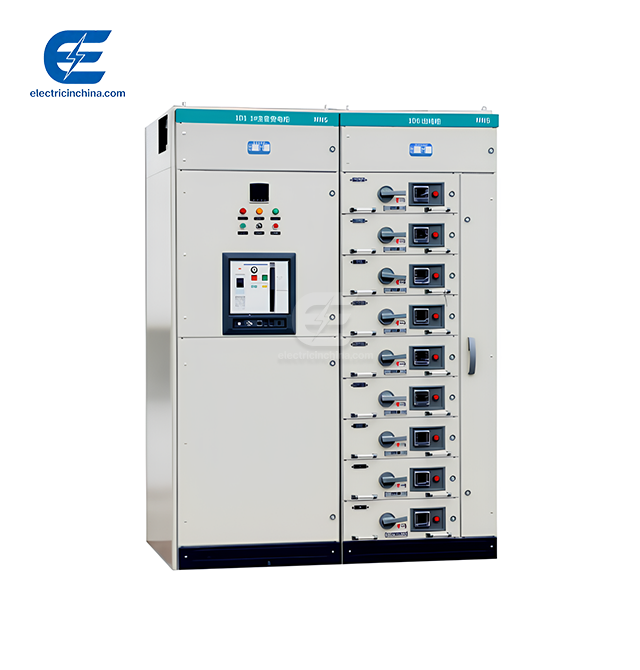
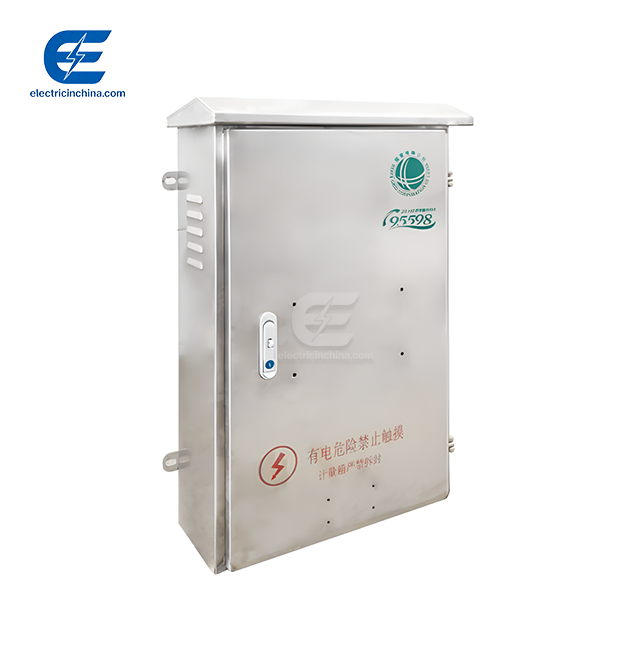
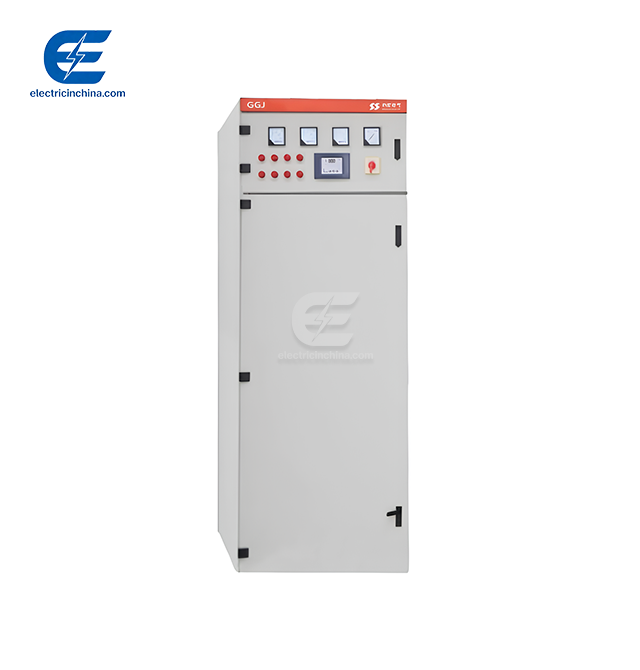
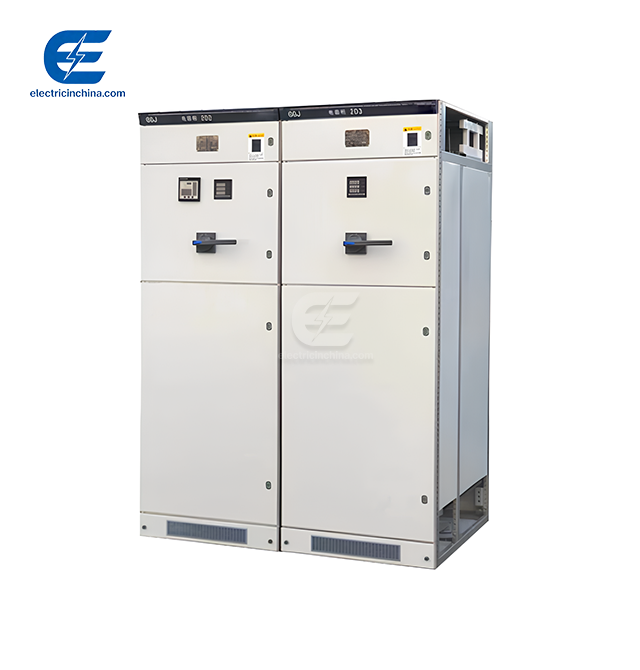
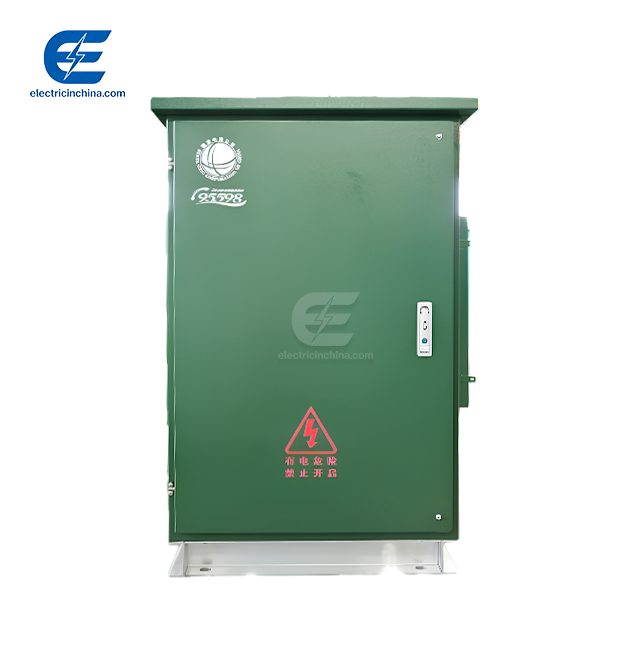
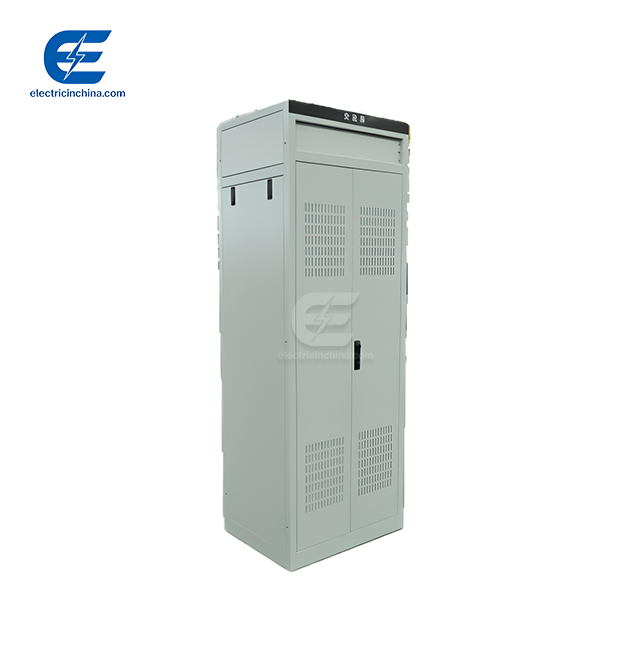
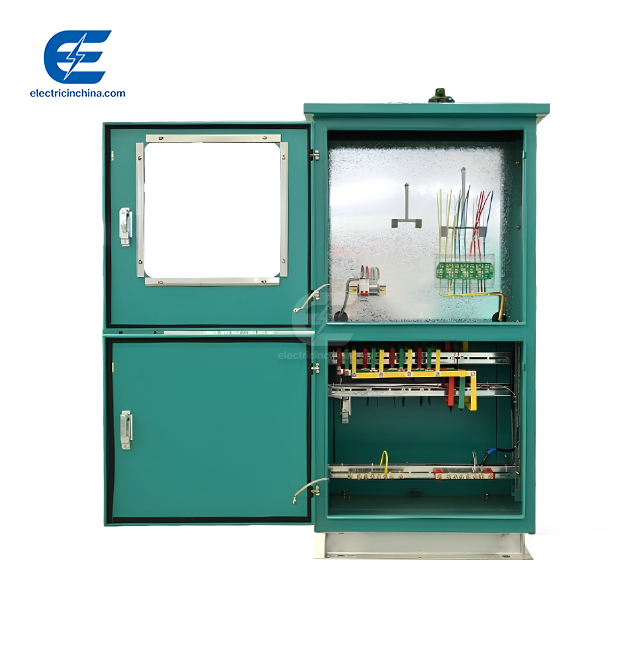
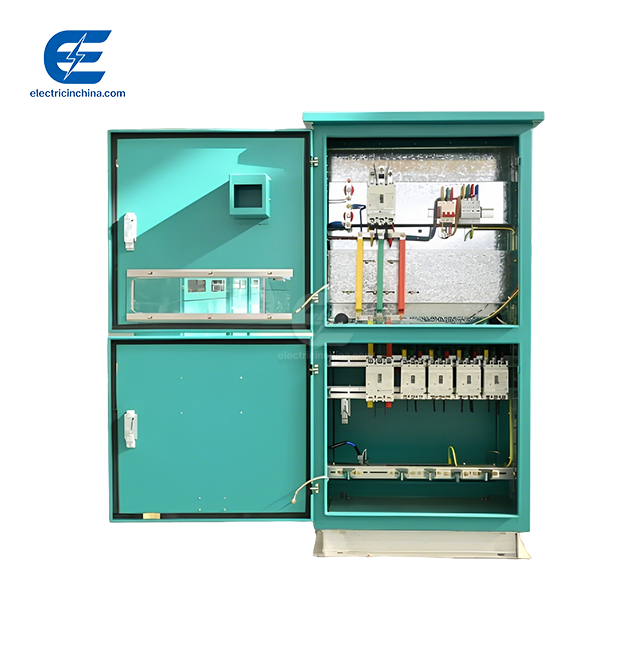
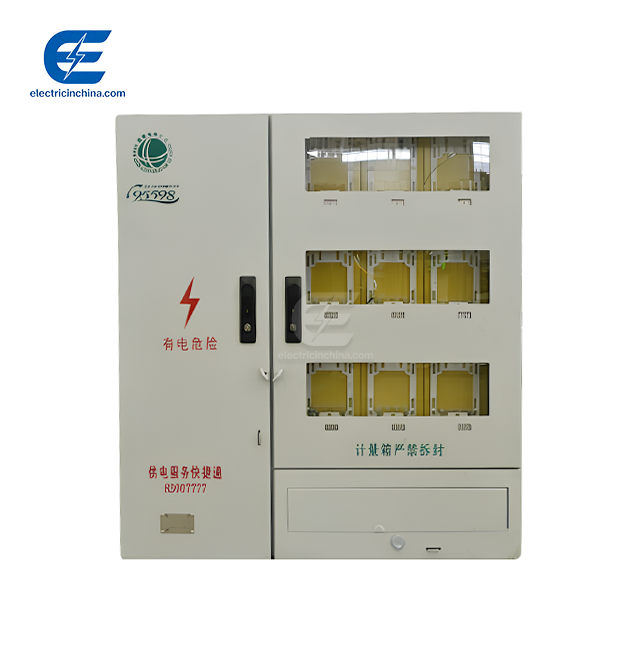
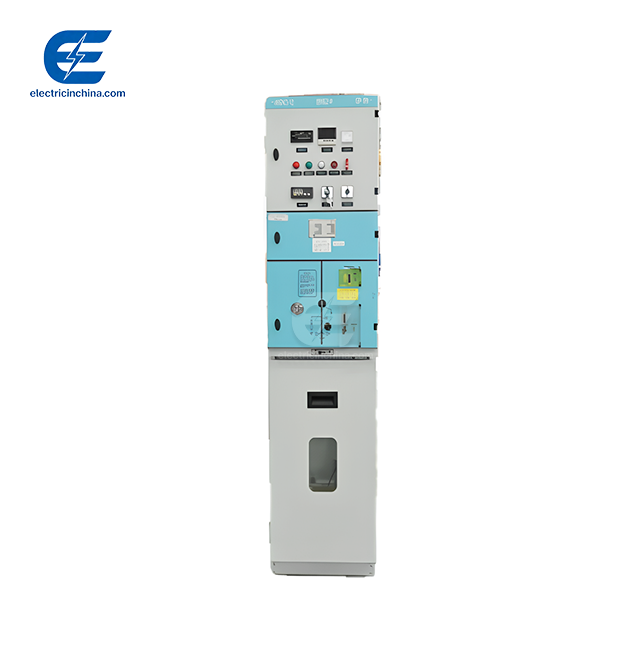
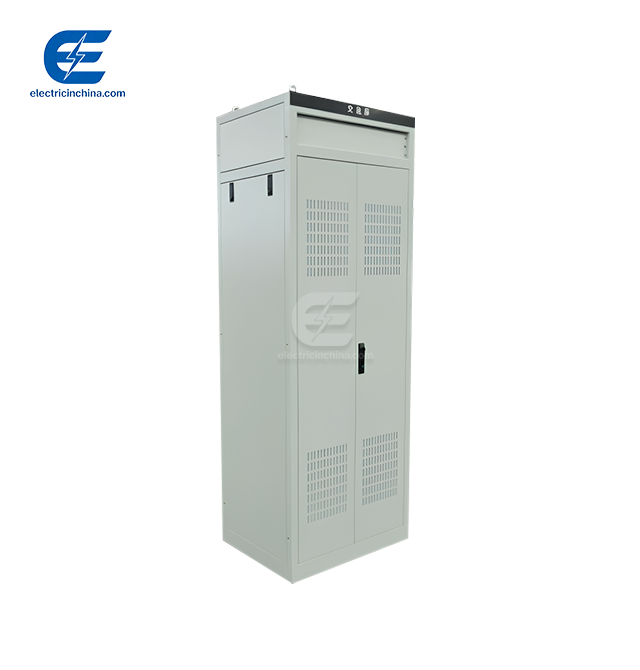
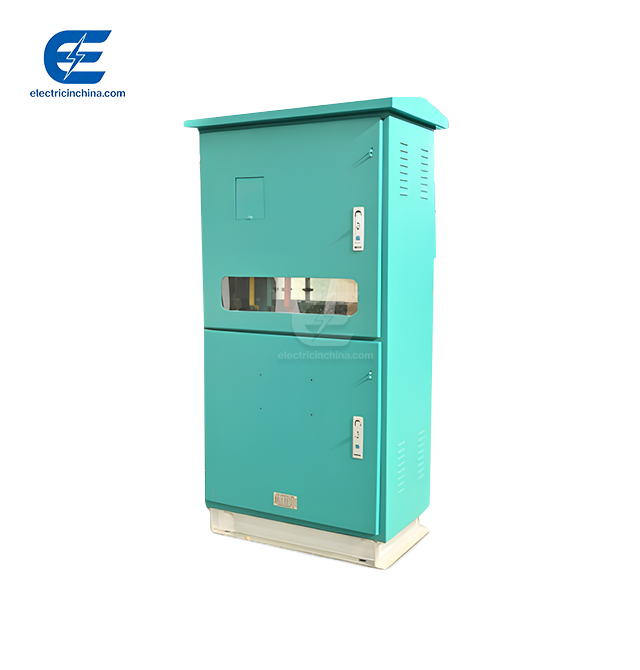
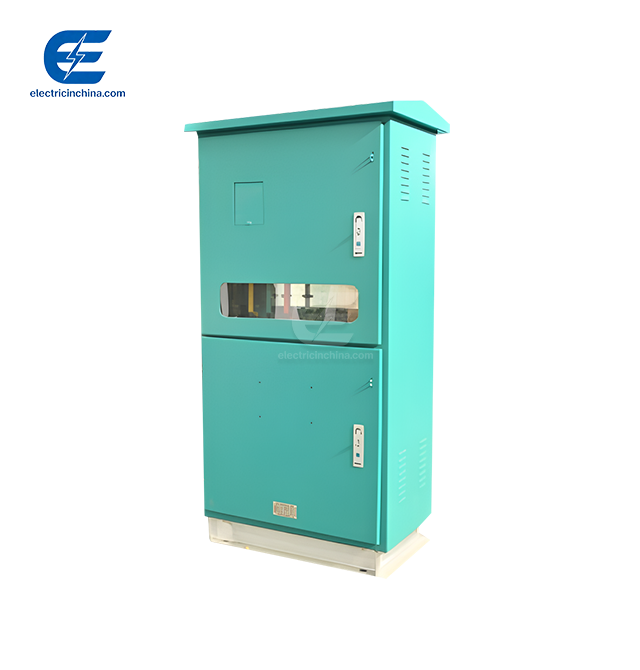
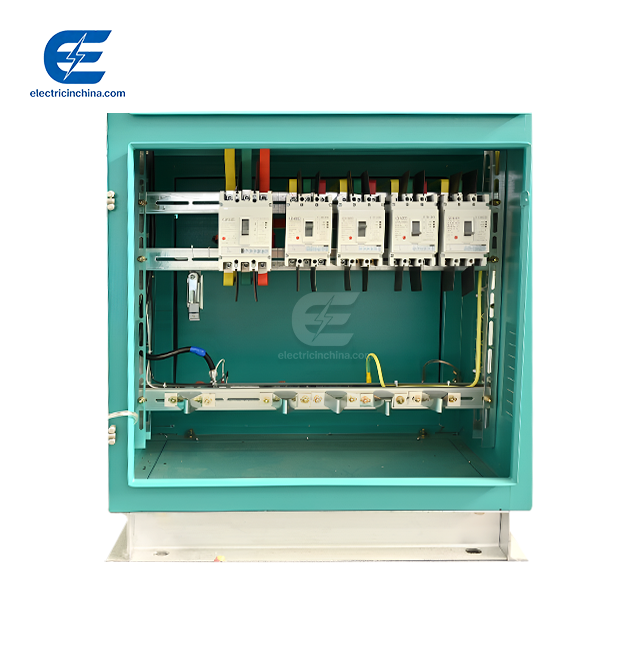
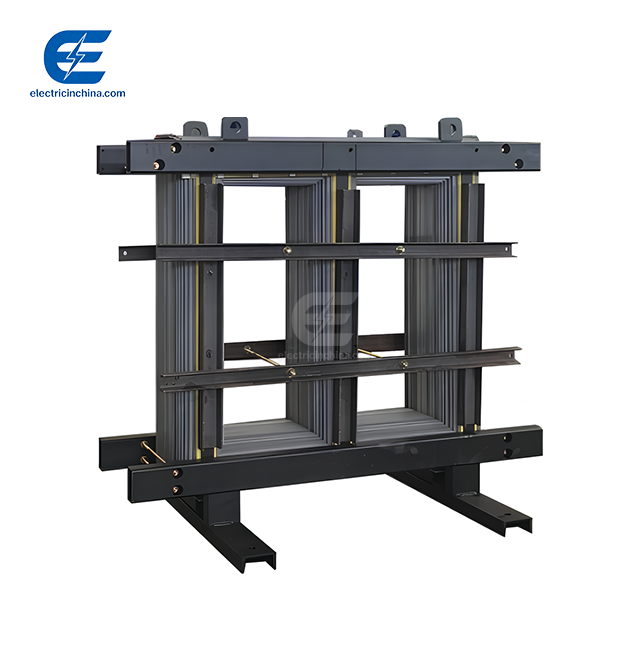
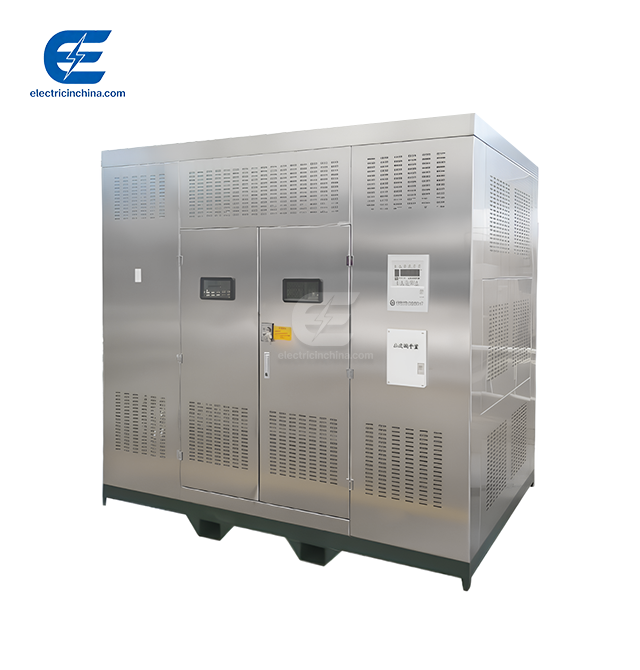
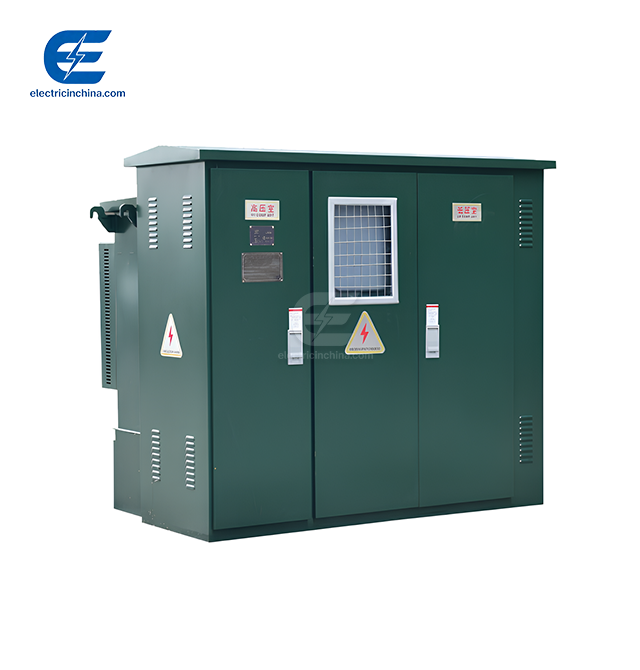
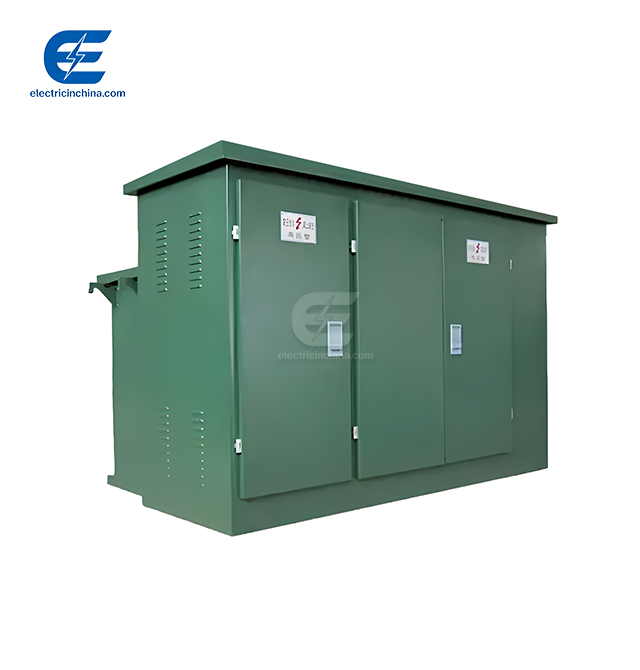
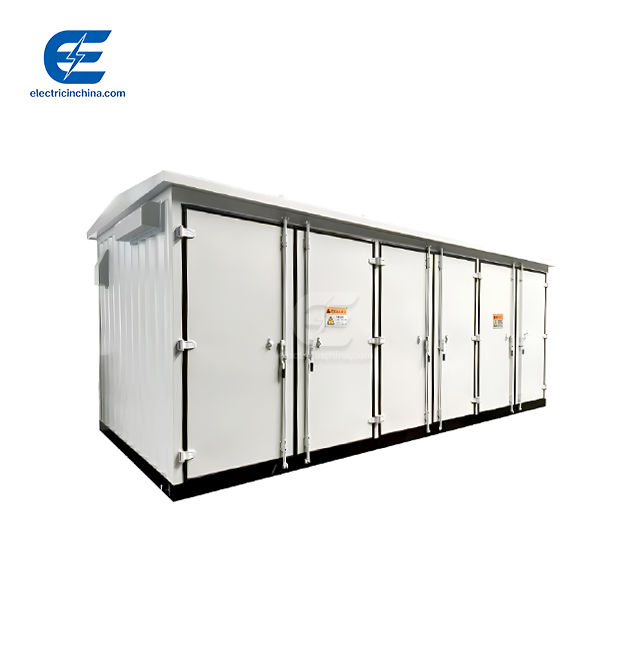
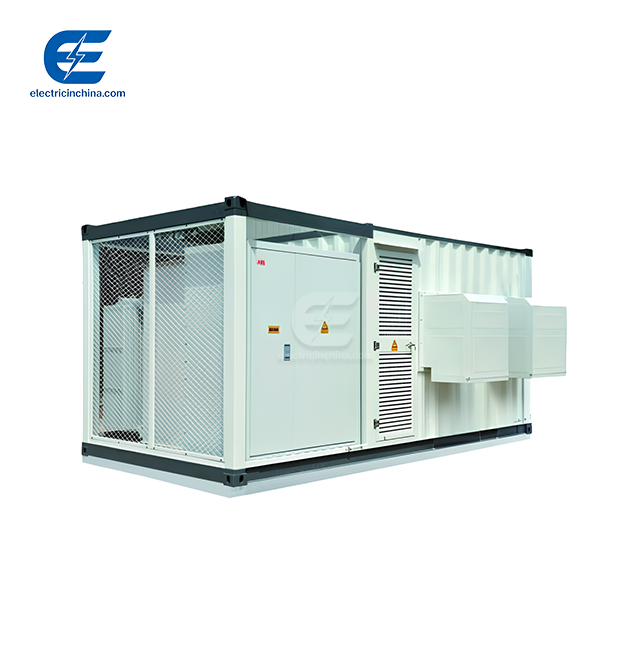
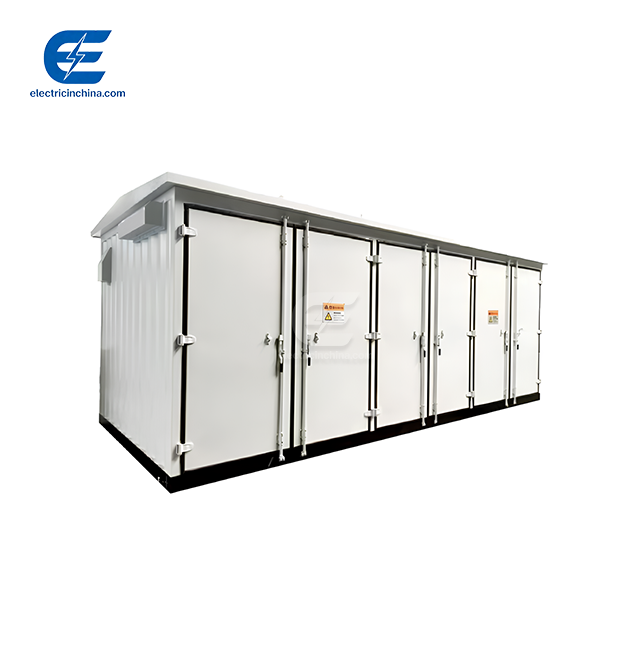
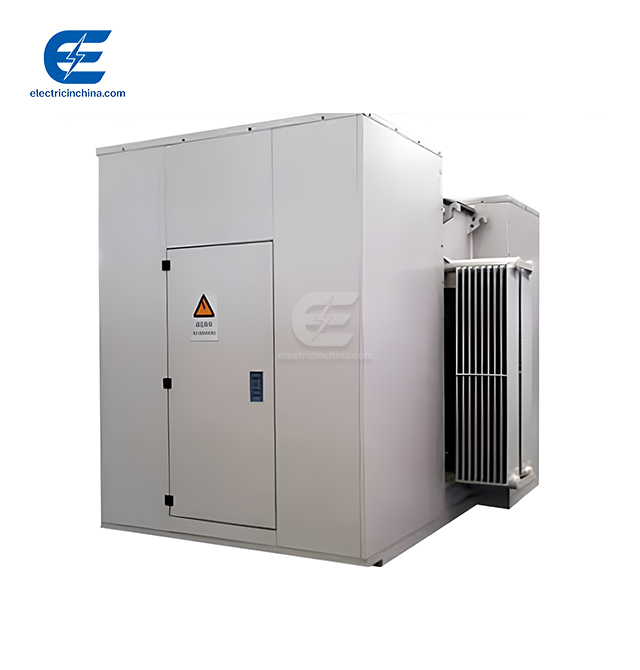
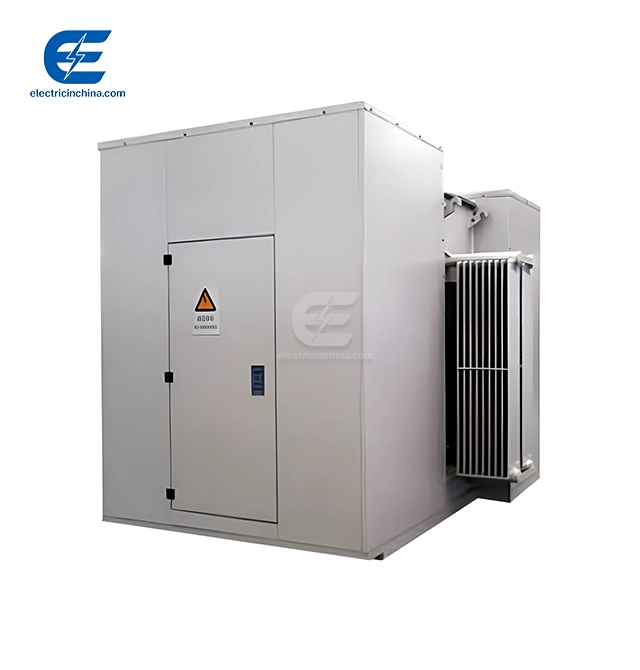
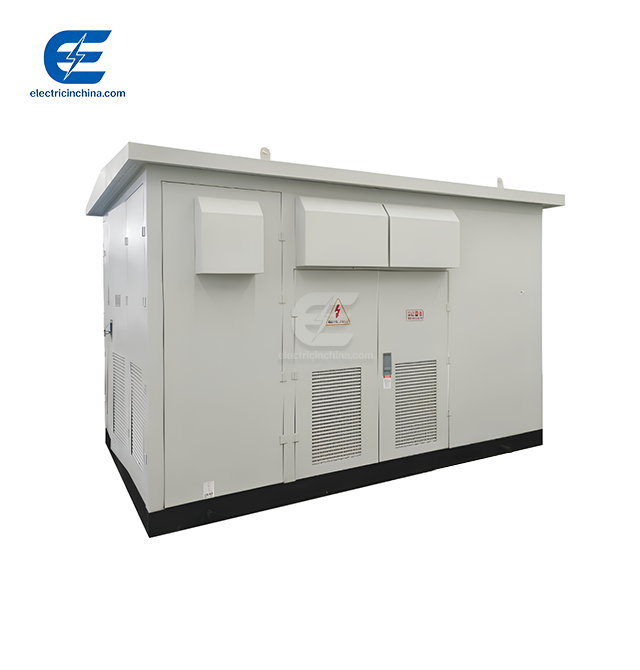
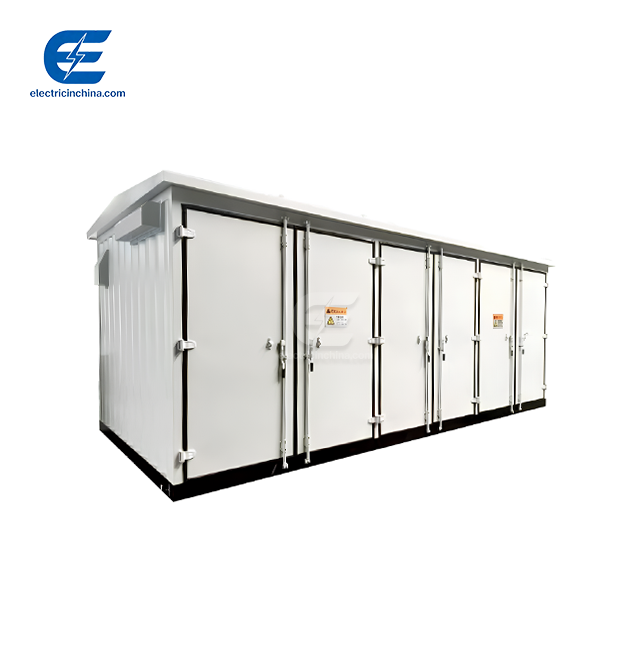
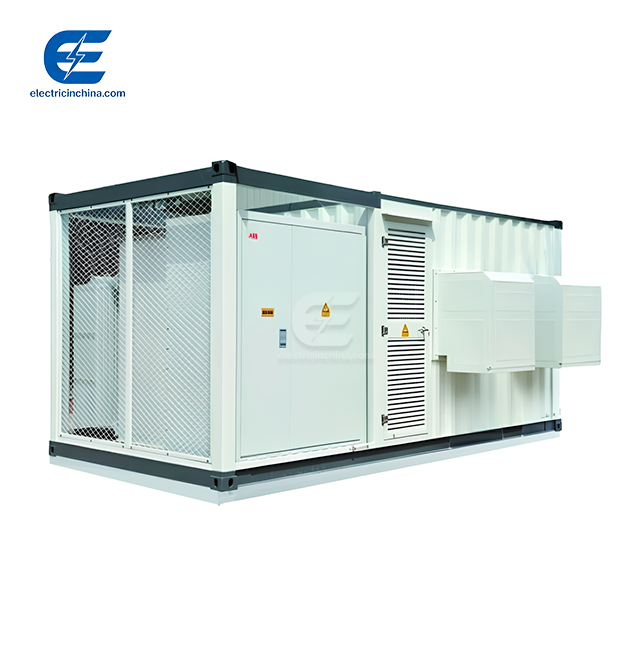
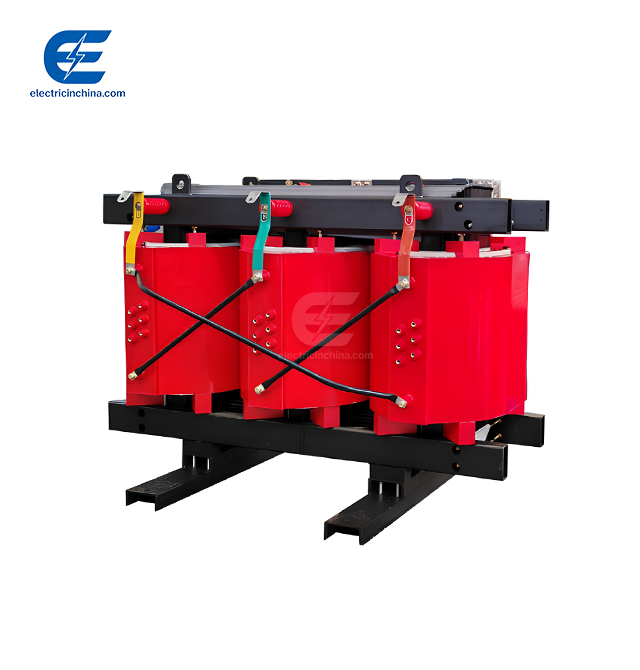
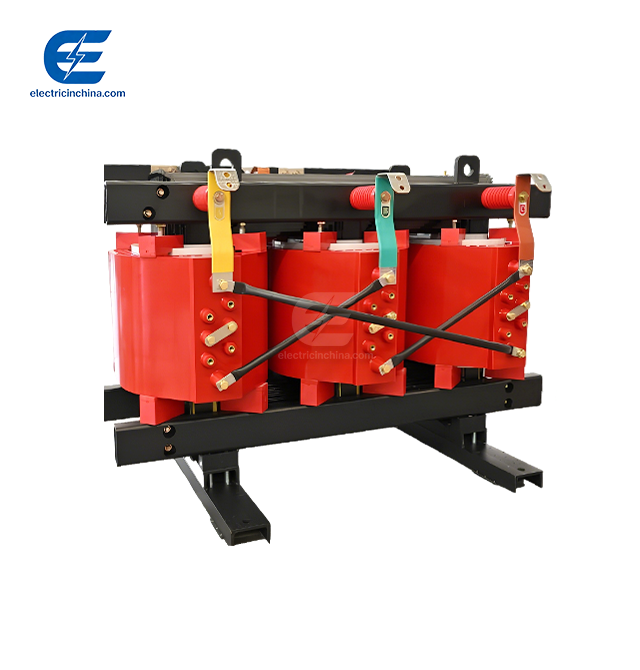
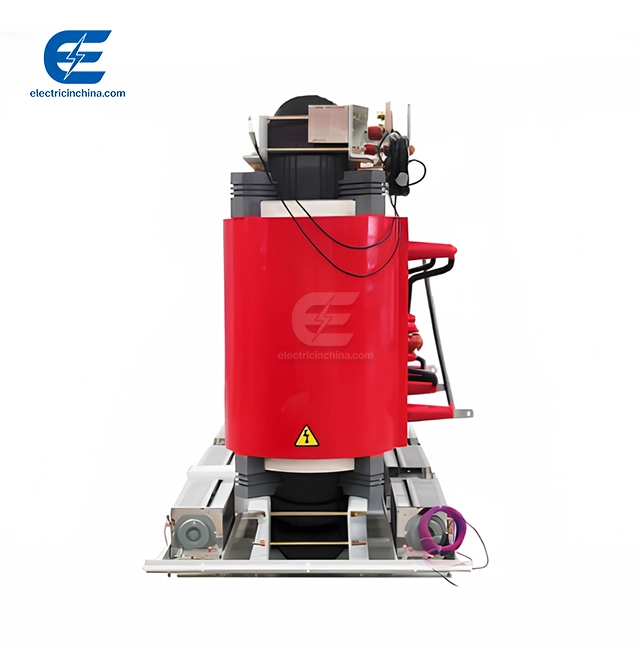
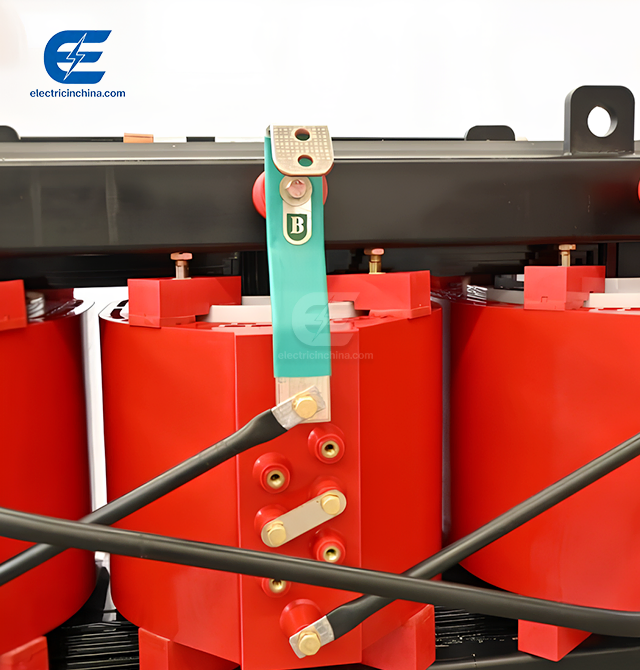
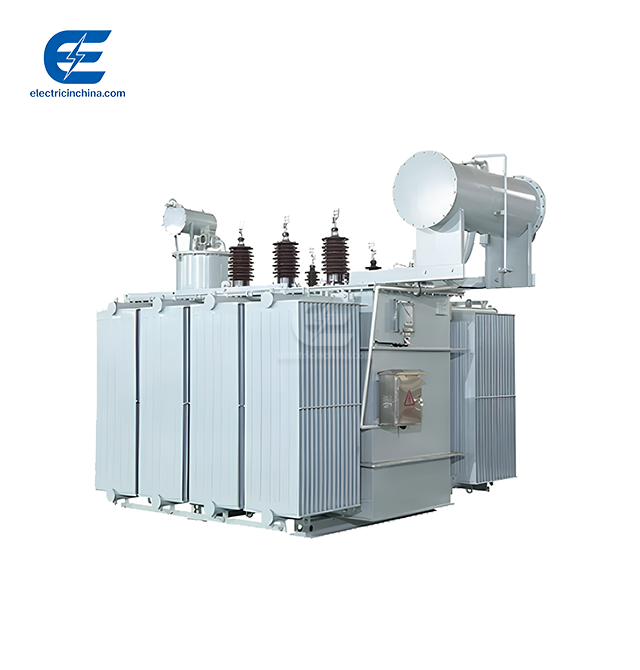
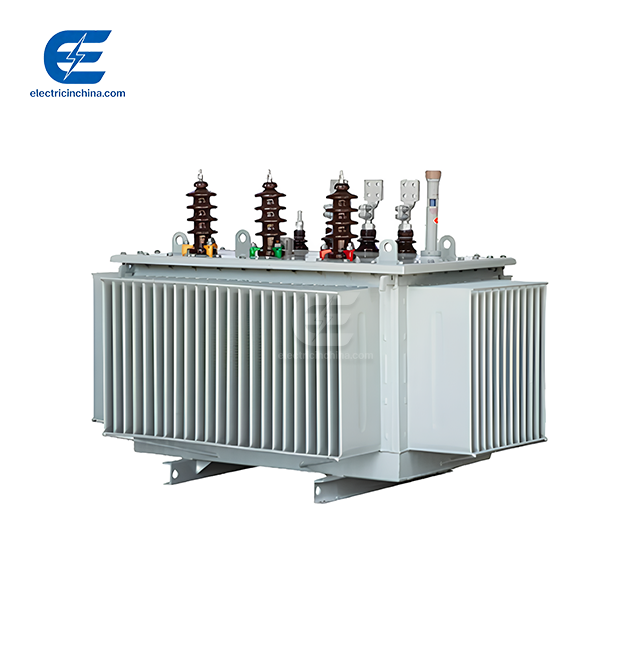
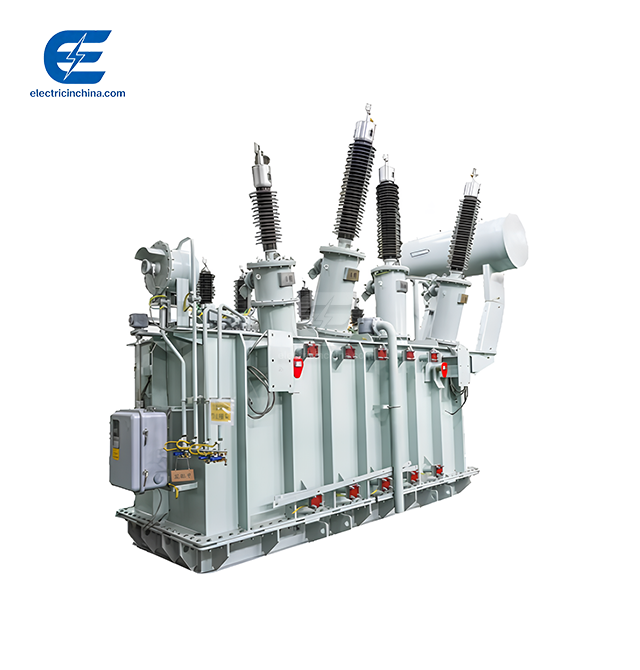
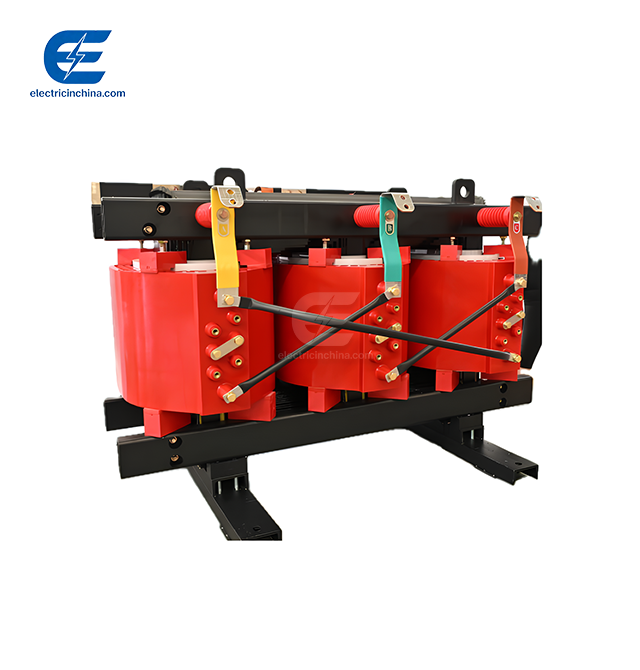
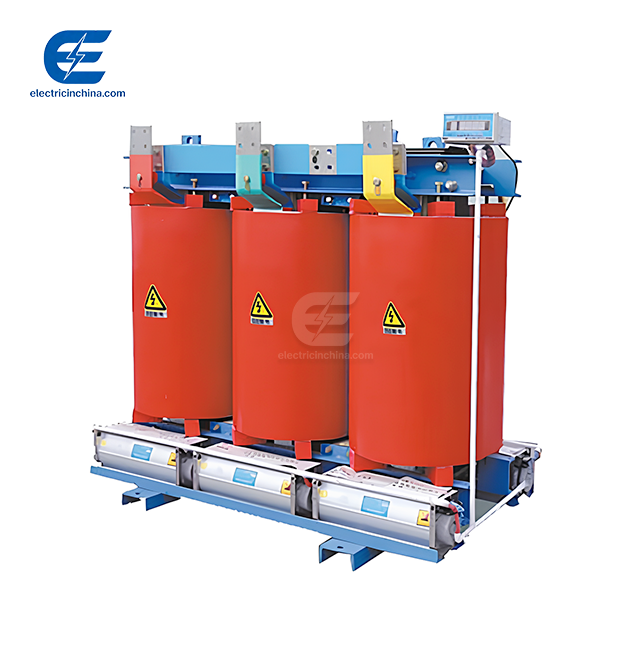
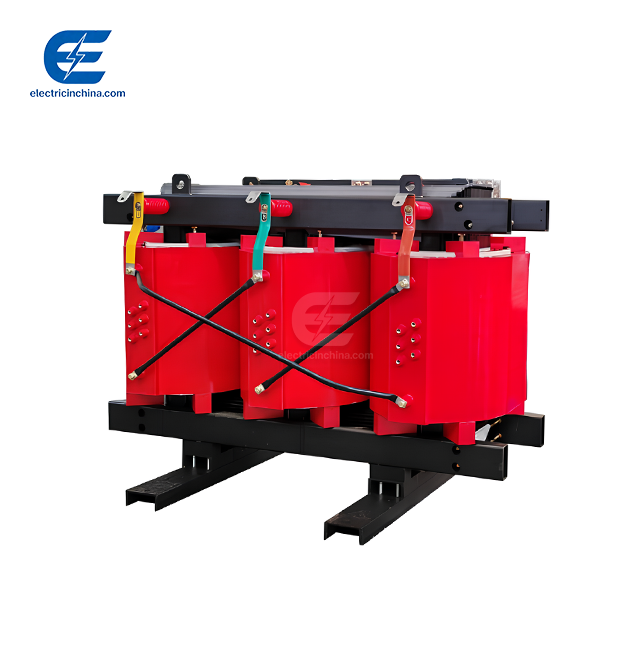
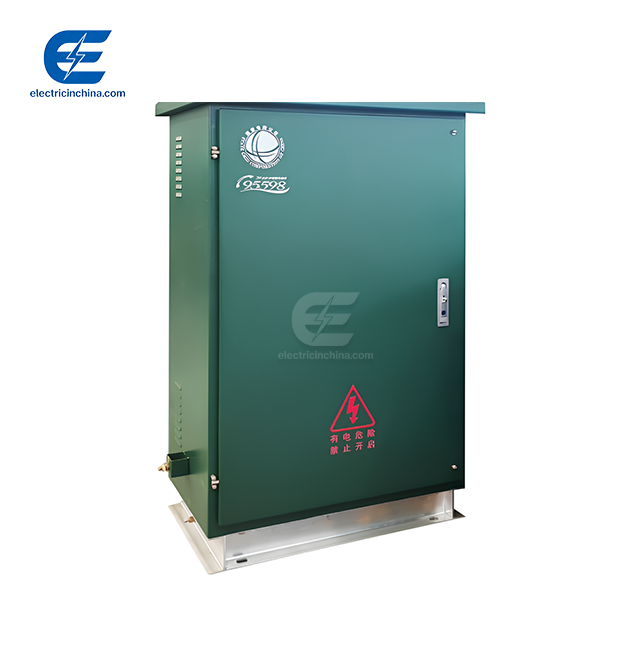
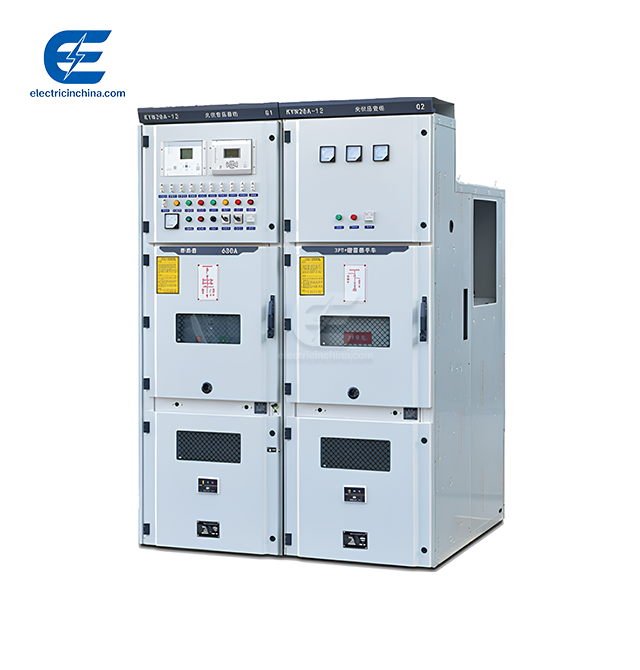
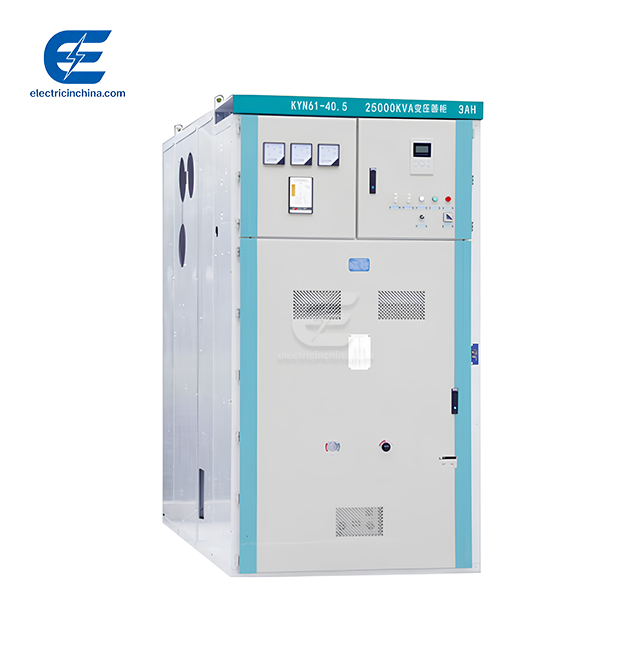
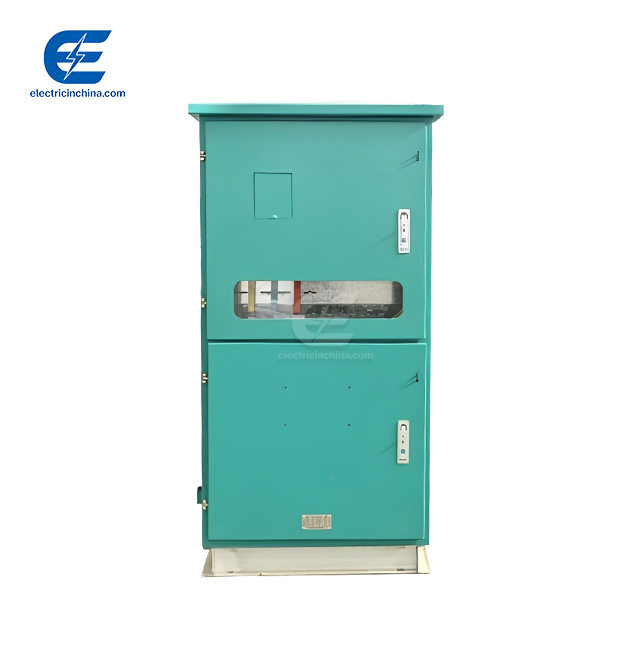
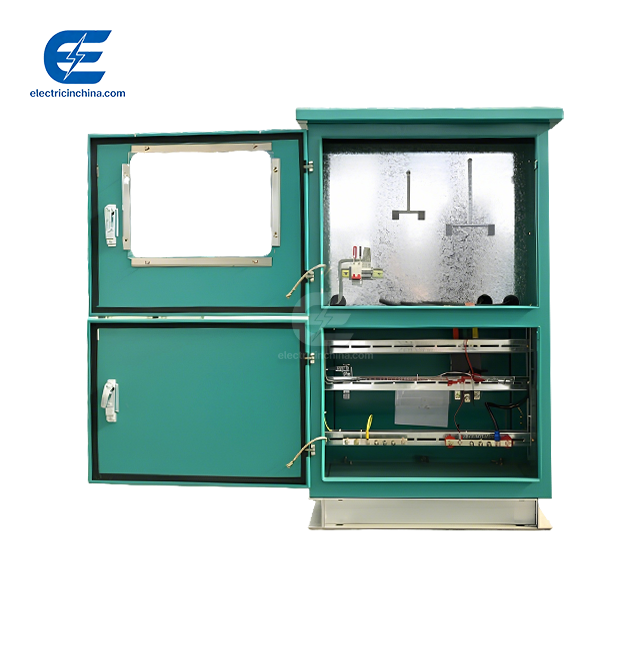
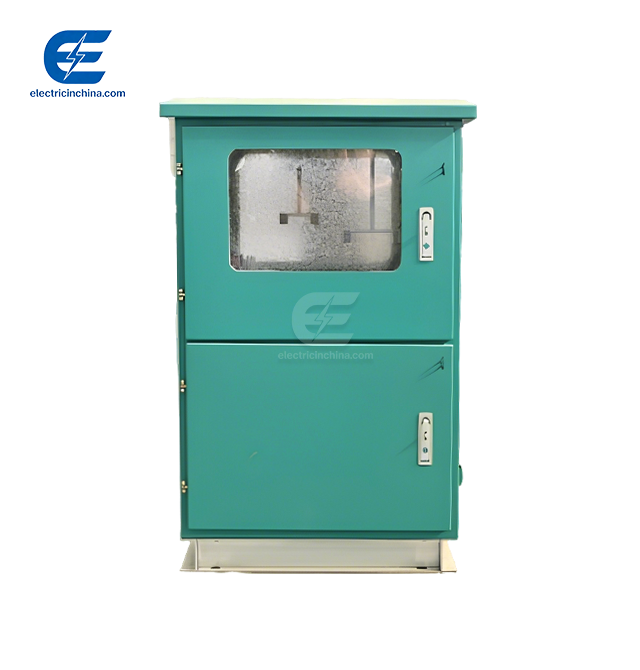
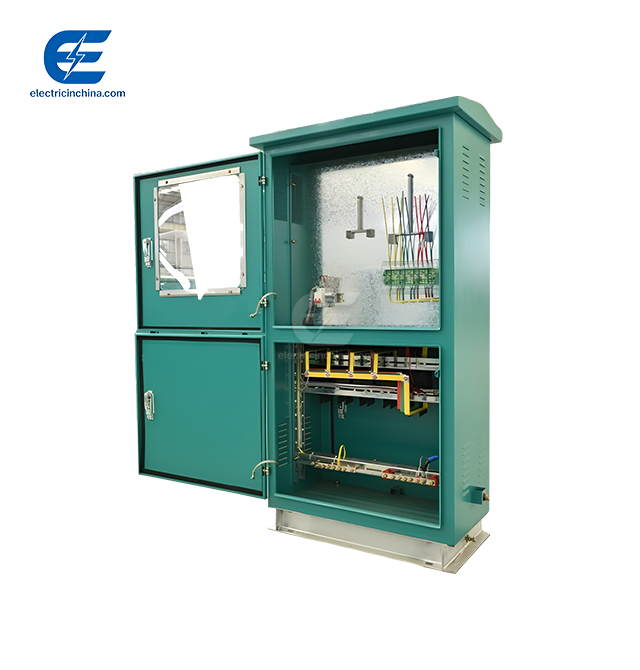
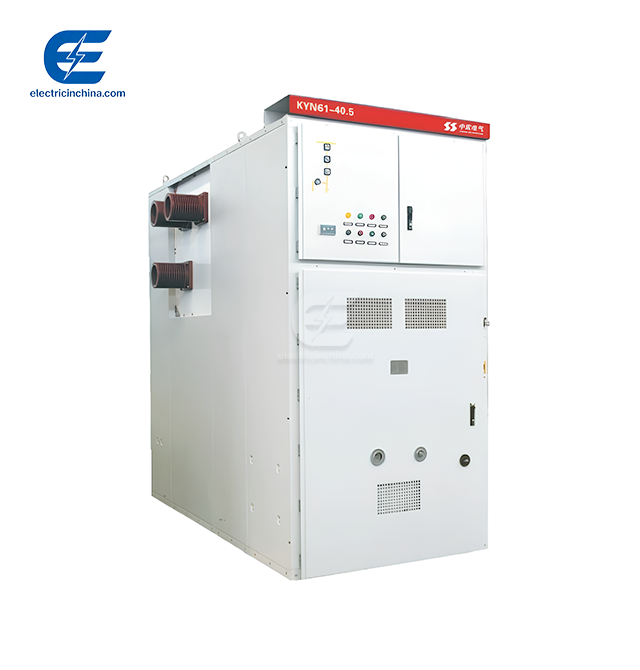
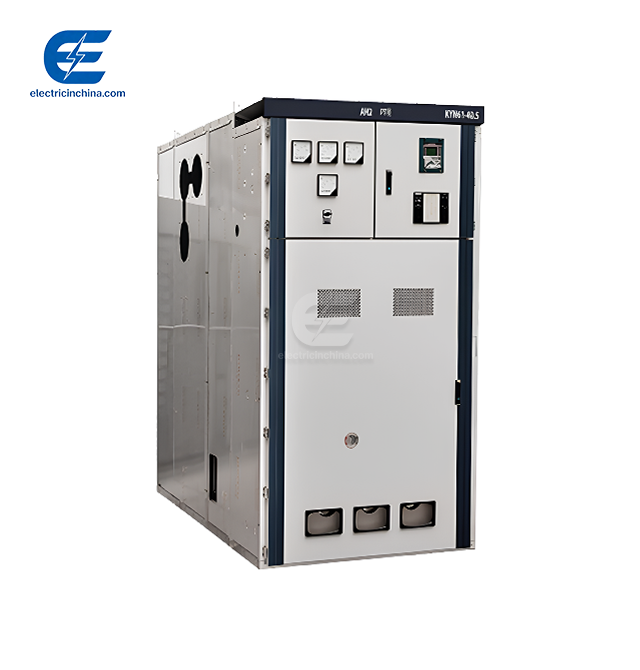
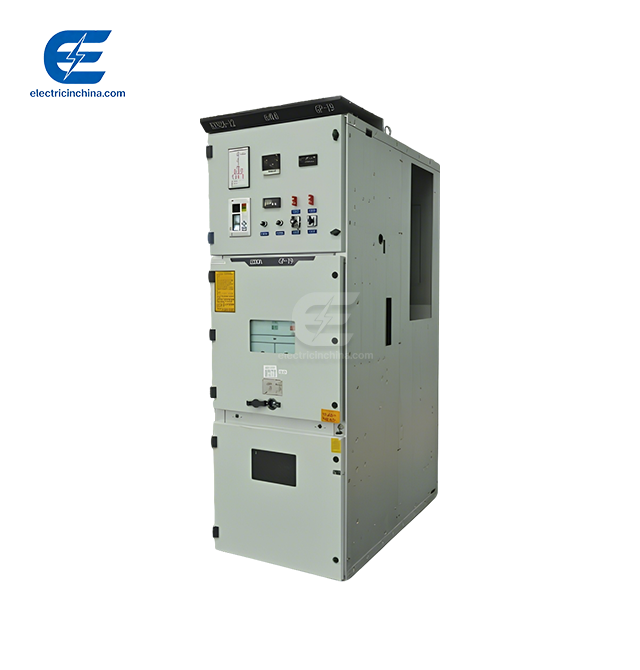
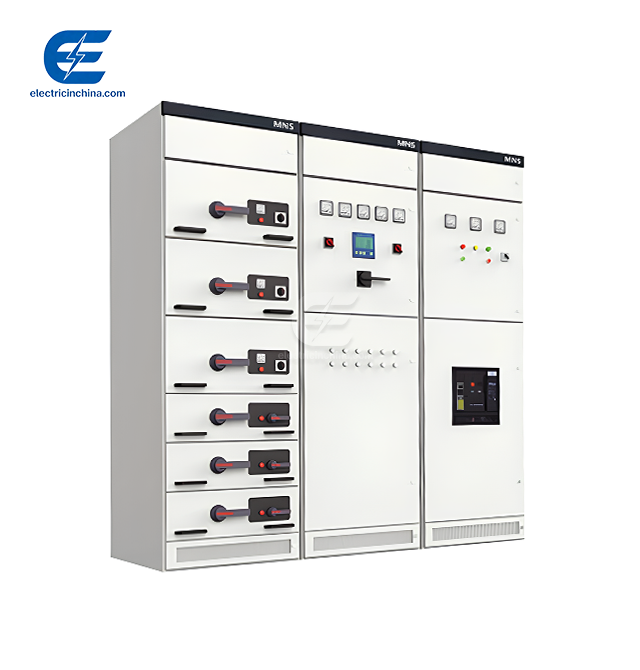
Transformer enclosure design directly improves safety by providing multi-layered protection against electrical hazards, environmental threats, and unauthorised access. A properly engineered enclosure incorporates corrosion-resistant materials, optimised ventilation systems, and appropriate IP or NEMA protection ratings to prevent equipment failure and personnel injury. These protective housings shield transformers from moisture ingress, dust accumulation, mechanical impacts, and temperature extremes while maintaining accessibility for maintenance operations. The integration of tamper-proof locking mechanisms, proper grounding provisions, and electromagnetic shielding creates a comprehensive safety barrier that complies with international standards and extends equipment service life beyond 20 years in demanding industrial environments.
Understanding Transformer Enclosure Safety Challenges
Power distribution systems are always being attacked by threats that make them less reliable and put people's safety at risk. Many more risks come with installing transformers than just being outside in the weather.
The most obvious risk comes from electrical hazards. Moisture can get into systems that aren't properly sealed, creating conductive paths between powered parts. This can cause short circuits. Arc flashes, which can reach temperatures of more than 35,000°F, happen when electrical problems are not contained by a poorly designed container. These terrible events lead to serious burns, broken equipment, and expensive downtime that affects whole operations.
The effects of environmental factors happen slowly but are just as bad over time. Coastal installations rust faster because the air is full of salt; in marine environments, chloride levels can reach 1500 mg/L. Chemicals are used in factories, and normal protective coats wear off in months instead of years. Changes in temperature cause condensation to form inside housings that don't have enough airflow, which damages the insulation and causes the transformer to fail early.
There are also mechanical and security holes that cause worry. Damage from maintenance vehicles, vandalism, and people getting in without permission can hurt both people and equipment. When animals touch energised parts, they can cause unexpected power blackouts, especially in country substations. For each of these problems, there are specific design solutions that need to be used to deal with the reasons instead of just the symptoms.
A lot of the time, procurement managers don't find safety problems until after an accident has happened. An often-missed mistake is choosing the wrong materials. In humid or seaside areas, carbon steel containers that don't have the right surface treatment rust quickly, destroying the structure within five years. When protection ratings aren't high enough, dust can build up on cooling surfaces. This makes it harder for heat to escape and speeds up the thermal ageing of transformer insulation.
When airflow isn't done right, transformers get too hot, which shortens their life by 50% or more. Poor installation methods, like not properly preparing the foundation, making the wrong grounding connections, or not having any bonding jumpers, create hidden dangers that become apparent when there is a fault. These weaknesses show why detailed safety requirements must be included in engineering specifications from the start of a project.
When buying professionals understand these problems, they can choose Transformer Enclosures that will cover equipment reliably for its entire useful life. Spending money on good design keeps you from having to pay much more for things like replacing broken equipment, injury claims, and production stops.
Core Design Principles That Enhance Transformer Enclosure Safety
Enclosure design that is focused on safety starts with basic ideas that fix known weaknesses using tried-and-true engineering methods. Specifications that protect both assets and people are based on these concepts.
Material Selection for Durability and Protection
Long-term success in certain environments depends on the materials used in building. We have three main choices that were designed to meet the needs of different applications.
Building with stainless steel, especially 316L grade, is very resistant to rusting in salty and chemically harsh settings. This material can handle chloride levels of up to 1500 mg/L without breaking down. This makes it perfect for power plants near the coast and factories that release corrosive process emissions. Because stainless steel is naturally strong, it is possible to make wall sections that are thinner while still keeping the structure strong. This lowers the weight of installation without lowering the level of protection.
Aluminium metal frames are very strong for their weight and are also very good at transferring heat. This choice works well for installs on top of other structures, mobile substations, and repair projects that need to save weight. The natural oxide layer on aluminium surfaces protects them from corrosion, and the material's ability to conduct heat helps cool the Transformer Enclosure walls passively.
Hot-dip galvanising and powder painting finishes are used on coated steel buildings. This two-layer security system works well and doesn't cost too much. Its look can be changed to fit design needs or visible standards. The galvanised layer protects against rust on its own, and the powder finish adds UV stability and colour retention so that the product will last for decades.
Each material goes through strict testing procedures. According to ASTM B117 standards, tests for salt spray resistance show that the performance lasts for more than 1000 hours of constant exposure. Testing for UV stability makes sure that coating systems keep their protective properties and good looks over a long period of time when they are used outside. These approved material choices get rid of the risks of early failure that could damage safety and require expensive replacements in an emergency.
IP and NEMA Rating Compliance
Protection ratings tell you how well an enclosure keeps out outside threats. Based on the needs of the application, our systems get IP23D to IP54 grades. IP23D protects against solid items bigger than 12 mm and water spray at angles up to 60 degrees from vertical. It can be used indoors or outdoors in protected areas. The IP54 rating protects against dust and water splashes from all directions, making it suitable for outdoor installations and harsh industrial settings.
NEMA grades give similar categories that are used in North American markets. NEMA 3R barriers keep out rain, sleet, and ice while letting humidity drain out of the inside. For food processing plants and chemical facilities that need to be cleaned often, NEMA 4 adds dust protection and the ability to hose down the area. By understanding these rating systems, you can make sure that the specifications you use match the conditions of the site, rather than using solutions that are too complicated or not good enough.
Intelligent Ventilation Systems
Thermal management has a direct effect on how well and how long a transformer works. There is a well-known link between heat and insulation ageing faster: for every 10°C rise in temperature above standard levels, insulation life drops by about 50%. The way we build our air uses thermodynamics to create natural convection patterns that move heat away without lowering the safety ratings.
Inlet and outlet vents that are placed strategically use the direction of the wind and thermal buoyancy. Warm air naturally rises and leaves through the top vents. Cooler air from the outside comes in through the bottom vents. This passive movement gets rid of the need for mechanical parts that need to be maintained and use energy. Louvre configurations keep IP ratings while letting the most air flow through, so efficiency doesn't suffer as it does in poorly built systems.
In more advanced projects, temperature monitoring and automatic ventilation control are combined. When natural cooling isn't enough, thermostatic fans turn on to keep the machine running at its best during times of high demand. This combination method is reliable, but it doesn't use as much energy all the time as forced-air systems do.
Integrated Security Features
Unauthorised access, which poses safety and sabotage risks, is stopped by physical security. Tamper-proof locking mechanisms use special fasteners that can only be used with certain tools. This keeps unauthorised people from breaking in but still allows qualified personnel to get in case of an emergency. Large doors with multi-point latching systems make sure that the gasket is always compressed and stop people from breaking in.
Ground link points need to be easy to get to and safe at the same time. Our designs put grounding connections inside main enclosures with secondary access panels. This lets us test for errors without touching any live parts. Lock-out/tag-out features built into door mechanisms help with safe maintenance processes that are needed by OSHA and other international standards.
Using these integrated design principles, instead of putting together separate safety features, complete safety systems are made. Multiple dangers are dealt with at the same time by the synergistic effect, which provides consistent safety for decades of use.
Step-by-Step Guide: How to Install and Maintain Transformer Enclosures Safely
The safety features built into Transformer Enclosure designs can only last as long as they are installed correctly and maintained regularly. Systematic approaches stop the common mistakes that weaken safety and make conditions dangerous.
Pre-Installation Site Assessment
A site evaluation finds the environmental factors that affect how well the enclosure works. The type of soil affects how the foundation is built; for example, expanding clays need different methods than bedrock or sandy bases. Drainage patterns must move water away from the bases of enclosures to keep them from sinking and collecting water. The flood risk assessment sets the lowest possible mounting heights for areas that are likely to flood.
The assessment of environmental exposure guides the choice of materials and the requirements for protection ratings. Being close to the coast, industrial emissions, extreme temperatures, and wildlife all require different design responses. This evaluation phase keeps equipment capabilities from not matching up with the conditions on the job site, which could cause failures before they should.
Foundation and Mounting Procedures
When you have the right foundations, you have stable support and good grounding. The concrete pads must go beyond the enclosure footprints and be thick enough to hold the weight of the equipment plus maintenance loads. Embedded ground grids make the low-resistance earth connections that are needed to protect against faults. Anchor bolt positioning must align precisely with enclosure mounting holes—field modifications compromise structural integrity and void manufacturer warranties.
Leveling tolerances matter more than many installers recognize. Deviations exceeding 0.25 inches across enclosure bases cause door misalignment, gasket compression inconsistencies, and drainage problems. Precision installation prevents these issues that develop into safety concerns over time.
Electrical Grounding and Bonding
Grounding systems protect personnel by providing low-impedance fault current paths that enable rapid overcurrent device operation. All metallic enclosure components must be bonded to the grounding system using appropriately sized conductors. Ground resistance testing should verify values below 5 ohms, with lower resistance preferred for sensitive electronic loads.
Bonding jumpers across hinged doors and removable panels maintain electrical continuity throughout the protective housing. These connections prevent hazardous voltage differences that could appear between enclosure sections during fault conditions. Regular inspection confirms these critical safety connections remain intact and low-resistance.
Routine Maintenance Scheduling
Systematic inspection programs identify developing problems before they compromise safety. Annual schedules should include gasket condition assessment, hardware torque verification, coating integrity inspection, and ventilation system cleaning. Five-year major inspections add comprehensive testing of protection systems, grounding resistance measurements, and structural evaluations.
Documentation of inspection findings and corrective actions provides compliance records and trending data. Patterns of accelerated wear or recurring issues indicate design inadequacies or changing site conditions requiring engineering review. This proactive approach prevents catastrophic failures and extends equipment service life.
Maintenance access features integrated during design phases reduce inspection time and improve safety. Removable panels positioned to expose critical components without energized equipment exposure enable thorough examination without creating hazards. These practical design considerations reflect real-world operational requirements rather than theoretical specifications.
Comparing Transformer Enclosure Options to Maximize Safety and Performance
Selecting appropriate Transformer Enclosure configurations requires understanding how different approaches address specific application requirements. The optimal choice balances safety performance, durability, cost, and delivery schedule constraints.
Material Comparison Analysis
Metal enclosures dominate utility and industrial applications due to superior mechanical strength and fire resistance. Steel construction provides excellent impact resistance and electromagnetic shielding effectiveness exceeding 60dB across broad frequency ranges. The material's inherent strength allows large unsupported spans and mounting of auxiliary equipment without supplemental reinforcement.
Stainless steel variants offer maximum corrosion resistance without protective coatings. The material performs reliably in environments where carbon steel fails within years—chemical plants, wastewater treatment facilities, marine installations. Higher initial costs offset against eliminated coating maintenance and extended service life often justify specification for critical applications.
Aluminum alternatives reduce weight by approximately 60% compared to equivalent steel designs. This advantage matters significantly for rooftop installations, temporary power systems, and locations with limited structural capacity. Thermal conductivity approximately four times greater than steel enhances passive cooling, reducing hotspot formation. Lower mechanical strength requires thicker sections or reinforcement for equivalent structural performance.
Coated steel options balance performance and economy. Hot-dip galvanizing provides reliable corrosion protection with typical service life exceeding 25 years in moderate environments. Factory-applied powder coating adds color selection, improved appearance, and enhanced UV resistance. This combination delivers dependable protection at lower cost than exotic materials while maintaining excellent safety performance.
Protection Rating Selection Guidance
Matching protection ratings to actual environmental conditions avoids both over-specification and inadequate performance. Indoor installations in climate-controlled environments may require only IP23D protection against large objects and minimal water exposure. Outdoor applications in arid climates similarly need less environmental protection than humid or coastal locations.
Exposed outdoor installations subject to driven rain and dust require IP54 minimum ratings. Industrial environments with airborne contaminants, washdown requirements, or corrosive atmospheres demand IP65 protection—complete dust exclusion and water jet resistance from any direction. Understanding these distinctions prevents paying for unnecessary protection or accepting inadequate specifications that lead to premature failures.
NEMA ratings provide alternative classifications. NEMA 3R suits most outdoor utility applications with provisions for rain and ice. NEMA 4X adds corrosion resistance and hose-down capability for food processing and pharmaceutical facilities. NEMA 12 addresses indoor industrial environments requiring dust and oil exclusion. Specifying appropriate ratings optimizes cost-performance relationships.
Custom Design Benefits
Standard enclosure configurations serve many applications effectively, but unique requirements often justify custom solutions. Unusual transformer dimensions, integrated auxiliary equipment, extreme environmental conditions, or specific regulatory requirements may necessitate engineered designs. Our team of 15 senior engineers and over 30 intermediate technicians applies extensive experience to develop optimized solutions for complex applications.
Custom designs accommodate site-specific constraints—limited access, aesthetic requirements, seismic qualification, blast resistance. Integration of monitoring systems, fire suppression equipment, and remote operation capabilities creates comprehensive installations meeting all functional requirements within single protective housings. These tailored solutions eliminate field modifications that compromise protection and void warranties.
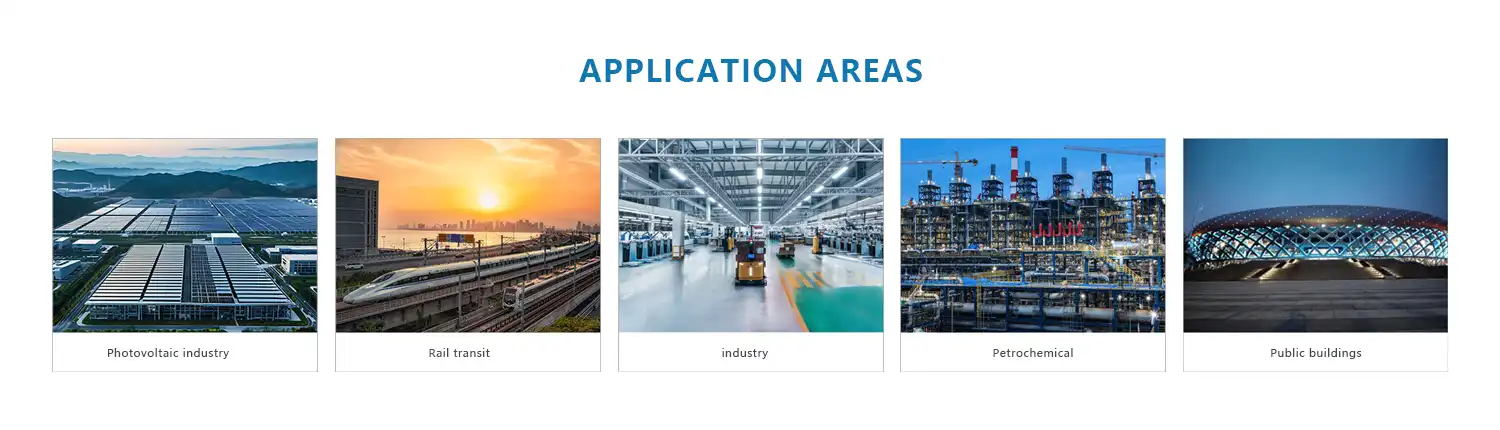
Project experience spanning hundreds of municipal, commercial, and industrial installations provides proven design templates adaptable to new requirements. The Xuzhou Rail Transit Network Control Center project required dual-circuit power supply integration with absolute reliability for subway operations. XCMG Group factory installations demanded rapid deployment with ahead-of-schedule completion. These successful outcomes demonstrate capabilities applicable to diverse procurement requirements.
Case Studies: How Innovative Transformer Enclosure Designs Prevented Safety Incidents?
Real-world applications demonstrate how proper Transformer Enclosure design translates into measurable safety improvements and operational benefits. These examples provide valuable insights for procurement professionals evaluating solutions for their specific requirements.
Municipal Infrastructure: Xuzhou Rail Transit Network Control Center
Urban rail transit systems demand uncompromising reliability and safety. The network control center project required Transformer cabinet installations capable of supporting critical 24/7 operations with zero tolerance for power interruptions. Environmental challenges included urban pollution exposure, temperature extremes, and physical security requirements in publicly accessible areas.
Our solution incorporated IP54-rated stainless steel enclosures with enhanced ventilation systems engineered for continuous heavy-load operation. Dual-circuit integration maintained power continuity during maintenance or fault conditions. Tamper-proof access controls with integrated alarm systems prevented unauthorized entry while enabling rapid response by qualified personnel.
The installation has operated flawlessly since commissioning, maintaining subway system reliability that directly impacts hundreds of thousands of daily passengers. Temperature monitoring data confirms optimal thermal performance, preventing the overheating issues common in heavily loaded urban installations. This project exemplifies how comprehensive safety design supports critical infrastructure requirements.
Industrial Application: XCMG Group Factory Power Upgrade
Manufacturing facilities require power systems that support demanding production schedules without interruption. The factory upgrade project faced aggressive timelines with completion required ahead of standard schedules to prevent production delays. Existing site constraints limited access and required compact installations with maximum capability.
Custom aluminum enclosures delivered weight reduction, enabling installation without structural reinforcement. Enhanced cooling designs accommodated high load factors in existing spaces. Our team coordinated equipment procurement, enclosure fabrication, and installation sequencing to achieve ahead-of-schedule completion. Factory operations commenced as planned, demonstrating how responsive design and manufacturing capabilities support critical business objectives.
Ongoing operation confirms reliability under demanding industrial conditions. The lightweight construction simplified installation while maintaining full safety performance. This project illustrates how material selection and custom engineering address specific operational requirements.
Commercial Development: High-Traffic Mixed-Use Complex
Commercial developments combine diverse loads with aesthetic requirements and public accessibility. A major mixed-use complex required multiple transformer installations supporting retail, residential, and office tenants. Enclosures needed architectural compatibility while maintaining uncompromising safety and reliability.
Powder-coated steel enclosures with custom color matching integrated seamlessly with architectural elements. Noise reduction features minimized acoustic impacts in occupied areas. Coordinated installation during construction critical paths prevented schedule delays. The comprehensive approach addressed technical requirements, aesthetic concerns, and project timeline demands simultaneously.
Years of reliable operation confirm design effectiveness. Routine maintenance reveals minimal corrosion or wear, validating material selection and coating systems. Noise measurements verify acoustic performance meeting stringent commercial occupancy standards. This success demonstrates capabilities serving demanding commercial applications where technical performance and appearance both matter.
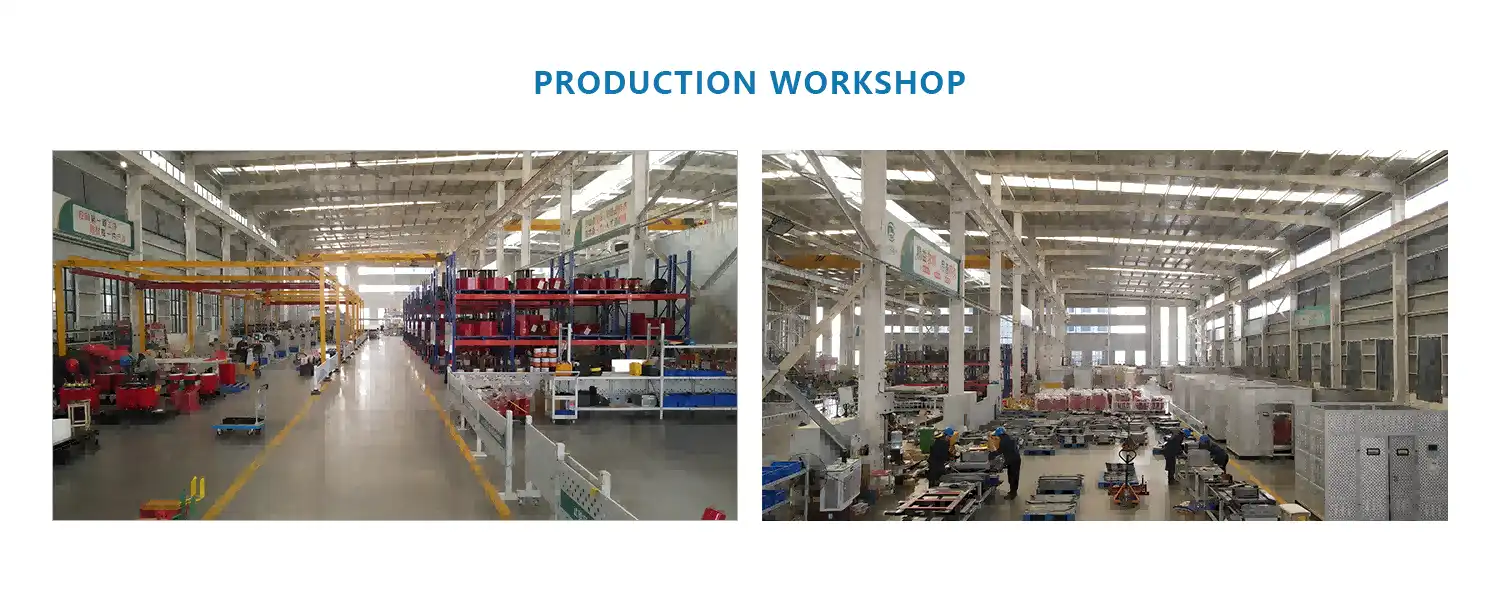
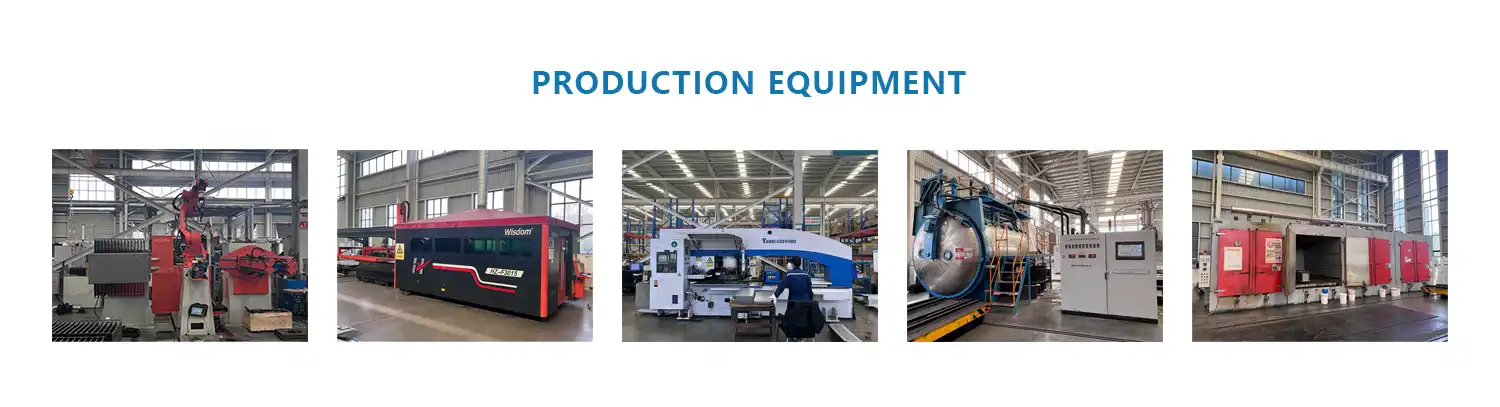
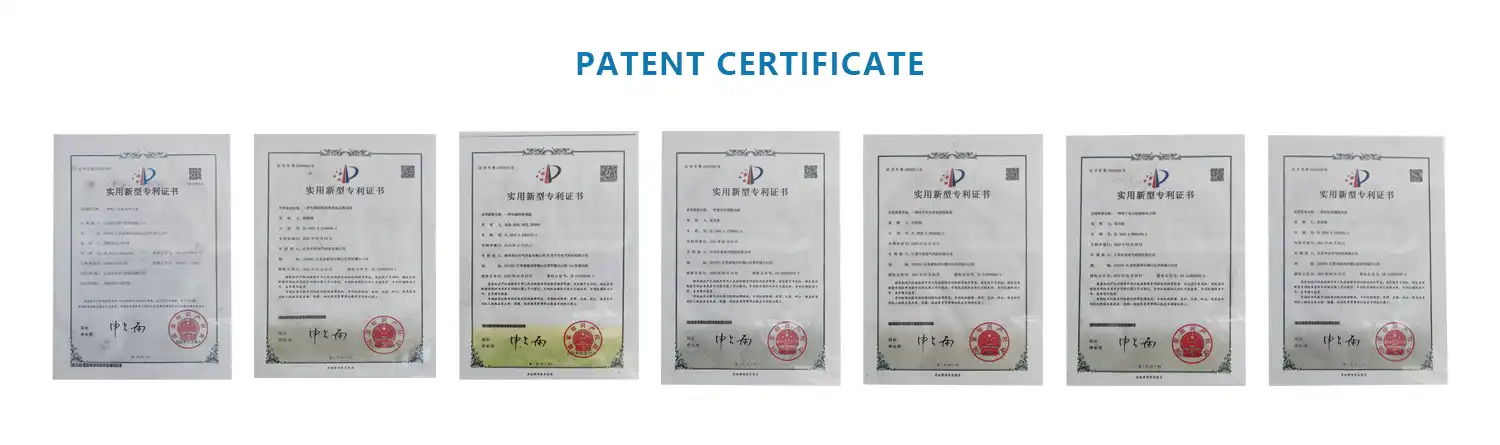
These case studies represent applications across municipal infrastructure, industrial manufacturing, and commercial development sectors. Each project required understanding unique requirements, applying appropriate engineering solutions, and delivering reliable performance. Our 18 patents and manufacturing capabilities utilizing 120+ sets of advanced machinery enable custom solutions meeting diverse application demands.
Conclusion
Transformer Enclosure design fundamentally determines electrical infrastructure safety through integrated protection against electrical, environmental, and physical threats. Proper material selection, appropriate protection ratings, intelligent ventilation engineering, and comprehensive security features create reliable systems that prevent equipment failure and personnel injury. Installation and upkeep practices maintain designed safety features throughout equipment service life. Understanding the relationships between design principles, application standards, and real-world performance allows procurement professionals to define solutions providing optimal safety and operational dependability. Our proven experience across hundreds of projects—from critical rail transit systems to demanding industrial facilities—demonstrates skills meeting the most stringent safety and dependability requirements.
FAQ
What IP rating should I specify for outdoor coastal transformer installations?
Coastal environments require minimum IP54 protection with corrosion-resistant materials such as 316L stainless steel. Salt spray tests per ASTM B117 guidelines should show performance exceeding 1000 hours. Consider the NEMA 4X rating for equivalent North American specifications. UV resistance testing per ASTM G154 ensures coating longevity. These standards offer a 25-30 year service life in marine settings with proper care.
How does ventilation design maintain safety while meeting protection ratings?
Engineered louver systems create natural convection cooling without compromising ingress protection. Inlet and exit positioning improves airflow while labyrinth-style louvre routes prevent water and dust entry. Based on IEEE standards, thermal modelling figures out how much air space is needed, which is usually 1% to 2% of the enclosure's surface area. This method gets rid of mechanical parts while keeping the required IP ratings and ideal working temperatures.
What maintenance intervals ensure continued safety performance?
At least once a year, the gaskets, metal torque, coating integrity, and cleaning of the air system should all be checked. Testing for ground connection resistance confirms values less than 5 ohms. Five-year major checks include a full evaluation of the structure and verification of the security system. Documentation keeps track of compliance and points out trends that need to be looked at by engineers. Systematic maintenance stops wear and tear that could risk safety features.
Partner with Tuojie for Safety-Optimized Transformer Enclosure Solutions
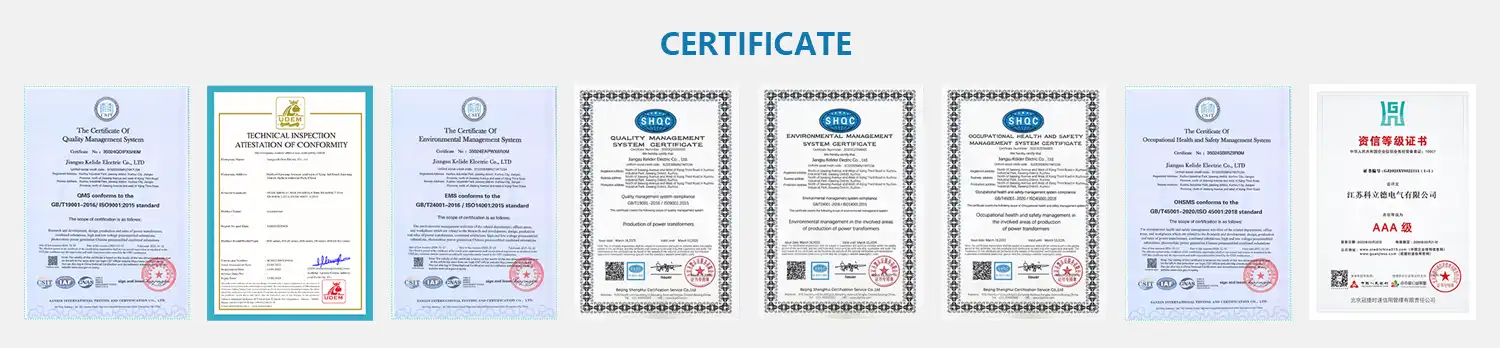
Tuojie provides enterprise-grade protective housing systems backed by over 20 years of industry experience and standards, including ISO 9001, ISO 14001, and OHSAS 45001. Our engineering team develops customized solutions featuring corrosion-resistant materials with a 20+ year service life, electromagnetic shielding capabilities, and protection ratings from IP23D to IP54. As a major Transformer Enclosure maker, we provide one-stop power distribution options with thorough quality control and punctual delivery schedules. Contact our technical team at tuojie@electricinchina.com to talk about your project needs and find out how our proven designs protect key infrastructure investments.
References
1. Institute of Electrical and Electronics Engineers (IEEE), "IEEE Standard for Outdoor Apparatus Bushings", IEEE Standard C57.19.00-2004, Revision 2011.
2. National Electrical Manufacturers Association (NEMA), "Enclosures for Electrical Equipment (1000 Volts Maximum)", NEMA Standards Publication 250-2020.
3. International Electrotechnical Commission (IEC), "Degrees of Protection Provided by Enclosures (IP Code)," IEC Standard 60529:1989+AMD1:1999+AMD2:2013.
4. American Society for Testing and Materials (ASTM), "Standard Practice for Operating Salt Spray (Fog) Apparatus", ASTM B117-19, 2019 Edition.
5. Occupational Safety and Health Administration (OSHA), "Electrical Protective Devices", OSHA Standard 1910.303, Code of Federal Regulations Title 29.
6. Institute of Electrical and Electronics Engineers (IEEE), "IEEE Recommended Practice for Seismic Design of Substations", IEEE Standard 693-2018.