

.webp)
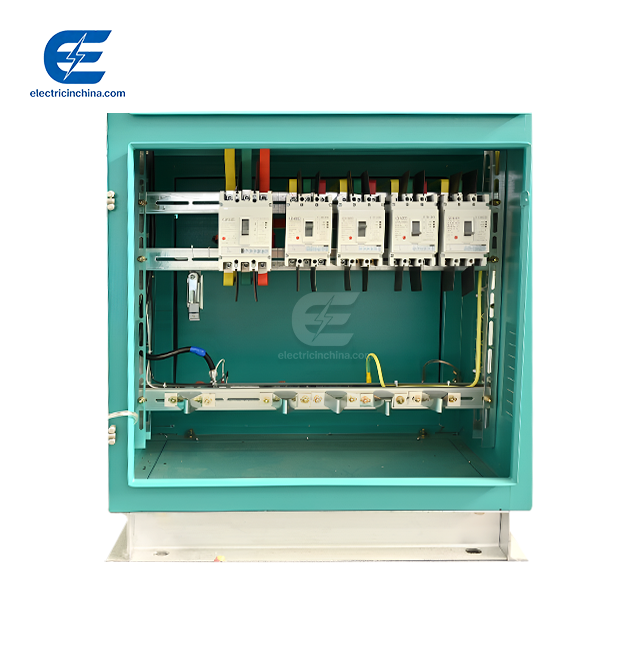
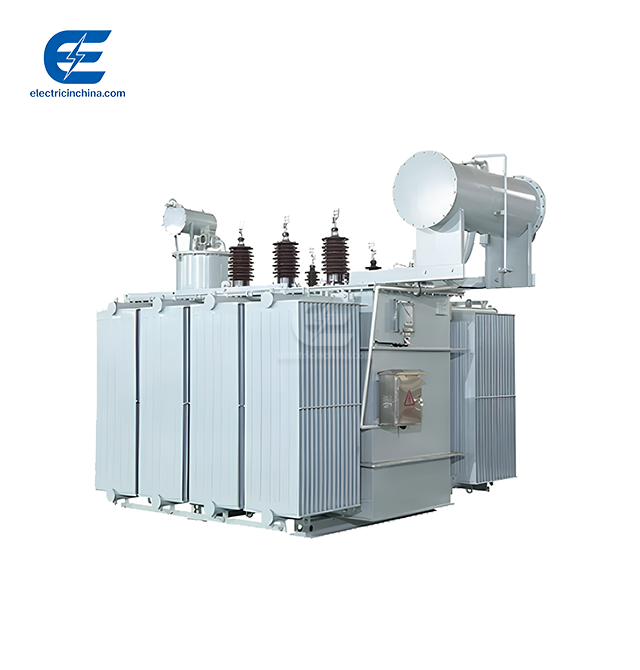
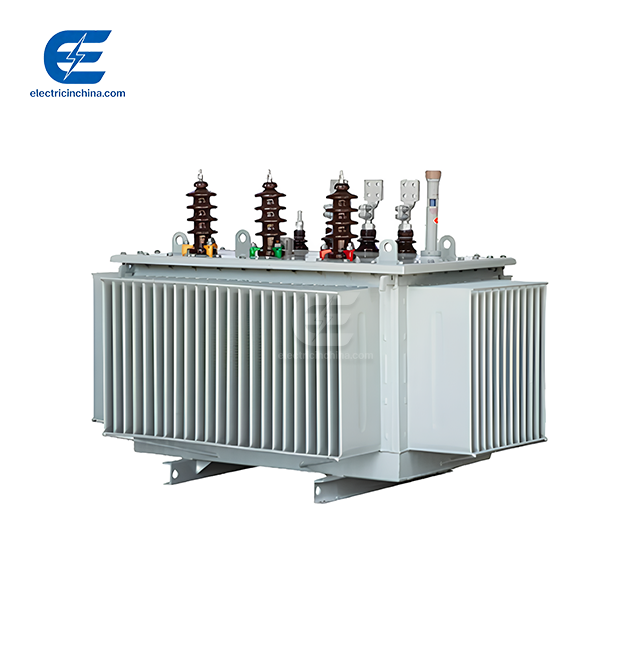
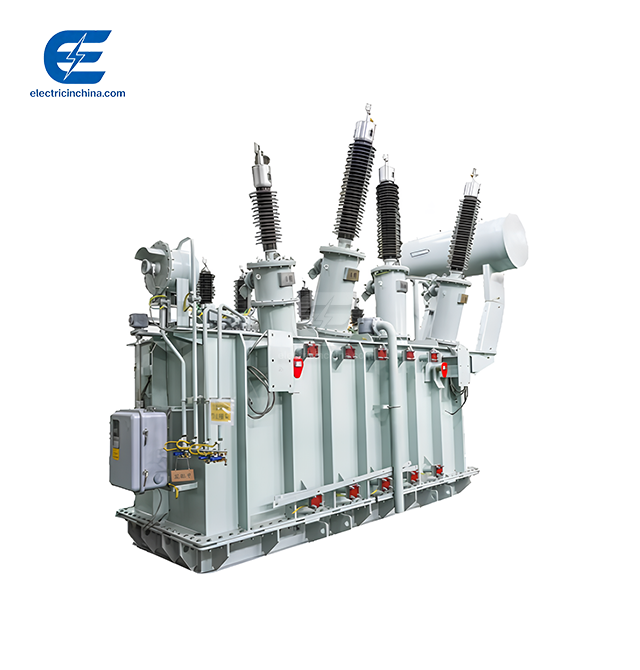
Oil leaks in industrial power transformers demand immediate attention to protect operational continuity and safety. When your Oil-Immersed Power Transformer for Industrial Use shows signs of oil seepage—whether at bushings, gaskets, or valve connections—quick containment prevents insulation degradation and equipment failure. Addressing leaks combines visual inspection, thermal analysis, and systematic repair protocols. Modern sealed tank designs with high-grade gasket materials greatly lower the risk of leaks, and regular oil quality monitoring can spot early warning signs before minor seepage leads to expensive shutdowns that disrupt your production timeline.
Understanding Oil Leaks in Industrial Oil-Immersed Power Transformers
An oil leak is one of the most common problems that lowers the reliability of transformers and can be avoided. Mineral oil inside your equipment does two things: it protects the electrical connections between the high-voltage coils and moves heat away from the core parts. If this oil gets out through broken seals or surfaces, both functions stop working right away.
What Constitutes an Oil Leak?
When shielding oil moves outside of the transformer's protected edges, there is an oil leak. During regular checks, you may see dark stains gathering under the unit, oil residue on the outside, or oil levels dropping. Even small amounts of seepage, like 50–100ml per day, which seem safe, add up over time and expose internal parts to wetness and oxidation.
Common Symptoms You Should Monitor
Usually, oil spots around bushings and flange joints are the first to show up. Your dissolved gas analysis (DGA) results may show that the amount of moisture is higher than 10 ppm, which means that the sealing isn't as good as it should be. When temperatures rise above standard levels, it means that the cooling system isn't working as well because oil isn't moving around enough. When regular tests show that insulation resistance drops below 1000MΩ, oil loss or contamination is likely to blame for the drop in dielectric strength.
Typical Causes Behind Oil Leakage
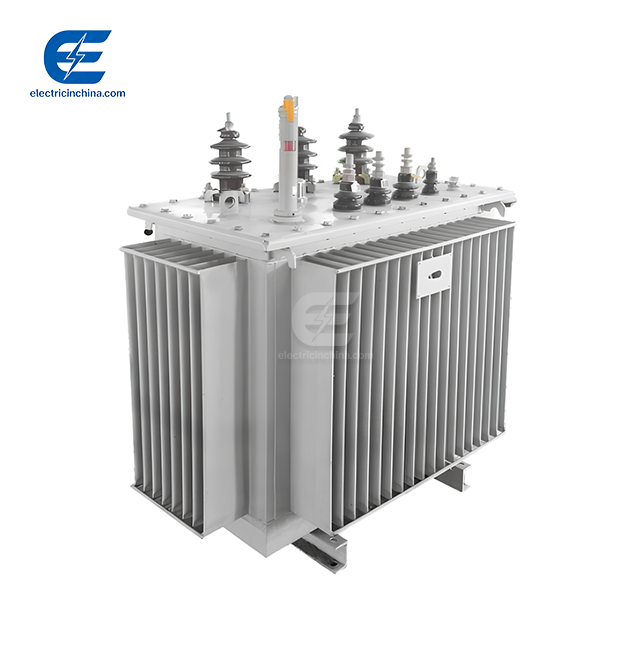
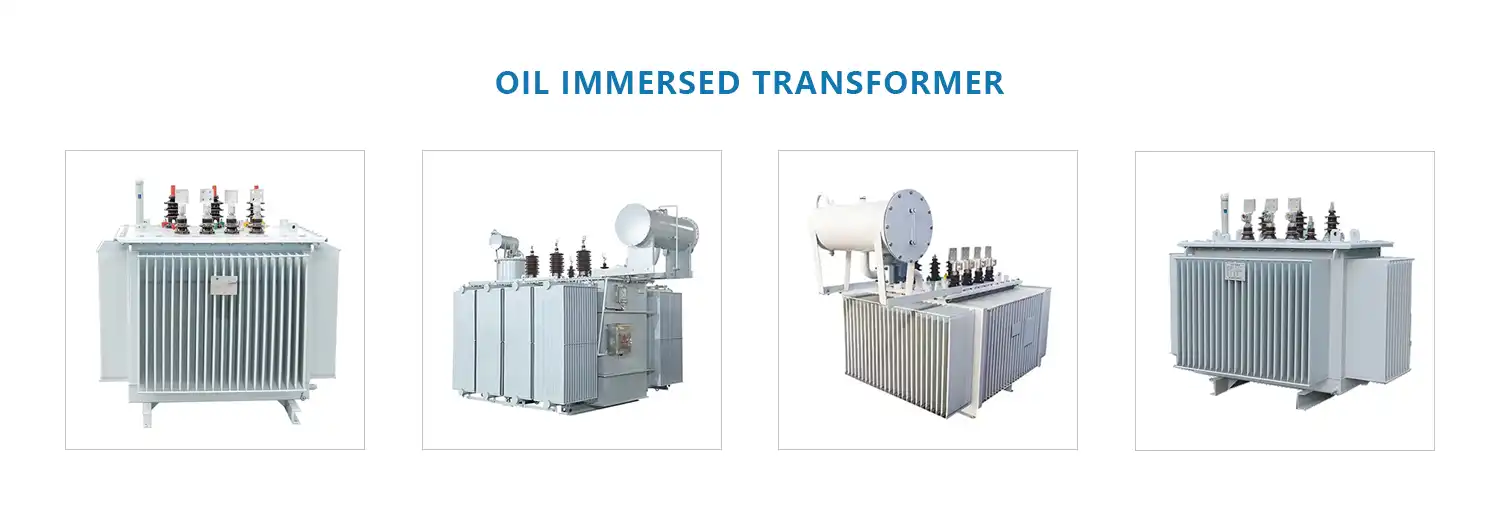
After years of being used in temperatures ranging from -20°C to +90°C, gaskets and O-rings lose their elasticity. Welded seams and threaded links are stressed when nearby equipment or earthquakes cause mechanical vibrations. Corrosion happens to carbon steel tanks in humid places like chemical plants or along the coast. Installation mistakes during commissioning, like overtightened bolts that crush seals or misplaced flanges that leave gaps, create leak paths right away. These weaknesses are fixed in our S9 Oil-Immersed Power Transformer for Industrial Use by using a fully sealed curved tank design that lets heat expand without putting too much stress on the cover materials.
Key Vulnerable Components Requiring Attention
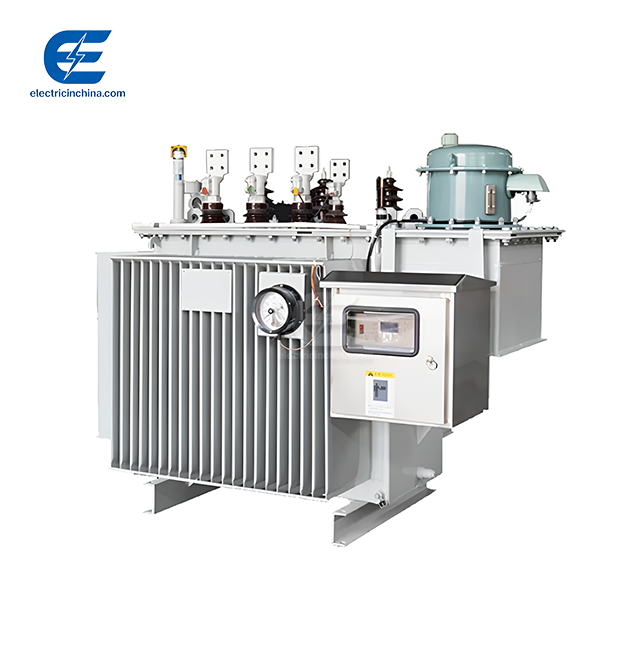
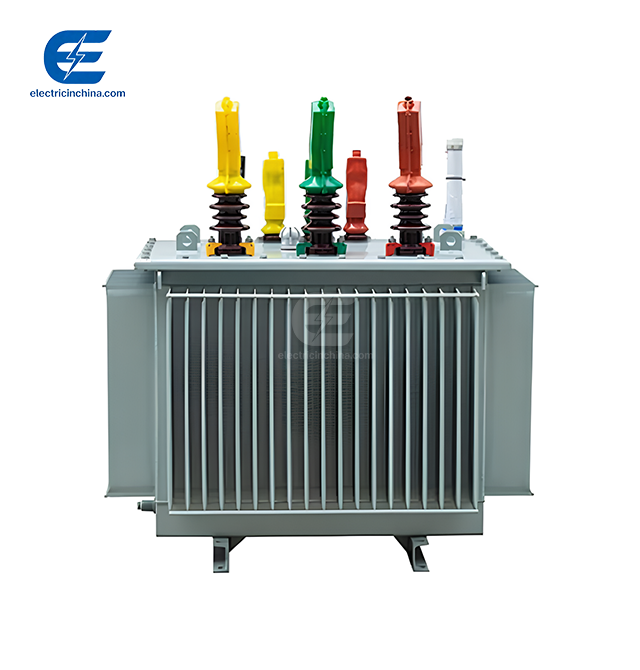
Bushings that connect internal windings to external cables are heated and shaken over and over again. The conservator tank relies on bladder or breathing systems that can fail, which makes it hard to keep the oil level steady when the temperature changes. Leaks happen at the places where radiator panels with threaded pipe links are joined together. Metal-to-metal seals on drain valves and sampling ports wear down over time. Flange joints hold tank tops in place, relying on gasket tension that decreases over time. By figuring out these high-risk areas, focused inspection methods can be used to catch problems early on before they get worse.
Diagnosing and Analyzing Oil Leaks: Step-by-Step Approach
Troubleshooting that works starts with a planned investigation that uses several different diagnostic methods. Your maintenance staff needs clear instructions on how to tell the difference between small seepages that need to be watched and active leaks that need to be fixed right away.
Visual Inspection and Advanced Detection Techniques
Start with thorough eye checks during planned outages. Infrared thermography shows hot spots that show how oil moves through insulation materials. Ultrasonic testing picks up high-frequency sounds made by oil leaving through tiny cracks that you can't see with the naked eye. We suggest that critical installations, like those at XCMG Group facilities where our transformers keep manufacturing going, undergo inspection every three months. Record weekly readings from oil level gauges to find out how much oil is being used and to tell the difference between normal evaporation and abnormal losses.
Root Cause Analysis Framework
Find out where the designs for the oil residue came from. Stains on the outside that are concentrated around the bolt circles mean that the gasket isn't compressing properly, and vertical streaking from the bushing bases means that the porcelain seal has failed. Write down the history of how the system was used. Did the leak start after transportation, after nearby construction work, or during extreme weather? Temperature logs that show long times of overloading indicate that sealing materials are breaking down due to heat. Our technical team of 15 senior engineers uses failure mode analysis on returned parts to help them come up with better gasket specifications for our S9 series transformers.
Consequences of Oil Loss on Performance
As oil amounts drop, dielectric strength drops even more quickly. For every 5 mm drop in the conservative level, the upper winding sections may be exposed to air. This creates partial discharge sites that speed up the breakdown of insulation. According to the Arrhenius decline model, insulation lasts less long when 10% of its oil volume is lost. This is because the temperature of the winding goes up by 3 to 5°C for every 10% of oil that is lost. When oil surfaces are subjected to moisture, the breakdown voltage drops from 30 kV to below 20 kV in just a few months. This makes flashovers more likely during voltage spikes. Quickly fixing leaks protects your investment and stops secondary damage that would require costly rewinding or replacement.
Effective Solutions and Repair Methods for Oil Leaks
Getting rid of oil leaks means matching the repair methods to the size and scope of the leak. Your plan should strike a balance between short-term containment and long-term improvements in reliability.
Immediate Containment Measures
Safe shutdown procedures keep people safe and reduce damage to the environment. De-energise the transformer by following the lockout-tagout steps. Then, use grounding links to get rid of any remaining volts. Place berms for spill containment and absorbent materials around the area where the leak is happening. Drain the oil from the damaged area into clean storage containers, making sure to keep contamination under tight control so that the oil can be used again after it has been filtered. Our ISO9001-certified quality processes make sure that every Oil-Immersed Power Transformer for Industrial Use ships with detailed emergency reaction paperwork that is specific to the safety needs of your facility.
Temporary Fixes Versus Permanent Repairs
Temporary fixes buy time until planned repair times. When used on clean, dry surfaces, epoxy-based sealants stop small leaks at valve stems or inspection ports. Gasket dressing chemicals briefly bring back compression in flange seals that are getting old. External clamps or retightening bolts may slow down seepage, but they rarely solve the problem for good. To make permanent repairs, the damaged areas must be drained and nitrogen-purged, and then damaged gaskets must be replaced with high-temperature silicone or PTFE materials that are approved for use with mineral oil. To keep metallurgical flaws from happening during welding processes for tank repairs, qualified workers must follow AWS D1.1 standards. The most reliable long-term fix is to replace the affected parts, like installing new bushings, valves, or radiator sections.
Maintenance Best Practices for Long-Term Prevention
Set up oil sampling plans that obey the rules in IEEE C57.106: every three months for important units and once a year for standard setups. Monitor the levels of dissolved gases, moisture, acidity, and dielectric strength. Testing the cooling system's ability to rise in temperature during times of high demand confirms that it works well. During operation, thermographic scans detect hot spots that are starting to form before the seal breaks down. Our transformers that serve the GCL Photovoltaic Industrial Park obey these rules. They keep their 98.5% efficiency ratings through preventative maintenance, which makes the equipment last longer than 25 years.
Practical Case Study: Successful Troubleshooting
A client in the chemical processing industry had oil leaks at a mounting joint on their 1600kVA unit's regulator. Our engineering team used infrared analysis to show that the warped flange surfaces were causing the gasket to compress unevenly. We emptied the conservator, machined the flange face to make it flat again within 0.05 mm, and put in a strengthened graphite gasket that can handle 150°C of constant operation. After the repair, we tracked the system for 18 months and found no oil loss and stable dissolved gas levels, proving that we had fixed the problem for good. This methodical approach, which combines accurate diagnostics with high-quality materials, shows how committed we are to finding solutions to difficult problems in the field.
Preventive Strategies and Transformer Design Features to Minimize Oil Leaks
Preventing oil leaks starts with the planning phase and continues with preventative maintenance programs throughout the life of the machine. Modern transformer engineering uses several leak-prevention technologies that should be mentioned when the transformer is being bought.
Advanced Sealing Technologies and Materials
With our corrugated tank designs, you don't need rubber bladders or breathing systems that are prone to breaking. As the temperature rises, the walls of the tank bend, keeping the pressure inside constant without putting too much stress on the static seals. When you mix EPDM rubber with PTFE coats, you get high-performance gaskets that don't break down in oil and stay flexible from -40°C to +120°C. Welded bushing turrets get rid of the need for fixed links at these high-stress spots. Mechanical float systems that leak at shaft penetrations should be replaced with magnetic oil level gauges that are hermetically sealed. These changes to the design help our Oil-Immersed Power Transformer for Industrial Use last 25 to 30 years with little upkeep needed for the seals.
Impact of Cooling Methods on Seal Integrity
When compared to forced oil systems, natural oil circulation (ONAN cooling) reduces the number of moving parts and possible leak points. Radiator panels with brazed tube-to-header joints don't need maintenance-prone threaded connections. When forced air cooling (ONAF) is needed, we recommend motor-fan systems that are sealed and have two mechanical seals to keep oil from moving. The S13-35kV line uses improved cooling channel design that lowers oil speed and pressure differences at sealing surfaces. This makes leaks less likely while keeping thermal performance the same. By matching the cooling capacity to the real load patterns, overheating is avoided, which speeds up the ageing of the gasket.
Tailored Maintenance Recommendations for Industrial Clients
As part of your regular maintenance plan, you should check the oil level every three months and figure out how much oil is being lost, and you should check the state of the gaskets once a year during planned outages. Set baselines for oil quality during commissioning, and then every six months, check the moisture content, dissolved gas concentrations, and breakdown voltage. When the colour indicators show saturation, it's time to replace the breathing system desiccant. After the first year, and then every five years after that, torque bolted connections according to the manufacturer's instructions. Our customer service team creates repair plans that are specific to your industry's needs, whether you're in the chemical processing industry or the mining industry.
Safety Measures and Environmental Compliance
The EPA says that oil storage systems under transformers must be able to hold 110% of the total amount of the oil. When there is a leak, secondary containment keeps the soil and groundwater from getting contaminated. Putting spill response kits near the equipment lets people on-site quickly contain the spill. Material Safety Data Sheets (MSDS) for transformer oil tell first responders how to handle the oil safely. Our setups follow OSHA electrical safety rules and local environmental laws. This keeps your business from getting fined by the government and keeps the towns around it safe. Leak control that is done right shows that a business cares about the environment, which is something that both partners and customers value.
Procurement Considerations for Oil-Immersed Power Transformers to Reduce Leakage Risks
Leak-related problems are less likely to happen as long as you buy the right tools from reputable sources. Your buying instructions should include details about the seal's design, how it will be tested, and what the seller can do that will directly affect how reliable it is.
Build Quality, Warranties, and After-Sales Support
Reputable manufacturers back their products with full warranties that cover problems with the workmanship for 24 to 36 months after the product is installed. We offer technical support for as long as your transformer is in use, including emergency repair help and fast parts delivery. Our ISO 14001 environmental certification shows that we are committed to using sustainable manufacturing methods that also make sure that our products work well. Make sure that suppliers keep enough spare parts on hand. For example, critical gaskets, bushings, and valves should be sent out within 72 hours. Site commissioning by factory-trained technicians makes sure the installation is done right, which lowers the risk of leaks caused by mistakes during setup.
Defining Technical Specifications to Match Operational Needs
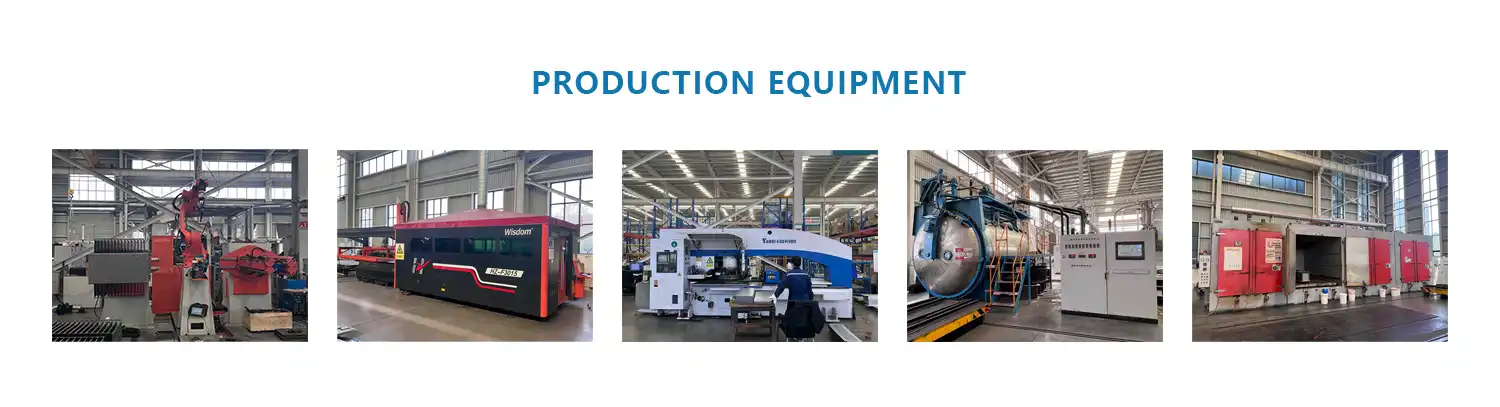
Give voltage rates, resistance values, and vector groups that match the way your distribution system is set up. The insulation class you need depends on how high you are and how much pollution you are exposed to. The compatibility of seal materials is affected by the type of oil used (conventional mineral oil vs. high-temperature hydrocarbons or synthetic esters). Ask for factory acceptance testing (FAT), which should include testing for impulse voltage, temperature rise, and tank leaks under nitrogen pressure. Our S9 transformers, which range from 30KVA to 31,500KVA, can be used for projects ranging from small substations to large industrial complexes. Our engineering team's 120+ sets of production equipment allow for flexible manufacturing, and custom specifications are created by them.
Negotiating Lead Times, Pricing, and Warranty Terms
Standard layouts usually ship between 8 and 12 weeks, but custom plans need 14 to 18 weeks to allow for technical approval and the purchase of specialised materials. When you commit to a large number of units for a job, you usually get 8–15% off the price, and the warranty coverage is expanded. Talk about performance guarantees that are tied to ratings for things like noise levels, temperature rise, and efficiency. If they aren't kept, there should be financial penalties. Make it clear what the warranty doesn't cover. For example, many manufacturers won't cover transformers that are used above their rated capacity or in corrosive environments without the right protection. Our clear pricing includes testing in the plant, quality paperwork, and a local check before shipping. There are no secret costs that make the total cost of ownership go up.
Export Regulations and Global Compliance Requirements
International exports need proof that they meet the standards of the target country. In North America, this is IEEE/ANSI, and in Europe and Asia, it's IEC. Depending on the end use, UL listing or CE marking may be needed. Export laws limit some technologies or places where they can be sent, and they require export licences that make wait times longer. Check to see if the manufacturers have the right quality certifications, such as ISO 9001 for quality management, ISO 14001 for environmental systems, and OHSAS 45001 for health and safety at work. Our full testing services and CCC certification for low-voltage parts make sure that your equipment goes through customs without any problems so that regulatory issues don't cause project delays.
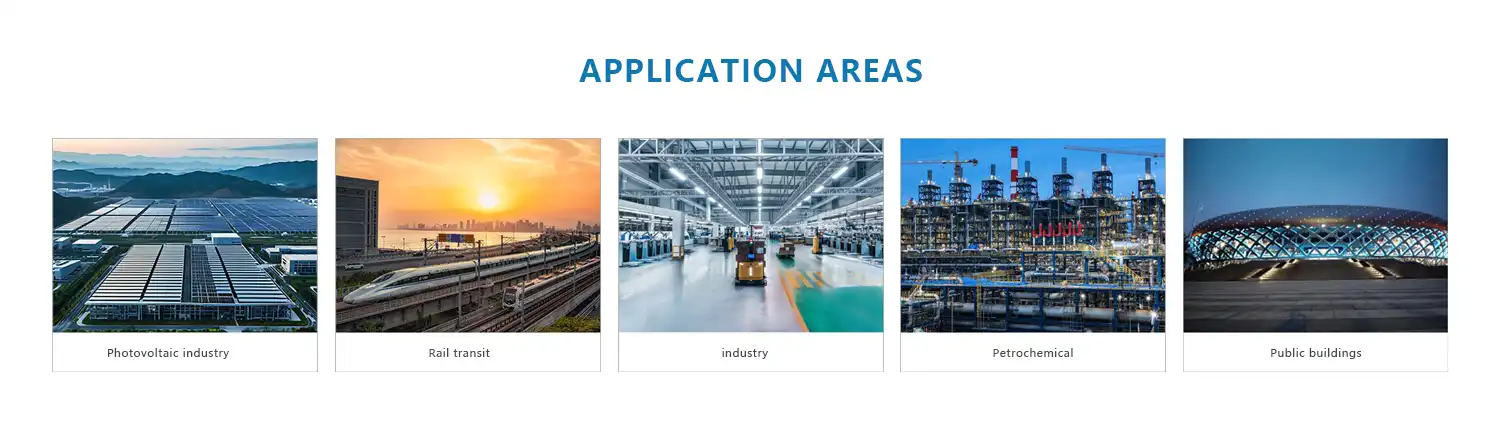
We know that procurement managers have to match technical success with delivery schedules and budgets. Tuojie has finished a huge number of big projects, such as city infrastructure, business developments, and industry facilities. Our track record at projects like the Xuzhou Rail Transit Network Control Center shows that we can provide complicated power solutions that meet strict requirements and meet deadlines.
Conclusion
Keeping an eye on oil leaks in industrial transformers is important for keeping your business running and protecting your investment. Systematic inspection routines find early warning signs before small leaks turn into major failures. When you design and maintain your equipment well, it will last decades longer than the average in its industry. Mentioning modern sealing technologies and rust-resistant materials during purchase makes leaks much less likely to happen. Your maintenance teams will feel more confident if you give them clear diagnostic steps and tried-and-true repair methods that work in Industrial oil conversion settings. Environmental compliance and worker safety depend on having the right leak containment and response protocols built into how the facility works.
FAQ
How frequently should we monitor oil levels to detect leaks early?
Check the oil levels once a month for normal installations and once a week for important transformers that support key processes. Record values in maintenance logs to set baselines for usage. Normal evaporation is between 0.5 and 1.0% per year. Drops of more than 5 mm between values should be looked into right away. Automated oil level monitors that can be monitored from afar send real-time alerts, so leaks can be fixed faster before they cause a lot of oil to be lost.
What environmental impacts result from transformer oil leaks?
Mineral generator oil gets into the groundwater and dirt and stays there for years without being cleaned up. Regulatory agencies often charge more than $50,000 to clean up small spills, and people who break the rules can also be fined. Environmental damage is kept to a minimum with secondary containment systems and quick spill response. Modern ester-based insulating fluids are biodegradable options for places that care about the climate, but they cost more at first.
Does routine maintenance truly prevent oil leakage?
Compared to "run-to-failure" methods, preventative maintenance plans cut the number of leaks by 60–75%. Checking the gaskets regularly can find air loss before leaks happen. Monitoring the oil quality finds moisture entering the system, which means the seal is breaking down. Thermographic surveys show that connections are becoming hot spots. Failures during key production times can be avoided by replacing parts on a plan based on their condition. This protects your operational schedule.
Partner with Tuojie for Reliable Oil-Immersed Power Transformer Solutions
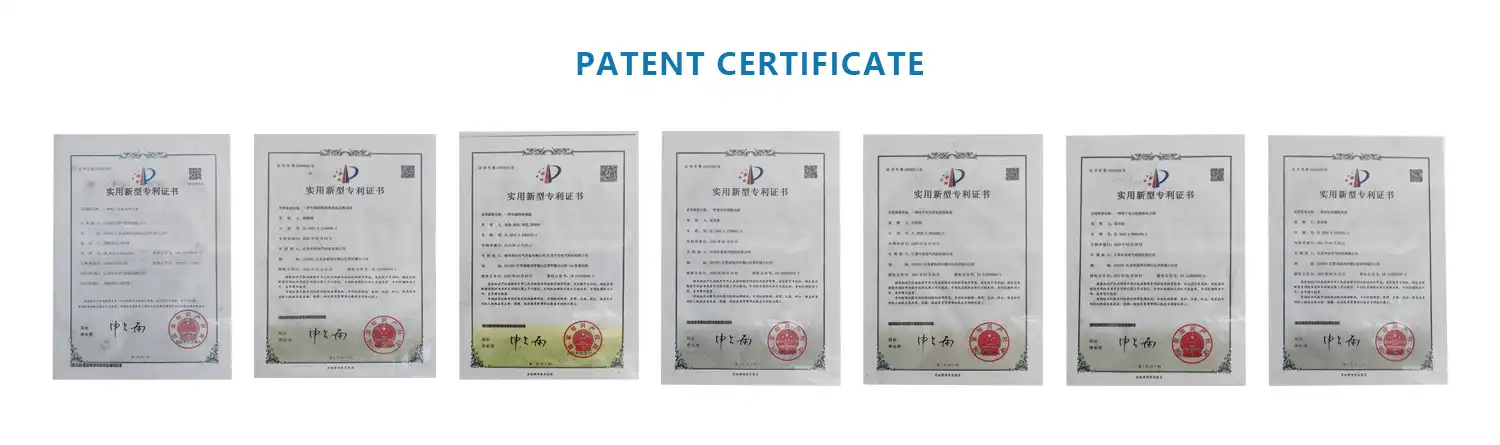
Tuojie delivers engineered power distribution systems protecting your industrial operations from costly transformer failures and oil leakage risks. Our Oil-Immersed Power Transformer for Industrial Use incorporates fully sealed corrugated tank construction, premium gasket materials, and advanced cooling designs proven across chemical plants, mining operations, and manufacturing facilities worldwide. With 18 patents protecting our innovative technologies and over 120 sets of precision manufacturing equipment, we customize solutions meeting your exact voltage, capacity, and environmental specifications. Contact our technical team at tuojie@electricinchina.com to discuss your project requirements with a trusted Oil-Immersed Power Transformer for Industrial Use supplier. We'll provide detailed specifications, competitive pricing, and delivery schedules aligned with your commissioning timeline—backed by ISO 9001 quality certification and comprehensive warranty protection.
References
1. IEEE Standards Association. "IEEE Guide for Acceptance and Maintenance of Insulating Mineral Oil in Electrical Equipment." IEEE Std C57.106-2015, Institute of Electrical and Electronics Engineers, 2015.
2. Harlow, James H. "Electric Power Transformer Engineering, Third Edition." CRC Press, Taylor & Francis Group, 2017.
3. International Electrotechnical Commission. "Power Transformers – Part 3: Insulation Levels, Dielectric Tests and External Clearances in Air." IEC 60076-3:2013, International Standard, 2013.
4. Myers, Stephen D., Kelly, J.J., and Parrish, R.H. "A Guide to Transformer Maintenance." S.D. Myers Inc., Transformer Maintenance Institute, 2018.
5. Cigré Working Group A2.37. "Transformer Reliability Survey: Interim Report." Technical Brochure 642, International Council on Large Electric Systems, 2015.
6. Prevost, Thomas A. and Oommen, T.V. "Cellulose Insulation in Oil-Filled Power Transformers: Part II – Maintaining Insulation Integrity and Life." IEEE Electrical Insulation Magazine, Volume 22, Number 2, March/April 2006.