

.webp)
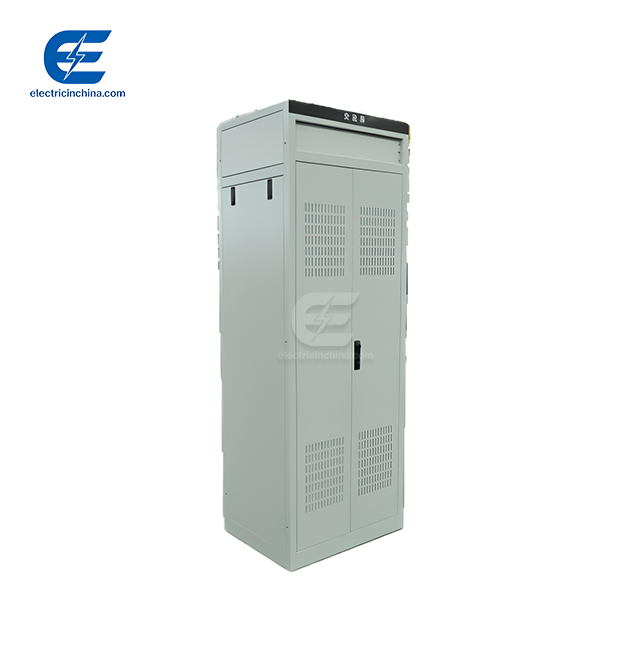
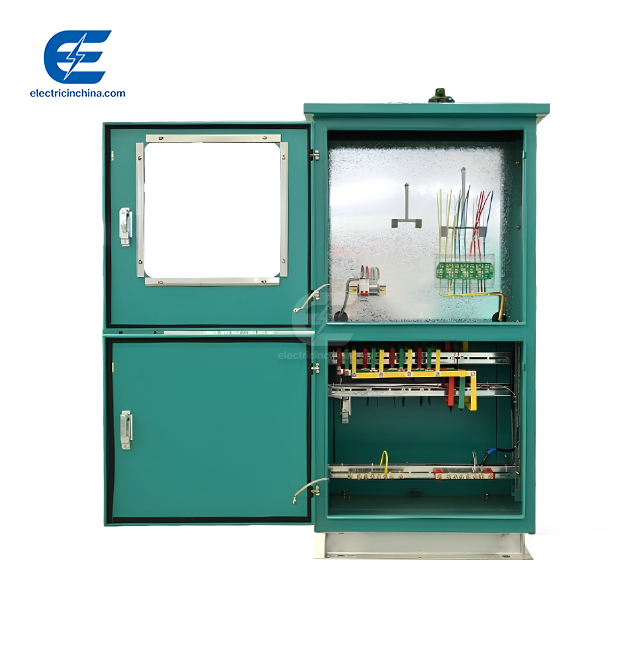
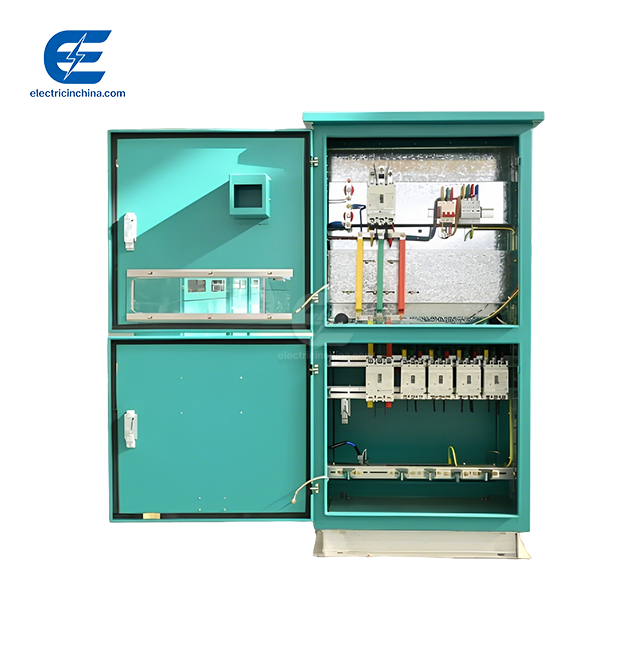
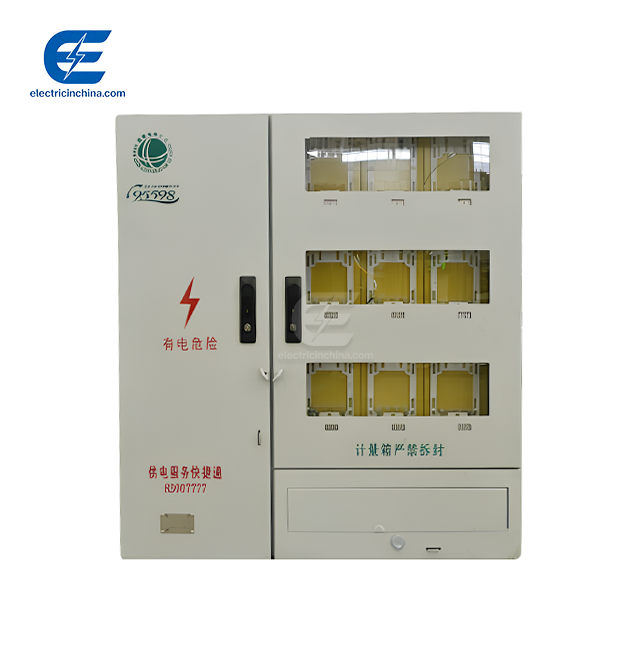
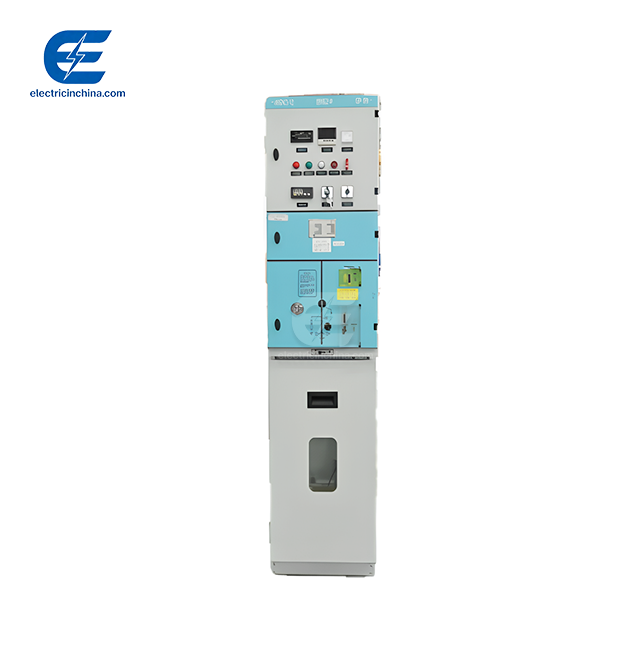
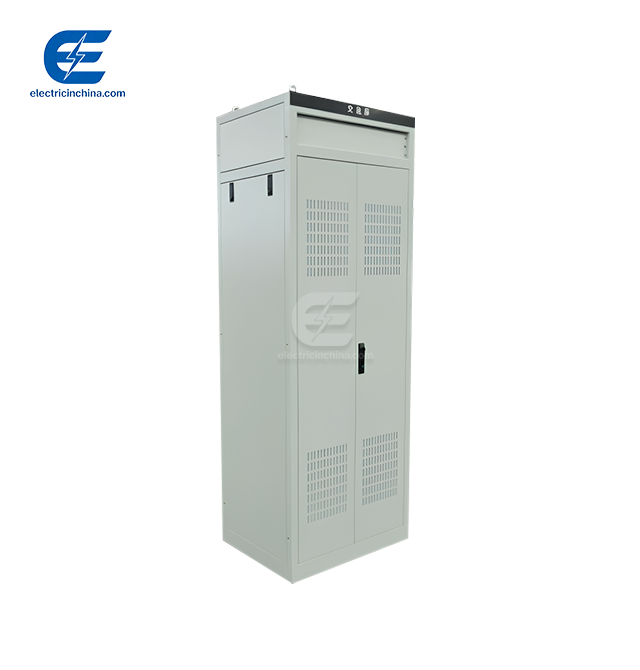
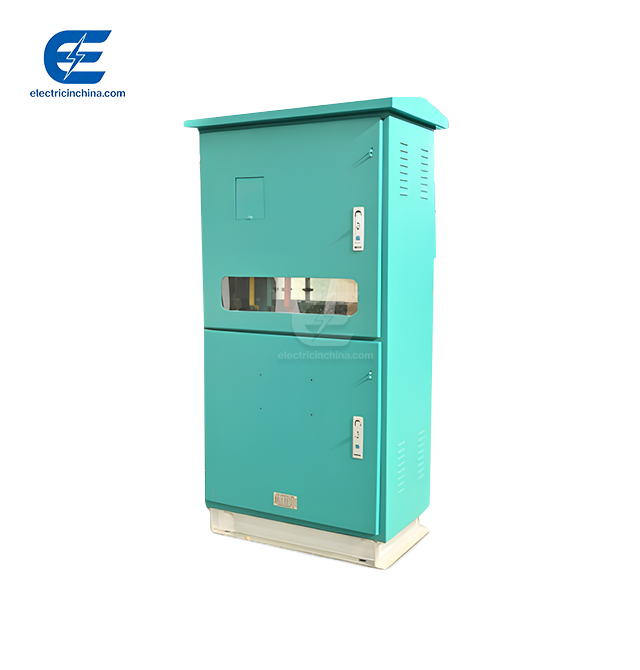
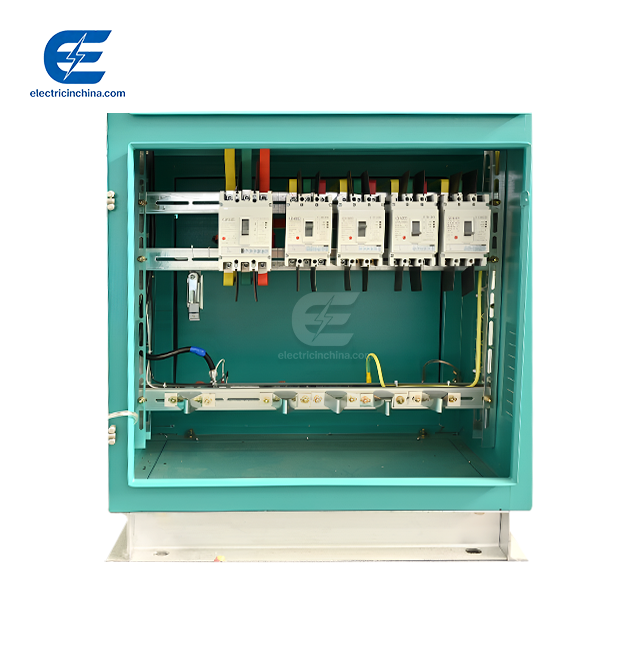
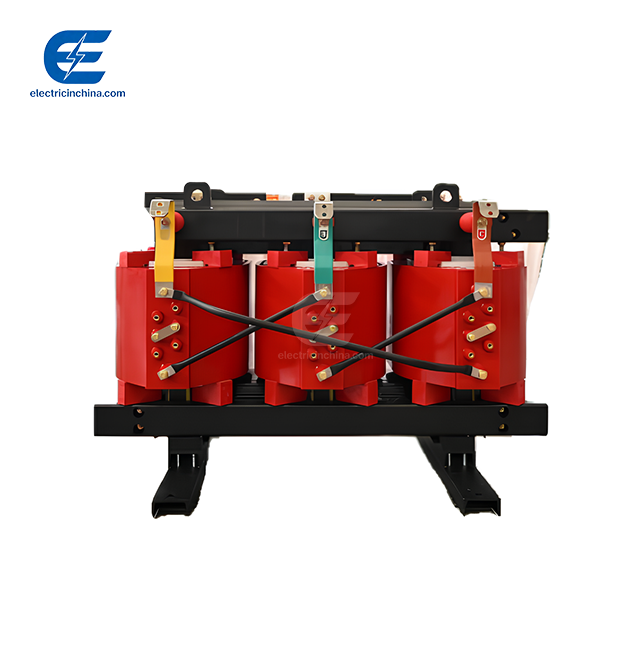
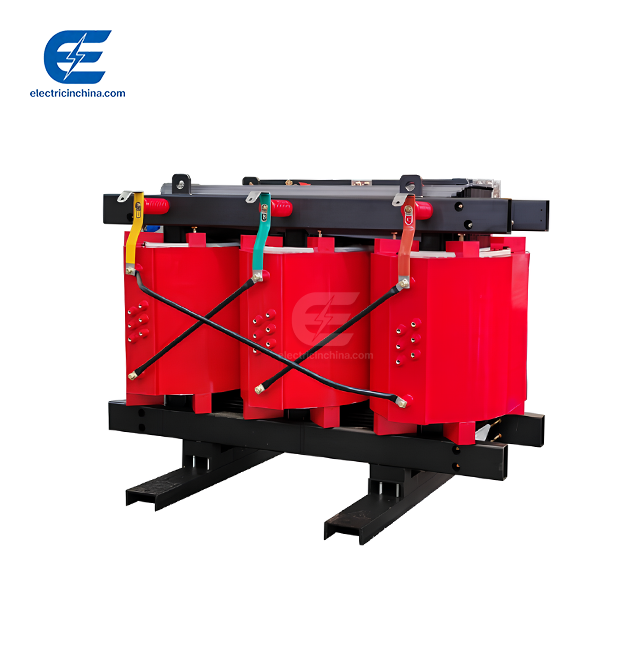
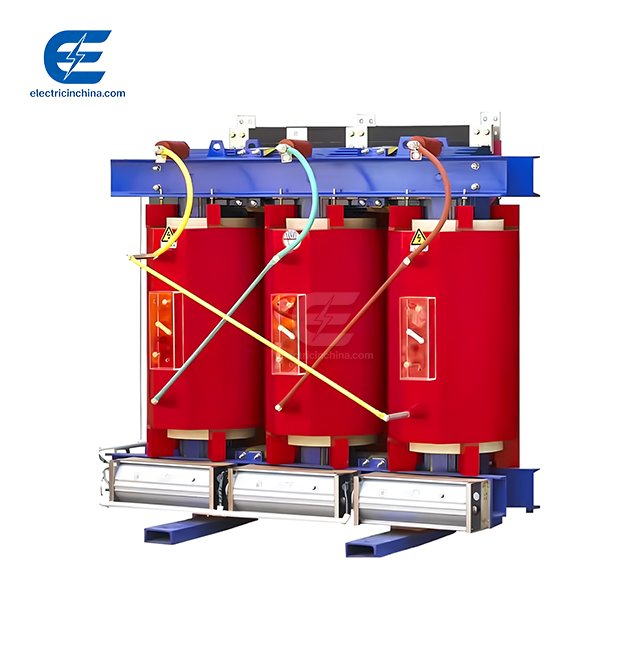
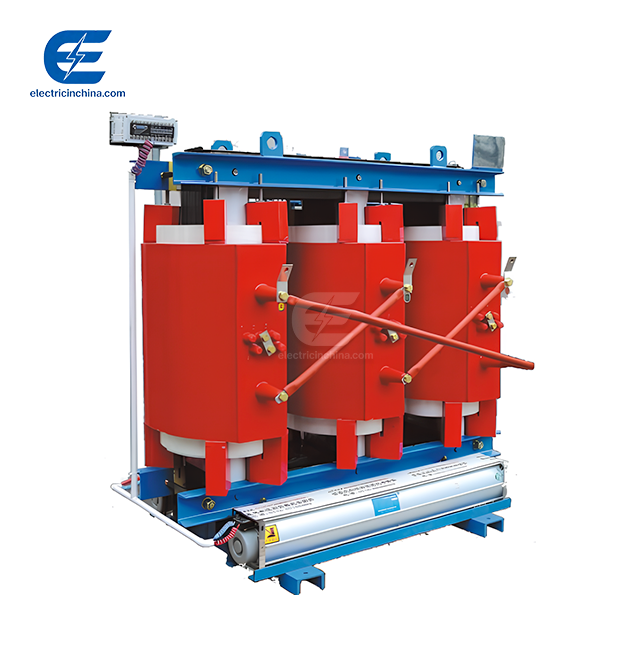
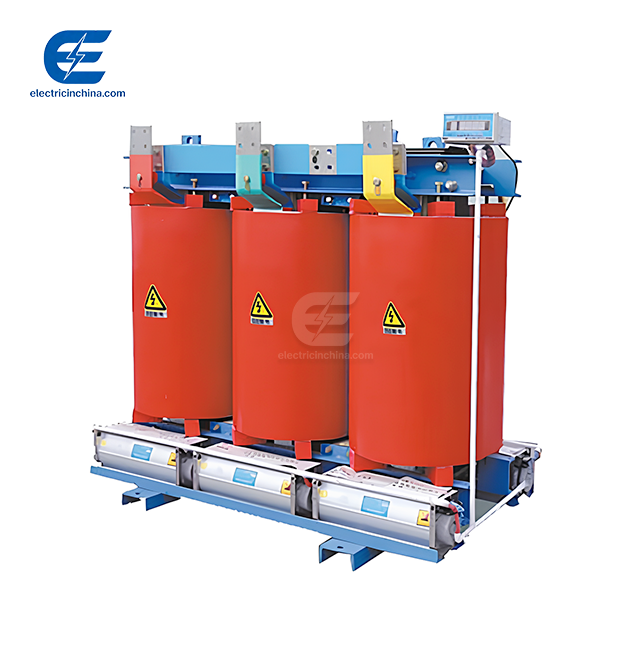
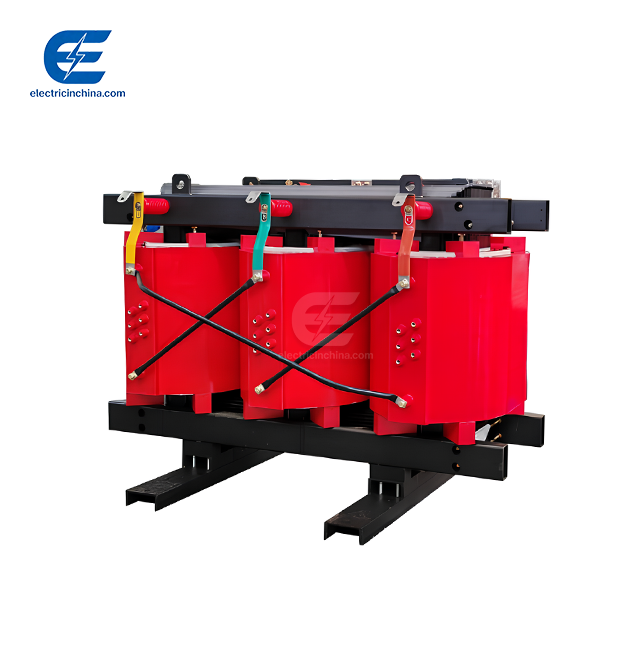
When you're budgeting for electrical infrastructure, understanding the market price of all-copper dry-type distribution transformers becomes essential. Currently, these premium units range from $8,000 for basic 30KVA models to over $180,000 for industrial-grade 2500KVA configurations. The dry-type distribution transformer market reflects copper's inherent value—superior conductivity, exceptional thermal management, and proven longevity that justifies the initial investment through decades of reliable service.
Understanding All-Copper Dry-Type Distribution Transformers
What Makes All-Copper Construction Superior?
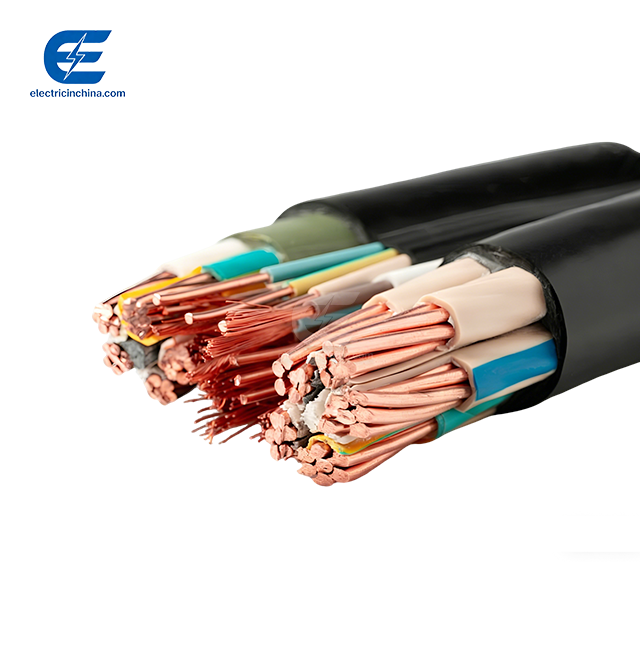
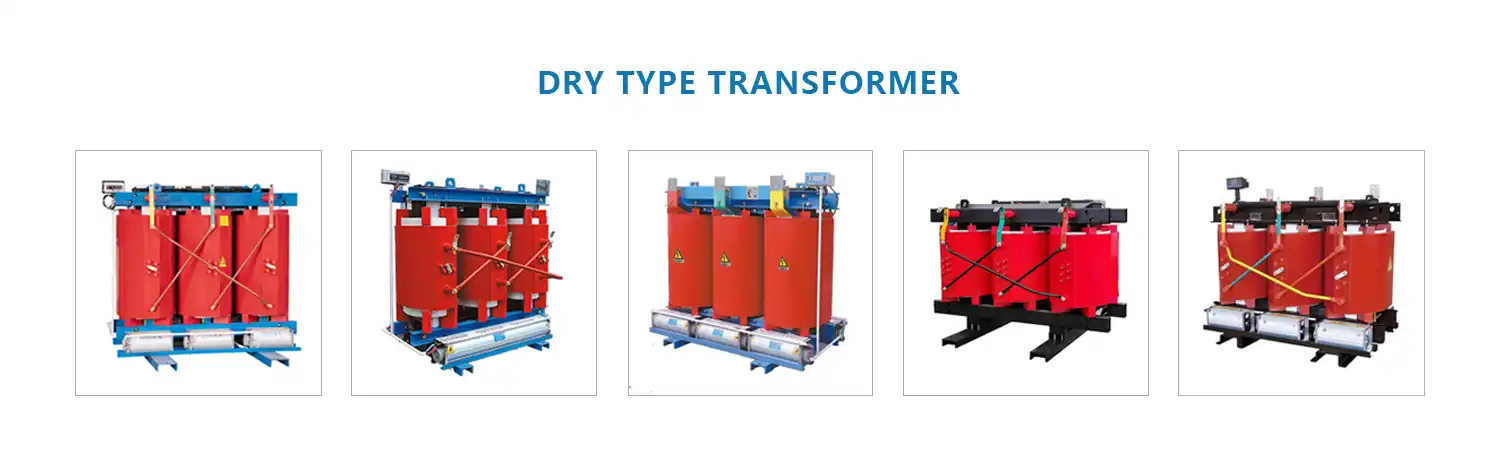
The best way to design a transformer is with all-copper windings. Copper is 60% better at conducting electricity than aluminium options, which have higher resistive losses and thermal cycle stress. This basic benefit directly affects your bottom line because it cuts down on energy waste and makes tools last longer. Because we use pure copper windings in both the main and secondary coils, our SCB series transformers have efficiency scores of 99.2 to 99.5%.
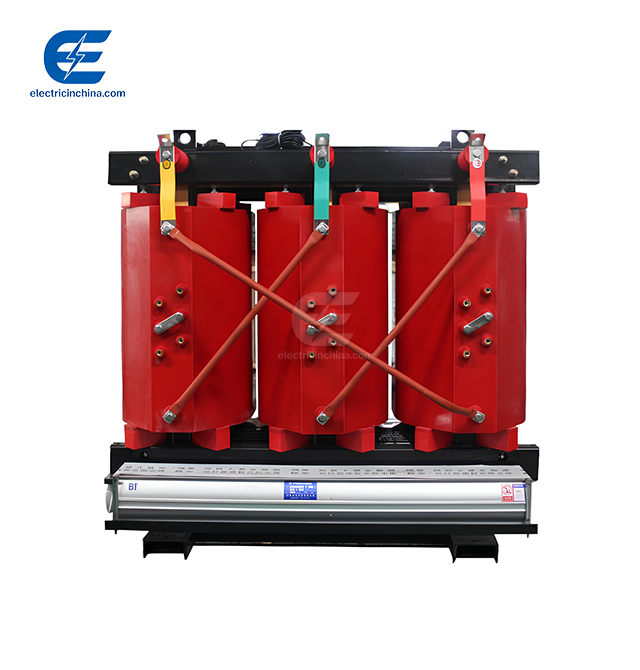
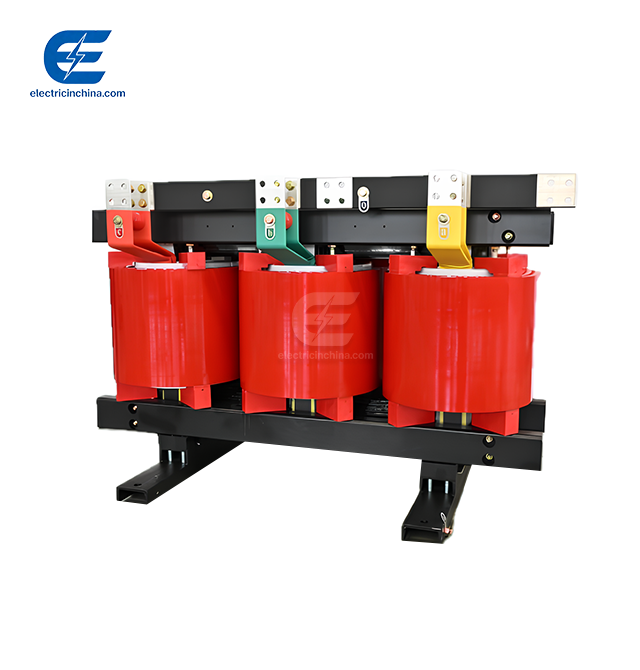
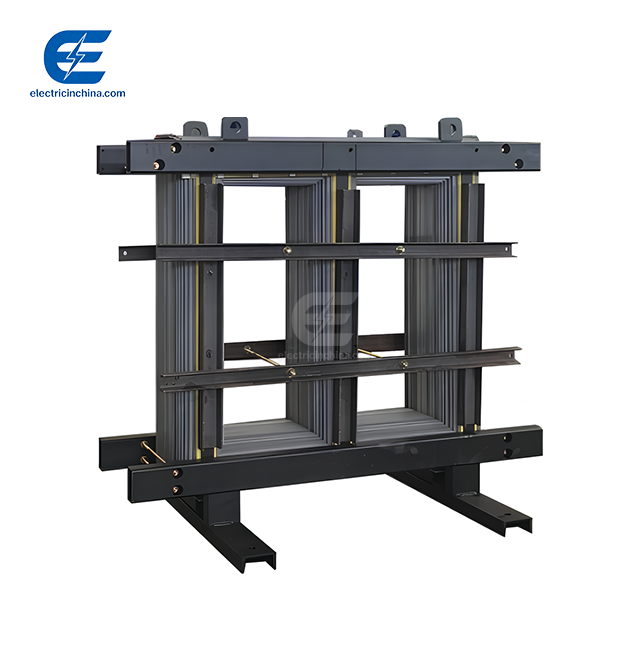
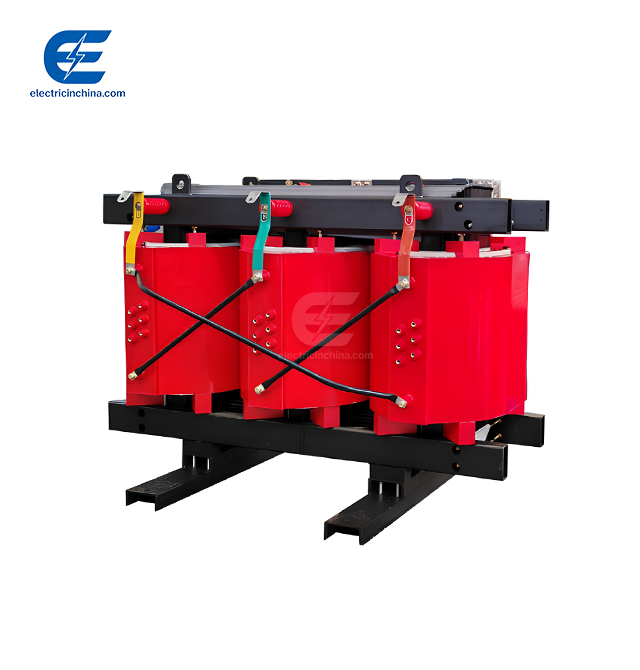
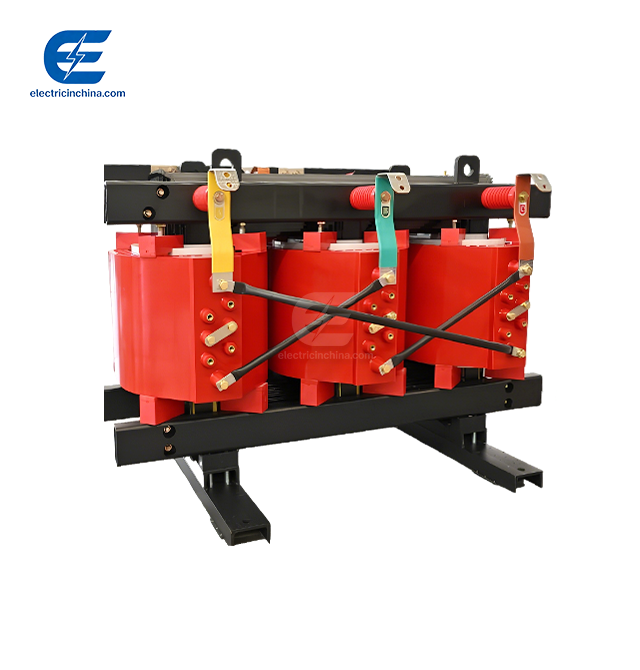
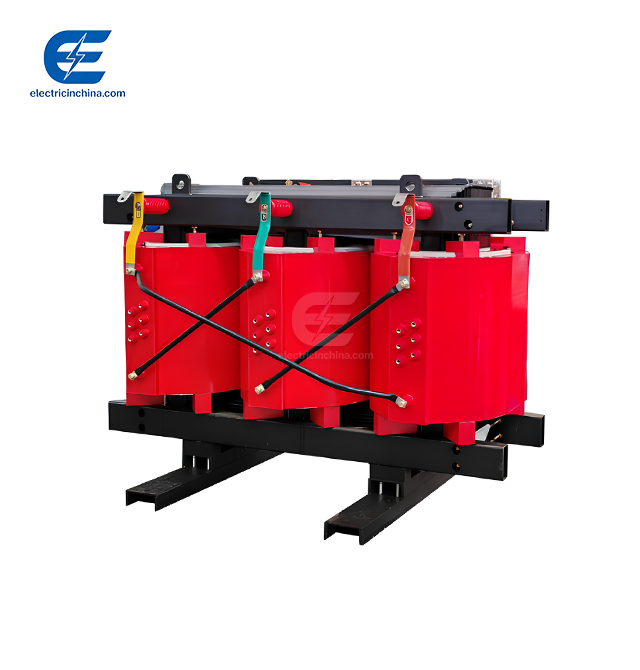
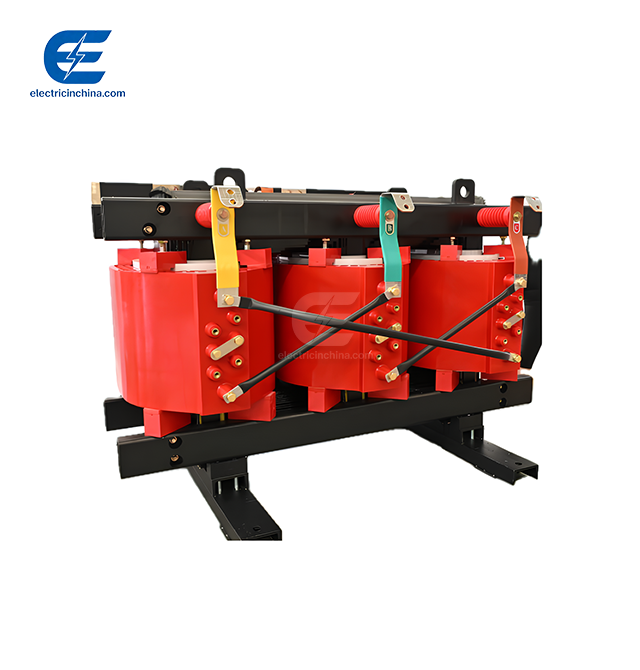
The way the building is done is just as important as the supplies. We carefully control the strain of the copper foils as we wind them, which creates regular electrical fields that reduce partial discharge. In our vacuum pressure systems, epoxy resin is injected into every layer of winding. This gets rid of any air spaces that might damage the insulation's stability. The grain-oriented silicon steel cores we recommend have low magnetising current and excellent flux density properties. They work well with copper windings to get the best performance.
How Epoxy Resin Insulation Enhances Reliability?
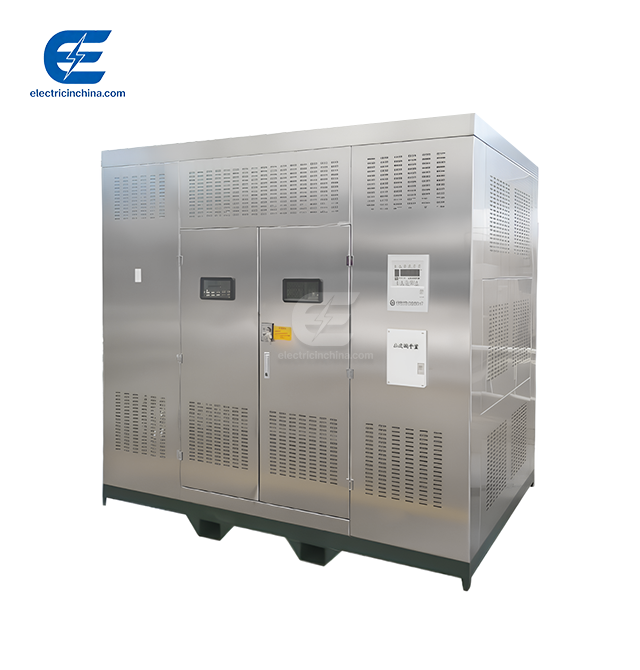
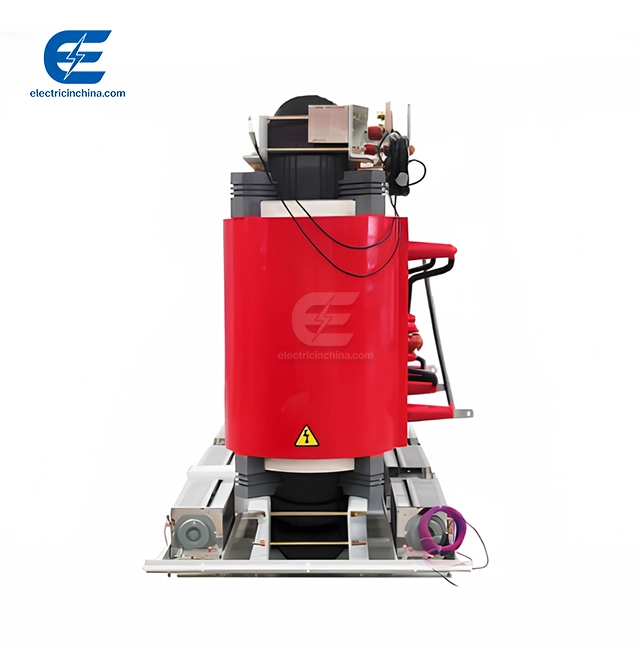
Dry-type distribution transformer technology has changed a lot thanks to epoxy resin insulation systems. We use an advanced casting method to make a single-piece insulation shield that is UL94 V-0 flame retardant. This solid insulation works perfectly in places with 100% humidity without needing to be pre-dried after shutting down. This is a huge benefit for facilities near the coast or in tropical climates where managing moisture can be hard with traditional designs.
Operational reliability is based on how stable the temperature is. Depending on the needs of your application, our epoxy formulas keep their dielectric strength from -25°C to +155°C. You can choose between Class F and Class H shielding. The thermal expansion values are very close to those of copper conductors. This keeps the metal from being stressed during thermal cycles, which happen when the load changes with the seasons and the temperature changes in the room.
Operational Efficiency Metrics That Matter
Scores for efficiency only tell a part of the story. From no-load to full-load, our transformers keep the voltage within ±2.5% of what it should be. This gives you clean power that keeps your sensitive electronics safe. Specifications for impedance voltage of 4 to 6 per cent give the best defence against short circuits and keep voltage drop to a minimum when the load changes. These electrical features are especially useful in places where loads change often or where motors need to be started up a lot.
Pay close attention to the thermal performance. For Class F systems, temperature spikes of up to 100K are the most that natural air cooling can handle for continuous-rating loads. When demand is high at your facility, forced-air cooling options let you go over 150% of your capacity without affecting the life of the insulation. Because of this, you don't have to buy bigger transformers to handle occasional peak loads. This saves money on capital costs and improves working efficiency over the lifetime of the equipment.
Factors Influencing the Market Price of All-Copper Dry-Type Distribution Transformers
Raw Material Costs and Manufacturing Complexity
Copper metal prices change based on how the global market is doing, which has a direct effect on the prices of transformers. Copper is currently selling at between $3.80 and $4.20 per pound, which is about 40 to 55 percent of the total cost of making all-copper units. The price difference between this product and aluminium-wound options is usually between 25 and 35%, but after figuring out the total cost of ownership over 25 to 30 years of service, this difference becomes much smaller.
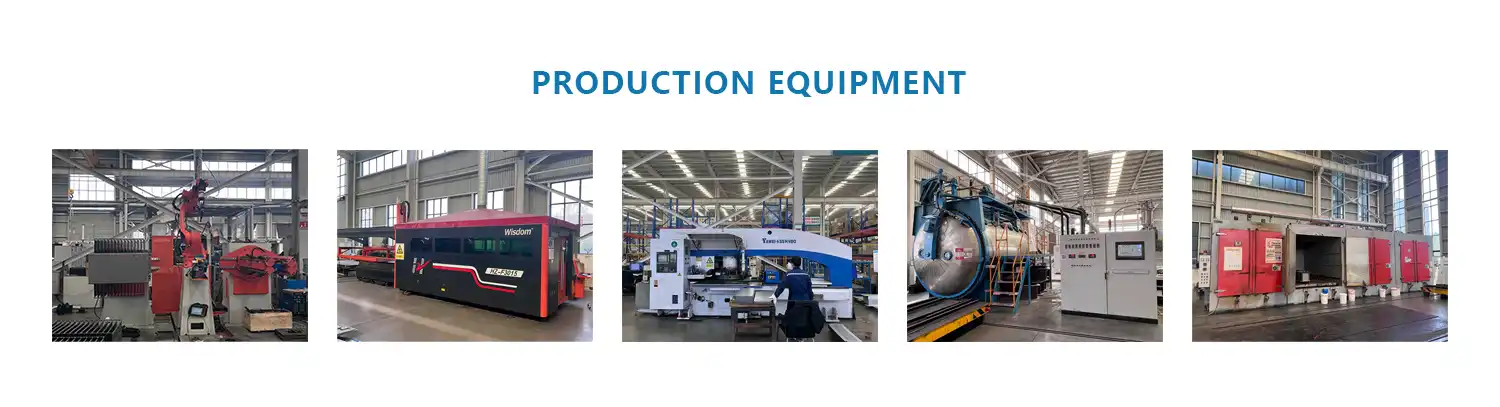
Requirements for manufacturing accuracy raise the cost of production but provide measured value. Our more than 120 specialised production units have CNC automatic winding tools that keep the tightness of the windings within a 2% range. This makes sure that the electrical properties stay the same from one production run to the next. The vacuum impregnation method using pressure needs to be cured in gradient-temperature ovens for eight hours. This adds labour and energy costs that buyers on a budget should know are good investments and not wasteful spending for a Dry-type distribution transformer.
Capacity and Voltage Configuration Impact
There is a straight link between capacity rates and pricing systems. Our 30KVA single-phase units are priced between $8,000 and $12,000 and are good for small businesses. Three-phase transformers with a medium output of 500KVA to 1000KVA usually cost between $35,000 and $65,000. This price range is ideal for many industrial and business building projects. Large infrastructure projects that need 2000–2500 kVA of power cost between $120,000 and $180,000 because the engineering is complicated and there are a lot of materials needed.
Voltage settings add another factor to the price. Specialised setups cost more than standard values of 480V/208V-120V. For primary options with voltages above 15 kV, extra insulation coordination and testing protocols are needed, which raises the base price by 8–15%. Dual-voltage secondary windings with multiple taps give you more operational flexibility, but they make manufacturing more difficult and cost an extra $3,000 to $8,000, depending on the capacity ratings.
Brand Reputation and Certification Requirements
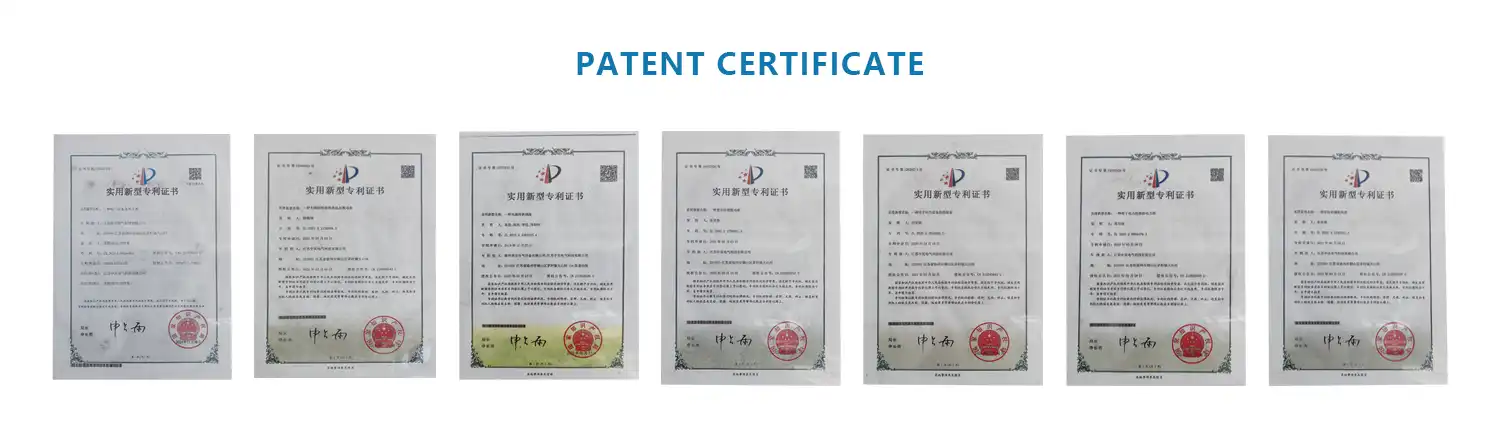
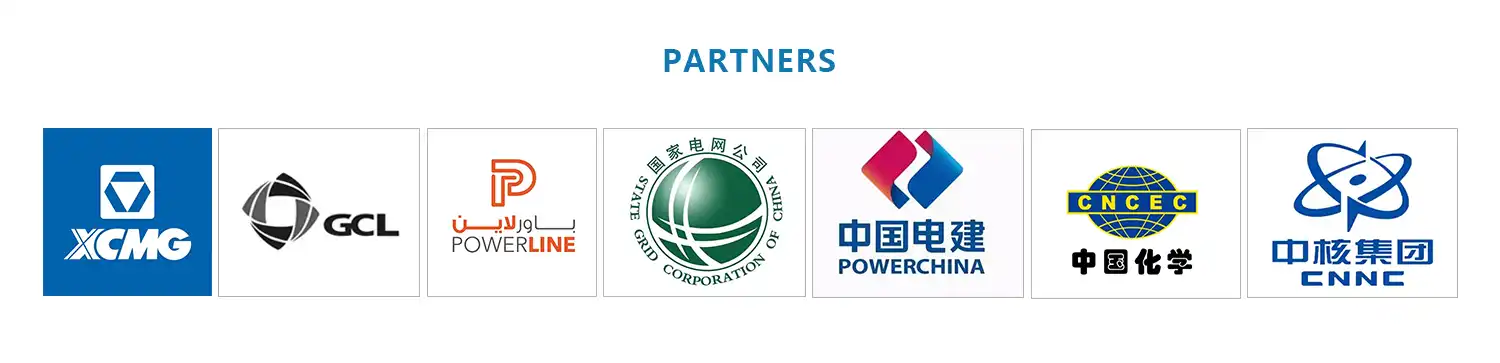
Companies that have been around for a long time and have a good reputation charge higher prices, but they can justify this with quality assurance and expert help. Our 18 patents and hundreds of finished projects, such as the Xuzhou Rail Transit Network Control Center and XCMG Group buildings, show that we are good at engineering and can lower the risk of your project. Our technology team has 15 top engineers who help with application engineering in a way that generic suppliers can't.
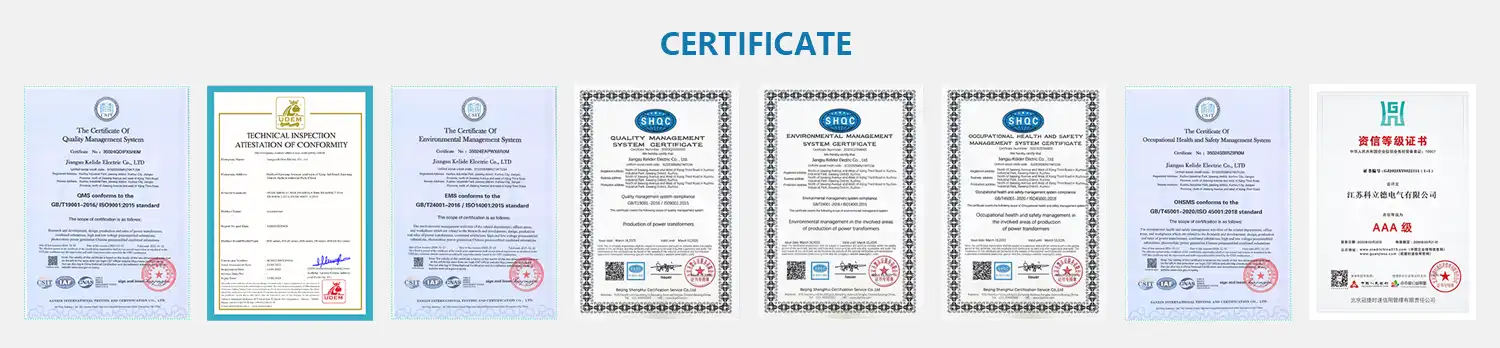
Certification compliance has a big effect on how prices are set. To get ISO 9001, ISO 14001, or OHSAS 45001 certification, you have to keep investing in your quality system, which is reflected in the price of your products. Testing for IEC 60076 approval costs an extra $2,000 to $5,000 per unit, based on the size. But these certifications make it easier to get project approvals and meet insurance standards. This means that total project costs are often lower, even though equipment costs more. Our transformers are certified by the National CCC, which is required for projects in China. They are also easy to adapt to meet the marking requirements of UL, CSA, and CE for installations in North America and Europe.
Comparing All-Copper Dry-Type Transformers with Other Transformer Types for Cost and Efficiency
All-Copper Versus Aluminum Winding Economics
The choice between copper and aluminium is about more than just the difference in the original buy price. Aluminium-wound units are 20–30% less expensive up front, which helps projects with limited capital right away. But because aluminium has a higher electrical resistance, it makes 40–60% more heat when it works, which lowers efficiency by 0.5–0.8 percentage points. For a normal 1000KVA Dry-type distribution transformer running at 60% average load, this efficiency gap costs an extra $15,000 to $35,000 in energy costs over its 25-year life.
Another cost that isn't obvious comes from thermal cycling. Aluminium and copper have very different temperature expansion coefficients, which causes mechanical stress at link points when the load changes. Over time, this stress speeds up oxidation and raises contact resistance, which causes hot spots and eventually failure. Maintenance records from our installed base show that connections on aluminium-wound transformers need retorquing every three to five years, while connections on copper units remain stable for decades without any help.
Copper's operational benefits can be seen in its ability to handle loads. All-copper designs can handle short-circuit currents up to 25 times their rated capacity without damaging the windings. Because aluminium has a lower tensile strength, it can only handle 15 to 18 times the maximum current in a short circuit. This means that safety coordination has to be more conservative, which may make the system less flexible. Your electrical engineers will like how well copper handles faults when the system goes down.
Dry-Type Versus Oil-Filled Transformer Comparison
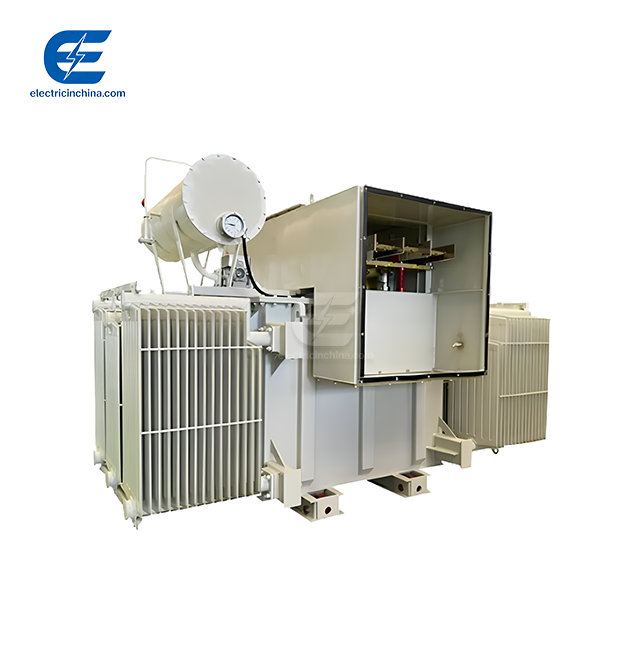
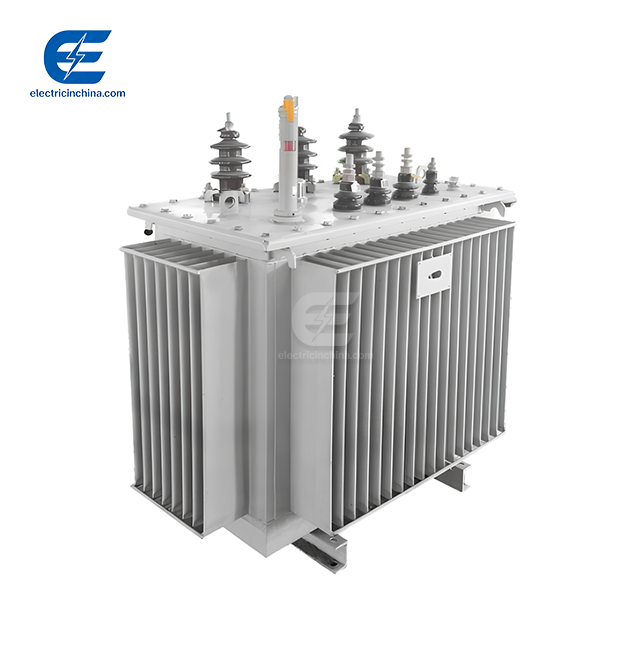
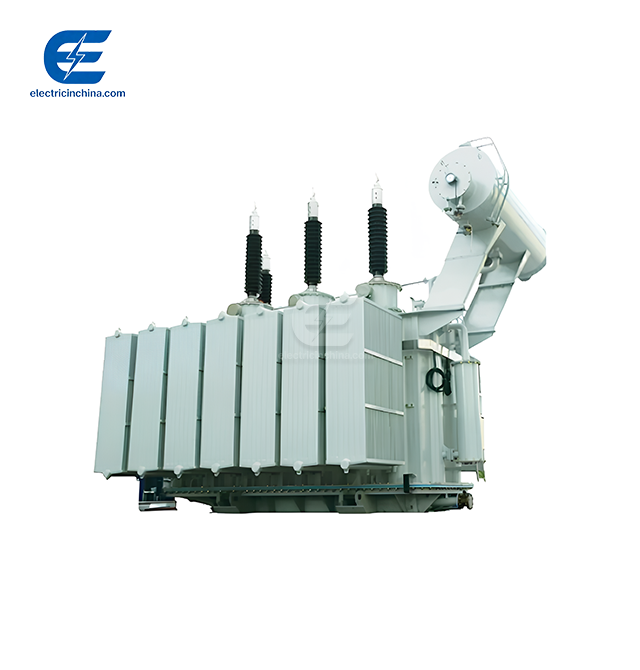
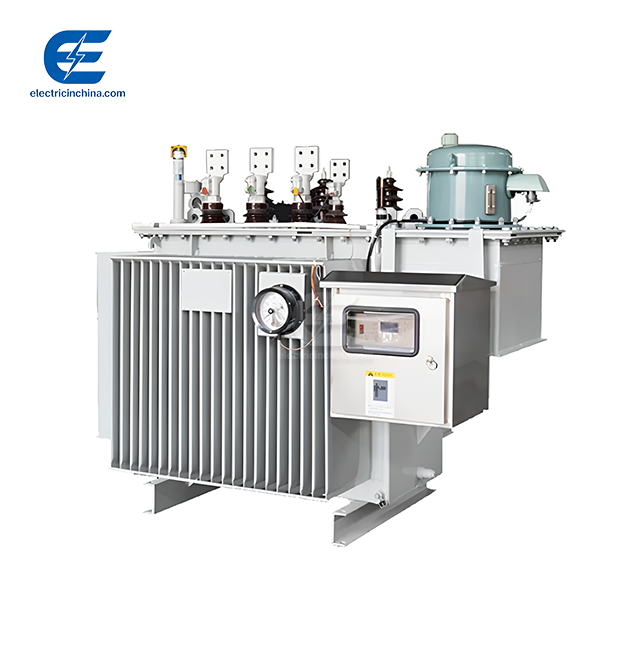
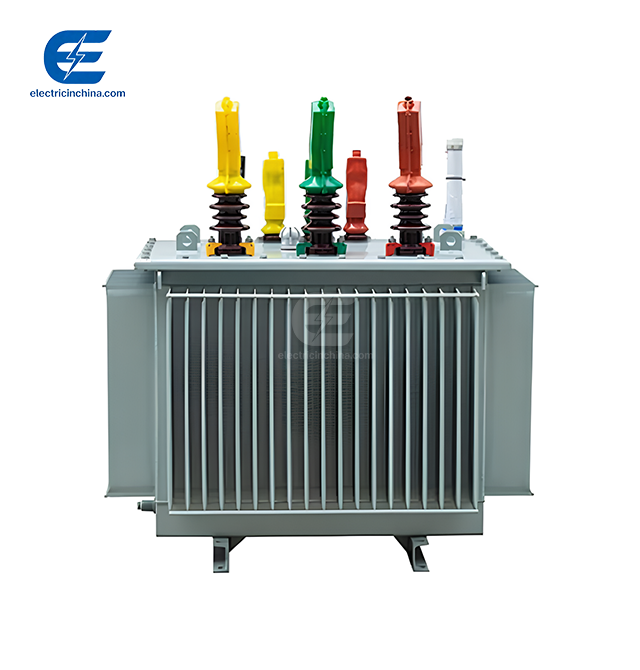
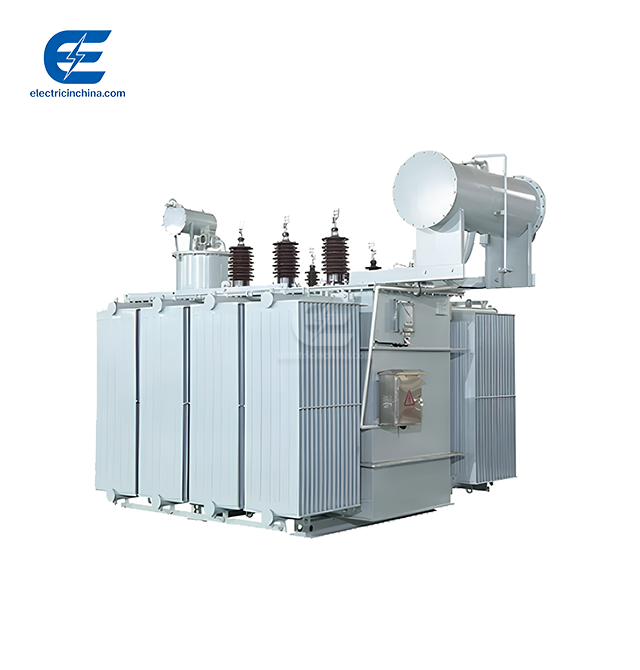
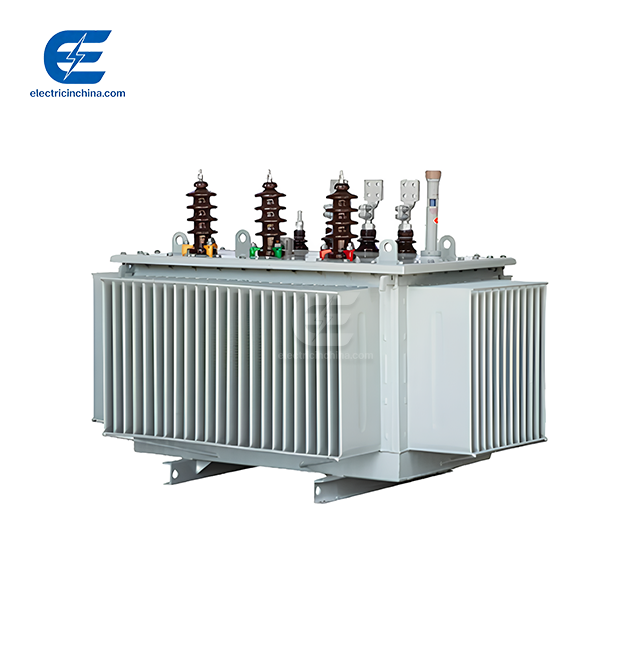
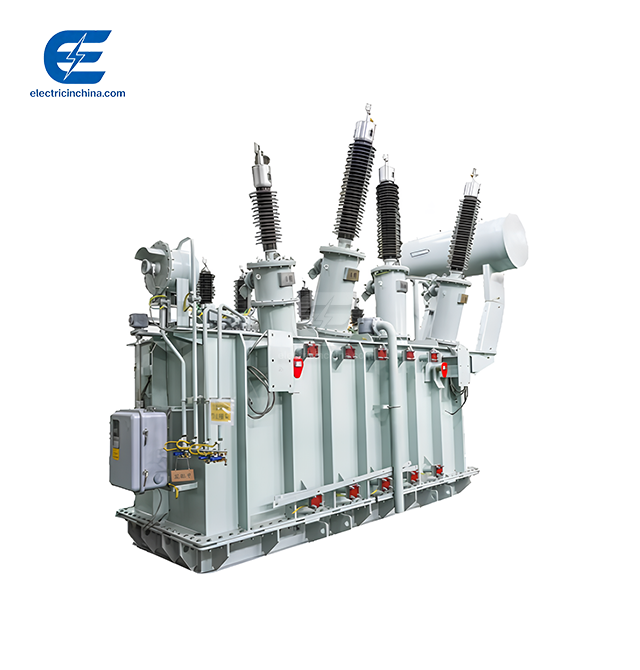
When you first buy them, oil-filled transformers usually cost 15–25% less than similar dry-type units. Mineral oil's ability to cool quickly makes it possible for small designs to have great thermal performance. But because of fire safety concerns, oil-filled options can't be used inside most of the time. Building rules limit where installations can happen and require separate generator vaults with fire control equipment, oil containment systems, and blast venting. These building needs often outweigh the savings on equipment costs.
Environmental laws are favouring dry-type technology more and more. Oil-filled units need to have their dielectric fluid tested, filtered, and then thrown away as toxic waste on a regular basis. If something catastrophic fails, the soil could become contaminated, and the costs to clean it up could reach $100,000 to $500,000. These environmental problems are completely gone with our epoxy resin insulation. Our IP54/IP65 container grades let you put them in places like chemical plants, drug factories, and food processing plants where contamination control doesn't allow liquid-filled equipment.
The costs of maintenance strongly favour dry-type systems. Transformers that are filled with oil need to have their oil sampled, dissolved gas analysis, and filtration done regularly. For medium-capacity units, these ongoing costs add up to $2,000 to $5,000 a year. Our transformers only need to be looked at and tested electrically once a year, which usually costs less than $500. The extra cost of dry types is worth it for most commercial and light industrial uses because they last 25 to 30 years on average and don't need as much maintenance.
Cast Resin Technology Return on Investment
Our SCB line cast resin transformers provide a measured return on investment (ROI) through several value streams. When compared to normal efficiency options, the 99.2% to 99.5% scores save $3,000 to $8,000 a year on energy costs. For noise-sensitive areas, sound levels below 50dB get rid of the need for acoustic enclosures that cost more than $5,000 to $15,000. The small size cuts the need for 20–30% more space in the power room, making more room on the floor for equipment that makes money.
Metrics for reliability directly lead to lower costs. Our design life of 25 to 30 years with little maintenance means that our lifecycle costs are 30 to 40 per cent lower than those of alternatives that need to be refurbished or replaced earlier in their lives. The self-extinguishing epoxy insulation gets rid of the need for a fire suppression system, which saves $10,000 to $25,000 in installation costs. Insurance companies often lower the premiums of buildings that use dry-type transformers by 5 to 15 per cent. This saves the business money over time.
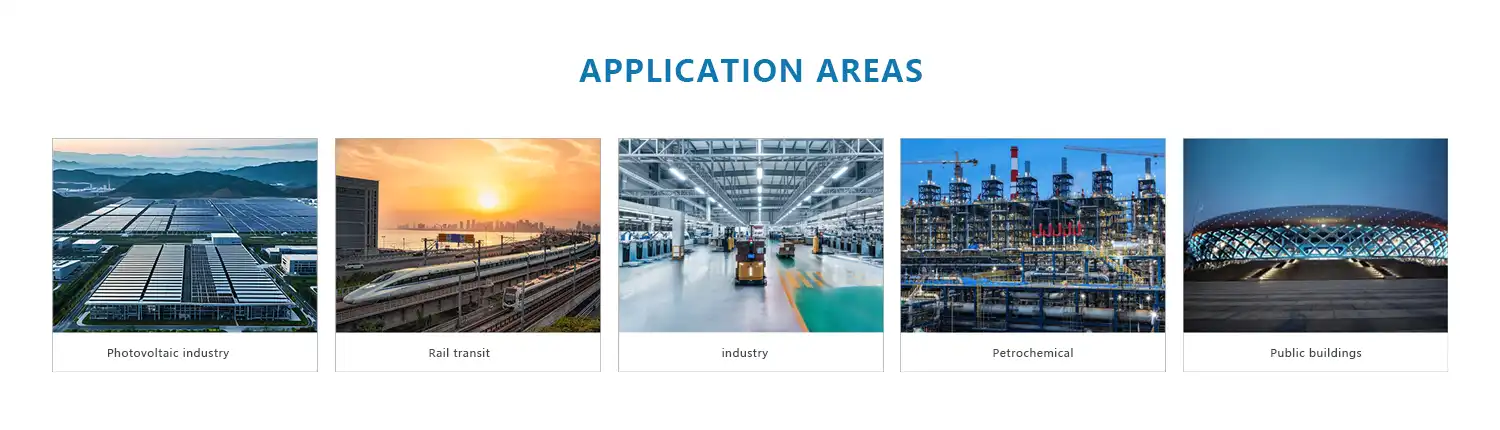
Project case studies show how useful they are in the real world. For the Xuzhou High-speed Railway East Station project to go smoothly, important transportation facilities had to be completely reliable. Extreme weather and high usage rates didn't affect our transformers at all, so there weren't any service interruptions that would have spread through the regional transport network. The Xuzhou New Health Hospital installation put patient safety and infection control first. Our fire-safe, maintenance-free design fit the needs of the healthcare facility perfectly and helped us meet tight project deadlines.
How to Evaluate and Procure the Best All-Copper Dry-Type Distribution Transformer?
Essential Technical Specifications to Verify
Ratings of efficiency need more than just a quick look at the numbers. It is more important to look at the actual efficiency curve than the peak efficiency specifications. Ask for certified test reports that show efficiency at 25%, 50%, 75%, and 100% load conditions. Our transformers stay 99.0% or more efficient from 35 to 100% load, which is better for real-world use than units that are only designed to be efficient at full load. The results of the partial discharge test should show less than 10pC at 1.5 U m voltage stress levels, which means the insulation is very good for every Dry-type distribution transformer.
Specifications for temperature rise have a direct effect on how long equipment lasts. With a temperature rise of 100K, Class F insulation works well enough for most uses. Class H systems that can handle 125K are good for harsh settings or situations that need the highest extra capacity. Check that the temperature rise numbers given are based on real measured hotspot temperatures and not normal winding temperatures. This is a big difference that affects how long you think the insulation will last.
The ability to withstand short-circuits protects your investment when there is a fault. For copper-wound units, specification sheets should list withstand values up to 25 times the maximum current. Instead of asking for calculated values, ask for proof of tested compliance. Actual physical testing shows mechanical strength that calculations might overestimate. Our quality control lab regularly tests production units for short circuits, which is written proof that they are mechanically strong.
Supplier Qualifications and Support Capabilities
Premium suppliers are different from basic suppliers because they offer technical help. Look into whether the company hires application experts who know what your industry needs. Our 15 senior engineers and 30+ intermediate technicians do application engineering before the sale, unique solution design during the sale, and technical help after the sale. This knowledge is very helpful when changing standard products to fit specific project needs or fixing problems that come up in the field.
Quality management systems show that the way things are made is consistent. ISO 9001 certification shows that methods are written down and that processes for ongoing growth are in place. Our quality control includes checking the raw materials as they come in, checking the work in progress at 12 control points, and testing the finished product with regular impulse voltage tests, partial discharge measures, and temperature rise checks. Each transformer gets its own test certificate that shows the real measures of its performance.
Having experience with a project gives you confidence in the supplier's skills. Look at examples of projects that are similar to yours in size and purpose. We have done hundreds of installations in the commercial real estate, municipal infrastructure, and industrial manufacturing sectors. We met the Xuzhou Rail Transit project's needs for dual-circuit redundancy and earthquake qualification on time and on budget. We met the tight delivery dates for the XCMG Group installations by planning production better and coordinating logistics better.
Negotiation Strategies for Competitive Pricing
When you commit to a volume, you can get big cost cuts. When you order more than one unit for a big project, you usually get 8–15% off the single-unit price. Manufacturers can make the most of their production runs when they have multi-year supply deals with staggered delivery schedules. This saves us money, which we share with our key customers. Our planning for capacity makes room for big orders without affecting delivery times for current responsibilities.
Specification optimisation finds the best mix between speed and cost-effectiveness. Customisation takes more time and money for engineering and tools; normal catalogue ratings are 10–20% less expensive than unique specs. But custom voltage ratios or impedance values could get rid of the need for external accessories, which would save money on the whole system. Our engineering team works with your planners to find ways to improve things that lower the total cost of installation while still meeting all the needs of the system.
The rules of payment affect how prices are set. Flexible suppliers meet the cash flow needs of projects by billing in stages based on manufacturing milestones. Our usual terms include a 30% deposit, 60% before shipment, and 10% retention after approval. These payment plans are similar to those used by most EPC contractors. Early payment discounts of 2% to 3% are given to customers with strong balance sheets who want to save money right away.
Maintenance Tips and Ensuring Long-Term Value of All-Copper Dry-Type Transformers
Routine Inspection Procedures
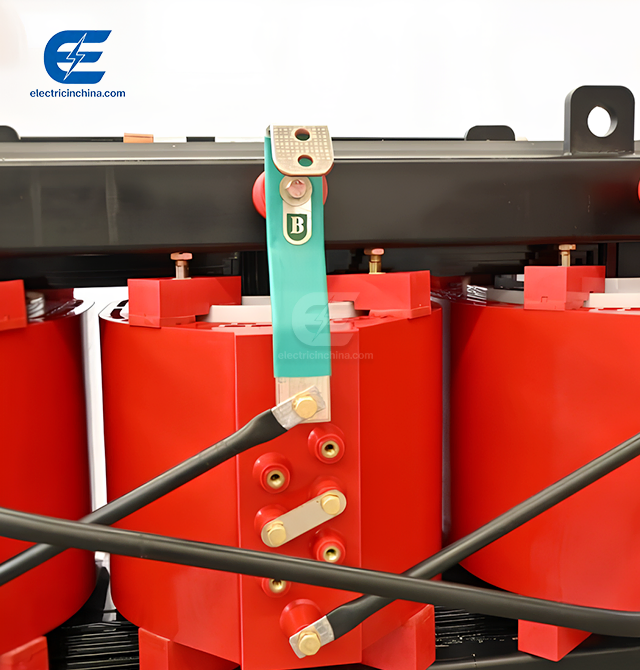
Visual checks once a year find problems as they start to happen before they become major problems. Check the surfaces of epoxy coating for cracks, discolouration, or tracking marks that could mean electrical stress. Check the connections between the bushings for signs of corrosion or overheating. Make sure that dust or stored items don't get in the way of the cooling air pathways. These easy checks don't take long and can save you a lot of money in problems.
Thermal image studies find growing hotspots that can't be seen with the naked eye. Do polls every year when the load is more than 60% of the maximum capacity. If the temperature difference between stages is more than 10°C, it means that the loads aren't adjusted or that the connections are breaking down, which needs to be looked into for any Dry-type distribution transformer. Our foil-wound design ensures even current flow and consistent temperature patterns when it's working right; any variations mean that more work needs to be done.
Electrical testing proves that the protection system is working properly. Every year, use a 1000V megohmmeter to check the insulation resistance. Values above 1000 megohms mean the state is very good. Readings below 100 megohms point to moisture uptake or insulation breakdown that needs more research. Power factor testing according to IEEE standards gives more diagnostic information for units that are working in harsh conditions or under unusual electrical stress.
Troubleshooting Common Issues
Strange working sounds could mean that the core laminations are loose or that there is mechanical resonance. During normal use, our sound-dampening systems keep levels below 50dB. Look into any quick changes in sound quality or noise levels. Most mechanical noise problems can be fixed by retorquing the core bolts. We include instructions for this process in the operation guides that come with every transformer.
If something is overheating beyond the nameplate temperature rise limits, it needs to be fixed right away. Check to see if the load has gone over the stated limit. Check the flow of cool air—many problems with overheating are caused by clogged ventilation rather than problems with the equipment. Make sure the temperature in the area stays within the limits given. Our units can work in temperatures up to +40°C, but higher temperatures mean they need to be downrated or have better cooling.
When electrical safety nuisance trips, it means that there are problems with harmonics or voltage control. Modern buildings with LED lights, variable frequency drives, and switching power supplies create harmonic currents that are hard for old transformers to handle. These nonlinear loads can be handled by our K-factor-rated designs. Contact our technical team if you're having a lot of protection tasks. We'll look at your load factors and suggest the best options.
Warranty Coverage and Manufacturer Support
Full guarantee terms protect your investment during the important early service time. Our normal guarantee lasts for 24 months after the product is put into service or 30 months after it is shipped, whichever comes first. Coverage includes problems with the materials, the work, and the design. We keep extra parts on hand so that we can respond quickly. Crucial parts are shipped within 48 hours to keep downtime to a minimum in the unlikely event that a guarantee claim is made.
Longer guarantee choices are good for companies that don't like taking risks. Five-year comprehensive coverage costs approximately 4-6% of equipment value, providing budget certainty and eliminating unexpected repair expenses. Based on our installed base data, failure rates were less than 0.2% in the first five years. This means that longer warranties are a good financial idea for mission-critical uses where downtime costs more than the cost of fixing the equipment.
Technical help goes beyond the time of the guarantee. Our customer service team answers questions in four work hours or less. Senior engineers pay attention to application questions that are hard to answer. As part of their field service, they can help with installation, training for regular upkeep, and troubleshooting. This ongoing connection makes sure that you get the most out of your investment for the full 25–30-year lifecycle of the tools.
Conclusion
For businesses that value dependability, safety, and long-term value, Resin-insulated dry-type transformer all-copper distribution transformers are wise investments. Prices on the market range from $8,000 to $180,000, depending on the capacity needed and the specifics. Copper's natural benefits support higher prices than aluminium alternatives. The operational benefits, such as fire safety, environmental compliance, easy maintenance, and higher efficiency, make the investment well worth it. Procurement success depends on carefully evaluating suppliers based on their technical skills, quality systems, and support infrastructure. Our SCB series Resin-insulated dry-type transformers offer enterprise-level performance backed by decades of project knowledge. They are made with tried-and-true technology and the best craftsmanship.
FAQ
How do copper windings improve transformer performance?
Copper is 60% better at conducting electricity than aluminium. This lowers resistive losses and raises efficiency by 0.5 to 0.8 percentage points. The lower electrical resistance lowers the production of heat, which lets the insulation handle more weight and last longer. Copper can handle up to 25 times its maximum current in short-circuit mechanical forces, while aluminium can only handle 15 to 18 times that amount. These physical traits directly lead to higher dependability and lower lifetime costs for a Dry-type distribution transformer.
What factors cause price fluctuations in the transformer market?
The main variable is the price of copper, which affects 40 to 55 percent of the cost of making something. Copper prices around the world change with the business cycles, the needs of industries, and the amount of copper mined. Prices are greatly affected by capacity rates, power requirements, and the need for customisation. Costs of certification compliance depend on the market you're trying to reach. For example, IEC, UL, and CCC rules all add testing and paperwork costs. Making factories more efficient and running more of them at once can help strategic customers save money by lowering costs.
Are all-copper transformers cost-effective versus aluminum alternatives?
Even though the original investment is higher, lifecycle analysis clearly shows cost benefits. For normal 1000KVA systems, better efficiency saves $15,000 to $35,000 in energy costs over 25 years. Compared to oil-filled alternatives, lower maintenance costs save $2,000 to $4,000 a year. A longer service life means no more replacement costs in the middle of its life. Fire safety and environmental benefits keep you from having to pay for expensive equipment and insurance. Total cost of ownership calculations always show that all-copper dry-type designs are better for commercial and light industrial uses.
Partner With Tuojie for Your Next Dry-Type Distribution Transformer Project
With quality All-Copper Dry-type distribution transformer units built for long life, Xuzhou Tuojie International Trade Co., Ltd. is ready to assist you with your electrical infrastructure needs. Our SCB series units are reliable enough for your most important projects, and they've been used successfully in hundreds of setups, as shown by their ISO 9001 certification. Our 15 top engineers will work directly with your team to find the best specs and prices, whether you need normal catalogue ratings or custom solutions. You can email our Dry-type distribution transformer seller team at tuojie@electricinchina.com to get full technical details, reasonable quotes, and brochures that you can download. Visit electricinchina.com to see our full line of transformers and learn how our 20+ years of experience making the best products can help your next project succeed.
References
1. "Electrical Power Transformer Engineering: Design Specifications and Performance Analysis," CRC Press Technical Publications, Third Edition, 2021.
2. "Distribution Transformer Handbook: Efficiency Standards and Cost Optimisation Strategies", IEEE Power and Energy Society, 2022.
3. "Copper Versus Aluminum in Electrical Applications: A Comprehensive Lifecycle Cost Analysis", International Copper Association Technical Report, 2020.
4. "Dry-Type Transformer Technology: Materials Science and Thermal Management Innovations," Journal of Electrical Engineering and Technology, Volume 16, Issue 4, 2021.
5. "Procurement Best Practices for Industrial Electrical Equipment: Supplier Evaluation and Risk Management," National Electrical Manufacturers Association Guidelines, 2023.
6. "Environmental Impact and Safety Standards for Modern Distribution Transformers," IEC Technical Standards Committee Report 60076-11, 2022 Revision.