

.webp)
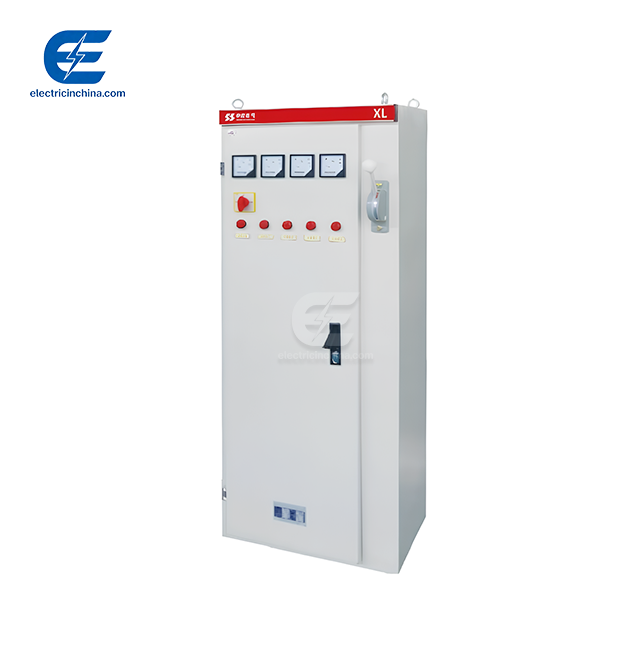
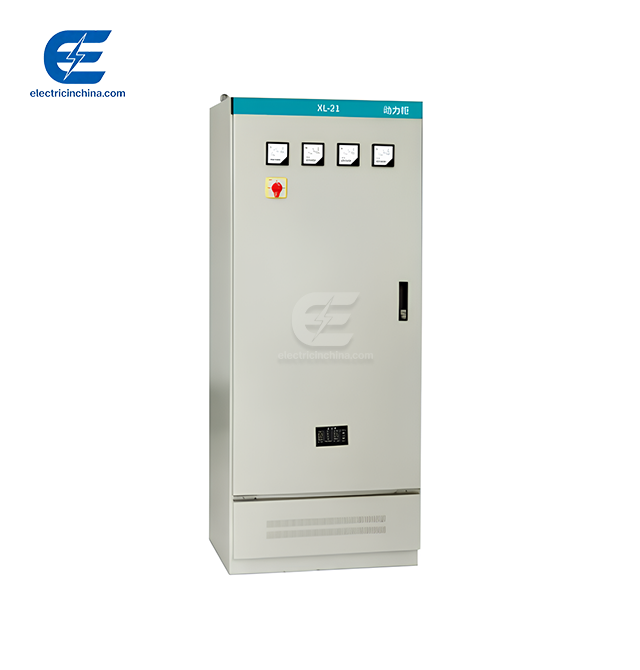
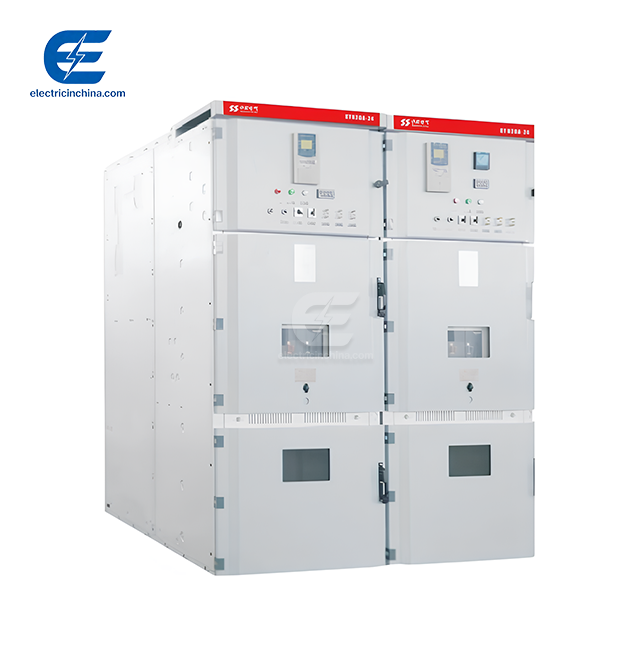
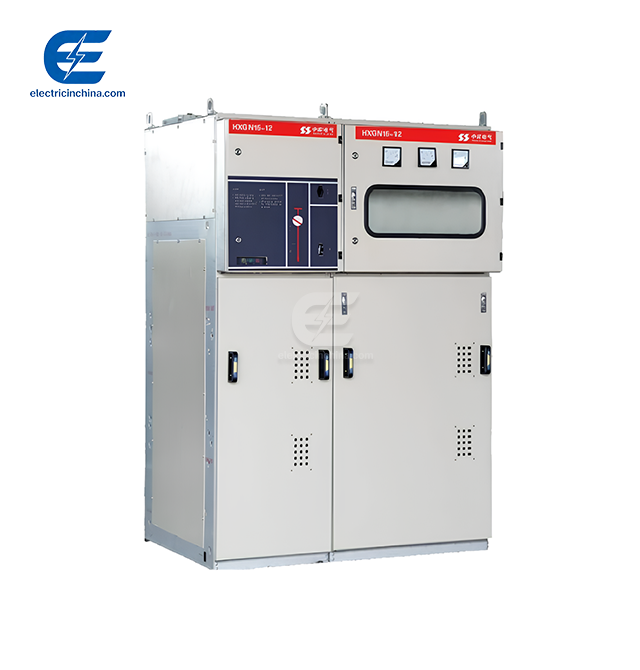
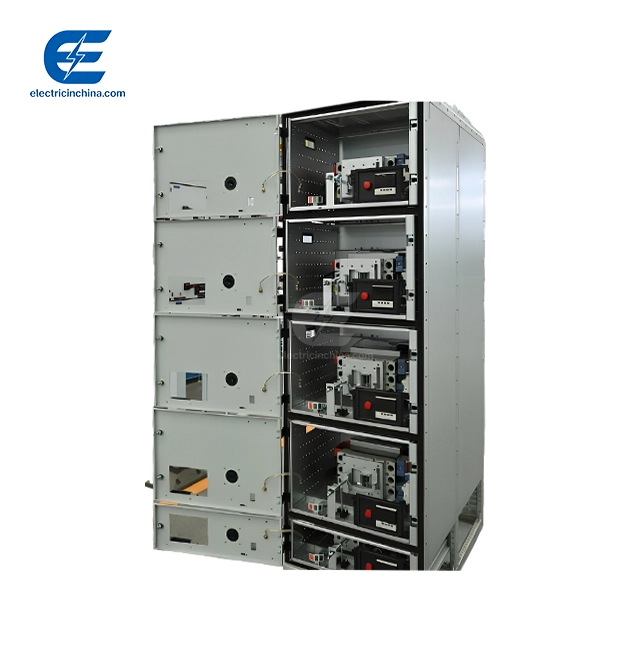
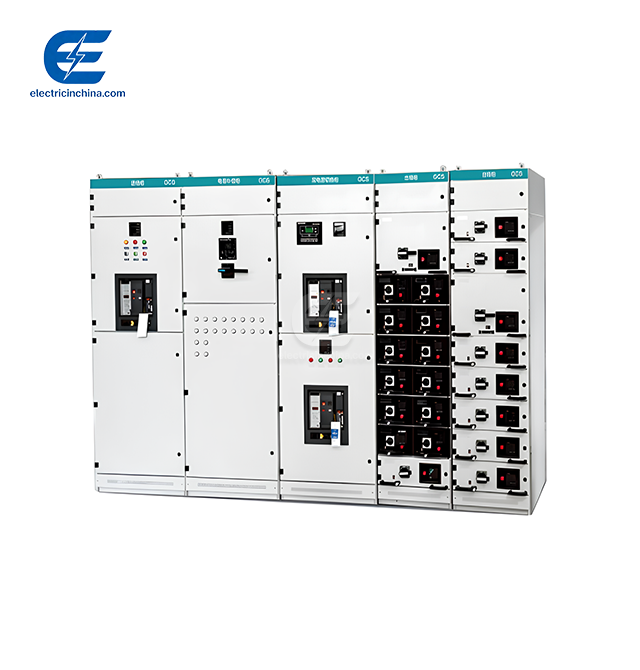
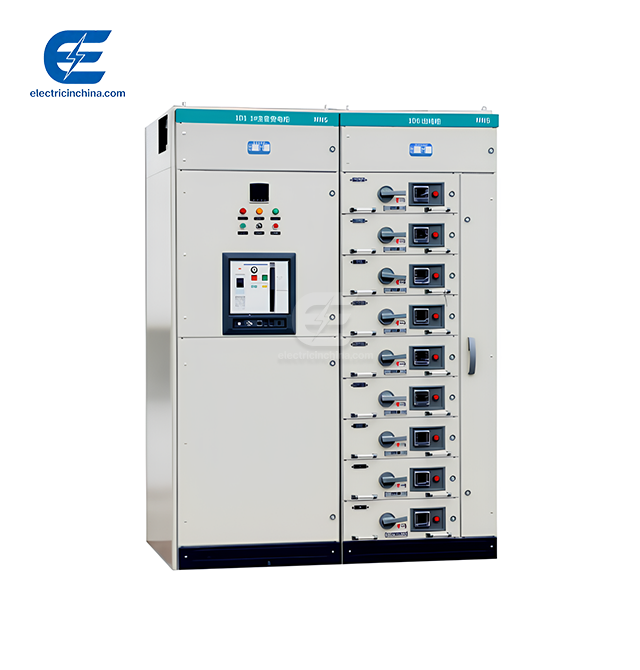
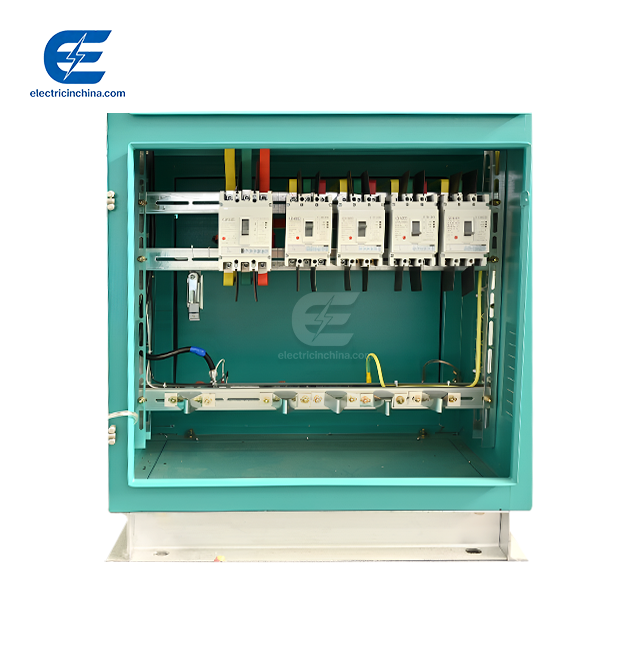
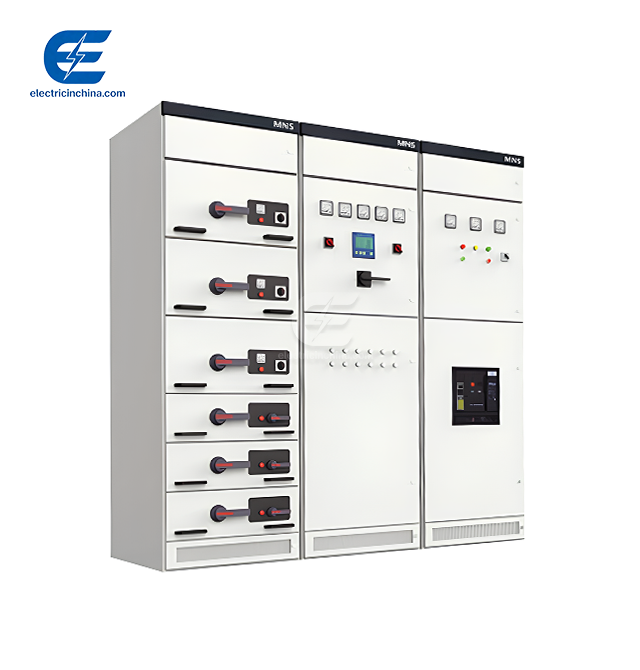
Proper maintenance of electrical distribution systems prevents costly downtime and ensures workplace safety. A Power Distribution Cabinet serves as the central hub for electrical distribution across industrial, commercial, and municipal facilities, making routine maintenance essential for reliable operation. Daily inspection routines identify potential issues before they escalate into equipment failures or safety hazards. Systematic maintenance extends equipment lifespan, maintains compliance with safety regulations, and protects your operational continuity. Neglecting these critical systems increases fire risk, causes unexpected outages, and compromises worker safety. Establishing consistent maintenance protocols safeguards both personnel and your infrastructure investment.
Understanding Power Distribution Cabinets and Their Maintenance Importance
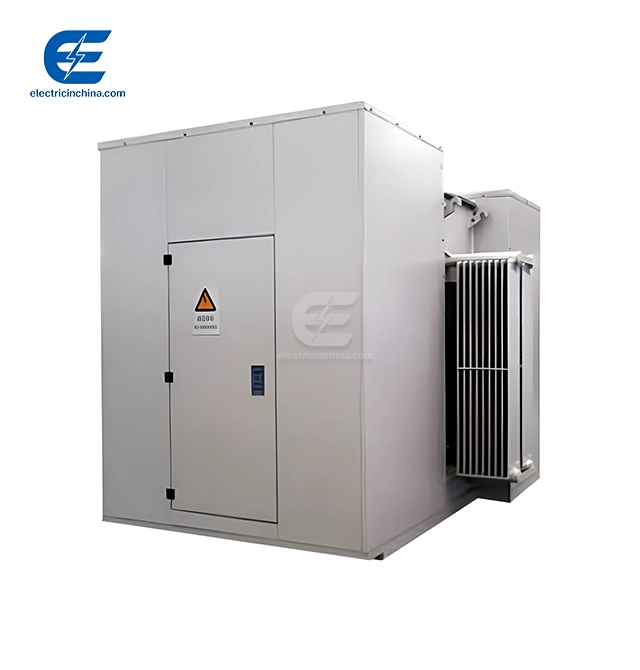
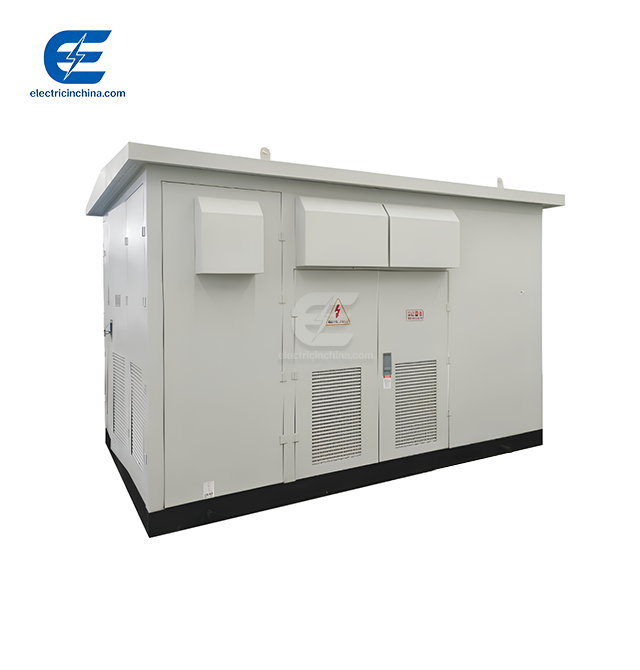
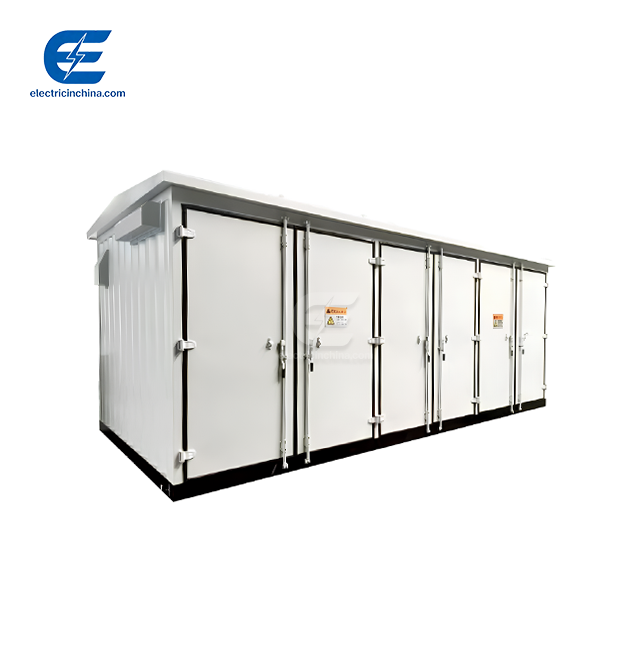
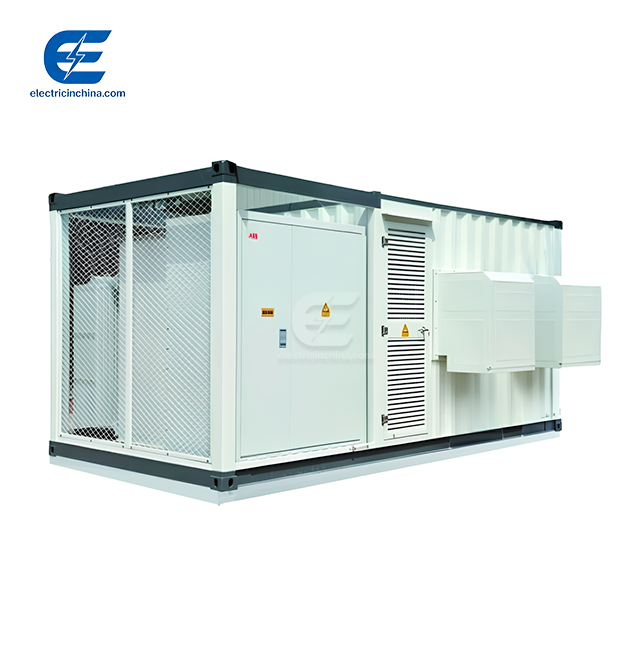
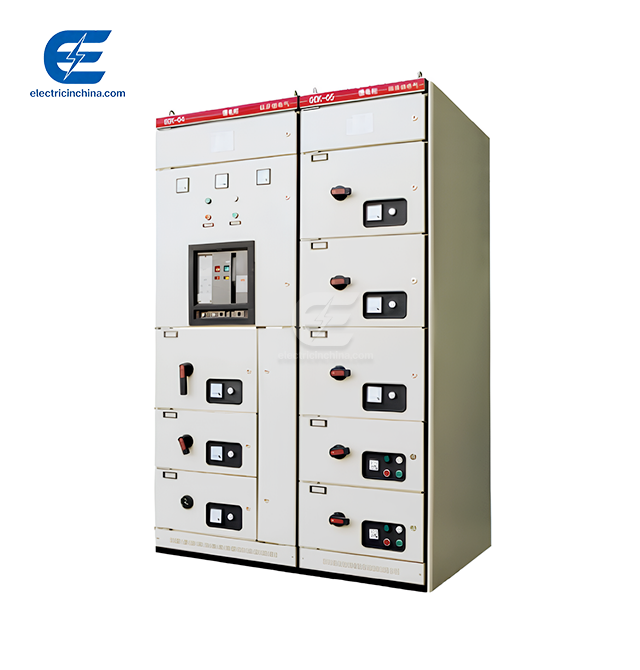
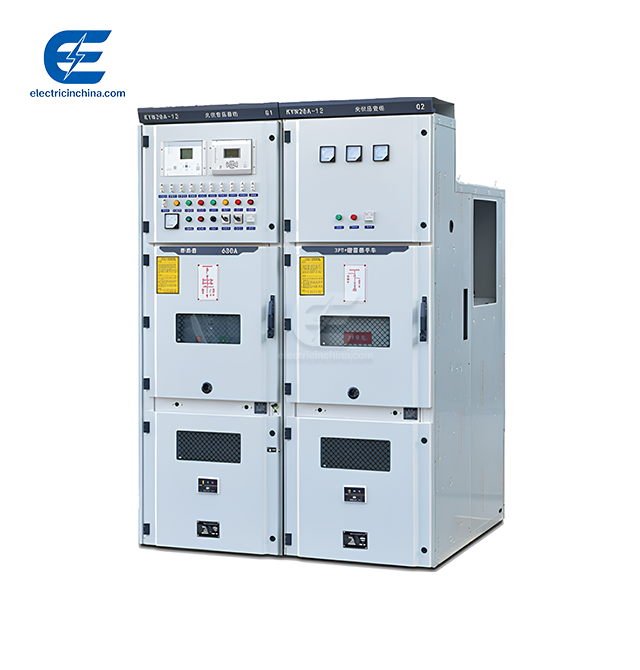
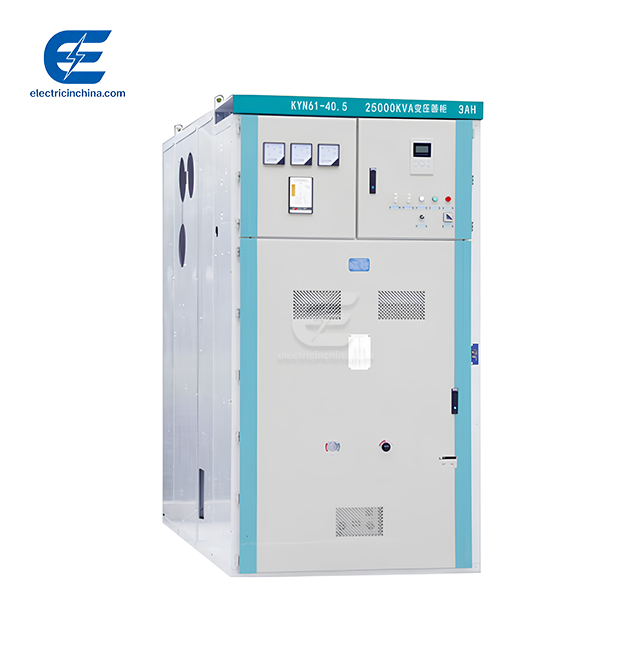
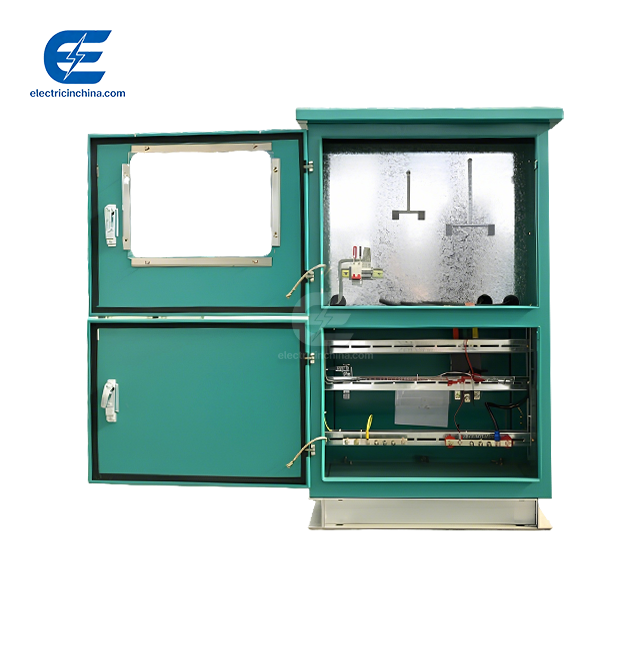
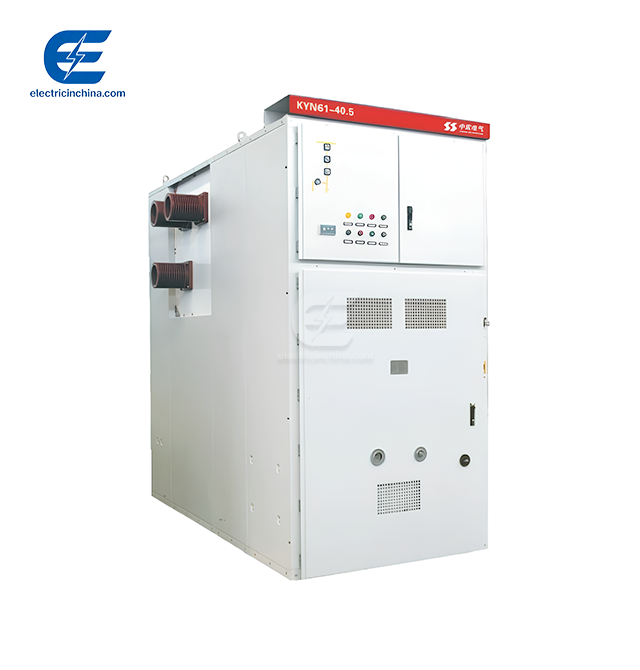
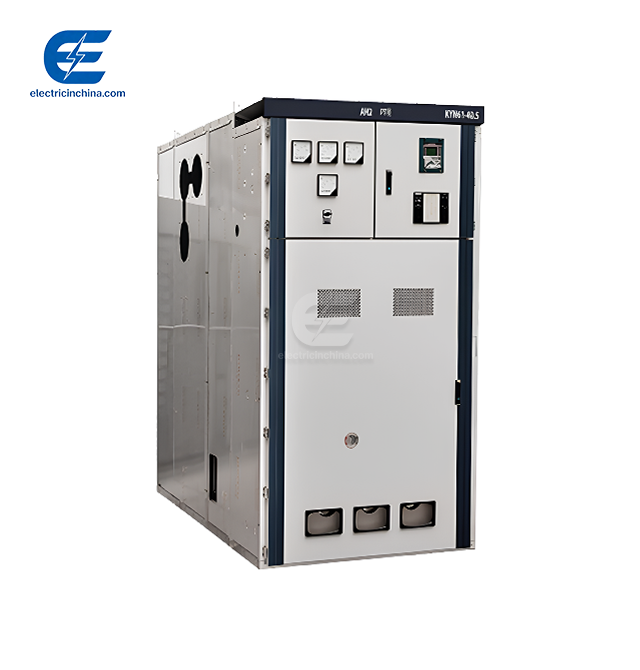
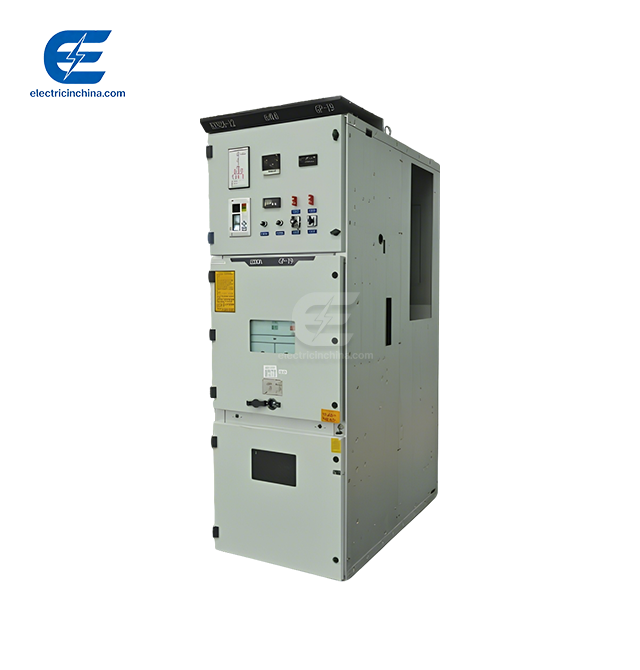
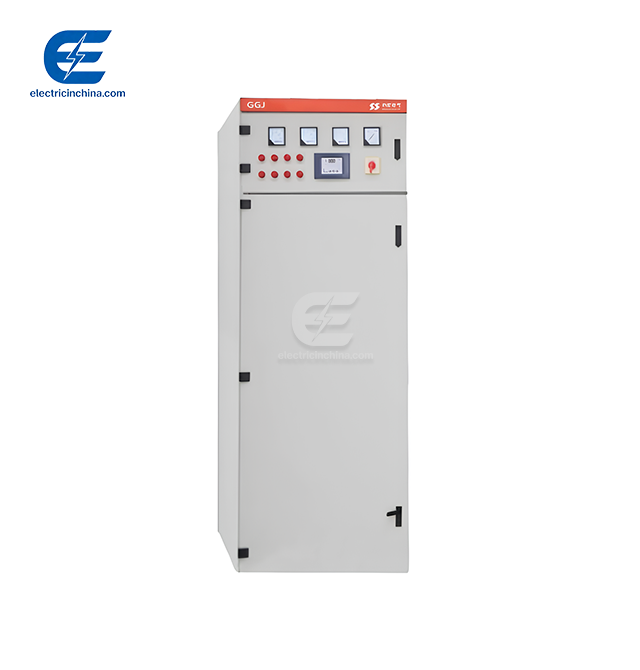
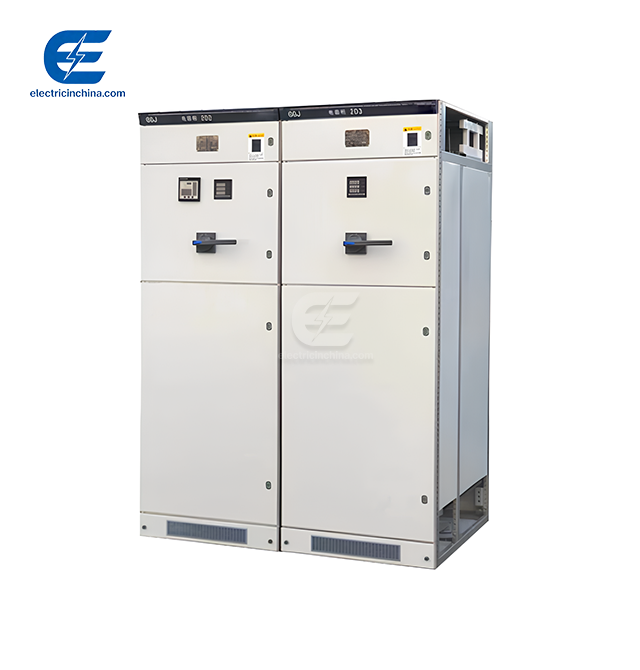
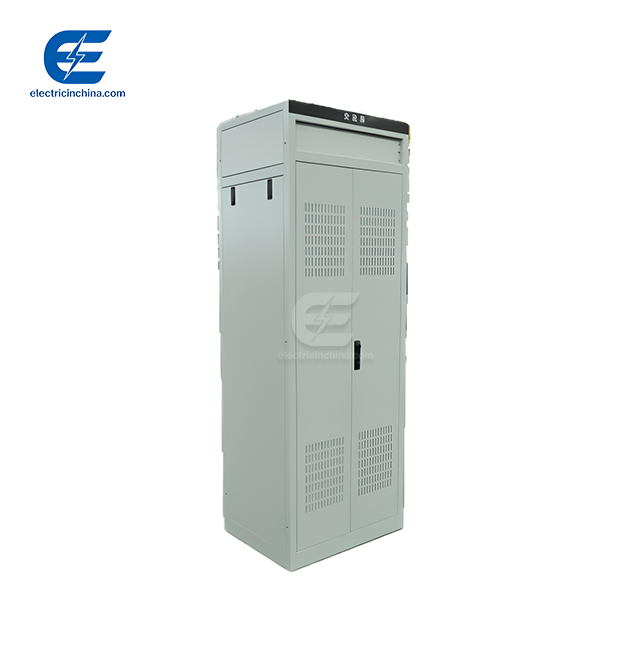
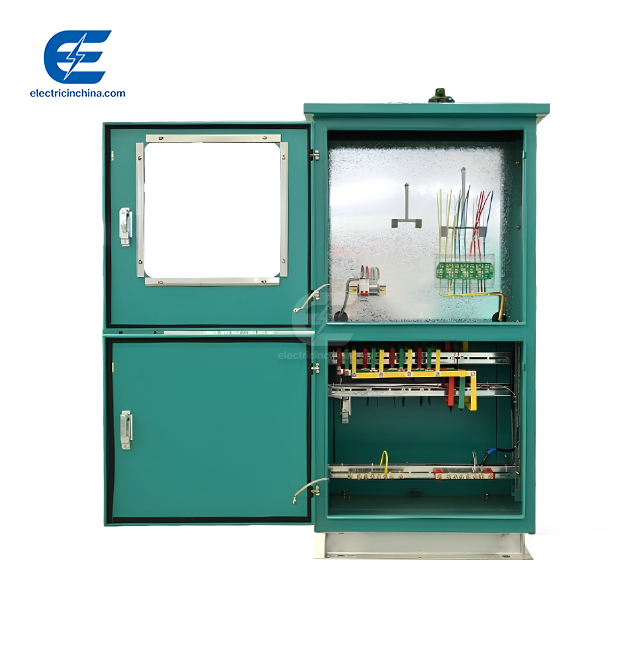
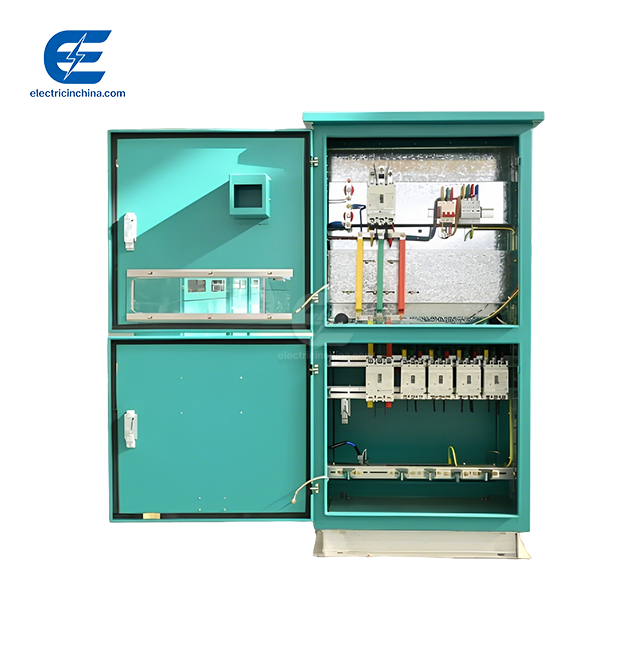
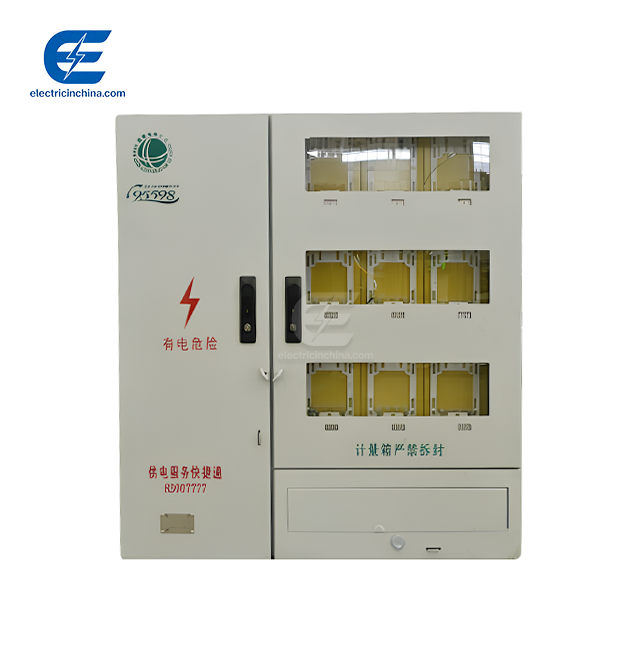
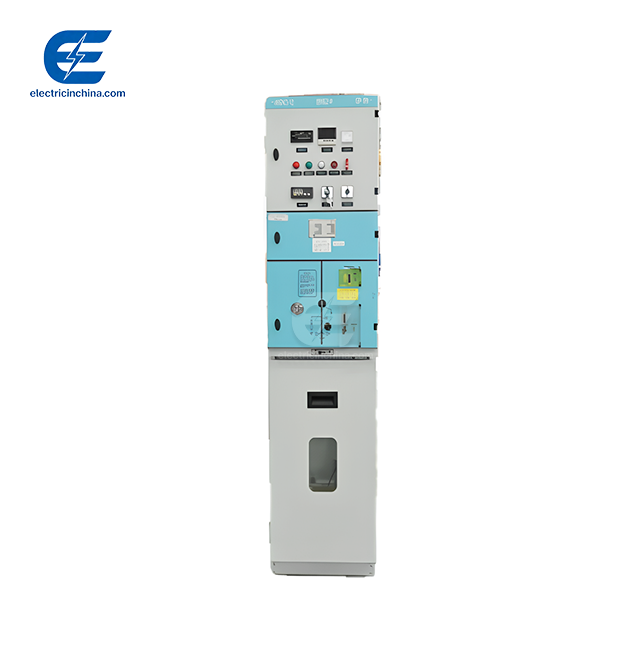
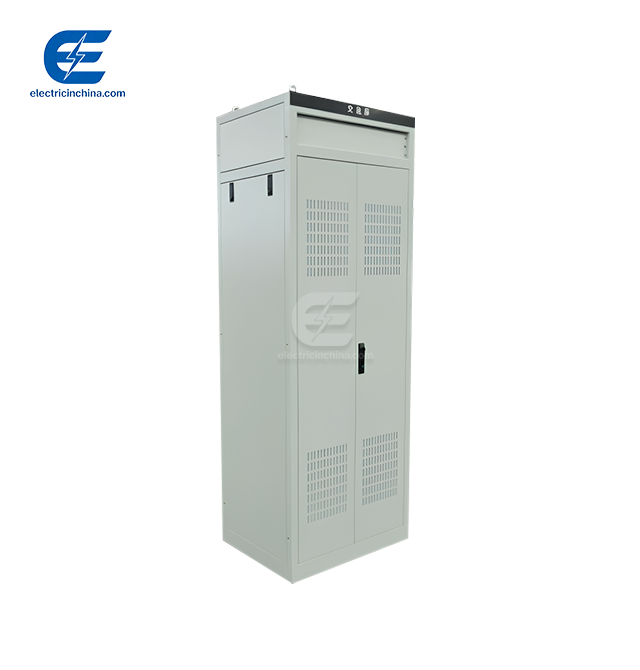
Electrical distribution boards control and protect the flow of electricity in your building. These enclosures house circuit breakers, contactors, monitoring tools, and control systems that send electricity to different work areas. Knowing about the tools you're taking care of helps you spot problems during checks.
Types of Distribution Systems
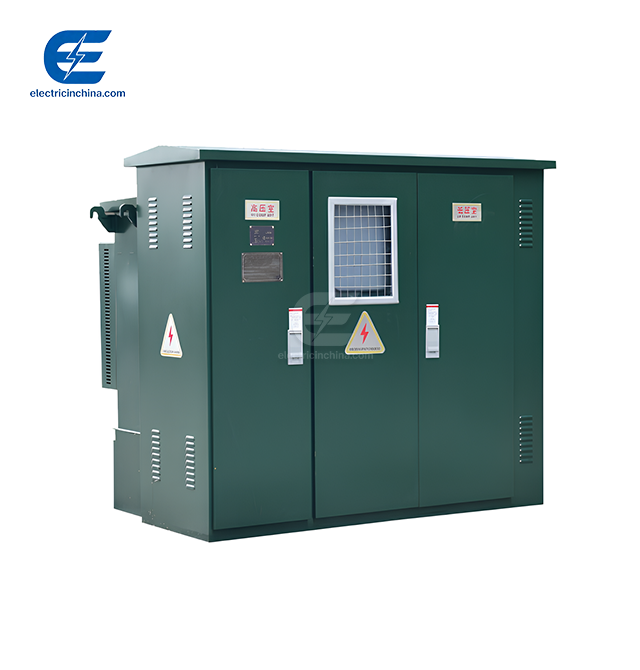
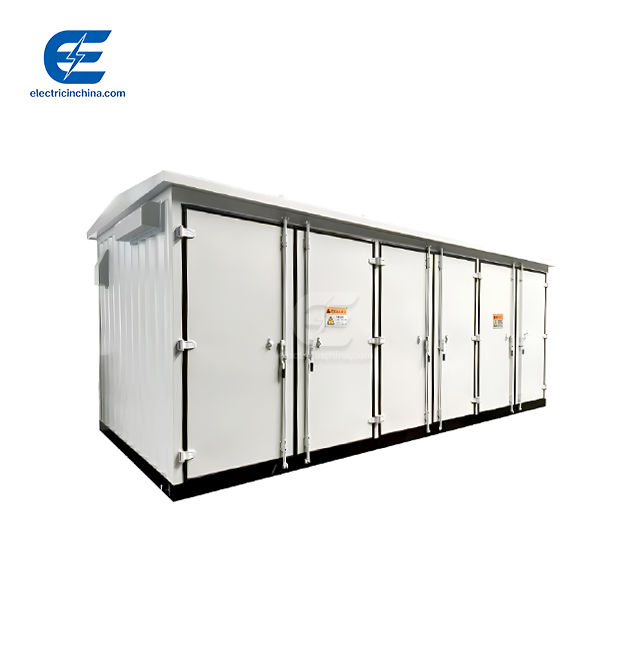
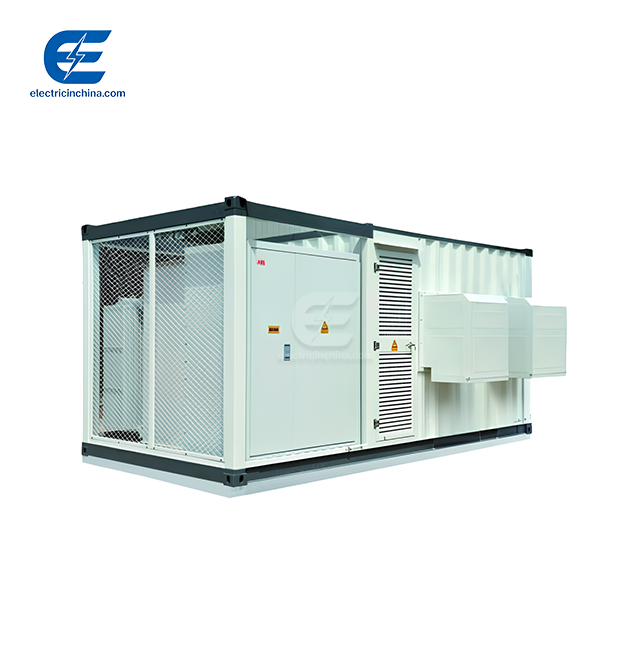
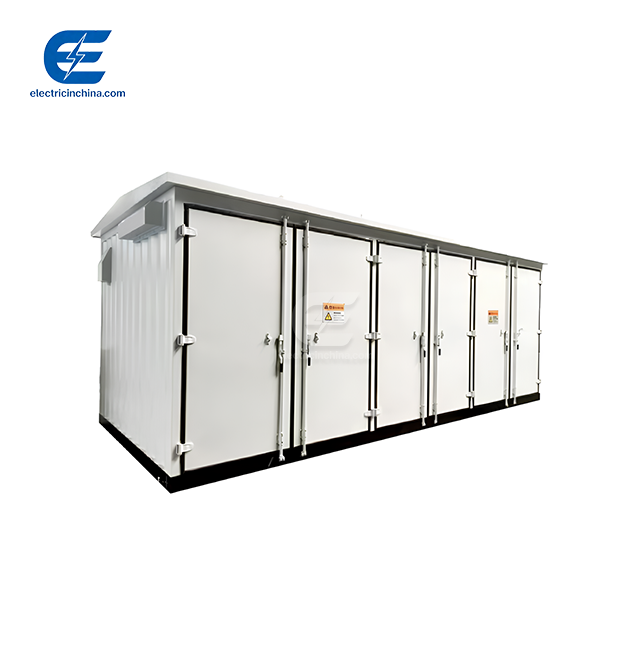
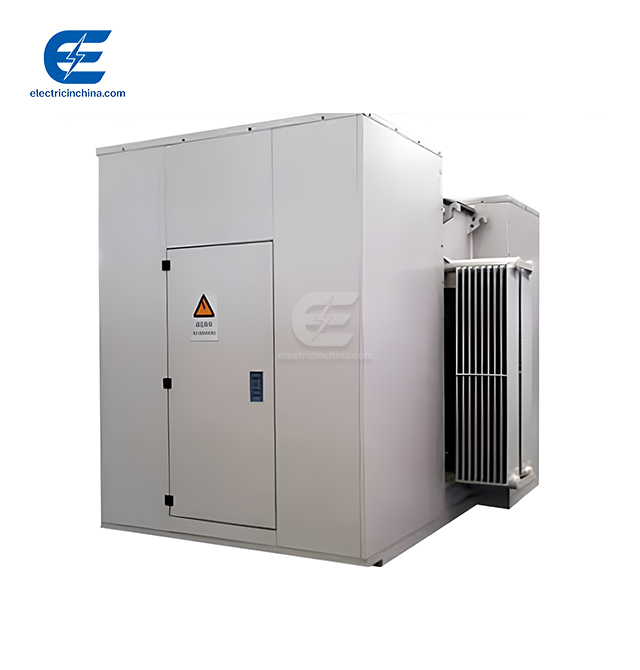
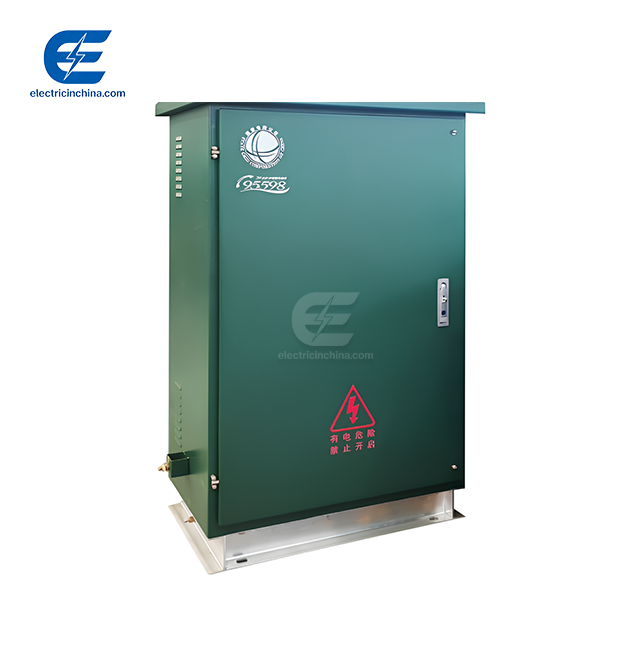
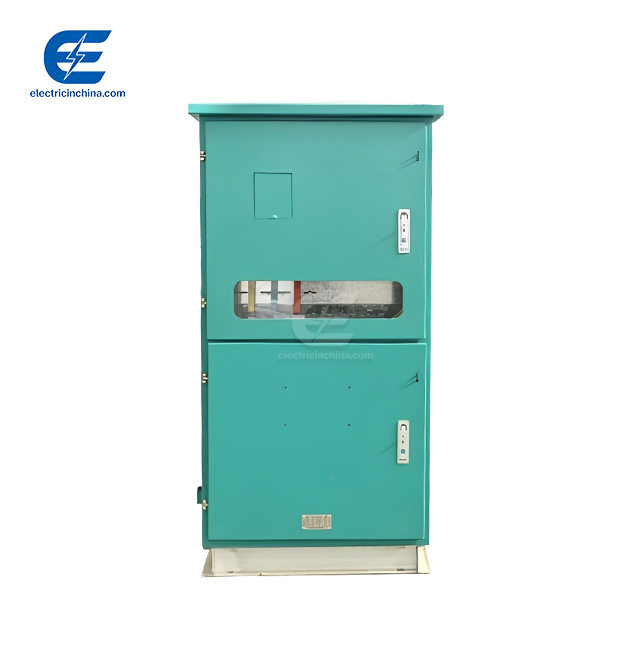
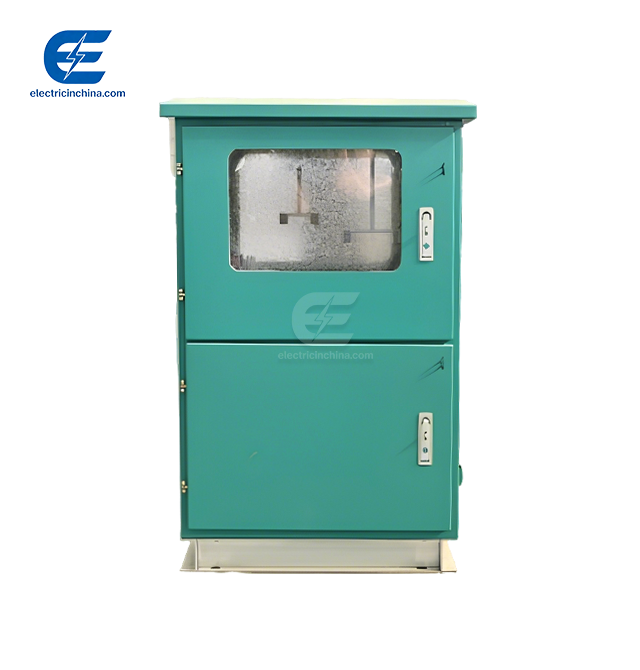
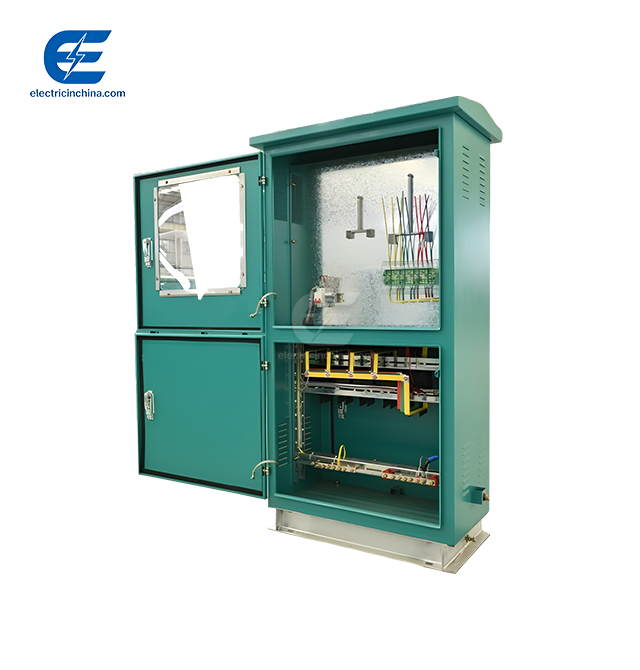
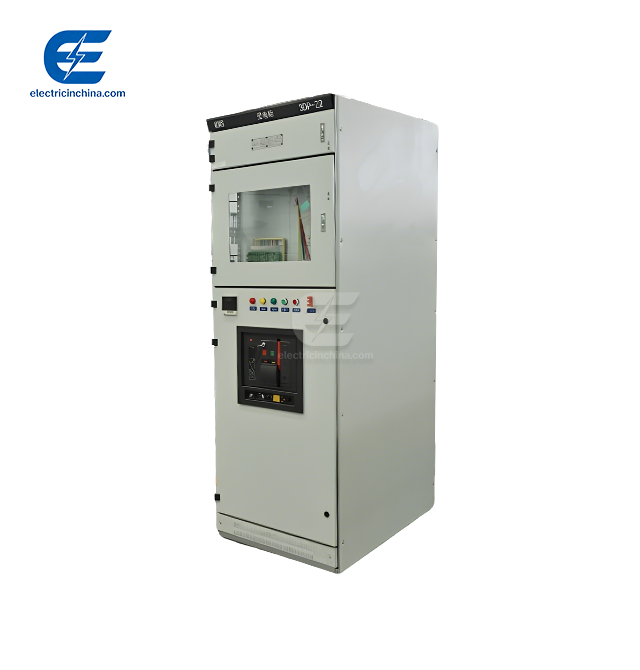
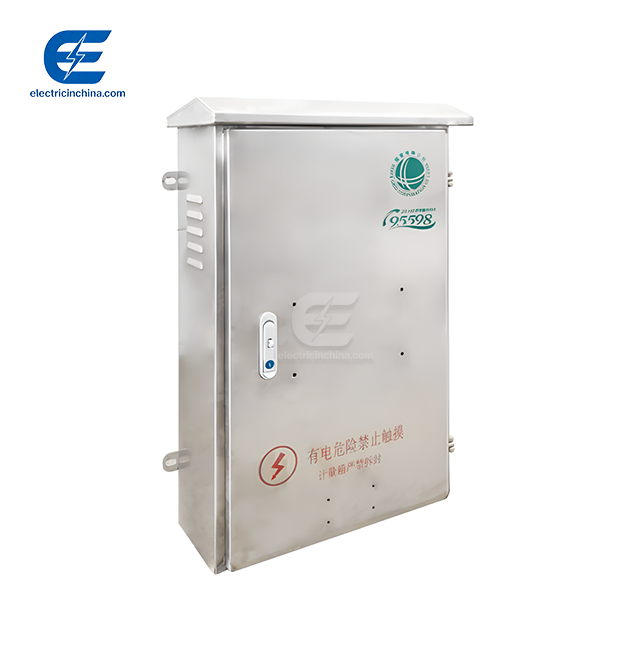
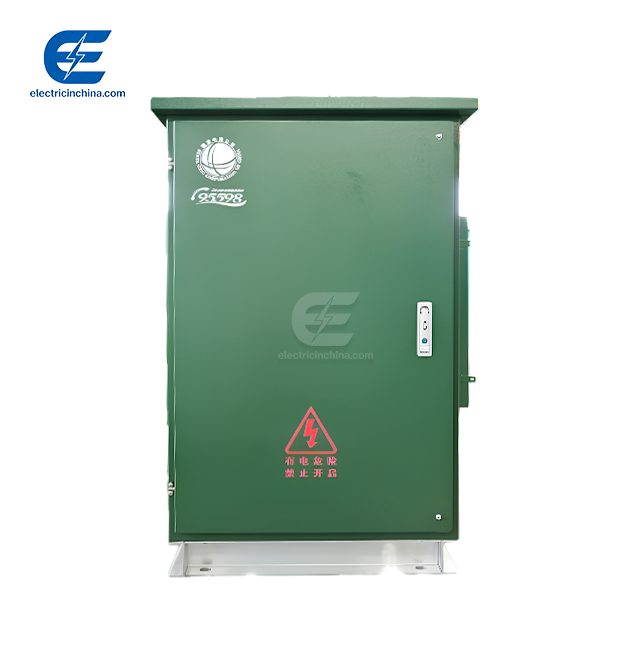
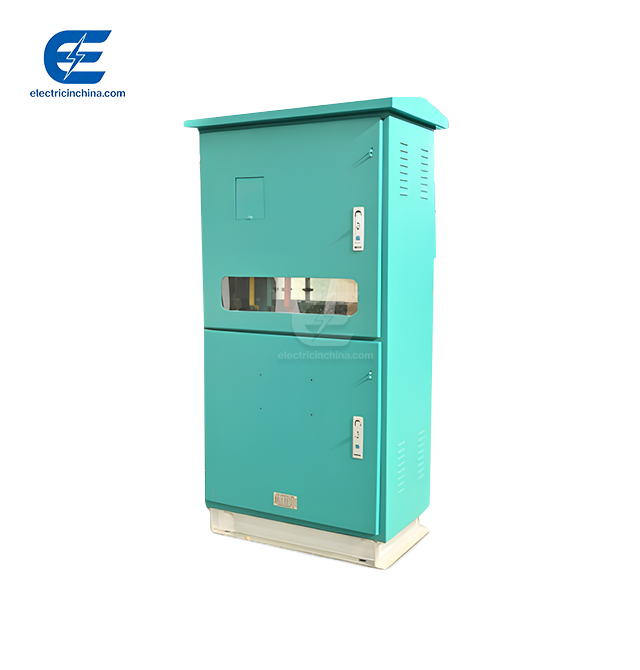
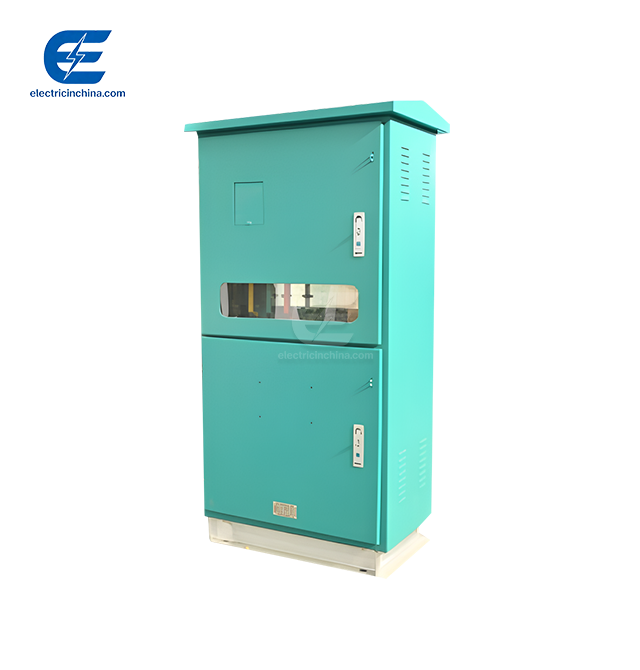
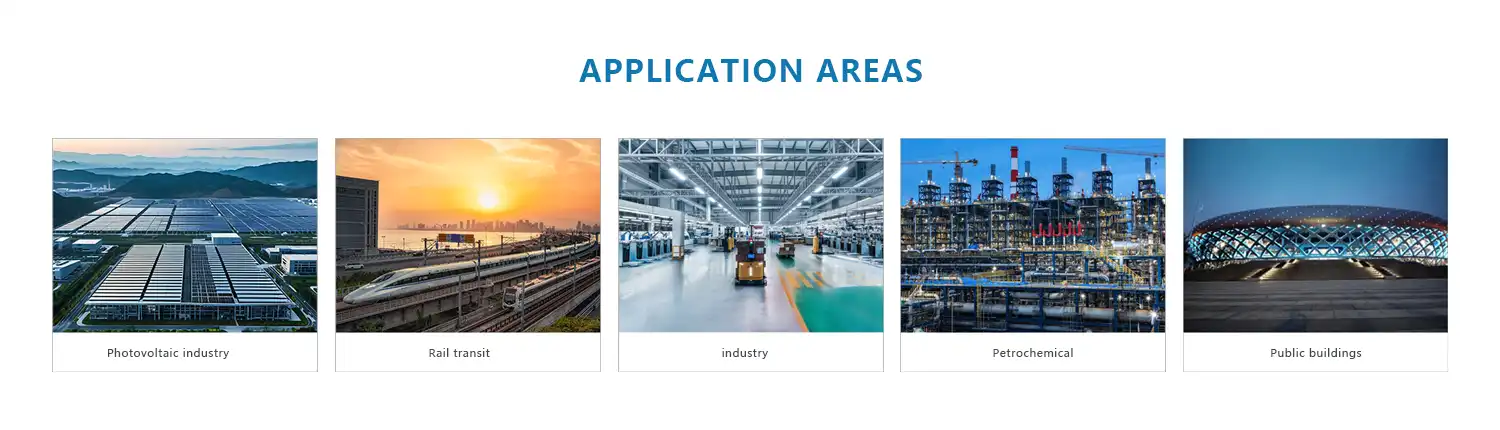
Most indoor Power Distribution Cabinets work in climate-controlled rooms, and outdoor Power Distribution Cabinets have waterproof covers with ratings from IP54 to IP65 to protect them from the elements. With modular distribution systems, you can easily add circuits in a number of ways. Traditional units with a set design serve well-established buildings whose power needs are stable. At Xuzhou Tuojie International Trade Co., Ltd., we make systems with smart touchscreens and real-time tracking that make it easier to find things that need repair. Our smart monitoring features show at a glance the total current draw and the state of the circuit. This helps maintenance teams find mistakes before they become major issues.
Why Daily Maintenance Matters?
Sometimes electrical problems stop production, which costs a lot of money every hour. Power quality problems, such as voltage spikes and harmonic distortion, can damage equipment if you do not check them regularly. Our Power Distribution Cabinet has ground fault monitoring and circuit breakers that respond right away to overloads, but these safety features will only work right if they are properly kept.
Daily upkeep lowers the risk of fires caused by loose links that heat up. Studies that use thermal imaging show that bad electrical wiring causes about 30% of workplace electrical fires. Systematic inspection finds these problems early on, when they are easy to fix. This proactive method greatly increases the useful life of equipment—distribution systems that are well taken care of last 25 to 30 years, while equipment that isn't lasts for 15 to 20 years.
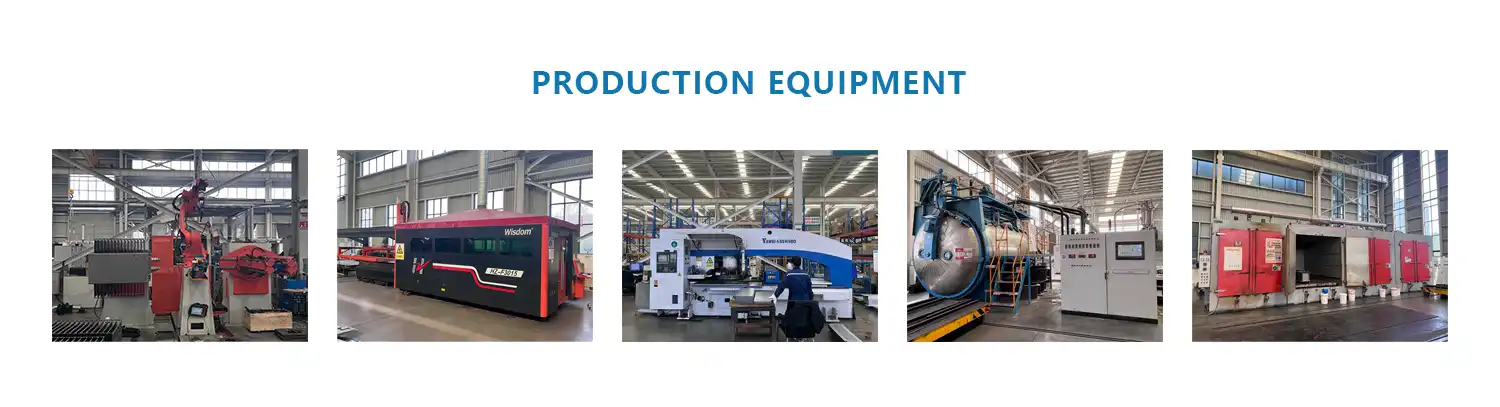
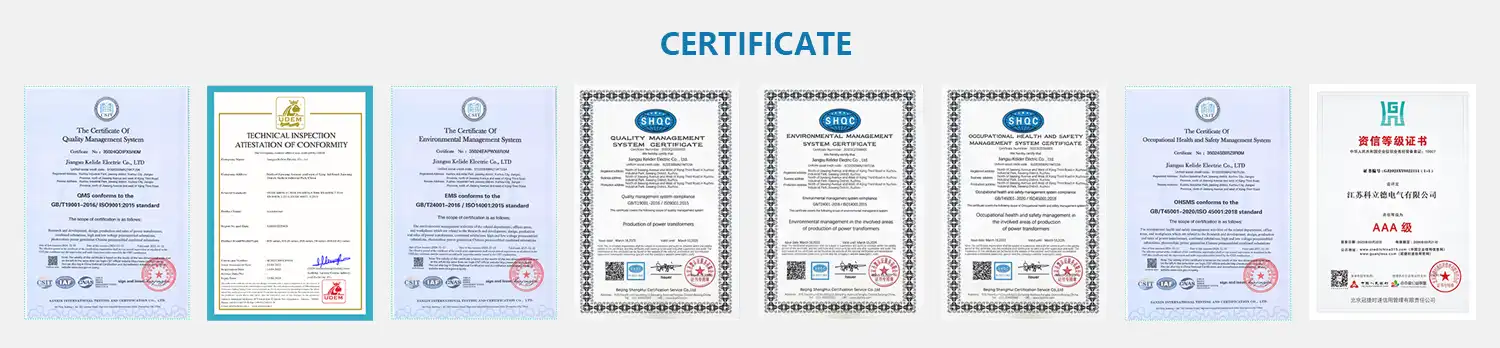
Regular repair paperwork is required for compliance reasons. Regulatory standards like IEC 61439 and IEEE C37.20 call for written records of inspections. At Tuojie, our systems meet the requirements for ISO 9001, ISO 14001, and National CCC Mandatory Certification. This gives us a solid base for repair plans that obey the rules. Our factory uses over 120 sets of high-tech machines and strict quality management procedures to make sure that the products we make are reliable, and maintenance is needed to keep them that way for the whole life of the machine.
Step-by-Step Daily Maintenance Procedures for Power Distribution Cabinets
Maintenance that works well follows a set of steps that cover all the important parts. These rules ensure that people doing inspections stay safe and that the equipment remains intact.
Visual Inspection Protocol
Before opening any enclosures, you should start every repair session with a careful eye check. Check the outside of the Power Distribution Cabinet for damage like cracks, rust or broken weatherproofing seals on outdoor units. Keep an eye on door seals to see if they are wearing down in a way that lets water or dirt in. Check to see if any ventilation holes are still open. Blocked airflow raises the temperature inside, which damages parts. Check the digital displays and indicator lights to make sure they work right. Warning lights indicate specific problems that require immediate attention. Touchscreen interfaces on our distribution systems show real-time operational data. This makes it easier to spot problems during routine checks.
Cleaning Procedures
When dust builds up, it can create insulation paths that lead to tracking problems. To clean up inside areas that have built up dust, use compressed air or approved electrical vacuum equipment. Do not use water or liquid cleaners on equipment that is already powered up. Use lint-free cloths and electrical contact cleaners that have been cleared to clean insulated surfaces. Pay extra attention to connections between busbars and terminal blocks because that's where most of the contamination is. To keep them from rusting, outdoor Power Distribution Cabinets need to be cleaned on the outside. Clean out the drainage ducts and air louvres of any debris. Coastal areas with salt deposits need to be cleaned more often to keep metal parts from rusting faster.
Functional Testing
Please check the disconnects and circuit switches to ensure they are functioning properly. Breakers should be able to trip without too much force and should restart in a good way. Sticky or slow breaker action means that the mechanical parts are worn out and need to be fixed by a professional. Make sure that the emergency cutoff settings work properly. These are very important safety devices that must work in an emergency. Check the meter readings against what you think they should be. Our smart monitoring systems show current draw, trends in power use, and the status of each branch circuit. Weird numbers mean that problems are starting to show up, like uneven loads or broken equipment. Write down the baseline values during the initial commissioning so that you can use them as comparison points for future inspections.
Connection Integrity
Thermal cycling and vibrations in the metal slowly loosen electrical connections. Using the right torque tools, make sure that all the visible terminal connections stay tight as specified by the maker. Too much torque can damage the contacts, while too little torque can make high-resistance links that heat up. Our flexible component setup includes properly rated contactors and breakers that are made to work reliably for a long time as long as they are properly kept. Check the wiring that can be seen for damage to the insulation, discolouration that means it's been overheated, or signs of physical stress. Cable entry points need extra care because movement can wear down shielding over time. Our systems have easy-to-use component layouts that make upkeep possible without putting safety at risk.
Documentation Requirements
Keep detailed logs of what was found during inspections, what the meters read, and what steps were taken to fix the problem. Digital writing systems make keeping records easier and help you see trends. Take pictures of any problems you find during the inspection to help the maintenance team make decisions. These records show that you are following the rules during regulatory checks and help find problems that keep happening that need engineering answers. Full documentation makes it easier for repair teams and tech staff to work together. When problems happen, looking at data from the past helps with diagnosis by showing trends and getting rid of steps that aren't needed.
Key Safety Precautions During Maintenance of Power Distribution Cabinets
Electrical maintenance comes with risks that must be controlled strictly. Following set rules during service activities keeps people safe and keeps tools from getting damaged.
Compliance Standards
Safety rules for electrical maintenance are set by international standards like IEC 60364 and NFPA 70E. Based on the voltage levels and fault currents that are available, these rules require certain steps to be taken. Our distribution boards meet the UL 891 standards for low-voltage switchboards and the arc-resistant certification requirements of IEEE C37.20.7. When properly kept, they protect themselves automatically. The National Electrical Code sets the rules for how to install and maintain electrical systems across the whole country. Make sure everyone on your team knows the rules that apply to your unique application and voltage class. Employees are kept up to date on changing safety standards through regular training updates.
Personal Protective Equipment
During repair tasks, workers are kept safe by wearing the right PPE based on an arc flash danger analysis. According to IEEE 1584-2018, you should do arc flash studies to find out how much stray energy is present at repair sites. Choose clothing that doesn't catch fire, face shields, and padded gloves that are rated for the amount of energy you are exposed to. Insulated tools keep you from touching live parts by accident. The voltage rating of the tool must be higher than the highest voltage in the equipment being serviced. Regular checks on the state of PPE guarantee ongoing safety; replace any broken or worn PPE right away.
Lockout/Tagout Procedures
Turn off circuits before doing maintenance that needs to reach live parts. Using the right lockout/tagout procedures stops power from being accidentally turned back on during service work. Before starting work, make sure the area is de-energised by using approved voltage checking tools. Before and after using your voltage detector, make sure it works by testing it on a known source of electricity. If you have more than one worker, each energy isolation point needs its own lock. Never use someone else's lockout device. Our custom control design makes it easier to find the right isolation places during maintenance tasks by centralising circuit management.
Hazard Recognition
During maintenance on the distribution system, electrical shock is still the biggest worry. Keep the right working distance from powered parts based on the voltage levels. When an arc flash happens, it releases a huge amount of energy that can cause pressure waves and serious burns. Modern distribution equipment has features that reduce fault energy by focusing problems on the smallest part of the circuit that is affected. Environmental dangers include being in small areas that don't have enough airflow and being in places that are very hot or very cold. Even though our Power Distribution Cabinets work effectively in temperatures ranging from -40°C to +70°C, repair workers still have to deal with the outside environment when they fix outdoor equipment.
Emergency Preparedness
Before you start maintenance work, make sure you know how to handle emergencies. Employees should know how to call for help in an emergency and where the nearest first aid station is. Electrical injuries need special medical care—basic first aid training might not cover electrical damage well enough. During repair work, there should always be someone on hand who is skilled in CPR and how to handle an electrical situation. Keep fire extinguishers with an ABC rating that can put out electrical fires close to equipment that distributes power. Water-based fire extinguishers should never be used on electrical fires. Make sure everyone on staff knows how to get out of the building and where to meet in case of an emergency.
Common Maintenance Challenges and How to Avoid Them
Even when maintenance programs have the best goals, they run into problems that make them less successful. Being aware of these problems helps businesses find solutions before they affect operations.
Overlooked Inspection Items
Routine and familiarity lead to laziness. When maintenance workers use the same plan every day, they might miss problems that are hiding in plain sight. By giving inspection tasks to different qualified team members at different times, problems that were missed can be seen from a new angle. Our smart tracking systems with touchscreen displays instantly alert us to anything that doesn't seem right, adding to the supervision that people are already doing. Parts that are hard to get to get less attention than parts that are easy to see. When checks are done quickly, the insides of panels that are hidden behind covers and equipment that is placed in awkward places are skipped. Every repair cycle makes sure that all important areas are covered by thorough plans that need to be signed off on.
Inadequate Training
Modern distribution systems are very complicated and need more than just basic electrical knowledge. Staff who haven't been properly trained miss small signs that problems are starting to happen. Communication systems like Modbus and DNP3 that are built into high-tech distribution equipment can give useful troubleshooting data to people who know how to read it. Spend money on ongoing training programs that cover both basic electricity concepts and the equipment that is already in your building. Training from the manufacturer gives you full system knowledge straight from the research teams. At Tuojie, we have 15 top engineers and more than 30 intermediate techs who know how to work with the systems we make. This knowledge means that operators will be better trained and get faster help. Instead of depending only on the first training, plan to do repeat training every so often. As time goes on, technology changes and people forget small things. Regular testing of skills shows knowledge gaps that need more learning.
Insufficient Documentation
Maintenance records that aren't complete hide trends that show that equipment is breaking down. It's a waste of time and money to record only big fixes and ignore the results of regular inspections. Set up digital documentation systems that can quickly and accurately record detailed information without creating too much paperwork. Standardised forms make sure that all repair workers gather the same amount of data. Include areas for all important information, like temperature readings, meter values, notes on the visual state, and the steps that were taken to fix the problem. This organised method makes it easier to look for patterns in trends that aren't noticeable in individual inspection reports.
Scheduling Inconsistencies
When maintenance isn't done at regular intervals, problems can happen between checks. Because of the need to keep up with production, maintenance chores are sometimes put off, leaving gaps in coverage. Automated scheduling systems create work orders at regular times, making sure that they are always carried out, even if there are practical issues.
Solutions and Best Practices
Make detailed maintenance plans that spell out exact steps, how often they should be done, and who is responsible for each task. Well-structured programs make it clear what needs to be done and when it needs to be done. These plans should be in line with what the maker suggests and what the government requires. If you can't do certain maintenance tasks yourself, you might want to hire a professional. Partnering with service providers with a lot of experience can help your own resources and solve more difficult problems. Our many years of experience working on projects, including big ones like the Xuzhou Rail Transit and XCMG Group sites, show that we are dedicated to helping systems stay reliable over the long run. Use technologies for predictive maintenance, such as thermal imaging and vibration analysis. These diagnostic tools find problems before they break down, so planned maintenance windows can be used instead of having to make emergency fixes during work hours.
Choosing the Right Power Distribution Cabinet for Easy Maintenance
The need for maintenance starts when the equipment is chosen. Serviceability of distribution systems varies a lot. Choosing designs that make it easy to check and fix things lowers long-term running costs.
Design Features Supporting Maintenance
Integrated monitoring systems take the guesswork out of fixing problems. Real-time data display shows exactly which circuit is having problems, so maintenance can focus on the right area. Power quality research in our Power Distribution Cabinets shows harmonic content, voltage changes, and load balancing. This information helps with both fixing problems right away and making the system work better in the long run. Layouts of accessible parts cut down on service time by a large amount. Maintenance-friendly equipment has enough space for working, logically arranged parts, and circuits that are clearly labelled. Panels that can be taken off and doors that swing open make it easy to get in without special tools. Cable management systems keep wiring neat so it doesn't get twisted up and make it harder to find problems with the circuit when fixes are being done.
Modular Versus Traditional Systems
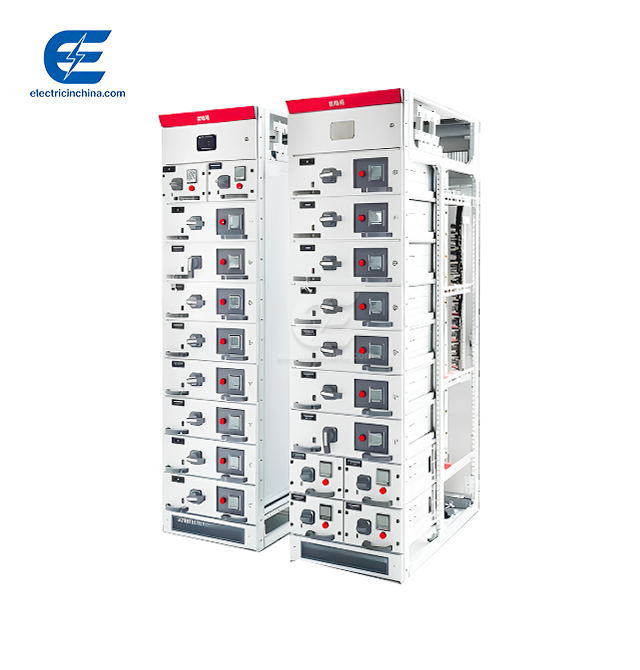
Modular distribution design makes upkeep a lot easier. It is possible to separate, remove, and change individual parts without turning off the power to the whole system. This plan cuts down on downtime and lets maintenance be done on individual parts while the system is still running normally. To meet the needs of expansion, parts are added instead of whole systems being replaced. Traditional equipment with a fixed design works well for situations where the needs are stable, but it is less flexible when it comes to upkeep. For fixes that touch shared parts, the whole system may need to be shut down. When facilities have set times for repair, these designs work well, but they're hard to use when processes need to be available all the time.
Manufacturer Support Considerations
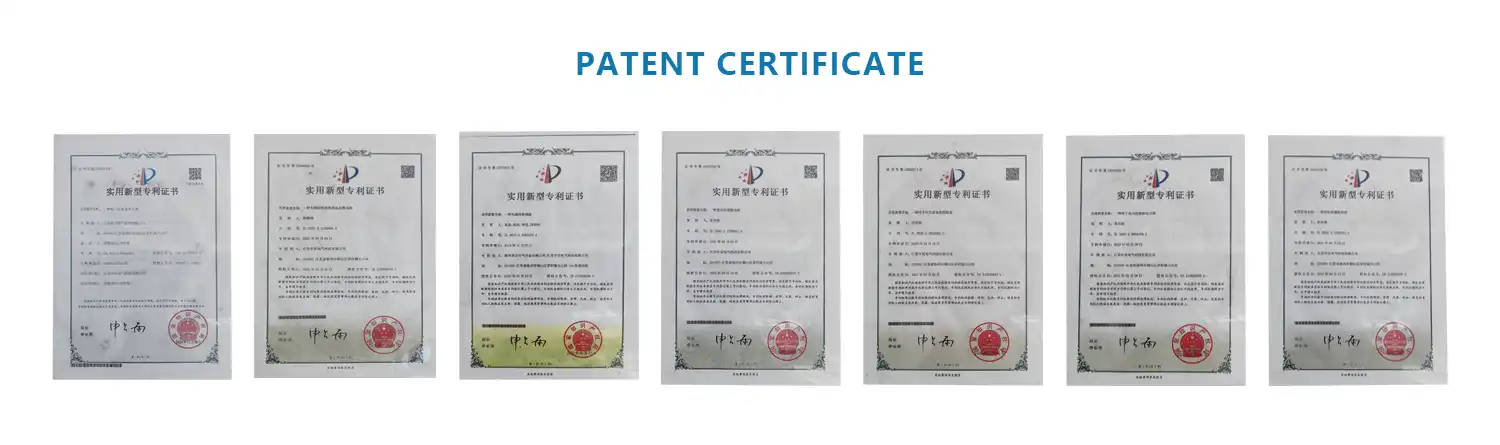
The frequency and difficulty of maintenance depend on the quality of the equipment. Reliable brands like Schneider Electric, Siemens, ABB, and Eaton offer reliable products with helpful expert support. At Tuojie, our 18 patents show that we are always coming up with new ideas to make systems work better and be easier to maintain. Strict quality checks based on ISO 9001 standards make sure that every Power Distribution Cabinet works perfectly from the moment it is installed. Manufacturers offer support after the initial purchase. Long-term ownership costs are affected by how easy it is to get replacement parts, expert documents, and engineering help. Our all-in-one service covers the whole lifetime, from planning the project to installing it and providing ongoing upkeep support. We can predict what customers will need and offer answers before problems happen because we've been in this business for over 20 years. Global manufacturers make sure that the quality of their products is the same in all of their factories and offer support networks all over the world. This level of dependability is especially important for businesses that have multiple sites and need standard tools and repair processes. Getting and keeping certifications like ISO 14001 and OHSAS 45001 shows that you are dedicated to quality management systems that help products work consistently.
Conclusion
Systematic daily maintenance protects your investment in electrical Distribution box infrastructure and makes sure it works safely and reliably. The steps listed—visual inspection, cleaning, functional testing, link confirmation, and documentation—as a whole cover all the important parts of the system. Safety rules keep people safe while doing maintenance work, and being aware of typical problems helps you avoid mistakes that could reduce the programme's usefulness. Choosing distribution equipment that is easy to maintain makes ongoing care easier throughout the lifecycle of the operation. By following these guidelines, businesses can cut down on downtime, avoid expensive emergency repairs, and greatly increase the useful life of their equipment. The attention required for daily care is well worth the small amount of time it takes.
FAQ
How often should daily maintenance be performed on power distribution systems?
True daily maintenance includes quick visual checks of the system's lights, meters, and obvious physical condition. These checks usually take 10 to 15 minutes per system. Every week, there are more thorough checks of the connections and parts' conditions, and every month, there are tests and measurements. The exact plan relies on the environment, how important the equipment is, and what the maker suggests. Harsh environments or mission-critical applications need more frequent maintenance than climate-controlled installations that serve loads that aren't essential.
What safety hazards exist during distribution cabinet maintenance?
The main danger is getting an electrical shock from parts that are turned on. Accidental short circuits can cause arc flashes, which release a lot of energy and cause serious burns. These risks can be reduced by following the right lockout/tagout processes, wearing the right PPE, and staying a safe distance from live parts while working. Working at heights to get to high equipment, entering a confined space for an enclosed installation, and being exposed to extreme weather conditions while servicing outdoor equipment are all examples of secondary hazards.
Can maintenance be performed by facility staff, or does it require specialists?
Regular daily checks, such as visual inspection and reading of meters, can be done by trained facility staff following set procedures. To do detailed testing, check the torque of connections, and work on systems that are already powered up, you need qualified electricians with the right credentials. Expertise is needed for complicated diagnostic work and fixes that involve setting up safety relays or analysing power quality. A good mix is to train employees to do routine maintenance and hire experts to do more specialised work.
Partner With Tuojie for Reliable Power Distribution Cabinet Solutions
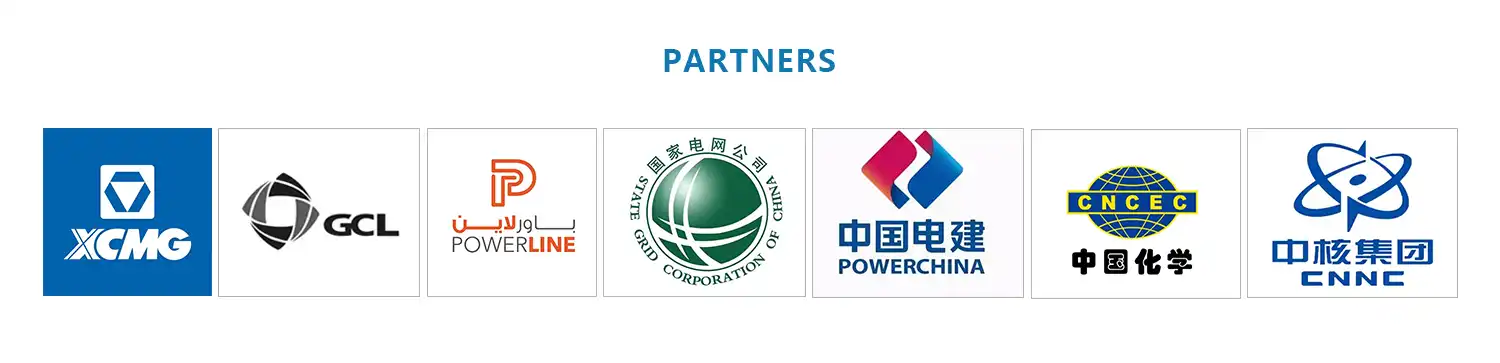
To keep electrical distribution systems in good shape, you need both good tools and a long-term commitment to systematic care. Xuzhou Tuojie International Trade Co., Ltd. is a dependable company that makes Power Distribution Cabinets. Their systems are built to last for a long time. Our custom solutions come with intelligent tracking, adjustable setups, and designs that are easy to maintain. They are backed by ISO 9001, ISO 14001, and National CCC certifications. The 15 top engineers on our technical team have worked on infrastructure projects, business developments, and industrial facilities in more than 20 countries between them. We know that procurement decisions include more than just buying the equipment once. They also include support throughout its life. As part of our all-around approach, we offer application engineering, custom solutions made to fit your needs, and ongoing technical support. Get in touch with our team at tuojie@electricinchina.com to talk about your power distribution needs and find out how our tried-and-true solutions—used by Xuzhou Rail Transit and XCMG Group—can make your building's electricity more reliable. You can look at our full selection of Power Distribution Cabinets for sale at electricinchina.com and ask for detailed specs to help you with your decision-making process.
References
1. IEEE Standards Association. "IEEE Recommended Practice for Electric Power Distribution for Industrial Plants." IEEE Standard 141-1993 (Red Book), Institute of Electrical and Electronics Engineers, 1994.
2. National Fire Protection Association. "Standard for Electrical Safety in the Workplace." NFPA 70E-2021, National Fire Protection Association, 2021.
3. International Electrotechnical Commission. "Low-voltage Switchgear and Controlgear Assemblies - Part 1: General Rules." IEC 61439-1:2020, International Electrotechnical Commission, 2020.
4. Cadick, John, et al. "Electrical Safety Handbook." 4th Edition, McGraw-Hill Education, 2012.
5. Palmer, Richard H. "Maintenance Planning and Scheduling: Streamline Your Organisation for a Lean Environment." Industrial Press, 2013.
6. Jones, Jane, and Linden, Joshua. "Power Distribution System Maintenance: A Comprehensive Guide for Facility Managers." Technical Publishing International, 2019.