

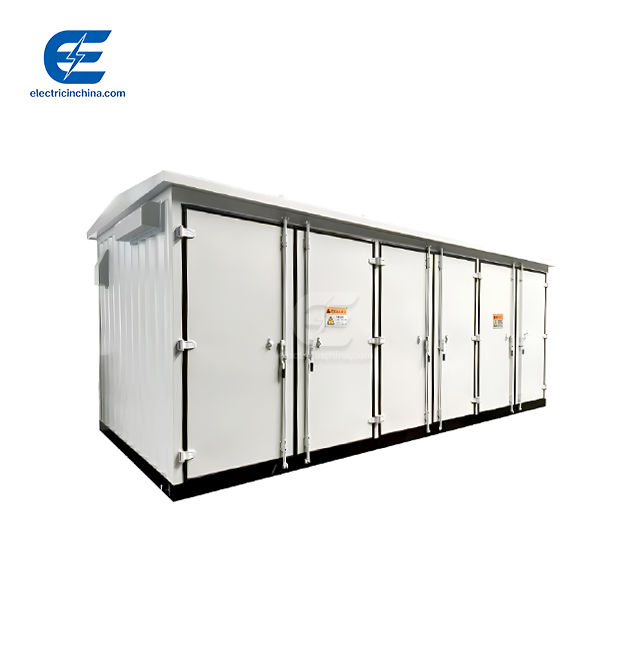
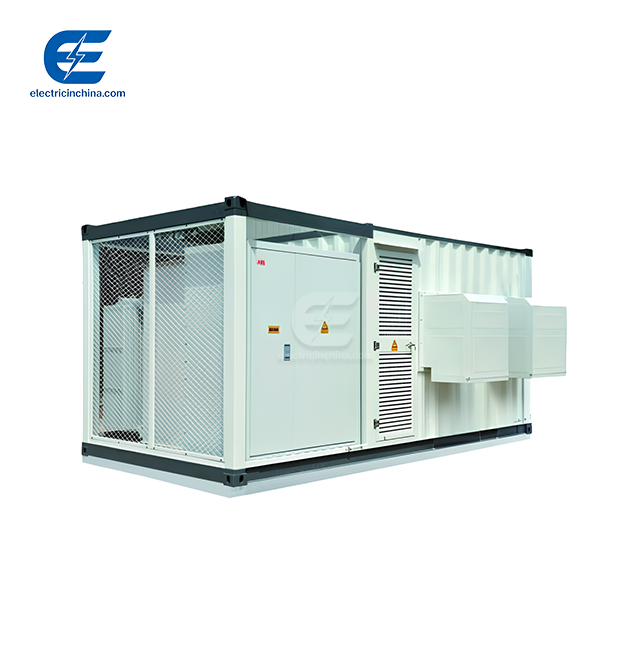
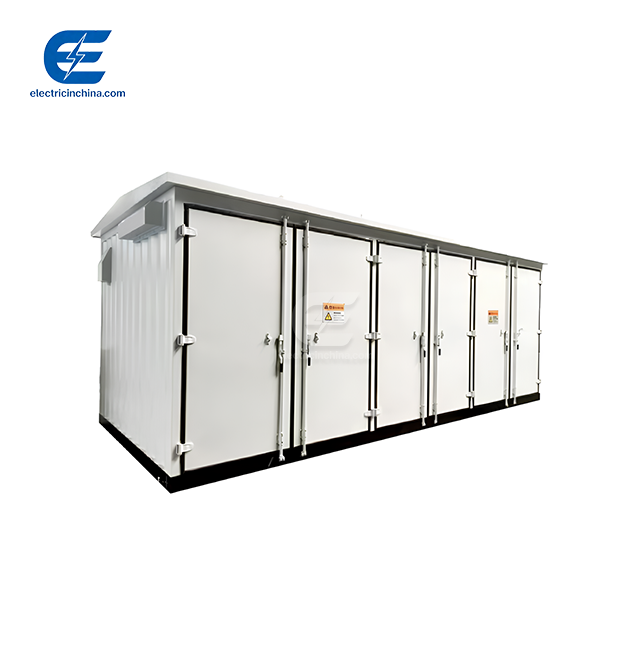
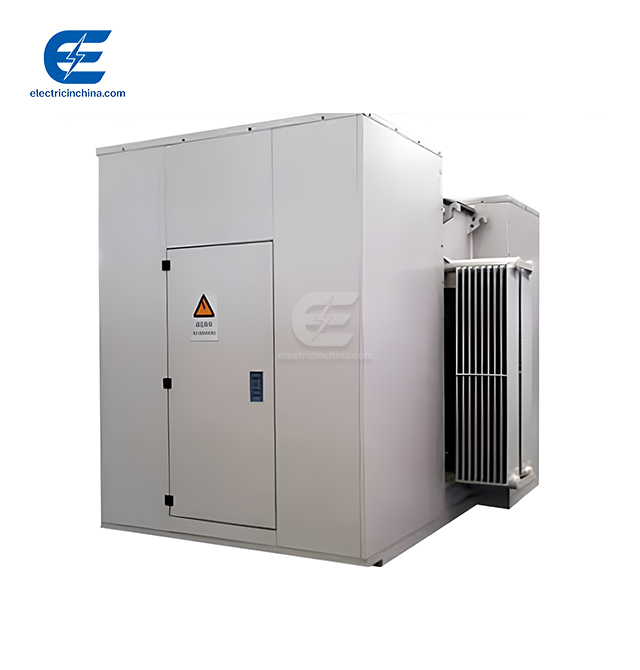
.webp)
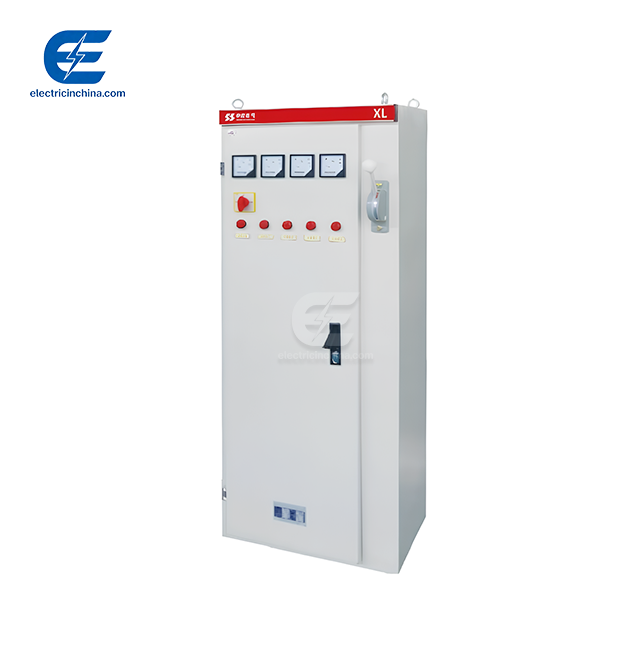
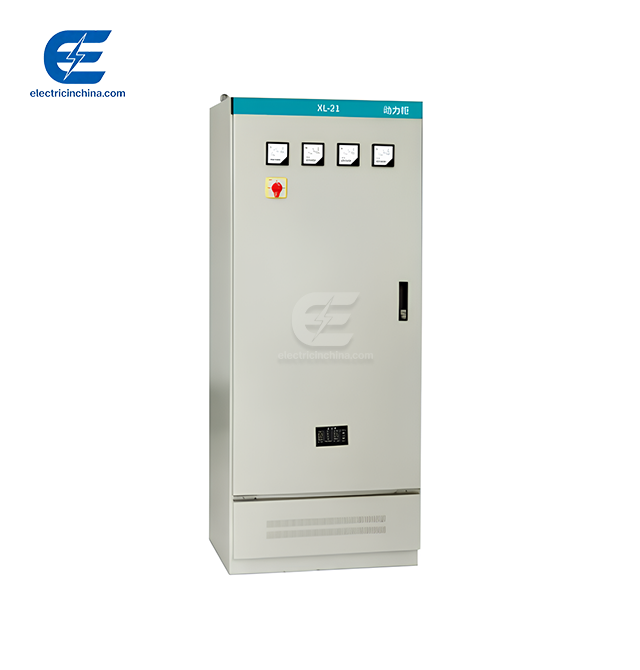
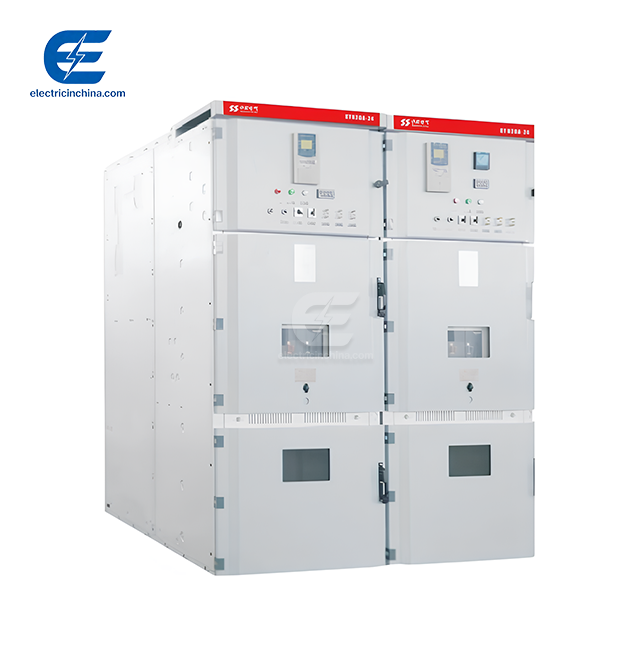
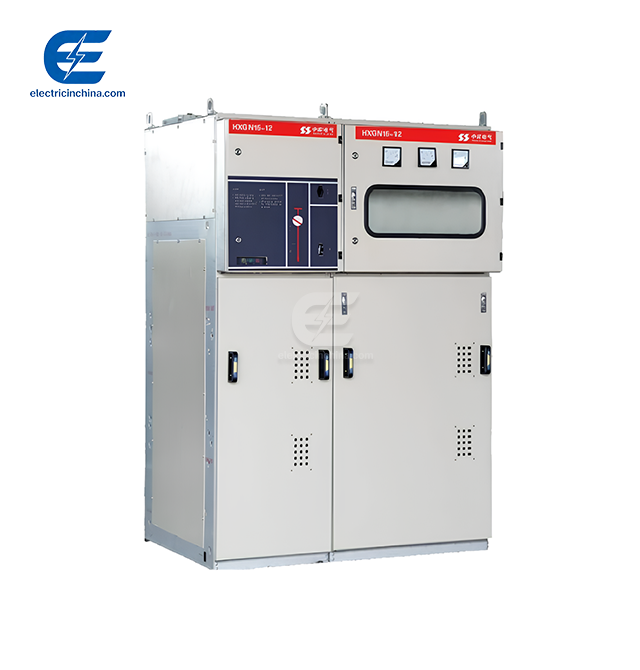
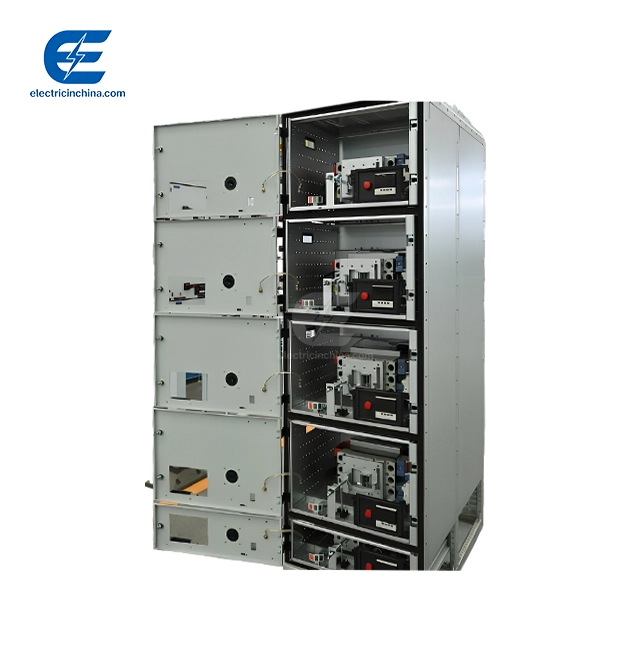
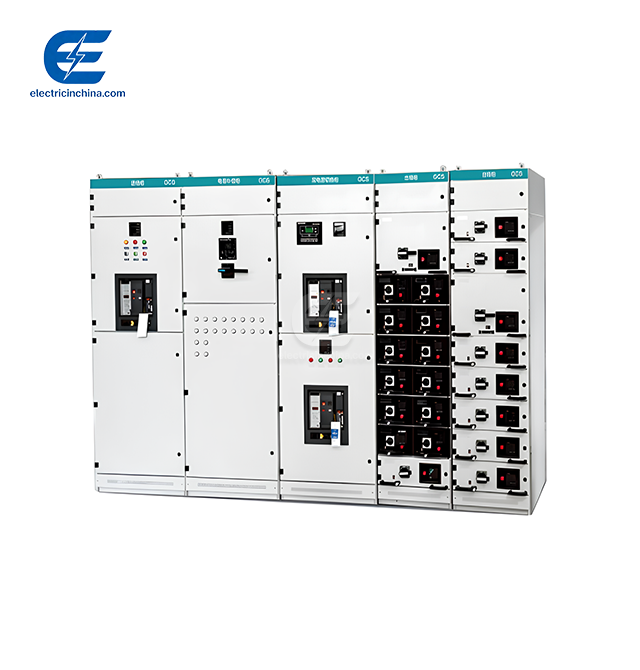
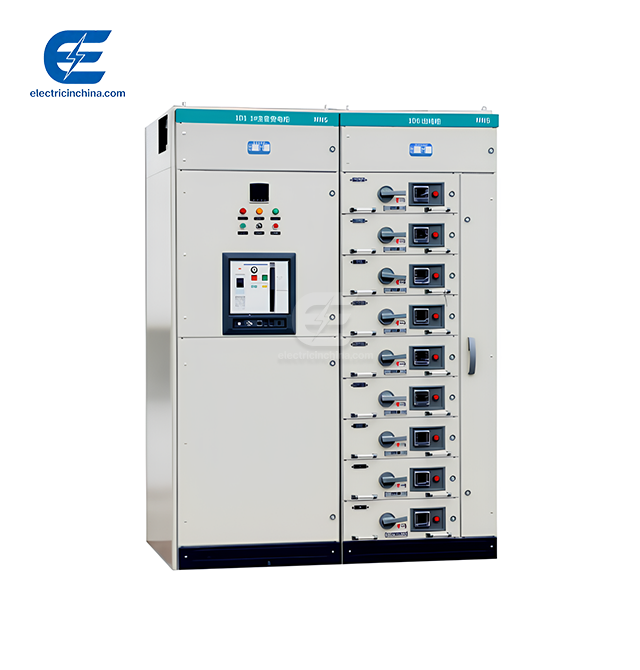
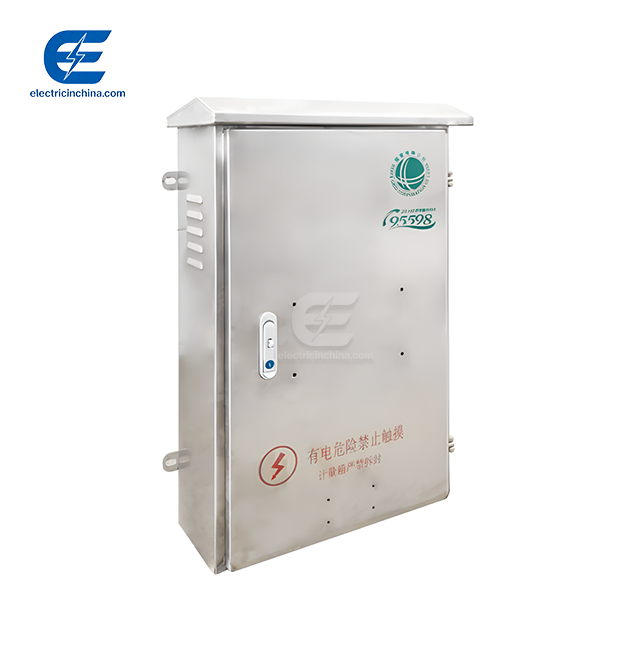
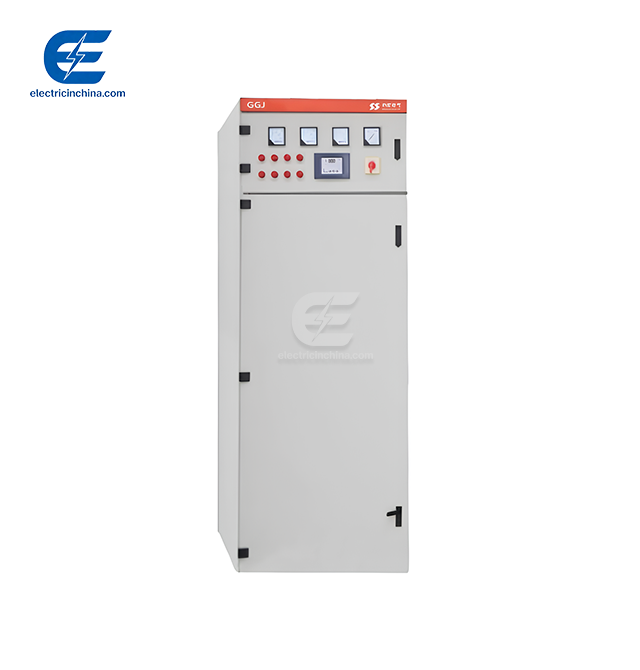
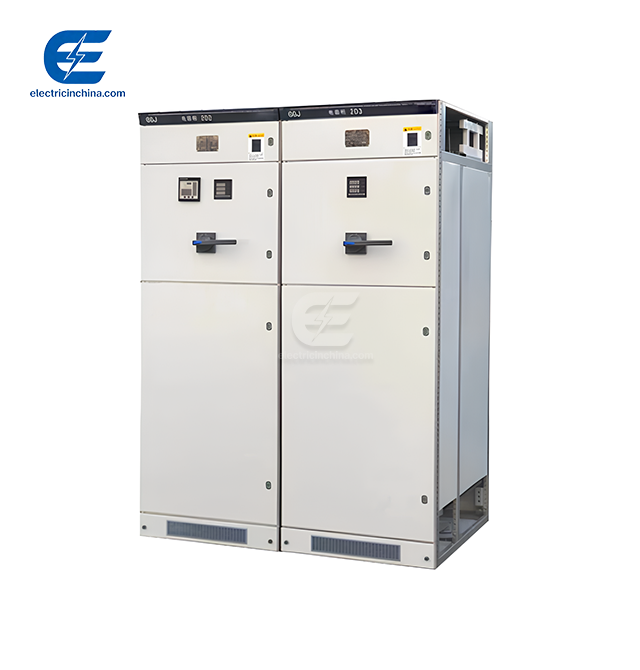
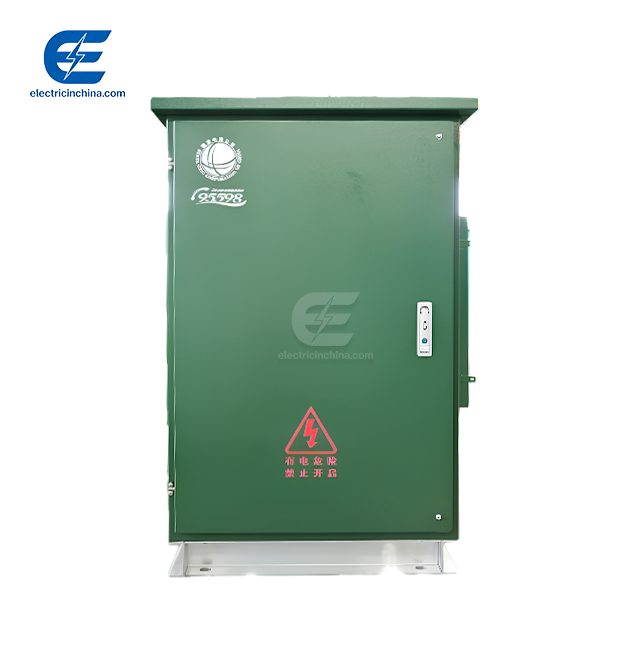
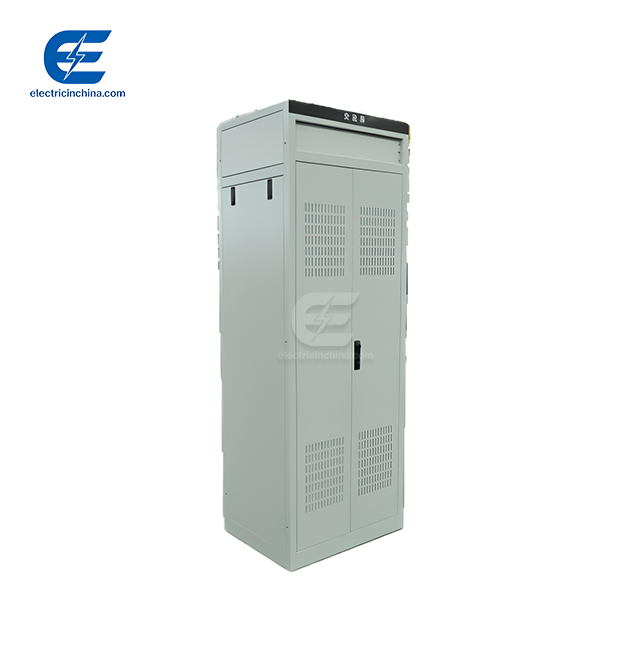
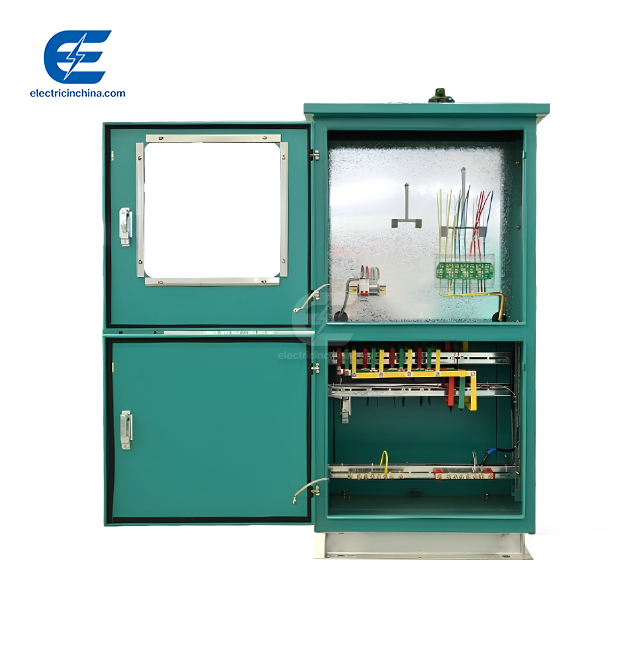
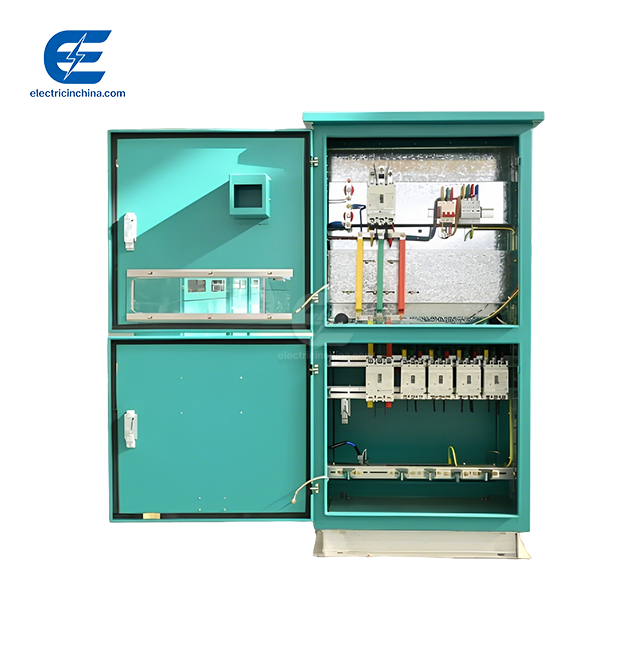
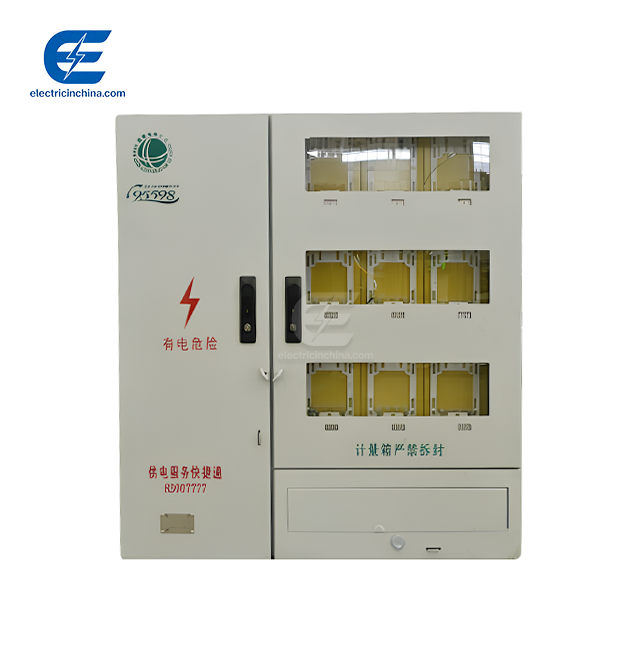
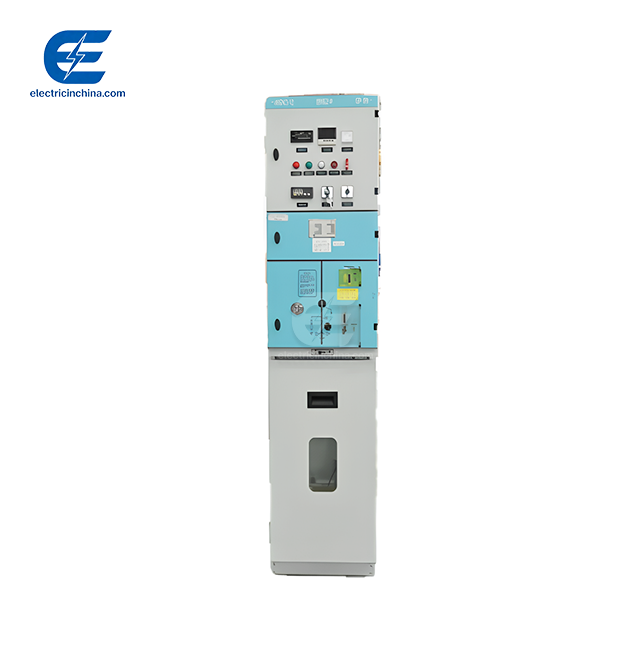
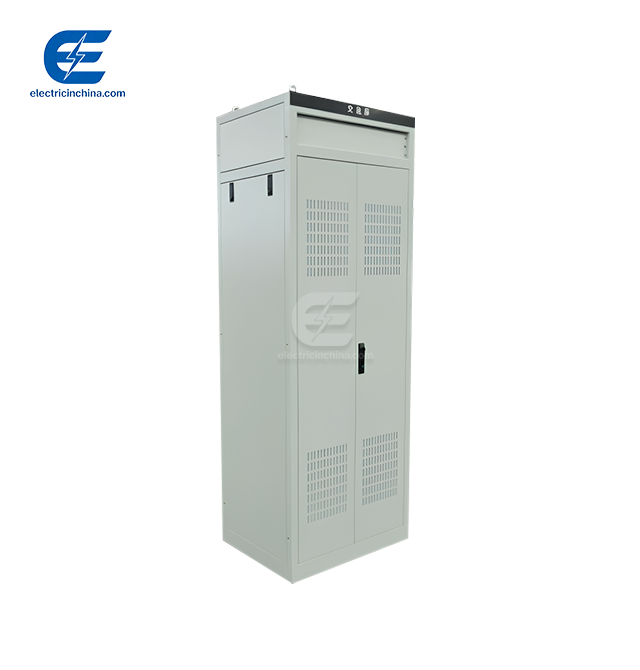
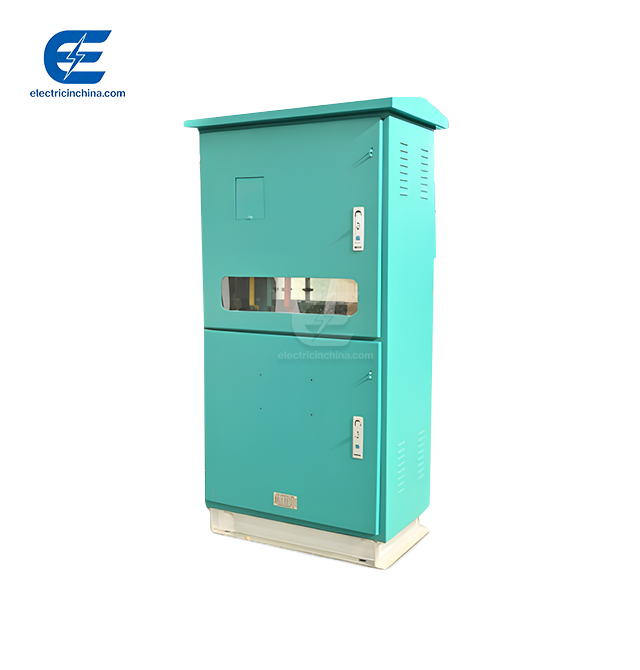
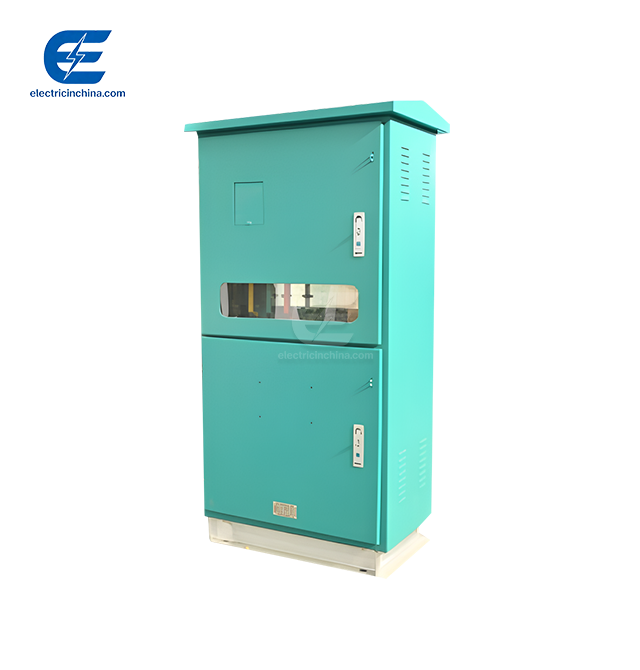
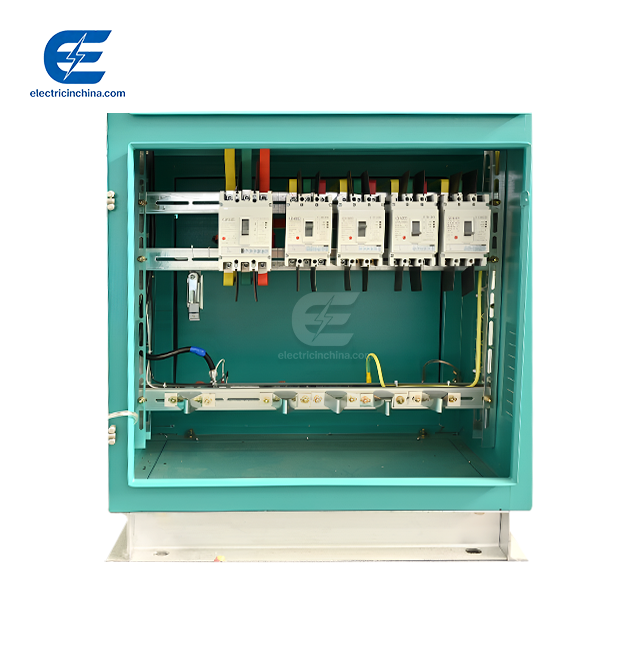
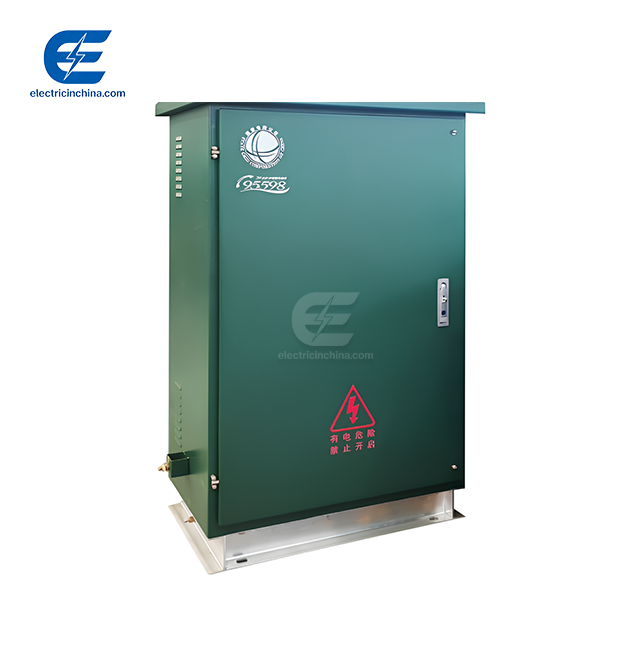
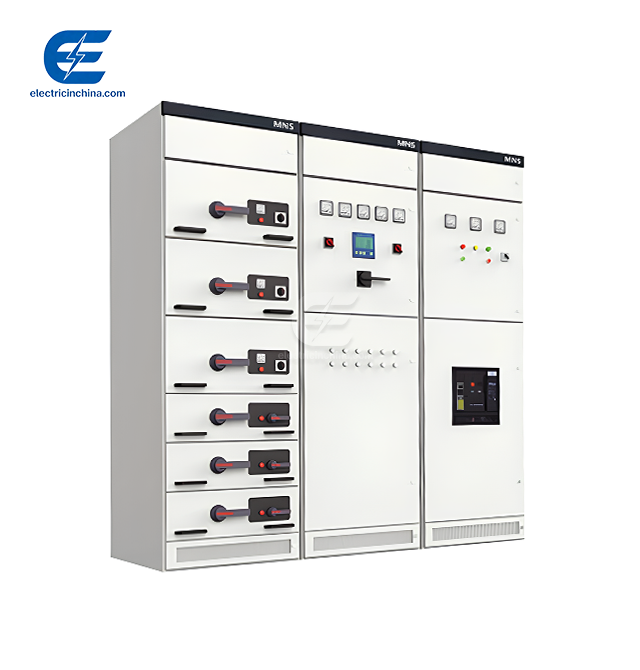
When power distribution equipment operates outdoors, a weatherproof transformer enclosure becomes the critical difference between reliable performance and costly failures. These protective housings shield transformers from rain, humidity, temperature extremes, and physical impacts that can compromise electrical safety and operational continuity. Beyond basic weather resistance, modern transformer enclosures integrate advanced materials, thermal management systems, and safety features that extend equipment lifespan by decades while reducing maintenance requirements. For government infrastructure projects, commercial developments, and industrial facilities, selecting the right protective housing directly impacts project reliability, total cost of ownership, and compliance with stringent electrical standards that govern outdoor power installations.
Understanding Weatherproof Transformer Enclosures
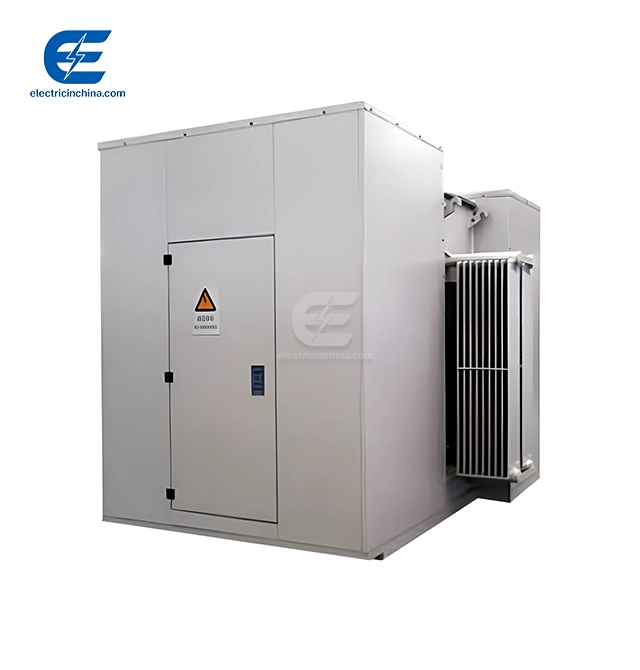
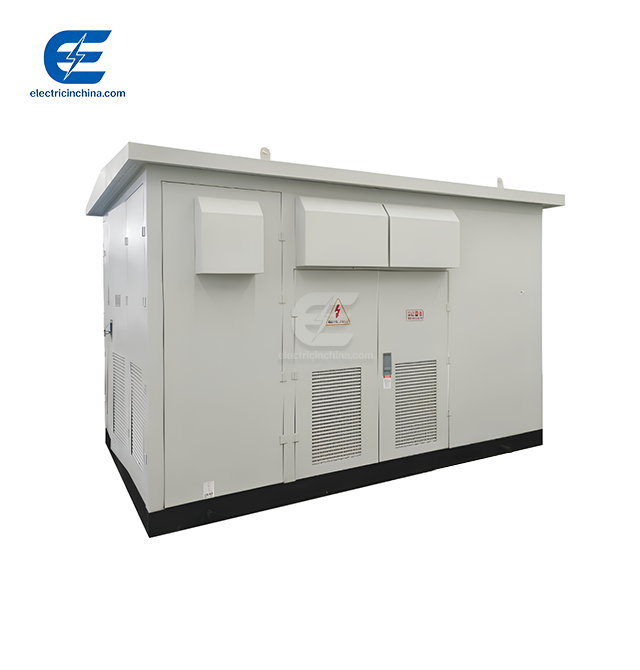
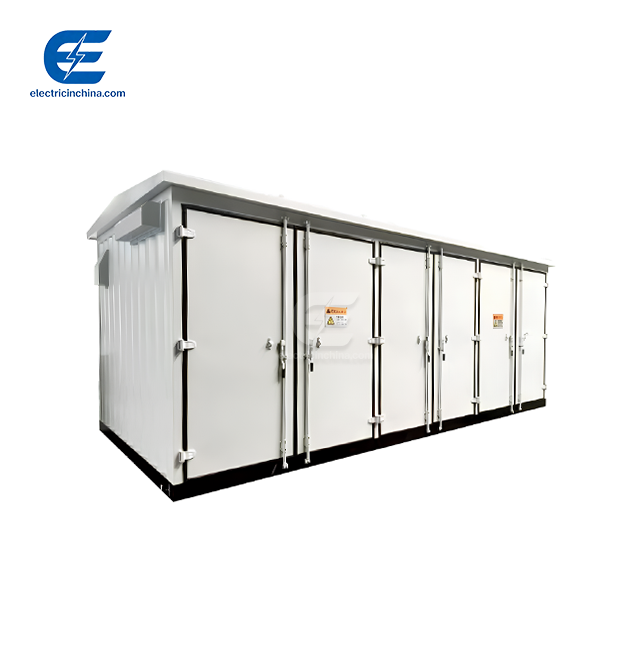
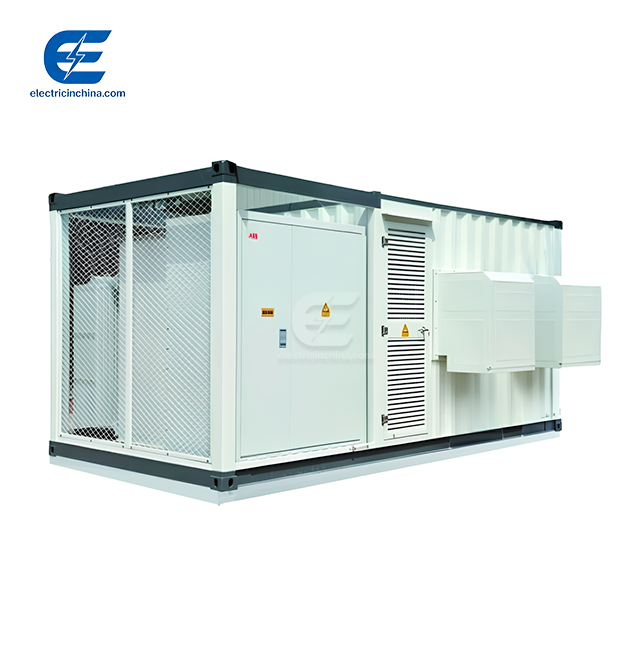
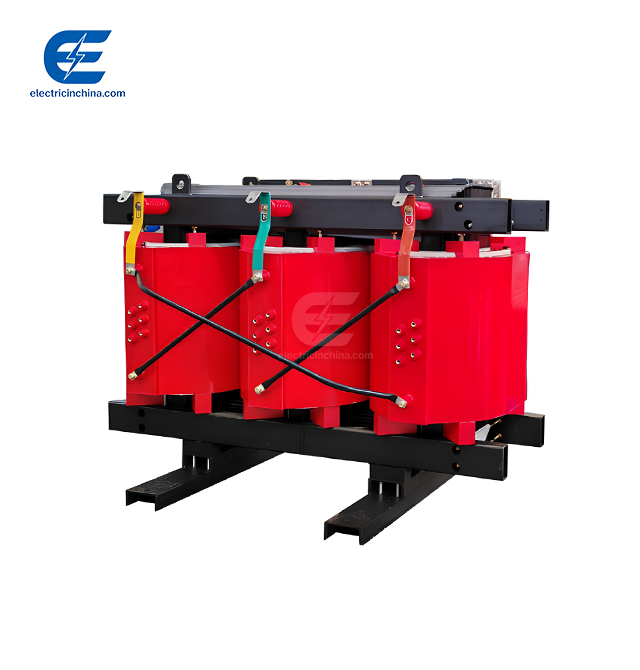
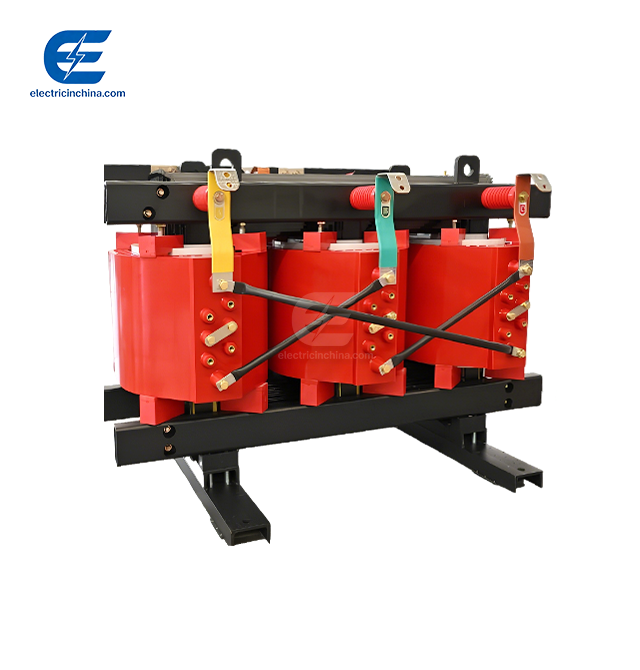
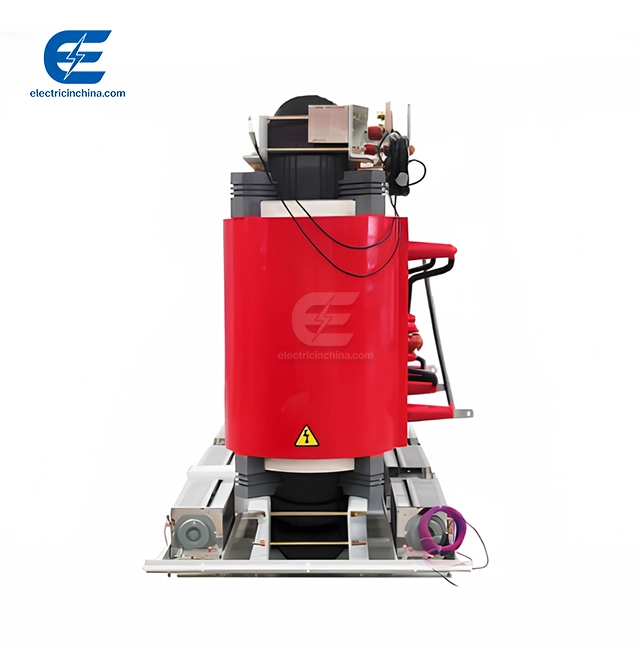
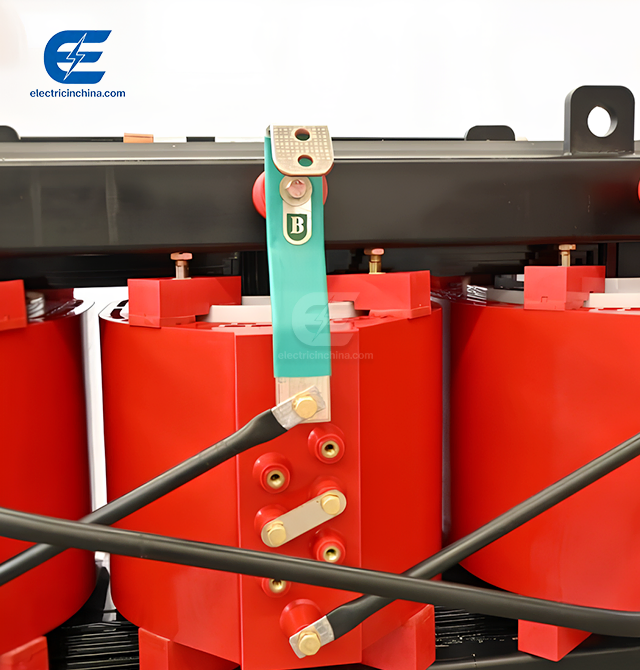
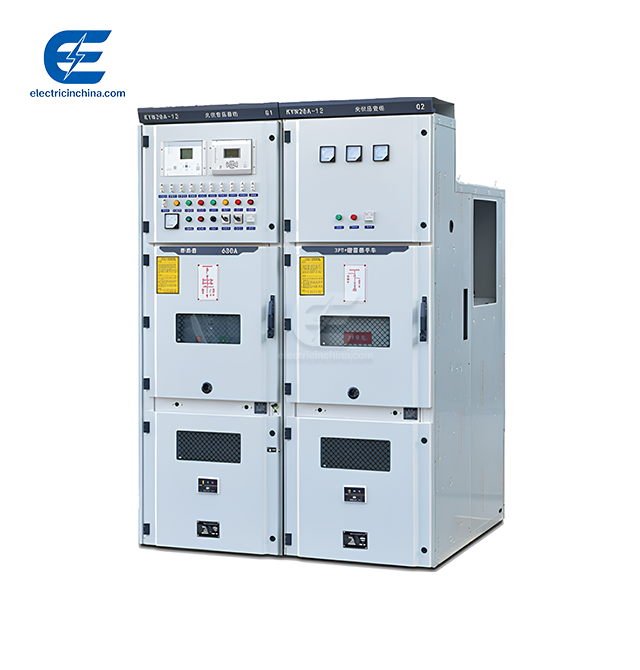
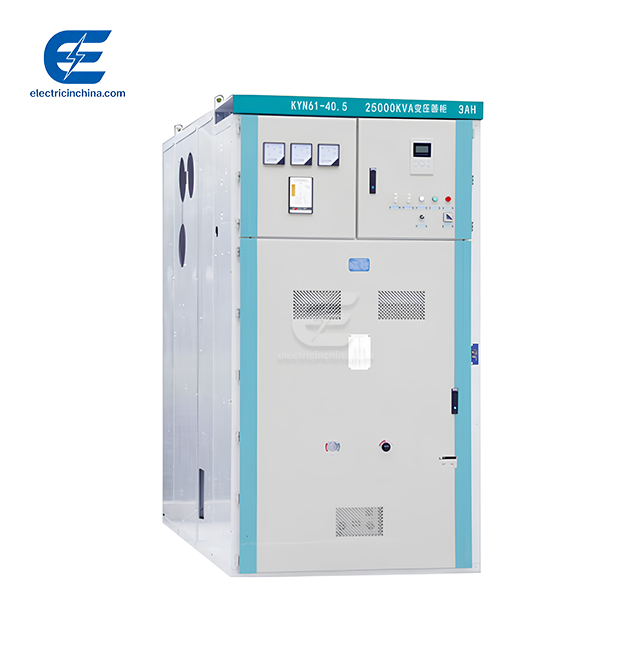
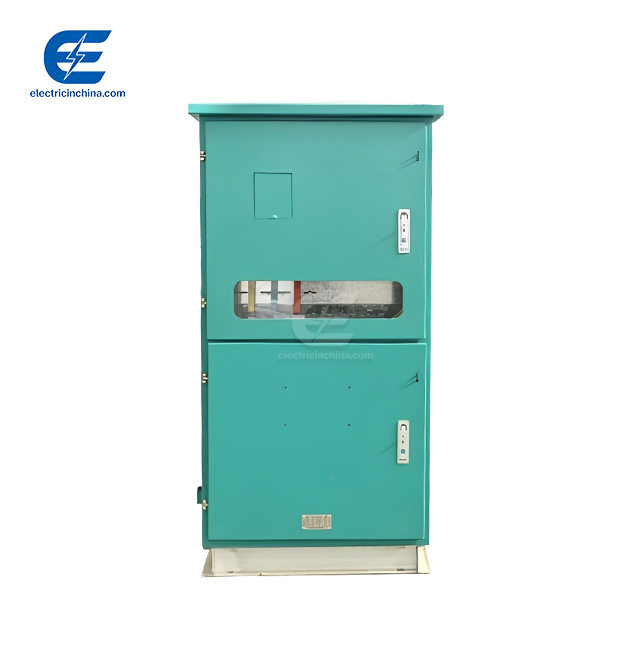
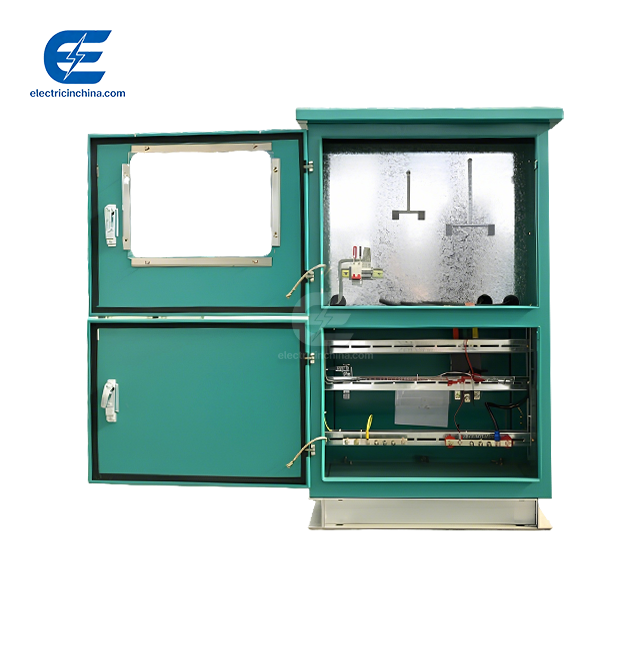
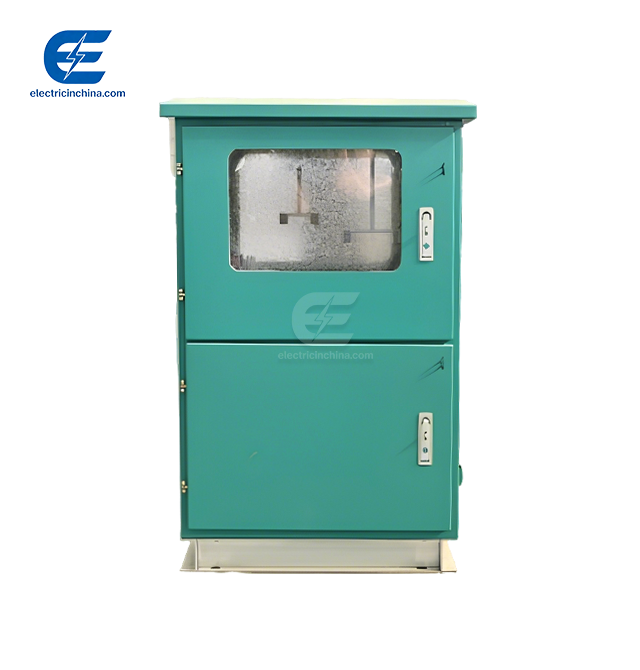
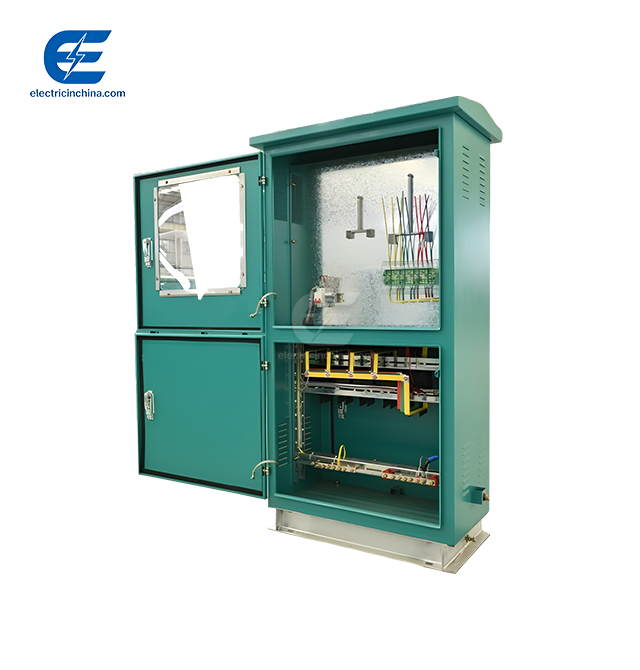
Outdoor electrical equipment protective housings are a lot more than just metal boxes. These engineered systems use material science, thermal dynamics, and electrical safety rules to make places where transformers can work reliably even when there are problems outside.
What Defines a Weatherproof Protective System?
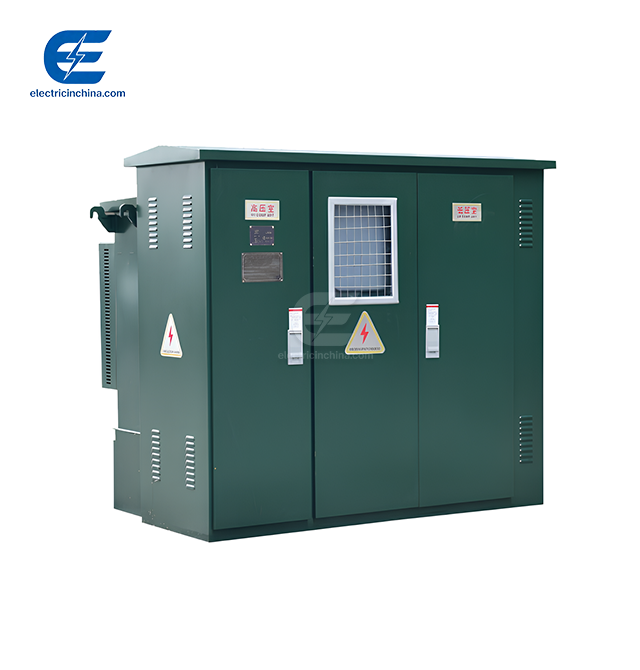
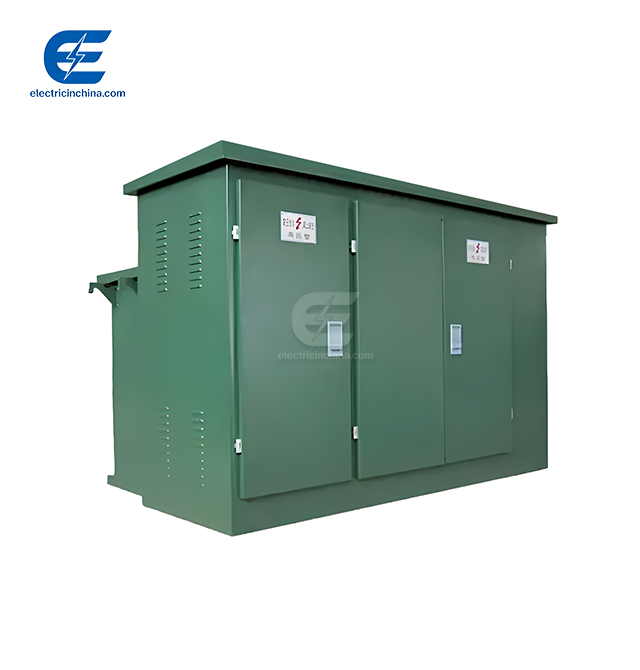
A properly designed protective housing has many layers of defence against threats from the outside world. The outer shell is resistant to damage from water, UV light, and physical hits from objects or mischief. Surfaces on the inside keep condensation from forming, which causes insulation to break down. Ventilation paths combine the need to get rid of heat with the need to keep outside elements out. This keeps the building at its best temperature without lowering its weather resistance.
Long-term success is determined by the choice of materials. In seaside settings, chloride amounts of up to 1500 mg/L can't hurt structures made of stainless steel, especially Type 316L grade. Aluminium metal frames are great at transferring heat while also being light, which is helpful for projects that have to deal with weight limits. Hot-dip galvanised steel with a powder finish is a cheap way to protect things, and ASTM B117 salt spray testing has shown that it is resistant for more than 1000 hours. Our engineering team makes sure that each material is safe by testing it in harsh environments that mimic years of exposure in a short amount of time.
Critical Protection Standards and Ratings
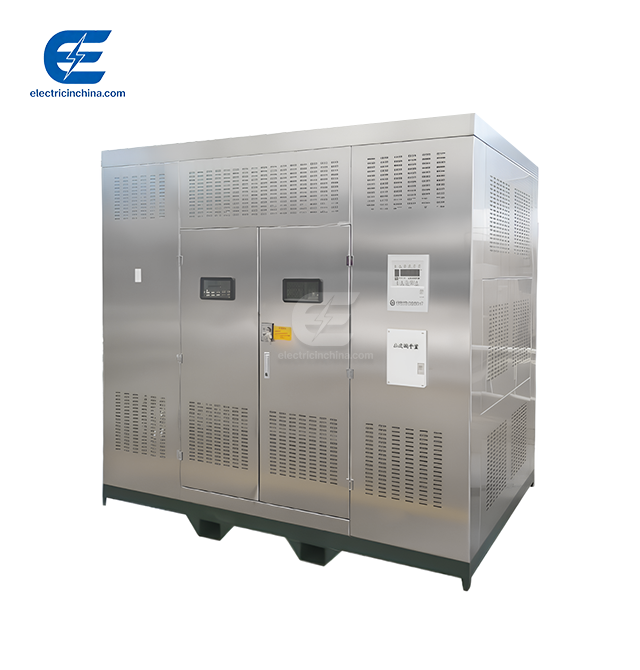
Ratings for Ingress Protection (IP) show how well enclosures keep solid objects and liquids out. IP54 setups keep dangerous dust from building up and keep water from splashing in from any direction. IP65 designs offer full dust-tight seals and security against water jets, making them good for places that need to be cleaned or that have extreme weather. Independent testing labs have confirmed that our Transformer Enclosure systems meet IP23D to IP54 ratings, based on the needs of the application.
Integrated Safety and Operational Features
The protection levels in NEMA standards are different from each other. NEMA 3R enclosures can handle rain, sleet, and ice formation on the outside, and they have drain holes for managing condensation. The NEMA 4X standards add corrosion resistance that is very important for places like chemical plants and the ocean. We make protective housings that meet both international standards and the needs of the specific utility. This way, we can make sure that they work with procurement requirements for a wide range of project types.
Fire resistance protects nearby structures when problems happen inside the building. Flame-resistant materials and thermal shields keep fires from spreading, which stops electricity networks from going down in a chain reaction. Our designs use insulation materials that can't catch fire and are rated to be exposed to working temperatures for a long time while still keeping the structure's integrity during thermal situations.
Electromagnetic shielding that works better than 60dB across frequency ranges of 1 to 1000MHz prevents interference with sensitive communication and control systems. This is especially important in places with data centres, medical equipment, or high-precision manufacturing processes where noise from electrical appliances can stop work.
Core Benefits of Weatherproof Transformer Enclosures for Outdoor Deployments
Putting money into properly designed safety systems has real benefits that affect the cost of the project, the reliability of operations, and the safety performance over the lifetime of the equipment.
Comprehensive Environmental Protection
Outdoor structures are constantly being attacked by the elements. Rain adds wetness to the air, which breaks down insulation systems and corrodes links. Temperature cycling causes condensation, which speeds up the breakdown of parts. UV light breaks down polymeric materials, which leads to mechanical failures and weakens structures. Debris blown by the wind damages exposed parts, which can lead to faults and safety risks.
Our designs for waterproof enclosures take each threat into account by making smart engineering choices. Gasket-sealed door parts keep out the weather while still letting repair workers get in. Labyrinth-style air paths help control temperature without making straight paths for moisture to get in. Fasteners and hinges that don't rust keep working properly even after being exposed to water and other chemicals for a long time. Installations at the Xuzhou Rail Transit Network Control Center have been kept safe by these multiple layers of defence. The stability of the power system has a direct effect on public safety and service consistency. Our protective housings and dual-circuit power supply design make sure that mission-critical transportation infrastructure can keep running without interruption.
Extended Equipment Lifespan and Reduced Maintenance
Families and businesses expect transformers to work reliably for at least 25 to 30 years after they are bought. When protective steps don't work, environmental decline cuts this time frame by a huge amount. When moisture gets in, insulation breaks down. Corrosion makes connections less resistant, which creates heat that speeds up the ageing process of parts. When dust builds up, it stops cooling pathways, which raises working temperatures above what was intended.
When protective housings are properly specified, these ways of breaking down are eliminated. Our systems are made with materials that don't rust and are designed to last 20 years or more without requiring much maintenance. This idea is shown in the XCMG Group plant power supply upgrade project, which takes place in a tough industrial setting. We finished the installation early and delivered protective systems that can handle problems in the manufacturing environment, such as airborne contaminants, high temperatures, and mechanical vibrations. This led to much shorter maintenance periods and longer Transformer Enclosure service lives, which improved the overall economics of the project.
Enhanced Safety and Risk Mitigation
Electrical systems naturally pose risks to people and the structures around them. Getting into powered equipment without permission can hurt or kill. Contact between wildlife and conductors leads to problems and safety issues. Arc flashes are caused by internal failures and put workers and buildings nearby at risk.
Our Transformer Enclosure systems have a lot of safety measures that protect against these risks. Unauthorised access is stopped by tamper-resistant door mechanisms that also allow for quick emergency response. Clear warning signs let everyone know about electrical dangers. Ground connection points help the system join properly, which keeps dangerous voltage potentials from building up on the enclosure's sides. The lockout-tagout rules help keep upkeep safe and in line with OSHA rules. These safety-focused design elements have helped protect hundreds of commercial buildings, such as the Xinhuai Central Complex and the Huaihai Xintiandi developments, which need strict safety measures to meet public needs.
Optimized Thermal Management
The working temperature has a direct effect on the performance and life of a transformer. Every 8–10°C rise in winding temperature cuts the life span of an insulation system in half. Thermal stress, which happens when there isn't enough ventilation, breaks down materials and makes equipment less reliable. On the other hand, ventilation holes that are too big lower ingress protection scores by letting moisture and contaminants in.
We solve this design problem by modelling the temperature according to IEEE guidelines. Natural convection pathways get rid of the need for mechanical cooling parts that need to be maintained and have places where they can break. Inlet and outlet vents are placed so that they get the most cooling from the wind while still meeting IP ratings. Ventilation area estimates weigh the need to remove heat against the need to protect the environment. They usually take into account 1% to 2% of the enclosure wall area in engineered louvre designs. This smart method has worked in a wide range of climates, from the wet coastal areas to the high temperatures of the desert, keeping the transformers in the best possible working conditions without affecting their safety.
How to Choose the Right Weatherproof Transformer Enclosure for Outdoor Use?
To choose protective housing systems, you need to carefully look at their technical specs, the environment, and the costs over their whole life. For decades, the reliability of a project will depend on the procurement decisions made during the planning stages.
Assessing Environmental and Operational Requirements
Material and rating choices are based on the climate at the building site. Coastal areas need corrosion resistance because of the salt spray. Chemicals in the air in industrial areas require certain types of material compatibility. Extreme temperatures affect the design of thermal management and the choice of materials for cycles of expansion and contraction.
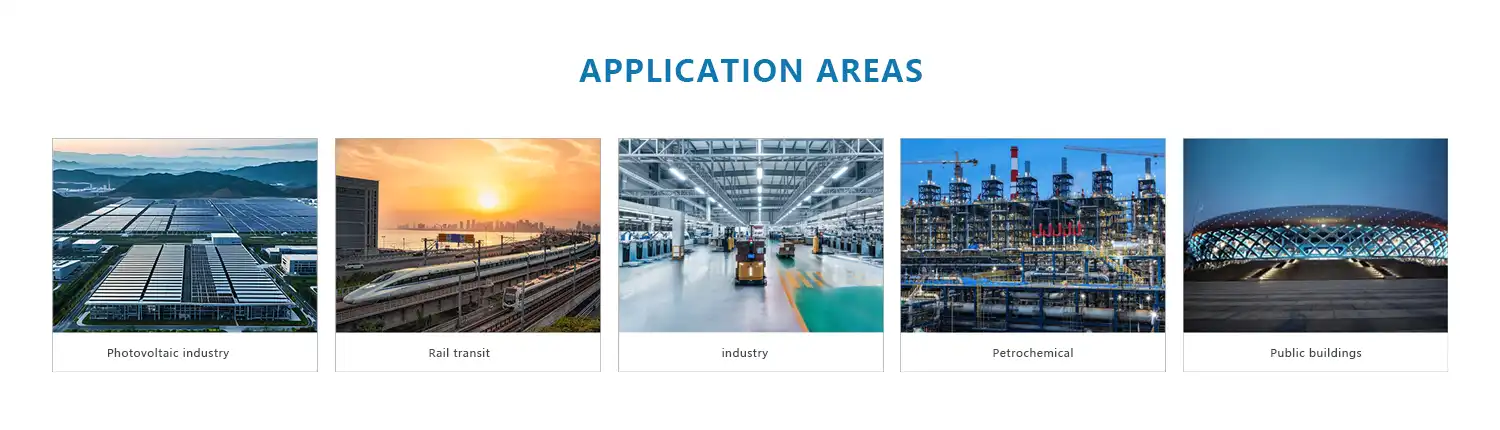
Our application engineering team helps clients match the requirements for safe buildings to the problems that exist at the site. Installations at the GCL Photovoltaic Industrial Park needed to be protected from dust in hot places, which meant they had to meet certain IP standards and have ventilation designs. The Huaihai Biomedical Industrial Park project needed materials that could resist chemicals and strict controls on contamination, which affected the choice of materials and the requirements for the sealing system. We offer options that are specifically designed to meet the needs of different areas' environments and laws.
Material Selection: Balancing Performance and Economics
Three main types of materials are used for different kinds of tasks. Stainless steel constructions are the most resistant to corrosion in harsh environments. The 316L material standard we use keeps structures strong in sea environments and chemical processing plants where other materials fail quickly. Even though it costs more at first, this option is the best in terms of lifetime economics for systems that are at high risk of corrosion.
Aluminium metal containers are very good at transferring heat while also being light. This combination works well for rooftop installations that can't handle too much load or temporary power systems that need to be able to be moved. Aluminium doesn't need any extra coatings to keep it from rusting, so it can be used outside in many situations without any extra work.
When used outside in normal conditions, hot-dip galvanised steel with powder-coating finishes is the most cost-effective option. This method provides reliable security that meets most utility and business requirements while keeping project costs as low as possible. We offer finish colours that can be changed to fit the needs of the building or to meet high-visibility safety standards, depending on the conditions on the site.
Evaluating Supplier Capabilities and Support
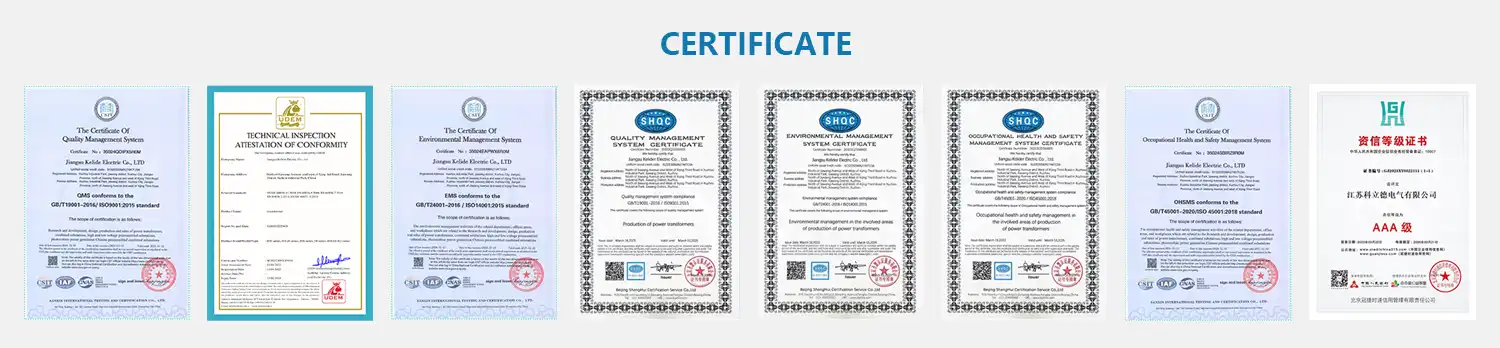
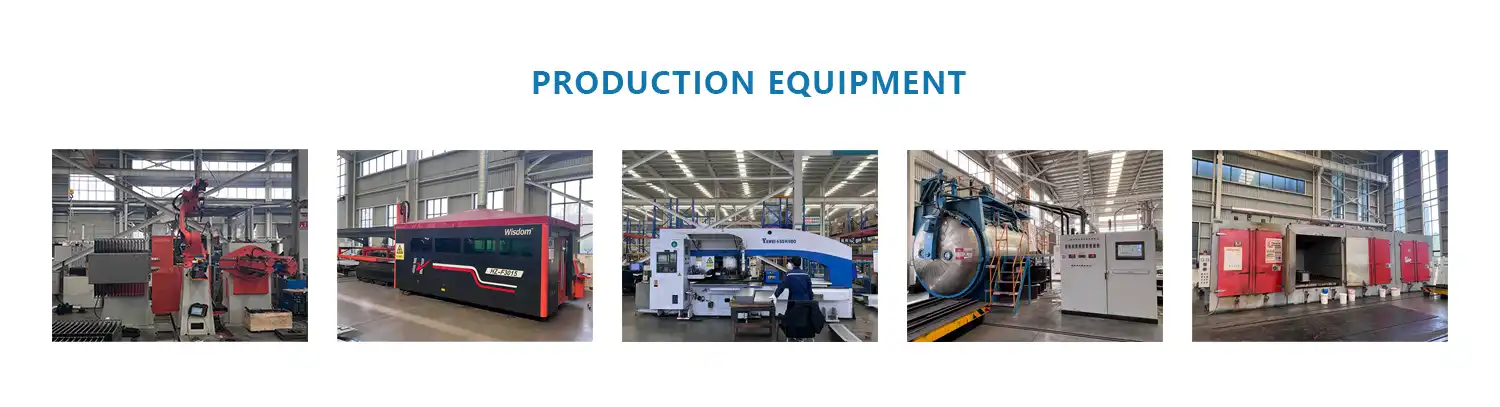
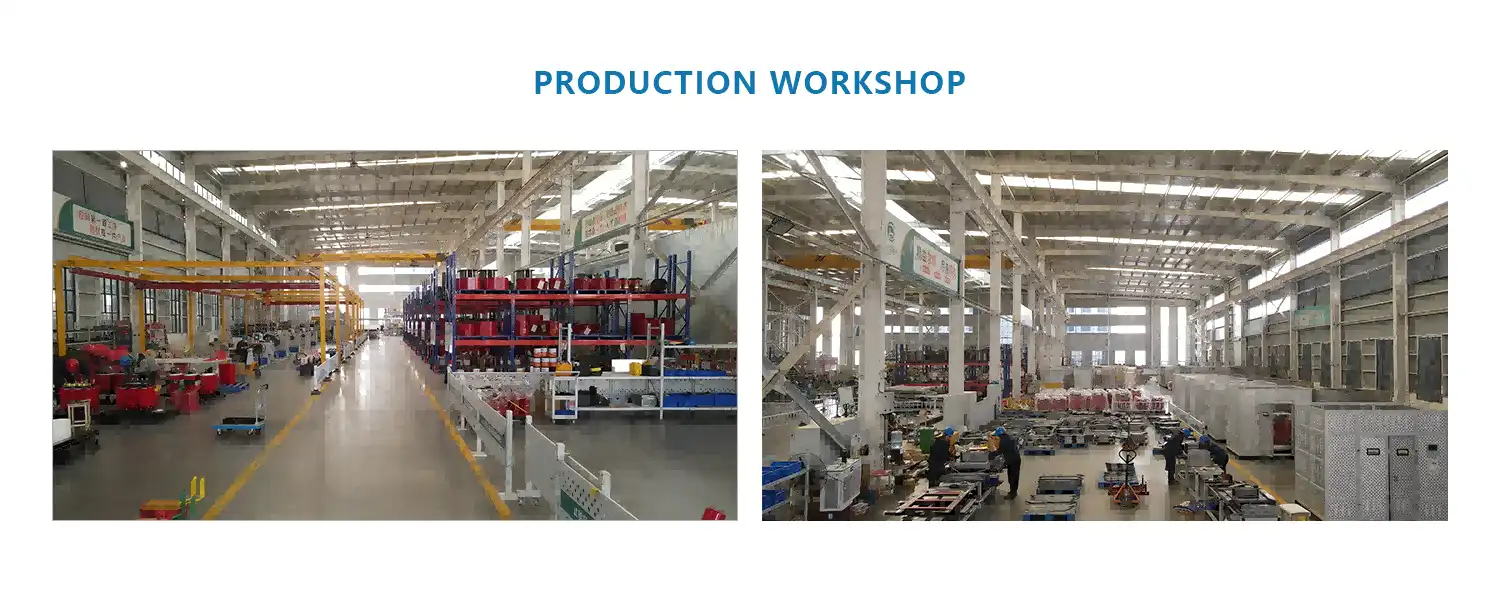
The quality of protective housing depends a lot on how well it is made and what quality systems are in place. Our more than 120 sets of advanced production equipment, such as CNC wrapping machines and microcomputer-controlled curing systems, make sure that the dimensions and qualities of our materials are always the same. This level of accuracy in production has a direct effect on how well the gasket seals, how straight the doors are, and the long-term strength of the structure.
At every step of the production process, quality management rules apply. Our systems are ISO9001-certified and use strict tracking from the time we buy the raw materials until they are delivered. The makeup and mechanical qualities of incoming materials are checked. In-process checks make sure that the assembly steps and limits for dimensions are correct. Before a finished product is shipped, it is tested to make sure that it meets IP ratings, grounding continuity, and structural requirements. This thorough approach to quality keeps broken products from getting to customers, which cuts down on installation delays and warranty claims.
The ability to provide technical help is just as important. Our team of 15 senior engineers and 30+ intermediate technicians helps with application engineering, making changes to custom designs, and providing support in the field throughout the lifecycle of a project. We help our clients find electrical equipment that works well with other things they already have. Our one-stop solutions make it easier to coordinate and make sure that all of the parts work together. This all-in-one service model has helped hundreds of building projects in the business, commercial, and industrial sectors.
Practical Maintenance and Safety Tips for Outdoor Transformer Enclosures
Establishing Routine Inspection Protocols
Proactive maintenance plans make protective housing work better and extend the life of transformers. Regular checks find problems before they get worse and cause expensive failures or safety events.
Inspections should be done once a year to check the condition of the gasket and the door's alignment. When seals get worn down, water can get in and damage shielding systems. Misaligned doors show that the hinges are worn out or that the structure has settled and needs to be fixed. An evaluation of the coating's integrity shows what needs to be fixed before corrosion gets into the base materials. The finishing on our safety systems is very long-lasting, but sometimes conditions at the job site speed up degradation in certain areas.
A check of the ventilation system gets rid of any buildup of garbage that gets in the way of airflow. When dust builds up, it makes cooling less effective, which raises the operating temperature of transformers and shortens the life of equipment. Hardware oil keeps doors working and stops them from binding, which makes it harder to do upkeep. Verification of torque makes sure that fasteners stay in place even when they are vibrating or changing temperatures. Electrical safety systems are checked to make sure that enclosure surfaces can't build up dangerous potentials in relation to earth ground. This is done by checking the ground link resistance.
Seasonal Adaptation and Climate Considerations
Extra inspection cycles are needed for extreme weather events. Heavy snow loads put stress on roof systems, which could lead to damage or bending. If ice builds up around door parts, it can make it impossible to get in during an emergency or lower the closing effectiveness. Impact damage from wind-blown debris is found during checks after a storm, before weak security causes equipment to fail.
Periods of high temperatures call for checking the thermal performance. Infrared surveys find hotspots that mean there are problems inside or that ventilation is blocked. Trending research finds slow losses in performance before they become major problems. We include these best practices for maintenance in our training programs for clients so that operations staff know what the protective system needs and how to inspect it.
Compliance and Standards Updates
As the business learns more, electrical codes and safety rules change. Regular checks make sure that systems that are already in place are still up to date with the latest standards. The rules for ground fault safety, arc flash labelling, and working distances may have changed since the first placement. Our technical team keeps an eye on changes to regulations and lets clients know what changes need to be made to stay in line with the rules and improve safety performance.
Case Studies and Industry Applications
Municipal Infrastructure Excellence
Real-world project experience shows that protective housings that are properly engineered deliver measurable value in a wide range of application settings.
For example, the Xuzhou Rail Transit Network Control Center project shows how to protect infrastructure so that failure doesn't have a chain reaction effect on public safety. We offered complete power supply solutions with dual-circuit designs that made sure the systems kept running even when equipment broke down or maintenance was being done. The secure housings keep important transformers from being exposed to the elements and make it easy for maintenance workers to quickly check and fix the system.
Because the installation was so complicated, the mechanical, electrical, and construction workers had to work together very closely. Our method to project management made integration easy, and we were able to deliver tools ahead of schedule. This record of performance shows that we have 20 years of experience working on big building projects where dependability and meeting deadlines are key to success.
Commercial Development Reliability
Commercial real estate projects have to balance the need for good looks with the need for good technical performance. For the installation at the Xinhua Central Complex, secure housings had to look good with the building's architecture while still providing complete electrical safety. We gave you unique finish colours and outside shapes that met the design requirements without lowering the technical performance.
The Zhongjun Huijingcheng development's operational reliability shows that the protective system works well in high-occupancy facilities. For tenants to be happy, HVAC systems, lights, lifts and life safety tools must always have power. Our waterproof shelters keep transformers working reliably even when the weather is bad, which helps property managers meet their goals and keep tenants.
Industrial Environment Durability
The conditions for working in manufacturing facilities are especially tough. For the XCMG Group plant power supply upgrade, safety systems had to be able to handle high vibrations, airborne contaminants, and the heat from industrial processes. We delivered custom enclosures that met these needs while also meeting tight project deadlines that were in line with production schedules.
The GCL Photovoltaic Industrial Park installation shows how well protective housing works in clean manufacturing settings where keeping things clean is very important. Our sealed designs stop particles from moving outward and keep process-generated dust from getting into electrical equipment. This two-level safety method helps meet quality goals for manufacturing while also making sure the electricity system is reliable.
Conclusion
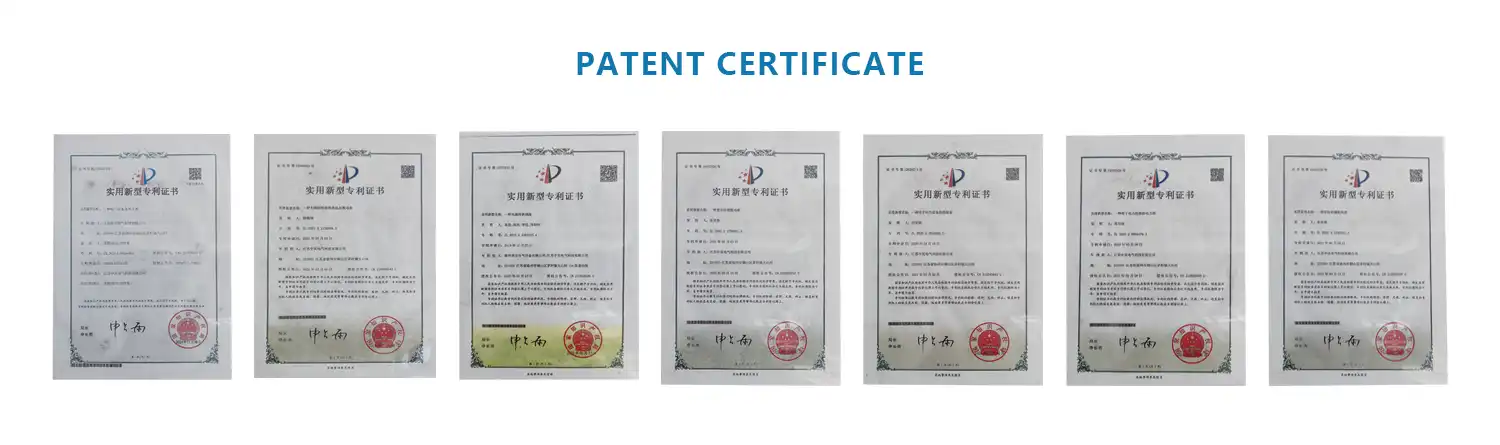
Weatherproof protective housings, namely transformer cabinets, are necessary parts of infrastructure, not extras that can be added. These designed systems decide whether outdoor electrical equipment works reliably for decades or breaks down too soon, which can have terrible effects on safety and the economy. The difference between good security and bad options is the right choice of materials, smart thermal management, and strict quality control systems. Our production skills, technical knowledge, and project experience allow us to make protective systems that are specifically designed to meet the needs of government, business, and industry clients. Our designs are backed by 18 patents, and hundreds of successful installations show that there are ways to improve reliability, safety, and the cost-effectiveness of a product over its entire life. When companies buy protective housings, i.e., that are properly sized, they lower their upkeep costs, make tools last longer, and get rid of failure risks that could hurt their project goals.
FAQ
What IP rating should I specify for my outdoor installation?
For places near the coast where salt spray is common, products must have at least an IP54 grade and be made of stainless steel or hot-dip galvanised metal. Industrial areas with airborne toxins can benefit from IP65 standards, which keep dust out completely. Standard outdoor utility applications usually use IP23 or IP33 ratings, which provide enough protection while maximising thermal management. Our engineering team checks out the site and suggests the right level of protection, taking into account the need for cooling and the cost of the project.
How do NEMA ratings differ from IP classifications?
IP ratings only cover water and dust intrusion, but NEMA standards cover more types of protection, such as resistance to corrosion, icing, and mechanical impacts. With ventilation holes, NEMA 3R shelters can handle rain and sleet. The NEMA 4X standards add corrosion resistance that is very important for chemical environments. A lot of utility projects call for both rating systems, which means that shelters have to meet both sets of standards. Our designs meet both foreign and local security classifications, which means they can be used with a wide range of procurement requirements.
Can protective housings be customized for unique requirements?
Of course. Standard catalogue items work well for many uses, but sometimes changes are needed for particular tasks. We can make custom sizes for transformers that are too big, unique ventilation plans for harsh climates, and finish colours that match the needs of the architecture. Our more than 120 sets of equipment and skilled technical team make it possible to quickly apply custom designs without having to wait a long time. Custom changes have helped with installs on naval platforms and in underground vaults, where limited room requires engineers to come up with creative solutions.
Partner With Tuojie for Reliable Transformer Enclosure Solutions
Protecting important investments in power distribution requires top-notch manufacturing, engineering, and project knowledge that has been proven. Tuojie offers complete Transformer Enclosure systems that are certified by ISO9001, ISO14001, and OHSAS45001, which guarantees quality, safety, and care for the environment during the entire production process. Our protective housings have grades from IP23D to IP54, are made of materials that won't rust, have been used in hundreds of installations, and have 18 unique innovations that make the heat management designs even better. Whether your project is for government infrastructure, business growth, or industrial manufacturing, we can make solutions that are tailored to your exact needs and meet your deadlines. Our senior engineering team works with procurement professionals to choose the best levels of security, materials, and configuration details that will maximise efficiency while keeping lifetime costs low. Get in touch with Tuojie right away at tuojie@electricinchina.com to talk to experienced engineers about your Transformer Enclosure needs. We are a reliable maker that works with EPC contractors and project creators all over the country. For your important power projects, we provide the technical strength, quality control, and all-around service they need. You can look at our full line of power distribution solutions and set up a consultation by going to electricinchina.com.

References
1. Institute of Electrical and Electronics Engineers (IEEE), "IEEE Standard for Outdoor Apparatus Bushings C57.19.00-2004", IEEE Standards Association, 2004.
2. National Electrical Manufacturers Association (NEMA), "Enclosures for Electrical Equipment (1000 Volts Maximum) NEMA 250-2020", NEMA Publications, 2020.
3. International Electrotechnical Commission (IEC), "Degrees of Protection Provided by Enclosures (IP Code) IEC 60529:2013", IEC Standards, 2013.
4. American Society for Testing and Materials (ASTM), "Standard Practice for Operating Salt Spray (Fog) Apparatus ASTM B117-19", ASTM International, 2019.
5. Cooper Power Systems, "Pad-Mounted Transformer Enclosures: Design, Selection, and Application Guide," Eaton Technical Library, 2018.
6. Electrical Safety Foundation International (ESFI), "Weatherproof Electrical Enclosures: Best Practices for Outdoor Power Distribution", ESFI White Paper Series, 2021.