

.webp)
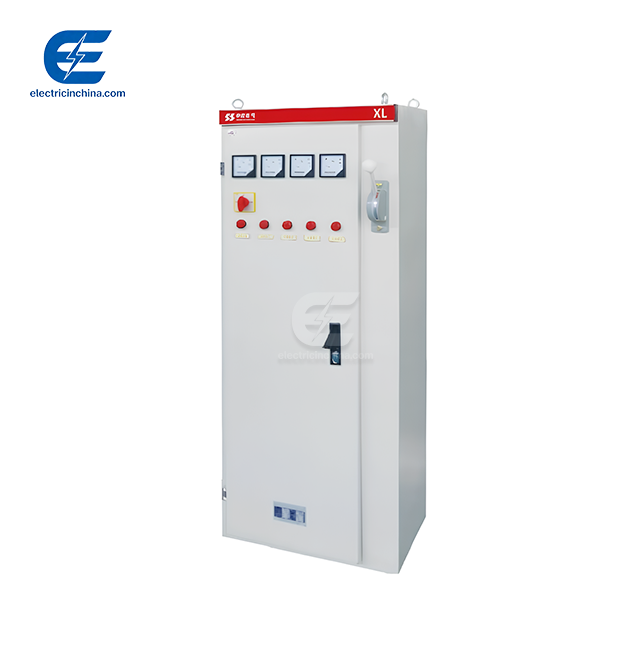
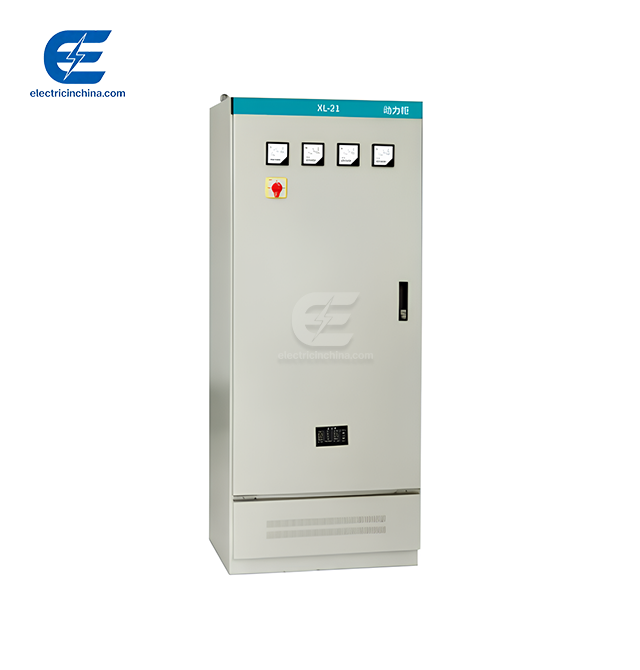
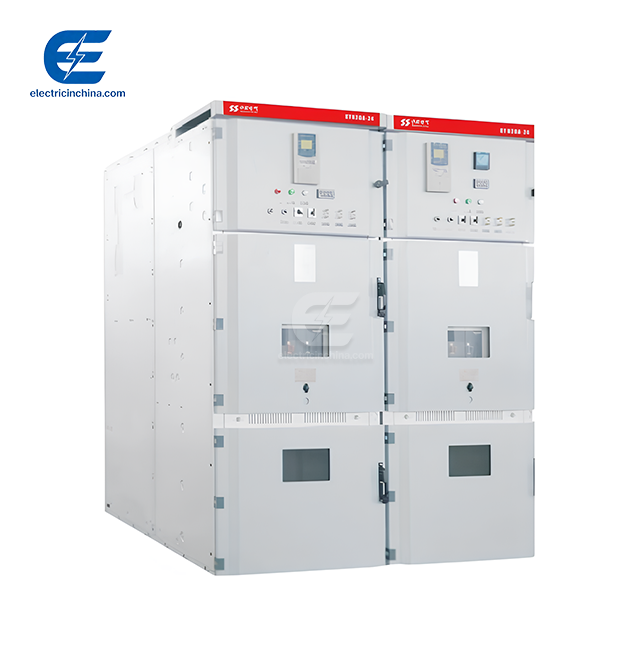
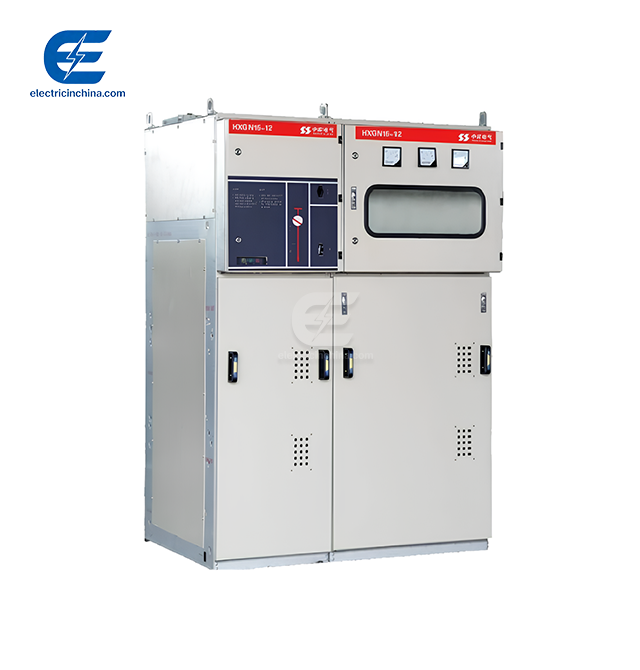
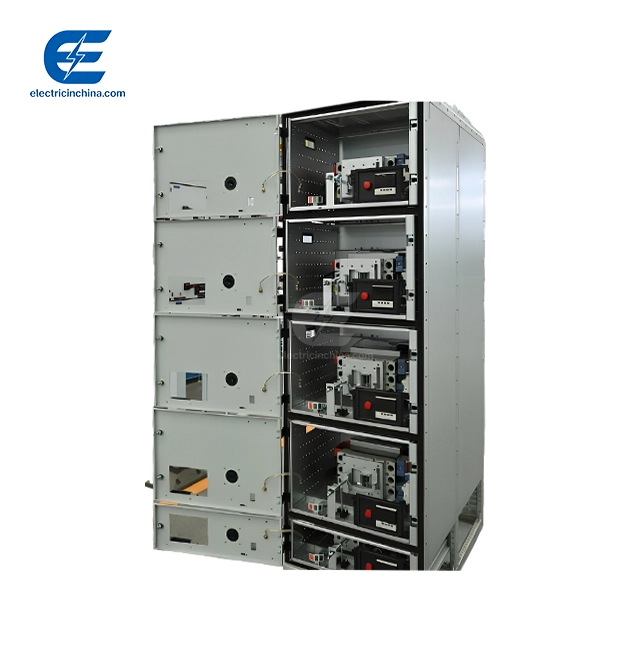
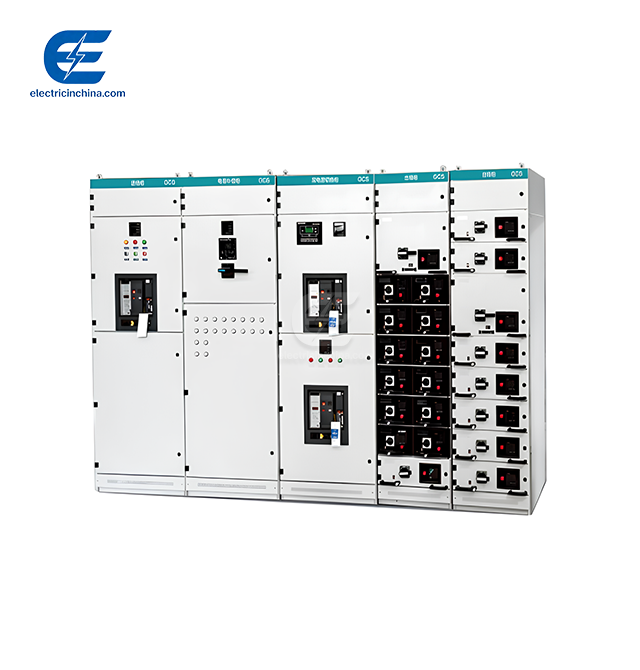
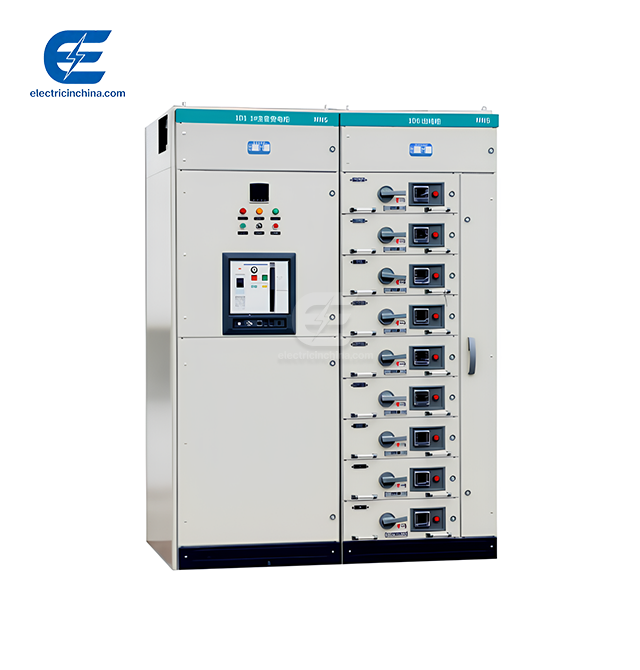
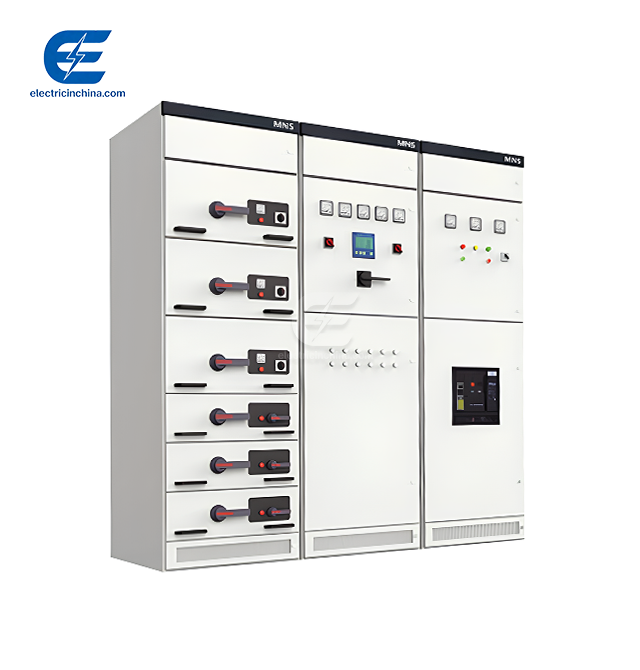
When planning power infrastructure for government projects, commercial developments, or industrial facilities, you face a critical decision: how to deploy reliable electrical distribution systems quickly without compromising quality or safety. An Integrated Modular Substation offers a proven solution that combines transformers, switchgear, and control systems into factory-tested units, cutting project timelines by 40–60% compared to conventional builds. This approach addresses the core challenges of installation complexity, commissioning accuracy, and long-term operational reliability that procurement professionals encounter daily.
Understanding Integrated Modular Substations and Their Installation Challenges
Learn about Integrated Modular Substations and the problems that come with installing them.
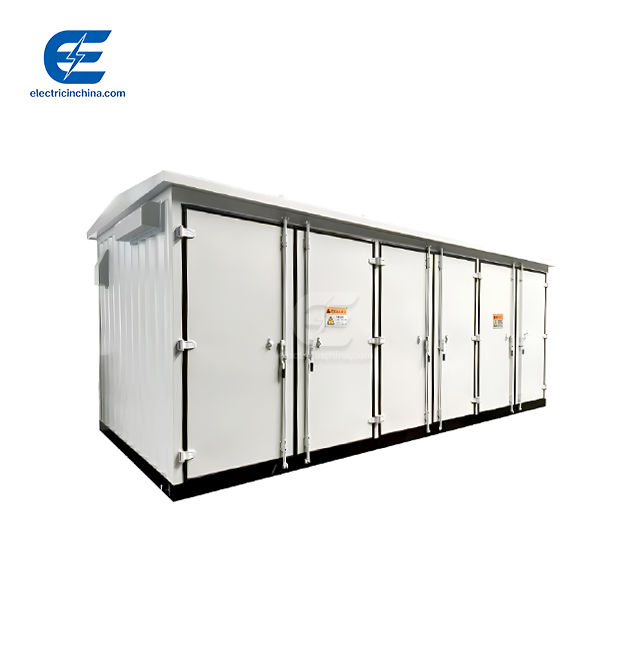
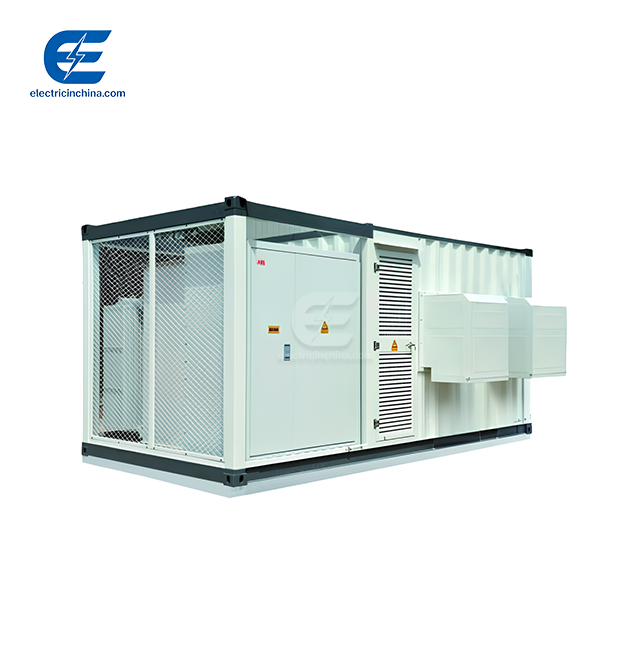
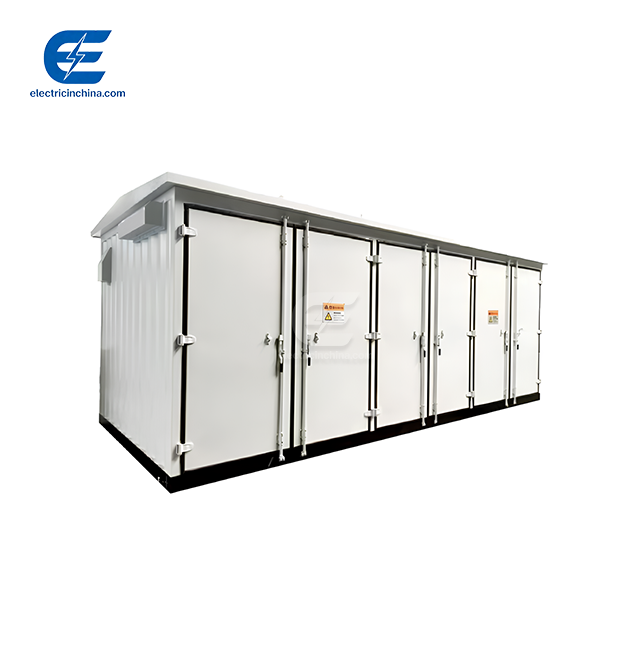
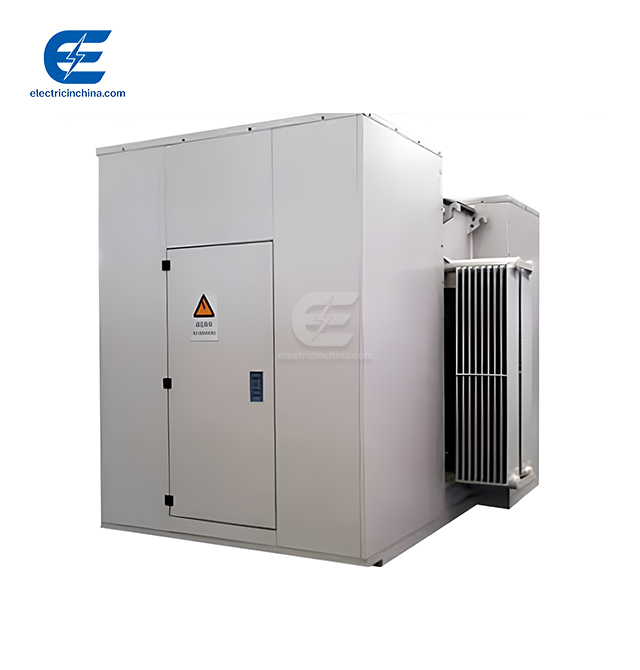
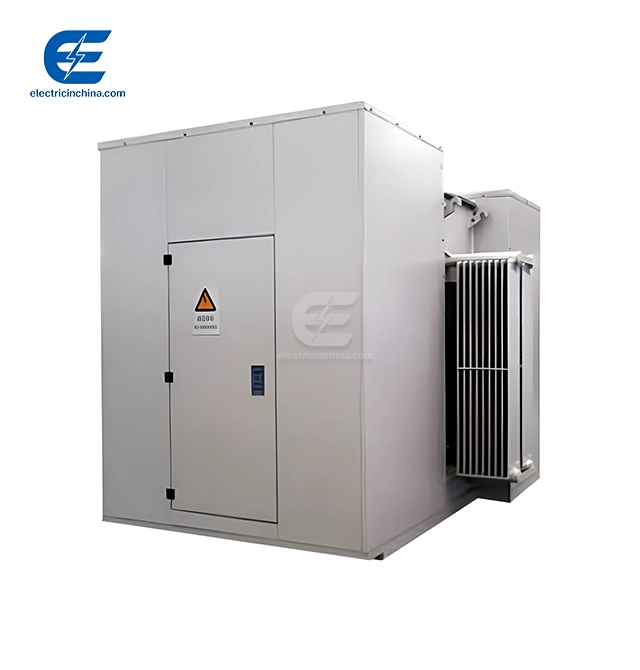
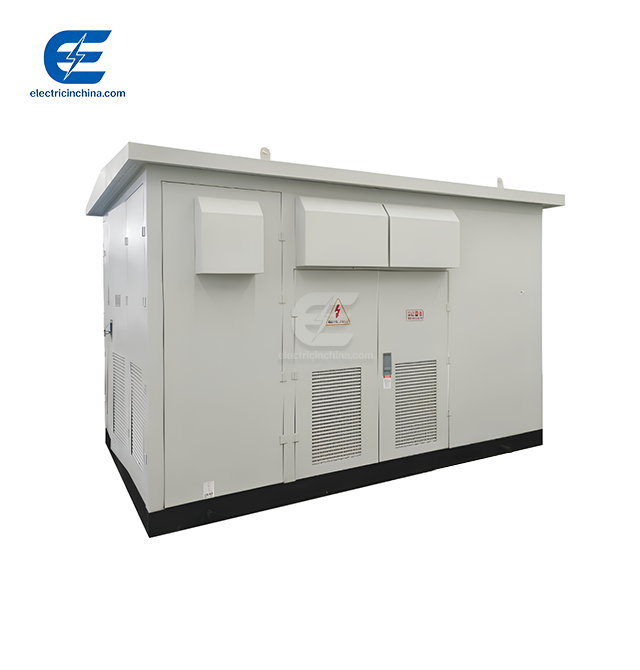
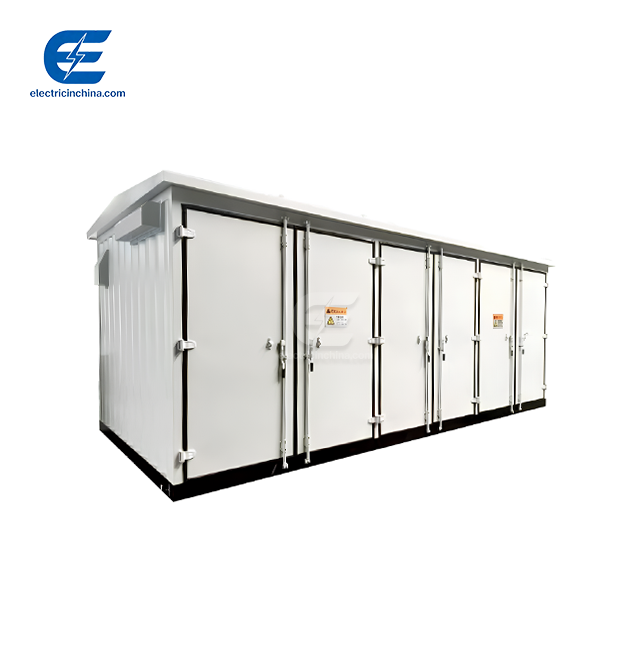
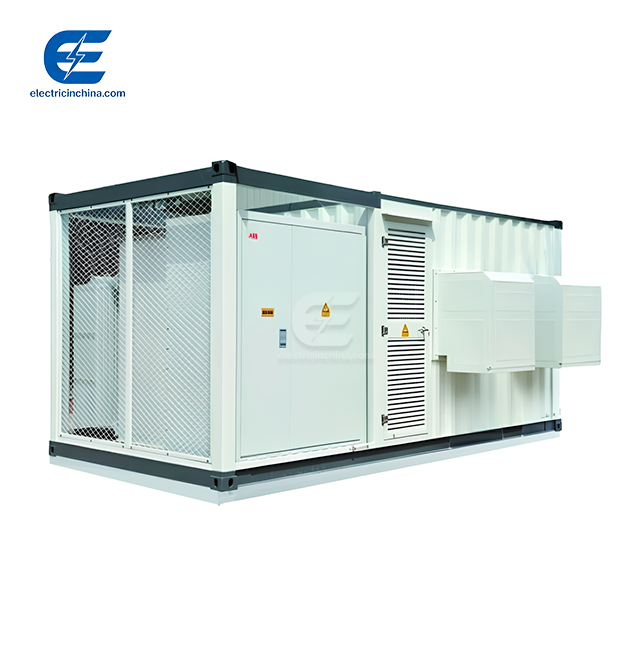
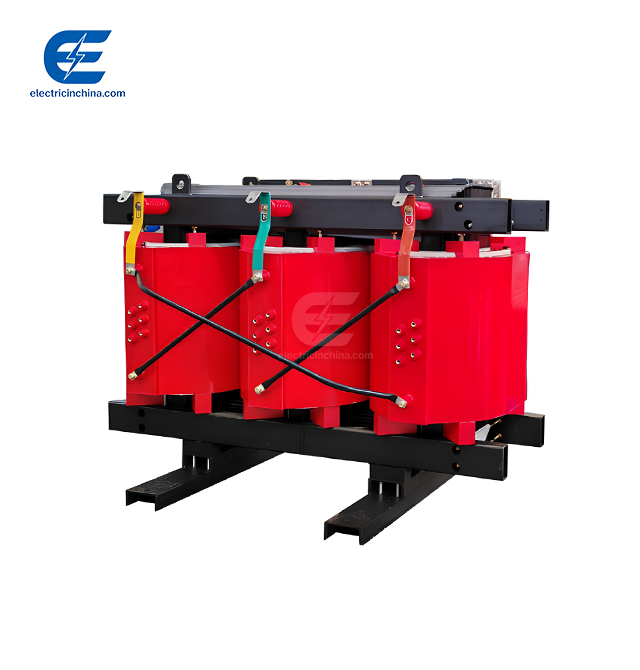
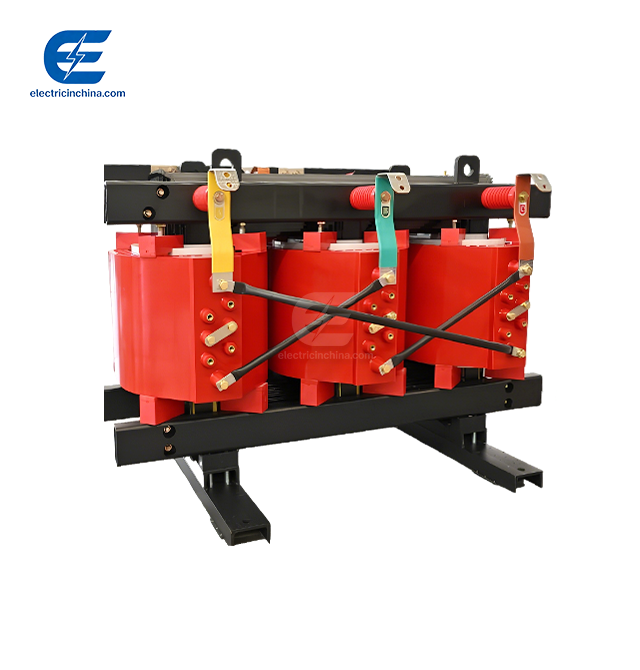
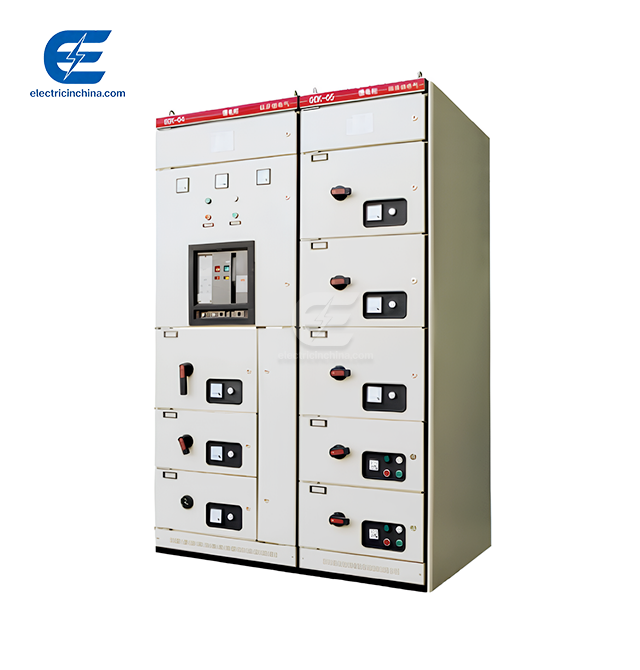
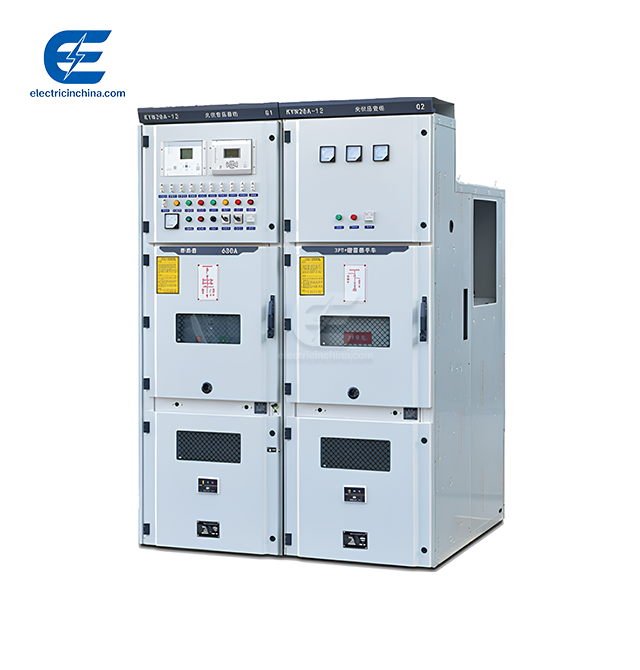
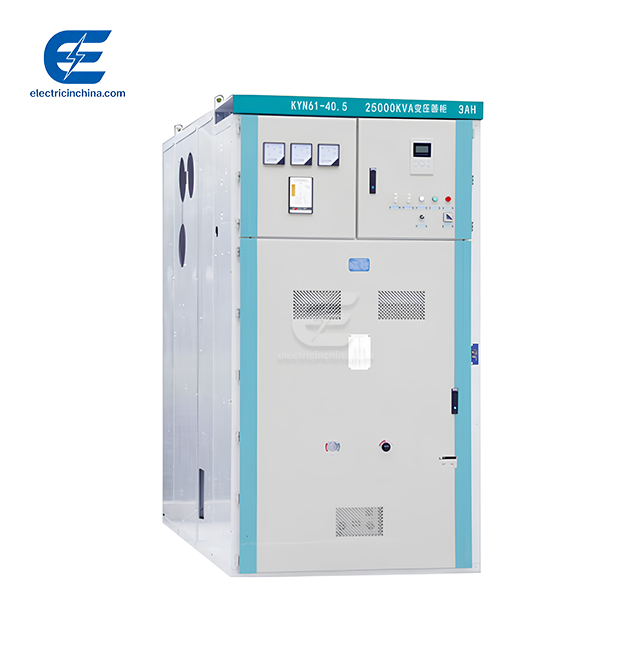
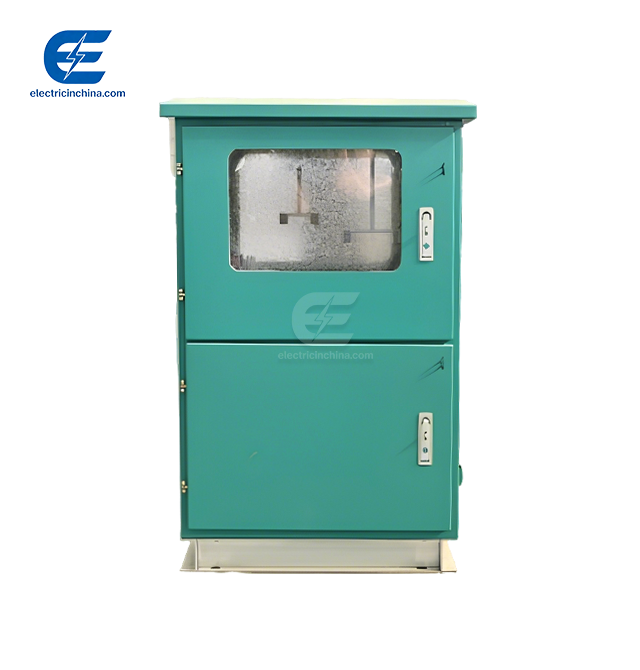
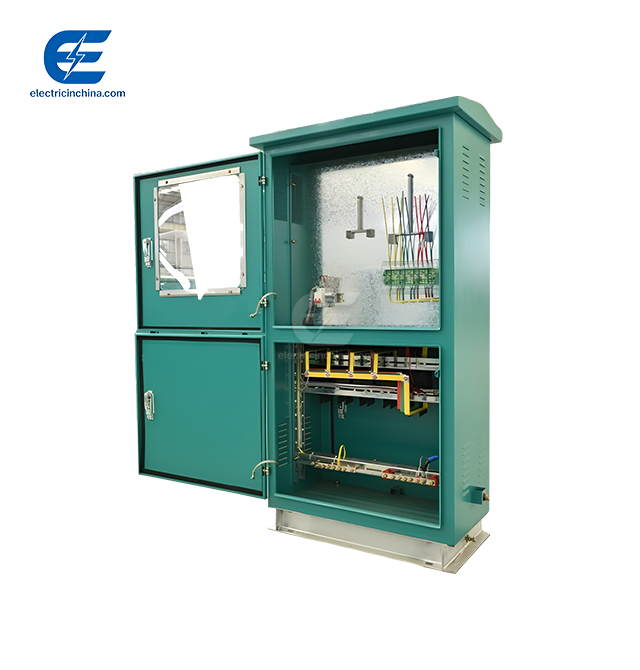
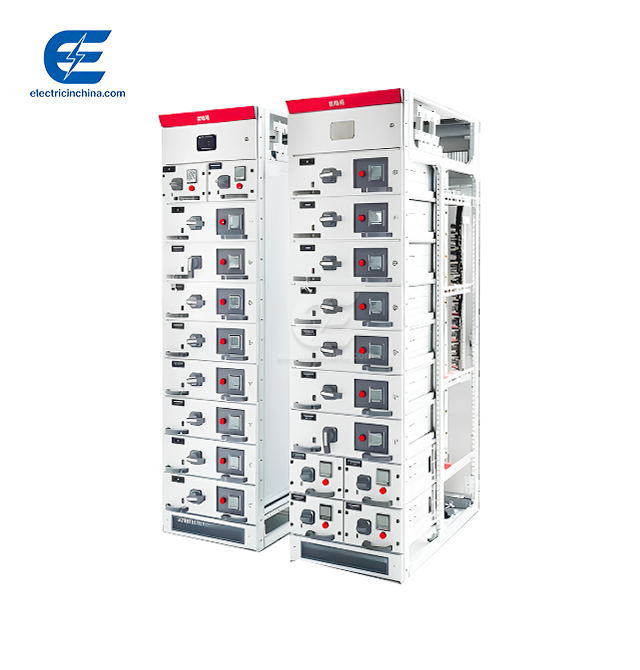
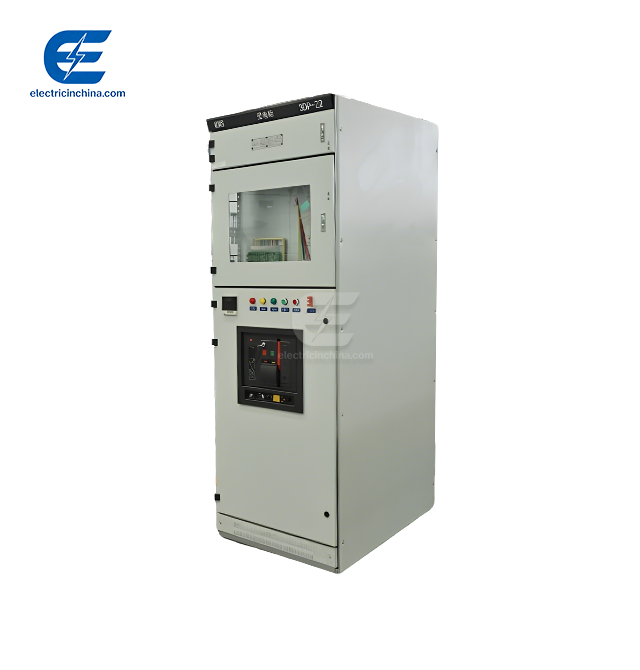
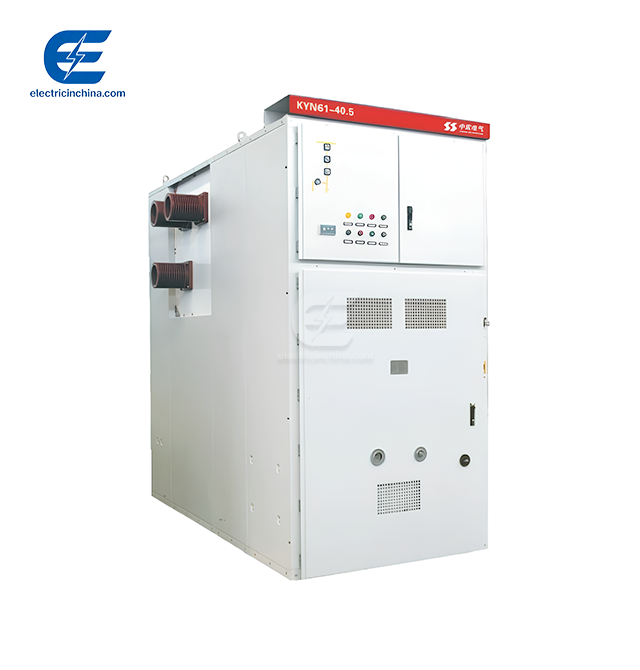
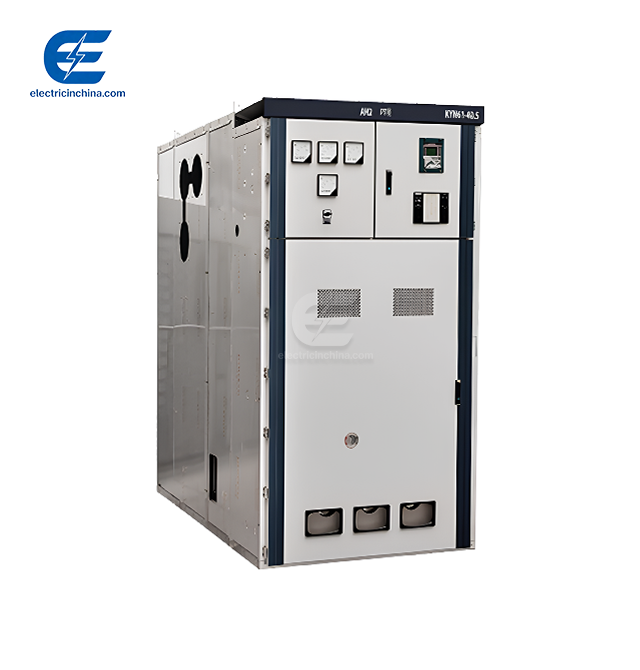
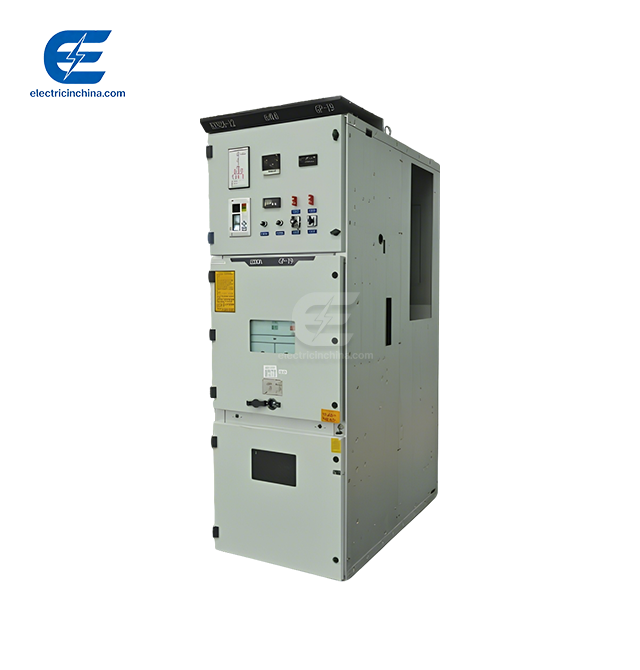
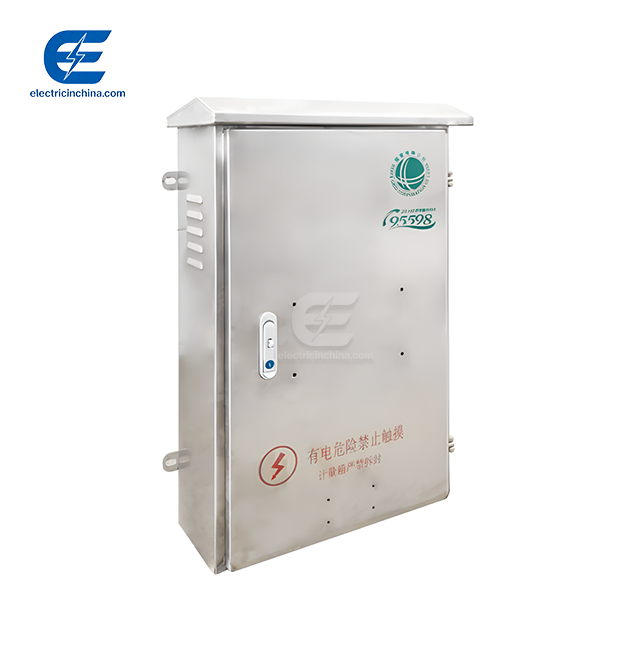
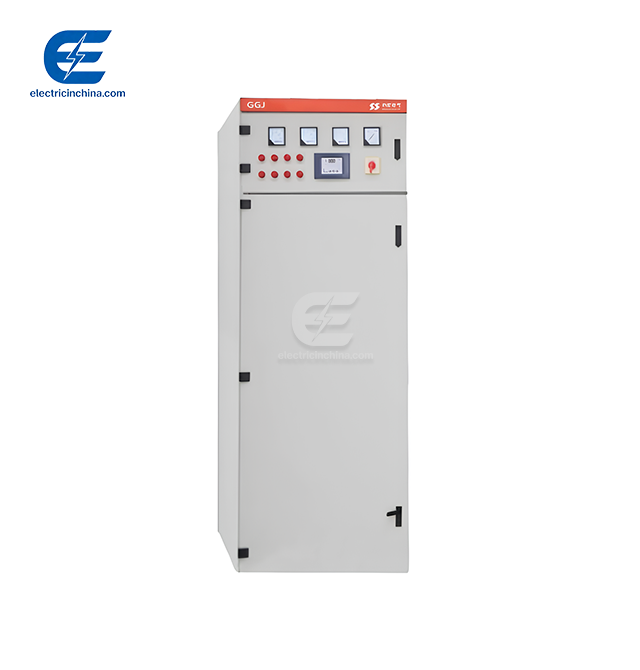
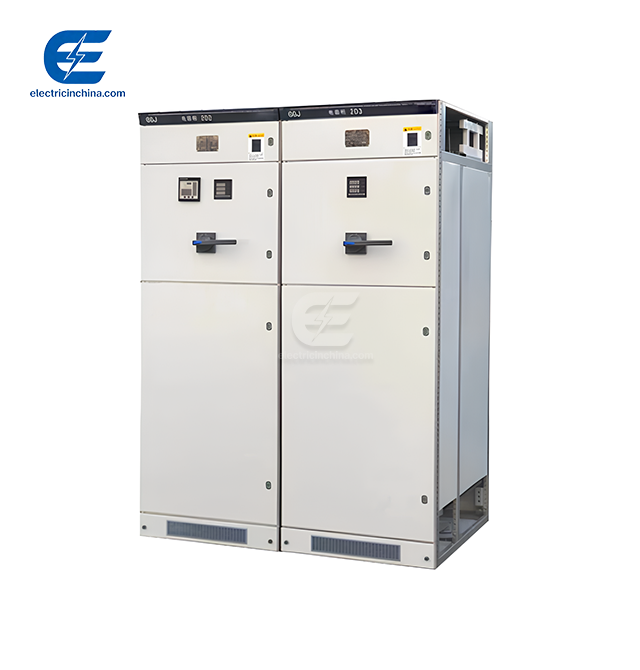
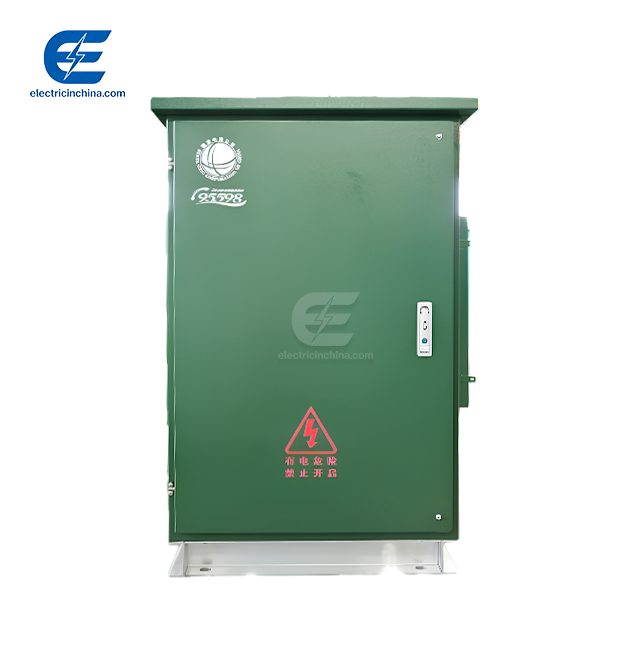
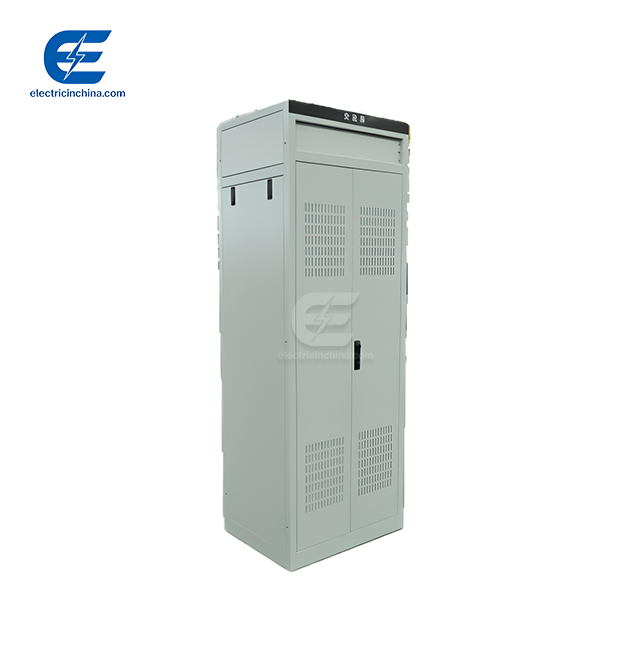
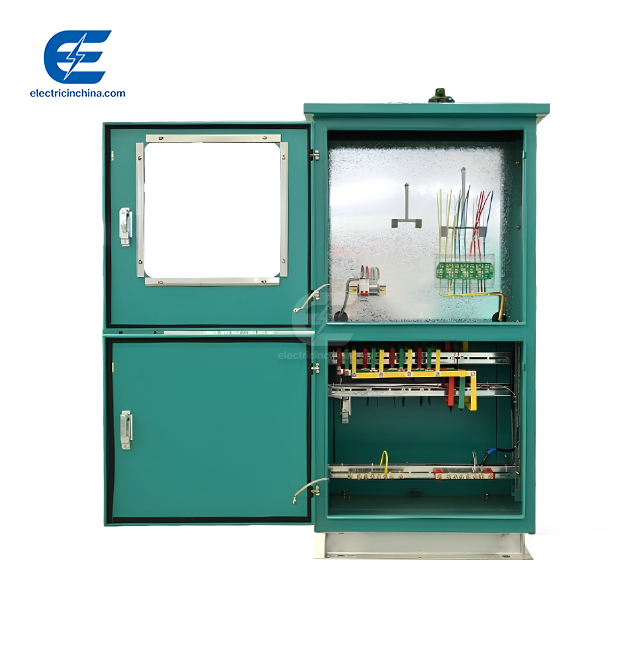
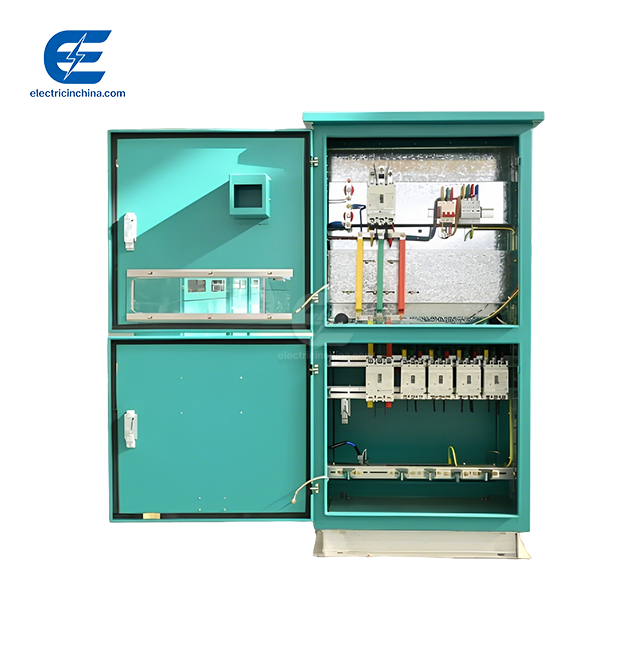
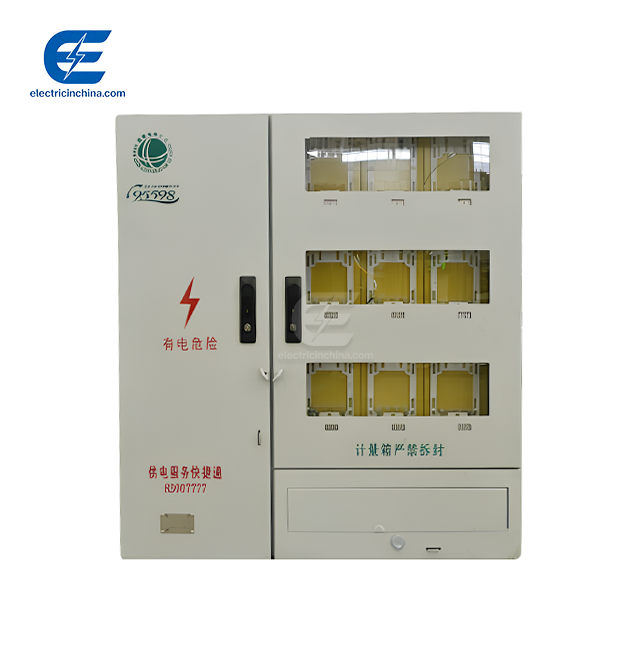
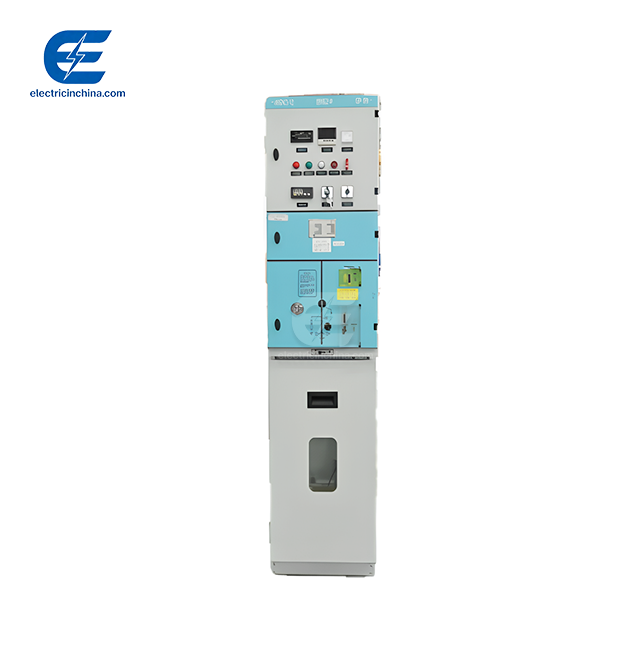
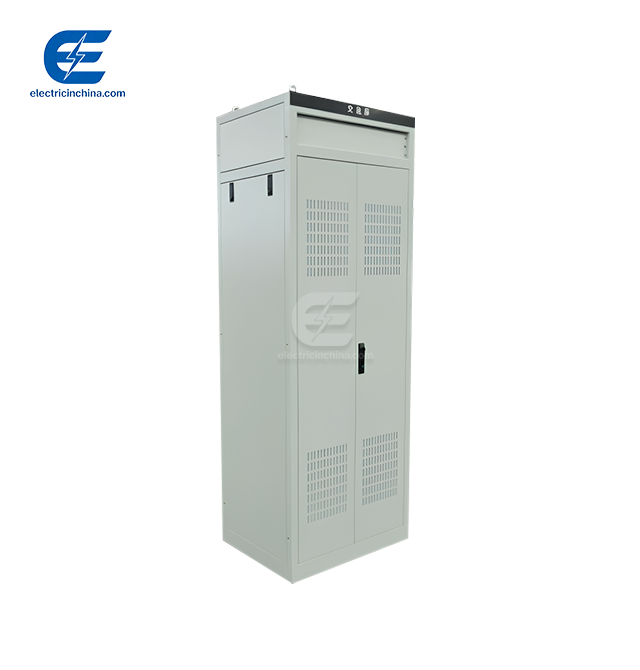
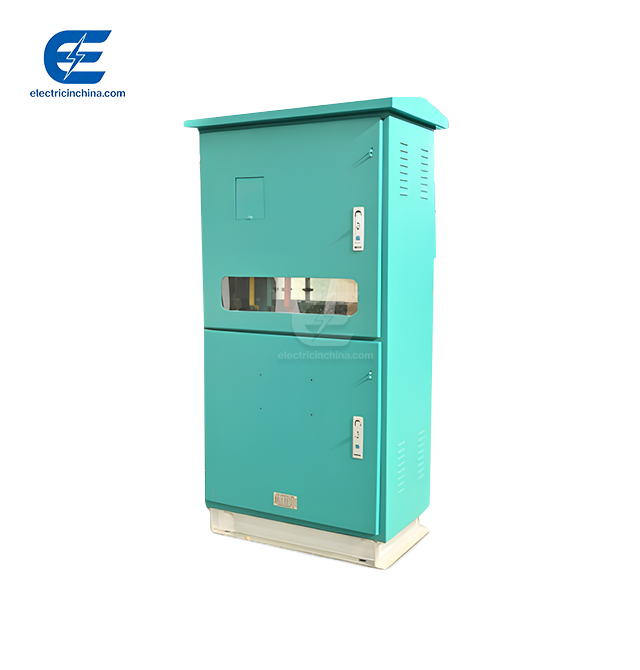
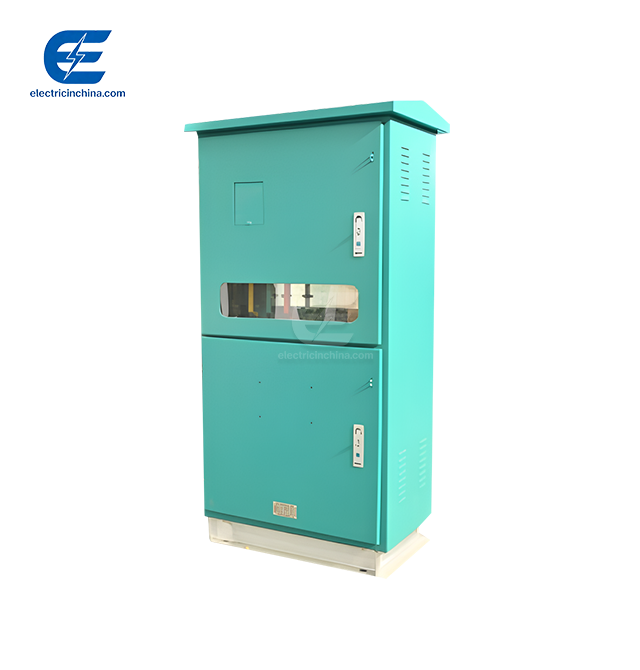
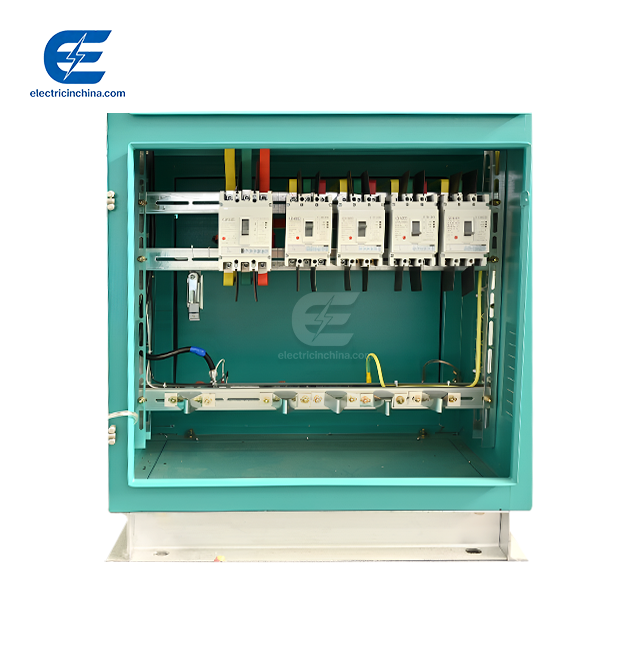
These days, distributing power needs methods that can work with tight schedules, limited room, and high performance standards. Integrated Modular Substations are a big change from the way things have been built in the past. Power transformers, medium-voltage switchgear, low-voltage distribution panels, protection relays, and monitoring systems are all built into standard enclosures that are already put together and tested before they arrive at your site.
What Defines a Modular Substation System?
The idea behind modular design is that things should be put together in the factory instead of on-site. Before being sent out, each unit goes through full functional testing, which includes being powered up and tested at rated voltage and current levels. Our systems can work with voltages between 4.16kV and 138kV, and each module can handle up to 100MVA of power. This factory-controlled setting ensures consistent quality, which is hard to achieve with traditional on-site building, where weather, coordinating between multiple contractors, and different levels of work affect the results.
Common Installation Challenges You'll Encounter
Adapting to the site is still the biggest problem. Integrated Modular Substations need to be carefully prepared for transport, while traditional substations can be changed while they are being built. The foundation plans need to take into account the weight of a lot of tools, the needs for earthquake safety according to IEEE 693 standards, and the right grounding systems. Transportation issues also need to be thought about. Standard modules can fit within the DOT's 14-foot height and 12-foot wide limits, but bigger transformer parts may need special transport permits and route planning.
Why Proper Commissioning Matters
Commissioning is the process of turning placed technology into an asset that can be used. During this phase, it is made sure that all the parts work properly, that the safety systems work together correctly, and that the monitoring systems give correct real-time data. Poor commissioning causes problems that come up out of the blue, expensive downtime, and safety risks. With our method, 90% of the testing is done at the factory. This cuts down on the time needed for commissioning on-site and the number of problems that could happen. If you follow this pre-testing mindset, you'll get energy faster—usually 4 to 6 months before the plan.
Key Installation Considerations for Integrated Modular Substations
For deployment to go well, it needs to be carefully planned and carried out across many domains. Your purchasing team, engineering staff, construction contractors, and equipment supplier all need to work together on each phase.
Site Preparation and Foundation Requirements
To find the best place, you need to consider how easy it is for delivery cars to get there, how much space there is for ongoing repairs, how close it is to load centres, and where the utility interconnection points are. The foundation has to be strong enough to hold heavy loads and have enough drainage and entry points for cables. Grounding systems need extra care—measurements of resistance should meet IEEE 80 standards and be below 5 ohms for good fault protection.
When compared to regular substations, our small designs take up up to 70% less land. In places like cities or factories where space is limited, this benefit is very useful. The smaller size also means less engineering work, which lowers the cost of building on-site by a large amount.
Managing Logistics and Component Handling
Careful coordination is needed to move modular parts. Our team gives you thorough lifting plans, models of how the weight will be distributed, and rigging instructions. Each part has specific lifting places that are made to make handling safe. You'll need enough room at the spot for the crane to move around and for its capacity. Planning deliveries around when the site is ready avoids storage problems and keeps equipment from being exposed to the environment.
Mechanical and Electrical Assembly Process
Even though modules come mostly put together, they still need to be connected. Attaching units to supports, connecting bus ducts between modules, and putting in wire entries are all examples of mechanical work. During electrical construction, incoming utility feeds, load cables, control wiring, and fibre optic connections are terminated. Our standard interfaces make these connections easier, which cuts field work by about 60% compared to traditional builds.
Pay extra attention to how you handle your cables. Routing, supporting, and identifying things correctly keeps maintenance problems from happening in the future. Integrated cable management systems are part of our designs, but installation teams must follow the manufacturer's instructions and any relevant rules when terminating cables.
Integration of SCADA and Monitoring Technologies
These days, substations work as nodes in smart grid networks. SCADA connectivity lets you watch, handle, and collect data from afar for predictive maintenance. Check the communication paths during installation. Fibre optics are the most reliable options, especially in places with a lot of electromagnetic interference (EMI). The protocol setup must work with the systems that are already in place at your utility or building.
The ability to monitor operations from afar makes them more efficient. You can see the load, temperature, problem signs, and health of the equipment in real time. This information backs up condition-based repair plans that lower costs and make assets last longer.
Adherence to Safety and Regulatory Standards
Compliance is essential, not optional. For transformers, our Integrated Modular Substations meet IEEE C57.12.00 standards. For switchgear, they meet IEEE C37.20 series standards, and for transmission methods, they meet IEC 61850 standards. Installation must follow OSHA rules, the National Electrical Code, and any local codes that apply.
During installation, safety rules include following the right lockout/tagout methods, protecting workers from arc flashes, and staying at least a certain distance away from energised equipment. To help your site safety programs, our team gives you a lot of safety paperwork, like arc flash studies and equipment labels.
Commissioning Procedures and Essential Testing for Modular Substations
Commissioning turns installed technology into a useful tool that can be used reliably. This step makes sure that the design purpose was followed, that defence coordination worked, and that the communication system worked.
Pre-Commissioning Inspections and Checks
The process starts with visual checks. Check all of the equipment for damage from shipping, correct fitting, tight connections, and the right way to stack the parts. Make sure that all of the safety features are still in place and that the nameplates on the tools can be read. Check inside cages for trash and make sure air holes are clear.
The next test is insulation resistance. The results from a megohmmeter should be higher than the minimum values set by IEEE 62.2 guidelines. For new equipment, this is usually 1000 megohms. Before the power is turned on, these tests find any damage to the insulation or moisture getting in. Write down all numbers so that you can use them as a starting point for future maintenance.
Functional Testing and Protection Validation
Protection relay testing makes sure that all of the safety devices work right and communicate with nearby equipment correctly. Primary injection testing checks the accuracy of the current generator and the relay's ability to work at certain pickup values. Relay logic, timing, and communication with SCADA systems are all checked again during secondary testing.
At the plant, our systems are tested with all of their power on, but conditions on the job site need to be confirmed. Make sure the transformer tap settings, voltage control, and no-load losses are correct by testing them with the real working voltage. Load testing, which includes measuring temperature rise and effectiveness, makes sure that performance meets the requirements.
Grid integration testing makes sure that the system is in sync with the energy feeds. The phase rotation, voltage magnitude, and frequency must all be perfectly lined up. Protective relaying needs to work right with artificial fault conditions, separating faults without creating extra trip zones.
Troubleshooting Common Commissioning Issues
Wiring mistakes are the most common cause of trouble. Carefully compare all of the control circuits to the accepted plans. Check links for continuity before turning them on with continuity tests. Communication protocol mismatches can stop SCADA integration from happening. Make sure that all devices use baud rate, parity, and protocol version settings that are compatible with each other.
Software configuration problems do happen from time to time. Check that the settings for the relays match the coordination studies and that the mapping of SCADA points matches the mapping of field devices. Our expert support team can do remote diagnostics to quickly fix setup problems and keep project delays to a minimum.
Comparative Analysis: Modular Versus Conventional Substation Installation
Knowing the differences between modular and traditional approaches can help you make smart purchasing choices that fit the needs of the project and your long-term goals.
Installation Speed and Project Timeline
It usually takes 18 to 24 months from the time the design is approved to the time the substation is turned on. Preparing the site, laying the foundations, getting equipment from different makers, putting it all together in the field, and finishing all happen in order, though weather delays and problems with coordination can make plans longer. With our modular approach, this time frame is cut down to 6–12 months. Assembly in the factory happens at the same time as site preparation, and delays caused by bad weather don't happen because the factory is managed. You get to commercial operation faster, which means you start making money or getting operating rewards faster.
Complexity and Labor Requirements
Usually, multiple contractors need to be coordinated during installations. The civil, structural, electrical, and instrumentation trades may work one after the other or at the same time, which can create communication and interface problems. With Integrated Modular Substations, about 70% less work needs to be done on-site. Your team is more focused on getting the site ready and making the finishing links than putting together the whole system. This easier method makes teamwork easier and lowers the chance of mistakes that happen when many people work on linked systems at the same time.
Quality Control and Testing Accuracy
Field-built substations are tested at the component level, but the whole system isn't approved until it's been installed. Environmental conditions, tight plans, and a lack of test tools can all make testing less thorough. In our factory testing, we make sure that the whole system works properly under controlled conditions. Before we ship, we make sure that everything works properly, that the security planning is correct, and that the communication system is working properly. This method gets ratings of 99.5% availability, which are backed up by performance data from hundreds of installations in commercial, industrial, and municipal settings.
Long-Term Cost Considerations
While initial capital prices are important to look at, the total cost of ownership is a better way to compare values. By standardising parts, Integrated Modular Substations cut the number of spare parts needed by half. It's easier to do maintenance because techs work with designs that are the same in all setups. Predictive maintenance plans that use condition tracking improve performance over the normal 30-year span of transformer equipment. Getting things up and running faster also cuts down on financing costs and speeds up the return on investment.
Selecting the Right Partner and Solution for Your Project
The success of a project depends on the equipment and supplier partner that are chosen. You should think about professional skills, customer service, and the possibility of a long-term partnership when making your choice.
Evaluating Technical Specifications and Customization
A careful load study is the first step in planning capacity. Our systems can handle power needs ranging from 500kVA to 100MVA, and the voltage settings are set to meet the standards for connecting to utilities and distributing loads. Specialised harmonic filtering for variable frequency drives, reactive power compensation for industrial loads, and better environmental protection for harsh working conditions are some of the customisation choices. Our modular units work reliably in temperatures ranging from -40°C to +50°C. The IP54/IP65 ratings on their enclosures protect them from dust, water, and bad weather.
When processes grow, the ability to expand is important. Standardised connections allow capacity growth of 50 to 100 per cent without stopping service. You can easily add units as your needs change, protecting your initial investment while making room for future growth.
Compliance with International Standards and Certifications
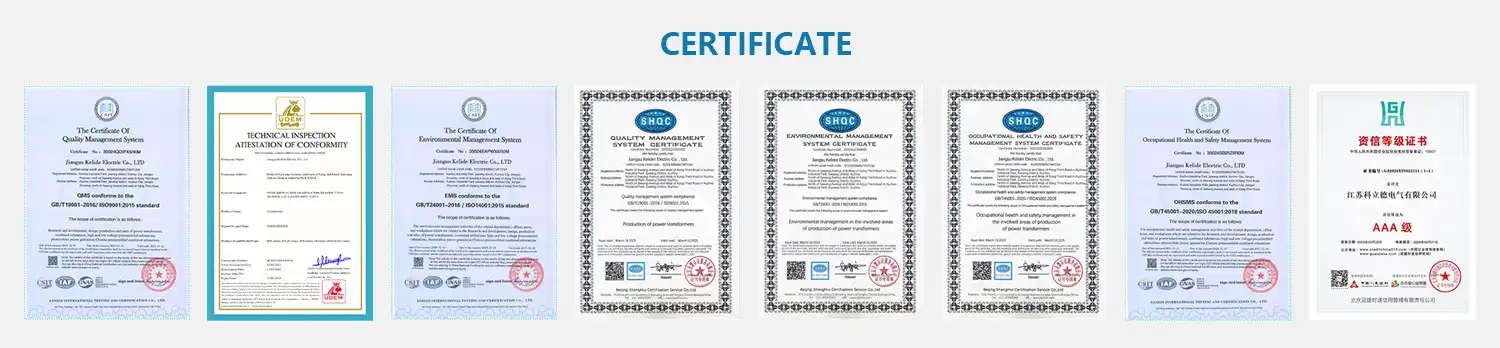
Regulatory compliance takes the danger out of the way you buy things. Our goods have been certified by ISO 9001 for quality management, ISO 14001 for environmental management, and OHSAS 45001 for health and safety at work. All of our low-voltage switchgear and cables are National CCC Mandatory Certified. These certificates show that the company cares about quality, the environment, and worker safety.
IEEE C57.12.00 for transformers, the IEEE C37.20 series for switchgear, and IEC 61850 for communication protocols are all examples of technical standards that must be met. Earthquake licensing meets the needs of high earthquake zones as set out in IEEE 693. This thorough adherence to standards makes sure that the project meets utility needs and makes it easier to get approval.
Importance of Turnkey Installation and Support Services
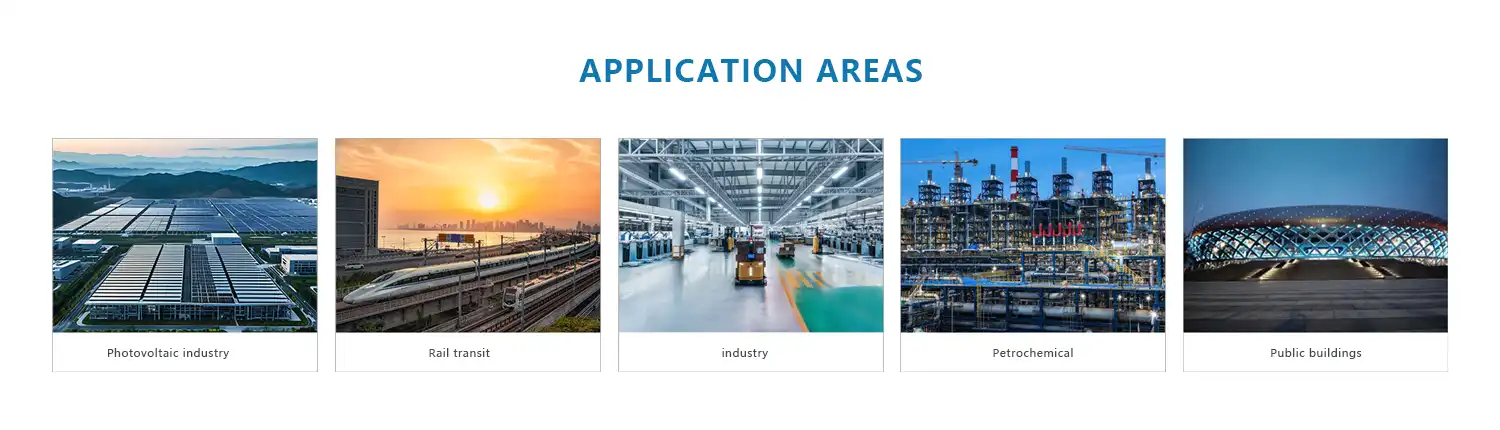
Comprehensive service support sets providers apart. Look for partners who can help with all parts of a project, such as planning, providing tools, overseeing installation, providing commissioning services, and offering ongoing maintenance programs. Our team has 15 senior engineers and more than 30 intermediate technicians, so we have a lot of technical knowledge at all stages of a project. We've finished hundreds of important power projects, such as the Xuzhou Rail Transit Network Control Center, which used a dual-circuit power supply design to make sure it was completely safe to use, and the XCMG Group plant power supply upgrade, which was finished ahead of time.
Support after the sale is very important for international projects. Our 24/7 online monitoring tools quickly fix problems, reducing downtime. Comprehensive contracts cover the whole system for two years and the transformers for ten years. Condition monitoring systems are used in predictive maintenance programs to improve performance and make equipment last longer.
Building Long-Term Supplier Relationships
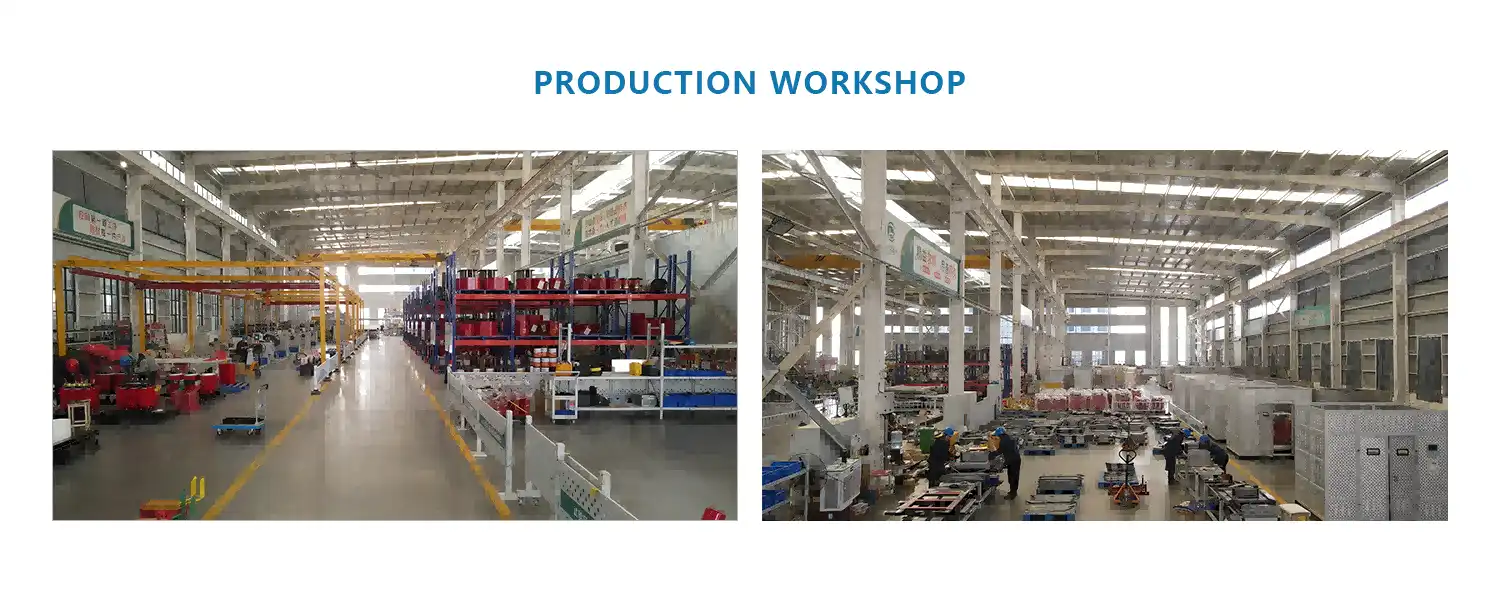
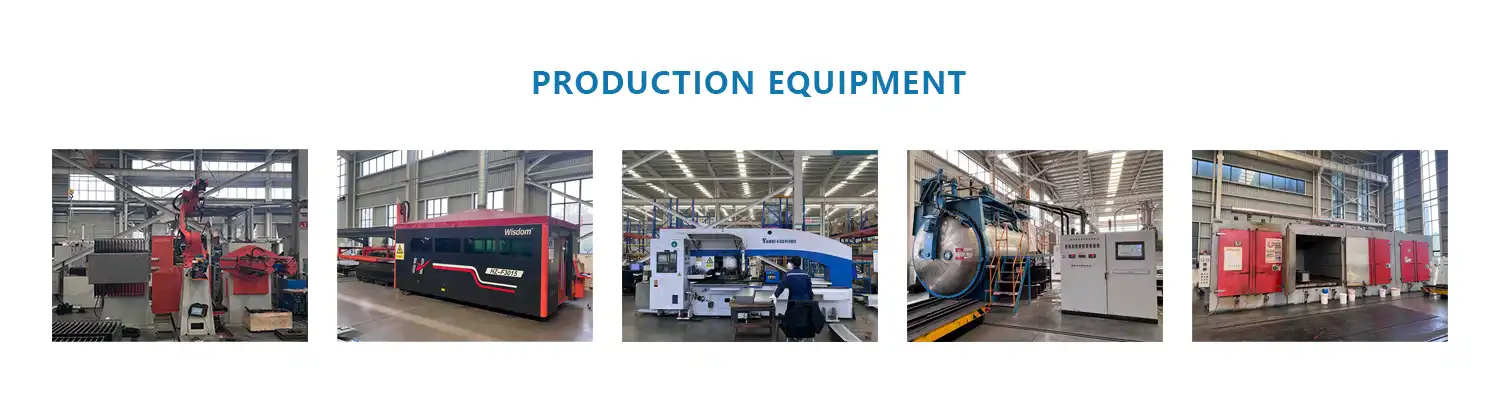
Partnerships that work together lead to successful projects. Look for suppliers who are willing to take the time to understand your operational needs, the rules that apply to your business, and your long-term business goals. We offer solutions that are specifically designed to fit the needs and situations of each country and area. We offer complete power supply and delivery services all in one place. We have over 120 sets of advanced manufacturing systems, such as CNC automatic winding machines, CNC static vacuum casting machines, and microcomputer-controlled gradient curing ovens.
We can predict problems and offer answers that meet your project's success standards because we've been in this business for twenty years. From buying the raw materials to installing them, we have strict tracking systems in place to make sure that every step meets our "zero defects" philosophy. Our "technology first, service paramount, and integrity fundamental" business attitude, along with this level of attention to detail, makes relationships that produce value over many projects and years of working together.
Conclusion
For Integrated Modular Substations to be installed and put into service, careful planning, attention to technical details, and working with skilled providers are all necessary. The modular approach is better at controlling quality, finishing projects faster, and having long-term operational benefits compared to traditional approaches. To be successful, the site must be properly prepared, the mechanical and electrical systems must be properly integrated, there must be clear commissioning protocols, and the asset must be supported throughout its entire lifecycle. If you know about these things and choose providers with proven technical skills, certifications, and a service commitment, you can make sure that your infrastructure projects will run smoothly and reliably, meeting current needs while also planning for future growth.
FAQ
What are the typical lead times for modular substation delivery?
Standard setups usually ship 12 to 16 weeks after the order is confirmed. Lead times are extended to 16–20 weeks for custom designs because they need more engineering time. We can meet tight deadlines while keeping quality standards high thanks to our manufacturing capacity and over 120 modern production systems. We schedule delivery times around your site's readiness to avoid problems with storage and equipment exposure.
Can modular substations accommodate future capacity expansion?
Of course. Our standardised interfaces that follow the IEC 61850 communication protocols make it easy to add more modules. The first designs include expansion options that allow for 50–100% capacity increases without any service interruptions. This gives you the freedom to protect your investment as your business needs change, so you don't have to pay a lot of money to update infrastructure that is too small.
How do you ensure quality during factory assembly?
Our factory is ISO 9001-certified, and strict quality controls are used at every stage of production. We test fully charged systems at their rated voltage and current levels to make sure that the communication methods, safety coordination, and control integration work as they should. Inspection services run by outside groups make sure that IEEE, IEC, and local utility standards are met. This all-around method makes sure that the equipment you get to your spot is ready to work reliably.
Partner with Tuojie for Your Next Power Infrastructure Project
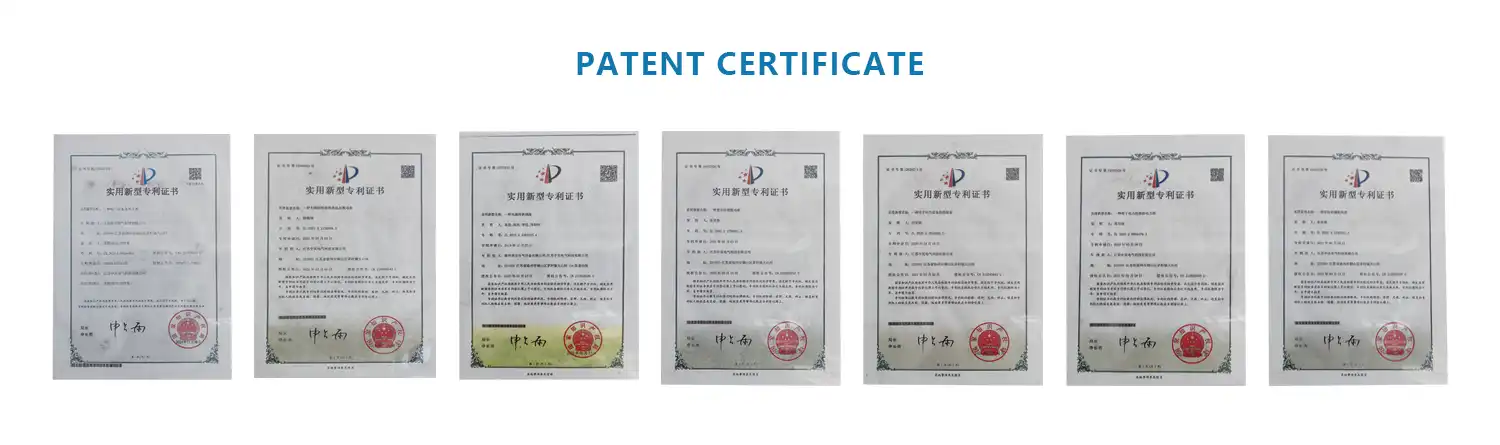
For power distribution to be reliable, you need more than just good equipment. You also need a supplier partner with proven expertise, a wide range of skills, and a dedication to the success of your project. Tuojie has been providing fully integrated modular substation solutions to government infrastructure projects, commercial developments, and industrial facilities for more than 20 years. With 18 patents backing up our team of 15 top engineers and advanced production capabilities, you can be sure that you will get new, custom solutions that meet the strictest needs. Procurement managers and engineering teams are welcome to talk to our technical experts about your specific needs. Visit electricinchina.com or email tuojie@electricinchina.com to learn more about how our Integrated Modular Substation solutions can help you finish your project faster, for less money, and with reliable performance for decades. As a reliable manufacturer and supplier, we offer full services, from the initial engineering phase to commissioning and ongoing support, to make sure that your investment in power infrastructure gets the most out of it.

References
1. Institute of Electrical and Electronics Engineers (IEEE), "IEEE Standard General Requirements for Liquid-Immersed Distribution, Power, and Regulating Transformers," IEEE C57.12.00-2015, 2015.
2. International Electrotechnical Commission (IEC), "Communication Networks and Systems for Power Utility Automation—Part 1: Introduction and Overview," IEC 61850-1, 2013.
3. Smith, J.R., and Anderson, M.K., "Modular Substation Design and Installation Best Practices for Industrial Applications," Journal of Electrical Power Systems Engineering, Vol. 45, No. 3, 2022, pp. 187-203.
4. National Electrical Manufacturers Association (NEMA), "Pad-Mounted Compartmental-Type, Self-Cooled, Three-Phase Distribution Transformers with High-Voltage Bushings", NEMA Standard 210-2016, 2016.
5. Williams, P.T., "Commissioning Procedures for Modern Electrical Distribution Systems: A Practical Guide," McGraw-Hill Professional Engineering Series, 2021.
6. Chen, L., Martinez, R., and Thompson, D., "Comparative Life-Cycle Cost Analysis of Modular Versus Conventional Substation Configurations," IEEE Transactions on Power Delivery, Vol. 38, No. 2, 2023, pp. 1256-1268.