

.webp)
When specifying electrical infrastructure for hospitals, choosing the right transformer can mean the difference between operational excellence and costly disruptions. Cast Resin Amorphous Alloy Transformers represent a significant advancement in power distribution technology, combining amorphous metal core construction with cast resin insulation to deliver exceptional noise reduction and energy efficiency. These characteristics make them particularly suited for healthcare facilities where patient recovery depends partly on maintaining quiet, safe environments. Hospital electrical systems require transformers that not only supply reliable power but also minimise acoustic disturbance in patient care areas, operating theatres, and diagnostic imaging suites. Healthcare facilities across the United States face mounting pressure to reduce operational costs while simultaneously improving patient outcomes and meeting stringent environmental regulations. The selection process for hospital transformers has evolved beyond simple capacity matching. Procurement managers, facility engineers, and EPC contractors must now balance noise compliance, fire safety, energy efficiency, and lifecycle costs while ensuring compatibility with existing infrastructure. This guide offers a detailed framework for selecting low-noise dry-type transformers with amorphous alloy cores, tailored to the specific needs of medium- to large healthcare organisations involved in project-based procurement. We'll explore technical parameters, comparative performance data, and best practices that enable informed decisions supporting both immediate project needs and long-term operational goals.
Understanding Low-Noise Cast Resin Amorphous Alloy Transformers
Core Technology and Construction Principles
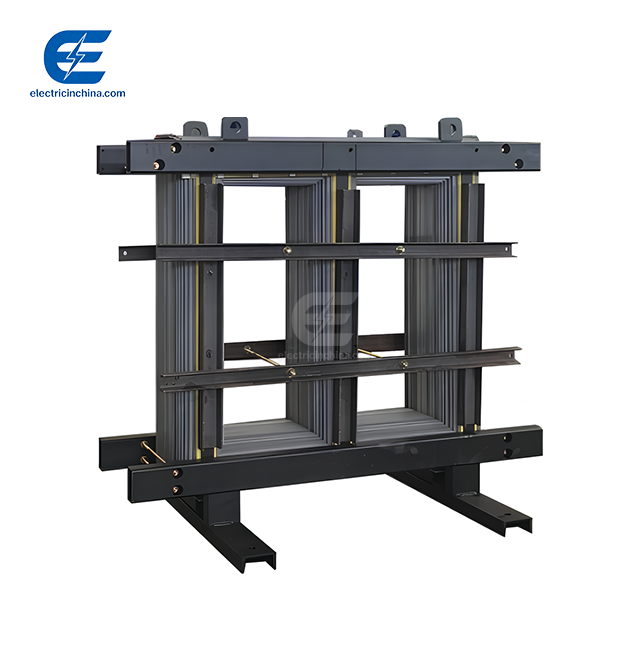
In traditional transformers, silicon steel cores make magnetic flux and vibrations that can be heard. Using amorphous metal ribbons made of iron, nickel, cobalt, boron, and carbon in precise amounts, the Cast Resin Amorphous Alloy Transformer takes a very different approach. This atomic structure is not solid, so it greatly lowers magnetic hysteresis losses, which are the amounts of energy that are lost when magnetic domains reconnect with alternating current. Compared to regular silicon steel transformers, which lose 1.1 to 1.3 W/kg, the amorphous core works at magnetic flux densities of 1.3 to 1.45T with a core loss density of only 0.2 to 0.3 W/kg. This means that there will be 70–80% less no-load losses, which will directly lead to measurable energy savings over the life of the transformer.
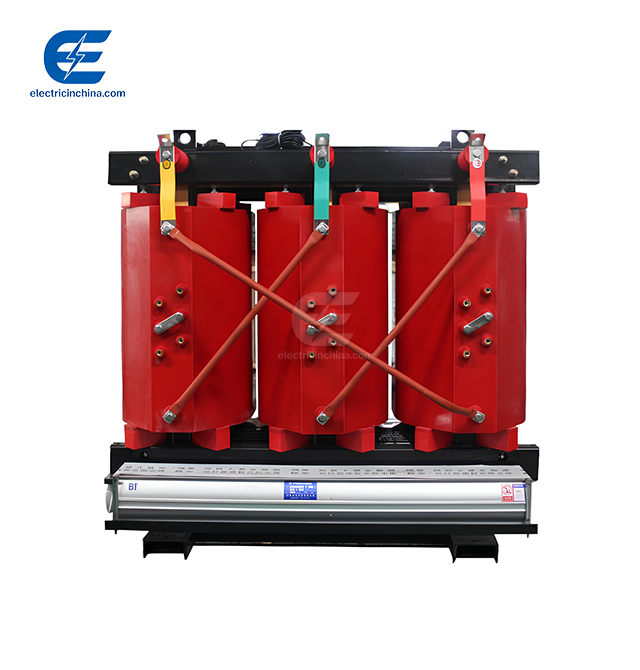
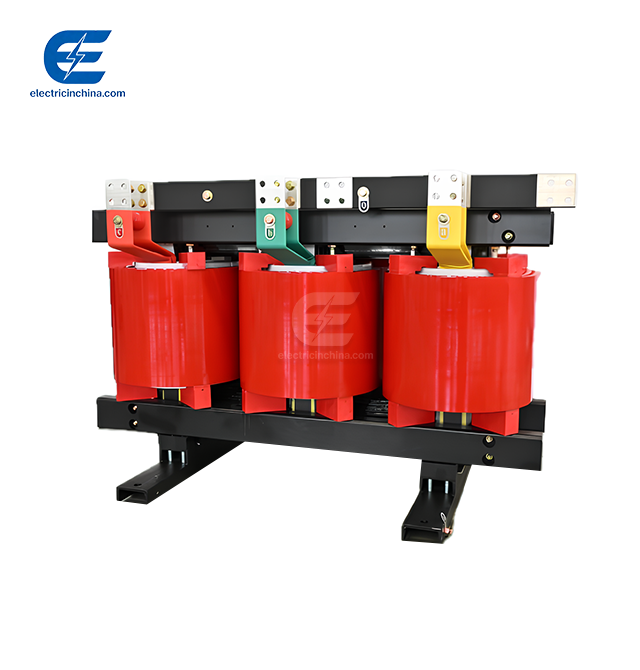
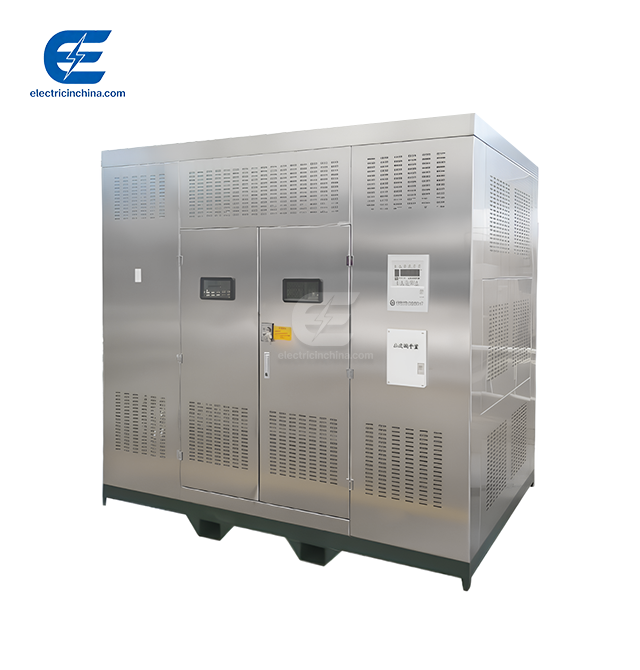
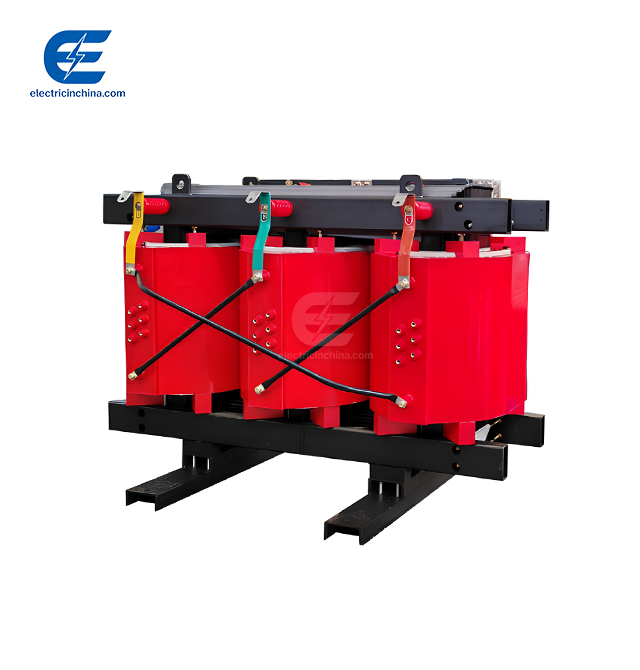
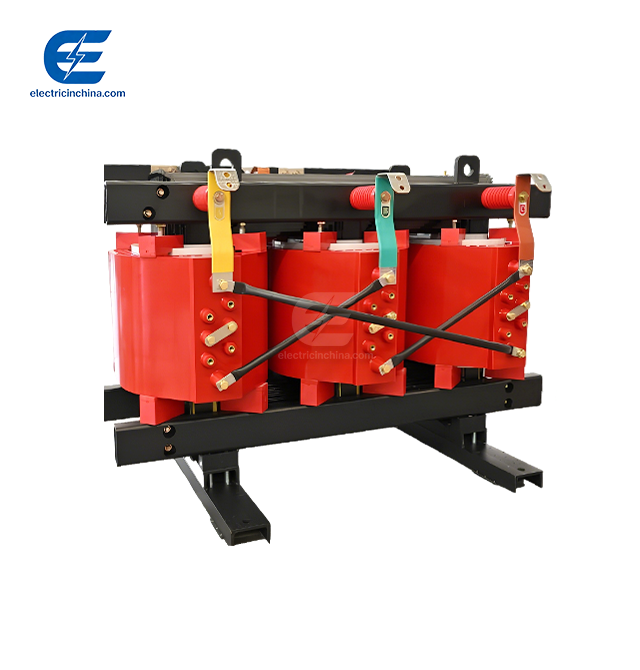
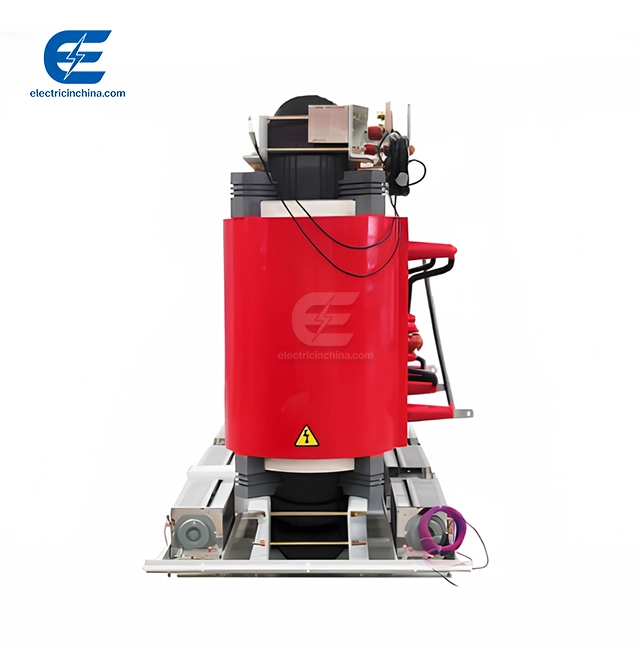
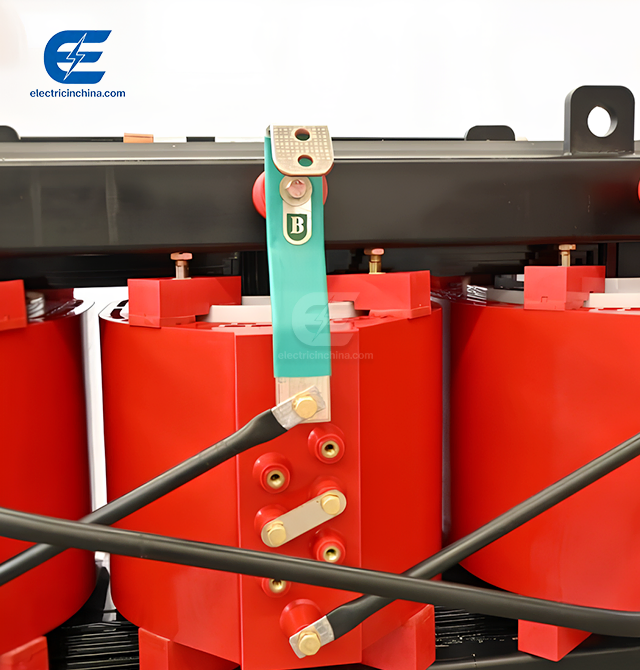
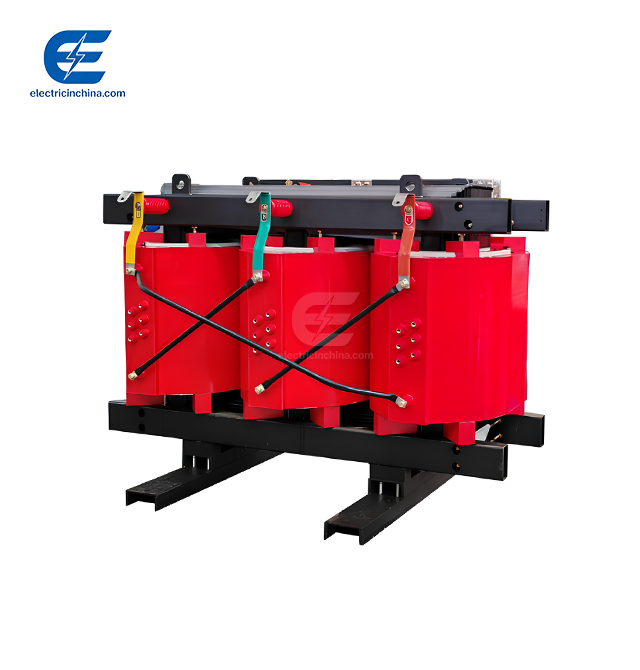
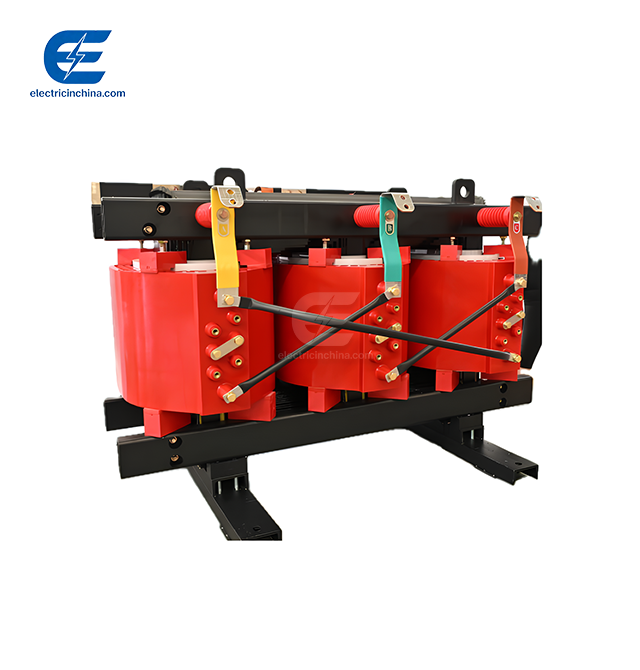
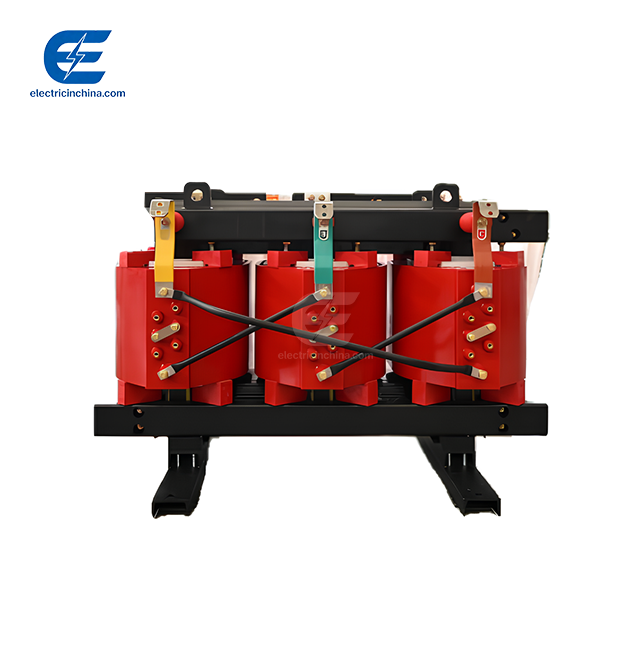
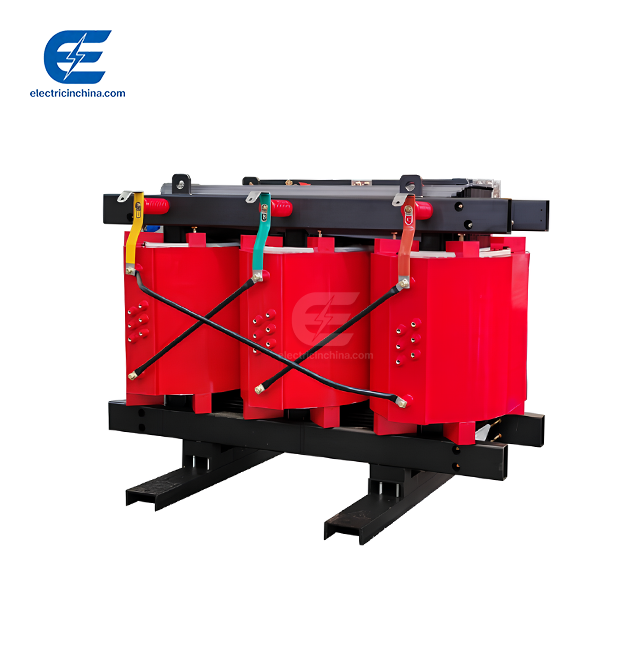
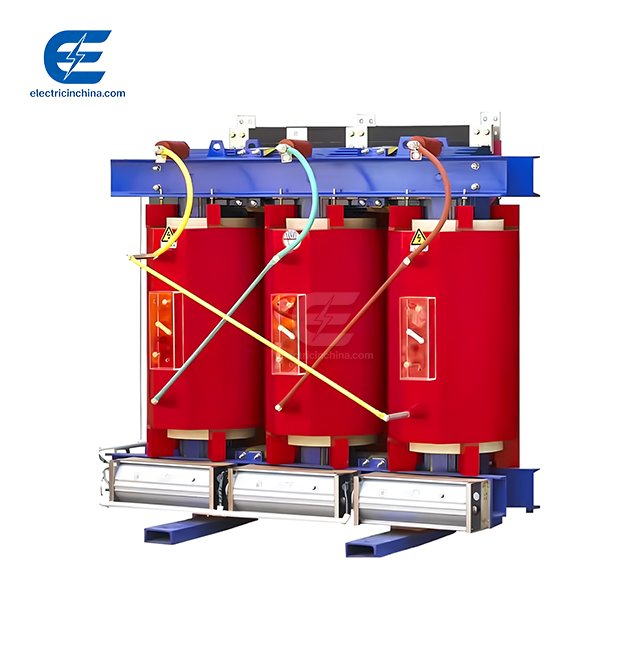
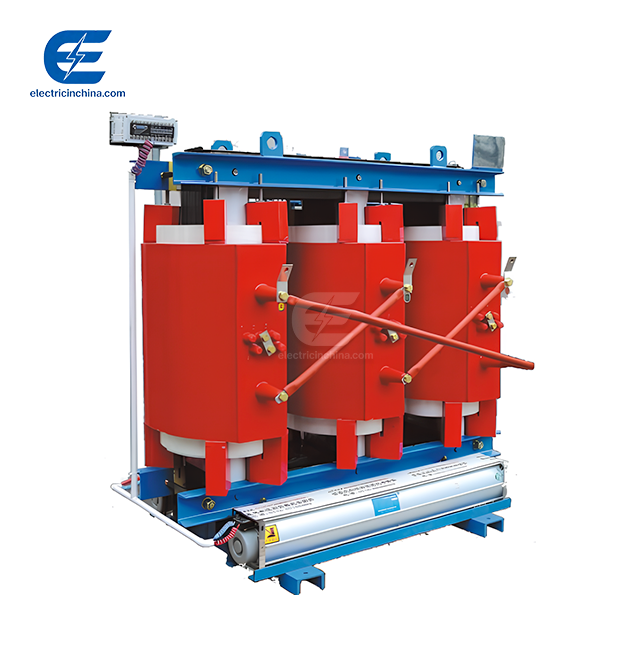
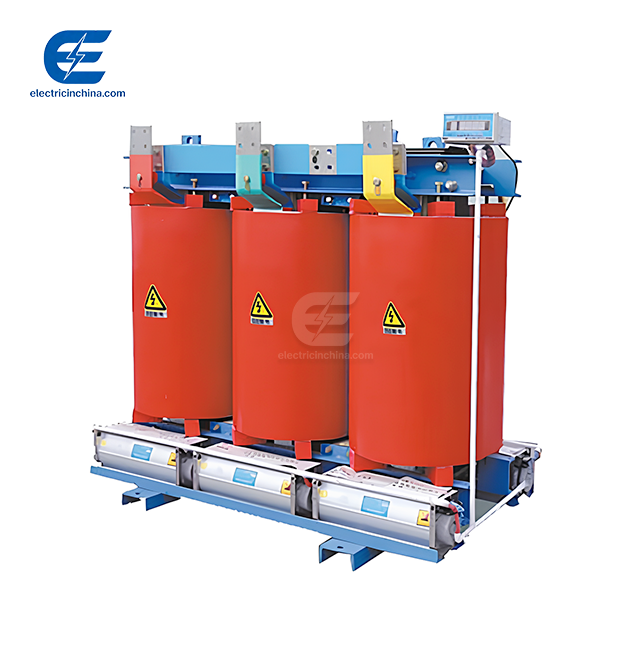
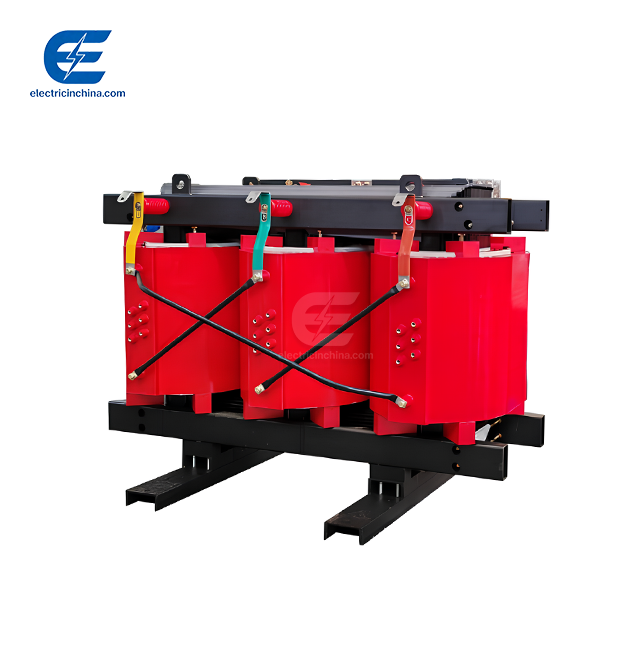
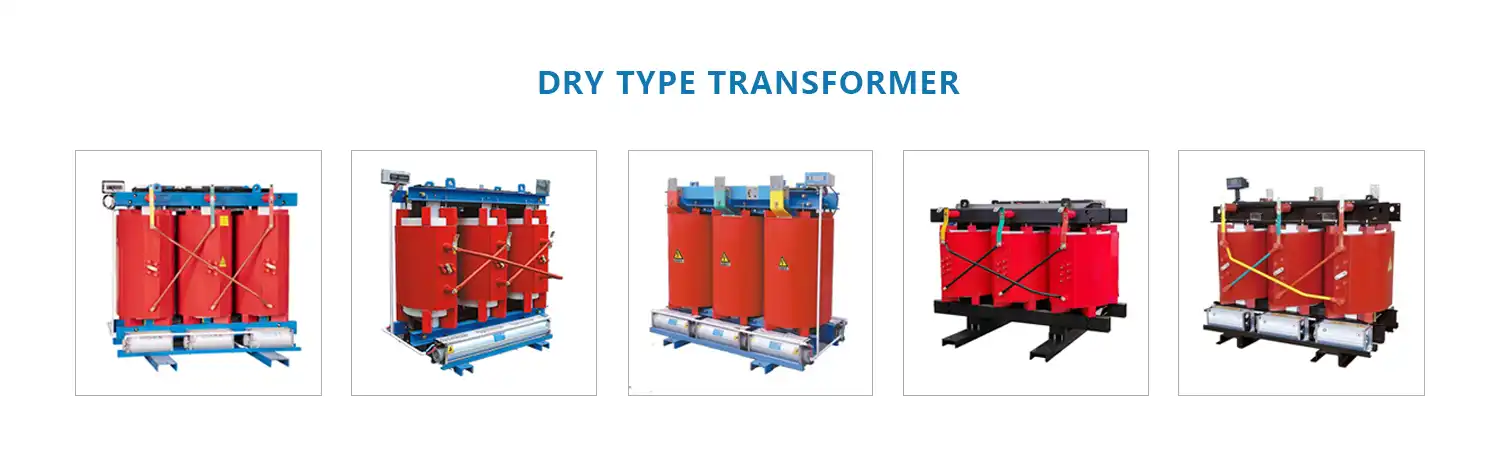
The cast resin insulation method covers the windings in epoxy resin in a vacuum, making a solid dielectric shield that can't be broken by water, dust, or chemicals. Unlike transformers that are filled with oil, this design does not use liquid dielectrics, which means that placement inside is safe without the need for special control systems. In our production process, we use CNC static vacuum casting machines and microcomputer-controlled gradient curing ovens to make sure that the resin is spread out evenly and that the curing profiles are just right. The end result is a transformer that is guaranteed to work reliably 99.5% of the time under normal hospital load conditions for 30 years or more without any upkeep.
Noise Reduction Mechanisms
Transformers create noise from core magnetostriction and rotor vibration. Magnetostriction occurs when flux alters magnetic materials physically grow and shrink. A hum at twice the supply frequency (120 Hz in 60 Hz systems) results. Cast Resin Amorphous Alloy Transformers have lower magnetostrictive values than silicon steel, reducing this noise source. Cast resin encapsulation dampens vibrations and resonant amplification by mechanically limiting windings. Hospital low-noise units typically have sound pressure levels of 45 to 50 dB(A) at full load, much lower than the WHO recommendation of 55 dB(A).
Advanced manufacturing reduces noise. Our CNC automatic winding machines precisely control tension, preventing windings from loosening and vibrating. Gradient curing removes resin strains that could crack over time, allowing rotation. Acoustic testing under realistic stress circumstances is part of quality control. This ensures each unit satisfies noise standards before shipping. We can add vibration isolation mounts and acoustic enclosures to sensitive systems near intensive care units or patient rooms to reduce sound transmission.
Key Parameters to Consider When Selecting Transformers for Hospitals
Acoustic Performance Standards
Specifications for hospital transformers must include the right noise standards. ANSI/NEMA TR 1 sets minimum sound levels for dry-type transformers, so everyone knows what to expect. Applications that are used in healthcare often need stricter limits. Usually, 45 to 50 dB(A) is the loudest sound that can be in a patient care room when recorded one metre from the transformer surface. This is especially important when transformers are in or near hospital buildings instead of in separate electrical rooms. Ask for certified acoustic test results that show sound pressure levels at different load points (25%, 50%, 75%, and 100% rated capacity) when you are looking at transformer offers. It has been shown that Cast Resin Amorphous Alloy Transformers are more comfortable to use than silicon steel versions across a wide range of loads, by 5 to 10 dB(A).
The position of an installation has a big effect on how well it sounds. Concrete walls and floors in transformer rooms can reflect and boost sound. Soundproofing the room with sound-absorbing walls and vibration-isolated placement should go with the choice of transformer. How far away you are from patient areas is very important. Finding a 55 dB(A) transformer in a machinery room in the basement might be fine, but putting the same unit next to a recovery ward is not. We help procurement teams with site-specific acoustic modelling, which predicts how sound will travel through building structures to make sure they are in line with regulations before installing equipment.
Energy Efficiency and Core Loss Characteristics
Over the 30-year life of the transformer, running costs will be directly affected by how well it uses energy. There are two types of losses in a transformer: no-load losses, which happen whenever the unit is turned on, and load losses, which happen when the current flows through the windings and causes resistance to rise. The Cast Resin Amorphous Alloy Transformer is much better than silicon steel cores at lowering no-load loss by 70 to 80%. At normal hospital load factors (40–60% average utilisation), this means that the hospital is 98.5–99.2% efficient. A 1000 kVA Cast Resin Amorphous Alloy Transformer might lose 1,200 watts when there is no load, while a regular version would use 4,500 watts, which is a savings of 3,300 watts over time.
Use actual utility rates and projected load profiles to figure out the lifecycle energy costs. With 24 hours a day, seven days a week operations, hospitals save the most energy by lowering no-load losses. Using $0.12/kWh as a base rate, the 3,300-watt savings above earns around $3,470 a year, adding up to $104,000 over 30 years—often more than the starting cost extra for Cast Resin Amorphous Alloy Transformer technology. This calculation doesn't take into account the benefits of lowering carbon emissions that are becoming more important in LEED certification and corporate sustainability reporting. Our engineering team does a thorough energy analysis that compares different transformer options based on the load characteristics and local energy rates at your facility. This lets us do accurate total cost of ownership calculations that help financial stakeholders understand why a purchase was made.
Thermal Performance and Cooling Requirements
Thermal management affects both how long a transformer lasts and how easy it is to install. Cast resin insulation can work at higher temperatures than oil (Class F or H grades, 155°C or 180°C), which gives you extra thermal safety when things get too hot. Surgical treatments, diagnostic imaging, and kitchen food service are times when the hospital's electrical systems are under the most stress. Transformers have to be able to handle these swells without letting the temperature rise too much, which speeds up the ageing of the insulation. Because they lose less heat in the core, Cast Resin Amorphous Alloy Transformers don't need as much cooling. Most hospital cooling needs up to 2500 kVA can be met by natural convection. This gets rid of the need for noisy, difficult-to-maintain forced ventilation systems.
Installation clearances set by manufacturers make sure that air can flow properly. Most standards call for 600–900 mm of space on all sides. More space between them improves heat performance and increases service life. Temperature tracking systems built into transformer safety relays let you know right away if there are cooling issues caused by poor ventilation or too much load. Our units have temperature sensors built into the windings that constantly check for hot spots. When the air temperature is above 40°C, which often happens in equipment rooms that don't have their own HVAC system, we suggest lowering the cooling requirements or making them better. Cast resin insulation doesn't absorb water, so it can be used in damp places without worrying about condensation. This isn't possible with oil-filled units, which need to be sealed and have breathers maintained.
Physical Dimensions and Installation Constraints
As part of hospital building projects, electrical rooms that don't have a lot of space are often retrofitted. Transformer size and weight affect whether or not something is possible and how much it costs to produce. Because they need more room for ventilation, cast resin dry-type transformers usually take up more floor space than oil-filled counterparts. However, they don't need oil containment systems. A 1500 kVA Cast Resin Amorphous Alloy Transformer unit might be 1800 mm long, 1200 mm wide, and 1800 mm high and weigh 2500 kg. It should be easy to move through normal building access with standard rigging gear. We give structural engineers approved dimensional drawings and weight distributions early on in the buying process. This lets them check the floor's load-bearing ability and plan routes for equipment transport.
Installing things in tight areas is easier with modular building. To fit through narrow hallways or doors, transformers can be shipped partly disassembled and then put together in place. In places where earthquakes are common, seismic approval is very important. When equipped with the right mounting frames, our transformers meet the standards for seismic quality set out in IEEE 693. This ensures that they will continue to work properly during earthquakes. There are different ways to connect electrical devices, such as bottom cable entry for underground feeds, top bushings for overhead distribution, or side-mounted terminals when there isn't enough room. Working together with the facility's electrical workers during the specification phase keeps changes to the field from being too expensive and makes sure that the new equipment works well with the current switchgear and distribution systems.
Comparative Analysis: Cast Resin Amorphous Alloy vs Other Transformer Types
Safety Advantages Over Oil-Immersed Transformers
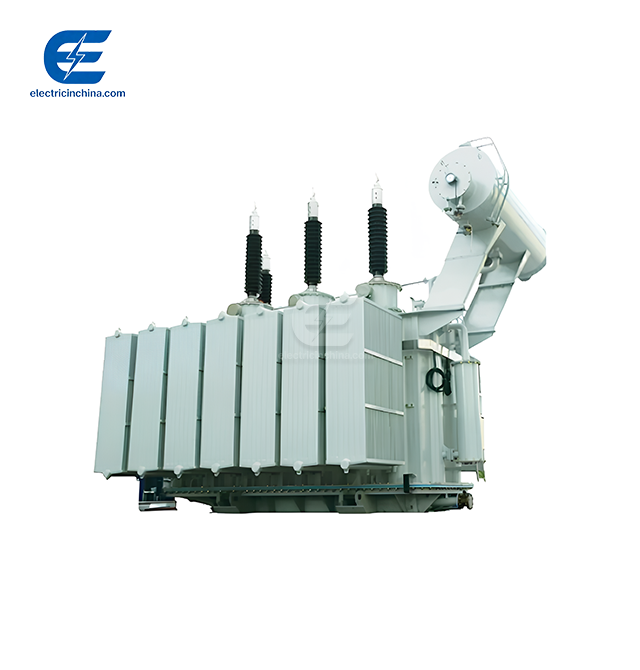
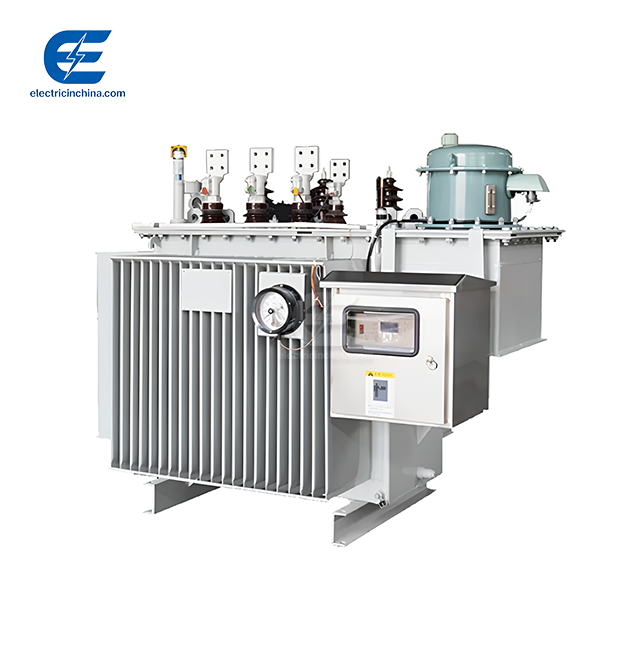
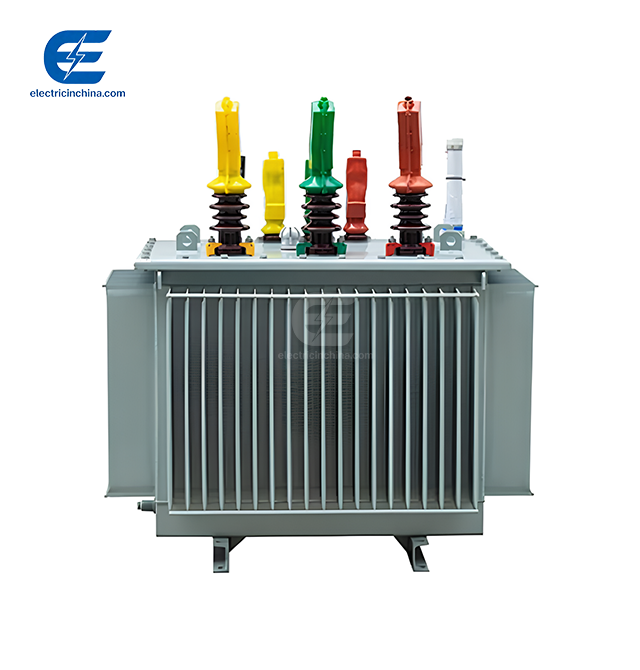
Oil-filled transformers have a natural fire danger that cast plastic devices do not. Fire control methods, containment barriers, and measures to prevent spills are needed for mineral oil and manufactured dielectrics. According to NFPA guidelines, oil-filled transformers cannot be installed in buildings. They must normally be installed outside or in fire-rated bunkers. Avoiding these costly provisions helps hospital construction expenses. Cast resin insulation fulfils the highest flame safety standards, UL94 V-0, and can extinguish fires in seconds. Testing showed a dielectric strength of over 20 kV/mm and a partial discharge level below 10 pC. The insulation will perform reliably throughout the system.
The environment benefits from dry technology. Oil generators could pollute dirt and groundwater if they leak or spill, which would be expensive to fix and lead to government fines. Cast plastic pieces are easier to disassemble and dispose of because they don't contain hazardous liquids. This helps healthcare organisations meet their environmental goals and LEED green building criteria. Installations are easily altered, another safety feature. Cast plastic transformers can be placed in basements, mechanical penthouses, and patient care facilities without safety precautions. Closeness to loads reduces voltage drop and distribution losses, increasing power quality. Medical equipment, including MRI scanners, CT systems, and lab tools, needs this proximity to perform correctly.
Performance Comparison with Silicon Steel Core Transformers
Traditional silicon steel core dry-type transformers are inexpensive, so most systems use them. Epoxy resin-cast amorphous alloy dry-type transformer (Cast Resin Amorphous Alloy Transformer) technology is better for hospital use in several respects. Energy efficiency differences matter most. The average 1000 kVA silicon steel transformer loses 2500–3000 watts when not in use. But a cast-resin amorphous alloy transformer loses only 800–1000 watts. The difference in annual energy use is 20,000 kWh, or $2,400 at $0.12/kWh, assuming hospitals' 40% load factor. Over 30 years, the savings exceed $72,000, covering the 15-20% higher initial cost.
Increasing acoustic efficiency is crucial. Silicon steel core transformers produce 55–60 dB(A) at full load, while Cast Resin Amorphous Alloy Transformers produce 45–50. It sounds 30–50% quieter due to a 5–10 dB reduction. This distinction is crucial in noisy environments. Due to minimal core heat loss, Cast Resin Amorphous Alloy Transformers operate 10-15°C cooler. This prolongs insulation and boosts overload capacity. From our data, Cast Resin Amorphous Alloy Transformers have an average failure time of almost 250,000 hours, while silicon steel counterparts have 180,000 hours. Technology should be updated in mission-critical hospital electrical systems to reduce maintenance and increase availability.
Total Cost of Ownership Analysis
Buying based on the original pricing can increase lifetime costs. A complete evaluation considers buying, energy, care, dependability, and residual value. Consider a 1500 kVA transformer. The difference between a cast-resin amorphous alloy transformer at $45,000 and a silicon steel one at $35,000 is $10,000. A conservative estimate of $3,000 saved in energy costs per year yields a 3.3-year payback. The system will save $90,000 in energy costs over 30 years, netting $80,000 before maintenance and dependability costs.
Cast Resin Amorphous Alloy Transformers cost less to maintain. Other than infrared thermography and electrical tests, which all transformers undergo, cast resin construction requires no maintenance. Silicon steel units work at greater temperatures and may need more frequent inspections and winding cleaning in dusty environments. Unplanned downtime costs hospitals a lot, but it's impossible to calculate. Relocating emergency generators delays operations and puts patients at risk. More reliable Cast Resin Amorphous Alloy Transformers reduce these risks. After usage, residual value includes scrap metal and maybe reusing tools. Amorphous metal recycles well due to its composition. All things considered, Cast Resin Amorphous Alloy technology has a lifecycle cost benefit of 20–30% over standard choices. Thus, the tiny initial investment premium is worthwhile.
Best Practices and Guidelines for Procurement of Hospital Transformers
Defining Electrical and Environmental Requirements
A successful purchase starts with accurate load evaluation. Make a list of all the related loads for the equipment the transformer powers, using variety factors to allow for simultaneous use. varied hospital areas have varied electricity loads. Surgery suites are in high demand during surgeries. Imaging centers and administrative sectors have steady business-hour loads. Plan equipment and building expansion with clinical engineering staff, allowing for growth. Size transformers to handle 60–70% of their rated load under normal conditions. This allows growth while maintaining efficiency.
Environment impacts transformer choice and value. Record temperature, humidity, dust, and chemical exposure. Standard values assume a 30°C average temperature below 1000 meters. Size must be reduced or increased when temperatures or levels rise. Coastal areas with salt air need stronger terminal and tool rust protection. Our engineers recommend NEMA 1 and NEMA 3R enclosures and protection solutions based on local conditions. Seismic requirements depend on building location and importance. Most healthcare facilities have significant seismic relevance and must have IEEE 693-qualified mounting systems.
Evaluating Supplier Capabilities and Certifications
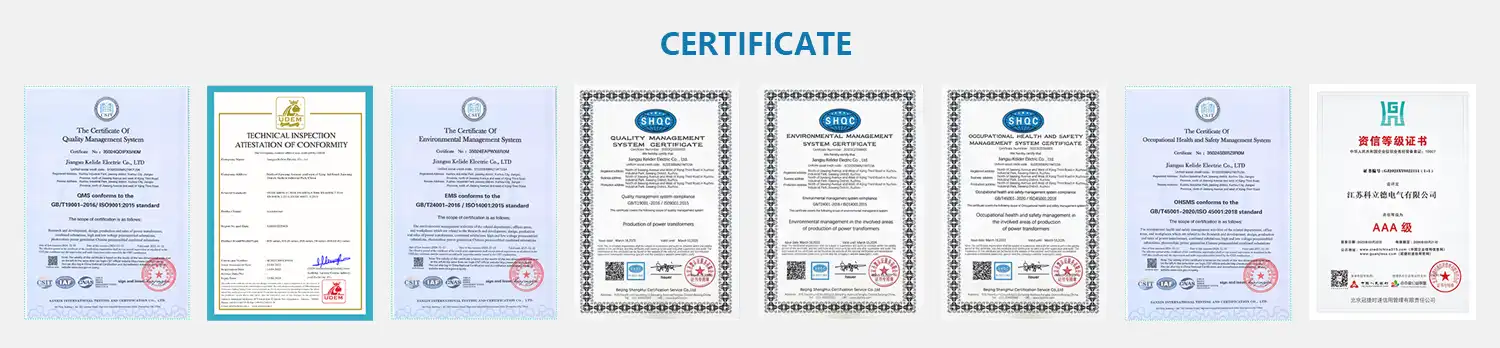
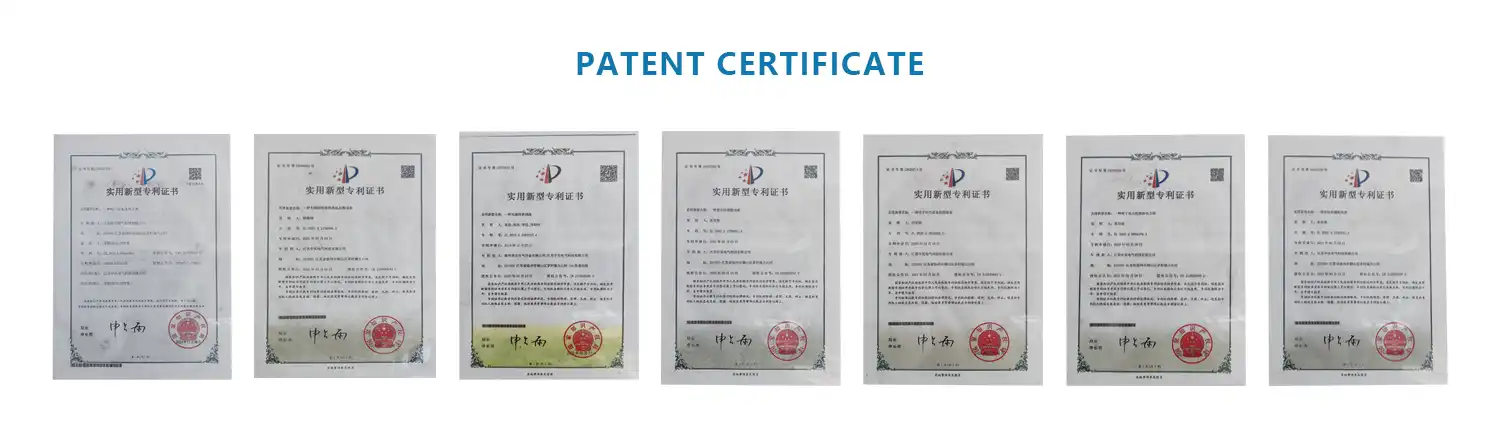
Supplier selection affects project longevity. Check the company's technical expertise, product quality, and service support. Verify the following certifications: OHSAS 45001 for workplace safety, ISO 9001 for quality, and ISO 14001 for environmental management. Product certifications should include UL/cUL listing for North American markets to demonstrate safety. Make sure healthcare transformers fulfil NFPA and NEC regulations. Our plant has 18 transformer patents and uses full quality control to manufacture the best goods.
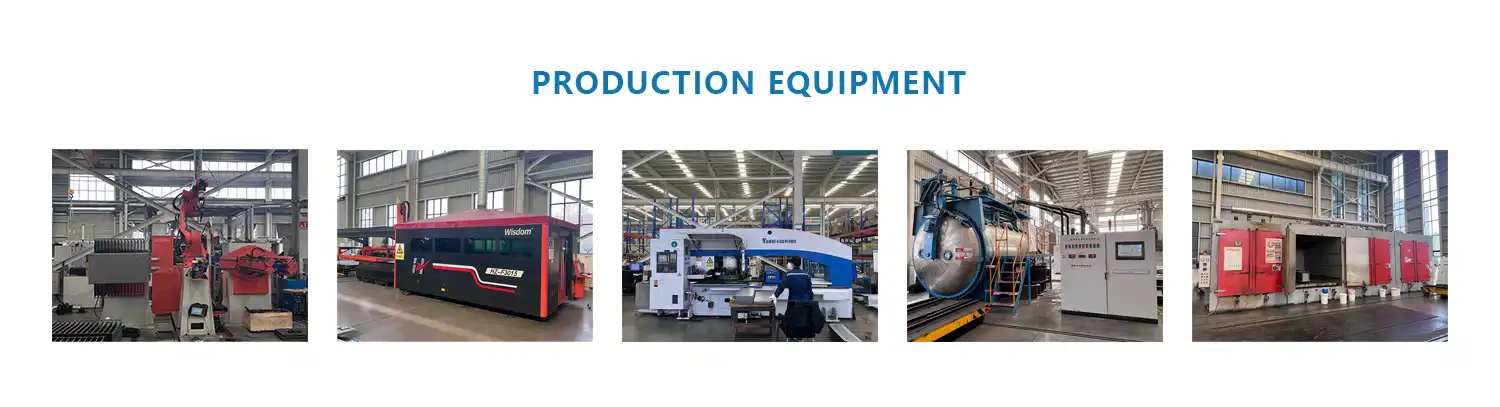
Delivery reliability and product customisation depend on manufacturing. Visit your suppliers' factories to see how they create goods and how advanced their equipment is. We maintain over 120 CNC automatic winding machines, static vacuum casting systems, and microcomputer-controlled curing furnaces. This infrastructure lets you customise voltage ratios, impedance values, link topologies, and sizes for a project. Quality control should include raw material inspection, work-in-progress tracking, and product testing. We use the "zero defects" quality mindset to ensure that no non-conforming items reach customers by checking every step of the manufacturing process. Ask hospitals with similar projects for references and talk to facility managers to see how well the seller meets delivery dates, provides technical support, and honours warranties.
Specification Development and Tender Documentation
Technical specifications inform suppliers of your needs and create the equipment supply contract. Make sure your specs include capacity grade, voltage ratio, impedance %, insulation class, noise level, efficiency criteria, and environmental ratings. Look at ANSI/IEEE, IEC, and NEMA performance standards for objective criteria. List certifications and testing, such as factory tests (winding resistance, voltage ratio, insulation resistance, and partial discharge) and type tests (temperature rise, short circuit withstand, and seismic qualification).
Include size, weight, terminal locations, lifting, and mounting instructions. Name the following safety equipment and accessories: temperature sensors, pressure relievers, surge arresters, and neutral grounding devices. Standardise paperwork like certified test results, operation and maintenance instructions, spare part lists, and "as-built" drawings. Delivery terms should include packaging, transportation insurance, and site coordination. Lead times for unique Cast Resin Amorphous Alloy Transformers are 12–16 weeks, depending on grade and difficulty. We work closely with EPC contractors and procurement teams to ensure technical and business accuracy during specification development. This simplifies bidding and prevents project disputes.
Case Studies and Application Examples in Hospitals
Regional Medical Center Power System Upgrade
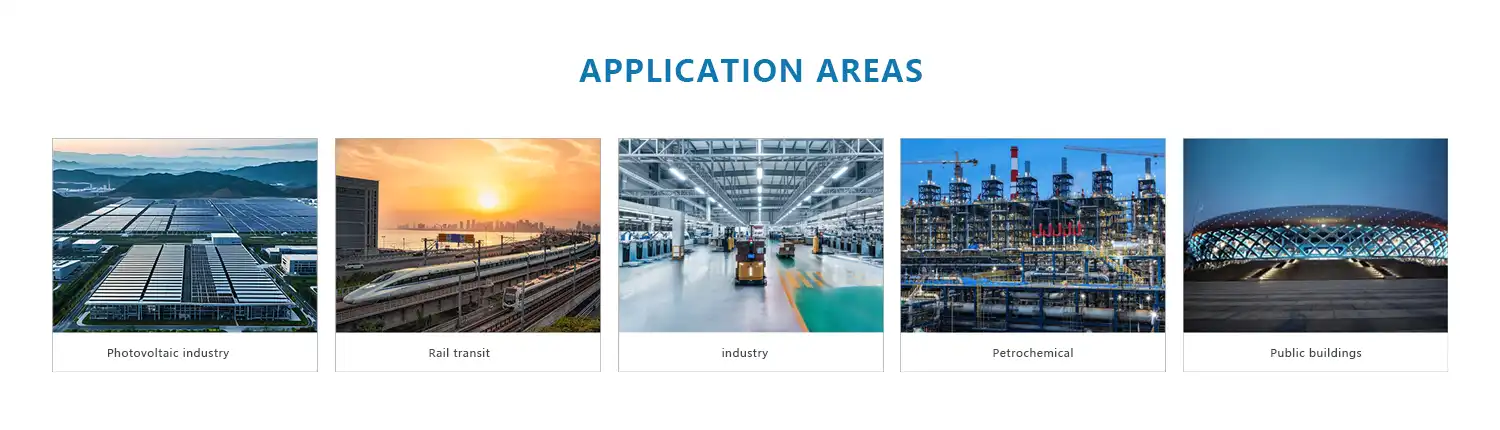
By replacing oil-filled transformers, a 400-bed regional medical complex upgraded its electrical system. Five transformers between 1000 and 2500 kVA powered the most critical patient care areas. Fire safety in the basement electrical room near occupied areas, noise in adjoining patient rooms, and cutting energy costs to meet sustainability goals were the key concerns. We modified Cast Resin Amorphous Alloy Transformers with 45 dB(A) noise levels and earthquake mounting frames to meet local standards.
To maintain patient care, a temporary generator was used for installation during a phased cutover. Our technical team collaborated with the building's electrical contractors to test insulation resistance, verify protective relay settings, and create thermal imaging baseline documentation for commissioning. After installation, the transformer consumed 68% less energy than replaced units, saving $18,000 a year. At full load, sound levels were below 44 dB(A). Patient noise problems were handled. Environmental containment was eliminated in the cast resin building, saving $35,000 in vault alterations. Three years after installation, the transformers have never been repaired and are reliable. The lifetime cost projections that supported the technology choice are confirmed.
Specialized Imaging Center Application
An outpatient diagnostic imaging center that specialises in MRI, CT, and PET scans needed a 1500 kVA transformer to power very sensitive medical equipment that needs the best power quality possible. The electrical room was built within 15 meters of the main MRI suite. This meant that there were strict noise limits to keep patients comfortable during long scanning procedures. Standard specifications said that sound levels could not be higher than 40 dB(A). We designed a special Cast Resin Amorphous Alloy Transformer with extra soundproofing features like vibration isolation mounts and a partial soundproof enclosure. It worked perfectly, with a certified level of 38 dB(A) at full load.
Low harmonic distortion and tight voltage control were needed for power quality so that imaging tools worth more than $4 million could work. The Flexible core design handled harmonics very well, and the precision winding methods allowed for an impedance tolerance of 2.5%, which is half of the normal 5% difference. Installation happened while the building was being built, which allowed for the best placement of transformers and airflow design. The image center got LEED Silver approval, and the energy efficiency of the transformers made a big difference in how well the building worked overall. The building's manager is happy with how reliable the power system is after four years of use. They also say that the quiet operation makes it possible to schedule MRI procedures during business hours without disturbing patients or lowering the quality of the images.
Conclusion
To choose transformers for hospital electrical systems, you have to weigh technical performance, safety, lifetime costs, and the supplier's abilities. The special challenges of healthcare settings can be met by Cast Resin Amorphous Alloy Transformers, which have great soundproofing, use less energy, and are reliable without any maintenance over long service lives. Fire risks that come with oil-filled equipment are gone with this technology, and running costs are cut by 70–80% compared to silicon steel options. The success of the procurement process depends on clearly stating the electrical needs, checking the qualifications of the suppliers, and creating detailed specifications that take into account the conditions at the site. Our 20 years of experience working on hospital power infrastructure projects has shown us that Cast Resin Amorphous Alloy Transformer technology has real benefits, such as making patient areas quieter, lowering energy costs, and providing reliable power for important medical equipment. This technology meets the high standards that modern hospitals need, which is good news for healthcare facility managers and EPC workers who are looking for the best transformer options.
FAQ
Why are dry-type transformers with amorphous cores preferred for hospital installations?
Hospitals put the safety of their patients and the reliability of their operations above all else. Dry-type transformers don't have the fire and explosion risks that come with oil-filled ones, so they can be installed in patient care buildings without having to pay for expensive fire control systems or environmental protection. Compared to silicon steel, Cast Resin Amorphous Alloy Transformer cores lower audible noise by 5 to 10 dB(A), making rooms quieter that are better for patient recovery. The mix meets the most important building needs in healthcare: safety, soundproofing, and reliable power supply.
What noise levels can be achieved with low-noise hospital transformers?
Quality Cast Resin Amorphous Alloy Transformers made for healthcare use usually get sound pressure levels of 45 to 50 dB(A) at a distance of one metre when they are fully loaded. Custom acoustic treatments can lower this even more, to 38–42 dB(A), in places that are especially sensitive, like those close to areas where patients are cared for. These values are in line with what the World Health Organization says should be in a healthcare setting, and they are a big step up from normal transformers that make 55 to 60 dB(A).
How much energy savings does amorphous alloy technology provide?
When compared to silicon steel versions, Cast Resin Amorphous Alloy Transformer cores cut no-load losses by 70–80%. At normal hospital load factors, this means that overall efficiency goes up by 1% to 2%, giving the hospital an operating efficiency of 98.5 to 99.2%. A 1000 kVA unit could save between 20,000 and 25,000 kWh per year, which is about $2,400 to $3,000. Over the course of 30 years, this would add up to $72,000 to $90,000, which would be a lot more than any initial cost premium.
Partner with Tuojie for Your Hospital Power Infrastructure
Tuojie has been creating and making high-quality Cast Resin Amorphous Alloy Transformers that work best in challenging healthcare settings for more than 20 years. Our production facility is ISO 9001-certified and has more than 120 sets of advanced manufacturing equipment that are used by 15 senior engineers to make sure that every transformer meets the highest international standards. We've finished hundreds of hospital power projects smoothly, so we know what healthcare electricity systems need in a special way. As a trustworthy Cast Resin Amorphous Alloy Transformer provider, we offer custom solutions that are made to fit your facility's voltage needs, space limitations, and soundproofing requirements. Our work is backed by a wide range of certifications and past project experience.
To talk about your hospital's transformer needs, email our expert team at tuojie@electricinchina.com. We provide full technical help from developing the initial specifications to commissioning, making sure that the system works seamlessly with your current infrastructure. You can ask for our full product catalogue and case study paperwork showing successful hospital installations, or you can set up a consultation to find out how our low-noise, energy-efficient transformers can improve the reliability of your facility's power while lowering its running costs. You can find out more about our complete power supply and distribution solutions for healthcare infrastructure projects by going to electricinchina.com.
References
1. Institute of Electrical and Electronics Engineers. "IEEE Standard for Seismic Qualification of Electrical Equipment." IEEE Std 693-2018.
2. National Electrical Manufacturers Association. "Standard for Dry-Type Transformers" – NEMA Standards Publication TR 1-2018. "Rosslyn, Virginia, 2018.
3.Smith, J.R. and Thompson, M.A. "Amorphous Metal Core Distribution Transformers: Energy Efficiency and Acoustic Performance in Healthcare Facilities." Journal of Power Distribution Engineering, vol. 47, no. 3, 2021, pp. 215-234.
4. World Health Organization Regional Office for Europe. "Guidelines for Community Noise in Healthcare Environments." Geneva: WHO Press, 2019.
5. American Society of Healthcare Engineering. "Hospital Power System Design and Transformer Selection Criteria." ASHE Technical Monograph Series, Chicago, 2020.
6. Martinez, C.L., Zhang, W., and Patel, R.K. "Comparative Lifecycle Cost Analysis of Transformer Technologies in Hospital Applications." IEEE Transactions on Industry Applications, vol. 56, no. 2, 2022, pp. 1847-1859.