

.webp)
For procurement workers in charge of infrastructure, industrial, and business power projects, choosing the right seller for Amorphous metal dry-type transformers is an important choice. When compared to standard silicon steel units, these advanced transformers are 70–80% more efficient at no-load, which means they save a lot of money on running costs and are better for the environment. Technical skills, licensing requirements, past project experience, and long-term service promises must all be carefully looked at as part of the selection process. This detailed guide shows you the important factors that set trustworthy sellers apart from average ones. This way, you can make smart choices that protect your project's schedule, budget, and performance goals.

Understanding Amorphous Metal Dry-Type Transformers and Their Advantages
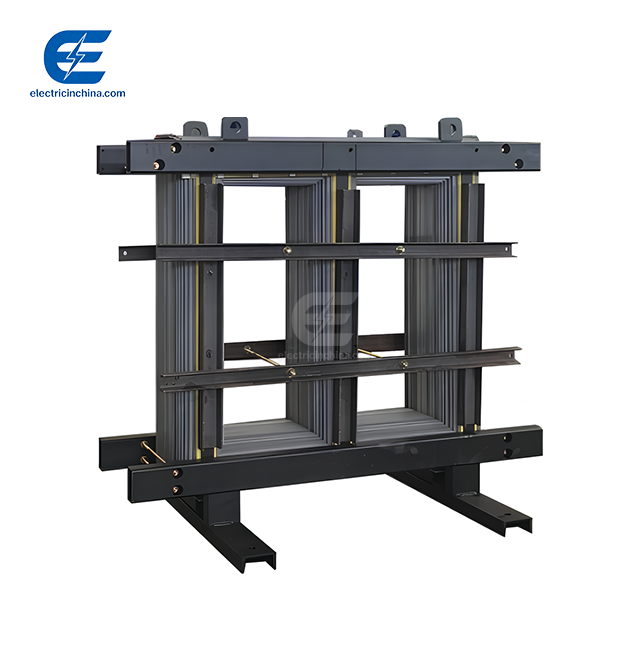
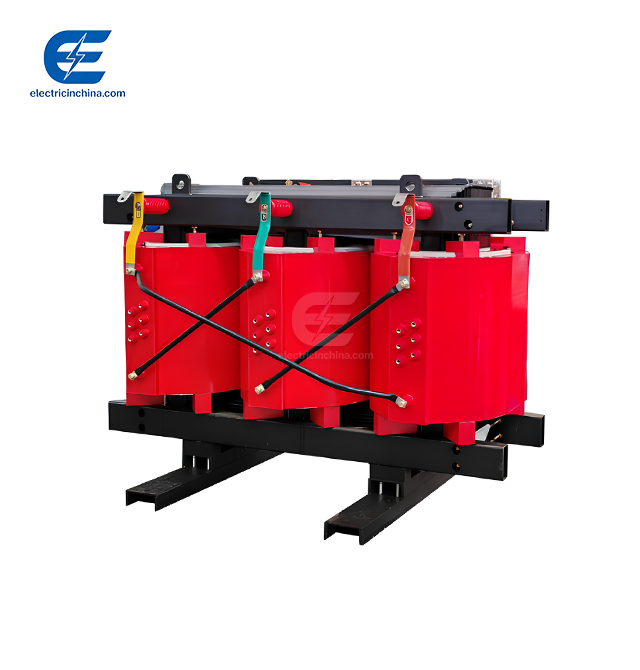
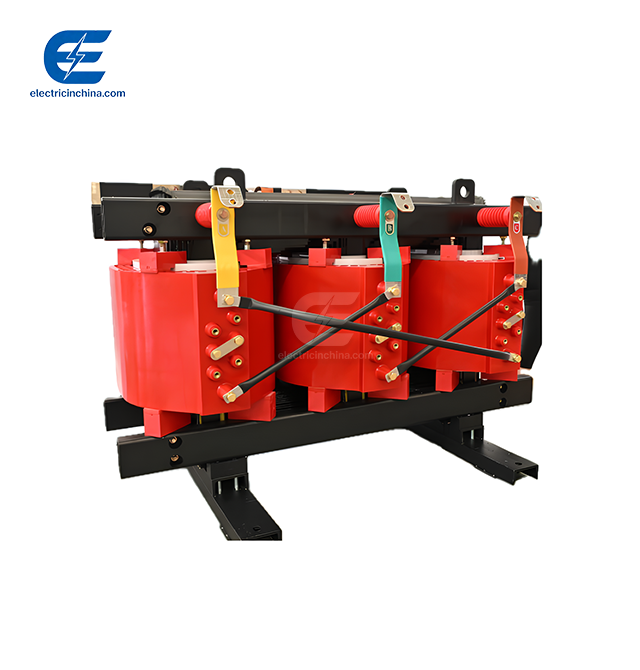
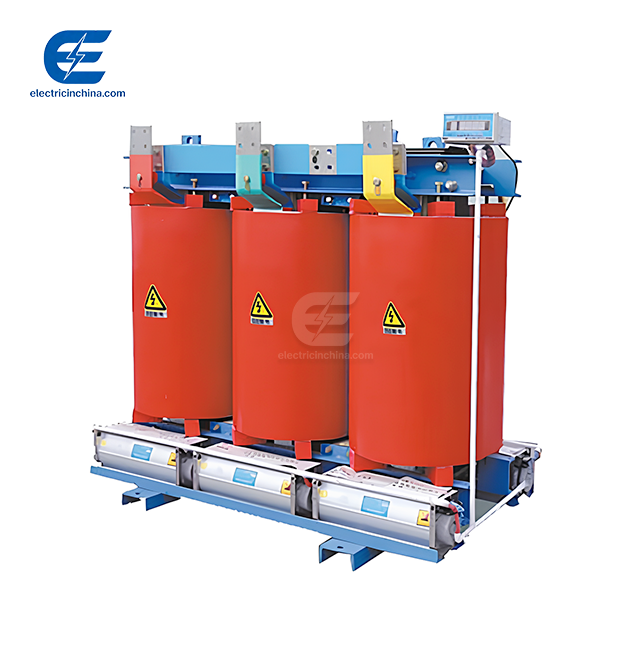
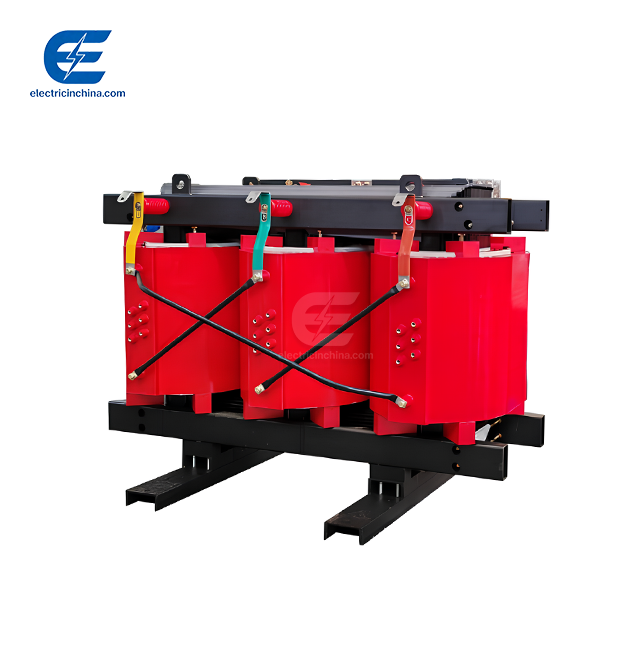
The technology that makes these transformers completely changes how we distribute energy in modern buildings. Amorphous metal cores are different from silicon steel cores because they have iron, nickel, cobalt, boron, and carbon atoms that are not arranged in a crystal structure. This one-of-a-kind mix makes the magnetic qualities very soft, which greatly lowers the hysteresis losses that happen during magnetisation cycles.
Why Core Material Matters
Core losses cause traditional transformers to lose valuable energy all the time, even when they are not in use or are only lightly loaded. The power you buy never gets to your devices; it just heats up the core of the generator. The equation is completely altered by amorphous metal technology. This is a huge 60–80% improvement over traditional designs, as the core loss density drops to just 0.16-0.22 W/kg. For places that use transformers all the time, these savings add up quickly.
Quantifiable Performance Benefits
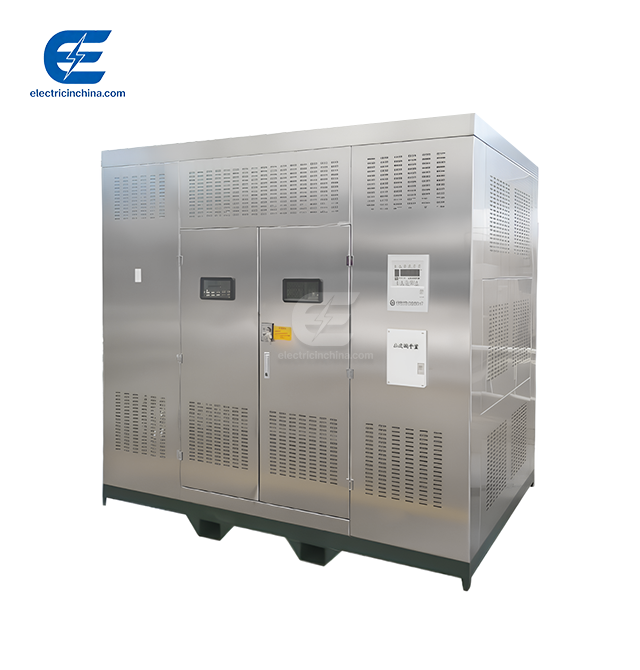
At full load, energy efficiency rates always go above 98.5%, and many units hit 99.2%. About half of the exciting current is lost, which means that a lot less reactive power is used across your distribution network. Total harmonic distortion stays below 3%, which keeps sensitive electronics safe from problems with the power. These dry-type units don't use any oil insulation at all, so there are no fire risks and no need to test the fluid regularly. Operating noise stays below 45dB, so even in crowded areas, it's still comfortable to work.
Real-World Application Success
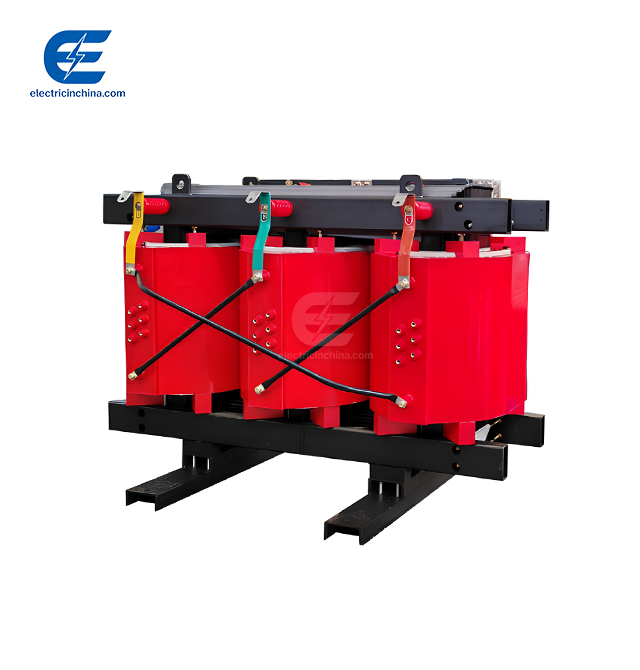
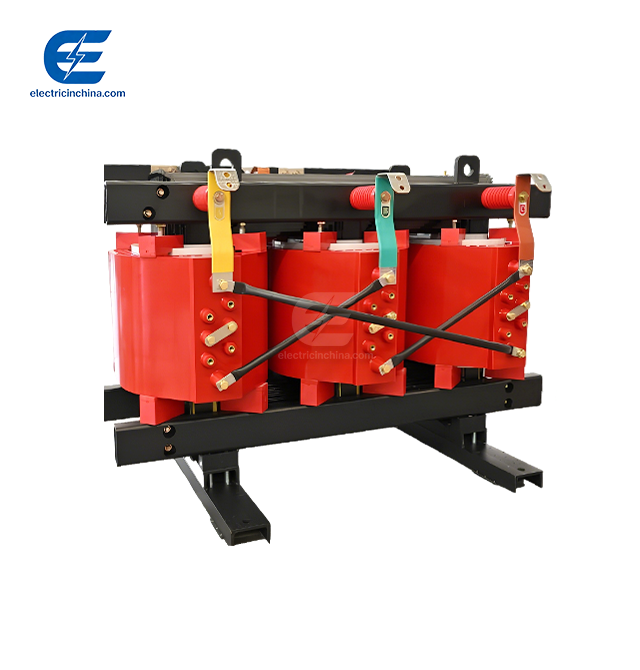
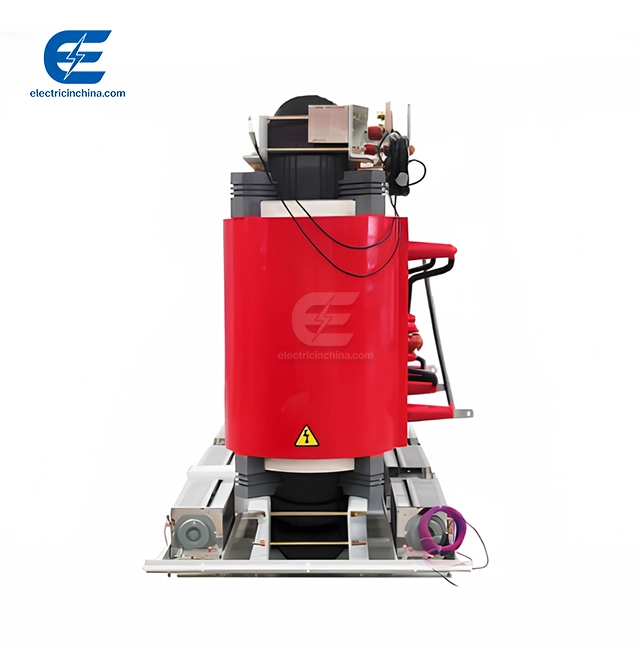
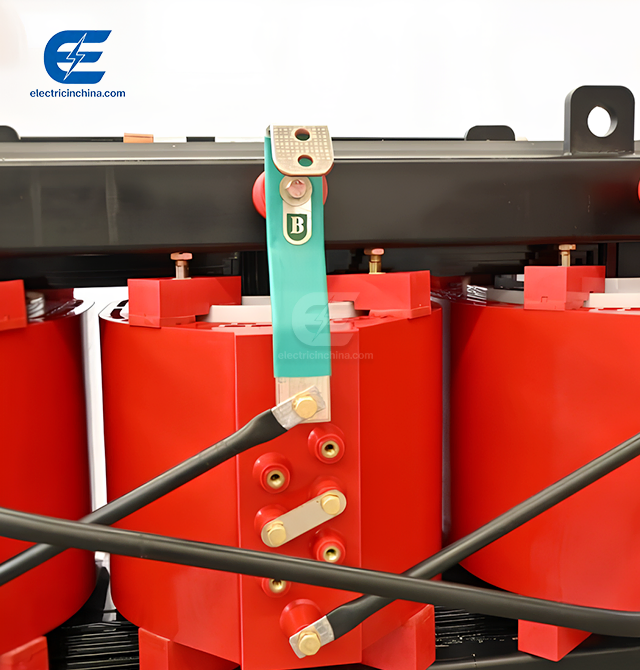
This technology is being used more and more in government building projects to meet sustainability requirements and lifetime cost goals. By adding these transformers to green building standards, commercial developers can reduce their buildings' practical carbon footprints in a way that can be measured. Industrial makers gain from high reliability, and if they follow the right upkeep steps, their machines can run for more than 30 years. The cast resin insulation system can handle temperatures between -25°C and +40°C, and its Class H insulation is rated to 180°C. This means that it will work well in a wide range of situations.

Key Criteria to Evaluate When Selecting a Supplier
Comparing standard sheets and unit prices of an amorphous metal dry-type transformer is only one part of the process of choosing a seller. To make sure that projects go well and partnerships last a long time, procurement teams have to look at a supplier's skills in a number of different areas.
Technical Strength and Innovation Capacity
An important part of a supplier's ability to provide unique solutions is their tech team. Look for companies that have a lot of technical depth. Teams should have top engineers with a lot of experience designing transformers and skilled techs who know how production works. Patent portfolios are real proof of a commitment to innovation and technical progress. Suppliers with multiple patents show that they are investing in real research and development instead of just making standard goods. Another important story is told by the facilities for production. Modern factories with CNC automatic winding machines, static vacuum casting equipment, and microcomputer-controlled gradient curing systems show that they can make good products. Companies with more than 100 pieces of high-tech equipment usually have better quality control and production flexibility than smaller companies.
Certification Standards and Quality Systems
International certifications show that suppliers meet quality standards that are known to be reliable. Getting ISO 9001 certification shows that you have a structured quality management system with written methods and ways to keep making things better. ISO 14001 shows that a company cares about the environment, and OHSAS 45001 (or ISO 45001) shows that a company cares about safety at work. Products need different kinds of certifications based on the places they are aimed at. To get into the Chinese market, you still need to have CCC approval, and IEC 60076 compliance makes sure that you meet foreign standards. Check that the providers have approved testing labs that can do full quality validation, such as measuring acoustic noise, heating up to a certain temperature, testing for partial discharge, and testing for impulse withstand voltage.
Production Capacity and Delivery Reliability
Check to see if possible suppliers can work with the size and schedule of your job. Manufacturers whose capacities range from 30KVA to 31,500KVA show that they can adapt to different project needs. The strength of the supply chain has a direct effect on how well deliveries go. For example, suppliers with established relationships for getting parts and inventory management systems tend to keep wait times more stable. Ask for proof of past delivery success through project paperwork and client references. With hundreds of completed projects under their belts, organisations have a lot of valuable experience dealing with complicated procurement needs and unexpected problems.
After-Sales Support and Service Infrastructure
A full guarantee covers your investment against problems with the way it was made and poor performance. Standard warranties should cover both the products and the work for a certain amount of time, and they should have clear words about promises for replacement, repair, and performance. Check to see if the suppliers offer help with installation, commissioning, and training for operators. These extra services greatly lower the risk of the project and make sure the system works at its best right from the start. Maintenance programs that are always running and quick technical support are especially helpful for large-scale deployments where downtime costs a lot.

Comparing Amorphous Metal Dry-Type Transformer Suppliers: What to Look For
Systematic comparison of suppliers lets you make objective decisions based on performance criteria that can be measured, rather than gut feelings or incomplete information.
Technical Performance Benchmarking
Ratings of efficiency are the best way to compare things directly. Even though most good makers get scores above 98.5%, small differences add up to big differences over time. To find the true lifecycle value, you need to figure out how much energy you will save by using actual efficiency numbers, operating hours, and local electricity rates. Specifications for no-load loss show how much energy transformers use when they're not being used. When it comes to uses with changing loads, units that can cut power consumption by 70–80% compared to regular transformers are the most cost-effective. Operating noise levels limit the number of places where they can be installed. However, transformers that keep sound pressure below 45dB at a distance of 1.7 meters make it possible to put them in places that need to be quiet, like hospitals, commercial buildings, and transportation hubs.
Innovation Differentiation
Patent-protected technologies of the Amorphous metal dry-type transformer often make things work better in real life. Suppliers who have their own core building methods, advanced insulation systems, or unique cooling designs may be able to offer more reliable or efficient solutions than standard ones. Check to see if these new ideas solve specific problems in your program setting. When normal goods can't fit odd physical restrictions, weather conditions, or electrical requirements, the ability to customise them becomes important. Suppliers with strong engineering teams and adaptable production systems can change designs to fit the needs of each project without adding too much to the costs or delaying the schedule.
Supply Chain and Distribution Strength
Global distribution networks show how mature and skilled an organization's operations are. Suppliers that only ship from one manufacturing site are usually less responsive than companies that have regional offices, service centers, or relationship networks. A look at how material is managed and how parts are sourced shows that the company is vulnerable to supply problems. Superior risk management is shown by suppliers who keep key component stocks and a variety of supplier relationships.
Sustainability Commitment
As companies try to reach their sustainability goals, the way they make Amorphous metal dry-type transformer has a bigger impact on the things they buy. Buyers who want to protect the environment will work with suppliers that use eco-friendly production methods, waste reduction programs, and energy-efficient buildings. Corporate social responsibility programs, such as worker aid programs, community involvement, and responsible sourcing policies, show that an organization cares about more than just making money. These promises are often linked to better operations and long-term business security.

How to Make an Informed Procurement Decision
Structured review methods that combine technical needs, business concerns, and risk reduction strategies are necessary for successful procurement outcomes.
Defining Project-Specific Requirements
To begin, write down exact technical details such as the amount of power needed, the voltage ratings, the frequency standards, and the operating conditions in the environment. Find out if there are any special needs, like the ability to withstand earthquakes, fight corrosion in coastal environments, or block out harmonics. Set budget limits that take into account the total cost of ownership as well as the price of the initial purchase. In financial modelling, you should include expected energy savings, maintenance costs, and the length of time the system will work. Set limits on the project's timeline, such as the length of time needed for procurement, the lead time for manufacturing, the logistics of delivery, and the installation windows.
Structured Supplier Evaluation
Create scoring systems that give review factors of the Amorphous metal dry-type transformer different weights based on the importance of the project. Technical expertise, quality certificates, on-time delivery, and help after the sale are usually the main criteria used for evaluation. Based on objective proof from seller proposals, reference checks, and facility audits, give each guideline a number score. When you can, visit the factory to see how it's made, how quality control works, and what technical skills are available. A lot of the time, these site assessments show practical strengths or flaws that weren't clear from the paperwork alone. Checking references with current clients is a great way to find out how well someone actually does what they say they can do. Ask people you know about projects that are about the same size and level of difficulty as yours.
Risk Mitigation Strategies
Before committing to a large-scale buy, you might want to think about trial orders or smaller purchases. With this method, performance can be checked in real-world operating conditions with little exposure. Talk about the terms of the contract so that it is clear what the performance guarantees, warranty coverage, delivery schedules, and ways to fix problems if they happen are. Include rules for testing by a third party, funds that are tied to reaching milestones, and ways to settle disagreements. When you buy something expensive from a new seller, you should look at their payment terms and any financial safety they offer, like performance bonds or letters of credit.

Conclusion
To find a good provider for energy-efficient dry-type transformers, you need to carefully look at their technical skills, quality standards, production capacity, and service infrastructure, among other things. A good buying process weighs the short-term costs against the long-term benefits that come from being more efficient, reliable, and offering full support. When businesses take the time to carefully evaluate suppliers, compare them in an organised way, and negotiate contracts that take risk into account, they set themselves up for successful projects and long-lasting relationships. These modern transformers save a lot of energy and improve operations, so it's important to choose a source carefully to make sure the quality and performance of the products.
FAQ
1. What efficiency improvements can we realistically expect?
Quality units usually get between 98.5 and 99.2% efficiency at full load, and they lose 70 to 80% less power when they're not in use than regular silicon steel transformers. To figure out how much energy you save each year, use this formula: kWh saved = (ΔP0 × 8760 hours), where ΔP0 is the difference in transformer types' no-load loss.
2. How do we verify supplier quality credentials?
Ask for copies of the product's ISO 9001, ISO 14001, and other relevant certifications. Use the issuing bodies to make sure the certificates are real. Audit the plant to see how quality control is done, what testing equipment is used, and how the production system works. To confirm real-world performance, look at references from projects that are similar.
3. What warranty terms should we expect?
Suppliers with a good reputation usually offer minimum warranty terms that cover promises for materials, labour, and performance. Make it clear what the service includes, how long you promise to respond, and how to fix problems. Make sure that the guarantees cover both the loss of a component and performance dropping below a certain level of efficiency.
4. Can suppliers accommodate custom specifications?
When a company has strong technical teams and flexible production systems, it can change standard designs to fit different voltage levels, sizes, environmental needs, or other features. Ask for proof of past customisation projects and engineering skills, such as the qualifications of technical staff and the ability to use design software.
Partner With Tuojie for Your Next Transformer Project
Tuojie has been a major maker of Amorphous metal dry-type transformers for over 20 years, serving government building projects, business companies, and industrial sites all over the world. Our technical team is made up of 15 senior engineers, more than 30 experienced technicians, and 120 or more advanced production machines that make sure every unit meets the strict ISO 9001 standards. Our accredited quality laboratory can do a wide range of tests, and the fact that we hold 18 patents shows that we are always coming up with new ideas for transformer technology.
Our product line includes 30KVA to 31,500KVA units that have been shown to be more than 98.5% efficient and have 70–80% less no-load loss than regular units. Over the years, we've completed hundreds of successful power projects for cities and businesses. We offer custom solutions that are tailored to the local environment and needs. In addition to making high-quality products, we also offer a full range of services, such as engineering advice, custom design, global logistics coordination, installation support, and ongoing maintenance programs.
Contact our team at tuojie@electricinchina.com to discuss your specific project requirements. Request a detailed technical proposal to find out how our Amorphous metal dry-type transformer supplier can help you improve the efficiency of your power distribution, lower your running costs, and meet your sustainability goals with reliable, tried-and-true technology.

References
1. Institute of Electrical and Electronics Engineers. IEEE Standard for Dry-Type Transformers: Performance and Testing Requirements. IEEE Standards Association, 2019.
2. International Electrotechnical Commission. Power Transformers - Part 11: Dry-Type Transformers. IEC 60076-11, 2018.
3. Smith, J. and Wang, L. "Comparative Analysis of Amorphous Metal and Silicon Steel Transformer Cores: Efficiency and Lifecycle Assessment." Journal of Electrical Engineering and Technology, vol. 15, no. 3, 2020, pp. 1247-1262.
4. National Electrical Manufacturers Association. Guide for Determining Energy Efficiency for Distribution Transformers. NEMA Standards Publication TP-1, 2020.
5. Chen, M. et al. "Long-term Performance Evaluation of Amorphous Alloy Distribution Transformers in Industrial Applications." International Journal of Electrical Power and Energy Systems, vol. 128, 2021, pp. 106-118.
6. American Society for Testing and Materials. Standard Specification for Amorphous Magnetic Core Alloys. ASTM International, 2019.