

.webp)
Choosing the right Transformer iron core manufacturer has a direct effect on how reliable your power system is, how much energy it uses, and how much it costs to run in the long run. The magnetic circuit that enables voltage transformation between primary and secondary windings is made up of Transformer iron cores, which are made of specialised magnetic materials like grain-oriented silicon steel. At Xuzhou Tuojie International Trade Co., Ltd., we use advanced engineering and strict quality standards to make sure that our cores minimise energy loss, lower noise emissions, and provide consistent performance in a wide range of demanding industrial, business, and infrastructure uses.
Understanding Transformer Iron Core Basics
What Makes Transformer Cores Essential
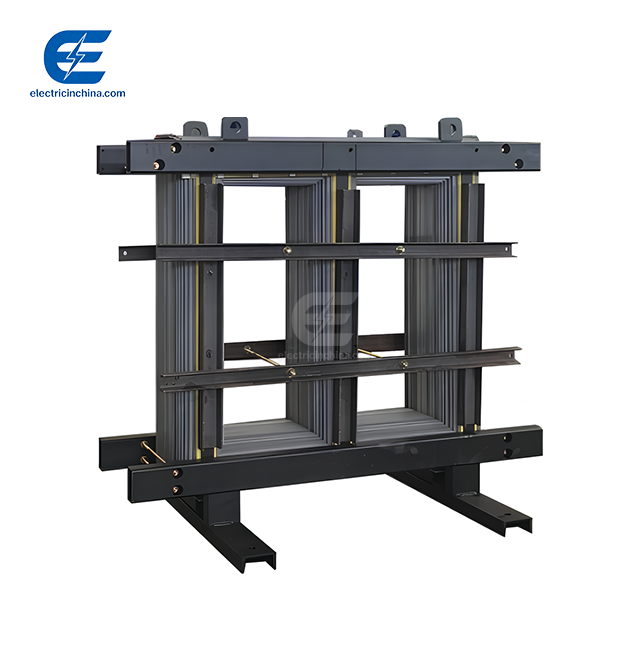
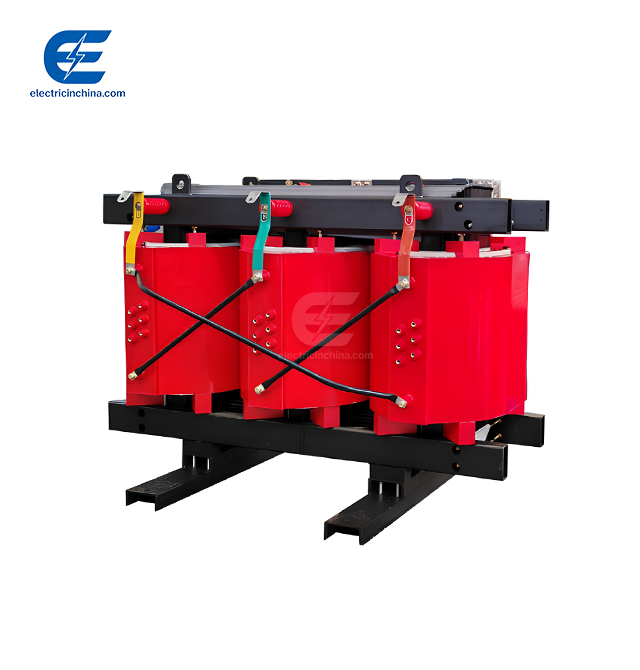
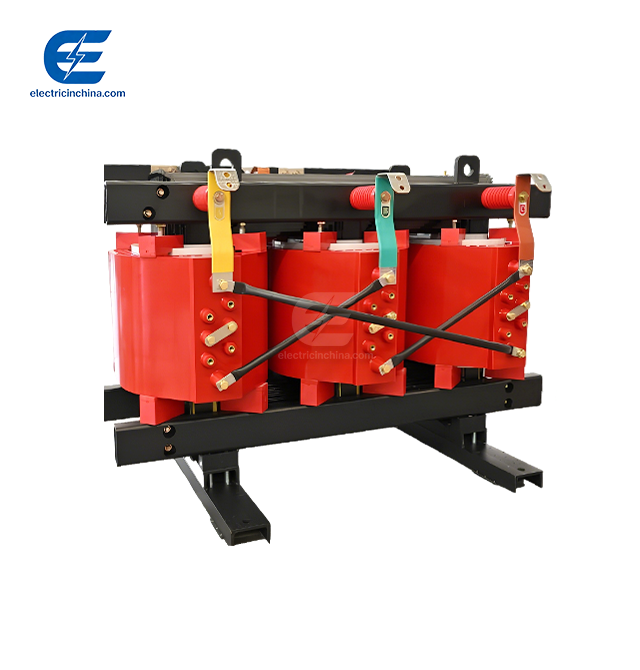
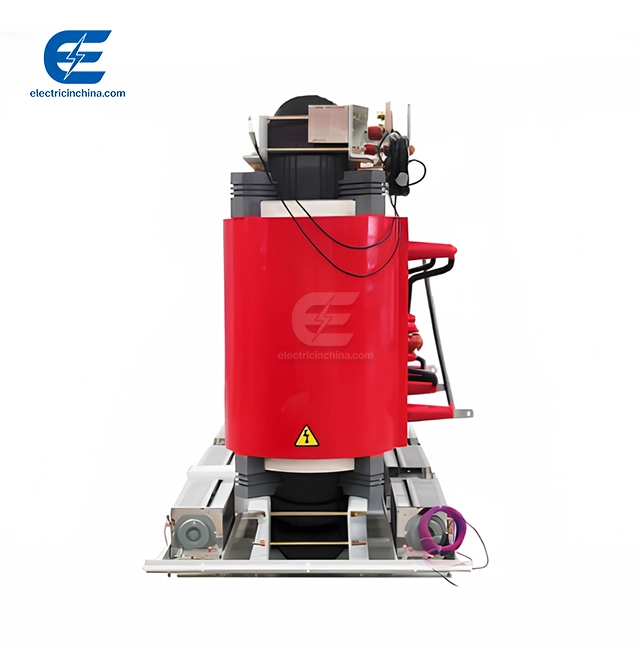
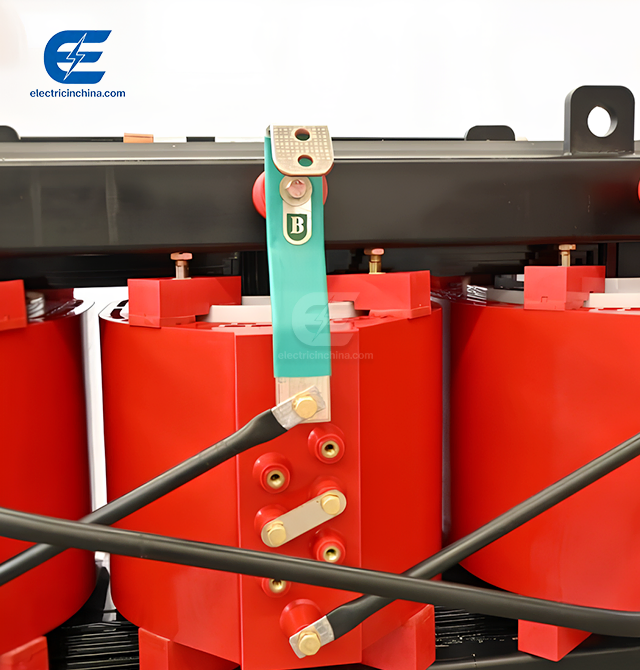
A transformer's magnetic circuit guides electromagnetic flux between the windings, which makes the voltage change work well. How well your system changes power while keeping losses under control depends on this basic part. Modern electrical steel cores solve important operational problems: they lower no-load losses that drain energy when the system is not in use, they lower noise levels in cities, and they keep their shape when loads change.
Eddy current circulation, which wastes energy and makes heat, can't happen in laminated construction. Our grain-oriented silicon steel has a magnetic permeability of over 1800 H/m, which means it needs less magnetising current than other materials. From the very beginning, this means better power factor and less impulsive power use.
Core Material Comparison: Silicon Steel vs. Alternatives
Based on frequency response, loss features, and cost, different materials are better for different uses. Utility-scale transformers are mostly made of grain-oriented silicon steel because it has better magnetic qualities along the rolling direction. The 3% silicon presence raises the electrical resistance, which stops eddy currents even more.
Amorphous metal cores have a lower core loss density, sometimes below 0.25 W/kg at 1.5T. This makes them a good choice for distribution transformers, where no-load losses add up to a lot of money over time. But because they are weak, they are harder to make and don't have as much mechanical power. Silicon steel that isn't oriented is used in smaller transformers where the direction of the magnetic flux changes, but it loses more power.
We use high-quality materials that are oriented along grains and have a core loss density of less than 1.0 W/kg at 1.7T and 50Hz. This gives us the efficiency we need for government infrastructure and big business projects. This choice of material shows that we are dedicated to finding the best balance between performance and ease of manufacture so that we can provide solid, low-cost options.
Lamination Principles and Loss Reduction
Thin laminations of Transformer iron core, usually between 0.23 mm and 0.35 mm thick, greatly reduce the size of eddy currents by limiting the area where they can flow. Before being stacked, an insulating coating is put on each sheet. This keeps the layers from touching each other electrically. Overall efficiency is directly affected by how well you control the thickness of the laminate and the quality of the covering during production.
When putting together cores, our CNC automatic winding machines keep exact dimensional tolerances. This accuracy makes sure that the stacking pressure is the same, which affects both the magnetic performance and the sound outputs. When putting things too loosely, holes appear that make more magnetising current needed and cause vibrations. Our microcomputer-controlled processes get rid of these flaws, leaving behind cores with noise levels below 55dB, making them suitable for installations close to homes.

Types and Design Principles of Transformer Iron Cores
Laminated Core Construction Methods
Core shape has a big effect on both cost and effectiveness. When laminations overlap in a staggered pattern, stepped-lap joints are better than simple butt joints at lowering magnetic reluctance at corners. Our 45° mitre joints and multi-step laminations get rid of flux irregularity, which is why our finished transformers have efficiency rates above 99.5%. This way of designing solves a typical problem: parts that get too hot, which speeds up the breakdown of insulation.
Fully oblique joint processes improve magnetic path continuity even more. Specialised tools and scientific know-how are needed to make these complex shapes. Our building has more than 120 sets of high-tech machines, such as CNC static vacuum casting equipment, that makes sure the quality of each production run is the same.
Material Permeability and Coercivity Impact
Materials with a high magnetic permeability need less magnetising force to create the same flux density, which lowers the no-load current. Grain-oriented silicon steel has permeability values higher than 1800 H/m along the chosen direction, which is a lot higher than grades that are not oriented. This trait is very important for big power transformers because the magnetising current changes the system power factor.
Coercivity is a measure of how hard it is for a material to lose its magnetic properties. It affects hysteresis losses, which are the amounts of energy that are lost during each magnetisation cycle. Materials with lower coercivity cause less hysteresis loss, but they might give up some of their dynamic qualities. Our technical team of 15 senior engineers and more than 30 intermediate techs looks at these trade-offs for each application to make sure that the cores meet your unique needs.
Manufacturing Process and Quality Assurance
The choice of raw materials sets the stage for performance. We get silicon steel that meets strict requirements for its chemical makeup and magnetic properties. Our professional quality inspection laboratory checks that these requirements are met. Inspection of incoming materials finds flaws before they are used in production, which protects your investment.
The steps for cutting, storing, and insulating are written down and are in line with ISO9001 quality management standards. Automated foil winding machines keep the accuracy of the winding, and gradient curing furnaces control the temperature profiles to get the best insulation properties. In line with our "zero defects" mindset, we closely watch every step of the process, from getting the materials to inspecting and certifying the finished product. This way, we make sure that any defective goods never make it to your facility.

Comparing Transformer Iron Core Materials and Types for Optimal Selection
Grain-Oriented vs. Amorphous Steel Economics
For most power distribution tasks, Transformer iron core grain-oriented silicon steel cores strike a good mix between speed, cost, and dependability. They are the best choice for utility transformers, industrial facilities, and commercial buildings because they are easy to make, don't break easily, and age in a way that can be predicted. The prices of materials stay low, and everyone in the industry knows how to make things.
When compared to regular silicon steel, amorphous cores cut no-load losses by up to 70%, which means that over decades of use, they save a lot of energy. This benefit is appealing to companies that are under pressure from regulators to make the grid work better. But the higher prices of materials, the difficulty of making them, and the fact that they are easily damaged when handled need to be carefully thought through. To find the total cost of ownership, you need to look at both the initial investment and the amount of energy used over the life of the property.
We offer open and honest scientific advice to help you decide if the extra cost of flexible technology is worth it for your application. For projects like the Xuzhou Rail Transit Network Control Center, complete dependability is needed. Our grain-oriented silicon steel cores have been tested and certified to offer proven performance.
Laminated vs. Solid Core Trade-offs
Because it is better at stopping eddy currents, a laminated structure is used most often in AC power applications. Solid cores are only good for DC or very low-frequency uses where eddy currents are not a problem. It is not possible to use solid cores in standard 50/60Hz transformers because they would lose too much power and get too hot.
Modern methods for laminating and bonding improve material strength without affecting electrical isolation. When the load changes, our strong clamping structures keep their shape even when the temperature changes and the cores are put under short-circuit mechanical stress. These forces can be 10–20 times higher than normal operating levels. For long-term dependability, structural integrity is very important.
High-Frequency Application Considerations
Harmonic content is created by variable frequency drives, renewable energy inverters, and specialised industrial equipment. This makes core losses higher. Higher frequency parts don't go as deep into laminations, so top losses are more noticeable. For use above 1 kHz, thinner laminations or different materials, such as ferrite cores, are better.
Our research team looks at the features of your load to suggest the best core designs. We've worked on projects with a lot of harmonics, like the GCL Photovoltaic Industrial Park power distribution system, where inverter-generated harmonics needed special core optimisation to keep things running smoothly and stop resonance problems.

Procurement Guidance: How to Source Quality Transformer Iron Cores
Essential Certifications and Standards Compliance
Manufacturers that are legitimate keep their ISO9001 quality management approval up to date, which shows that they have structured process controls. Getting ISO14001 and OHSAS 45001 certifications shows that you care about the environment and your workers' safety, which are both very important for companies working on government and building projects. These certificates, along with the National CCC Mandatory Certification for all relevant goods, show that we meet the needs of the Chinese market and are committed to following the rules.
Testing and checking the efficiency of transformers are governed by IEC standards. Cores should be made of magnetic materials that meet the requirements set by IEC 60404, and test records should show the exact properties that were tested. RoHS compliance makes sure that limits on dangerous substances are followed, which is becoming more and more important for foreign projects. When evaluating a seller, ask to see proof of their license; if they refuse to give it to you, that could be a sign of quality issues.
Lead Times, MOQ, and Custom Manufacturing
Depending on the size and number, standard core designs usually ship in 4 to 8 weeks. For engineering review, prototype validation, and tooling preparation, custom configurations need more lead time. Our technical team works with clients to make designs as easy to make as possible. This can cut costs and lead times while still meeting performance standards.
Minimum order amounts depend on the complexity and size of the core. It may be cheaper to make one large power transformer core at a time, but it's usually more cost-effective to make several smaller distribution transformer cores at once. We work with project-based sourcing, which is common in EPC contracts, so that delivery dates are in line with the important building goals.
For specific uses, the ability to make things to order is essential. We helped XCMG Group upgrade their factory power supplies, which needed cores with non-standard dimensions to fit the existing infrastructure. We showed our flexibility and dedication to client success by finishing these jobs early.
Supplier Evaluation and Factory Verification
Look at possible providers based on more than just price. Technical skill, shown by the qualifications of the engineering staff, patent portfolios, and testing tools, can be used to guess how well someone will be able to solve problems when they come up. Our 18 patents show that we are constantly working to come up with new ideas, and our team of 15 senior engineers and 30+ intermediate workers can handle even the most difficult tasks.
Scalability and quality consistency of the Transformer iron core can be seen in production capacity and the level of sophistication of the equipment used. When you can, go to companies to see how things are made, how equipment is maintained, and how the workplace is set up. Well-run facilities have written rules, measuring tools that are accurate, and clean areas that keep the core assembly process from getting contaminated.
Go over finished project references, especially ones that are similar to the type of application you are making. We've finished hundreds of important power projects in the industrial, commercial, and municipal engineering fields. We can handle difficult and important projects like the Xuzhou High-speed Railway East Station Official Power Supply EPC Project and the Huaihai Biomedical Industrial Park power distribution system.

Leading Transformer Iron Core Manufacturers and Brands in the Market
Identifying Trusted Core Suppliers
Manufacturers that have been around for a while usually specialise in certain types of customers. Others focus on distribution or speciality transformers, while others work on utility-scale transmission transformers. Knowing what a provider does best can help you figure out if they can meet your goals. Companies that work on building projects know that government contracts have strict quality standards and paperwork requirements.
Location affects logistics prices and wait times, but that shouldn't mean lowering quality standards. Asian producers, especially those that sell to customers in other countries, often offer reasonable prices while keeping strict quality controls. Check for export experience and compliance with foreign standards to make sure the job goes smoothly.
Through Xuzhou Tuojie International Trade Co., Ltd., we serve markets around the world by combining competitive manufacturing economics with technical skills on par with those of world leaders. Our ISO-certified production and large inventory of equipment help with both domestic and international project needs.
Emerging Technologies and Industry Trends
New discoveries in material science keep making the core function better. High-permeability grain-oriented steels with laser-scribed domains further cut down on losses, and nanocrystalline metals show promise for specific uses. Automation in manufacturing improves accuracy and lowers quality variations caused by human error.
Sustainability factors are becoming more and more important in purchasing decisions. Transformers last 30 to 40 years, so the amount of energy they use over their whole life is an important environmental factor. Low no-load losses caused by high-efficiency cores lower the carbon footprint. Our rust-prevention treatments and strong construction make our products last longer, so you don't have to replace them as often and use less material.
Digital tracking lets you do proactive repair, which finds problems before they break down. Core technology is still electromechanical, but adding modern monitoring systems makes it more useful for facility managers. We keep up with these trends so that we can offer options that meet the changing needs of the market.

Conclusion
To find a trustworthy Transformer iron core manufacturer, you need to look at their technical skills, quality systems, and past project experience. Cores made of grain-oriented silicon steel and joints that are perfectly designed give over 99.5% efficiency while keeping noise levels low. Supplier reliability can be seen in things like ISO certification, full testing capabilities, and proof of project success. Our advanced manufacturing equipment, skilled technical staff, and dedication to zero-defect quality at Xuzhou Tuojie International Trade Co., Ltd. help us meet the needs of demanding applications in the infrastructure, industrial, and commercial sectors. Knowing about the traits of materials, design rules, and best practices for buying things gives you the power to make smart choices that protect the long-term dependability of the system and keep it running efficiently.
FAQ
1. What factors most significantly influence transformer core quality?
The basic magnetic qualities are determined by the grade of the material. For example, grain-oriented silicon steel with 3% silicon content and managed grain structure has the best permeability and lowest losses. Both speed and noise levels are affected by how precisely the manufacturing process is done during lamination stacking, joint building, and clamping. Quality control during production, which is proven by ISO9001 approval and thorough testing, makes sure that each batch of products is the same.
2. How do I select appropriate core types for different transformer applications?
Match the form of the core to the regularity of operation, the power level, and the environment. Standard distribution transformers use grain-oriented silicon steel and stepped-lap joints to get above 99% efficiency at a reasonable price. Amorphous cores are good for high-efficiency uses where lower no-load losses more than make up for higher initial prices. Harsh settings, like those at high altitudes, in earthquake zones, or in the ocean, need better corrosion protection and dynamic strength. Our engineering team does this by choosing the right materials and applying protective coatings.
3. What should I verify before finalizing a core supplier purchase?
Ask for up-to-date ISO9001, ISO14001, and other product approvals that are needed. Look over test reports that show the real magnetic properties, measurements of core loss, and sound performance. Check the quality of technical help by looking at the patent portfolios and skills of the engineering staff. Look at references for finished projects that fit the type and size of your application. Before agreeing to big orders, make sure that written deals spell out wait times, payment terms, warranty coverage, and after-sales support.
Partner with Tuojie for Superior Transformer Iron Core Solutions
Transformer iron cores made by Xuzhou Tuojie International Trade Co., Ltd. are better than those made by other companies around the world because they are made by cutting-edge technology and have been in business for more than 20 years. Our grain-oriented silicon steel cores, which are made with more than 120 sets of high-tech tools, have a magnetic permeability of more than 1800 H/m and a core loss rate of less than 1.0 W/kg at 1.7T and 50Hz. We offer custom solutions for government infrastructure, business developments, and industry sites. Our technical team is made up of 45 trained engineers and technicians and is backed by 18 patents. Our ISO9001-certified production and zero-defect quality mindset make sure that your cores will work reliably for decades, whether you need standard cores or unique designs for specific uses. Email our team at tuojie@electricinchina.com to talk about the needs of your project. As a reliable Transformer iron core provider, we'll give you technical details, project references, and solutions that are made to fit your needs and the time frame for your purchase.

References
1. International Electrotechnical Commission. "Magnetic Materials - Part 2: Methods of Measurement of the Magnetic Properties of Electrical Steel Strip and Sheet by Means of an Epstein Frame." IEC 60404-2 Standard, 2018.
2. IEEE Power and Energy Society. "IEEE Standard General Requirements for Liquid-Immersed Distribution, Power, and Regulating Transformers." IEEE C57.12.00-2015, Institute of Electrical and Electronics Engineers, 2015.
3. Beckley, Paul. "Electrical Steels for Rotating Machines." The Institution of Engineering and Technology, London, 2002.
4. Moses, Anthony J. "Energy Efficient Electrical Steels: Magnetic Performance Prediction and Optimization." Scripta Materialia, vol. 67, no. 6, Elsevier, 2012, pp. 560-565.
5. Kulkarni, S.V., and Khaparde, S.A. "Transformer Engineering: Design, Technology, and Diagnostics." Second Edition, CRC Press, Boca Raton, 2013.
6. International Electrotechnical Commission. "Power Transformers - Part 10: Determination of Sound Levels." IEC 60076-10 Standard, 2016.