

.webp)
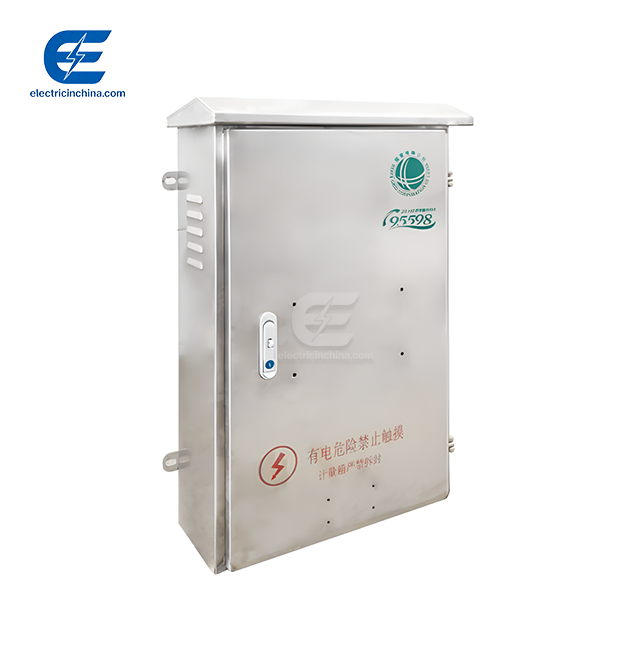
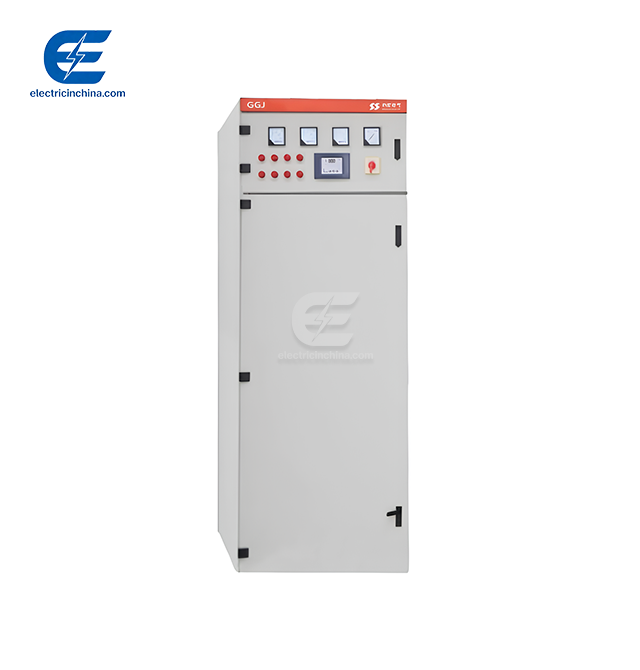
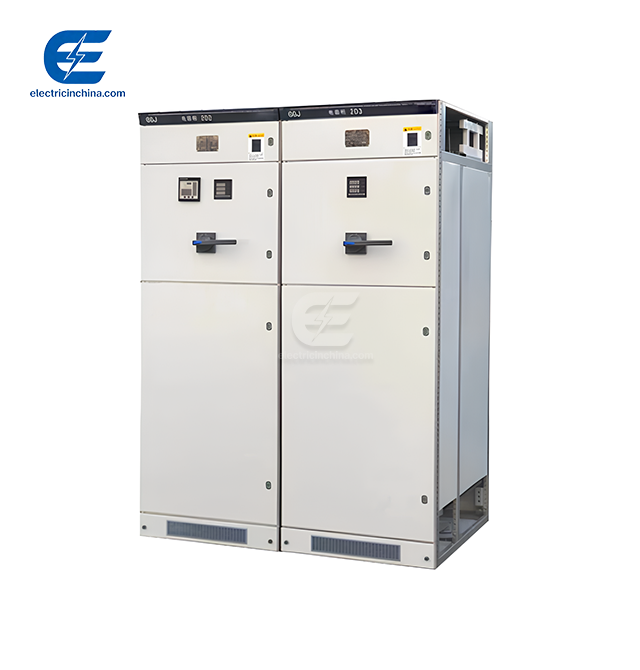
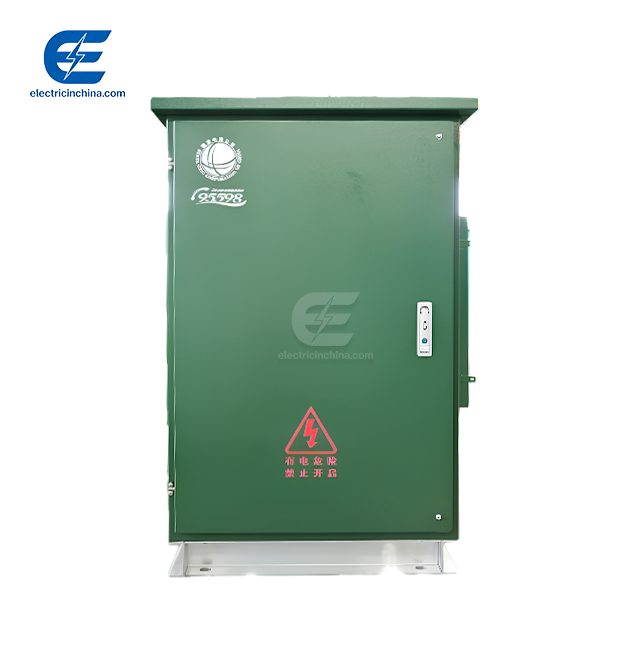
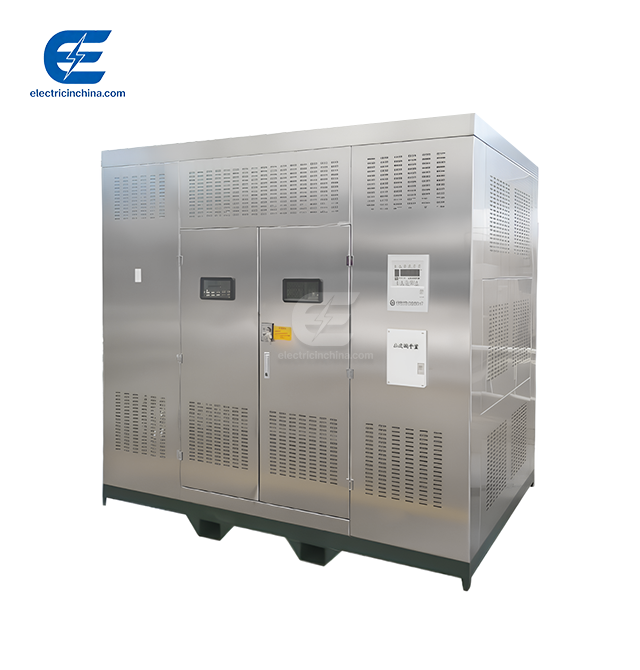
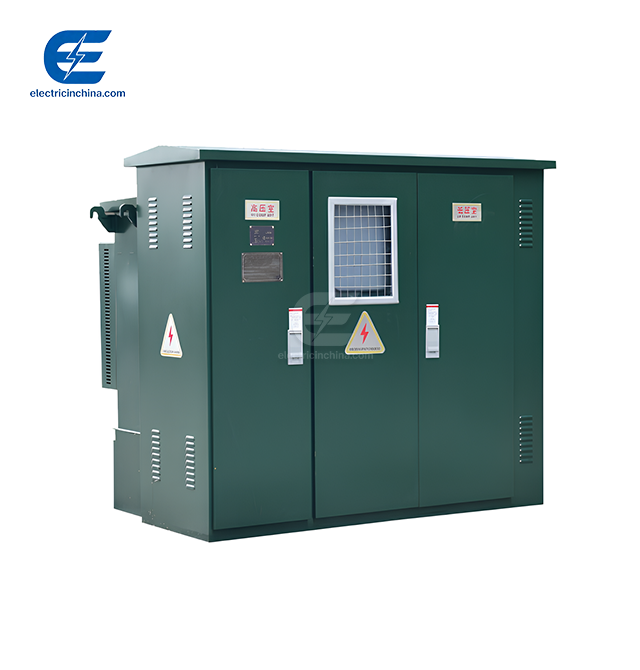
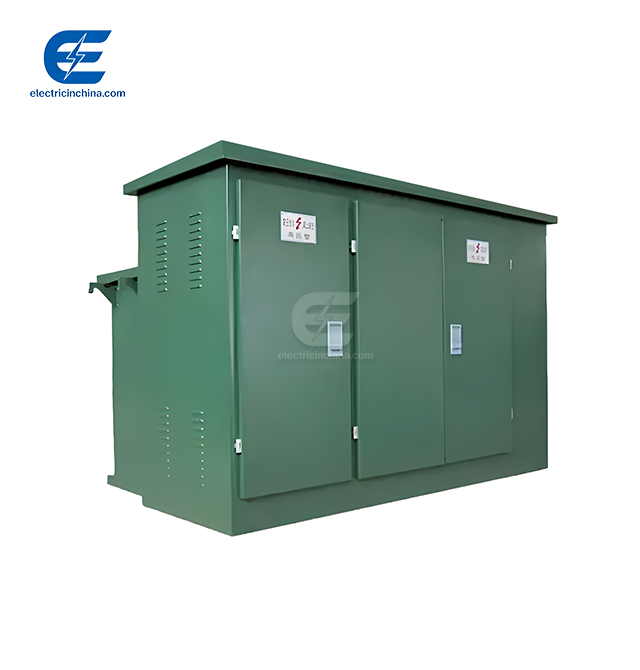
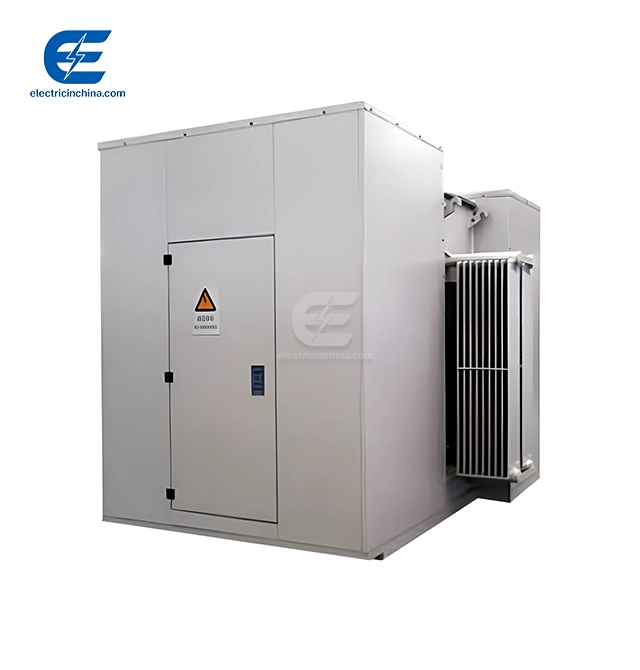
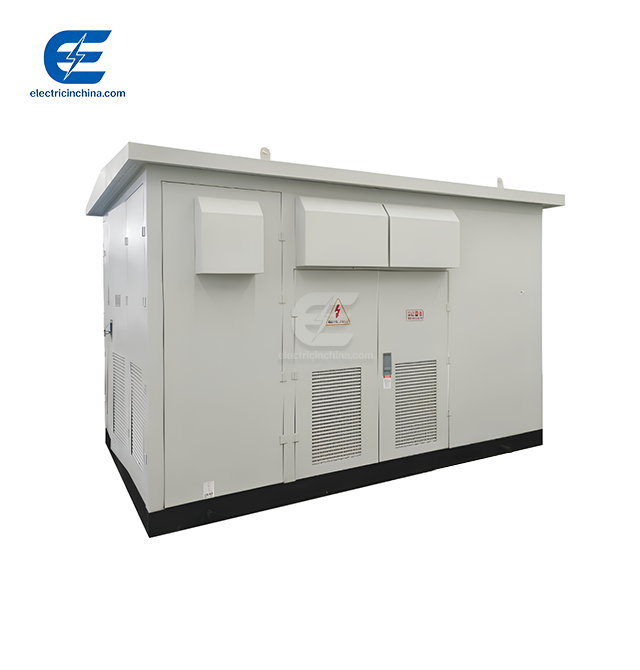
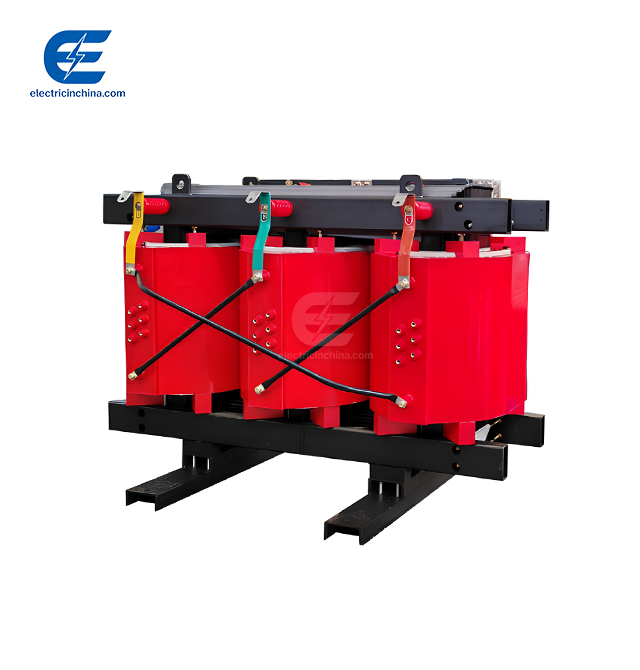
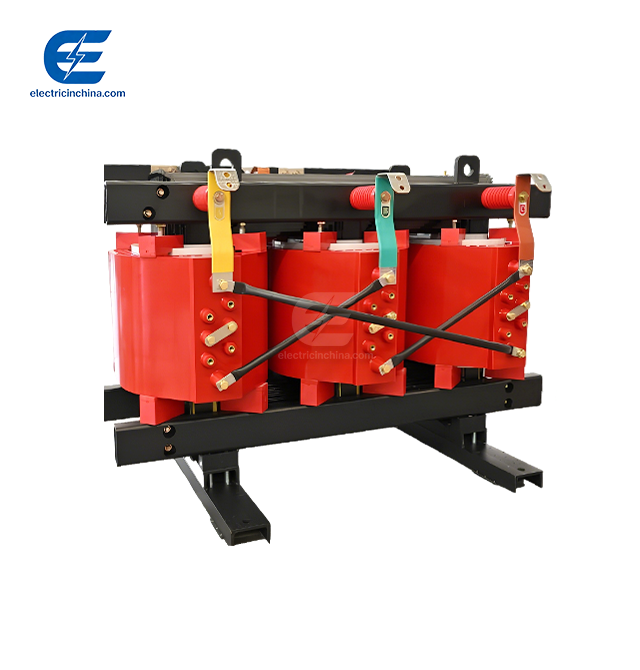
Oil-immersed transformers, which use natural or manufactured oil to provide better insulation and cooling performance, are the foundation of dependable industrial power distribution. It is important that these units can handle heavy electrical loads in places like factories, infrastructure projects, and commercial developments where uptime is a must. Their track record in harsh industrial settings, like steel mills and chemical plants, shows why medium- to large-sized businesses always choose this technology over other options. These transformers are essential for project-based buying situations that need reliable, long-term power solutions because they are cost-effective, stable at high temperatures, and have long service lives.
Understanding Oil-Immersed Transformers in Industrial Networks
Core Working Principles and Design Architecture
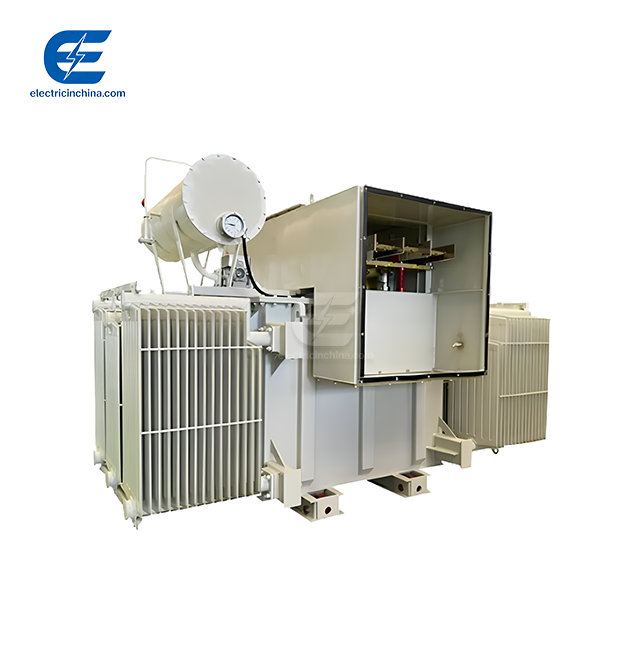
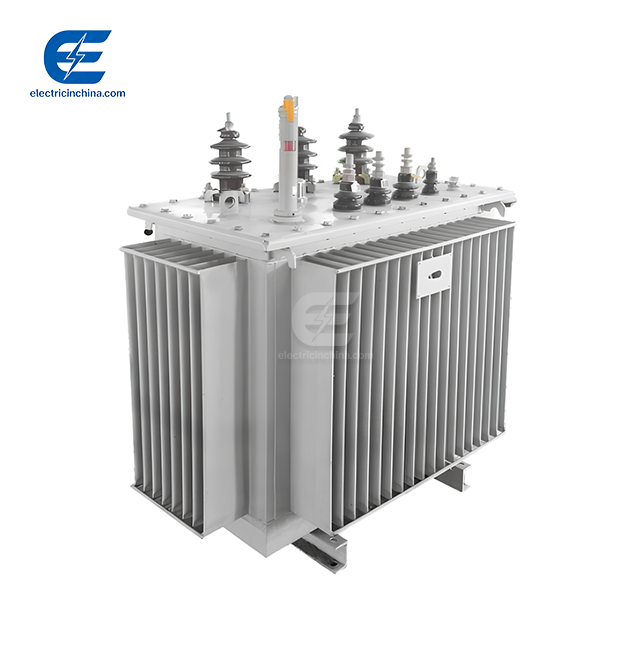
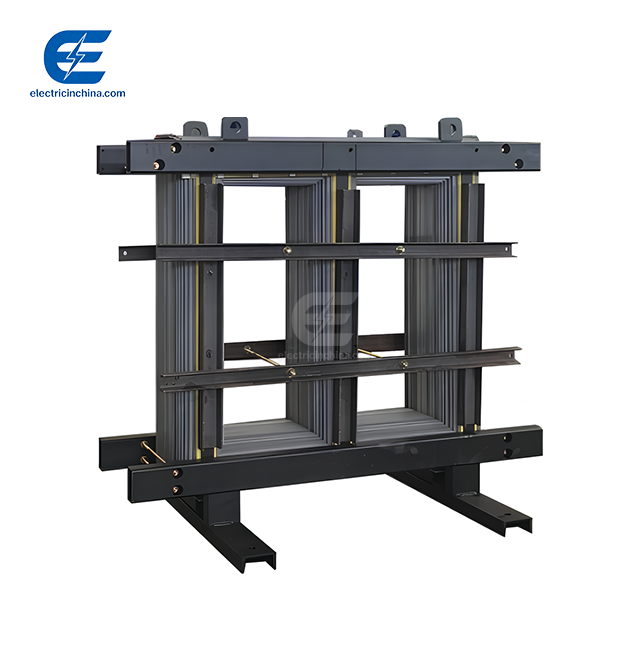
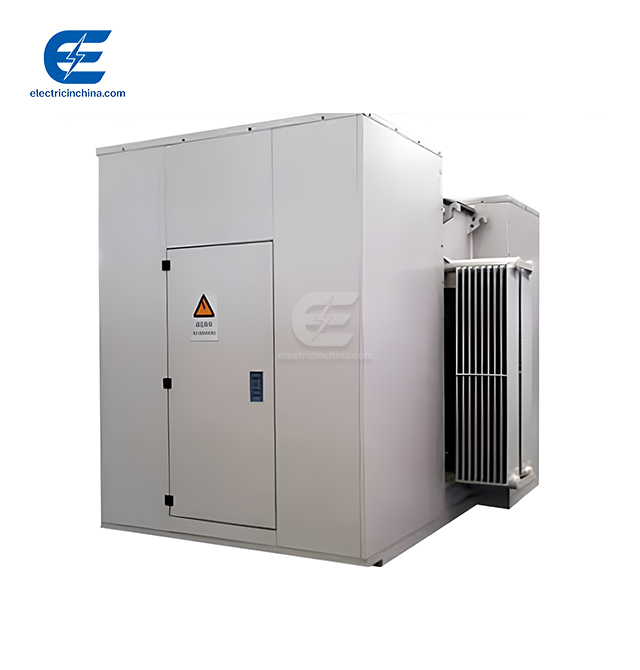
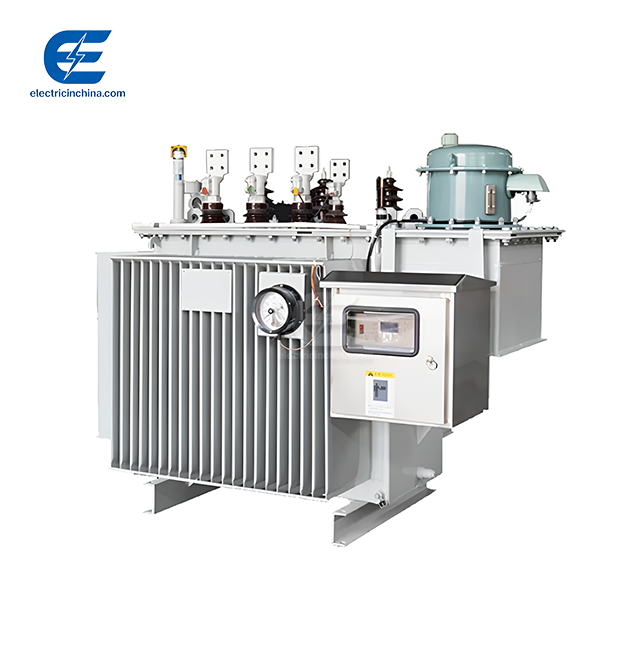
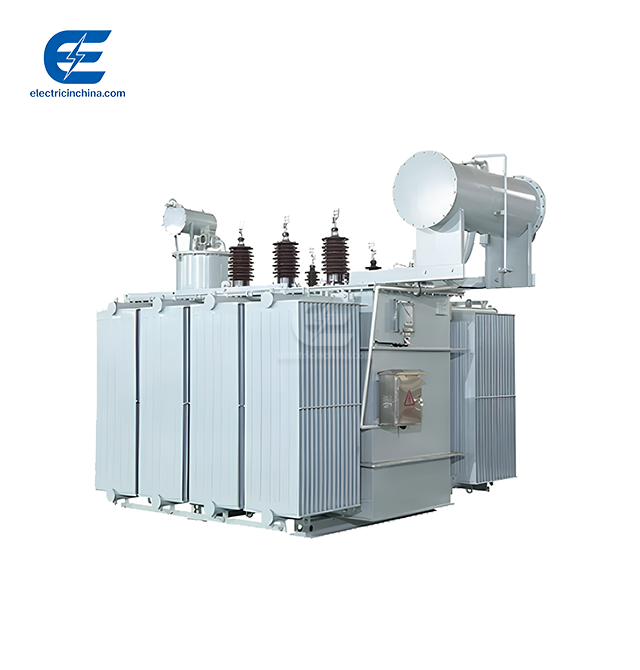
Active parts, such as windings and magnetic cores, are submerged in a special dielectric fluid for oil-immersed transformers to function. This mineral or manufactured oil does two things: it stops current from leaking along electrical lines, and it also soaks up heat that is generated during operation. As the oil warms up, natural convection currents move the heat to vents or the top of the tank, where air cooling effectively gets rid of it. These units are different from dry-type ones because they have a passive heat management system that lets them work continuously with heavy industrial loads without forced air.
Modern designs use grain-oriented silicon steel cores that keep magnetostriction noise below 45dB. This is important for sites near living areas or buildings that are sensitive to noise. Because the sealed curved tank design keeps out moisture from the air, the oil stays pure for decades of use. This airtight design makes the protection last a lot longer than open-breather systems, which let outside contaminants get into the system's internal parts.
Classification and Capacity Ranges
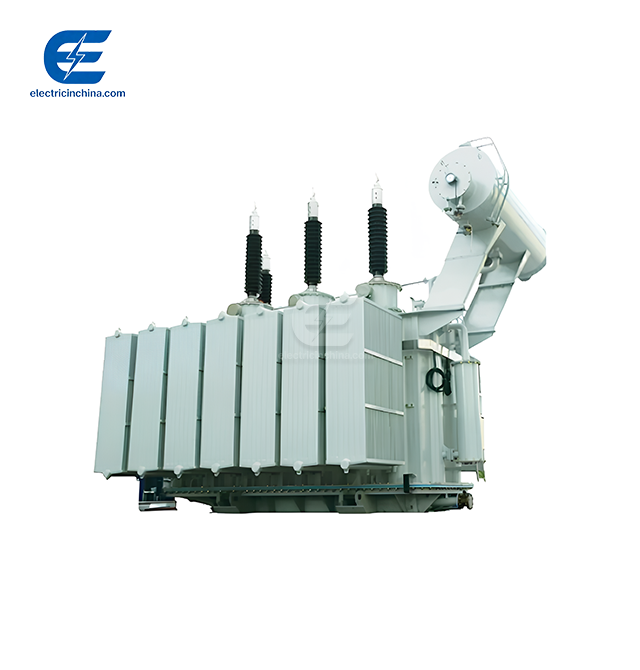
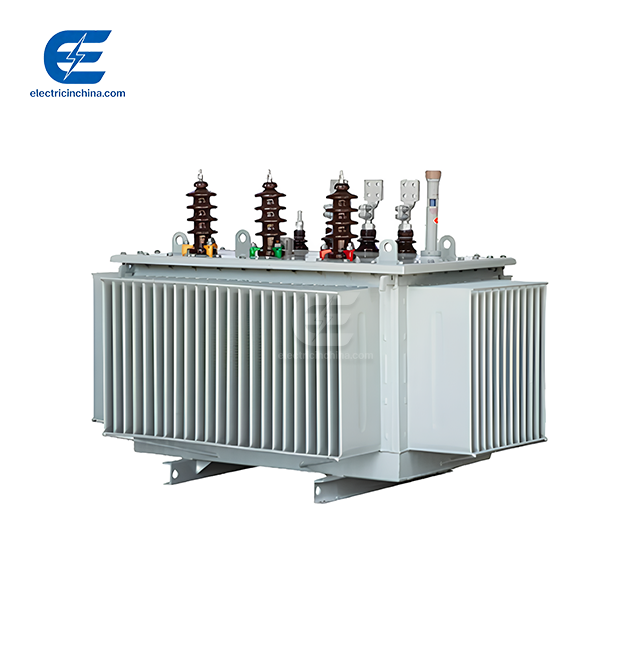
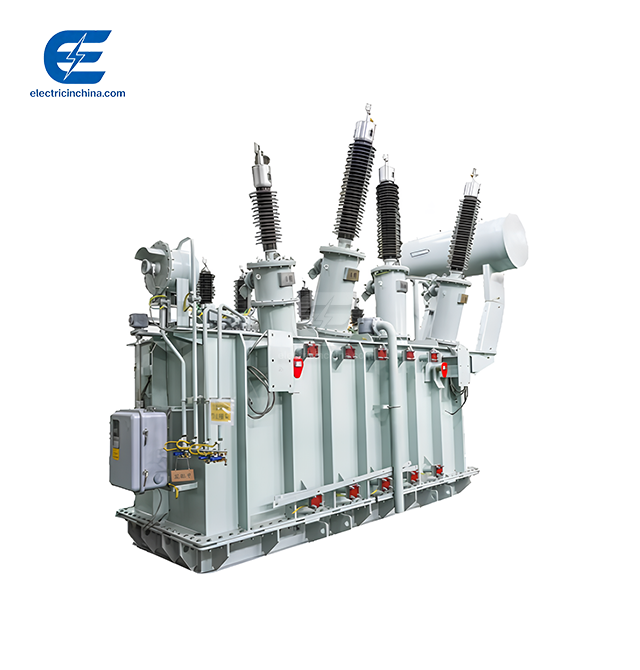
Three main groups meet the needs of different industries. Distribution transformers with ratings between 30kVA and 2500kVA send power to specific areas in factories and business buildings. In the 2.5MVA to 100MVA range, power transformers are used for high-capacity tasks like steel production lines and petrochemical processing units. Special voltage classes, impedance values, or weather conditions like high temperatures or toxic atmospheres can be accommodated by custom-engineered units.
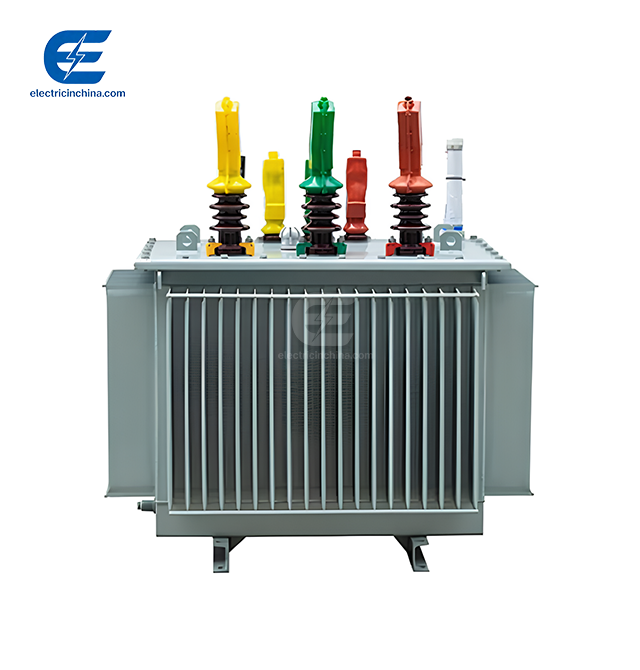
The S13 series oil-immersed transformer is the standard in its field right now, with no-load losses of 0.1% to 0.3% and efficiency rates above 98.5%. These units meet the requirements of IEC 60076, IEEE C57.12.00, and ANSI, which are all certifications that purchasing managers look for when they are evaluating supplier proposals. Voltage ratings from 6kV to 35kV meet the needs of medium-voltage grid integration that are common in utility substations and industrial parks.
Key Performance Advantages
Over the past 20 years, we've seen the same effects in hundreds of installs. Thermal management features let the device work in temperatures ranging from -40°C to +40°C without losing power, which is very important for outdoor substations that are used in a variety of regions. The oil's ability to put out arcs makes it naturally fault-tolerant during short-term overcurrent situations. This keeps downstream equipment safe from voltage spikes. Cost efficiency comes from having lower starting capital costs compared to dry-type units that do the same job and lower lifecycle costs because they don't need as much upkeep.
The short-circuit withstand capability is more than 25 times the maximum current. This protects the mechanical integrity during fault situations that would damage less durable designs. Voltage regulation within ±2.5% keeps the power quality fixed for delicate production processes like making semiconductors or doing precise machining. These features directly meet the main needs of industrial manufacturers and EPC contractors who want reliable, custom power solutions.

How Oil-Immersed Transformers Solve Industrial Network Challenges
Overcoming Thermal Management Limitations
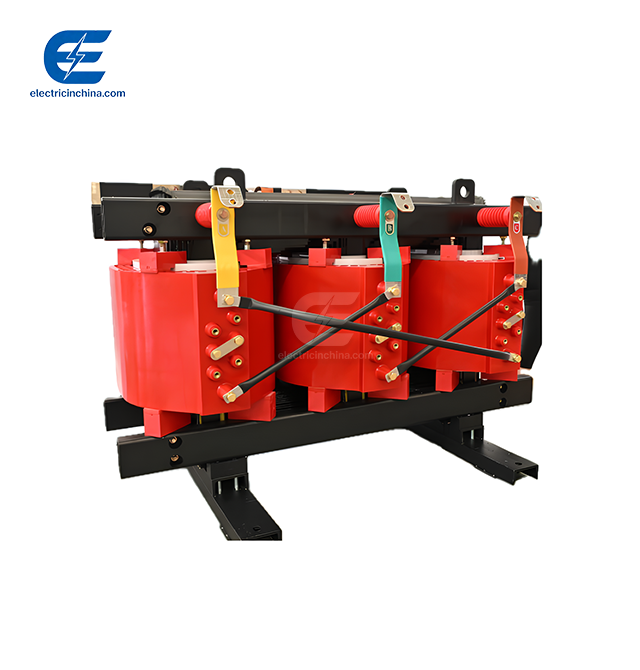
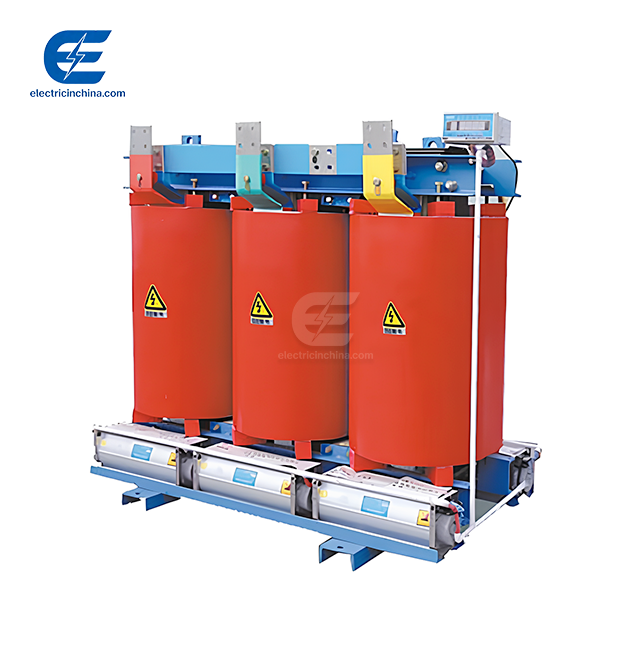
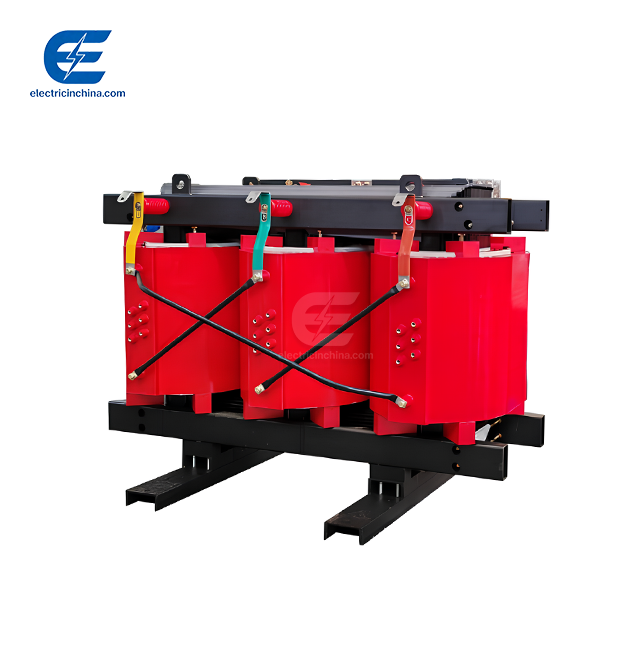
Because production schedules change and demand rises at different times of the year, industrial facilities often experience thermal overload conditions. Traditional air-cooled systems have trouble when the outside temperature goes above the design limits. This causes the insulation to break down faster and the system to last less long. Thermal energy moves 50 times more efficiently through mineral oil than through air, which is why oil-immersed transformer technology keeps working temperatures stable. Radiator surface areas that are large enough allow for the most atmospheric cooling, and ONAN (Oil Natural Air Natural) designs get rid of the need for motorised fans, which can be hard to maintain.
These benefits were clearly seen in our XCMG Group factory upgrade project. The client got rid of old dry-type units and replaced them with S18-type oil-immersed distribution transformers. This cut high winding temperatures by 35°C during summer production spikes. This thermal stability led to 99.7% uptime for three years in a row, which is better than the previous 94.2% availability that caused expensive production delays.
Voltage Stability for Sensitive Loads
More and more, manufacturing depends on microprocessor-controlled machines that can't handle voltage changes of more than ±5%. When the source voltage isn't what it's supposed to be, motor drives, programmable logic controllers, and computerised numerical control systems don't work right. This leads to wasted production and damaged equipment. In order to keep the output voltage within tight tolerances despite upstream grid problems, industrial oil-immersed transformers use tap-changing mechanisms and low-impedance windings.
The GCL Photovoltaic Industrial Park project showed how well power regulation works when the electric grid isn't stable. The 380V output was kept within a 2% range by distribution transformers with ±5% tap adjustment, even though the incoming 10kV supply changed by 8%. Automated production lines kept running without stopping, saving about 240 hours of annual downtime that had been due to voltage-related shutdowns.
Predictable Maintenance and Extended Asset Life
Complex maintenance problems are especially hard for businesses that don't have electrical experts on staff. Oil-immersed transformers make regular maintenance easier by having easy-to-reach inspection spots and standard testing methods. According to IEEE C57.104, dissolved gas analysis (DGA) can find faults months before they happen. This lets maintenance happen during planned outages instead of having to be done quickly in an emergency. Without expensive troubleshooting tools, oil sample ports, temperature gauges, and pressure relief devices make it easy to see how the machine is working.
Field data from our Huaihai Biomedical Industrial Park project backs up our predictions of a long life. After 21 years, transformers that were put into service in 2003 are still working as they should, with insulation resistance measurements above 1000MΩ and power factor numbers below 0.4%. This longer service life—usually 30 years or more—gives a better return on investment than options that need to be replaced every 15 to 20 years.

Selecting the Right Oil-Immersed Transformer for Industrial Applications
Load Analysis and Capacity Planning
Accurately figuring out capacity keeps you from both oversizing, which wastes money, and undersizing, which leads to failure too soon. We suggest that you figure out the linked load with a 1.25 percent safety limit and then look at the demand factors based on the output profiles. In businesses with continuous processes, like chemical manufacturing, duty-cycle ratings must be 100%, but occasional overload capability is okay for batch operations. The S9 oil-immersed power transformer can handle 1.5× rated current for two hours without going over its thermal limits. This gives sites with changing demand patterns a lot of freedom.
K-factor testing is needed because varying frequency drives and switching power sources cause harmonic loading. Standard oil-immersed transformers can handle 5% total harmonic distortion without downsizing; specialised windings can handle situations with higher distortion, like those found in data centers or aluminium smelters. Temperature rise limits—usually 65K for windings and 55K for top oil—determine the size of the cooling system based on the installation's position and the weather outside.
Efficiency and Loss Optimization
Lifecycle costs depend a lot on how much energy is lost over many years of use. No-load losses happen all the time, no matter how much is loaded, so low idle consumption is very important for applications that aren't being used very much. The S13-35kV oil-immersed power transformer has 0.15% no-load loss thanks to its high-permeability cold-rolled silicon steel and improved core shape. This is 40% less than the previous S11 designs. At normal industrial power rates, a 1000kVA unit will save 2,600kWh of energy each year, which will cover its higher starting costs within three years.
Load losses change with squared current and make up most of the total losses when the system is running normally. Resistive losses are kept to 1.2% at full load thanks to copper windings with high conductivity and short winding length. These efficiency gains have a direct effect on the bottom line. For example, switching from S9 to S13 series transformers lowers running costs by $1,800 per 1000kVA of added capacity each year.
Certification and Compliance Requirements
Government building projects and large businesses need a lot of strict approval paperwork. We keep our ISO 9001 quality management, ISO 14001 environmental management, and OHSAS 45001 occupational health certifications up to date so that we can meet the needs of Fortune 500 clients when they buy things. All units go through factory acceptance testing, which includes impulse voltage withstand tests according to IEC 60076-3, short-circuit capability checks, and measures of efficiency that can be traced back to national standards labs.
National CCC recognition shows that the product meets the required safety standards for the Chinese market. In North America, UL listing and CSA approval make setups easier. Regular electrical tests are done in our quality inspection lab. These include checking for insulation resistances greater than 1000MΩ, power factor values lower than 0.5%, and sweep frequency response analysis to find mechanical flaws. Test records, material certifications, and operation guides are all part of documentation packages that make project commissioning and regulatory reviews go smoothly.

Maintenance and Safety Best Practices for Industrial Oil-Immersed Transformers
Preventive Care Protocols
Regular maintenance checks keep things reliable and find problems before they break. We suggest that the quality of the oil be checked once a year. This should include dissolved gas analysis, checking the moisture content to make sure it stays below 10ppm using Karl Fischer titration, and breakdown voltage tests to make sure the dielectric strength is at least 30kV. Every three months, visual inspections check the condition of the bushings, the integrity of the tank through pressure decay testing, and the performance of the cooling system through thermal imaging, which finds hotspots that are warmer than the design temperature.
Testing the transformer's turns ratio within a tolerance of ±0.5% makes sure that the windings are solid, and analysing the magnetising current below 2% of the rated current makes sure that the core is in good shape. These diagnostic methods take little downtime—usually four hours for a full evaluation—and find problems that can be fixed by filtering, degassing, or making small repairs. When compared to reactive approaches that fix failures after they happen, our maintenance protocols make transformers last 15-20% longer.
Fault Diagnosis and Troubleshooting
Unusual temperature changes are often a sign of a clogged cooling system or hot spots inside the machine caused by loose connections. During normal load performance, oil temperature gauges should read 50°C to 60°C. Readings above 70°C should be looked into right away. Activation of the pressure release device indicates internal arcing or serious overload, which needs to be shut down and inspected. We put winding temperature indicators in key installations that sound sirens at 80°C. This lets us know right away if insulation damage is going to happen.
Leaking oil from gaskets or welding cracks weakens the dielectric and puts the environment at risk. Visual checks every month around the bases of the bushings, the links to the radiator, and the drain valves, find seepage before it causes a lot of oil to be lost. Small leaks can be fixed by replacing the seal on the outside, but large holes need to be fixed at the factory. Our expert team can help with remote problems within two hours of being contacted, which cuts down on the time needed to figure out what's wrong with installations that are spread out physically.
Regulatory Compliance and Environmental Stewardship
Minimum distances of 3 meters must be kept between oil-filled equipment and flammable structures according to fire safety codes for units holding more than 500 litres of oil. We plan setups with concrete containment barriers that can hold 110% of the total oil volume. This keeps the surroundings clean during catastrophic failures. High-value buildings are protected by automatic fire control systems that use CO2 or dry chemical agents, and oil-water dividers collect the water used to put out fires.
Environmental laws make it harder to get rid of mineral oil and require methods to find leaks in oil-immersed transformers. Our designs for corrugated tanks include pressure tracking that lets workers know when the seal is breaking down before it lets water out of the tank. Biodegradable ester fluids are environmentally friendly options for places that are good for the environment. They offer the same level of electrical performance but better fire safety and less damage to the environment when they are thrown away.

Future Trends and Innovations Impacting Oil-Immersed Transformers in Industry
Sustainable Insulating Fluids
People who care about the environment are more likely to use natural and manufactured ester dielectrics that come from green sources. These bio-based oils are better at breaking down naturally—over 90% break down in 28 days, compared to less than 30% for mineral oil—which makes them safer for the earth. With flash points above 300°C instead of 145°C for regular fluids, fire safety is greatly improved. This means that clearance lengths can be shortened and fire safety rules can be loosened, which lowers the cost of installation.
In most situations, the performance characteristics are the same as or better than those of mineral oil. Natural esters can handle more moisture, which slows down the ageing of insulation in sealed systems. Improvements to thermal oxidation stability make oil replacements last longer, from 10 years to 20 years or more. This lowers the cost of upkeep over the life of the engine. We've started selecting ester fluids for projects that are sensitive to the environment and are close to water sources or protected areas where a spill would have bad effects.
Digitalization and Smart Monitoring
When sensors are added to the Internet of Things, inactive devices become active network users. Online tracking systems keep an eye on the amounts of dissolved gases, moisture, and temperatures all the time, sending information to cloud-based analytics platforms. Machine learning algorithms find patterns of wear and tear that can't be seen by regular tests. They can then predict with 85% accuracy how long something will still be useful. Maintenance teams get automatic alerts weeks before something goes wrong, so they can fix it during planned breaks.
Real-time load tracking makes the best use of assets on industrial sites with many transformers. Dynamic load balancing changes the way power moves based on the state of the equipment and the efficiency curves. This cuts system losses by 3–5%. Our tech team can check the health of transformers without having to go to the site. This cuts testing costs by 60% and speeds up response times. These digital features are especially helpful for remote installations in mining operations or offshore facilities that are hard to get to for maintenance.
Regulatory-Driven Efficiency Standards
Tougher rules on the energy economy are getting rid of old, useless designs around the world. According to the U.S. Department of Energy's efficiency guidelines, distribution transformers must have the lowest possible no-load and load losses. This means that they have to be designed to be very efficient. To meet the requirements of the European Union's Ecodesign Directive Tier 2, core materials with low loss and optimal winding configurations must be used. These rules make sure that the specs for S13 and S18 series units meet or go beyond what will be needed in the future. This keeps investments from becoming useless too soon.
Through emissions trading plans and environmental reporting rules, carbon reduction programs give money to businesses that become more efficient. Companies that want to reach their net-zero goals give priority to low-loss transformers that lower the Scope 2 emissions from the energy they buy. Our lifecycle assessment tools measure how much carbon is being reduced, which helps with sustainability reporting and documentation. As regulations get stricter, it becomes more advantageous for sellers to provide detailed information on energy economy and environmental product claims.

Conclusion
Due to their proven dependability, thermal efficiency, and low cost, oil-immersed transformers continue to offer unrivalled value for industrial power distribution. Their ability to handle heavy loads, keep voltage stable in harsh conditions, and provide decades of low-maintenance service meets the needs of infrastructure projects, industrial manufacturers, and commercial developers. The best performance from an asset is achieved by choosing it correctly based on load characteristics, efficiency measures, and environmental conditions. Preventive maintenance procedures ensure continued operation for more than 30 years. New developments in long-lasting dielectrics and digital tracking add to the benefits of these transformers, making them essential parts of the next wave of industrial networks.
FAQ
1. What capacity oil-immersed transformer does my industrial facility require?
The linked load inventory, which includes motors, lights, HVAC systems, and production equipment, is the first thing that is used to figure out the capacity. Multiply the total linked load by the relevant demand factors, which are usually between 0.6 and 0.8 for industrial sites with a lot of different equipment that doesn't all work at the same time. Add a 25% safety margin to allow for future growth and stop overloading from happening all the time. A 500kW building with a 0.7 demand factor needs a transformer with a capacity of about 440kVA (500kW × 0.7 ÷ 0.8 power factor × 1.25 margin). Facilities that have loads that produce harmonics or a low power factor need more derating.
2. How do maintenance requirements compare between oil-immersed and dry-type transformers?
Oil-immersed units need to have the quality of their oil tested on a regular basis—every year for vital installs and every two to three years for less important ones. Testing, which includes lab processing, costs about $300 to $500 per event. Dry-type transformers need to be cleaned often, usually every 6 to 12 months, but this depends on the weather. If dust builds up, it can make the cooling less effective. Due to their self-contained design and reduced need for regular maintenance, oil-immersed transformers typically have lower upkeep costs over their 20-year lifespans. Infrared thermography and electrical testing done during yearly maintenance windows are good for both technologies.
3. What certifications should I verify when sourcing industrial transformers internationally?
ISO 9001 quality management certification shows that the factory follows a set of rules for making sure the quality of the products is always the same. For international projects, IEC 60076 certification is needed. For installations in North America, a UL/CSA listing is needed. And for equipment going to China, CCC certification is needed. Ask for factory acceptance test reports that show measurements of the efficiency, short-circuit capability, and impulse withstand voltage. Make sure the seller keeps an approved testing lab whose accuracy can be traced back to national standards. Environmental certifications like ISO 14001 show that a company is using responsible manufacturing practices, which are becoming more and more important for the government to buy from.
Partner with Tuojie for Your Industrial Power Solutions
Choosing the right maker of an oil-immersed transformer is important for the success of a project from the time it is commissioned until it is no longer used. Our team has more than 20 years of experience designing, building, and maintaining power distribution systems for tough industrial uses. Our technical team, which is made up of 15 senior engineers and more than 30 intermediate technicians, creates custom solutions that fit each environment and operation's needs. All of the goods are safe and effective because they are certified by CCC and meet ISO 9001, ISO 14001, and OHSAS 45001 standards.
Our complete quality management system keeps an eye on every step of the production process, from checking the raw materials to testing the finished product in the factory and putting it to use in the field. Every oil-immersed transformer unit is made with high-tech tools like CNC automatic winding machines and microcomputer-controlled curing furnaces to make sure the quality is always the same. We've finished hundreds of important projects successfully, such as train transit systems, high-speed railway stops, and industrial park developments. This gives us the knowledge to come up with useful solutions for difficult buying needs. Visit electricinchina.com or email tuojie@electricinchina.com to talk about the details of your project and find out how our one-stop service makes setting up a power system easier.

References
1. "IEEE Standard for General Requirements for Liquid-Immersed Distribution, Power, and Regulating Transformers," IEEE Standards Association, C57.12.00-2015.
2. "International Electrotechnical Commission IEC 60076 Power Transformers - Part 1: General," International Standard, Edition 3.0, 2011-04.
3. "Guide for Transformer Maintenance," National Electrical Manufacturers Association, NEMA TP 2-2018, Standards Publication.
4. "IEEE Guide for the Interpretation of Gases Generated in Mineral Oil-Immersed Transformers," IEEE Power and Energy Society, C57.104-2019.
5. "Industrial Power Distribution Systems Engineering Handbook," Beeman, McGraw-Hill Professional, Second Edition.
6. "Transformer Engineering: Design, Technology, and Diagnostics," Kulkarni and Khaparde, CRC Press, Second Edition, 2017.