

.webp)
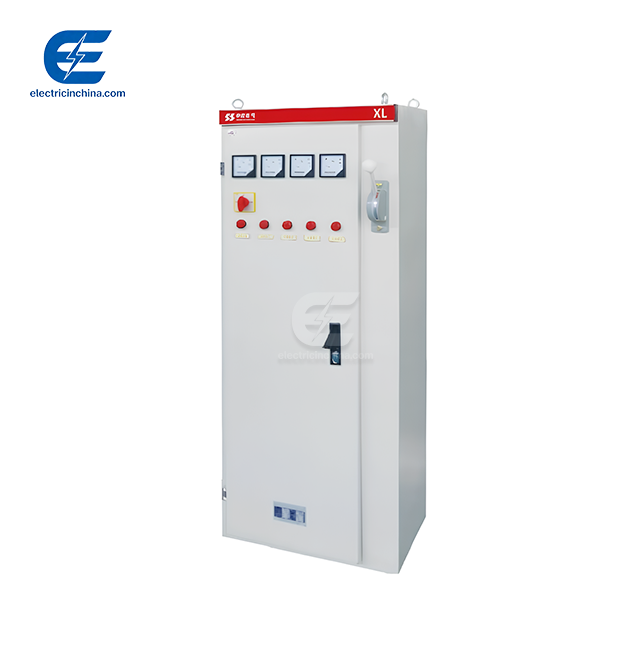
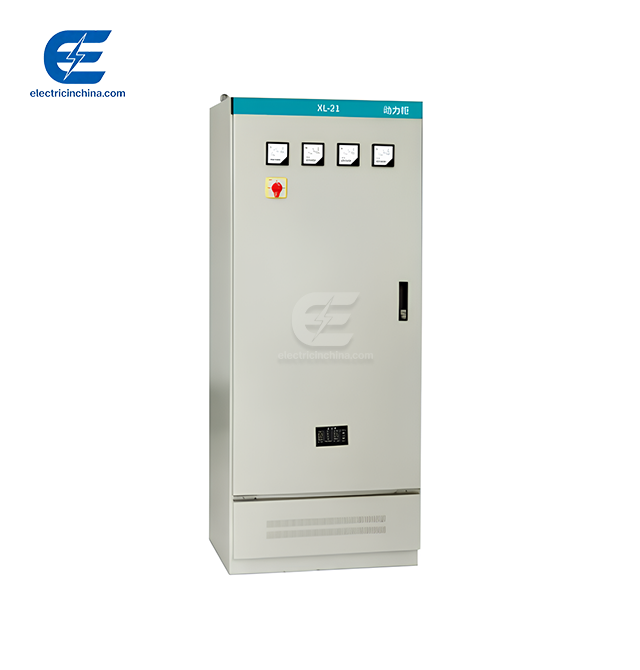
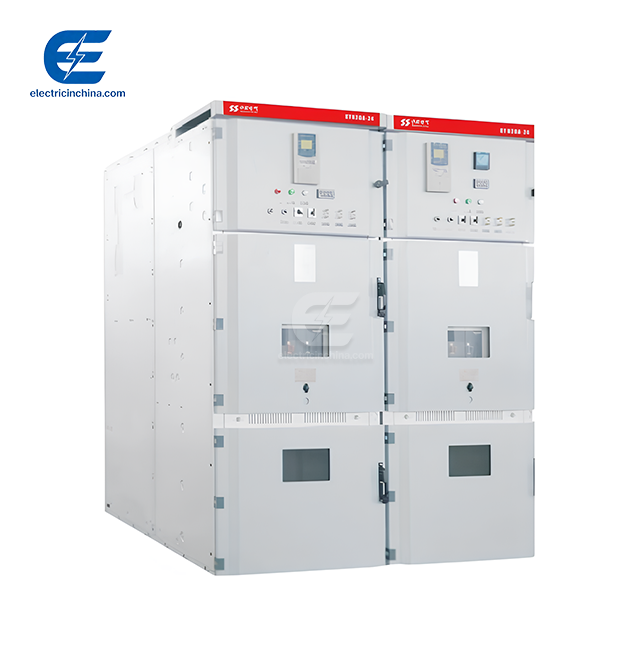
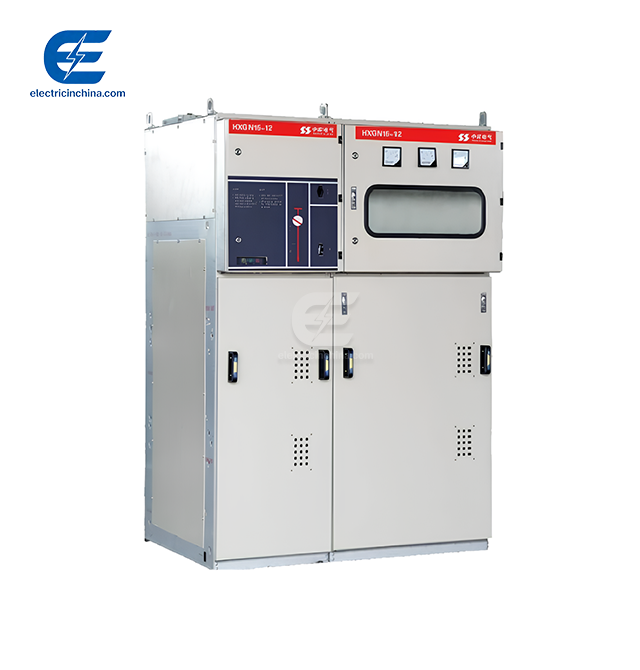
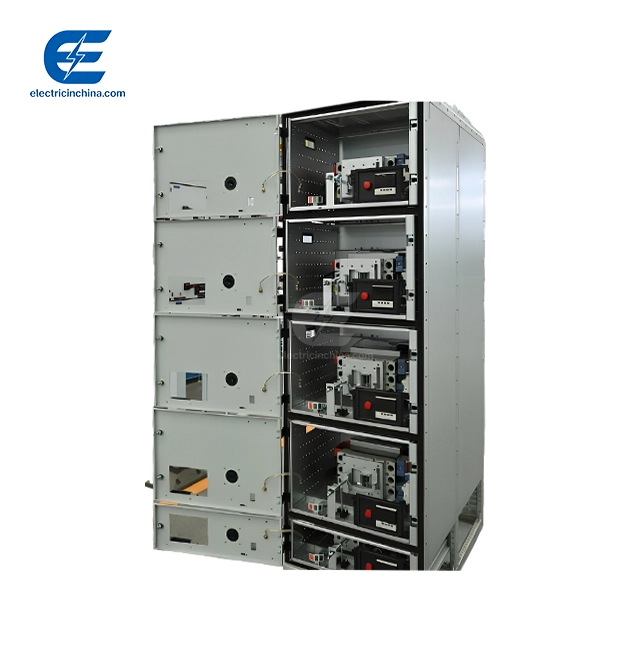
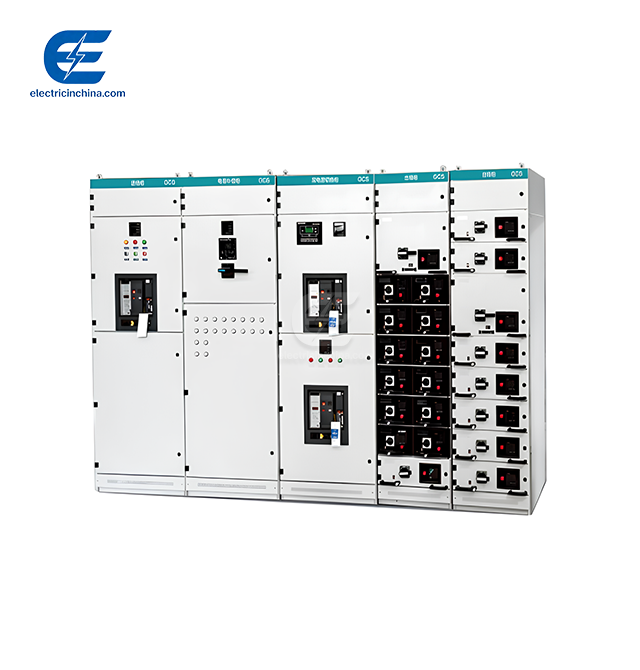
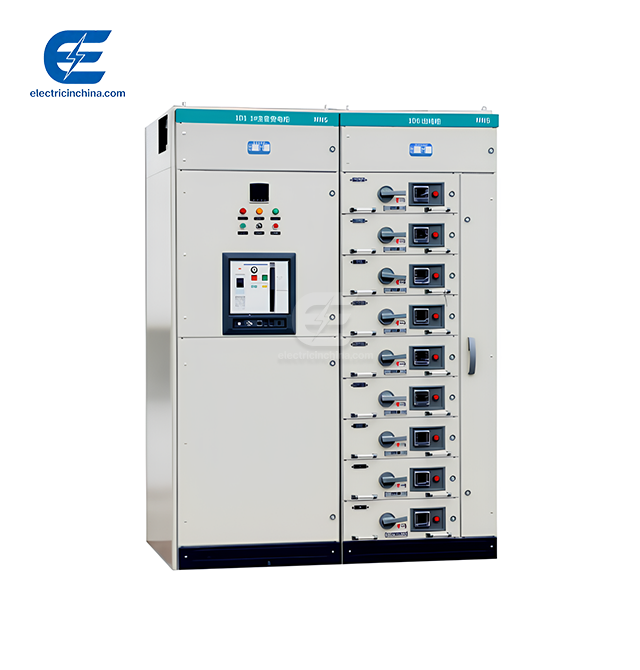
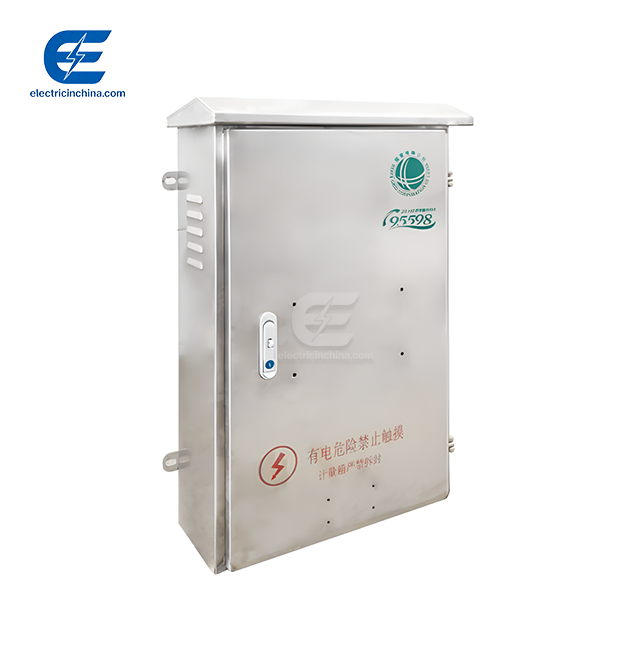
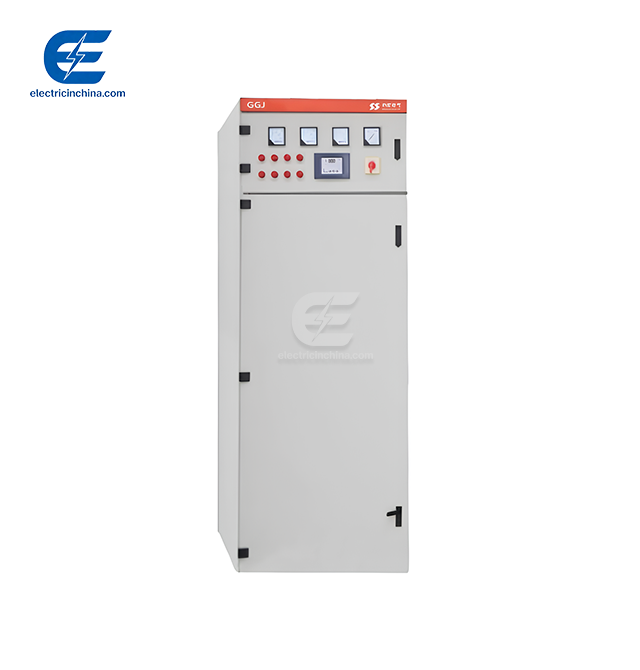
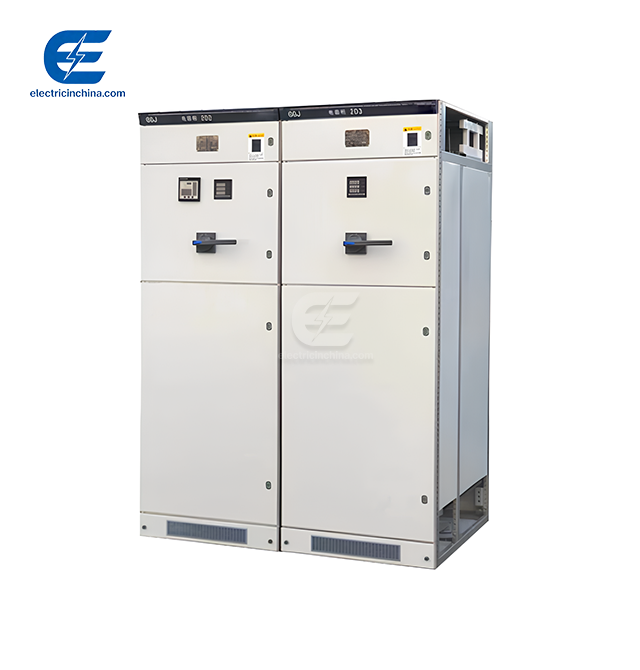
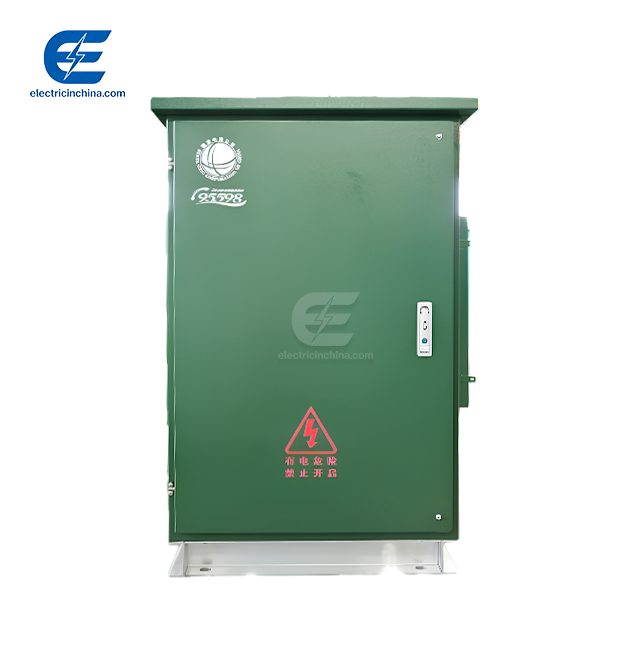
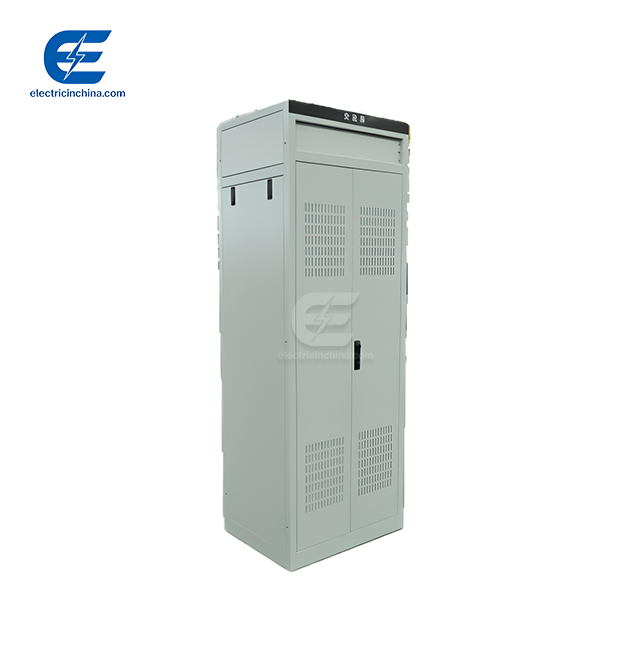
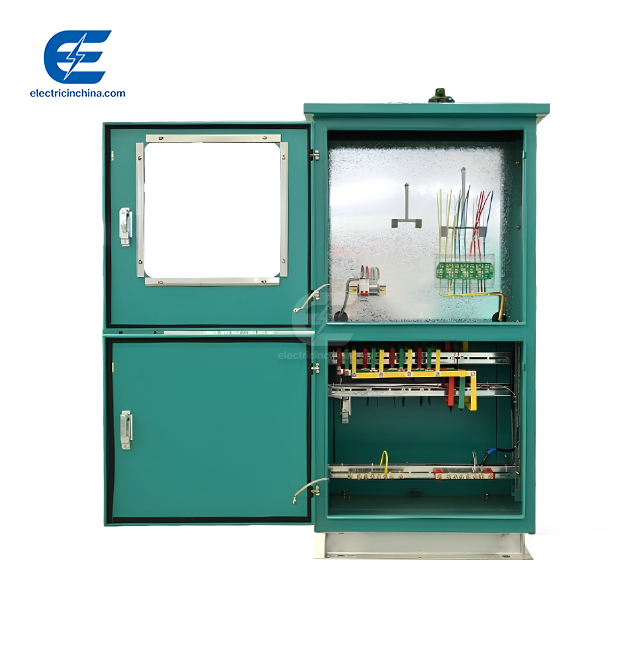
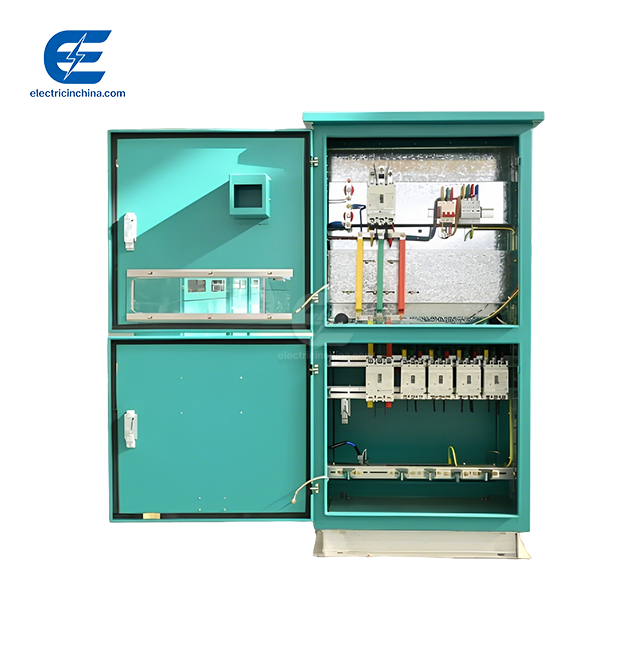
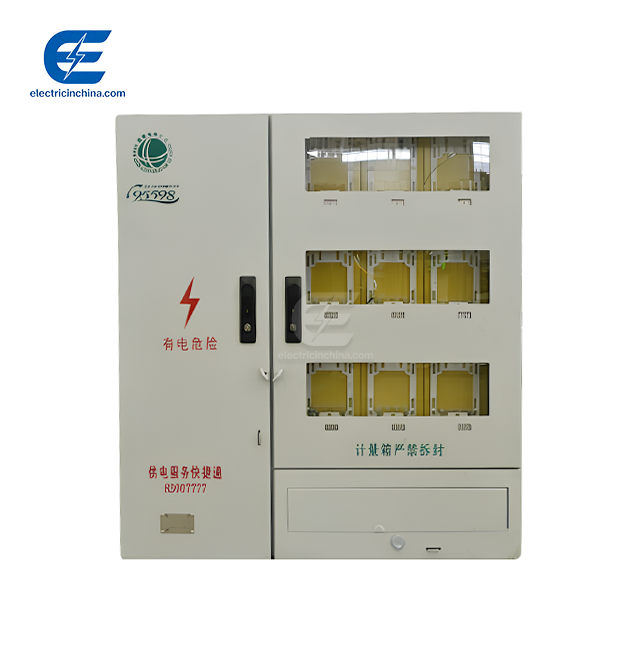
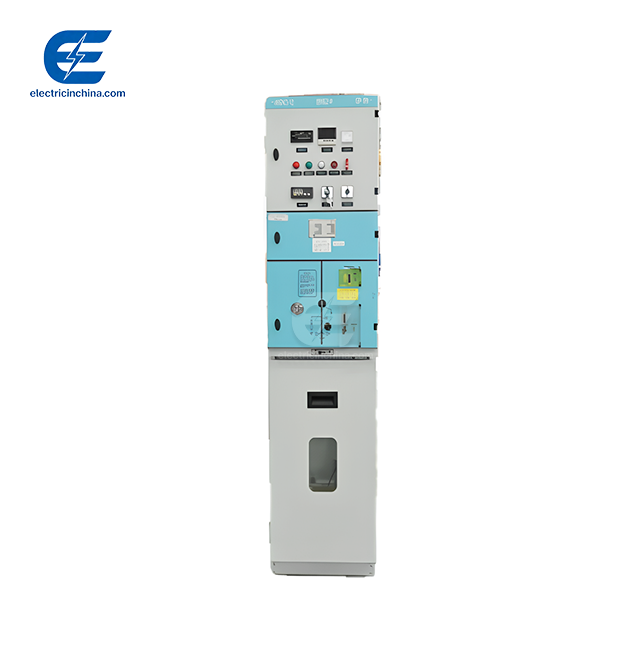
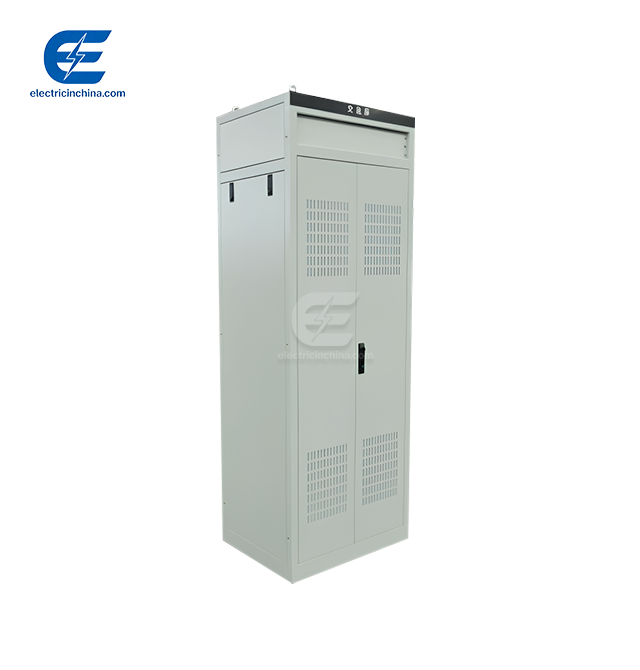
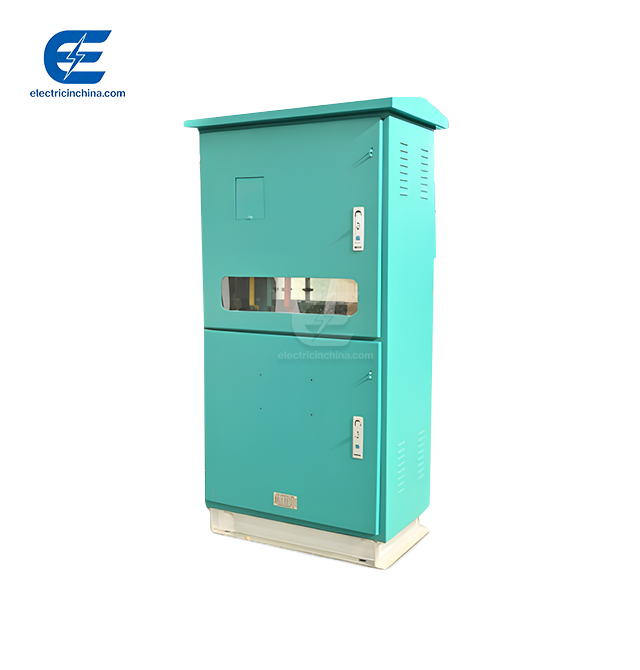
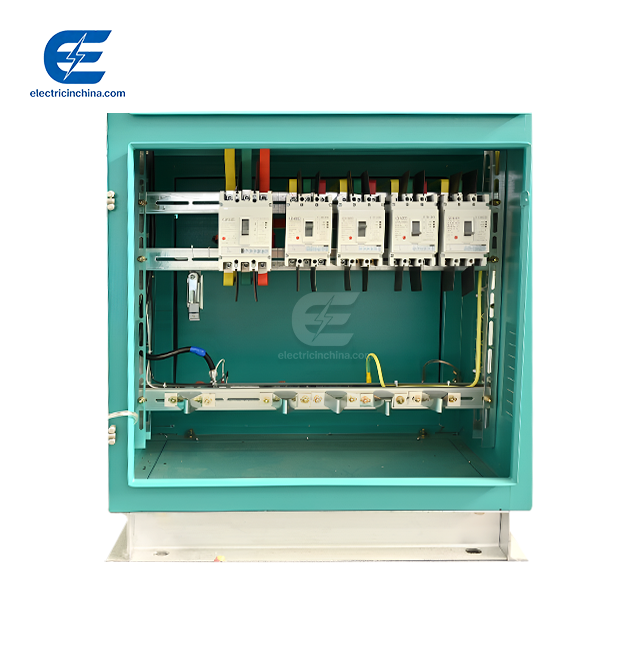
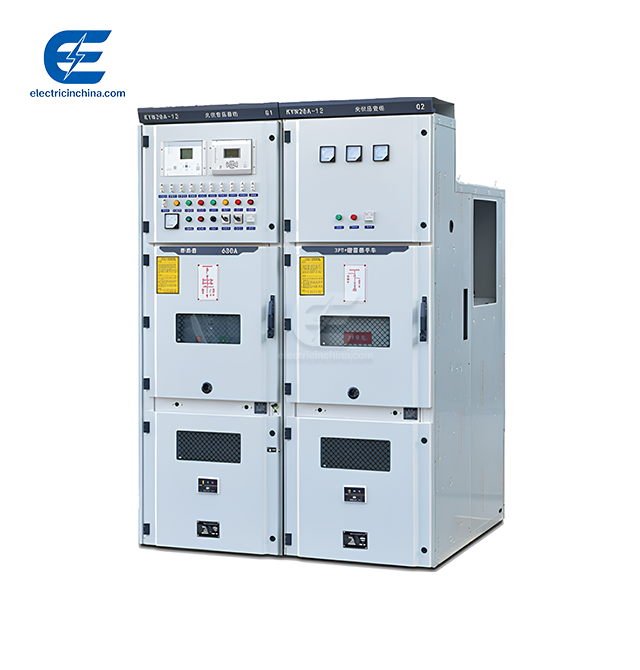
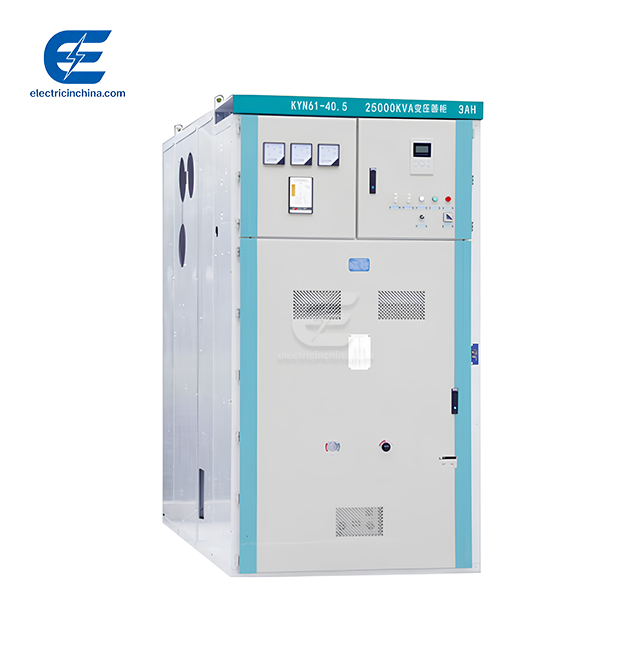
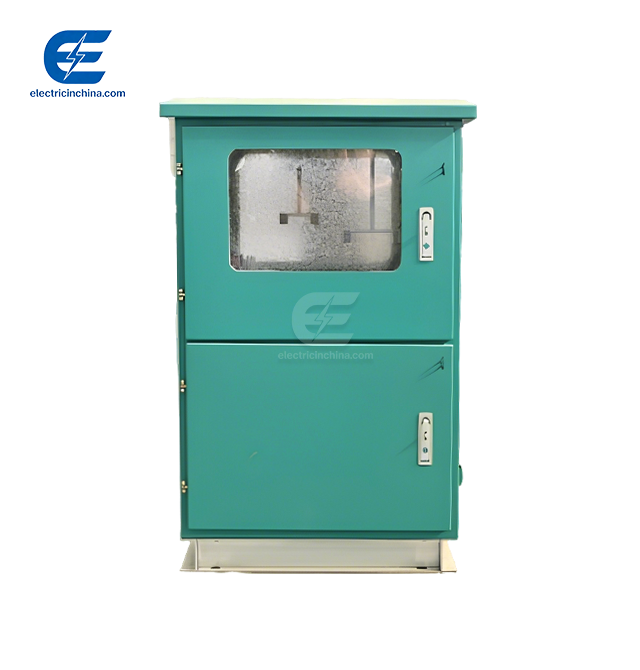
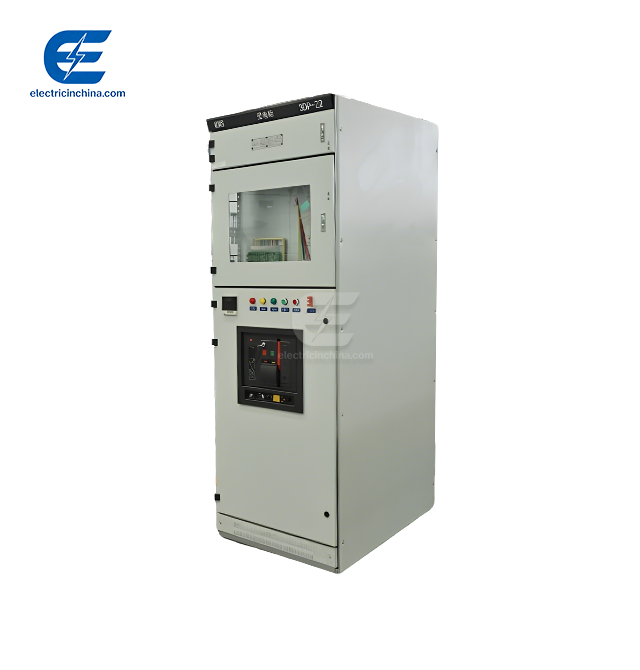
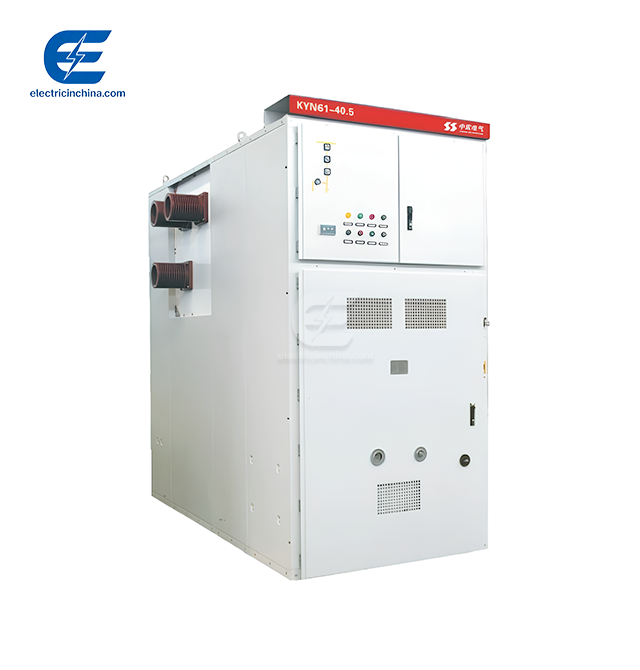
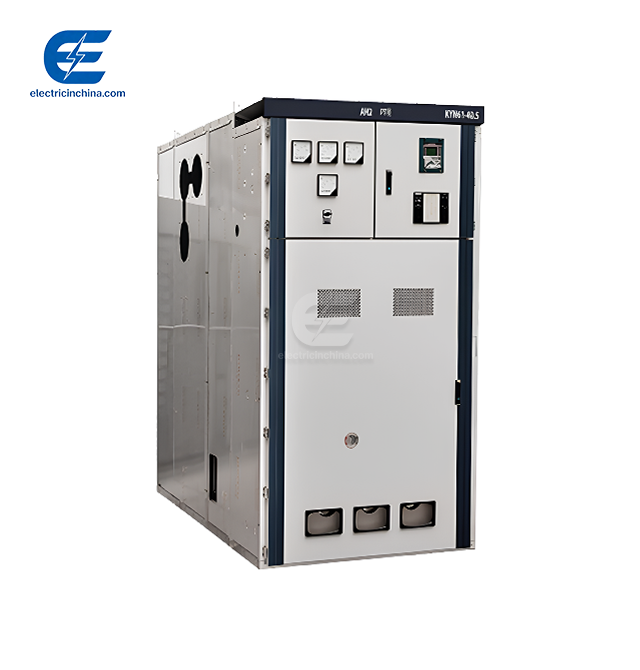
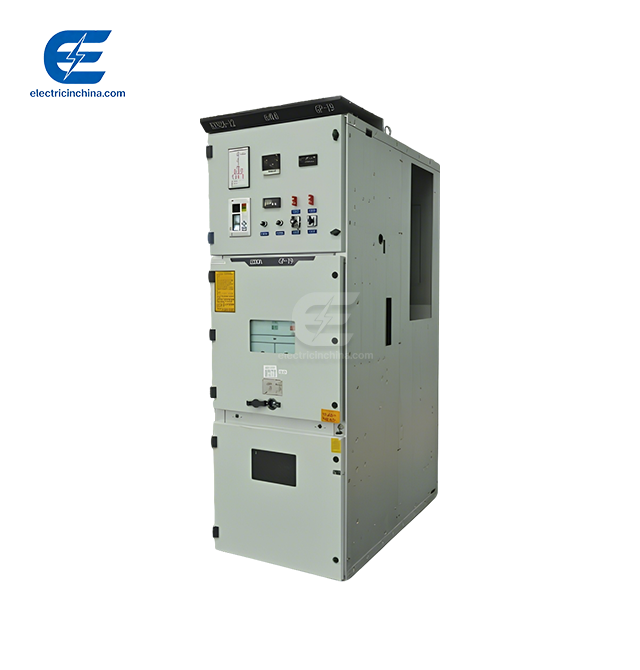
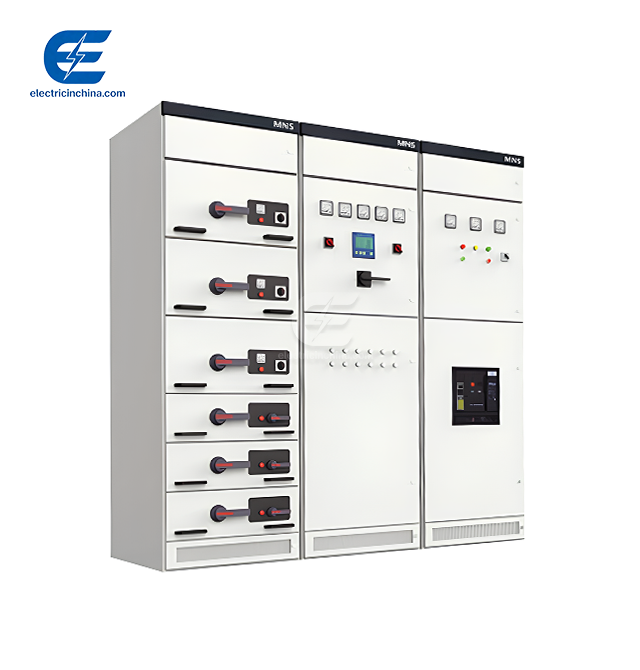
Manufacturing facilities, commercial developments, utility substations, renewable energy installations, and transportation hubs all rely on reliable power distribution provided by Medium Voltage Withdrawable Switchgear. This metal-enclosed system works with voltages from 3kV to 36kV. It has the most operational flexibility of any system on the market thanks to circuit breakers that can be safely taken out for maintenance without turning off the whole system. The withdrawable design solves some of the most important problems that project engineers and procurement managers face when they need to make sure that there is always power, that workers are safer, and that repair procedures are easier to follow in a variety of industry settings.
Understanding Medium Voltage Withdrawable Switchgear
Core Components and Operating Principles
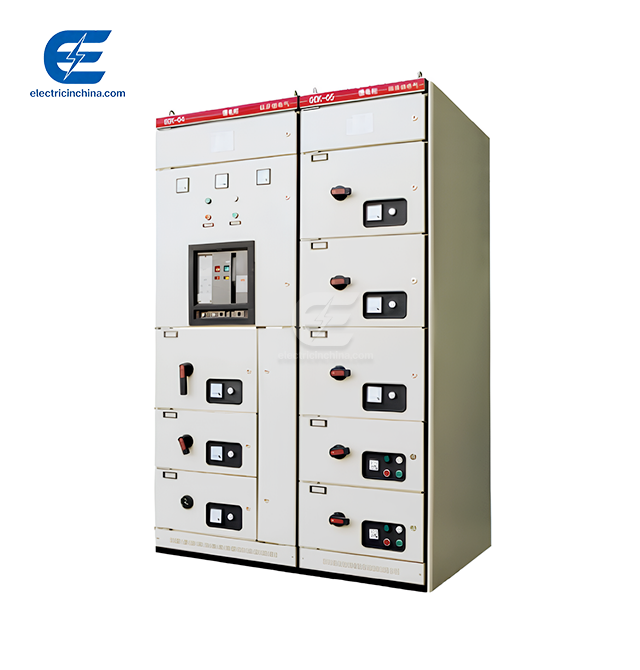
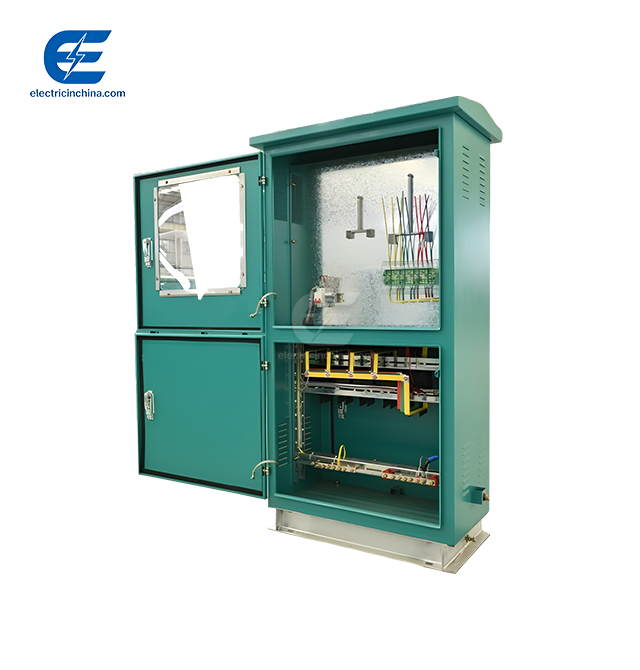
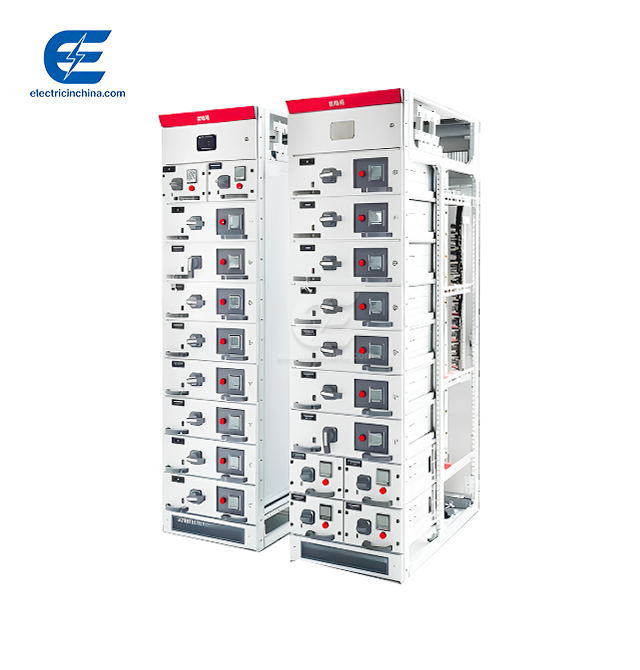
The withdrawable mechanism is a big step forward in the technology used to distribute electricity. In contrast to traditional fixed setups, this system has circuit breakers that are installed on rails and can be carefully added to and removed from the main busbar assembly. The metal housing has separate areas for control equipment, cable connections, circuit breakers, and busbars. This keeps active electrical zones completely separate from each other.
If repair is needed, trained workers can physically remove the circuit breakers using special racking tools while the main busbar stays on. During extraction, automatic shuttering devices cover any exposed busbar connections right away. This keeps people from touching live components by mistake. As stated in the IEC 62271-200 and IEEE C37.20.2 standards, this compartmentalised architecture meets very strict safety requirements.
Advantages Over Fixed Switchgear Designs
For repair work to be done on traditional fixed switchgear, the whole system has to be shut down. This causes expensive production delays and operating interruptions. This limitation is removed by the withdrawable configuration, which allows repair processes to be done while the parts are still hot. Each circuit works on its own, so service teams can isolate and fix individual breakers while circuits next to them keep working normally.
When compared to set options, facilities that use Medium-Voltage Withdrawable Switchgear systems claim downtime savings of up to 80%. This continuity of operations is especially helpful in factories where hourly production losses can be more than a few thousand dollars. The flexible design also makes it easier to add more space in the future without having to make big changes to the infrastructure.

Key Applications of Medium Voltage Withdrawable Switchgear in Industry
Manufacturing and Industrial Production Facilities
Heavy manufacturing needs a steady supply of electricity to keep output plans and equipment in good shape. Medium-Voltage Withdrawable Switchgear is used to safely spread power across various production zones in places like steel mills, food production facilities, chemical processing plants, and assembly lines for cars.
This was shown by the XCMG Group facilities project, which successfully put in place customised Withdrawable Switchgear solutions that could handle a wide range of manufacturing loads. Robotic welding stations, material handling systems, and temperature control equipment were all protected by separate circuits. When regular maintenance was done on the welding circuit breakers, work areas next to them kept going as usual.
Steel containers with an IP54 rating are good for industrial settings because they can handle airborne contaminants, temperature changes from -40°C to +55°C, and the normal mechanical movements that happen in production settings. The strong construction keeps the parts from breaking down too quickly, even in harsh weather.
Commercial Real Estate and Business Complexes
Modern business buildings have complex building control systems that need reliable electricity distribution equipment. Shopping malls, office buildings, hotels, and mixed-use projects all use Medium-Voltage Withdrawable Switchgear systems to control their data networks, lighting circuits, HVAC loads, and lift banks.
The Xuzhou Rail Transit Network Control Center project is a great example of how to make a business application work. This building had a dual-circuit power supply design that made sure that all of the important transit control systems would always work. The architecture that could be pulled out allowed for planned maintenance to happen during off-peak hours, which didn't affect passenger services or the way the control room worked.
Property owners like withdrawable systems because they take up little room and can be expanded. As the needs of tenants change, more circuits can be added to existing installations without having to stop major construction or extend lease breaks, which would affect revenue streams.
Utility Substations and Grid Infrastructure
Electric companies are always under pressure to keep the grid stable and fix any problems that happen with the equipment that moves electricity around. Utility companies can quickly separate faulted areas with Medium-Voltage Withdrawable Switchgear, which keeps customers from losing power during faults or planned repairs.
Withdrawable breakers are used to separate grid sections in distribution substations that serve home neighbourhoods and business areas. When lightning strikes or equipment breaks down, protection relays trip the breaker automatically, and backup circuits keep the service going. Then, maintenance crews can take out and fix broken breakers without causing long power outages in nearby areas.
In emergency situations, the ability to quickly isolate faults is very important. By moving breakers around, utility workers can change the way circuits work. Power can be sent through different lines while damaged equipment is being fixed.
Renewable Energy Integration and Microgrids
Solar farms, wind farms, and hybrid microgrid installations all have their own problems, like power outputs that change and energy flow that goes both ways. Medium-Voltage Withdrawable Switchgear handles these complicated needs by offering adaptable circuit layouts that can adjust to shifting power and load situations.
In photovoltaic installations, switchgear is used to connect the outputs of multiple inverters to a single distribution bus. Individual inverter circuits can be shut down for repair while the other groups keep sending power to the grid. This chosen isolation feature boosts energy production during the day, when profits from creation are highest.
Power conversion equipment needs to be serviced often when battery energy storage systems are used with renewable energy installations. Because the design is withdrawable, techs can work on inverters and charge controllers without having to disconnect whole battery banks. This means that the grid can still be supported during repair windows.
Critical Infrastructure and Transportation Systems
Airports, hospitals, data centers, and train stations can't have power outages that affect life-safety systems or important activities. Medium-Voltage Withdrawable Switchgear is used in these places as part of multiple electricity systems that make sure service is always available.
The Xuzhou High-speed Railway East Station power supply project included systems that could be taken out and put back in to protect train control equipment, passenger information displays, and platform lighting circuits. When the main circuit needs maintenance, dual-source switching configurations move loads to backup supplies automatically. This keeps passengers safe and the system running smoothly.
The surgical rooms, urgent care units, and diagnostic imaging tools in hospitals are kept safe by isolated circuit security of Withdrawable Switchgear. Technicians who work on medical equipment can do preventative maintenance on individual circuits while emergency backup systems stay fully operational. This means that standards of patient care are not compromised.

Why Choose Withdrawable Switchgear Over Fixed Switchgear for These Applications?
Operational Flexibility and Maintenance Efficiency
The major benefit is that the repair can be done without shutting down the whole system. When repair needs to be done on fixed switchgear, it takes a lot of planning, load shifts, and downtime for operations. Medium-Voltage Withdrawable Switchgear designs get rid of these problems by letting you reach the circuit without disturbing it.
Maintenance technicians can do regular checks, clean contacts, and replace parts in a fraction of the time it takes for fixed installations. The racking mechanism keeps the breaker assemblies and live busbars safely apart, meeting the NFPA 70E arc flash protection standards for safe working conditions.
Companies that run more than one facility say that standardising on withdrawable platforms makes it easier to train repair crews and keep track of extra parts. Instead of learning different methods for each site, technicians become experts at withdrawal procedures that can be used across entire portfolios of facilities.
Enhanced Personnel Safety Features
Arc flashes are very dangerous at work in places where electrical repair is done. The separate building of retractable designs greatly lowers the risk of arc flash exposure by splitting equipment zones with physical barriers.
With dead-front construction, there are no exposed live terminals that can be reached during normal operation. Visual position signs make it easy to see the state of the circuit breaker, so it doesn't turn on by accident when it shouldn't. Proper racking processes are enforced by mechanical interlocks, which make sure that separation happens before withdrawal starts.
Our safety-first tech includes arc fault containment levels of up to 50kA, which protects people from the effects of an internal fault. Steel walls between rooms stop faults from spreading, keeping heat and pressure effects in the damaged areas.
Long-Term Investment Value
Total cost of ownership estimates need to take into account the costs of downtime, the number of hours needed for upkeep, and how long the equipment will last. When looking at economic success over 25 to 30 years of running, Medium-Voltage Withdrawable Switchgear systems do better.
Less downtime directly means keeping production revenue steady. Manufacturers that say their hourly production values are $100,000 can't support long repair breaks. The hot-swappable feature keeps production schedules on track while necessary equipment maintenance is done.
Components last longer when they are exposed to less temperature stress and contamination. Control electronics and insulation systems that are sensitive to damage from the environment are kept safe in sealed compartments. Maintenance teams can get to individual parts without upsetting nearby equipment. This prevents damage from happening by accident while they're working on the system.

Technical Considerations for Selecting Medium Voltage Withdrawable Switchgear
Critical Performance Specifications
To choose the right equipment, you must first know what voltage class it needs, how much continuous current it can handle, and how well it can stop a short circuit. When working with 4.16kV systems, insulation coordination is different from when working with 13.8kV or 34.5kV systems. From 630A to 4000A, the current rates can handle a wide range of load needs, from small distribution feeders to big utility interconnections.
Short-circuit capacity tells you how well a piece of Medium-Voltage Withdrawable Switchgear can stop fault currents without damaging itself. In factories with a lot of big motors, fault levels may go above 40kA, so the breakers need to be rated for these very high circumstances. Our systems have interrupting scores that meet the most difficult breakdown cases.
Ratings for environmental safety make sure that the system will work reliably in a variety of installation circumstances. Our enclosures have an IP54 grade, which means that dust and water spray can't get inside. They are perfect for use in industrial settings, inside and outside, in weather-protected areas.
Installation Planning and Site Preparation
The right way to build a base takes into account the weight of the equipment, the seismic loads required by IEEE 693, and the need for heat to be removed. Clearances around switchgear assemblies that are just right make it safe to remove breakers and connect cables. Ventilation systems keep the temperature inside within safe limits, which keeps the insulation from wearing out too quickly.
Cable entry options need to be carefully coordinated with the electricity plans for the site. Bottom entry configurations take up less floor space and make it easier to route cables from underground duct banks. Overhead cable tray systems are popular in commercial buildings and can be used with side entry setups.
Integration of control wire links, instrumentation, remote tracking systems, and switchgear safety switches to building supervisory networks. Digital communication protocols, such as IEC 61850, are used in modern systems so that they can work seamlessly with building control platforms.
Maintenance Protocols and Troubleshooting
Routine repair for Medium Voltage Withdrawable Switchgear usually happens every three to five years, but this depends on how harsh the working climate is and how often the equipment is used. During inspections, it is made sure that the contact resistance stays below 50 microohms, the insulation resistance goes over 1000 megohms at the rated test voltage, and the mechanical operation counts stay within the service limits. procedures are easier to follow in a variety of industry settings.
The design that makes it easy to remove makes troubleshooting easier when operational problems happen. It only takes minutes to get the circuit working again after taking out the suspect breakers and replacing them with spares. Instead of working on switchgear lineups, detailed forensic examinations are done in controlled workshop settings.
During normal operation, thermal imaging scans find hot spots that are getting bigger, which means that connections are becoming loose or parts are breaking down. Early discovery keeps catastrophic breakdowns from stopping the building from working.

Procurement Insights: Sourcing and Partnering with Leading Suppliers
Evaluating Manufacturer Capabilities
Partnering with makers who can show they have the technical skills, output capacity, and project management experience you need is key to successful procurement. Certifications like ISO 9001 for quality management, ISO 14001 for environmental compliance, and OHSAS 45001 for occupational safety standards show that an organization has mature systems that support consistent product quality.
Our Medium-Voltage Withdrawable Switchgear portfolio is backed by 18 patents, which cover things like mechanical linking systems, arc containment designs, and busbar setups, showing that we keep putting money into engineering. Modern factories with CNC winding machines, vacuum casting equipment, and automated testing systems make sure that products are made precisely and that quality is checked thoroughly.
References to projects show that deployments have been successful in the right application areas. Our portfolio includes hundreds of installations in a wide range of industries, such as rail transit, industrial manufacturing, commercial real estate, and green energy. These installations are spread out across many different areas.
Customization and Technical Support
Standard catalogue goods don't usually take into account specific site factors or performance needs. Capable providers offer technical tools that can be used to change the size of the container, the way the busbars are set up, the security plans, and the way the environment is changed to fit the needs of the project.
Technical support goes beyond just delivering the equipment; it also includes help with setting it up, training operators, and ongoing maintenance advice. When situations on the job site call for changes to the plan or help with installation, responsive service teams keep projects on schedule.
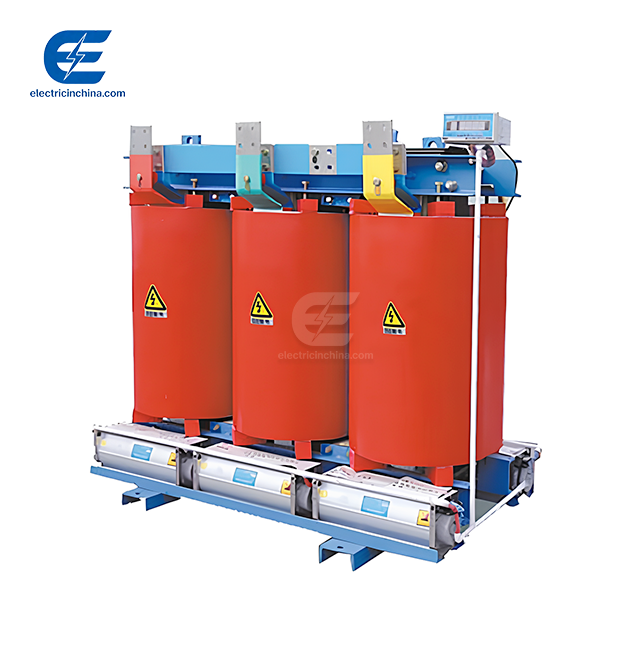
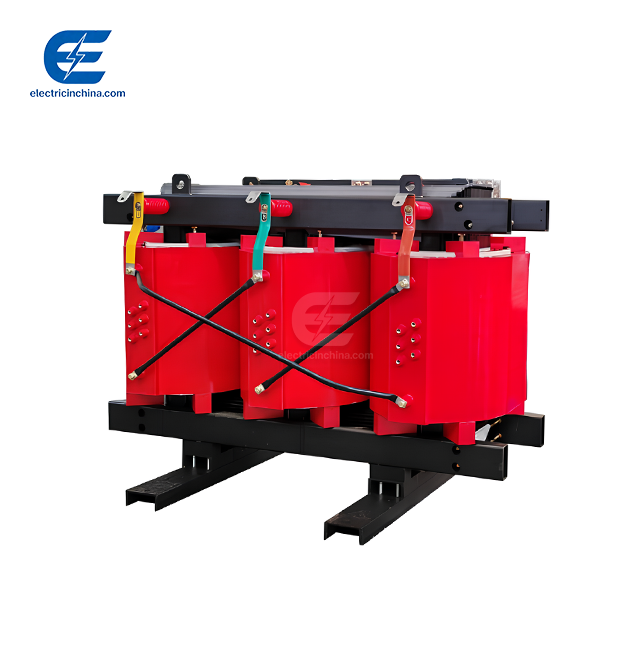
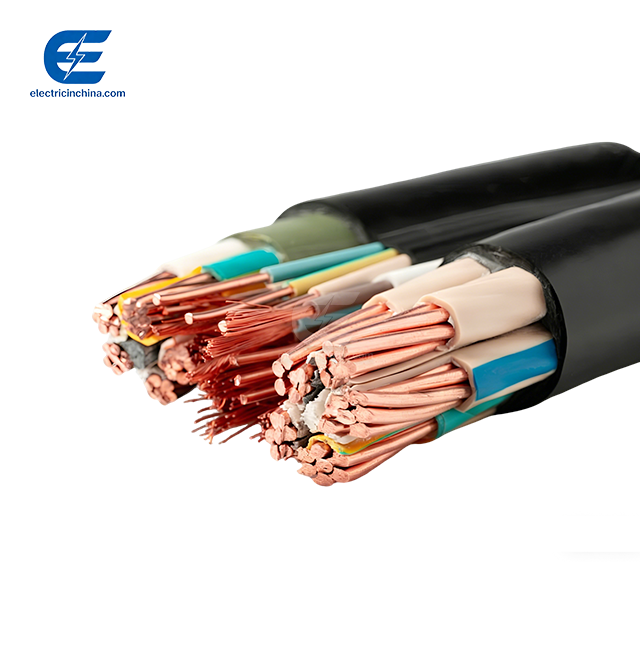
Our all-around method includes the ability to make transformers, low-voltage distribution equipment, and cables. This lets us provide combined system solutions from a single point of responsibility. This gets rid of problems with coordination between different sellers and speeds up the buying process.
Lead Times and Project Scheduling
Standard equipment configurations usually ship 8 to 12 weeks after the order is confirmed. Lead times go up to 12 to 16 weeks for customised designs because they need more time for engineering and production. It could take 16 to 20 weeks for complicated projects that need a lot of testing in the factory or special certifications.
Early involvement of suppliers in the planning stages of a project keeps schedules from getting sped up, which could affect the quality of the equipment or the dependability of delivery. When procurement teams and maker engineers work together to create detailed specs, revision processes, and change order problems are kept to a minimum.
We keep a lot of production capacity across more than 120 sets of equipment. This lets us work on multiple projects at the same time without affecting the delivery dates for any of them. Strict quality control checks are done at all steps of production to make sure that the equipment that leaves our sites meets all performance standards.

Conclusion
Medium-Voltage Withdrawable Switchgear has unmatched operational benefits in a wide range of application areas that need reliable power distribution, better safety standards, and flexible maintenance. The design that can be taken out completely changes the way equipment is serviced, from causing system breakdowns to being normal processes that keep the building running continuously. Our solutions include both tried-and-true technology that meets international standards and creative engineering that is made to fit the needs of each project. We have been making things for over 20 years and have finished hundreds of projects successfully. This shows that we are dedicated to technical excellence and customer success. When procurement workers and engineering teams are looking for reliable switchgear solutions, they should work with experienced manufacturers who can provide full technical help and a track record of completing projects.
FAQ
1. How often does repair need to be done on retractable switchgear?
Depending on the operating environment and how often the breaker is used, comprehensive maintenance intervals usually happen every three to five years for Medium-Voltage Withdrawable Switchgear. Regular checks make sure that the contacts are solid, the insulation resistance is right, and the motor action works. With its retractable design, the breaker can be changed quickly during maintenance windows, which keeps the facility running as smoothly as possible. Thermal imaging scans done once a year find problems before they become failures.
2. Can switches that can be pulled out work outside?
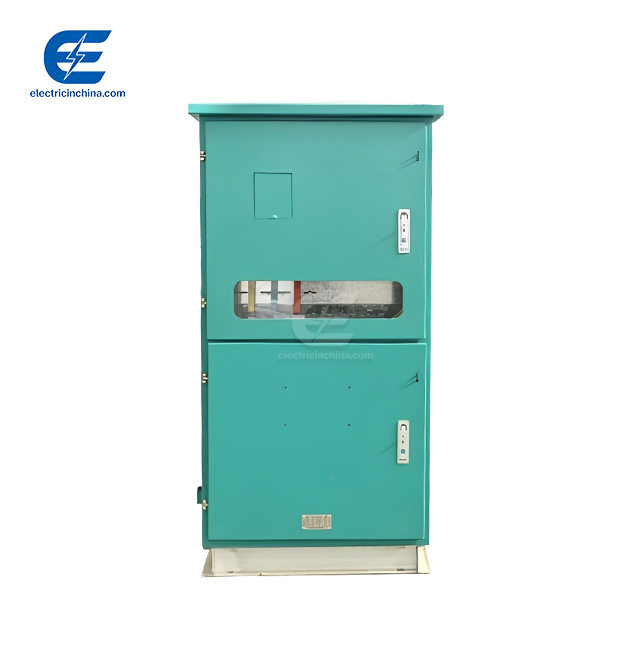
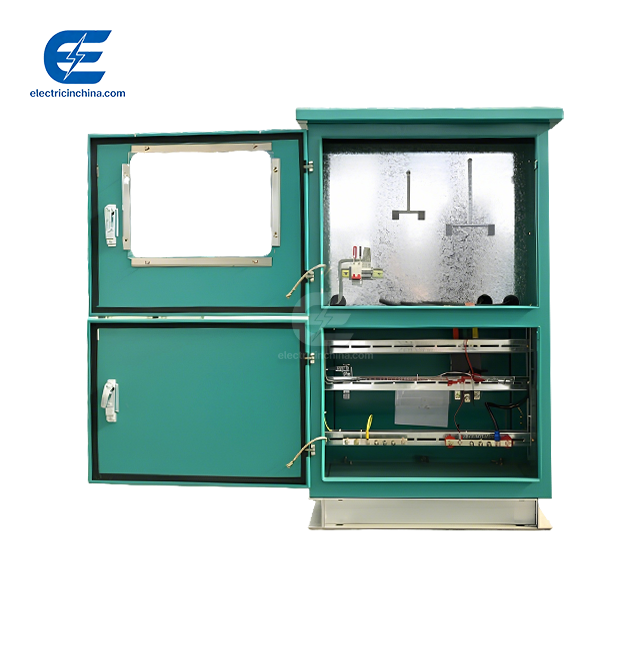
When properly defined, enclosures keep internal parts safe from the elements and other external hazards. Our steel construction, which has an IP54 rating and special protective coatings, can handle temperatures ranging from -40°C to +55°C and humidity levels up to 95% without condensation. When sites are outside, they usually have weatherproof enclosures that protect the environment even more while still allowing upkeep work to be done.
3. What safety benefits does a system that can be pulled out offer?
Circuit breakers, busbars, cables, and control equipment are physically separated by compartmentalised construction. This stops arc flashes from spreading between sections. As soon as the breaker is pulled, automatic shuttering mechanisms cover the live busbar connections. Mechanical interlocks make sure that operations are done in a safe way, which stops dangerous racking processes. With dead-front construction, there are no visible live parts during regular operation. This makes it much safer for people to work on than with fixed installations.
Partner with Tuojie for Your Power Distribution Needs
Tuojie has been making Medium-Voltage Withdrawable Switchgear for over 20 years and knows how to meet the specific needs of government infrastructure projects, business developers, and industrial makers. Our products meet the requirements of ISO 9001, ISO 14001, and OHSAS 45001, and they are backed by National CCC certification and strict plant testing methods. We know that throughout the lifecycle of a project, EPC contractors and project engineers need customised power solutions, reliable delivery plans, and quick expert support.
Our engineering team is made up of 15 senior engineers and more than 30 technical specialists who are ready to make custom switchgear configurations that meet your power needs, operating conditions, and other needs. We offer the dependability that your important projects need because we have successfully completed hundreds of setups, such as rail transit systems and large manufacturing facilities. As a well-known company that makes Medium-Voltage Withdrawable Switchgear, we offer complete one-stop solutions that include transformers, distribution equipment, and technical advice.
You can email our team at tuojie@electricinchina.com to talk about the details of your project, get full scientific datasheets, or get quotes from other companies. We're ready to help you with the buying process by providing detailed paperwork, rushing production plans, and expert advice to make sure that your power distribution infrastructure provides long-term value and excellent operational performance.

References
1. IEEE Standards Association. (2015). IEEE Standard for Metal-Enclosed Low-Voltage AC Power Circuit Breaker Switchgear - IEEE C37.20.2. Institute of Electrical and Electronics Engineers, New York.
2. International Electrotechnical Commission. (2011). High-voltage switchgear and controlgear - Part 200: AC metal-enclosed switchgear and controlgear for rated voltages above 1 kV and up to and including 52 kV. IEC 62271-200, Geneva.
3. Zhang, W., & Liu, H. (2018). Modern Power Distribution Systems: Design and Application of Medium Voltage Switchgear. Electric Power Press, Beijing.
4. National Fire Protection Association. (2021). NFPA 70E: Standard for Electrical Safety in the Workplace. NFPA Publications, Quincy, Massachusetts.
5. Henderson, R.D., & Rose, P.J. (2017). Maintenance Strategies for Medium Voltage Electrical Distribution Equipment in Industrial Facilities. IEEE Transactions on Industry Applications, Volume 53, Issue 4.
6. Das, J.C. (2020). Arc Flash Hazard Analysis and Mitigation in Medium Voltage Switchgear Applications. IEEE Press Series on Power Engineering, Wiley-IEEE Press, New Jersey.