

.webp)
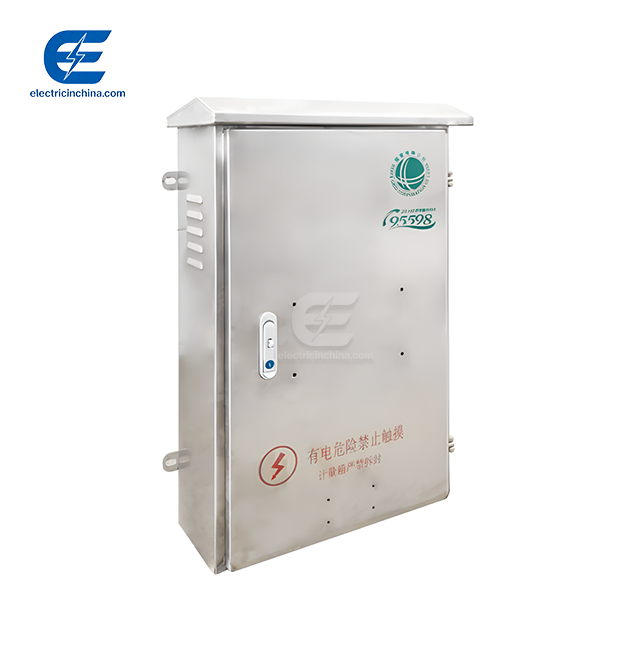
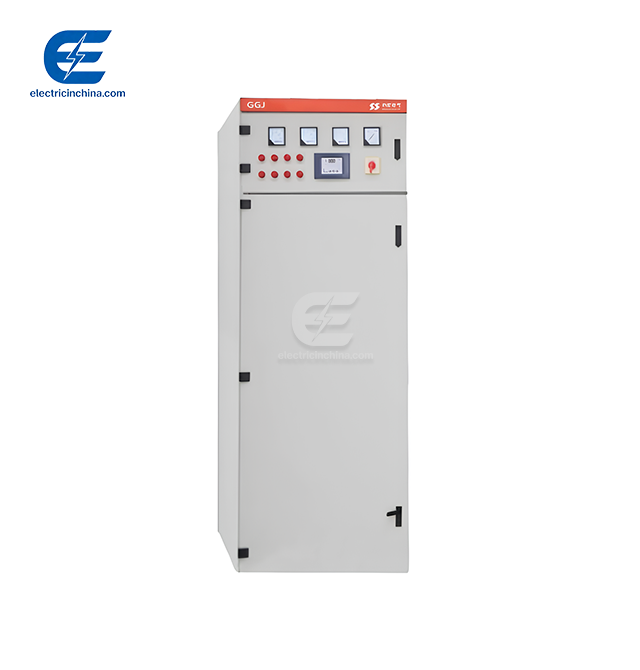
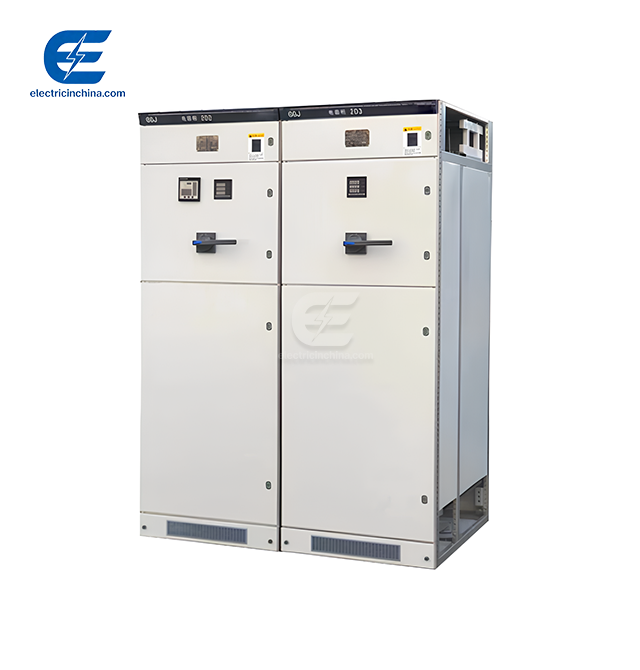
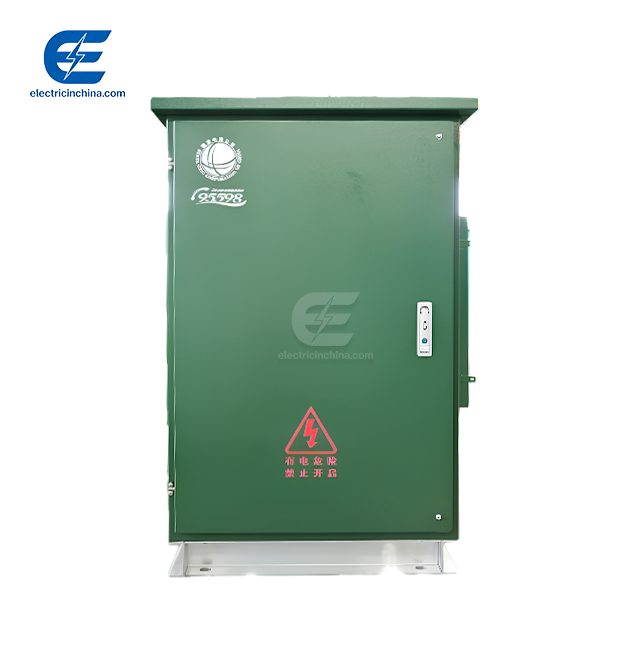
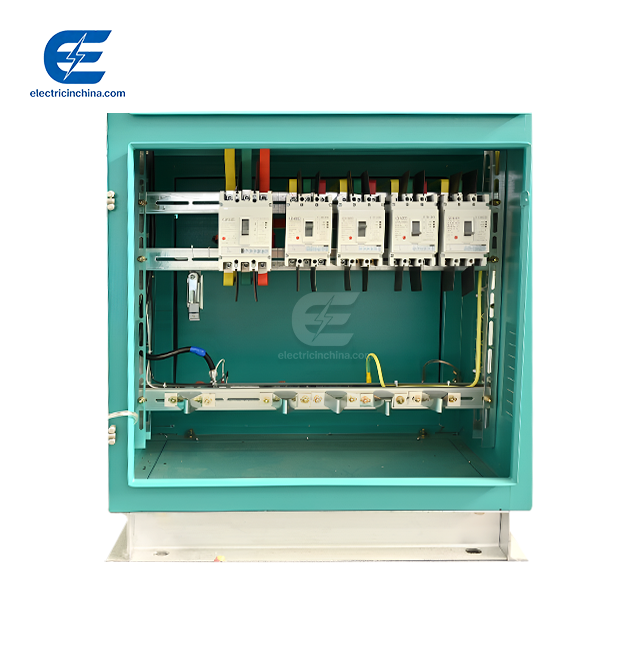
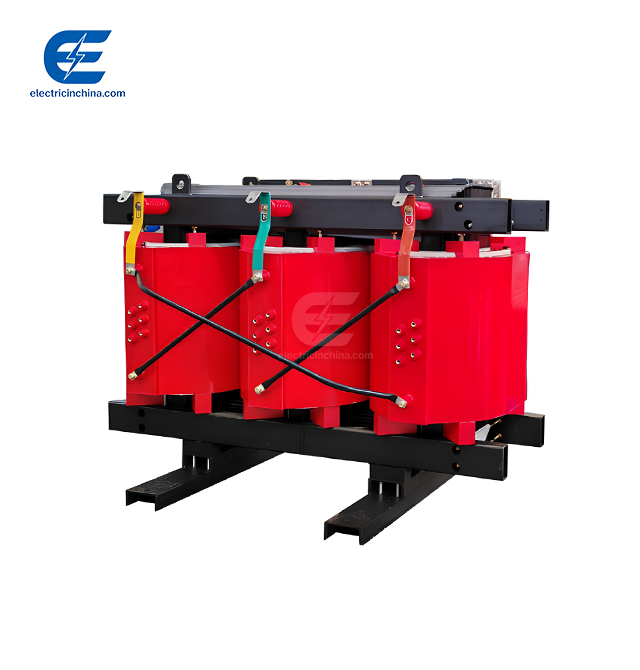
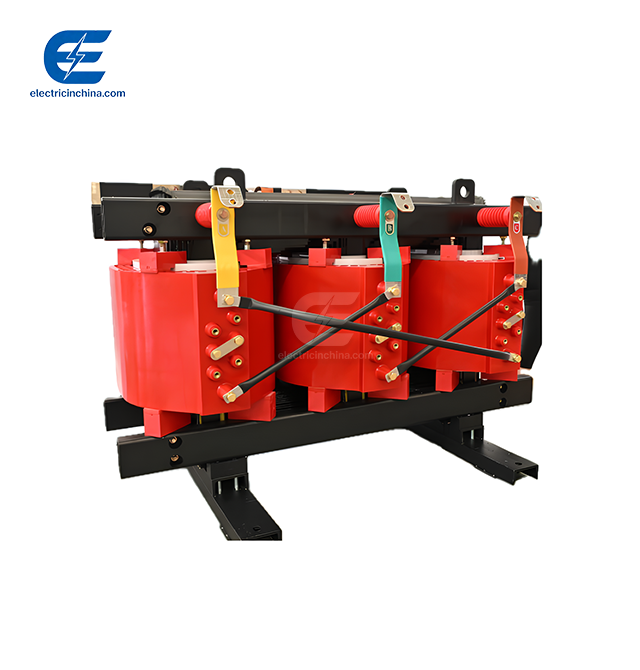
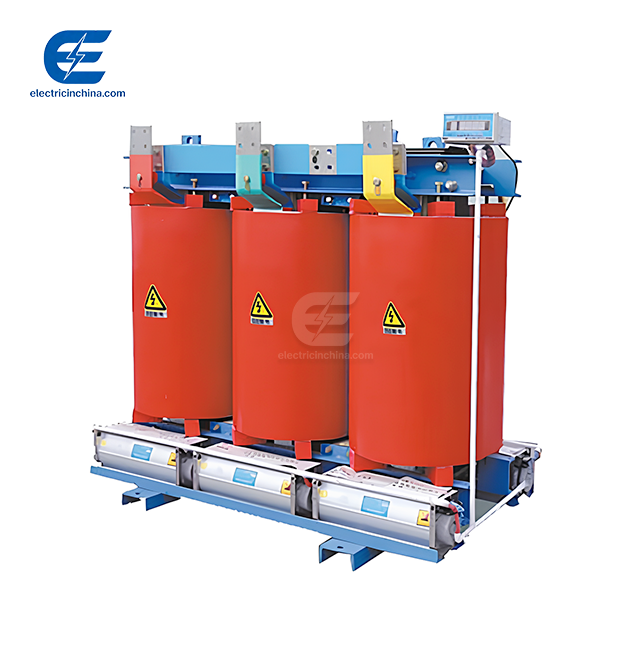
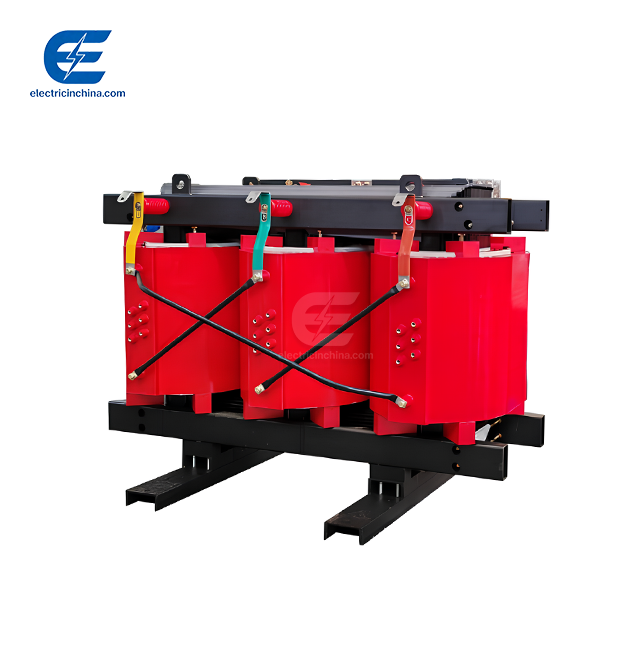
When building high-rises, fire-resistant transformers are an essential piece of safety equipment that must be included. Amorphous alloy dry-type transformers are the most advanced way to build vertically in cities because they provide the best fire safety and the most energy-efficient power systems in the business. These units don't use flammable dielectric fluids and have 70–80% lower no-load losses than standard silicon steel designs. This makes them the smart choice for developers in busy urban areas who care about both occupant safety and practical cost savings.
Understanding Amorphous Alloy Dry-Type Transformers
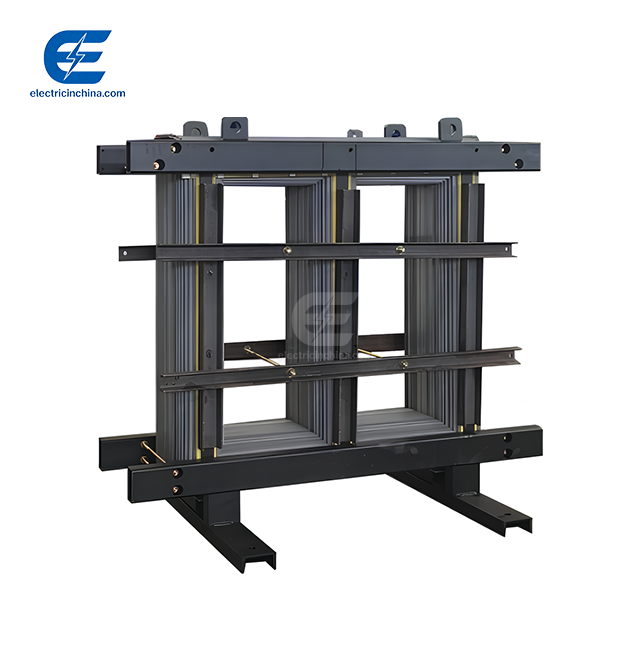
The science behind these transformers is very different from that used in other types of electricity distribution equipment. Our SC(B)H15 line at Tuojie uses amorphous metal ribbons that are only 0.025mm thick, which is about 1/500th the width of a human hair. This very thin material has an atomic structure that isn't crystalline. This makes hysteresis losses much smaller during each magnetic cycle.
Core Material Composition and Performance
The amorphous core is made up of iron, nickel, cobalt, boron, and carbon, which work together to make an isotropic soft magnetic structure. This mix creates a magnetic flux density of 1.56T and a coercivity below 0.5 A/m, which immediately means that less energy is wasted. Our Amorphous alloy dry-type transformers have permeability levels above 100,000 H/m, which means they transfer power efficiently even when the load changes.
Dry-Type Insulation System Advantages
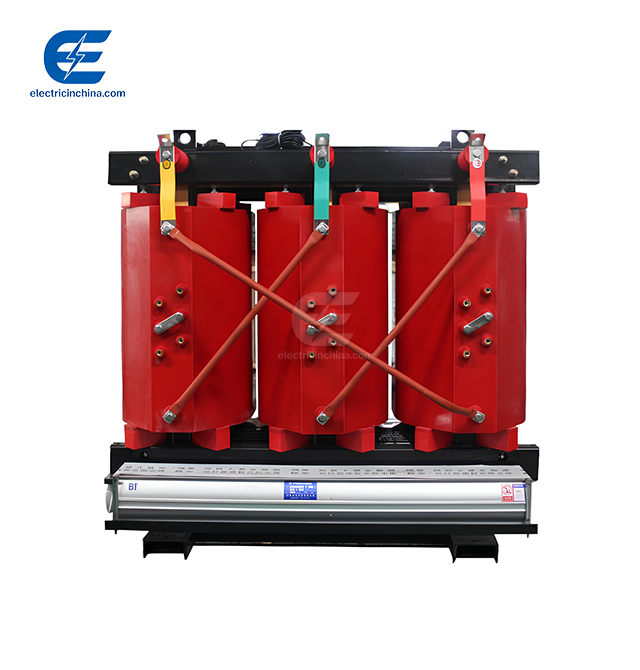
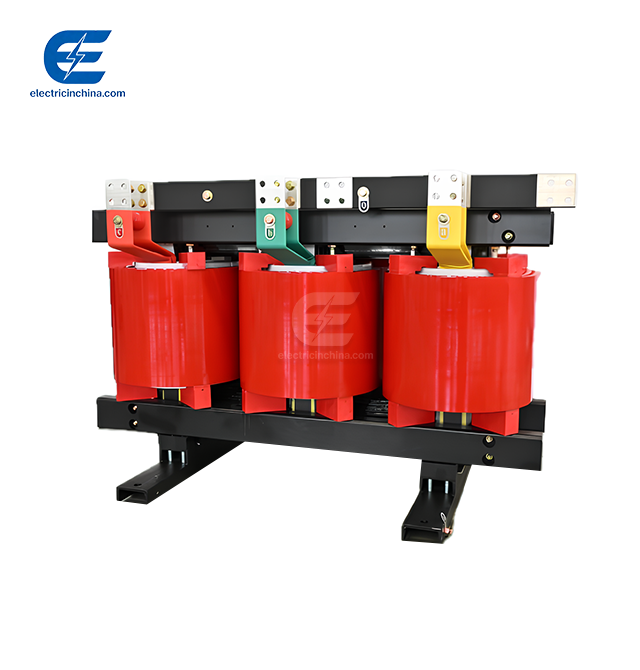
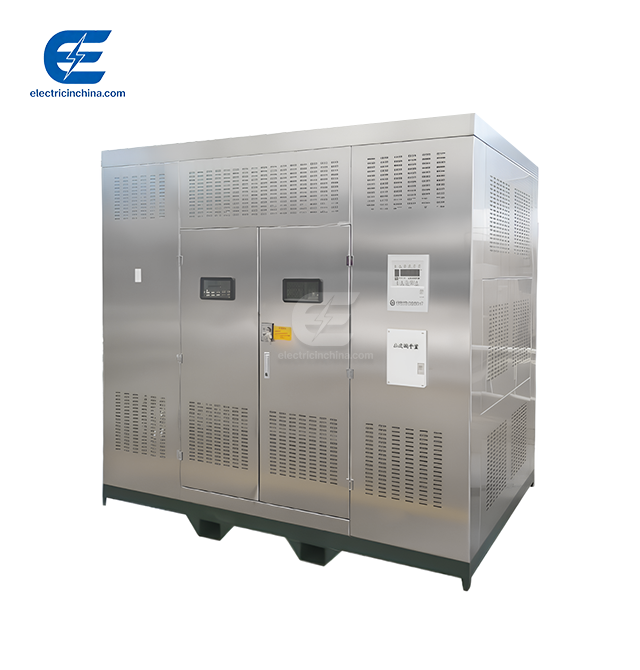
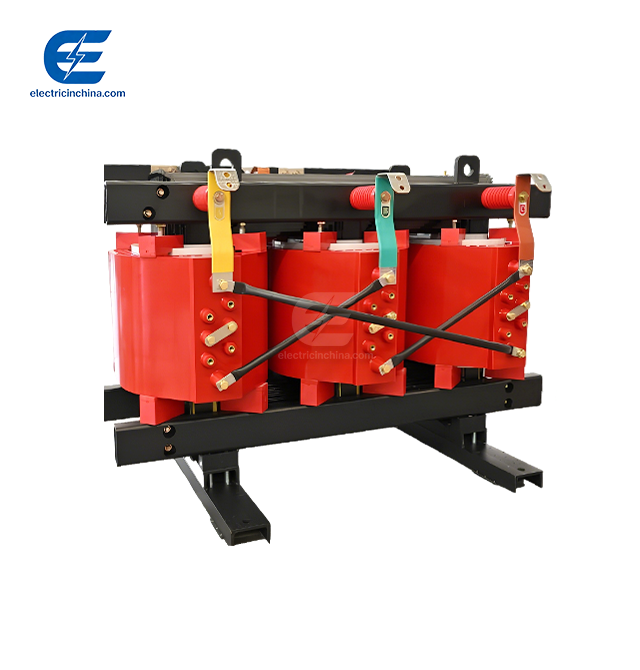
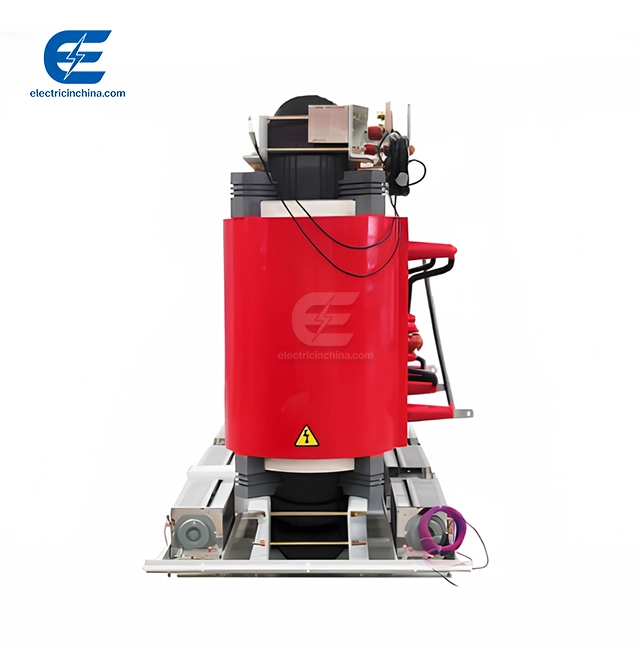
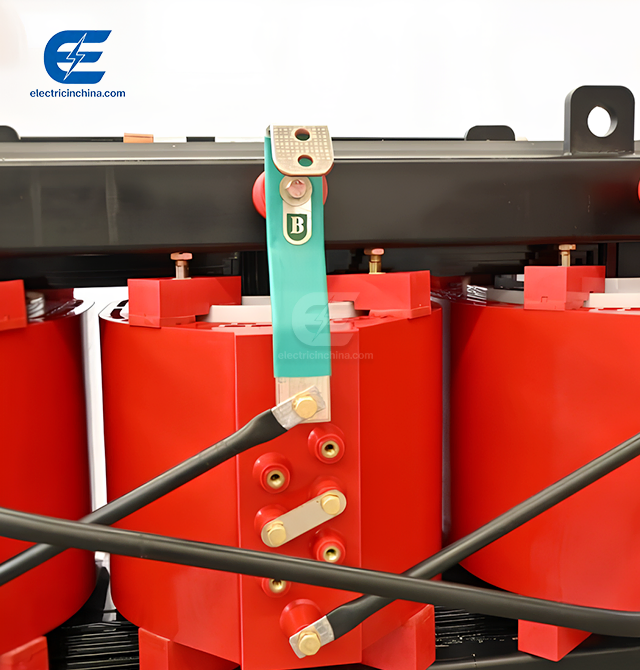
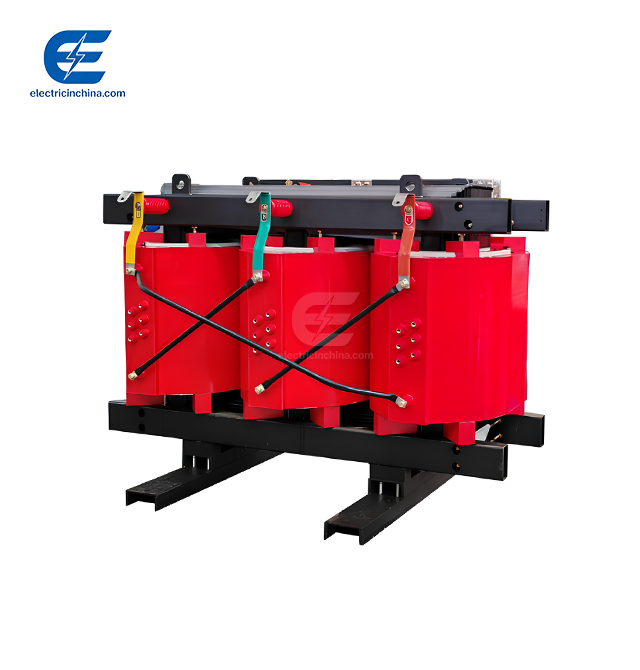
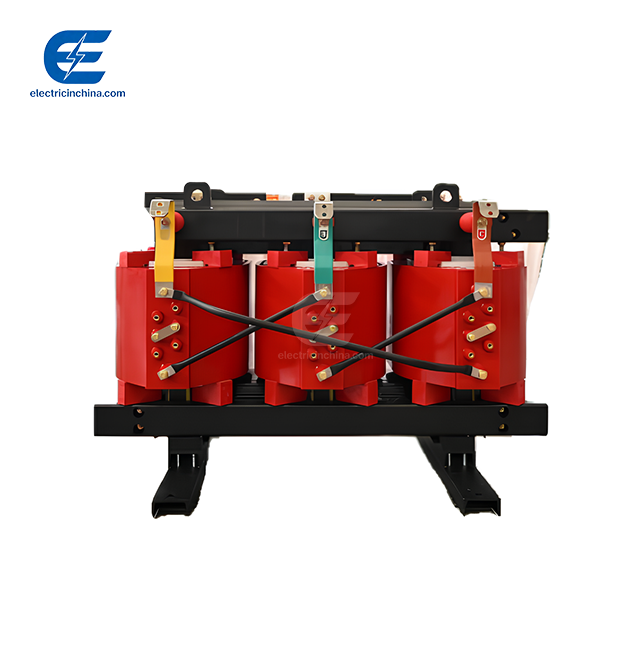
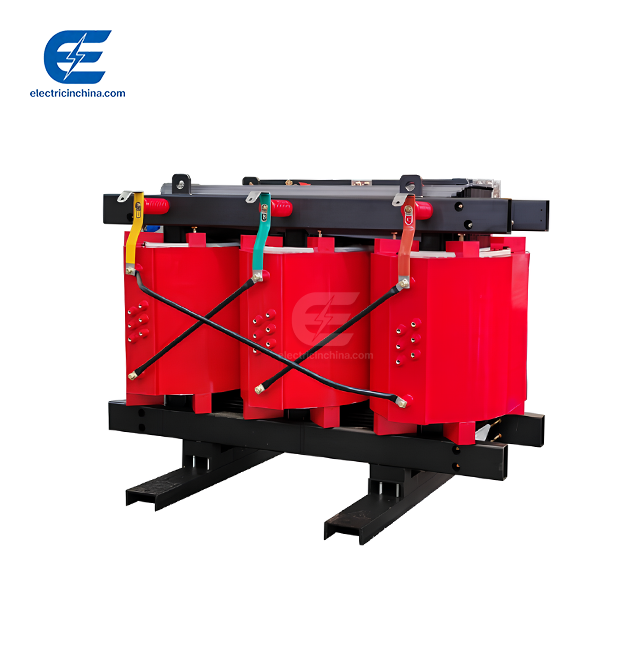
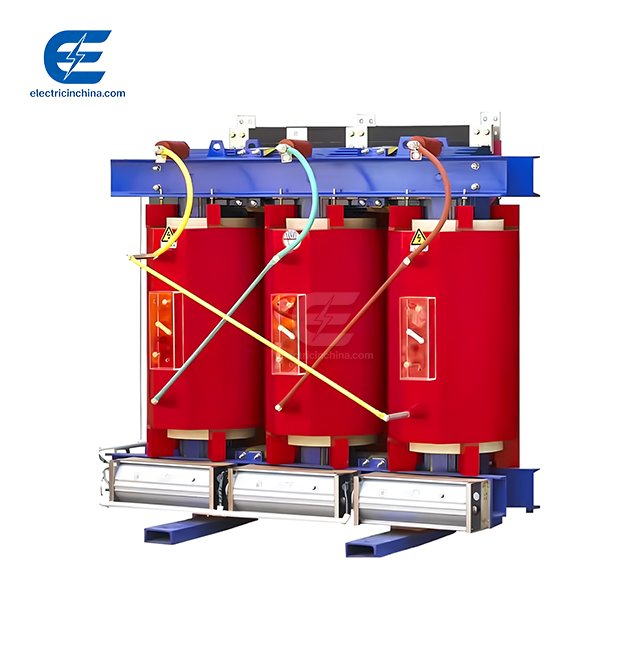
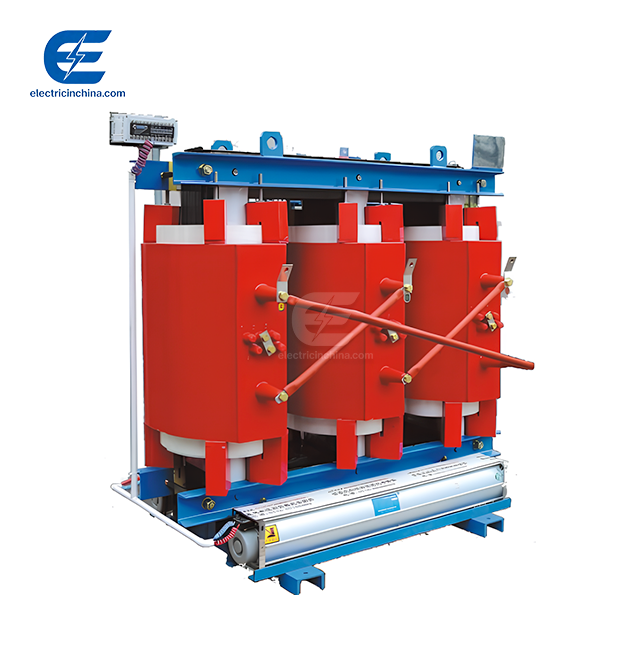
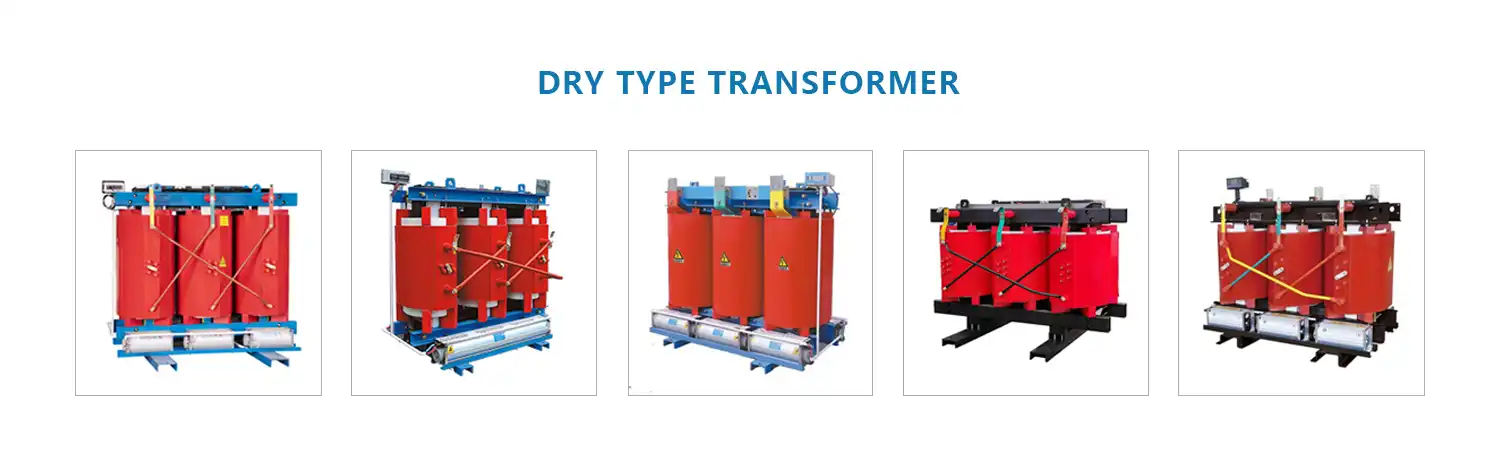
Unlike units that are submerged in oil, our vacuum-cast epoxy resin protection completely removes the risk of fire spreading. The solid insulation system can handle up to 95% humidity and still keep its Class F and Class H temperature ratings (155°C and 180°C, respectively). This design is especially useful in places like basement electrical rooms, rooftop installations, and underground parking garages where regular oil-filled transformers pose too many risks.
Temperature Range and Environmental Resilience
Our dry-type transformers are resistant to fire and work reliably from -40°C to +40°C without losing any performance. Epoxy coating keeps internal parts safe from changes in temperature, mechanical stress, and outside contaminants. High-rises along the coast are better able to handle salt fog, while installations in industrial areas have to deal with flying particles that would damage less durable designs.
Why Choose Fire-Resistant Amorphous Alloy Dry-Type Transformers for High-Rise Buildings?
When building tall buildings, electrical problems come up that regular transformers can't handle. People live closer together in vertical buildings, which can be very bad if a fire spreads through the electrical systems. More and more, regulations require non-flammable distribution equipment to be used in buildings that are habitable and are above a certain height.
Compliance with International Fire Safety Standards
Our Amorphous alloy dry-type transformers meet both IEC 60076-11 and IEEE C57.12.01 standards for dry-type distribution equipment. The flame-resistant and self-extinguishing design meets the UL fire ratings that are needed by building codes across North America. These approvals allow installation in places like hospitals, shopping malls, apartment buildings, and tube stations where oil-filled units aren't allowed by law.
Quantified Energy Efficiency Benefits
In normal use, traditional silicon steel transformers lose between 0.4% and 0.8% of their maximum power due to core losses. This waste goes down to 0.1 to 0.2 percent with our flexible core technology, which cuts no-load losses by 60 to 80 percent. Over the course of 30 years, these savings add up to a lot. When compared to traditional designs, a normal 1000KVA unit running at low load saves about 45,000 kWh per year, which is enough electricity to power several homes.
Real-World Performance Documentation
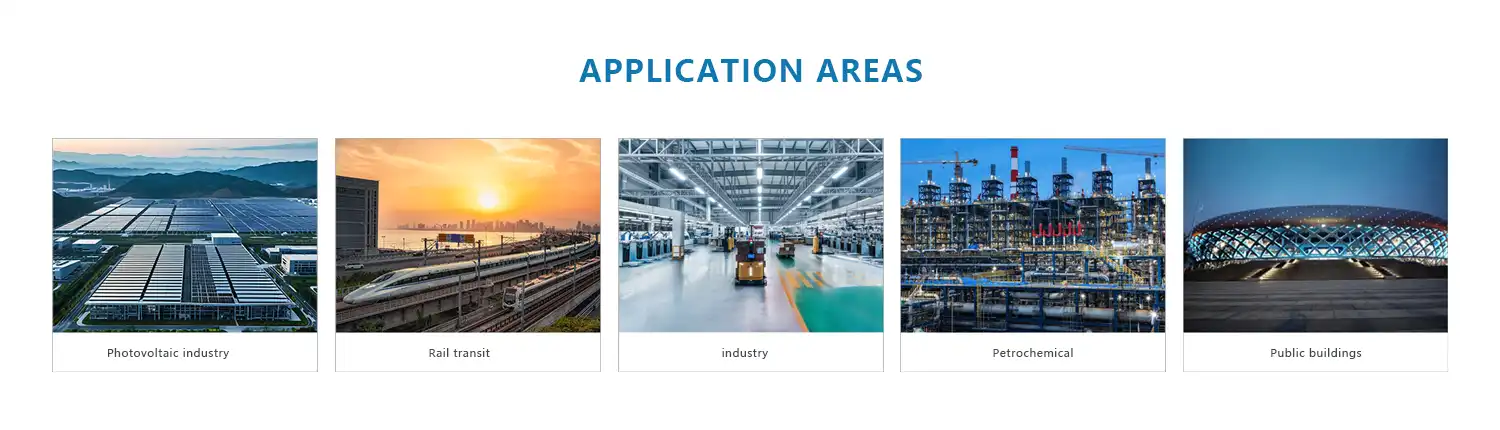
We have helped hundreds of commercial and infrastructure projects with their power distribution needs. To make sure that tube systems always worked, the Xuzhou Rail Transit Network Control Center project needed dual-circuit Amorphous alloy dry-type transformers. Our 315KVA to 2500KVA units were available 99% of the time or more, and followed strict fire safety rules. The Xuzhou High-speed Railway East Station EPC project showed that we could meet contractual dates and deliver customised voltage settings (11kV to 0.4kV) without lowering quality standards.
Noise Reduction for Occupied Spaces
In regular cores, magnetostriction makes noises louder than 55dB, which is a problem in places like hospitals, office buildings, and hotels. Our amorphous metal design makes noise levels below 45dB, about the same as a library. This soundproofing lets transformers be put in places that weren't thought to be good for them before, making the best use of room in high-end real estate projects.
Key Technical Considerations for Procurement
To choose the right distribution equipment, you have to compare several performance factors with the needs of the project. We've found the most important things that make developers and facility operators happy in the long term.
Efficiency Ratings and Lifecycle Economics
Our SC(B)H15 (17–19) line has one of the highest full-load efficiencies of any Amorphous alloy dry-type transformers, at 98.5–99.2%. This performance meets the high efficiency standards of NEMA TP-1 and goes far beyond the basic requirements by large amounts. The extra cost of amorphous core technology usually pays for itself in three to five years by lowering utility costs. The money saved goes straight into operating budgets.
Power Range and Voltage Configuration Options
We make units with capacities ranging from 30KVA to 31,500KVA, which can be used in a wide range of buildings, from small businesses to big mixed-use projects. Standard voltage ratios are 11kV/0.4kV, 22kV/0.4kV, and 33kV/0.4kV. Custom setups can also be made for certain distribution systems. Our engineering team helps choose the resistance voltage (usually between 4-6%) so that it works best with the safety devices upstream and the loads downstream.
Certification Documentation and Quality Assurance
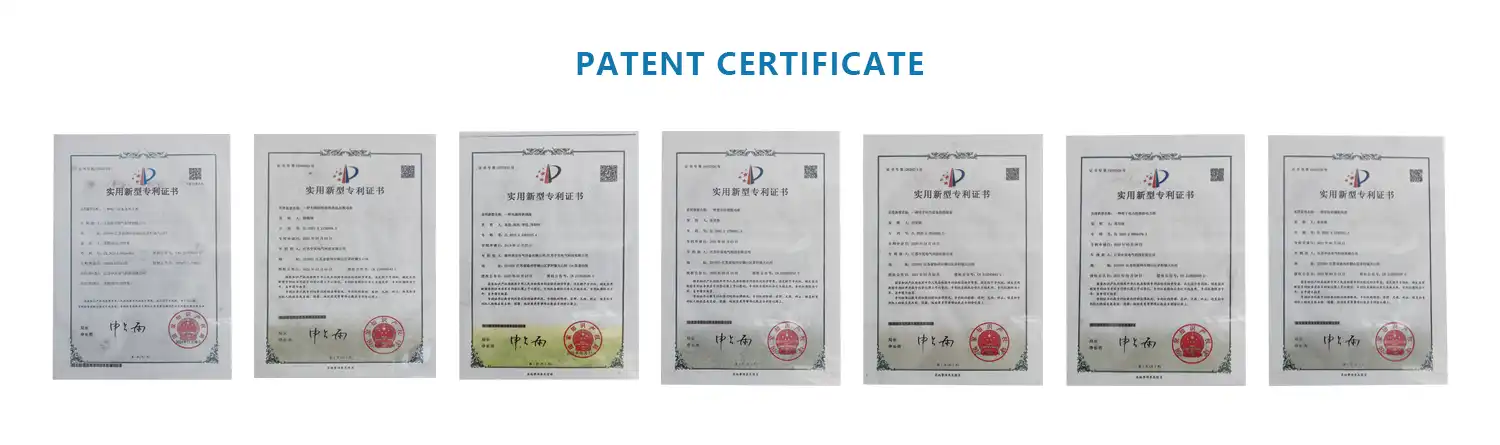
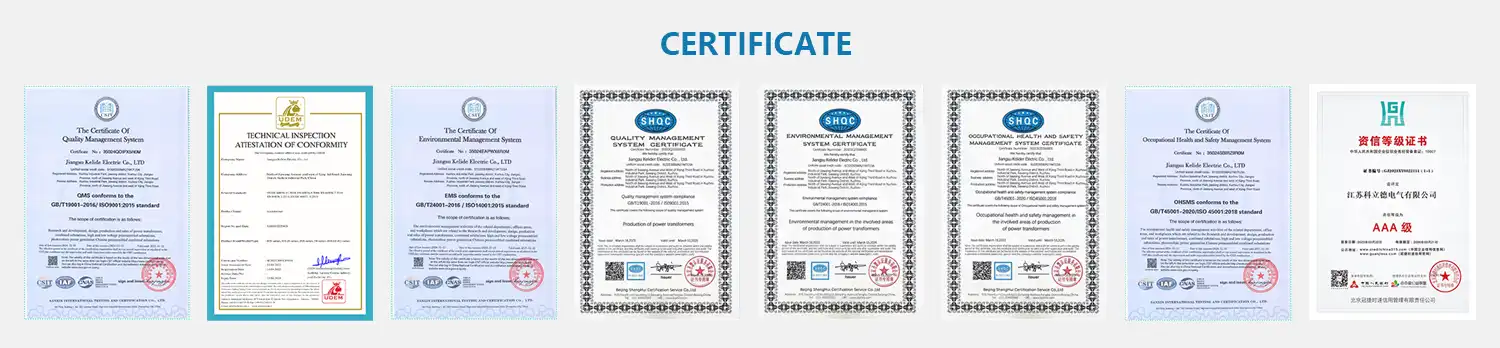
Our transformers are all certified by ISO 9001, ISO 14001, and OHSAS 45001, which shows that we take quality control and environmental duty very seriously. Our 15 senior engineers and 17 senior workers follow strict checking procedures, from making sure the raw materials are correct to testing the finished product. We have 18 patents, which shows that we are always coming up with new ideas for core design, insulation systems, and thermal management. All low-voltage equipment has to have China's CCC certification, and units that are sent abroad get approvals specific to their destination.
Maintenance Requirements and Service Life
Our amorphous alloy units don't need any maintenance, so they don't have the ongoing costs that come with oil-filled transformers. You won't have to pay for oil sampling, filtering, fixing leaks, or getting rid of used oil for more than 30 years. Our vacuum casting method makes solid insulation structures with no holes or weak spots, which stops water from getting in and starts a partial release. Condition tracking keeps an eye on working factors, which lets repair plans plan and make the most of uptime.
Making the Right Choice: How to Select the Best Amorphous Alloy Dry-Type Transformer
A good design starts with a careful look at the amount of electricity needed, the space available, and the needs for future growth. We help our clients through this process to make sure they choose the best equipment.
Load Assessment and Sizing Methodology
To get the right transformer size, you need to know both the peak demand and the loading profiles. To suggest the right capacity for an Amorphous alloy dry-type transformer, our engineers look at linked loads, diversity factors, and growth forecasts. Oversizing loses money and makes things less efficient when they're not being used much, while undersizing makes them more likely to overheat and break early. We usually suggest that you choose a size that can handle 120% of the maximum capacity for two hours at a time. This gives you practical freedom during times of high demand or when moving equipment around.
Physical Dimensions and Installation Constraints
Electrical rooms in high-rise buildings have very little room. Our small designs have the smallest possible footprint while still allowing enough air flow. To make it easier for the building and structural fields to work together, we provide full-dimensional sketches that show the size of the base, where the lifting points are, and where the cable entry points are. Protection grades from IP20 to IP54 can be used in a range of environments, from climate-controlled rooms to sites on rooftops that are open to the weather.
Supplier Evaluation Criteria
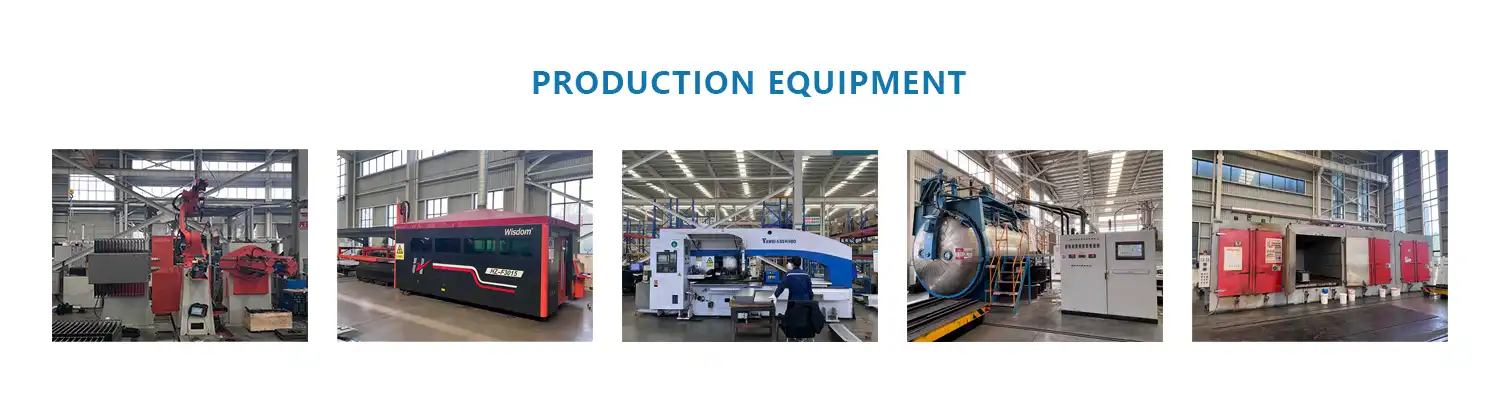
In addition to product specs, choosing the right provider also affects the success of the project. We take care of more than 120 sets of high-tech industrial tools, such as CNC automatic winding machines, microcomputer-controlled gradient curing ovens, and automated foil winding systems. Because of this production capacity, schedules can be changed to accommodate both regular and fast deliveries. Our full-service quality control lab follows IEC 60076 guidelines to do routine tests, type tests, and special tests. The results are written down so that customers can check them.
Warranty and Technical Support Provisions
Our standard warranty covers both materials and workmanship for 24 months after the product is put into service or 30 months after it was shipped, whichever comes first. For important uses, there are choices for longer warranties. We keep technical support staff who know the North American electrical rules. This makes the approval process go more smoothly and helps with questions about authority. Installation supervision and testing help make sure that everything is set up correctly and that standard performance data is collected.
Customization Capabilities
Every project has its own set of needs. We can work with different voltage ratios, impedance values, termination setups, and container shapes. When it comes to seismic zones, harsh temperatures, high-altitude sites, and corrosive atmospheres, our experts come up with answers. Dual-circuit designs make sure that important facilities are always working, and special tapping arrangements make sure that the voltage stays stable even when the load changes.
Future Trends and Innovations in Amorphous Alloy Dry-Type Transformers
The electrical distribution industry is always changing to make things safer, more efficient, and better for the environment. We are actively working on the next generation of technologies.
Advanced Fire-Retardant Materials
New developments in the way epoxy glue is made have made it even more resistant to fire than before. These materials keep their electrical qualities while also having better flame spread rates and producing less smoke during thermal events. The addition of these improved resins to new product lines will give us more safety gaps for the toughest uses.
Compact Modular Designs
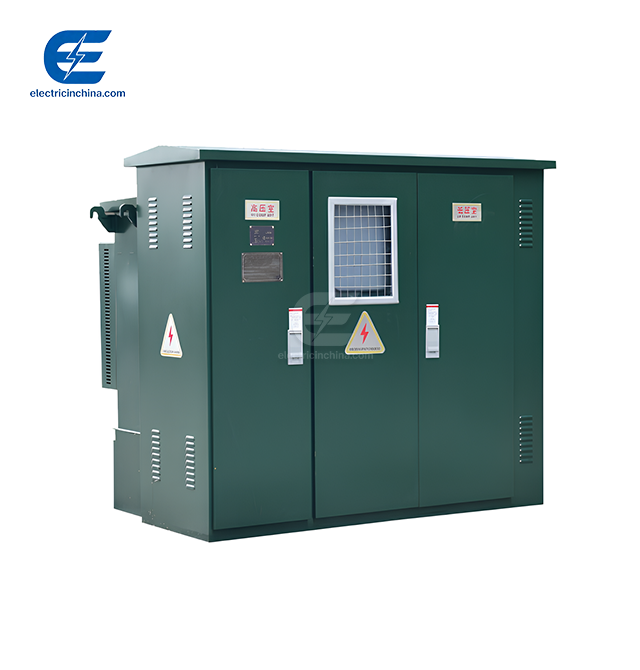
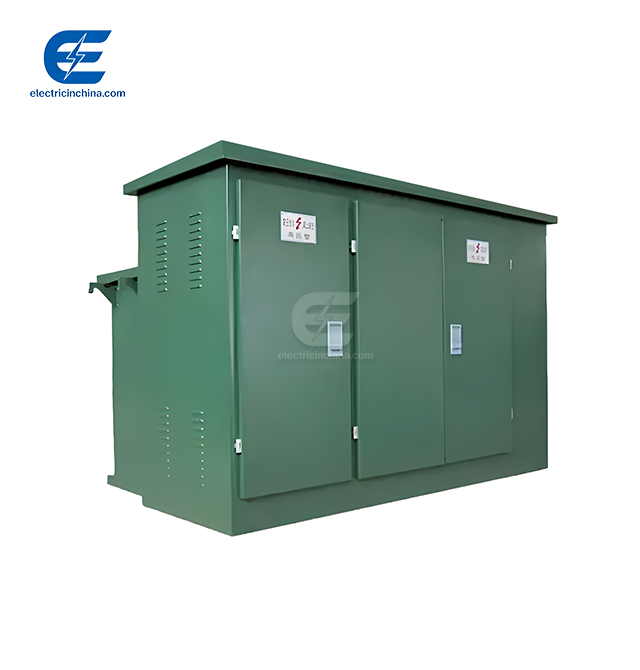
People want smaller tracks because of the limited space in city high-rises. Our study is mostly about finding better core shapes and winding arrangements that make the total size smaller without affecting performance. Using modular building methods, whole substations can be put together in a workshop, which cuts down on labour and installation time on-site. These systems come already tested and ready to connect, which speeds up the project timeline.
Energy Efficiency Regulations and Market Growth
Global rules that require people to use less energy are speeding up the adoption of high-efficiency distribution equipment. The Department of Energy is continuing to make industrial transformers more efficient. This makes Amorphous alloy dry-type transformers more competitive with older designs. We think that the market for high-performance transformers will grow by 15 to 20 percent each year as building owners realise the cost savings and environmental benefits over the life of the transformer.
Digital Integration and Smart Grid Compatibility
More and more, modern transformers have sensors and transmission ports built in so they can be monitored in real time. Temperature sensors, partial discharge detectors, and power quality analysers can all be built into our newest designs. These features work with building management systems, which let you plan for repair and make the best use of load sharing. Remote monitoring cuts down on site visits while still checking on performance all the time.
Sustainable Manufacturing Practices
The concepts of the cycle economy are used in every step of our production. When an amorphous core material is no longer useful, it can be recycled completely, recovering valuable metals. Our factories use closed-loop cooling systems and renewable energy sources to have as little of an effect on the environment as possible. These actions are in line with the sustainability goals of the company and the LEED certification standards for green building projects.
Conclusion
Choosing Amorphous alloy dry-type transformers that are resistant to fire for high-rise buildings is an investment in safety, efficiency, and operating dependability. These advanced units get rid of the fire risks that come with oil-filled designs and use cutting-edge core technology to save an incredible amount of energy. With certifications that meet international standards, our SC(B)H15 line has been used in hundreds of business, industrial, and local projects and has been shown to work well. When looking at the total cost of ownership over a product's lifetime instead of just the purchase price, premium-efficiency transformers offer strong economic benefits along with advanced technical features that protect electrical infrastructure from changing government rules.
FAQ
1. How much energy can amorphous core transformers actually save?
In comparison to standard silicon steel units, our Amorphous alloy dry-type transformers cut no-load losses by 70–80%. If you leave a 1000KVA generator on all the time, it will save about 45,000 kWh per year, which can add up to $5,000 to $7,000. Over 30 years, these savings add up to more than $150,000 per unit, and they cut carbon emissions by about 900 metric tonnes.
2. What maintenance do these transformers require?
For the whole time they are in use, these units don't need any maintenance. You won't have to take oil samples, filter them, fix leaks, or do the dielectric tests that liquid-filled transformers need. Regular checks make sure that the connections are tight, there are enough airflow gaps, and the load is evenly distributed. These checks don't take long and don't need any special tools.
3. Are amorphous transformers compatible with existing building electrical systems?
Of course. Our transformers work perfectly with standard designs for delivery. Standard impedance values, voltage ratios, and connection arrangements make it possible to directly swap standard units. We offer application engineering help to make sure that it works with both upstream switchgear and downstream protection devices. This makes sure that both retrofits and new installs go smoothly.
Partner with a Trusted Amorphous Alloy Dry-Type Transformer Manufacturer
Over 20 years of manufacturing excellence back up Tuojie's full range of power distribution solutions. All over North America, our Amorphous alloy dry-type transformers product line is used for industry, business, and government building projects. We offer unique solutions that meet the strictest requirements thanks to our 15 senior engineers, 18 patents, and 120+ sets of high-tech production equipment. Our ISO 9001, ISO 14001, and OHSAS 45001 certifications show that we handle quality in a planned way, and the fact that we've powered rail transit systems, high-speed railway stations, and business complexes in the past shows that we're reliable in the field. To talk about your project needs, email our technical team at tuojie@electricinchina.com. We'll give you detailed specifications, fair prices, and arrival times that work with your building plan.
References
1. Hasegawa, R. (2019). Amorphous and Nanocrystalline Soft Magnetic Materials: Applications in Distribution Transformers. Journal of Magnetism and Magnetic Materials, Volume 215, pp. 240-245.
2. International Electrotechnical Commission. (2018). IEC 60076-11: Power Transformers - Part 11: Dry-Type Transformers. Geneva: IEC Publications.
3. National Fire Protection Association. (2020). NFPA 70: National Electrical Code - Article 450: Transformers and Transformer Vaults. Quincy: NFPA Standards.
4. U.S. Department of Energy. (2021). Energy Conservation Program: Energy Conservation Standards for Distribution Transformers. Federal Register, Volume 86, No. 87.
5. Ramesh, S. & Kumar, P. (2020). Fire Safety Engineering in High-Rise Buildings: Electrical System Design Considerations. Fire Technology Journal, Volume 56, Issue 4, pp. 1823-1847.
6. IEEE Standards Association. (2017). IEEE C57.12.01: Standard for General Requirements for Dry-Type Distribution and Power Transformers. New York: IEEE Publications.