

.webp)
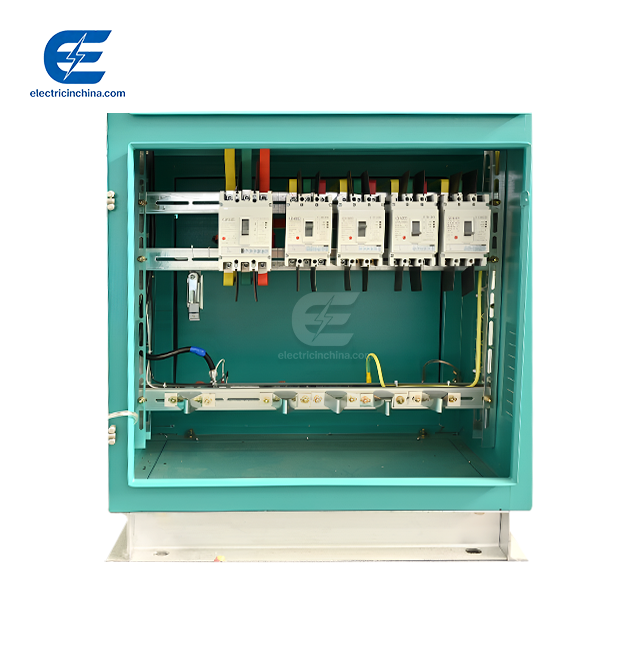
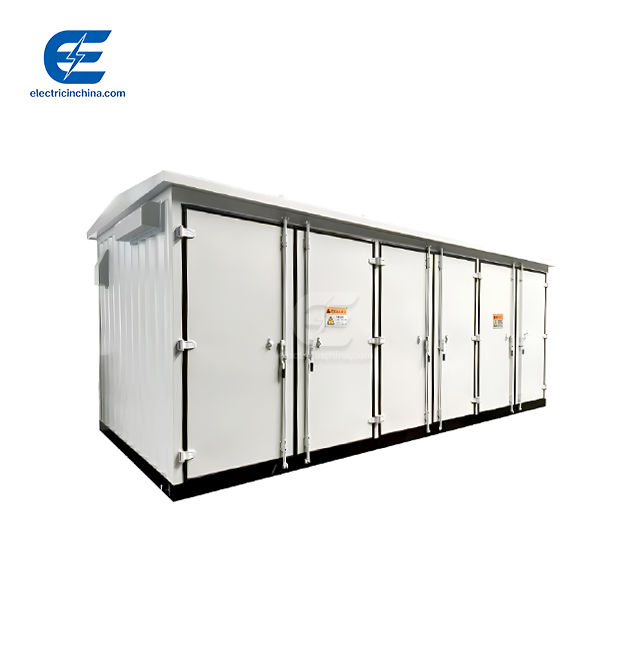
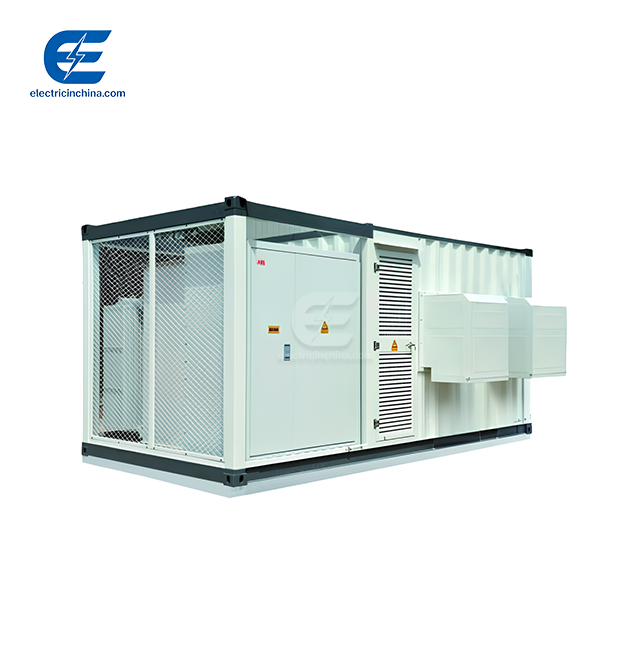
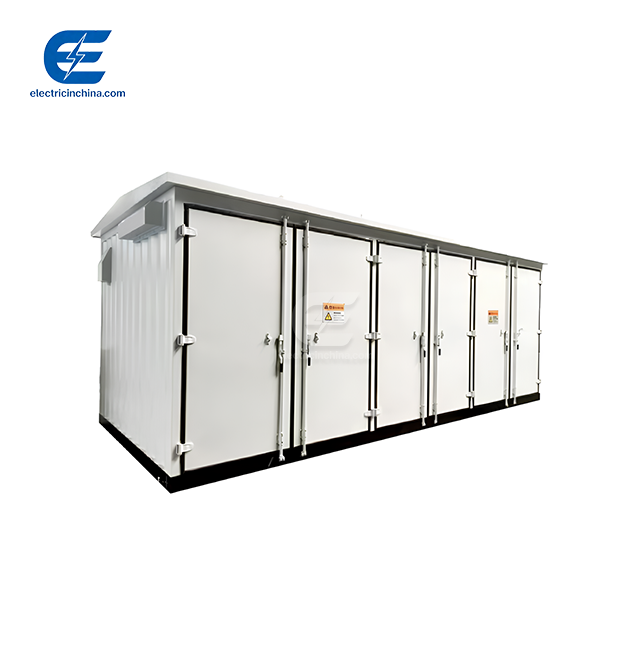
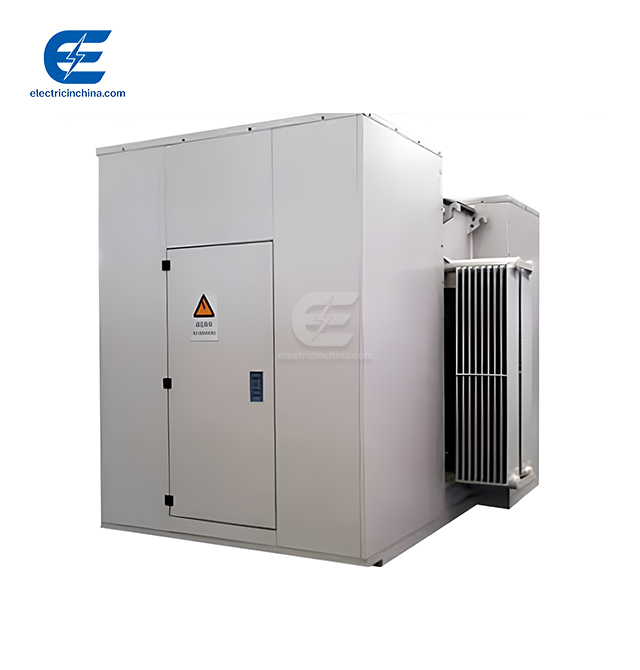
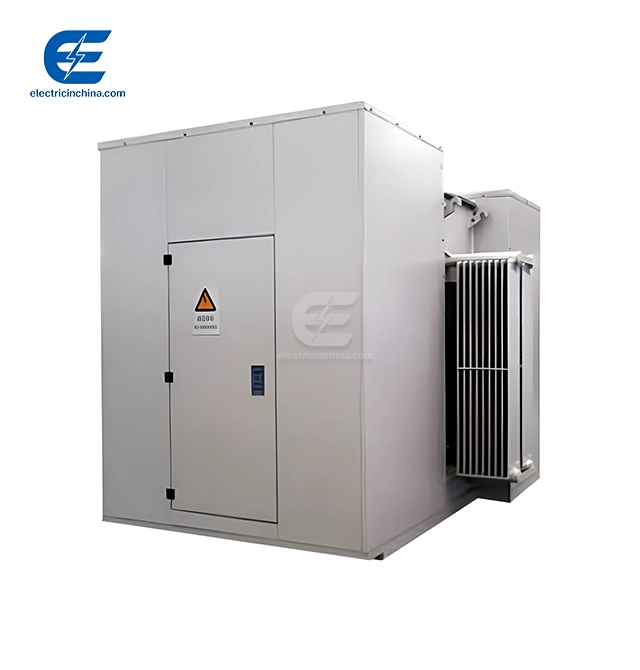
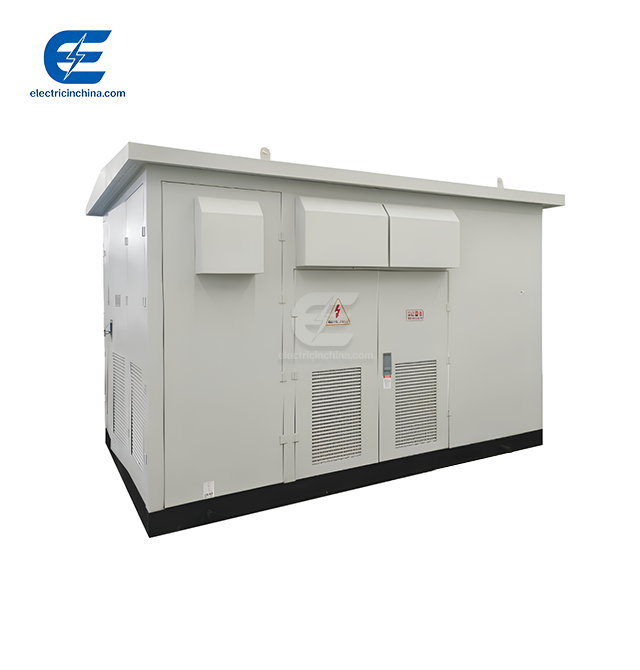
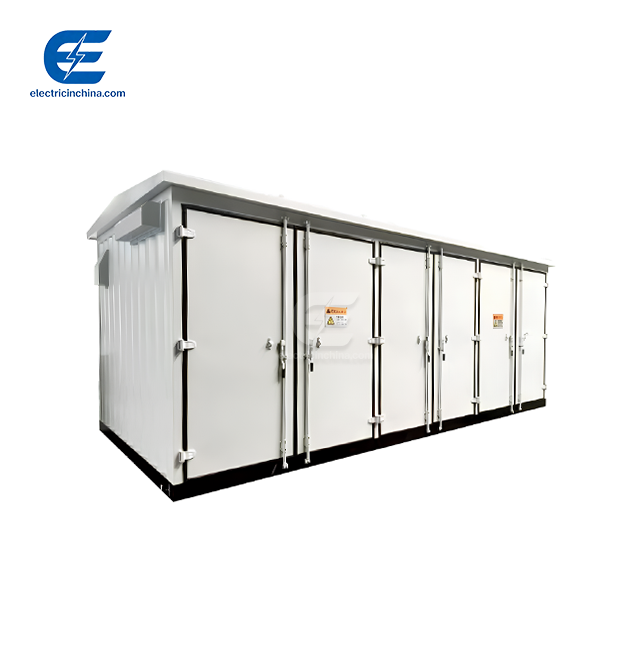
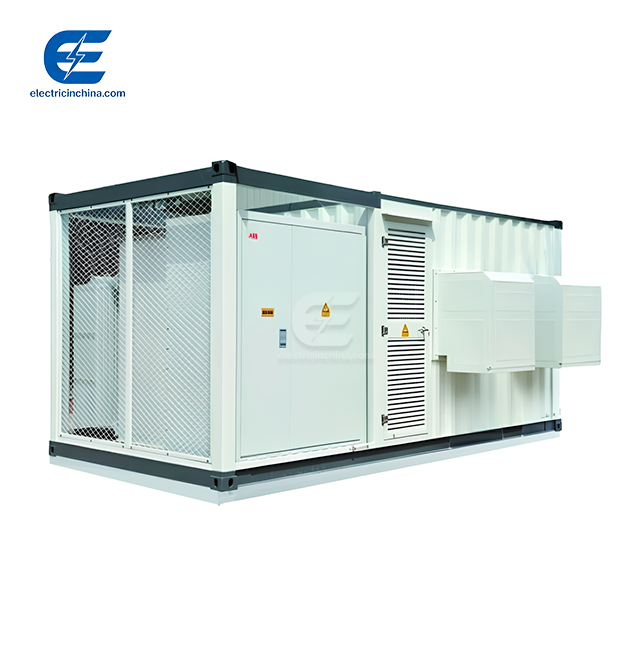
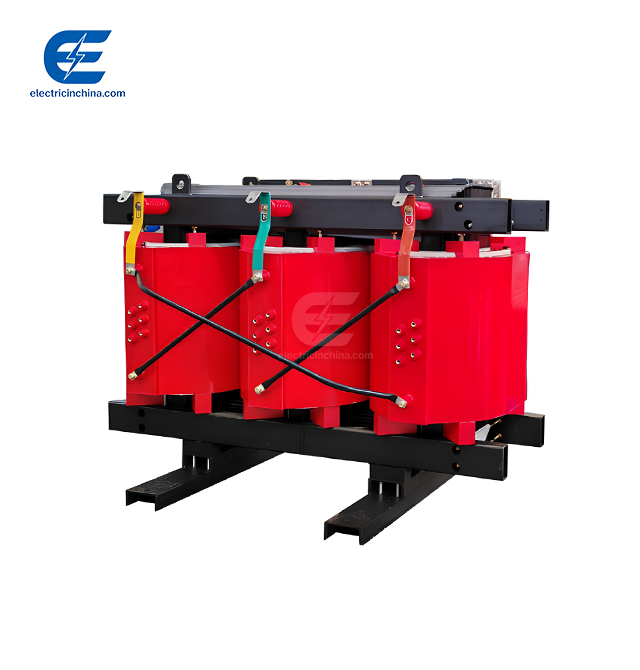
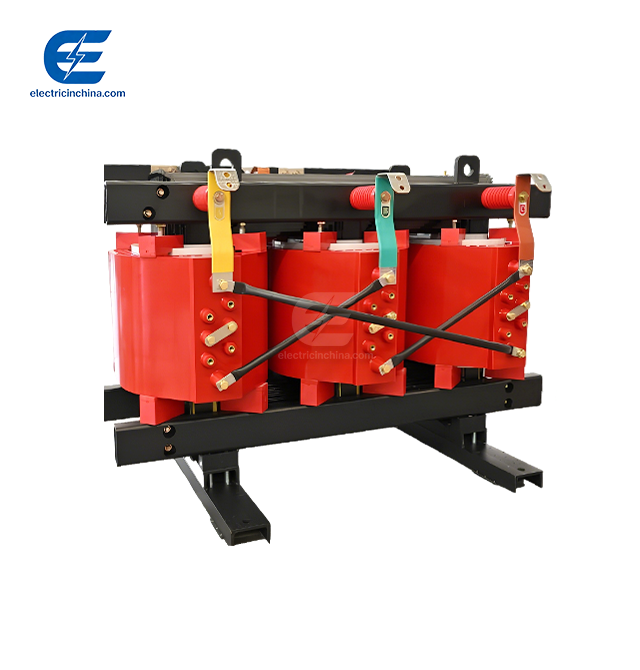
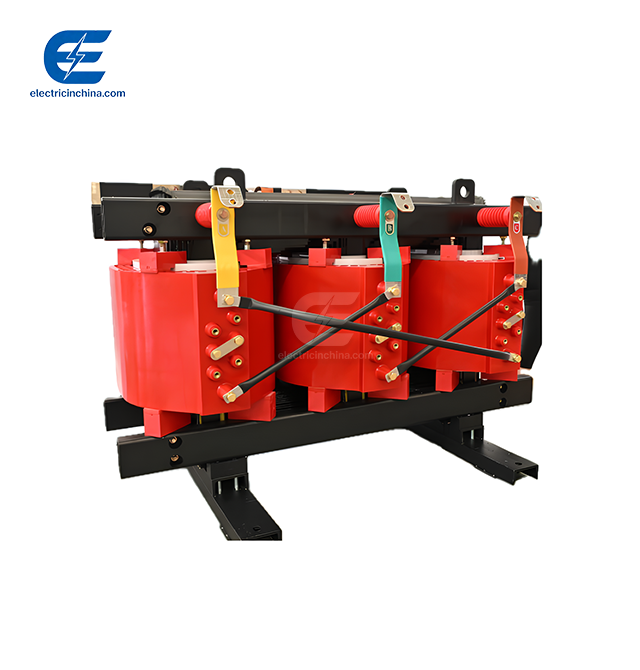
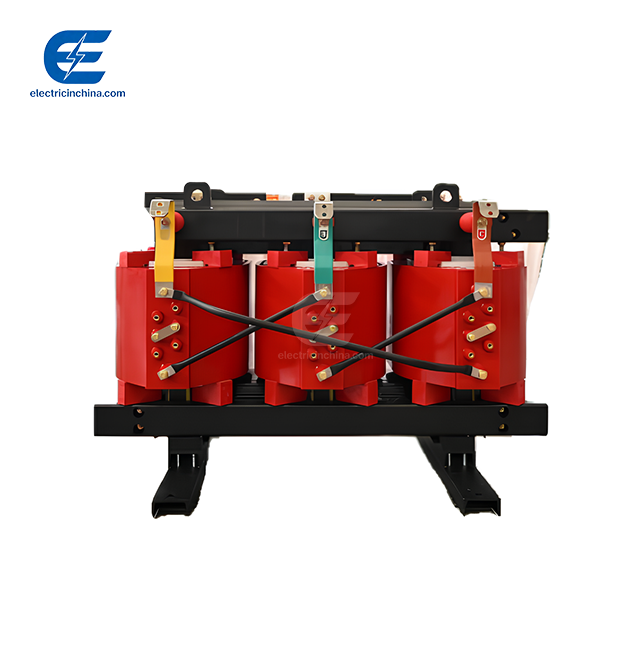
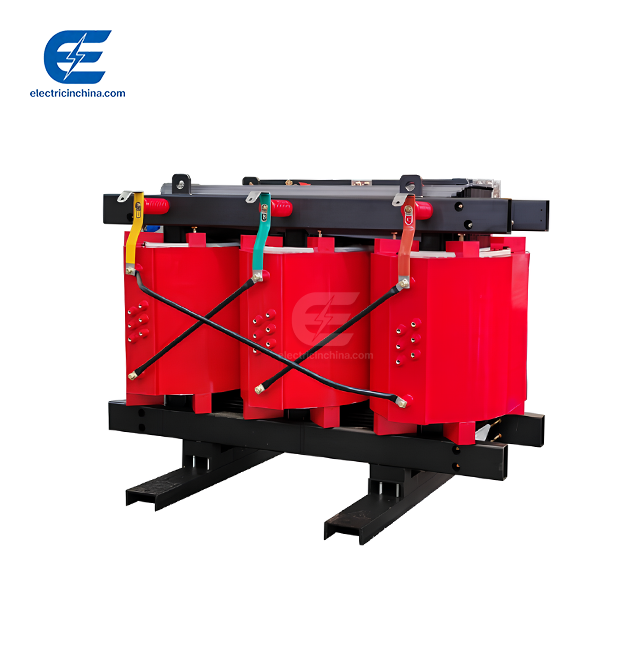
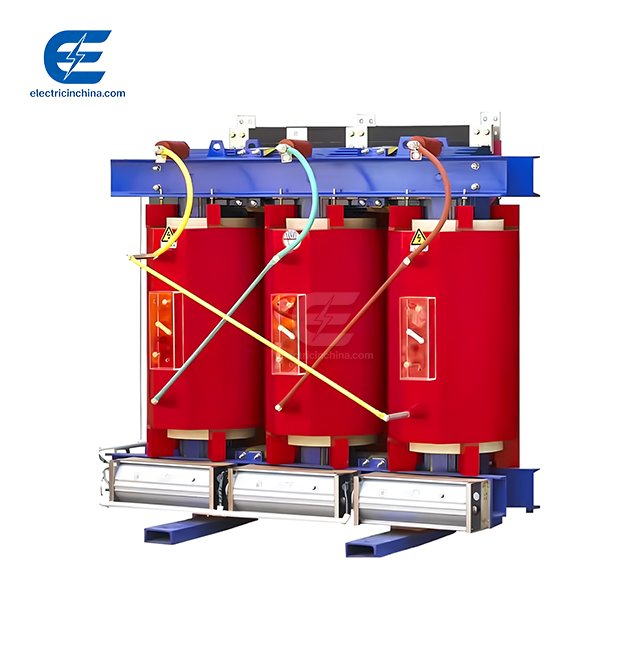
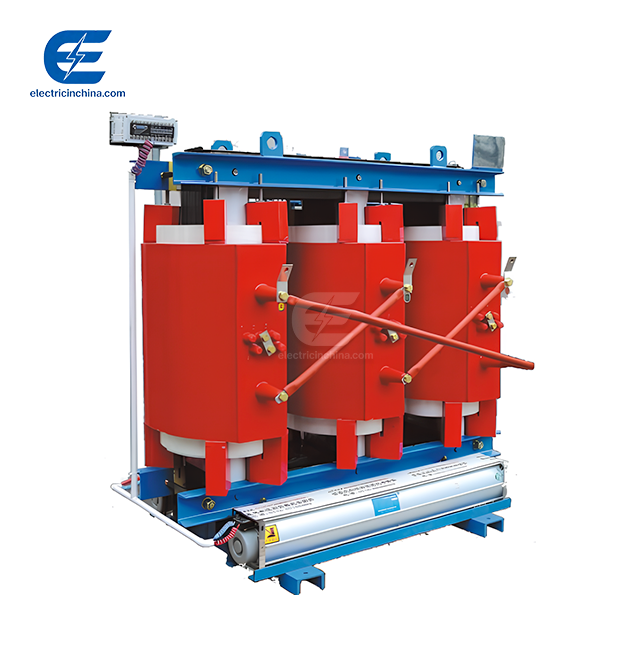
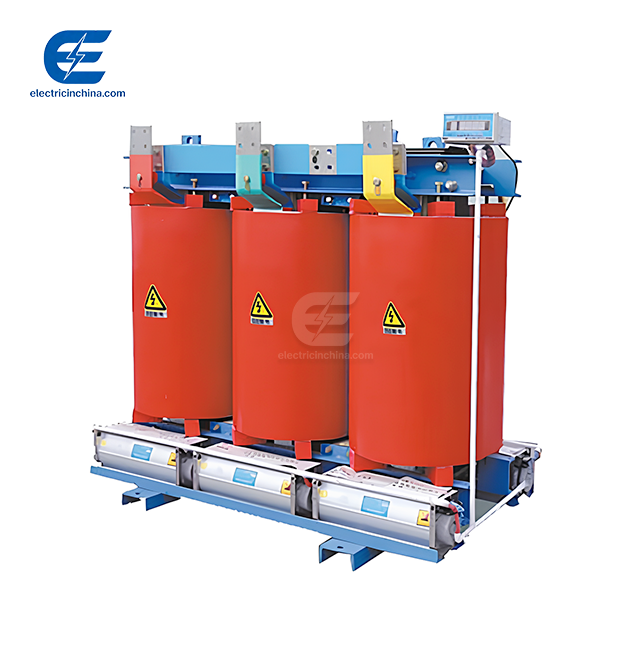
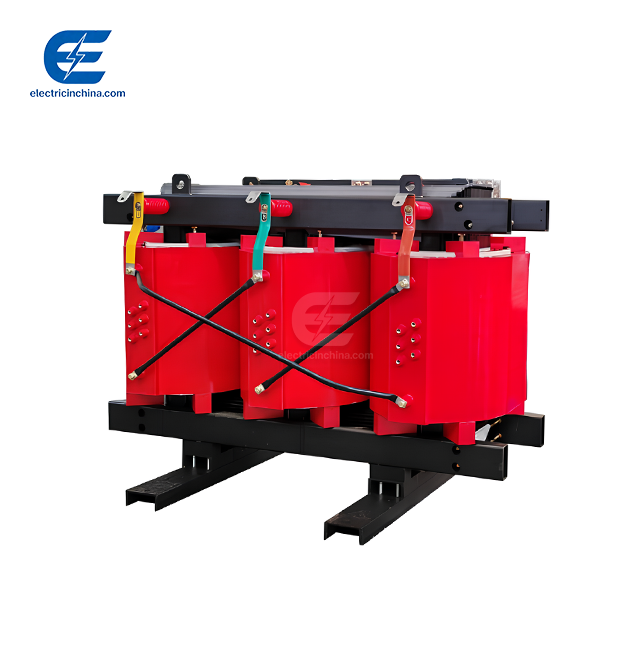
When planning large-scale solar setups, picking the right transformer technology will decide whether the project works well and doesn't need much upkeep. The SCB12 Cast Resin PV Transformer is a special kind of dry-type distribution transformer designed for photovoltaic uses. It has epoxy resin-encapsulated windings that keep fires from starting and make the transformer work for over 25 years without any upkeep. This advanced transformer series solves important problems that solar developers face, like making sure the panels are safe, lasting in harsh environments, and not costing too much to run in the long run. This makes it the best choice for large-scale solar farms, commercial rooftop installations, and government infrastructure projects in tough places.
Understanding the SCB12 Cast Resin PV Transformer
What Sets Cast Resin Technology Apart
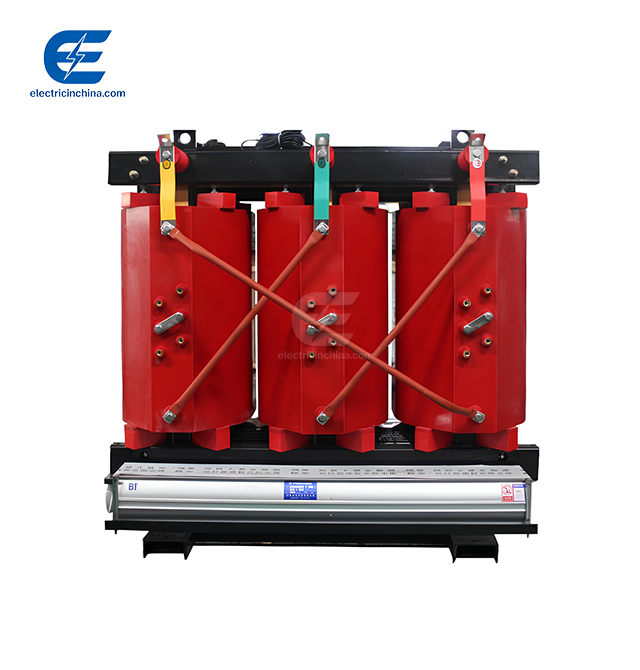
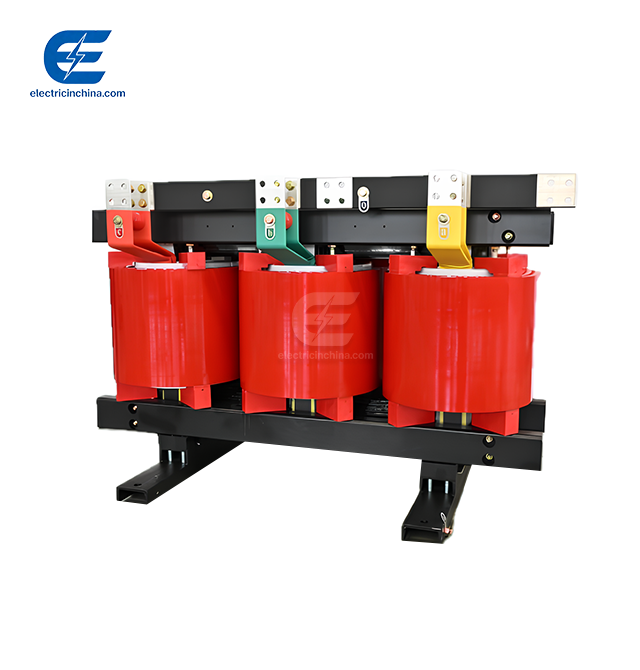
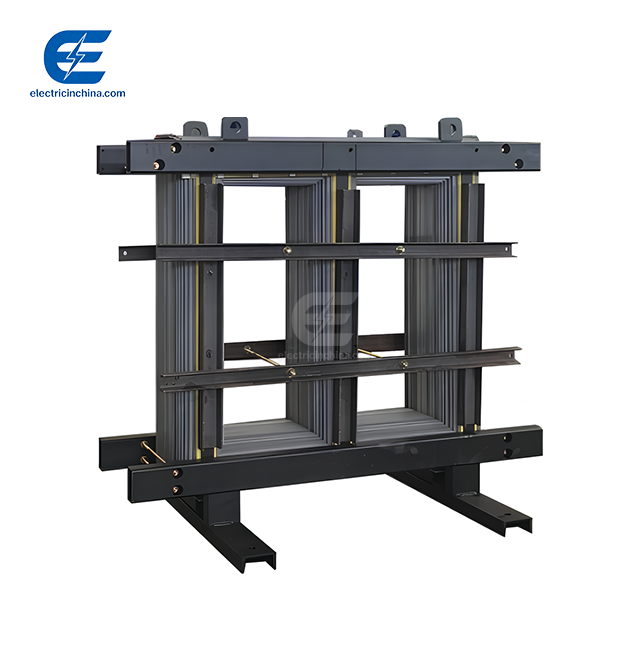
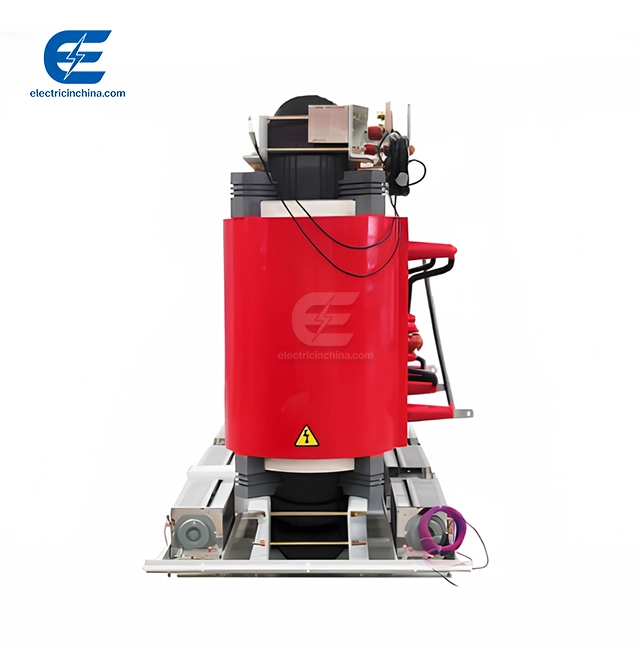
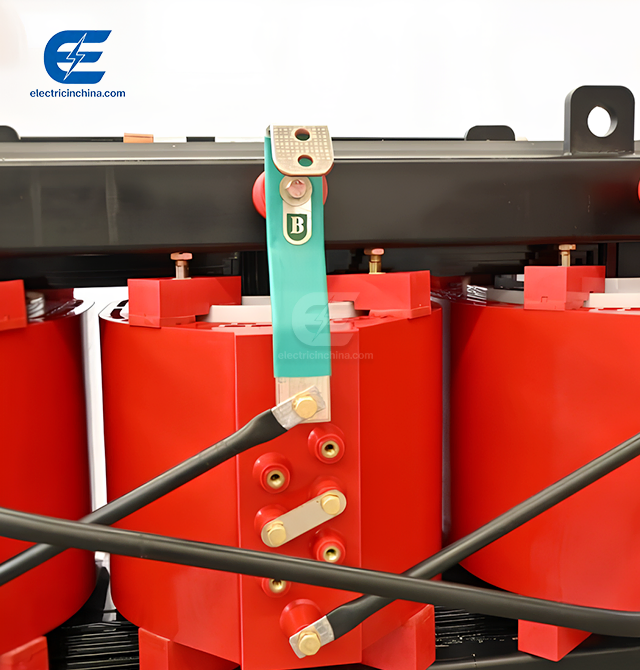
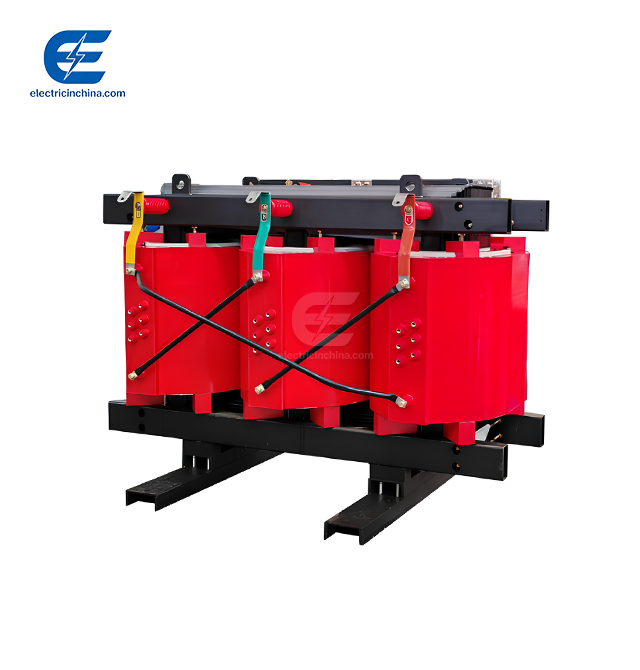
Oil-filled transformers from the past have risks that don't fit the needs of modern solar projects. Our SCB12 Cast Resin PV Transformer technology uses flame-resistant epoxy resin coating to get rid of all the fire risks that come with using dangerous dielectric fluids. This dry-type design means there are no worries about polluting the environment, and no cleanup needs to be done if equipment damage happens.
When compared to oil-immersed options, the small size cuts the room needed by 20 to 30 percent. When you're putting together a solar farm, every square metre counts. This means that you can save money on civil works and make installation easier. Our transformers are also very good at resisting moisture. They work well at 100% humidity without needing to be dried out after being turned off, which is very helpful for installations near water or in places with a lot of humidity.
Technical Specifications That Matter
Our SCB12 Cast Resin PV Transformers are made with power levels that range from 30KVA to 2500KVA, so they can be used in a wide range of situations, from small business setups to large solar farms. On the main side, voltage levels range from 10kV to 35kV, and according to GB/T 10228 standards, efficiency rates always go above 98.5%. This higher level of efficiency has a direct effect on the costs of your project by cutting down on energy waste and making the system work better overall.
The insulation system uses Class F/H materials that can work continuously at 155°C/180°C, and the partial discharge levels are kept below 10pC to make sure they will last for a long time. Impulse voltage withstand capability goes up to 200kV, which protects well against lightning strikes and switching surges that happen a lot in solar installations. These standards were made by our 15 senior engineers after a lot of testing and 18 patents. They make sure that your tools can handle the toughest working conditions.
Environmental Adaptability
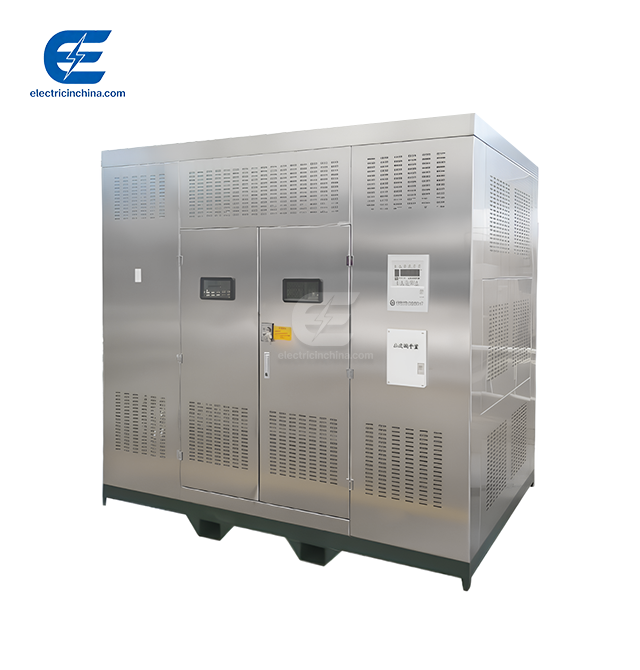
Solar projects often have to deal with harsh conditions that make normal tools work less well. Our transformers work successfully in temperatures ranging from -25°C to +40°C, and they come with protection ratings ranging from IP23 to IP54, based on the needs of the installation. The sealed epoxy resin construction keeps dust and water out, so the insulation stays in good shape even in places like the desert, where there are frequent sandstorms, or near the coast, where salt spray is common.
Benefits and Applications of SCB12 Cast Resin Transformers in Solar Projects
Safety Features You Can Depend On
When putting electrical equipment near homes or on building roofs, fire safety is still the most important thing to think about. Flame-retardant epoxy in the SCB12 Cast Resin PV Transformer form makes it self-extinguishing and won't spread fire. You don't need special fire control systems to place these transformers directly at load centers. This makes installation much easier and cheaper. Because of this lower danger, insurance companies often offer lower payment rates for projects that use dry-type transformer technology. This safety benefit is especially useful for placements on rooftops in cities, where strict fire safety rules are required by building codes.
Zero Maintenance Reduces Lifecycle Costs
Oil-filled transformers need to be serviced regularly by taking samples of the oil, filtering it, and checking the dielectric. These tasks take time and money over the life of the equipment. With our SCB12 Cast Resin PV Transformers, you don't have to pay for any of these ongoing costs. Your maintenance plan is now limited to visual checks, checking the pressure on connections, and thermographic scans every so often to keep an eye on thermal performance. Compared to oil-filled alternatives, this streamlined method cuts lifecycle costs by 40–60%, making the project's return on investment (ROI) much higher. The transformer is designed to last 25 years with little maintenance, so it will continue to pay for itself for a long time after it is installed.
Superior Performance Under Solar-Specific Conditions
Standard transformers have a hard time dealing with the unique operating difficulties that solar power brings. Cloud cover causes power changes that happen quickly and put stress on generator parts. Our system solves this problem by having a 150% overload capacity when forced air cooling is used. This keeps the grid connection stable even when there are sudden changes in irradiance. The improved short-circuit survival capability—tested to 25 times the rating current for 2 seconds—keeps your investment safe when the power goes out, and other systems fail.
Harmonic distortion is added to the power stream by modern PV inverters, which could cause traditional transformers to overheat and break down early. For inverter uses, we include K-factor values from K-4 to K-13, along with special core materials and winding setups that have been tested and proven to work according to IEEE C57.110 standards. This way of building makes sure that the system works well and doesn't break down because of harmonics or lose capability.
Key Application Environments
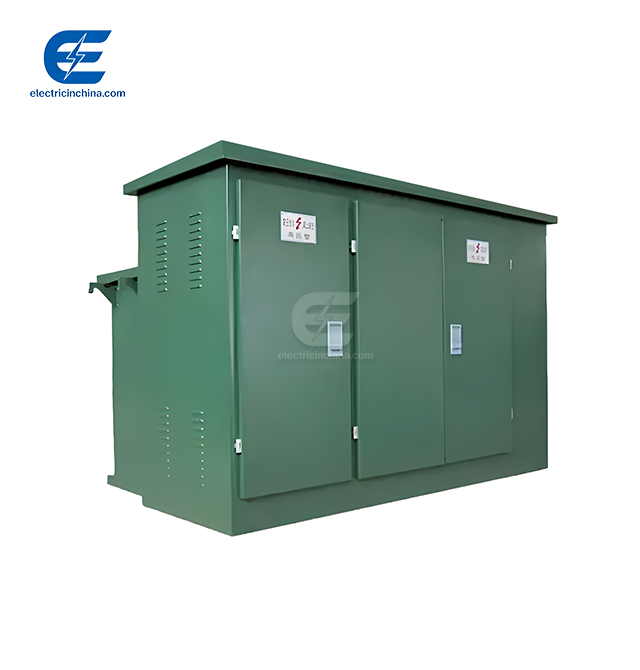
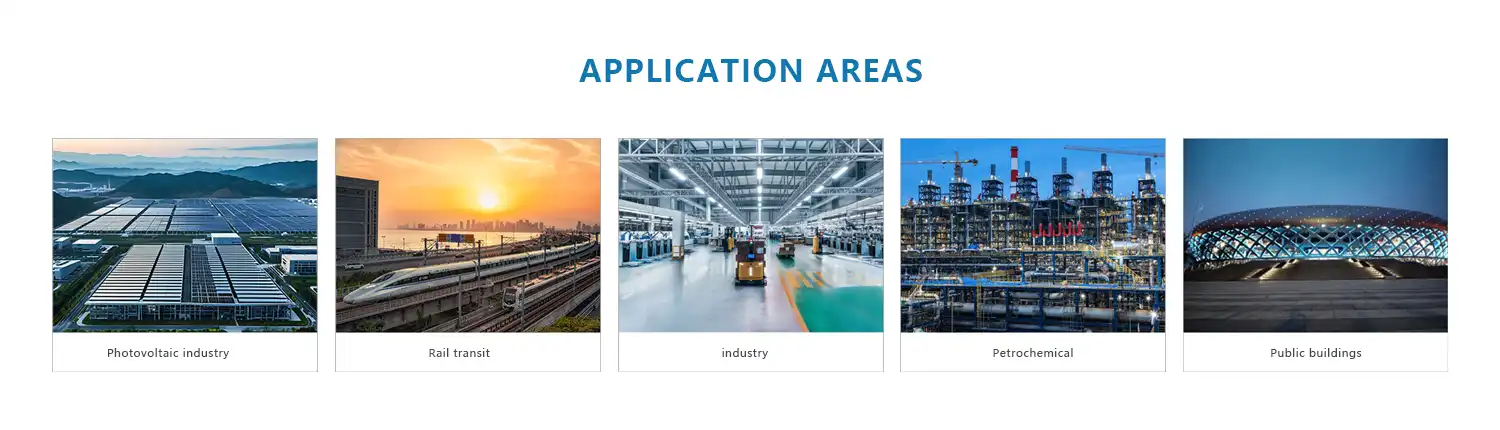
SCB12 Cast Resin PV Transformer technology is very helpful for utility-scale solar farms with 50MW to 500MW of power, especially in tough desert and coastal areas. The sealed construction keeps working well even in dust storms, salt spray, and big changes in temperature. It has been used successfully in sites in the Middle East deserts, Australia's bush, and the southwestern United States.
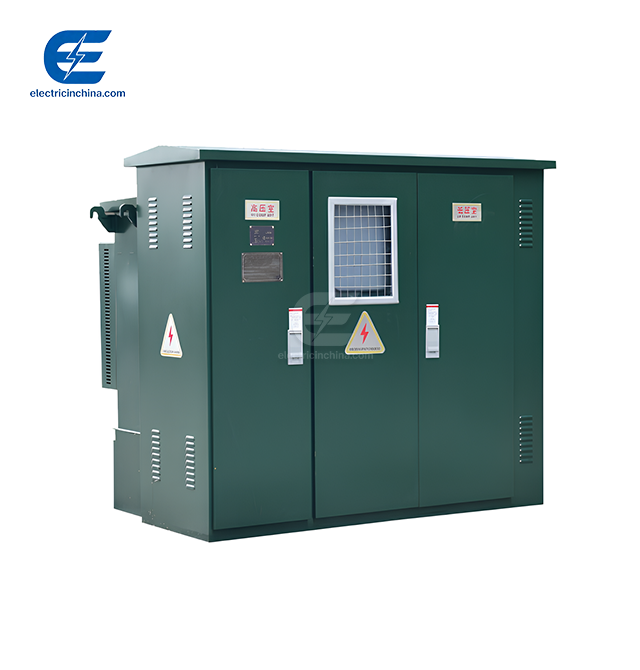
Building codes are very strict, and oil-filled generators are often not allowed in commercial and industrial rooftop systems on warehouses, shopping centers, and factories. Our small design makes the structure lighter while still following fire safety rules. This lets solar developers make the most of the rooftop space they have for power generation. The environmental safety profile is important for government building projects because it reduces the risk of dielectric fluid leakage polluting dirt and groundwater.
Floating solar panels on lakes and other bodies of water are a new use case where protecting the environment is very important. Our marine-grade covers are better at keeping out water and corrosion, so they can be used successfully in harsh settings. This helps the growing floatovoltaic sector in Asia-Pacific markets.
Comparing SCB12 Cast Resin Transformers with Other Transformer Types
Advantages Over Oil-Immersed Units
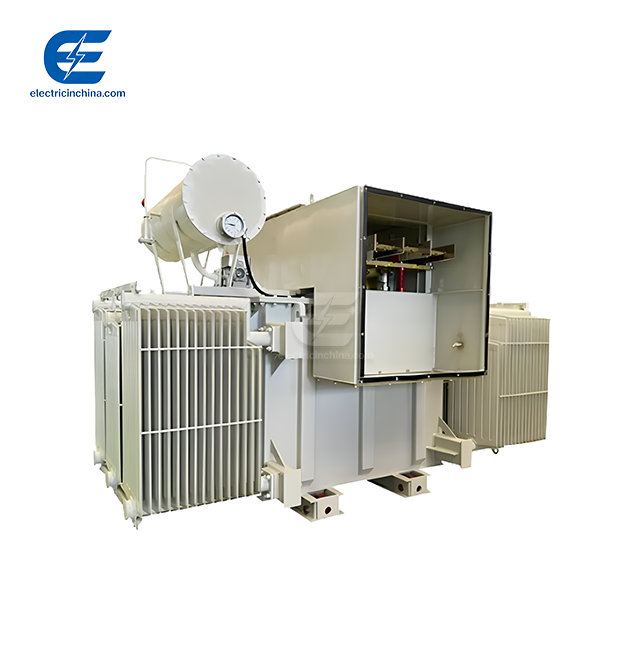
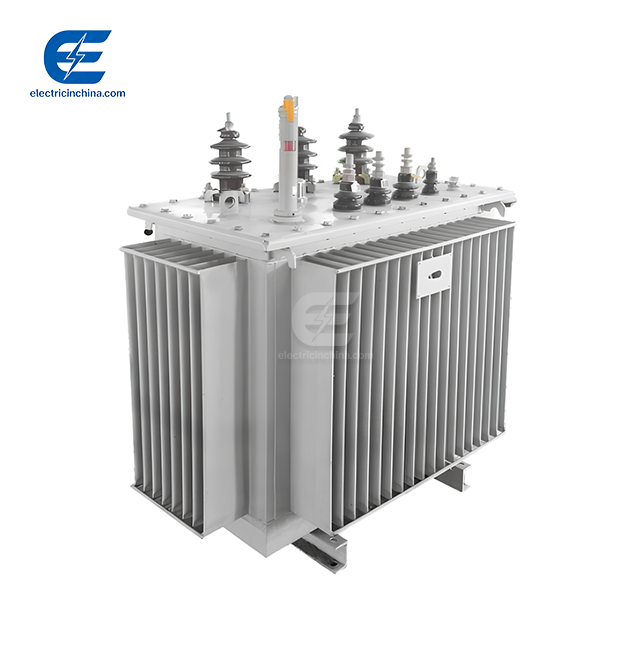
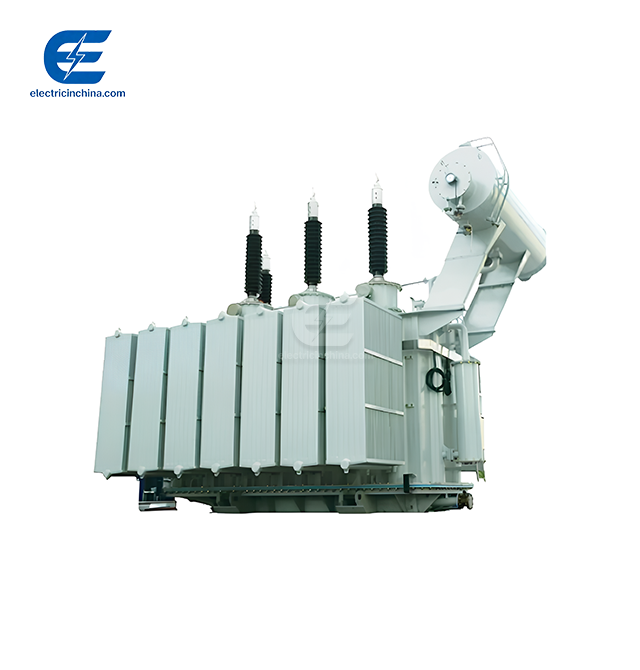
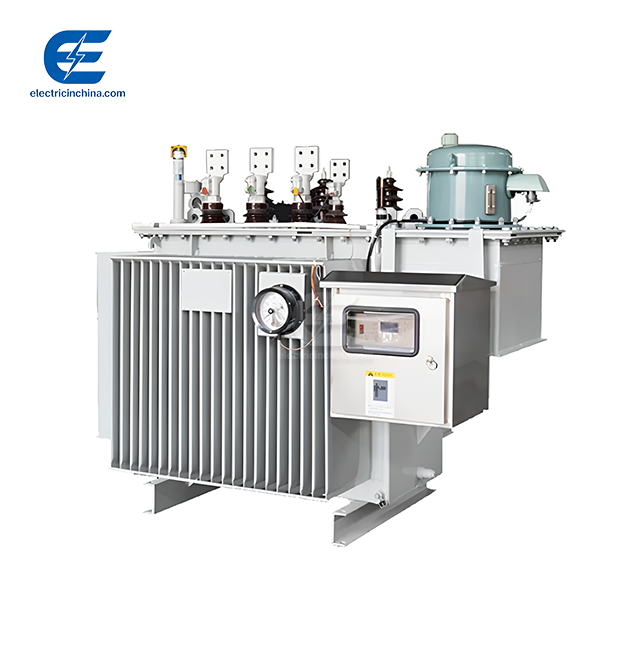
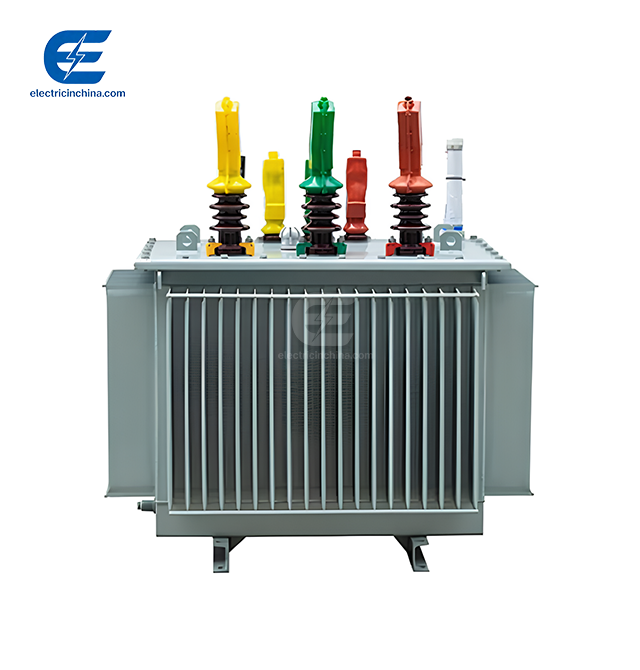
When looking at different transformer options, it's easy to see how safe and good for the environment dry-type technology is. Units that hold oil need storage systems, tools to find leaks, and emergency reaction plans in case of spills. These needs make your project more difficult and expensive, but SCB12 Cast Resin PV Transformers get rid of all of them.
Regular dielectric tests, dissolved gas analysis, and oil replacement are all part of the maintenance plan for oil-immersed transformers. These tasks need special tools and trained people. Our cast resin method gets rid of these ongoing operational problems, so your maintenance team can work on other parts of the system. Our units usually stay below 45dB of noise, while oil-cooled models often reach 55 to 60dB. This is important when sites are close to homes or other places that are sensitive to noise.
Performance Compared to Standard Dry-Type Designs
There are different forms for dry-type transformers, but our SCB12 Cast Resin PV Transformer technology is better for solar uses. When compared to open-ventilated dry-type units, the full epoxy encapsulation protects against external pollution better. This sealed design keeps dust from building up on the windings, which keeps the insulation's thermal performance and stops it from wearing down over time.
Our design for the windings makes the best use of load distribution to handle the fact that solar panels produce varied amounts of power. Epoxy resin construction has more thermal mass, which makes it better at handling short-term overloads. It can absorb peak loads during periods of high irradiance without causing the temperature to rise too much. This feature is especially useful in the summer, when cooling load needs are high and solar output is high.
Procurement Guide for SCB12 Cast Resin PV Transformers
Identifying Qualified Suppliers
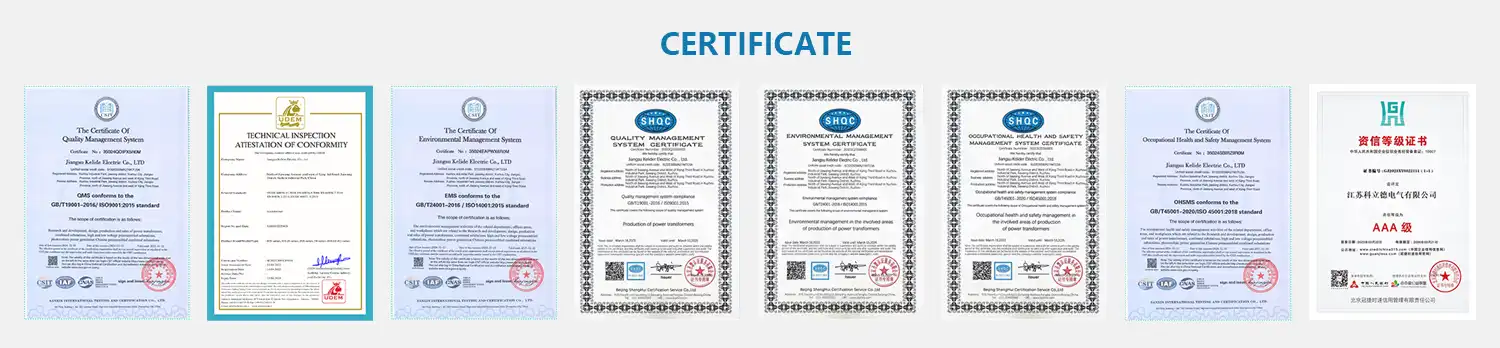
Picking the right transformer source is just as important to the success of a project as picking the right tools. Look for companies that have quality management systems that are written down and approved to ISO 9001 standards. This shows that their production processes are uniform and that they keep an eye on quality. Getting environmental certifications like ISO 14001 shows that a company is committed to using sustainable production methods that are in line with the goals of green energy projects.
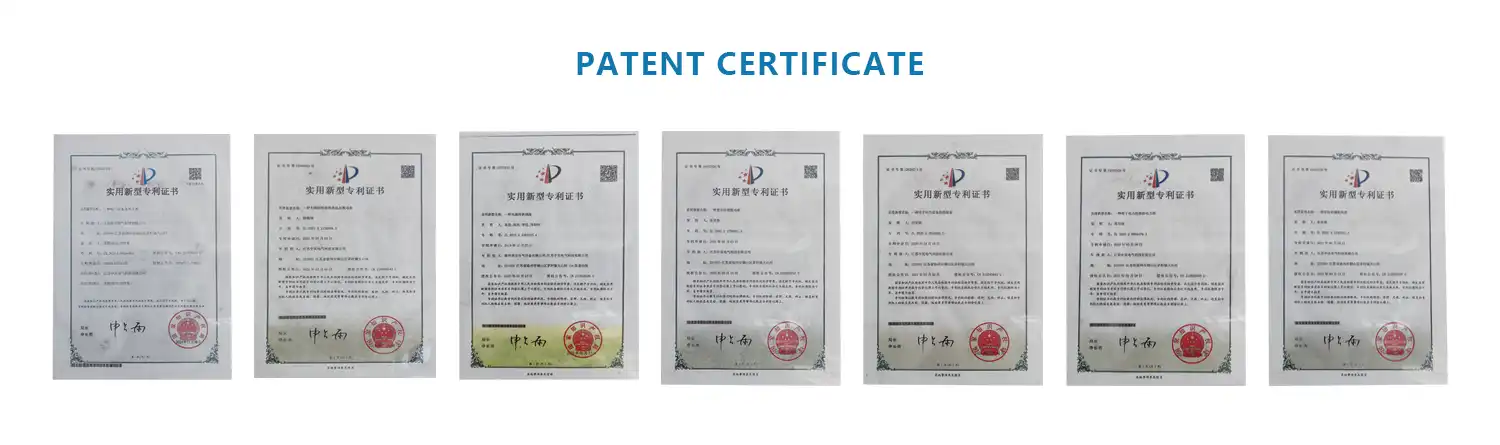
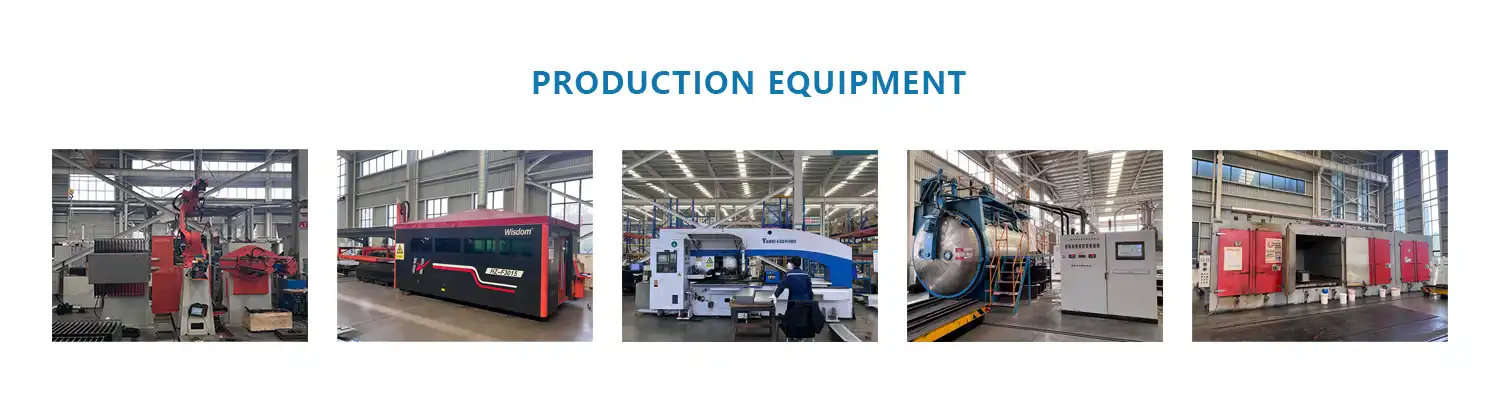
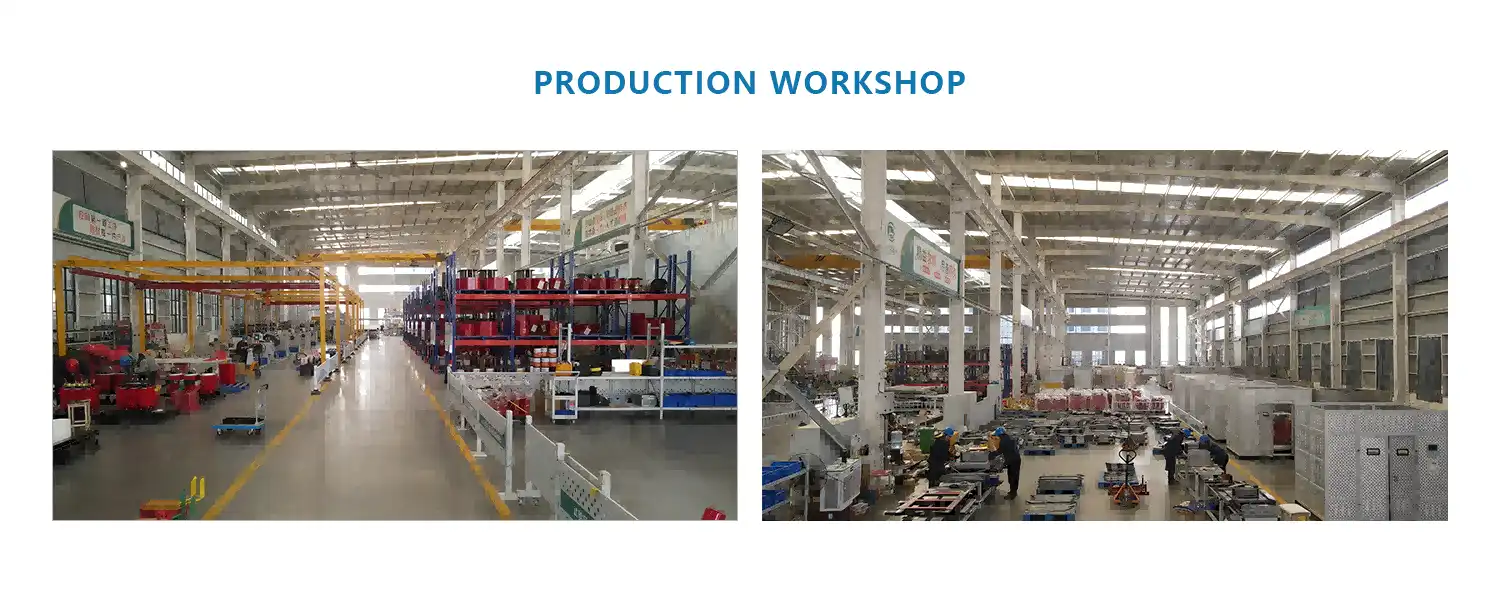
Make sure that any possible providers of the SCB12 Cast Resin PV Transformer have their own testing facilities where they can measure insulation resistance, do partial discharge tests, check for temperature rise, and validate impulse voltage withstand. Having access to type test reports from reputable labs like KEMA or CESI lets you check performance claims on your own. Our factory has more than 120 sets of high-tech production tools, such as CNC automatic winding machines, vacuum casting systems, and microcomputer-controlled gradient curing ovens. These tools allow for precise manufacturing control throughout the whole production process.
Understanding Pricing and Lead Times
The price of an SCB12 Cast Resin PV Transformer depends on its power level, voltage class, and the unique needs of your application. The range of capacities, from 30KVA to 2500KVA, allows for different project sizes and cost structures. Buying in bulk for big solar farms can often lead to lower prices, especially when the same specs are used at all of the installation sites.
Depending on the complexity of the specifications and the current production schedule, manufacturing lead times are usually between 8 and 12 weeks. Delivery times may be longer for projects that need custom voltage taps, special enclosure grades, or different ways to place the components. Getting involved with providers early on in the planning stages of a project helps make sure that the production schedule is correct, which prevents delays on the vital path. Our quality control system, which is ISO9001-certified, makes sure that deliveries happen on time by carefully planning production and keeping an eye on progress.
Evaluating Warranty and Support
Full warranty coverage shows that the manufacturer trusts the dependability of the SCB12 Cast Resin PV Transformer. Standard warranty terms usually last between two and three years and cover problems with the materials or the way they were made. For important applications that need extra protection, there may be options for extended warranties. In addition to the length of the warranty, you should also look at what it covers, such as on-site help, the availability of parts, and the promised reaction time.
For foreign projects, being able to provide technical help is very important. Make sure that your supplier gives you documentation, installation instructions, and help with commissioning in English. Our team of 15 senior engineers and more than 30 intermediate technicians provides full technical support for the entire lifecycle of an item, from developing the initial specifications to commissioning and improving its performance. We help our clients buy equipment that works well with what they already have, so we can offer combined solutions that make project completion easier.
Maintaining and Optimizing SCB12 Cast Resin PV Transformers
Routine Inspection Procedures
Setting up regular check times is the first step to doing good upkeep for the SCB12 Cast Resin PV Transformer. Visual checks should be done every three months to make sure that the cases are not physically damaged, that the cooling vents are clean, and that the electrical connections are secure. Every year, thermographic scans find hot spots before they can cause problems. Infrared imaging shows problems with link resistance and cooling systems.
Insulation resistance testing with a megohmmeter confirms the integrity of the insulation system; results regularly above 1000MΩ at 2.5kV indicate healthy circumstances. Checking the connection torque stops weak leads that cause resistance heating and possible failure points. Few pieces of specialised equipment are needed for these simple tasks, and facility maintenance staff don't need a lot of training to do them.
Optimizing Performance and Efficiency
The general economics of the system are affected by how efficient the SCB12 Cast Resin PV Transformer units are because they lose energy over time. Our 98.5% efficiency rate cuts down on these losses, but proper placement and use will still get the best results. Enough air flow around transformer enclosures keeps them cool and stops thermal derating, which lowers the capacity that can be used. Keeping cooling surfaces clean stops dust from building up and prevents heat from escaping.
Load tracking helps find ways of working that could be improved by upgrading or rearranging equipment. Solar generation patterns create unique loading traits that are different from traditional utility uses. For example, peak loads are concentrated during the day, and overnight loading is very low. By understanding these trends, you can get the best transformer size for your system.
Troubleshooting Common Issues
Despite a strong plan for the SCB12 Cast Resin PV Transformer, there may be practical problems from time to time. Noises or vibrations that don't seem normal are often a sign of connection or loose core laminations that need to be looked into. Higher temperatures than the nameplate values could mean that there are problems with the cooling system, that the system is overloaded beyond its nameplate capacity, or that the transformer is causing harmonic heating. Paying quick attention to these warning signs keeps small problems from getting worse and turning into expensive failures.
Partially discharged electricity found during testing means that the insulation system is breaking down and needs immediate attention. Our epoxy resin structure is better at stopping partial discharges than most insulation systems, but tracking is still necessary to find problems early. Protocols for regular testing find problems as they appear before they damage equipment or cause unplanned power outages.
Conclusion
Choosing the right transformer technology has a big effect on how well a solar project works, how safe it is, and how much it costs over its lifetime. SCB12 Cast Resin PV Transformers have a lot of benefits, including being safe to use around fire, being reliable without any maintenance, and lasting longer in harsh environments. In addition to these benefits, our line has great technical features that were made possible by 18 patents and a lot of experience in demanding uses. With a 25-year design life, 98.5% efficiency, and the ability to handle 150% overload, your solar investment will keep paying for itself over its entire working life. When the success of a project depends on how reliable the equipment is, working with experienced manufacturers who offer full technical support and tried-and-true quality systems is what makes the difference between average results and outstanding performance.
FAQ
1. What makes cast resin transformers specifically suitable for solar applications?
Solar systems come with their own problems, like sudden changes in power due to clouds, harmonic distortion from inverters, and often harsh weather in rural areas. These problems can be solved by SCB12 Cast Resin PV Transformers, which have better overload protection, higher K-factor ratings for handling harmonics, and sealed construction that keeps working even when there is dust, moisture, or extreme temperatures. The fire-safe operation makes it possible to put in places where oil-filled units would be dangerous to people or the environment.
2. How do operational costs compare with oil-filled alternatives?
Even though the initial costs of the equipment may be about the same, the long-term costs of SCB12 Cast Resin PV Transformer technology are much lower. Maintenance costs are cut by 40–60% over the life of the equipment when oil sampling, filtering, dielectric tests, and possibly fluid refill are not needed. The sealed design stops contamination-related failures that shorten the life of oil-filled transformers. Also, the higher efficiency cuts down on energy losses that add up to high costs over decades of use.
3. What delivery timeframes should solar developers expect?
Standard setups for the SCB12 Cast Resin PV Transformer usually take 8 to 12 weeks from the time the order is confirmed until it is delivered. This is to give time for planning production, making the product, checking its quality, and moving it around. Depending on how complicated they are, custom specs may make these deadlines longer. Including suppliers early on in the planning stages of a project ensures that the output schedule is correct, which stops delays on the key path. Our well-established quality management systems and wide range of equipment make sure that deliveries are always on time.
Partner with Tuojie for Your Solar Transformer Needs
Tuojie has been designing and making power distribution equipment for renewable energy projects around the world for more than 20 years. As a reliable SCB12 Cast Resin PV Transformer provider, we offer a wide range of support services and proven technical know-how that make buying easier for EPC contractors, business developers, and government infrastructure projects. Our ISO 9001, ISO 14001, and OHSAS 45001 certifications show that we are dedicated to quality, safety, and being good to the environment throughout all of our production processes.
We know that solar makers have a lot of needs. They need customised power solutions, fast delivery, and partnerships they can count on for a long time. With 15 top engineers on staff and a track record of success on hundreds of major power projects, such as major building developments and utility-scale installations, we can give you transformers that work better than you expected. You can email our technical sales team at tuojie@electricinchina.com to talk about the needs of your particular project, get full specs, or set up factory acceptance testing.
References
1. Institute of Electrical and Electronics Engineers. "IEEE Standard for Calculating the Effects of Harmonic Distortion on Transformers" IEEE C57.110-2018, 2018.
2. International Electrotechnical Commission. "Power Transformers - Part 11: Dry-type Transformers" IEC 60076-11:2018, Third Edition, 2018.
3. Zhang, Y., and Liu, M. "Performance Analysis of Cast Resin Dry-Type Transformers in Photovoltaic Power Generation Systems" Journal of Renewable Energy Systems, Vol. 45, No. 3, 2022, pp. 234-248.
4. National Electric Power Regulatory Commission. "Dry-Type Power Transformers Technical Specifications" GB/T 10228-2015, China Standards Press, 2015.
5. American Society for Testing and Materials. "Standard Practice for Operating Salt Spray (Fog) Apparatus" ASTM B117-19, ASTM International, 2019.
6. Rodriguez, P., and Chen, W. "Reliability Assessment of Dry-Type Distribution Transformers in Utility-Scale Solar Applications" IEEE Transactions on Power Delivery, Vol. 37, No. 2, 2022, pp. 892-901.