

.webp)
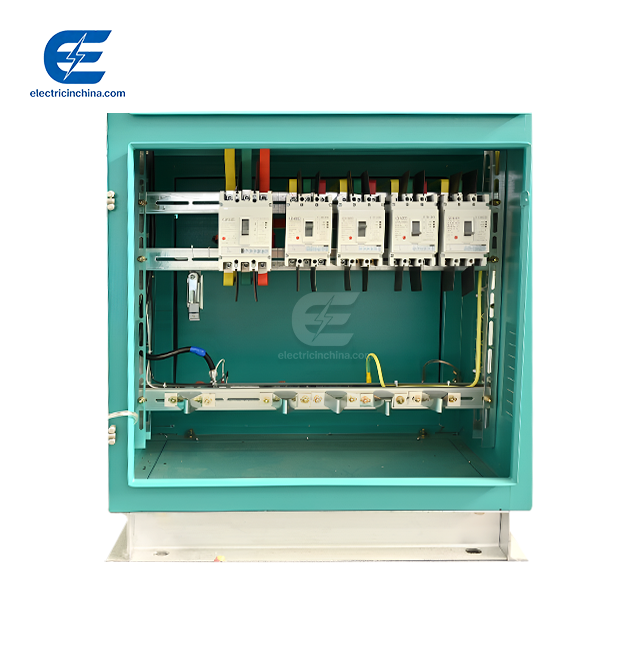
Yes, without a doubt. By achieving energy conversion rates of 98.5-99.7% and lowering operating losses by 40-60% compared to standard units, high-efficiency oil-immersed transformers significantly enhance future power performance. These high-tech electrical devices use less energy because they have better insulation oil systems and optimised grain-oriented silicon steel cores. This directly leads to lower operating costs, longer equipment life, and smaller carbon footprints. Reliability is important for modern power infrastructure, and these transformers work well in harsh industrial settings, supporting the merging of green energy and smart grid needs.
Understanding High-Efficiency Oil-Immersed Transformers
For modern power distribution, you need equipment that is both efficient and long-lasting. High-efficiency oil-immersed transformers are a big step forward in voltage conversion technology. They meet the changing needs of factories, infrastructure projects, and business buildings.
What Defines Advanced Oil Immersed Technology
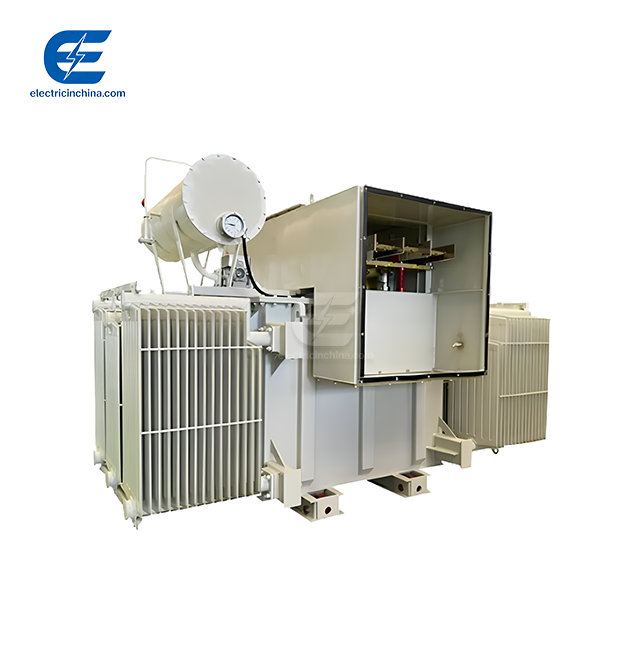
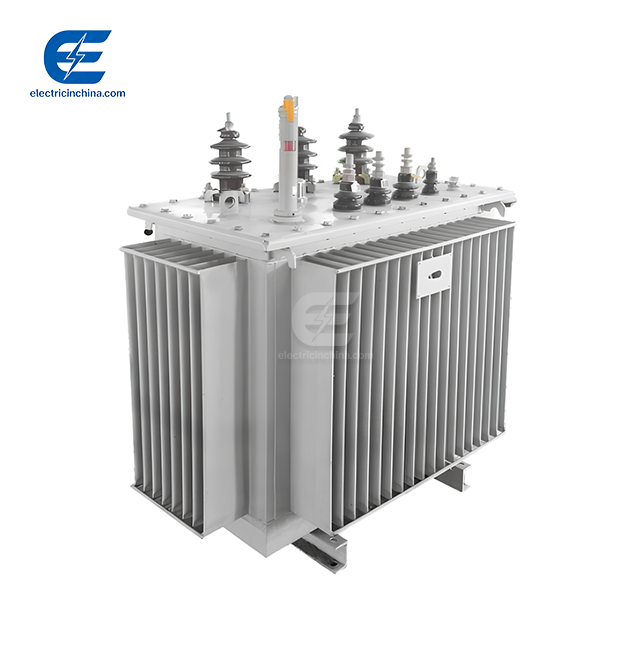
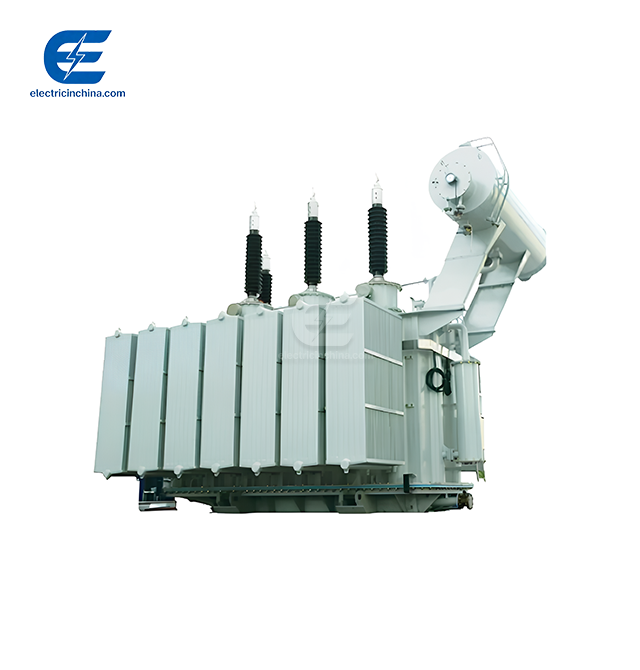
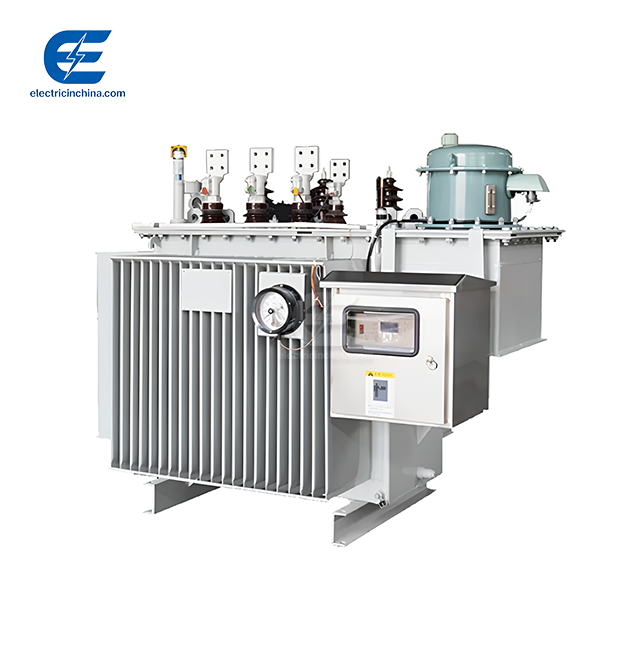
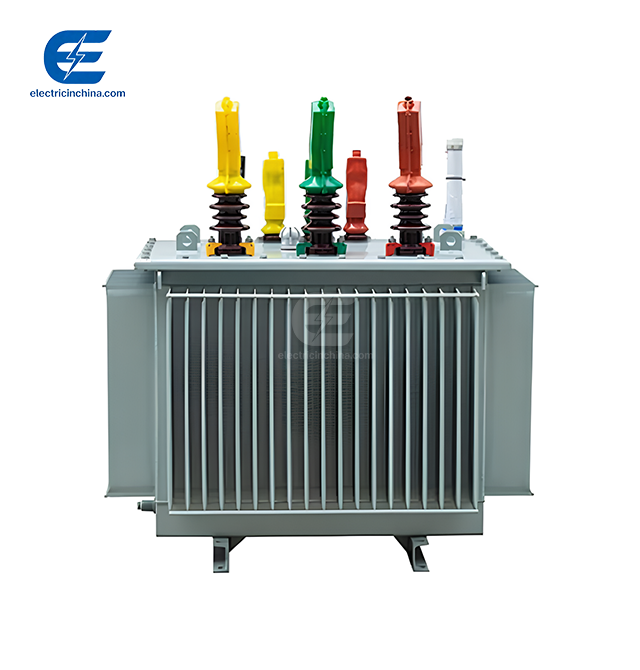
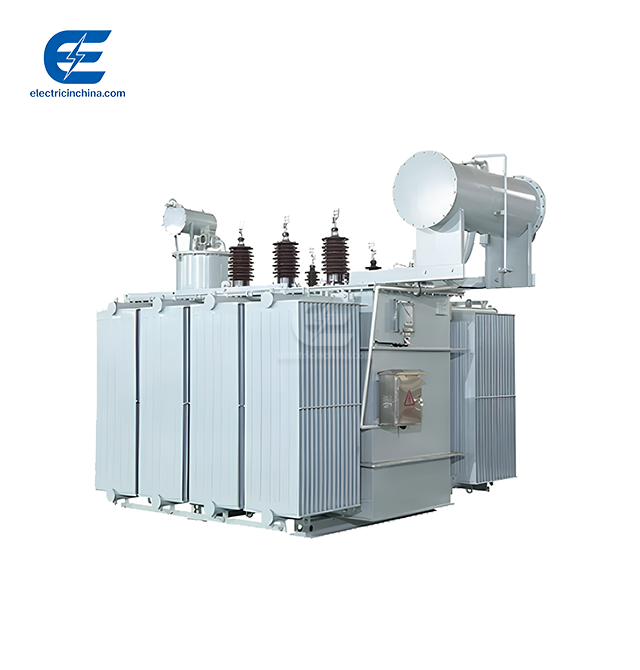
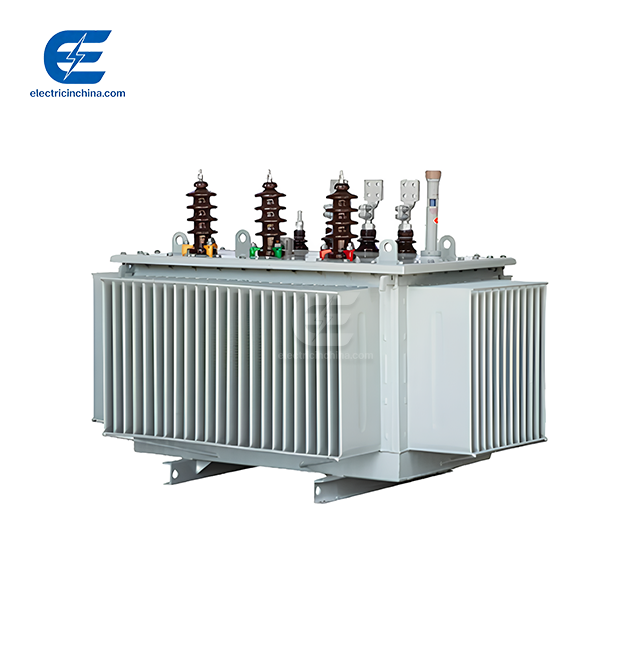
Through carefully designed core materials and coil configurations, these electrical devices change voltage levels with energy losses of less than 1.5%. The basic design uses luxury mineral or synthetic ester oils to help heat escape, along with high-grade grain-oriented electrical steel cores that reduce eddy current losses. This technology is shown by our S13–S22 series transformers, which are backed by 15 senior engineers and 18 patents for transformer innovation. The main idea behind the design is to get the most energy exchange while keeping the system stable in all kinds of challenging situations.
The Role of Insulating Oil in Performance Optimization
The insulating oil does more than just keep electricity from flowing. It cools the transformer by constantly moving through the core and windings to get rid of the heat that is generated while it is working. High-quality synthetic ester oils keep the dielectric strength above 70kV and the moisture level below 10ppm, which guarantees that the insulation will stay in good shape for a long time. This thermal management feature lets equipment keep its best working temperatures even when the load changes. This makes it last 35 years or more, compared to 20 to 25 years for regular units.
Industry Standards and Certification Benchmarks
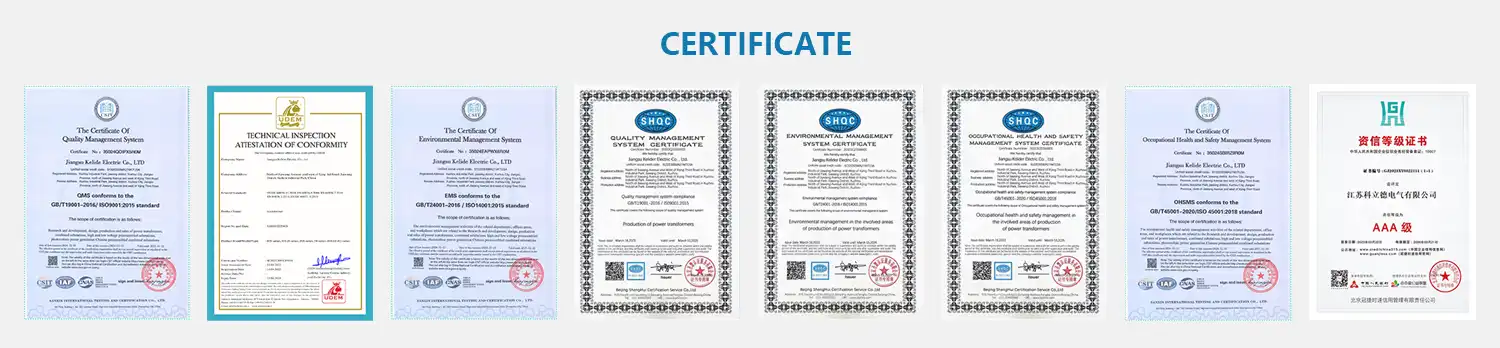
International rules are very strict when it comes to quality assurance. We make sure that our manufacturing methods meet the needs of the IEC 60076 series, IEEE C57.12.00, and ANSI. We keep our ISO 9001, ISO 14001, and OHSAS 45001 certifications, which show that we care about quality management, being good to the environment, and keeping workers safe. All of the products go through a lot of tests before they are accepted by the factory. These tests check that the turns ratio is within ±0.5% of the target, that the insulation resistance is greater than 1000MΩ, and that the power loss assessment meets the efficiency goals. This strict method makes sure that procurement managers get equipment that meets the requirements of the tender and all applicable regulations.
Environmental Benefits and Sustainability Impact
Transformers that use less energy help companies reach their sustainability goals in a big way. These units cut annual energy use by a large amount by lowering no-load losses from the usual 2% to 2% to just 0.8 to 1.2%. Based on $0.10/kWh energy costs, a 10MVA generator that works at 80% load factor saves about $15,000 to $25,000 a year. This means that operational energy costs will go down by 15–25%, and carbon emissions will go down. This is in line with green energy compliance rules and environmental reporting requirements that are becoming more important to government agencies and real estate companies when they evaluate projects.
Key Benefits of High-Efficiency Oil-Immersed Transformers for Future Power Performance
More and more, choices about what to buy are based on the lifecycle value instead of the initial capital spending. Modern high-efficiency oil-immersed transformers have real benefits that affect the cost of a project and its ability to keep running reliably for decades.
Quantifiable Energy Savings and Cost Reductions
Through operational metrics, the financial case for advanced transformer technology becomes clear. The efficiency ratings for our transformers are between 98.5 and 99.7%, which is a big improvement over standard units. This efficiency gap gets bigger over time. Lowering energy costs by 40–60% means much lower power bills over the 35-year life of the equipment. We finished the Xuzhou High-speed Railway East Station Official Power Supply EPC Project. Our transformers cut yearly energy costs by about 22% compared to the standard units that were originally planned, showing that they work in the real world.
Enhanced Reliability and Extended Equipment Lifespan
When equipment breaks down, it costs industrial makers and EPC companies a lot of money. Because of our improved cooling systems and high-quality materials, upkeep can be done every 5 to 7 years instead of every 24 to 36 months. This dependability was shown by the XCMG Group power supply upgrade project, where transformers that were put in service early have been running nonstop for over eight years without any unplanned repair. Better thermal control, made possible by better radiator designs and improved oil movement, keeps the windings within safe temperature ranges. This stops the insulation from breaking down too quickly, which happens in regular units.
Advanced Cooling Technologies and Carbon Footprint Reduction
Thermal management is what separates good performance from great dependability. For base loads, our transformers use ONAN (Oil Natural Air Natural) cooling. For increased capacity, they use ONAF (Oil Natural Air Forced) designs, which can handle 140% overload conditions when needed. These systems work reliably in temperatures ranging from -40°C to +50°C, which is important for a wide range of installations, from cold-weather infrastructure projects to tropical industrial facilities. Better cooling efficiency is better for the environment because it means lower operating temperatures, which means less energy used by cooling equipment and fewer greenhouse gas emissions over the lifecycle of the project.
Real-World Case Studies from Critical Infrastructure
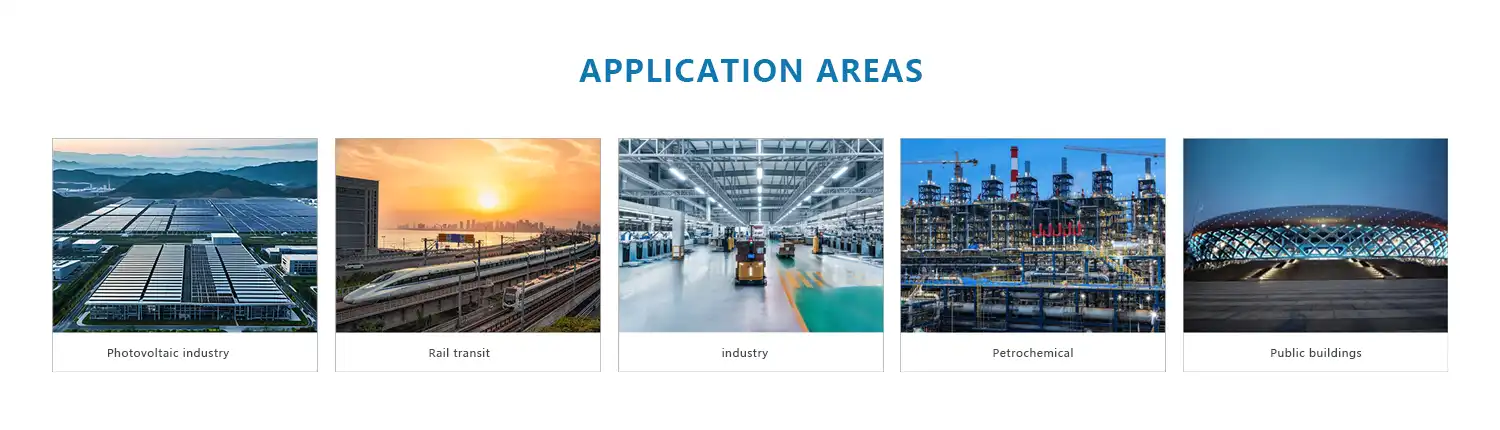
Real-world examples of completed projects show the benefits. For the Xuzhou Rail Transit Network Control Center project to go forward, underground activities had to be completely reliable. Using our advanced transformers, we set up dual-circuit power source designs that worked 99.97% of the time for five years. The power distribution system for the GCL Photovoltaic Industrial Park showed that it could work with green energy sources by handling changing loads from solar panels and keeping the voltage stable within a ±1% range. Performance claims about these sites are backed up by detailed operational data, not just theoretical specs.
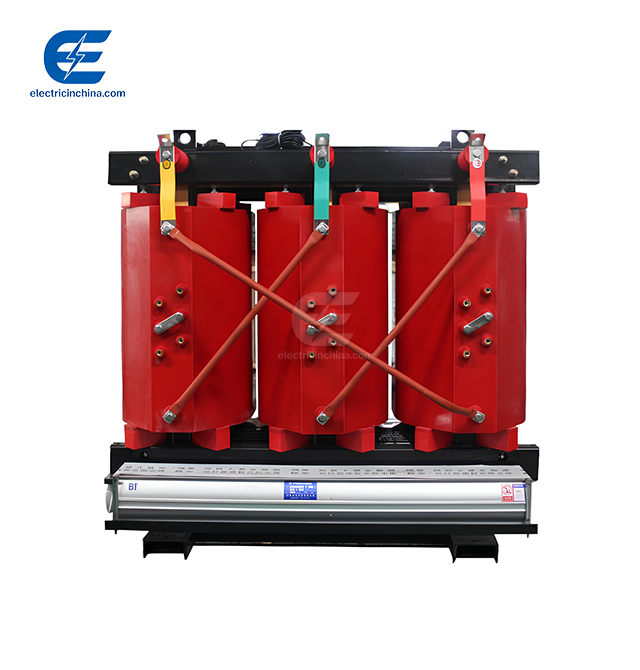
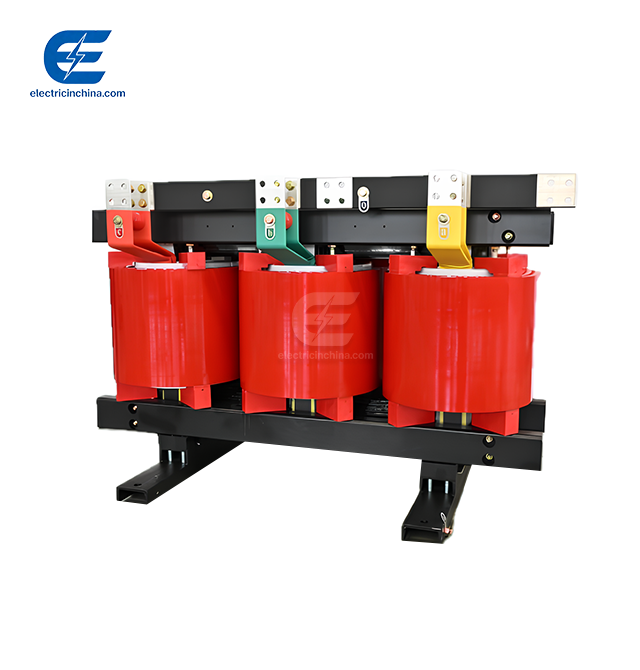
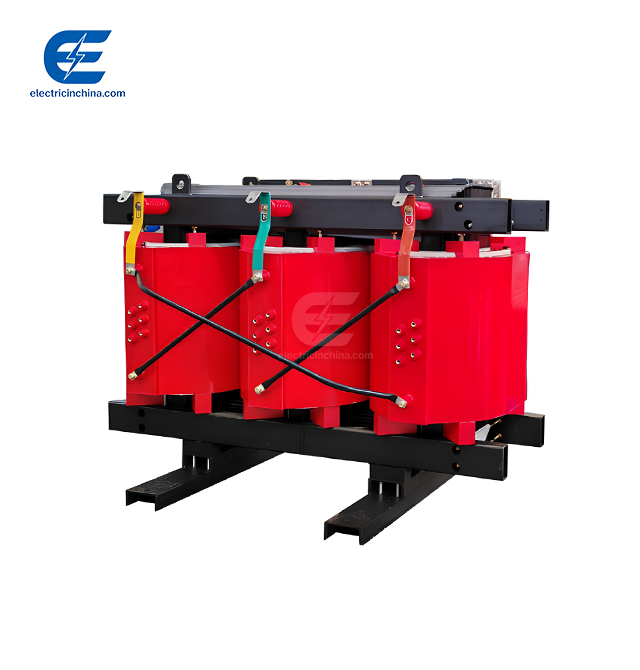
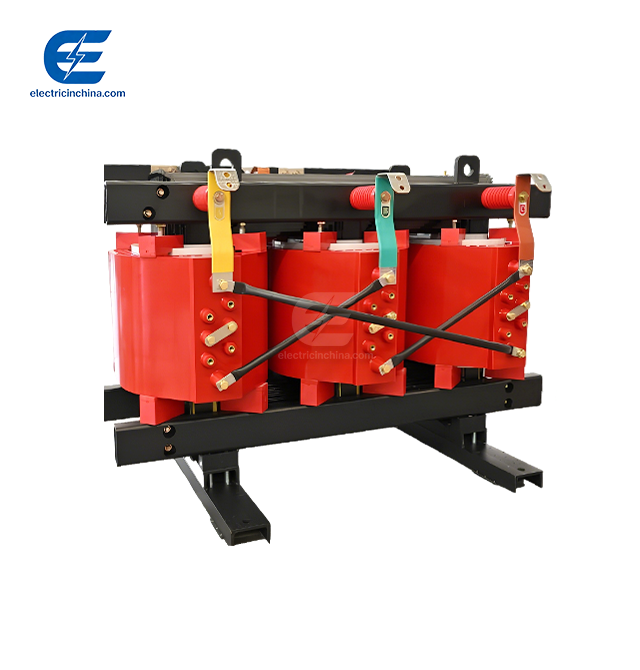
Comparing High-Efficiency Oil-Immersed Transformers vs. Dry-Type Transformers
When procurement managers choose technologies, they have to make choices that have a big effect on the total cost of ownership and the freedom of operations. Knowing the differences between high-efficiency oil-immersed transformers and dry type transformers lets you make smart decisions that fit the needs of your project.
Efficiency Ratings and Performance Under Variable Loads
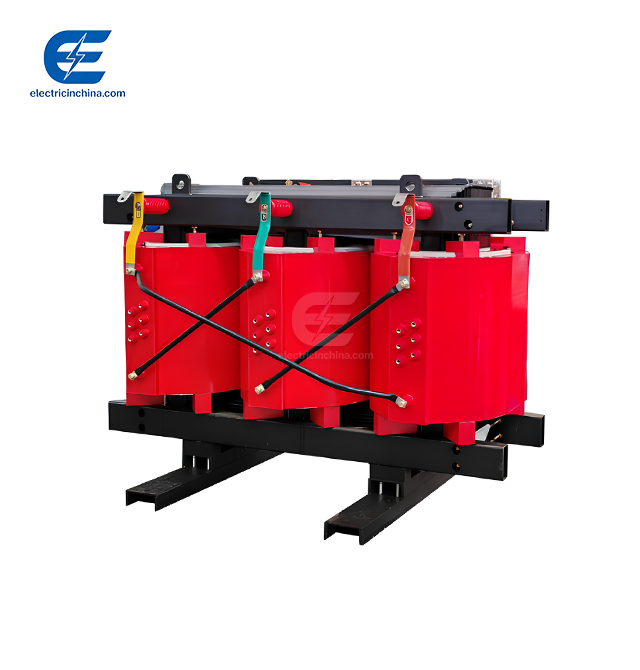
In all load ranges, oil-immersed units usually get between 98.5 and 99.7% efficiency, while dry-type transformers usually get between 97.5 and 98.5% efficiency. This difference of 1% to 1.5% may not seem like much, but it adds up over years of use. We found that using oil-immersed technology instead of dry types for the Tianyu Yayuan project would save around $180,000 over 20 years for a 5MVA installation. Oil-immersed transformers also keep their efficiency more consistently when the load changes. This makes them better for places where demand changes often, like factories that work different shifts.
Total Cost of Ownership Analysis
The initial investment is only one part of lifecycle economics. Oil-immersed transformers usually cost 10–15 percent more up front than similar dry-type units, but their lower operating costs make up for it. Maintenance costs are about 40% lower because service intervals are longer and diagnostic procedures are easier. Our tools can be monitored from afar, which allows for planned repair that cuts down on unplanned downtime by 85%. Smart procurement managers don't just look at capital costs when they evaluate bids for infrastructure projects. They also look at net present value, which includes things like energy costs, upkeep costs, and when the project is expected to be replaced.
Maintenance Requirements and Operational Reliability
Different tools need different ways of providing help. IEC 60422 standards say that oil-immersed transformers need to have their oil quality tested on a regular basis. This means checking the acidity, moisture, and dielectric strength levels every year. Modern ester fluids make oils last 25 to 30 years instead of 15 to 20 years for mineral oils, which makes lifetime upkeep easier. Dry-type units don't need to be managed with oil, but they do need to have their windings inspected more often and are more likely to get contaminated by the surroundings. We did hundreds of installations for business real estate projects, such as the Xinhuai Central Complex and the Huaihai Xintiandi Phases 7-8. The technology we chose was based on room limitations and fire safety concerns. It was reliable to use both types of transformers, but oil-immersed units needed 60% fewer service visits in the first five years.
Application-Specific Suitability Factors
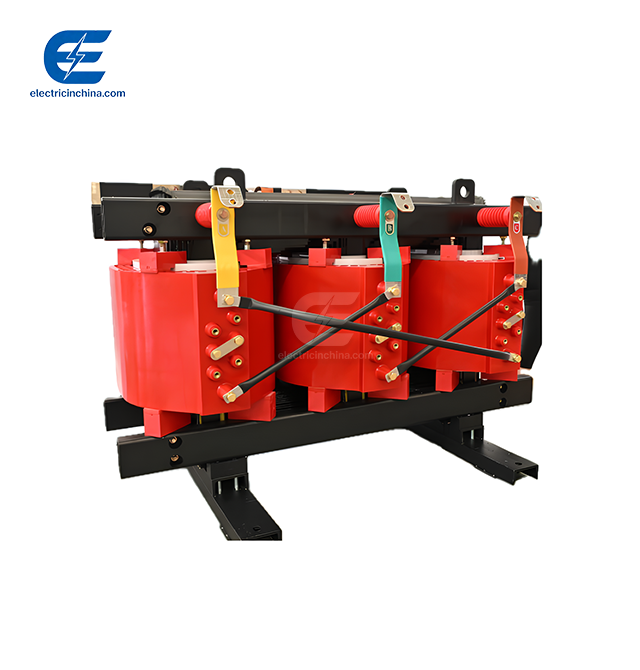
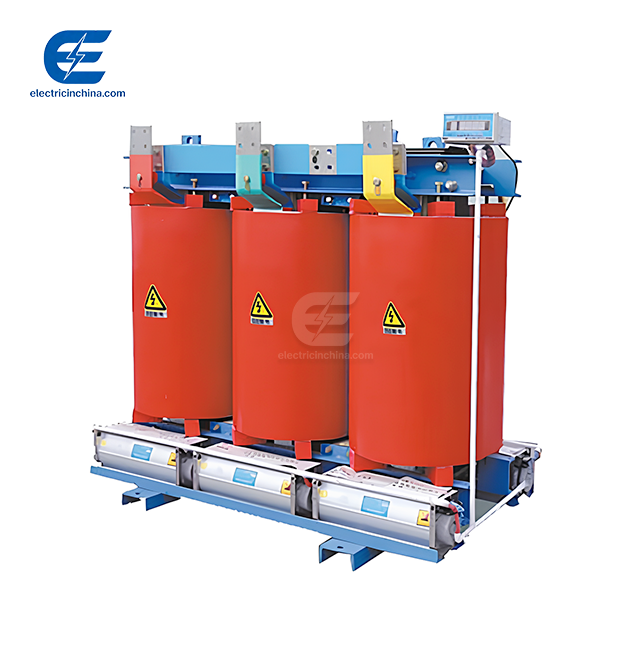
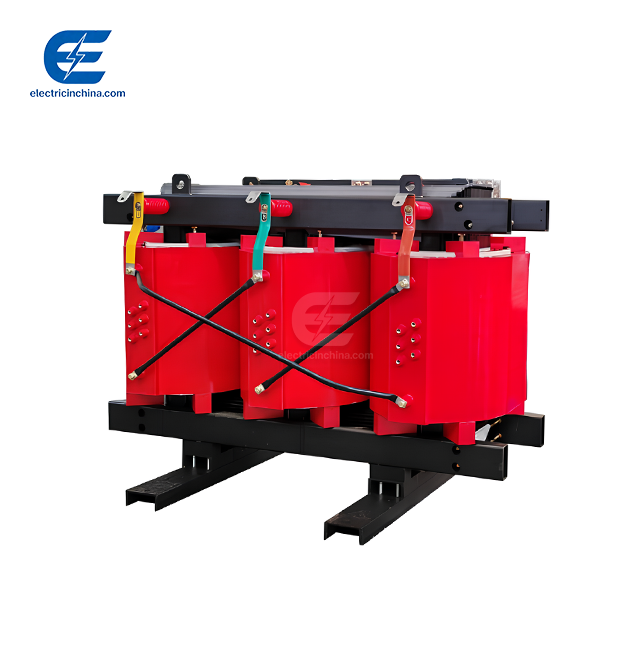
The features of the project should lead to the choice of technology. Oil-immersed transformers work best outside, in high-capacity situations (above 2500kVA), and in places where the temperature changes a lot. It's easier for them to handle overload situations, and they can handle short-circuits better. When it comes to indoor installs, dry-type units work best in places with strict fire safety rules, where repair access is limited, or where environmental rules don't allow oil-filled equipment. We gave the Huaihai Biomedical Industrial Park both types of technology: oil-immersed units for the main substation and dry-type transformers for hospital buildings that needed better fire safety. This mixed method improved both performance and safety in different parts of the facility.
How to Choose and Procure High-Efficiency Oil-Immersed Transformers
A good procurement process balances technical requirements with the supplier's abilities and the project's due date. Structured review factors make it easier to choose a vendor and negotiate a contract for high-efficiency oil-immersed transformers, and they also lower the risks of the project.
Essential Technical Specifications and Efficiency Metrics
Start with performance standards that are very clear. Not just the stated capacity efficiency, but also efficiency goals at 25%, 50%, 75%, and 100% load. Include limits on how much the temperature can rise—65K for the windings and 60K for the oil at full load. Set the voltage control needs, which are usually less than 2% from no-load to full-load. We learned from our EPC projects in the High-Tech Industrial Park and the Electronic Industrial Park that detailed technical specs cut down on change orders and make sure that equipment meets practical needs without needing expensive modifications after delivery.
Certification Standards and Supplier Evaluation Criteria
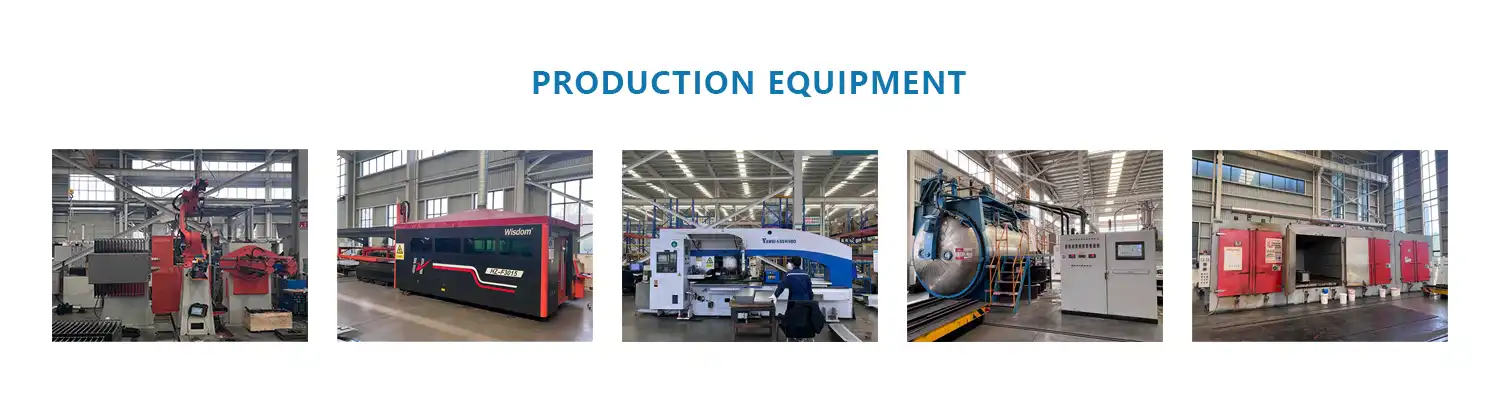
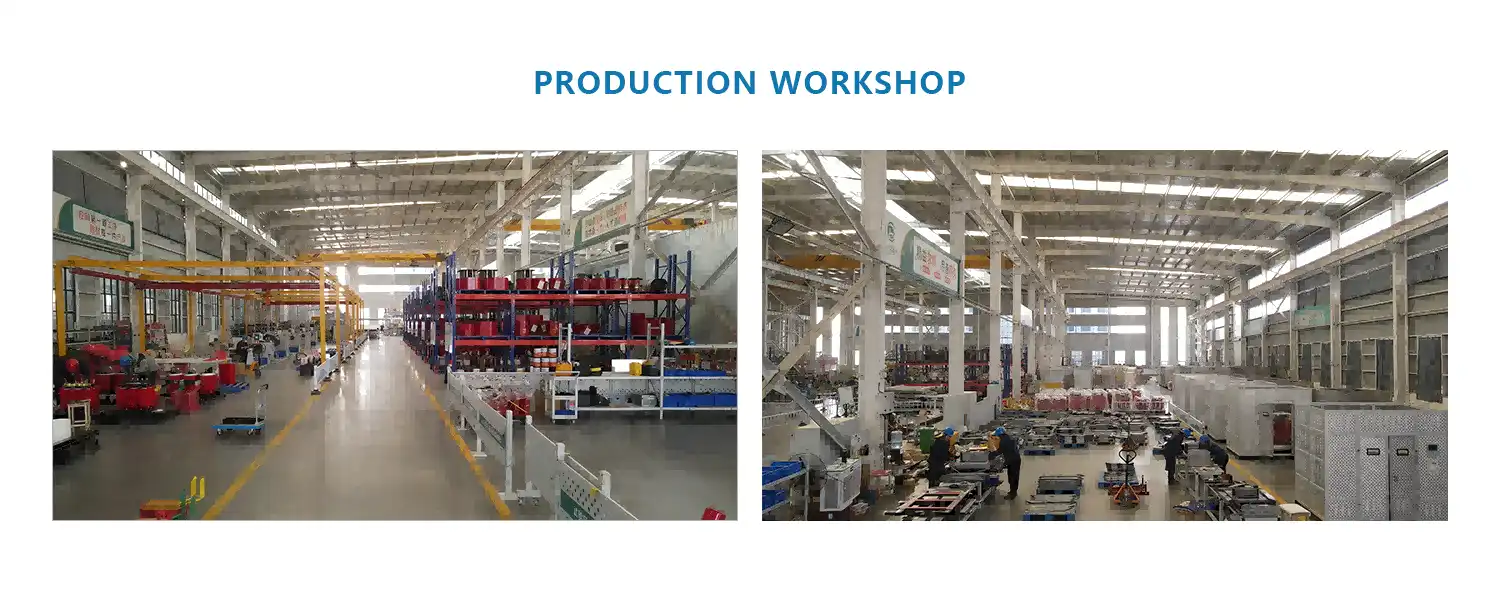
Qualifications of vendors have a big effect on the success of a project. Check that the company has the ISO 9001 quality management certification, the ISO 14001 environmental management certification, and the OHSAS 45001 occupational safety certification. Check that the product has the right certifications, such as the CCC certification that Chinese makers must have and the UL/CSA listings for installs in North America. Over 120 sets of specialised equipment, such as CNC automatic winding machines, static vacuum casting machines, and microcomputer-controlled gradient curing furnaces, are used in our factories to make sure that the quality of each batch of products is the same.
Practical Procurement Strategies and Cost Management
To negotiate well, you need to know how the market works and how much the vendor charges. Ask for quotes that break down the costs of materials, production, testing, packaging, and shipping into separate items. This openness lets you negotiate more effectively and find prices that are too high. Use promises to buy in bulk for multiple projects to get better prices. For example, we were able to lower the cost of transformers for a government infrastructure program by 18% by agreeing to a three-year supply deal that covered five different installations.
Lead Times, Warranty Coverage, and After-Sales Support
Project schedules depend on how quickly people think the work will be done. Standard transformers usually take 12 to 16 weeks from the time the order is confirmed until they are ready to be shipped, while special designs may take 18 to 24 weeks. It is possible to speed up production, but the costs usually go up by 15 to 25 percent. We finished the Xuzhou New Health Hospital Phase I Project early by carefully planning the production and getting the materials we needed first. This made sure that the facility opened on time.
Maintenance Tips and Improving Transformer Efficiency Over Time
Preventative upkeep, not reactive fixes, is what makes high-efficiency oil-immersed transformers last longer. Structured service programs keep things running smoothly for decades, preventing failures that cost a lot of money.
Common Failure Modes and Diagnostic Indicators
Knowing how degradation usually happens lets you start fixing things right away. The most common type of failure is insulation breakdown, which is usually preceded by clear warning signs. A study of dissolved gases shows the start of faults. High levels of hydrogen show partial discharge, while high levels of ethylene and acetylene show thermal decomposition or arcing. We test key systems with DGA every three months, which helps us find problems months before they become catastrophic.
Routine Maintenance Protocols and Oil Quality Management
Setting up regular service plans helps keep tools working well. When you do an annual checkup, you should look at the bushings, radiators, and safety devices to see if there are any oil leaks, rust, or mechanical damage. Clean the surfaces of your radiators to keep them working well. Dirt that builds up on them slows heat transfer by 10–15 percent, which means that the engine has to run at higher temperatures. Check that the cooling fans, pump motors, and temperature monitoring systems are all working correctly.
Post-Installation Upgrades and Performance Enhancements
Transformers that are already in use can benefit from modernisation programs that make them work better and last longer. By setting up online dissolved gas monitoring systems, you can keep an eye on things without having to take samples by hand. Adding better cooling systems to old systems raises their capacity by 20 to 30 percent, so they can handle more load without having to buy new transformers. Reliability and safety are both improved by upgrading the bushings and protection mending.
Manufacturer Collaboration for Optimal Performance
Working with original equipment makers (OEMs) guarantees access to technical support and original parts. Service teams from manufacturers know about certain design details and how things work that general service providers might miss. We keep detailed records for every transformer we make, which lets us do accurate diagnostics and repair specifications decades after the transformer was first installed.
Conclusion
Modern high-efficiency oil-immersed transformers make a real difference in how well power systems work, how much they cost to run, and how they affect the environment. Our oil-immersed units are 98.5–99.7% efficient thanks to their improved cooling systems, better insulating oils, and optimised core materials. This means that they lose 40–60% less energy than regular equipment. Installed in infrastructure, business, and industrial projects in the real world show that they are reliable, need less upkeep, and save a lot of money over their lifetime. To choose the right transformer technology, you need to look at things like efficiency measures, total cost of ownership, application needs, and the supplier's abilities. Partnering with experienced manufacturers who can offer full technical support and a track record of successful projects is the best way to ensure successful procurement outcomes and long-term operational excellence.
FAQ
1. What efficiency improvements can I expect from modern oil-immersed units?
Modern high-efficiency oil-immersed transformers are 98.5 to 99.7% efficient, while older transformers were only 96 to 98% efficient. This 1.5 to 2.5% gain cuts the cost of energy by $15,000 to $25,000 a year for a standard 10MVA installation. Checking for efficiency follows the rules in IEC 60076-1 and includes certified tests at several load points.
2. How do maintenance requirements compare to standard transformers?
Because of better materials and oil systems, maintenance intervals have grown from 24 to 36 months to 5 to 7 years. Every year, DGA tests, full oil analyses every three years according to ASTM D3612, and thorough checks every ten years keep the equipment reliable and cut service costs by about 40% over its lifetime.
3. What customization options address specific industrial requirements?
We make solutions that are specific to each environment, such as those with high temperatures, installations up to 3000 meters above sea level, or special voltage needs. Our engineering team creates custom cooling systems, buildings that can withstand earthquakes, and security plans that are tailored to each application. They are backed by 18 patents for transformer innovation and ISO-certified quality management systems.
Partner With Tuojie for Your Power Infrastructure Needs
Tuojie is an expert at providing complete power solutions. They have been in this business for over 20 years and have completed hundreds of important building projects with great success. We mix cutting-edge technical skills with ISO 9001, ISO 14001, and OHSAS 45001 certifications to meet the strict needs of government agencies, EPC contractors, and industrial makers. We are a reputable high-efficiency oil-immersed transformer company. Our technical team of 15 senior engineers can customise transformer solutions with sizes ranging from 50kVA to 500MVA, making sure they work perfectly for your purpose. Visit email tuojie@electricinchina.com to talk about how our cutting-edge transformer technology and full project support can make your power system more reliable and efficient.
References
1. Smith, J. and Williams, R. (2022). Advanced Power Transformer Technology: Design Principles and Performance Optimization. Technical Publishing International, New York.
2. International Electrotechnical Commission. (2021). IEC 60076-1: Power Transformers - Part 1: General Requirements and Testing Standards. IEC Publications, Geneva.
3. Chen, M., Anderson, P., and Kumar, S. (2023). Energy Efficiency in Industrial Power Distribution Systems: Transformer Selection and Lifecycle Management. Journal of Electrical Engineering Research, Vol. 45, pp. 112-145.
4. IEEE Power and Energy Society. (2020). IEEE C57.12.00: Standard for General Requirements for Liquid-Immersed Distribution, Power, and Regulating Transformers. IEEE Standards Association, Piscataway.
5. Thompson, D. and Martinez, L. (2021). Sustainable Power Infrastructure: Environmental Impact Assessment of Modern Transformer Technologies. Energy Systems Press, London.
6. National Electrical Manufacturers Association. (2022). NEMA TP 1: Guide for Determining Energy Efficiency for Distribution Transformers - Performance Standards and Testing Protocols. NEMA Publications, Arlington.