

.webp)
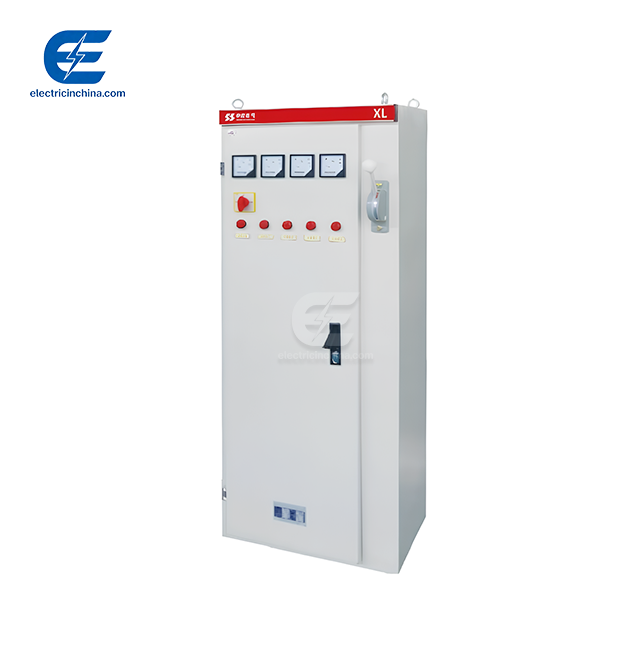
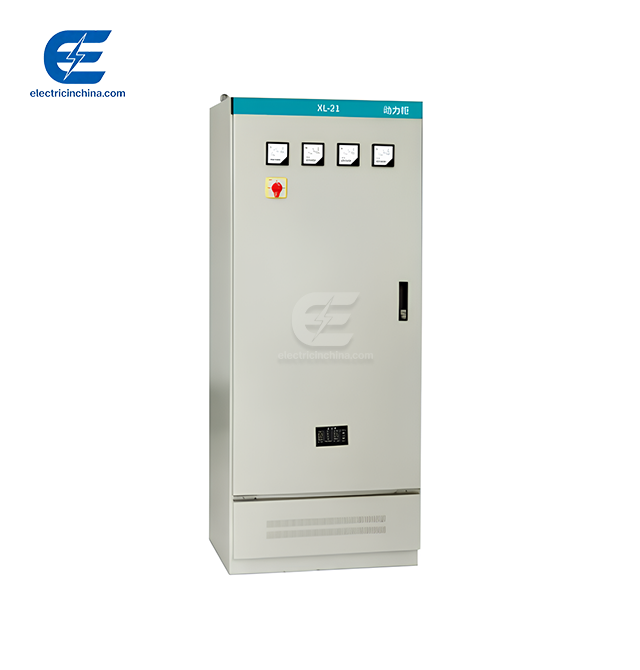
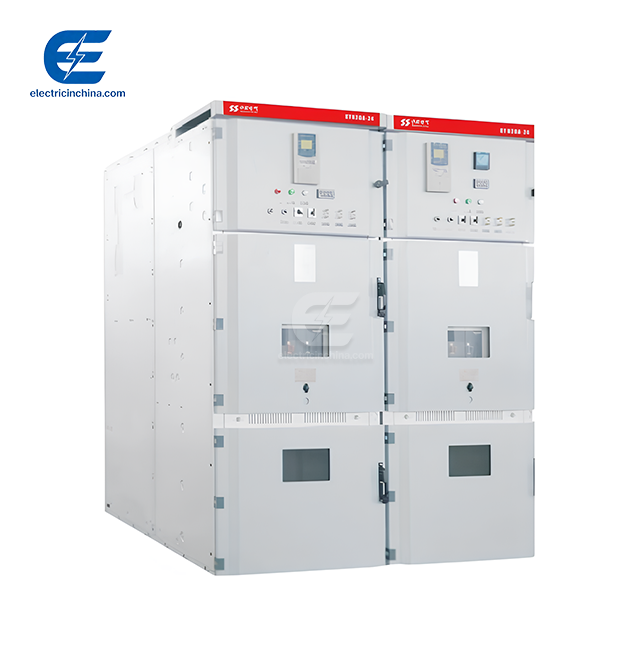
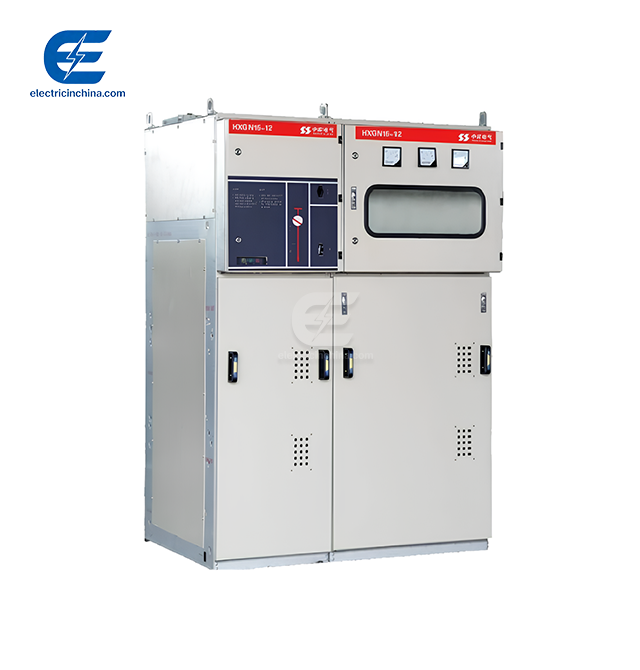
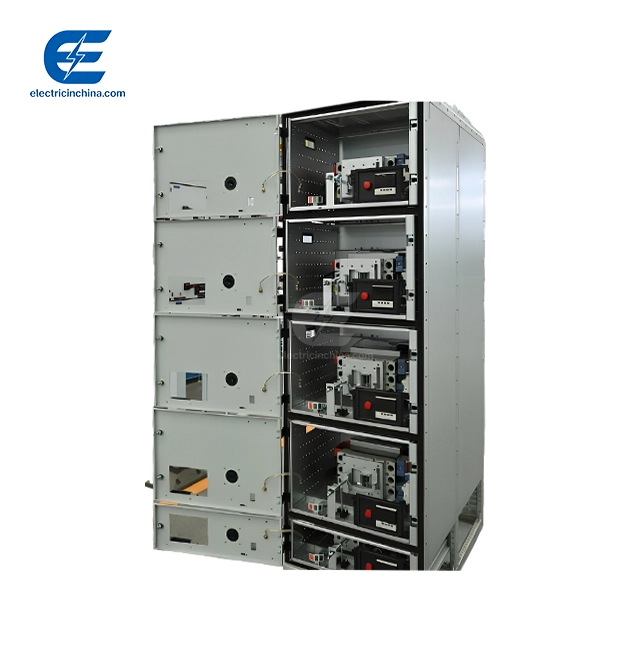
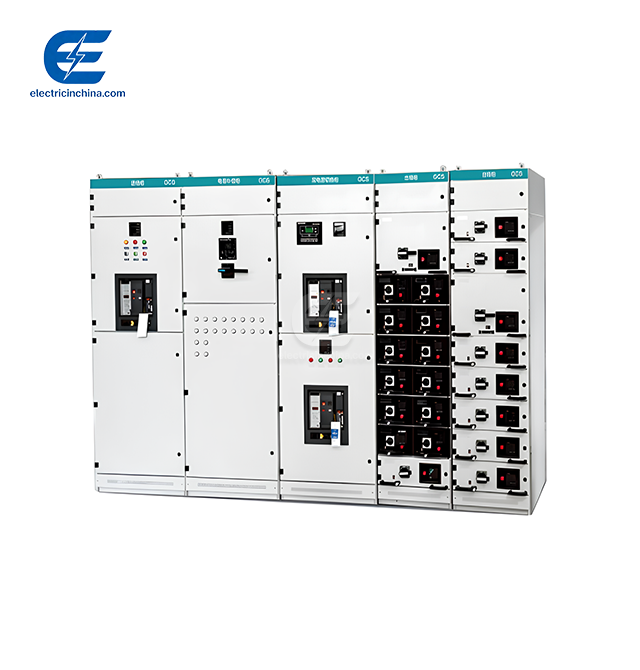
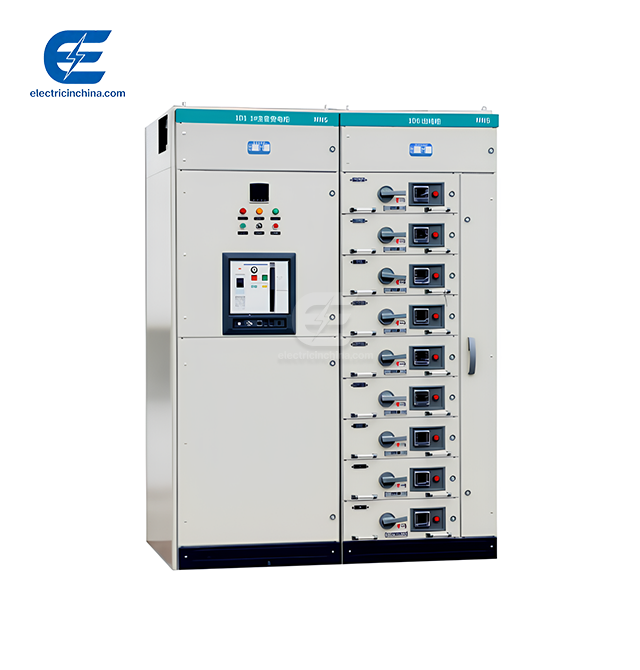
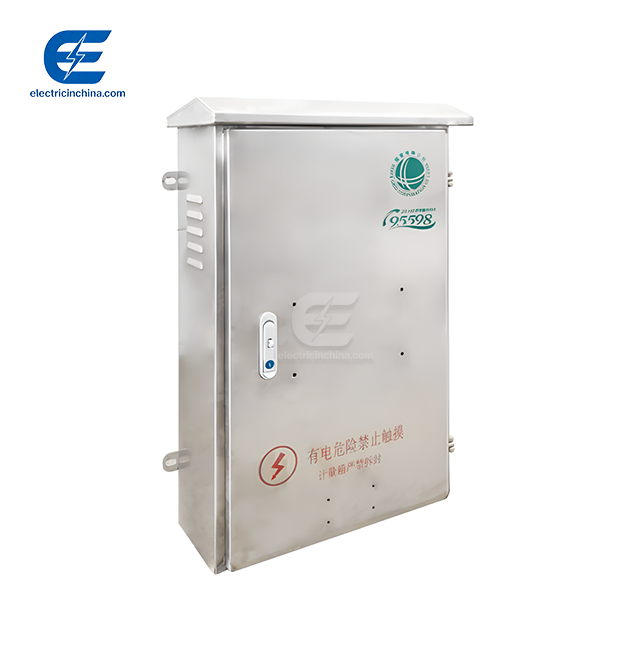
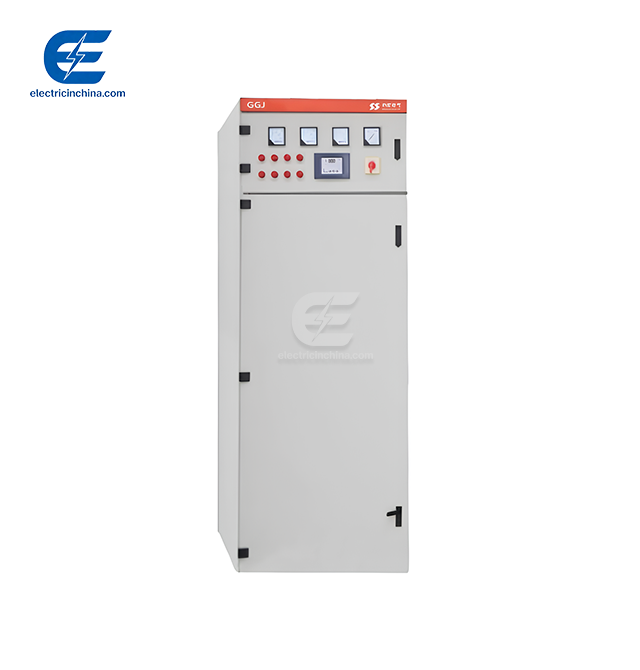
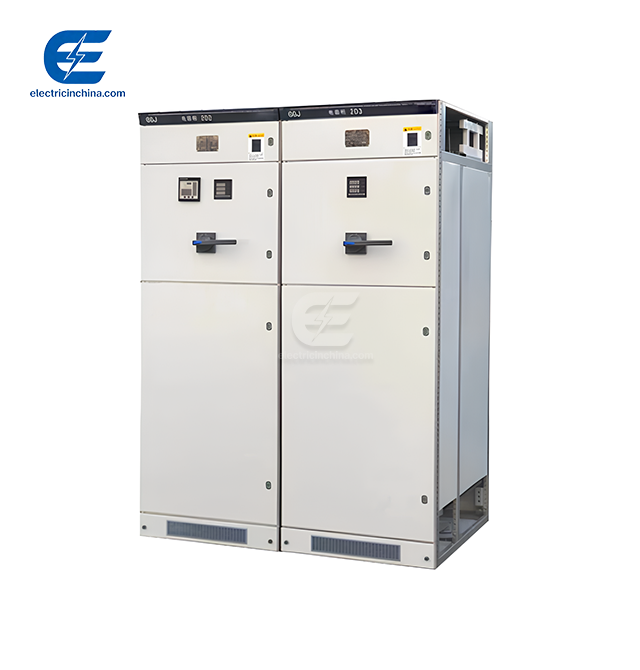
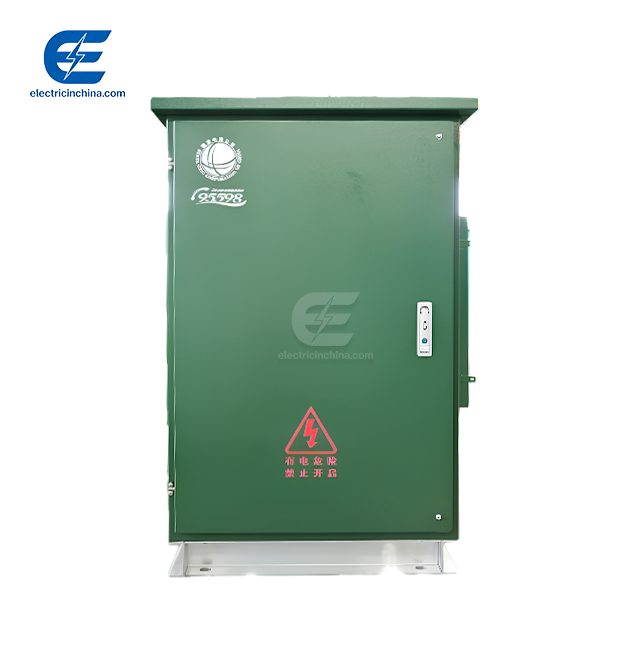
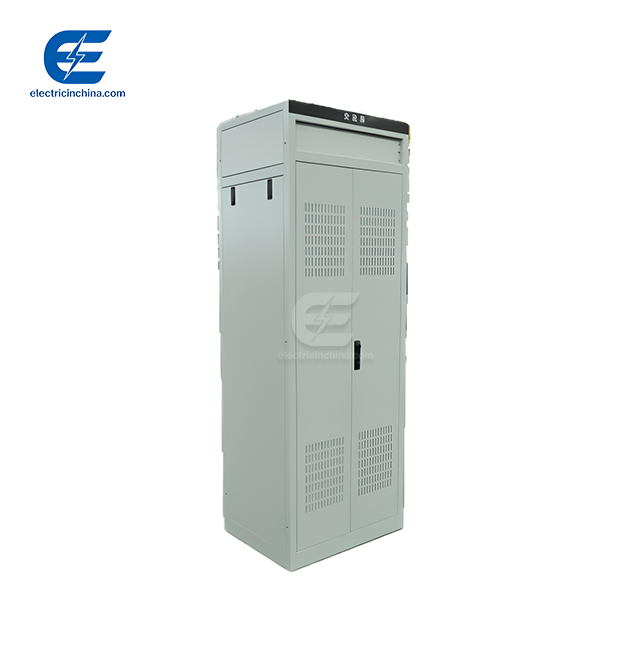
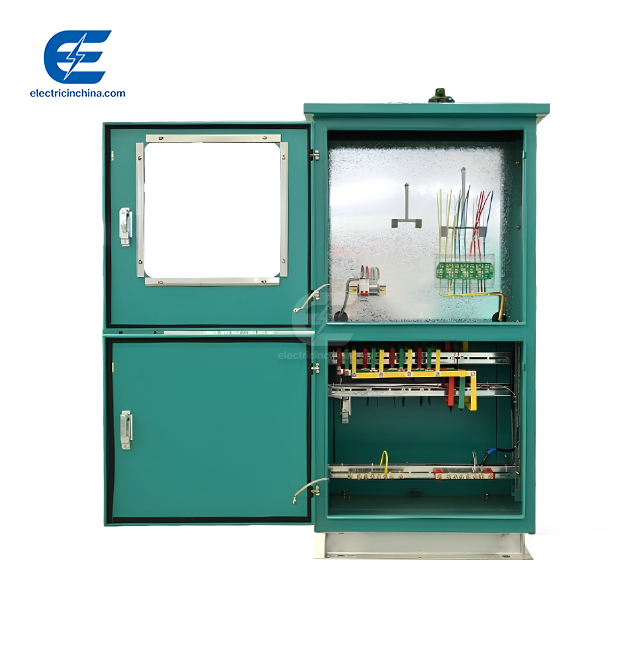
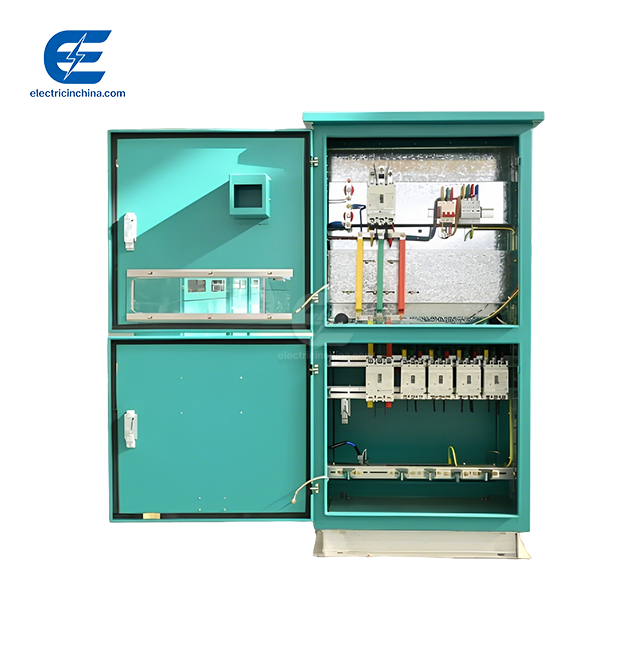
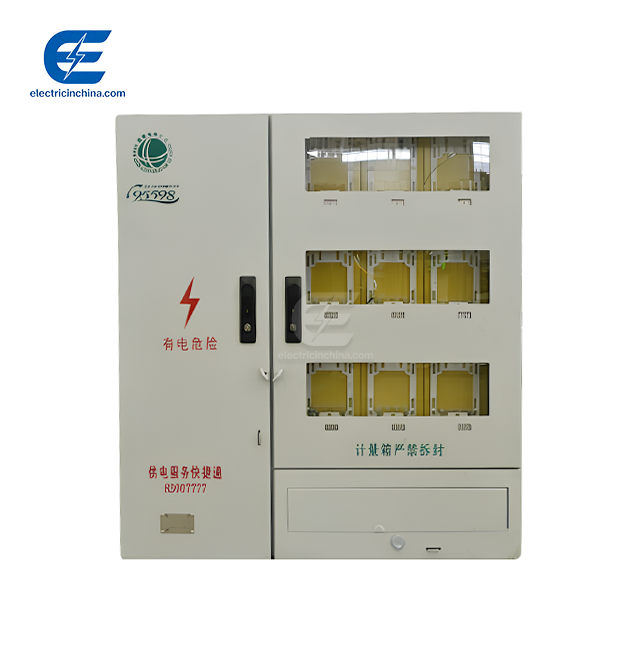
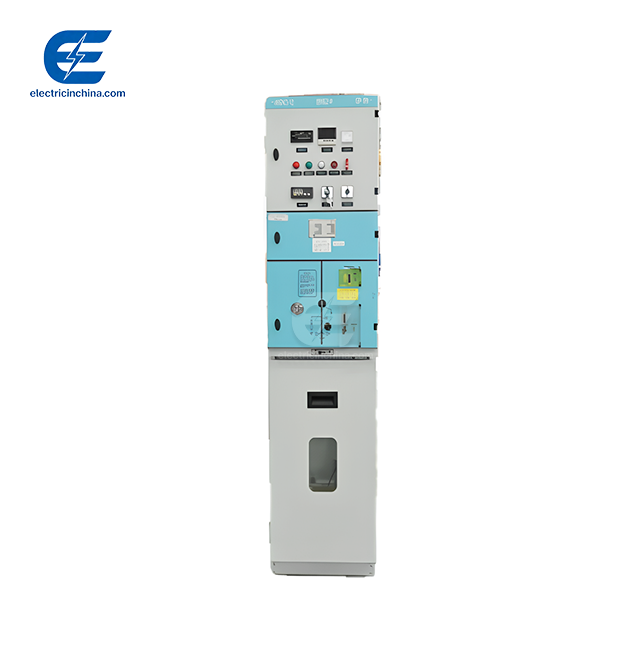
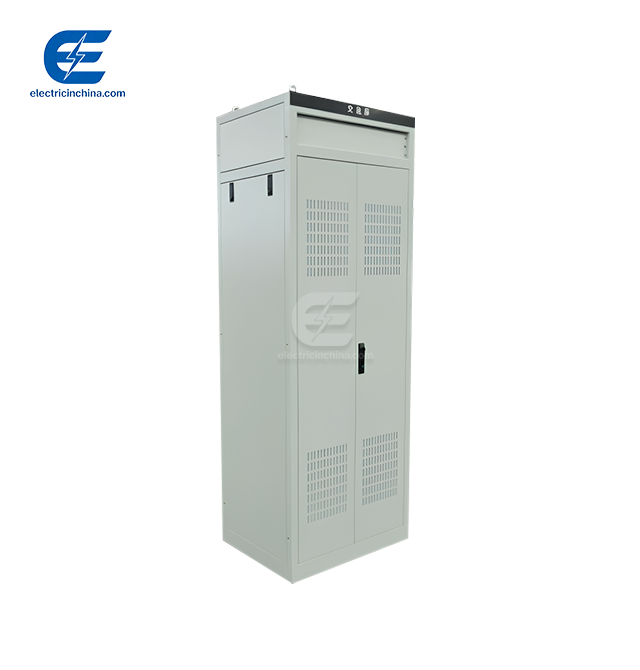
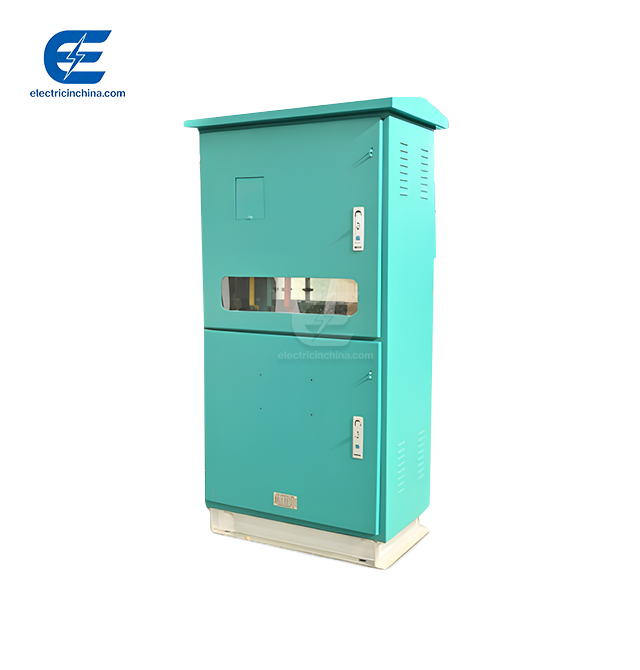
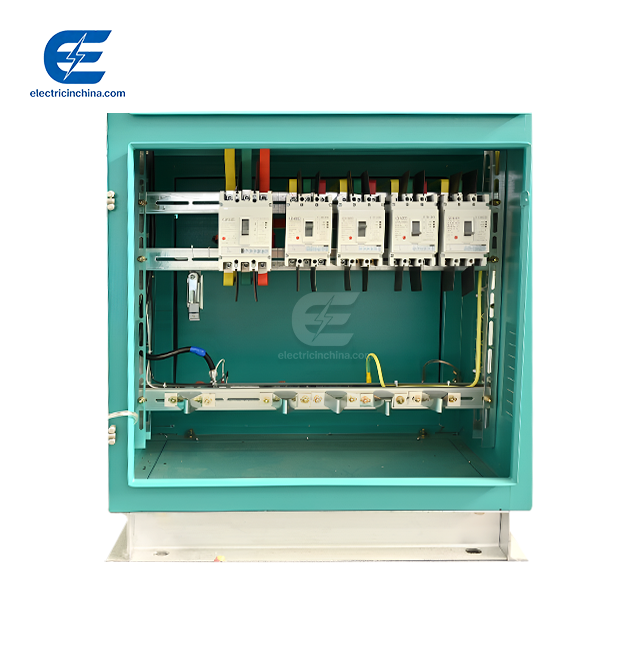
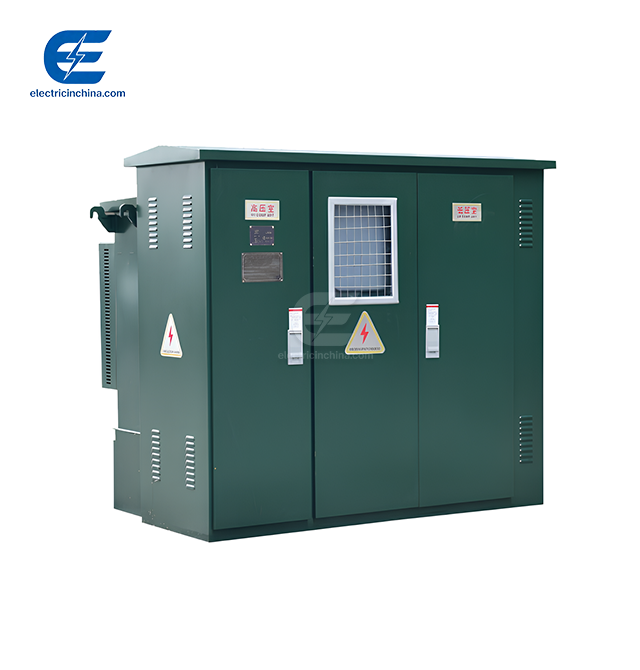
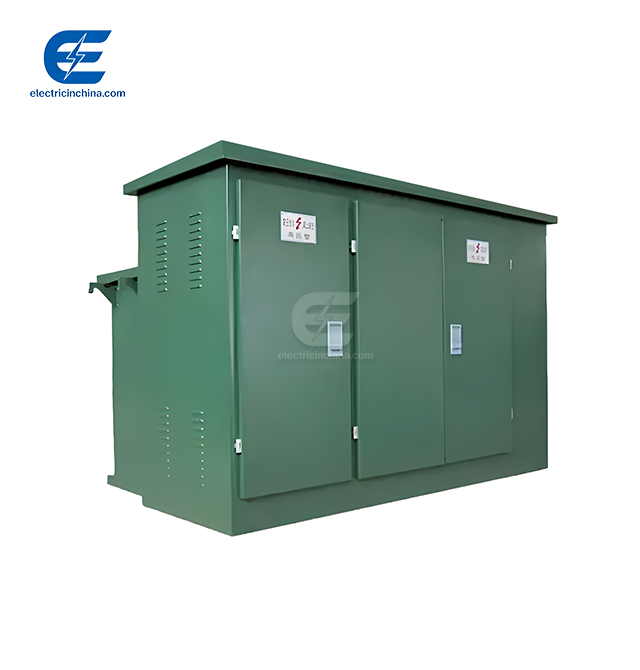
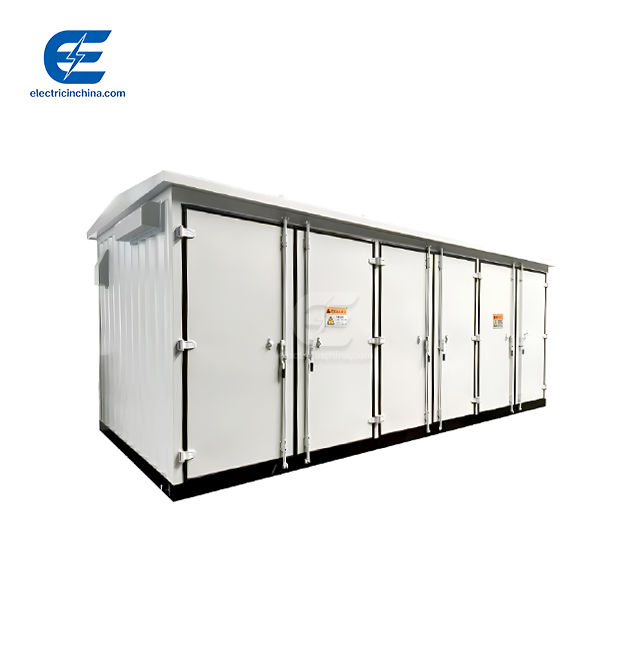
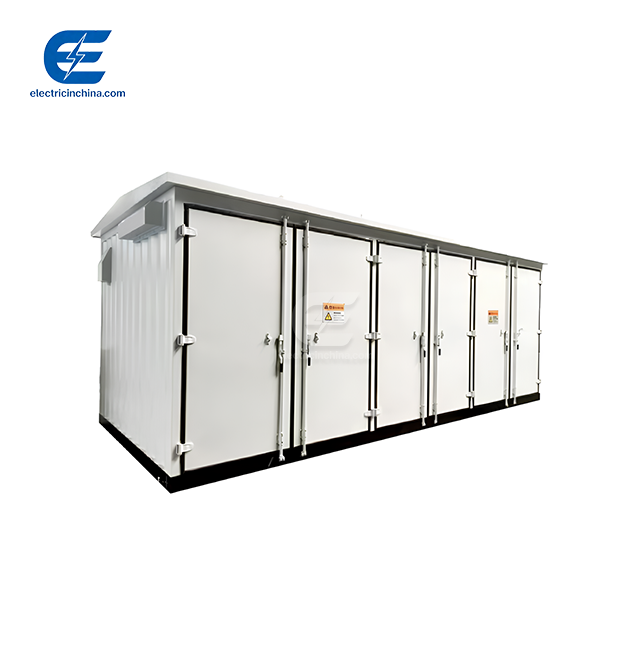
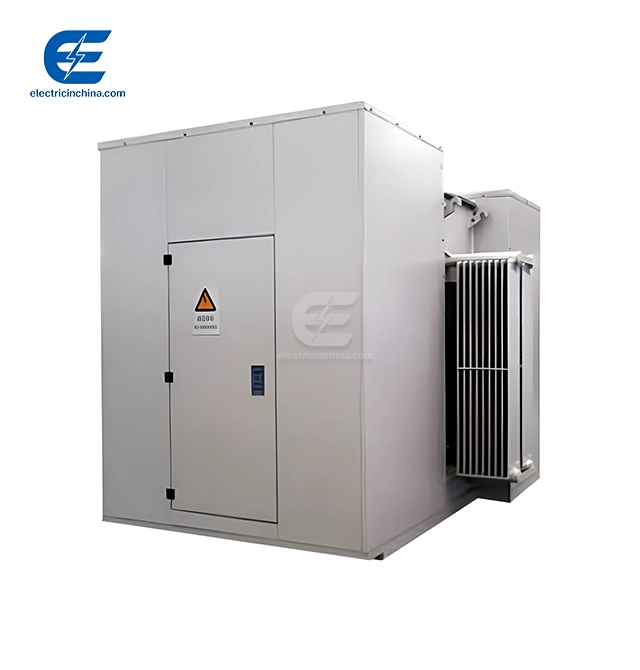
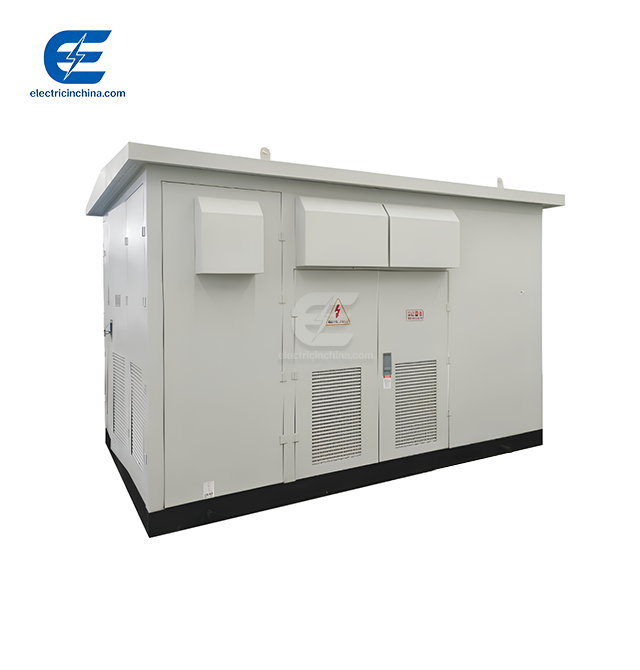
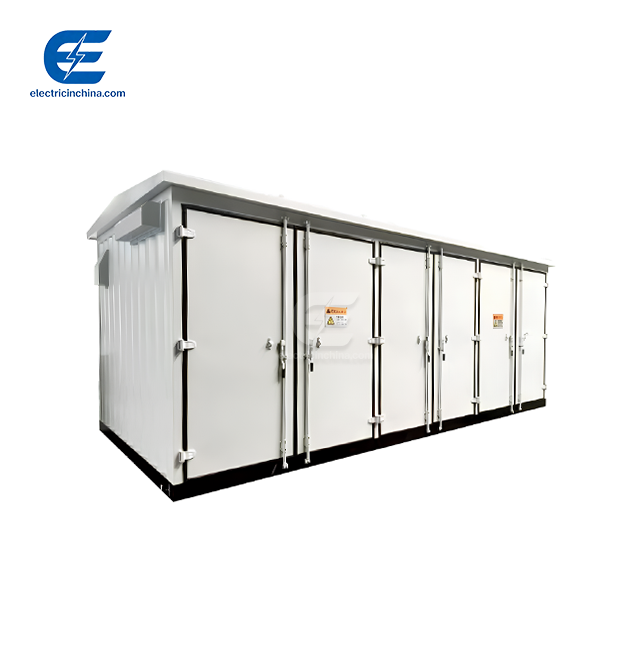
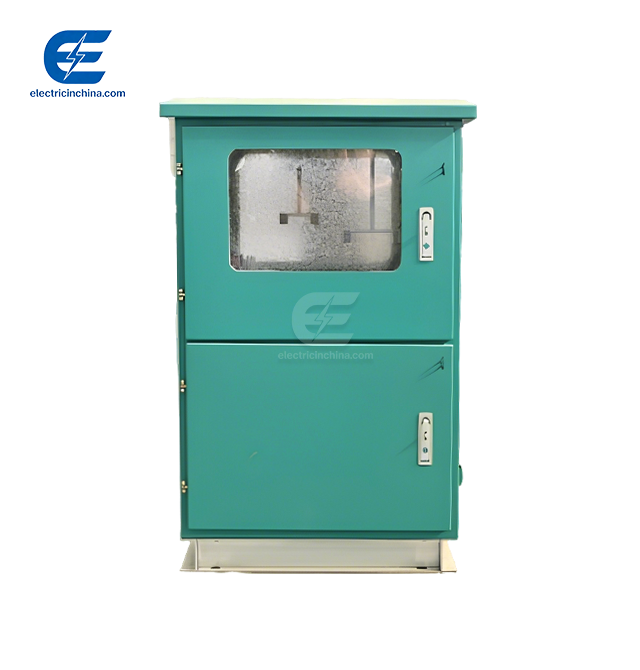
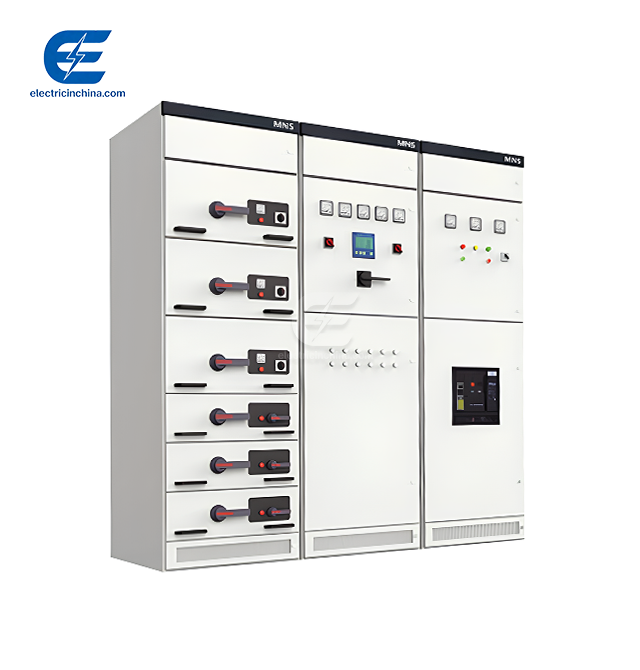
Today's energy infrastructure needs to be fast, reliable, and flexible. The YBM Series Prefabricated Substation takes these problems head-on by offering factory-assembled power distribution solutions that combine weatherproof high-voltage switchgear, transformers, and low-voltage equipment into a single unit. These small substations are designed to work with voltages between 6kV and 35kV. They take 60% less time to install and 30% less space than other options, which makes them perfect for government projects, commercial developments, and industrial facilities where time and space are valuable.
Understanding the YBM Series Prefabricated Substation – Technical Overview
Integrated Modular Architecture
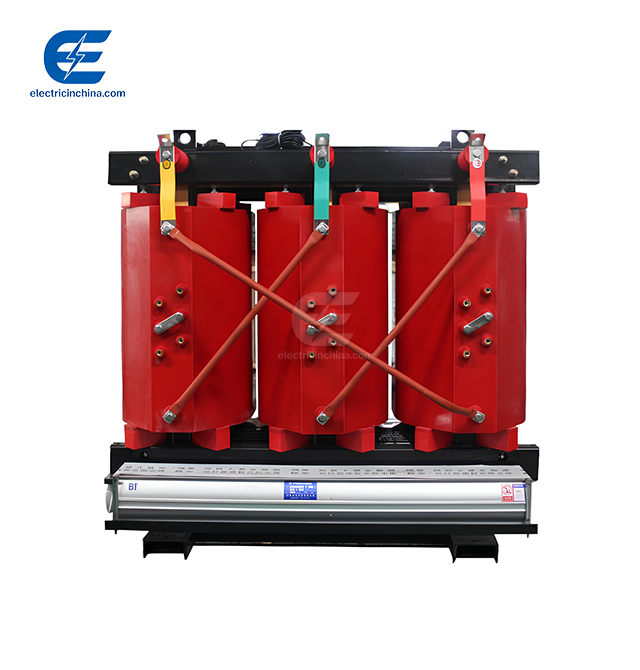
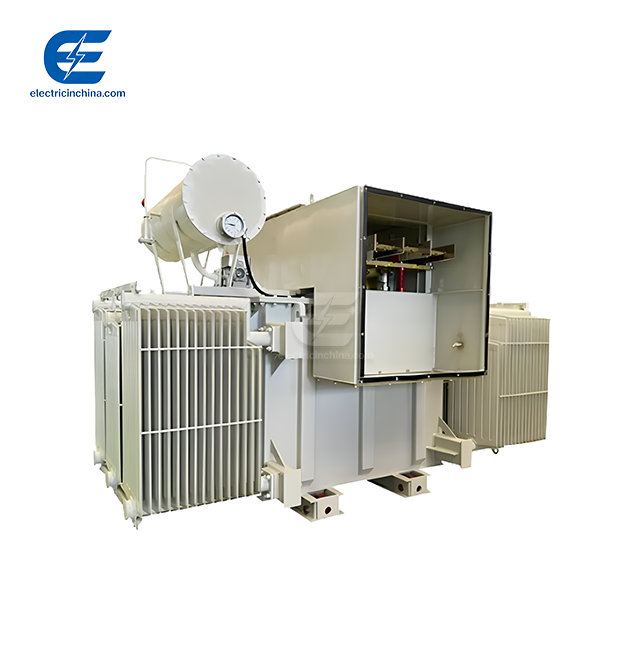
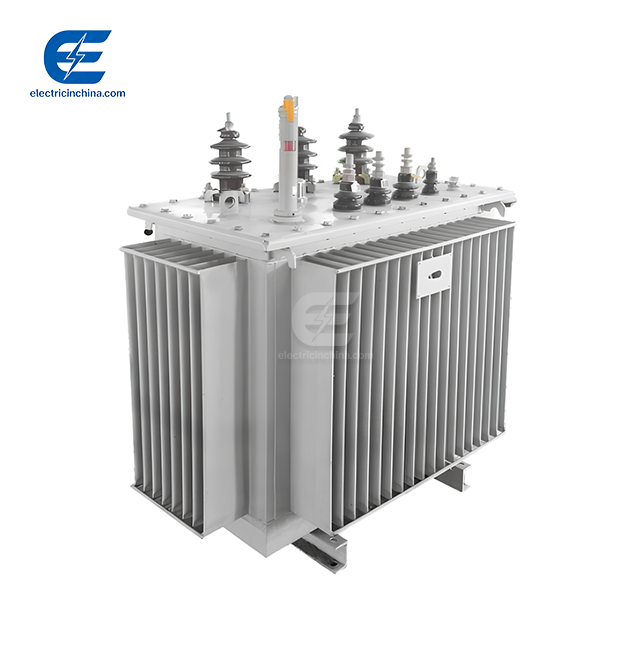
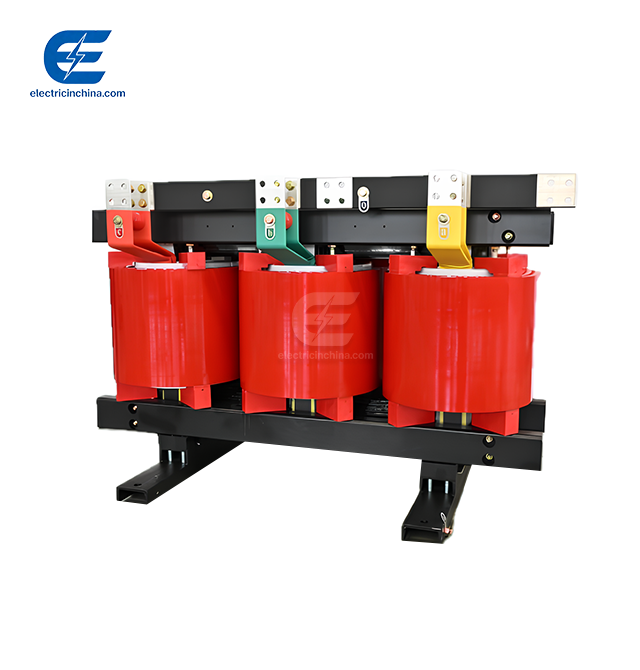
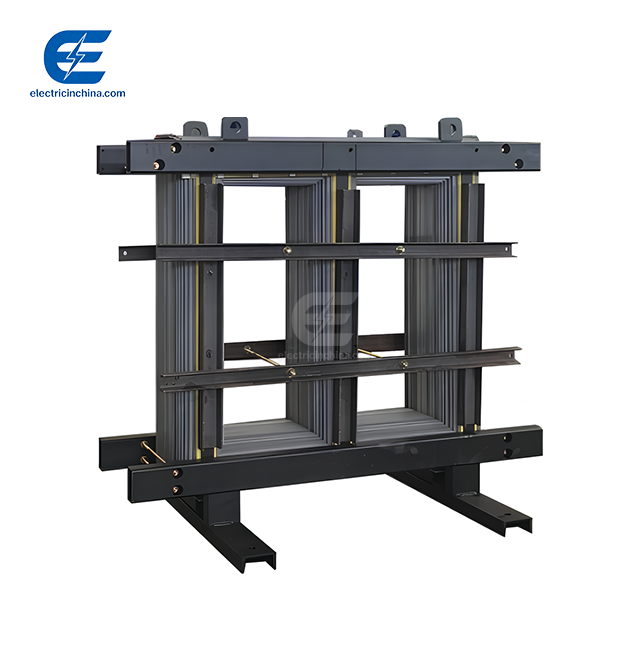
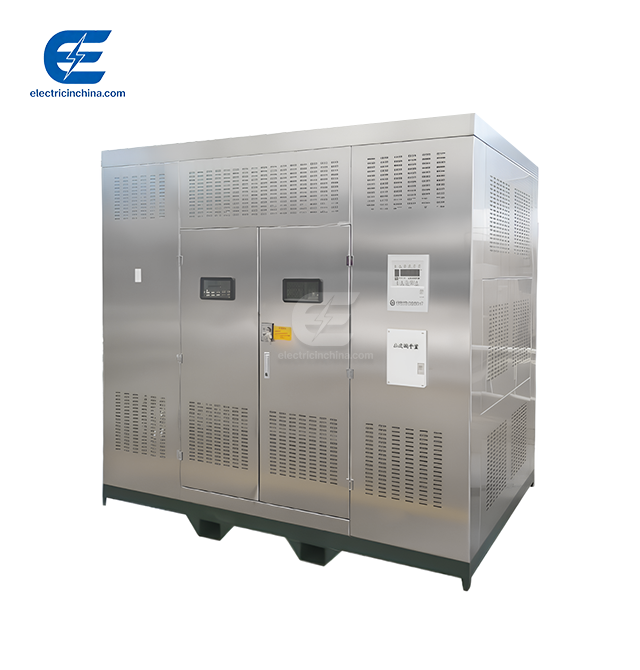
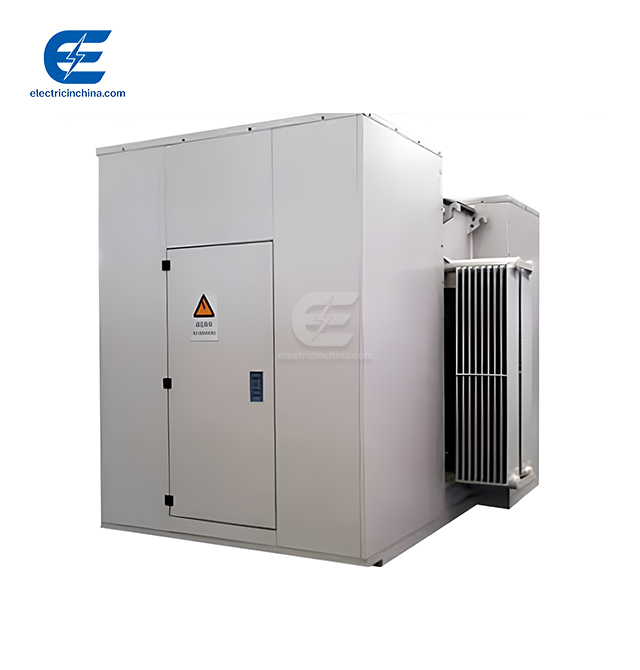
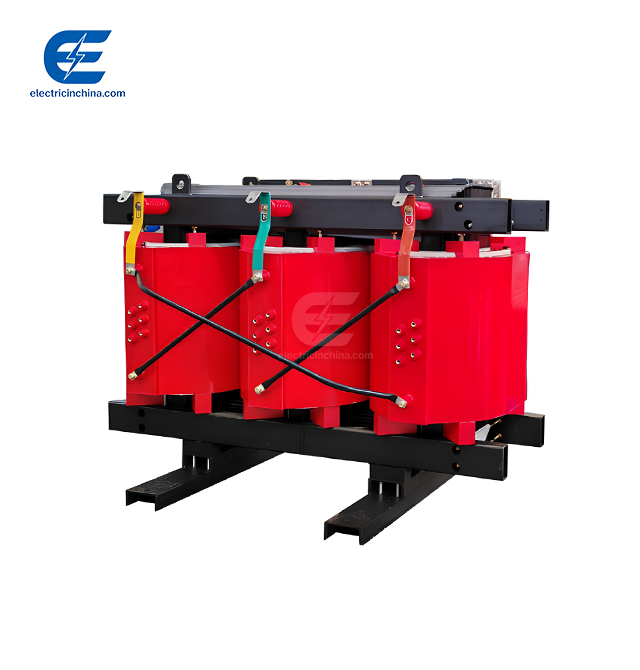
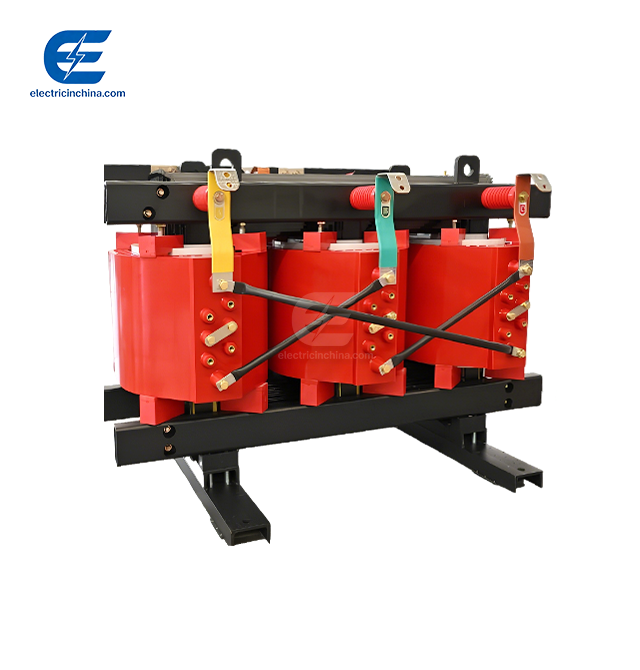
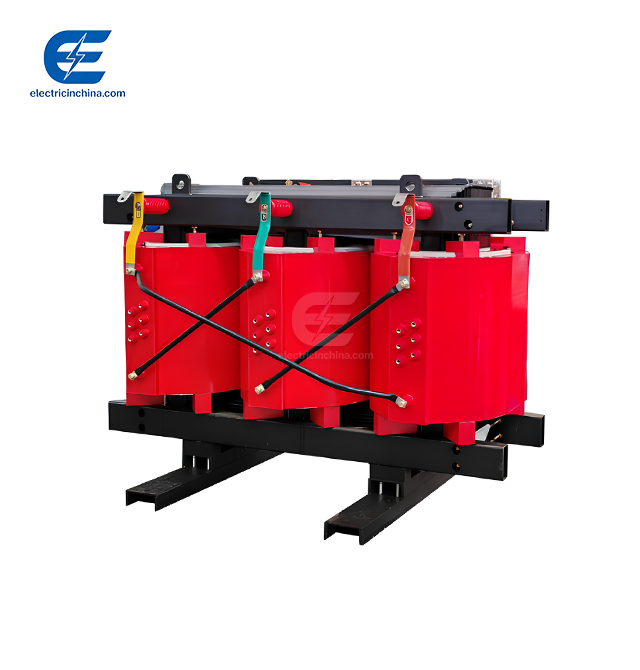
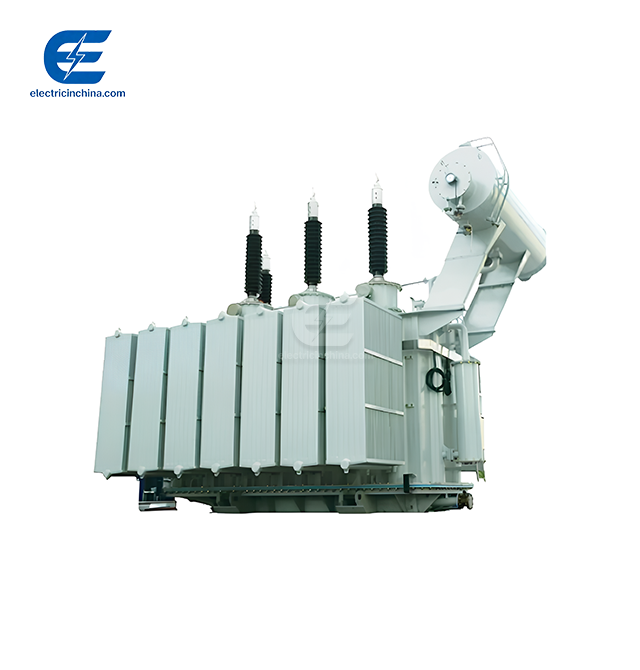
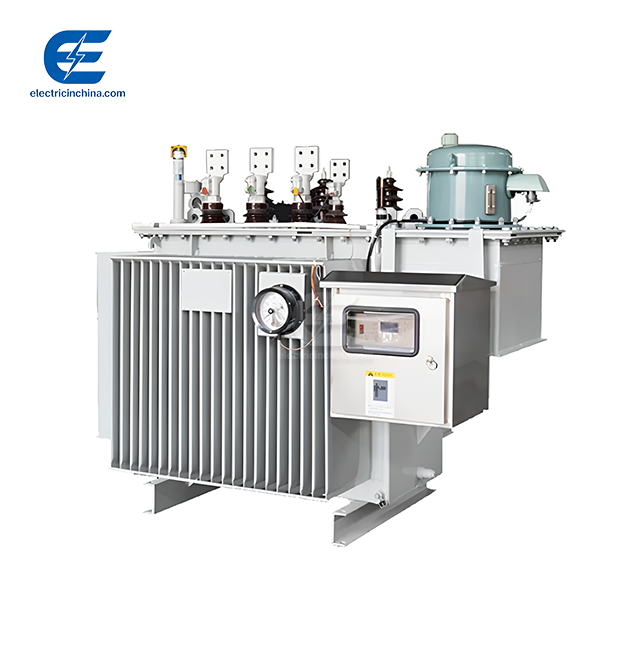
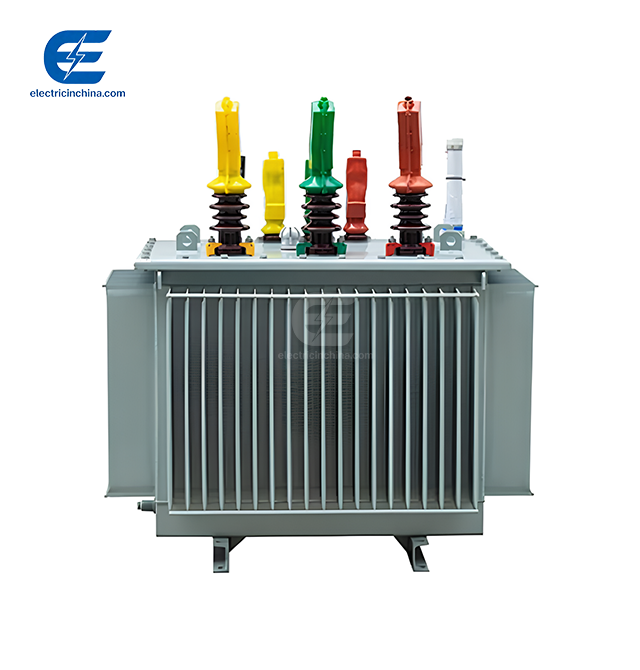
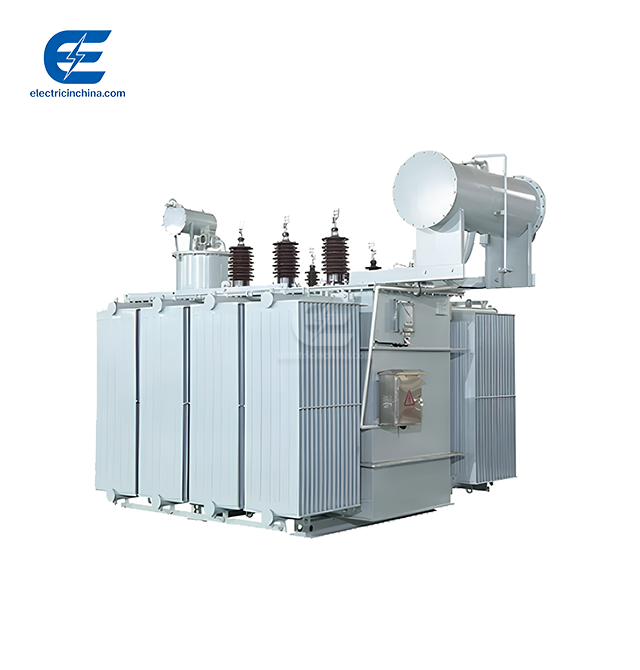
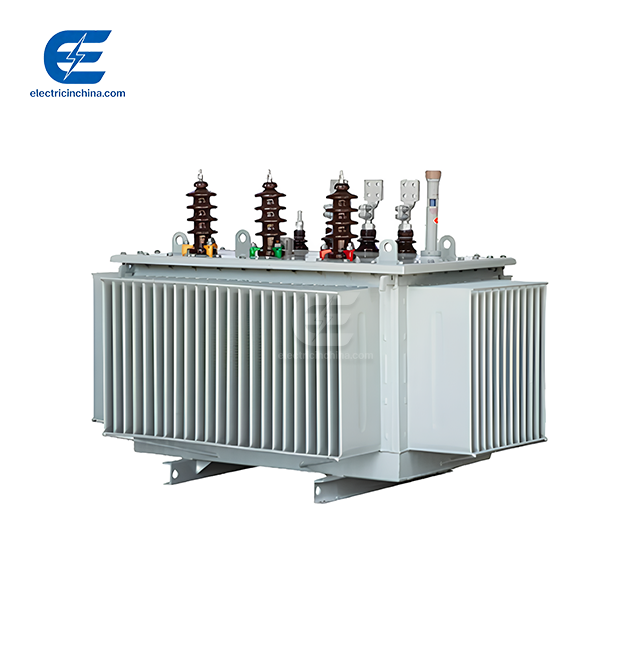
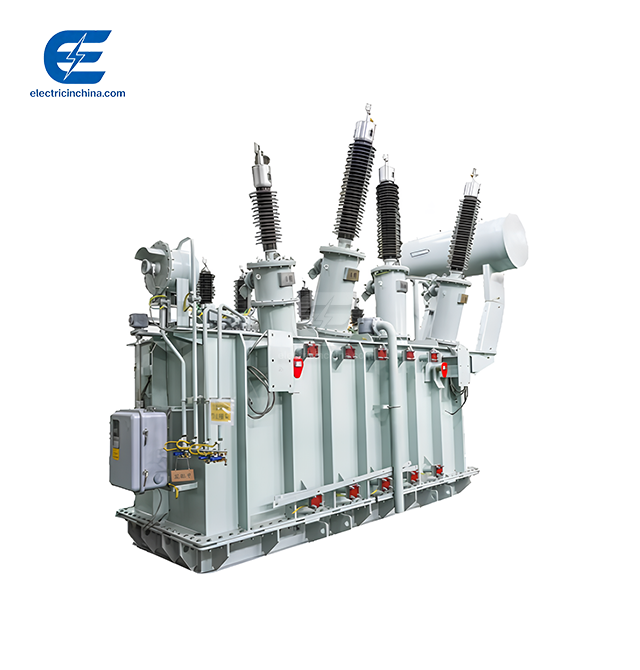
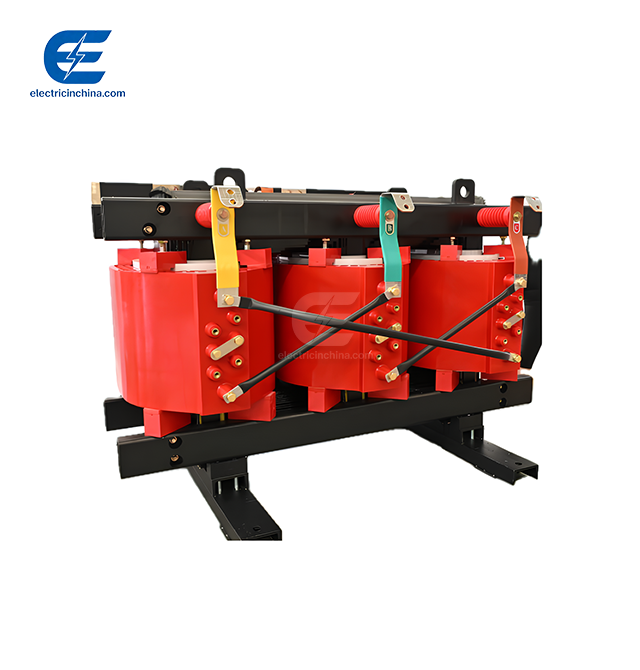
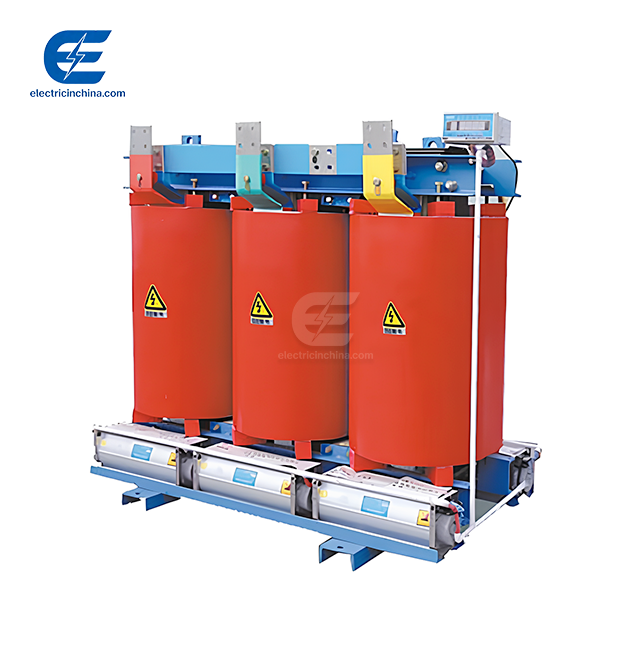
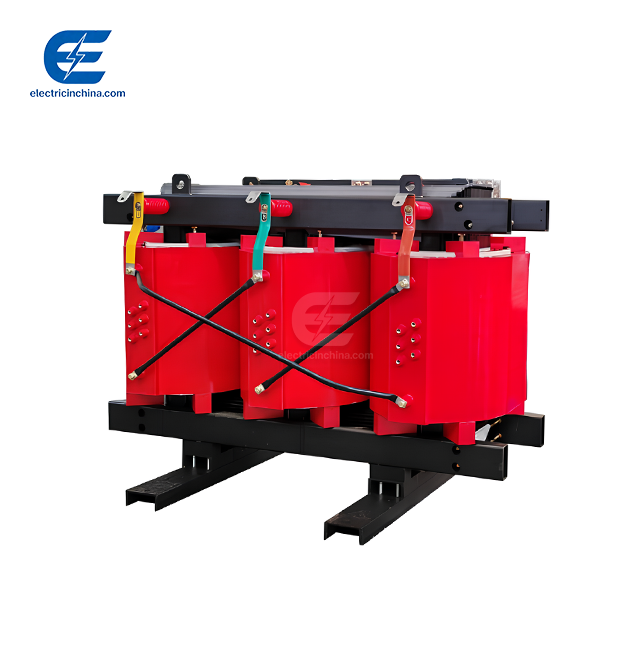
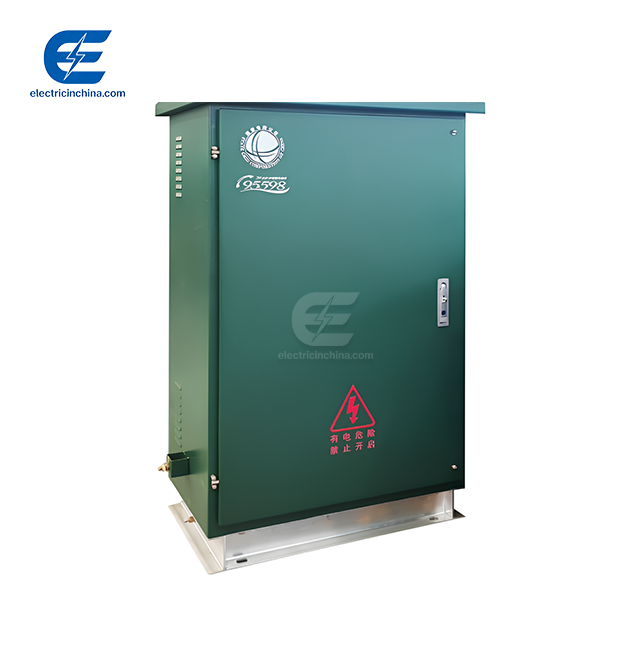
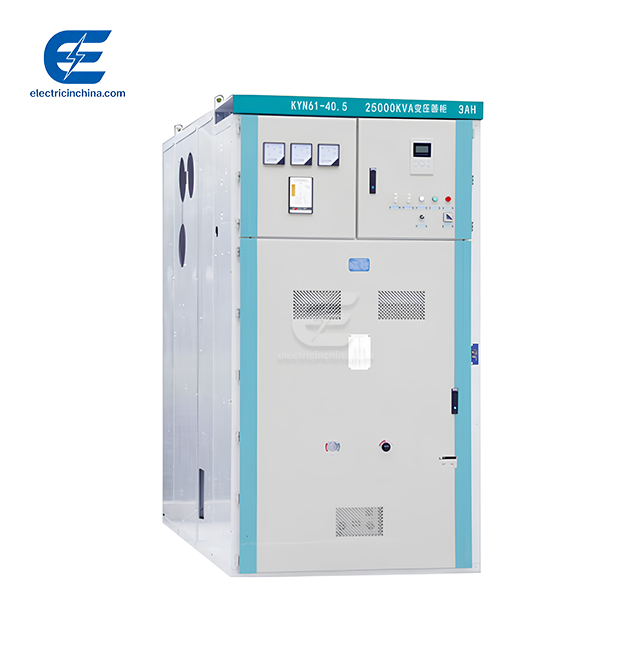
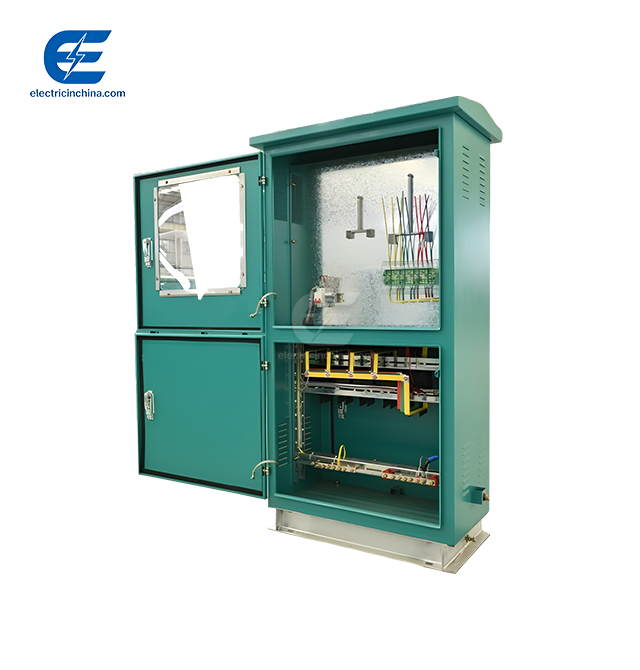
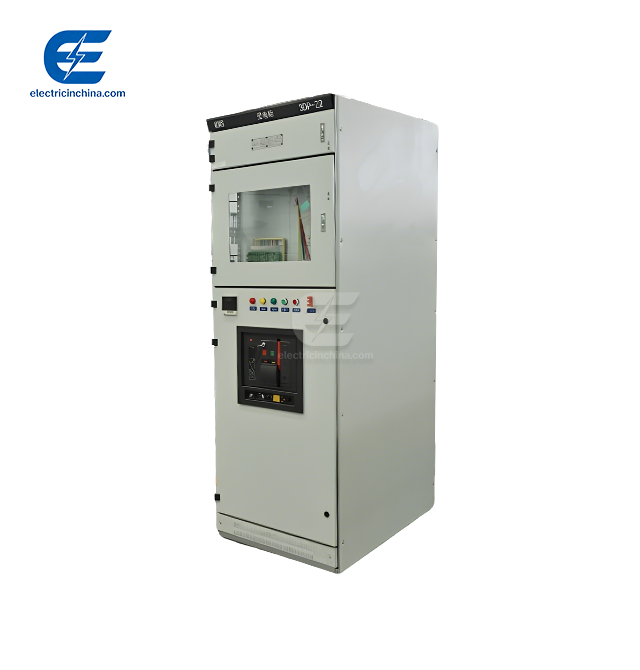
Three important parts of our YBM Series Prefabricated Substation are all packed into one small unit: high-voltage switchgear with a rating of 6kV to 35kV, power transformers with a rating of 315kVA to 2500kVA, and 0.4kV low-voltage distribution equipment. When you buy separate parts from different sellers, it can be hard to coordinate them all. This combined design takes care of that problem. Each compartment works on its own, but they all join easily, so you can change the configurations to fit your needs without affecting safety or efficiency.
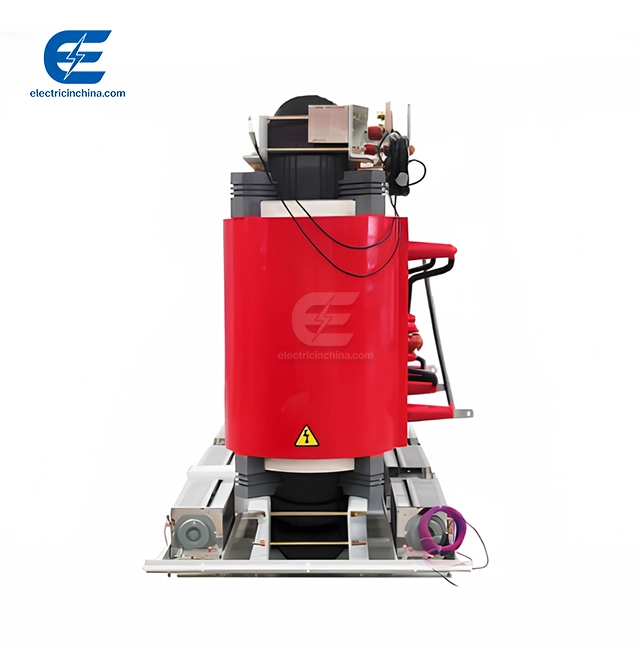
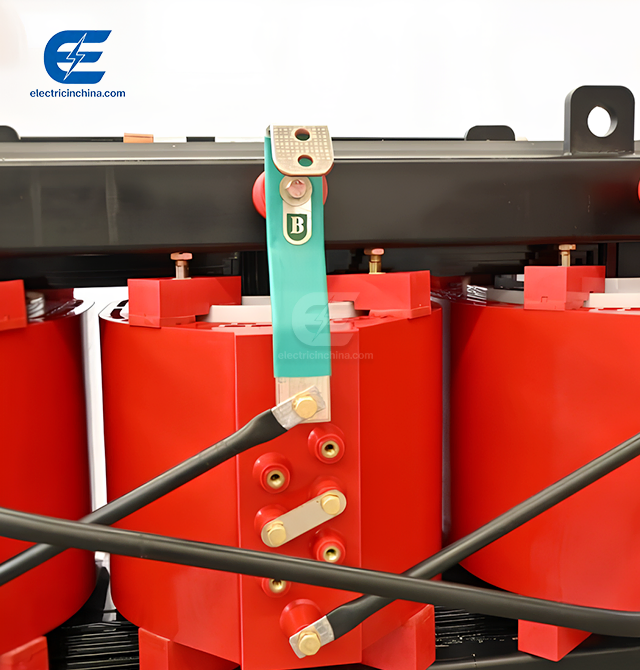
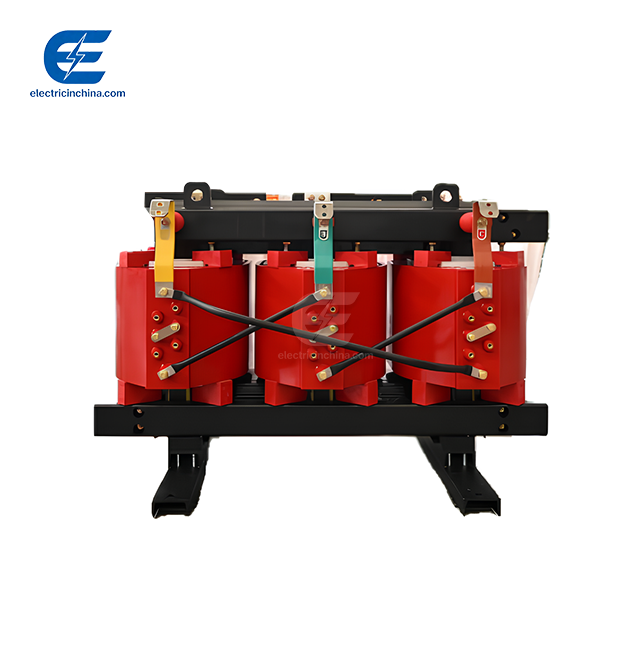
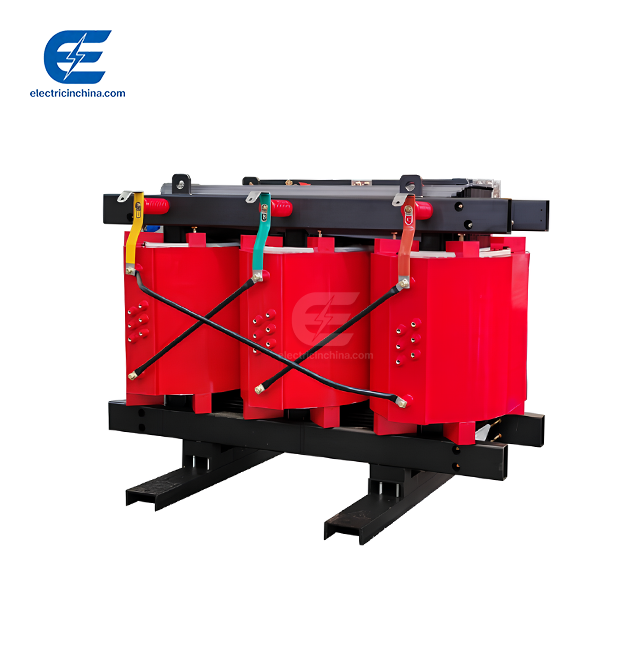
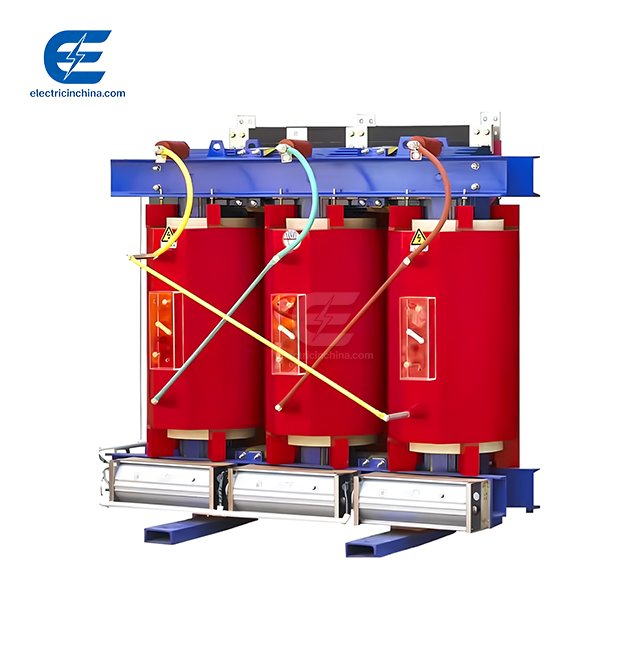
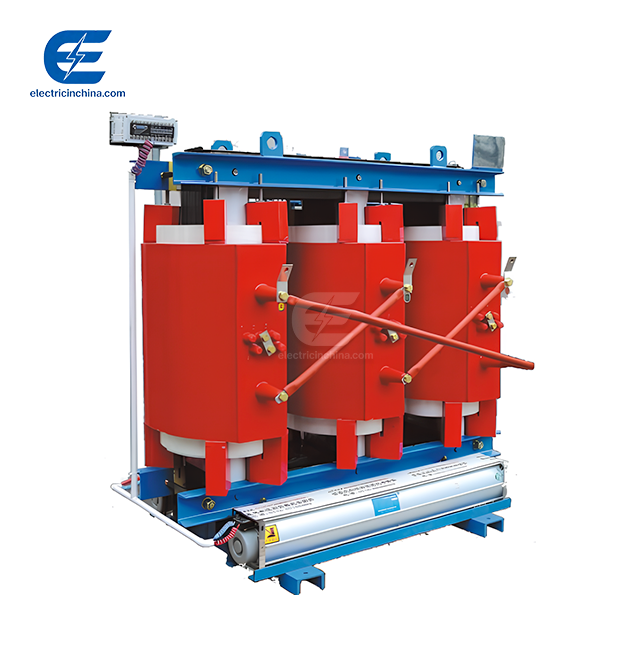
We worked with the Tianjin Electric Drive Institute to create a flexible system that is based on more than 20 years of experience in the field. Vacuum circuit breakers with mechanical interlocks are used in high-voltage areas to keep them from operating by accident during maintenance. The sections of transformers are made of cold-rolled grain-oriented silicon steel cores and vegetable-based insulating oil. This provides better thermal control while lowering the environmental impact. Low-voltage distribution panels can work with both radial and ring-main designs, so they can be used with a range of grid layouts.
Smart Grid Compatibility and Monitoring Systems
Energy management is more complex than just turning things on and off. Our units have tracking tools built in that keep real-time records of current, voltage, power factor, and transformer temperature. These sensors are linked to four different functions that are done from afar: telemetry for collecting data, signalling for status updates, control for switching operations, and adjustment for making the best use of parameters. When you connect it to your SCADA system, you can see your whole distribution network from one place.
One big practical benefit is that faults can be found automatically. Within milliseconds, the safety system can tell the difference between overcurrent, short-circuit, and ground fault. When a problem is found, it cuts off the affected area, moves the load to other lines, and service is back up and running within one minute, all without any help from a person. This quick response cuts down on downtime and keeps equipment further down the line from getting damaged. Temperature sensors built into transformer windings let you know early on when the load is too high, so you can control the load properly before it fails.
Installation and Maintenance Efficiency
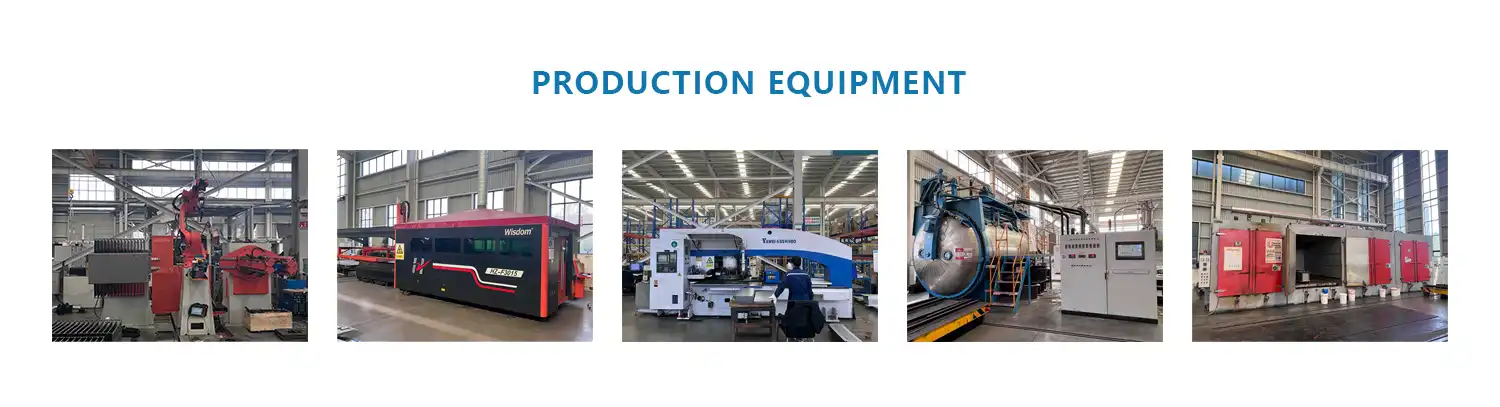
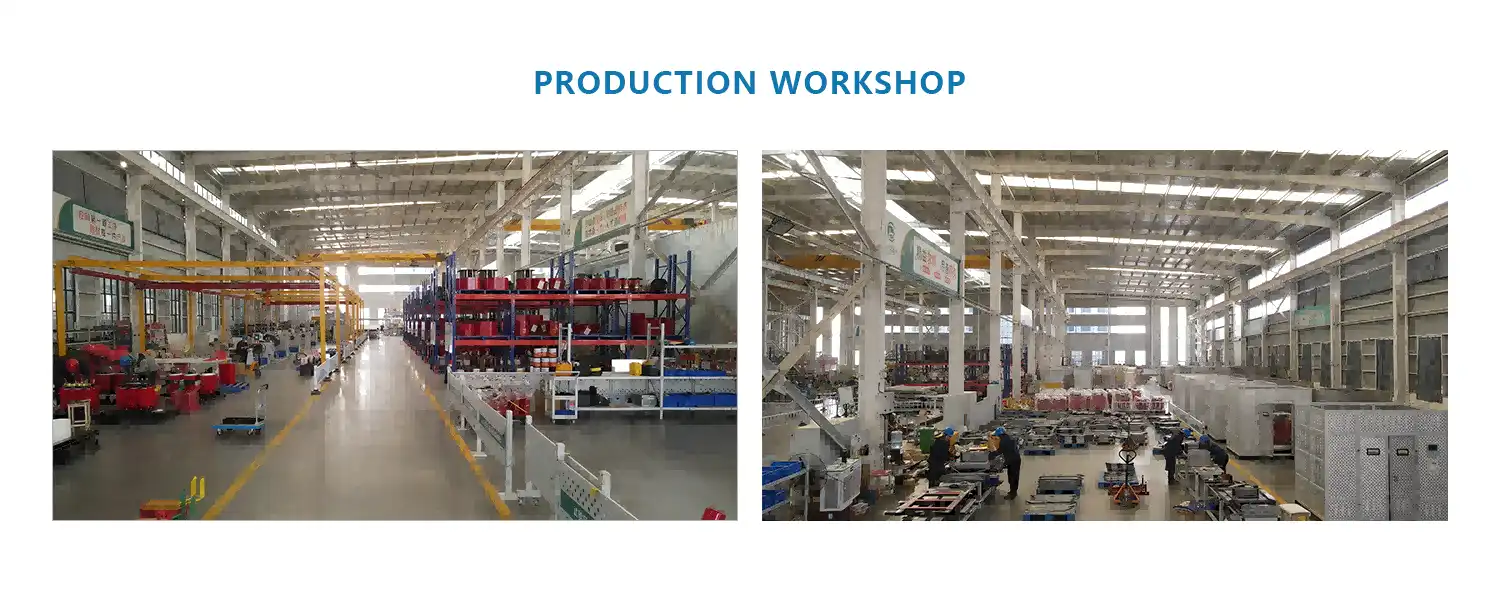
Usually, building a substation takes months of work on-site, with delays caused by bad weather and changes in quality. These worries are gone thanks to factory assembly. In our climate-controlled building, where we have over 120 sets of advanced machinery, such as CNC automatic winding machines and microcomputer-controlled gradient curing ovens, we test every part very carefully. Your unit comes already tested and ready to connect. The only civil work that needs to be done is to prepare the foundation and dig cable trenches. Installation teams finish commissioning in days instead of weeks.
The design life of 30 years means that maintenance needs will stay simple. With a compartmentalised design, techs can work on separate parts of the substation without turning it off completely. For 10,000 actions, vacuum circuit breakers don't need to be adjusted or oiled. Normal settings allow testing of transformer oil every 24 months. During checks, access panels and safety interlocks keep people safe. We give you detailed information, like single-line layouts, equipment schedules, and maintenance instructions that are made to fit your particular setup.
Advantages of YBM Series Prefabricated Substations Over Traditional Systems
Accelerated Project Timelines and Cost Reduction
Construction plans have a direct effect on the cost of a job. Compared to traditional brick-and-mortar substations, our YBM Series Prefabricated Substations method cuts down on timelines by a huge amount. Manufacturing and site preparation happen at the same time, so there are no dependencies between them. The weather doesn't affect the quality or timing of factory construction. The cost of labour goes down a lot because you don't have to pay for housing and building workers for long periods of time at remote places.
The financial benefits go beyond just installing it. Less of a trace means less money is needed to buy land, which is especially helpful in cities where property prices are still high. The process of getting permits moves faster because YBM Series Prefabricated Substations are often considered equipment setups instead of fixed buildings. Moving and handling things are still easy—standard truck transport brings units to places that can be reached by regular roads. Taking into account the time, labour, and land needed for construction, overall project costs are usually 20 to 25 percent lower than traditional options.
Enhanced Safety Through Engineering Design
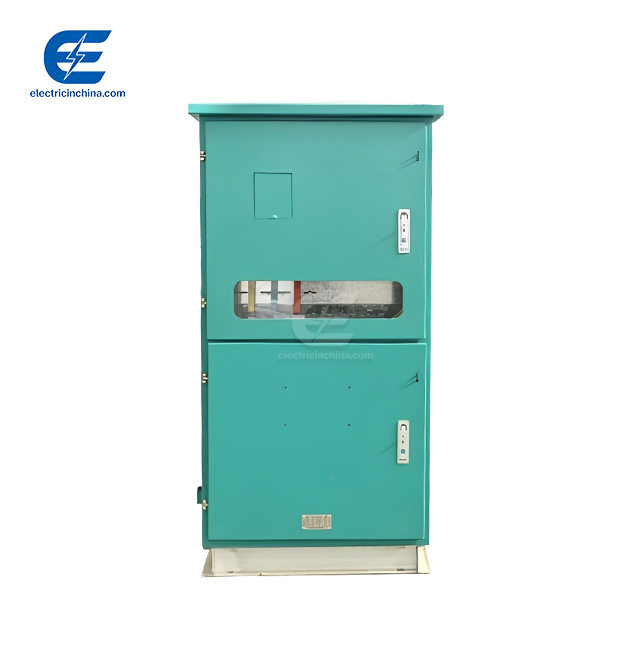
Every design choice was based on safety concerns. The IP54 rating of the shelter protects against dust and water spray from all directions, which is important for outdoor applications where the weather can change quickly. IK10 mechanical impact resistance stops harm from being done by chance or vandals. The construction is made of galvanised steel and has a polyester powder coating that can withstand ASTM B117 salt spray testing. This proves that it is suitable for coastal areas where corrosion speeds up the breakdown of equipment.
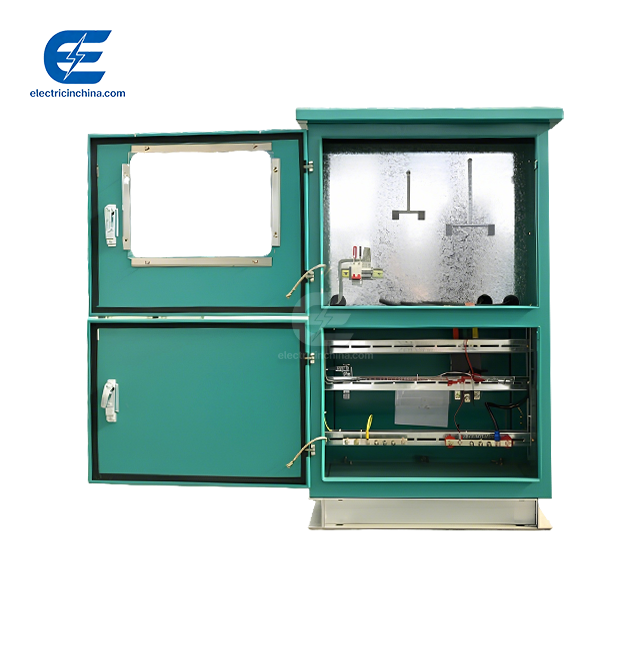
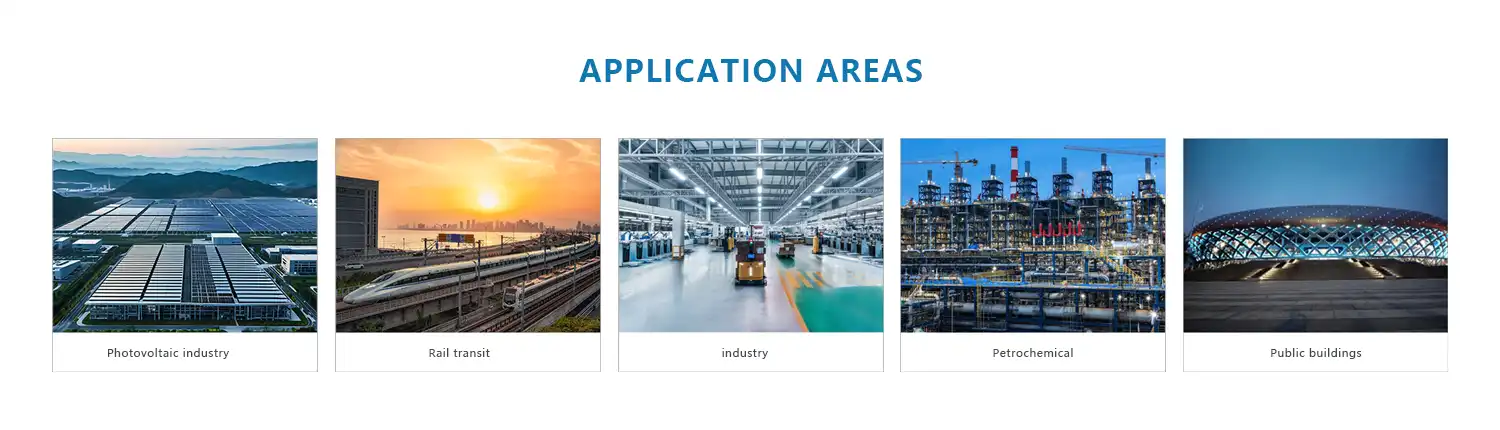
There are more safety measures inside than are required by law. Arc-resistant design keeps fault energy away from places where people can access the building. Interlocked doors keep people from getting into energised areas, and ground fault detection finds insulation problems right away. The ability to withstand a 25kA short-circuit for three seconds gives you a lot of extra safety above normal grid breakdown levels. We've provided units for projects where worker safety was the most important factor in the selection process. For example, the Xuzhou Rail Transit Network Control Center has dual-circuit resilience that makes sure it can keep running even while maintenance is being done.
Space Optimization for Constrained Sites
Space is very limited for both urban development and commercial real estate projects. Compared to standard substations, our small design cuts down on the room needed by 30%, making it available for uses that make money. The vertical arrangement takes up less space on the ground while keeping all of the functions. This effective use of the room was a key factor in getting the Xinhuai Central Complex and other similar mixed-use buildings approved.
Scalability is another benefit of planning. Need to add more space because your building is getting bigger? The modular low-voltage section can add more circuits without having to be completely rebuilt. We built the platform to be expandable, so you can add capacity in stages that fit your growth path. This freedom saves your initial investment and keeps you from having to pay extra for too many options.
Comparing YBM Series with Other Prefabricated Substations and Solutions
Performance Benchmarking Against Market Alternatives
When procurement teams look at YBM Series Prefabricated Substation choices, they look at a number of important factors, such as technical specs, the ability to make changes, the dependability of the seller, and the total cost of ownership. Our service is different because it integrates everything. Some companies sell switchgear assemblies or transformer packages separately, but we offer fully integrated solutions that have been tested as whole systems.
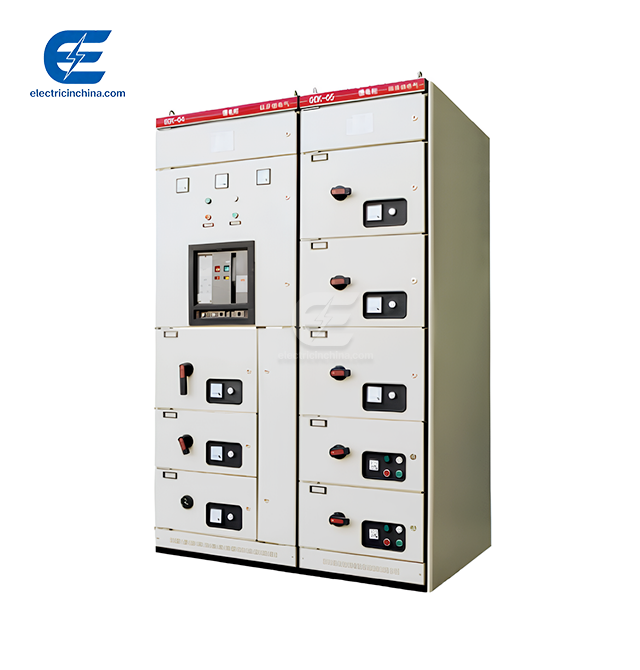
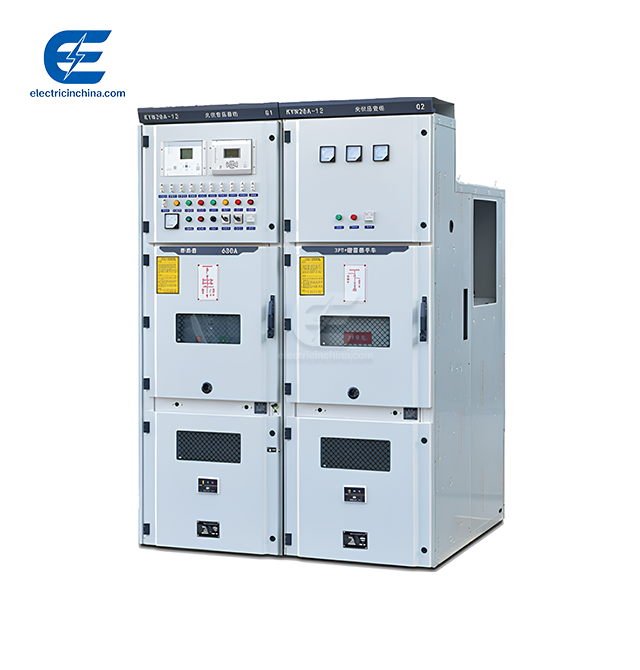
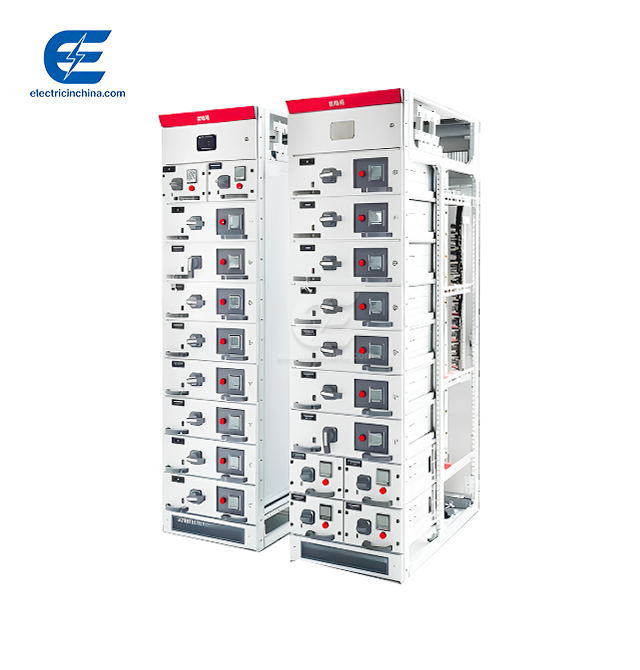
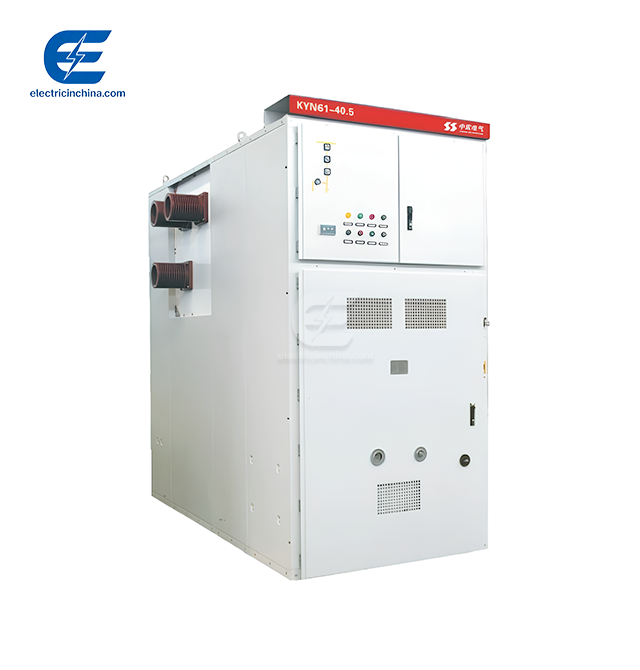
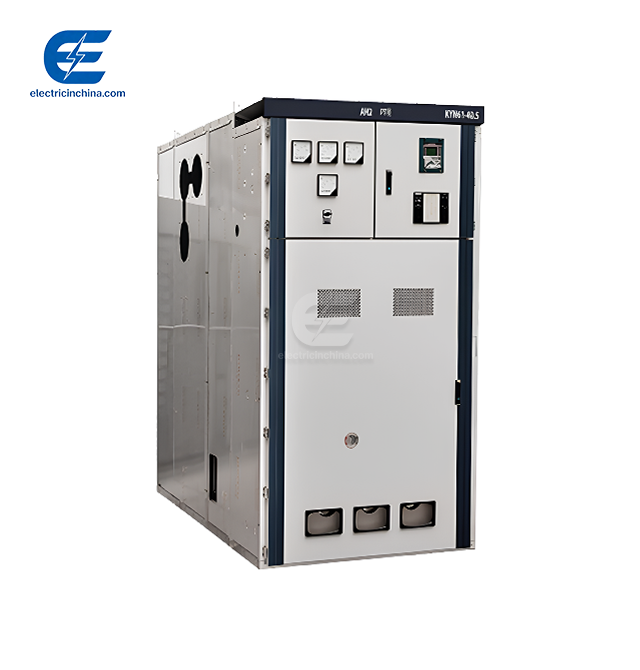
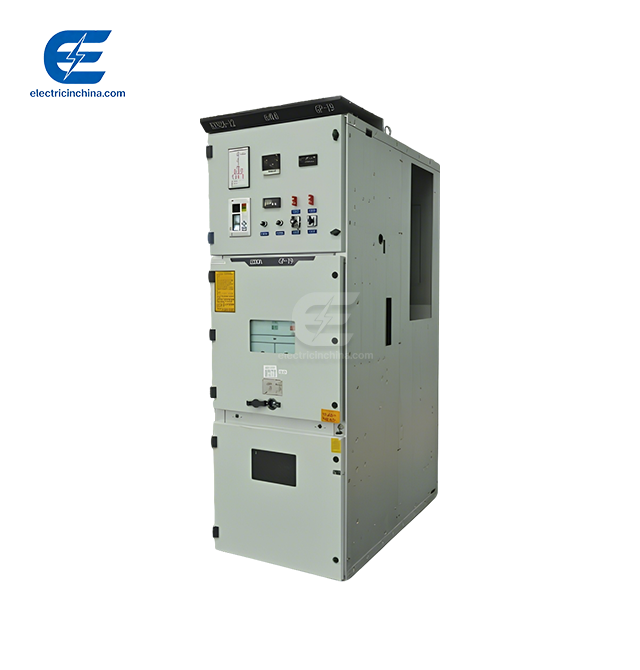
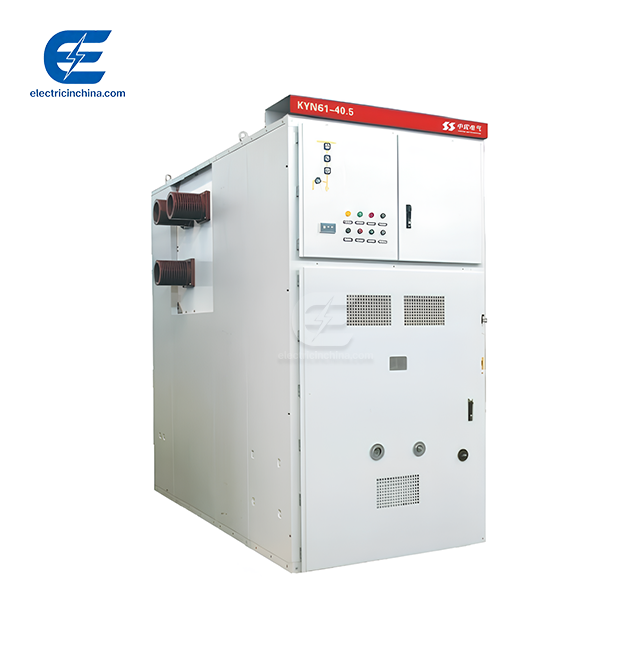
KYN28 metal-clad switchgear is another popular choice for use indoors. These units are very safe and can be used in a variety of ways, but they need their own transformers and buildings just for them. Our premade substations don't need to be put together in a building at all, and they can be used both inside and outside. Without climate-controlled housing, the weatherproof enclosure keeps the parts working for a long time.
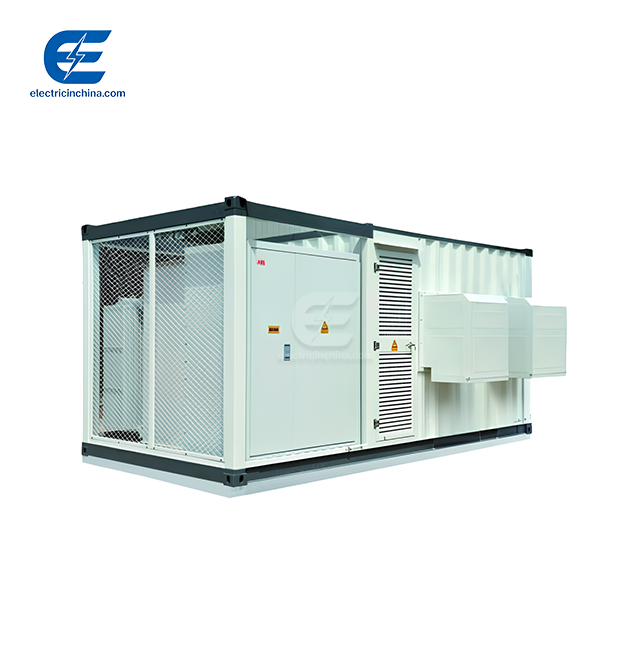
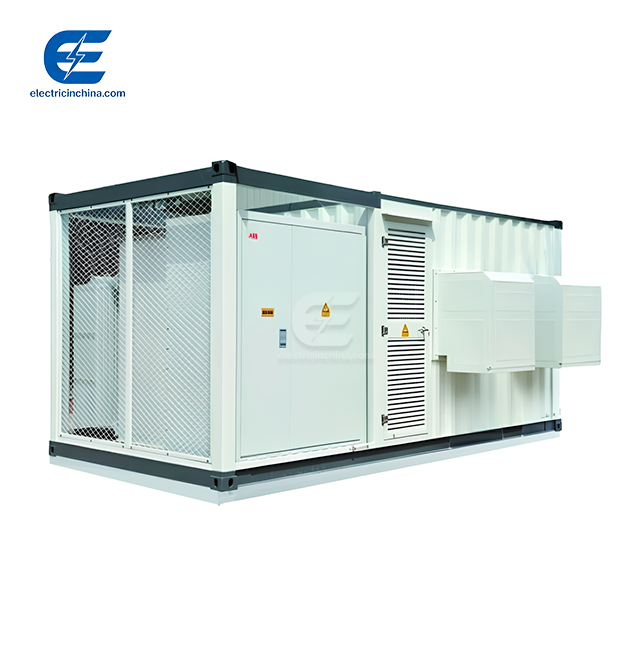
Container-type substations are portable, but they often have fewer features and capabilities. Standard shipping containers have limits on the size of transformers and the ways they can be ventilated. Our specially made enclosures have the best interior plan for controlling temperature and getting to them for upkeep. It can handle up to 2500kVA of load, which is enough for heavy industrial loads or multiple commercial feeders, and it stays small.
Verified Performance Through Project Experience
Our track record speaks directly to concerns about our dependability. The Xuzhou High-speed Railway East Station Official Power Supply EPC Project required top-notch work—continuous operation was crucial for traveller safety. We provided dual-circuit setups that could automatically switch between them, which made sure that power would keep flowing even if one point failed. In Xuzhou Power Supply Company's reviews, the work got the highest score for quality.
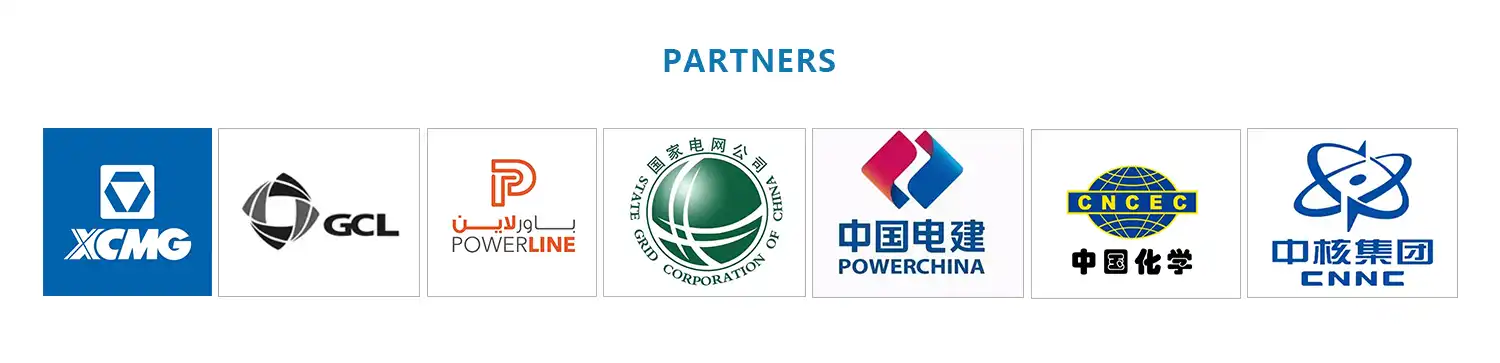
When used in industry, there are different problems to solve. The XCMG Group had to quickly install the new power supply so that production wouldn't be interrupted. Manufacturing, delivery, and commissioning were all done ahead of schedule, which meant that the client could start doing business as planned. In the same way, the GCL Photovoltaic Industrial Park power transfer project showed that we can help integrate green energy, which is becoming more important as concerns about the environment change the way energy infrastructure is built.
For commercial projects, both technical efficiency and aesthetics must be taken into account. For projects like Huaihai Xintiandi and Zhongjun Huijingcheng, our small units were carefully designed to fit into the site plans while providing reliable power distribution. Noise levels stay low thanks to well-thought-out transformer design and vibration isolation, which addresses community concerns that can make approval processes more difficult.
Procurement and Partnership – How to Source YBM Series Prefabricated Substations
Streamlined Ordering Process for B2B Clients
When looking for electrical infrastructure equipment, it's important to be clear about the requirements, customisation options, and delivery times for a YBM Series Prefabricated Substation. We've set up our purchasing process so that it can quickly meet these goals. Initial enquiries are answered within 24 hours, putting you in touch with technical experts who understand the needs of your project. To make suggestions for the best configurations, our team looks at load calculations, voltage needs, site constraints, and environmental conditions.
There are more ways to customise than just choosing from a catalogue. Working at heights above 2000 meters? We change the way cooling systems work and adjust the levels of insulation to match. Places with temperatures ranging from -40°C to +50°C? Our tests on the temperature range show that it works in this range. Seismic zones that need stronger structural bracing? We include fastening features that are in line with local laws. Before being sent out, each unit goes through plant acceptance testing. Third-party witness testing is also offered upon request.
Pricing structures reflect project scale. We offer quantity savings on large orders for infrastructure improvements while still keeping our quality standards. Payment terms work with the way projects usually get funded, which is standard in EPC contracting. We work with shipping partners who are experienced in moving large electrical equipment, so we can make sure that the delivery schedule fits with your building schedule.
After-Sales Support and Warranty Coverage
How well the equipment works depends on how well it is set up and how well it is supported afterward. For 24 months after completion or 30 months after shipment, whichever comes first, our guarantee covers problems with the way the product was made. This coverage includes new parts and expert help to figure out what's wrong. For projects that need longer safety periods, there are choices for extended warranties.
Technical help lasts for the whole life of the tools. We keep important spare parts like operating mechanisms for circuit breakers, protection relays, and transformer accessories in stock. Emergency help hotlines put you in touch with experts who know how to fix your problem. For big projects, we offer on-site commissioning supervision and operator training to make sure your staff knows how to run and maintain the equipment correctly.
Our dealer network covers important areas and gives you local people to talk to about regular repair needs. These authorised partners keep common spare parts on hand and can send techs for routine maintenance or fixes that need to be done right away. Registered clients can access our technical documentation repositories, which contain up-to-date drawings, equipment manuals, and technical bulletins that address feedback from the field.
Future Trends and Sustainability Impact of YBM Series Prefabricated Substations
Alignment with Smart Grid Evolution
Advanced metering systems, distributed generating resources, and demand response programs are being put in place by electric companies all over the world. For these smart grid projects to work, they need YBM Series Prefabricated Substations that can handle power flow in both directions, track in real time, and be controlled from afar. Our design platform is ready for these needs because it has built-in contact tools and improved security measures.
Using renewable energy forces certain technical needs. Voltage changes that are hard for traditional distribution systems to handle are caused by solar and wind power. Our tracking systems keep an eye on these changes all the time, giving us information that we can use to control voltage and handle power quality. As battery storage systems get cheaper, our low-voltage modular parts can easily be changed to include inverter connections and energy management controls.
Digitalisation changes how repair is done. Time-based service schedules are replaced by condition-based monitoring, which cuts costs and raises reliability. We put sensors in key parts of the system so that they continuously collect performance data. Predictive analytics find degradation trends before they happen, which lets scheduled interventions happen during planned downtime instead of emergency reactions.
Environmental Responsibility and Certification Standards
Sustainability factors are becoming more and more important in buying choices. Using vegetable-based transformer shielding oil instead of mineral oil has less of an effect on the earth. This biodegradable fluid lowers the risk of contamination in places that are good for the environment. Material choice is based on how easily it can be recycled; steel housings and copper wires are still valuable after their useful life is over.
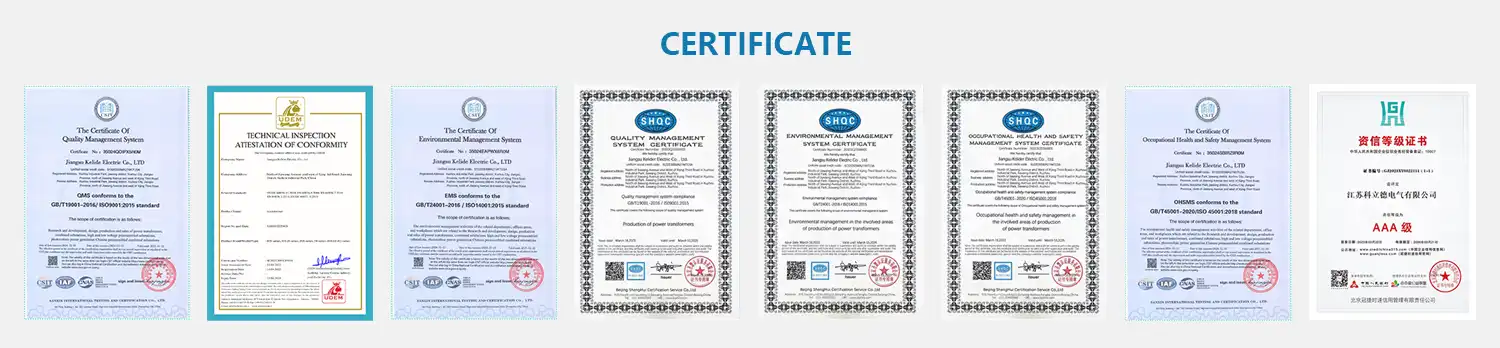
The way we make things shows that we care about the world. ISO 14001 certification proves that environmental issues are managed in a planned way throughout production. Modern winding tools and curing ovens that use less energy lower the carbon footprint of production. Waste management rules make sure that shielding materials, packing, and waste from the process are handled correctly.
Product approvals show that a product meets foreign standards. ISO 9001 quality management makes sure that the way products are made and how they are made are always the same. OHSAS 45001 certification for health and safety at work protects workers' health. The CCC approval shows that safety and electromagnetic compatibility standards have been met. With these qualifications, you can be sure that our equipment meets strict technical and legal requirements that apply to markets around the world.
Conclusion
The YBM Series Prefabricated Substation is a tried-and-true method for distributing energy in the modern world, and they have many benefits over traditional building methods. Our factory-built units make installation 60% faster, save 30% space, and fully integrate high-voltage switches, transformers, and low-voltage distribution equipment. These options are tough enough for government buildings, business developments, and industrial facilities, with IP54 protection against the environment, 25kA short-circuit capacity, and a 30-year design life. Our 20 years of project experience, ISO certifications, and technical skills give procurement professionals the confidence and support they need to make important investments in power infrastructure.
FAQ
1. What capacity options are available for different project sizes?
Our YBM Series Prefabricated Substations can handle transformer rates between 315kVA and 2500kVA, making them useful for a wide range of uses, from business buildings to industrial plants. Office buildings, shopping malls, and housing developments with smaller capacities are served. Mid-range units help out with data centers, factory plants, and college campuses. Maximum capacity arrangements are the main way that power gets to industrial parks or groups of buildings. When projects need more power than a single transformer can handle, custom paralleling setups can add to the total capacity.
2. How do safety features compare to conventional substations?
Improvements to safety include IP54 waterproof protection, an arc-resistant design that keeps fault energy away from people, interlocked access that keeps people from touching energised parts, and ground fault detection that lets you know right away when insulation fails. The 25kA short-circuit withstand capability is a lot higher than the usual grid fault levels. Assembling things in a factory under controlled conditions ensures uniform quality that can't be achieved with building on-site, where weather and site conditions can change the way work is done.
3. What are typical lead times for customized units?
Standard setups usually need 6 to 8 weeks from the time the order is confirmed until they are ready to ship. Custom specs that need different power levels, different sizes, or extra features may make the lead time 10 to 12 weeks. When planning is possible, manufacturing schedules can be adjusted to meet urgent project needs. We keep an inventory of parts for common configurations, which lets us speed up production when construction schedules call for early delivery.
Partner with a Trusted Prefabricated Substation Supplier
Tuojie offers complete power distribution systems and has been doing the right thing with planning and projects for over twenty years. We are an experienced company that makes YBM Series Prefabricated Substations. To make sure your infrastructure projects succeed, we have ISO-certified quality management, advanced production facilities with 120+ sets of equipment, and 15 senior engineers who can help you with technical issues. Over the years, we've finished hundreds of projects in the business, industrial, and government sectors, ranging from rail transit systems to solar industrial parks. We help with everything, from the initial design to commissioning and ongoing maintenance. You can talk to our technical team about your project needs and get full specs that are made just for you by emailing tuojie@electricinchina.com.
References
1. Chen, W., & Liu, X. (2022). Prefabricated Substation Technology and Applications in Modern Power Distribution Systems. China Electric Power Press.
2. International Electrotechnical Commission. (2021). IEC 61330: Composite Insulators for AC Overhead Lines with a Nominal Voltage Greater than 1000 V – Definitions, Test Methods and Acceptance Criteria. IEC Standards Publication.
3. Zhang, H., Wang, S., & Kumar, R. (2023). Smart Grid Integration Strategies for Modular Distribution Equipment. IEEE Transactions on Power Delivery, 38(2), 1245-1258.
4. American Society for Testing and Materials. (2019). ASTM B117: Standard Practice for Operating Salt Spray Apparatus. ASTM International.
5. Liu, Y., & Thompson, J. (2023). Comparative Life Cycle Assessment of Prefabricated versus Traditional Substation Construction. Journal of Sustainable Energy Engineering, 11(4), 312-329.
6. National Electrical Manufacturers Association. (2021). NEMA Standards Publication: Guidelines for Specification and Procurement of Prefabricated Substations for Commercial and Industrial Applications. NEMA Technical Report TR-2021-08.