

.webp)
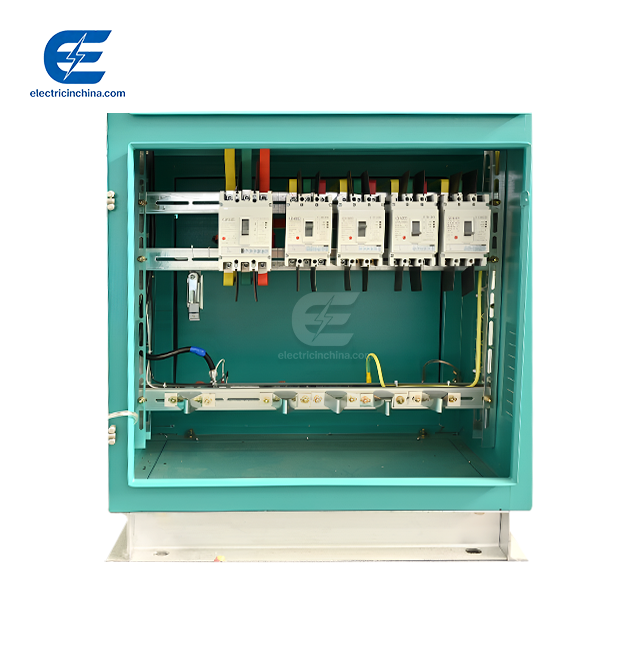
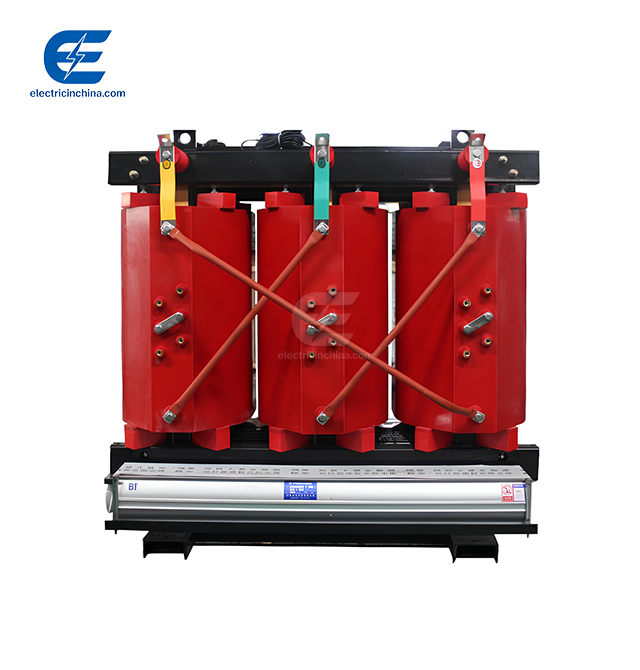
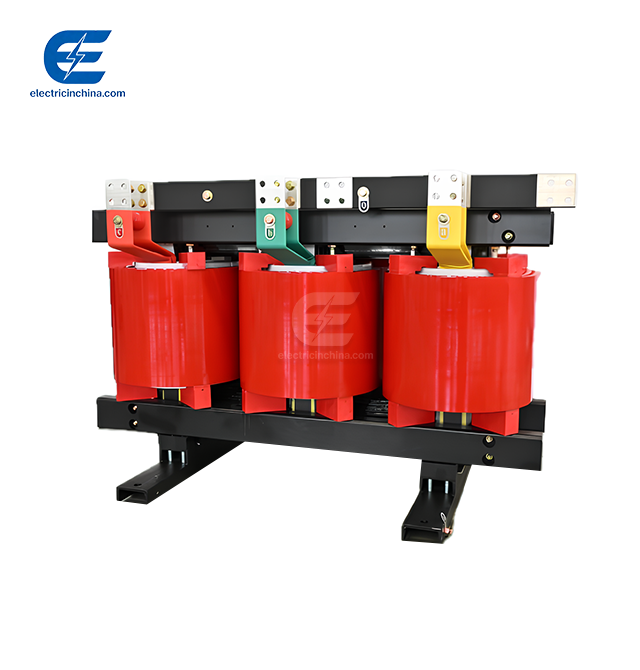
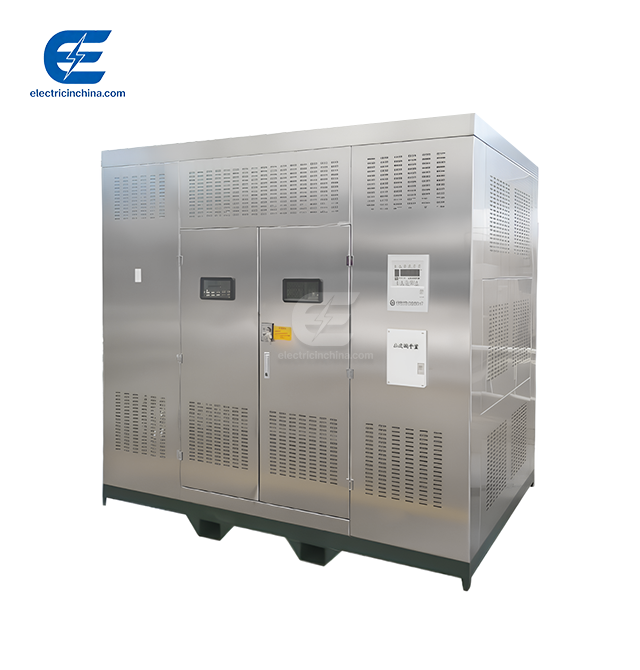
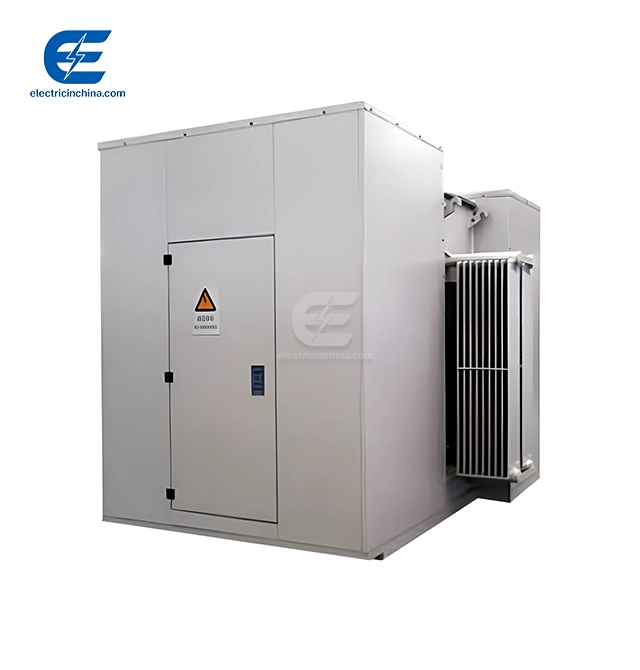
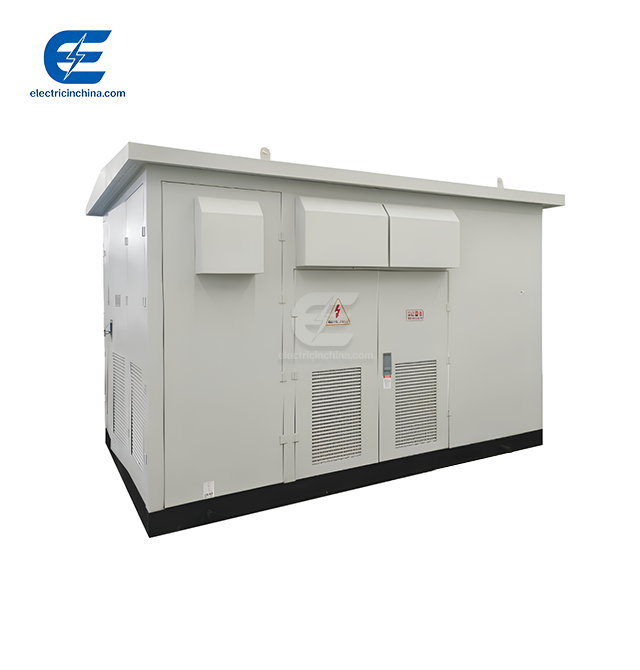
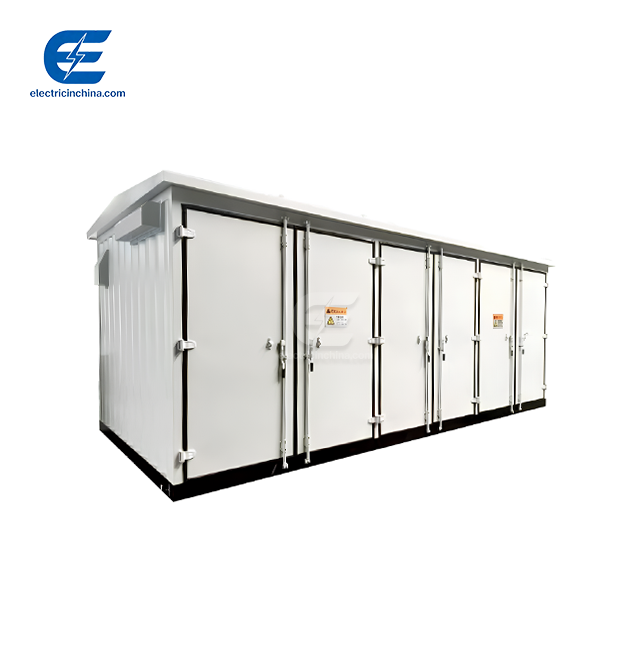
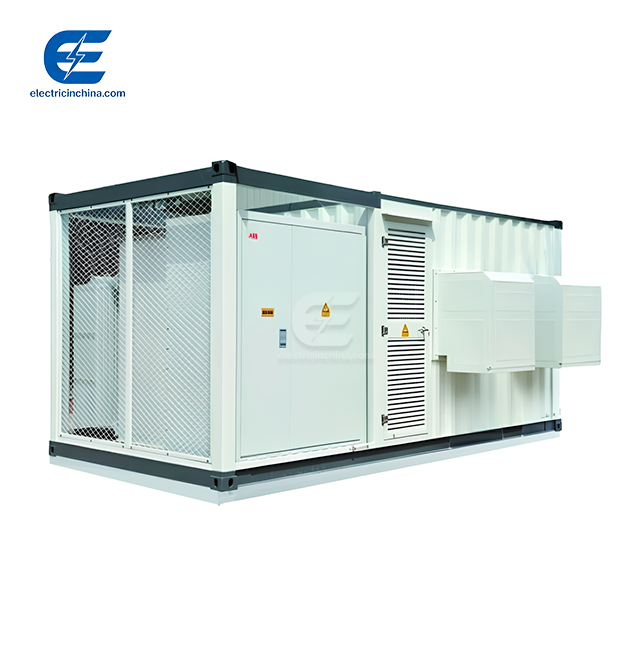
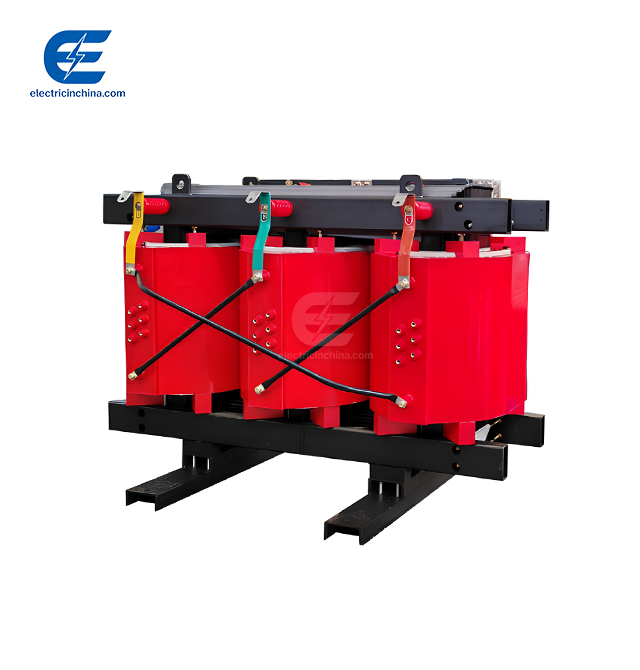
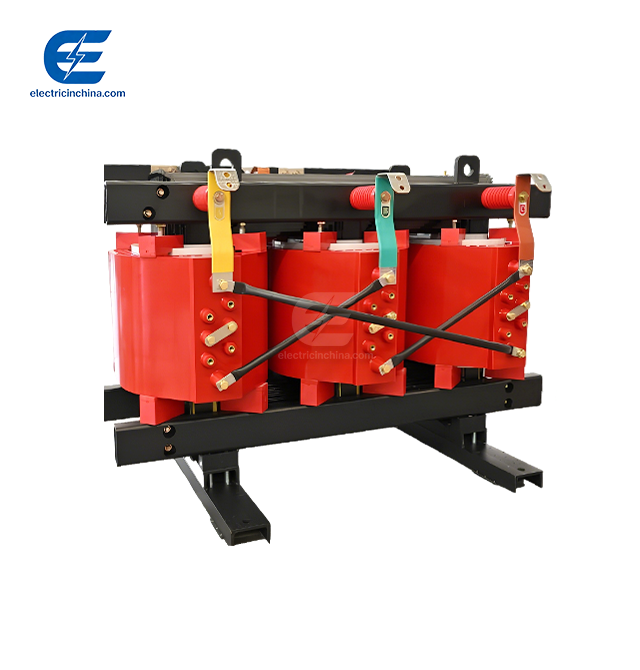
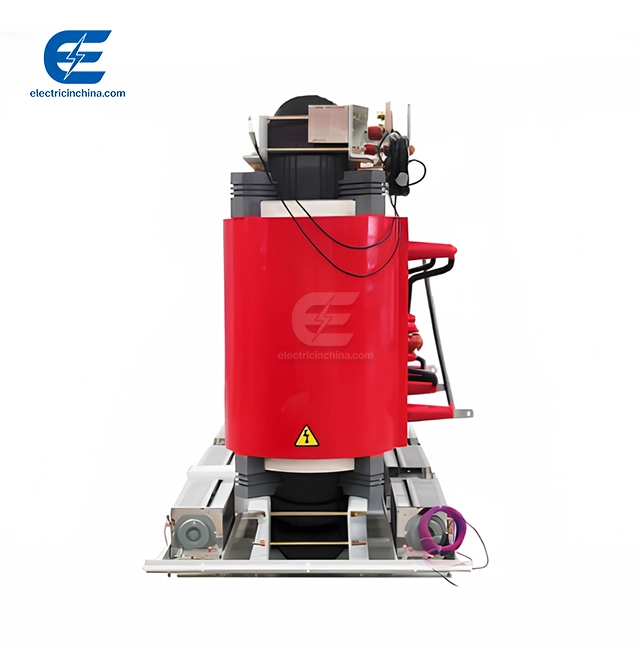
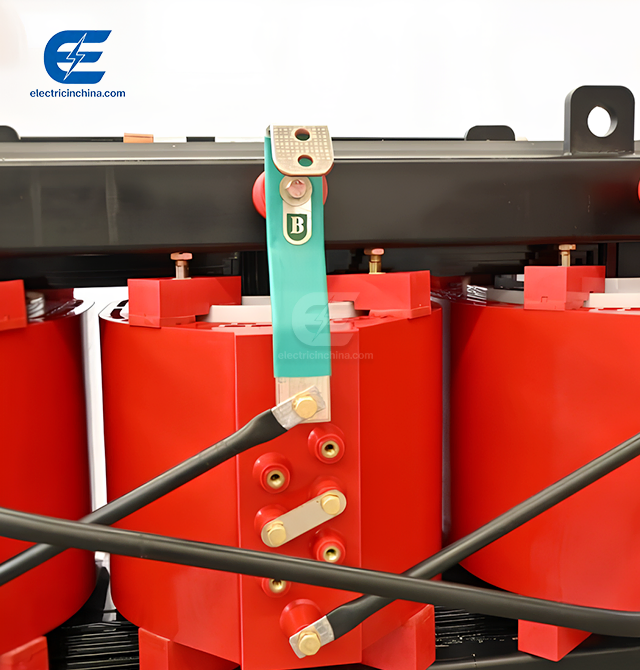
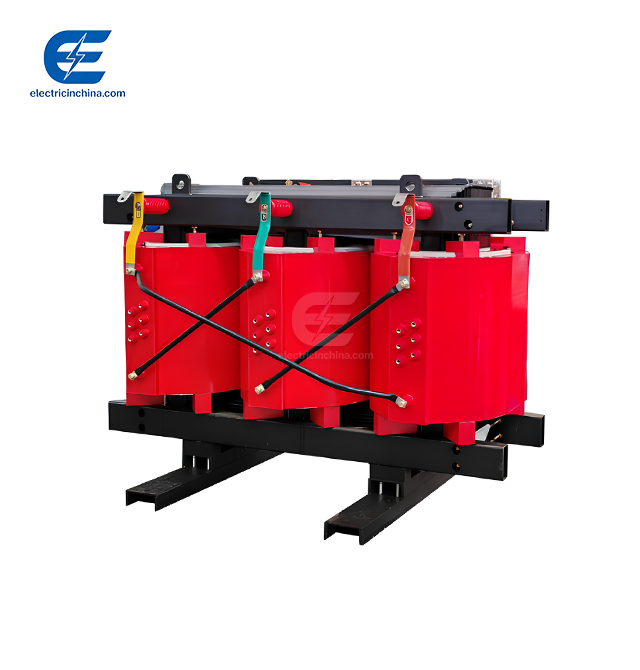
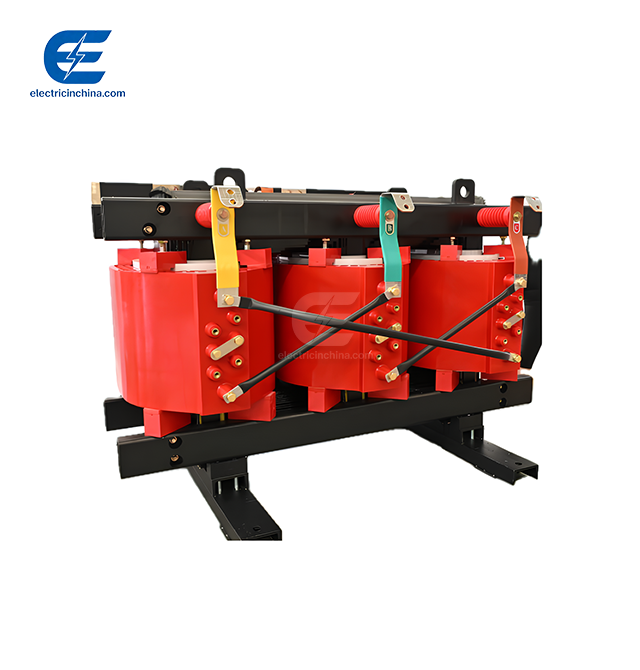
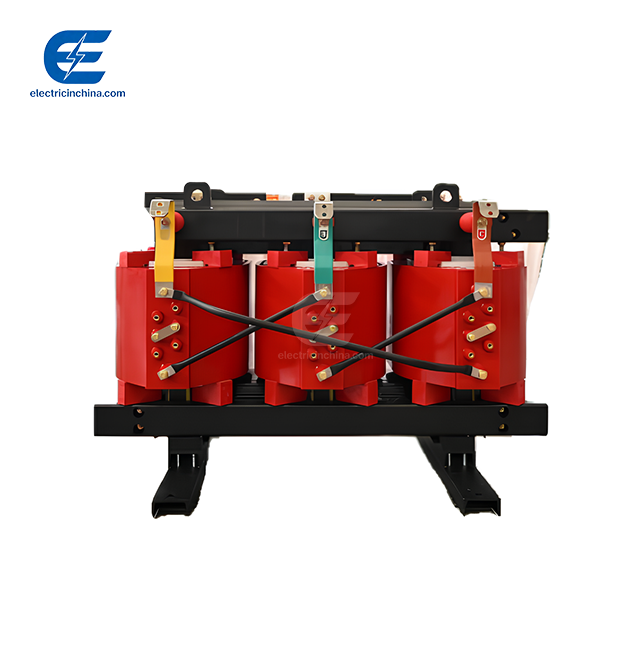
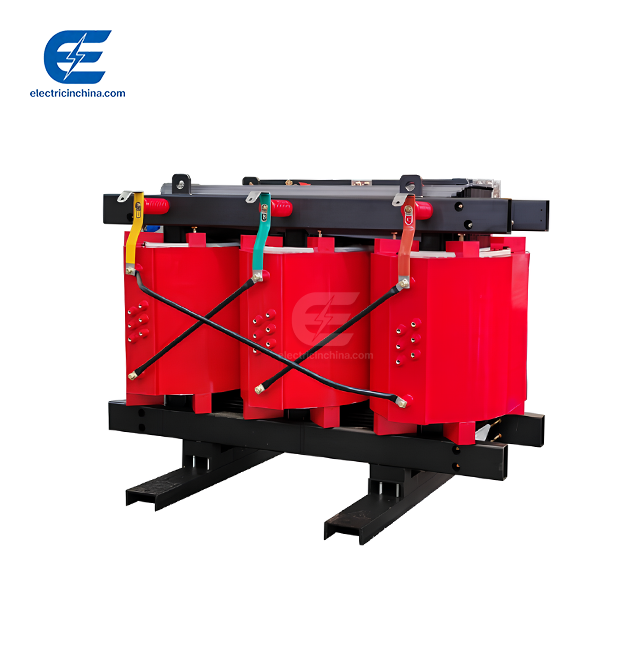
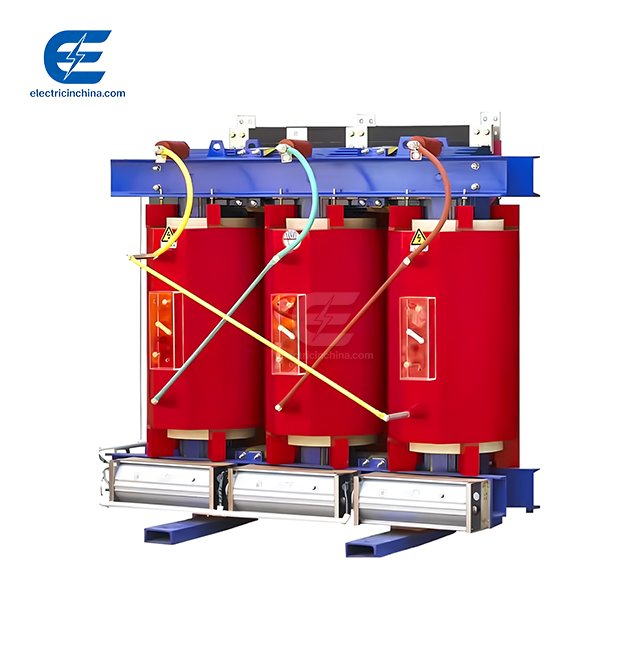
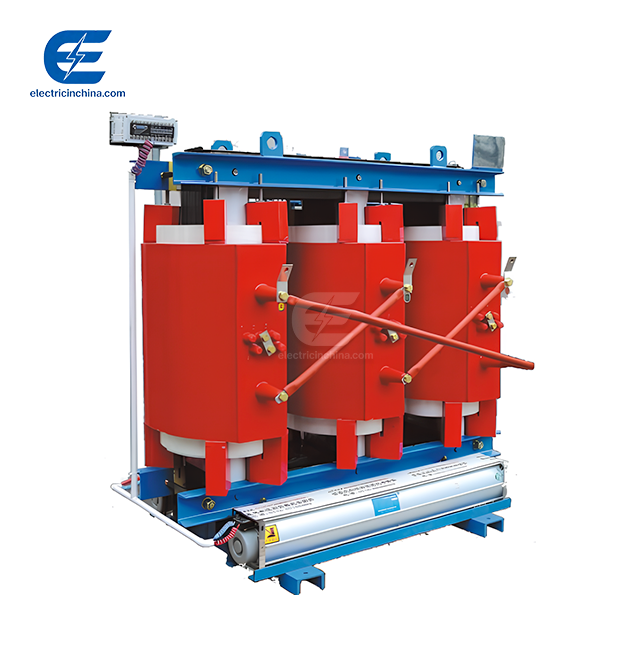
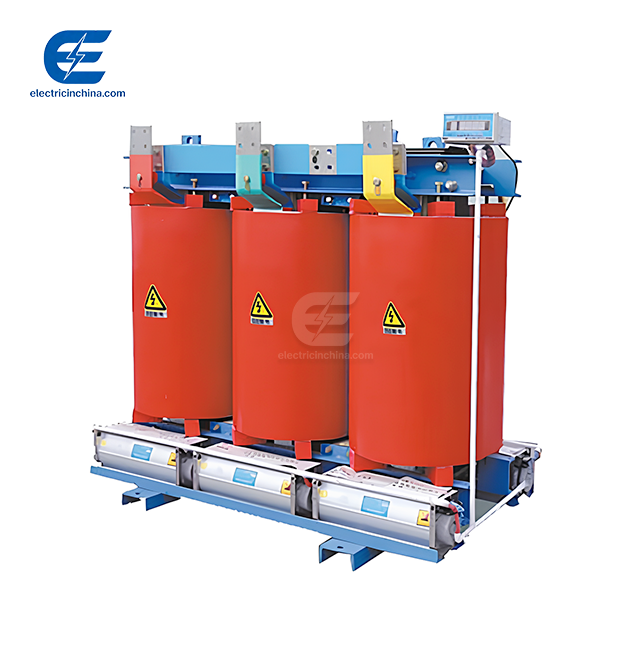
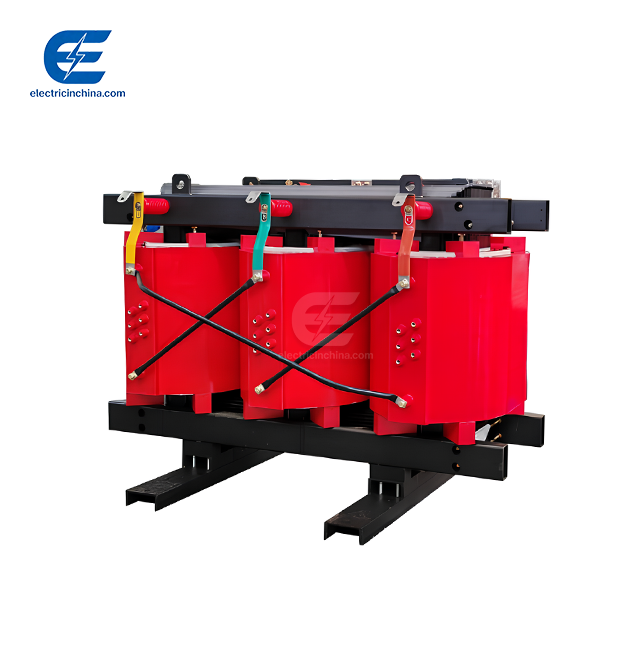
The 10kV-35kV SCB10 Industrial Dry Type Transformer makes your building safer by getting rid of the need for oil-based insulation. This means that there are no longer any fire or blast risks. This cast resin design meets IEC 60076-11 flame-retardant standards and uses epoxy encapsulation technology to put out fires on its own when the power goes out. You can place them indoors in a variety of ways without having to pay for expensive fire control systems. This protects people and equipment while keeping power flowing reliably in sensitive areas where oil-filled units would be too dangerous.
Understanding Safety Challenges in Industrial Transformers
Industrial facilities are under more and more pressure to keep workers, tools, and processes safe from accidents involving transformers. Some risks come with using traditional oil-immersed transformers that buying teams can't ignore when they are planning power infrastructure for government projects, business developments, or factories.
Why Oil-Filled Transformers Create Operational Risks
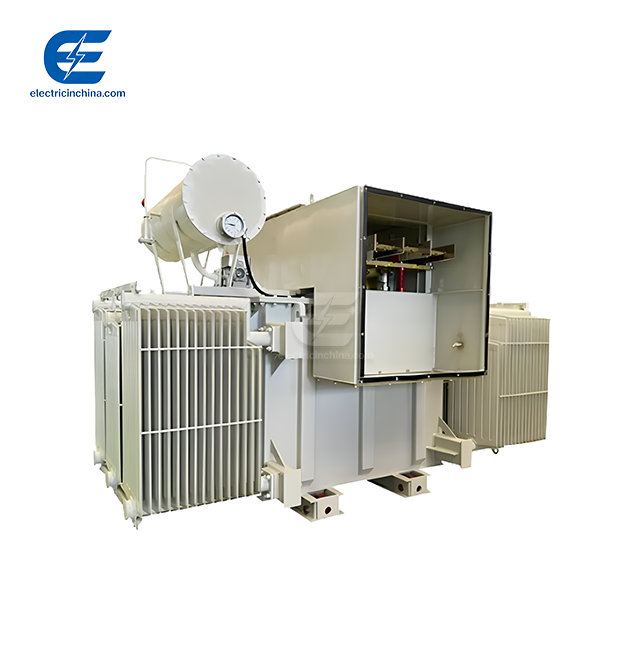
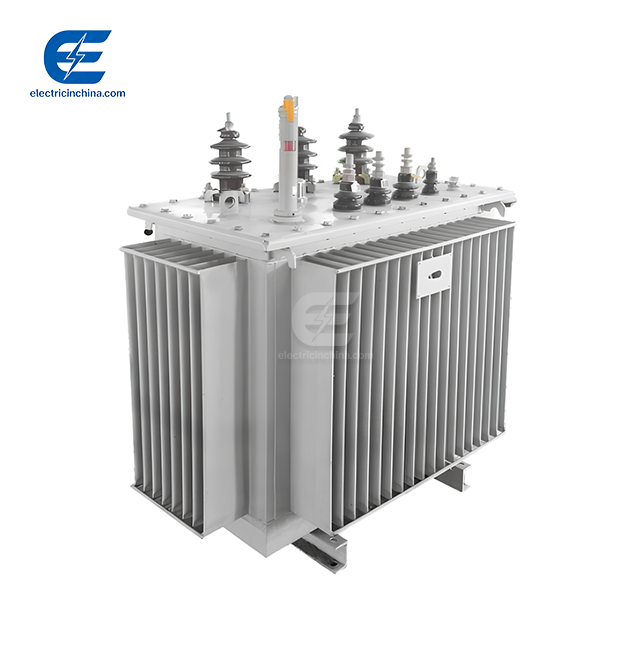
Hundreds of gallons of flammable dielectric fluid are stored in oil-immersed units. Overheating or a lack of insulation can cause this oil to catch fire quickly, starting huge fires that put whole buildings at risk. Electrical distribution equipment fires damage property worth more than $1.3 billion a year, according to the U.S. Fire Administration. A lot of these fires happen in transformers.
In addition to causing fires, oil leaks pollute land and groundwater, which can cost more than $500,000 to clean up after each occurrence. For pollution, regulatory agencies have harsh punishments, and cleaning operations stop production for weeks. When working on building projects, EPC companies are exposed to liability that lasts after the project is finished. This makes choosing an oil transformer more difficult.
The Hidden Costs of Transformer Failures
Problems with the electricity in medium-voltage distribution systems stop factories, hospitals, and data centers from doing important work. Industry standards say that a single transformer failure can cause downtime of up to 18 hours, which costs industrial makers $260,000 per hour in lost output. When tenants agree to uninterrupted service, real estate developers who put in power systems in business buildings can't leave this open to risk.
In harsh industrial settings where temperature changes, moisture, and other contaminants make traditional transformer designs less reliable, insulation wears out faster. Maintenance teams have a hard time spotting wear and tear before it leads to a major failure, which leaves facilities open to sudden shutdowns. If project managers want long-term dependability, they need transformer options that can work in harsh situations without needing a lot of tracking.
Key Safety Features of 10kV-35kV SCB10 Dry Type Transformers
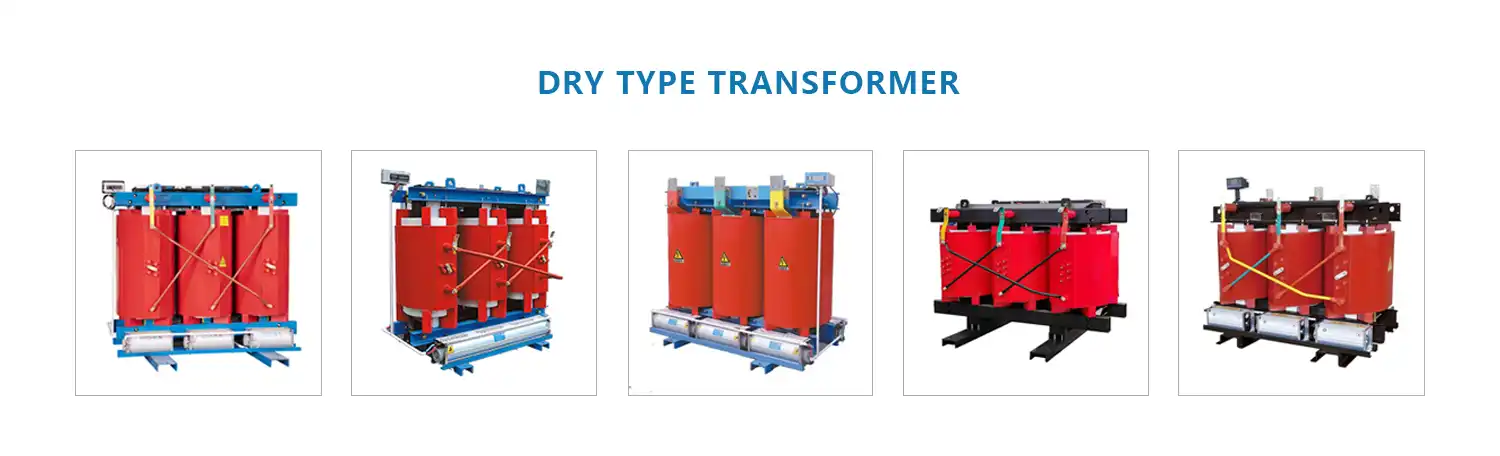
For modern power distribution, 10kV-35kV SCB10 Industrial Dry Type Transformer technology must prioritize worker safety, environmental protection, and keeping operations going first. The SCB10 line meets these needs with new engineering innovations that get rid of most of the usual safety issues.
Epoxy Resin Encapsulation Eliminates Fire Hazards
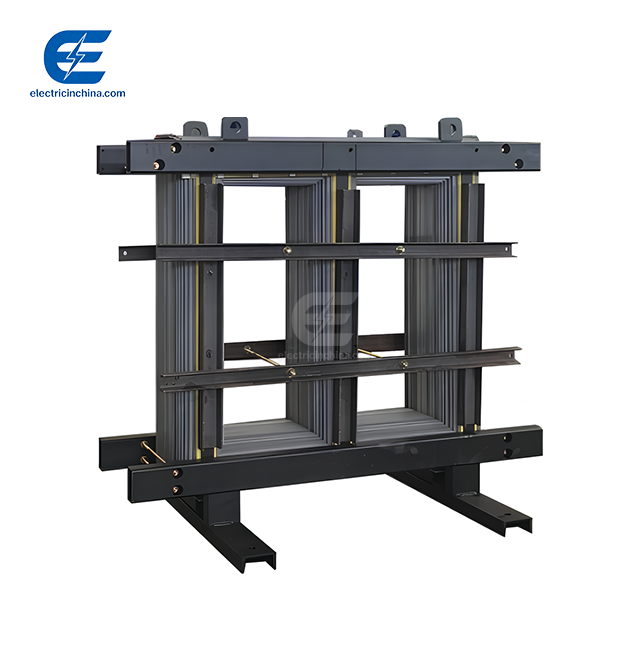
Using vacuum pressure impregnation technology, flame-resistant epoxy glue is wrapped around the windings to make a secure insulation system that won't leak or catch fire. When electricity problems cause heat, the resin substance goes out on its own in seconds, stopping the fire from spreading to other parts of the building. This safety feature works on its own, without any help from a person or a fire suppression system.
Xuzhou Tuojie came up with a resin casting method that uses flame-retardant materials that meet international safety standards. When there is a short circuit, and temperatures rise above 200°C, the epoxy keeps the structure together and stops combustion. You put these dry-type transformers right next to production equipment, control rooms, or places where people are, since oil units would not follow safety rules.
Through improved compression methods used during the casting process, our engineering team was able to reduce the winding thickness by 28%. This small design lets transformers be used in electrical rooms in the basement, on rooftops, and in industrial settings with limited space, where regular units can't physically meet fire clearance standards. Government development projects can keep their full power output from 30KVA to 31,500KVA while reducing the size of their buildings.
Superior Moisture Resistance Maintains Insulation Integrity
When moisture gets into standard transformers, the insulation stops working as well, which creates electrical lines that end in catastrophic breakdowns. The SCB10 series keeps working properly even when the humidity level is 100% because it uses hydrophobic resins that stop water from absorbing. Long-term exposure to condensing humidity, salt fog, and industrial pollution has been tested and found not to affect function.
After times of shutdown, your operations can continue without any interruptions because you don't have to do the pre-drying steps that older or oil-filled designs do. The resin encapsulation stops water from getting into the winding structures. This stops electrical tracking and insulation breakdown, which can lead to safety problems. When compared to older generations of transformers, the insulation performance of makers who work in seaside areas, chemical processing plants, or places with a lot of humidity is 30% better.
Thermal Management and Overload Protection
For medium-voltage distribution equipment, temperature rise during operation is still a very important safety factor. The SCB10 thermal design has specially designed cooling channels built into the plastic structure that let heat escape quickly through natural airflow. During rated load operation, surface temperatures stay below 95°C, which lowers the risk of fire in the area.
When your facility needs more space during times of high production, forced-air cooling systems let it work at 150% of its rated load without compromising safety. By tracking the temperature as part of the transformer's design, repair teams can catch problems early and fix them before they become problems. This proactive defence makes sure that the equipment stays safe during its entire working time, which is longer than 25 years.
Noise Reduction Protects Workplace Environments
In places where people work near electrical equipment, acoustic emissions from transformers can be bad for their health. The SCB10's cast resin design stops vibrations and lowers noise to levels below 55dB, which is about the same as a regular conversation. Because it is so quiet, it can be put in places like hospitals, research labs, and businesses that would normally need expensive sound walls to block out noise.
The solid covering gets rid of the magnetostriction noise that comes from standard designs' loose laminations. These transformers are chosen by project managers for use in schools, office buildings, and housing developments where user comfort requires minimal noise from building systems.
Technical Parameters That Ensure Reliable and Safe Performance
Engineering standards lay the groundwork for safe transformer operation in a wide range of industry settings. By understanding these factors, procurement teams can choose the 10kV-35kV SCB10 Industrial Dry Type Transformer to meet their specific operational and safety needs.
Voltage Ratings and Capacity Range
The primary voltage ratings of the SCB10 series range from 10kV to 35kV. This meets the medium-voltage distribution needs of factories, shopping malls, and infrastructure projects. Secondary voltage setups can handle 400V, 480V, and other voltages as needed by foreign equipment standards. This gives EPC contractors the freedom to make power systems that meet the needs of local utilities while still leaving enough safety margins in the distribution network.
With ratings from 30KVA to 31,500KVA, these solutions can be used in a wide range of settings, from small business buildings to big industrial complexes. Each capacity number includes safety factors that make sure the machine can work steadily under different load situations without going over its temperature limits. The design of the transformer allows for load growth, which protects your initial investment and allows your facility to grow.
Compliance with International Safety Standards
IEC 60076-11 approval checks how cast resin transformers behave in fires and how well they work in the environment. This gives customers peace of mind that the units meet strict European safety standards. IEEE C57.12.91 compliance shows that the insulation systems, thermal performance, and short-circuit withstand abilities meet North American requirements. These licenses make it easier for projects that need to show compliance with regulations to get approved.
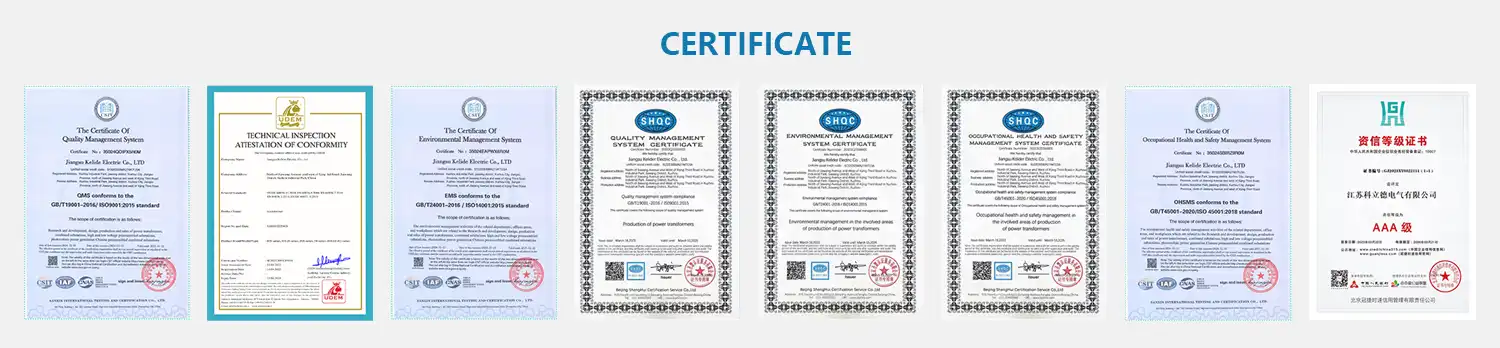
Our factory has ISO 9001 quality control approval, which makes sure that all of the transformer parts are made to the same high standards. Each product receives routine testing, including insulation resistance measurement, partial discharge detection, temperature rise verification, and short-circuit simulation before shipping. Each transformer comes with a documentation package that gives engineers and testers full test records that support safety approval.
Built-In Safety Margins and Protection Systems
By 10-15% less load loss compared to older generations of transformers, less heat is generated during operation, which increases safety gaps when the load is constant. Lower losses mean less chance of fire and lower operating energy costs, which can save big sites thousands of dollars a year. Cooler-running equipment helps industrial makers because it makes parts last longer and requires less upkeep.
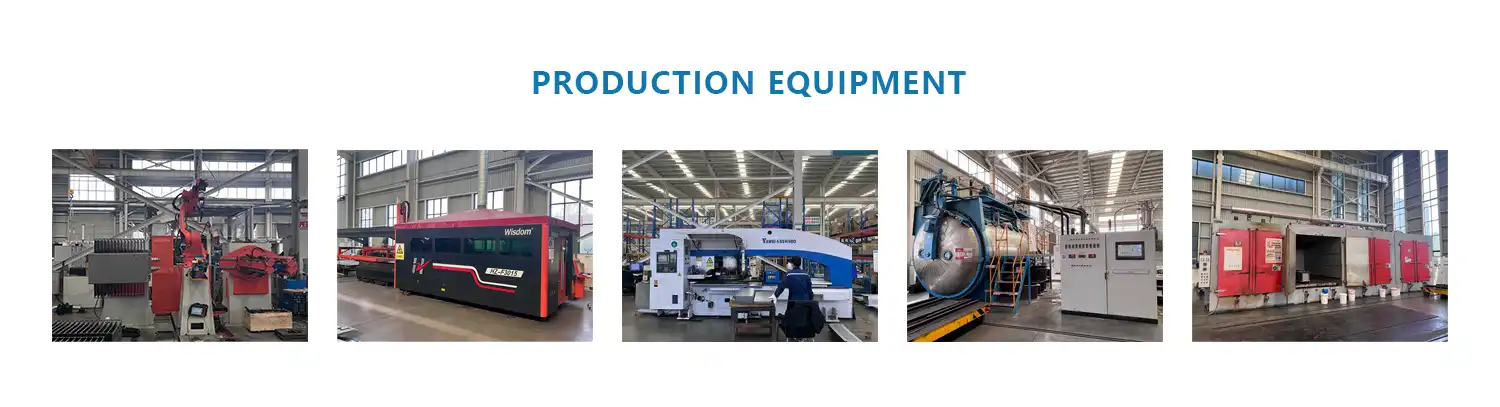
Keeping partial discharge levels below 10pC stops insulation degradation that causes traditional designs to fail too soon. This performance is possible thanks to more than 120 sets of CNC production tools and quality control methods that watch over every step of the production process. Transformers with built-in safety features that go above and beyond industry standards are the result of investments in advanced manufacturing technology.
Comparing SCB10 Dry Type Transformers with Other Transformer Types for Safety
To choose the right transformer technology, you need to know how the different designs deal with safety issues. This comparison makes it clear what benefits 10kV-35kV SCB10 Industrial Dry Type Transformers offer buying teams that want to minimise risk.
Oil-Immersed Transformers: Legacy Risks
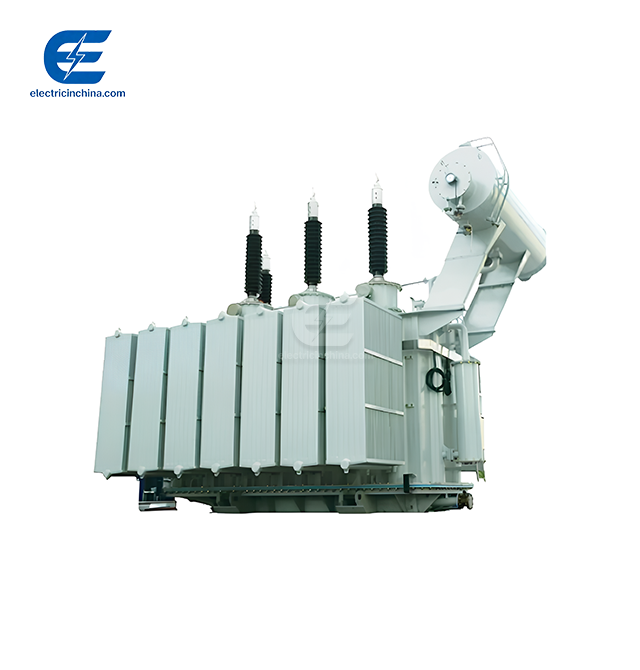
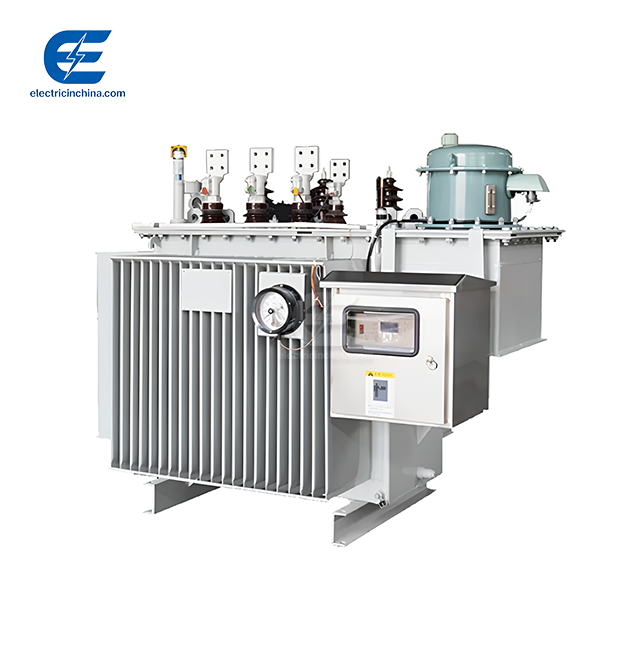
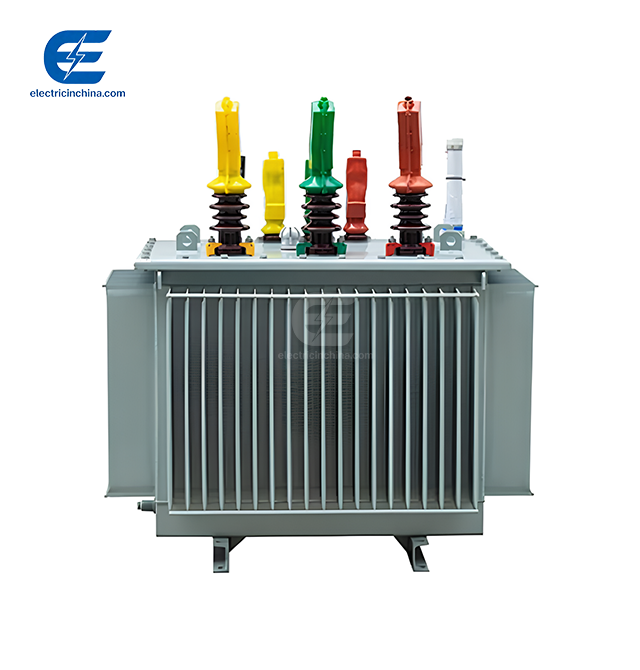
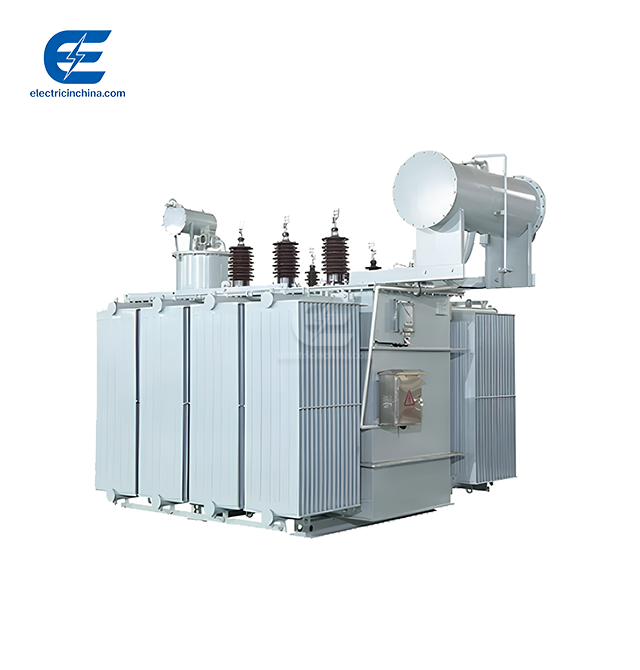
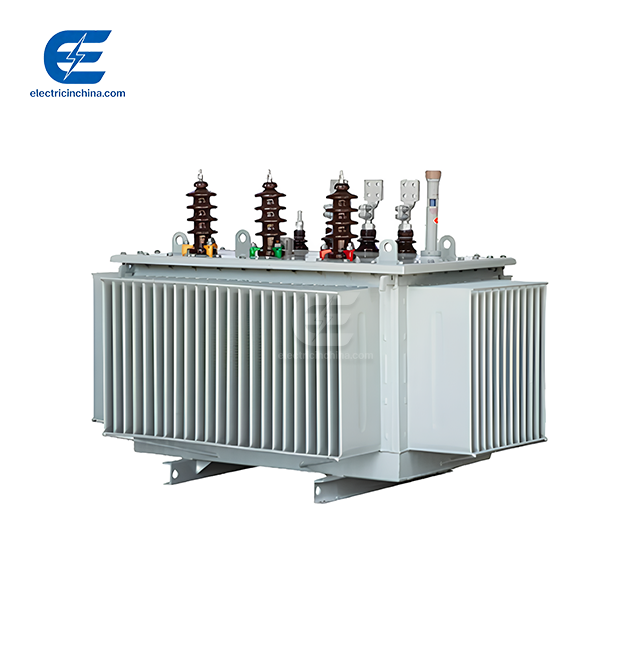
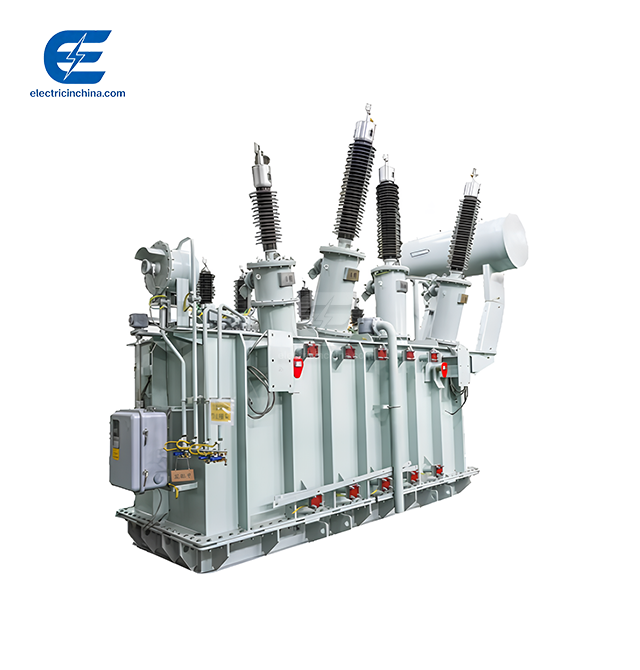
Traditional oil-filled units are still used a lot in utility applications, but they pose too many risks for indoor industrial settings. While dielectric oil is great for cooling, it can also start fires, so it needs to be kept away from busy areas and protected with a lot of different tools. Maintenance tasks include checking the oil, filtering it, and eventually replacing the fluid, which puts a constant strain on safety management.
More and more, environmental laws make it harder to put oil transformers near rivers, neighbourhoods, or ecosystems that are sensitive. When contamination happens, guilty people have to report it, clean it up, and could be charged with a crime. When real estate developers and commercial building owners specify oil-filled equipment in buildings with multiple tenants or open to the public, their insurance rates go up.
These worries are completely taken away by the SCB10 dry type design, which is made without any oil. The cost of installation goes down a lot when projects don't need fire barriers, oil containment systems, or environmental monitoring equipment. Permitting processes that are easier to understand and have less long-term liability are especially helpful for government infrastructure projects.
SCB11 and SCB13 Series: Evolution of Dry Type Technology
The transformer business keeps making improvements to dry-type designs to make them more efficient and work better. SCB11 models featured improved core materials, reducing no-load losses, while SCB13 versions contain further efficiency improvements. Understanding these changes between generations helps buying teams find a balance between goals for safety and energy economy.
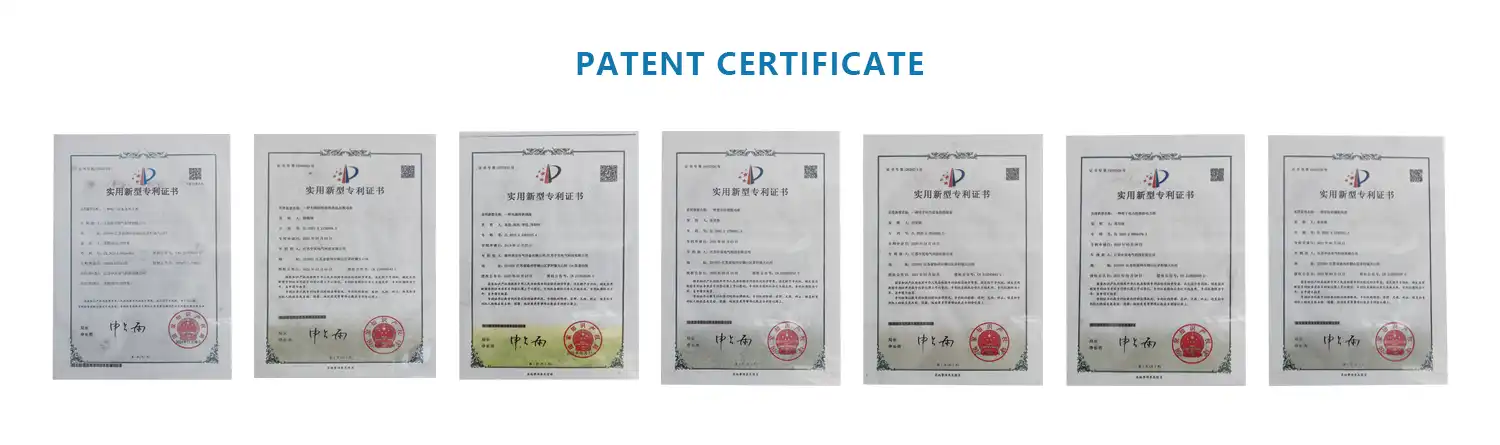
Large numbers of installations in the field have shown that the SCB10 series works well in a wide range of situations. Over twenty years of production, Xuzhou Tuojie has made improvements to the way they make things that have led to consistent quality and safety standards that have been proven by hundreds of completed projects. Our engineering team has 18 patents that cover things like new ways to cast, make shielding, and handle heat that make things safer.
When looking at different generations of dry-type transformers, the SCB10 has the best mix of proven dependability, safety features, and low cost for project budgets. Teams working on major projects that need to be reliable for a long time choose this series because it has a history of reliability and a wide range of certifications.
Maintenance and Operational Best Practices to Maximize Safety
Taking good care of transformers increases their useful life and keeps them safe during their operating time. Putting in place structured maintenance protocols will protect your staff and your investment.
Routine Inspection Protocols
Visual checks done once a year find possible problems before they become safety incidents. Maintenance workers look at plastic surfaces for cracks, discolouration, or burning signs that could mean the machine isn't working right. Connections, connections, and grounding systems are checked to make sure they stay electrically sound. When check results are written down, past records are made that can be used to support predictive maintenance strategies.
Electrical testing is done every six months to check the resistance of the insulation and make sure that moisture or contamination has not damaged the protective barriers. Power factor testing can find insulation that is breaking down, which lets you replace parts before they break. Infrared thermography finds hot spots that mean links are loose, or there is an overload that needs to be fixed.
Installation Requirements for Safe Operation
The people who are trained to install 10kV-35kV SCB10 Industrial Dry Type Transformers make sure that the right steps are taken for placing, connecting, and starting up. Enough air flow keeps working temperatures within the limits set by the manufacturer, and enough space between parts keeps people from touching powered parts by mistake. It is important to pay attention to grounding devices because they protect against fault currents and lightning strikes.
When thinking about the environment, you need to make sure that resin surfaces are safe from things like direct water exposure, too much dust, and corrosive atmospheres that could break them down over time. Even though the SCB10 design can handle tough conditions better than other technologies, it is important to follow the right installation procedures to make sure safety and extend the life of the equipment.
Partnering with Authorized Manufacturers
Working directly with well-known transformer makers, you can get expert help, genuine replacement parts, and guarantee coverage to protect your investment. Xuzhou Tuojie International Trade keeps detailed records on all the units they make. This lets them respond quickly to technical questions and suggest upgrades as the needs of the building change.
Throughout the lifecycle of a project, our service network links clients with qualified installation contractors, commissioning engineers, and support experts. Employees of a facility learn the right way to operate machines, fix problems, and handle emergencies through technical training programs. It is because of this complete support system that transformers work safely and reliably for 25 to 30 years.
Conclusion
Cast resin dry-type transformer technology solves important safety problems that industrial facility managers, infrastructure planners, and commercial developers have. Eliminating fire risks, risks of polluting the environment, and the need for a lot of complicated maintenance creates operational benefits that go beyond basic power distribution needs. The 10kV-35kV SCB10 Industrial Dry Type Transformer series shows how new ideas in engineering can lead to real safety benefits that protect people, tools, and business stability. When project teams choose this technology, they get reliable power distribution options that meet strict government rules and help them reach their long-term operating goals. Dry-type transformers are the best choice when safety can't be compromised because they have been shown to work well in tough situations.
FAQ
1. What Makes Dry Type Transformers Safer Than Oil-Filled Units?
Cast resin transformers don't use any dangerous dielectric fluids, so they don't pose the blast and fire risks that 10kV-35kV SCB10 Industrial Dry Type Transformers or oil-immersed designs do. During electrical problems, the solid epoxy protection system puts out the fire itself, stopping it from spreading. There are no longer any environmental pollution risks because there is no liquid insulation that could leak into the ground or water systems.
2. How Often Do SCB10 Transformers Require Safety Inspections?
Visual inspections are done once a year to check the physical state and look for possible problems. Every two years, full electrical testing is done. Because it doesn't need to be maintained, it doesn't need oil testing, filtering, or fluid replacement like other transformers do. This shorter maintenance schedule keeps equipment safe and lowers operational costs over its lifetime.
3. Do These Transformers Meet North American Safety Standards?
Full compliance with IEEE and IEC international standards ensures that products can be sold all over the world. Safety performance is confirmed by ISO 9001 manufacturing approval and thorough testing procedures. Regulatory approval processes for projects that need authority approval are sped up by documentation packages that come with each unit.
Protect Your Operations with Proven Transformer Technology from Tuojie
Xuzhou Tuojie International Trade brings over 20 years of specialised experience in manufacturing power distribution equipment for demanding industrial applications. As a leading 10kV-35kV SCB10 Industrial Dry Type Transformer manufacturer, we deliver certified solutions backed by 18 patents and ISO 9001 quality systems. Our engineering team creates unique transformer setups that meet your exact needs for voltage, volume, and environmental factors. Get in touch with our technical experts at tuojie@electricinchina.com to talk about your project needs and get detailed specifications, competitive prices, and delivery schedules that work with your schedule. We offer full help, from the initial plan consultation to installation instructions and ongoing support for maintenance.
References
1. Chen, W., and Zhang, L. (2021). Comparative Analysis of Dry Type and Oil-Immersed Power Transformers in Industrial Applications. Journal of Electrical Engineering Technology, 16(3), 1247-1259.
2. International Electrotechnical Commission. (2019). Power Transformers - Part 11: Dry-type Transformers (IEC 60076-11:2018). Geneva: IEC Publications.
3. Kumar, R., and Patel, S. (2020). Fire Safety Assessment of Cast Resin Distribution Transformers in Commercial Buildings. IEEE Transactions on Industry Applications, 56(4), 4156-4165.
4. National Fire Protection Association. (2020). Installation of Liquid-Insulated and Dry-Type Transformers (NFPA 70: Article 450). Quincy: NFPA Standards.
5. Wang, H., Liu, Y., and Zhou, X. (2022). Reliability Engineering of Medium Voltage Dry Type Transformers for Industrial Power Systems. Electric Power Systems Research, 208, 107891.
6. Zhang, Q., and Anderson, M. (2021). Environmental and Safety Benefits of Epoxy Cast Resin Transformer Technology. Energy Engineering: Journal of the Association of Energy Engineers, 118(2), 89-107.