

.webp)
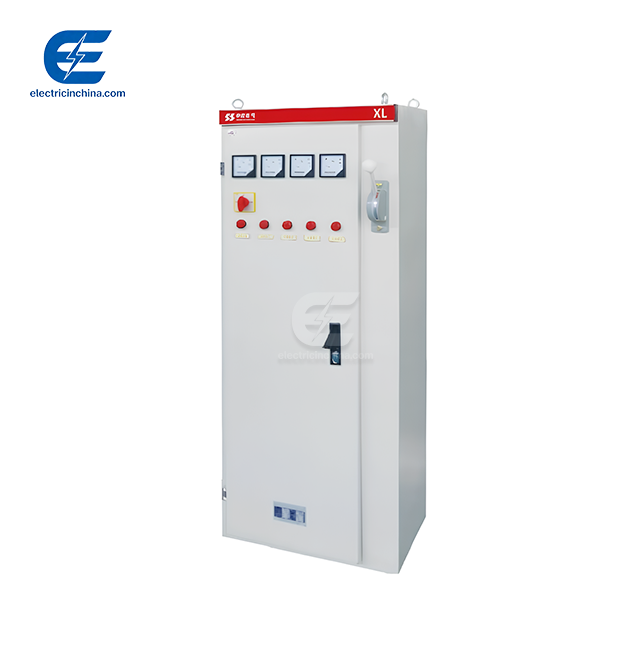
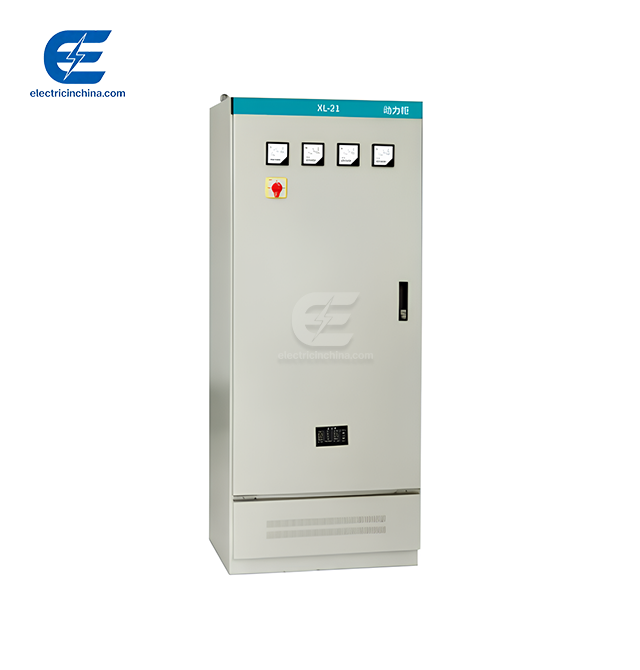
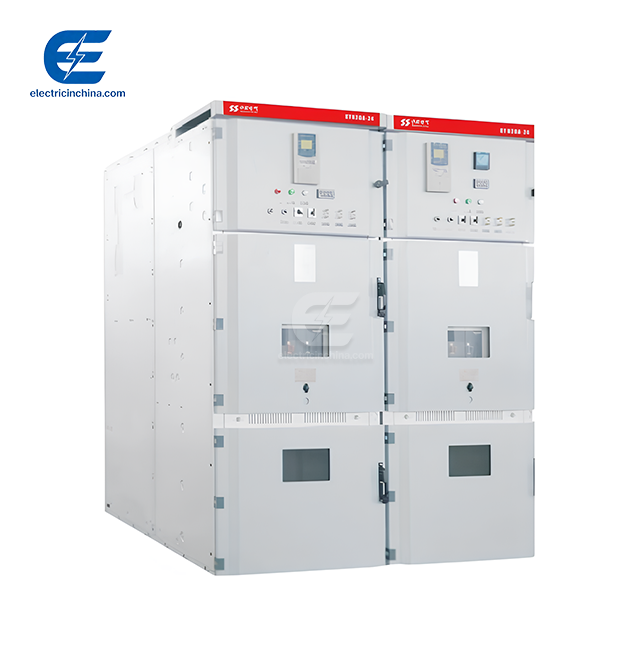
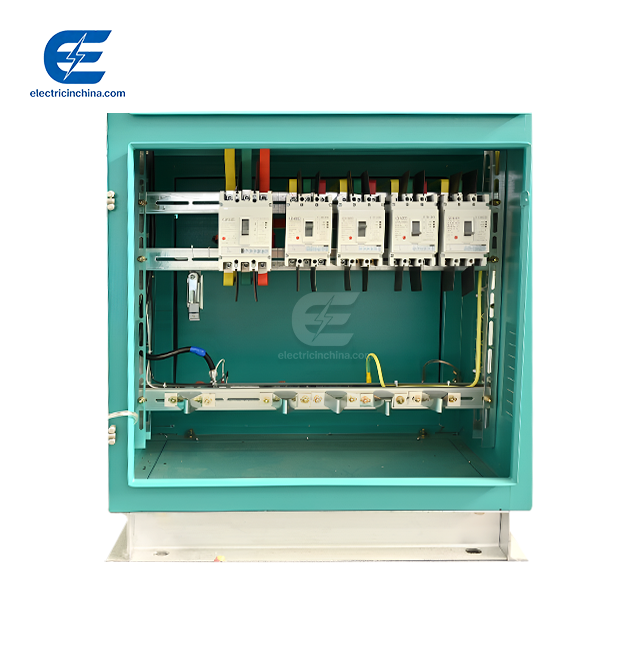
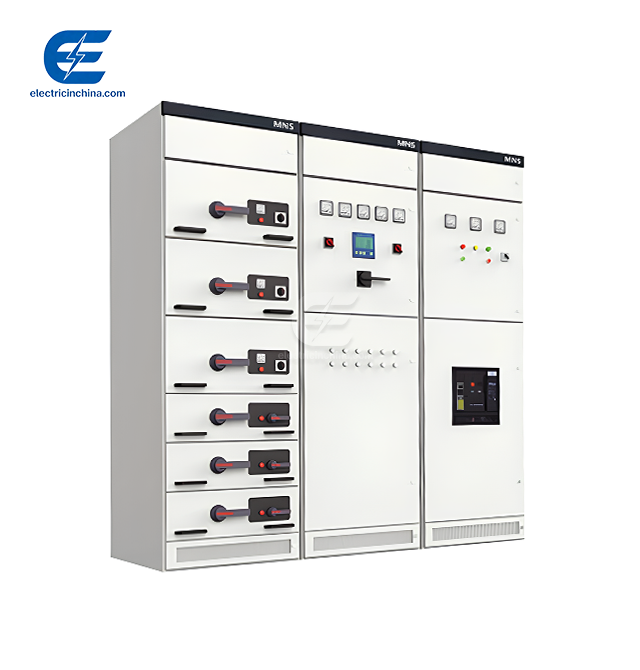
When looking for a dependable company to make solar power equipment, you should carefully consider their technical skills, past project experience, and promises of long-term support. We know that commercial developers, industrial manufacturers, government infrastructure projects, and EPC contractors need partners who can provide certified, flexible power solutions that have been shown to work. If you choose the right manufacturer for your PV Compact Substation for Solar Power Plants, it will work well with the power grid, take less time to install, and run smoothly for the whole life of the project. This guide goes over important selection criteria, technical issues, and best practices for buying things that will help medium-sized to large businesses make smart choices when they need to buy electricity infrastructure for utility-scale and distributed solar systems.
Understanding PV Compact Substations for Solar Power Plants
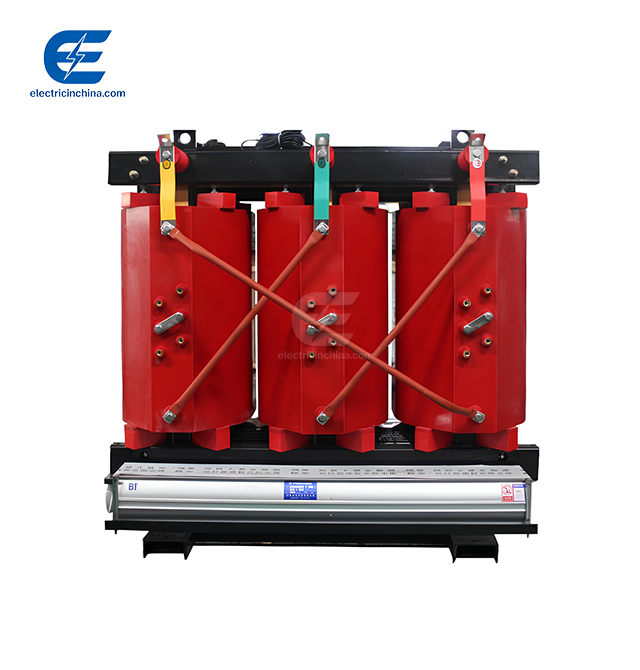
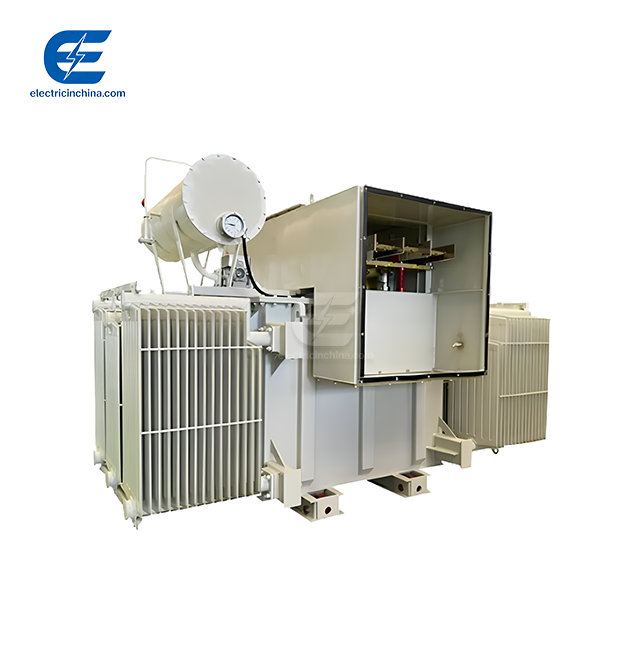
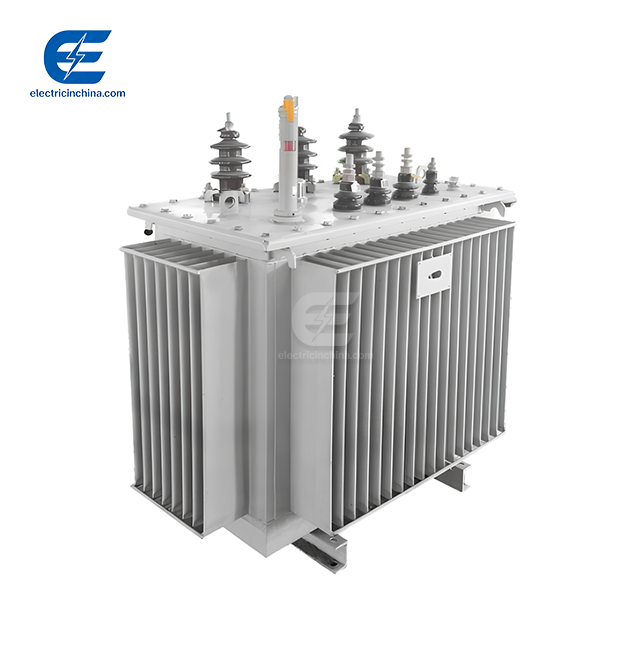
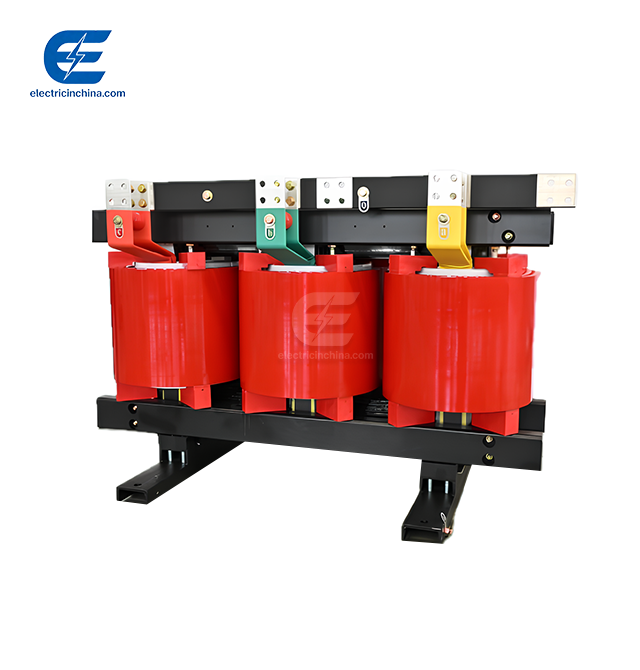
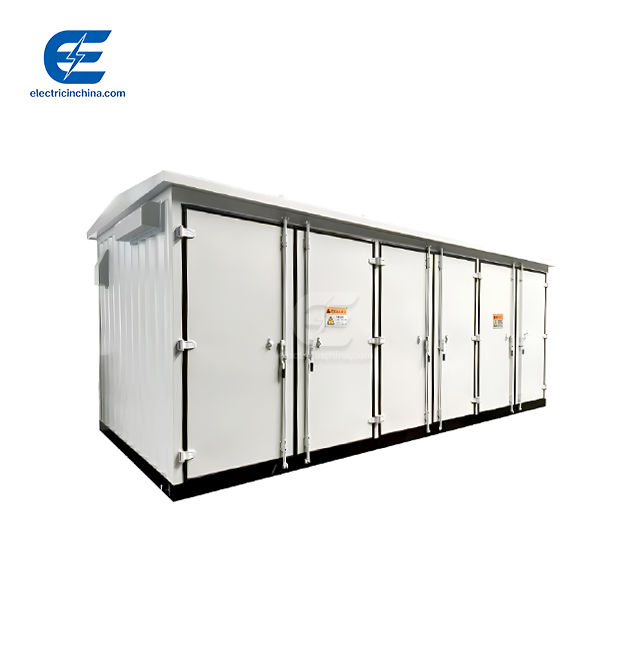
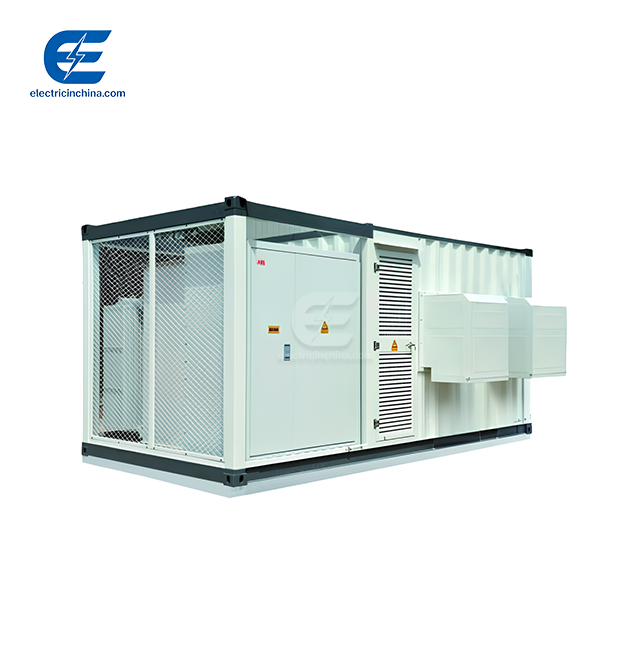
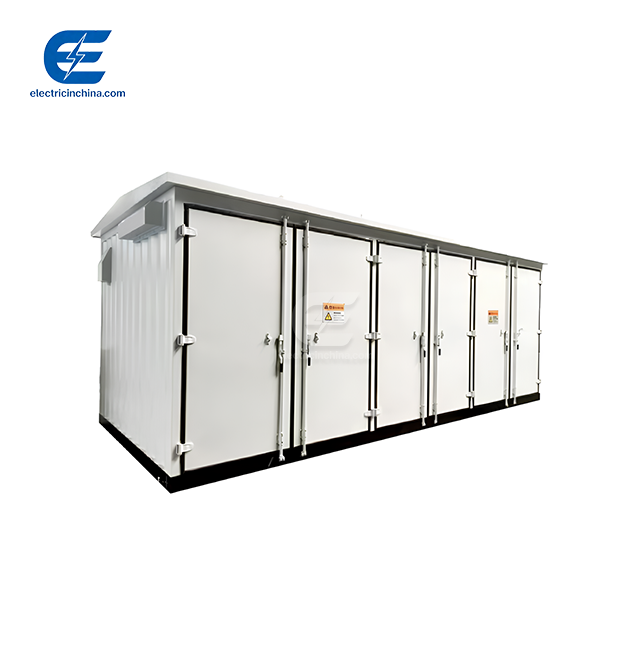
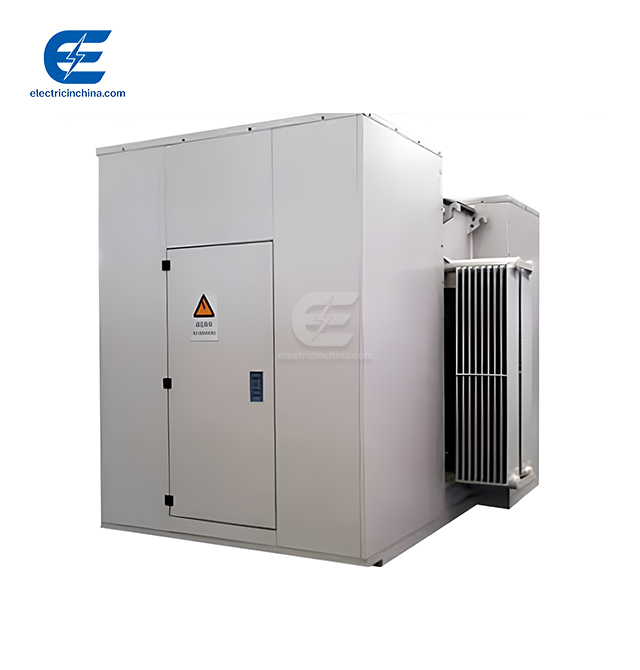
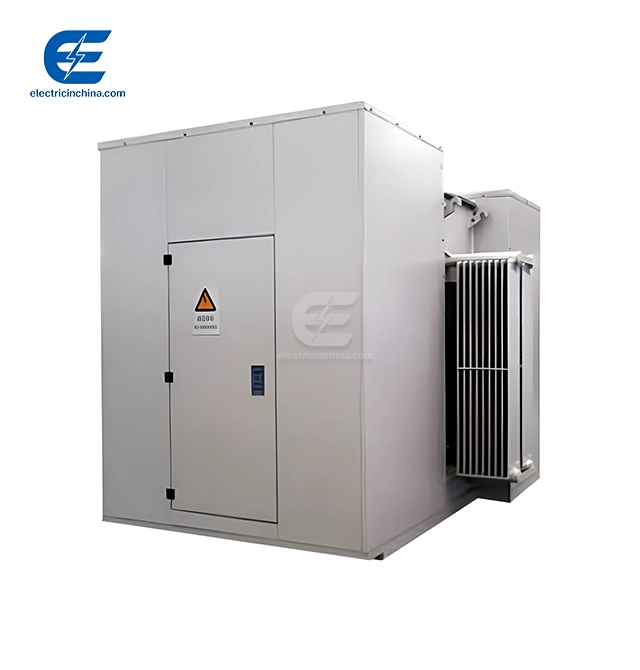
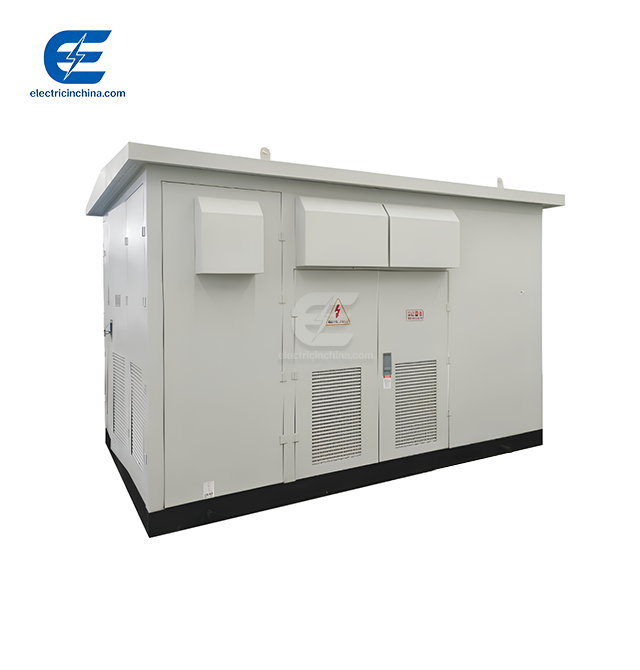
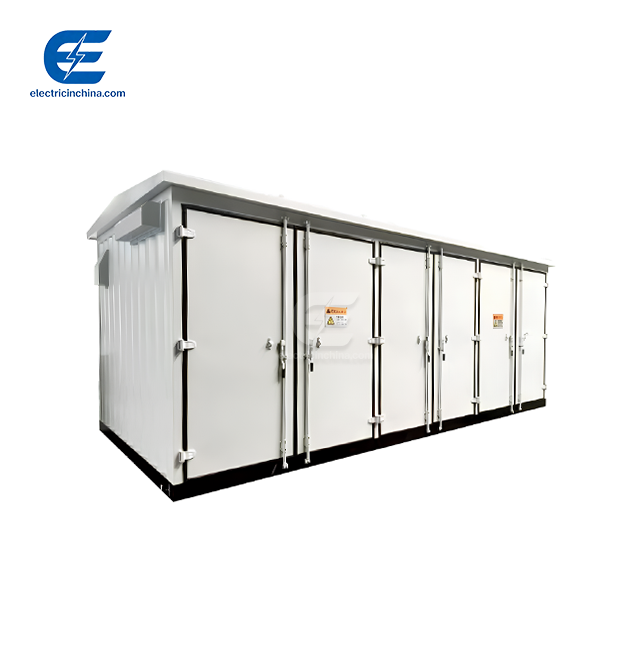
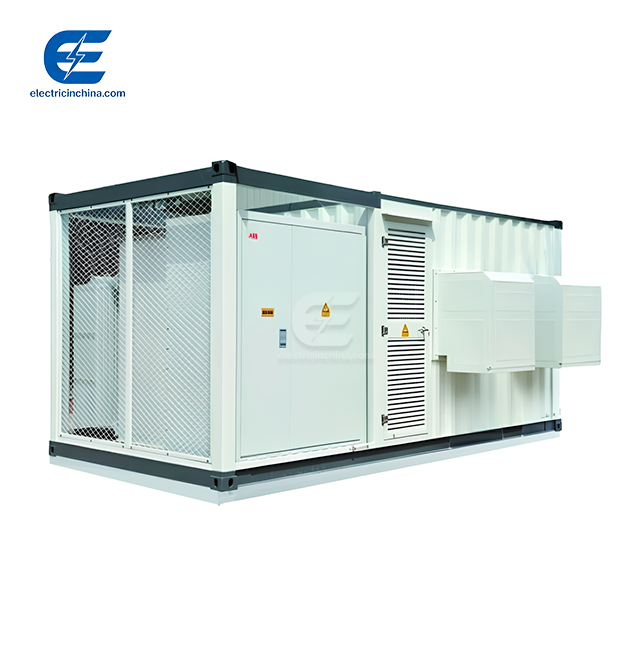
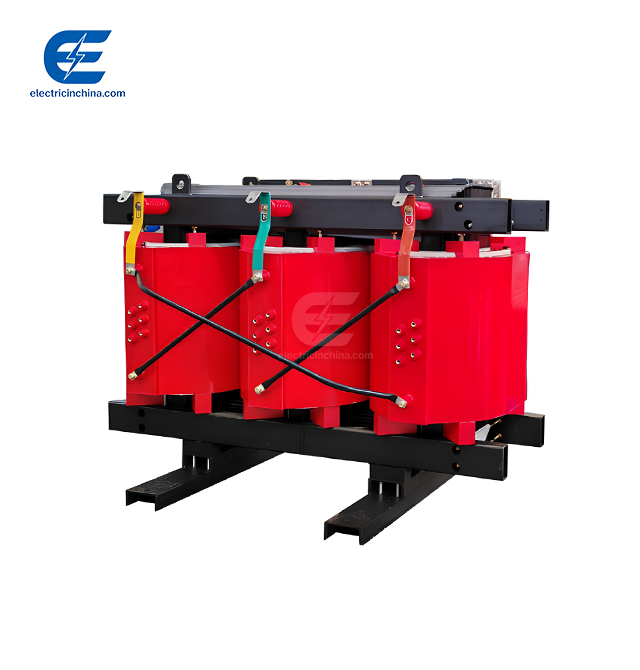
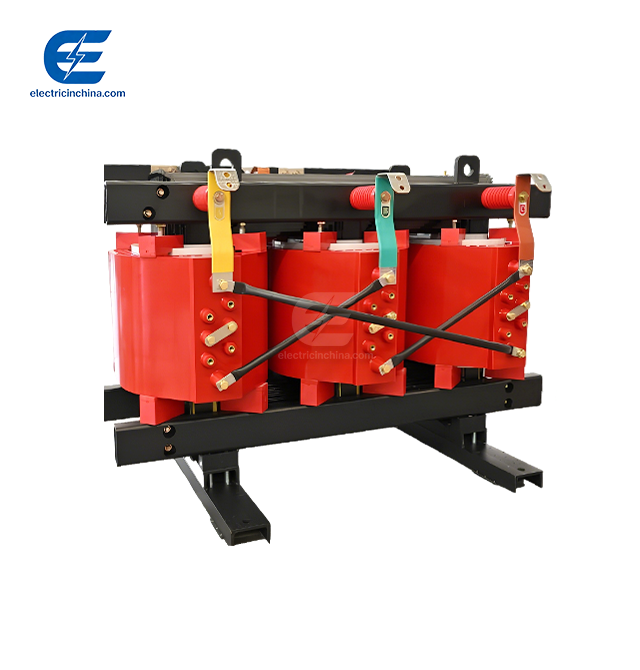
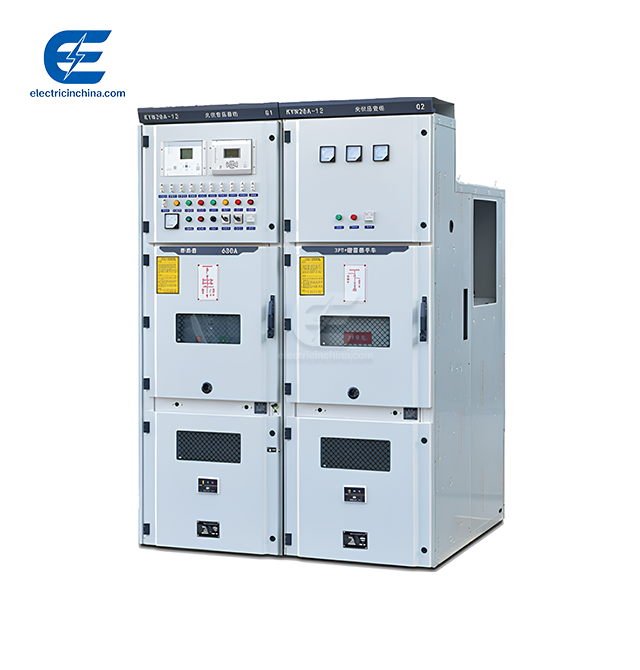
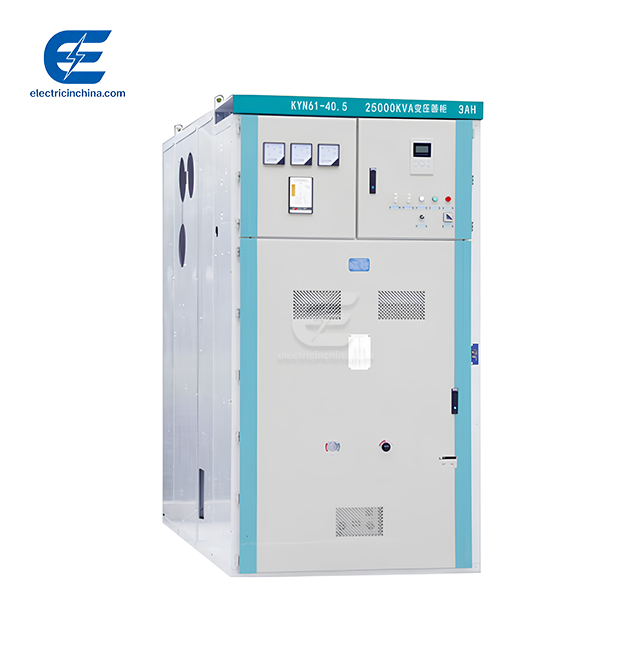
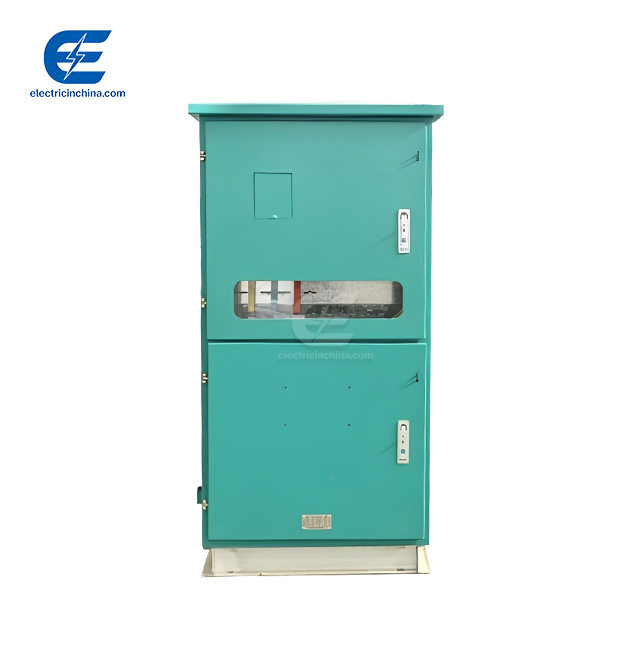
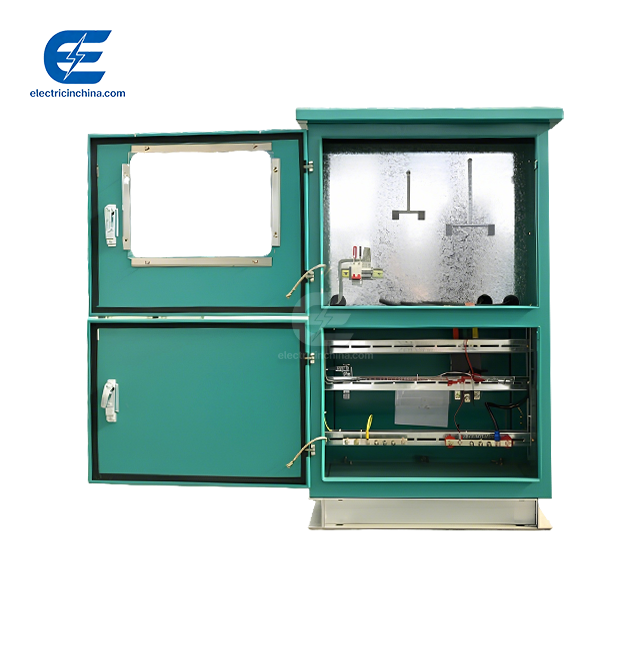
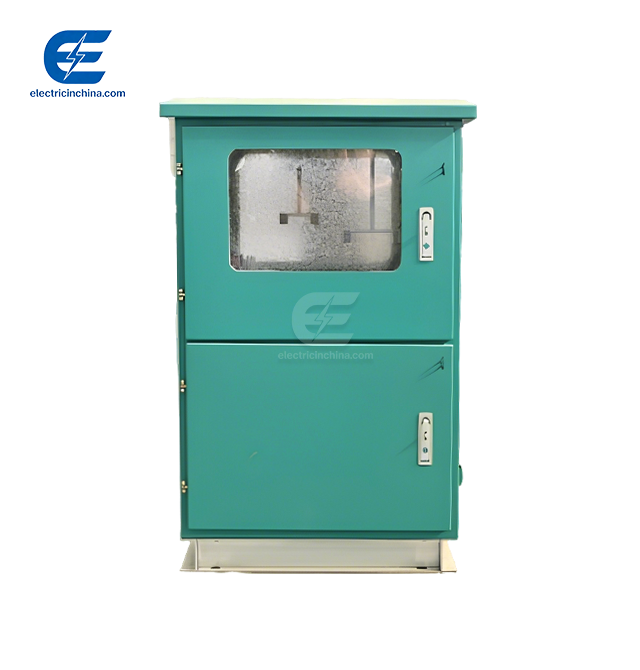
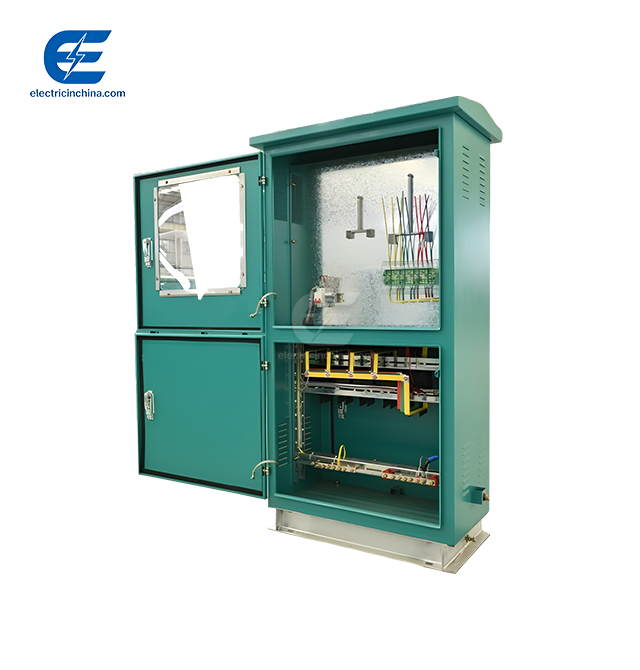
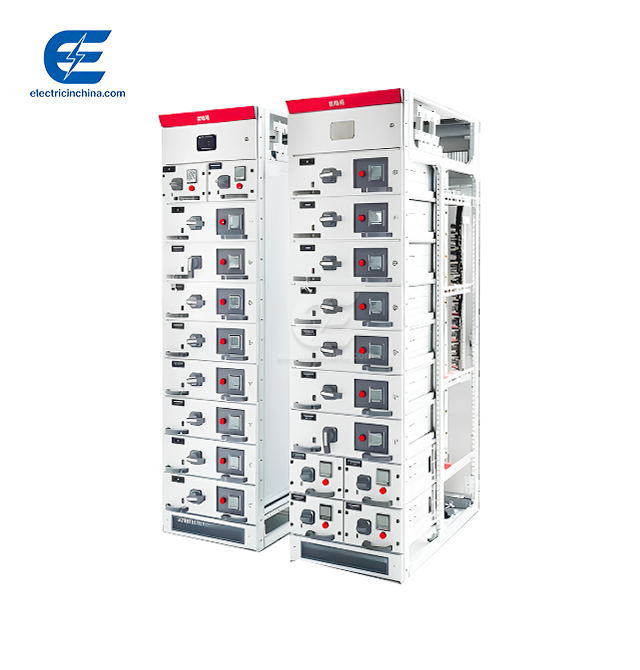
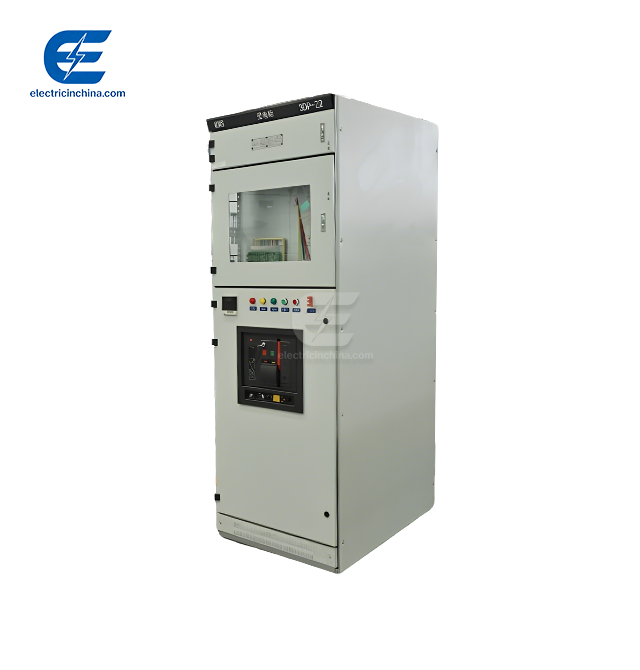
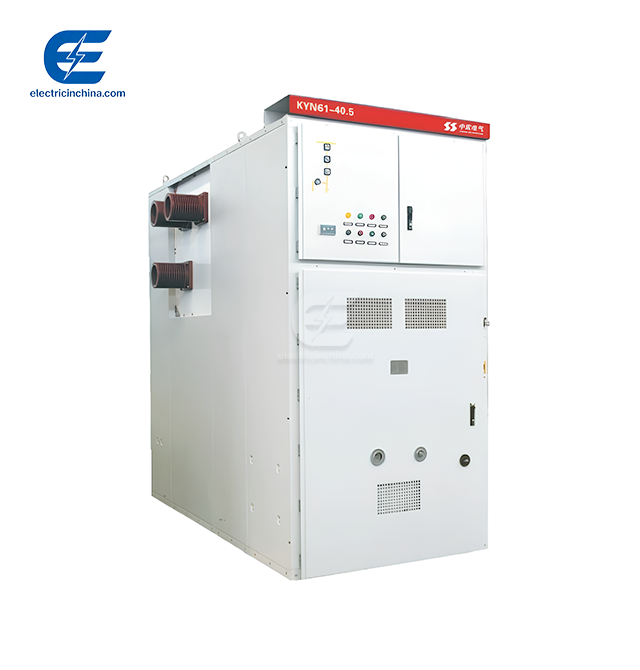
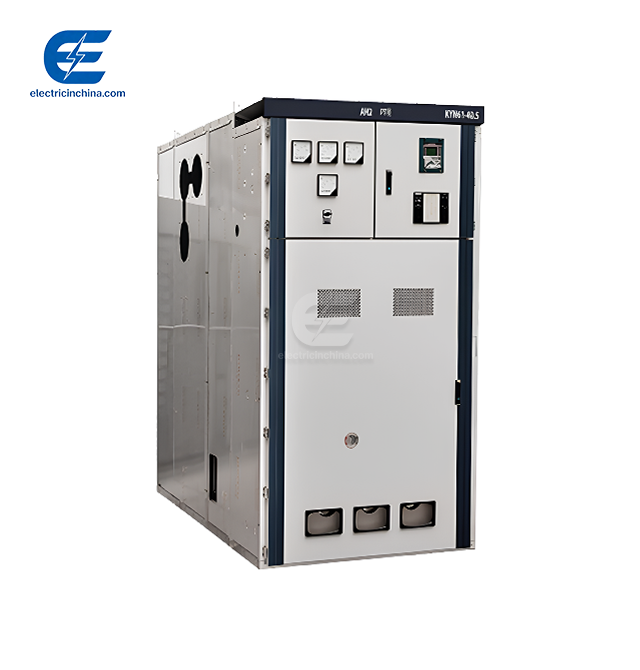
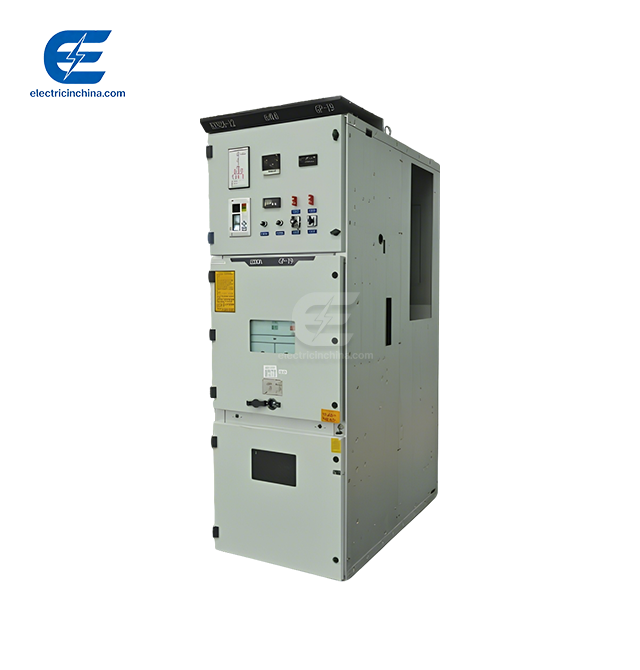
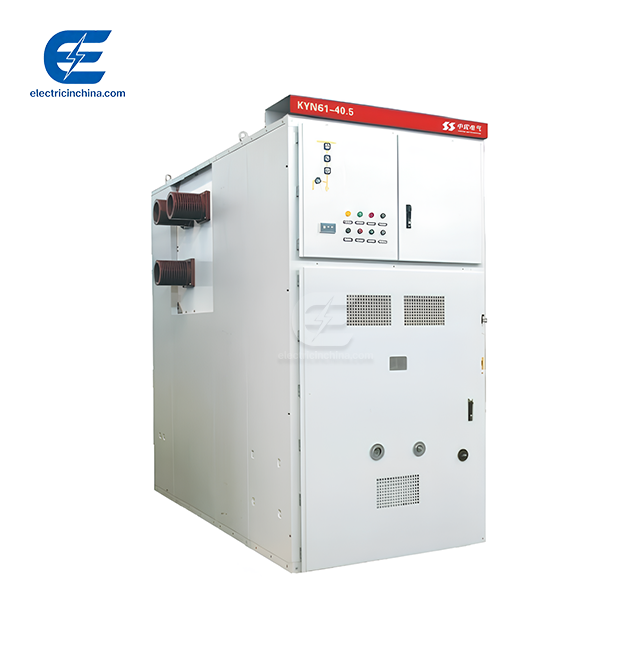
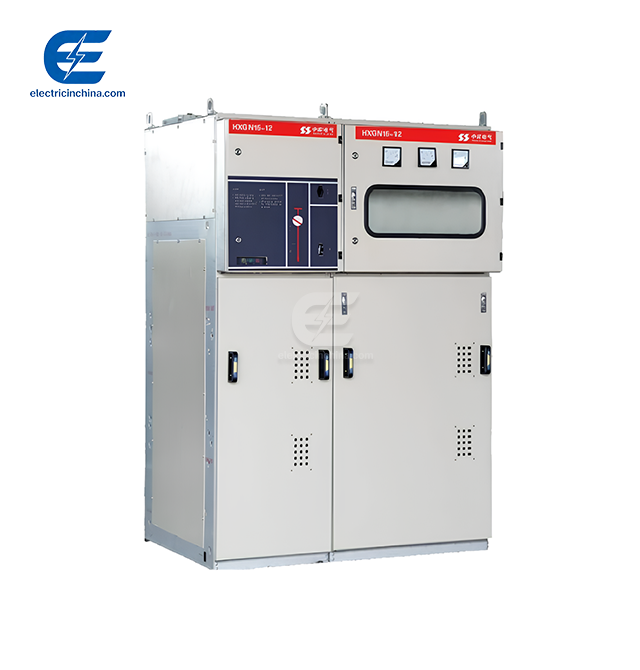
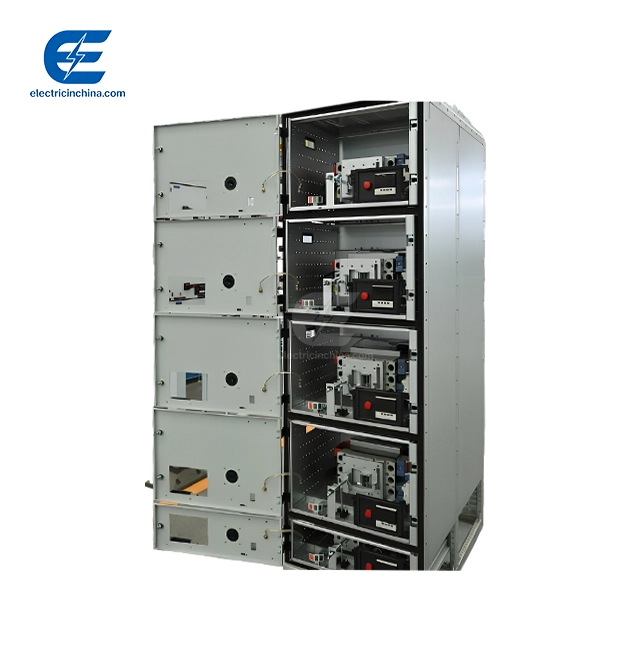
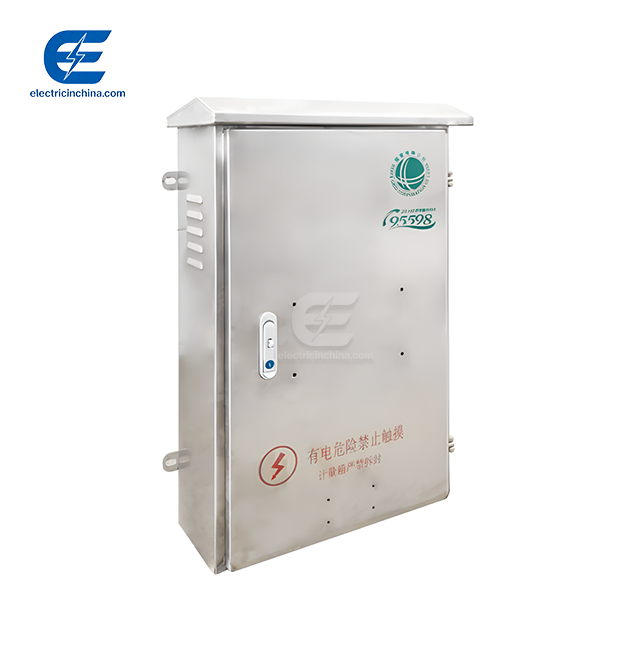
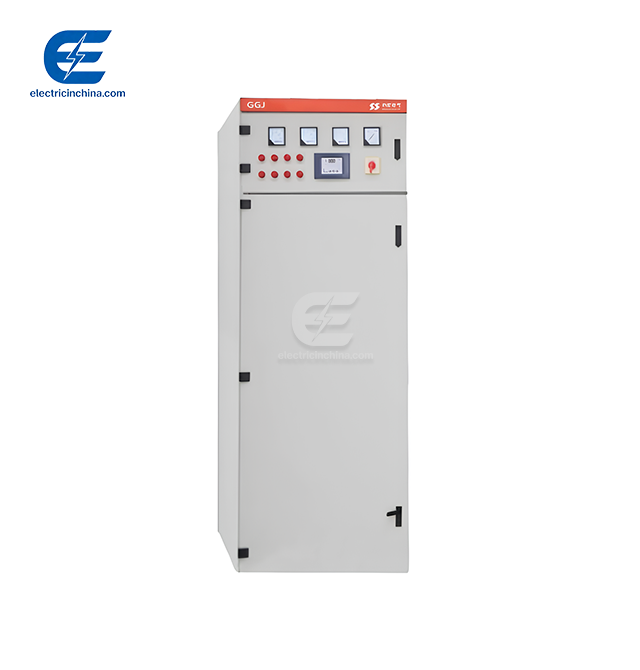
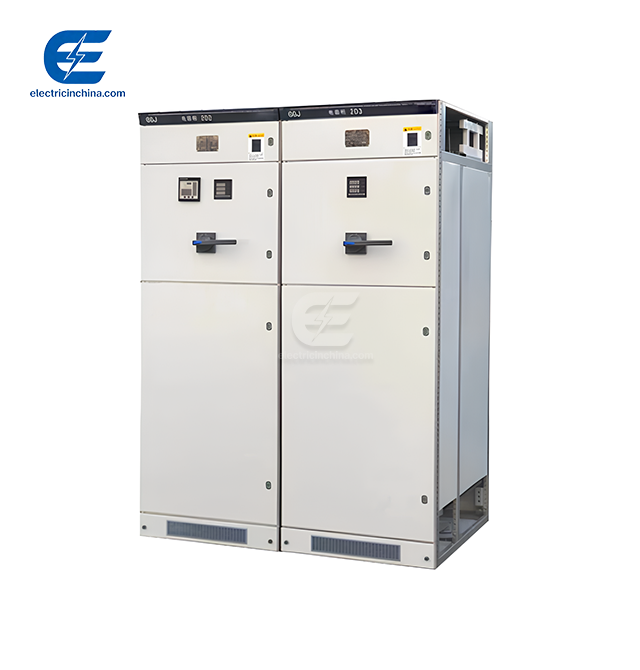
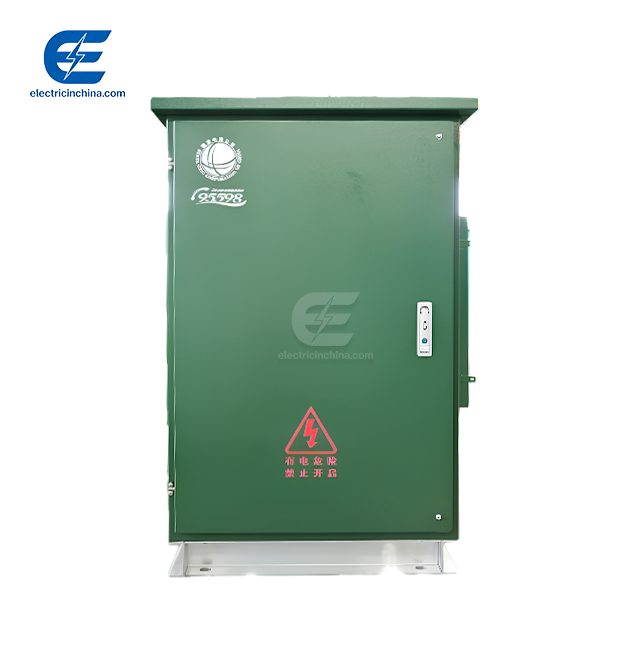
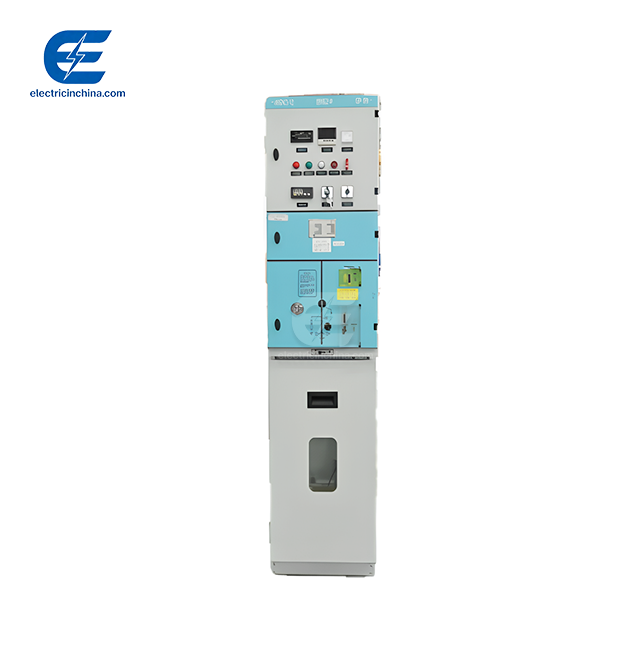
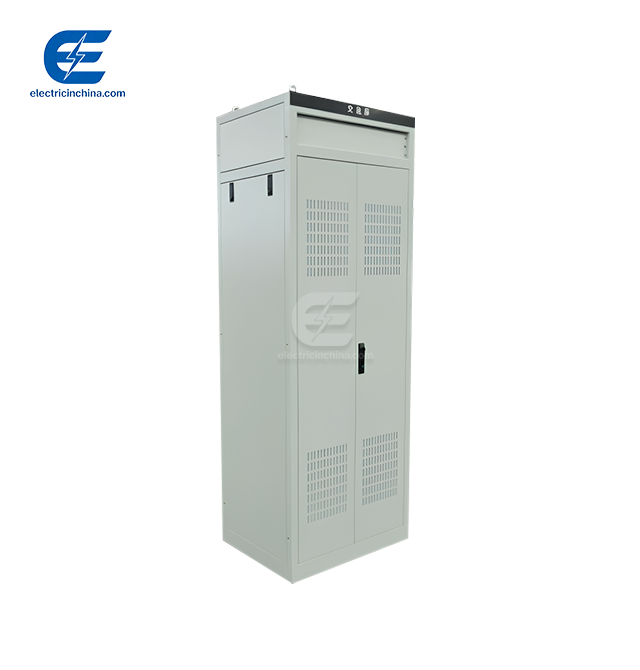
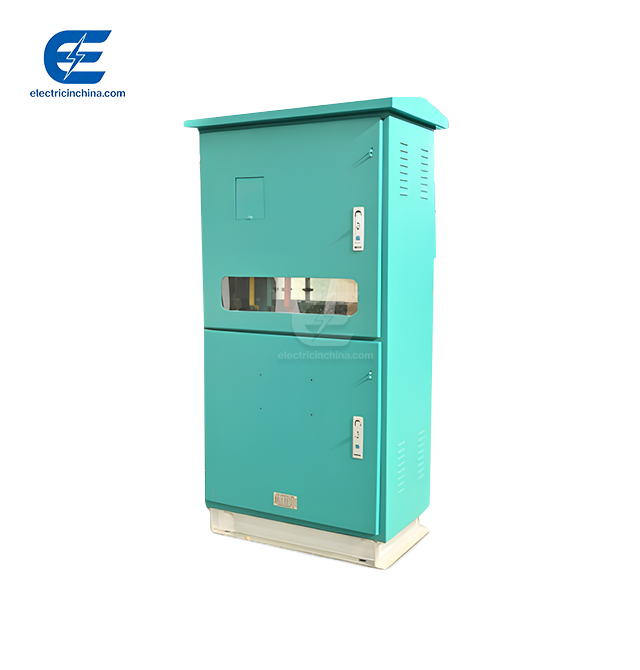
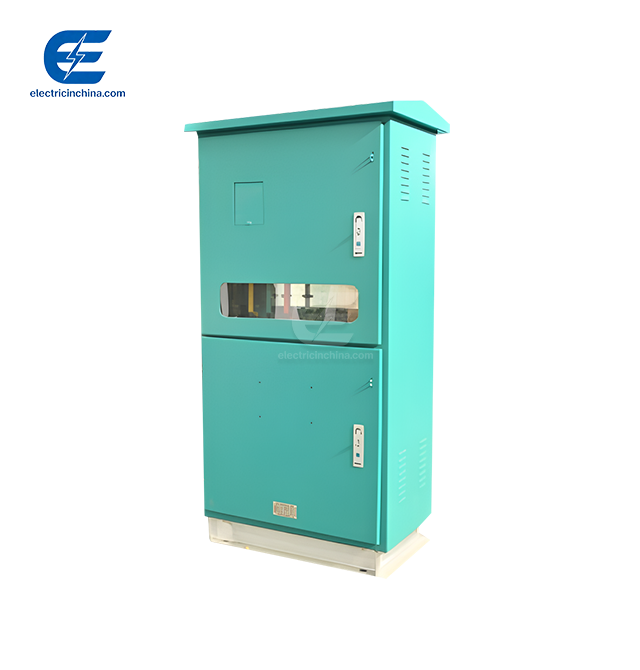
Integrated electrical solutions that combine several high-voltage parts into streamlined, factory-tested units are needed for modern solar installations. These PV Compact Substations for Solar Power Plants are very important because they step up the AC power from distribution levels to transmission voltages like 110kV or 220kV. They do this by connecting photovoltaic panels to transmission lines.
Core Components and Operational Architecture
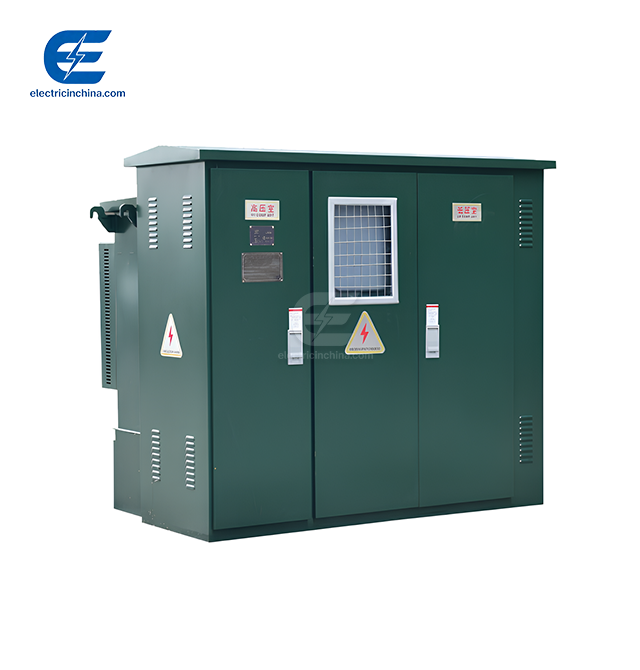
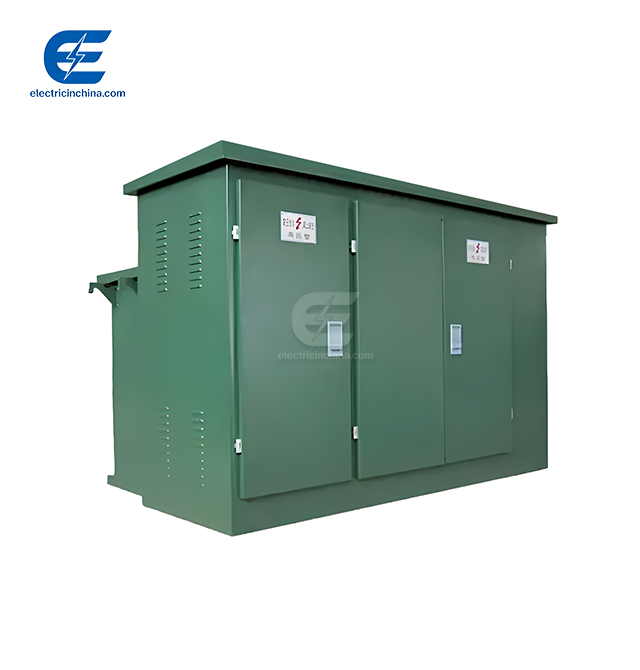
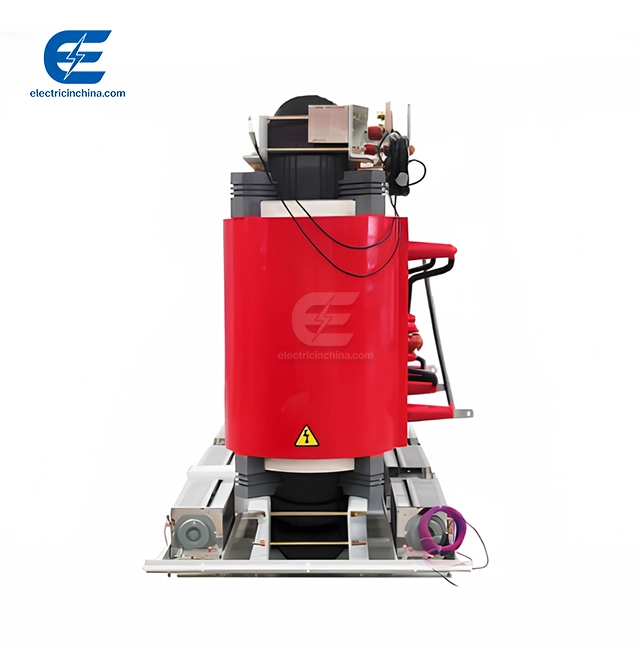
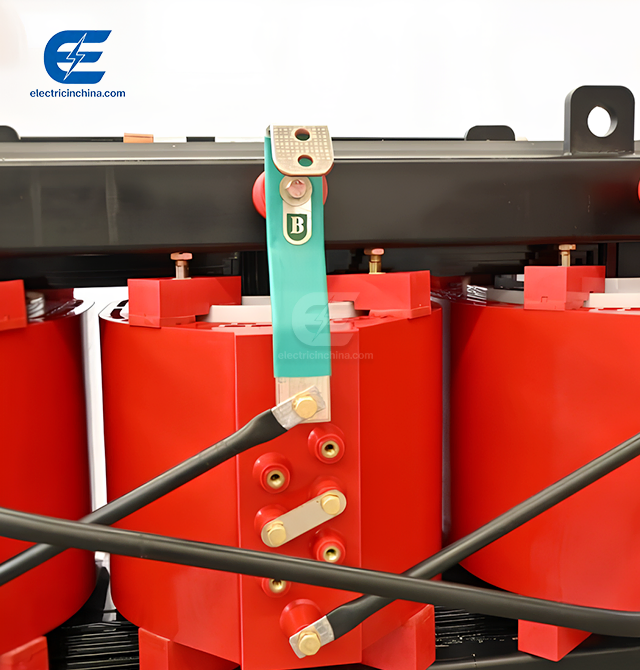
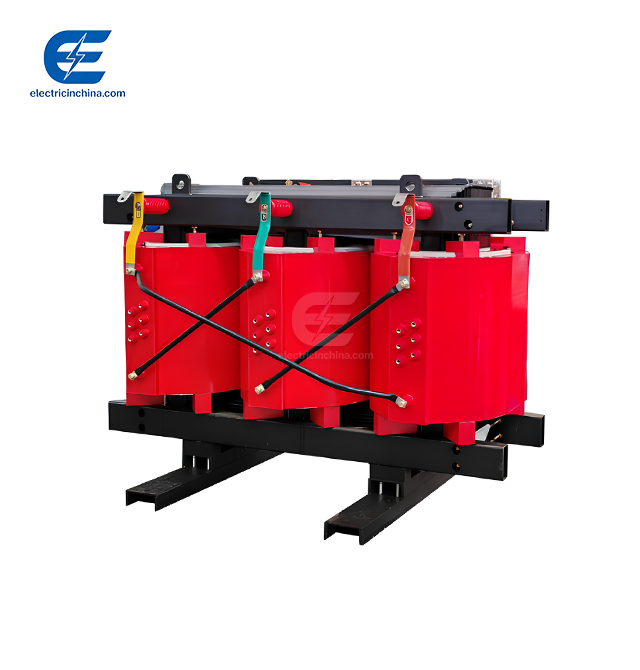
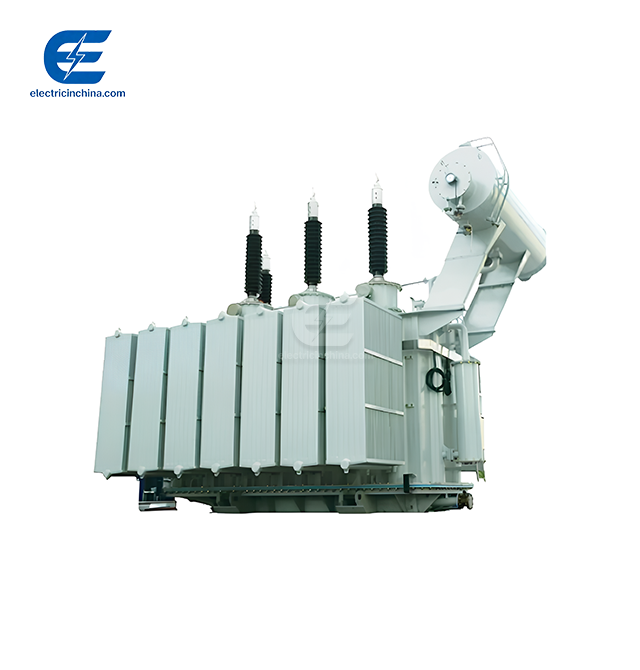
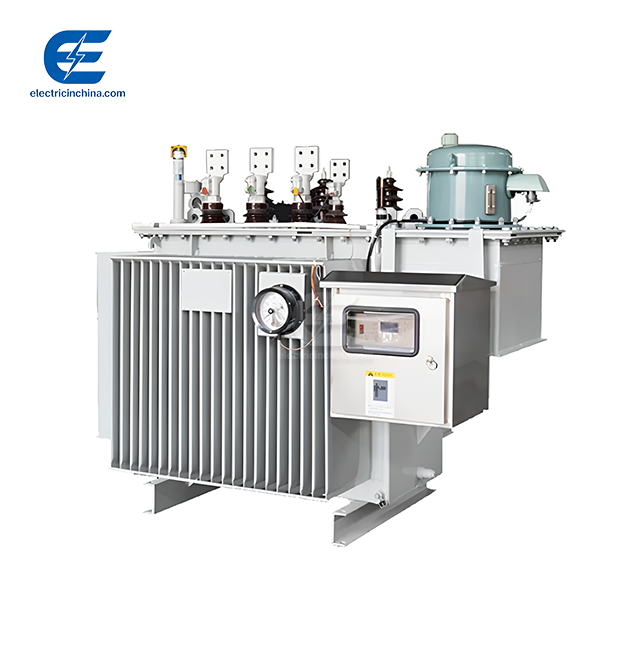
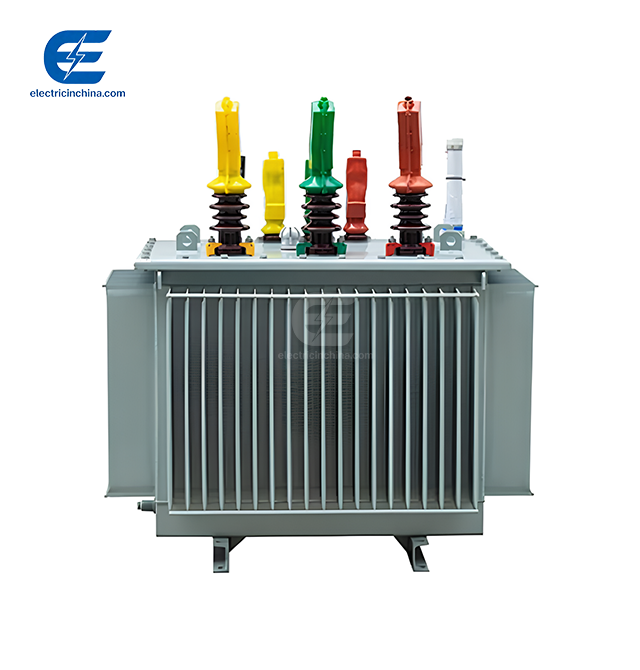
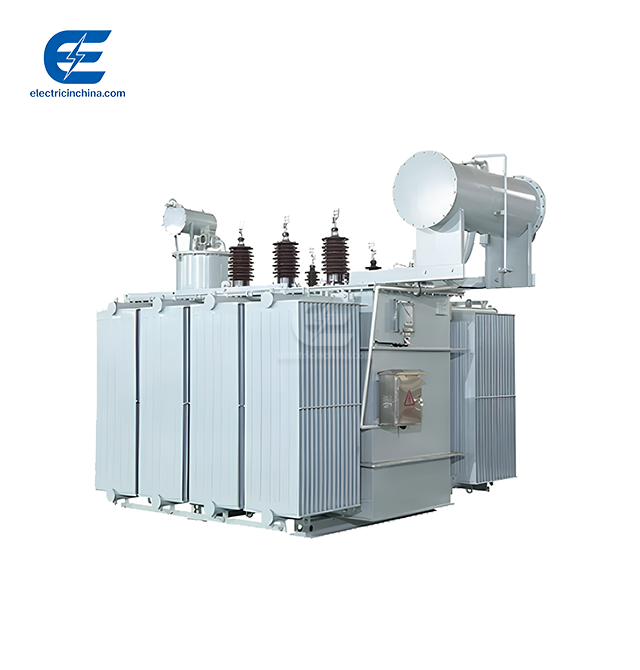
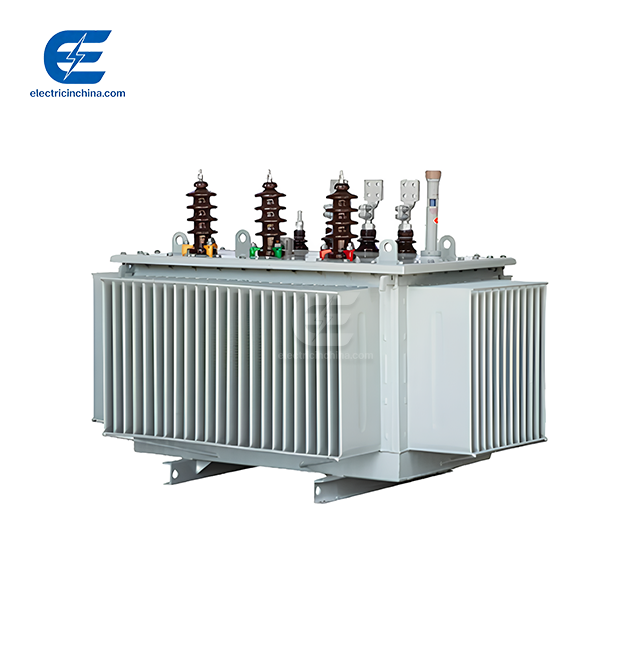
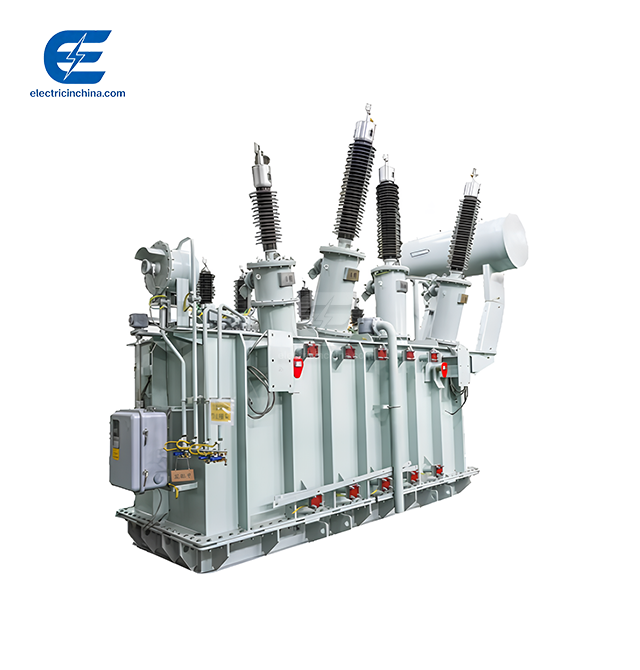
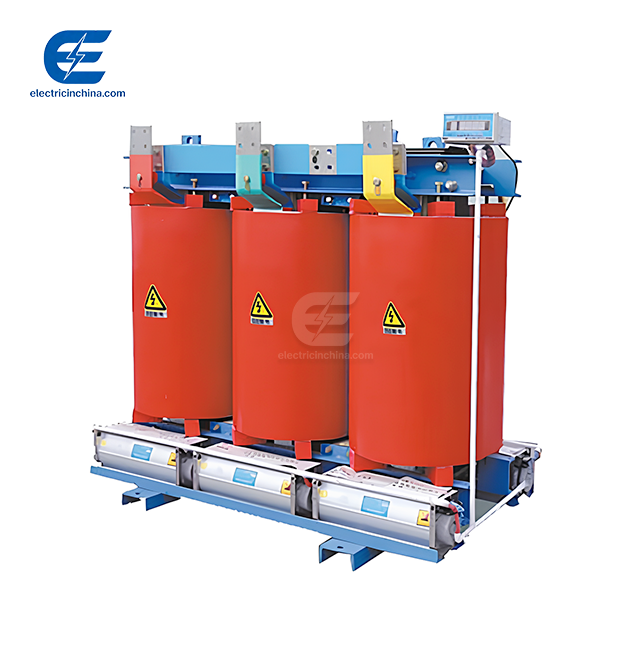
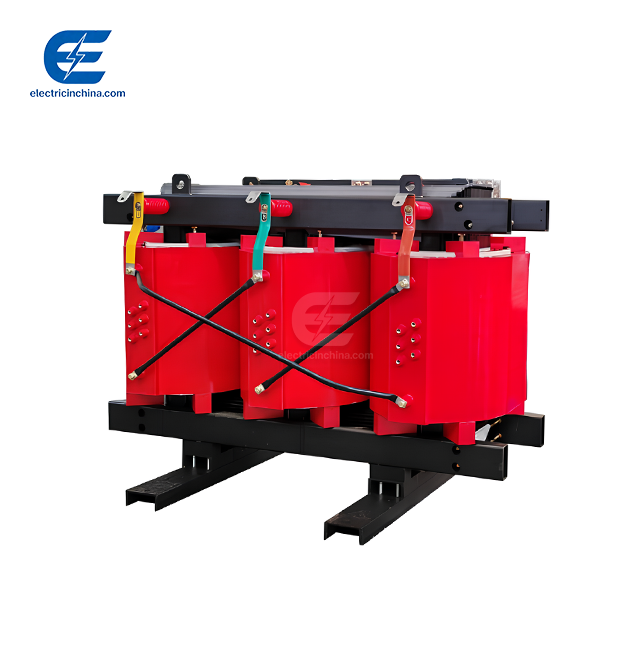
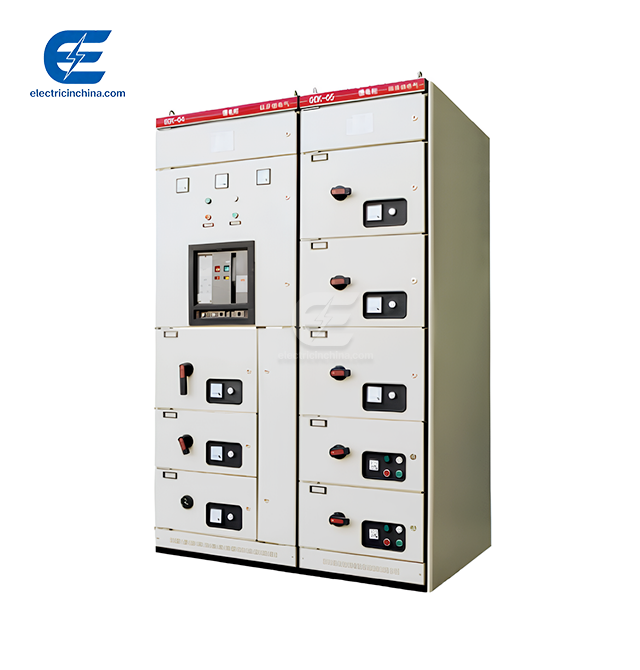
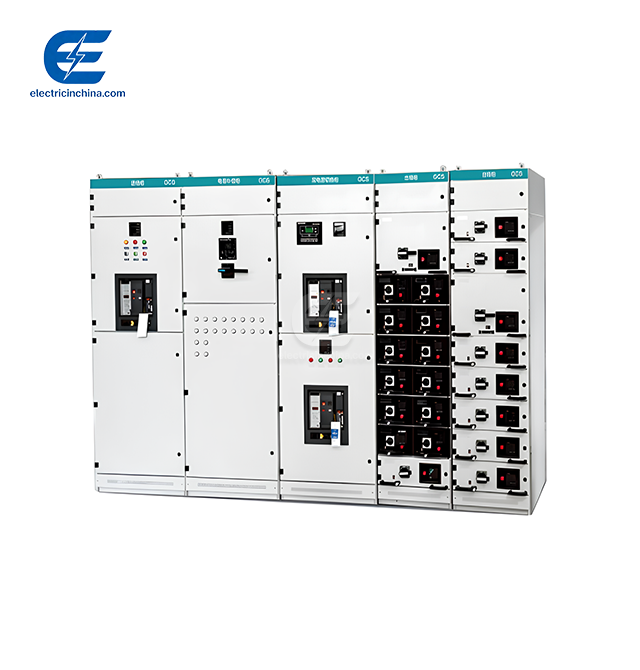
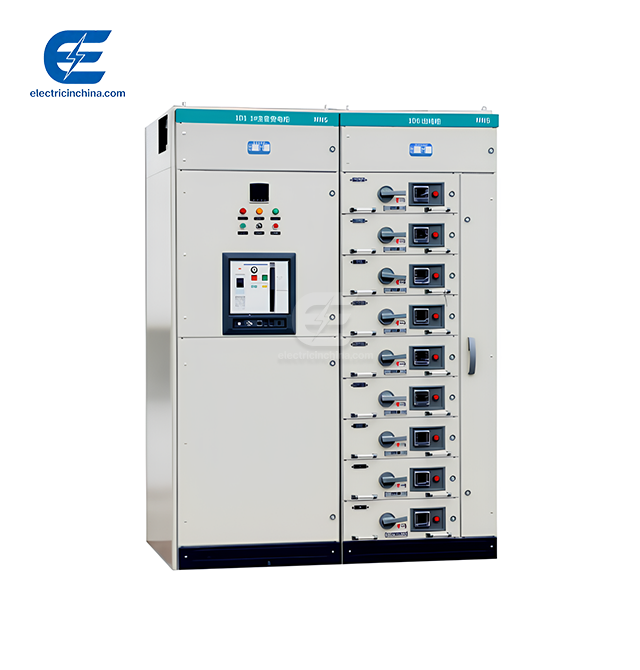
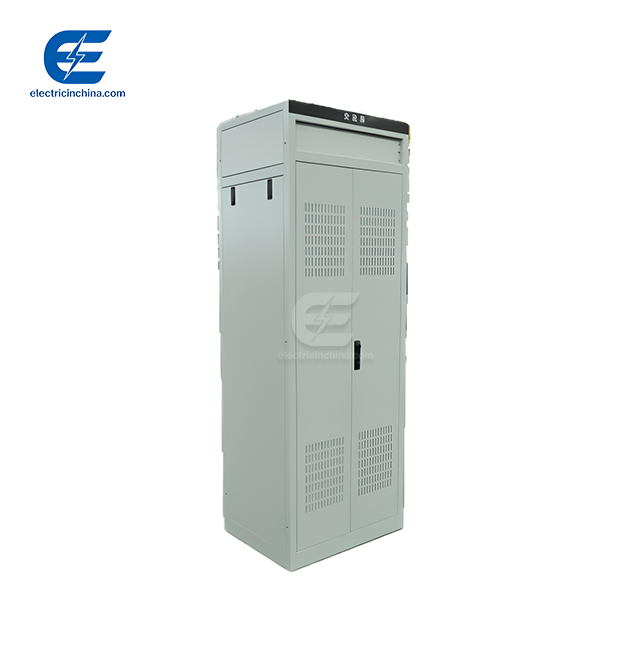
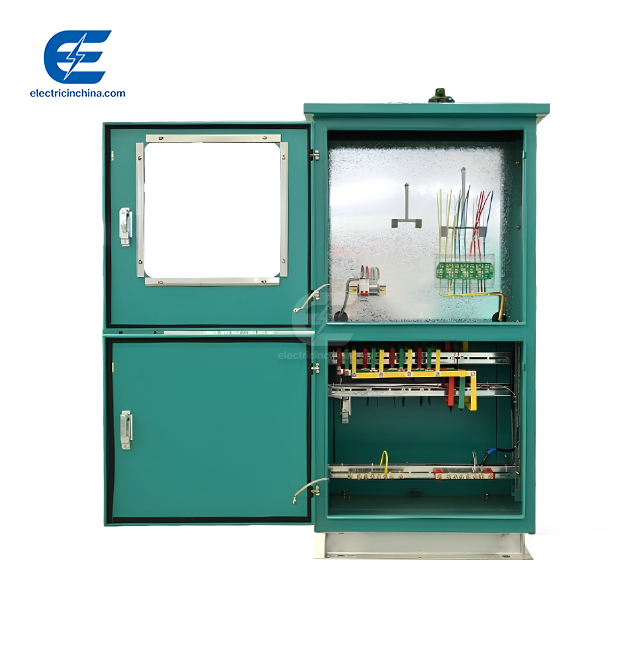
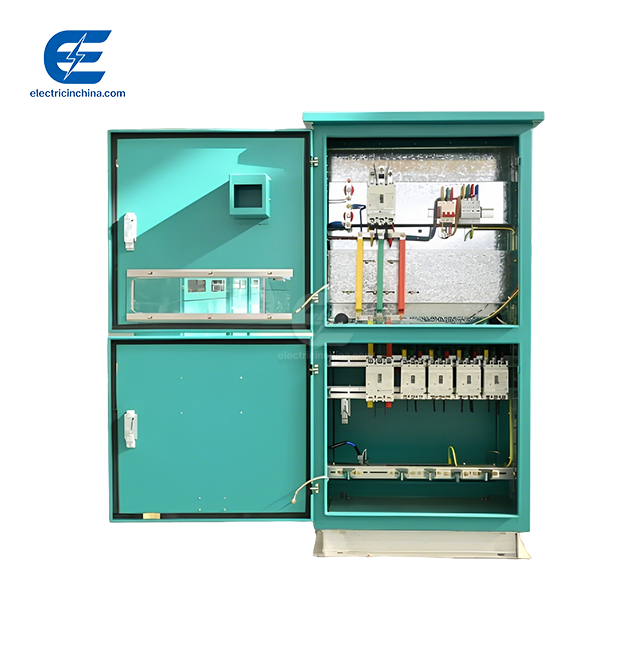
The all-in-one PV Compact Substation for Solar Power Plants design includes transformers with capacities ranging from 50MVA to 300MVA, medium-voltage switchgear with vacuum circuit breakers, digital protection relays, and full monitoring systems. Transformers use ONAN/ONAF cooling systems with mineral oil or eco-friendly ester fluids, and they have tap switches that can adjust the voltage between ±10% and ±16%. Switchgear units use SF6 or air-insulated technology and are set up so that they can work seamlessly with transmission networks upstream and collection systems downstream. Protection devices use IEC 61850 communication protocols, which let them work together with SCADA platforms in real time and give a central view of all spread solar panels.
Design Considerations for Solar Applications
When planning capacity, it's important to take into account the fact that solar systems have irregular generation trends. To handle daily changes in output and keep temperatures stable during peak production hours, transformers need to be able to handle strong overloads. Harmonic management is important for grid compliance, which means that advanced filtering tools are needed to keep the power quality high even when inverters cause distortion. Grid integration features include clear disconnect points and anti-islanding protection that stop dangerous back-feeding during maintenance work, keeping utility workers and nearby infrastructure safe.
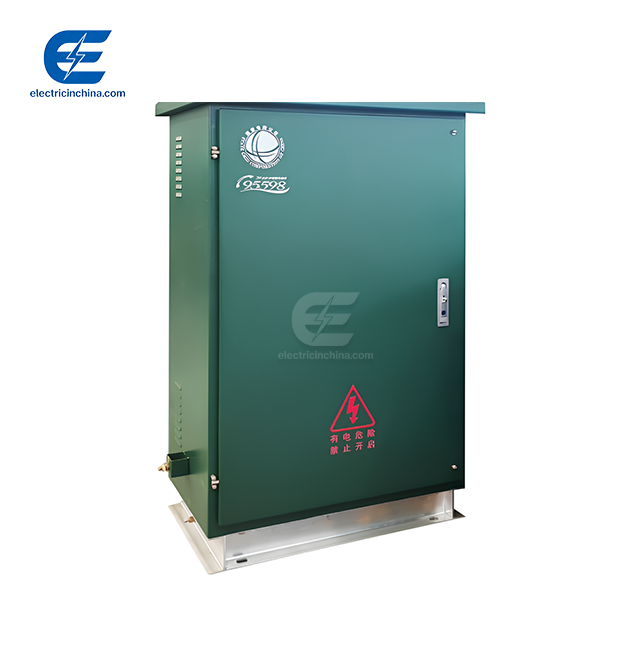
Modularity lets you set up multiple operations that can grow as your project is developed in stages. In places where the weather changes a lot, indoor installations work best, while outdoor configurations require less civil construction in mild climates. The usual small size is 15m × 8m × 4m, which is very different from traditional substations that need 40m × 30m of land. This difference frees up valuable land for extra solar panels or other facilities.
Compliance with International Standards
To be operationally reliable, you have to follow strict safety and environmental standards. According to IEC 62271-200, equipment goes through factory acceptance testing that includes checking for insulation resistances greater than 1000MΩ at 2.5kV, power frequency withstand testing at 95kV for 35kV equipment, and impulse voltage testing at 170kV lightning impulse levels. Checking the quality of a transformer includes checking the turns ratio within a tolerance of ±0.5% and analysing the dissolved gases to set baseline measures for ongoing condition tracking.
For coastal uses, environmental stress testing includes salt spray exposure according to ASTM B117, thermal cycling from -40°C to +85°C to make sure the IP rating is correct, and water entry testing to make sure the rating is correct. Protection grades range from IP54 to IP65, keeping dust and high-pressure water jets from getting inside the cage. Seismic simulation testing meets the requirements of IEEE 693, and structure analysis confirms wind loading resistance between 150 and 200 km/h. These are important requirements for sites in areas that are likely to have hurricanes or earthquakes.
These high standards mean that the tools should be able to work for 25 to 30 years, with regular maintenance every 5 to 10 years for the most important parts of the PV Compact Substation. Every year, oil analysis and thermography inspections keep transformers healthy, and every six months, contact resistance tests and gas purity checks keep switchgears in good shape. When you combine this planned maintenance method with the ability to monitor from afar, unplanned outages are cut by 40 to 60 percent compared to reactive maintenance methods.
Key Criteria for Selecting a PV Compact Substation Manufacturer
A successful procurement depends on a thorough evaluation of the manufacturer across a number of factors that have a direct effect on the results of the project, the length of time it works, and the total cost of ownership.
Product Quality and Certification Adherence
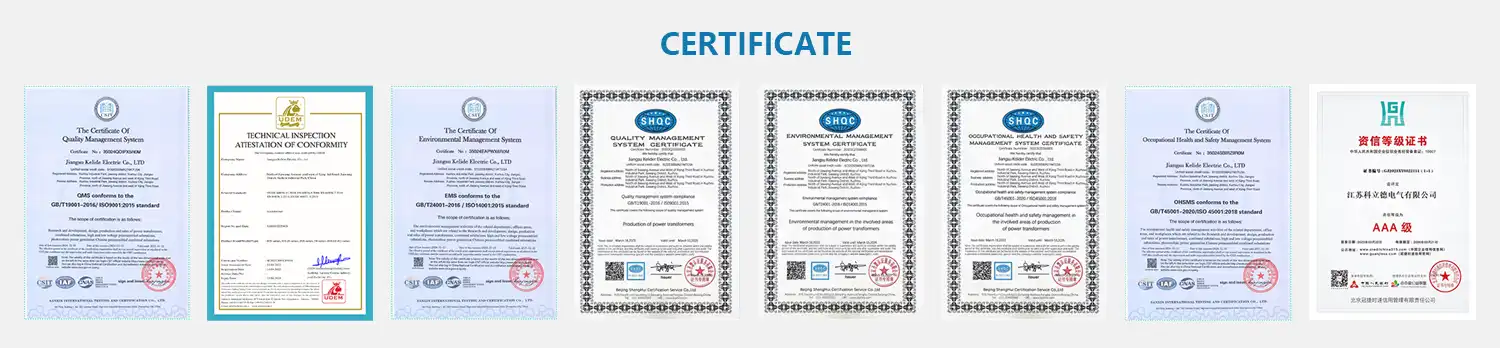
Quality management systems that are written down are the first step toward excellent manufacturing. ISO 9001 approval shows that the whole process is controlled in a planned way, from getting the raw materials to delivering the end product. The environmental management standards ISO 14001 and the occupational health and safety standards OHSAS 45001 show that a company is committed to using sustainable and responsible manufacturing methods. National CCC Mandatory Certification for low-voltage switchgear and wire goods makes sure that they meet the safety standards in the area.
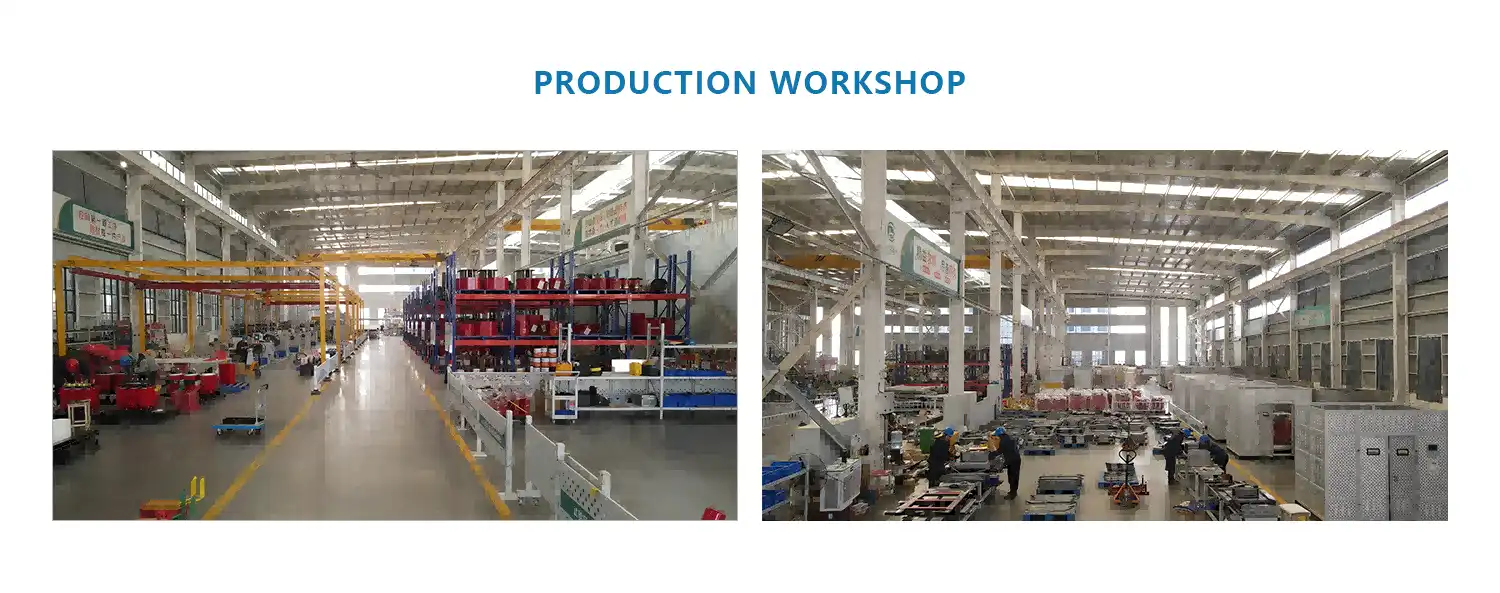
Leading manufacturers are set apart by their advanced output skills. We use more than 120 sets of specialised machinery, such as CNC automatic winding machines, CNC static vacuum casting machines, automatic foil winding machines, and gradient curing furnaces that are controlled by microcomputers. This investment in high-precision manufacturing technology makes it possible to keep product quality high and delivery times short. Our technical team is made up of 15 senior engineers, more than 30 intermediate technicians, and 17 senior technicians. This gives us a lot of knowledge that lets us handle complicated customisation needs and quickly solve technical problems as the project goes on.
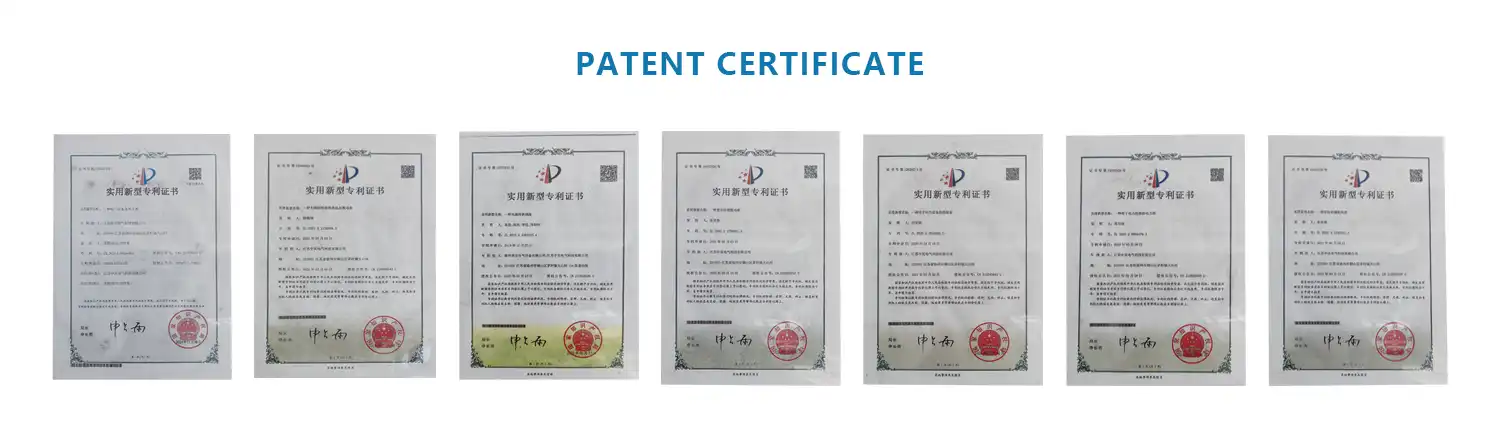
Innovation metrics give real-world proof of how good an engineer is. Our 18 patents show that we are always working to improve technology and make our products stand out. These intellectual property assets lead to performance features that go above and beyond standard specs, such as better thermal management, higher harmonic protection, and built-in tracking systems.
Reputation and Track Record Verification
Established makers have verifiable project files that cover a wide range of uses and locations. We've finished a huge number of important power projects, such as the GCL Photovoltaic Industrial Park and a number of large-scale utility installs. The Xuzhou Rail Transit Network Control Center has a dual-circuit power supply design that makes sure it is completely safe to use. Other engineering projects completed by the city include the Xuzhou High-speed Railway East Station Official Power Supply EPC Project and the Xuzhou New Health Hospital power transmission system.
Commercial real estate projects like the Xinhuai Central Complex, the Huaihai Xintiandi developments, and the Xuzhou Fantawild Adventure show that the structures can handle a wide range of loads and still look good. Industrial projects, like XCMG Group's change to the factory's power supply and power distribution systems for the Huaihai Biomedical Industrial Park, show that they are skilled at working in tough conditions where downtime has a direct effect on the cost of production.
Testimonials from clients and performance records can help you figure out how reliable your service is and how well you can solve problems. Local utility quality assessments set a new record for the Tianyu Yayuan project, and the XCMG Group upgrade was finished ahead of schedule and up to strict quality standards. These achievements show organisational control and performance that is focused on the customer, which goes beyond technical requirements.
Customization Capability and Scalability
Solar projects cover a wide range of working factors, from 5MW community installations to 1000MW+ utility-scale developments in deserts, coastal areas, and high elevations. Manufacturers must show that they are flexible when it comes to voltage configurations, capacity ranges, adapting to different environments, and adding in other systems.
For installations in the desert, you need sealed enclosures with positive pressure systems and air filtration that can handle damage from sandstorm damage. Coastal areas need coats that don't rust and have been tested with salt spray for 1000 hours or more. High-altitude places need better cooling systems to keep working at levels above 3000 meters. Our operating temperature range, which is from -40°C to +50°C, allows for installations in the Arctic and operations in the equatorial regions without affecting the performance of the PV Compact Substation. Even in the worst situations, these changes to the surroundings keep 99.7%+ availability rates.
Scalability goes beyond the capacity of a single unit to include flexible designs that allow multiple units to work together at the same time. This architecture allows for phased project development, where initial installations meet the needs of immediate generation capacity while infrastructure provisions allow for future growth without the need for disruptive retrofits. Standardised interfaces make it easier to connect different inverter platforms, collection systems, and transmission infrastructure. This is very important for EPC contractors who manage supply chains with multiple vendors because it gives them more freedom.
Pricing Transparency and Warranty Terms
A full cost analysis must include more than just the initial capital expenditure. It must also include the costs of installation, running the business, and maintenance needs over the course of its lifetime. Clear price plans break down the costs of things like tools, factory testing, shipping, help with getting up and running, and spare parts. Transformers usually come with warranties that last between 10 and 15 years, and structural parts usually come with warranties that last 20 years or more. These warranties protect you against premature breakdowns and manufacturing flaws.
There are different ways to finance a project, and some of them are based on milestone-based payment schedules that are timed to match the shipping, installation, and commissioning stages. Figuring out how long the wait time needs to be helps with making accurate project schedules. For example, installing a PV Compact Substation for Solar Power Plants can cut installation times from 12 to 18 months to 4 to 6 months for the same amount of power, since 70% of the work is done in the factory instead of the field. This speeds up and lowers the costs of financing business solar projects, and speeds up the time it takes to start making money from them.
Comparing PV Compact Substations With Traditional Substations
To make smart purchasing decisions, you need to be able to objectively compare the performance and costs of integrated compact solutions and traditional substation architectures.
Operational Efficiency and Grid Compatibility
Energy losses have a direct effect on the economics of a project over its entire operating life. By using smaller conductors and fewer connecting points that come with integrated designs, PV Compact Substations for Solar Power Plants keep resistance losses to a minimum. When bus work is put together in a factory, there are no field parts that can cause resistance or failure. Modern transformers use low-loss core materials and better winding arrangements that cut no-load losses by 15 to 20 percent compared to regular efficiency units.
Grid compatibility includes the ability to control power, the amount of current that can be interrupted by a fault, and the standardisation of communication protocols. Integrated protection systems work together with the transformer, switchgear, and collector systems to provide selective fault isolation that keeps the power flowing during localised disturbances. IEC 61850 communication makes it easy to integrate SCADA for tracking solar farms that are spread out geographically. North American grid codes are followed by IEEE 1547 compliance, UK requirements are met by G59/G99 compatibility, and European market requirements are met by VDE-AR-N standards.
Installation and Maintenance Advantages
Construction timelines have a big effect on how much it costs to finance a project and when it starts making money. For traditional substations to work, they need a lot of civil engineering work, like building separate foundations for the transformers, switchgear buildings, and control houses. Field assembly adds scheduling risks and quality control problems that depend on the weather to many building jobs. PV Compact Substations for Solar Power Plants come as pieces that have been tried at the plant and don't need much work on the base. They also have standard interfaces that make commissioning easier. Preparing the site takes only 6 to 8 weeks instead of 8 to 10 months, and installation and commissioning take only 4 to 6 months instead of 12 to 18 months.
An integrated form makes maintenance easier to access. Technicians can get to all the important parts inside a single enclosure, so they don't have to spend time travelling to different places where the equipment is located. Standardised repair methods can be used on multiple sites, which cuts down on the need for training and the complexity of keeping track of extra parts. Condition-based repair scheduling, made possible by remote diagnostics, makes the best use of expert placement and cuts down on unnecessary site calls. Predictive maintenance algorithms look at trends in operational data to find early signs of failure before they cause unexpected outages.
Cost Analysis and Return on Investment
For full financial modelling, you need to think about the starting capital costs, installation costs, running costs, and upkeep needs over 25 to 30 years of use. When you buy tools, PV Compact Substations for Solar Power Plants usually cost 10-15% more than regular setups. This extra cost is balanced out by 30–40% lower installation costs due to simpler civil engineering and shorter lead times. This can result in net capital spending savings of 15–25%, based on the conditions of the site and the rate of labour.
Operational cost benefits build up over the life of a project. When energy losses are cut, generation efficiency goes up by 1% to 2%, which is a big increase when spread out over decades of operation. By combining technician visits and standardising procedures, simplified maintenance procedures cut the cost of yearly servicing by 20 to 30 percent. Higher availability scores mean that unexpected outages cause less income loss. When spread out over the life of the project, these operating gains usually give a 20–30% higher ROI than regular substations.
Being efficient with space adds value in places where land is limited. Small footprints that free up 30 to 40 percent of substation land allow for more solar array installations or keep valuable land for other uses. This land optimisation alone can be enough to choose a PV Compact Substation for Solar Power Plants in high-value urban or industrial settings, even if other performance factors are not taken into account.
Latest Trends and Innovations in PV Compact Substation Technology
As technology changes, procurement workers who are looking at investments in electrical systems can get more skills and save time and money.
Modular Design and Smart Monitoring Integration
Modern modular designs allow for flexible capacity combinations that perfectly match the needs of the project without building too much infrastructure. Standardised building blocks can be used for installations ranging from 50MVA to 300MVA by deploying units in parallel instead of using designs with a fixed capacity. This level of detail makes the best use of capital for projects that have phased development schedules or uncertain scenarios for generation expansion.
Smart monitoring systems use the Internet of Things to track performance in real time and let you see the results on mobile apps and web screens. Sensor networks constantly check the temperatures of transformers, the quality of the oil, the conditions of switchgear contacts, and the operational states of protection relays. Machine learning algorithms set baselines for performance and look for patterns that don't make sense, which could mean that failures are starting to happen. With these predictive maintenance tools, you can change parts before they break during planned downtimes instead of waiting until something goes wrong and having to fix it right away.
Integration of SCADA gives a central view of spread solar portfolios that include many sites and hundreds of megawatts of total power. To get the best grid interactions, operations centers change voltage set points from afar, coordinate switching operations, and look at generation patterns. Cybersecurity procedures that meet NERC CIP standards protect industrial networks from grid-tied vulnerabilities. This is becoming more and more important as malicious players try to disrupt electrical systems by targeting solar sites.
Sustainability Standards and Regulatory Evolution
Beyond standard performance and cost measures, environmental awareness is having a bigger impact on procurement requirements. When manufacturers use eco-friendly ester transformer fluids, they lower the risk of leaks to the environment and make the fluids safer in case of fire. Materials that can be recycled and design principles that make it easy to take apart and put back together again make it easier to recover end-of-life parts. This is in line with circular economy goals that are becoming more important in business sustainability efforts.
Regulatory systems are still changing to meet the needs of modernising the grid. Voltage ride-through features that allow operation to continue during ±10% steady-state and +15%/-30% rapid voltage changes are no longer options; they are required. For frequency response to work, it needs to be stable across 50/60Hz ±0.5Hz bands. Power factor control ranging from 0.95 leading to 0.95 lagging allows solar installations to provide grid support services in addition to just generating energy. These services are becoming more valuable as higher levels of renewable energy challenge the stability of transmission.
Future-Oriented Solutions and Flexibility
Adding energy storage is the next step that makes sense for solar electricity systems. Manufacturers who are ahead of the curve build substations with links for battery energy storage systems built in. This makes it easy to add storage as the project's costs support it. Different electrical setups are needed for AC-coupled and DC-coupled storage systems. Flexible designs can work with both without having to make major changes to the infrastructure.
Adding hydrogen production to solar installations makes them multi-product factories that make electricity, hydrogen fuel, and services for the grid. When electrolysers are connected, they need special power quality management and capacity control. Modern PV Compact Substation for Solar Power Plants designs include these features through modular expansion options. These future-proofing ideas make infrastructure last longer and get the most out of investments in power systems as energy markets change.

Procurement Best Practices and Supplier Engagement
Systematic buying processes and working together with suppliers have a direct effect on the success of a project during all of its stages, from planning to execution to operation.
Identifying and Evaluating Qualified Suppliers
Checking a supplier's credentials, such as manufacturing site certifications, quality management system paperwork, and financial stability assessments, is the first step in a strict qualification process for PV Compact Substation for Solar Power Plants. When you visit a factory, you can see for yourself how well the production process works, how well the quality control is done, and how knowledgeable the technical staff is. Seeing CNC wrapping machines, vacuum casting equipment, and testing labs in person backs up claims about manufacturing and shows how well an organization is run by looking at how the facilities are organised and how processes are documented.
Checking with past clients for references shows patterns in how well the seller communicates, delivers, solves technical issues, and provides help after the installation. Industry groups and electrical engineering consultants look at the reputations and technical skills of manufacturers without bias. Certifications from third-party testing labs from well-known groups like KEMA or CESI add to the quality guarantee for mission-critical apps.
Local versus international sourcing decisions should take into account the costs of the equipment, the time it takes to deliver, the ease of getting warranty support, and the availability of spare parts. There are benefits to buying from domestic makers in terms of better contact, easier shipping, and quicker service in the field. International suppliers may be able to offer lower prices or specialised technologies that aren't available in your area. Combining foreign equipment supply with domestic installation and commissioning help is often the best way to balance cost and performance.
Streamlined Ordering and Lead Time Management
Technical requirements that are very detailed keep things clear and avoid expensive changes that need to be made during production. In the specifications, you should list the voltage ratings, capacity needs, environmental conditions, security plans, communication methods, backup power options, and testing requirements. Acceptance criteria must be clearly written down and include any customisation needs, such as special coatings, seismic improvements, or cosmetic treatments.
Managing lead times starts with setting realistic goals for the schedule, making sure they are in line with manufacturing capabilities and testing needs. From the time of the buy order to the plant acceptance testing, standard configurations usually take 16 to 20 weeks. Customised designs, on the other hand, take 24 to 32 weeks. Transportation arrangements can add two to six weeks, based on how the goods are shipped and where they are coming from and going to. Project schedules should include "contingency buffers" that account for things like manufacturing delays, shipping problems, and not knowing if the site is ready to go.
Payment plans based on milestones make sure that financial obligations are in line with the progress of a project and keep suppliers' cash flow steady. Typical structures include 30% down payment with the buy order, 40% upon the end of factory acceptance testing, 20% upon delivery to the site, and 10% retained until the system is successfully commissioned. These payment terms keep the project moving forward while distributing risk fairly between the buyer and the seller.
Post-Purchase Support and Lifecycle Services
A full warranty should cover problems with the way the product was made, performance promises, and broken parts that happen within certain time frames. The warranties on transformers usually last between 10 and 15 years, while the warranties on structural parts last 20 years or more. The warranty terms should make it clear what is and isn't covered, how to file a claim, how long it will take for someone to respond, and what options are available for fixing the problem, replacing it, or giving you money.
Technical training makes sure that client employees know how to operate safely, do regular upkeep, and fix basic problems. Training classes should cover practical methods, how to set up a security system, how to read a monitoring system, and how to handle an emergency. Using real equipment for hands-on instruction helps students remember what they've learned better than classroom-only methods. Continuous expert help through phone calls, emails, and regular site visits ensures operational excellence throughout the life of a project.
Maintenance planning sets up regular inspection times, replacement plans for consumables, and dates for big repairs. Preventive repair programs keep technology in good shape and make sure it is always available. Companies that don't have their own electrical experts can get complete solutions from suppliers that offer maintenance service contracts. When a component fails, having spare parts on hand ensures that the system can be fixed quickly. This is especially important for remote sites where delays in shipping can make downtime last longer.
When you work together with your sellers, they become important partners who care about your success. Suppliers can predict needs and offer solutions that add value when they are kept up to date on operational performance, changes in the industry, and changing customer needs. Joint efforts to improve things all the time find ways to make things better in a way that benefits both the project's finances and its operations.
Conclusion
Choosing the right manufacturer for solar electrical infrastructure is a big strategic choice that will have a big effect on the cost, reliability, and long-term performance of the project. This guide has talked about technical factors like equipment specs, changes to the environment, and grid connection needs that are important for successful PV Compact Substation for Solar Power Plants operations. Manufacturer certifications, proven project knowledge, customisation options, and lifecycle support are some of the things that set great sellers apart from average ones. Comparing costs shows that integrated compact solutions are clearly better than traditional substation designs when it comes to capital costs, installation times, and operating efficiency. New technologies like smart tracking, predictive maintenance, and future-proofing features set up installations that are ready for changing energy market possibilities. Systematic buying practices and working together with suppliers make sure that projects go smoothly from the beginning of planning to decades of reliable operation.
FAQ
1. What lifespan should we expect from quality compact substations?
When properly maintained, quality PV Compact Substations for Solar Power Plants will work reliably for 25 to 30 years. Transformers need to have their oil analysed and their thermography inspected once a year, and switchgear needs to have its contact resistance tested and its gas purity checked every other year. Remote tracking allows for planned repair, which cuts down on unplanned outages by 40–60% compared to reactive methods. Planning for component obsolescence makes sure that extra parts are available for as long as the activity lasts.
2. How do environmental conditions affect equipment selection?
Changes in the environment have a big effect on the specs and cost of equipment. For installations in the desert, you need sealed enclosures with air filtration that can handle damage from sandstorms. Coastal areas need special coats that don't rust and have been tested with salt spray for 1000 hours or more. High-altitude sites need better cooling systems to keep working above 3000 meters. Arctic installations can safely work at -40°C with the help of extra heating devices. Manufacturers with experience in a wide range of situations provide solutions that keep 99.7%+ availability rates, no matter what the weather is like. Protection grades ranging from IP54 to IP65 make sure that the cover stays intact against outside influences in a wide range of installation situations.
3. What documentation should we request during supplier evaluation?
To fully evaluate a supplier, you need to see proof that they follow ISO 9001 quality management standards, test reports that are specific to the product and meet IEC standards, procedures for factory acceptance testing, contact information for previous project references that can be checked, documentation of warranty terms, promises that spare parts will be available, and technical support protocols. Factory visits let you get a first-hand look at how well the products are made and how well the quality control systems work. Third-party certification from well-known testing labs adds to the quality guarantee for important apps.
Partner with Tuojie for Reliable Solar Substation Solutions
Tuojie has been developing, making, and selling power transformers, switchgear, and integrated PV Compact Substation for Solar Power Plants solutions for demanding solar uses for more than 20 years. As a company that is approved by ISO 9001, ISO 14001, and OHSAS 45001, we follow strict quality standards at all stages of production, from checking the raw materials to delivering the finished product. Our technical staff includes 15 senior engineers, more than 30 intermediate technicians, and 17 senior technicians. They work with more than 120 sets of advanced manufacturing equipment to make sure that the PV Compact Substation for Solar Power Plants setups we give are exactly what your project needs.
We know how hard it is for government infrastructure projects, commercial developers, industrial manufacturers, and EPC contractors who need certified, reliable equipment that has been used successfully on other projects. We have done major installations at the GCL Photovoltaic Industrial Park, the Xuzhou Rail Transit Network Control Center, and many other commercial and industrial sites that must maintain the highest standards of operation. Contact Tuojie at tuojie@electricinchina.com to talk about your solar power project needs. He is a trusted PV Compact Substation for Solar Power Plants seller who offers one-stop solutions, clear prices, and full lifecycle support.

References
1. International Electrotechnical Commission. (2021). "High-voltage switchgear and controlgear - Part 200: AC metal-enclosed switchgear and controlgear for rated voltages above 1 kV and up to and including 52 kV." IEC 62271-200 Standard.
2. Institute of Electrical and Electronics Engineers. (2020). "IEEE Standard for Interconnection and Interoperability of Distributed Energy Resources with Associated Electric Power Systems Interfaces." IEEE 1547-2018.
3. Solar Energy Industries Association. (2022). "Best Practices for Operation and Maintenance of Photovoltaic and Energy Storage Systems." SEIA Technical Guidelines, Fourth Edition.
4. American Society for Testing and Materials. (2019). "Standard Practice for Operating Salt Spray (Fog) Apparatus." ASTM B117-19 Standard Test Method.
5. International Organization for Standardization. (2021). "Power transformers - Part 1: General." ISO/IEC 60076-1:2011 Standard Specifications.
6. Electric Power Research Institute. (2023). "Compact Substation Design and Application Guide for Renewable Energy Integration." EPRI Technical Report 3002024612.