

.webp)
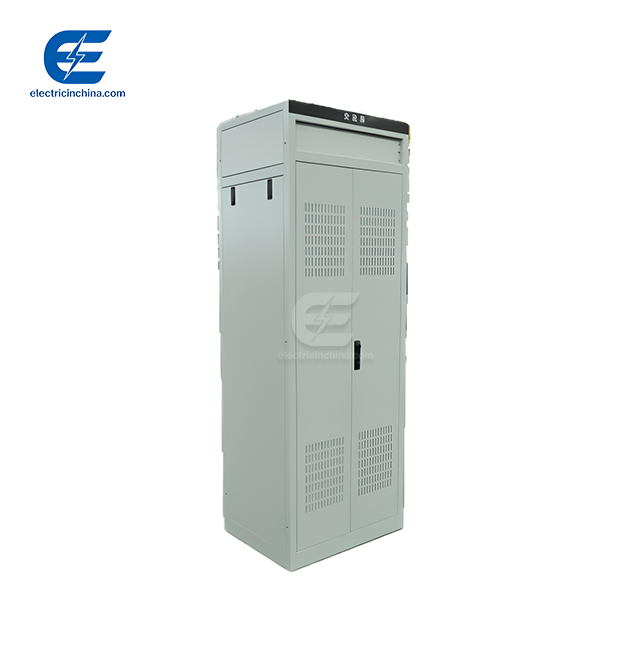
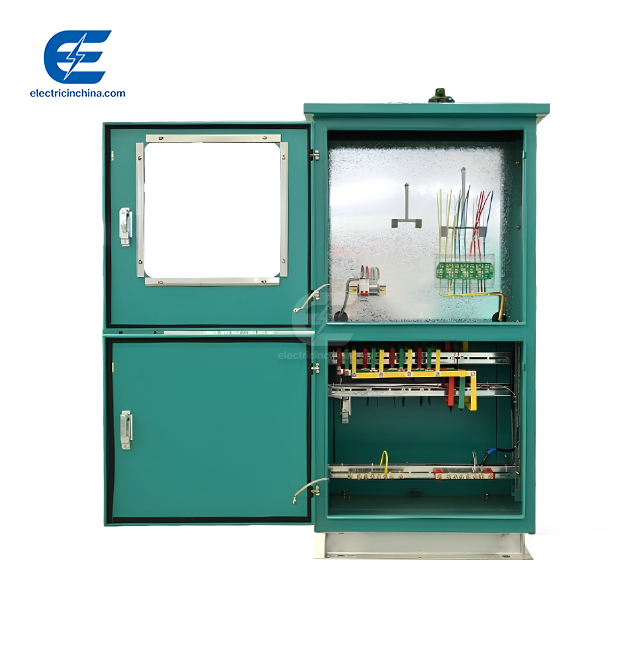
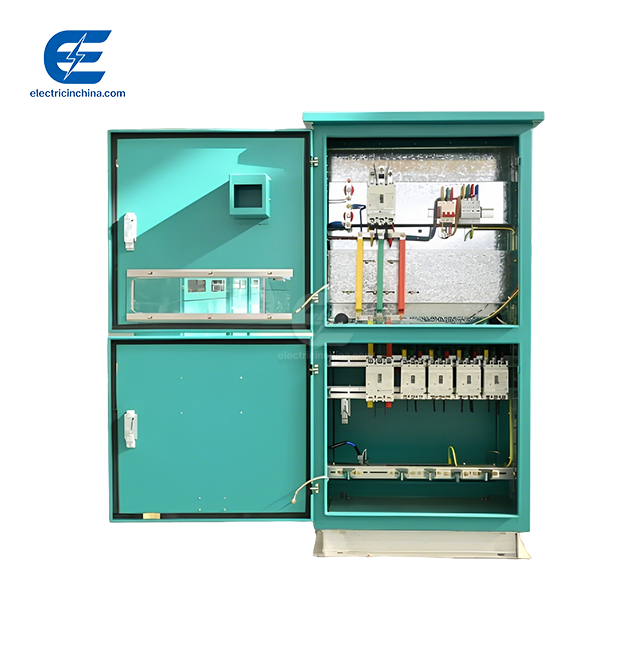
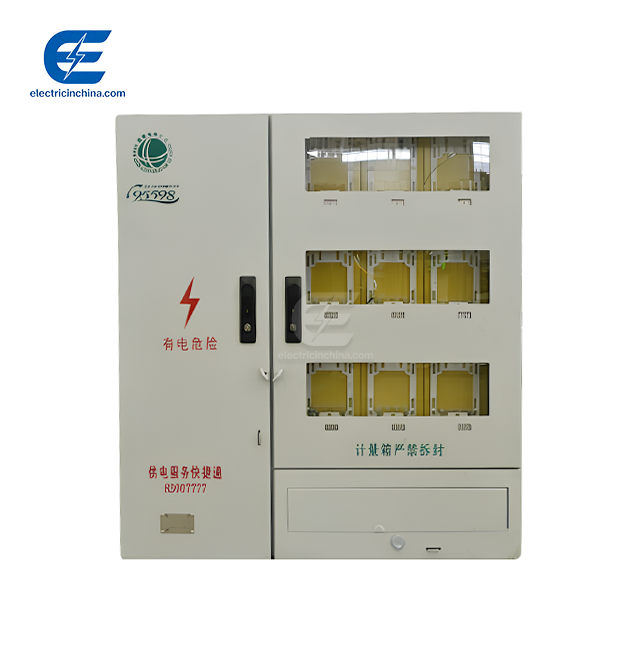
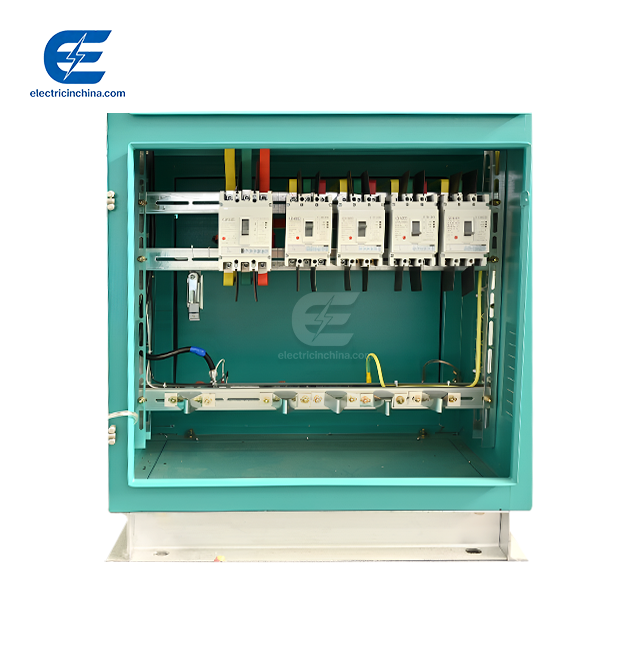
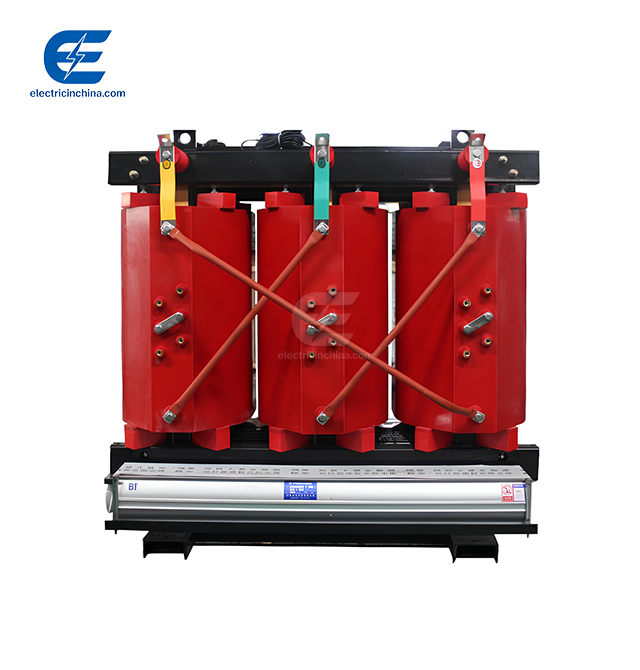
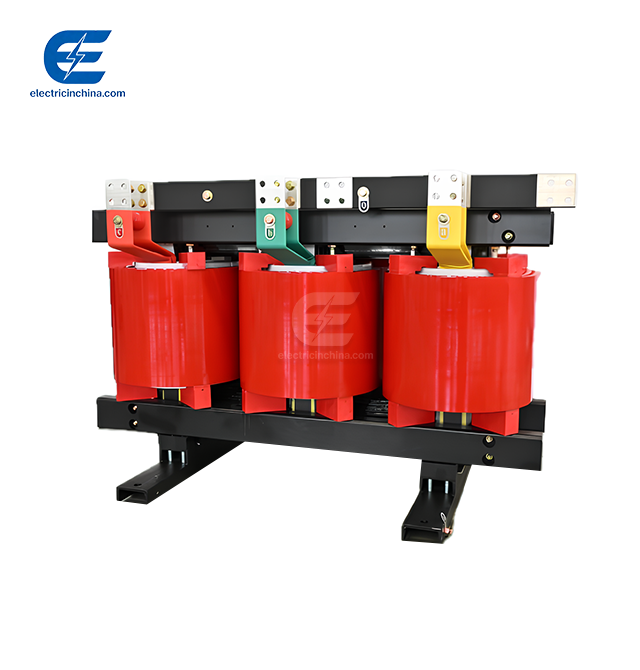
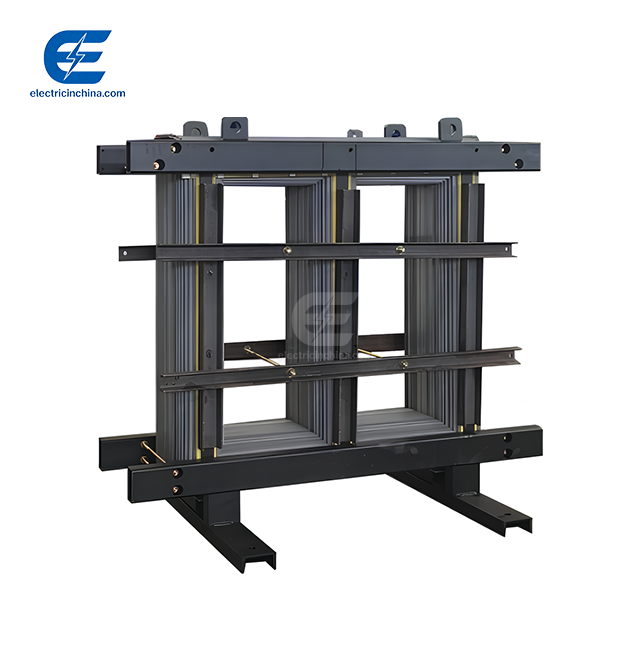
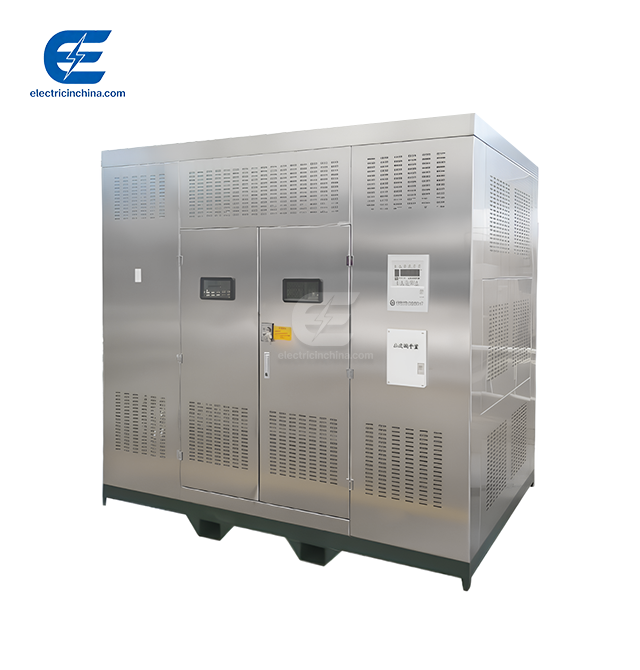
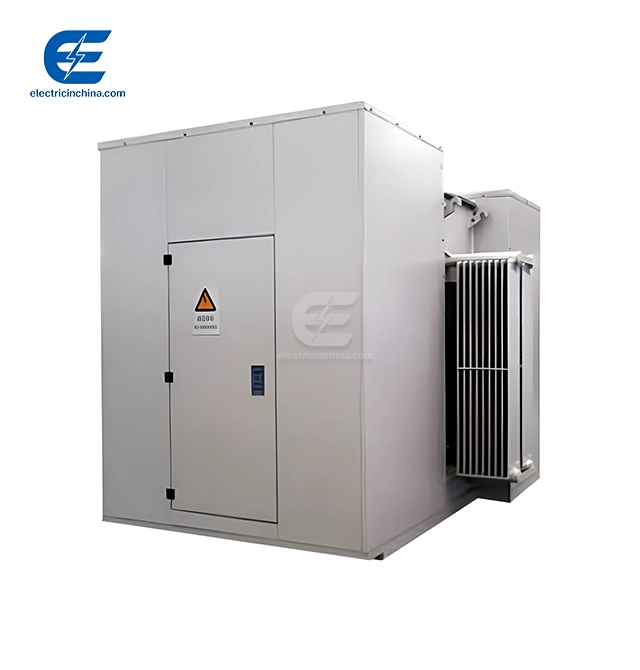
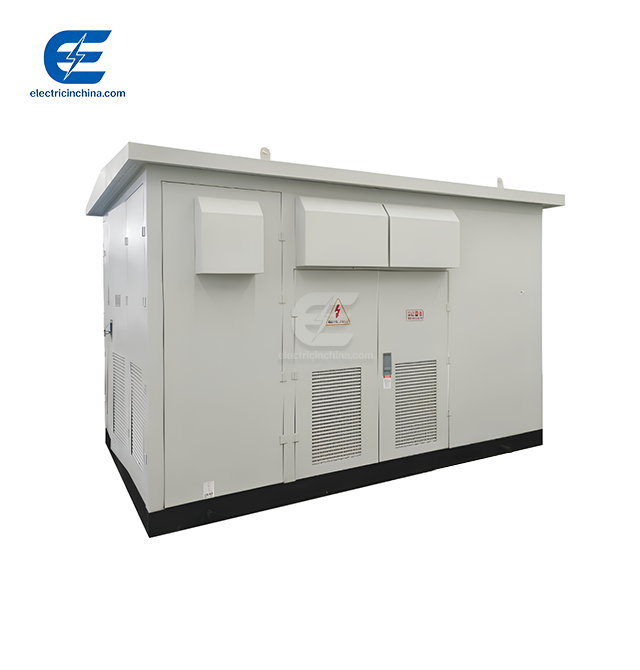
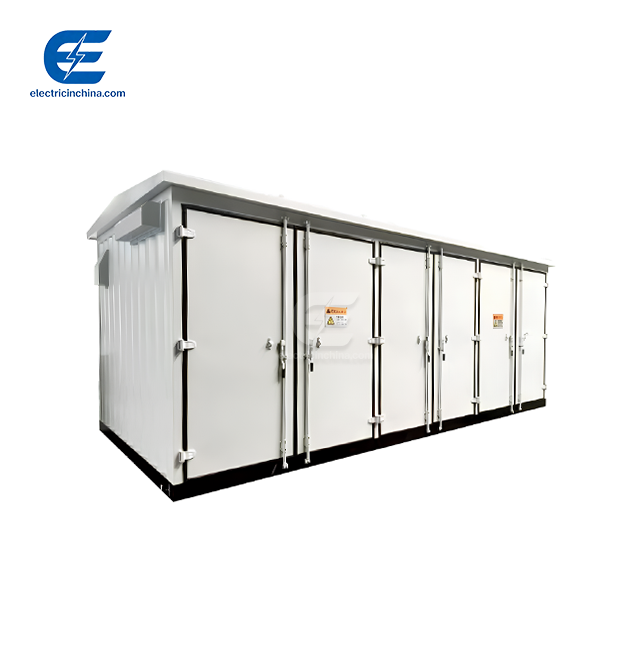
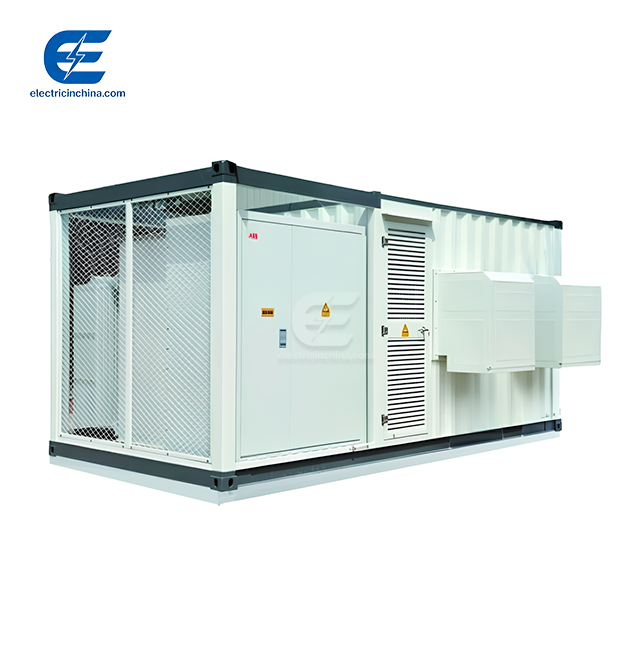
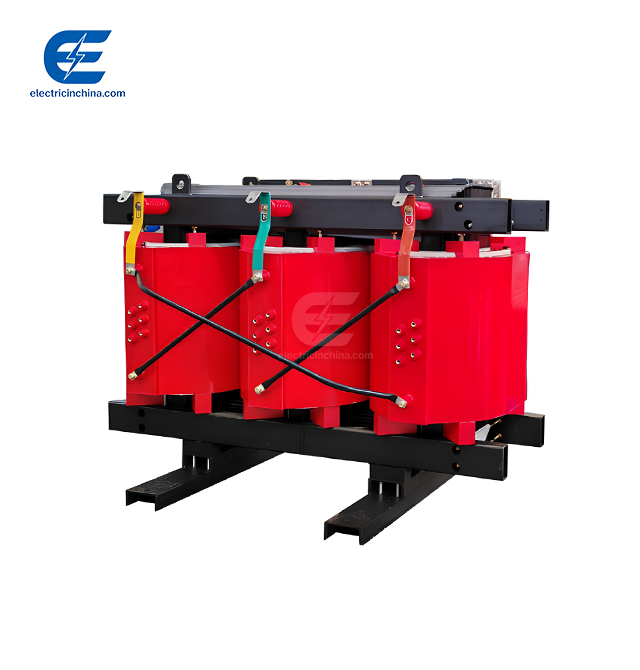
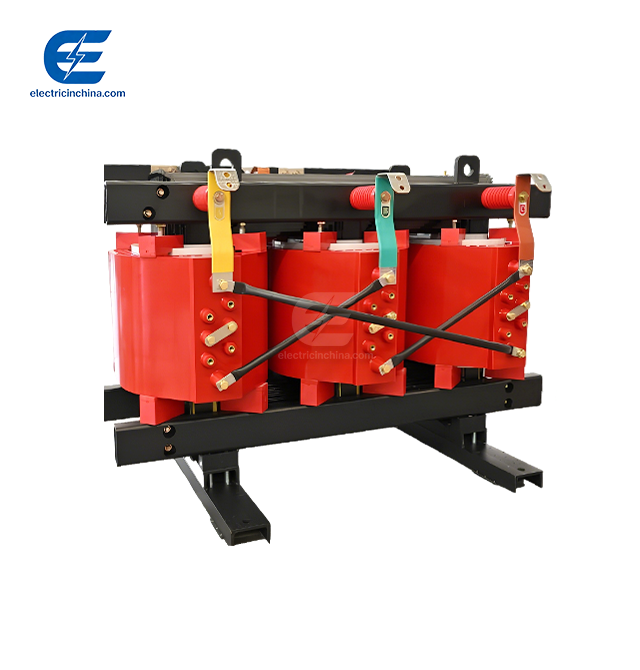
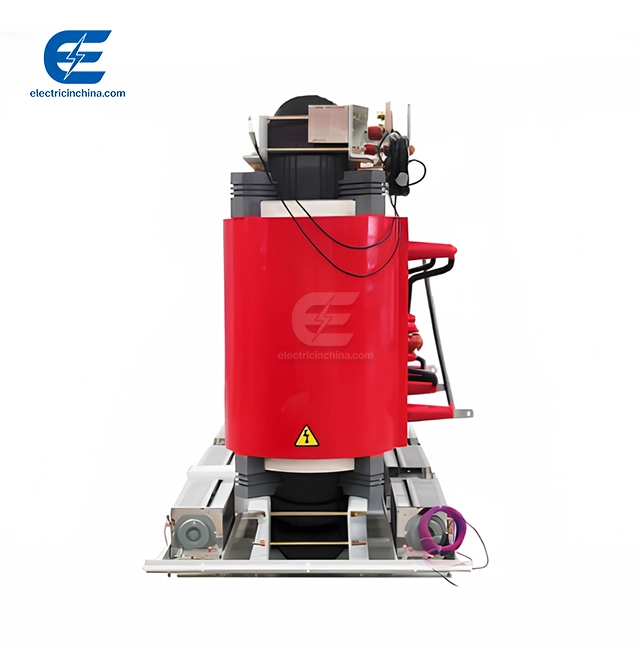
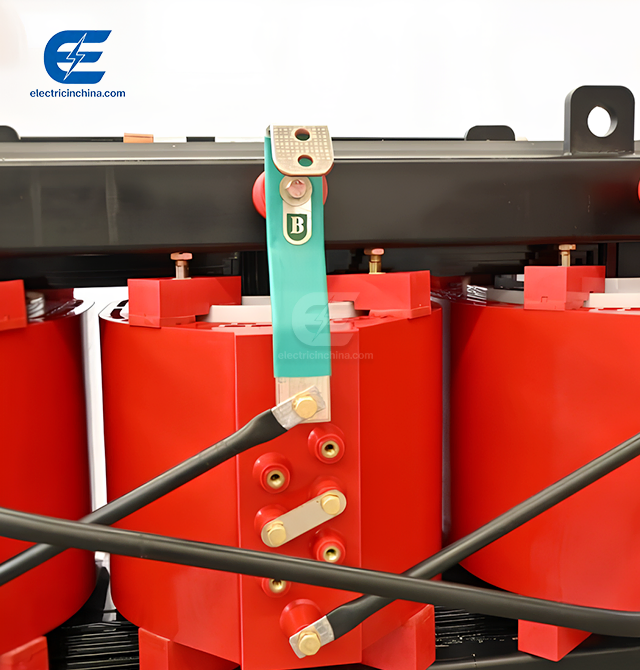
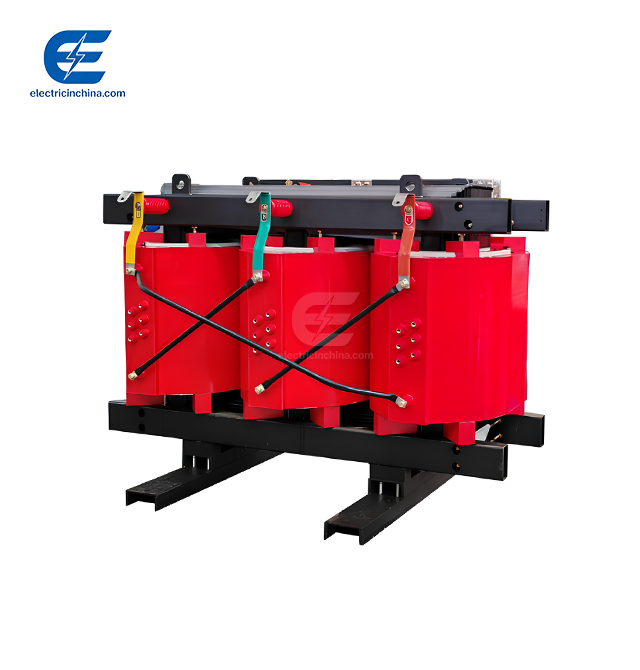
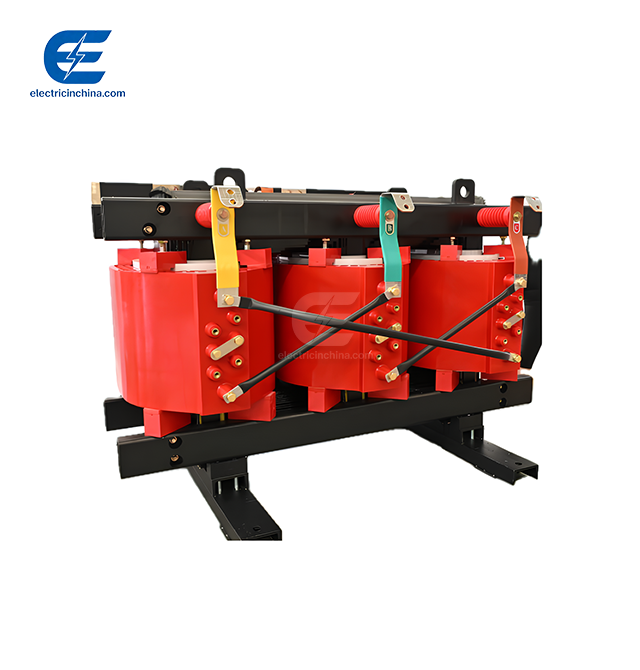
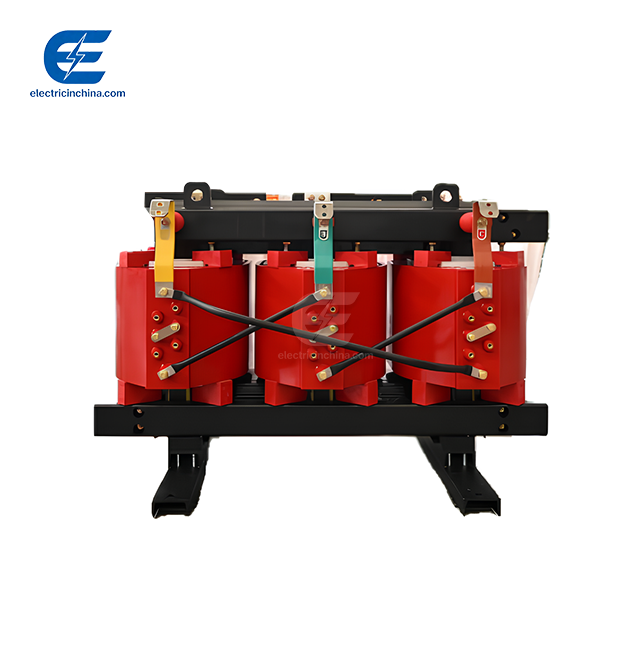
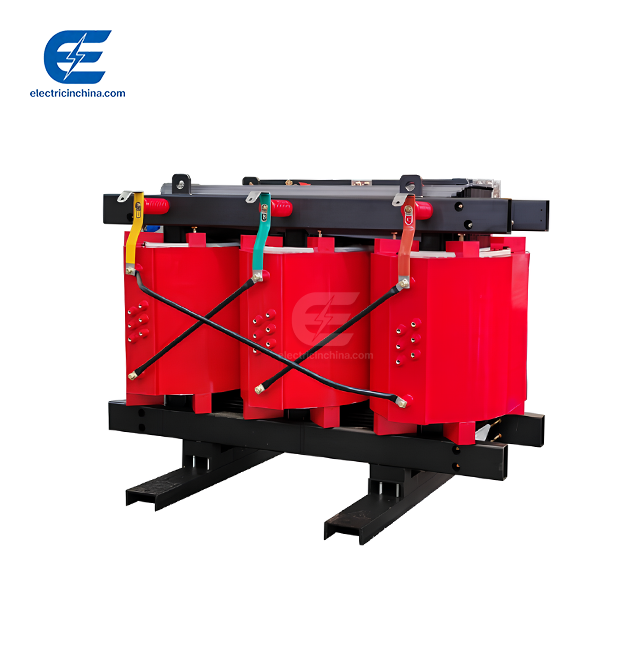
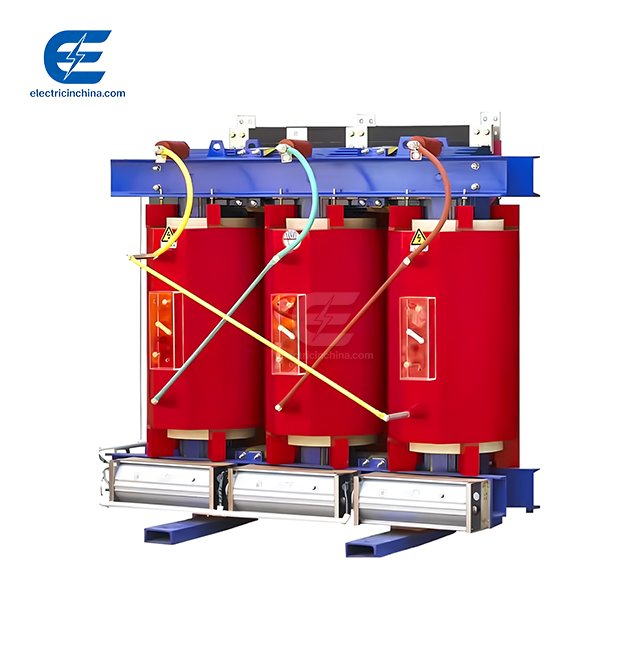
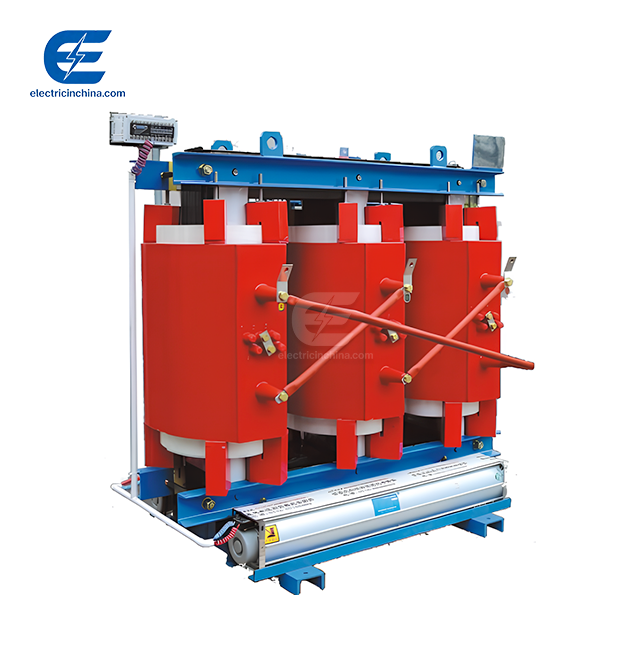
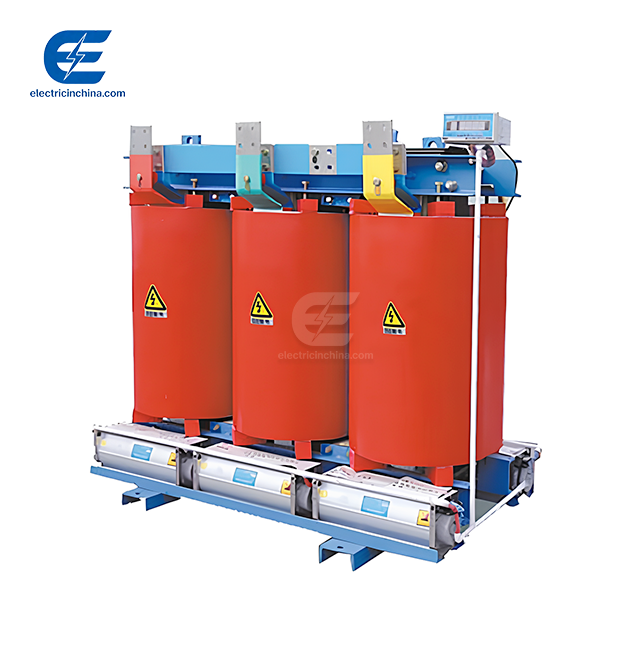
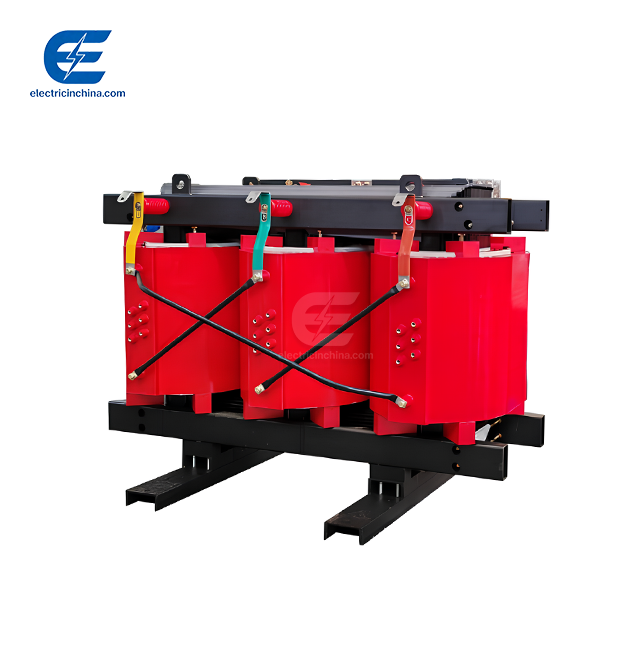
To find your way around the world of electrical equipment, you need to know about transformers that are safe, reliable, and efficient. A Cast Resin Transformer is a dry solution in which the main and secondary windings are covered in epoxy resin while the area is vacuum-packed. This gets rid of the fire risks and maintenance problems that come with oil-filled units. This makes it perfect for government infrastructure projects, business developments, and industry facilities that have to ensure safety and long-term performance.
Understanding Cast Resin Transformers
What Sets This Technology Apart
Instead of using oil to cool the windings, dry-type transformer technology insulates them with epoxy resin coating. This big change fixes three major problems: the risk of fire in small spaces, oil leaks polluting the environment, and high maintenance costs that cut into operational budgets.
When copper or aluminium windings are surrounded by epoxy resin in a vacuum, it forms a barrier that is sealed and has a dielectric strength of more than 20 kV/mm. The vacuum process gets rid of any air spaces that might weaken the insulation. This makes it so that the partial discharge levels are below 10 pC at 1.1 times the rated voltage, which is a key sign of long-term dependability.
Technical Specifications That Matter
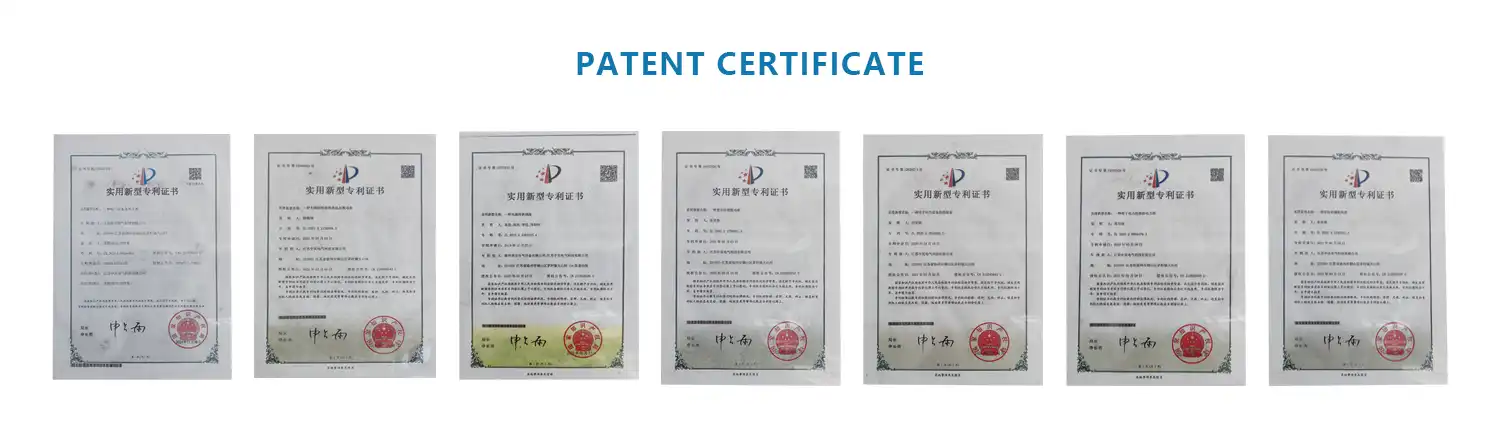
Power levels range from 30 KVA to 31,500 KVA, which is enough for both small businesses and big industrial centers. Whether you need 11kV, 33kV, or custom specifications for a specific application, the voltage configurations can be changed to meet local standards. Our research team has been granted 18 patents that improve heat performance and mechanical strength. This makes sure that units can handle short-circuit forces of up to 25 times the rated current.
Insulation classes F (155°C) and H (180°C) show how much heat the transformer can handle before it starts to break down. In tropical climates where temperatures regularly rise above 40°C, Class H systems make equipment last longer. Class F systems keep their efficiency scores at up to 99.5%, which means they use less energy when they're fully loaded. The temperature rise stays within 100K.
Customization for Your Project Needs
Each infrastructure project has its own set of problems. For locations near the coast, you need shelters with an IP54 rating that can handle salt spray corrosion. Underground tube stations need small designs that can fit in small spaces and handle up to 95% humidity. Manufacturing plants with harsh chemical atmospheres benefit from being shut so that contamination can't get in.
The 15 senior engineers at our company work with the procurement teams to make sure that the winding materials, cooling methods, and safety features we use are all right for your business. Forced air cooling raises the overload capacity by 40%, which lets demand spikes happen temporarily during peak times without putting the transformer's life at risk. Aluminium windings are better for projects that need to stick to a budget because they lower the beginning costs, but copper windings are better for sites that want to save money on energy costs over the long term.
Comparing Cast Resin Transformers with Other Transformer Types
Oil-Immersed vs. Resin Technology
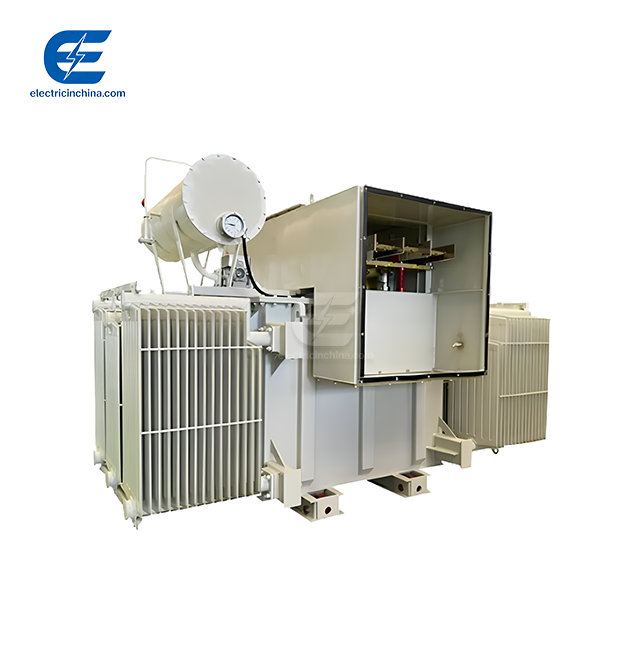
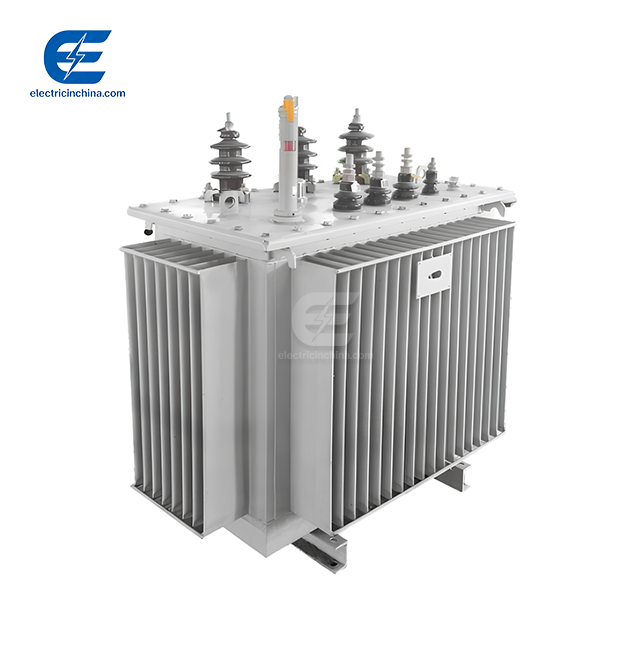
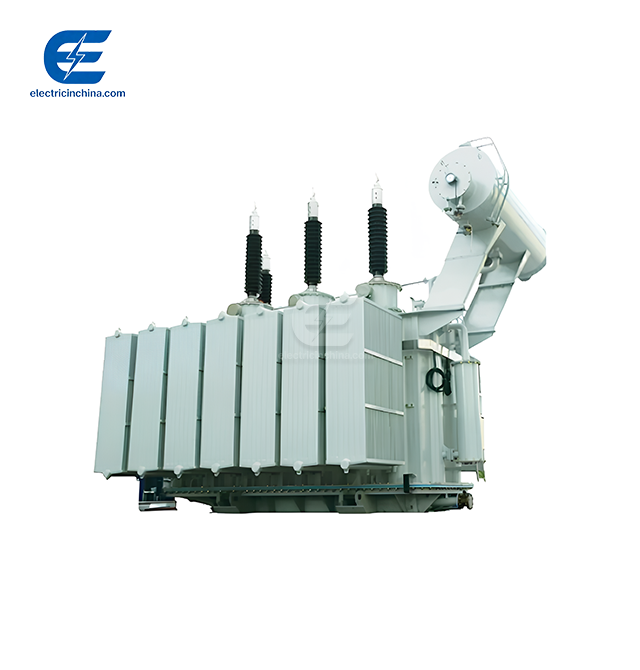
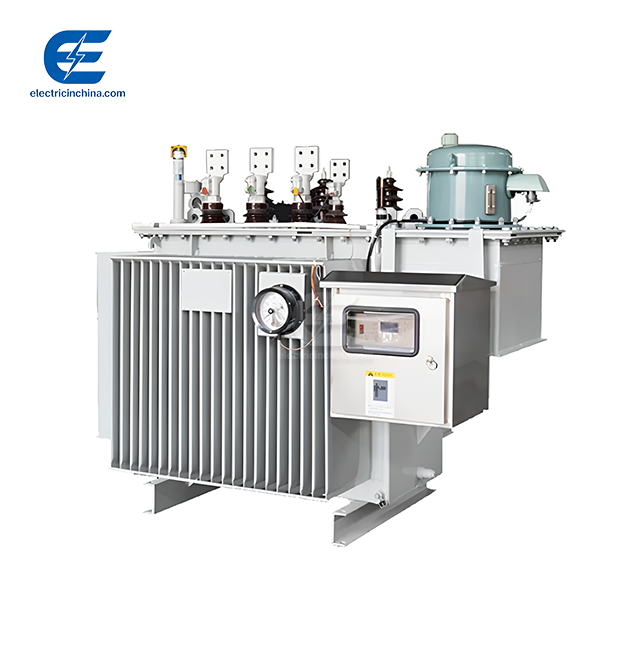
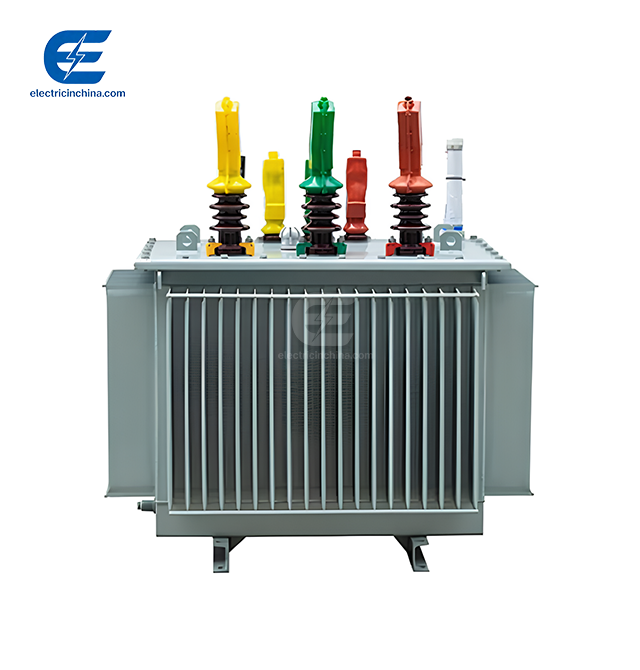
Oil-immersed transformers have been the most popular because they are cheaper, but there are a lot of hidden costs that add up quickly. Maintenance costs include checking for oil leaks, fixing them, and eventually getting rid of the machine. Cast Resin Transformer technology gets rid of all of these costs. When you get rid of dangerous products from your building, your fire insurance rates go down by a lot—commercial building managers say their rates drop by 15–30%.
Environmental laws are making it harder and harder for oil-filled tools to be used in cities. Tough rules say that oil generators can't be in high-rise buildings or underground sites in New York, London, and Singapore. Dry types of options meet these needs without lowering performance, allowing placements right at load centers that lower voltage drop and conductor costs.
Efficiency and Lifespan Comparison
Both technologies can work for 30 to 35 years if they are used properly, but they require very different amounts of maintenance. To find early signs of failure, oil units need to be tested for dielectricity, wetness, and dissolved gases once a year. For these processes to work, they need specialised workers and times when operations can't happen.
Resin-encapsulated windings need to be visually checked every two years, and their temperatures need to be kept an eye on. These are jobs that regular building staff can do. No-load losses are slightly higher in dry-type units (usually 0.2 to 0.4%), but the total cost of ownership is lower over the equipment's lifetime because it doesn't need to be maintained with oil, and insurance costs are lower. Studies done by outside groups show that business sites pay for themselves in 7 to 9 years.
Noise and Installation Flexibility
Because they make less than 45 dB of noise when they're working, these transformers can be used in places like schools, hospitals, and offices where noise pollution is a problem. Oil transformers usually make between 55 and 65 decibels of noise, so they need acoustic enclosures that cost more and take up more floor space. Resin technology has a small footprint—30–40% smaller than oil units of the same size—so it can be installed in basements, ground floors, or mechanical rooms on rooftops, where regular transformers can't go.

Applications and Maintenance of Cast Resin Transformers
Industrial Manufacturing Success Stories
Temperature changes, corrosive gases, and vibrations that kill standard transformers are common in steel mills and chemical plants. Our units work nonstop in temperatures ranging from -40°C to +60°C, keeping up their performance even when changes in oil viscosity would normally cause cooling to fail. In the Midwest, there is a steel rolling mill with six 2500 KVA units. These units have been working perfectly for 12 years, even when production goes up by 150%.
Data centers need to be completely reliable, because every minute of downtime costs a lot of money in lost sales and reputation damage. Using resin technology to set up redundant transformers gives N+1 safety without the need for fire control systems that make things more complicated. The sealed design stops dust from building up in high-floor plenums, which is a typical way for air-cooled equipment to break down.
Infrastructure and Commercial Deployment
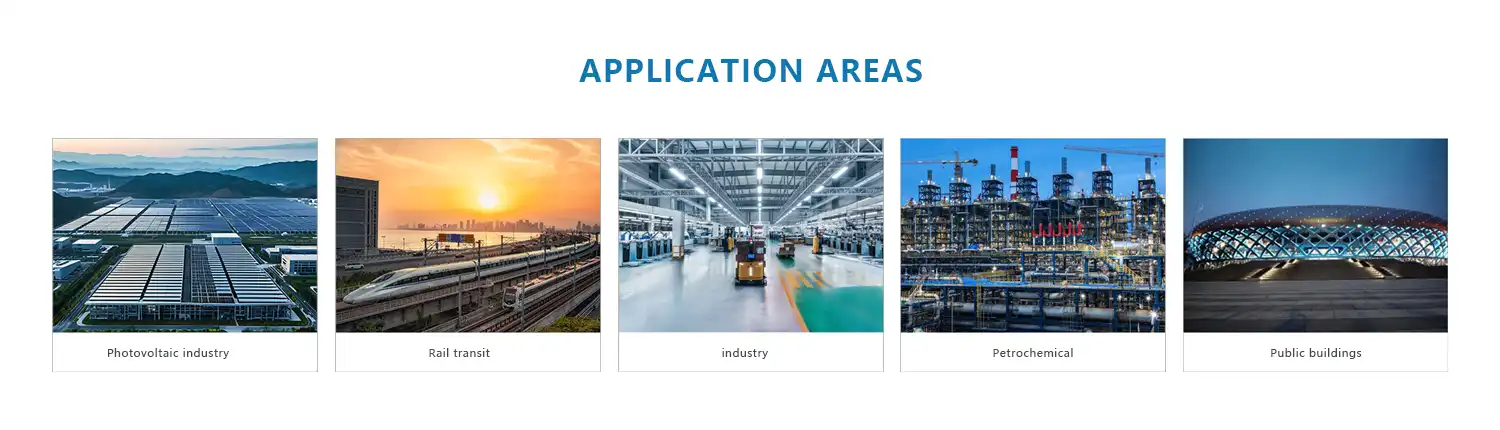
These transformers are used by rail transit systems all over the world in tube stations where fire safety is very important. Tunnel installations can't contain oil spills or let combustion products escape. As part of our work on subway systems, we've created dual-circuit power sources using Cast Resin Transformer units that keep things running even when there is an emergency or repair.
Commercial real estate investors like how flexible the installation is. Shopping malls put transformers close to rental spots, which lowers the cost of copper for secondary distribution. Installing units on multiple floors of office towers gets rid of single points of failure and makes voltage regulation better. The Xinhuai Central Complex project had 18 transformers spread out over 32 floors. It got LEED Gold approval in part because the distributed power design made the building more efficient.
Maintenance Protocols That Extend Service Life
Temperature tracking systems built into each loop let you know right away if problems start to appear. BWDK thermometers look for hot spots that mean cooling lines are blocked, or loads aren't balanced. Automatic trip features keep heat damage from happening during fault conditions, which protects both the transformer and the equipment further down the line.
Every year, maintenance checks include thermographic scans to see which connections are heating up, checking the tightness of bolted joints, and using megger tools to test the insulation resistance. In contrast to oil generators, which need to have the oil filtered and dried, these steps take two to three hours per unit. The spare parts collection is mostly made up of fuses, temperature sensors, and terminal hardware, which are all things that plant electricians can easily get and install without the help of factory workers.
Procurement Guide: How to Buy Cast Resin Transformers
Defining Technical Requirements
The voltage and power numbers from your electricity load study are a good place to start. Plan for future growth—transformers work best when they're between 60 and 80% of their listed capacity, so going one size up by 25% gives you room to grow while keeping performance high. Ratings for enclosures and insulation classes are based on the environment. Coastal sites that are less than 5 miles from saltwater need hardware that doesn't rust and terminals that have conformal coatings.
The performance of cooling is affected by altitude; installations above 1000 meters need to be derated or have more ventilation to make up for the lower air density. In seismic zones, mounting needs to be stronger and connections need to be flexible so that buildings can move during earthquakes. Our engineering team looks at these things to come up with specifications that will work in the long run.
Evaluating Supplier Credentials
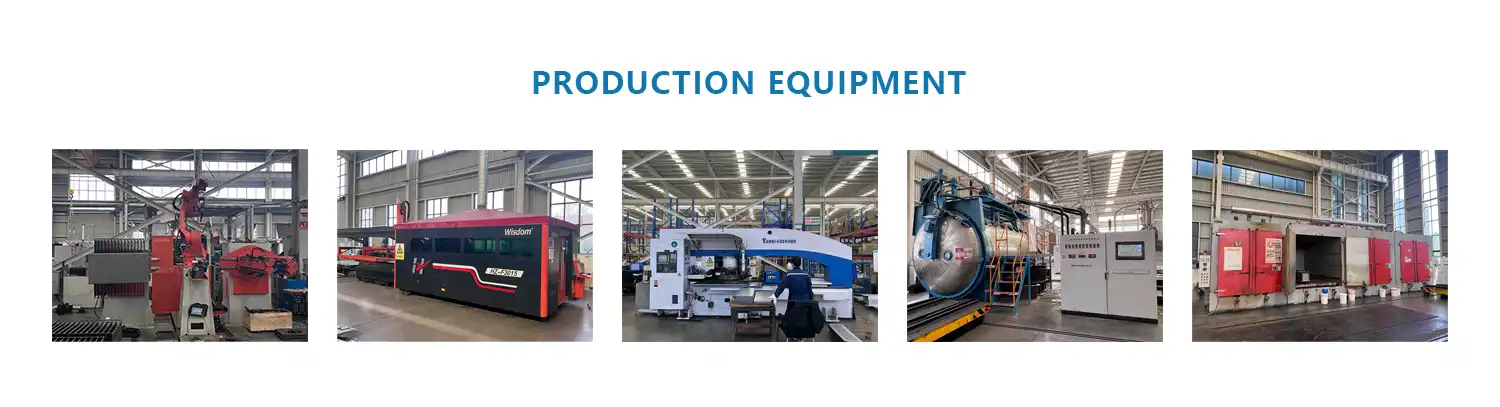
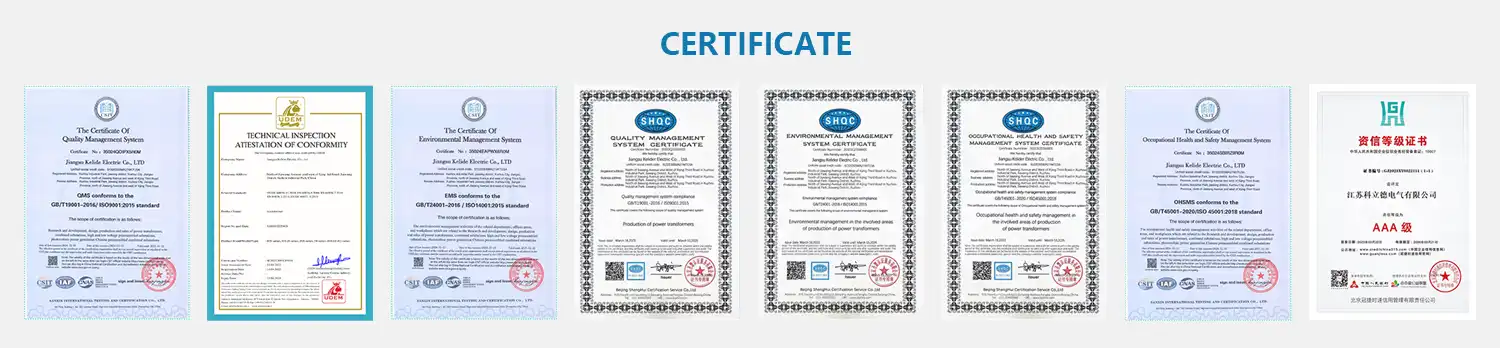
Your transformer will either meet your needs or become a liability, depending on which supplier you choose. Check that the company has ISO 9001 quality management certification. This makes sure that the manufacturing processes are always the same and that quality control is recorded at every stage of production. Our factory has more than 120 high-tech manufacturing systems, such as CNC winding machines and vacuum casting machines, that keep tolerances that other factories can't reach.
Look at past projects that have been done in your industry. When the government puts out bids, they want suppliers who have worked on similar-sized projects before. The Xuzhou Rail Transit Network Control Center project shows that we can handle complicated EPC contracts where electrical equipment works with civil building, HVAC systems, and communication networks.
Performance claims are backed up by tests by a third party. Type test reports from recognised labs confirm the temperature rise, the voltage that can withstand an impulse, and the strength of the short circuit. No-load losses, impedance voltage, and partial discharge measurement are all part of routine testing that happens before shipping. This information helps with commissioning and gives standard data for future condition reports.
Cost Factors and Lead Times
The price of a Cast Resin Transformer depends on the cost of the raw materials, how hard it is to make, and how much customisation you want. It takes 8 to 12 weeks to ship standard catalogue designs. Lead times are extended to 14–18 weeks for custom specs that need unique winding configurations or special casings. Planning purchases early in the project's plan keeps delays from happening during the most important parts of building.
When you compare rates, you need to look at the total cost of installation, not just the price of the tools. Think about services like freight, rigging, and commissioning. Our complete method includes on-site supervision during installation, testing after powering on, and training for operators to make sure your staff knows what the equipment can and can't do.
Trusted Global and Regional Partners
How you pay and what your warranty covers depend on the size of the project. Standard guarantees last for 24 months after the product is put to use or 30 months after it is shipped. For important uses, guarantees that last up to 60 months are offered. Making sure that spare parts are available throughout a product's lifecycle saves it from becoming obsolete. As part of our promise, we will keep stock of legacy designs even after they are no longer manufactured.
Well-known names like Schneider, Siemens, and ABB have a lot of products and service networks all over the world. These companies are great at making standard designs that work in common situations. Specialised suppliers focus on making custom solutions for problems that can't be solved by products in a catalogue. Regional providers like Tuojie can help when projects need quick responses, local expert support, and customisation at reasonable prices. After 20 years of working with infrastructure, business, and industrial clients, we know about area electrical codes, environmental issues, and buying processes that big companies from other countries might miss.
Technical Standards and Compliance
International Regulatory Framework
The IEC 60076 series sets the rules for designing, testing, and rating Cast Resin Transformers all over the world. These standards make sure that all markets can work together safely and interoperate. In IEC 60076-11, dry-type transformers are specifically talked about. It sets limits on temperature rise, insulation levels, and environmental classes that help with buying choices.
IEEE C57.12.01 sets guidelines for North America, but there are some small changes in the voltage ratings and testing methods. In the United States, projects need to have a UL listing, which is a certification that shows electrical equipment meets safety standards. Our goods have many certificates, such as the CE mark for European markets, which makes sure they can be sold anywhere in the world.
GB/T 10228 lists Chinese national standards that have a bigger effect on markets in Asia and Africa. Canadian sites are governed by ANSI and CSA guidelines, which include extra requirements for cold weather and earthquakes. By understanding these regulatory settings, you can avoid making specification mistakes that cause delays in approvals or require expensive redesigns.
Interpreting Insulation and Safety Ratings
IP codes tell you how to protect your computer from solid items and water getting in. IP23 is a standard level of protection that works for electrical rooms inside buildings with restricted access. IP54 enclosures can handle dust and splashes of water, so they can be used outside or in an industrial setting. Higher scores mean bigger and more expensive products, so only choose the amount of safety your conditions need.
To coordinate insulation, the impulse resistance levels of the transformer must be matched to the protection levels upstream and the sensitivity of equipment downstream. Voltage transients that the transformer has to handle are affected by surge capacitors, lightning arresters, and the length of the cables. Our engineers do studies on insulation planning that make sure the best security is provided without going overboard with requirements that add to costs.
Safety classes talk about how fires behave and how harmful gases are released. Because resin is self-extinguishing, it only keeps burning when it is near an outside flame and goes out within 30 seconds of the flame being turned off. Because of this feature, it is possible to place indoors without using halon suppression systems, which are bad for the environment and cost a lot to maintain.
Conclusion
Choosing the right electrical tools has been a key factor in the success of projects and the speed of operations for decades. The strong build, safety benefits, and trouble-free operation of epoxy-encapsulated transformers make them perfect for use by government contractors, business developers, and industrial operators. Our 18 patented innovations, strict quality control through ISO 9001 certification, and large project portfolio in rail transit, commercial real estate, and manufacturing show that we are the reliable company that procurement professionals need. Whether your project needs standard catalogue designs or custom-engineered solutions, the technical know-how and quick customer service will make sure that your power distribution infrastructure keeps working smoothly for as long as it's in use.
FAQ
1. How long do epoxy-encapsulated units last compared to oil alternatives?
Both technologies have service lives of 30 to 35 years if they are used correctly. Epoxy's resistance to external breakdown keeps resin units working well. This has been proven by tests that speed up the ageing process according to IEC 60076-11. The sealed design keeps the windings safe from moisture and other contaminants that can damage oil equipment that hasn't been maintained properly.
2. Can these transformers handle humid tropical environments?
As usual, vacuum-cast epoxy offers IP23 protection. For harsh environments, IP54 protection is also offered. They don't rust when tested with salt spray according to IEC 60068-2-52, which makes them perfect for installations near the coast. Performance stays the same at 95% humidity, which is a setting where oil transformers get contaminated with moisture and need to be serviced often.
3. What overload capacity can we expect during emergencies?
Most reviews say that 140% load for 30 minutes and 125% load for 2 hours won't hurt the item. These abilities are confirmed by thermal modelling according to IEC 60076-7, which also protects the life of the insulation. In an emergency, 200% loading is allowed for short periods of time as long as the temperature is properly monitored to avoid permanent damage.
Partner with Tuojie for Your Next Cast Resin Transformer Project
Tuojie has been completing projects in the infrastructure, business, and industry sectors for 20 years, so they know how to make dry-type transformers that work. With our 15 top engineers and 18 patents, we can make sure that the equipment you get is perfect for your surroundings and needs. Before leaving our building with over 120 advanced manufacturing systems, every unit goes through a strict quality check that follows ISO 9001 standards. We have completed hundreds of projects, such as the Xuzhou Rail Transit Network Control Center and XCMG Group power supply upgrades, so we know how hard EPC procurement and government tenders can be. As a reliable Cast Resin Transformer seller, we offer unique solutions, low prices, and full support from the design stage all the way through to commissioning. You can talk to our team about your power distribution needs and get a full technical plan by emailing tuojie@electricinchina.com.
References
1. IEEE Standards Association, "IEEE Standard for General Requirements for Dry-Type Distribution and Power Transformers," IEEE C57.12.01-2020, Institute of Electrical and Electronics Engineers, New York, 2020.
2. International Electrotechnical Commission, "Power Transformers – Part 11: Dry-Type Transformers," IEC 60076-11:2018, International Electrotechnical Commission, Geneva, 2018.
3. McLaren, P. G., and Oraee, H., "Thermal Performance and Overload Capability of Dry-Type Transformers," IEEE Transactions on Power Delivery, Volume 24, Issue 3, pp. 1633-1641, 2009.
4. Kulkarni, S. V., and Khaparde, S. A., "Transformer Engineering: Design, Technology, and Diagnostics," CRC Press, Boca Raton, Florida, Second Edition, 2012.
5. Heathcote, M. J., "The J&P Transformer Book: A Practical Technology of the Power Transformer," Elsevier Science & Technology, Oxford, United Kingdom, Thirteenth Edition, 2007.
6. Harlow, J. H., "Electric Power Transformer Engineering," CRC Press, Boca Raton, Florida, Third Edition, 2017.