

.webp)
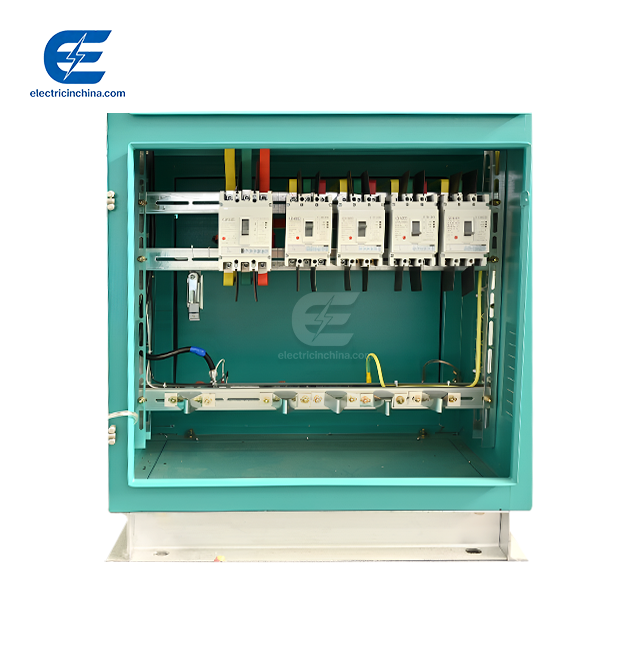
If you need medium voltage transformers for industrial use, choosing between SCB10 Industrial Dry Type Transformers and traditional oil-filled units has a big effect on operational safety, maintenance costs, and the number of ways you can install them. The 10kV-35kV SCB10 Industrial Dry Type Transformer uses modern epoxy resin sealing technology that gets rid of fire risks related to oil while providing better performance in small spaces. Unlike oil transformers, which need large holding systems and regular fluid maintenance, cast resin dry-type transformers can run for 25 to 30 years without any maintenance. They are also better at resisting wetness and meeting environmental standards. This comparison looks at technical specs, safety profiles, lifecycle costs, and how well each product works in different situations. It does this to help procurement professionals make smart choices that meet project needs and government rules.
Understanding 10kV-35kV SCB10 Industrial Dry Type Transformers
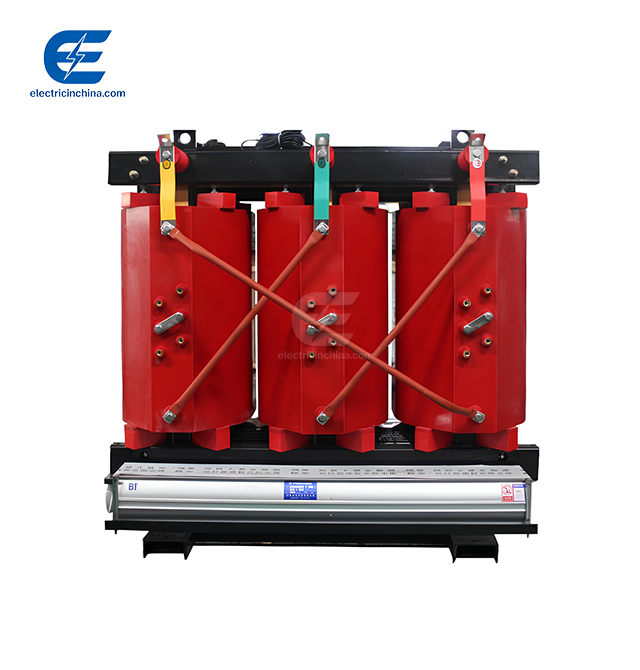
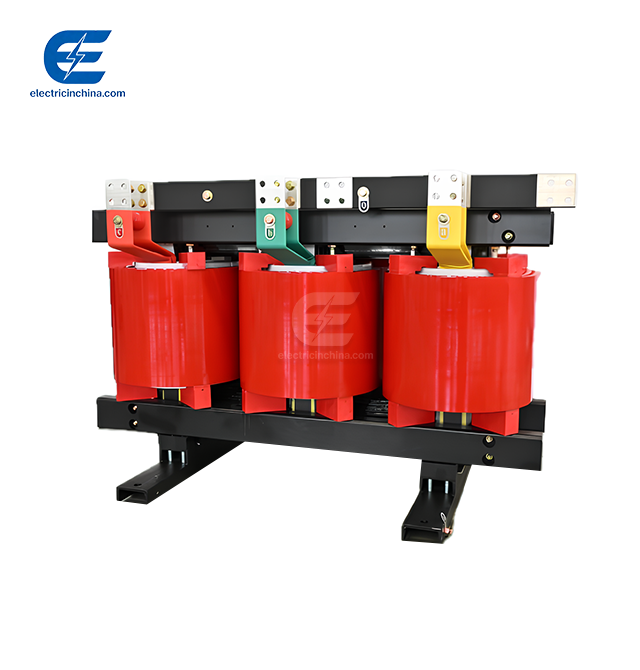
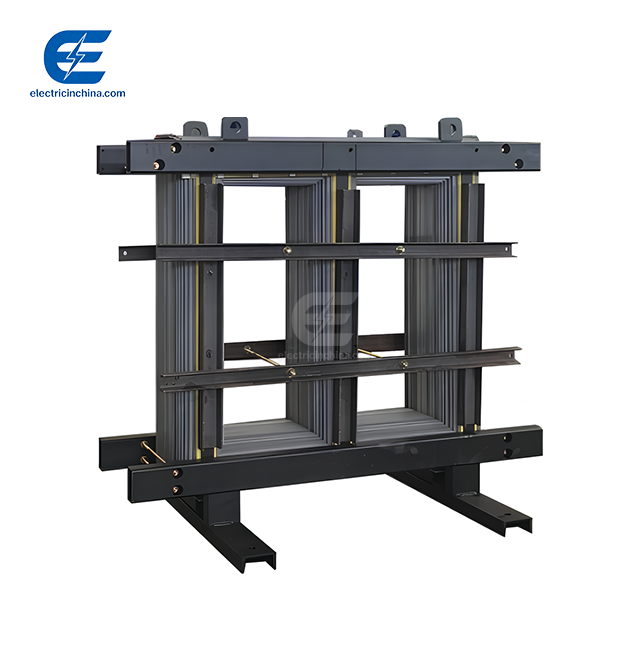
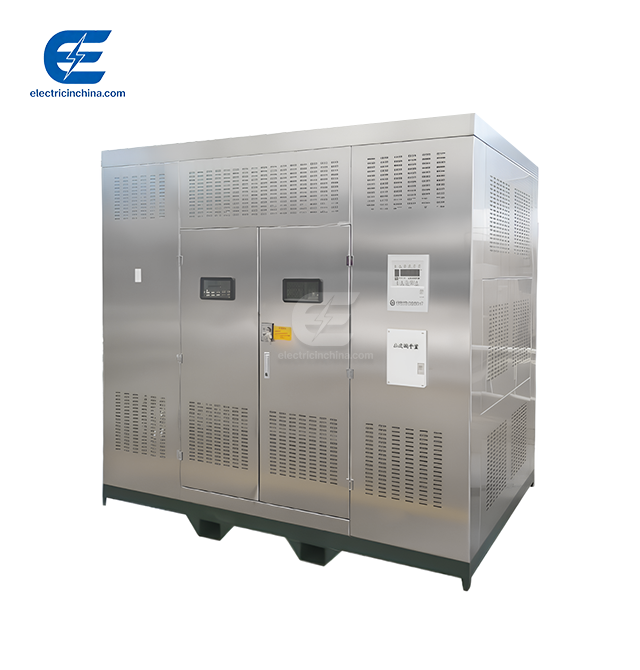
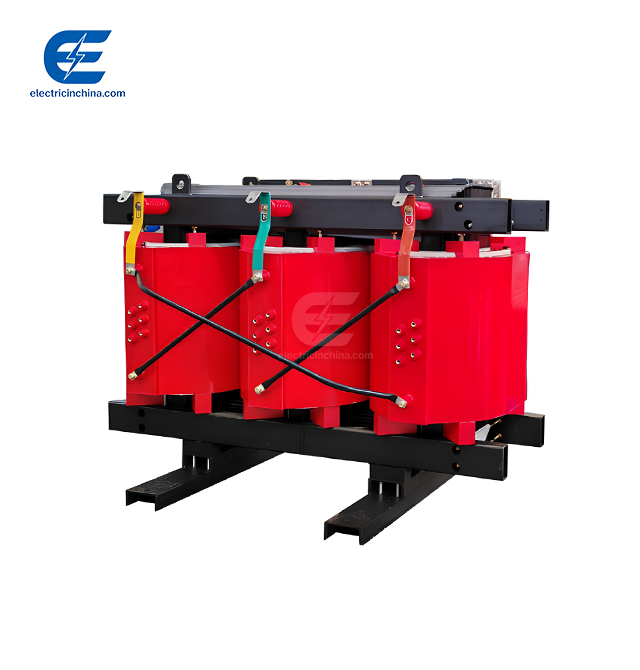
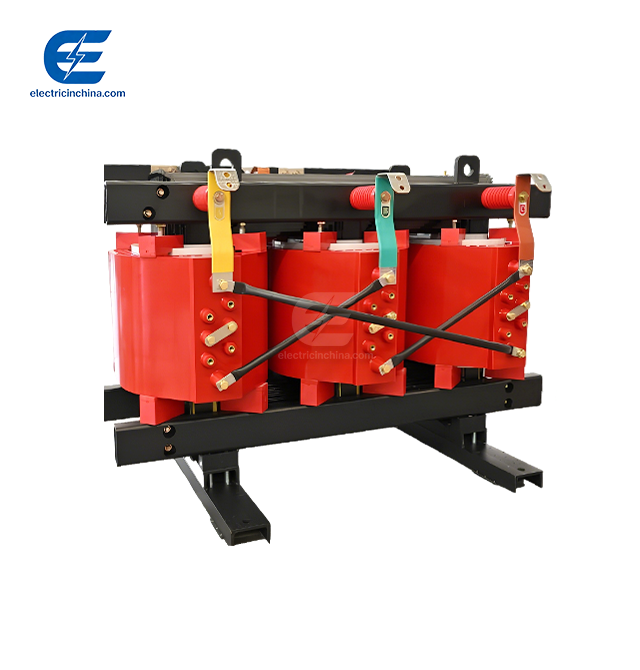
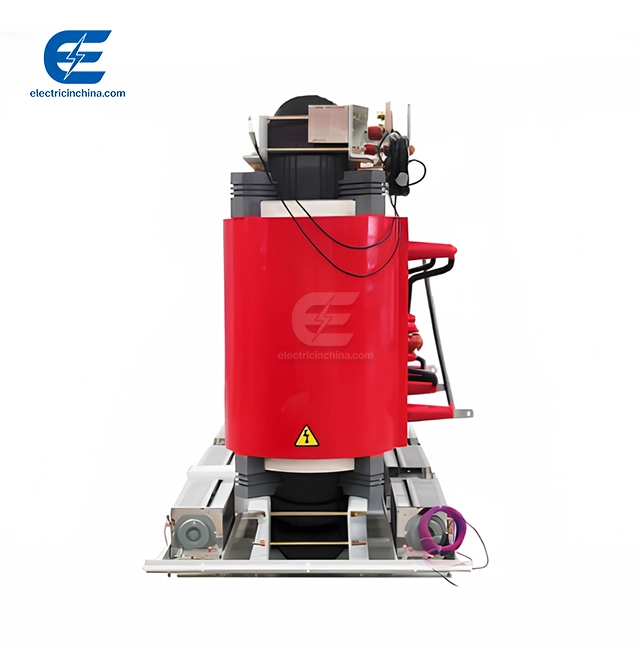
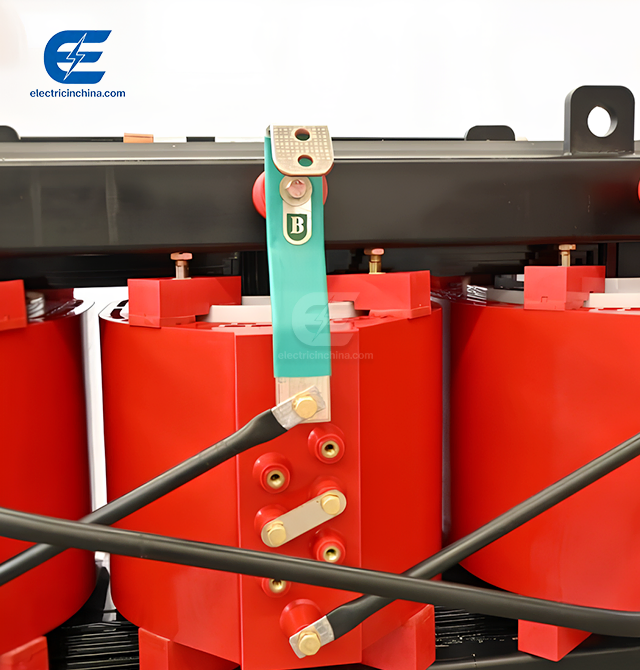
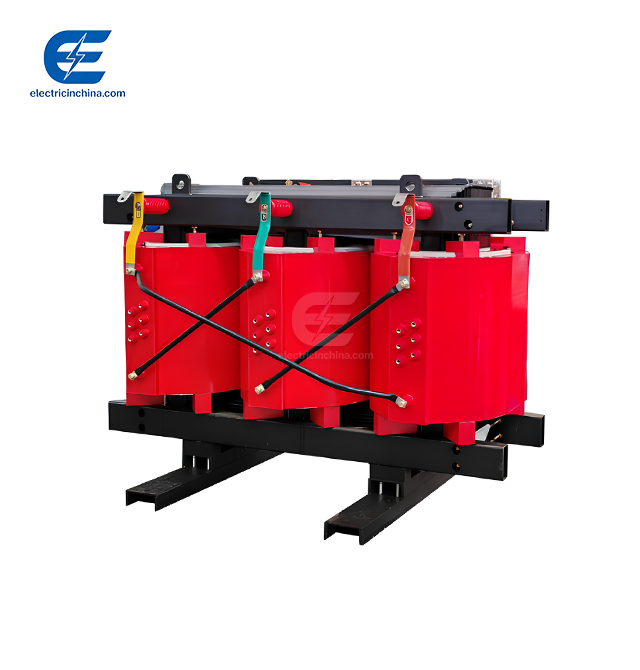
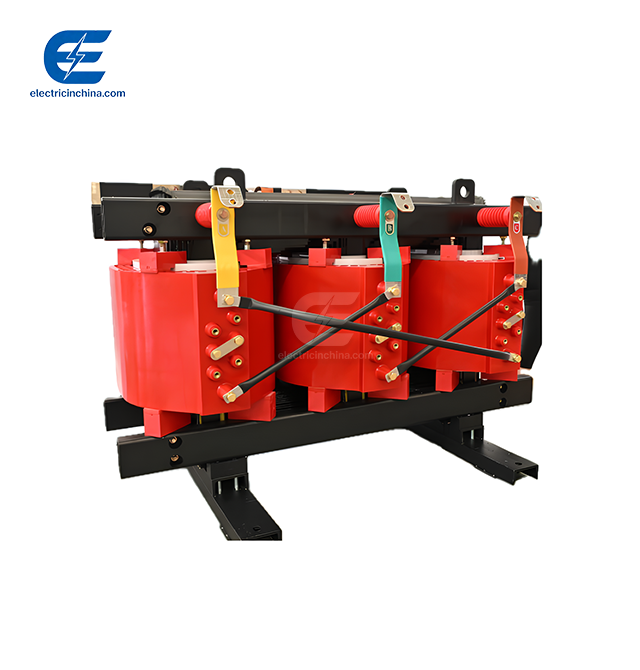
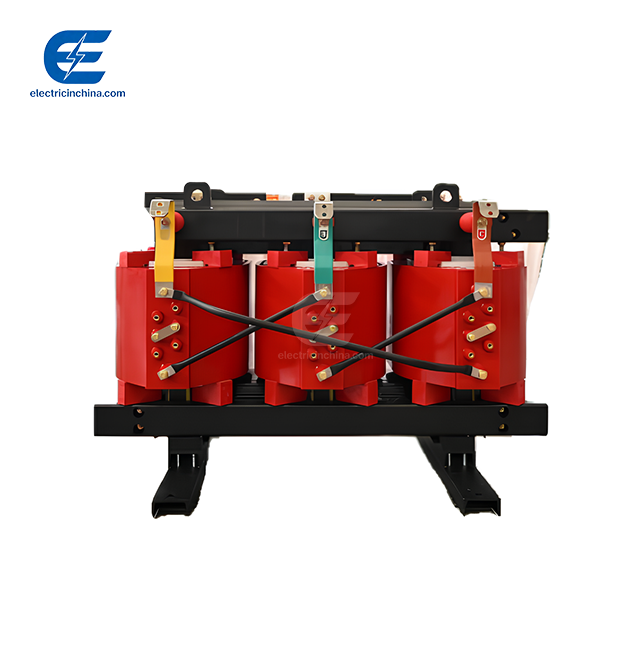
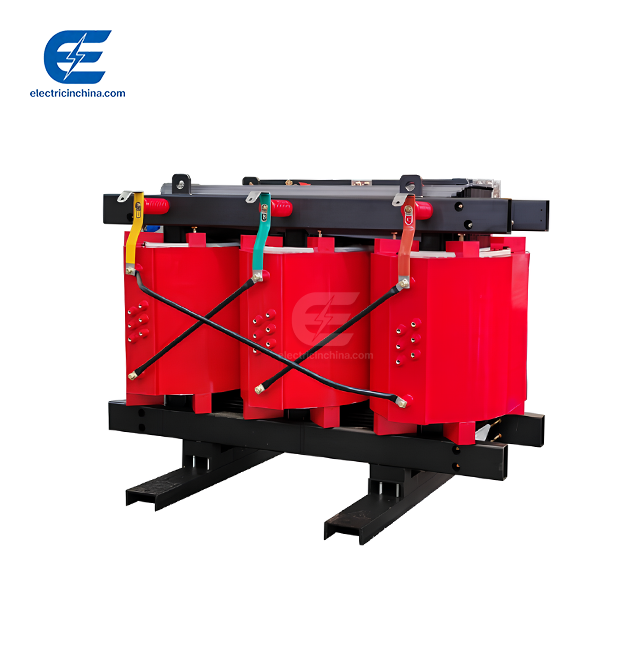
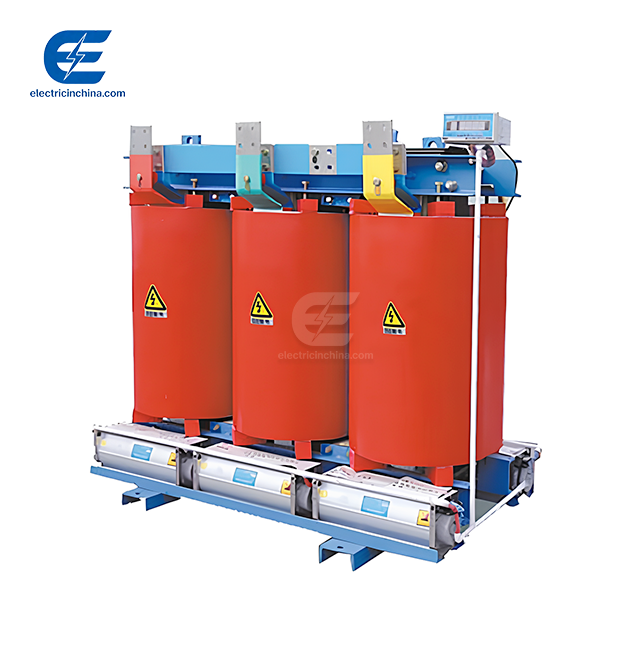
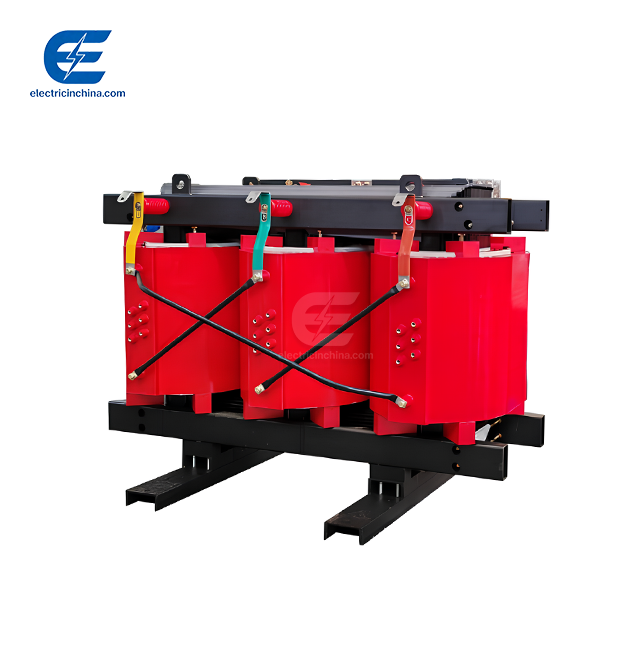
The main difference between cast plastic transformers is how they are insulated and how they are built. Mineral oil is used to cool and insulate oil transformers. The SCB10 series, on the other hand, uses vacuum-cast epoxy resin technology to fully cover the windings. This method makes a strong insulation system that doesn't get damaged by water, dust, or chemicals, which usually break down regular units.
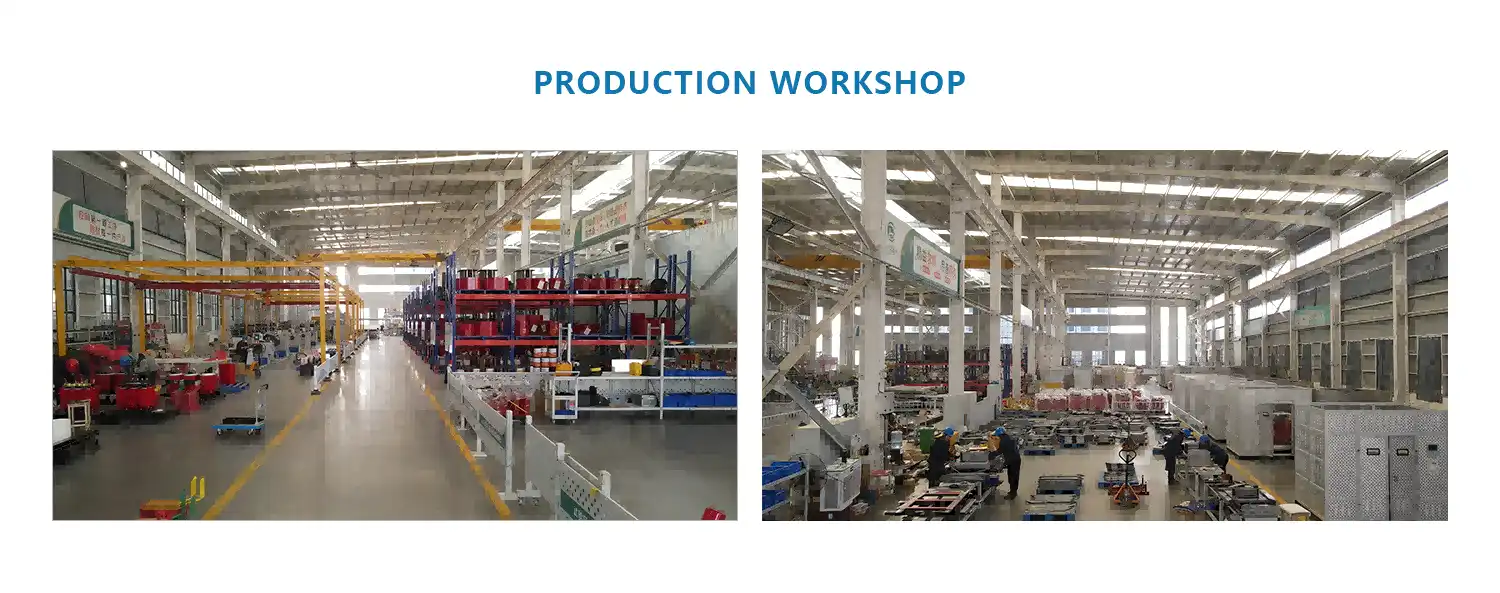
These transformers are made by Xuzhou Tuojie International Trade using CNC automatic winding machines and microcomputer-controlled gradient curing ovens. This makes sure that the winding shape is exact and that the resin penetrates evenly. Our engineering team has come up with its own compression techniques that cut the thickness of the windings by 28% compared to older designs. This means that medium voltage equipment can now be installed in places that weren't possible before.
Technical Architecture and Design Innovation
The three-phase design has low-voltage and high-voltage windings grouped closely together around a silicon steel core that has been bonded. Core losses are 10-15% lower with our advanced production process than with older SCB series models. This directly translates to lower running costs over the life of the equipment.
The epoxy glue system gives these transformers tensile strength above 140 MPa, which means they can handle fault currents up to 25 times their rated current for 0.25 seconds. This strong construction meets the performance standards for short circuits in IEC 60076-5. This was proven by dynamic mechanical stress analysis at our quality inspection lab.
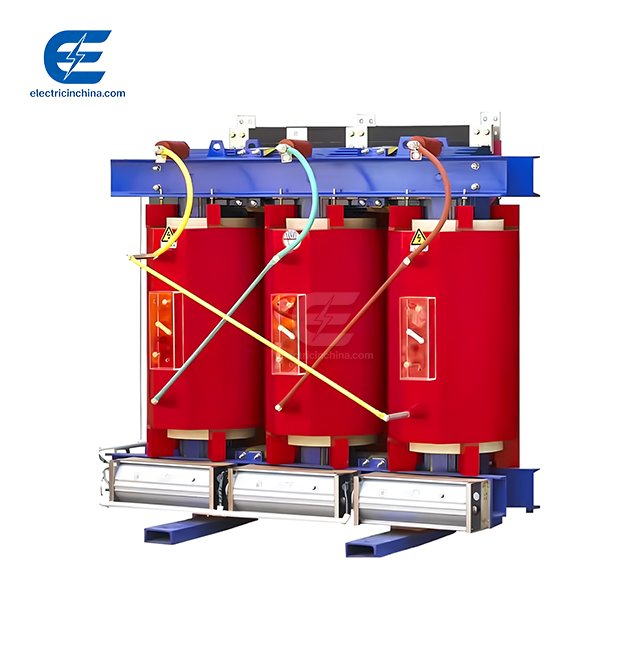
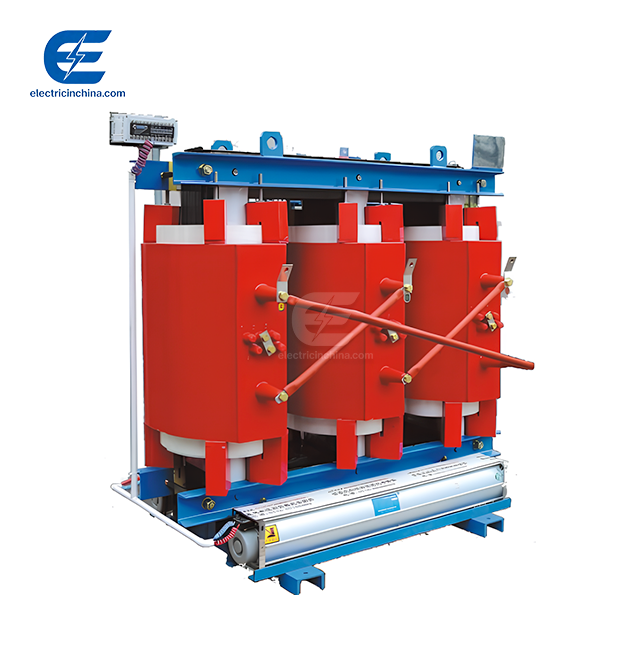
For standard ratings, thermal management uses natural air flow. For peak demand times, optional forced-air cooling systems allow operation at 150% of rated load. The encapsulated design keeps the dielectric integrity even at 100% humidity without the need for pre-drying steps. This is a huge benefit for installations near the coast or in tropical areas where moisture can affect the performance of oil transformers.
Operational Parameters and Performance Characteristics
The main voltage ranges from 10kV to 35kV, and the capacity runs from 30KVA to 31,500KVA. The standards for no-load loss range from 190W for smaller units to 18,500W for the biggest ones. Load losses change proportionally with transformer size. These measures of efficiency meet national standards GB/T 10228 and go beyond normal performance goals for oil transformers.
Under 1.1 times the rated voltage, partial discharge levels are less than 10 pC. This means that insulation systems will be under very little electrical stress for their entire useful life. At full load, noise levels stay below 55 decibels, which meets the standards for sites near occupied areas or sensitive industrial processes.
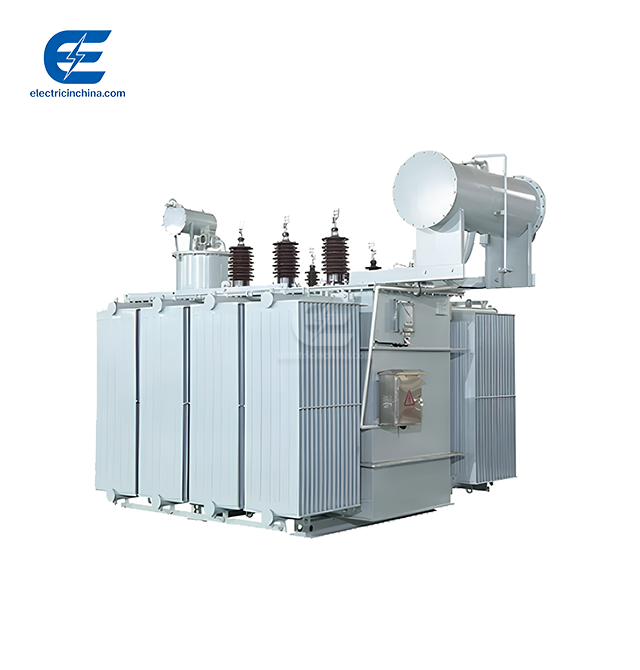
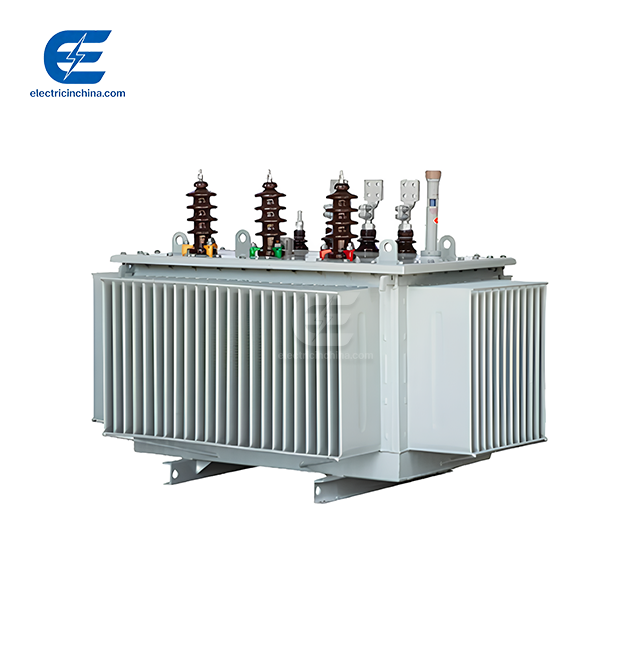
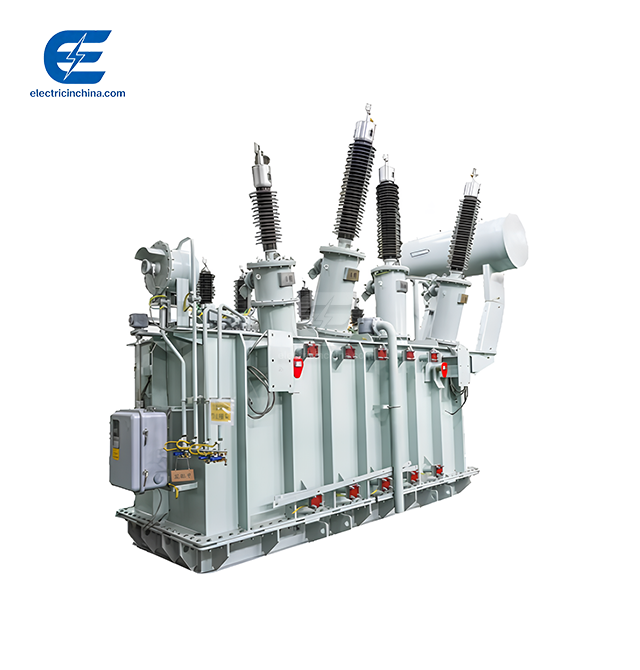
SCB10 Dry Type Transformer vs Oil Filled Transformer: A Detailed Comparison
The main differences between these technologies are not just the insulation materials they use. Safety, the environment, and the total cost of ownership are also important factors that have a big impact on purchasing choices for Industrial Dry Type Transformer.
Safety and Fire Risk Assessment
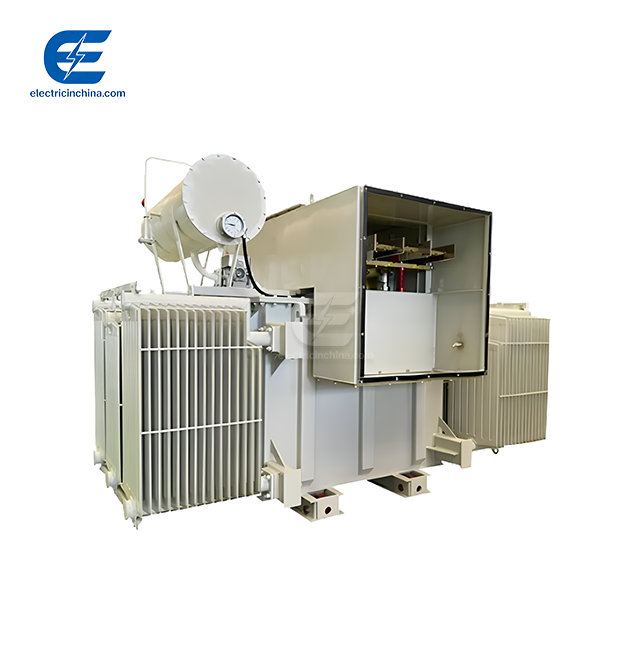
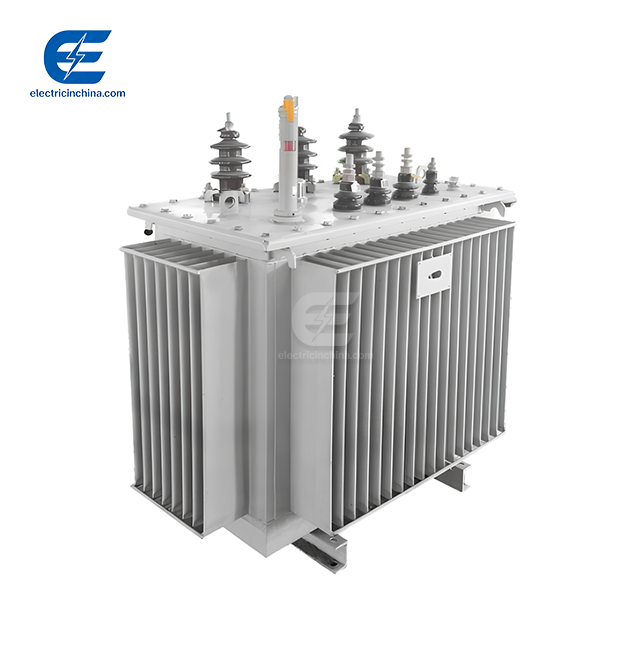
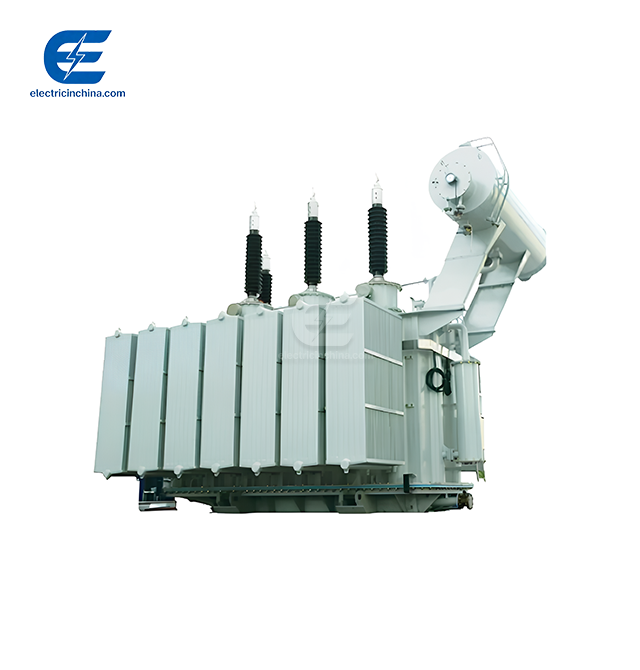
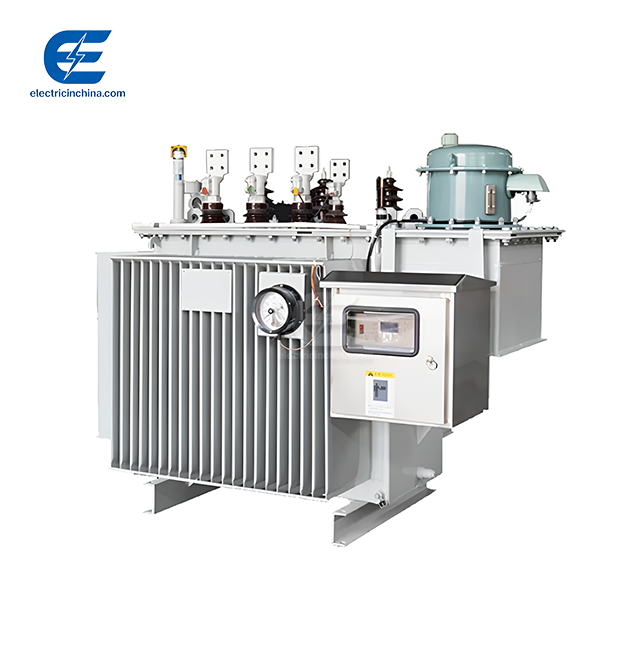
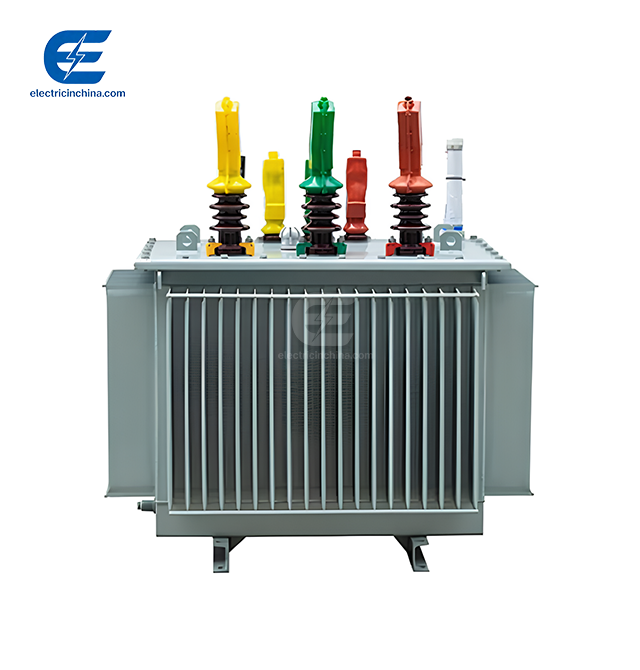
Depending on their size, oil-filled transformers hold 200 to 2,000 litres of flammable mineral oil. This makes them naturally dangerous to fire and requires a lot of control infrastructure. Building rules require minimum clearance lengths, oil retention pits, and fire suppression systems, all of which make installation areas much bigger and cost more to build.
Concerns about these things are completely taken care of by self-extinguishing flame-retardant materials in cast resin dry-type transformers that meet IEC 60076-11 environmental class E2 standards. When there is an electrical problem, the epoxy glue doesn't catch fire and doesn't make much smoke. This means it can be safely installed next to production equipment, in basement electrical rooms, or in occupied buildings that don't have special fire protection systems.
This safety benefit is especially useful in places like data centers, data processing plants, and places that make drugs and chemicals, where fires can have terrible effects on operations and finances. Our petrochemical clients have successfully installed these transformers in classified hazardous locations after doing thorough risk assessments that showed they met the requirements of NFPA 70.
Maintenance Requirements and Operational Complexity
Maintenance plans for oil transformers include taking samples of the oil every three months, analysing the dissolved gases once a year, filtering the oil every so often to get rid of moisture and other impurities, and replacing the oil every ten to fifteen years. Specialised tools, trained workers, and downtime during operations are needed for these processes, which add up to high indirect costs over the lifespan of the equipment.
The SCB10 series only needs to be visually checked once a year to make sure the connections are still good and the cooling system is working. Insulation resistance measurements and power factor analysis are part of the twice-yearly electrical testing that can be done without taking the transformer out of service. Compared to options that use oil, this simpler care profile lowers lifecycle costs by 40 to 60% while also making the system more available.
Environmental Compliance and Ecological Impact
Because of concerns about soil contamination and groundwater protection, regulations are making it harder to handle, store, and get rid of transformer oil. When oil spills happen, the environment has to be cleaned up, which can cost anywhere from $50,000 to $500,000. The amount of damage depends on local rules and regulations. Concerns about toxicity are eased by the PCB-free synthetic esters used in modern oil transformers, but they come with higher fluid costs and unique recycling rules.
Dry-type transformers don't use liquid dielectrics, so there are no risks of spills or problems with removal. They also meet ISO 14001 standards for environmental management. The epoxy resin parts are harmless and can be recycled, so they can be thrown away without being considered dangerous trash. This environmental benefit fits with companies' efforts to be more environmentally friendly and makes following the rules easier in many places.
Cost Analysis and Economic Considerations
When it comes to similar ratings, the initial cost of buying a dry-type transformer is usually 15-20% higher than an oil-filled equivalent. However, a full lifecycle cost study shows big economic benefits when you look at things like installation costs, upkeep costs, insurance rates, and how well the system works.
Installation costs are lower because less room is needed, infrastructure for oil containment isn't needed, and base designs are simpler. It takes about 45 square meters to install a 1,500 kVA oil transformer, which includes clearances and containment. On the other hand, it only takes 28 square meters to install a comparable cast resin unit, which saves 38% of the room and is useful for urban or retrofit uses.
Insurance companies often lower rates by 20 to 35 percent for buildings that use an Industrial Dry Type Transformer because they pose less of a fire risk. When you look at the total cost of ownership over a standard 25-year planning horizon, cast resin technology is better for most industrial applications. This is because it uses less energy and has lower maintenance costs.
Applications and Benefits of 10kV-35kV SCB10 Dry Type Transformers in Industry
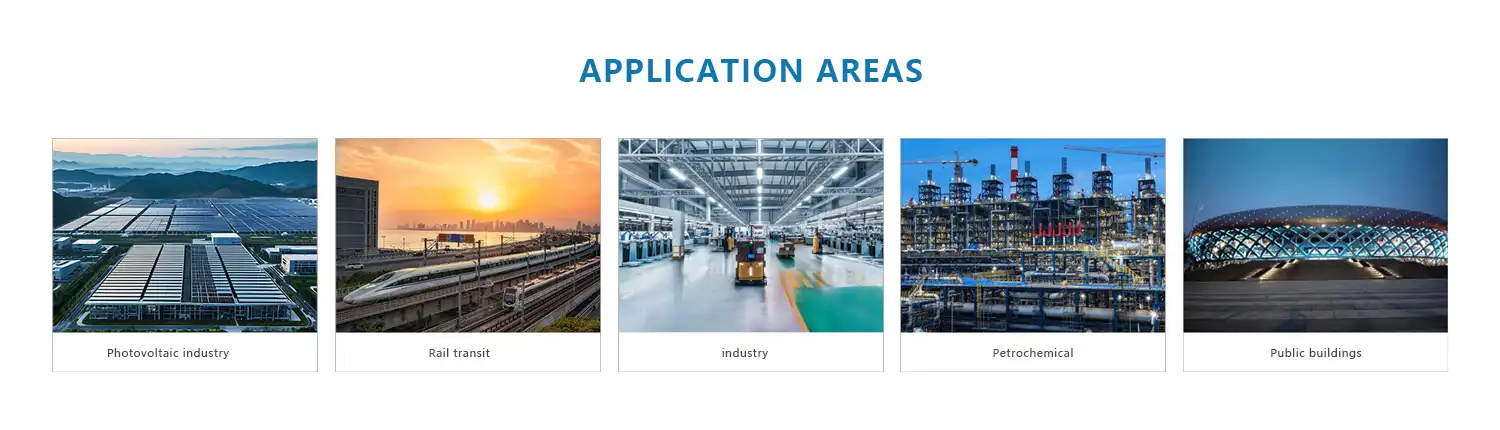
Because these transformers are so flexible and work so well, they are perfect for a wide range of industries, each with its own set of operational hurdles and legal requirements.
Manufacturing and Industrial Processing Facilities
Power delivery equipment that doesn't pollute the environment is very helpful for chemical processing plants, medicine manufacturing plants, and food production operations. The 10kV-35kV SCB10 Industrial Dry Type Transformer can be put in place right in the middle of production areas without causing any fire or pollution problems that could affect the quality of the products or the safety clearances.
As part of our project experience, we've done setups at large pharmaceutical plants that have to follow FDA rules and chemical plants that have to follow OSHA process safety management programs. These clients like that they can put transformers close to load centers, which cuts down on low-voltage cable runs and makes it easier to control the voltage for sensitive factory equipment.
The ability to fight moisture is very important in places where there are a lot of washdown steps or where process operations cause high humidity. Transformers can keep working reliably at 95% non-condensing humidity without losing performance, which keeps production going even in harsh industrial conditions.
Commercial Real Estate and Infrastructure Projects
There are strict fire safety rules that commercial developments, high-rise buildings, and mixed-use complexes in cities have to follow. Xuzhou Tuojie has provided power distribution solutions for projects like the Xinhuai Central Complex and the Xuzhou High-speed Railway East Station. Small transformer designs made it possible for electrical rooms to be placed in basements with little air flow.
The lower clearance standards give architects and engineers more freedom in designing buildings while still following the electricity rules in the area. In densely populated cities, projects can save a lot of money by not having to pay for expensive fire suppression systems and the special structure strengthening that is needed for installing oil transformers.
Transit Systems and Critical Infrastructure
Rail transit systems, airports, and data centers all need power to be distributed continuously with short repair windows. The SCB10 transformers in the Xuzhou Rail Transit Network Control Center are set up with two circuits, which guarantees 99.9% system uptime, which is important for public safety and keeping operations running smoothly.
These mission-critical uses benefit from the natural dependability of solid insulation systems, which don't have to worry about oil breakdown. The low noise level (below 65 dB) meets strict noise standards in occupied stations and control rooms. The small size also makes installation easier in tunnels and mezzanine areas, where normal transformer repair is hard to do because of limited access to equipment.
How to Choose the Right Industrial Transformer: SCB10 vs Alternatives
To choose the right power distribution equipment, you need to think about a lot of things, including technical needs, working conditions, and long-term strategy factors that go beyond the cost of the initial purchase.
Evaluating Power Requirements and Load Characteristics
Choosing the right transformer starts with figuring out how much load there is. To find the right capacity rates, you need to figure out the total linked load, the diversity factors, and the needs for future growth. Think about whether loads that produce harmonics, like variable frequency drives or rectifiers, need K-factor rated transformers that can handle up to 15% overall harmonic distortion without derating.
Different types of loads can be handled by the SCB10 series thanks to its unique winding designs that meet IEEE C57.110 harmonic analysis standards. For uses where load changes over time or demand changes with the seasons, forced-air cooling options can handle 150% overload during peak times without affecting the integrity of the insulation system.
Environmental and Installation Considerations
Conditions at the site have a big impact on the choice of transformer technology. Cast resin dry-type transformers are best for indoor locations that are tight on space, don't have good air flow, or are close to occupied areas. Check the temperature ranges, humidity levels, height above sea level, and air pollution from dust, chemical vapours, or salt spray that can affect how well equipment works and how often it needs to be serviced.
Our engineering team does thorough site surveys to look at these factors and suggest the best configuration options for each working setting. Customisation options include different enclosure designs, better protection against corrosion, and seismic qualification for places that are prone to earthquakes.
Supplier Qualifications and After-Sales Support
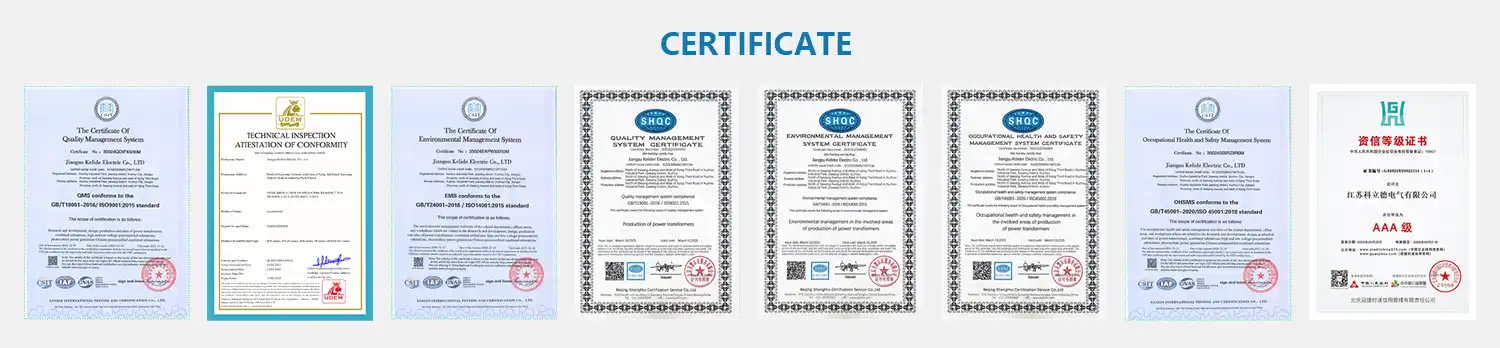
Buying transformers is a 25–30 year investment that needs to be made in partnership with makers who can show they have the technical know-how, quality control, and quick service support. Check that the seller has the right qualifications, such as ISO 9001 for quality management, ISO 14001 for environmental compliance, and OHSAS 45001 for health and safety at work.
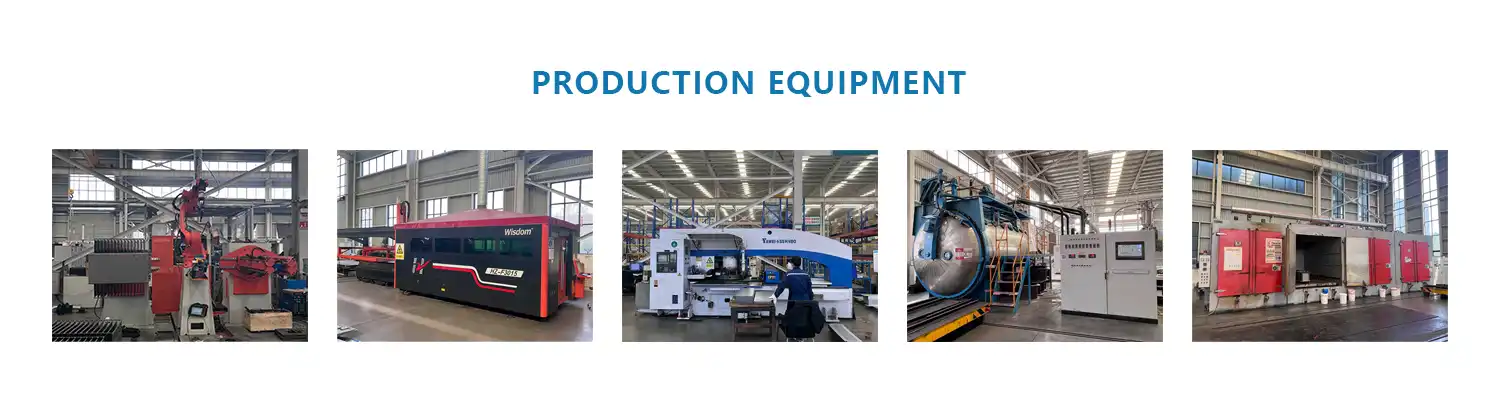
Xuzhou Tuojie has a professional quality inspection lab that can test for a wide range of things, including electrical performance, heat properties, and mechanical strength. Our strict quality management system keeps a close eye on everything from getting the raw materials to starting up the installation. This keeps customers from getting products that aren't up to par.
Using the "zero defects" mindset in manufacturing processes, which is backed by 18 patents and more than 120 sets of CNC production tools, makes sure that quality stays the same no matter how much is made. Our 15 senior engineers and 30 intermediate technicians offer technical advice, custom design services, and support in the field for the whole lifecycle of our equipment.
Real-World Performance and Project Experience
Looking at a supplier's list of completed projects can tell you a lot about their actual application experience and technical problem-solving skills. Xuzhou Tuojie has finished hundreds of important power projects in the municipal engineering, business real estate, and industry sectors, showing that he is flexible and good at getting things done.
The Xuzhou High-speed Railway East Station Official Power Supply EPC Project is one of our most notable installations. For that project, our team installed full power distribution systems that met the strict reliability standards for transportation infrastructure. The XCMG Group's project to upgrade the power source was finished ahead of plan, which allowed the client to start working on time thanks to good project management and technical know-how.
These examples show that we can handle complicated EPC contracts, lead teams of experts from different fields, and provide complete solutions that meet strict performance standards and project deadlines.

Procurement Guide for 10kV-35kV SCB10 Industrial Dry Type Transformers
Procurement strategies that work well combine technical needs, business concerns, and suppliers' abilities to make sure projects are completed successfully, and equipment works well for a long time with the 10kV-35kV SCB10 Industrial Dry Type Transformer.
Sourcing Channels and Supplier Selection
Direct connections with manufacturers have many benefits, such as the ability to customise technical aspects, get competitive prices, and make contact easier during the purchasing and installation processes. With factory-direct sourcing, you don't have to pay markups to distributors, and you can get in touch with engineering resources directly for better design optimisation based on your needs.
When looking at possible suppliers, make sure you ask for a lot of technical information, like certified test results, quality management system certifications, and qualifications for the production site. Do factory surveys to check the factory's ability to make things, its quality control methods, and the expert staff's credentials. These steps help find trustworthy partners and lower the risks of buying things that aren't up to par or don't come with enough help.
Customization Capabilities and Technical Specifications
Standard catalogue items might not be able to meet the specific needs of an industrial application or work with site-specific restrictions. Check to see if the supplier can provide custom voltage ratings, unique winding configurations, better environmental protection, and integration with SCADA or building management systems.
Our engineering team works with clients to create custom solutions that include their needs for specific terminal arrangements, extra devices, and protection system interfaces. Customisation includes enclosure designs with limited entry holes, seismic bracing for areas prone to earthquakes, and tropical ratings for places with a lot of humidity.
Lead Times and Delivery Considerations
Medium voltage transformers usually take between 8 and 16 weeks to make, but this depends on their size, complexity, and any customisations that need to be made. Standard catalogue grades may ship in 6 to 8 weeks, but engineered-to-order units need more time to be made. To avoid critical path delays, plan your purchase timelines so that you start ordering tools early in the project.
Xuzhou Tuojie keeps a strategic store of popular ratings and key components, which lets them deliver quickly when needed. We can make more than 200 units a month in a range of ratings, which gives us the freedom to adapt to changes in project schedules and emergency replacement situations.
Installation and Commissioning Services
Professional installation and starting services make sure that the equipment works properly and protect the manufacturer's warranty. Coordinate expert help from the factory during the installation process, especially for large units or complicated multi-transformer setups that need accurate paralleling and load sharing calibration.
Our service teams supervise, test, and train operators on-site to make sure that the transition to operational status goes smoothly. Complete commissioning procedures, check the electrical characteristics, make sure the protection system works, and write down the baseline performance parameters for future maintenance.
Conclusion
When you look at the differences between oil-filled and dry SCB10 transformers, you can see that cast resin technology has clear benefits when it comes to safety, environmental compliance, maintenance needs, and lifetime costs. The 10kV-35kV SCB10 Industrial Dry Type Transformer is very reliable for large businesses because it is encased in advanced epoxy resin, has a small size that makes placement easy, and doesn't need any upkeep for 25 to 30 years. Even though the initial purchase price is higher than the cost of an oil transformer, a full economic analysis shows that the total cost of ownership is lower when construction costs are taken into account, as well as upkeep costs and environmental risks. The technology is especially useful in installations with limited room, facilities that need to be safe for the environment, and situations where safety and dependability are very important for important activities.
FAQ
1. What operational lifespan can we expect from SCB10 transformers?
In normal operating conditions, SCB10 Industrial Dry Type Transformers give 25 to 30 years of reliable service with little maintenance. The solid epoxy resin shielding method doesn't break down when water gets in or when temperatures change, which is what shortens the life of oil transformers. Visual checks once a year and electrical tests every six months, as required by IEEE C57.12.91 standards, keep the unit running at its best during this extended service time. Unlike oil-filled units, it doesn't need major overhauls or part repairs.
2. How do these transformers perform in challenging environmental conditions?
Because the windings are completely enclosed, cast resin dry-type transformers work well in tough industrial settings. They keep out wetness, dust, chemical vapours, and airborne contamination. The units work reliably at 95% non-condensing humidity without the need for pre-drying steps. They can also handle the acidic atmospheres that are common in chemical processing plants and keep working at temperatures between -25°C and +40°C. The sealed structure and hydrophobic surface treatments that were confirmed by IEC 60068-2-78 damp heat tests make sure that the electrical properties stay the same no matter what the environment is like.
3. What space savings do dry-type transformers provide compared to oil units?
SCB10 transformers need 30% less space to be installed than similar oil-filled transformers because they don't need as much room for clearance and don't need any infrastructure to hold oil. NFPA 70 installation standards call for minimum clearances of 1.5 meters, compared to 3 meters for oil units. The lack of retention pits, fire suppression systems, and specialised ventilation systems also makes the facility smaller. This small design is especially useful in business projects in cities, building renovations, and factories, where electrical room space is expensive.
Partner with Tuojie for Your Medium Voltage Power Distribution Needs
We, Xuzhou Tuojie International Trade, are ready to be your trusted 10kV-35kV SCB10 Industrial Dry Type Transformer manufacturer. We offer custom power solutions and have 20 years of experience in technical excellence and project completion. Our factory is ISO 9001 approved and has more than 120 sets of advanced CNC production equipment. It is run by 15 senior engineers and 30 specialised techs who hold 18 patents for new transformer technology. We work with business developers, industrial makers, EPC contractors, and government infrastructure projects all over the United States. Our capacity runs from 30KVA to 31,500KVA, and we offer expert advice services and full after-sales support to make sure that the equipment works at its best. You can email our team at tuojie@electricinchina.com to talk about your specific needs and get detailed technical proposals that are made to fit your project parameters and operational goals.
References
1. International Electrotechnical Commission (2016). Power transformers - Part 11: Dry-type transformers. IEC 60076-11 Standard, Geneva, Switzerland.
2. Institute of Electrical and Electronics Engineers (2018). IEEE Standard for Transformer Impulse Tests. IEEE C57.12.91-2011 (R2018), New York, NY.
3. National Fire Protection Association (2020). National Electrical Code. NFPA 70-2020 Article 450: Transformers and Transformer Vaults, Quincy, MA.
4. Institute of Electrical and Electronics Engineers (2019). IEEE Recommended Practice for Establishing Liquid-Filled and Dry-Type Power and Distribution Transformer Capability When Supplying Nonsinusoidal Load Currents. IEEE C57.110-2018, New York, NY.
5. International Electrotechnical Commission (2015). Power transformers - Part 5: Ability to withstand short circuit. IEC 60076-5:2006+AMD1:2015, Geneva, Switzerland.
6. Bean, R.L., Chackan, N., Moore, H.R., and Wentz, E.C. (2018). Transformers for the Electric Power Industry. McGraw-Hill Education, New York, Chapter 8: Dry-Type Distribution Transformers, pp. 312-356.