

.webp)
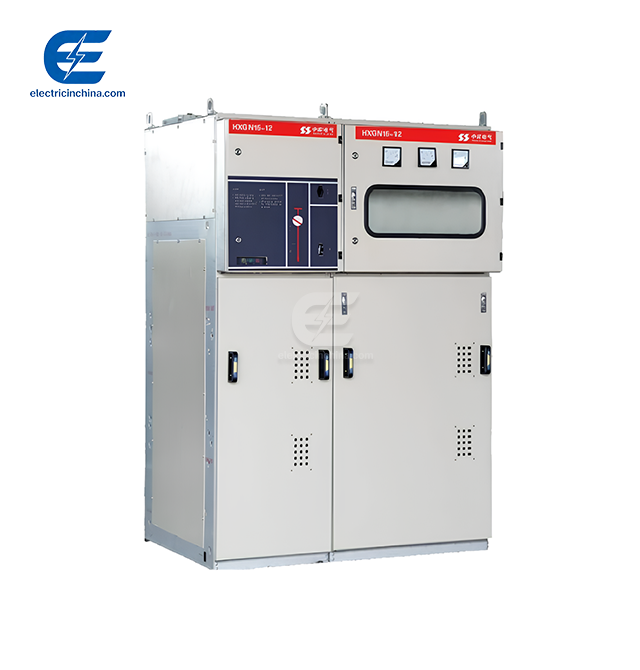
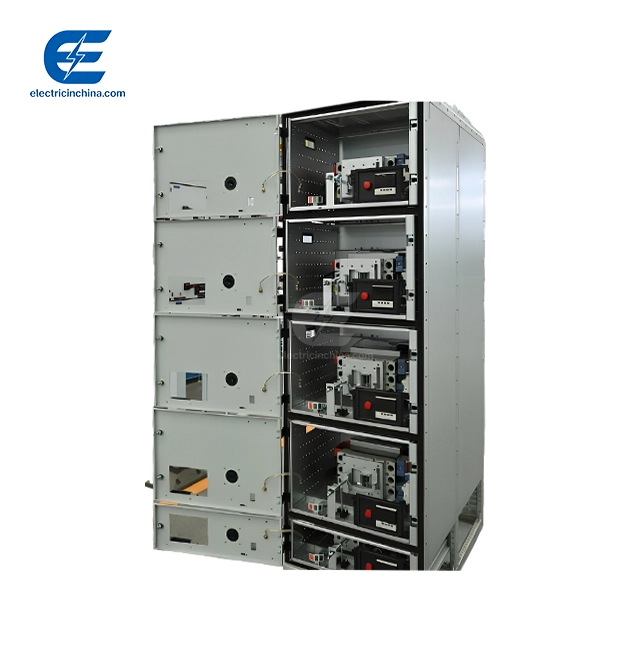
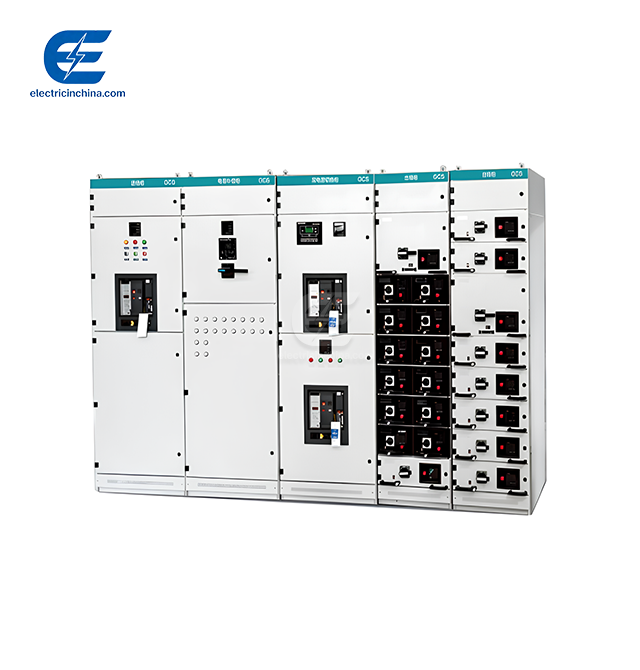
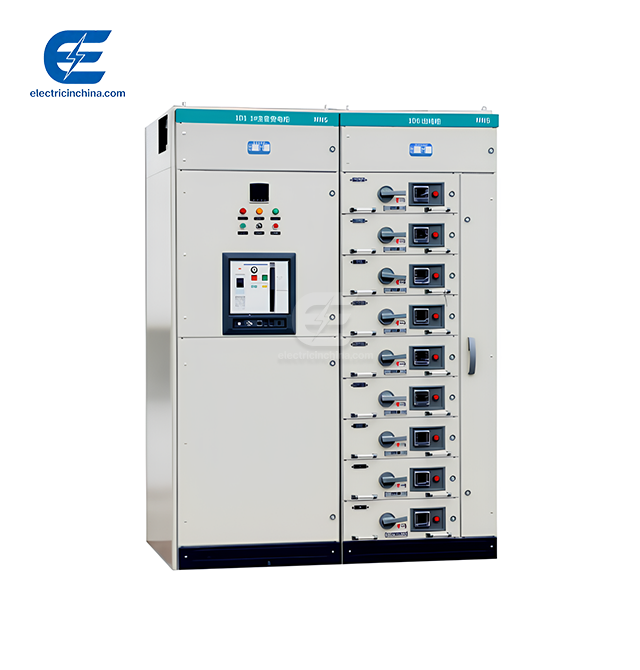
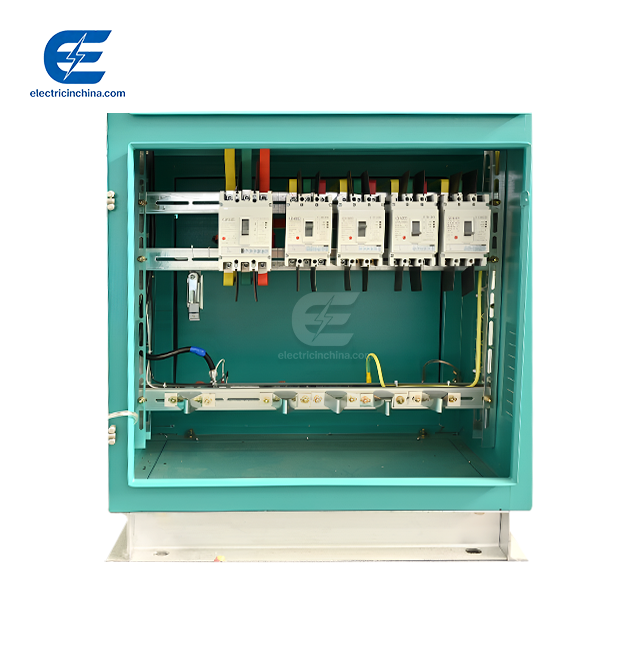
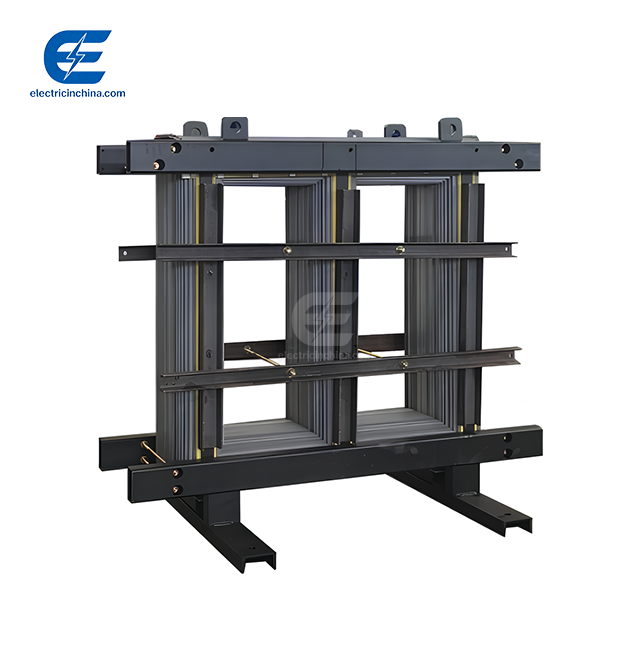
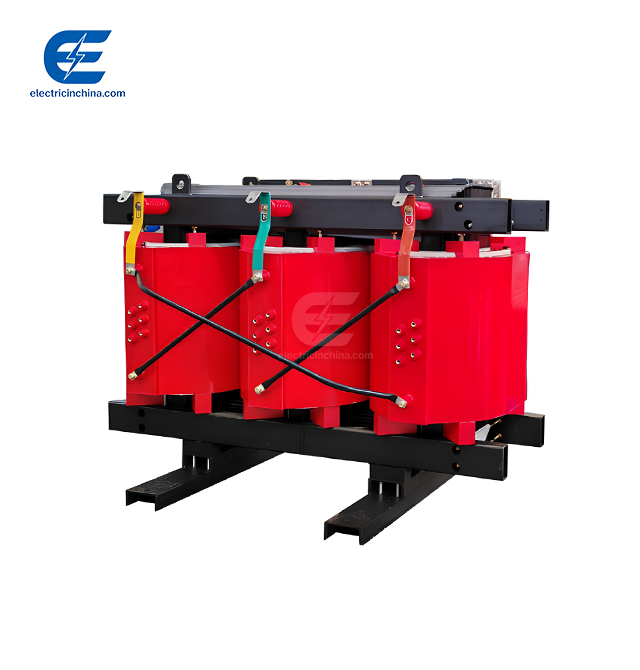
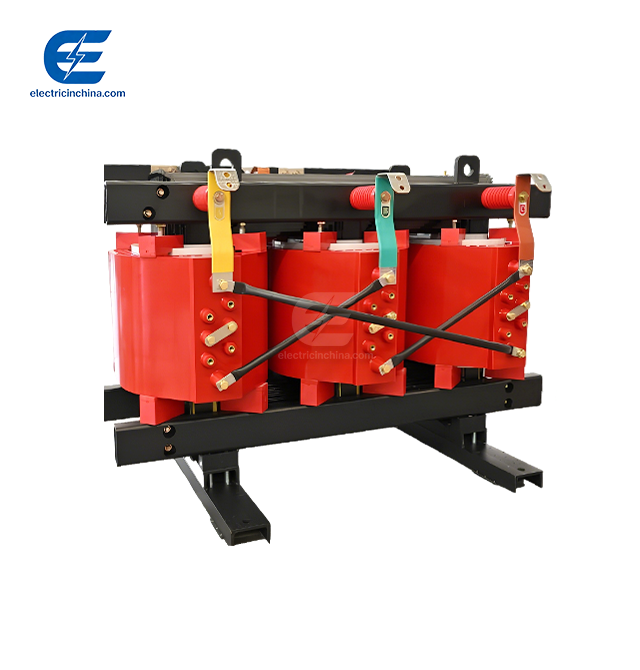
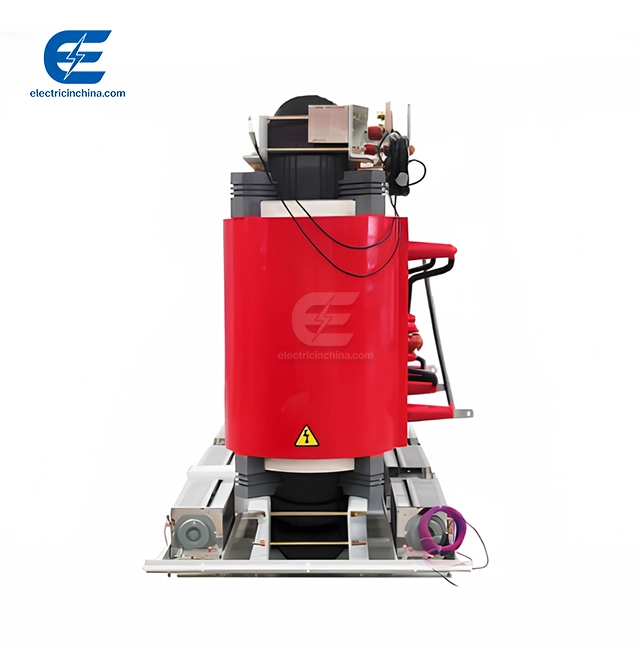
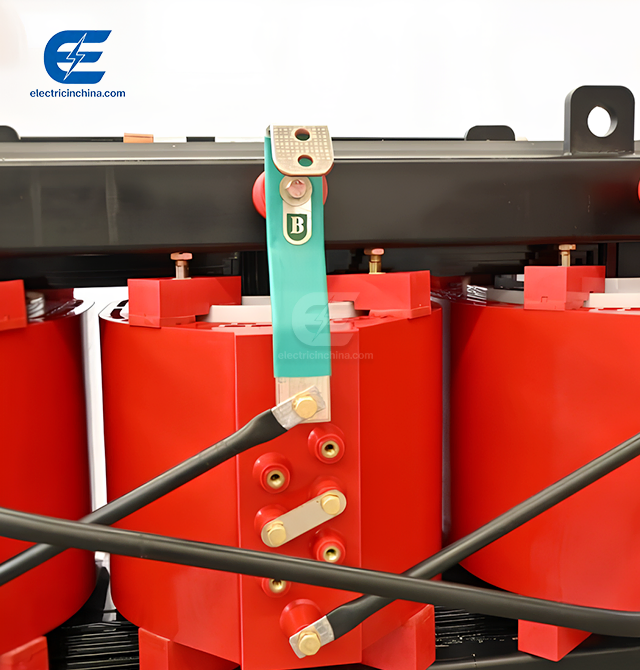
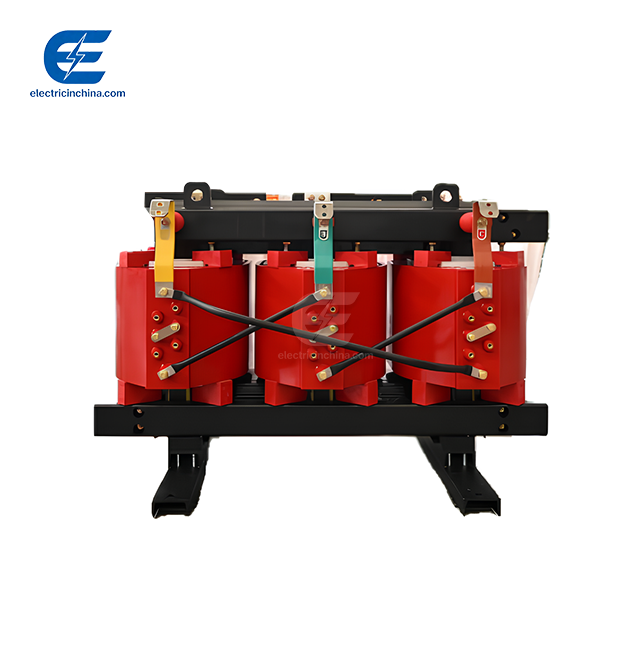
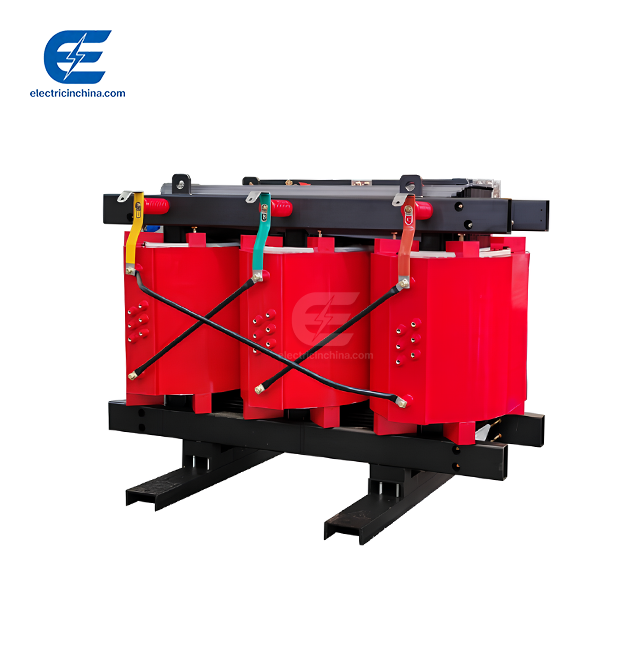
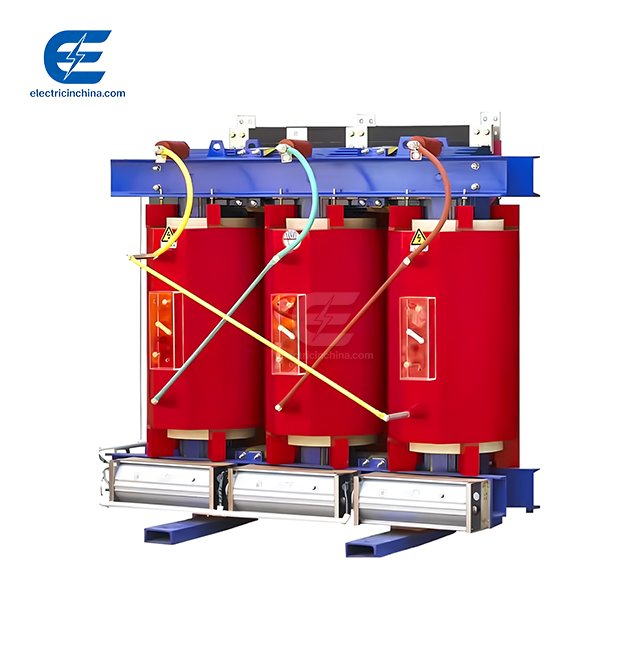
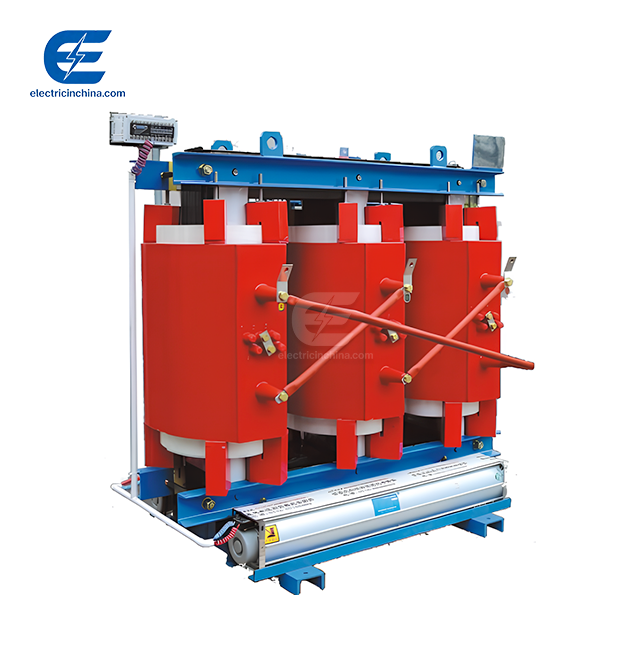
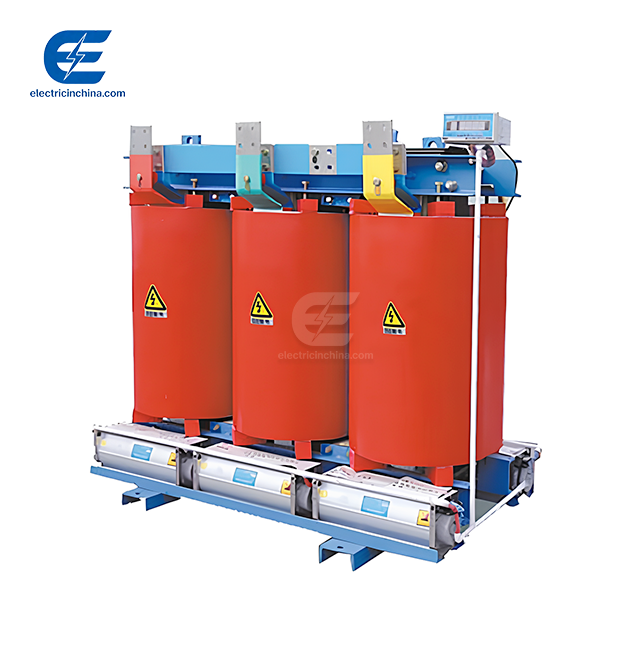
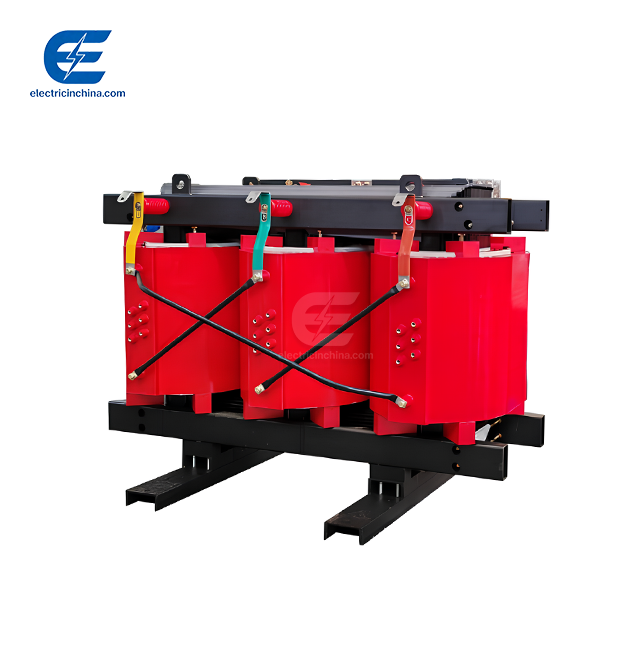
The transformer's iron core is the magnetic circuit's base in electrical transformers. It is made of laminated silicon steel or advanced magnetic metals that make the flow path needed for electromagnetic induction. This part moves magnetic flux between the primary and secondary windings so that voltage changes can happen quickly in power distribution networks. Modern Transformer iron cores solve some of the most important problems in their field, like minimising energy loss through improved lamination methods, lowering noise pollution in urban settings, controlling temperature stress during constant operation, and keeping dimensions stable when loads change. In normal conditions, advanced grain-oriented electrical steel cores have a magnetic permeability greater than 1800 H/m and a core loss density less than 1.0 W/kg.
Understanding Transformer Iron Cores: Composition and Function
Power transfer technology is based on the magnetic circuit inside transformers. This important part makes a controlled path for magnetic flux, which lets voltage changes happen that power modern infrastructure effectively.
Materials That Define Performance
In industrial settings, silicon steel is still the most common choice of material. This electrical steel has about 3% silicon in it, which makes it much better than regular steel at reducing eddy current losses. During manufacturing, the crystal structure of the material lines up, creating a grain orientation that makes the magnetic properties better in certain directions. This alignment lowers the magnetising power that is needed, which immediately makes the system work better.
Amorphous metals are a different kind of material that has some unique benefits. The random arrangements of the atoms in these non-crystalline metals keep the magnetic domain boundaries as small as possible. This leads to lower hysteresis losses, which is especially helpful for distribution transformers that handle changing loads throughout the day.
Ferrite cores are used in certain high-frequency situations. In switching power sources and electrical transformers, these ceramic compounds made of iron oxide and metallic elements work very well. At high frequencies, their high electrical resistance pretty much gets rid of eddy current problems.
Design Principles That Drive Efficiency
Lamination is the most basic way to build things so that they waste less energy. We stack thin sheets that are usually between 0.23 mm and 0.35 mm thick and have surface processes that keep them from touching each other. This building method limits the flow of eddy current to single laminations, which greatly reduces resistive heating losses.
The shape of the core affects how magnetic flux is distributed. Shell-type transformers work best with rectangular stacked cores, while toroidal versions work best with wound cores. The choice affects how hard it is to make, how much material is used, and how well the electric field works.
Precision engineering is needed for joint construction. Magnetic reluctance at these key points is based on how the laminations meet at the corners. Step-lap joints, in which the meeting points of successive layers are moved away from each other, keep air gaps to a minimum, which would otherwise stop flux flow and lower efficiency.
Types of Transformer Iron Cores and Their Applications
In different industrial sectors, different core designs meet different operational needs. Knowing about these differences helps procurement teams match project needs with specifications for the transformer iron core.
Laminated Versus Solid Core Construction
From 50Hz to 60Hz, laminated cores are most common in power frequency uses. The shielded sheets stop currents from flowing, but they let magnetic flux flow easily. Modern power transformers use this design, which is more than 99% efficient, so it is the standard for large-scale equipment.
Because they lose too much eddy current, solid cores are rarely used in power applications. Solid iron is sometimes used in magnetic circuits for DC applications, though, because steady-state flux gets rid of the changing magnetic fields that cause eddy currents. Understanding this difference keeps specification mistakes from happening during procurement.
Silicon Steel Versus Amorphous Alloy Comparison
It is stable and doesn't cost too much for conventional grain-oriented silicon steel. Over the decades, manufacturing methods have gotten better, which ensures uniform quality and supply from suppliers around the world. Core loss numbers are usually between 0.9 W/kg and 1.1 W/kg under normal test conditions, which means they work well for most uses.
Compared to silicon steel equivalents, amorphous metal cores cut no-load losses by 60% to 70%. This huge improvement is worth the higher cost of materials in distribution transformers, where ongoing magnetisation costs a lot to run. Because flexible ribbons are fragile, they need to be handled in a certain way during production, which can affect lead times and customisation choices.
Specialized Core Variants for Niche Markets
Ferrite cores work really well for switching at very high frequencies, from a few kilohertz to several megahertz. These materials are used in power systems, internet gear, and inverters for green energy. Their high resistance stops eddy currents at high frequencies, which is where silicon steel stops working.
Custom-designed cores can work with different voltage ratios, physical limitations, and weather variables. During the specification process, makers that work with original equipment manufacturers must offer engineering help. By working together, they make sure that the cores perfectly match the winding arrangements, cooling systems, and mechanical housings.
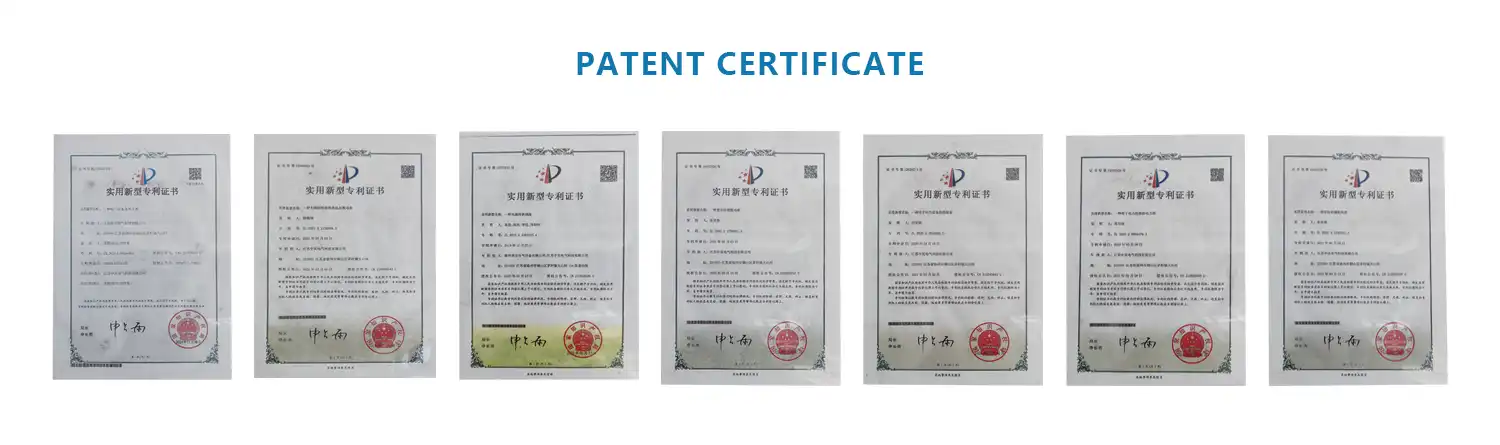
We can do all kinds of engineering work here at Xuzhou Tuojie International Trade Co., Ltd. We use fine-grain-oriented silicon steel that has a magnetic permeability of over 1800 H/m to make Transformer iron cores. This steel is backed by 18 patents. Our 45° miter joints and stepped lamination methods achieve efficiency rates above 99.5% while keeping noise levels below 55dB, which are important requirements for installations in cities.
Enhancing Transformer Performance Through Iron Core Optimization
Long-term costs and the effect on the environment are directly affected by how efficiently operations are run. Strategic optimisation cuts down on losses and increases the life of equipment.
Understanding Core Loss Mechanisms
Eddy currents are electrical currents that flow through conductive objects. When rotating magnetic flux goes through iron, it creates voltage potentials that power these extra currents. This resistive heating loses energy and causes the temperature to rise without needing to. The thickness of the laminate directly affects the size of the eddy current; sheets that are thinner effectively block current paths.
With each AC cycle, magnetic regions in the material reorganise, which leads to hysteresis losses. The power needed to flip these tiny magnetic patches is turned into heat. The hysteresis properties depend on the material used. Compared to regular electrical steels, grain-oriented silicon steel with a good crystalline structure has the least amount of this loss component.
Manufacturing Techniques That Minimize Losses
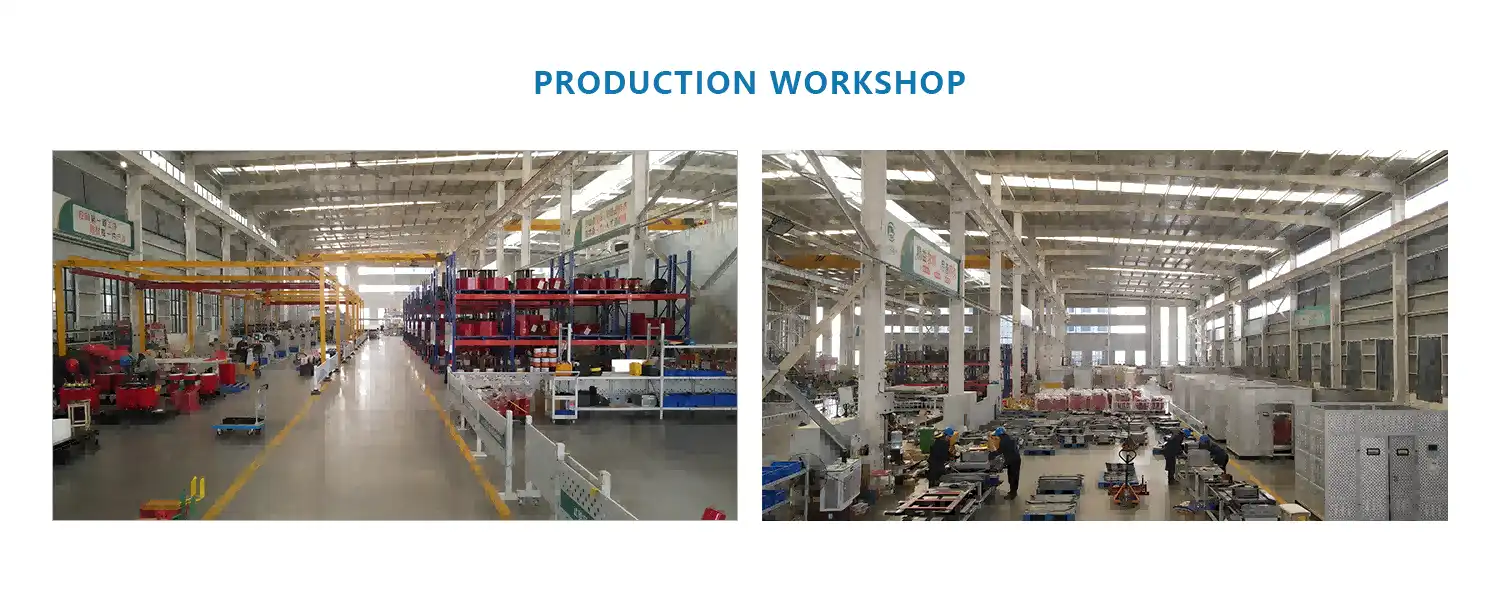
In our factories, CNC automatic winding machines are used to carefully put together Transformer iron cores. Computing-based methods make sure that the lamination is always lined up correctly and that the binding pressure is always the same. These factors have a direct effect on how well the magnets work and how the sound waves behave while the machine is running.
When you anneal something, you remove the mechanical forces that were put on it during cutting and shaping. We use gradient curing ovens that are managed by microcomputers and follow exact temperature profiles. This thermal processing brings back the best magnetic properties that could have been lost due to stresses during production.
Surface treatments keep things from rusting and keep electricity from flowing between layers. We use special coats that stay strong even after decades of changing temperatures and being shaken around. This care for details ensures the long-term security that procurement teams need for important building projects.
Quality Assurance for Sustained Performance
Performance factors are checked by testing procedures before a shipment. International standards tell us how to measure no-load losses, exciting current, and noise levels. Our professional quality inspection lab keeps instruments that are standardised and can be traced back to national standards. This makes sure that measurements are accurate enough to back up guarantee claims.
Operational reliability is based on the quality of the assembly. When clamps are used correctly, they stop laminate shaking that causes noise and speeds up insulation wear. The strong binding systems we use keep their shape even when heated up and put under stress from fault currents. The result gives steady performance over the 30-year service lives that are common in utility uses.
Comparing Transformer Iron Core Solutions for Procurement Decisions
When choosing the right Transformer iron core solutions, you have to balance technical requirements with budget and supply chain issues. Comparing things with knowledge makes the process of choosing a provider easier.
Performance Versus Cost Analysis
Higher-grade silicon steel costs more, but it makes things work better in a measured way. The energy savings keep adding up over the life of the system, and the original cost differences are usually paid for within 5 to 7 years. Finding the real economic value is easier when you look at the total cost of ownership instead of just the purchase price.
For certain uses, amorphous cores offer compelling economics. Most of the time, distribution transformers that serve residential areas work with partial loads and little load variation. Amorphous metal's better no-load loss performance directly lowers electricity use during these long periods, which speeds up payback times.
Material Selection Criteria
The main material filter is set by the operating frequency. Power frequency transformers that work with frequencies between 50Hz and 400Hz need silicon steel or amorphous metals. For uses above 1kHz, ferrite materials are needed to stop too much eddy current loss, which would lower efficiency and cause damaging heating.
Material choices are affected by the environment. Coastal sites are more likely to rust because of salt spray, so they need stronger protection measures. High-altitude areas above 3000 m need to think about derating or upgrading their insulation systems. Our Transformer iron cores have great treatments that keep them from rusting, which work in a wide range of temperatures found in foreign projects.
Load Characteristics Affect Core Sizing Decisions
The characteristics of the load affect the choice of core size. For continuous duty applications, choosing a conservative flux density is best because it reduces losses and temperature rise. Higher flux densities might be okay for intermittent loads if it means lower material costs and smaller sizes. We help engineers find the best balance between these trade-offs based on real-world operating profiles.
Supply Chain Considerations
Lead times are very different for normal and special Transformer iron cores. Usually, catalogue items with well-known tools come within 4 to 6 weeks. It could take 8 to 12 weeks for planning, prototyping, and production of custom shapes that have to deal with different voltage ratios or physical limitations. Getting involved with suppliers early on keeps project execution phases from being behind schedule.
Structures that use volume prices encourage bulk purchases. By making better use of resources, ordering a lot of similar units at once lowers the cost per unit. We have a lot of benefits for EPC workers who are in charge of multiple sites or developers who want to standardise tools across multiple properties.
Total landed costs are affected by how the goods are delivered. To keep the lamination from getting damaged during shipping, international packages need to be carefully packed. Our export team makes sure that containers are loaded, customs paperwork is filled out, and goods is sent to project sites around the world without any problems. Knowing about these things early on helps you make accurate budget predictions.
Partnering with Industry-Leading Transformer Iron Core Suppliers
Strategic connections with suppliers give you more than just parts; they also give you professional advice, quality assurance, and quick help throughout the lifecycle of your equipment.
Global Manufacturers Setting Industry Standards
Established providers have decades of experience in metalworking and improving the way things are made. A lot of money has been put into research facilities that help advance material science and production methods by companies like Nippon Steel, ABB, Siemens, and Hitachi. Their extensive product catalogues cover a wide range of uses, from small distribution transformers to 500MVA utility-scale units with Transformer iron core.
Specialised manufacturers focus on certain groups of customers. Rare-earth magnetic materials are what Magnequench specialises in for high-performance uses. Precision ferrite cores from Yageo are sold to markets that make electronic parts. Procurement teams can better match suppliers with project needs when they know what each seller does well.
Certification and Quality Standards
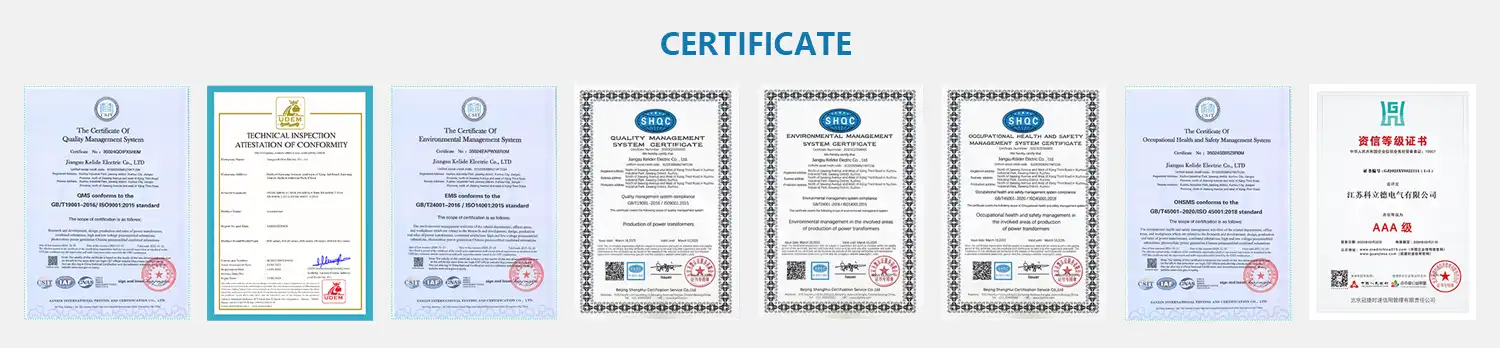
ISO9001 certification shows that quality management processes are organised. This standard is known all over the world and makes sure that providers keep written records of their design control, process validation, inspection methods, and corrective actions. We use strict tracking throughout the whole production process, from getting the raw materials to delivering the finished product. This keeps customers from getting goods that don't meet our standards.
Certifications specific to an industry give people more trust in regulated apps. Our goods are certified by both ISO 14001 for environmental management and OHSAS 45001 for health and safety at work. Low-voltage equipment has the National CCC Mandatory Certification needed to sell in China. This shows that we are committed to following all regulations.
Customization Capabilities for OEM Requirements
Standard catalogue items work well in a lot of different situations. But building projects often need custom methods that work with their specific problems. When voltage ratios aren't standard, physical measurements don't match what's already there, or environmental protection rates need to be raised, engineers need to work together.
There are 15 senior engineers and more than 30 intermediate technicians on our technical team, and they can all solve difficult design problems. With this knowledge, customised solutions were successfully delivered for projects like the Xuzhou Rail Transit Network Control Center, where dual-circuit power supply designs made sure that all important subway operations were completely safe.
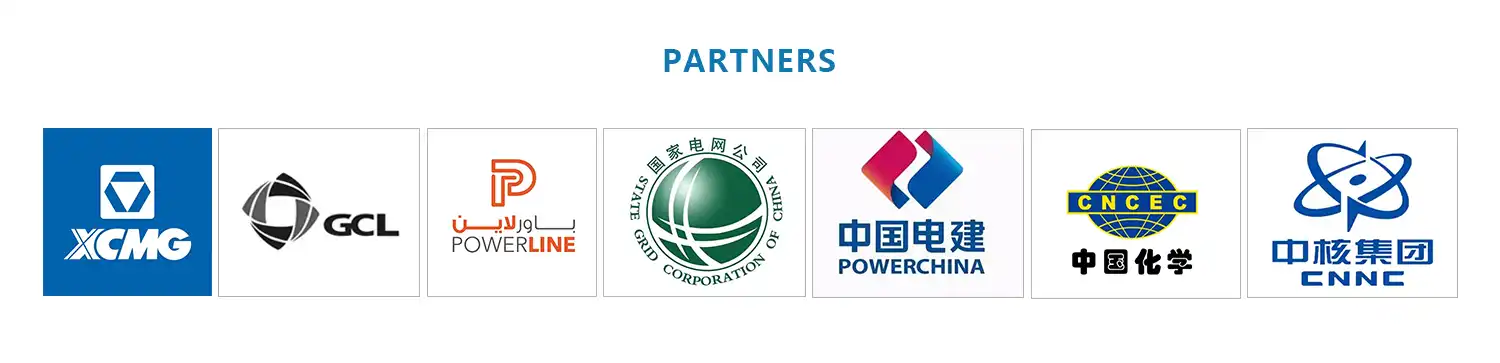
We upgraded the XCMG Group factory's power supply ahead of schedule. This project needed Transformer iron cores that were specifically designed to handle harmonic distortion from the factory's variable frequency drives. We were able to operate 24 hours a day, seven days a week, and our better thermal management met strict requirements while keeping high-quality standards.
Value-Added Services Supporting Project Success
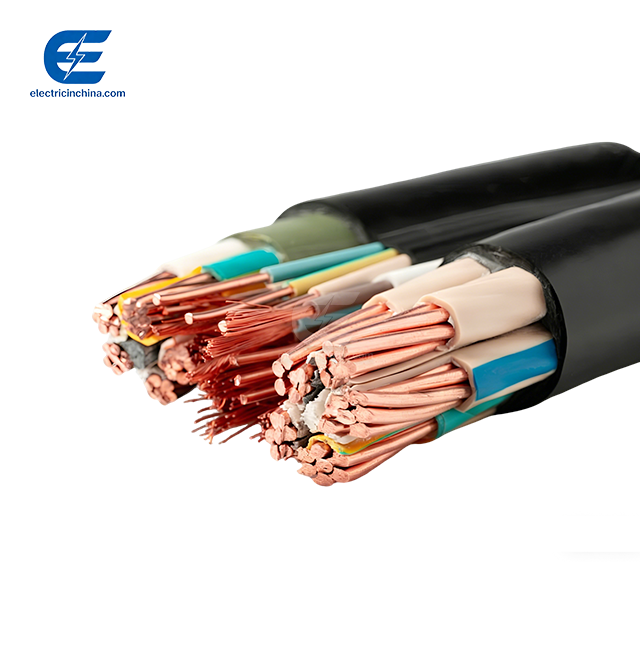
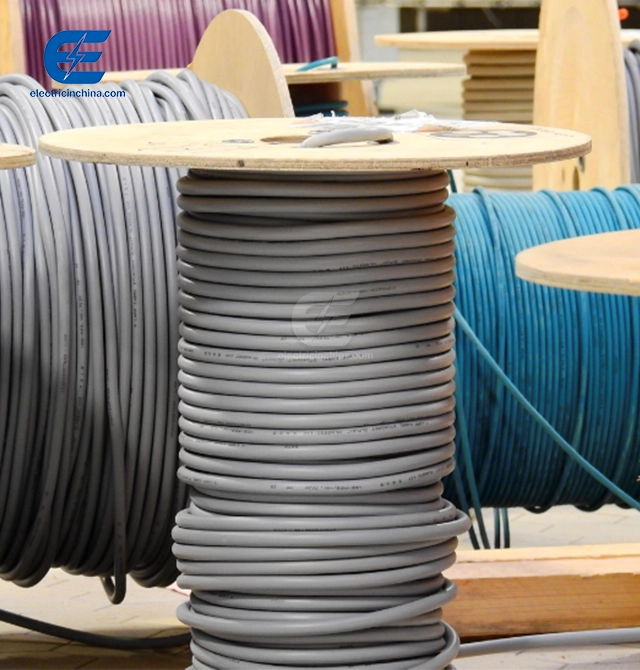
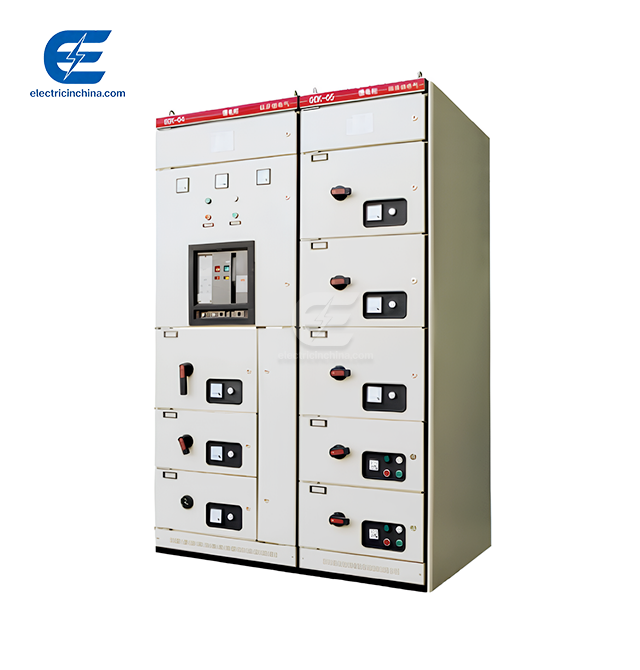
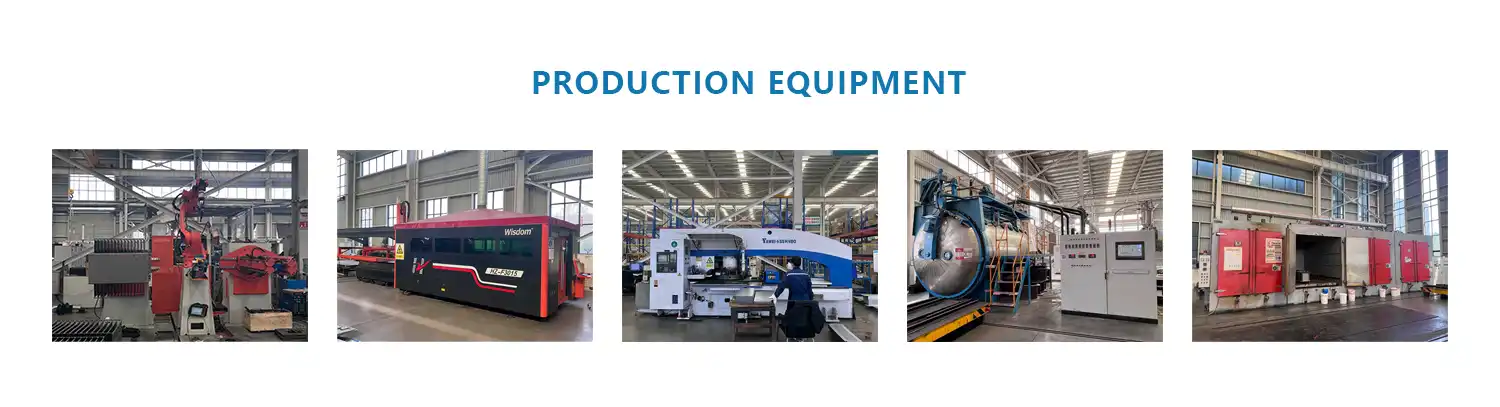
Full help goes beyond just delivering the product. We help our clients get related items like low-voltage switchgear, cables, and protection devices, which makes it easier to coordinate projects by letting them do everything in one place. We can make related parts with unified quality control thanks to our more than 120 sets of advanced production equipment.
Technical advice helps make system ideas work better. Before building starts, our experts look over the electrical drawings, suggest ways to make things more efficient, and look for possible operating problems. This proactive method stops changes that would be expensive to make during the installation phase.
Support after the sale keeps long-term ties going. We help with troubleshooting, give advice on upkeep, and provide new parts for as long as the equipment is in service. We see every project as the start of a long-term partnership because we know that happy clients are what makes our business grow.
Conclusion
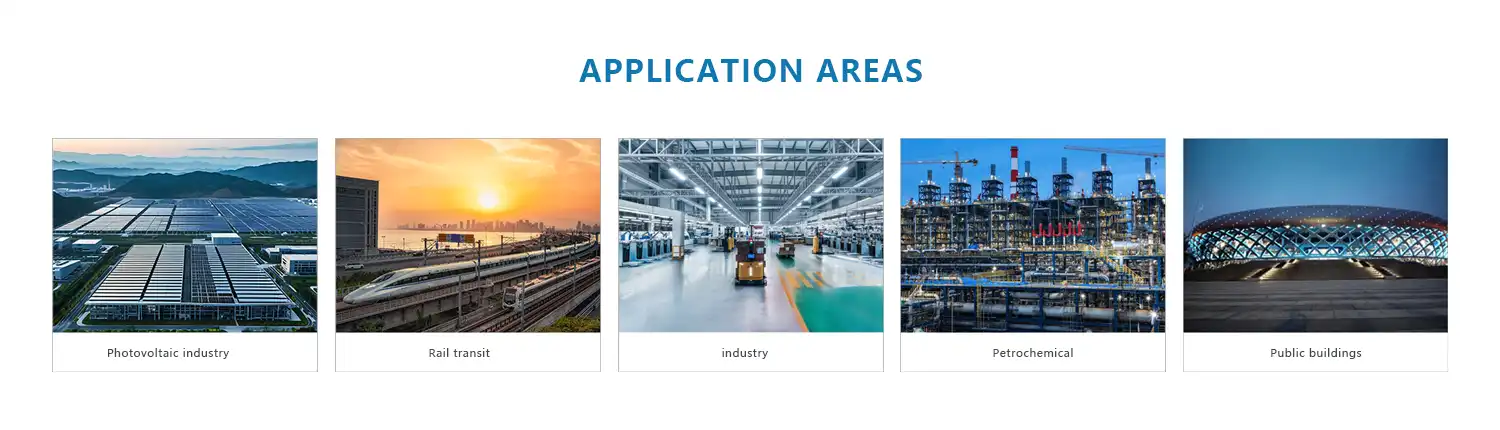
Transformer iron cores are still very important for distributing power efficiently in all critical areas. Material choice, design optimisation, and production accuracy directly affect how much energy is lost, how well it sounds, and how reliable it is over many years of use. Depending on the needs of the application and the cost, silicon steel and amorphous alloys each have their own benefits. Teams in charge of buying things have to judge suppliers based on their technical skills, quality certifications, ability to make changes, and full support services. At Xuzhou Tuojie International Trade Co., Ltd., we use cutting-edge manufacturing technology and a lot of technical know-how to make cores that meet the strict needs of government projects, business developments, industrial facilities, and EPC contractors all over the world. Our zero-defect quality mindset and ISO-certified production methods make sure that our products work reliably in the toughest conditions.
FAQ
1. How does grain orientation improve transformer efficiency?
Grain-oriented silicon steel is made with controlled rolling and heating methods that line up the crystal structures while the steel is being made. This alignment makes magnetic paths that run along the rolling direction that are stronger, so a lot less magnetising current is needed to set up magnetic flux. This lowers the amount of reactive power used and raises the power factor across the whole distribution system.
2. What determines optimal core lamination thickness?
Eddy current losses and production costs are balanced by the thickness of the laminate. Thinner sheets, usually 0.23 mm, keep eddy currents to a minimum better, but they make production more difficult and cost more in materials. For most power frequency applications, the standard 0.35mm thickness works very well and is still cost-effective. For high-efficiency designs, 0.27mm material is used to split the difference between cost and performance.
3. Can existing cores be upgraded for better efficiency?
Most of the time, retrofitting cores is not possible because they are built all at once with windings and solid parts. Replacement during big overhauls, on the other hand, gives you the chance to use current low-loss materials. This method makes economic sense when the amount of energy saved over the service life still to be completed justifies the cost of capital investment.
Partner with Tuojie for Advanced Transformer Iron Core Solutions
With their world-class Transformer iron core technology, Xuzhou Tuojie International Trade Co., Ltd. is ready to help you with your next power infrastructure project. Our 18 patents and core loss density below 1.0 W/kg at 1.7T and 50Hz show that we are the technology leaders, which saves businesses money. As a well-known company that makes Transformer iron cores, we keep up with over 120 sets of CNC equipment to make sure that our products are made accurately and on time. Our multi-step laminations with 45° miter joints have an efficiency rate of over 99.5%, which is very important for government projects, business developments, and industry facilities that need to be as reliable as possible. We want procurement managers and EPC workers to talk to us about unique solutions that are made to fit your setting and project needs. Visit email tuojie@electricinchina.com to talk to our engineering team about our full range of power distribution options. We have over 20 years of project experience working on hundreds of important infrastructure projects.
References
1. McLyman, Colonel Wm. T. Transformer and Inductor Design Handbook, Fourth Edition. CRC Press, 2011.
2. Kulkarni, S.V. and Khaparde, S.A. Transformer Engineering: Design, Technology, and Diagnostics, Second Edition. CRC Press, 2013.
3. Heathcote, Martin J. The J&P Transformer Book: A Practical Technology of the Power Transformer, Thirteenth Edition. Newnes, 1998.
4. Flanagan, William M. Handbook of Transformer Design and Applications, Second Edition. McGraw-Hill, 1993.
5. International Electrotechnical Commission. IEC 60076 Series: Power Transformers - Part 1: General Requirements. IEC Standards, 2011.
6. Institute of Electrical and Electronics Engineers. IEEE C57.12.00: Standard for General Requirements for Liquid-Immersed Distribution, Power, and Regulating Transformers. IEEE Standards Association, 2015.