

.webp)
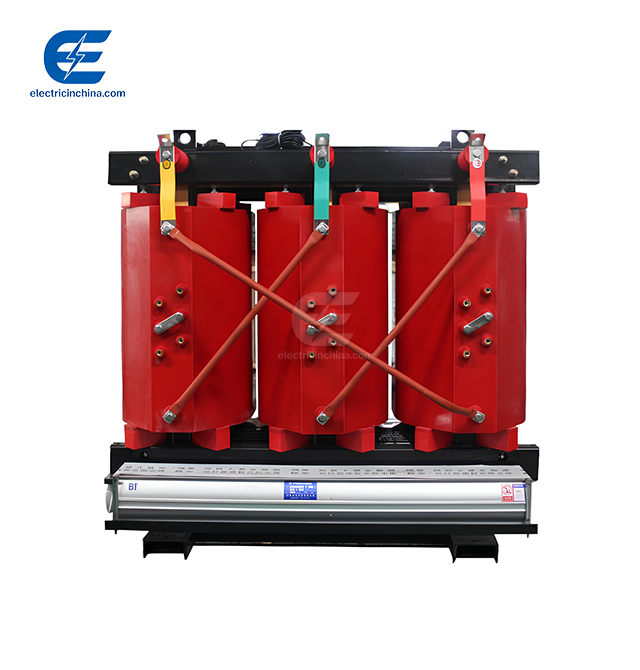
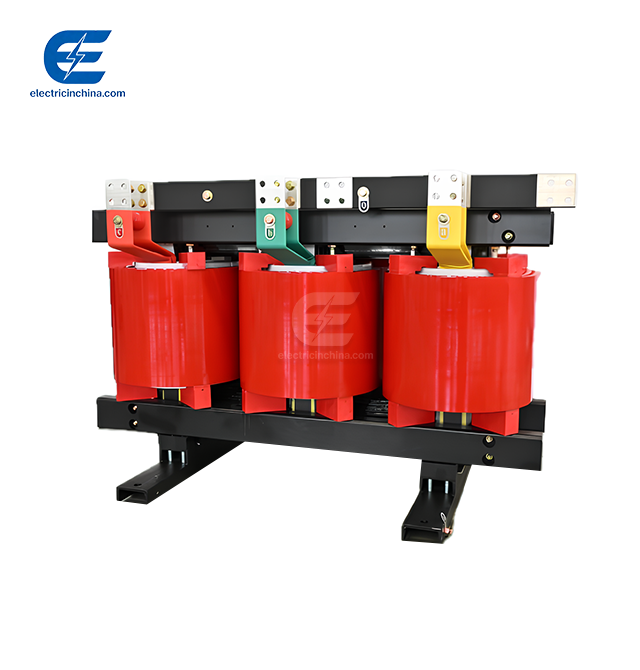
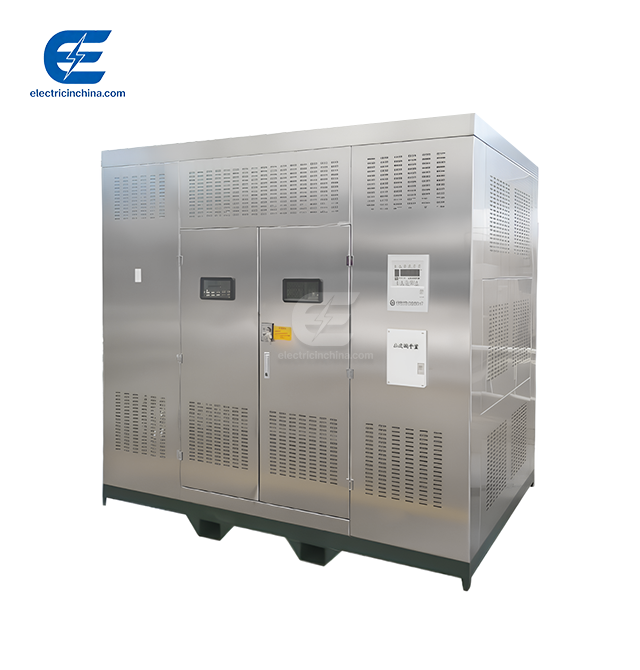
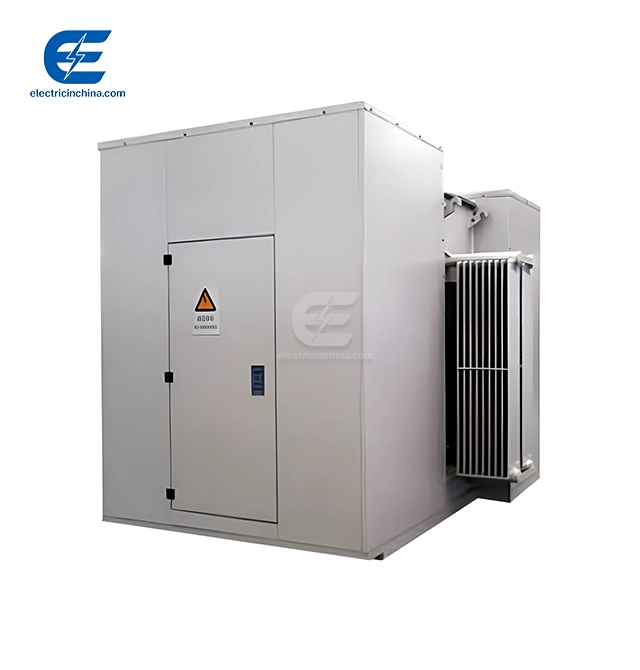
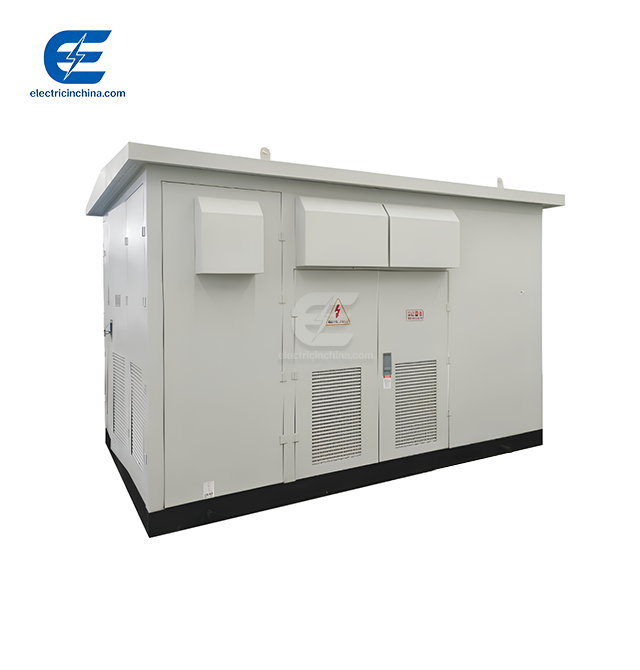
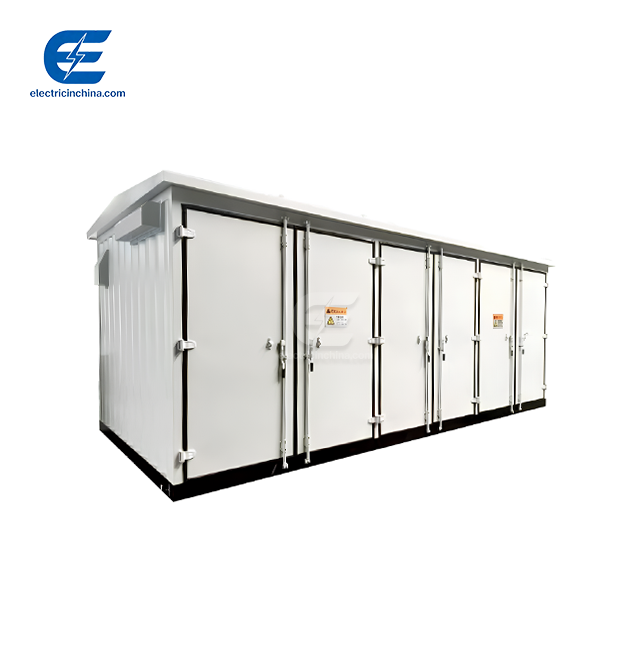
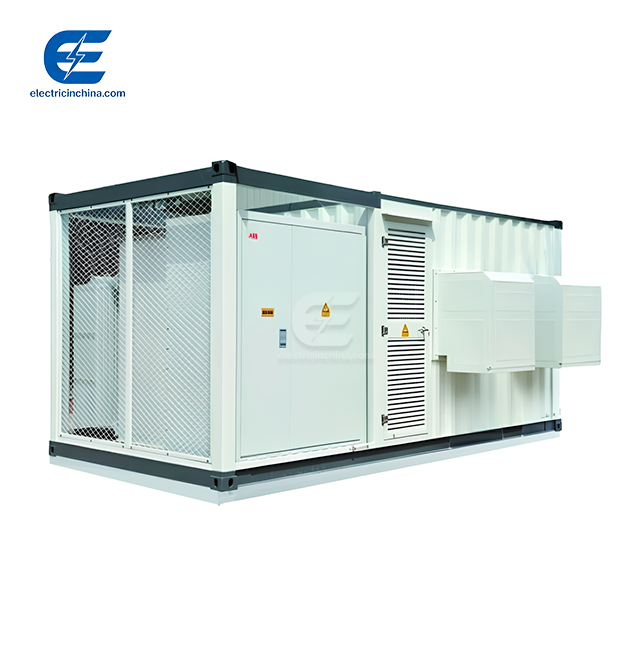
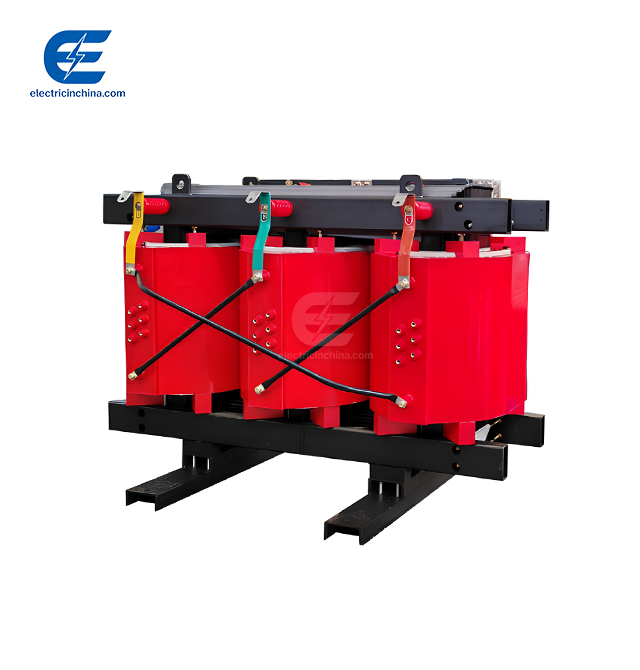
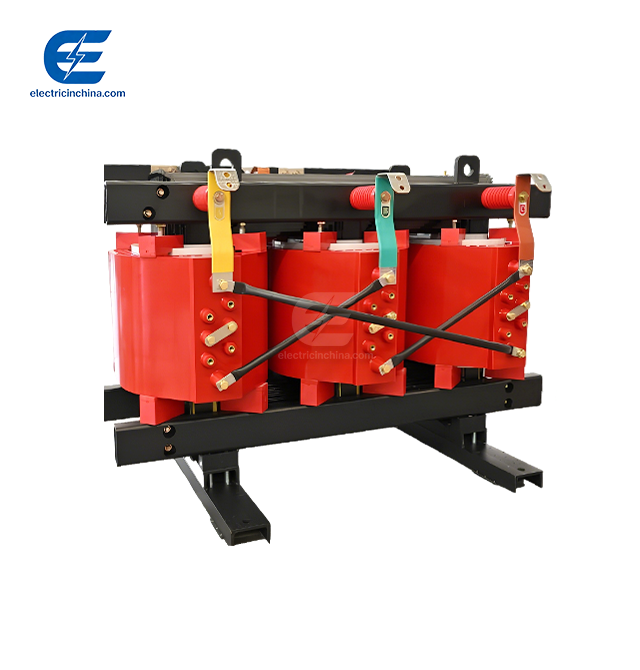
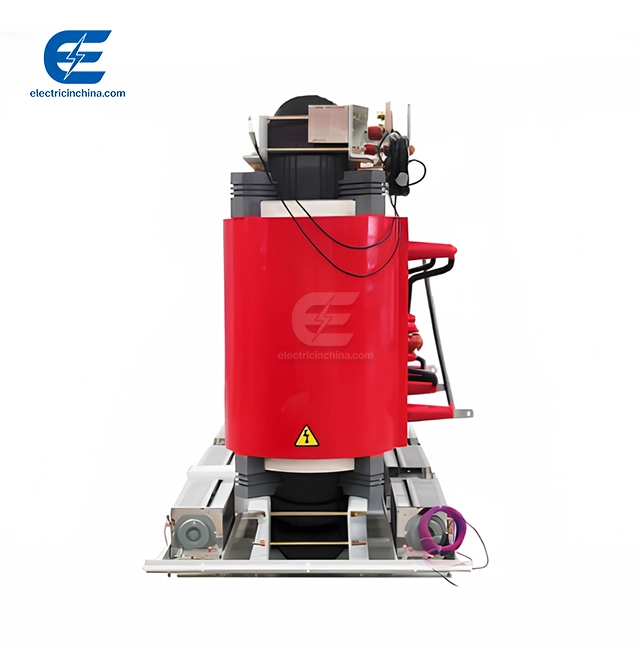
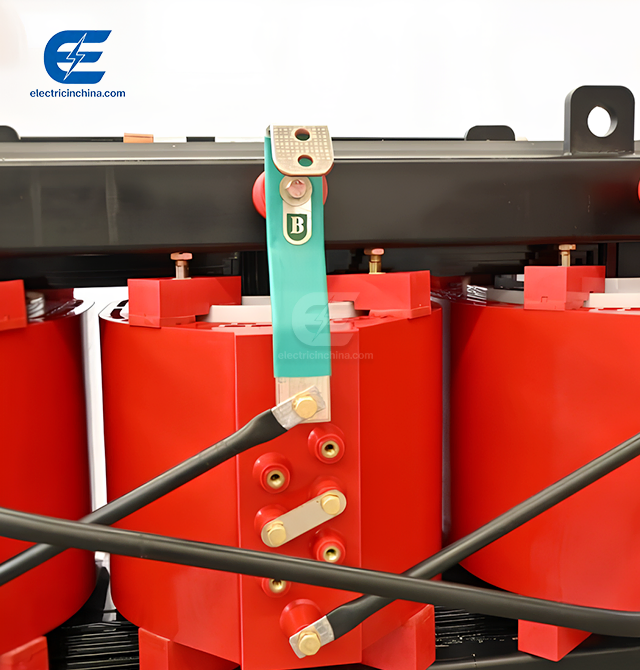
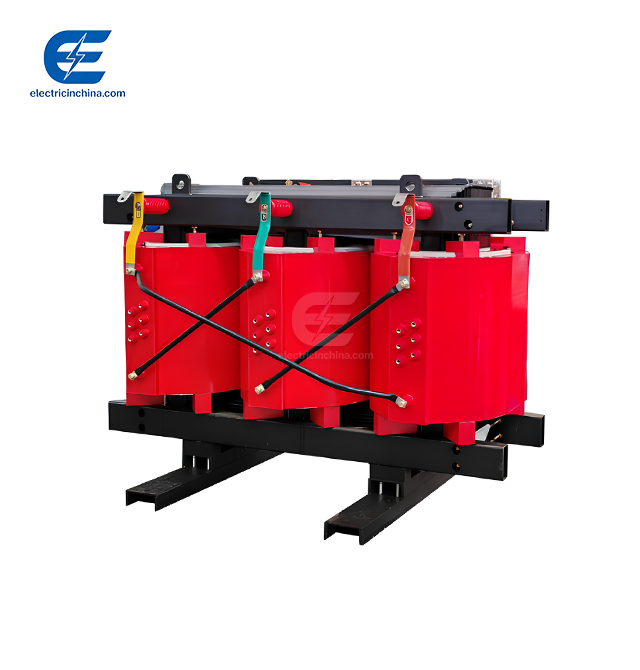
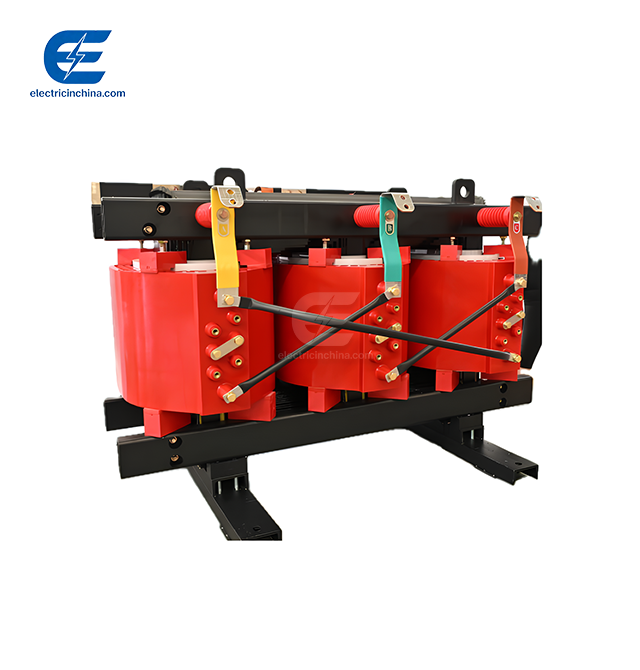
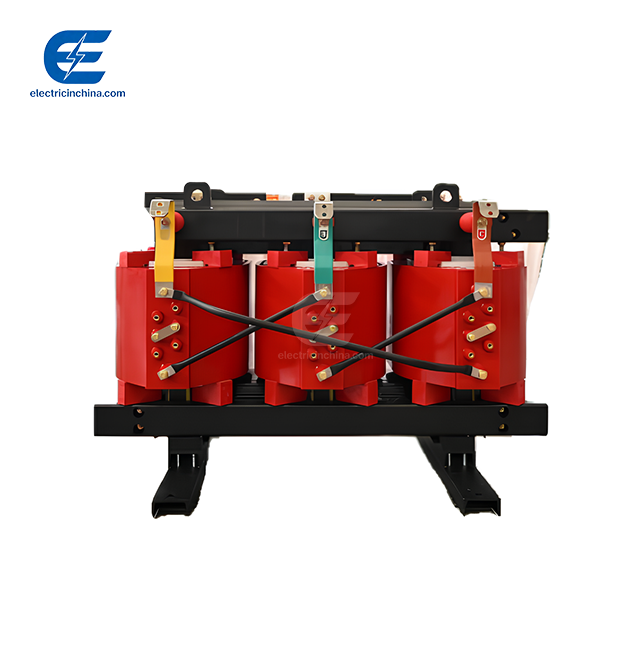
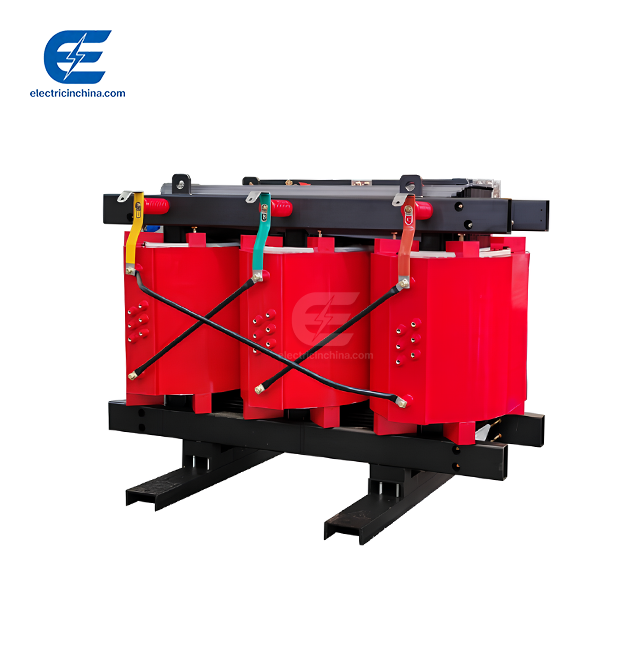
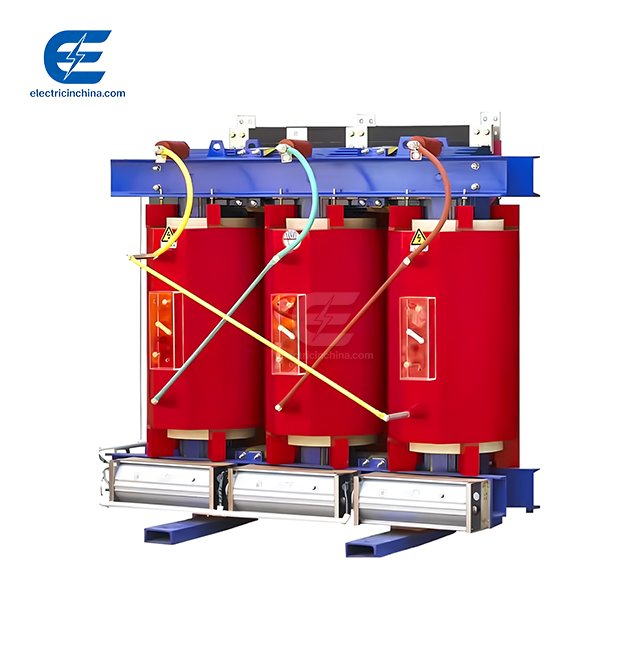
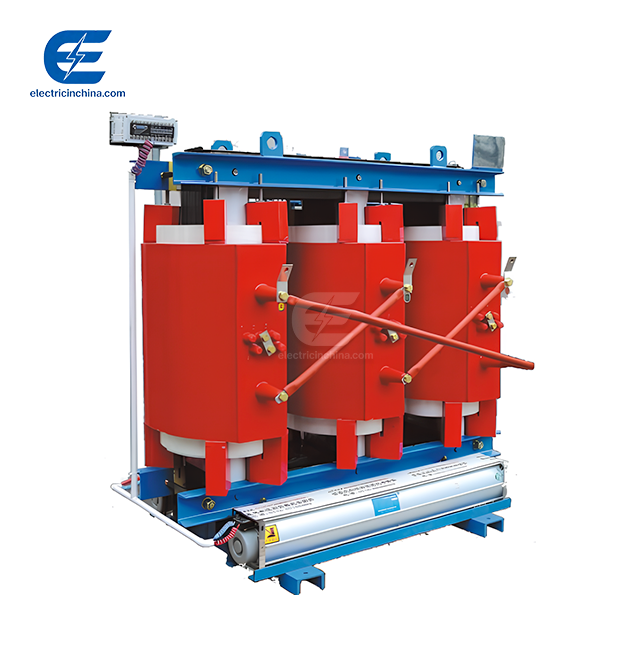
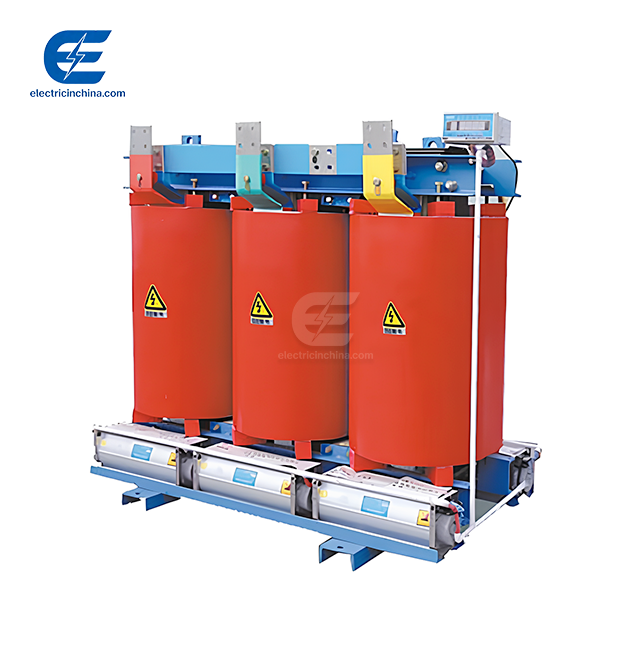
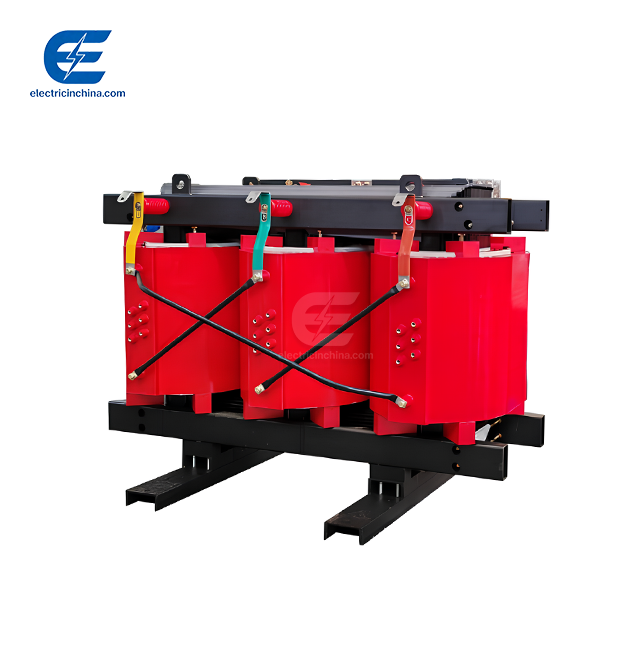
Dry-type transformers greatly lower upkeep costs by getting rid of the need for oil and making operations easier. Instead of traditional units that are submerged in oil, these transformers use solid insulation systems, like epoxy resin casting or vacuum pressure impregnation, that don't need to be inspected for fluids, fixed leaks, or containment infrastructure built. This design gets rid of the costs of fire suppression equipment, cuts the number of inspections by 40 to 60%, and raises the service intervals from three times a year to once a year. The lack of costs for getting rid of oil, along with lower insurance rates and fewer rules to follow, results in 30–50% lower lifetime upkeep costs. Their strong construction means they don't break down in harsh conditions, which makes them perfect for government buildings, commercial developments, and factories that need reliable, low-cost power solutions.
Understanding Maintenance Challenges with Traditional Transformers
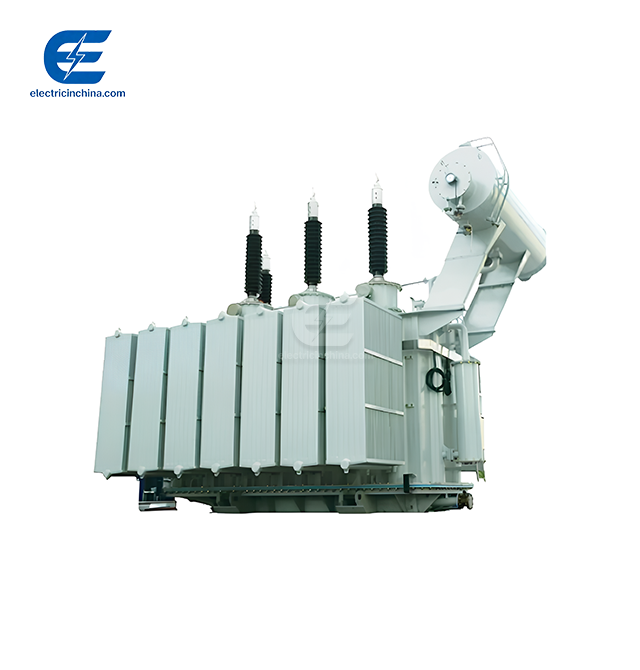
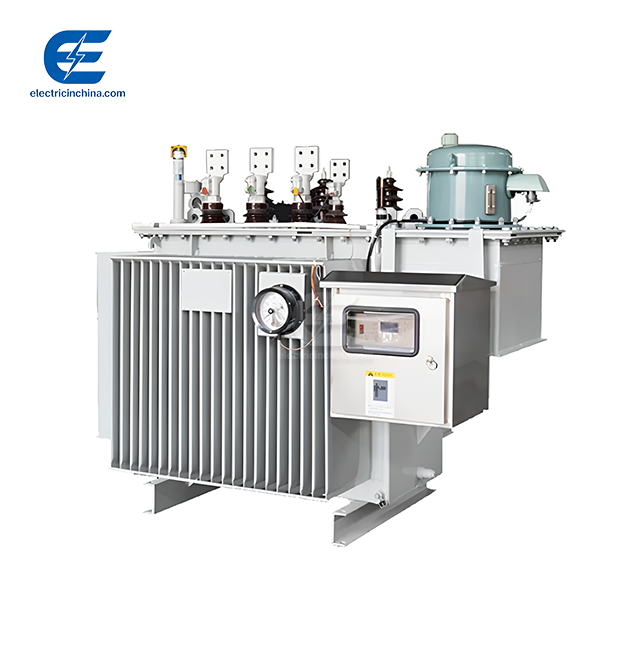
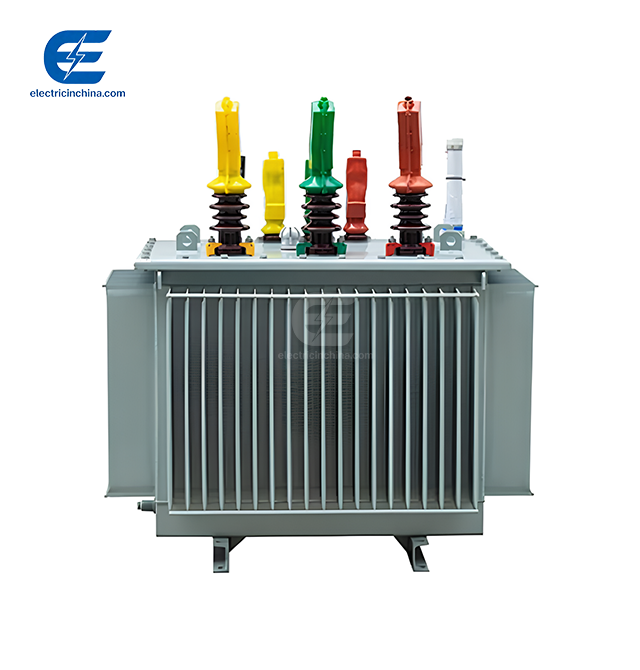
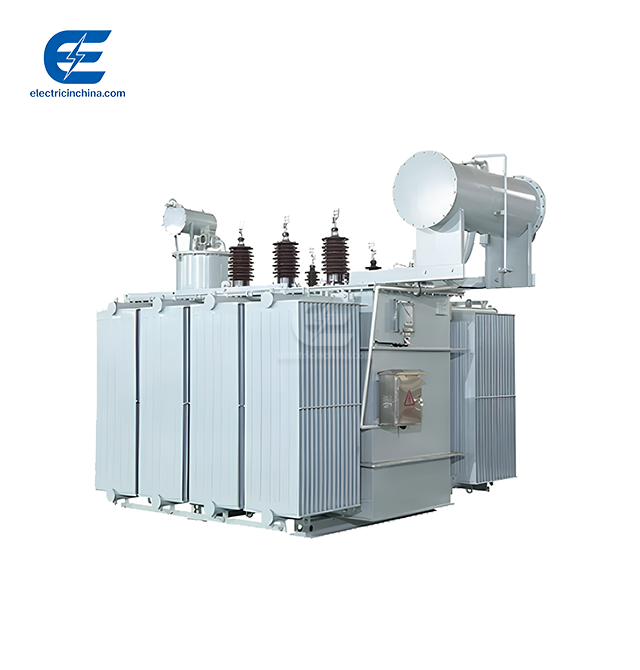
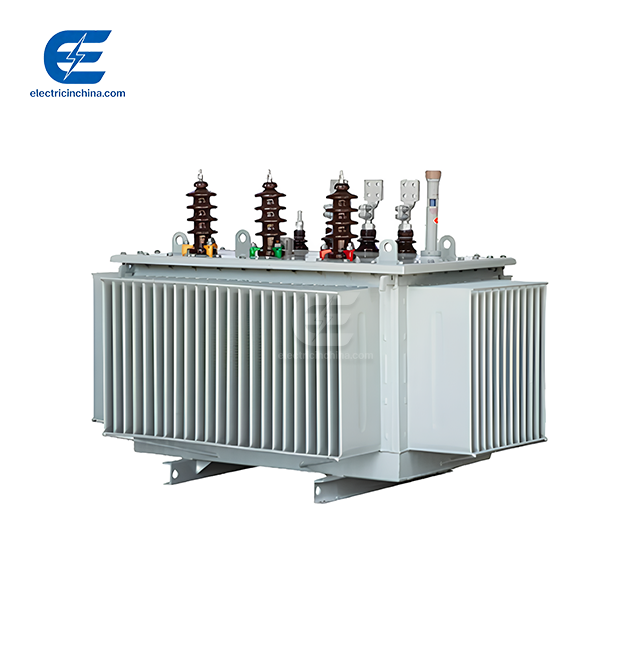
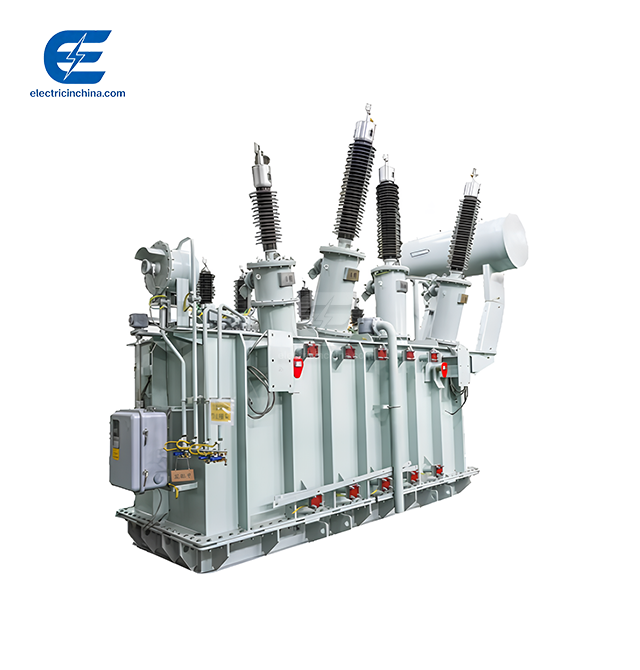
Traditional transformers that are filled with oil require a lot of upkeep, which has a direct effect on operating budgets and project timelines. When they have to deal with old equipment, procurement managers in the infrastructure and industrial sectors always have to deal with these problems.
Oil Management and Environmental Compliance
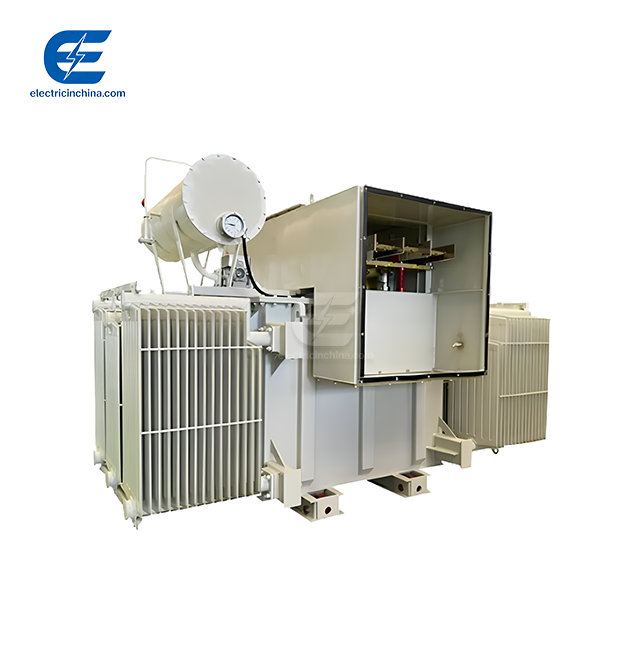
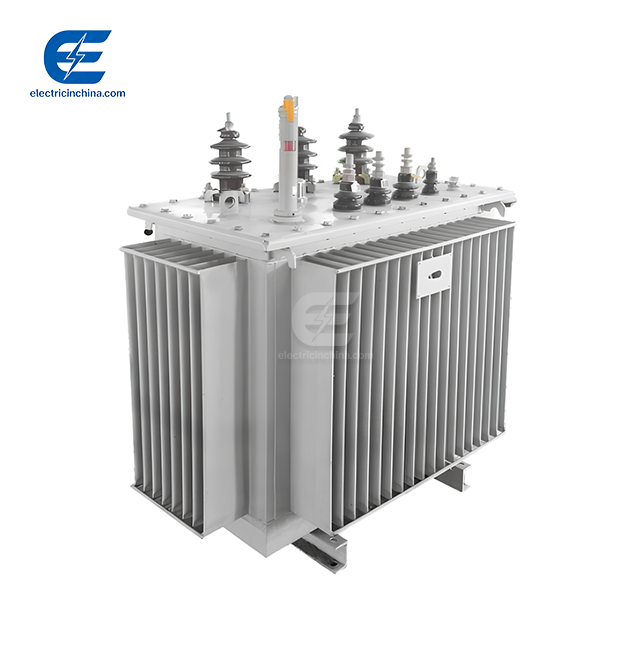
Transformers that are submerged in oil need to have their fluid levels constantly checked to avoid catastrophic failures. A lot of work goes into taking regular samples of oil, testing for dissolved gases, and checking the electrical strength. In the United States, environmental laws demand additional containment systems, ways to find leaks, and emergency reaction plans. When leaks happen, the costs of fixing them go up quickly—just cleaning up the contaminated soil can be more than $50,000 per incident. Getting rid of transformer oil that is considered hazardous trash costs more because you need qualified workers and more paperwork, which adds to the cost of running a business.
Labor-Intensive Inspection Requirements
Inspections of liquid-filled units should be done every three months to check the oil level, function of the cooling system, integrity of the gaskets, and state of the bushings. To safely handle explosive fluids, maintenance teams need to have had special training. Diagnostic tests like thermal imaging, partial discharge testing, and dissolved gas analysis need high-priced tools. Unplanned outages caused by broken cooling systems or oil pumps mess up production schedules. This is especially bad for EPC contractors who have to meet tight delivery deadlines.
Hidden Cost Factors
Because of the risk of fire, insurance rates are 15–25% higher for buildings that have oil-filled generators. Investing a lot of money in specialised fire control systems like deluge systems, foam stations, and separation walls is necessary. Documentation for regulatory compliance takes a lot of time and effort, and permits for oil storage add to ongoing costs. Over the 20–30 years that equipment is used, these hidden costs add up, making total ownership costs much higher than with other technologies.
Key Features of Dry-Type Transformers That Minimize Maintenance Needs
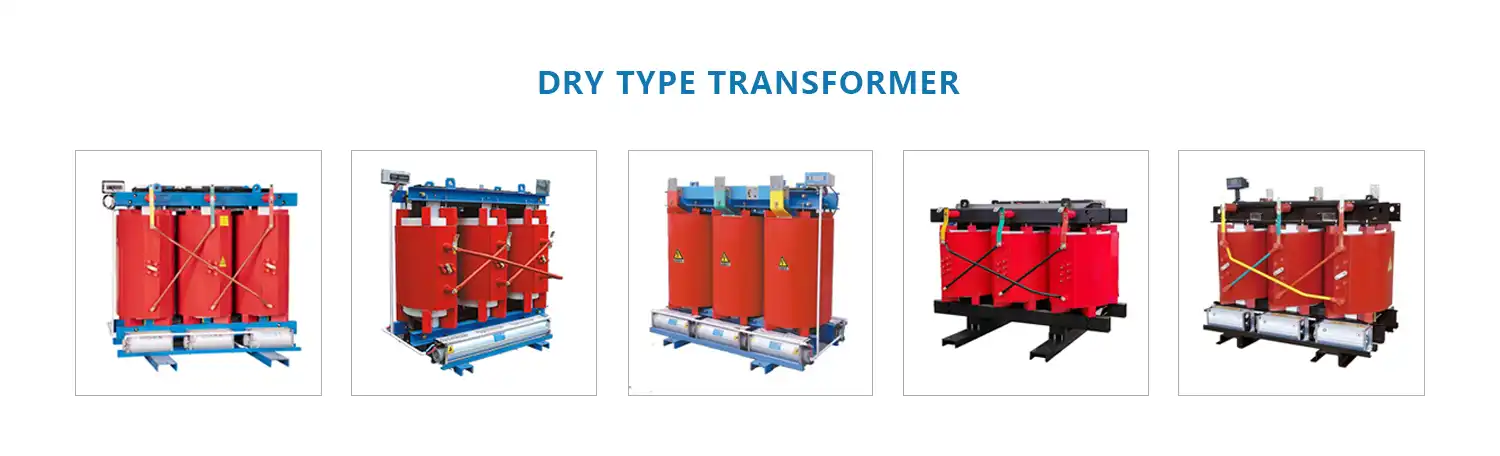
Modern cast resin transformers use new engineering techniques that make them much easier to maintain. These design benefits directly lead to operational savings for middle and big businesses that put reliability first.
Advanced Insulation Systems
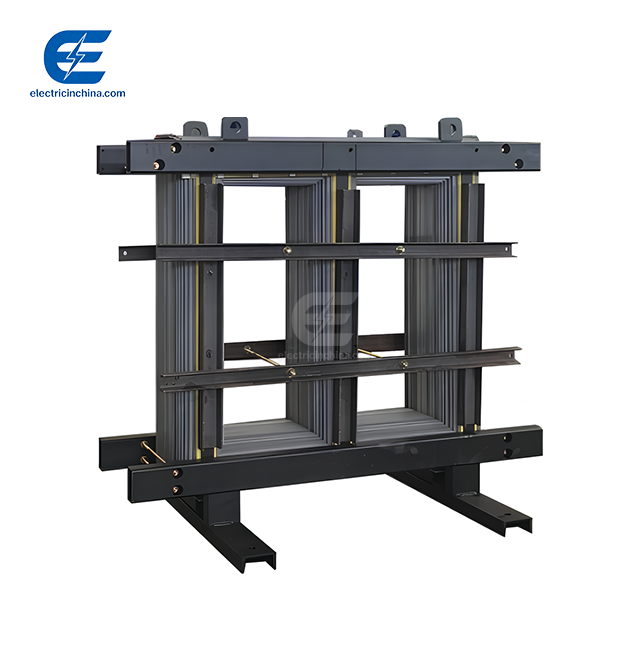
Low-maintenance needs are made possible by vacuum-pressure-infused insulation technology. In the VPI process, moisture-resistant glue is wrapped around the windings of the dry-type transformer. This keeps the electrical integrity from deteriorating, which happens with older designs. Epoxy resin casting makes solid structures that can withstand vibrations, changes in temperature, and contaminants in the environment. This strong construction can handle partial discharge stress without breaking down, and the insulation will stay in good shape for decades without any maintenance. Temperature ratings up to Class H (180°C) provide thermal margins that make equipment last a lot longer.
Elimination of Fluid Management
Taking oil out of the mix gets rid of whole areas of maintenance. No checking of the fluid level, testing for contamination, fixing of leaks, or planning of how to get rid of it. Designs that use air cooling depend on natural airflow or controlled ventilation, which are both simple systems with few places where they can go wrong. This natural simplicity means that spare parts don't need to be kept on hand, and there's no need for specialised repair workers. Safety changes are also very important. Non-flammable construction meets strict building codes for indoor installations near occupied areas, which lowers the risk of insurance claims.
Integrated Protection and Monitoring
Newer units have thermal monitors built in that let repair plans be planned ahead of time. Temperature tracking systems let workers know when something is wrong before it breaks, which saves money on expensive repairs in the event of a disaster. Noise complaints go away in cities when acoustic emissions are lowered to levels usually below 50dB. Mechanical stress on mounting frames and linked equipment is kept to a minimum when vibration levels are low. These built-in features cut down on the number of state assessments that need to be done, which lets repair teams focus on the most important infrastructure.
How Dry-Type Transformers Work to Cut Down Maintenance Costs
Because of how they work, air-insulated transformers have built-in cost benefits that last their whole useful life. Knowing about these functional benefits helps procurement pros make the case for making the original investments.
Passive Cooling Architecture
Natural air flow does most of the cooling without the need for pumps, fans, or complicated heat exchangers that can break down. Aluminium or copper windings get rid of heat quickly because they have a lot of surface area. When forced air cooling is used, simple radial fans are used instead of complex devices for moving oil around. Because it is so simple, maintenance times are measured in years instead of months. Thermal management systems constantly check the temperatures of the windings and change the load capacity to keep them from getting too hot without any help from a person.
Contamination Resistance
Solid insulation systems don't get damaged by dust, water, or chemicals, which are what break down oil-based insulation. Encapsulated windings keep working even in harsh industrial settings, like salt spray sites on the coast, factories with airborne particles, and outdoor substations that are open to all kinds of weather. When you need to clean something, you need to regularly remove surface dust instead of cleaning internal parts. This environmental resilience increases the time between checks, which is especially helpful for sites that are far away and require a lot of driving to get to services.
Extended Service Intervals
Industry data shows that cast resin distribution transformers work for 5 to 7 years without needing major upkeep, while oil-filled versions only last 2 to 3 years. Visual inspections, link torque checks, and cleaning the ventilation system are all part of routine maintenance for the dry-type transformer. These are all jobs that don't require a lot of specialised knowledge. Measurements of winding resistance and insulation power factor are done over longer periods, usually when the plant is shut down for maintenance. This kind of maintenance efficiency cuts down on both direct service costs and indirect costs that come up when equipment breaks down.
Comparative Analysis: Dry-Type Transformers vs Oil-Filled Transformers
Comparing numbers shows that air-cooled designs are much more cost-effective, especially for project-based buying where lifetime costs determine value.
Direct Maintenance Cost Comparison
Electrical infrastructure projects have shown that savings can be measured. Oil-filled units with an average capacity of 1000kVA cost between $3,000 and $5,000 a year to maintain. This includes testing the fluids, cleaning the cooling system, and doing preventative checks. Equivalent size cast resin units need between $1,200 and $2,000 a year for upkeep, mostly eye checks and connection repairs. This difference adds up to $45,000 to $75,000 per transformer over a 25-year working life. When these savings are spread out over many big infrastructure projects using dozens of units, the purchase value grows significantly.
Fire Safety and Insurance Impact
According to data from the National Fire Protection Association, oil-filled transformer fires average more than $200,000 in property damage each time they happen. When this danger is taken away, property insurance rates for buildings that house electricity equipment drop by 15 to 20 percent. In many places, building codes require expensive fire suppression systems for liquid-filled units, which are not needed at all for air-insulated units. This benefit is especially useful for real estate developers because it makes getting permits easier and speeds up the building process.
Environmental and Regulatory Advantages
Following the EPA's rules on oil storage and preventing spills is a constant bookkeeping load. Dry sites don't need a Spill Prevention, Control, and Countermeasure plan, so they don't have to report environmental problems as often. There are no toxic garbage manifests, no responsibility for contaminated dirt, and easier steps to take when equipment is no longer needed. These changes to make regulations easier to understand are very helpful for government infrastructure projects that look at how they will work in the long term.
Operational Flexibility Benefits
Installations can happen in cities where space is limited because of their small sizes. Having choices for indoor settings cuts down on the cost of buying land and getting a weatherproof enclosure. Load capacity flexibility makes it possible to use renewable energy, which is especially important for solar systems where power production changes. Energy-efficient designs that get ratings of 98.5% efficiency lower operational electricity costs compared to older transformer technologies. This saves money over many years of service.
Procurement Insights for Optimizing Maintenance Costs with Dry-Type Transformers
Strategic choices about what to buy save money on care while also making sure that the dry-type transformer product works reliably. These tried-and-true methods are useful for commercial developers and industry makers.
Supplier Selection Criteria
Long-term help is guaranteed when you work with manufacturers that can show they have a lot of professional knowledge and project experience. Strong manufacturing processes are shown by certifications like ISO 9001 for quality management, ISO 14001 for environmental standards, and OHSAS 45001 for safety protocols. Suppliers with their own testing labs make sure that their products meet IEC 60076-11 and any other area standards that apply before sending them out. The ability to produce 15kVA to 2500kVA grades makes it possible to standardise across a wide range of project needs. This makes managing spare parts and training repair staff easier.
Customization for Reduced Maintenance
By adapting specifications to the environment, service intervals are increased, and early failures are avoided. For installations above 2000 meters, derating needs to be thought about. Reliable makers offer designs that are tailored to high altitudes while still keeping performance without leaving too much room for error. Coastal projects need special shelters and protective coatings to protect against rust even more. Extreme temperatures mean that insulation classes and cooling systems need to be improved. Manufacturers who offer application engineering support find the best configurations that balance the cost of the initial setup with the cost of maintenance over the course of the product's lifetime.
Warranty and Service Support Structure
A full warranty that covers production flaws for 3 to 5 years lowers the risk of losing money during the early stages of business. Service agreements that include regular repair visits make sure that the manufacturer's suggestions are followed, which keeps the warranty current. Quick access to factory-trained techs cuts down on the time needed to figure out what's wrong when it happens, which lowers the cost of downtime. Suppliers with regional service centers can respond faster than those who need to travel internationally for technical support. This is especially important for government infrastructure that needs to be up and running all the time.
Long-Term Partnership Value
Getting to know providers who can handle large orders will help make sure that the quality of multiple-phase projects stays the same. Bulk purchasing agreements help EPC companies manage complicated building plans by saving them money and making logistics easier. When manufacturers train client support teams in technical skills, it lowers the need for ongoing service responsibilities. One-stop features that include related goods like low-voltage switchgear, wires, and distribution equipment make the buying process easier and improve system integration, which cuts down on the time and money needed for commissioning.
Conclusion
Switching to air-insulated transformers is a smart way for companies that value reliability and long life to cut down on maintenance costs. Maintenance costs are 30–50% cheaper than with older technologies because there are fewer rules about oil management, longer service times, and easier inspection procedures. Better safety profiles lower insurance costs and the work of following rules, and environmental benefits make getting permits easier and get rid of contamination risk. These operational benefits add up over many decades of use. They are especially useful for government infrastructure, business developments, and industrial sites where the dependability of equipment has a direct effect on the success of the project and the happiness of all stakeholders.
FAQ
1. What are the typical maintenance costs for dry-type transformers compared to oil-filled units?
Maintenance costs for air-insulated 1000kVA units are usually between $1,200 and $2,000 a year, while they are between $3,000 and $5,000 a year for oil-filled units of the same size. This 40–60% drop in costs is due to fewer inspections, longer repair intervals, and no longer checking fluids. Over the course of 25 years, each generator saves between $45,000 and $75,000, which is a lot of money for companies that use a lot of them on building projects.
2. How often do dry-type transformers require maintenance?
Every year, routine maintenance is done, which includes eye checks, checking the link torque, and cleaning the air. Every 5 to 7 years, full testing with measurements of winding resistance and insulation diagnostics is done. This is in contrast to every 2 to 3 years for liquid-filled units. This lowers both the direct costs of service and the indirect costs that come with machine breakdowns and output stops.
3. Can dry-type transformers handle the same load capacities as oil-filled units?
Modern cast resin transformers can easily handle tasks ranging from 15kVA to 2500kVA, meeting the needs of most business and industrial settings. Designs that use amorphous alloy cores to save energy get 98.5% efficiency ratings while keeping their thermal performance through Class F or H insulation systems. Advanced cooling structures make it possible for safe operation in temperatures ranging from -25°C to +40°C. For demanding applications, designs can be made to handle temperatures as high as +50°C.
Partner with Tuojie for Maintenance-Optimized Transformer Solutions
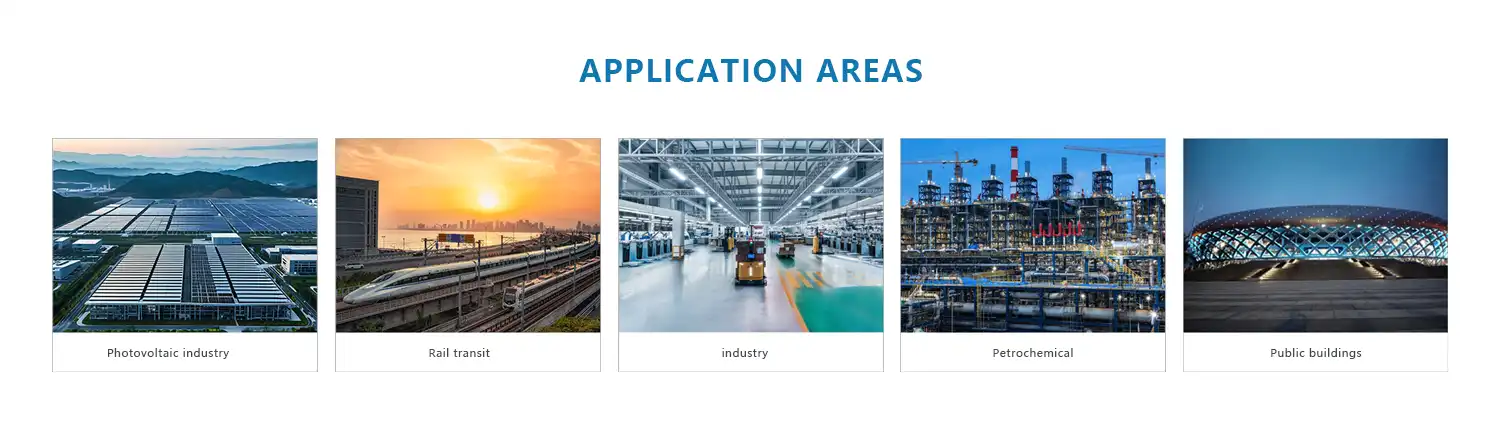
Tuojie has more than 20 years of experience designing and making high-efficiency distribution transformers that are specific to your needs and will lower your running costs. We use advanced vacuum pressure impregnation and amorphous metal core technology to make our SCBH19 series cast resin transformers and energy-efficient designs work better than others. As a well-known company that makes dry-type transformers, we keep our ISO 9001, ISO 14001, and OHSAS 45001 certifications. Our 15 senior engineers and full-service quality inspection laboratories make sure that every unit meets the highest international standards. Our custom solutions deal with specific environmental issues in industrial, commercial, and government infrastructure settings. They are based on our experience with projects like the Xuzhou Rail Transit, XCMG Group installations, and large-scale photovoltaic integration. You can email our technical team at tuojie@electricinchina.com to talk about your purchasing needs and find out how our dry-type transformer solutions save you money on maintenance while still meeting strict performance standards.
References
1. Institute of Electrical and Electronics Engineers. "IEEE Standard for Dry-Type Distribution and Power Transformers." IEEE C57.12.01-2015, Institute of Electrical and Electronics Engineers Standards Association, 2015.
2. International Electrotechnical Commission. "Power Transformers - Part 11: Dry-Type Transformers." IEC 60076-11:2018, International Electrotechnical Commission Technical Committee 14, 2018.
3. National Fire Protection Association. "Standard for Electrical Safety in the Workplace: Transformer Safety and Fire Prevention." NFPA 70E-2021, National Fire Protection Association Technical Committee, 2021.
4. American Society for Testing and Materials. "Standard Guide for Maintenance Testing of Dry-Type Transformers." ASTM D3487-2016, ASTM International Committee D27, 2016.
5. U.S. Department of Energy. "Energy Efficiency Standards for Distribution Transformers: Technical Support Document." Office of Energy Efficiency and Renewable Energy, Building Technologies Program, 2016.
6. Electric Power Research Institute. "Dry-Type Transformer Life Extension and Condition Assessment Guidelines." EPRI Technical Report 3002005380, Electric Power Research Institute Transformers and Regulators Program, 2015.