

.webp)
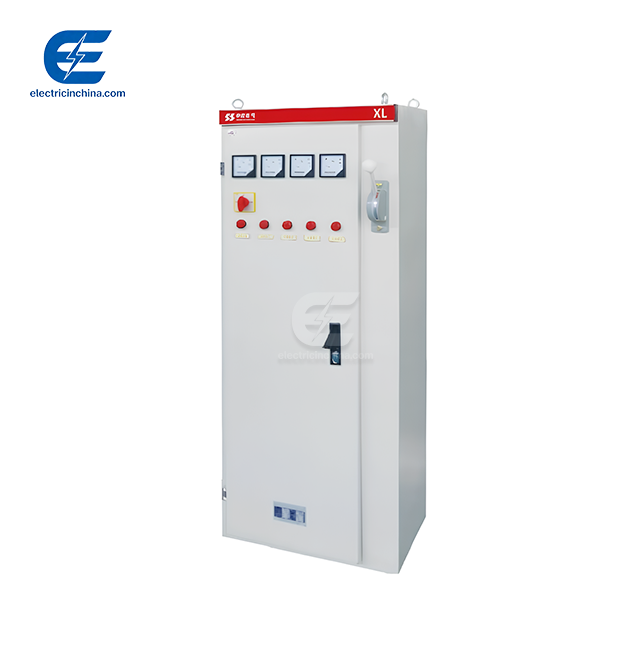
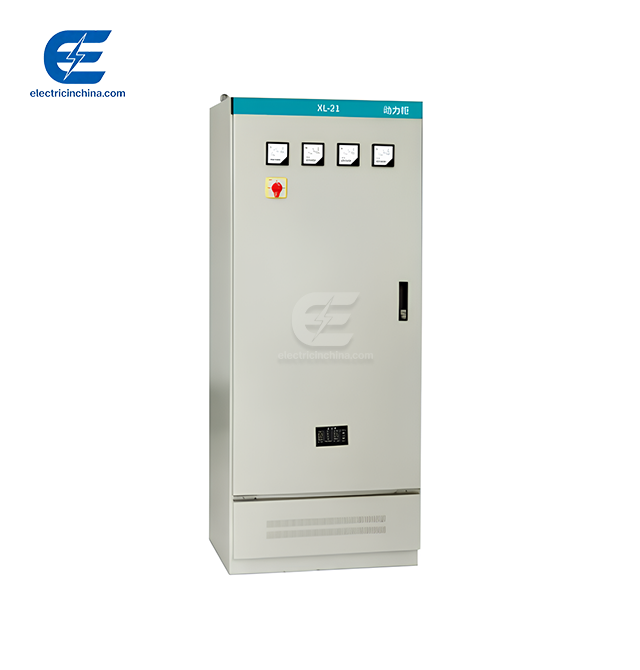
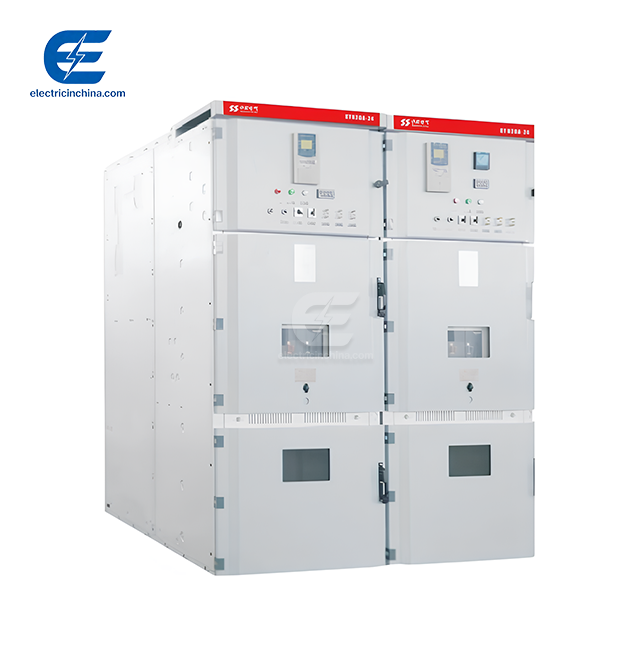
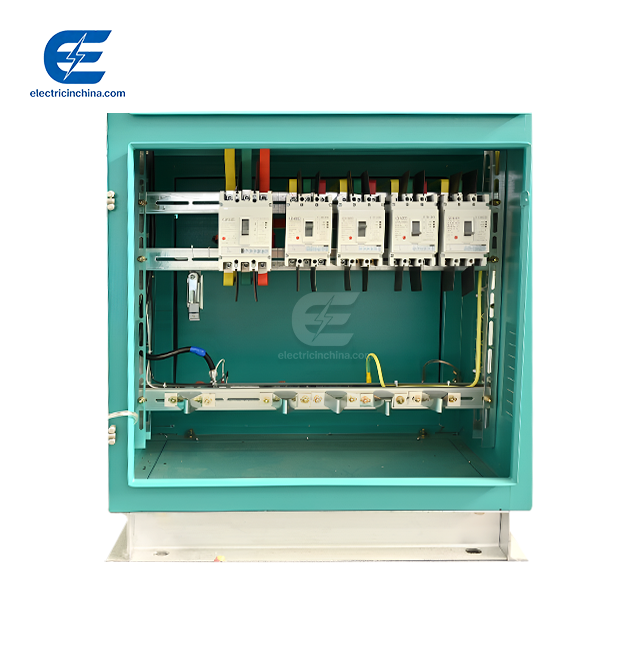
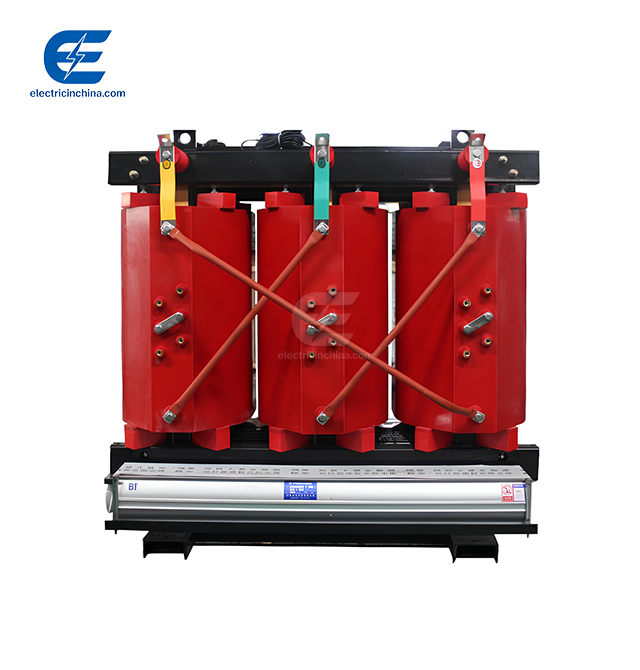
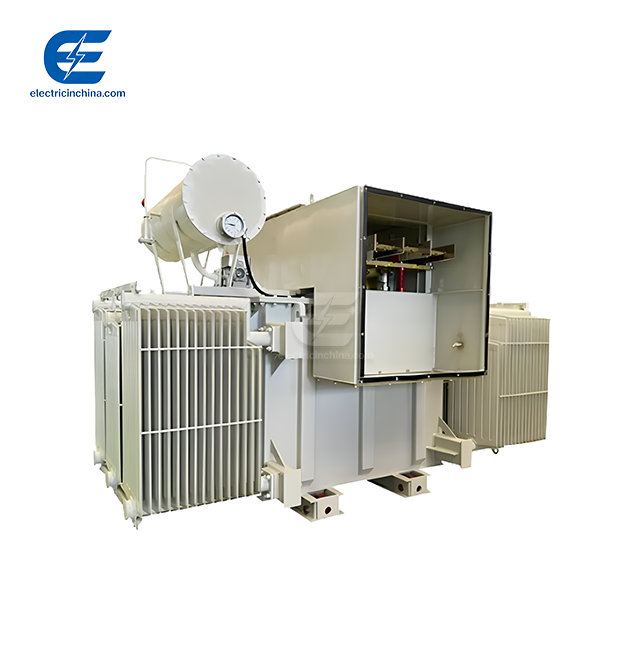
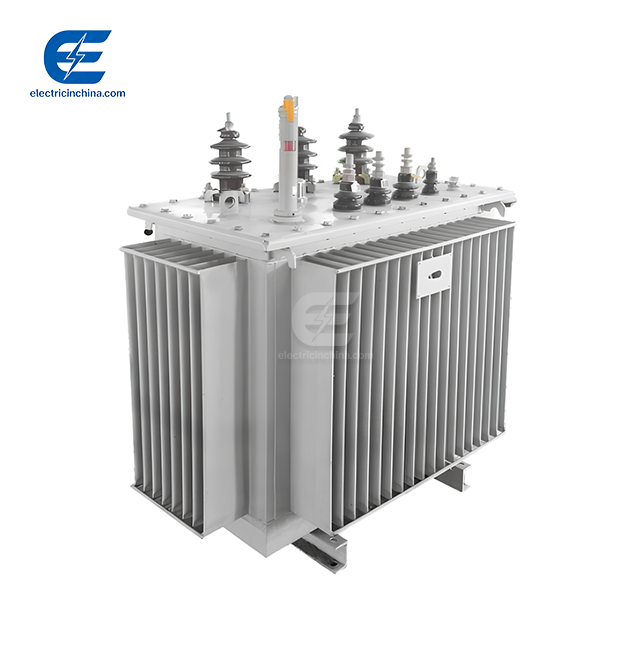
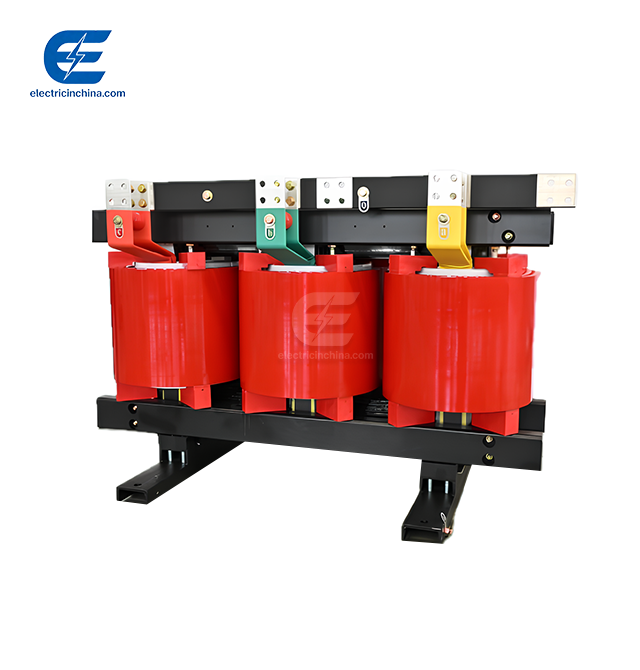
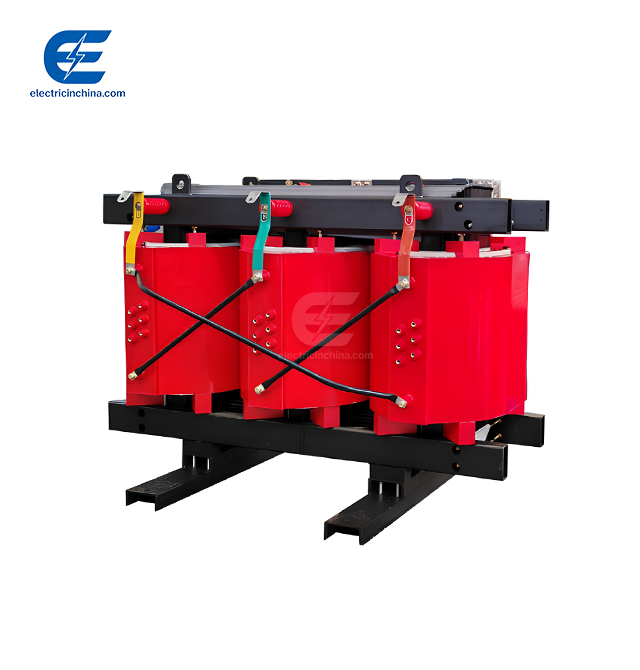
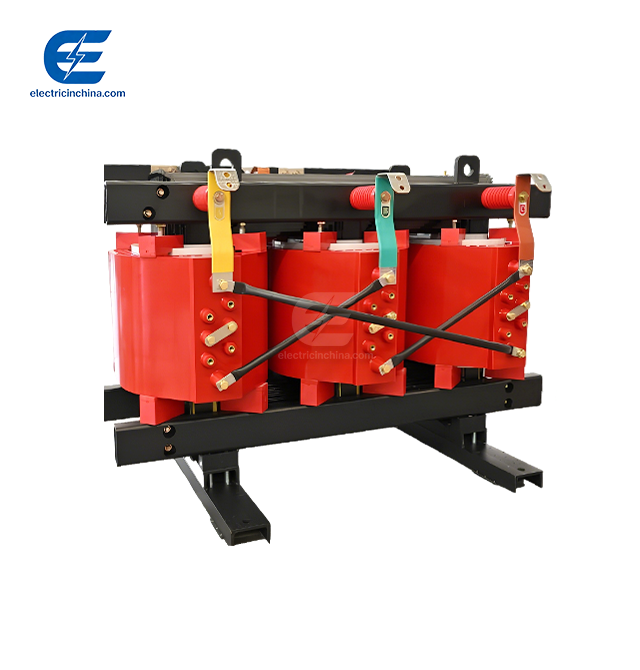
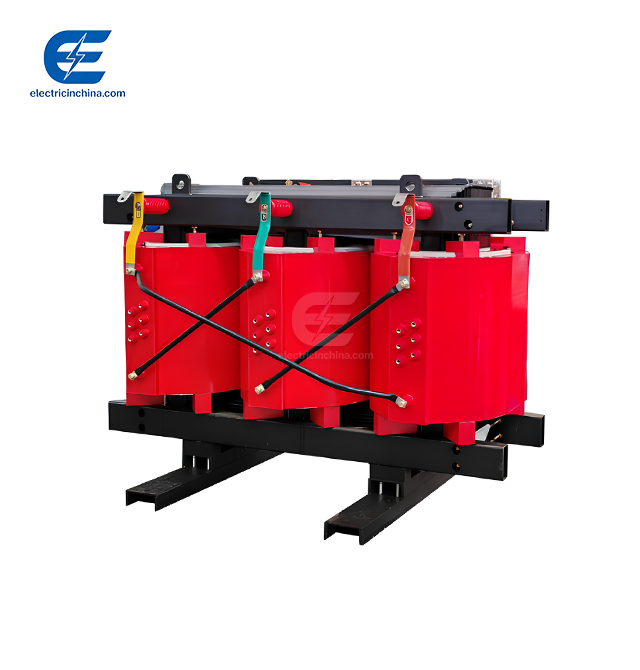
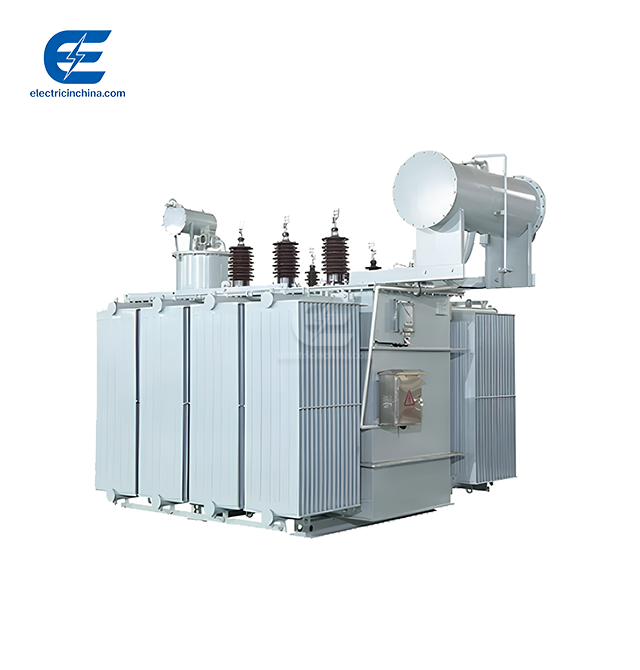
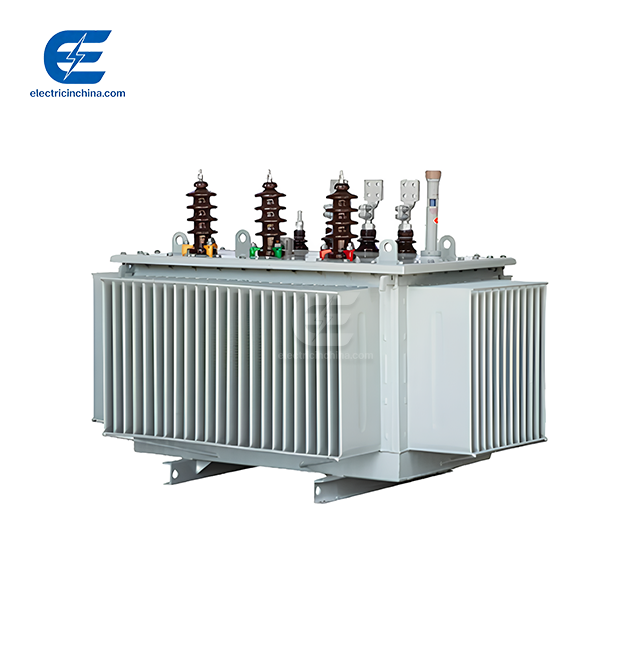
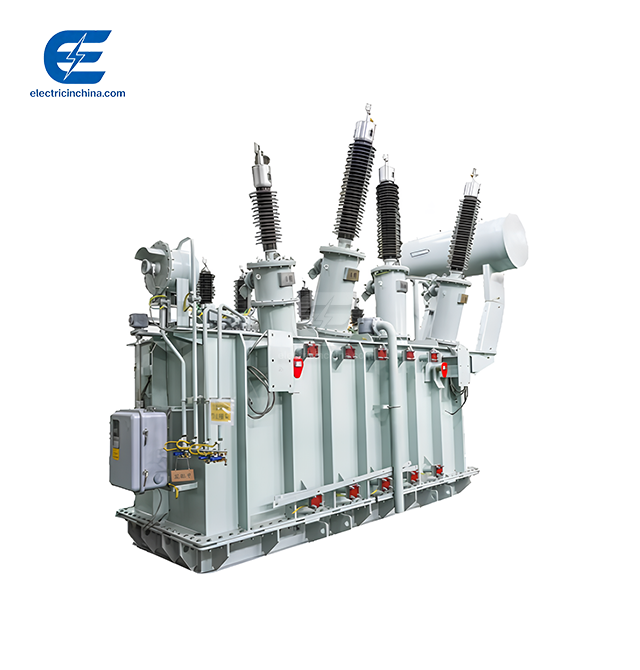
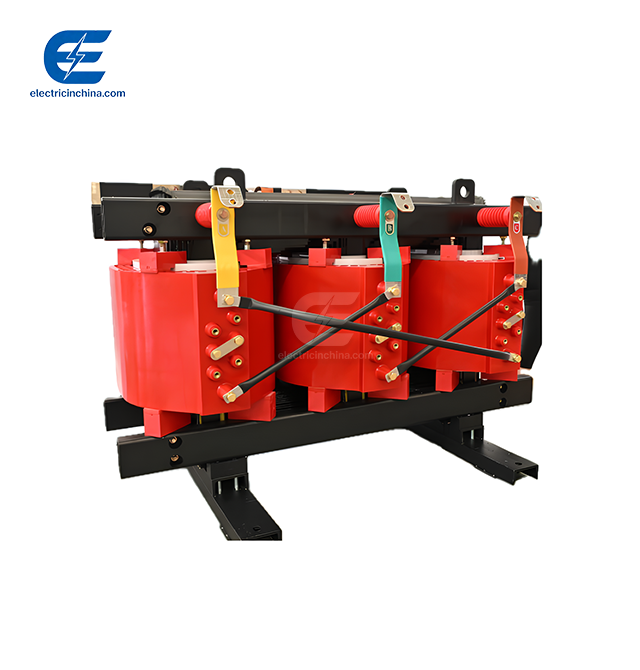
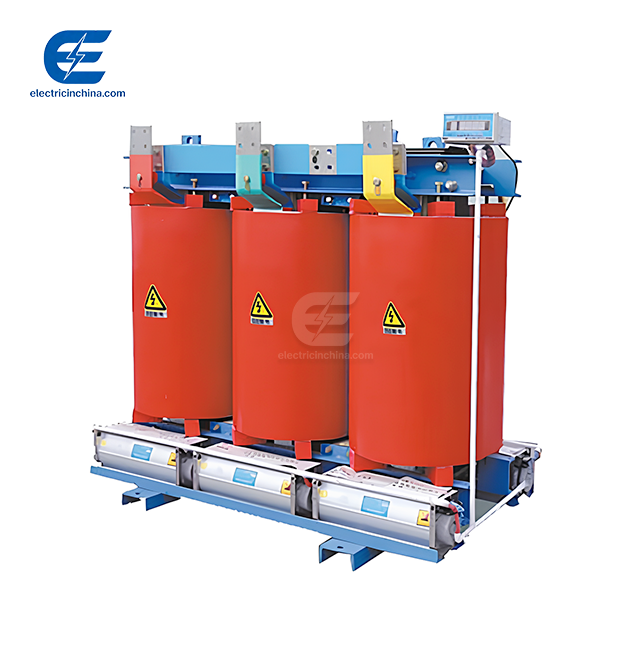
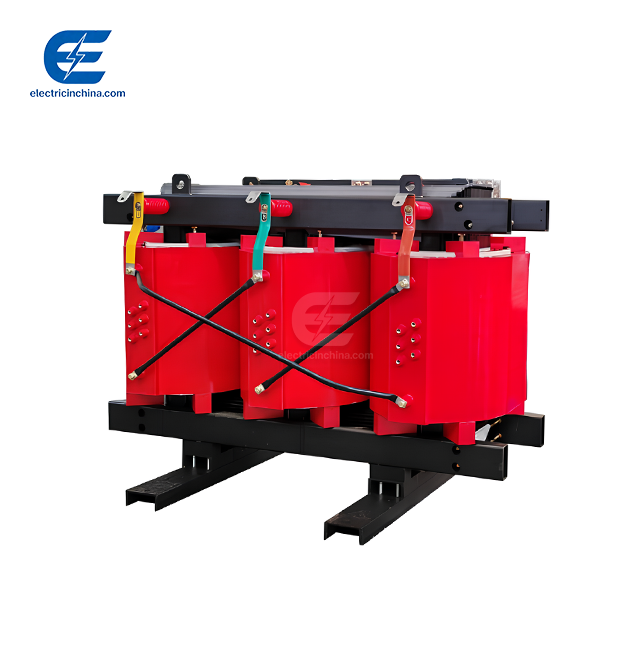
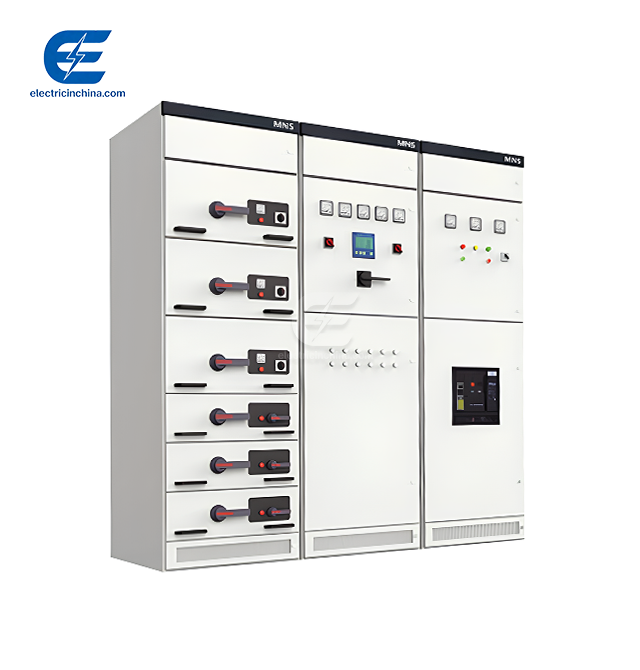
Whether you choose an Amorphous alloy dry-type transformer or an oil-immersed transformer depends on the safety needs of your project, the environment, and your goals for saving energy. Amorphous alloy dry-type transformers have 70–80% lower no-load losses, don't have any oil leak risks, and meet strict fire safety rules. This makes them perfect for placement inside, in cities, and in places that are sensitive to the environment. Oil-immersed transformers can handle more weight and cost less at first. They work best in open substations and heavy-duty industrial settings with more room and air flow.
Understanding the Basics: Amorphous Alloy Dry-Type vs Oil-Immersed Transformers
When we work with clients on big building projects or industrial facilities, choosing the right generator is often one of the most important decisions they have to make. Amorphous alloy dry-type transformers and oil-immersed transformers both do important jobs of distributing power, but their performance is very different because of how they are built.
Core Material Technology
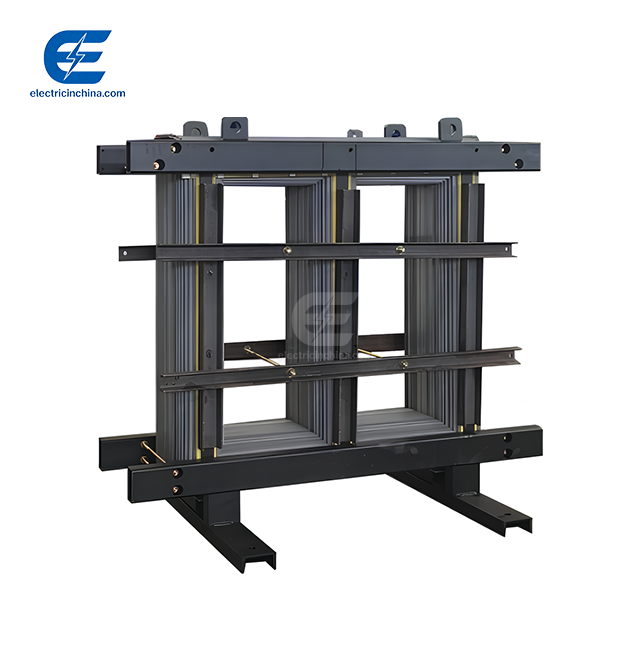
What a transformer is made of is what makes it work. Silicon steel bases have been used for a long time and have worked well, but amorphous metal technology is a big step forward. Our amorphous alloy cores at Tuojie are made of ribbons that are only 0.025 mm thick. This makes an atomic structure that isn't crystalline, which lowers hysteresis losses during each magnetic cycle. When you mix iron, nickel, cobalt, boron, and carbon in this special way, you get a core loss density as low as 0.16–0.22 W/kg at 1.4T/50Hz, which is much lower than the 1.1–1.3 W/kg found in most silicon steel designs. The magnetic permeability is higher than 100,000 H/m, which makes it possible for efficiency rates of 98.5 to 99.2% at full load.
Cooling and Insulation Methods
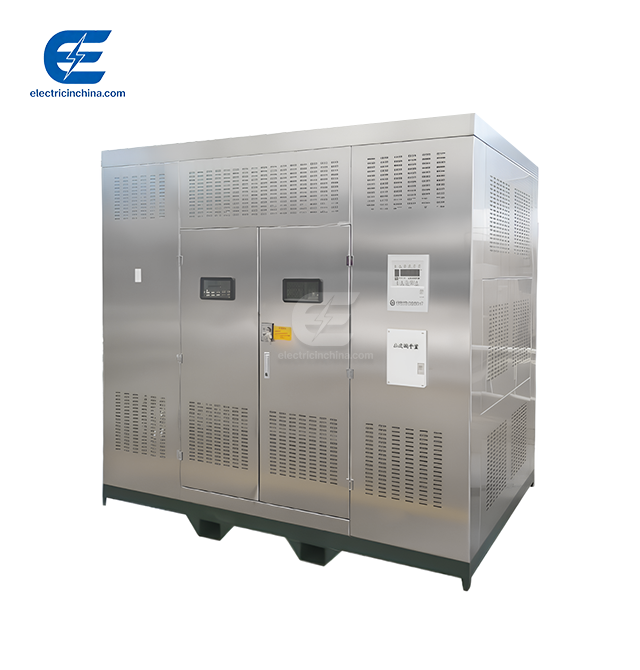
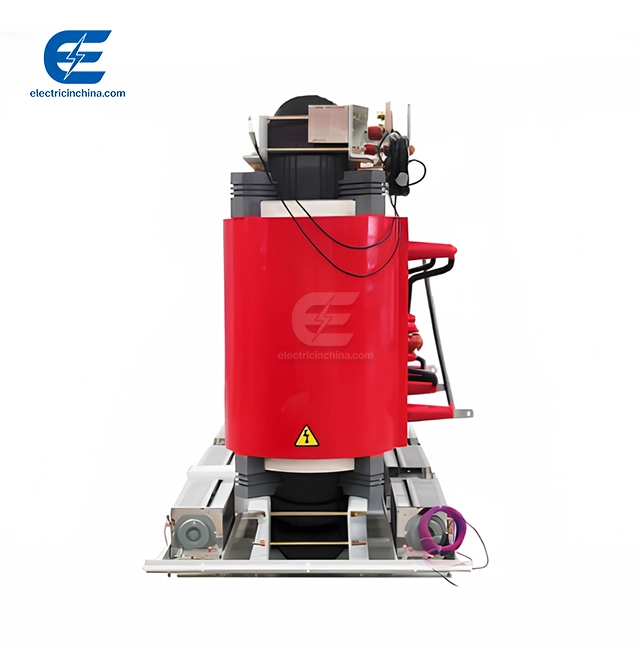
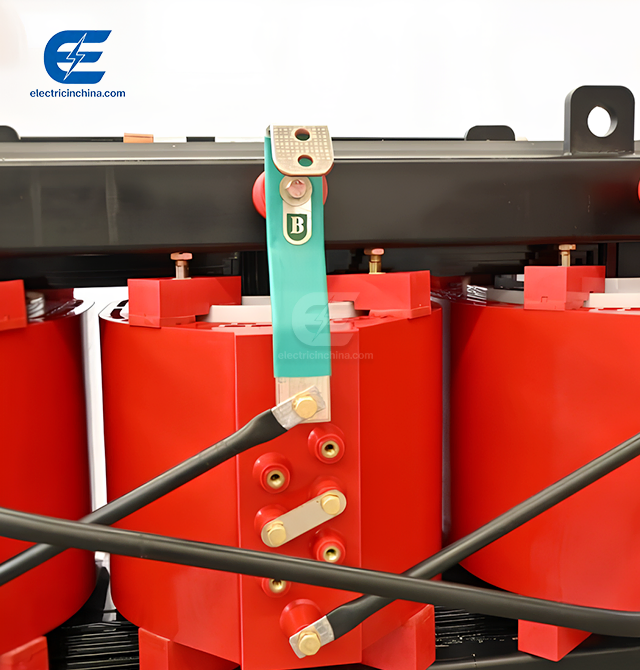
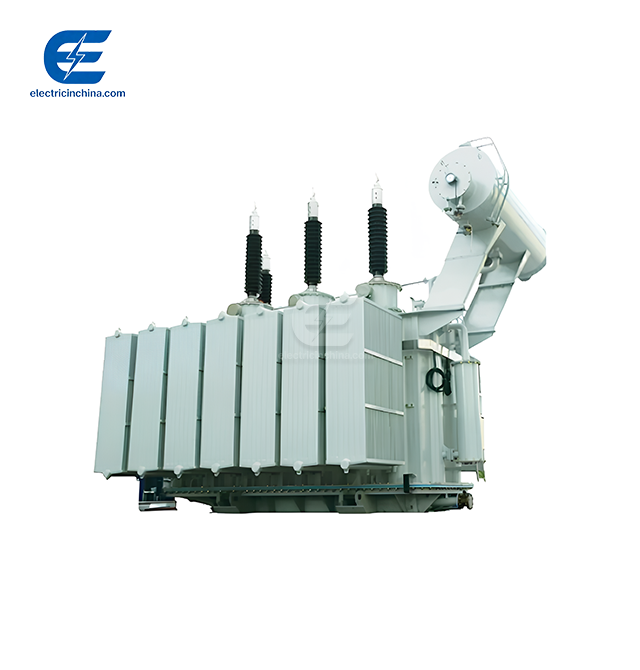
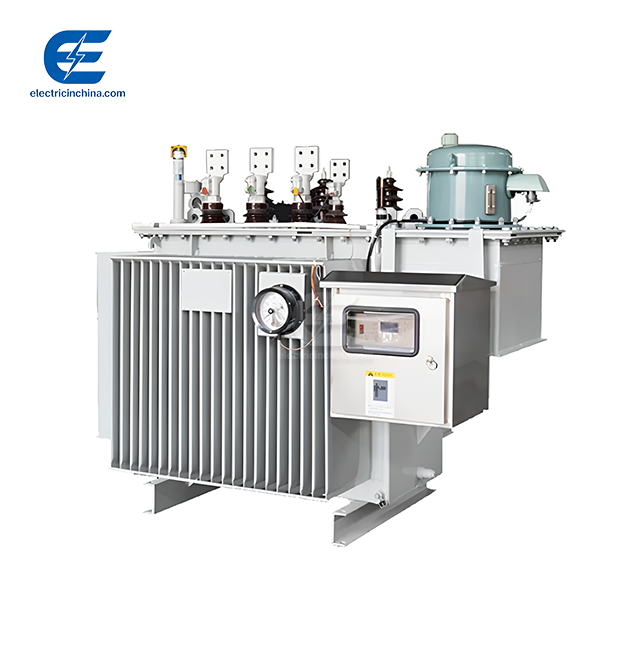
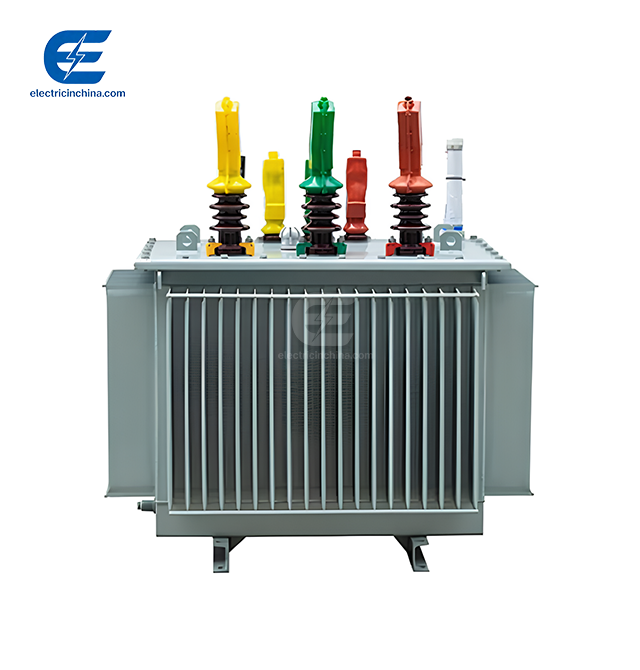
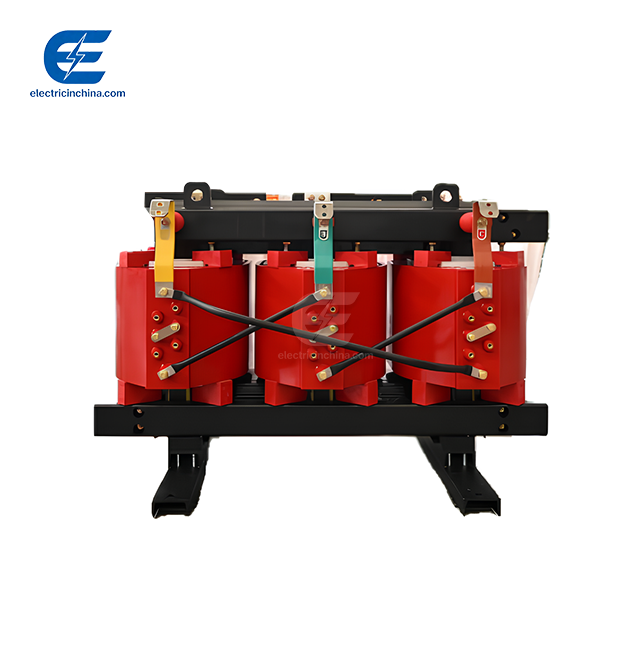
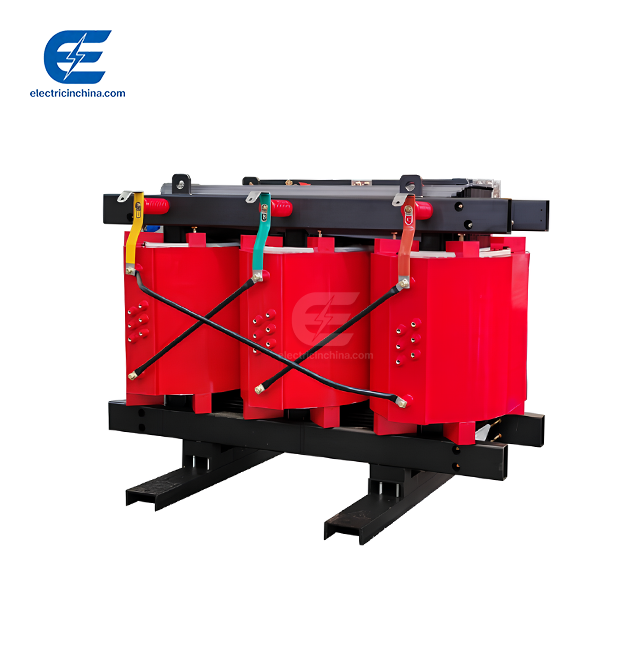
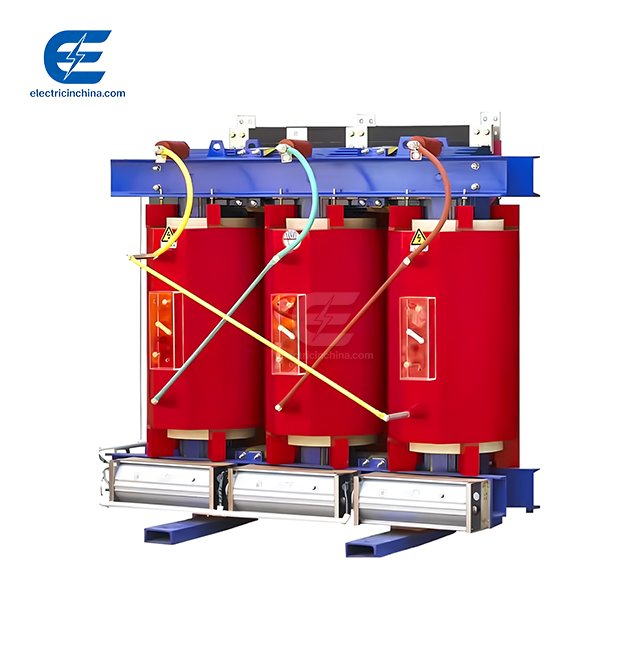
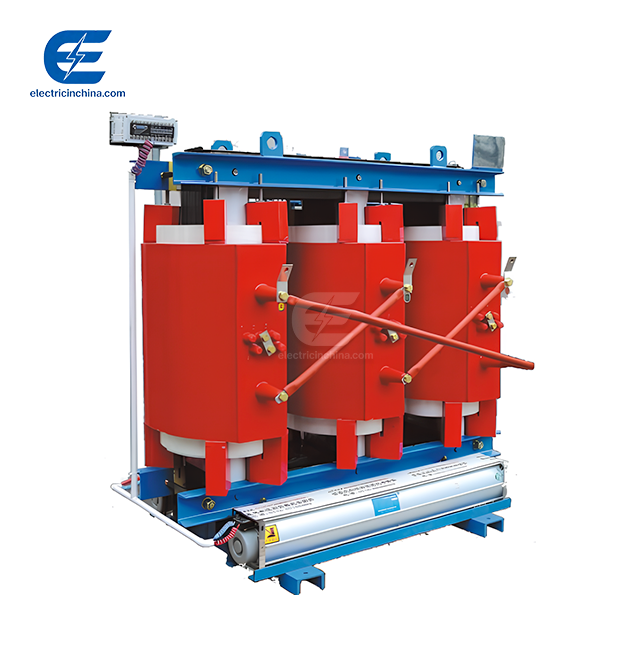
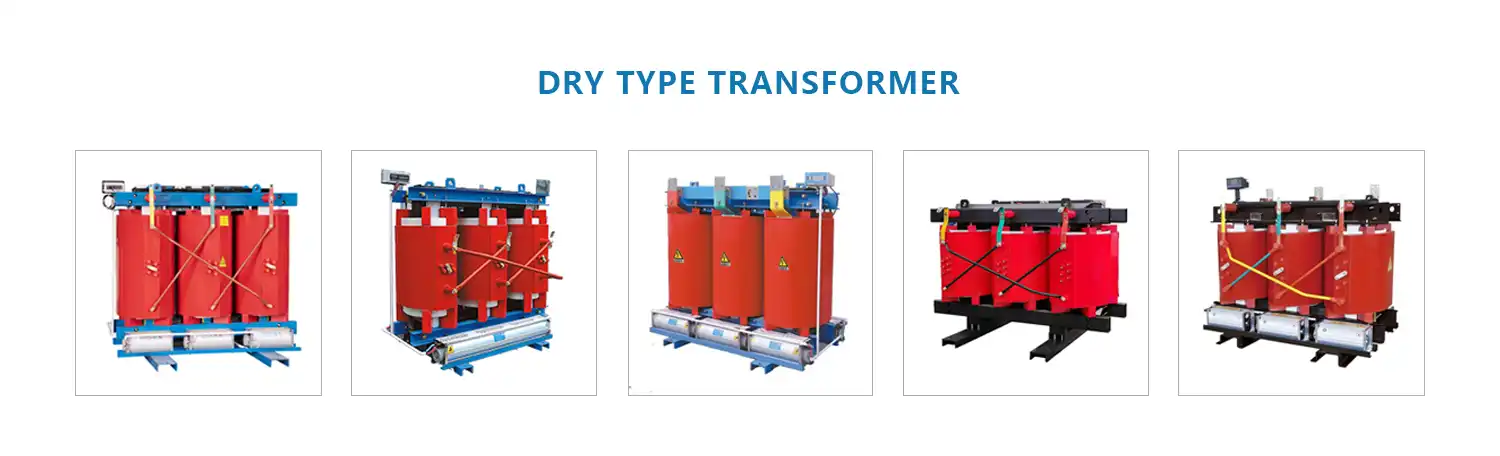
For cooling, Amorphous alloy dry-type transformers use air flow and are surrounded by epoxy glue and Class F or H insulation systems. Our vacuum casting method makes solid insulation that can handle up to 95% humidity and has protection grades of IP23 to IP54, making it ideal for use in marine and industrial settings. Mineral oil is used as both a coolant and an insulation in oil-immersed transformers, which are great for high-capacity uses because they get rid of heat very well. However, this adds maintenance tasks like checking the oil, filtering it, and stopping leaks that many facility managers find too much work.
Operational Environment Compatibility
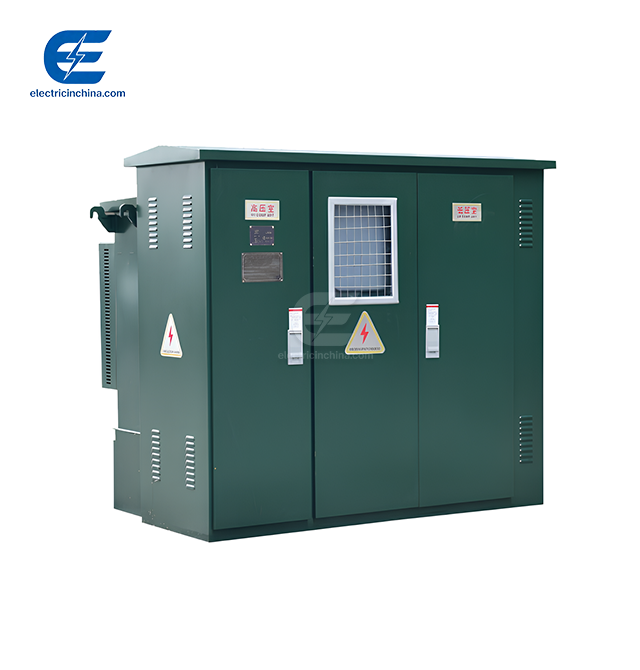
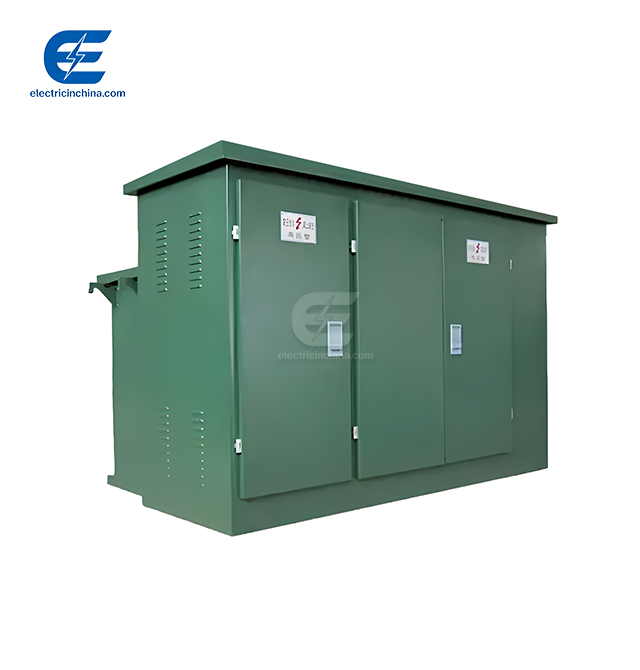
Where the installation will be done often determines which of these technologies to use. Amorphous alloy dry-type transformers work best indoors, like in data centers, hospitals, business high-rises, and underground facilities, where oil-filled equipment isn't allowed because of fire safety rules. Oil-immersed transformers work well in open substations and industrial yards with lots of air flow and filtration systems to control the risk of fire.
Key Performance Metrics and Benefits Comparison
When project managers are looking at different generator options, they need real facts to help them decide what to buy. In hundreds of sites, we've seen how differences in performance lead to long-term practical value.
Energy Efficiency and Loss Reduction
No-load losses are a constant drain on budgets for energy. These losses are cut down to just 0.1 to 0.2 percent of the total capacity by our SC(B)H15 series Amorphous alloy dry-type transformers. This is 60 to 80% better than regular silicon steel units. This saves between 7,000 and 10,000 kWh per year for a 1000KVA transformer that works 8,760 hours per year. At commercial electricity rates, the extra cost of the technology is paid for within three to five years just by saving money on utilities.
No-load losses for oil-immersed transformers are usually between 0.4% and 0.8% of their rated capacity. Even though this is still fine for many uses, over a 30-year service life, it wastes a lot of energy, especially on projects that want to get LEED certification or reach carbon neutrality goals.
Acoustic Performance
As cities grow, electrical equipment is moving closer to places where people live and work, which raises worries about noise pollution. Amorphous alloy dry-type transformers are about 50% quieter than standard designs and can work at sound levels below 45dB due to lessened magnetostriction. This soundproofing benefit is very useful in places like homes, hospitals, and businesses where the safety of the people who work or live there is a top priority. Depending on their size and how they are cooled, oil-immersed transformers usually make 50 to 65dB of noise, so installations that need to be quiet need acoustic barriers.
Environmental and Safety Profile
Since there is no insulating oil, there are no operating threats. Amorphous alloy dry-type transformers keep dirt and groundwater from getting contaminated, help you follow strict environmental rules, and lower the insurance costs that come with storing dangerous materials. Our flame-resistant and self-extinguishing design meets UL, IEC, and NEMA safety standards, so it can be installed in places where oil-filled units aren't allowed by law.
Transformers that are submerged in oil need special spill containment systems, regular oil quality tests, and special ways to get rid of the oil. Concerns about environmental liability make these units less appealing for sites that care about the environment, but risks can be successfully reduced with proper upkeep.
Maintenance Requirements and Lifecycle Costs
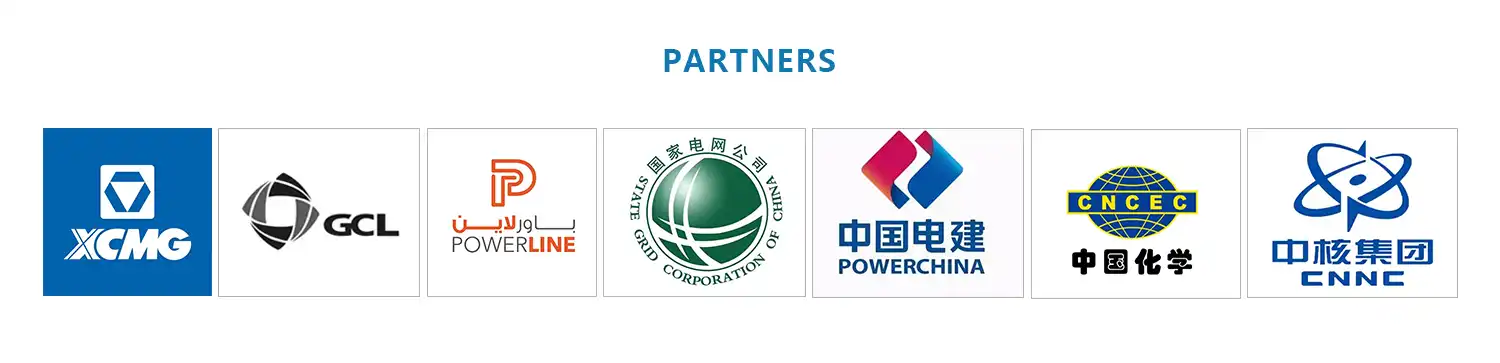
One of the best things about Amorphous alloy dry-type transformer technology is that it doesn't need any maintenance. It hasn't needed any oil changes, filter replacements, or regular maintenance in decades. Many of our clients, from the Xuzhou Rail Transit Network Control Center to XCMG Group production sites, say that our services are up 99% of the time or more. Transformers that are submerged in oil need to be analysed for oil, monitored for wetness, and possibly cleaned of oil on a regular basis. These tasks have ongoing costs and need planned power outages.
Procurement Considerations: Cost, Lead Time, and Supplier Selection
Often, budget limits and project deadlines take center stage in purchase talks. We've helped a lot of clients do the financial research they needed to feel good about their choices.
Initial Investment vs Total Cost of Ownership
Amorphous alloy dry-type transformers usually cost 15–30% more than silicon steel dry-type units. Depending on capacity and specs, they may cost 20–40% more than oil-immersed transformers. This one-time payment is for better insulation systems, advanced core materials, and vacuum casting methods. Total cost of ownership estimates, on the other hand, show what the real value is. Over the course of a normal 25–30 year operational time, the return on investment (ROI) is very strong due to lower environmental compliance costs, longer service life, and less energy use.
Oil-immersed transformers are cheaper to buy at first, which makes them a good choice for projects with limited funds. However, costs like checking for oil, filtering it, eventually getting rid of it, and possible cleanup costs can make this benefit worthless over time.
Customization Capabilities and Lead Times
At Tuojie, we keep our production capacity between 30KVA and 31,500KVA, and our primary voltage ranges from 6kV to 35kV. Our 15 top engineers and 18 unique technologies make it possible to customise Amorphous alloy dry-type transformers for harsh environments like earthquake zones, high humidity, extreme temperatures, and corrosive atmospheres. Lead times are usually between 6 and 10 weeks, but they can be shorter or longer based on how complicated the job is. We've delivered early for important projects like the Xuzhou High-speed Railway East Station EPC project when client deadlines required it.
Supplier Evaluation Framework
To choose a trustworthy transformer maker, you need to look at more than just the product specs. We suggest that you judge providers on several factors, including:
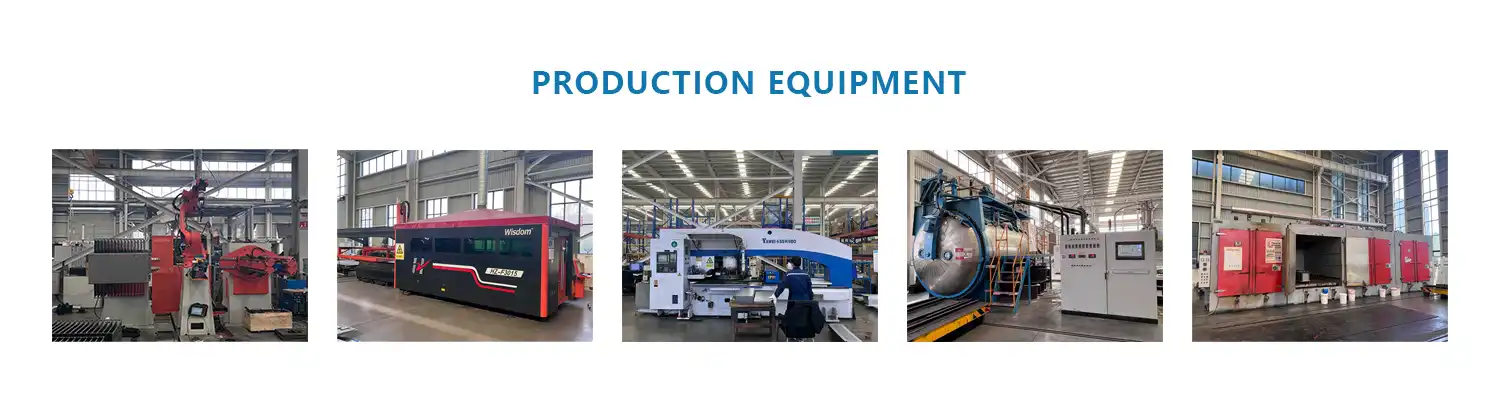
- Technical Capability: Look for companies that have full testing labs, state-of-the-art production tools, and a history of doing research and development. Our more than 120 sets of equipment, such as CNC automatic winding machines, vacuum casting systems, and gradient curing furnaces, make sure that the quality is always the same.
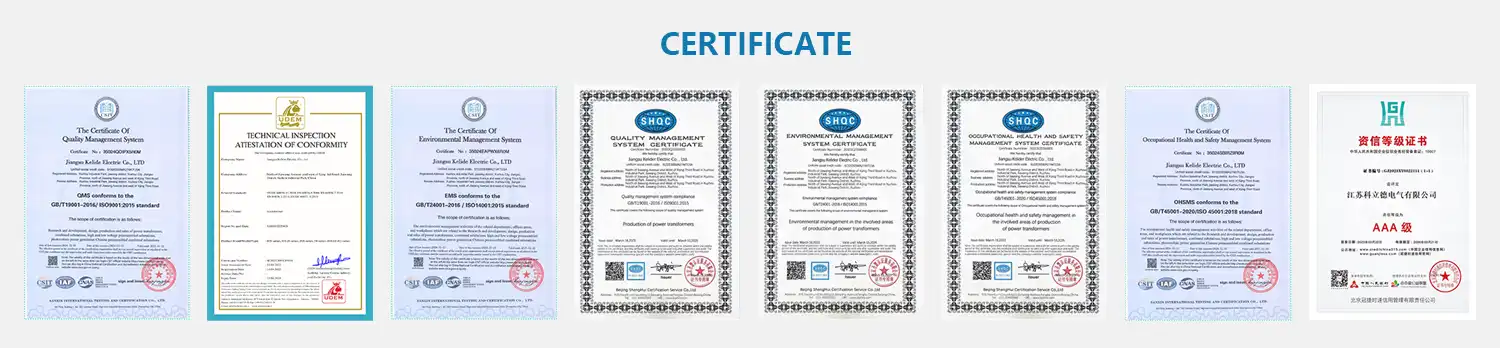
- Quality Certifications: Check for quality certifications like ISO 9001, ISO 14001, and OHSAS 45001, as well as product-specific approvals like IEC 60076, IEEE C57.12.01, UL 1561, and CCC. These standards show that you care about product safety and quality control.
- Project Experience: Look over case studies that have been written up in related fields. We've finished hundreds of projects for cities, businesses, and factories, which helps us make design choices and provide construction support.
- Service Infrastructure: Look at the warranty terms, the available technical support, and the networks for service after the sale. As part of our one-stop service, we can help you buy complementary goods, give you advice on how to set them up, and provide long-term technical support.
Application Scenarios and Decision-Making Framework
Specification errors can be avoided by matching transformer technology to the needs of the application. We've made a useful framework that procurement teams can use in a planned way.
Indoor Commercial and Institutional Buildings
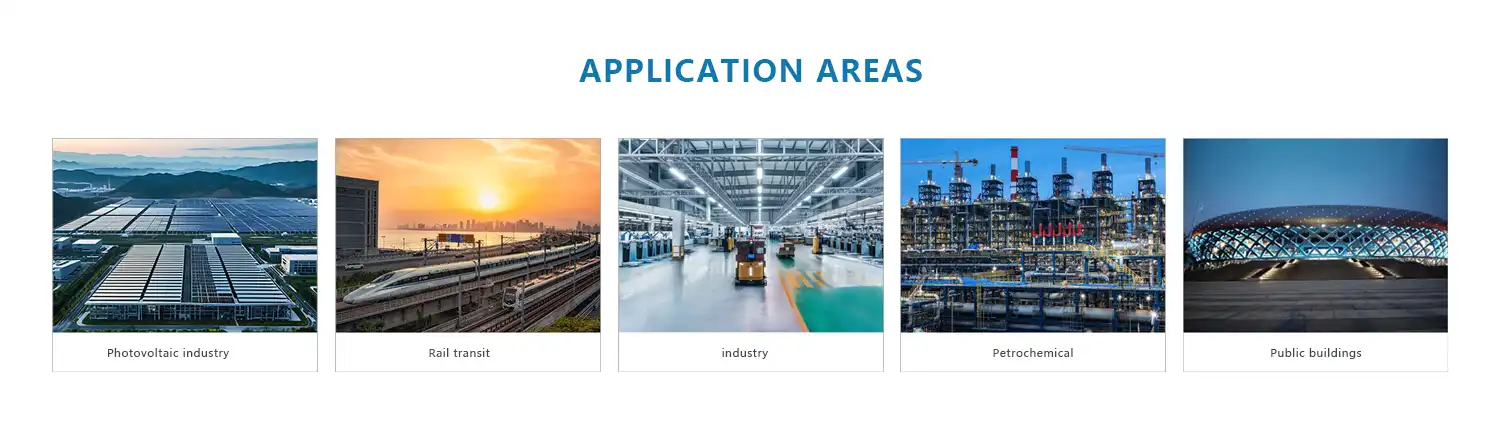
Amorphous alloy dry-type transformers that prioritise fire safety, a small size, and quiet operation are needed in high-rise office buildings, shopping areas, hospitals, and college campuses. In these conditions, our 315KVA to 2500KVA units come in 11kV/0.4kV versions and are used in electrical rooms that don't have a lot of air flow. They also keep the noise level low enough so that nearby offices can work comfortably. Our solutions are used by the Xinhuai Central Complex and the Huaihai Xintiandi business projects because they have these benefits.
Heavy Industrial Manufacturing
A lot of places like chemical plants, steel mills, mines, and cement factories need a lot of power, have to install things outside, and are tight on budget. In the past, oil-immersed transformers have worked well in these situations because they provide reliable performance at a lower cost. But industries that need to be explosion-proof or follow strict environmental rules are choosing Amorphous alloy dry-type transformers more and more, even though they cost more at first. Our transformers can handle nonlinear loads from variable frequency drives and keep total harmonic distortion below 3%, which shows that they can work in tough industrial settings.
Infrastructure and Utilities
Utility substations, rail transit systems, and water treatment plants all need things to be completely reliable and last a long time. We used dual-circuit designs to run the Xuzhou Rail Transit Network Control Center. These designs guarantee 99.9%+ uptime, which is very important for public transportation safety. Depending on the site conditions, either an amorphous alloy dry-type transformer or an oil-immersed transformer can be used. For example, indoor substations usually choose dry-type units, while outdoor distribution networks may use oil-immersed transformers if they have enough room for the right containment systems.
Renewable Energy Integration
Wind farms and solar installations have their own problems, like being in hard-to-reach places, needing little access for maintenance, having loads change quickly, and being exposed to harsh weather. When used in these situations, our 630KVA–3150KVA Amorphous alloy dry-type transformers work very well. The ability to fight salt fog, UV light, and a wide temperature range (-40°C to +40°C) means that the energy conversion is stable, and there are none of the problems with oil management that come with oil-immersed installations in remote areas.
Decision Matrix Application
When looking at different projects, we suggest giving each one a score based on the following weighted criteria:
- Safety Requirements (30% weight): Indoor installations and facilities that must be safe in case of fire score highly for Amorphous alloy dry-type transformer technology. Outdoor places with enough space between them lessen the effect of this factor.
- Energy Efficiency Goals (25% weight): Amorphous alloy dry-type transformers are best for projects that want to meet high efficiency standards, make carbon reduction promises, or run for a long time.
- Environmental Constraints (20% weight): Oil-free designs are needed in places that are sensitive to the environment, where contamination is a worry, or where strict regulations apply.
- Budget Parameters (15% weight): Projects that don't have a lot of money may choose oil-immersed choices, but lifetime cost analysis usually shows that dry-type investment is better.
- Maintenance Capabilities (10% weight): Facilities that don't have a lot of expert staff or are hard to get to can benefit from a dry-type operation that doesn't need any upkeep.
This organised method gets rid of subjective bias and lines up technical requirements with business priorities.
Future Trends and Sustainability Considerations in Transformer Selection
The electrical equipment business keeps changing quickly. Procurement professionals can make decisions that protect long-term value by keeping up with new trends.
Regulatory Drivers and Efficiency Standards
More and more, government rules stress saving energy and protecting the Earth. Efficiency standards set by the U.S. Department of Energy and different state laws push makers to make designs with less loss. As standards tighten over time, Amorphous alloy dry-type transformers naturally align with these requirements, providing compliance margins that give specification security. These units make it easier to keep records and improve environmental measures for businesses that want to do ESG reporting, meet carbon neutrality goals, or get green building certifications.
Technological Innovations
Core material research keeps moving forward. Even less loss is expected with new amorphous metal compositions, which could hit 0.15 W/kg core loss density in the next few years. Improvements to the manufacturing process make Amorphous alloy dry-type transformers stronger and better at handling heat, which opens up new areas of use. Adding digital tracking makes it possible to plan preventative maintenance, which is good for oil-immersed transformers more than maintenance-free dry-type units. Amorphous cores and improved cooling systems may be able to make the performance gaps between the two technologies smaller in hybrid designs.
Total Value Perspective
Transformers are being looked at more and more as long-term assets instead of commodities by smart procurement teams. They think about more than just the technical specs and price. They also think about things like operational flexibility, business continuity, environmental responsibility, and the reputation of the brand. This change in attitude has sped up—clients now understand that choosing the right Amorphous alloy dry-type transformer affects facility performance, regulatory compliance, and company sustainability promises made decades ago. The 15–30% premium for this technology is a small investment compared to the overall value of the project, but it pays for itself many times over in lower energy costs, no more upkeep tasks, and better safety ratings.
Conclusion
There are a lot of scientific, financial, and practical factors that go into choosing a transformer. Amorphous alloy dry-type transformers are very good at saving energy, don't harm the environment, don't need any upkeep, and meet strict safety standards. These benefits make them perfect for indoor setups, urban infrastructure, and organisations that care about the environment. Oil-immersed transformers are less expensive to buy and have been shown to work well in high-capacity outdoor uses with the right containment and repair systems in place. You can be sure that your purchasing decisions will maximise long-term value and operational dependability by carefully comparing your specific needs to the strengths of each technology.
FAQ
1. What are the main advantages of amorphous alloy dry-type transformers over traditional silicon steel designs?
Amorphous alloy dry-type transformers reduce no-load losses by 60–80% compared to silicon steel units, which significantly lowers operational energy use. With a non-crystalline core structure, the efficiency is between 98.5 and 99.2% at full load, and it is 50% quieter (usually below 45dB). Over their 30+ year service lives, these transformers don't need any maintenance. This means that you don't have to pay for oil testing, filtration, or disposal, which are costs that come with oil-immersed alternatives.
2. Can dry-type transformers handle outdoor installations?
Modern Amorphous alloy dry-type transformers with the right IP ratings can work reliably outside. Our units are protected by an epoxy resin shell that is rated IP54 and keeps out wetness, dust, and UV light. They work well in temperatures ranging from -40°C to +40°C. However, oil-immersed transformers may be a better value for money in large outdoor substations where fire safety concerns are less strict.
3. How do I calculate the total cost of ownership when comparing transformer options?
Figure out the cost of buying it, the cost of installing it, the amount of energy that will be lost over its expected service life (usually 25–30 years), the cost of repairs, the cost of insurance, and any possible disposal fees. For a 1000KVA Amorphous alloy dry-type transformer, the extra cost of technology is usually paid for in 3–5 years of yearly energy savings of 7,000–10,000 kWh. The savings continue for as long as the transformer is in use.
Partner with Tuojie for Your Transformer Requirements
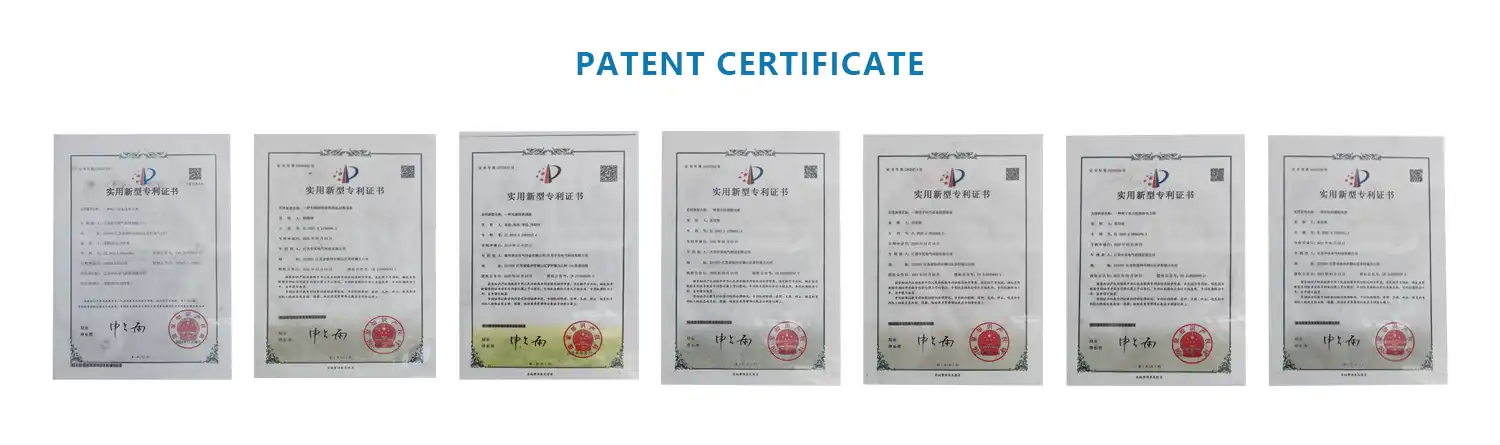
Xuzhou Tuojie International Trade Co., Ltd. is ready to help you with your project by providing complete transformer solutions based on more than 20 years of experience in the field. As a specialist in making Amorphous alloy dry-type transformers, we use cutting-edge core technology and strict quality control to make sure our goods meet IEC, IEEE, and GB standards. With 18 patents and a team of 15 senior engineers, our SC(B)H15 series gets 70–80% lower no-load losses than traditional designs. We can tailor solutions to your unique business needs and weather conditions. With on-time delivery and great technical support, we've powered hundreds of public, private, and industrial projects, ranging from rail transit systems to renewable energy installations. Talk to our engineering team at tuojie@electricinchina.com about your power distribution needs and find out how our fire-safe, maintenance-free transformer solutions can make your building safer, more efficient, and worth more in the long run.
References
1. Institute of Electrical and Electronics Engineers. IEEE Standard for General Requirements for Liquid-Immersed Distribution, Power, and Regulating Transformers. IEEE C57.12.00-2015, Revision of IEEE C57.12.00-2010.
2. International Electrotechnical Commission. Power Transformers - Part 11: Dry-Type Transformers. IEC 60076-11:2018, Edition 2.0.
3. U.S. Department of Energy. Energy Conservation Program: Energy Conservation Standards for Distribution Transformers. Federal Register, Vol. 78, No. 71, April 2013.
4. Smith, J.R. and Anderson, M.K. Amorphous Core Distribution Transformers: Design, Efficiency, and Applications. Electric Power Research Institute Technical Report, 2019.
5. National Electrical Manufacturers Association. Guide for Determining Energy Efficiency for Distribution Transformers. NEMA TP 1-2002 (R2017).
6. Zhang, L., Wang, H., and Chen, Y. Comparative Life Cycle Assessment of Amorphous and Silicon Steel Core Transformers. Journal of Cleaner Production, Vol. 242, January 2020, pp. 1-12.