

.webp)
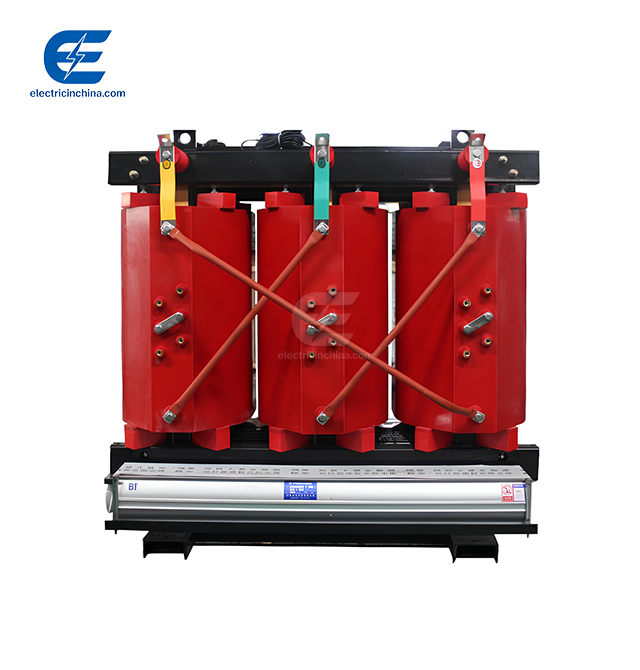
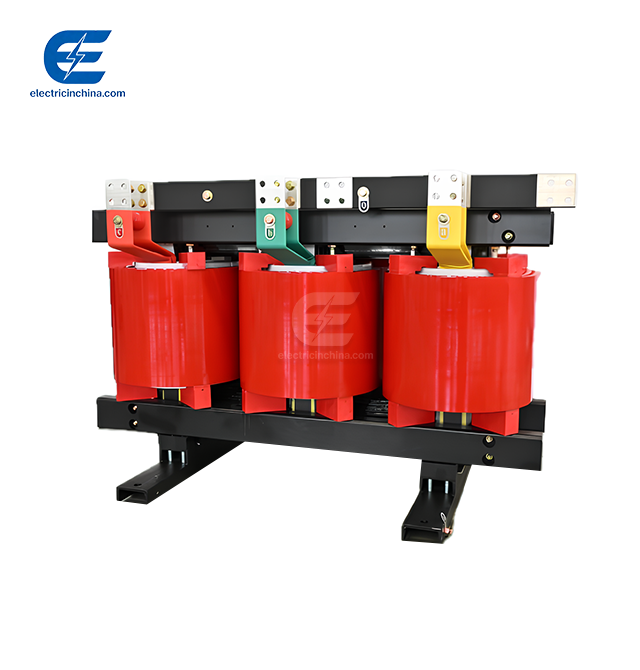
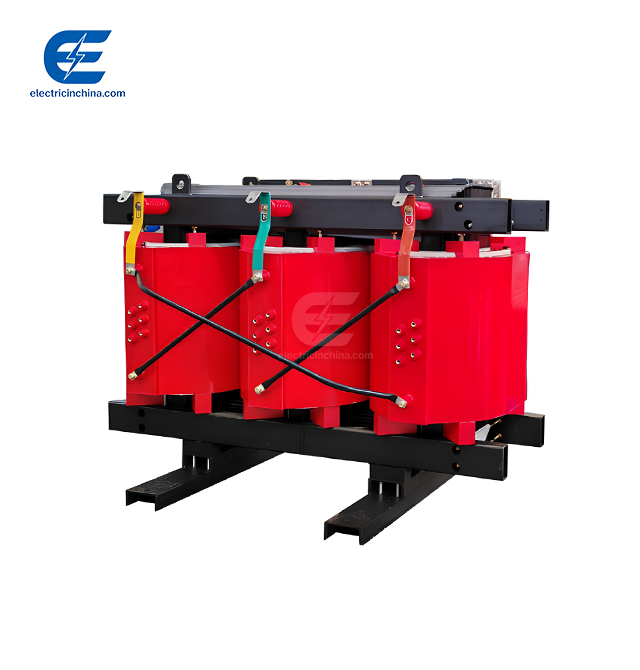
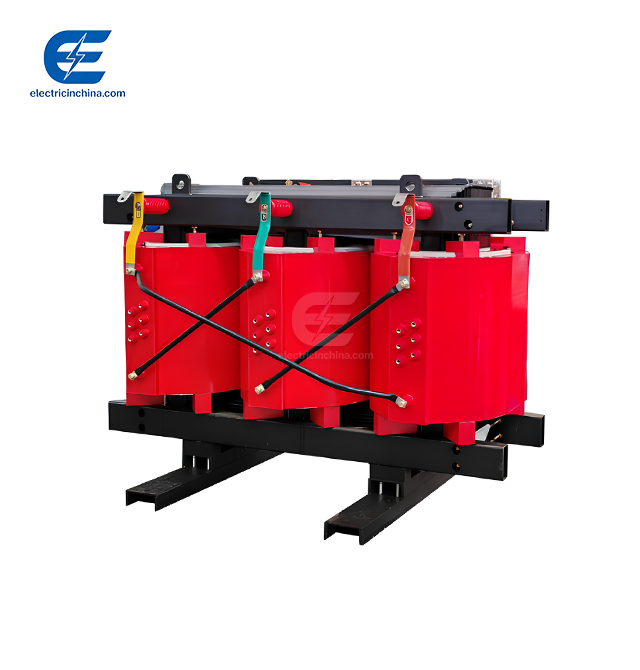
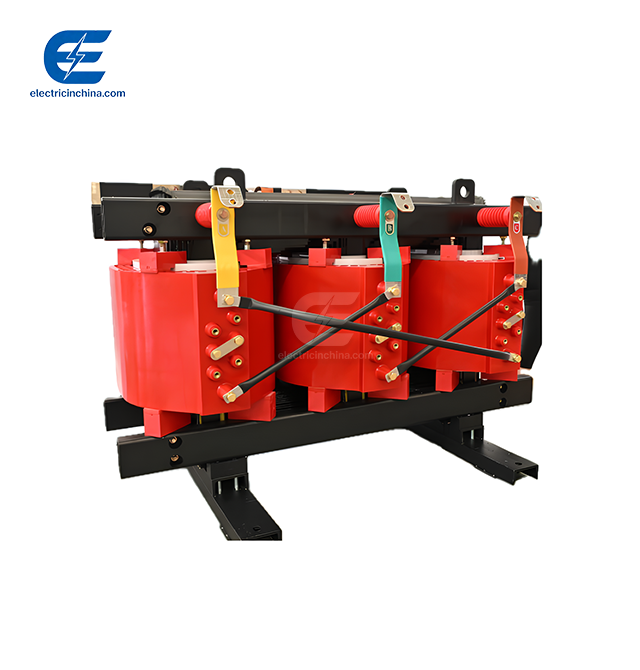
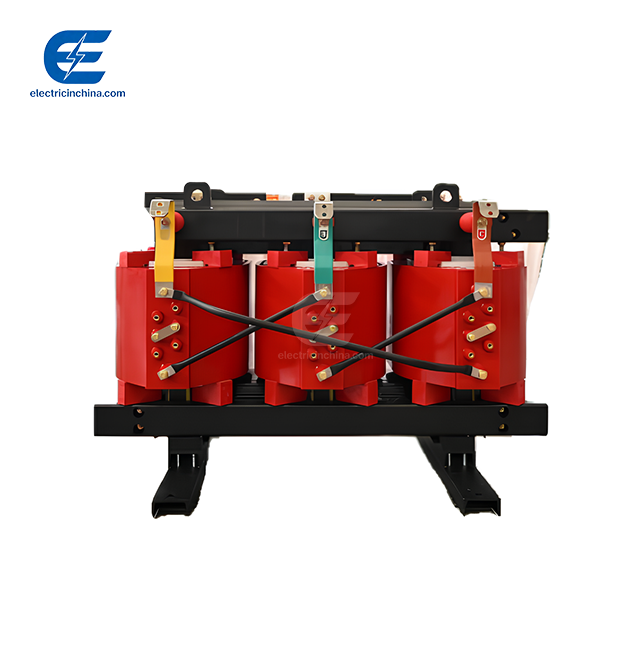
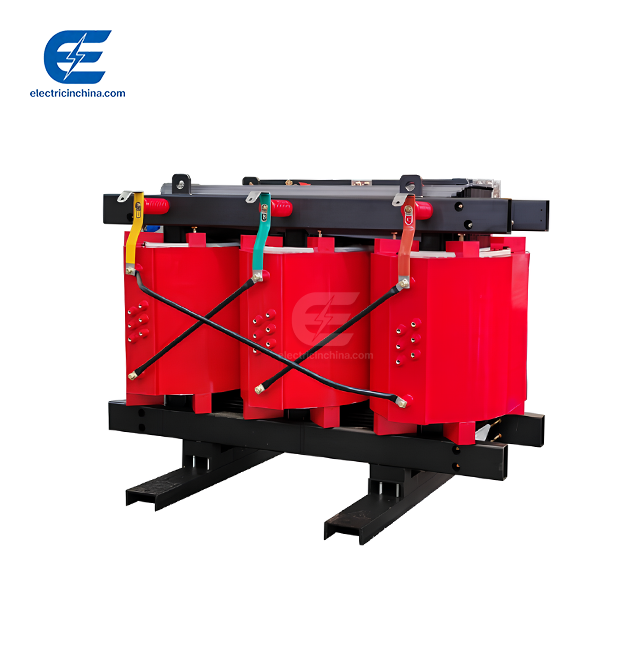
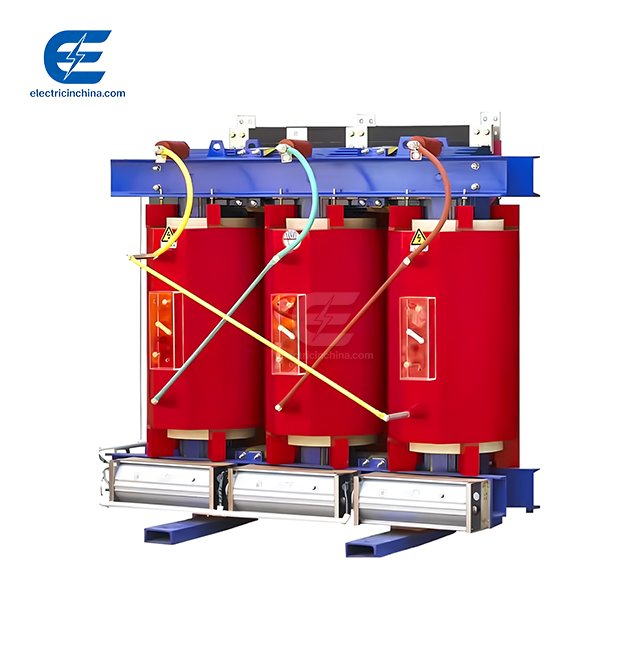
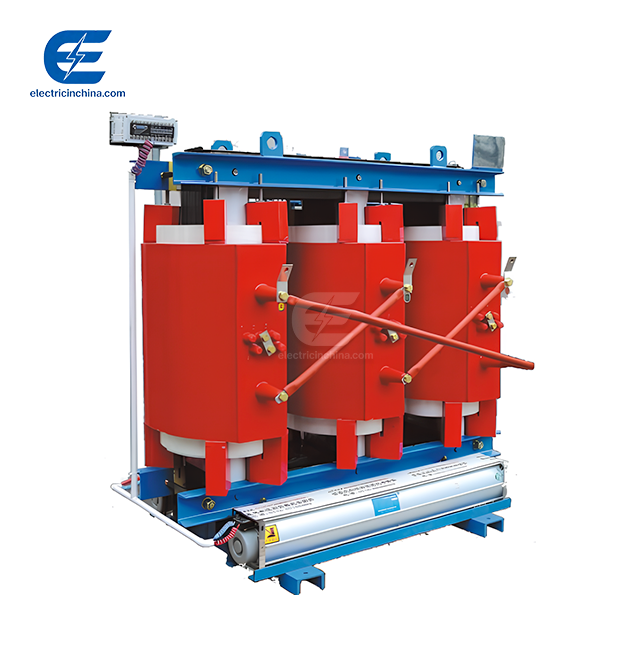
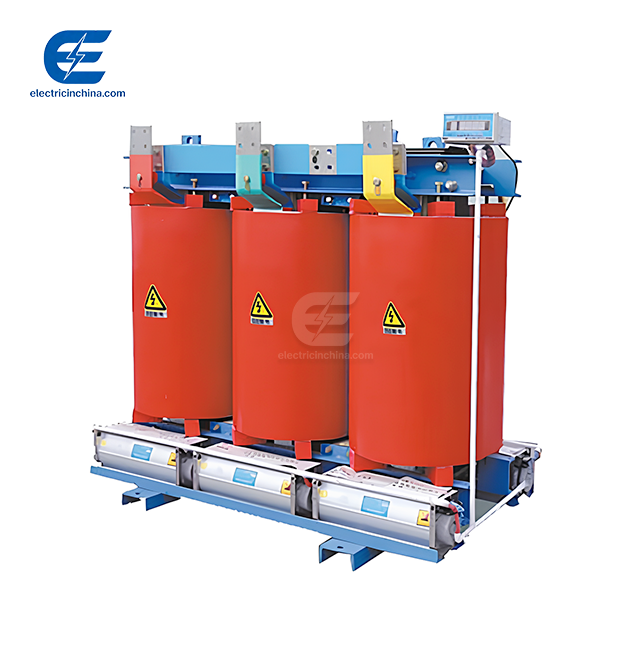
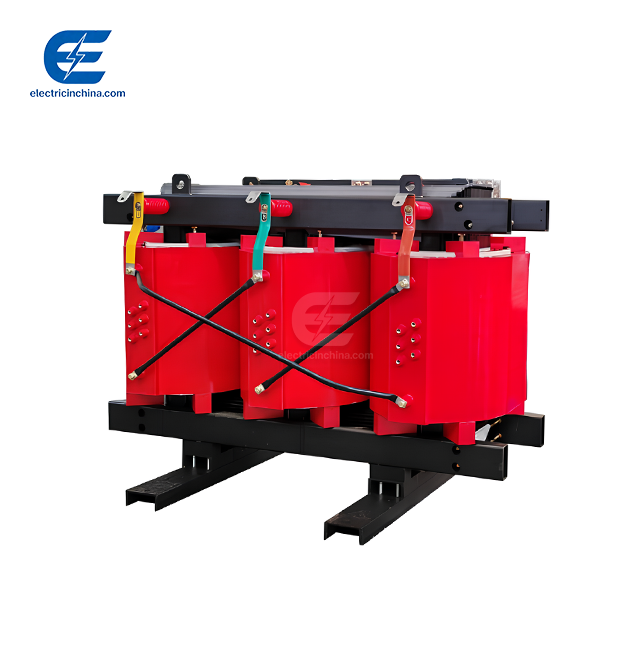
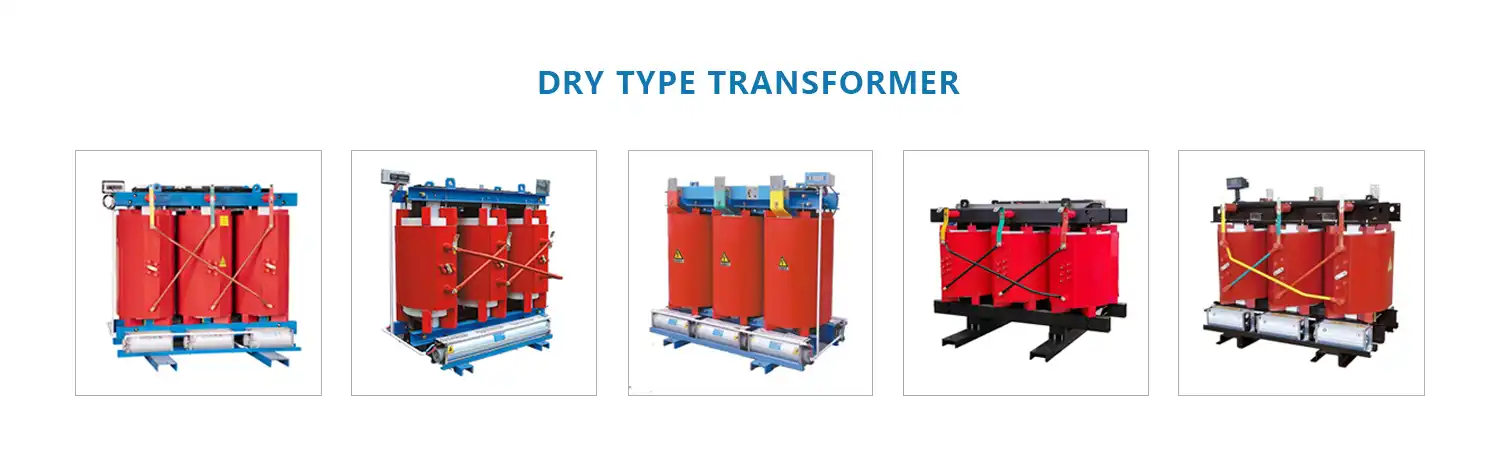
Choosing between amorphous metal and silicon steel for the core of your transformer has a big effect on how well it works and how much it costs over its whole life. When compared to standard silicon steel units, Amorphous metal dry-type transformers cut no-load losses by 70–80%, resulting in sizable energy savings. The amorphous atomic structure of amorphous cores—which are usually made up of iron, boron, carbon, and silicon—minimizes hysteresis losses during magnetization cycles. This directly leads to lower utility costs and better sustainability performance in infrastructure, factories, and commercial developments.
Understanding Losses in Dry-Type Transformers
Energy losses in transformers are constant costs that have a direct effect on how profitable your project is and how much damage it does to the environment. Knowing about these ways of losing money helps you make smart purchasing choices that meet both financial and legal needs.
Core Loss Components and Their Financial Impact
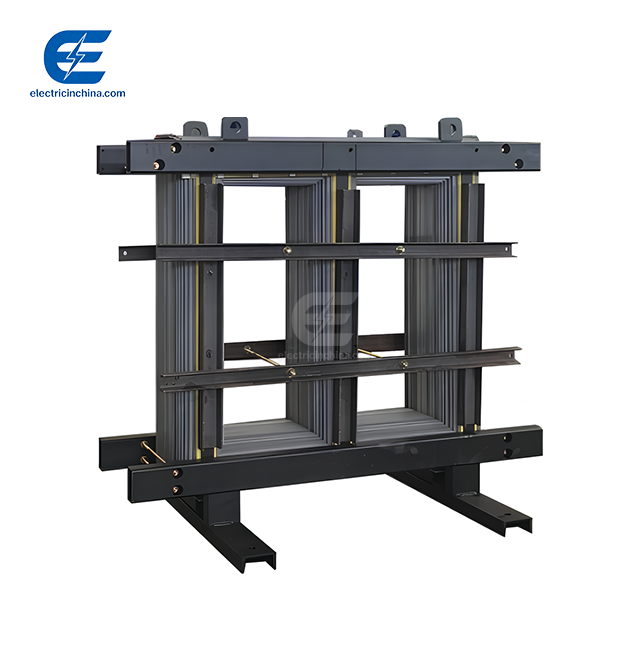
Core losses happen all the time when a transformer is turned on, no matter what the load is. These losses are made up of two different types: hysteresis loss, which is caused by molecular friction when the magnetic domain realigns, and eddy current loss, which is caused by currents flowing through the core laminations. Because they have crystalline grains, traditional silicon steel cores have higher hysteresis losses because it takes more energy to reset the magnetic domains during each turn. This problem can be solved by our Amorphous metal dry-type transformers, which have an unorganized collection of atoms that lets magnetic domains move with little resistance. Because of this, the core loss density is only 0.16-0.22 W/kg at 1.4T/50Hz, while it is 0.9–1.3 W/kg in regular silicon steel designs. This difference adds up to big savings over a normal 30-year service life, especially for systems that work with light or changing loads, where core losses are the main factor that affects efficiency.
Load-Dependent Copper Losses
Copper losses change with the square of the load current because of I²R heating in the transformer windings. Core losses stay the same. At high loads, these losses become the main issue when it comes to effectiveness. However, the better magnetic qualities of amorphous cores still give them some benefits. Lower exciting current needs—usually 50% less than silicon steel equivalents—lower reactive power use, and your distribution network's power factor gets better. At full load, our units have efficiency rates of 98.5% to 99.2%, which meet IEC 60076 and IEEE C57.12.01 standards. They also keep total harmonic distortion below 3%. This performance keeps sensitive electronic equipment safe and lowers the heating caused by harmonics in wires and switches, which makes your whole electrical infrastructure last longer.
Measurement Standards and Performance Benchmarks
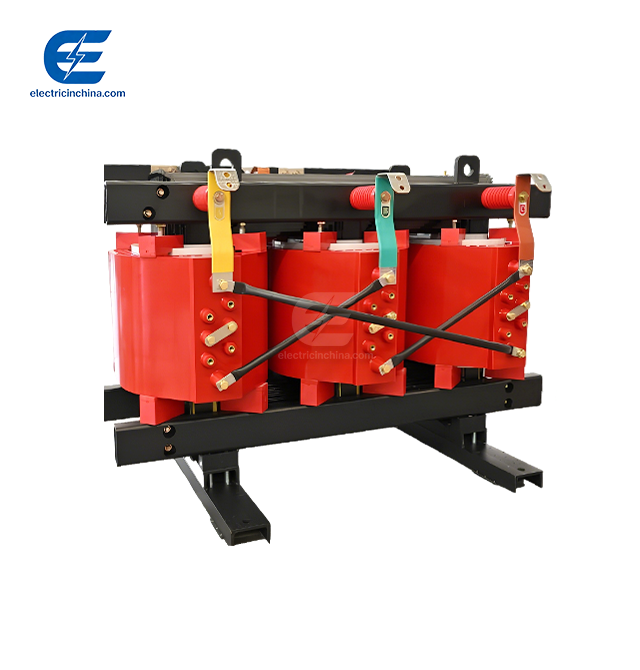
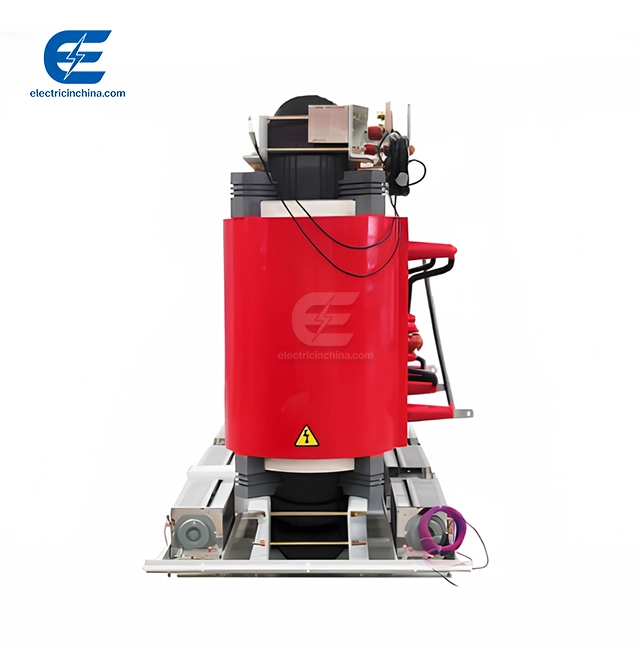
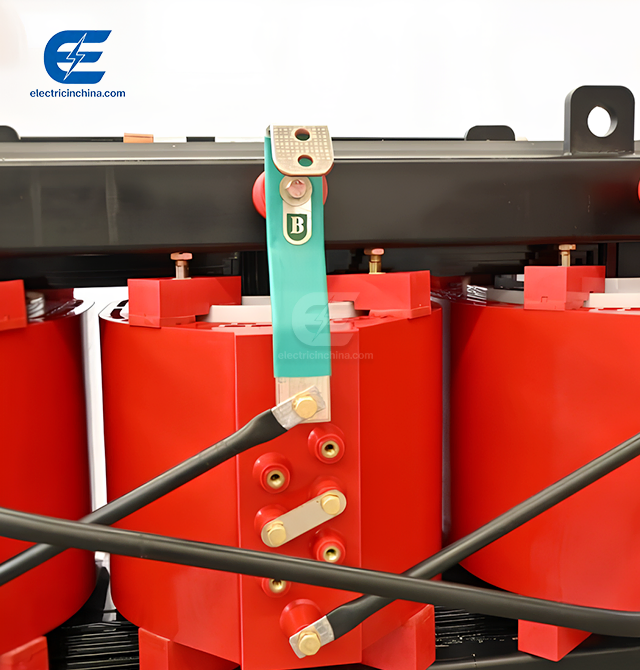
Industry-standard testing procedures based on IEC 60076-11 make it possible to compare different transformer technologies in a safe way. When testing core materials, no-load loss readings at rated voltage and frequency are the most important. Load loss tests at rated current measure copper losses and stray losses. Temperature rise testing shows that hotspot temperatures stay within the limits of their insulation class. Our cast resin systems can handle temperature rises of Class F (155°C) or Class H (180°C), giving them strong thermal margins for tough uses. Testing for partial discharge below 10pC confirms the stability of the insulation. This is especially important for the cast resin coating used in dry-type designs. Our 15 senior engineers and over 30 skilled technicians make sure that these strict quality control measures are followed throughout the whole production process. This makes sure that every transformer that leaves our plant meets ISO 9001 standards and works as promised in real life.
Comparative Analysis of Amorphous Alloy and Silicon Steel Sheet Transformers
The main difference between these core materials is their atomic structure and the magnetic qualities that come from it. These properties make them perform differently in terms of cost, efficiency, and how they work.
Material Science and Magnetic Properties
The crystal structure of silicon steel sheets and the way the grains are arranged make it easier for magnetic flux to flow in certain directions. Controlled rolling and cooling processes help manufacturers get this orientation. The result is grain-oriented electrical steel (GOES), which has better porosity and lower core losses than non-oriented grades. Even with these improvements, the crystalline structure still doesn't allow the magnetic region to rotate, which causes hysteresis losses that can't be fixed. On the other hand, amorphous metal ribbon, which is made by cooling liquid alloy at speeds of more than one million degrees per second, doesn't form crystalline grains when it hardens. This non-crystalline structure has a magnetic permeability of 80,000 to 120,000 μH/m and a coercivity of less than 0.5 A/m, which makes core losses much smaller. Because of this, our Amorphous metal dry-type transformers only lose 0.1% to 0.2% of their rated capacity when there is no load, while standard silicon steel units lose 0.4% to 0.8%. The ribbon's thickness of 0.025 mm, which is much thinner than typical laminations, further stops the formation of eddy currents and adds to the higher efficiency profile.
Quantified Energy Savings Across Load Profiles
In the real world, transformers don't always work at full load; instead, they have changing load trends. These common use cases are exactly where amorphous core technology shows its best benefits. At 25% load, where a lot of distribution transformers work for long periods of time, core losses make up most of the efficiency estimate. When the load is cut in half, our Amorphous metal dry-type transformer stays more than 97% efficient, while silicon steel versions often fall below 92% in the same situation. This means that systems with average load factors below 50% will save 15 to 20 percent on their energy costs over the course of a year. These features are especially helpful for commercial buildings, government buildings, and infrastructure projects, whose load patterns change a lot from day to day and season to season. We've seen these savings in hundreds of commercial and municipal sites. The extra money spent on amorphous core technology usually pays for itself in three to five years, though this depends on the energy rates and load trends in each area.
Noise, Thermal Performance, and Long-Term Reliability
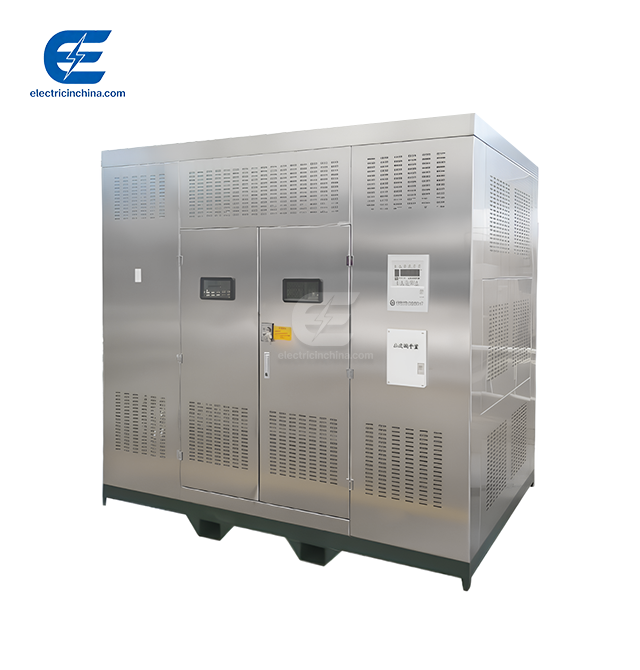
Aside from measures of efficiency, operating traits have a big impact on both user happiness and lifecycle costs. Amorphous core transformers can be used in places that need to be quiet, like hospitals, schools, and commercial areas that are already filled, because they produce noise levels below 45dB. The low magnetostriction qualities of amorphous metal make this process quiet. These properties also keep the core from vibrating too much during magnetization cycles. The lower core losses improve thermal efficiency. Lower internal temperatures increase the life of the insulation and lower the need for a cooling system. Regular cores lose their magnetic properties over time because of effects like grain boundary movement and domain wall pinning. This core doesn't have these problems, so it has worked well for over 30 years. Our cast resin insulation system offers protection levels of IP20 to IP23 and does away with the fire risks and environmental issues that come with oil-filled designs. This makes these units perfect for use indoors in buildings, shopping malls, and transportation hubs.
Criteria for Selecting Dry-Type Transformer Core Materials
When you do procurement right, you take into account technical needs, cost, and legal requirements to find the best option for each application and company.
Operational Requirements and Application Environments
The electrical traits and environmental factors of your building determine the core material you choose. The best projects for amorphous technology's excellent no-load performance are those with steady light loads, like emergency backup systems, grid-connected green installations, or buildings whose daily load changes a lot. If an industrial maker has heavy loads that stay pretty much the same, the efficiency benefit might not be as strong. However, the lower reactive power usage and harmonic distortion are still useful. Temperature ranges, altitude, earthquake standards, and pollution levels all have an impact on the design and material choices for transformers. During the project evaluation, our engineering team looks at these things to make sure that the units we recommend work with the conditions on your site and meet performance goals.
Economic Analysis and Total Cost of Ownership
The initial buying price is only one part of the economics of a generator over its whole life. An in-depth financial analysis looks at everything from the expected service period to the costs of energy and maintenance to the risks of downtime and the removal of old equipment. Amorphous metal dry-type transformers usually cost 20–30% more than silicon steel versions with the same values. On the other hand, the 70–80% drop in no-load losses means ongoing energy savings that add up over decades of use. At the current industrial energy rates in most U.S. markets, an amorphous core 1000 kVA transformer saves between 15,000 and 20,000 kWh per year compared to traditional technology.
Environmental and Regulatory Considerations
Sustainability goals and energy-saving requirements are becoming more and more important to government agencies, business developers, and companies that care about the environment when they buy things. By using less energy, amorphous core transformers cut down on carbon emissions. Compared to silicon steel alternatives, normal setups save 10 to 15 tons of CO2 each year. This decrease helps with LEED certification points, metrics for business sustainability reports, and green energy portfolio rules at the state level. Different places have different rules about following regulations, but our goods meet U.S. Department of Energy efficiency guidelines based on 10 CFR Part 431, the Ecodesign Directive from the European Commission, and the NEMA TP-1 premium efficiency categories. Our ISO 14001 environmental management certification shows that we are dedicated to reducing the negative effects of our manufacturing processes.
Procurement Insights: Choosing the Right Transformer and Supplier
The choice of supplier has a big effect on the results of the project because of the quality of the products, the dependability of delivery, the level of professional support, and the value of the relationship beyond the original transaction.
Manufacturer Credentials and Quality Assurance
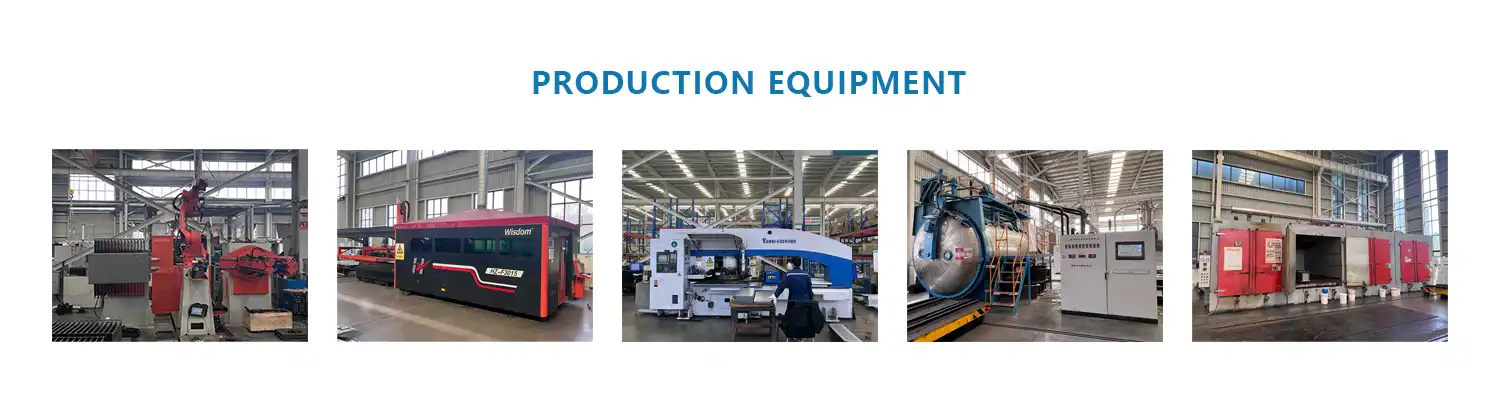
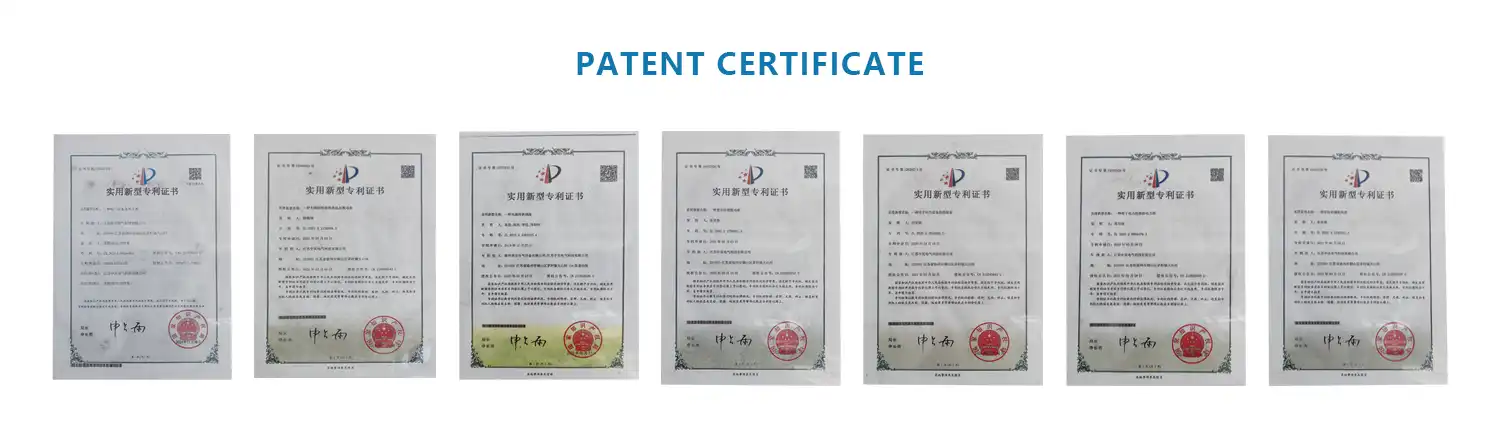
Suppliers with a good reputation show their technical know-how by having qualifications, patent files, testing capabilities, and project references that prove their engineering skills and manufacturing quality. Our factory has more than 120 sets of high-tech tools, such as CNC automatic winding machines, CNC static vacuum casting systems, automatic foil winding machines, and microcomputer-controlled gradient curing furnaces, which make production processes accurate and repeatable. We are not just a commodity provider because we have this production infrastructure and 18 patents that cover amorphous core assembly methods, winding designs, and new ways to control heat.
Supply Chain Considerations and Customization Capabilities
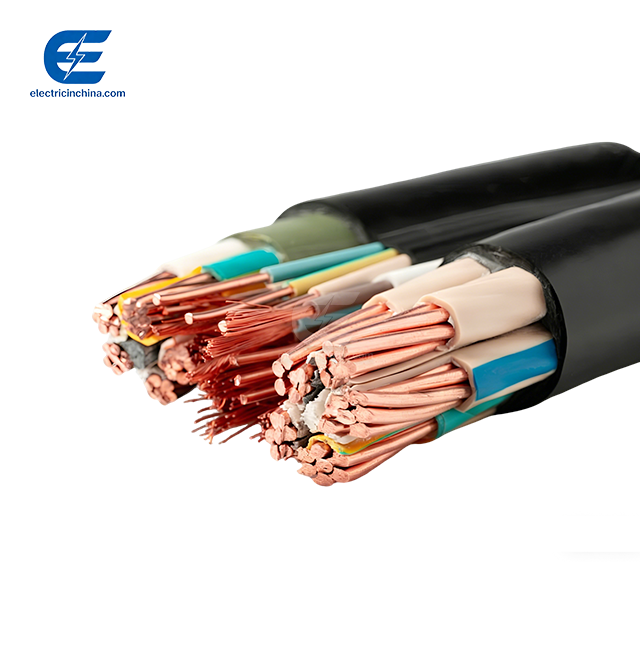
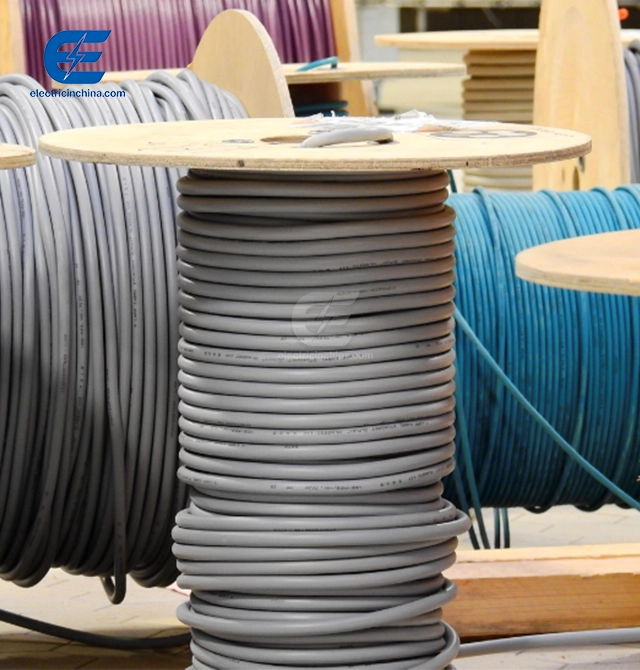
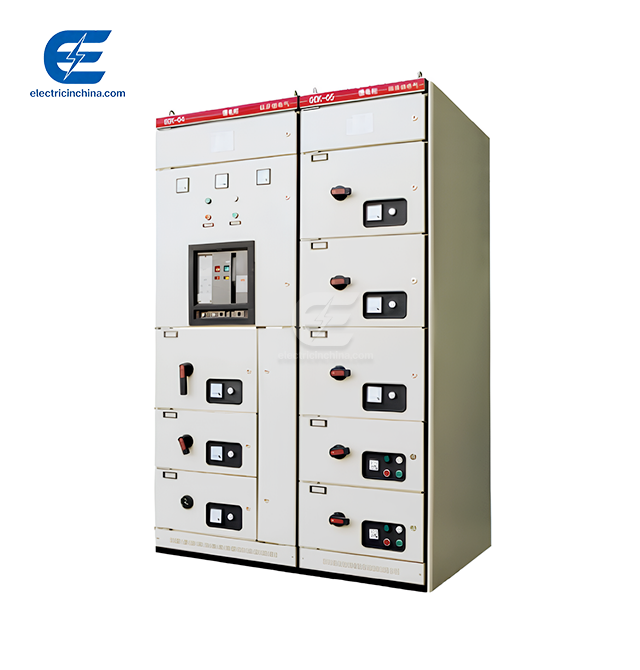
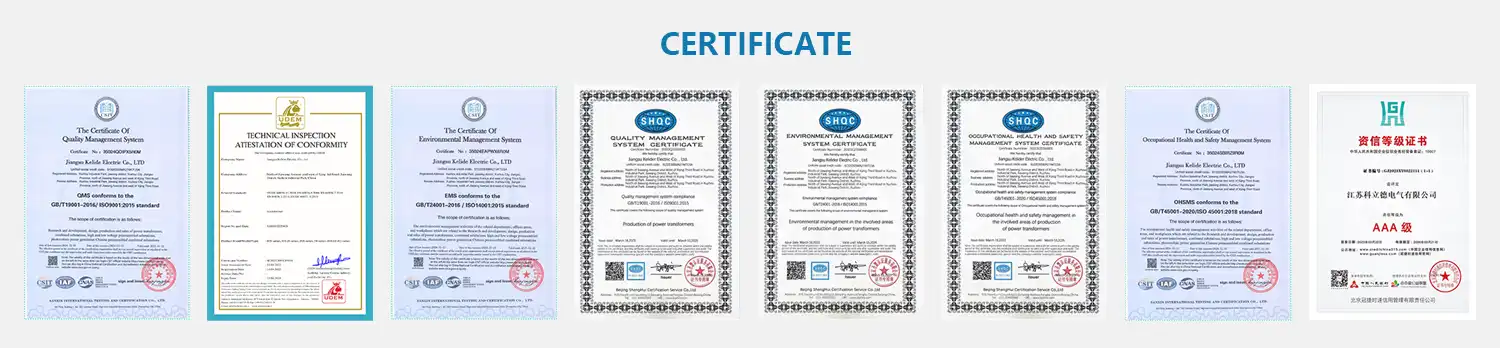
Our one-stop service for dry-type transformers includes more than just selling transformers. We also make low-voltage switches, wires, and other equipment that goes with them. All of it is made to international standards and has ISO 9001, ISO 14001, and OHSAS 45001 certifications. National CCC Mandatory Certification covers all goods that are required by law, making sure that installations in all of your markets are legal. This complete package makes it easier to buy things, lowers the risks of using tools from different manufacturers, and gives one person responsibility for the whole system's performance. We help customers get extra products that we don't normally make. We do this by using our large network of suppliers and 20 years of experience in the industry to offer easy, all-around solutions that cut down on the work of your procurement team and speed up project timelines.
Best Practices for Maintaining and Optimizing Transformers with Amorphous Alloy Cores
When you maintain your transformer properly, you can make it last longer and keep the energy benefits that you invested in modern core technology worth it in the first place.
Routine Inspection and Performance Monitoring
Dry-type transformers don't need as much care as oil-filled ones, but they should still be inspected regularly to find problems before they get worse and cause breakdowns or lessen their efficiency. Every six months, visual checks are done to look for any physical damage, external contamination, weak connections, or insulation degradation that might affect performance. Through thermal imaging studies, hotspots are found that show connection resistance, overloading, or airflow limits that raise working temperatures and speed up aging. In cast resin systems, partial discharge tracking finds insulation degradation early on, so failures can be avoided while fixes are still possible and affordable. By comparing real losses to nameplate specs using a load profile analysis, we can see that the efficiency is going down. This makes us look into what's going on, like harmonic distortion from nonlinear loads, unbalanced phase currents, or core magnetization drift.
Upgrade and Retrofit Opportunities
It is possible to save energy by replacing old silicon steel transformers with new amorphous core technology in places where they are already installed. When doing an economic analysis, you should look at how long the current equipment is expected to last, how much energy it will save, the current utility rates, any refunds or tax breaks that are available for making changes to efficiency, and how well the new equipment will work with the existing electrical infrastructure. Many utilities offer financial rewards for upgrading transformers that lower system losses. These incentives could cover 20 to 40 percent of the extra cost of the equipment. Our expert team does site surveys to look at what's already there, figure out how much energy could be saved, and come up with replacement plans along with detailed financial estimates to show why the investment is a good idea. We work with local companies to find reward programs that are open and handle the application process. This makes things easier for your team and helps you make the most money possible.
Conclusion
The choice between amorphous alloy and silicon steel for the core is a critical one that will have an impact on long-term costs, environmental performance, and system stability. Amorphous metal dry-type transformers are more efficient by lowering no-load losses by 70–80%, running more quietly, performing better harmonically, and lasting longer than 30 years without any upkeep. Lifecycle analysis always shows positive returns through cumulative energy savings, especially for uses with changing loading patterns, even though the starting costs are higher than with traditional technology. Our manufacturing know-how, which is backed by 18 patents and a full set of quality systems, makes sure that the goods we make meet foreign standards and customer needs. We want people who work in government infrastructure, business development, industrial manufacturing, and EPC contracting to look at our options and see if they fit with the goals of your project.
FAQ
How much efficiency improvement can I expect from amorphous metal dry-type transformers?
How much efficiency you gain depends on your load rate and how your business is run. At normal loads of 25 to 50 percent, you can expect total efficiency gains of 3 to 5 percent compared to traditional silicon steel designs. This is because core losses will be cut by 60 to 80 percent. These changes will save between 15,000 and 25,000 kWh of energy each year for a normal 1000 kVA Amorphous metal dry-type transformer, based on your utility rates and how you use your transformer.
Are amorphous core transformers suitable for all applications?
Amorphous metal dry-type transformers are great at saving energy and running quietly, but they require a bigger starting investment, so projects that use them need to be carefully thought out. The best results come from applications with steady light loads, changing demand patterns, or sites in buildings that are already occupied. The economic benefit may not be as strong for heavy industrial loads that are running close to full capacity all the time. However, the lower reactive power usage is still useful in all situations.
What is the expected lifespan of amorphous metal transformers?
If you keep your amorphous metal dry-type transformers in good shape, they can last longer than 30 years, which is as long as or longer than regular silicon steel types. By getting rid of the effects of aging that are common in crystalline cores and using strong cast resin insulation systems, the performance stays stable throughout the operating time. There are thermal gaps in our units called Class H insulation that protect against overloads and changes in temperature.
Partner with Tuojie for Advanced Transformer Solutions
Tuojie is an expert at designing and making high-efficiency Amorphous metal dry-type transformers that help you reach your green goals and lower your running costs. Over 30 skilled workers and 15 senior engineers make up our technical team. They create custom power solutions for EPC projects, business real estate, government infrastructure, and industrial facilities all over North America. We keep a lot of standards, like ISO 9001, ISO 14001, and OHSAS 45001, to make sure that our manufacturing processes are quality and environmentally friendly. We offer safe, tried-and-true solutions backed by 18 patents and improved production skills. Our experience spans hundreds of successful projects and ratings from 30 kVA to 31,500 kVA.
We are a reliable seller of amorphous metal dry-type transformers, and we can help you with all of your buying needs. Our low-voltage switchgear and wires are all made to international standards and have full CCC approval. Based on your requirements, our engineering team works together to create custom solutions that meet your specific voltage, resistance, environmental, and physical needs. You can email Tuojie at tuojie@electricinchina.com right now to talk about your project needs, get full specs, or set up a technical meeting. Visit electricinchina.com to see our full line of products and learn how our experience can help you meet your buying goals through reliable delivery, reasonable pricing, and service that is focused on partnerships.
References
1. International Electrotechnical Commission. (2018). IEC 60076-11: Power transformers - Part 11: Dry-type transformers. Geneva, Switzerland: IEC Publications.
2. Institute of Electrical and Electronics Engineers. (2015). IEEE C57.12.01: Standard for General Requirements for Dry-Type Distribution and Power Transformers. New York: IEEE Standards Association.
3. McLyman, Colonel Wm. T. (2017). Transformer and Inductor Design Handbook, Fourth Edition. Boca Raton, FL: CRC Press.
4. National Electrical Manufacturers Association. (2016). NEMA TP 1-2016: Guide for Determining Energy Efficiency for Distribution Transformers. Rosslyn, VA: NEMA Publications.
5. Amoiralis, E.I., Tsili, M.A., & Kladas, A.G. (2019). Transformer design and optimization: A comprehensive review of theoretical foundations and practical applications. Electric Power Systems Research, 175, 105912.
6. U.S. Department of Energy. (2016). Energy Conservation Program: Energy Conservation Standards for Distribution Transformers. Federal Register, Vol. 81, No. 75, Washington, D.C.: DOE Office of Energy Efficiency and Renewable Energy.