

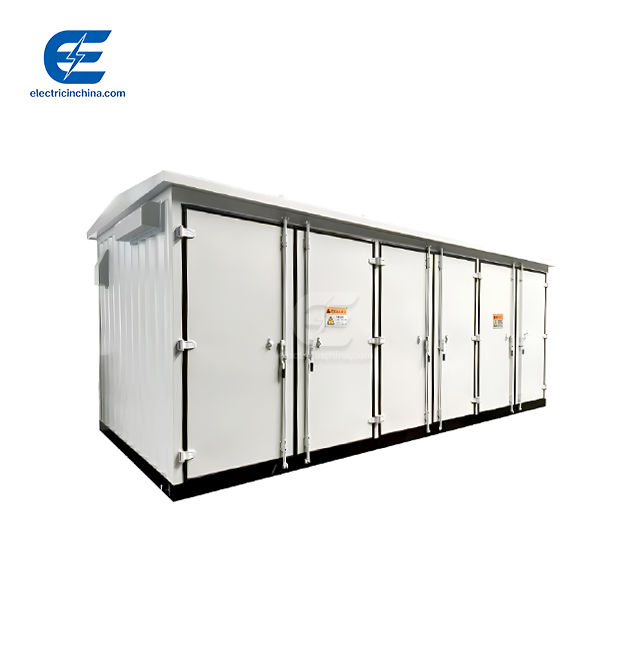
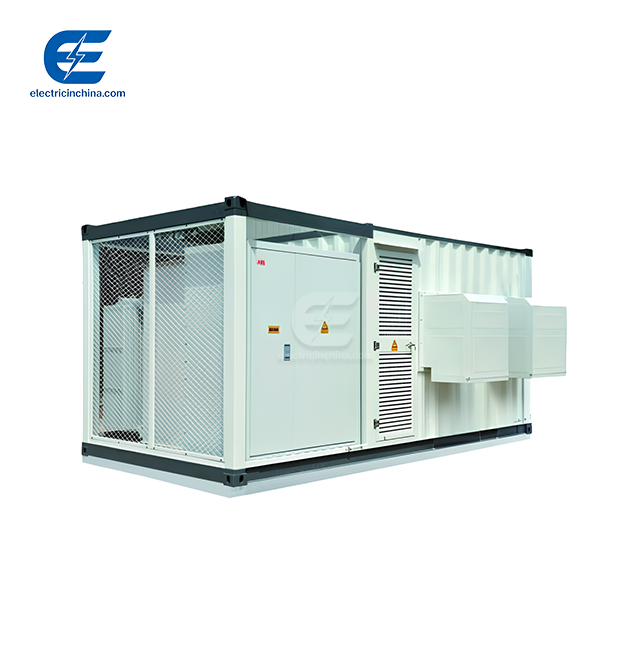
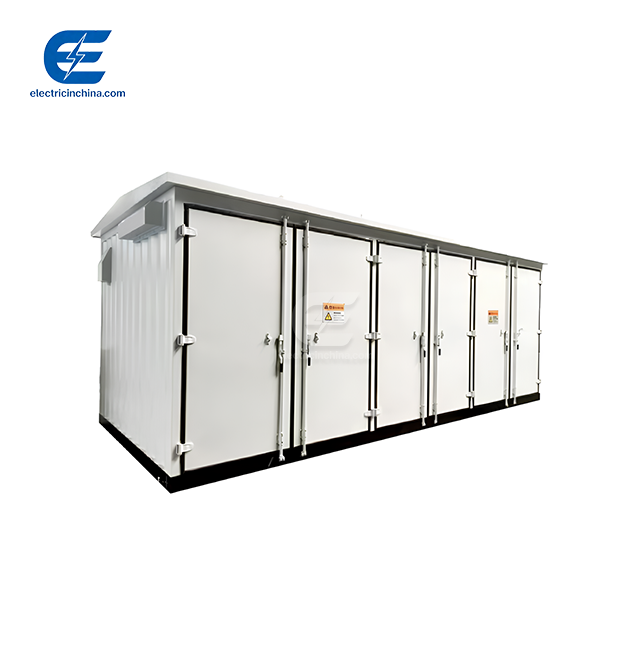
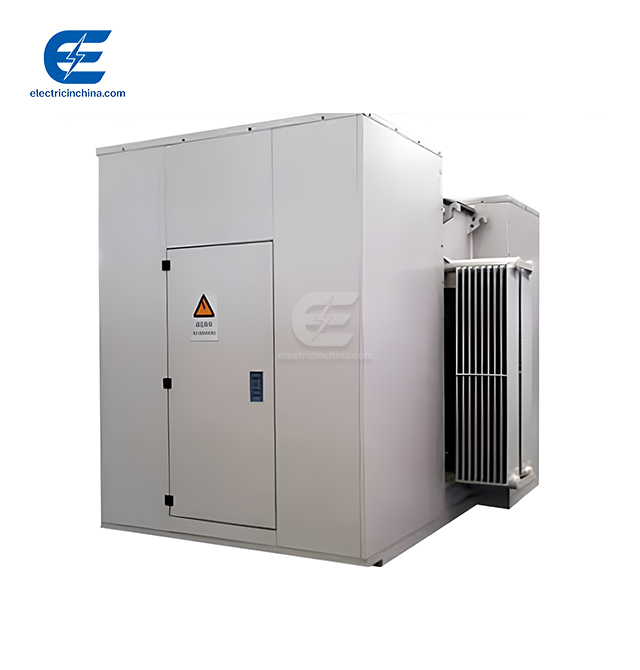
.webp)
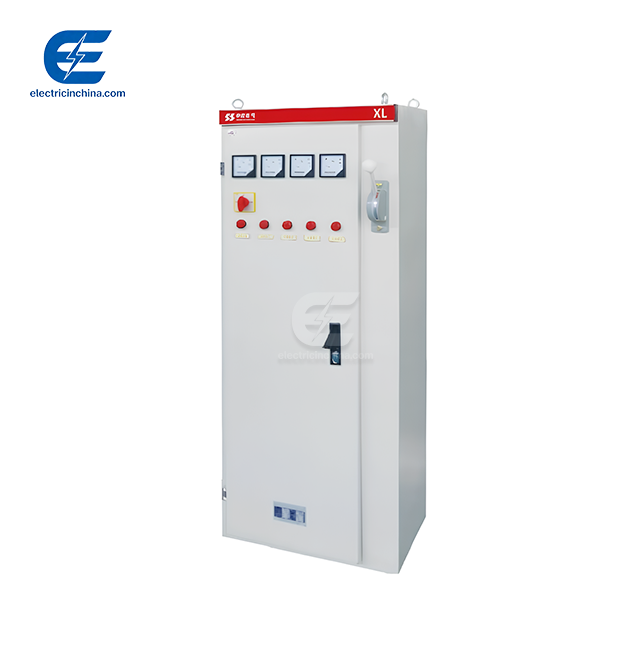
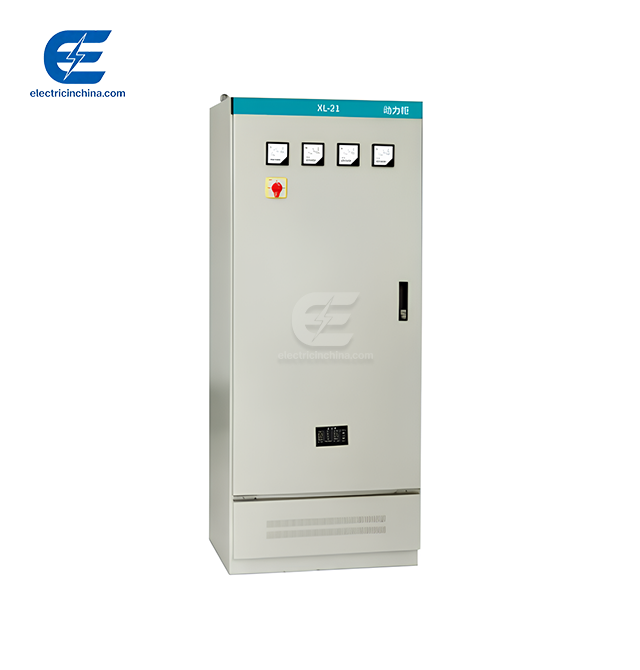
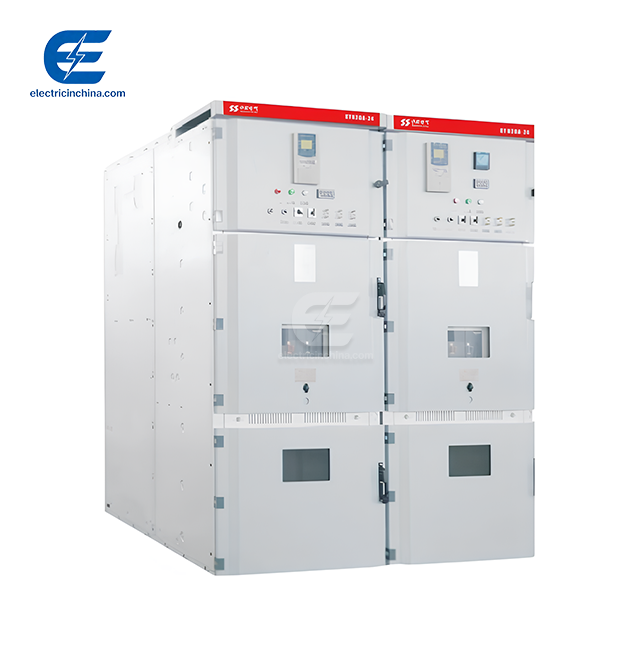
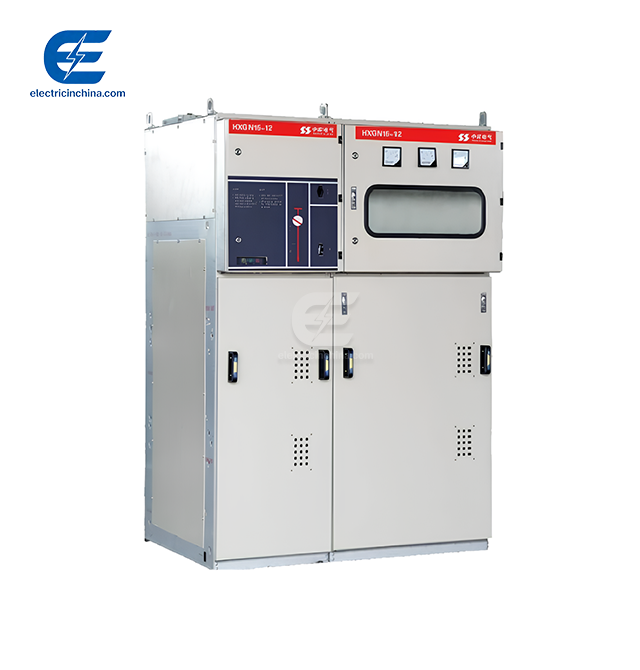
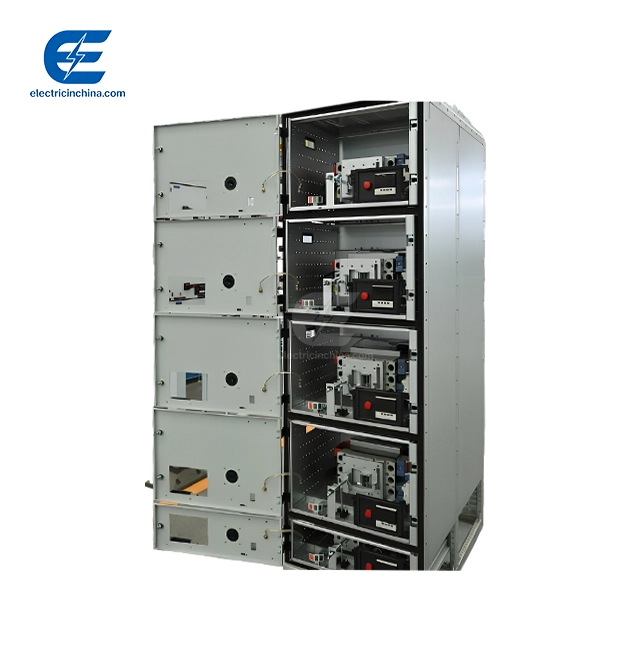
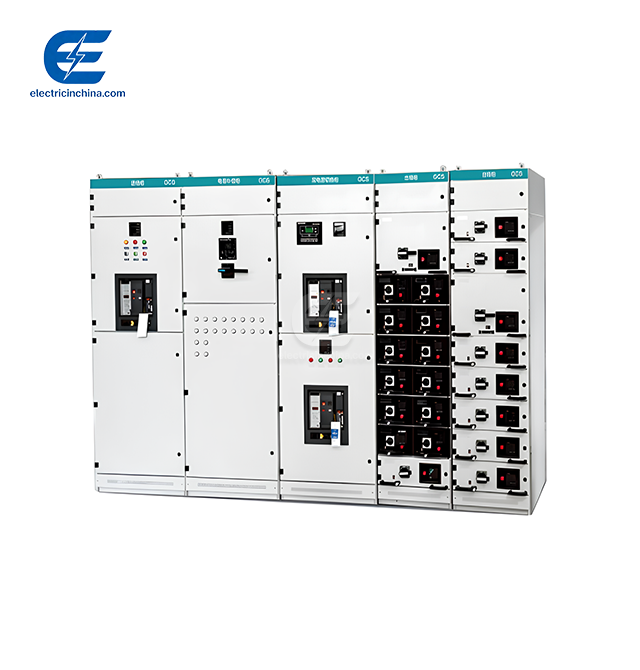
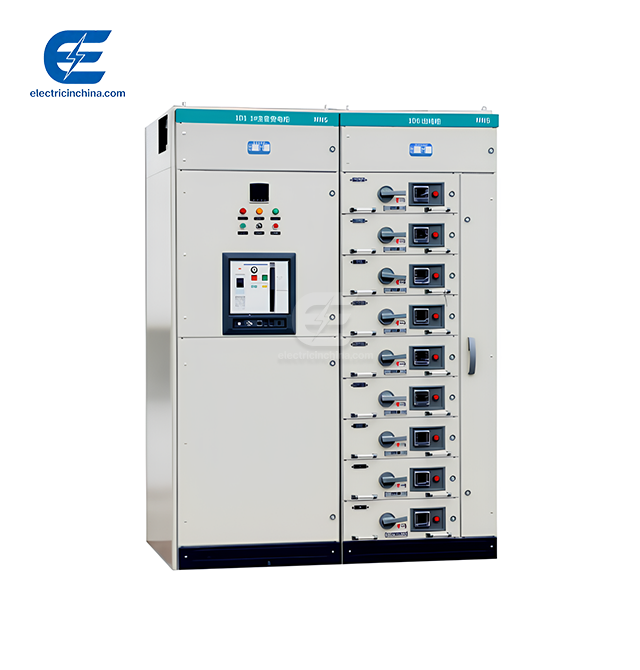
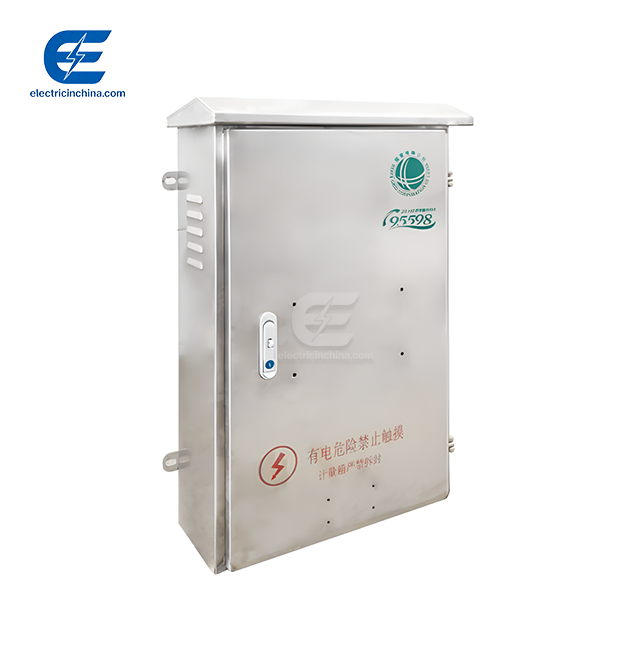
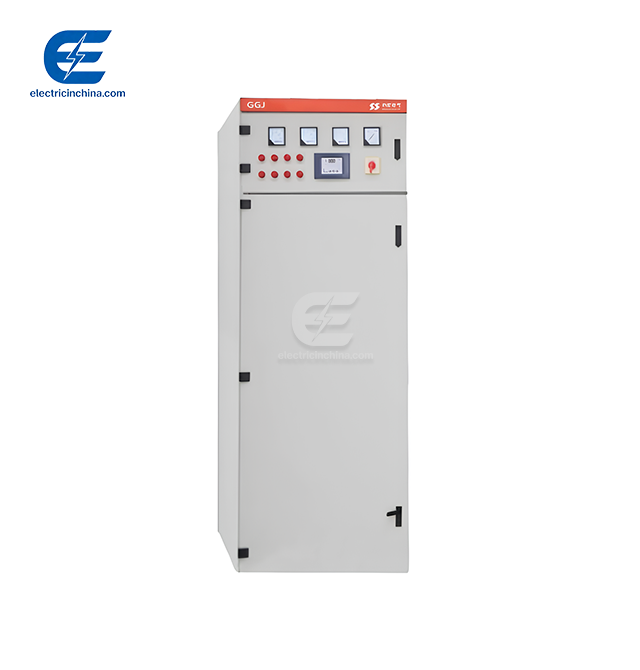
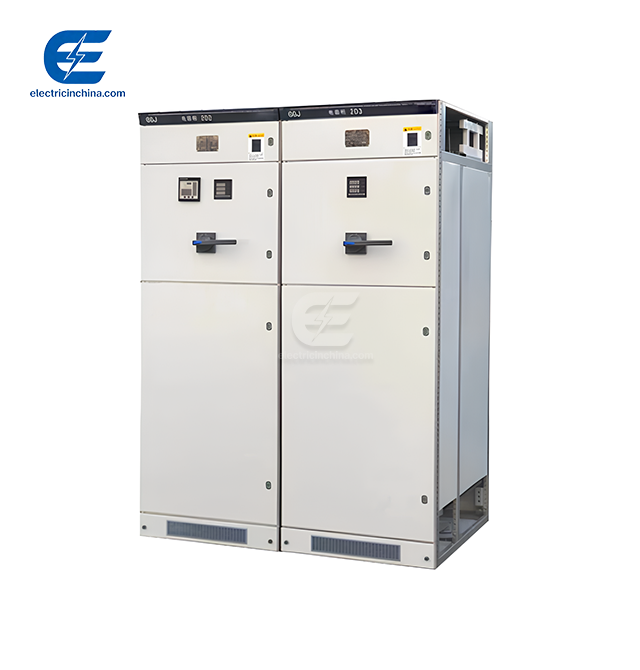
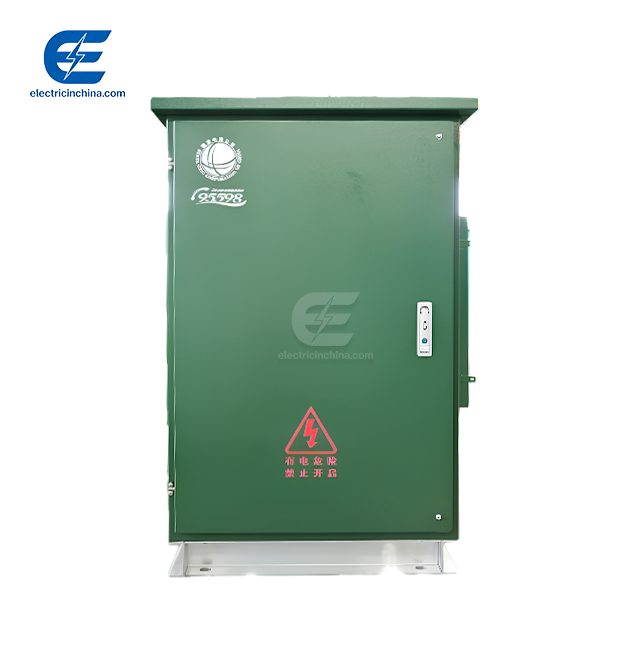
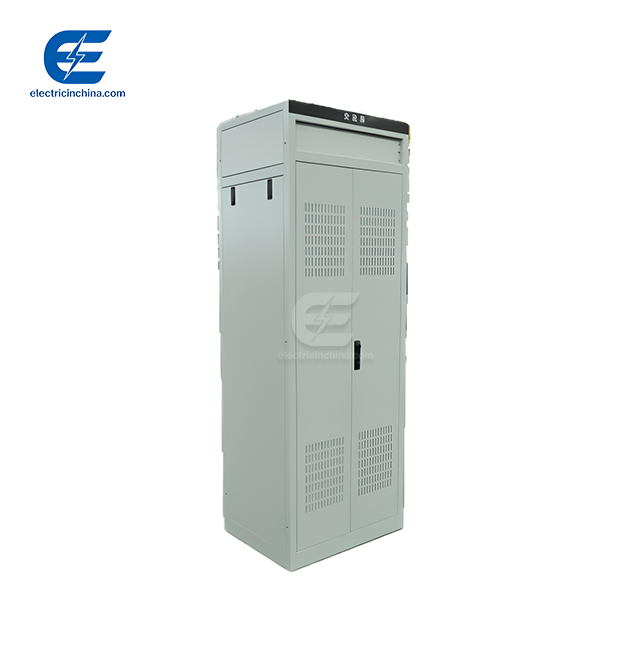
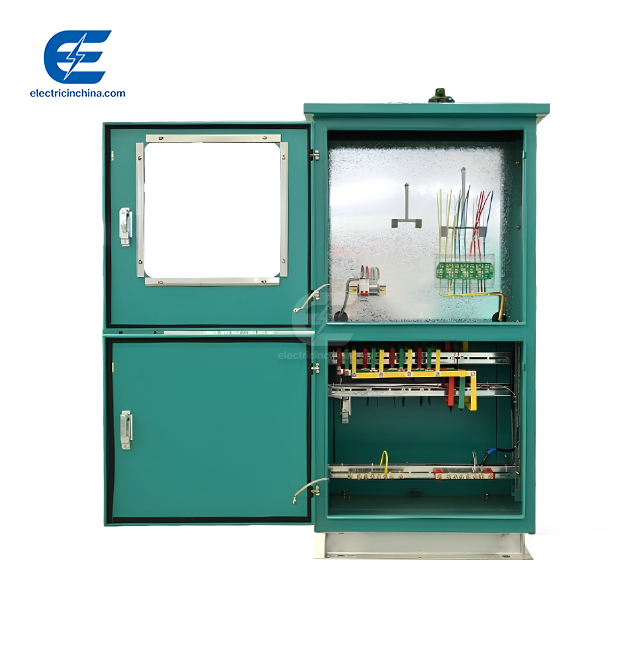
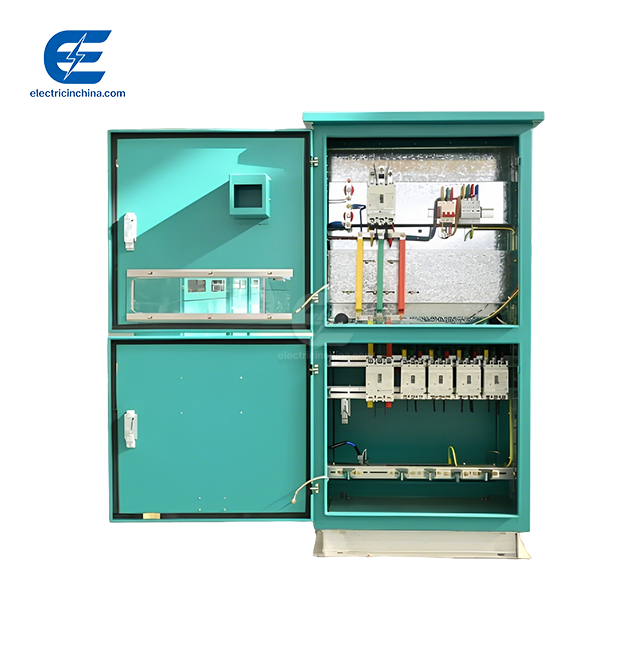
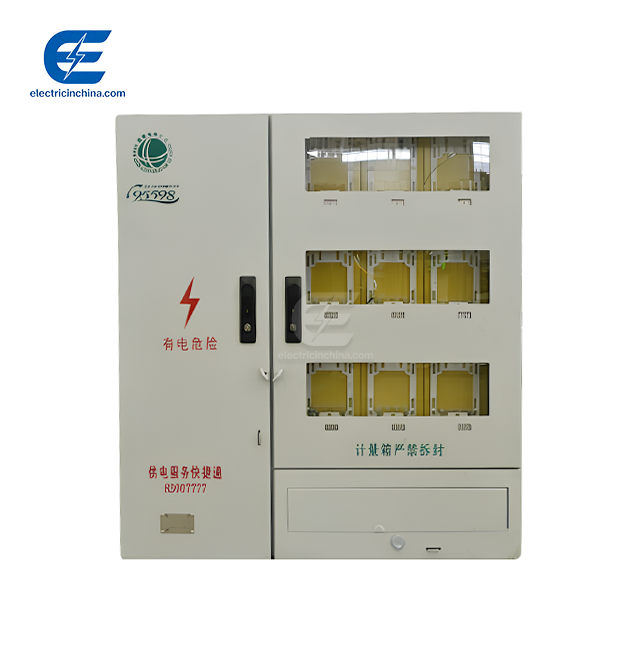
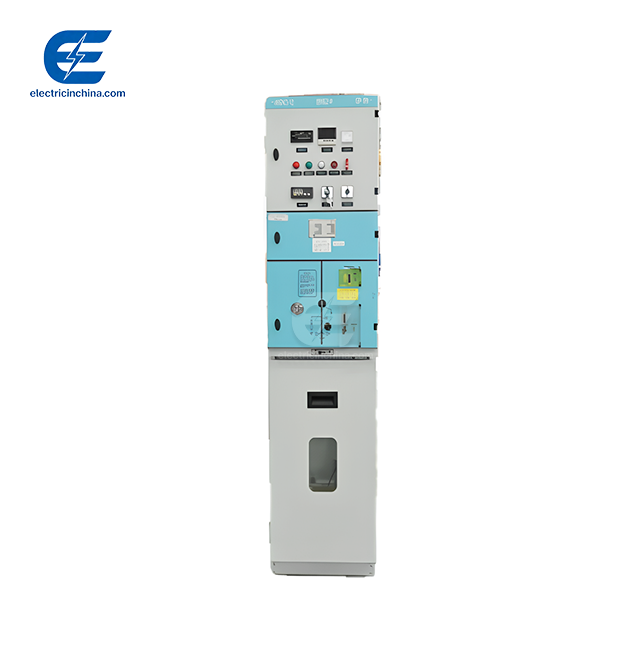
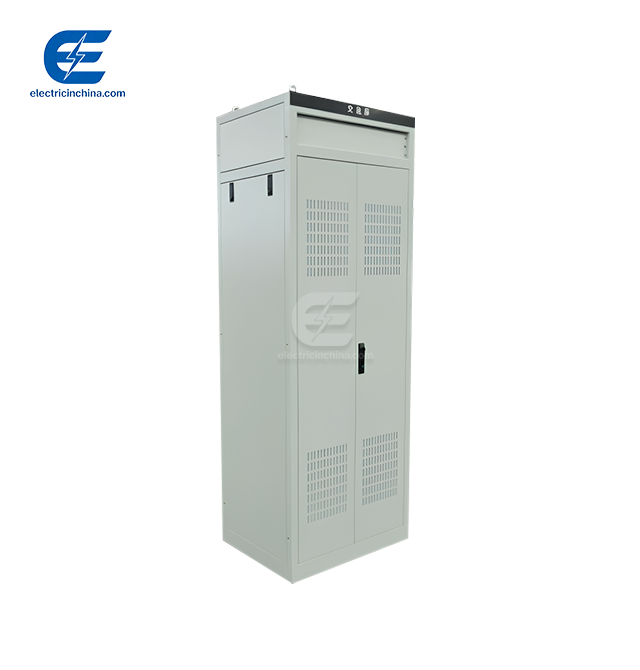
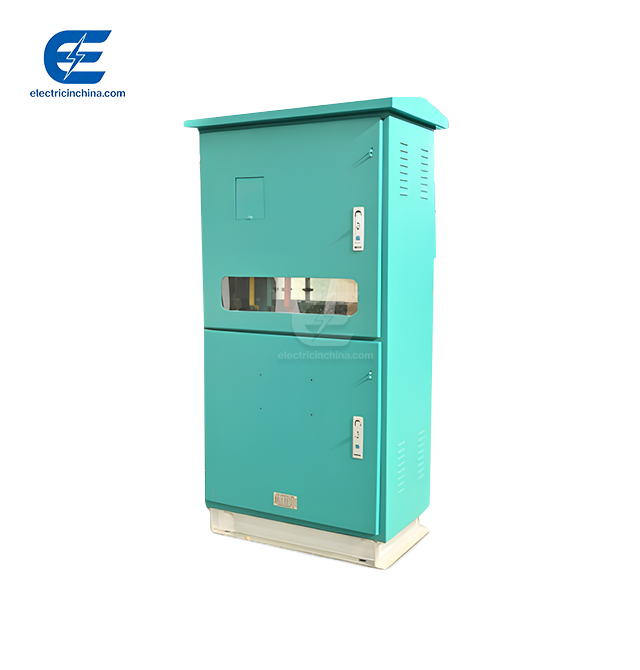
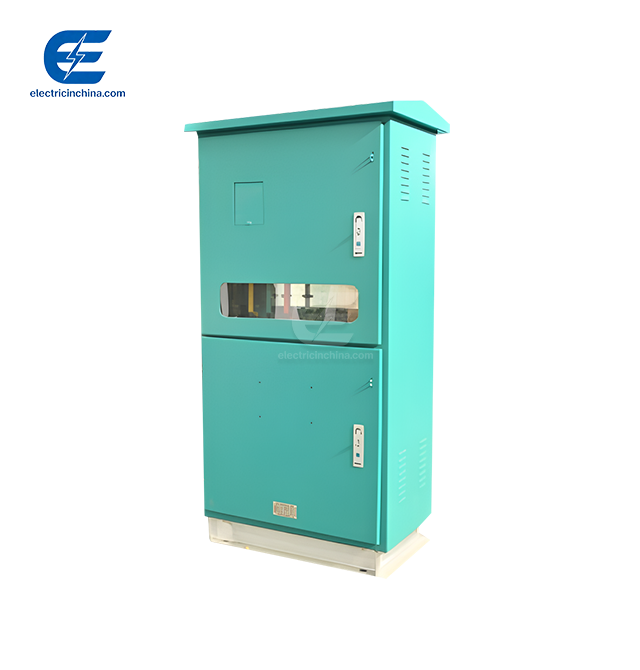
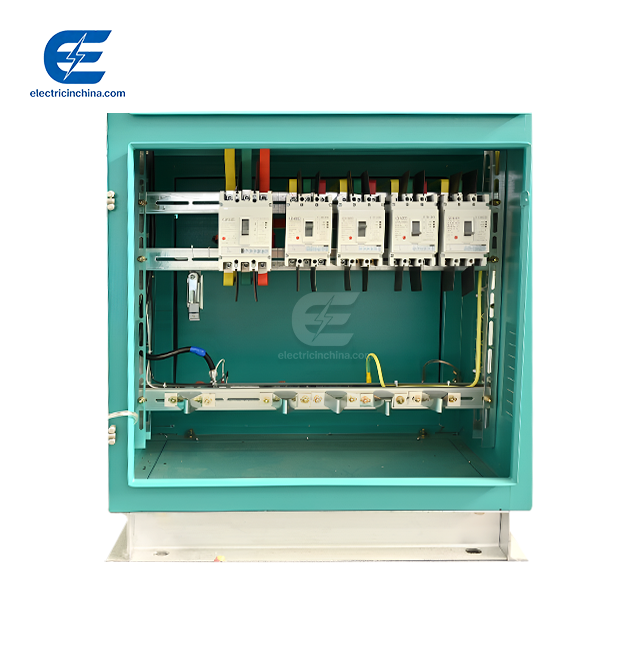
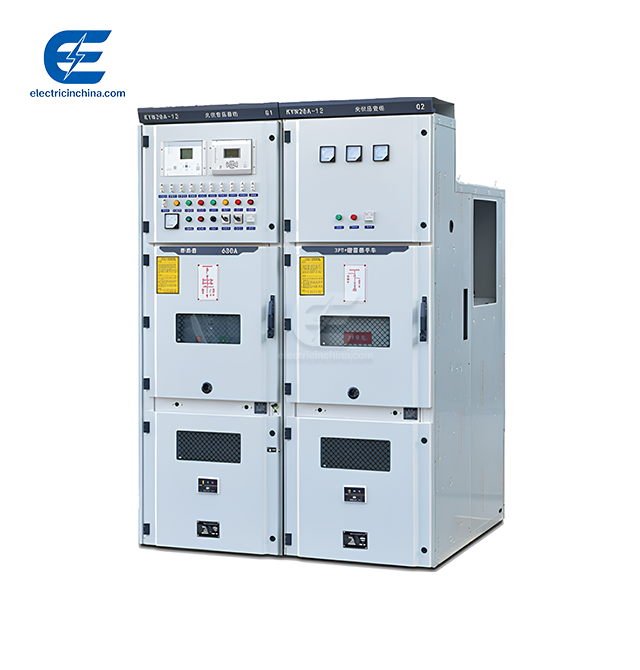
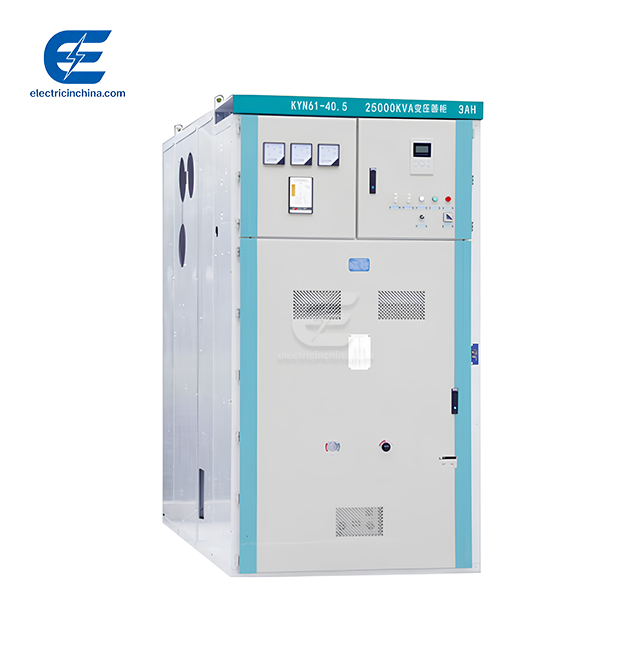
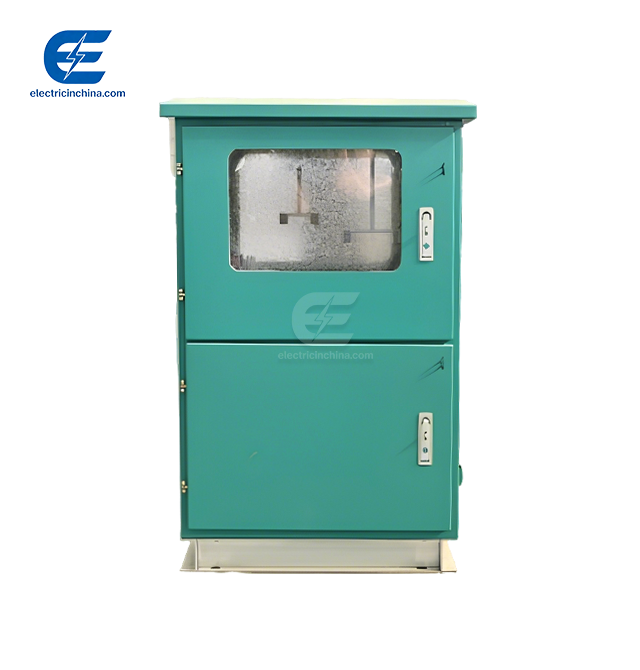
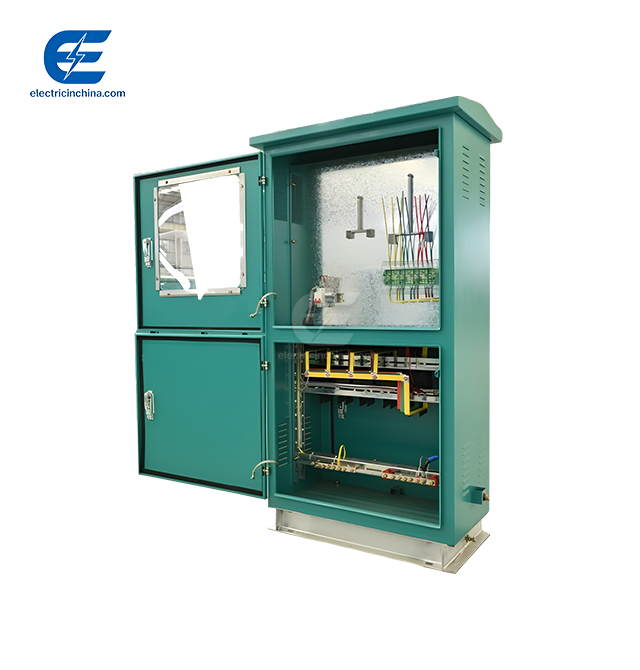
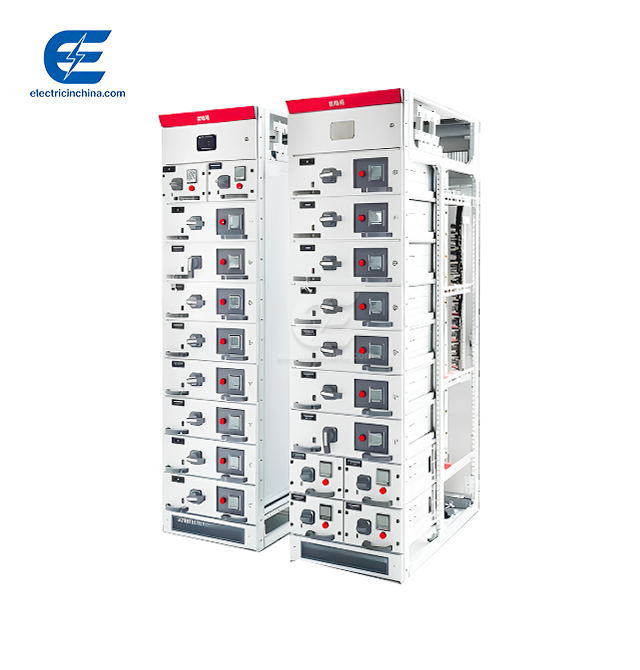
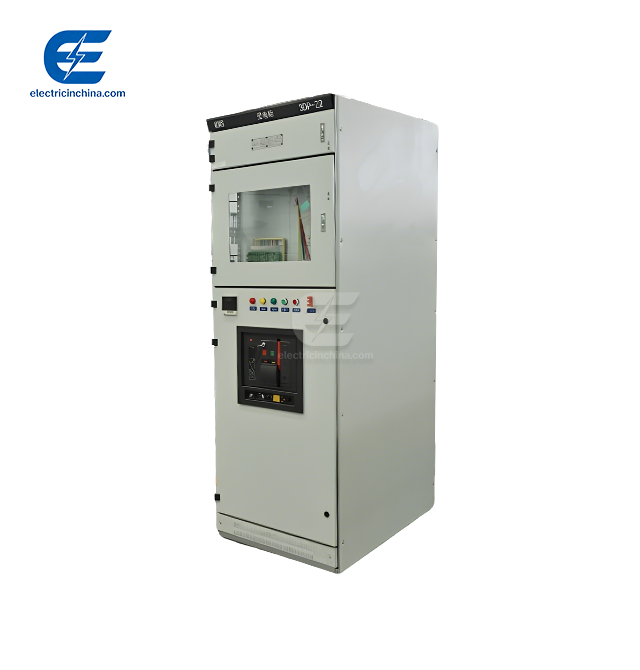
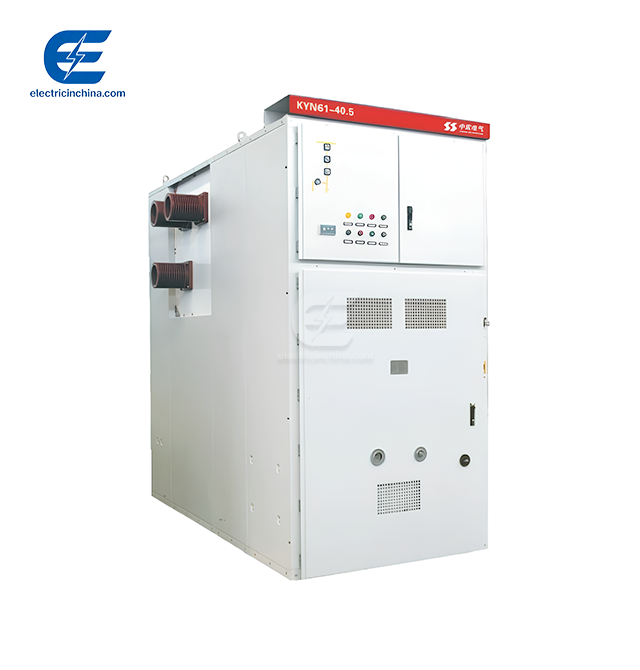
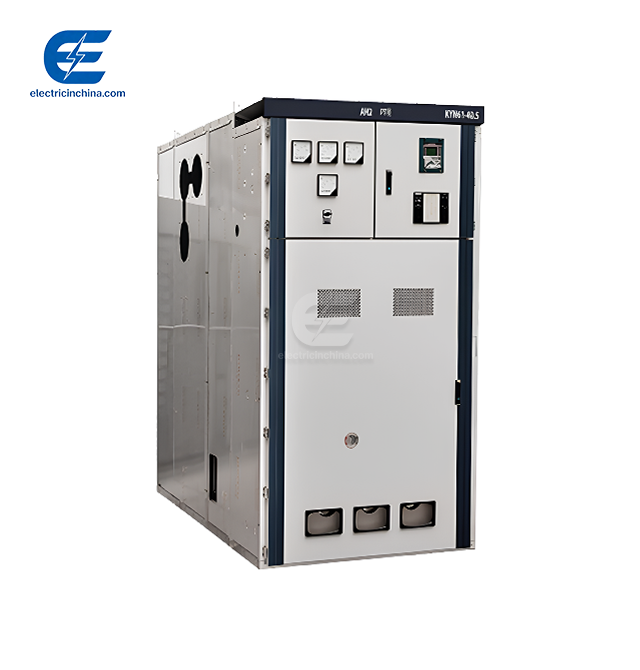
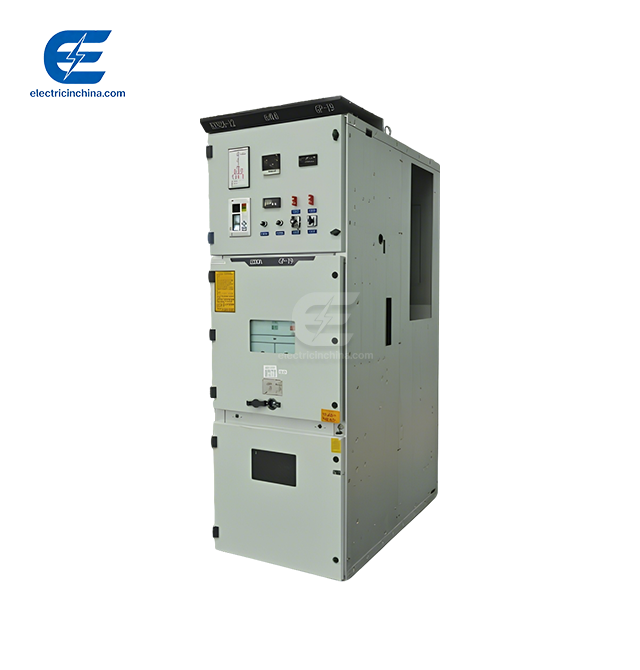
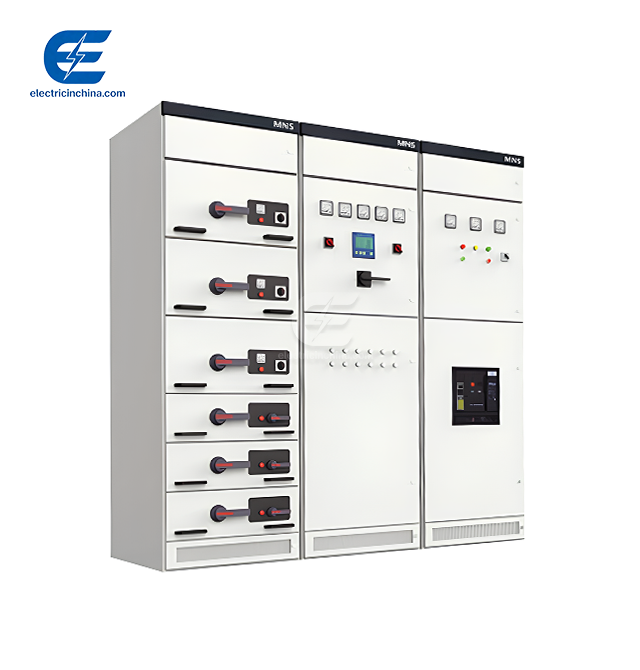
When evaluating medium-voltage switchgear for your next infrastructure project, the choice often narrows to inflatable ring main switchgear and traditional gas-insulated ring main units. Both technologies utilize SF6 gas insulation, yet their design philosophies differ substantially. Inflatable ring main switchgear employs a fully sealed, compact construction that reduces the installation footprint by 60–70% compared to conventional alternatives, offering maintenance-free operation for 25 years. This makes it particularly advantageous for government projects, commercial developers, and EPC contractors seeking reliable, space-efficient solutions that meet stringent certification requirements while delivering proven performance across diverse environmental conditions.
Introduction
The way we distribute power is becoming more dependent on advanced Ring Main Unit (RMU) technologies, which are crucial for keeping electrical networks reliable, safe, and efficient. Selecting the right RMU solution greatly impacts operational uptime, safety standards, and compliance with evolving environmental regulations. Your procurement decision affects not just initial capital expenditure but also long-term operational expenses, maintenance schedules, and environmental liability. This article focuses on a detailed comparison between two prominent RMU types—inflatable ring main switchgear and traditional gas-insulated RMU—shedding light on their technical features, performance characteristics, and procurement considerations to support informed decisions for industrial and utility applications globally. We examine how each technology addresses the core concerns of medium to large organizations undertaking project-based procurement, particularly those requiring customized power solutions with documented reliability and comprehensive certifications.
Understanding Inflatable RMU and Gas-Insulated RMU
Defining Inflatable Ring Main Switchgear Technology
Inflatable ring main switchgear represents a game-changing solution for modern power distribution networks. This medium-voltage electrical system incorporates sulfur hexafluoride gas insulation built into compact, stackable modules. The "ring" configuration allows power to flow in multiple directions, ensuring your supply continues uninterrupted even when one section requires maintenance or experiences failure. The SF6-filled compartments provide superior insulation compared to standard air-insulated options, with live busbars and switches remaining safely enclosed within the pressurized environment. This design addresses critical challenges, including space constraints in urban substations, safety concerns through elimination of exposed live parts, reduced maintenance costs via sealed compartments, faster installation timelines, and consistent performance across coastal, desert, and tropical conditions.
Gas-Insulated Switchgear Fundamentals
Traditional gas-insulated RMU technology relies on SF₆ gas within metal-enclosed compartments to provide insulation and arc quenching capabilities. These systems have established a strong track record over decades of utility deployment, demonstrating reliability in voltage ratings from 12kV to 36kV. The mature supply chain and extensive field experience make conventional gas-insulated units a familiar choice for many procurement teams. However, their larger physical footprint and more complex assembly requirements can present challenges in space-constrained installations. Understanding how these established systems compare with newer compact designs helps you determine which technology aligns with your specific project parameters, site conditions, and operational requirements.
Operational Principles and Industrial Applications
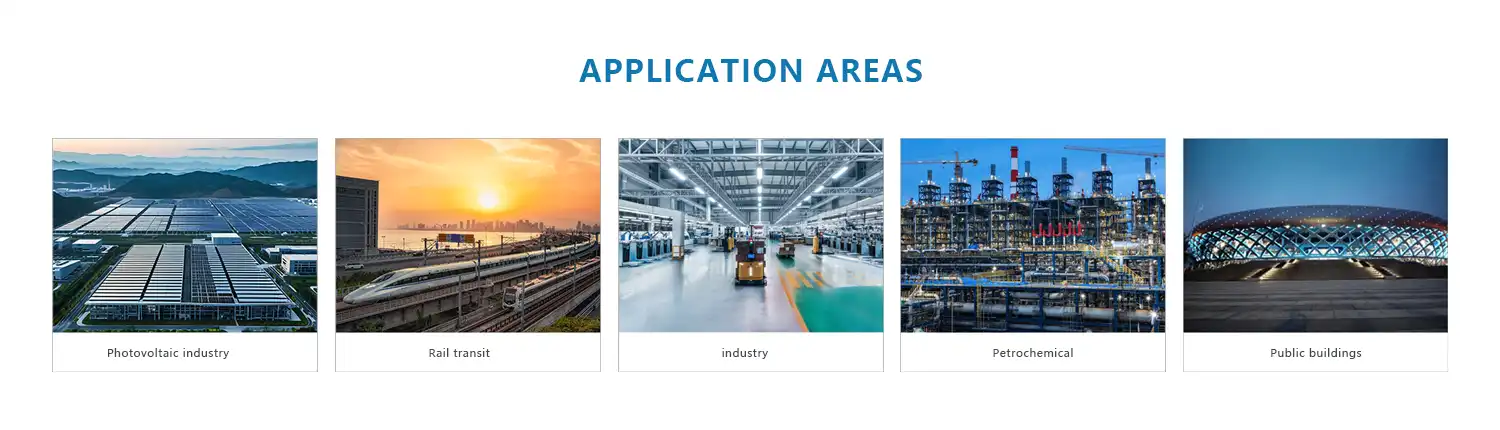
Both inflatable ring main switchgear and conventional gas-insulated units serve identical functional purposes—interrupting fault currents, isolating circuit sections, and enabling flexible network configurations. The key difference lies in their construction methodology and resulting physical characteristics. Inflatable designs achieve their compact profile through optimized gas compartment geometry and integrated component placement. This makes them particularly suitable for urban distribution networks serving commercial districts, industrial zones, and high-density residential areas. Industrial facilities, including manufacturing plants, data centers, and renewable energy integration points, benefit from the ring arrangement that maintains power continuity during equipment service. Critical infrastructure projects such as airports, hospitals, shopping centers, and educational institutions require systems with minimal maintenance demands—a specification where sealed gas compartments excel by eliminating routine cleaning and component replacement cycles common in air-insulated alternatives.
Core Differences Between Inflatable RMU and Gas-Insulated RMU
Design, Architecture, and Insulation Media
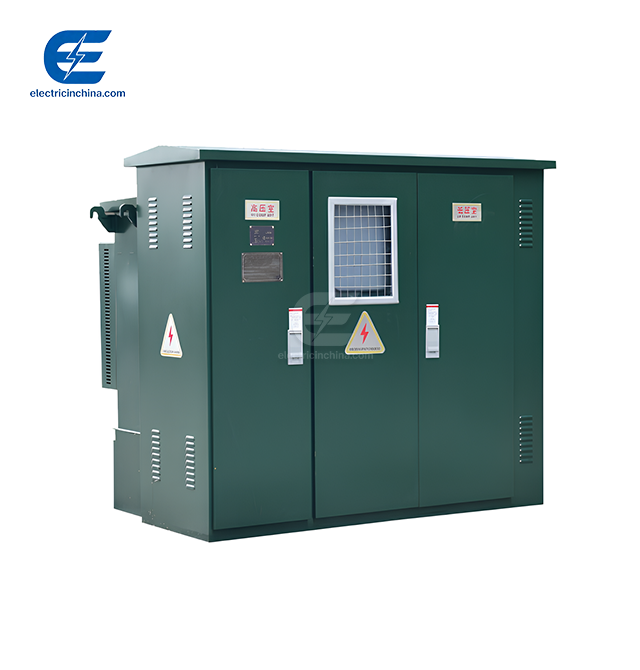
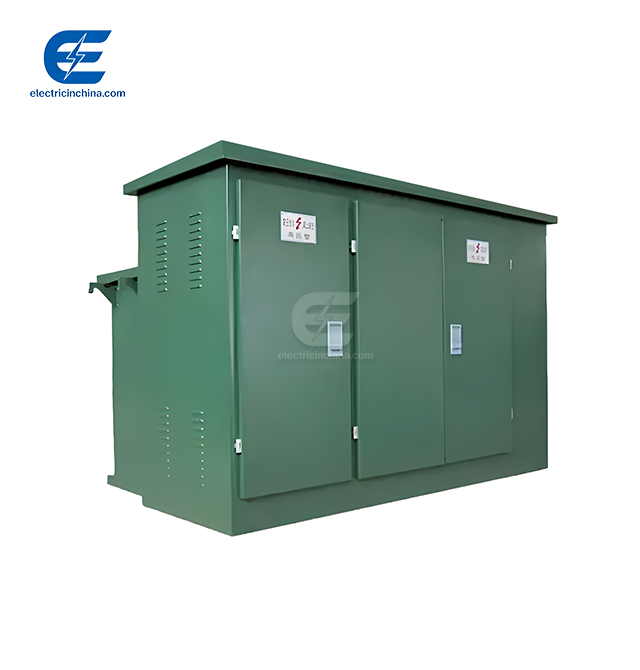
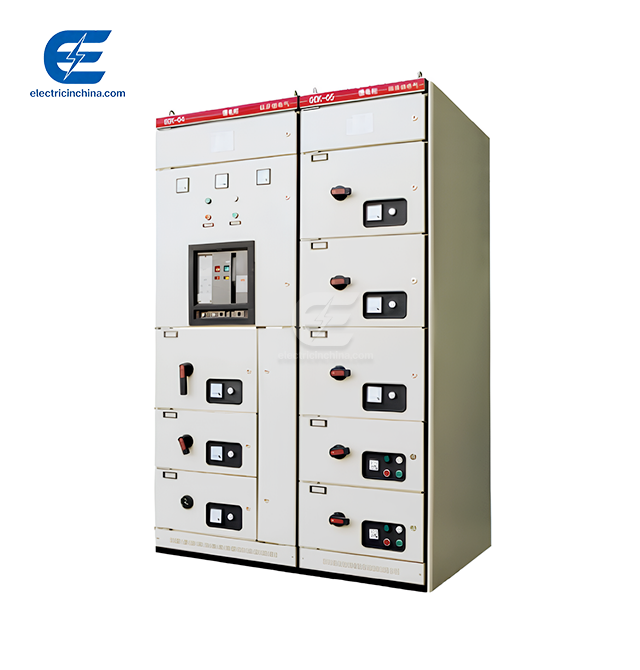
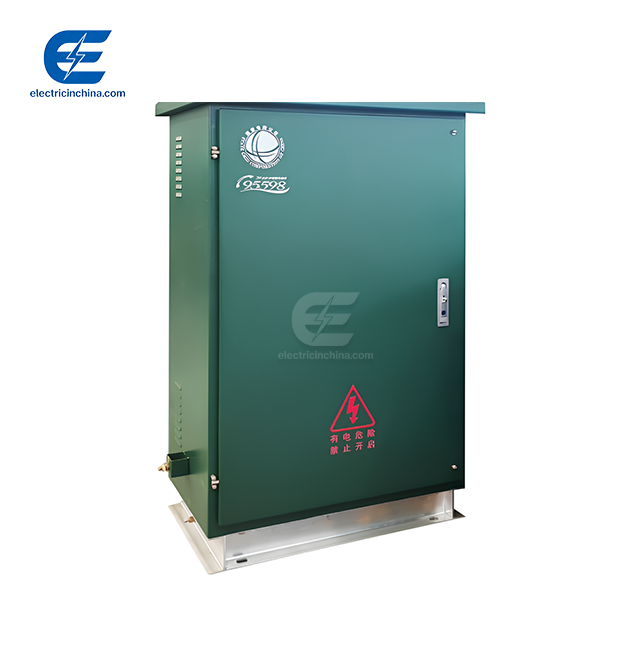
The fundamental distinction between inflatable ring main switchgear and traditional gas-insulated units centers on their structural approach. Inflatable designs employ a fully sealed and welded construction that creates a continuous gas envelope around all live components. This unified compartment design contrasts with conventional units that often use multiple separate gas chambers connected through insulating barriers. Our inflatable ring main switchgear features a stainless steel casing rated IP67 for protection, operating at 12-36kV voltage ranges with current ratings from 630A to 1250A for normal operations and short-circuit capabilities reaching 25kA. The SF₆ gas operates at 1.3-1.5 bar gauge pressure with leak rates not exceeding 0.5% annually, adhering to IEC 62271-200 standards. This sealed approach eliminates moisture ingress, dust accumulation, and corrosion—common concerns in harsh outdoor environments where traditional designs may require additional protective housing.
Size, Footprint, and Installation Efficiency
Space optimization represents a decisive advantage for inflatable ring main switchgear in modern projects. Traditional gas-insulated units typically require substantial floor area due to their modular assembly with separate compartments for busbars, circuit breakers, and cable connections. Inflatable designs reduce installation footprint by 60-70% through vertical stacking and integrated component placement. Typical unit widths range from 400 to 800 mm with heights under 2000 mm, enabling installation in confined underground vaults, rooftop substations, and retrofit scenarios where existing infrastructure limits available space. This compact profile translates to reduced civil construction costs, smaller land acquisition requirements, and greater flexibility in site selection—particularly valuable for urban projects where real estate costs significantly impact total project economics. The modular design also enables faster deployment, getting your project operational on accelerated timelines that traditional installations cannot match.
Performance Metrics and Maintenance Requirements
When evaluating operational characteristics, both technologies demonstrate excellent dielectric strength and arc-quenching properties inherent to SF6 gas—approximately 2.5 times superior to air. However, inflatable ring main switchgear distinguishes itself through maintenance-free operation spanning 25+ years. The fully sealed construction eliminates periodic contact cleaning, busbar inspection, and component lubrication typical in conventional designs. Our units achieve 99.9% availability even in harsh settings, including coastal areas with salt contamination; extreme temperature variations from -30°C to +40°C; and seismically active zones. This reliability stems from the absence of external environmental exposure—the sealed gas compartment protects all critical components from degradation factors that necessitate scheduled maintenance in traditional air-insulated or partially sealed alternatives. Procurement teams should calculate the total cost of ownership, including avoided maintenance labor, replacement parts, and operational downtime, when comparing upfront equipment costs between technologies.
Environmental Impact and Regulatory Compliance
SF₆ gas environmental considerations affect both the inflatable ring main unit and conventional gas-insulated units equally in terms of greenhouse gas potential. However, the sealed construction of inflatable designs significantly reduces emission risks during normal operation and end-of-life disposal. Properly sealed systems maintain leak rates below 0.5% annually, verified through periodic gas analysis and pressure monitoring per IEC 62271-4 guidelines. Our manufacturing process incorporates SF₆ gas recovery and recycling procedures, achieving greater than 95% capture rates and complying with F-gas regulations and greenhouse gas reduction initiatives. Traditional units with multiple gas compartment seals present a higher cumulative leakage risk over their operational lifespan. Both technologies require documented gas-handling protocols during installation, maintenance activities, and decommissioning—a consideration for organizations tracking environmental performance metrics and reporting obligations under international climate commitments.
Benefits and Challenges of Inflatable RMU vs Gas-Insulated RMU
Advantages of Inflatable Ring Main Switchgear
Inflatable ring main switchgear delivers several compelling benefits that address modern procurement priorities. The compact footprint solves space constraints in urban substations where land costs prohibit traditional installations. Maintenance-free operation eliminates recurring service expenses and associated system downtime over the 25+ year operational lifespan. Enhanced safety results from the absence of exposed live parts, reducing arc flash hazards and improving worker protection during operation and maintenance activities. The fully sealed construction provides inherent resistance to moisture, dust, and corrosive atmospheres—performing consistently in coastal, industrial, and tropical environments without protective enclosures required by conventional equipment. Installation simplicity accelerates project timelines through factory pre-assembled units that require only cable connections and commissioning verification. These advantages translate to lower total cost of ownership despite potentially higher initial capital costs, particularly when factoring in avoided maintenance labor, reduced civil construction scope, and improved system availability.
Strengths of Traditional Gas-Insulated RMU
Conventional gas-insulated units offer advantages rooted in their established market presence and mature supply ecosystem. The extensive installation base provides abundant field performance data spanning decades across diverse operating conditions, reducing perceived technology risk for conservative procurement strategies. Broader supplier availability ensures competitive pricing through multiple sourcing options and established distribution networks supporting rapid parts availability. Traditional designs accommodate higher voltage capabilities extending beyond 36 kV for specialized applications requiring increased power handling. The modular compartment approach allows selective component replacement without complete unit exchange, potentially extending service life through targeted upgrades. Procurement teams familiar with conventional technology specifications can leverage existing evaluation criteria, testing protocols, and acceptance procedures without adapting processes to newer design paradigms. These factors make traditional gas-insulated units a defensible choice where project specifications prioritize proven technology over innovation.
Technology-Specific Challenges and Risk Factors
New technology adoption confronts inflatable ring main switchgear. The smaller supplier base reduces procurement options compared to conventional equipment from many manufacturers worldwide. Established units are more likely to meet procurement organizations' requirements for comprehensive reference projects and long-term performance data before authorizing non-traditional technology. Traditional gas-insulated RMUs have maintenance and space issues. The bigger footprint limits urban and retrofit installation choices. Periodic maintenance causes scheduled downtime and continuous operational costs that add up over decades. Multiple-compartment seals increase gas loss hazards, requiring monitoring and gas replenishment. Regulatory inspection of SF₆ emissions affects all technologies equally; however, inflatable designs reduce environmental liability due to better sealing.
Procurement Considerations for B2B Clients
Total Cost of Ownership Analysis
Procurement teams should consider financial criteria beyond purchase price. Advanced manufacturing and quality control techniques make inflatable ring main switchgear more expensive upfront. Traditional devices incur ongoing service costs such as technician labor, replacement components, and system downtime over 25+ years. The maintenance-free operational profile avoids these expenditures. Reduced footprint requirements balance equipment premiums in many civil construction projects, especially urban ones with high excavation, structural support, and protective housing costs. Our enterprise-grade devices reduce revenue losses from unanticipated outages with availability over 99.9%. Comprehensive cost analysis often favors compact sealed designs despite higher initial capital costs when evaluating net present value over estimated service life. Suppliers should provide site-specific lifecycle cost modeling with maintenance labor rates, space expenses, and downtime implications.
Certification Requirements and Quality Assurance
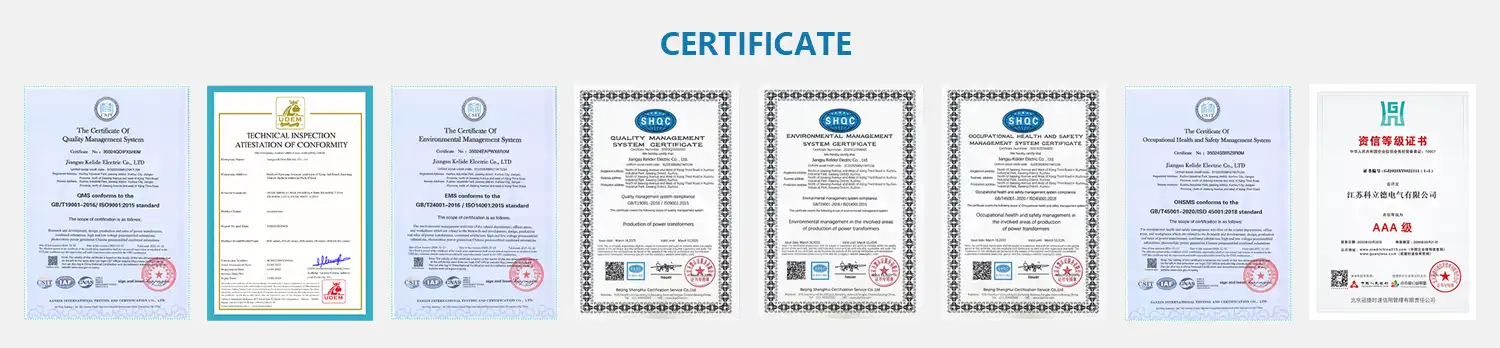
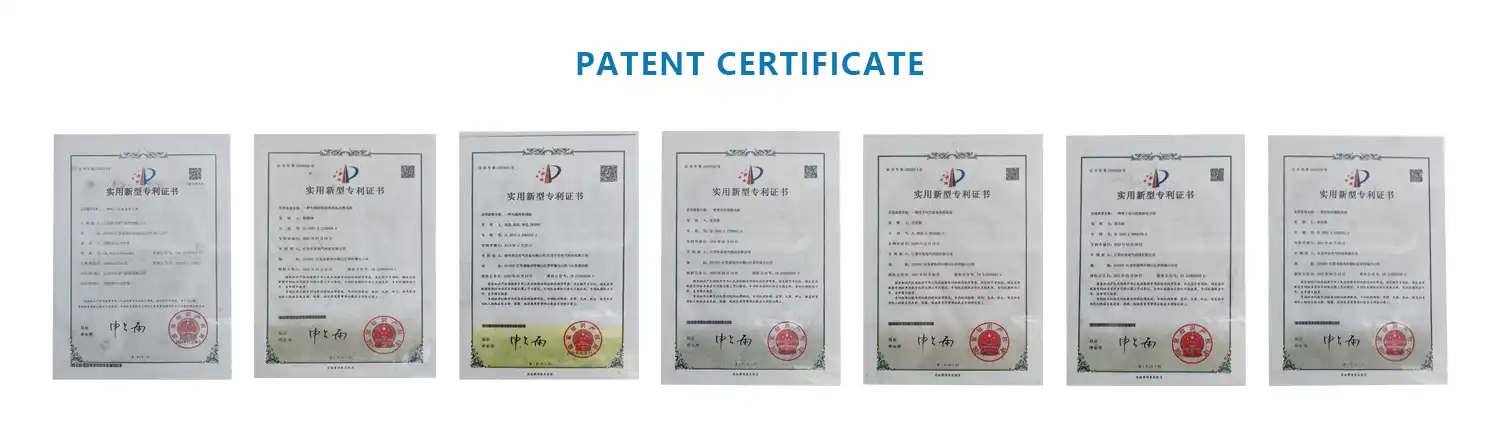
Government, infrastructural, and commercial initiatives by medium to big businesses require strict certification paperwork. ISO 9001, ISO 14001, and OHSAS 45001 standards apply to our inflatable ring main switchgear. All units have National CCC mandatory certification for low-voltage components and comprehensive testing per IEC 62271 series high-voltage switchgear standards, IEC 60694 common specifications, IEEE C37 series requirements, and relevant national standards like GB/T and BS protocols. Procurement specifications should verify manufacturing quality inspection labs, manufacturing facility certificates, and batch testing methods. From raw material procurement to incoming inspection, manufacturing, completed product testing, warehousing, and delivery, our expert quality inspection laboratory follows "zero defects" standards. This avoids unqualified product outflow and offers documented traceability for project acceptance and warranty claims throughout operational service life.
Supplier Evaluation and Technical Support
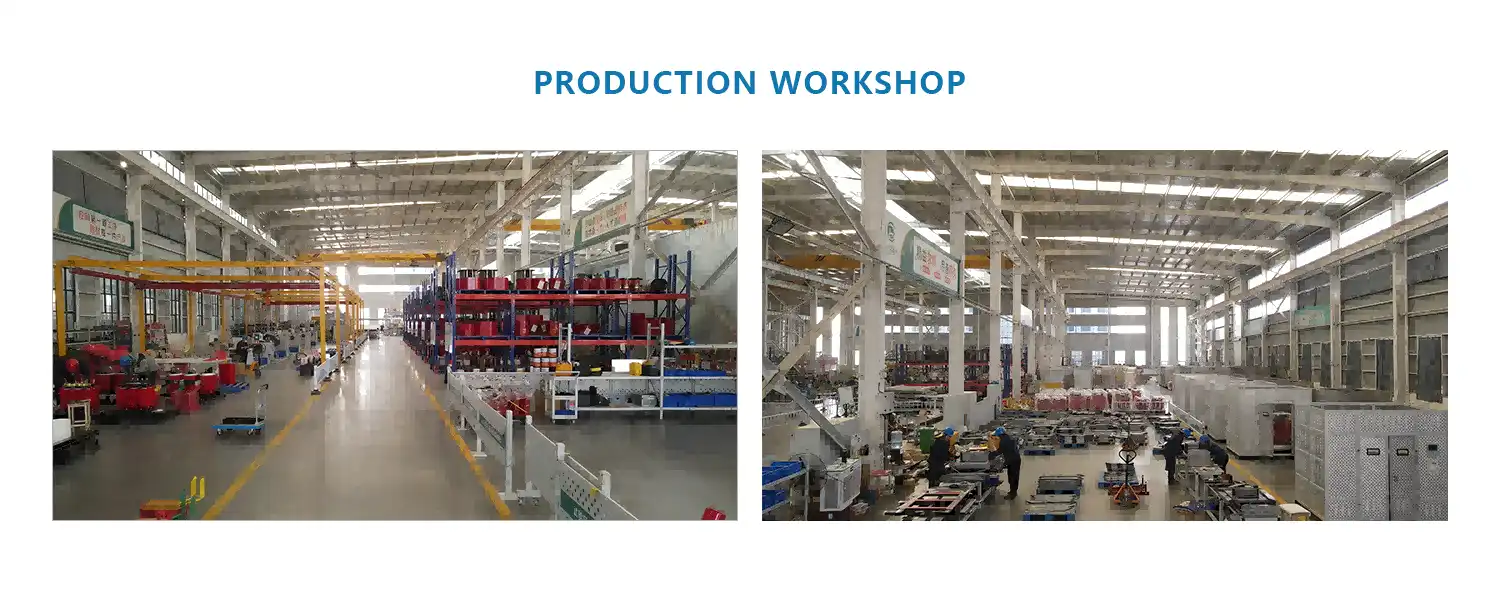
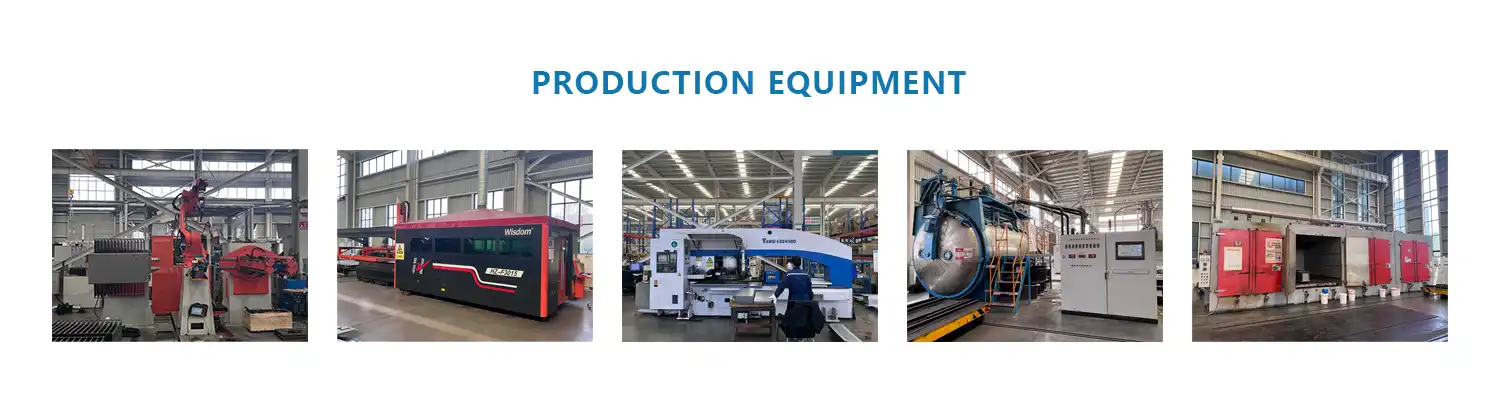
Project success requires working with reputable manufacturers that offer customization and technical support. We offer complete power supply and distribution systems with over 20 years of experience. We have 15 senior engineers, over 30 intermediate technicians, and 17 senior technicians, backed by 18 patents for technological innovation. Technical strength allows customized solutions for environmental conditions and requirements across countries and areas. We have approximately 120 CNC automatic winding machines, static vacuum casting systems, automatic foil winding machines, and microcomputer-controlled gradient curing furnaces to enhance manufacturing operations. Assess potential suppliers' system integration support, bulk purchase benefits for multi-site deployments, warranty terms with comprehensive performance guarantees, and after-sales service, including installation, commissioning, and troubleshooting. Suppliers should provide reference installations similar to your application scope and operating conditions to demonstrate project experience.
Installation and Commissioning Best Practices
Inflatable ring main switchgear installation is faster and requires less fieldwork than conventional devices. Manufacturing pre-assembly and thorough testing reduces on-site commissioning for cable connections, gas pressure verification, electrical testing, and operational checks. Your procurement specs should cover foundation, cable entry, ventilation, and protection measures for outdoor or hard-environment installations. Before equipment arrives, request thorough installation instructions, commissioning procedures, and acceptance test protocols from providers. Our installation and commissioning team ensures correct setup and operational verification that satisfy project standards. Track SF6 gas pressure, electrical test results, and mechanical operation parameters after installation to set performance benchmarks for future monitoring. Maintain sealed compartment integrity with annual SF6 gas pressure verification and moisture content analysis.
Case Studies and Industry Applications
Municipal Infrastructure Project Performance
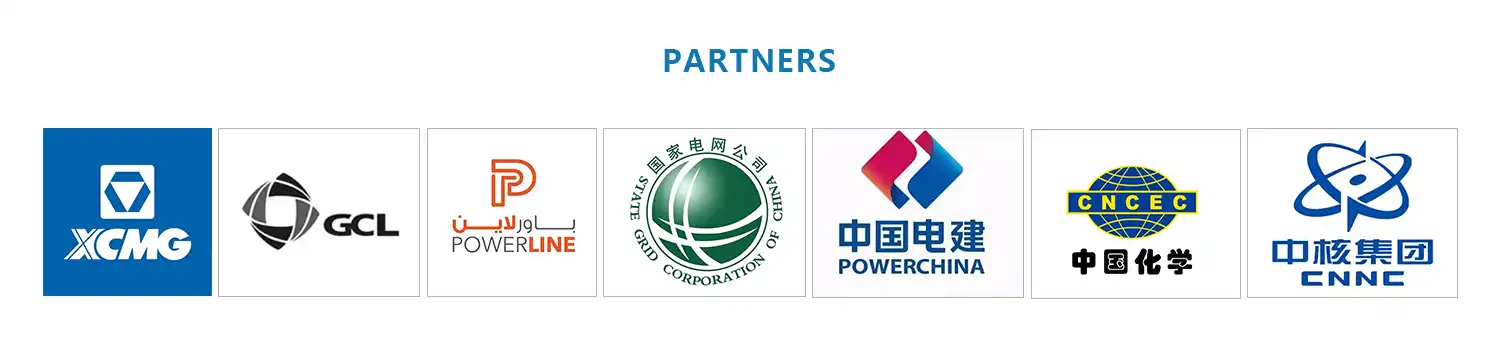
Our inflatable ring main switchgear has performed reliably in critical infrastructure applications in over 100 municipal and commercial installations. The Xuzhou Rail Transit Network Control Centre project used our sealed switchgear in a dual-circuit power supply to ensure subway safety. The small footprint allowed installation in space-constrained underground facilities where standard equipment would have required costly structural changes. Since commissioning, the system has operated without maintenance through seasonal temperature changes and challenging load profiles with 99.9% availability. Our quick installation technology helped the Xuzhou High-speed Railway East Station power supply EPC project fulfill demanding construction timetables and government project standards. These example installations confirm that inflatable ring main switchgear is suitable for government infrastructure projects that require dependability, certifications, and technical know-how from
Commercial Real Estate Applications
Commercial developers prioritize space efficiency, reliability, and lifecycle cost performance—requirements where inflatable ring main switchgear excels. We provided comprehensive power supply services for projects including Xinhuai Central Complex, Huaihai Xintiandi Phases 7-8, Zhongjun Huijingcheng, and Xuzhou Fantawild Adventure. The Tianyu Yayuan project achieved record-breaking performance in Xuzhou Power Supply Company's quality assessment, earning leading-position recognition through superior installation quality and operational reliability. The compact equipment footprint freed valuable floor area for revenue-generating commercial use rather than utility infrastructure, improving project economics. Maintenance-free operation eliminated ongoing service costs and tenant disruptions from scheduled outages—significant advantages in commercial environments where tenant satisfaction and building operating expenses directly impact property valuations and investment returns.
Industrial Manufacturing Sector Experience
Industrial establishments need reliable power for manufacturing and equipment protection. The XCMG Group's upgrade of the power supply for the new factory was completed ahead of schedule, with our inflatable ring main switchgear meeting strict quality and quantity criteria. Avoiding costly startup delays, the project ensured commercial production started and ran smoothly. Power transmission and distribution for GCL Photovoltaic Industrial Park, Huaihai Biomedical Industrial Park, High-Tech Industrial Park, and Electronic Industrial Park were among our projects. These installations show inflatable technology's performance in manufacturing, renewable energy integration, and sensitive electronic production situations. The sealed structure withstood industrial atmospheres with such chemical exposure, dust contamination, and temperature cycling that accelerate traditional equipment depreciation, while the ring configuration ensured power continuity during equipment maintenance and unexpected outages.
Conclusion
Inflatable ring main switchgear represents a compelling advancement over traditional gas-insulated RMU designs for modern power distribution projects. The technology delivers superior space efficiency, maintenance-free reliability, and operational safety through fully sealed construction that protects against environmental factors affecting conventional equipment. While traditional units maintain advantages in supplier availability and established performance records, a comprehensive evaluation of total cost of ownership, installation efficiency, and lifecycle maintenance requirements frequently favors compact sealed designs. Government infrastructure projects, commercial real estate developments, and industrial facilities benefit substantially from the 60-70% footprint reduction, 25+ year maintenance-free operation, and 99.9% availability performance. Procurement teams should prioritize suppliers offering comprehensive certifications, proven project experience, and technical support capabilities, ensuring successful implementation aligned with strategic business requirements.
FAQ
How does the lifespan of an inflatable ring main switchgear compare to traditional gas-insulated units?
Both technologies deliver comparable service lifespans exceeding 25-30 years under proper operating conditions. The sealed design of inflatable ring main switchgear may last longer because it avoids damage from environmental factors that can affect traditional partially sealed models. SF₆ gas maintains its insulating properties throughout this period with properly sealed systems experiencing leak rates below 0.5% annually, verified through periodic gas analysis and pressure monitoring.
Can inflatable ring main switchgear withstand seismic events?
Our equipment undergoes seismic qualification testing per IEEE 693 standards, demonstrating operational capability during earthquakes up to specified acceleration levels. The robust stainless steel housing and flexible gas-tight connections prevent gas leaks during seismic activity. Installations in areas with frequent earthquakes, like industrial parks and important facilities, have worked well through several seismic events without stopping operations or needing maintenance.
What environmental protocols apply to SF6 gas handling?
SF₆ gas recovery and recycling procedures follow strict environmental protocols, including gas reclamation during maintenance activities, leak detection programs, and end-of-life gas recovery, achieving greater than 95% capture rates. We comply with F-gas regulations and greenhouse gas reduction initiatives while maintaining the superior electrical performance characteristics SF6 provides. Proper handling procedures minimize environmental impact throughout the equipment lifecycle from manufacturing through decommissioning.
Partner with Tuojie for Advanced Ring Main Switchgear Solutions
Selecting the right inflatable ring main switchgear supplier directly impacts your project success, operational reliability, and long-term costs. Tuojie specializes in designing, manufacturing, and supplying medium-voltage distribution systems meeting the highest international standards. Our inflatable ring main switchgear delivers enterprise-grade performance with fully sealed stainless steel construction operating at 12-36kV, taking up 60-70% less space than conventional systems. We provide customized power solutions tailored to your environmental conditions, backed by ISO 9001, ISO 14001, OHSAS 45001 certifications, and National CCC Mandatory Certification. Our 15 senior engineers and 18 patents ensure technical excellence, while over 120 sets of advanced production equipment guarantee consistent quality and punctual delivery. Whether you're an EPC contractor seeking a reliable inflatable ring main switchgear manufacturer, a government project requiring comprehensive certifications, or an industrial developer needing customized solutions, Tuojie delivers one-stop service supporting your infrastructure success. Contact our team at tuojie@electricinchina.com or visit electricinchina.com to discuss your project requirements and receive a personalized quote.
References
1. International Electrotechnical Commission. (2021). High-voltage switchgear and controlgear—Part 200: AC metal-enclosed switchgear and controlgear for rated voltages above 1 kV and up to and including 52 kV. IEC 62271-200 Standard.
2. Institute of Electrical and Electronics Engineers. (2018). IEEE Recommended Practice for Seismic Design of Substations. IEEE 693-2018 Standard.
3. Zhang, W., & Liu, H. (2020). Comparative Analysis of Gas-Insulated Switchgear Technologies for Urban Power Distribution Networks. Journal of Electrical Engineering & Technology, 15(3), 1247-1256.
4. European Commission. (2019). Regulation on fluorinated greenhouse gases and repealing Regulation (EU) No 517/2014. F-Gas Regulation Framework Directive.
5. Smith, R.A., & Johnson, M.K. (2022). Life Cycle Cost Analysis of Medium Voltage Switchgear Technologies: A Comprehensive Procurement Guide. Electric Power Systems Research, 208, 107-118.
6. National Electrical Manufacturers Association. (2020). Medium-Voltage Switchgear - Safety and Performance Standards for Industrial and Commercial Applications. ANSI C37 Series Standards.