

.webp)
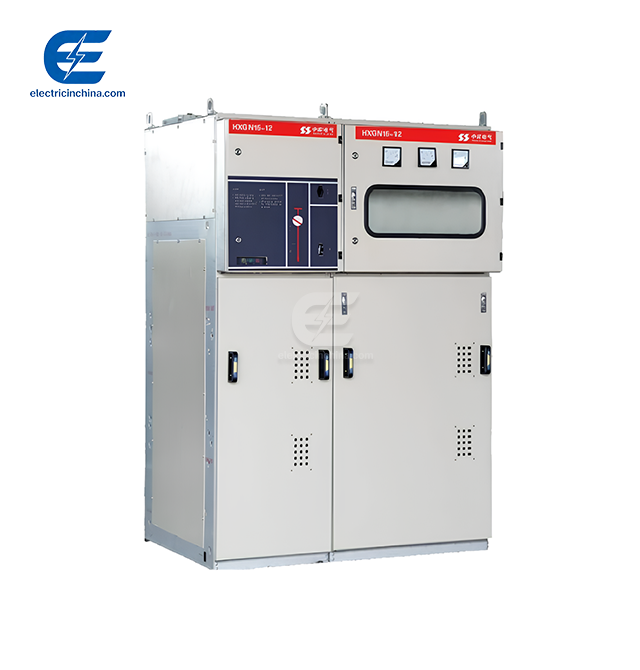
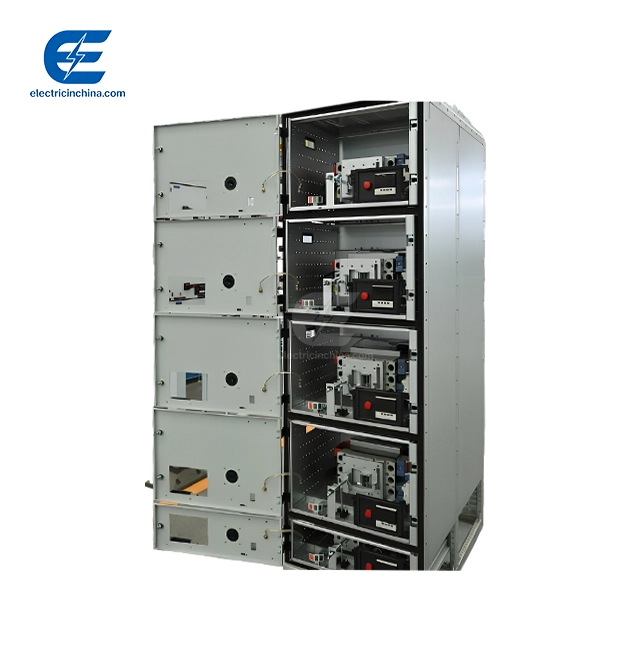
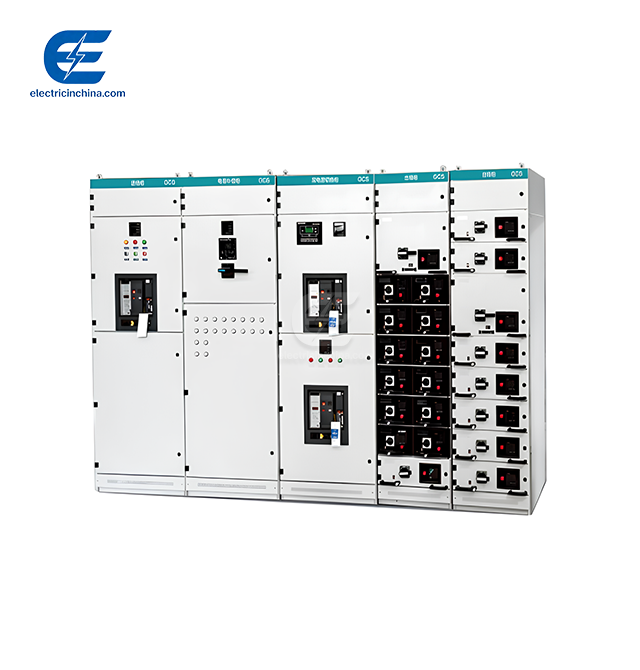
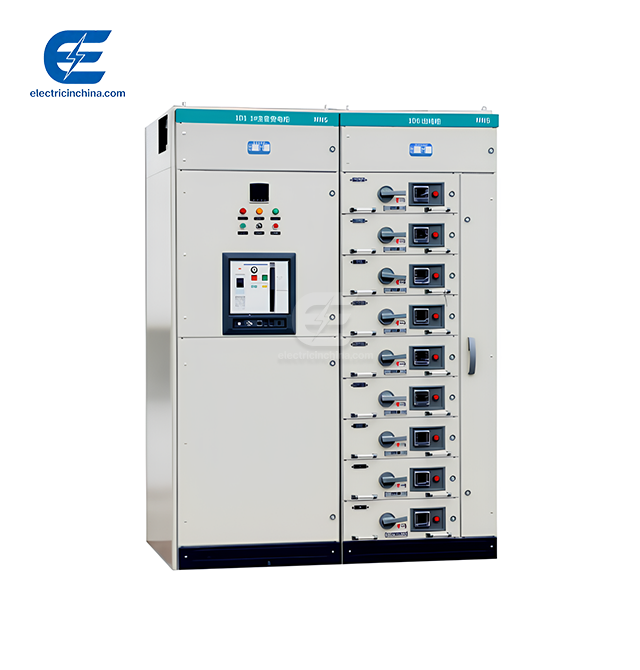
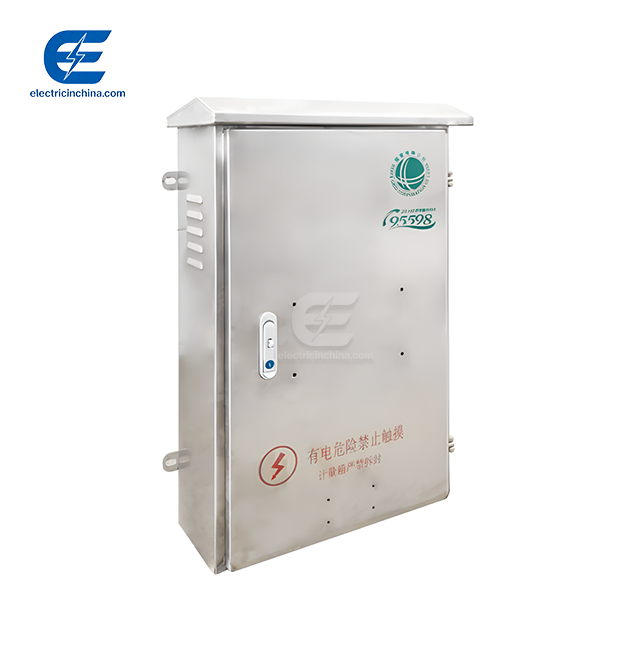
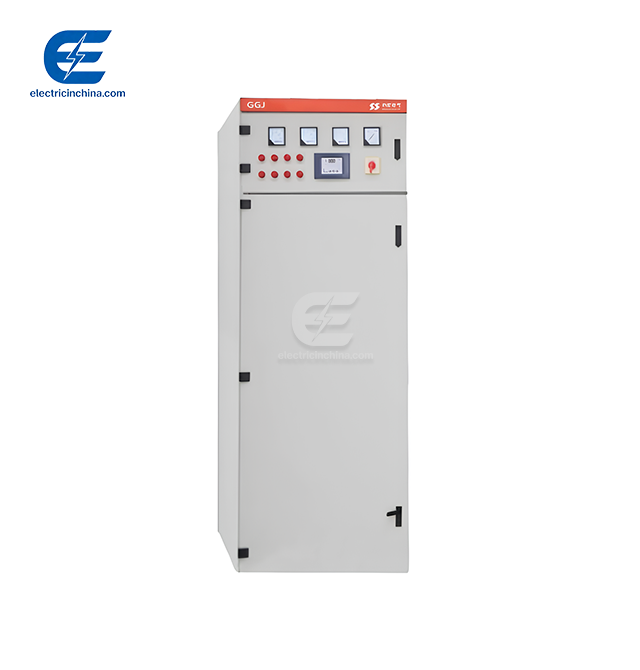
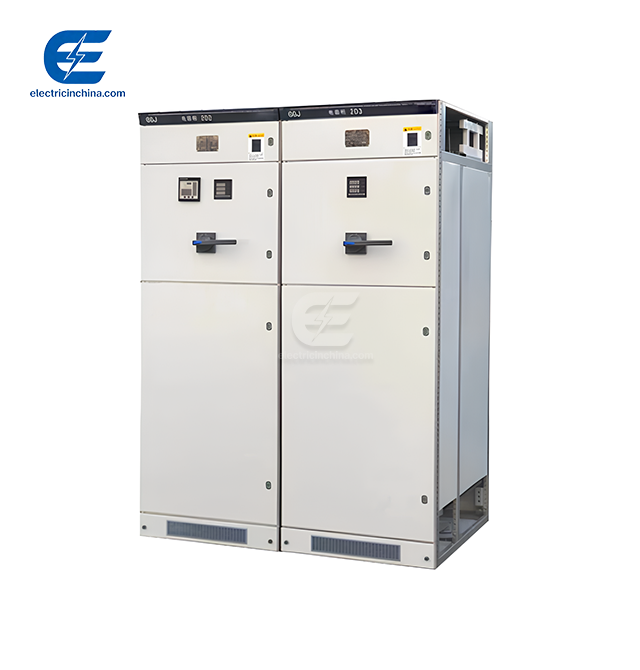
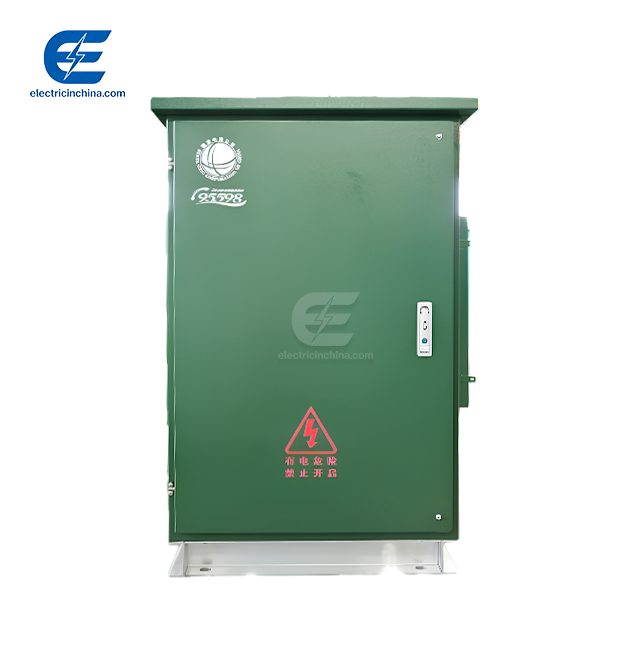
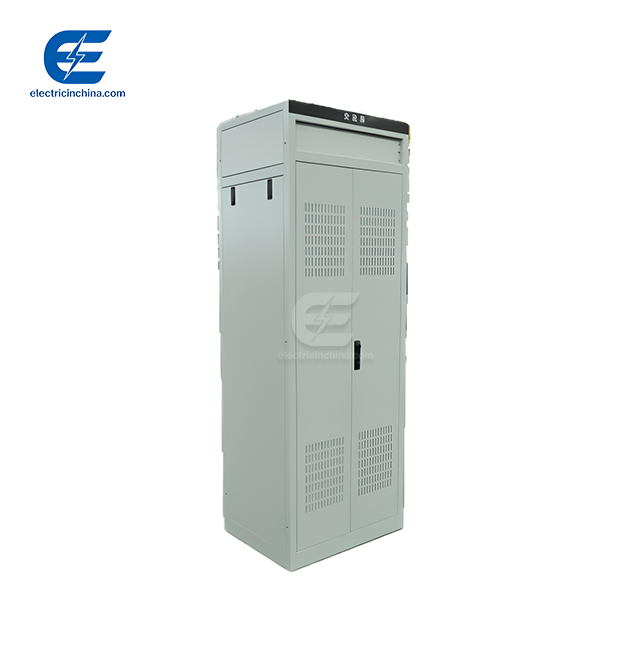
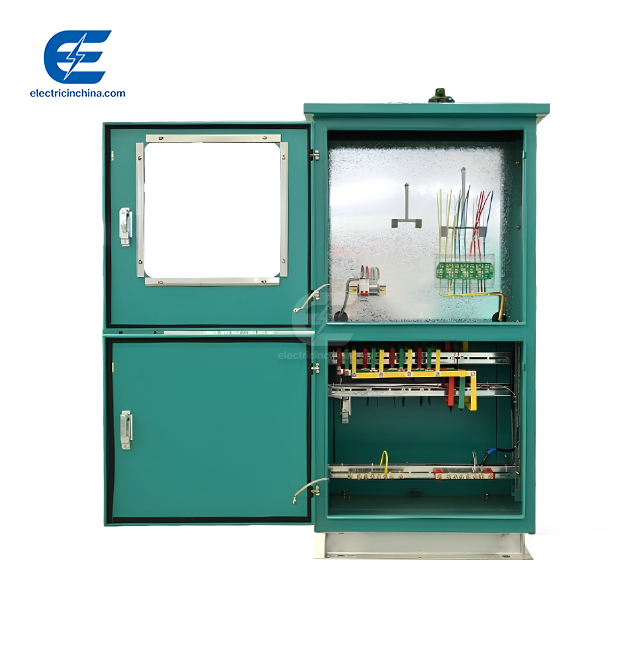
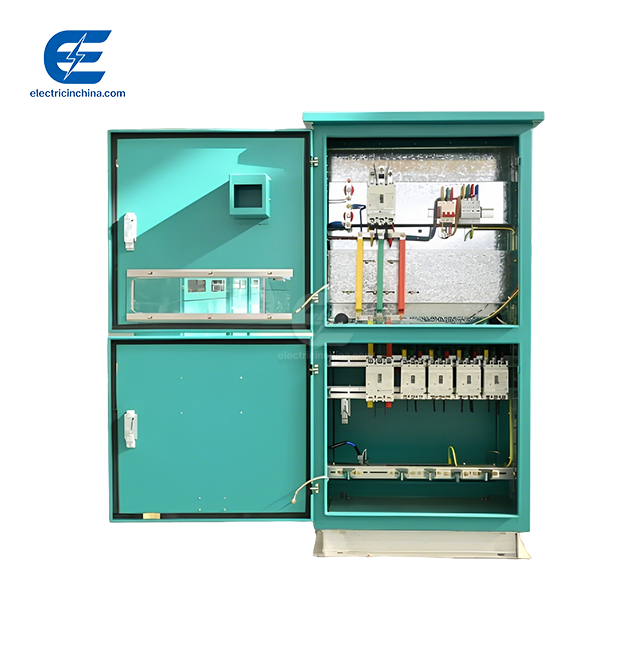
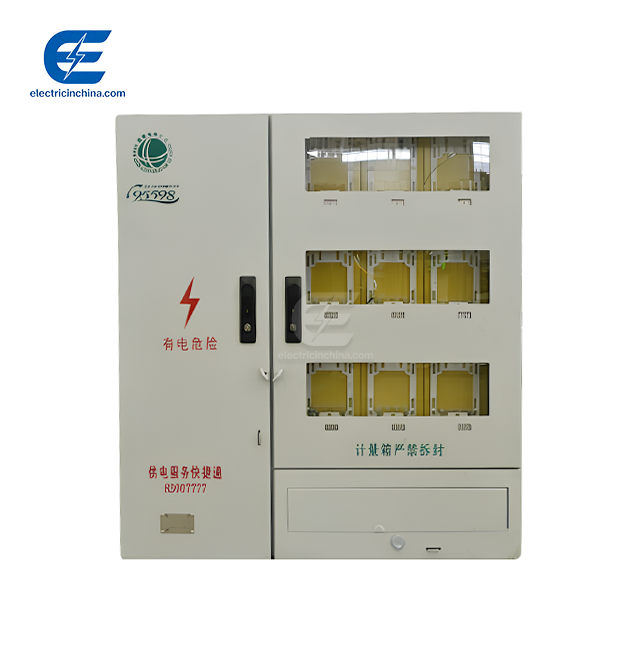
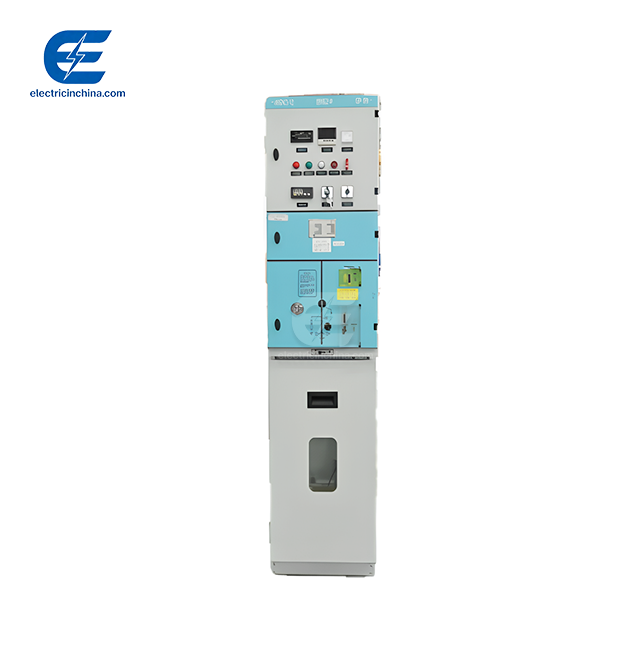
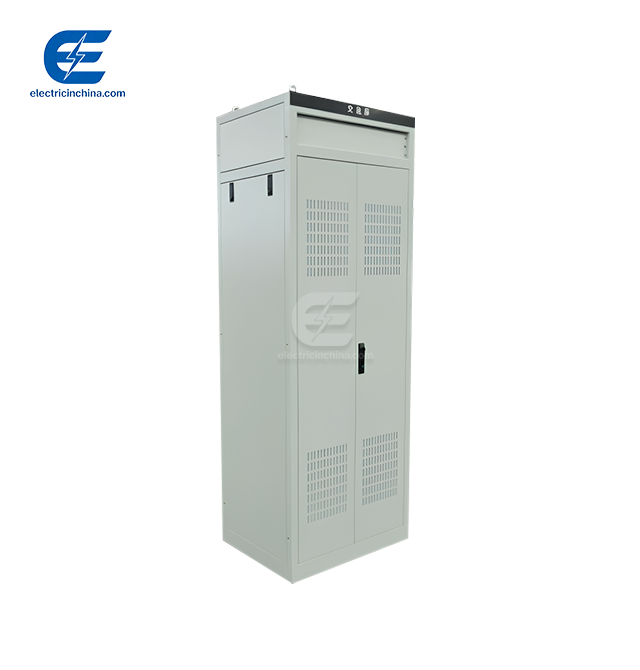
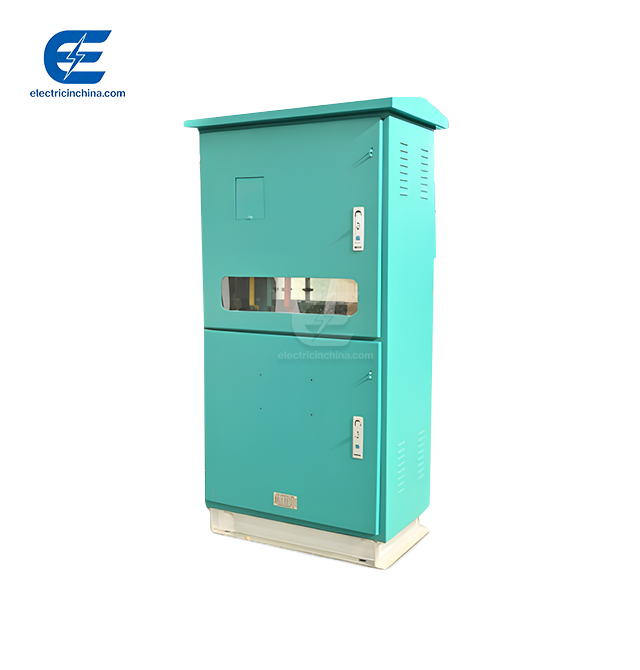
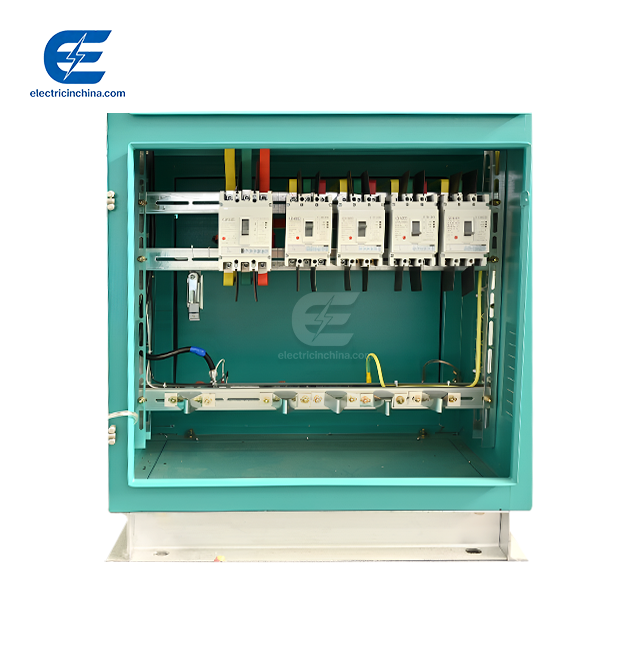
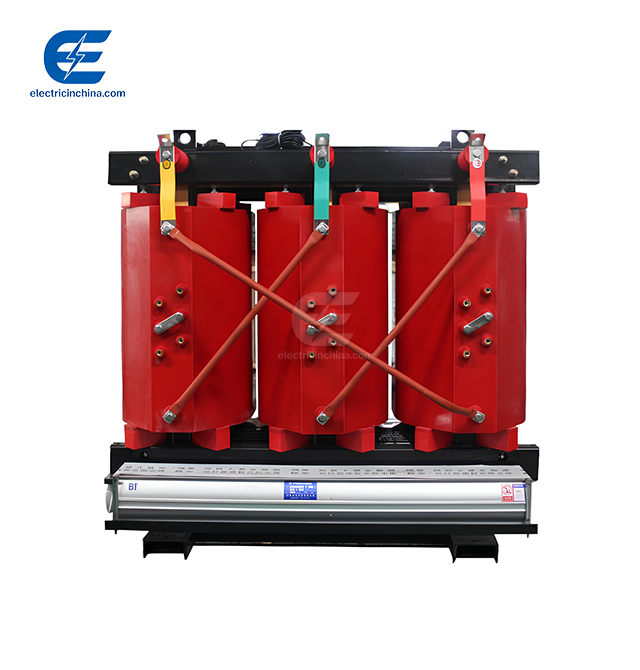
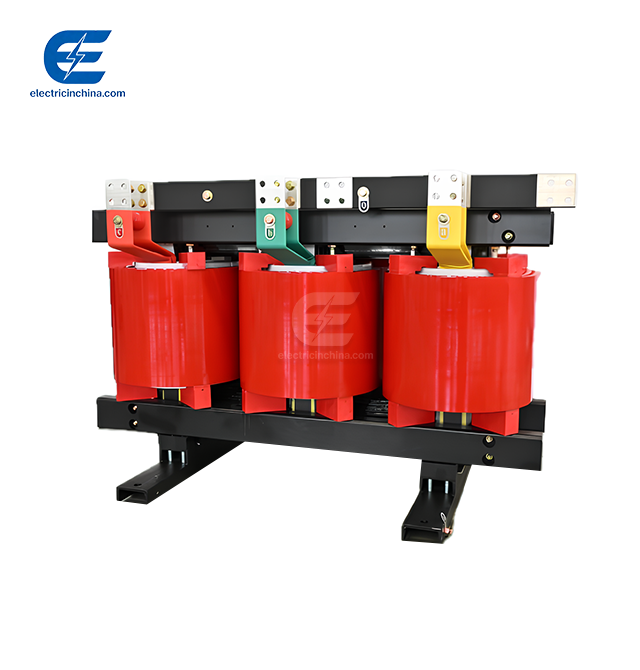
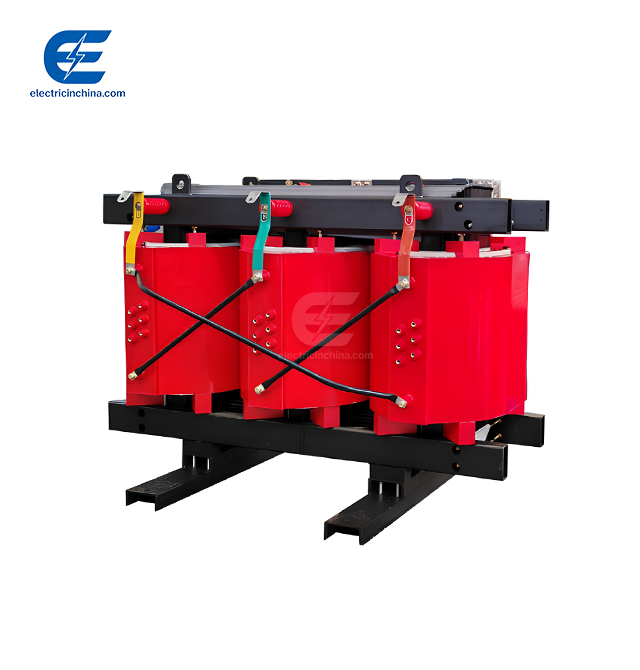
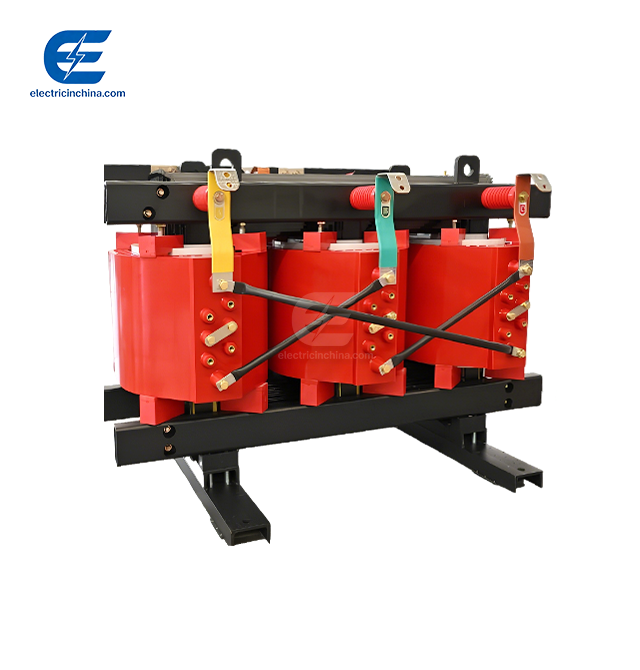
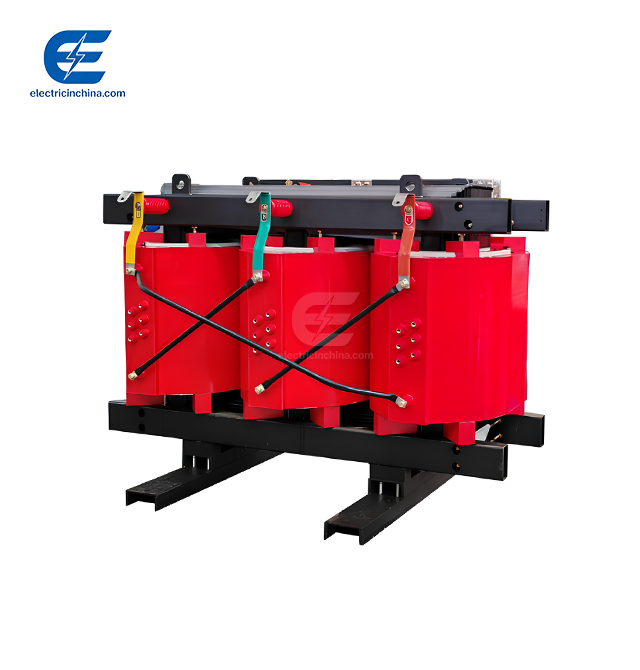
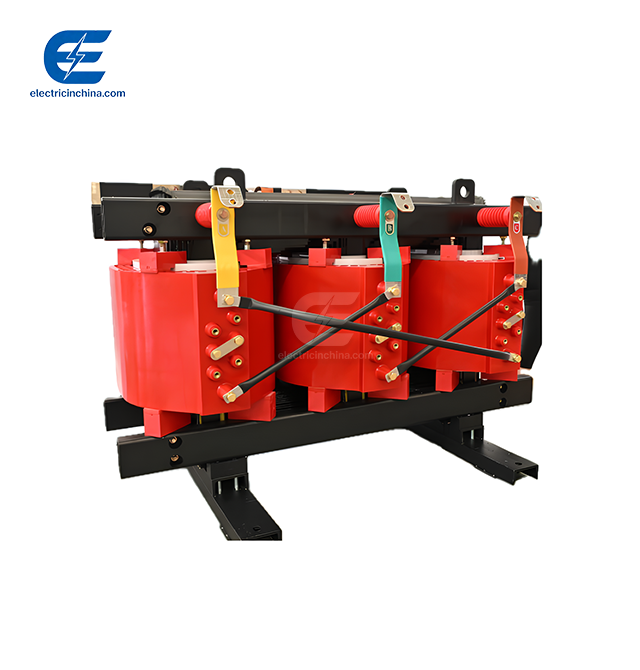
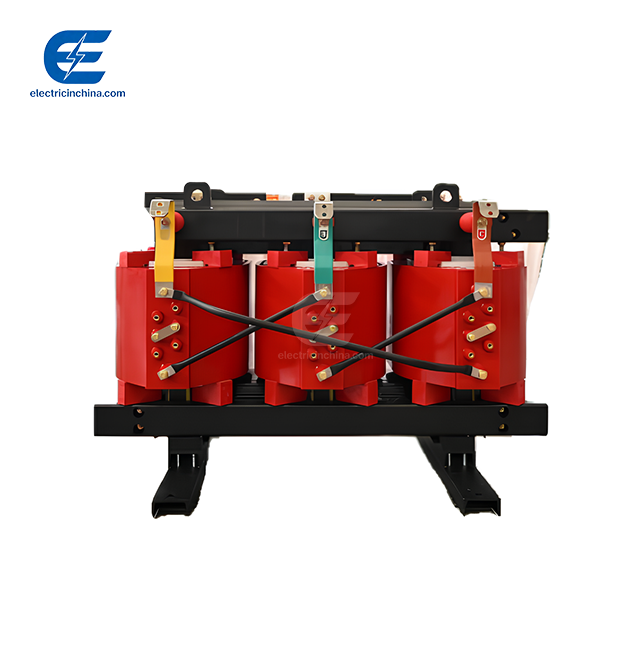
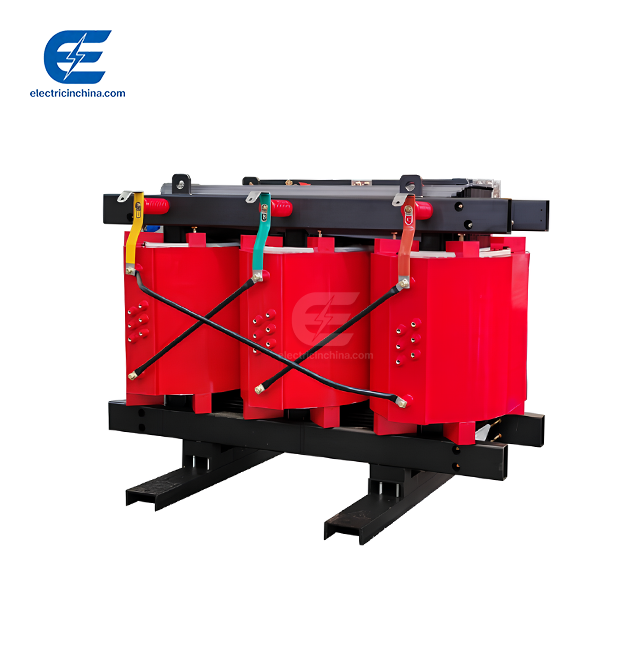
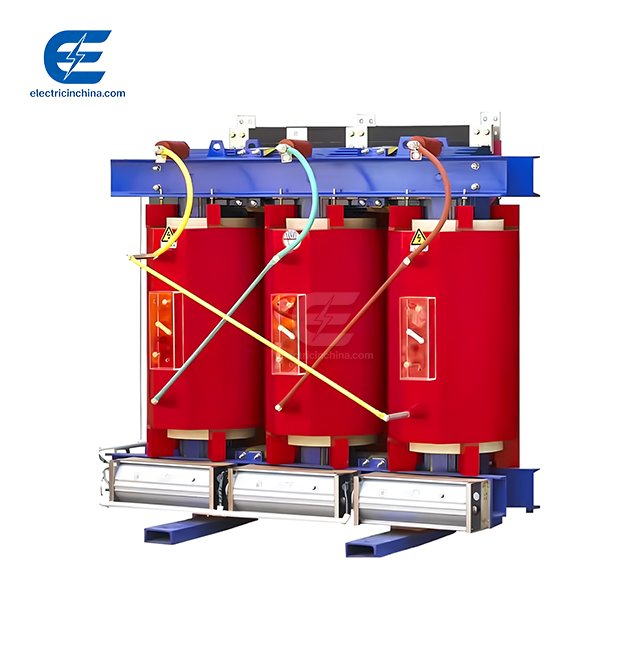
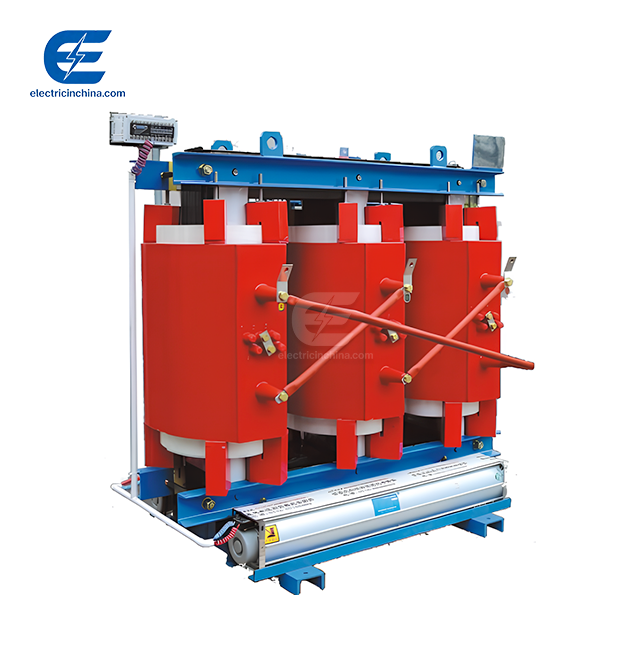
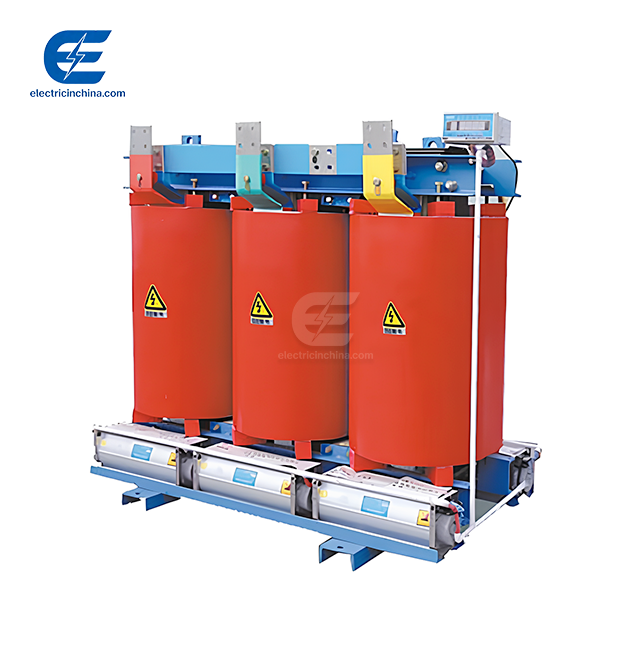
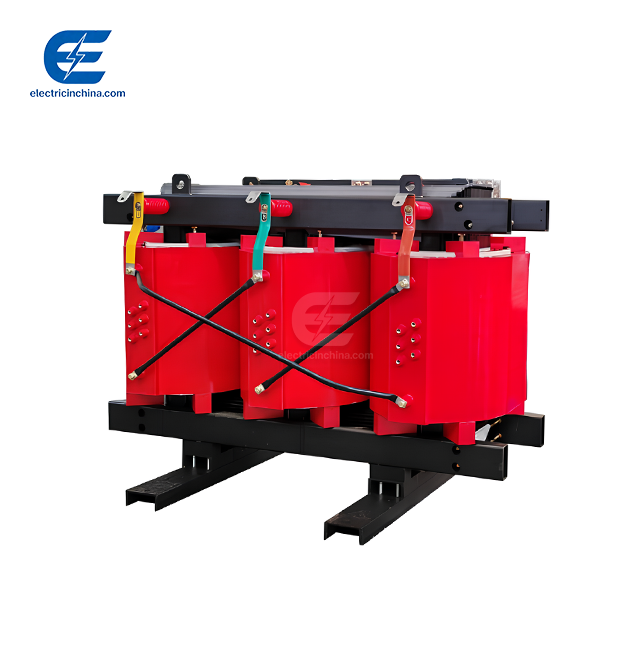
Amorphous metal dry-type transformers serve government infrastructure, industrial manufacturing, commercial real estate, renewable energy installations, and data centers across the United States. These advanced power distribution systems utilize non-crystalline core materials that deliver 70–80% fewer no-load losses than silicon steel alternatives. Our manufacturing capabilities span 30KVA to 31,500KVA ratings with 98.5–99.2% efficiency performance, backed by ISO 9001 certification and proven deployment in hundreds of municipal and industrial projects. This technology addresses critical procurement priorities: reliability, energy cost reduction, customization flexibility, and compliance with evolving sustainability mandates.
Understanding Amorphous Metal Dry-Type Transformers
Traditional silicon steel cores waste tremendous energy through continuous core losses. The power you pay for never reaches your equipment.
Our amorphous metal technology changes that equation entirely.
The Science Behind Superior Performance
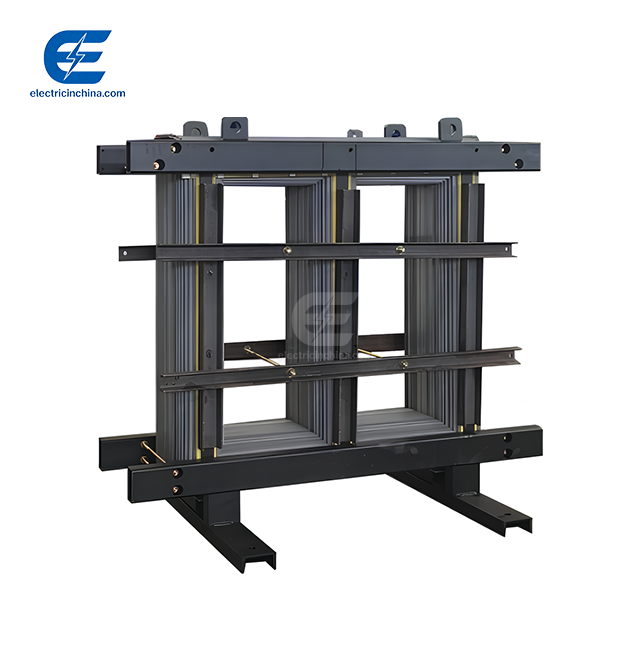
The amorphous metal core features a non-crystalline atomic structure composed of iron, nickel, cobalt, boron, and carbon alloys. Unlike regular silicon steel that has a structured arrangement, this metallic glass design greatly lowers energy losses when the magnet is turned on and off. The result transforms how transformers consume energy during idle and light-load periods.
Your transformer operates continuously, even at partial capacity. Standard units keep drawing power due to core losses. Our amorphous metal dry-type transformer reduces these losses to just 0.1-0.2% of rated capacity—real money saved every year.
Core Technical Specifications
We have measurable engineering advantages. Core loss density is 0.16-0.22 W/kg, 60-80% better than existing technology. With a saturation flux density of 1.56 T, magnetic permeability approaches 80,000 H/m. Cast resin insulation remains stable from -23°C to +54°C.
At full load, efficiency was 98.5-99.2%, fulfilling IEC 60076 and IEEE C57.12.01. Exciting current lowers 50%, reducing reactive power. Keeping total harmonic distortion below 3% protects sensitive devices across your facilities. Low magnetostriction keeps noise under 45dB, making workplaces comfortable.
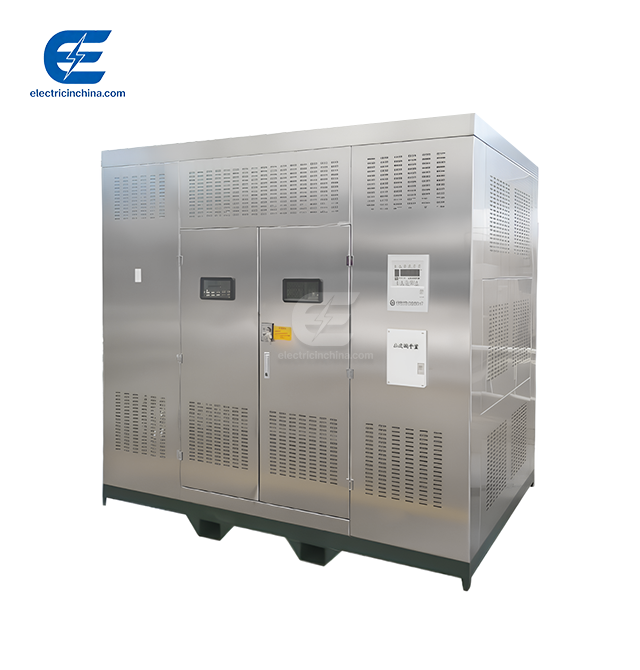
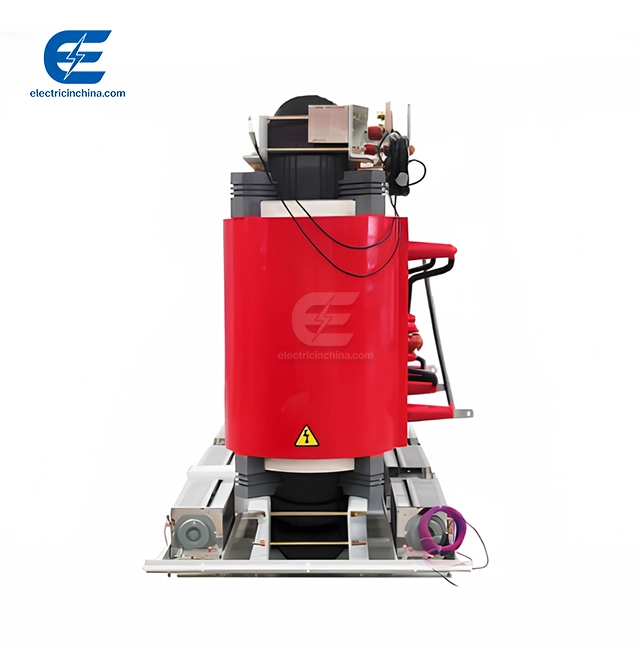
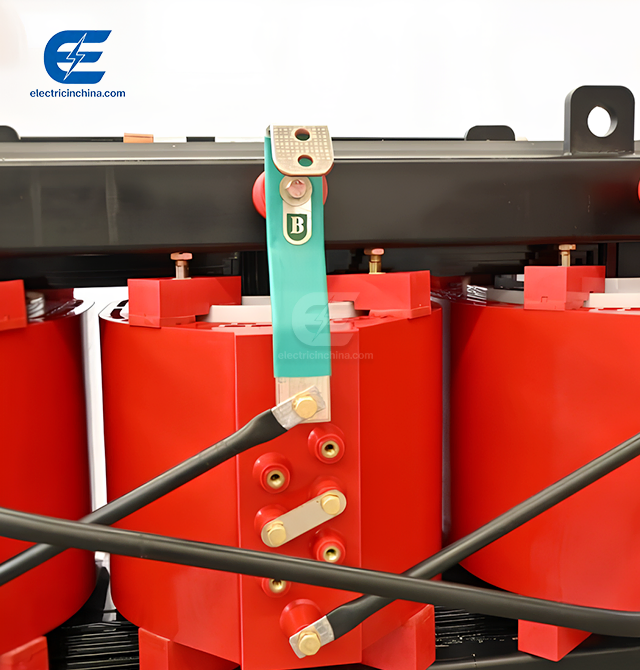
Leakage and fluid testing are eliminated by the oil-free architecture. Maintenance-free functioning for over 30 years lowers the total cost of ownership. Ideal for occupied buildings, shopping centers, and transportation infrastructure, these units meet self-extinguishing fire safety regulations.
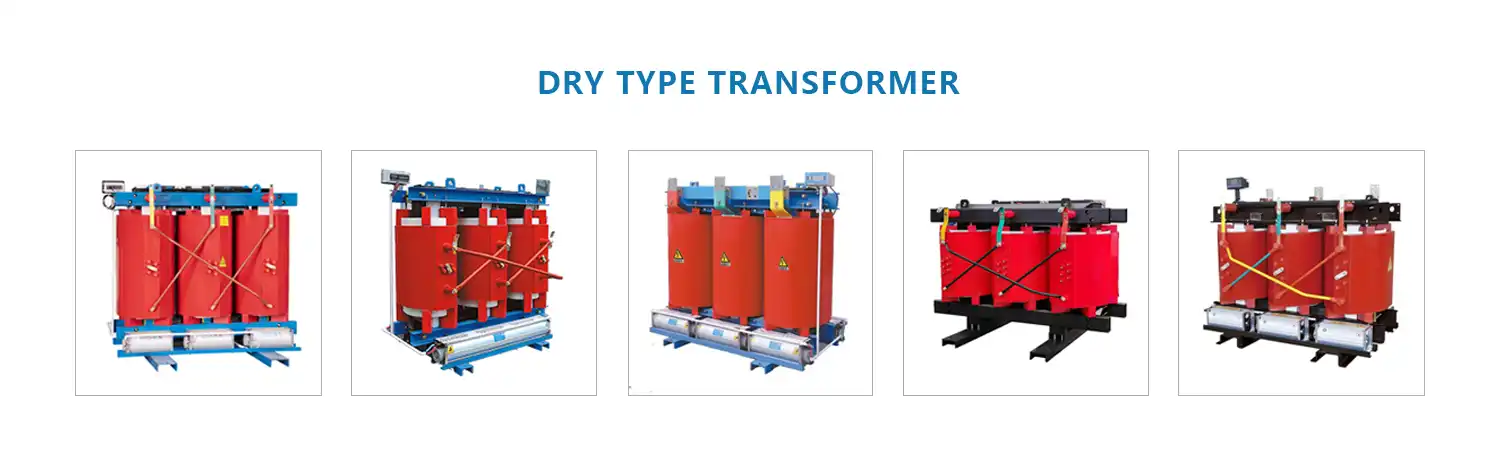
Industries Leveraging Amorphous Metal Dry-Type Transformers
Multiple sectors recognize the operational and financial advantages of advanced transformer technology. Each industry faces distinct power distribution challenges that amorphous alloy solutions address effectively.
Manufacturing and Industrial Automation
Production facilities need reliable, waste-free power. Our automotive, pharmaceutical, and food industry clients claim immediate utility cost reductions following installation. Continuous transformer operation reduces no-load losses by 70–80%, affecting operational budgets.
Climate control, robotic assembly lines, and heavy machinery need consistent, low-harmonic voltage. We prevent expensive automation equipment from power quality issues with constant transformer performance under fluctuating load situations. The superior overload capacity—120% for two hours—handles output spikes without equipment stress.
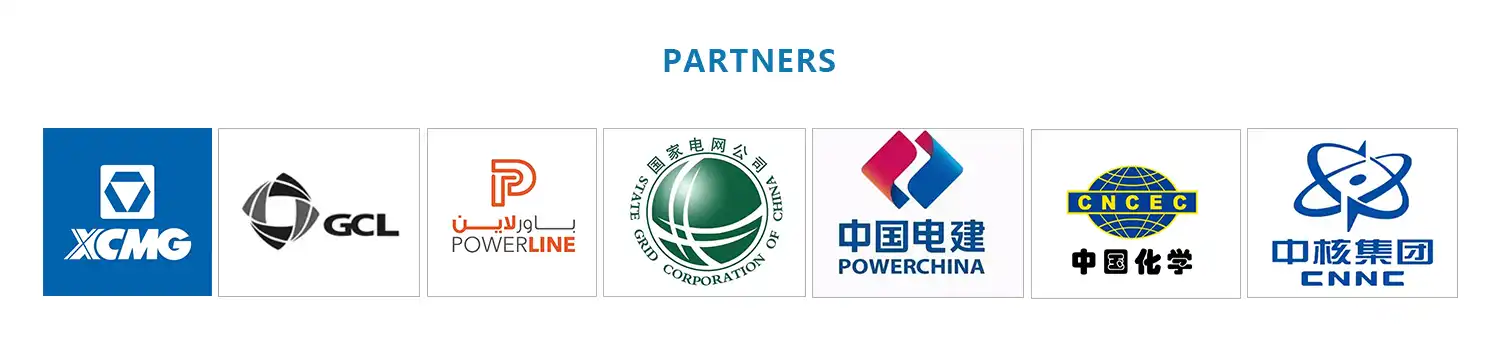
XCMG Group's overhaul of the plant's power supply demonstrates these benefits. Installation was completed early, allowing manufacturing to begin. The increased efficiency supports operational aims and reduces environmental footprint, supporting business sustainability.
Commercial Real Estate and Infrastructure Development
Safety, space efficiency, and long-term expenses are building developers' priorities. Oil-filled transformers pose fire concerns, but our amorphous metal dry-type transformer simplifies building code and insurance compliance. In high-value properties, the compact footprint and interior installation maximize floor space.
Xinhuai Central Complex, Huaihai Xintiandi Phases 7-8, and Zhongjun Huijingcheng have received our complete power solutions. The Tianyu Yayuan project set Xuzhou Power Supply Company's quality evaluation record, proving our execution standards.
Shopping centers, office buildings, and mixed-use developments benefit from quiet operation (sub 45 dB) that maintains premium tenant settings. LEED and BREEAM ratings attract environmentally aware renters and fetch premium leasing rates because green building certification schemes acknowledge energy efficiency improvements.
Government and Municipal Infrastructure Projects
Government procurement requires reliability, compliance documents, and longevity. We have the Xuzhou Rail Transit Network Control Center, the High-Speed Railway East Station Official Power Supply EPC Project, and the New Health Hospital Phase I Project. These installations show we can satisfy strict technical requirements and project deadlines.
For absolute operational safety, rail transit systems need dual-circuit power supplies. Our transformers meet transportation authorities' dependability standards with comprehensive fault testing. Maintenance-free operation for 30 years reduces service disruptions and budget allocations due to infrastructure lifecycle planning.
Municipalities prioritize environmental advantages over energy savings. Oil removal reduces groundwater contamination and regulatory compliance. Government agencies increasingly emphasize climate action, and the 60% operational carbon footprint reduction supports these efforts.
Renewable Energy and Grid Integration
Solar farms and wind farms have power quality issues during output swings. High linearity and low reactive power consumption help our transformers stabilize voltage distribution and promote grid integration. Excellent efficiency under light-load conditions reflects renewable sources' fluctuating generating patterns.
The GCL Photovoltaic Industrial Park power transmission project illustrates these benefits. Renewable systems have bidirectional power flow and voltage changes, which our equipment manages to maximize energy harvest and grid stability. Low harmonic distortion protects inverter equipment and increases system life.
Our technology works well with utility-scale battery storage. High efficiency during numerous charge-discharge cycles reduces conversion losses, improving system economics. We customize voltage and capacity ratings for these systems.
Data Centers and Critical Infrastructure
Data center operators measure profitability by watt. Every percentage point of efficiency boosts profits. Hyperscale and colocation scenarios benefit from our amorphous metal dry-type transformer's PUE enhancements.
The reliability requirements transcend commercial applications. Without mechanical failure, our cast resin insulation can resist 20 times the rated current short-circuit stresses. Linear B-H features stabilize voltage regulation as computational loads fluctuate on a daily basis. Temperature rise limitations stay under Class H insulation values (180°C), ensuring constant performance in harsh thermal settings.
Certification for Tier III and Tier IV facilities requires considerable paperwork. We deliver Uptime Institute-compliant test results, material certifications, and quality traceability. Our ISO9001 quality management system meets commissioning and continuing facility operator audits.
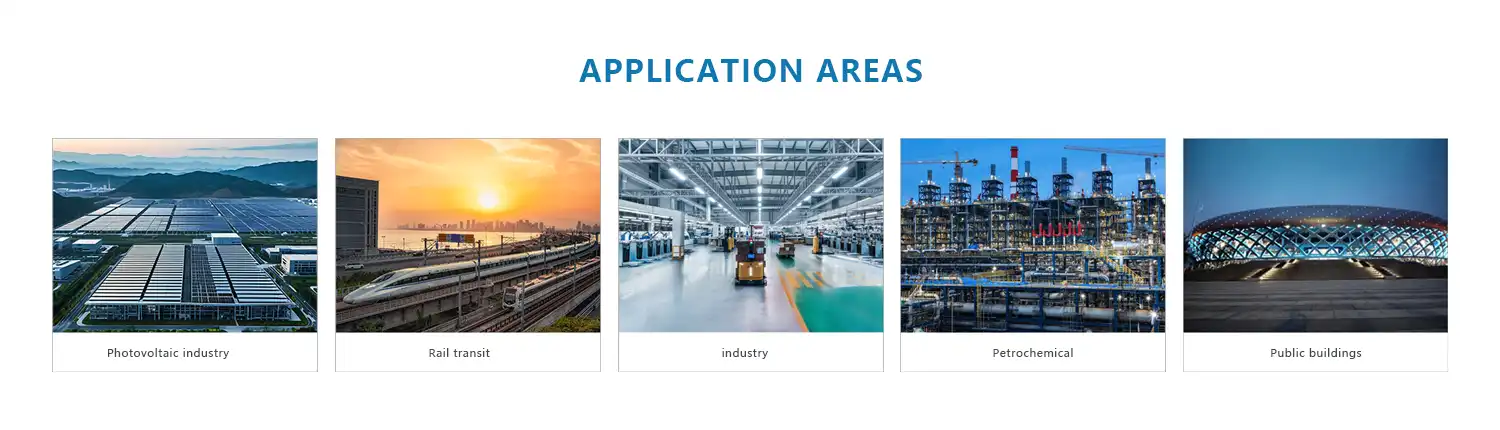
Comparing Amorphous Metal vs. Traditional Transformer Core Materials
Procurement decisions require quantitative performance comparisons. The differences between amorphous alloy and silicon steel cores translate directly into operational costs and environmental impact.
Physical Properties and Magnetic Characteristics
Crystalline grain patterns with magnetic domain boundaries resist magnetization reversal in silicon steel cores. This resistance causes hysteresis loss—energy lost as heat during AC cycles. Standard operational flux density yields 1.0-1.3 W/kg core loss density for conventional cores.
Our 0.025-mm-thick amorphous ribbon material has a random atomic arrangement without grain boundaries. Its magnetic permeability is 80,000-120,000 H/m, compared to 30,000-50,000 for silicon steel. Coercivity drops to 0.5 A/m from 10–40 A/m, greatly lowering magnetization reversal energy. Core loss density drops to 0.16-0.22 W/kg, a 70-80% improvement over decades.
Lifecycle Cost Analysis
To justify the higher initial investment in amorphous metal technology, calculate the total cost of ownership. Imagine a 1000 KVA plant running at 50% average load for 25 years @ $0.12/kWh:
Traditional silicon steel transformer no-load loss: 2,000 W. Annual energy waste: 17,520 kWh. Cost of energy over 25 years: $52,560.
400W amorphous metal dry-type transformer no-load loss. 3,504 kWh wasted annually, $10,512 in 25 years.
Depending on loading patterns and local utility rates, $42,048 in operating savings can recover any acquisition cost premium in 3-5 years. The financial case improves with saved maintenance, reduced cooling, and carbon offset value.
Environmental Impact Quantification
Energy efficiency laws increasingly affect procurement. California Title 20, DOE efficiency regulations, and utility rebates award high-efficiency transformer deployment. Our units exceed NEMA TP-1 premium efficiency requirements, enabling project economics incentives.
Sustainability-focused companies evaluate carbon footprints. Over a transformer's lifetime, operational emissions reduction equals eliminating numerous passenger vehicles annually. This environmental performance meets ESG reporting and stakeholder expectations, adding value beyond energy cost savings.
Procurement Considerations for B2B Buyers
Selecting the right amorphous metal transformer supplier requires evaluation beyond technical specifications. Project success depends on manufacturing capability, quality systems, and post-installation support.
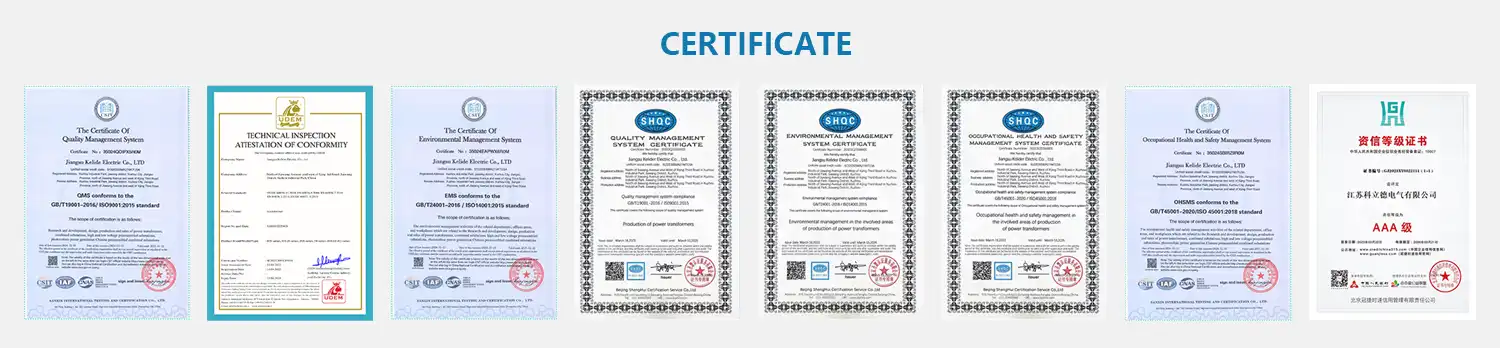
Certification and Quality Assurance
Our ISO 9001, ISO 14001, and OHSAS 45001 certifications show systematic quality management in design, manufacturing, and delivery. All CCC-certified equipment meets safety and performance standards. Our expert quality inspection laboratory tests every transformer before shipment for voltage withstand, partial discharge, temperature rise, and efficiency.
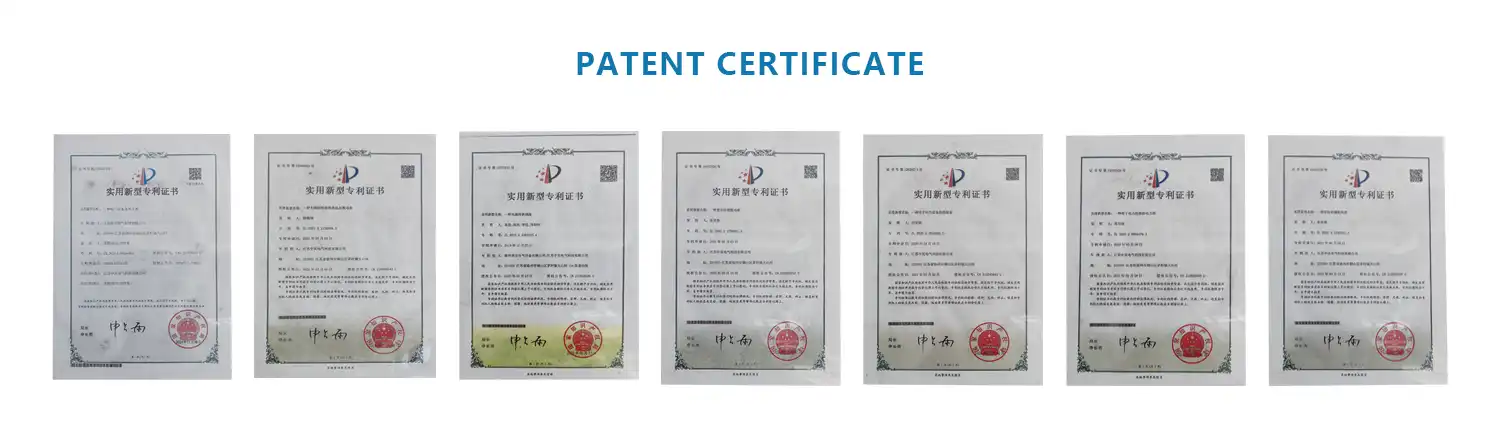
15 senior engineers, 30 intermediate technicians, and 17 senior technicians make up the technical staff. This competence ensures application engineering for site-specific installation and infrastructure integration. We have 18 patents for reliability and performance-enhancing manufacturing advancements.
Manufacturing Capabilities and Customization
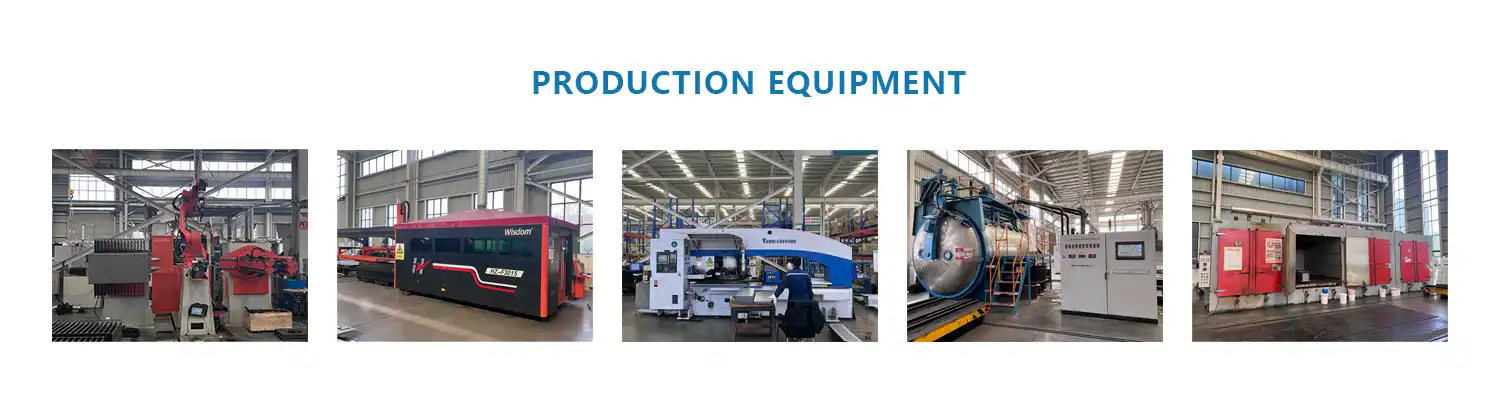
Over 120 CNC automatic winding machines, static vacuum casting systems, and microcomputer-controlled gradient curing furnaces are used in our production facilities. This automation maintains quality and allows for project customization.
Voltage classifications are 10kV–35kV, with capacities from 30KVA to 31,500KVA. Custom configurations meet complex impedance, terminal, seismic bracing, and IP23–IP54 environmental protection needs. Lead times range from 6-10 weeks for common configurations to 12-16 weeks for fully customized devices.
Delivery and Installation Support
Logistics coordination and site integration are our specialties after hundreds of municipal and industrial projects. Transportation planning, unloading help, and installation supervision ensure proper commissioning. Rigid checkpoints eliminate quality concerns throughout delivery and startup, ensuring zero faults.
Warranty, technical troubleshooting, and maintenance training are after-sales services. When unanticipated issues happen, we respond and solve them to serve our customers. This service quality distinguishes vendors in competitive procurement analyses.
Future Trends and Outlook for Amorphous Metal Transformers in Industry
Technology evolution and regulatory developments will accelerate adoption across additional market segments. Staying informed helps procurement professionals align sourcing strategies with emerging opportunities.
Advanced Manufacturing Innovations
Next-generation amorphous alloys with lower loss and better mechanical properties are being researched. Novel iron-based compositions with rare earth elements may improve efficiency. Advanced annealing and precision core assembly will save production costs and improve performance.
Digital integration is another frontier. Sensor-equipped smart transformers monitor load, temperature, and insulation status in real time. Energy management systems use this data for predictive maintenance and optimal loading. Remote diagnostics with IoT reduces servicing costs and maximizes uptime.
Regulatory Drivers and Market Growth
Global energy efficiency mandates tighten. Every time the DOE increases minimum efficiency standards, it favors advanced technologies. California, New York, and other states have stronger laws, giving early adopters an advantage.
Transmission and distribution grid modernization prioritizes loss reduction. Power companies increasingly request high-efficiency transformers for new and replacement projects. Amorphous metal transformers are great at handling power flow in both directions, managing voltage when loads change, and connecting with the smart grid for communication.
Strategic Sourcing Recommendations
Building ties with innovative amorphous metal dry-type transformer manufacturers helps your company capitalize on technology. Assess providers' technical skills, quality, project experience, and service commitment. Choose partners with engineering support, customization flexibility, and lifetime services.
Internal amorphous transformer expertise improves procurement decisions. Understanding performance, application, and financial benefits leads to confident specification and supplier evaluation. Integrating facilities, sustainability, and finance teams ensures agreement on overall value beyond acquisition cost.
Conclusion
Amorphous metal transformers deliver compelling advantages across manufacturing, commercial real estate, government infrastructure, renewable energy, and data center applications. The 70–80% reduction in no-load losses translates into significant operational savings and environmental benefits over multi-decade service lives. Our proven capability—spanning 30KVA to 31,500KVA capacity with 98.5% efficiency performance—addresses the reliability, customization, and compliance requirements of medium- to large-sized organizations. With 18 patents, 120+ production machines, and hundreds of successful project completions, we provide the technical strength and quality assurance procurement professionals demand when specifying mission-critical power distribution equipment.
FAQ
What is the cost difference between amorphous metal and traditional transformers?
Amorphous metal units typically carry a 15-30% premium over silicon steel transformers of equivalent capacity. The payback period ranges from 3-5 years, depending on loading patterns and electricity rates. Total cost of ownership calculations favor amorphous technology due to energy savings, reduced cooling requirements, and maintenance-free operation exceeding 30 years.
Which certifications verify supplier quality for amorphous metal transformers?
Look for ISO9001 quality management, IEC 60076 transformer standards compliance, IEEE C57.12.01 certification, and relevant safety approvals like CCC or UL. Request documentation of material certifications, factory test reports, and quality inspection procedures. Supplier capability should include engineering expertise, proven project experience, and a comprehensive after-sales support infrastructure.
How do amorphous transformers benefit environmental sustainability?
The 60–70% reduction in operational losses decreases carbon emissions, equivalent to removing multiple vehicles annually. Oil-free design eliminates groundwater contamination risks and hazardous material handling. Superior efficiency qualifies for LEED and BREEAM green building credits. The fully recyclable core materials and 30+ year service life reduce manufacturing impacts through extended replacement cycles.
Partner with Tuojie for Proven Amorphous Metal Transformer Solutions
Selecting the right amorphous metal dry-type transformer supplier determines project success and long-term operational performance. Tuojie combines two decades of industry experience with cutting-edge manufacturing capabilities—18 patents, 120+ advanced production machines, and a technical team of 15 senior engineers, ensuring every unit exceeds ISO 9001 standards. Our proven track record includes hundreds of successful municipal infrastructure, commercial real estate, and industrial projects across diverse applications.
We understand the procurement priorities of government agencies, EPC contractors, and industrial manufacturers: certified quality, customization flexibility, reliable delivery, and comprehensive support. Our capacity range from 30 KVA to 31,500 KVA, addressing virtually any power distribution requirement with 98.5–99.2% efficiency performance. Contact our engineering team at tuojie@electricinchina.com to discuss your specific project requirements. We'll provide detailed technical specifications, competitive quotations, and customized solutions matching your installation conditions. As a trusted amorphous metal dry-type transformer manufacturer, we deliver the reliability, innovation, and service excellence your critical infrastructure demands.
References
1. Institute of Electrical and Electronics Engineers, "IEEE Standard for Dry-Type Distribution and Power Transformers," IEEE Standards Association, 2018.
2. International Electrotechnical Commission, "Power Transformers - Part 11: Dry-Type Transformers," IEC Technical Committee, 2017.
3. U.S. Department of Energy, "Energy Conservation Standards for Distribution Transformers: Final Rule Analysis," Office of Energy Efficiency and Renewable Energy, 2016.
4. National Electrical Manufacturers Association, "Guide for Determination of Energy Efficiency for Distribution Transformers," NEMA Standards Publication TP-1, 2019.
5. American Society for Testing and Materials, "Standard Specification for Amorphous Magnetic Core Alloys," ASTM International Committee on Magnetic Properties, 2020.
6. Electric Power Research Institute, "Transformer Life Extension Through Advanced Materials Technology," EPRI Technical Report Series, 2019.