

.webp)
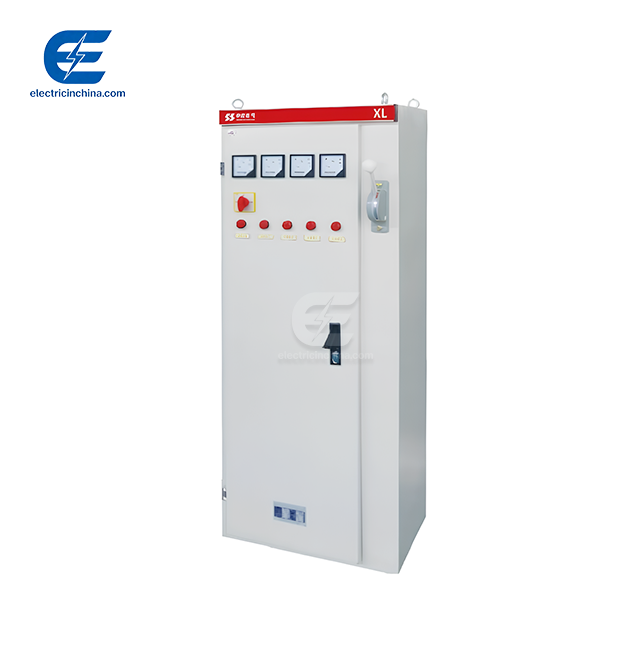
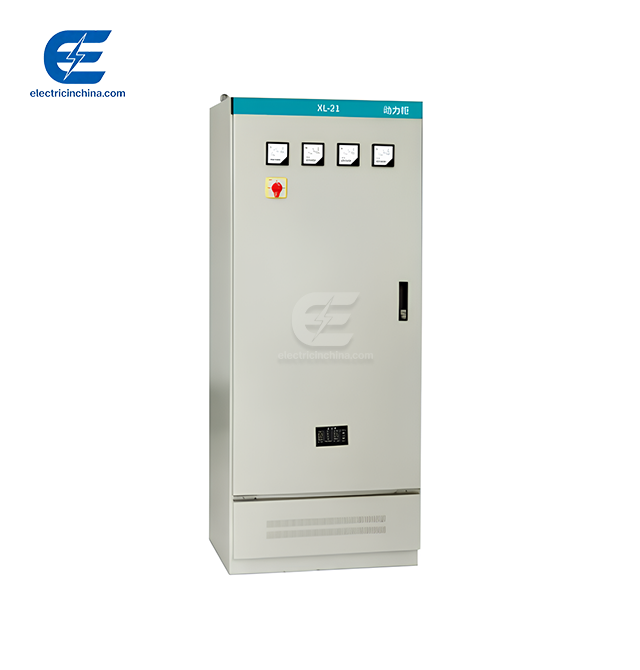
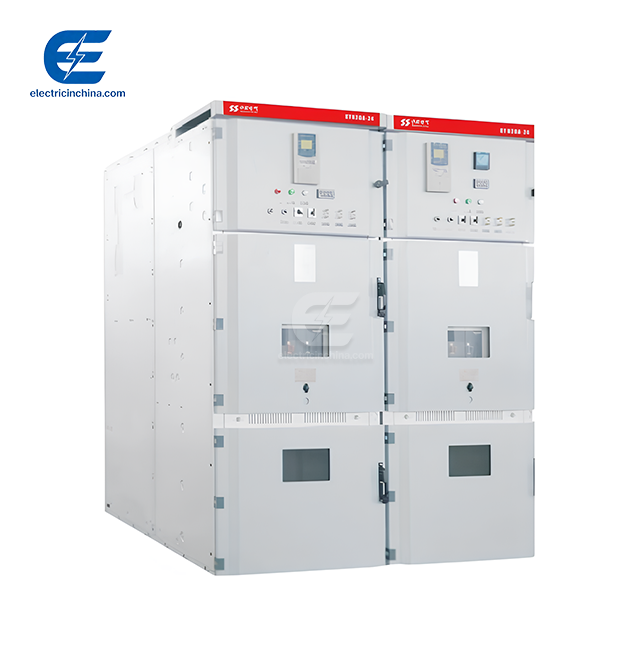
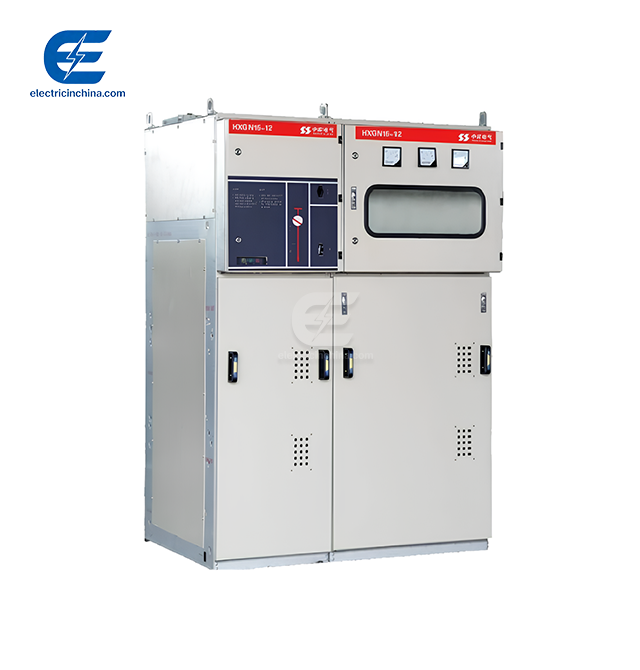
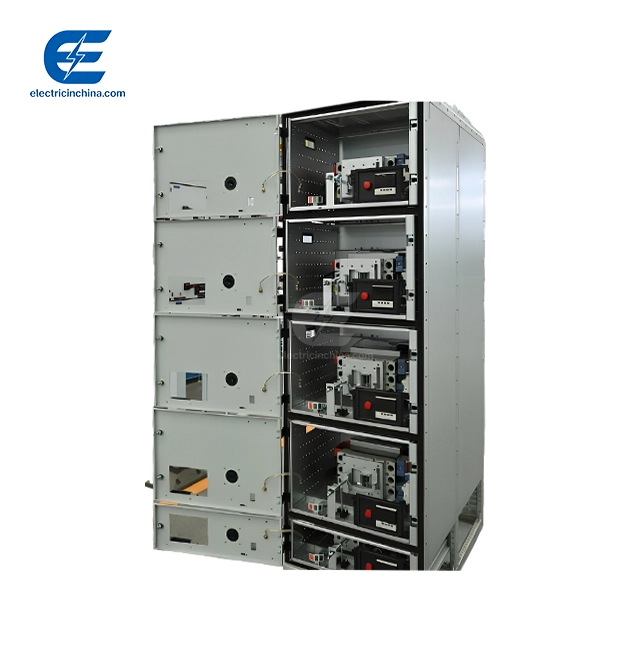
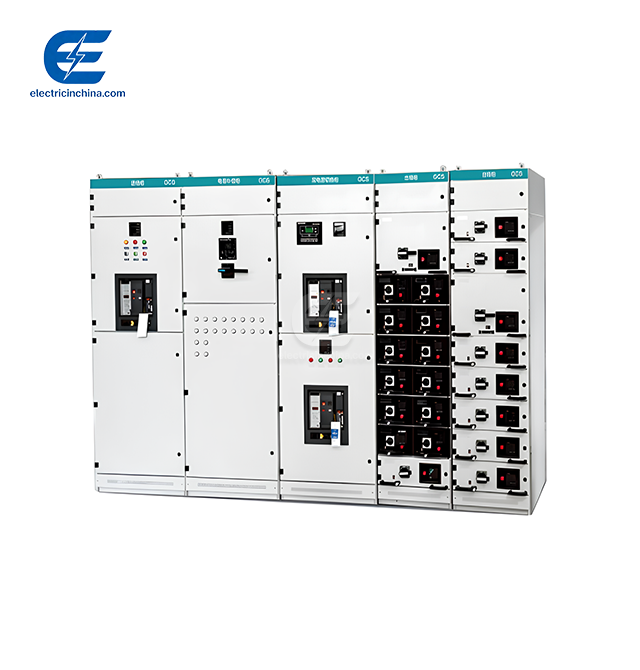
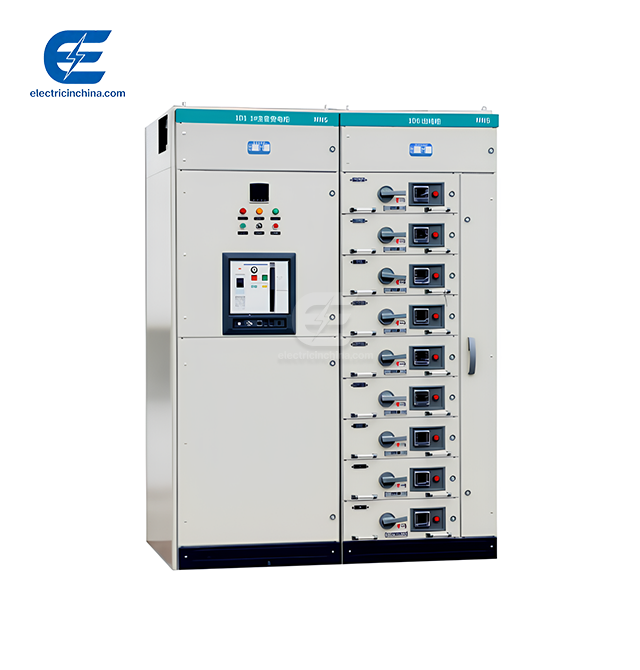
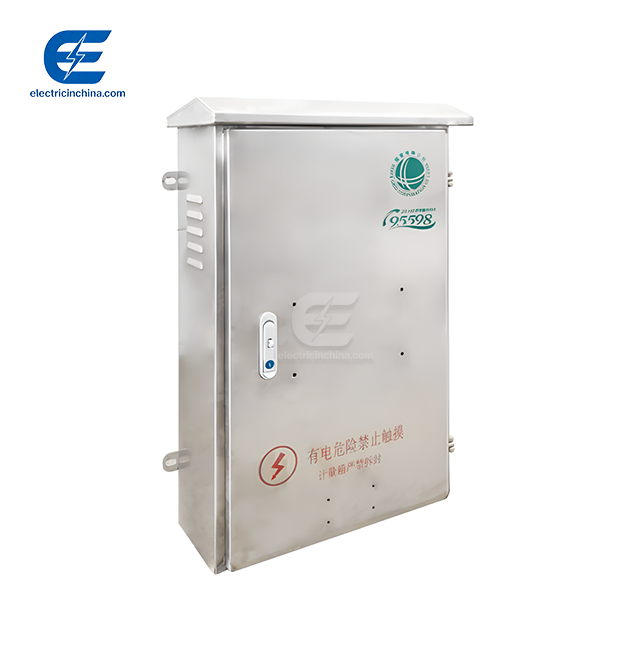
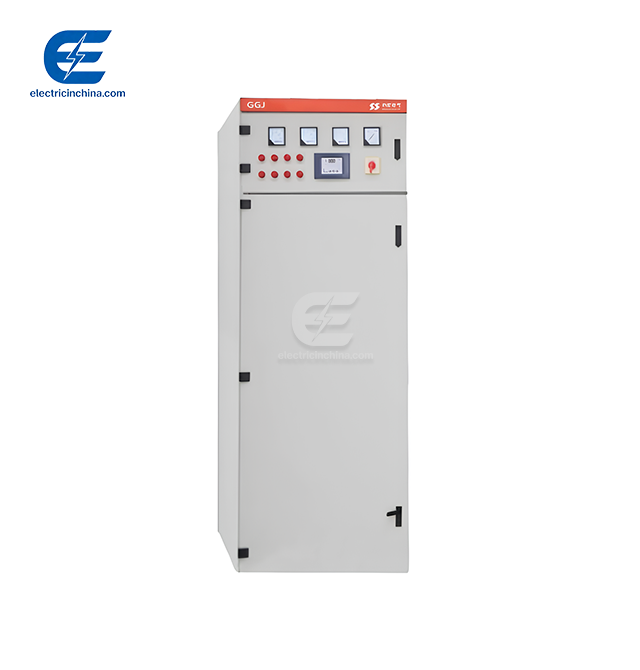
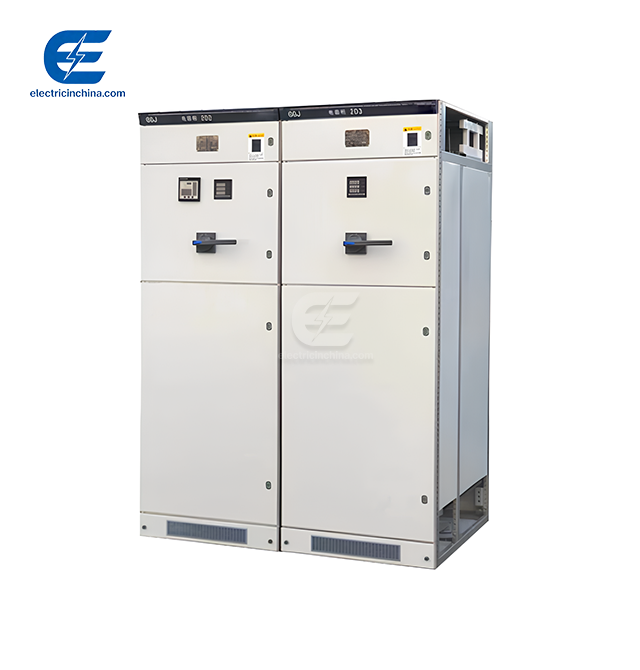
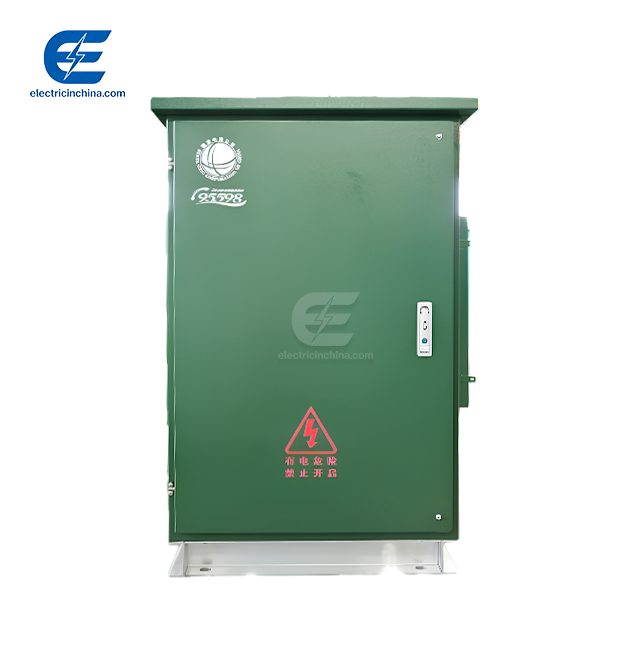
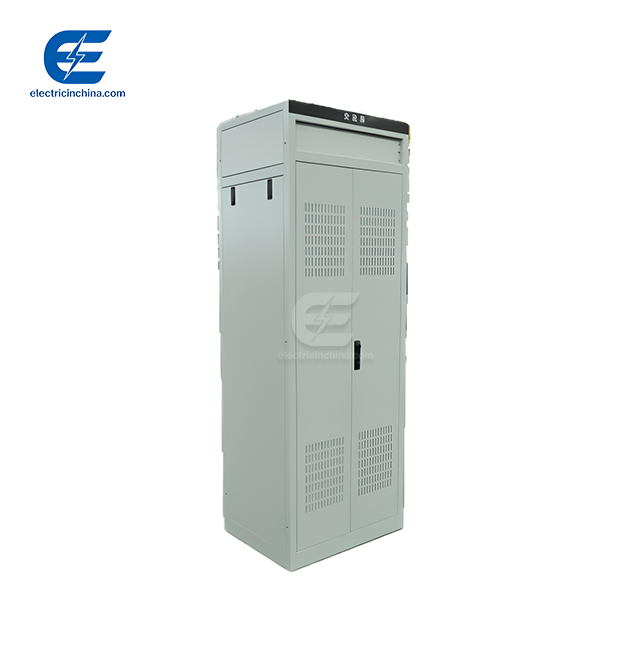
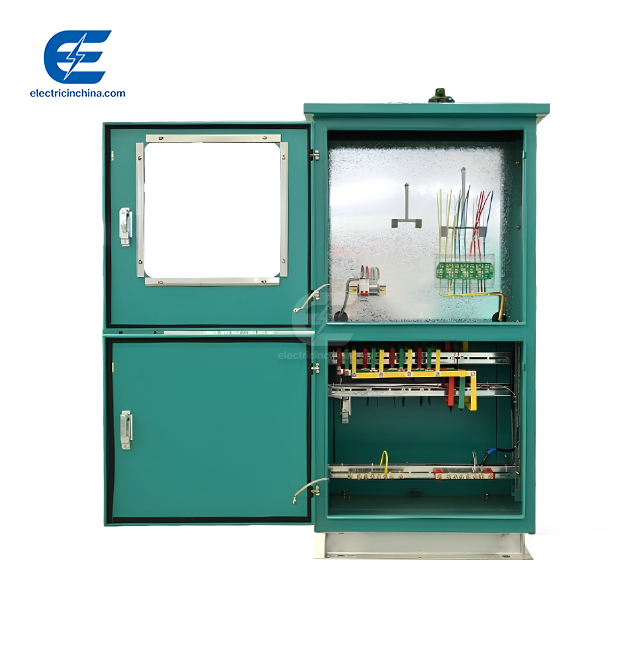
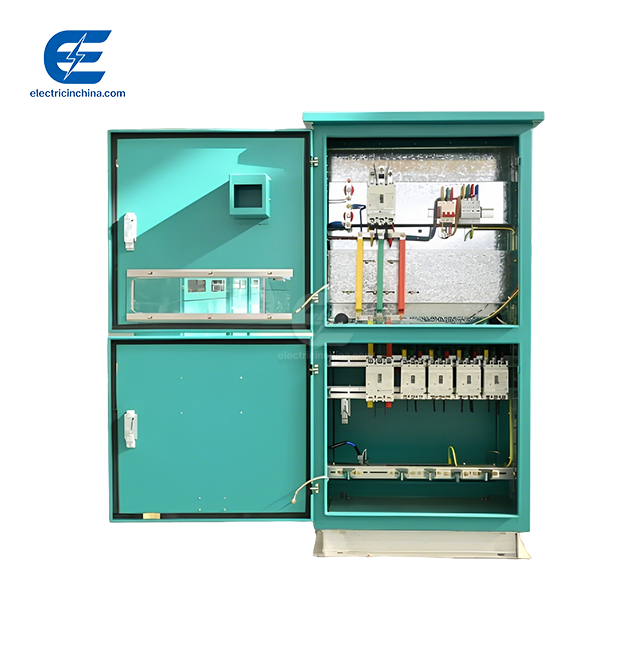
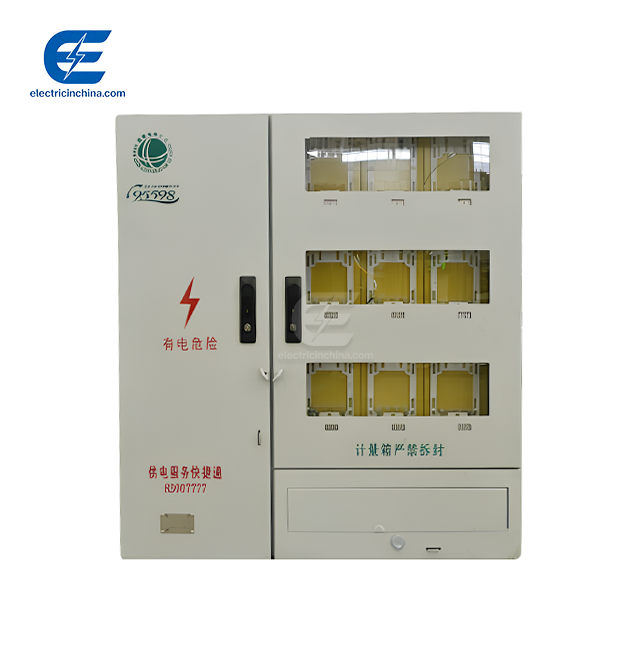
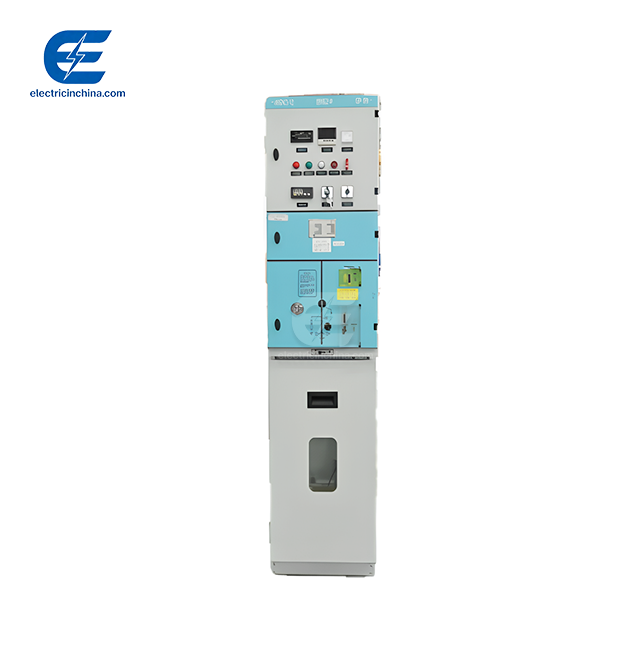
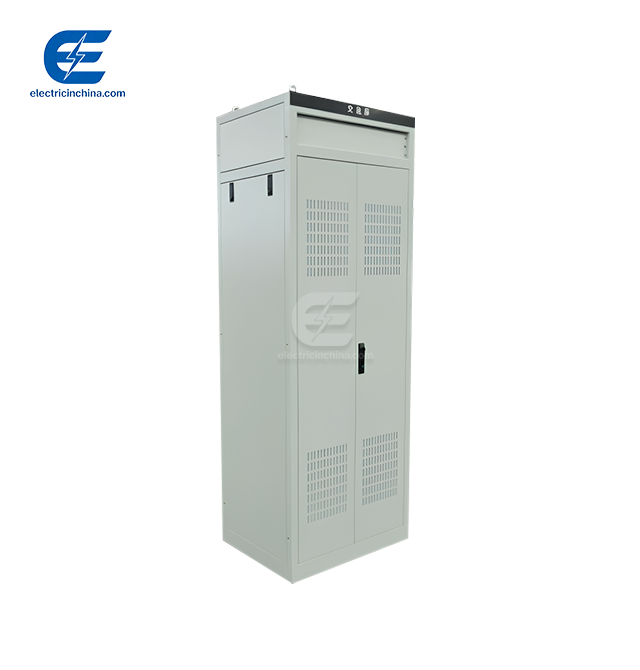
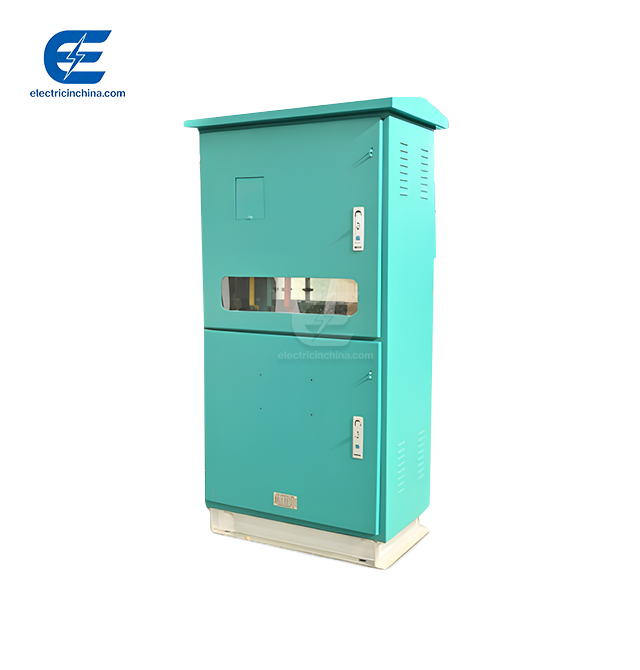
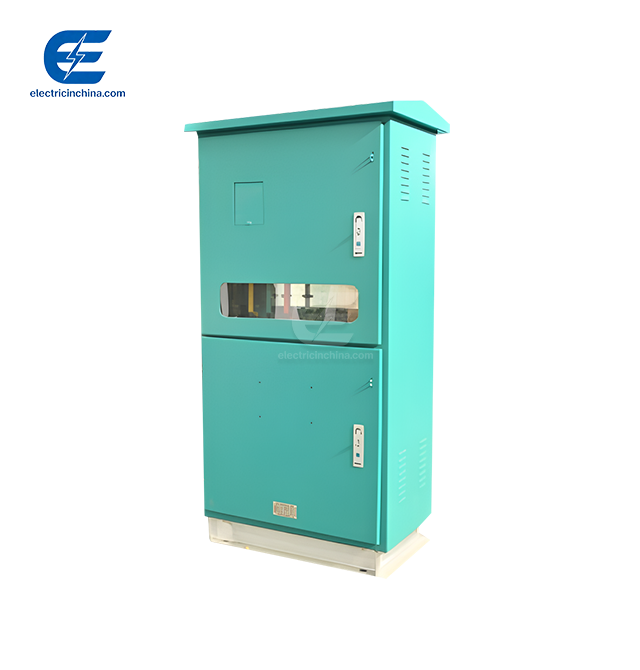
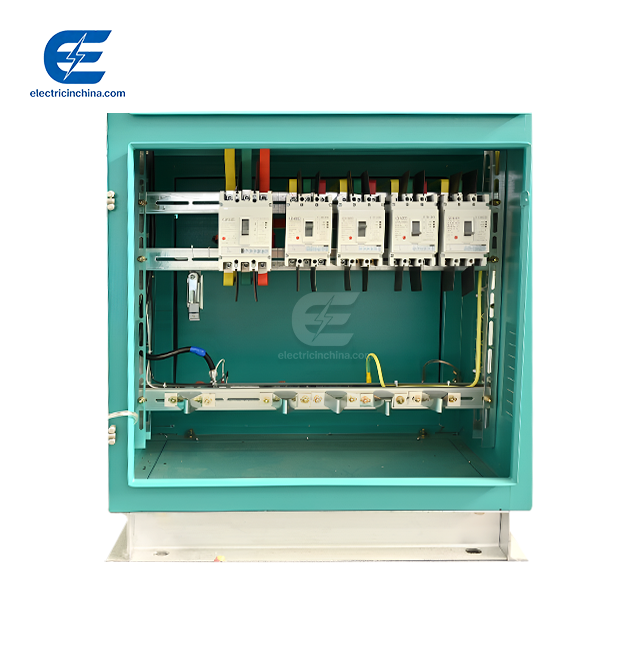
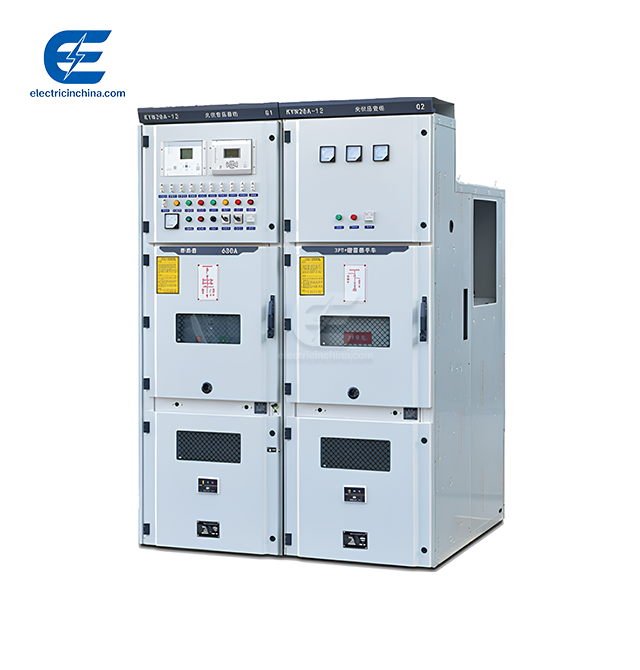
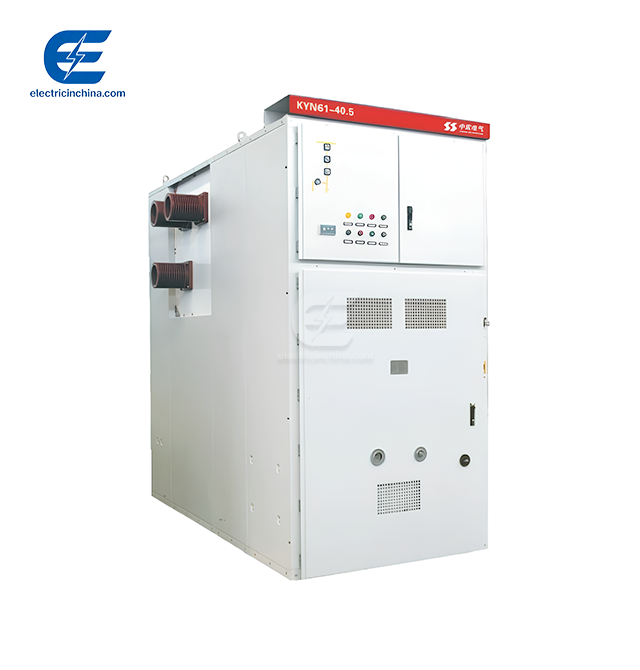
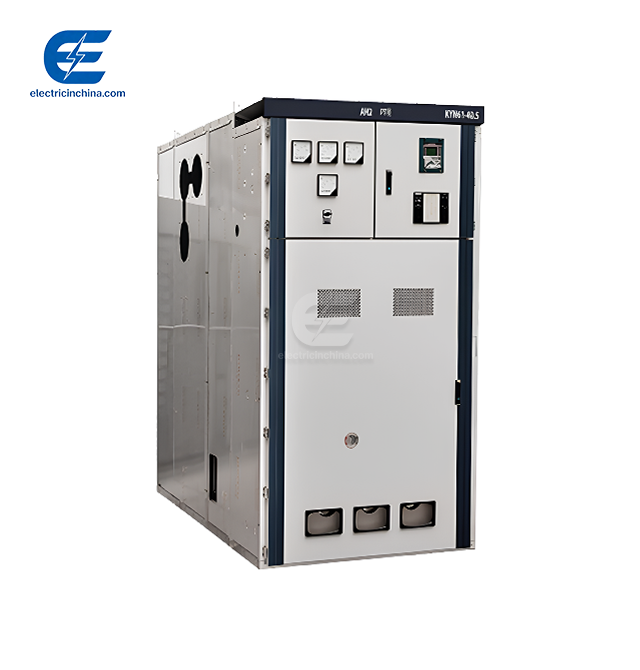
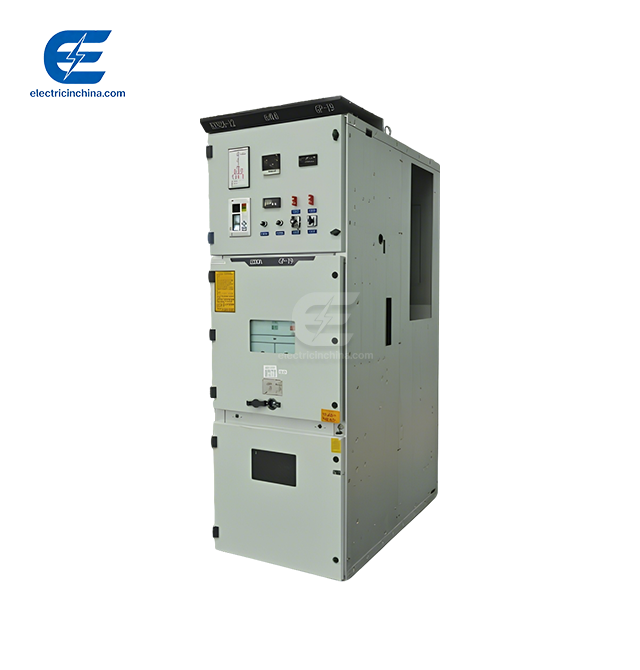
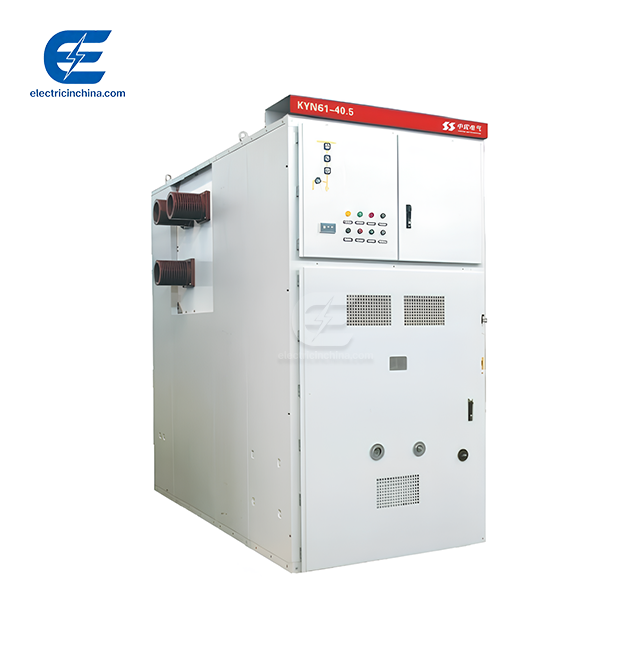
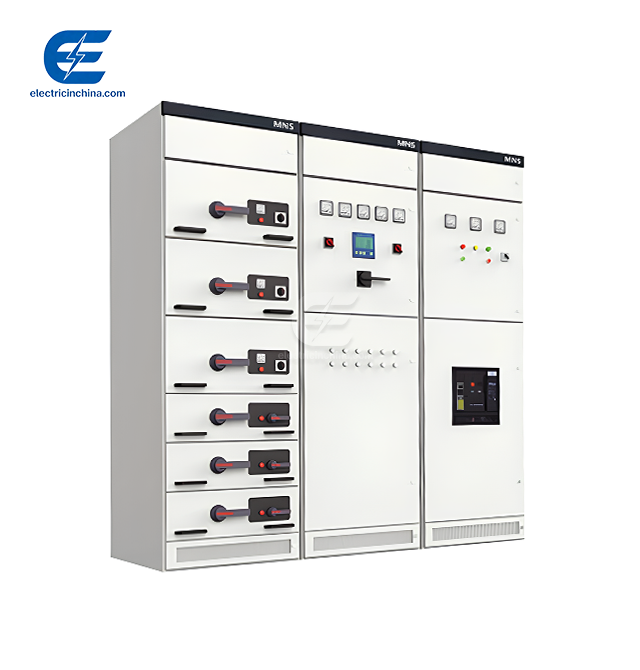
When managing large-scale electrical infrastructure, understanding the right equipment can save millions in downtime and protect your most valuable asset—your people. Medium voltage withdrawable switchgear represents a metal-enclosed electrical distribution system engineered for voltage levels between 3kV and 36kV, featuring circuit breakers and disconnecting switches that physically withdraw from their operating positions for maintenance without de-energizing the entire panel. This modular design solves a critical industry challenge: maintaining power system components safely while keeping your operations running. The withdrawable mechanism enables trained technicians to remove circuit breakers using precision-guided rails while the busbar remains energized, dramatically reducing planned downtime and eliminating costly production interruptions that can exceed $100,000 per hour in critical facilities.
Understanding Medium Voltage Withdrawable Switchgear
Defining Core Concepts and Voltage Classifications
Medium Voltage Withdrawable Switchgear is within the voltage range where most industrial and commercial facilities receive power from utility companies. The classification usually ranges from 1kV to 36kV, with the most common setups being 4.16kV, 13.8kV, and 33. Our metal-enclosed systems can manage continuous currents up to 4000A and can interrupt faults up to 50kA, meeting the tough needs of large infrastructure projects.
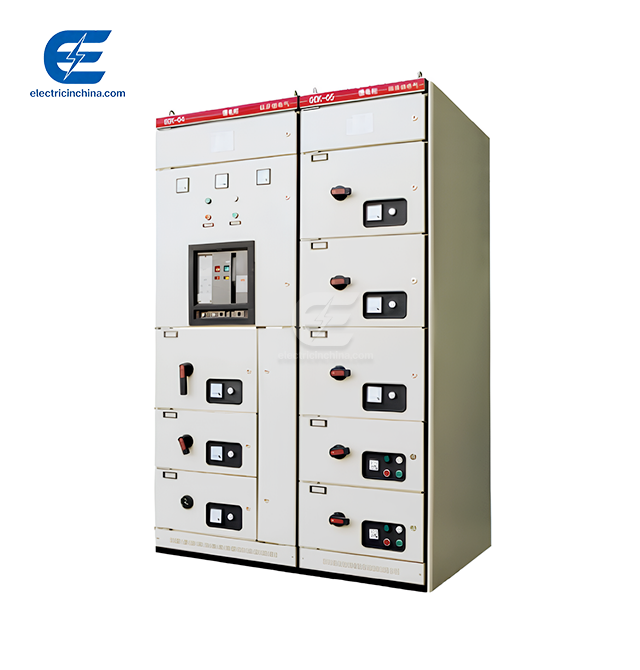
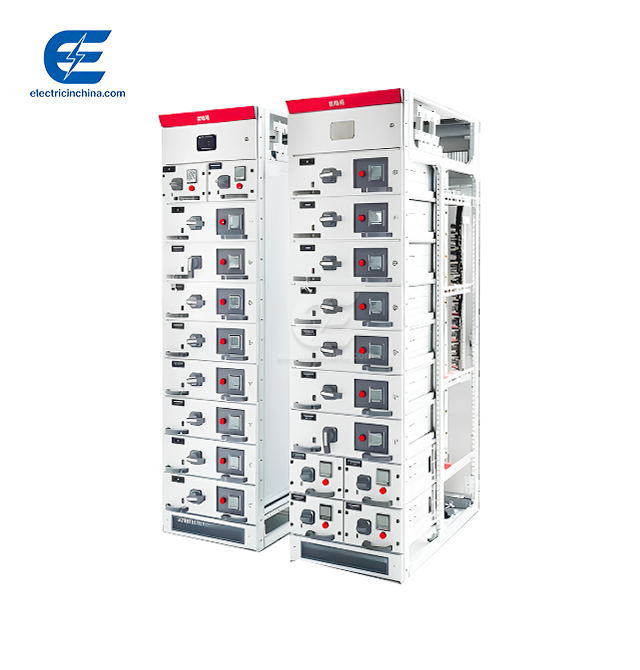
The "withdrawable" designation refers to the mechanical arrangement allowing circuit breakers to move along guided rails between three distinct positions: connected, test, and fully withdrawn. This three-position design enables comprehensive testing and maintenance protocols without compromising system integrity. Each position locks mechanically, preventing unsafe transitions and ensuring operators can verify equipment status visually before proceeding with any maintenance activity.
The Withdrawable Mechanism Explained
This system uses a sophisticated racking mechanism to properly join and disconnect high-current connections. Spring-loaded contacts engage the busbar system with precisely calibrated force when a circuit breaker is attached, enabling reliable electrical connections that can carry thousands of amperes throughout. Functional testing without load circuits is possible by physically disconnecting power circuits while maintaining control wires in the test position.
An important safety innovation in withdrawable designs is automatic shuttering. Mechanical shutters cover busbar connections when the circuit breaker is removed, creating a dead-front construction without live parts. Even when the breaker is removed for workshop maintenance, this design meets strict IEC 62271-200 and IEEE C37.20.2 criteria to prevent inadvertent contact. Visible position indications show the circuit breaker condition, preventing operational errors that often arise with simpler fixed designs.
These mechanical interlocks follow a logical sequence that operators cannot change. Before racking out, the circuit breaker must be open, the compartment door must stay closed, and grounding switches cannot close until the breaker is entirely withdrawn. In high-pressure settings, when mistakes are more likely, this layered safety method protects maintenance workers.
Essential Design Features and Certifications
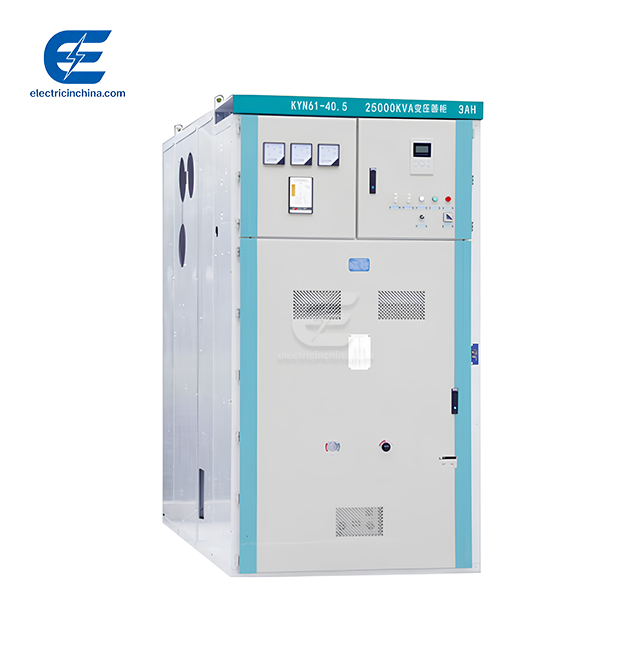
Modern withdrawable switchgear is compartmentalized. In our designs, steel barriers isolate the circuit breaker, busbar, cable termination, and control equipment. This segregation keeps arc flash energy in one compartment during faults, limiting cascading failures that could harm people or equipment. Testing arc fault containment to 50kA proves this protection by documenting safety system performance in worst-case scenarios.
Insulation technologies vary by use and environment. Gas-insulated designs using SF6 technology are small for space-constrained applications, while air-insulated versions are cost-effective for regular indoor installations. In logistically difficult gas handling conditions, epoxy resin-insulated solid dielectric systems operate maintenance-free. Each method has advantages that procurement professionals must weigh against project needs.
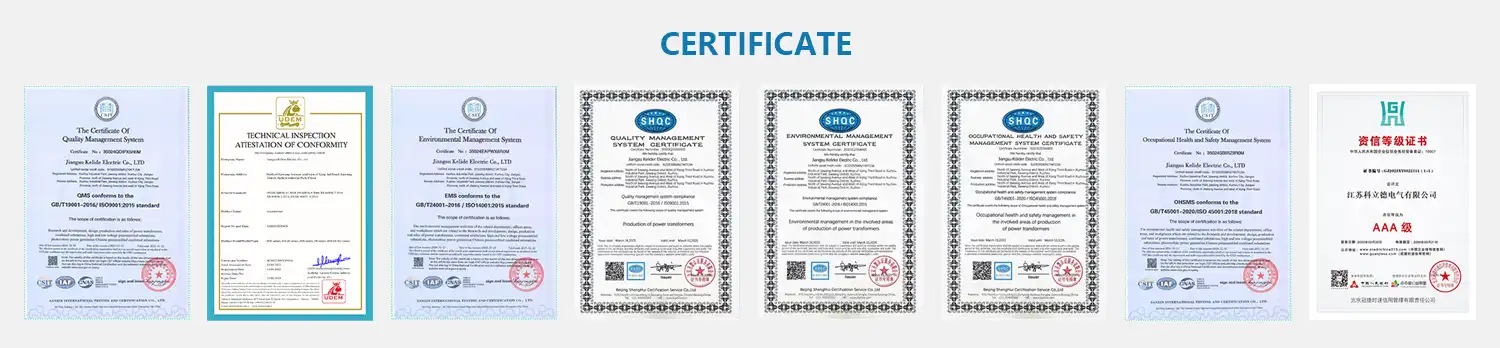
International certifications guarantee design and manufacturing excellence. Our ISO 9001 quality management accreditation shows rigorous process controls throughout production, and ISO 14001 environmental certification demonstrates responsible manufacturing that meets corporate sustainability goals. OHSAS 45001 accreditation demonstrates our commitment to worker safety in both production operations and product design. Such qualifications are important when selecting providers for projects that prioritize regulatory compliance and risk management.
Comparing Medium Voltage Withdrawable Switchgear With Alternatives
Understanding how withdrawable designs compare against alternative switchgear configurations helps procurement professionals match equipment capabilities to operational requirements. Each construction style offers distinct advantages depending on maintenance philosophies, space constraints, and budget parameters.
Withdrawable Versus Fixed Switchgear
Circuit breakers are permanently bolted to fixed switchgear, making it compact and cheaper. This structure is ideal for applications with extensive system shutdowns and limited room for equipment. Although operational costs accumulate over decades of service, they are not always fully recognized. Each maintenance work requires de-energizing sections, arranging downtime during off-peak periods, and negotiating temporary power arrangements for ongoing operation.
The withdrawable option allows hot-swappable maintenance, changing this equation. Our solutions can remove circuit breakers for complete refurbishment while the busbar is active, decreasing downtime by 80% compared to fixed options. This capacity is valuable in places where production disruptions cost a lot. Data centers, pharmaceutical factories, and semiconductor factories require withdrawal designs for operational flexibility.
Maintenance efficiency goes beyond downtime. Withdrawable breakers are placed in fully equipped workshops with specialized testing equipment and controlled settings for better maintenance than field repairs in tight switchgear compartments. Removing maintenance from electrified equipment improves job quality, repair time, and worker safety.
Metal-Clad Construction Standards
Metal-clad switchgear has the strongest construction, with complete barriers between active components and grounded metal compartments. Our solutions follow the strict rules set by IEEE C37.20.2 for safety features like mechanical interlocks, insulated bus, and automatic shutters. This construction type meets industrial, utility, and infrastructure safety needs where worker protection and system reliability merit premium investment.
Circuit breakers, busbars, cable connections, and control devices are isolated in grounded metal enclosures in the compartmentalized architecture. Minimum 12-gauge steel internal barriers with specific coatings resist mechanical impact and confine arc flash energy during faults. This sturdy design protects against tough industrial situations, including corrosive chemical facilities and outdoor substations with significant temperature cycling.
Arc resistance testing verifies containment under controlled faults. Our systems are witness tested with 50 kA fault currents for specific durations. Sensors measure pressure rise, panel deflection, and external flash. Successful testing proves the design protects workers near equipment during rare but severe internal breakdowns. These performance levels distinguish metal-clad designs from less durable alternatives that may meet basic safety requirements but not extreme event protection.
Evaluating Global Manufacturers
Qualified suppliers must be evaluated beyond published requirements. Manufacturing ability, past project experience, support systems, and dedication to long-term service set trustworthy manufacturers apart from cheaper suppliers who don’t provide help.
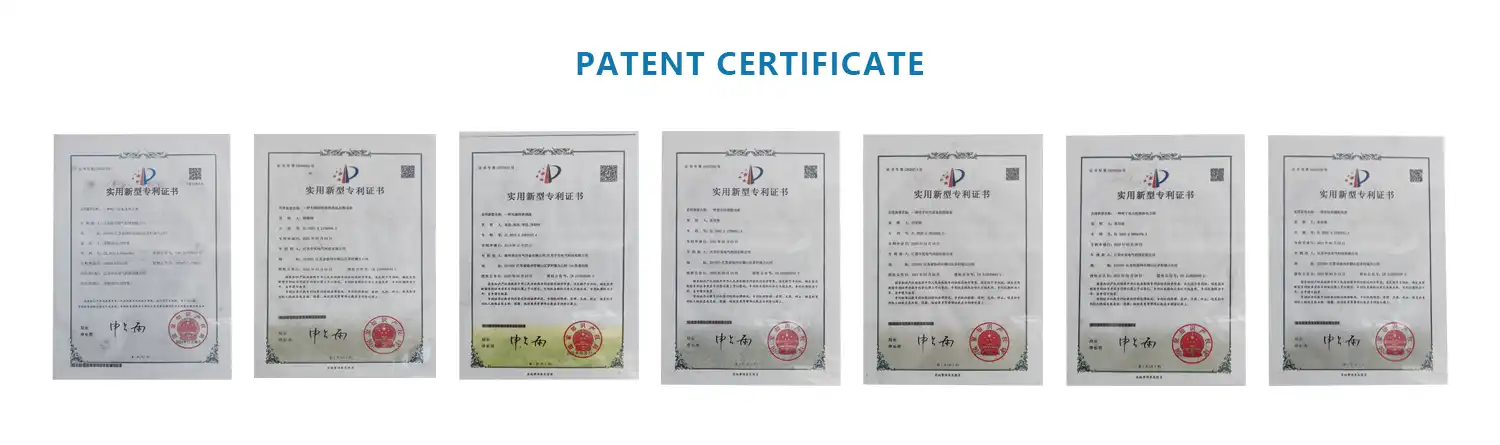
We innovate to solve operational problems in varied applications using 18 patents. These patents address mechanical innovations that improve reliability, safety features that exceed standards, and manufacturing procedures that produce consistent quality at high volumes. This intellectual property portfolio shows the engineering effort needed to produce performance gains, not marketing claims.
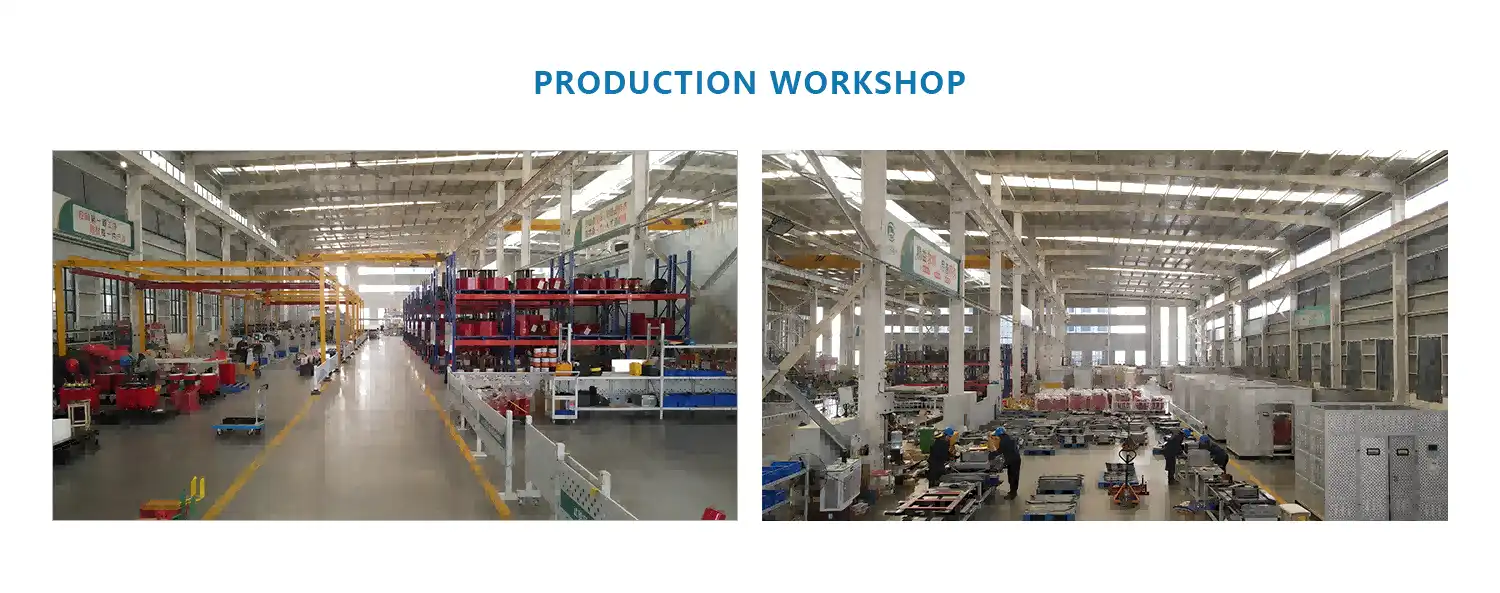
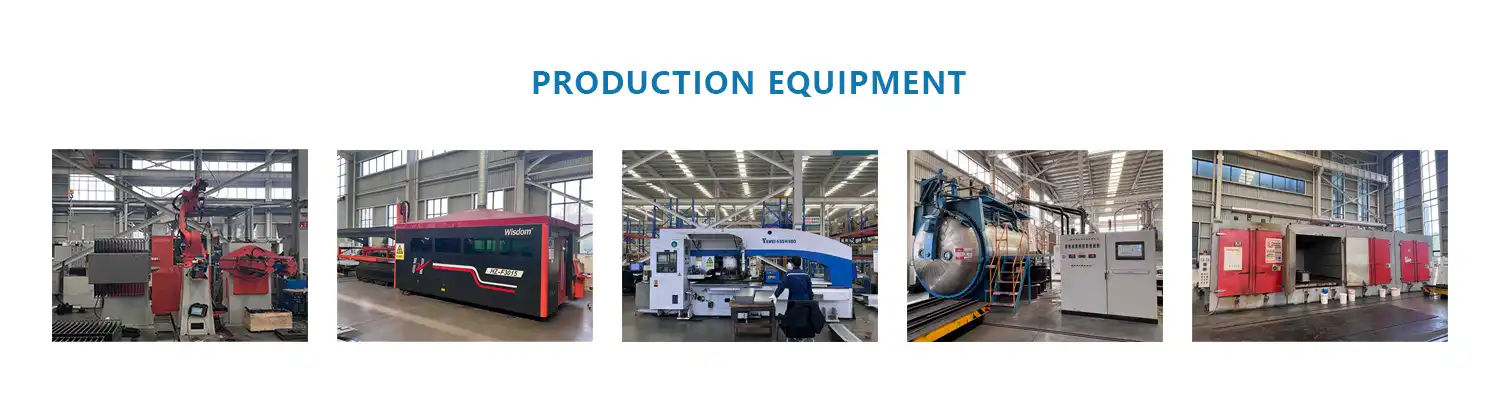
EPC contracts require hundreds of switchgear units delivered on tight timelines; hence, production capacity is essential. Our 120 CNC automatic winding machines, static vacuum casting systems, and microcomputer-controlled curing furnaces enable us to produce large infrastructure projects efficiently while ensuring quality through regular inspections. This capacity and quality control solution addresses procurement professionals' worries about project schedule adherence and performance reliability, which have contractual ramifications.
Long-term satisfaction depends on the technical support infrastructure after commissioning. From design review to decades of operational assistance, our 15 senior engineers and 30 intermediate technicians counsel on projects. This expertise is especially useful for projects with uncommon environmental conditions, extensive protection coordination, or integration with specialist industrial processes. Experienced technical support eliminates costly delays and performance sacrifices caused by application-unsavvy providers.
Typical Applications and Benefits of Medium Voltage Withdrawable Switchgear
Real-world performance across diverse applications demonstrates how withdrawable switchgear delivers operational advantages, translating to measurable business value.
Power Generation and Utility Infrastructure
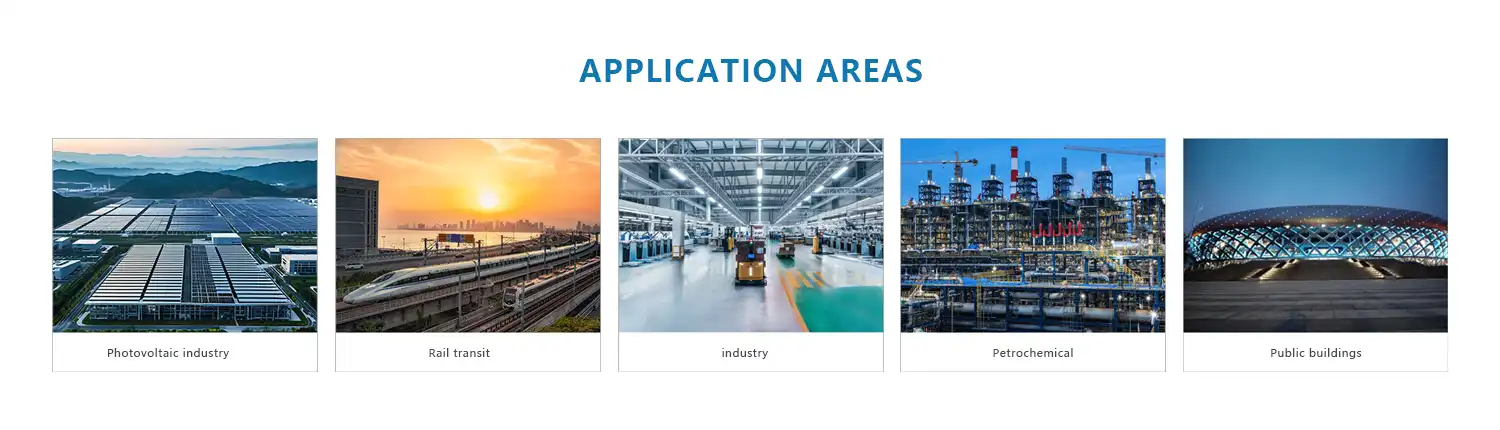
Electric utilities and independent power producers handle generator connections, auxiliary power systems, and transmission interfaces via withdrawable switchgear. The Xuzhou Rail Transit project uses dual-circuit power supplies to ensure subway safety for millions of users. The withdrawable design made it easier to schedule maintenance while keeping backup circuits ready during regular servicing, which removed the risk of failure found in simpler setups.
Generator switchgear faces frequent switching operations, motor starting transients, and grid disturbance backfeed scenarios. Our systems survive these stresses with robust contact designs certified for hundreds of thousands of operations and arc chutes designed for dependable interruption under difficult situations. The withdrawable feature optimizes maintenance spending and reliability by using operating counters instead of time intervals for predictive maintenance.
Solar farms and wind installations introduce bidirectional power flows into distribution networks, creating integration issues. Modern bidirectional protection and communication protocols facilitate automated grid management systems in our switchgear. Modular designs allow capacity extension as renewable installations develop, avoiding system replacements when initial specs fail.
Commercial and Industrial Manufacturing
Manufacturing lines need uninterrupted power, and shutdowns cause significant financial losses. The XCMG Group's project to improve power supply demonstrated our ability to offer complete solutions on short timelines and meet client needs while preserving quality. The use of withdrawable switchgear facilitated the commissioning and testing of individual circuits, even as nearby regions were under construction, thereby shortening the critical path that dictates project completion timelines.
Corrosive atmospheres, flammable vapor, and temperature variations plague chemical facilities and refineries. Our IP54-rated steel enclosures with protective coatings resist severe conditions for 30 years in industrial applications. Tests that speed up aging show that the components can be trusted to work well in temperatures from -40°C to +55°C and in humidity levels up to 95% without any. Environmental resilience minimizes premature failures and high maintenance costs from equipment not designed for actual operating circumstances.
Production line integration in automotive manufacturing requires high reliability. Power outages on assembly lines processing hundreds of vehicles each day cause scheduling disruption and high scrap costs. Hot-swappable maintenance keeps production going during routine servicing, and redundant protection mechanisms prevent tiny transient disruptions from causing tripping. Electrical infrastructure becomes a competitive advantage for lean production with these reliability qualities.
Infrastructure and Real Estate Development
Electrical systems in shopping centers, hospitals, and high-rise structures must balance reliability, space efficiency, and aesthetics. Our work on the Xinhuai Central Complex and Huaihai Xintiandi shows our expertise in these demanding applications where equipment must operate for decades without maintenance.
Hospital applications are crucial because electrical failures endanger patients. Operating rooms, intensive care units, and diagnostic imaging equipment need continuous power with automatic transfer systems that activate backup generators within seconds of utility disruption. The withdrawable design allows extensive breaker testing, including operating timing and contact resistance monitoring, to eliminate nuisance trips produced by damaged components in poorly maintained permanent designs.
Data centers are the most demanding commercial application, where electricity availability dictates success. Financial institutions and cloud computing providers require 99.99% uptime and less than one hour of annual downtime. These strict requirements demand technology that supports maintenance without service disruption, like withdrawable switchgear. Thoroughly updating circuit breakers while keeping full backup systems in place prevents any loss of service in fixed setups, where maintenance times need to be planned carefully and done quickly to reduce risks.</
These different applications benefit from quality switchgear systems. Higher safety protects workers and decreases liability, especially for government projects and publicly traded companies managing enterprise risk. When capital expenditures amortize over 30-year service periods instead of premature replacement, equipment lifespan costs decrease. Operating flexibility allows changing load patterns and facility expansions without extensive infrastructure overhauls, which is valuable in dynamic manufacturing and rising commercial projects.
Maintenance and Operational Best Practices
Maximizing switchgear performance and service life requires systematic maintenance programs addressing predictable wear patterns while monitoring for abnormal conditions indicating emerging problems.
Routine Inspection Protocols
Quarterly visual checks spot issues before they become failures. Certified technicians inspect equipment for overheating, including darkening of bus bars or cable terminations, loose hardware, moisture penetration, and signaling device operation. These examinations take little time since withdrawable designs allow full examination without substantial disassembly and discover most developing faults early on, when corrective action is straightforward.
Critical components are evaluated more thoroughly during annual maintenance. Before resistance increases cause overheating, circuit breaker contact resistance measurements detect deterioration or contamination. The operating mechanism checks the spring charge, latch engagement, and trip circuit functionality. Insulation resistance testing ensures dielectric integrity for extended service, especially in humid situations where moisture damages insulation.
For workshop reconditioning, three-to-five-year major overhauls remove circuit breakers. Before reassembling equipment, technicians clean and replace wear parts, including contacts and bearings, and test functionality. This rigorous maintenance is possible because the racking system allows complete breaker removal in minutes, permitting workshop overhaul of one breaker while a spare preserves switchgear cubicle service continuity.
Preventative Measures and Safety Checks
Predictive maintenance monitors equipment continuously beyond inspections. Partial discharge monitoring reveals insulation deterioration years before breakdown, allowing planned replacement rather than emergency repairs. Infrared scanning or integrated sensors detect hot spots, suggesting faulty connections or overloaded circuits. These solutions avoid unplanned outages and optimize maintenance spending by directing interventions based on need rather than timetables.
Most maintenance incidents are avoided by proper racking. Our equipment has mechanical interlocks that enforce sequences, but operators must grasp their reasoning. Open the circuit breaker before racking to prevent arcing over detached contacts not suitable for load interruption. Avoid partially engaged contacts, causing high-resistance connections that overheat by seating the racking mechanism fully before proceeding. While these processes may seem straightforward during regular operations, the high-pressure nature of troubleshooting often leads even experienced technicians to take shortcuts.
Professional maintenance programs differ from casual ones in documentation. Using breaker operation counters to detect cumulative wear allows predictive replacement before contacts fail. Note unexpected inspection observations to establish baseline conditions for trending analysis to identify steady deterioration. Maintaining manufacturer contact information and equipment serial numbers speeds up technical support in uncommon scenarios. These administrative nuances improve long-term reliability and safety with little effort.
Procurement Guide for Medium Voltage Withdrawable Switchgear
Selecting appropriate switchgear involves systematic evaluation of technical requirements, supplier capabilities, and project constraints.
Assessing Technical Requirements
Proper specification starts with load analysis. Continuous current ratings must exceed maximum normal load by 25% to permit future expansion and prevent heat-accelerated component aging. According to competent electrical engineers, short-circuit interruption ratings must exceed available fault current at the installation location, taking into account utility supply capacity and transformer and cable impedance upstream of the central switch cabinet. These estimates affect safety since low ratings pose serious risks during faults.
Environmental standards should represent installation conditions, not ratings. Outdoor installations need NEMA-rated weatherproof enclosures and internal heating to minimize moisture in humid conditions. Advanced sealing and protection are needed in corrosive environments. IEEE 693 certification ensures equipment can tolerate ground motion without structural failure or loss of performance in earthquake-prone areas. Our experience in many areas and industries helps us identify these often-overlooked criteria that become important during operation.
Early consideration of customization requirements is important because many specifications benefit from application-specific optimization. Specialized protective relaying meets process needs, unusual bus configurations satisfy facility layout constraints, and integrated monitoring systems enable predictive maintenance programs. We offer extensive modification and engineering resources to optimize generic equipment; however, these customizations require lead time for designing and testing before manufacturing.
Evaluating Supplier Qualifications
Manufacturing certification verifies quality and capacity. Our ISO 9001 certification shows systematic quality control in design, manufacture, and testing. ISO 14001 environmental certification is becoming more important as corporate sustainability initiatives affect buying. Independent registrars must conduct frequent surveillance audits to ensure the active application of documented systems.
Project references verify experience and capability. We have hundreds of significant projects in rail transit, industrial production, and commercial development. The Xuzhou Rail Transit Network Control Centre and XCMG Group facilities exhibit capabilities to manage major EPC projects with complicated needs and tight schedules. Instead of generic project lists, procurement professionals should obtain precise references that match their application and scale.
Technical support infrastructure determines project and decades-long progress. Pre-sale engineering support optimizes specifications and identifies difficulties during design, when adjustments cost nothing compared to field revisions. Commissioning help verifies startup and performance before project acceptance. Long-term technical assistance counsels on operational issues and changes. Our 15 senior engineers and over 30 intermediate technicians provide comprehensive support, but procurement experts should verify support commitments rather than assuming availability.
Understanding Pricing and Lead Times
Competitive pricing should be considered as a lifespan cost, not just purchase price. High-quality equipment with better materials and manufacturing techniques lasts longer and costs less to maintain, justifying moderate premium pricing. Lifecycle analysis shows that equipment that needs replacement after 20 years instead of 30 years costs much more due to replacement and installation costs. Complete proposals should include warranty conditions, spare parts prices, and technical support for cost comparison.
Realistic lead times reduce costly project delays caused by schedule issues. Established manufacturers like Tuojie ship standard setups in 8–12 weeks, which is enough for most well-planned projects. Before manufacturing, extensive customization may take 16–20 weeks for engineering, prototype testing, and production release. Instead of accepting optimistic promises that cause downstream issues when equipment arrives late, procurement personnel should set realistic schedules. Our 120 sets of modern production equipment allow aggressive schedules, but physical manufacturing processes take time regardless of urgency.
Installation support and commissioning should be discussed during procurement. Many organizations can install switchgear themselves, but manufacturer support prevents errors and verifies operation before energization. We provide precise drawings, test reports, and operation manuals for installation workers and facility operators. Factory-trained professionals perform optional commissioning to check installation and instruct maintenance workers on equipment operation and safety. These services add little cost but significantly reduce starting risks.
Conclusion
Medium-voltage withdrawable switchgear meets modern electrical infrastructure needs. Benefits of the withdrawable design include decreased maintenance downtime, improved worker safety through compartmentalized construction, and operational flexibility for complicated building requirements. These features help organizations in infrastructure, industry, and commerce choose equipment based on their actual needs instead of just the initial cost.
When selecting suppliers, consider their technical expertise, production quality, and support infrastructure. Tuojie, with 20 years of experience in the business, offers power distribution solutions that boast ISO certifications, extensive manufacturing capabilities, and a track record of successful project execution across diverse applications. Our application knowledge from hundreds of significant projects allows us to optimize equipment specifications for specific requirements and minimize operating difficulties.
Through decades of reliable operation, increased equipment life, and low maintenance, great switchgear systems pay off. Withdrawable switchgear from competent manufacturers provides excellent value for efficient facility operation and asset management when lifecycle costs are correctly considered.
FAQ
How often does medium voltage withdrawable switchgear require maintenance?
Routine maintenance intervals depend on operating conditions and utilization intensity. Most installations benefit from quarterly visual inspections requiring minimal time, yet detecting obvious problems early. Annual preventative maintenance, including electrical testing and mechanical inspection, maintains reliability while identifying developing issues before they cause failures.
What safety advantages do withdrawable designs offer compared to fixed switchgear?
Withdrawable switchgear provides multiple safety enhancements protecting maintenance personnel. The ability to completely remove circuit breakers from energized enclosures eliminates workers' exposure to live parts during maintenance activities. Automatic shuttering systems cover busbar connections when breakers withdraw, creating dead-front construction and preventing accidental contact. Mechanical interlocks enforce proper operating sequences, preventing dangerous actions like attempting to rack a closed breaker or opening compartment doors while equipment remains energized. These engineered safeguards protect workers even during high-pressure situations where human error becomes more likely.
Can medium voltage withdrawable switchgear accommodate customization for unique requirements?
Comprehensive customization capabilities allow optimization for specific applications. Bus configurations adapt to facility layout constraints, protective relaying schemes address unique process requirements, and environmental specifications match installation conditions. We routinely customize solutions incorporating client-specific requirements while maintaining safety certifications and performance standards. Custom projects require engineering lead time for proper design and validation testing, but this investment produces optimized solutions delivering superior lifecycle value compared to forcing applications into inappropriate standard configurations. Contact our technical team to discuss specific requirements.
Partner With Tuojie for Your Next Infrastructure Project
Selecting the right medium-voltage withdrawable switchgear supplier impacts project success throughout decades of operational life. Tuojie combines proven manufacturing expertise, comprehensive technical support, and documented project execution capability, serving demanding applications worldwide. Our ISO-certified quality systems, 18 patents demonstrating ongoing innovation, and modern production facilities, including 120 sets of advanced equipment, ensure consistent delivery of specification-compliant equipment meeting compressed project schedules.
We specialize in serving government infrastructure projects, commercial developments, and industrial facilities requiring customized power solutions backed by responsive technical support. Our experience completing hundreds of key projects, including rail transit systems, manufacturing facilities, and commercial complexes, provides the application knowledge necessary to optimize specifications and avoid common implementation challenges. Whether your project demands aggressive delivery schedules, complex customization, or operation in extreme environmental conditions, we deliver tailored solutions supporting your success.
Connect with our engineering team to discuss your specific requirements and discover how Tuojie's medium-voltage withdrawable switchgear solutions provide the reliability, safety, and operational flexibility your project demands. Contact us at tuojie@electricinchina.com or visit electricinchina.com to explore our comprehensive product portfolio and request detailed technical specifications from a trusted medium-voltage withdrawable switchgear manufacturer committed to your long-term satisfaction.

References
1. Institute of Electrical and Electronics Engineers, "IEEE Standard for Metal-Clad Switchgear," IEEE C37.20.2-2015, New York, 2015.
2. International Electrotechnical Commission, "High-voltage Switchgear and Controlgear - Part 200: AC Metal-enclosed Switchgear and Controlgear for Rated Voltages Above 1 kV and Up to and Including 52 kV," IEC 62271-200, Geneva, 2021.
3. National Electrical Manufacturers Association, "Guidelines for Compartmental Segregation of Metal-Enclosed Power Switchgear," NEMA SG 6-2016, Rosslyn, Virginia, 2016.
4. Westinghouse Electric Corporation, "Electrical Transmission and Distribution Reference Book," Fourth Edition, East Pittsburgh, Pennsylvania, 1964.
5. McDonald, John D., "Electric Power Substations Engineering," Third Edition, CRC Press, Boca Raton, Florida, 2012.
6. Garzon, Raymundo D., "High Voltage Circuit Breakers: Design and Applications," Second Edition, Marcel Dekker, New York, 2002.