

.webp)
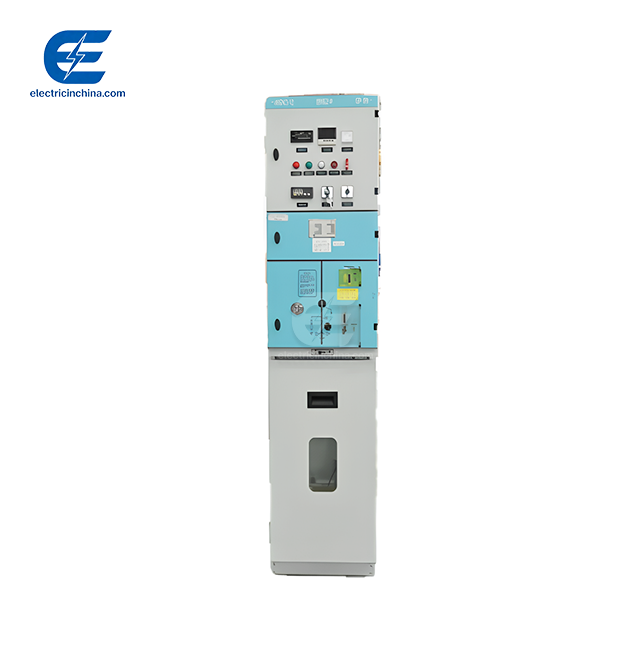
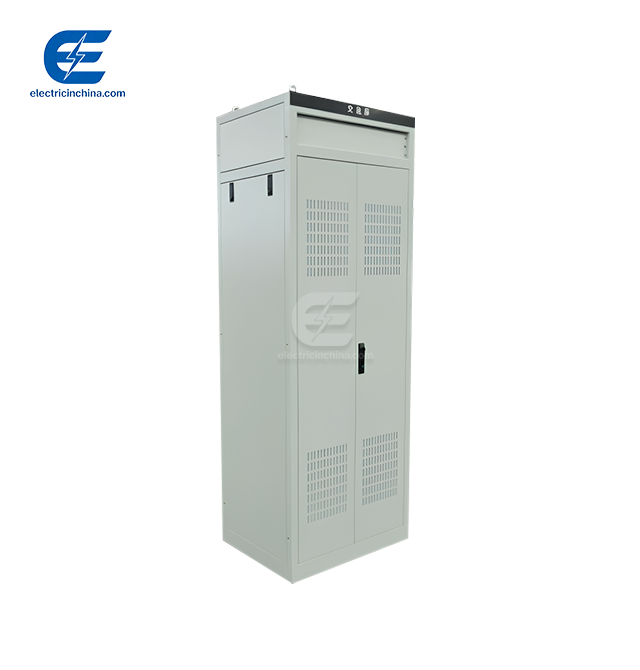
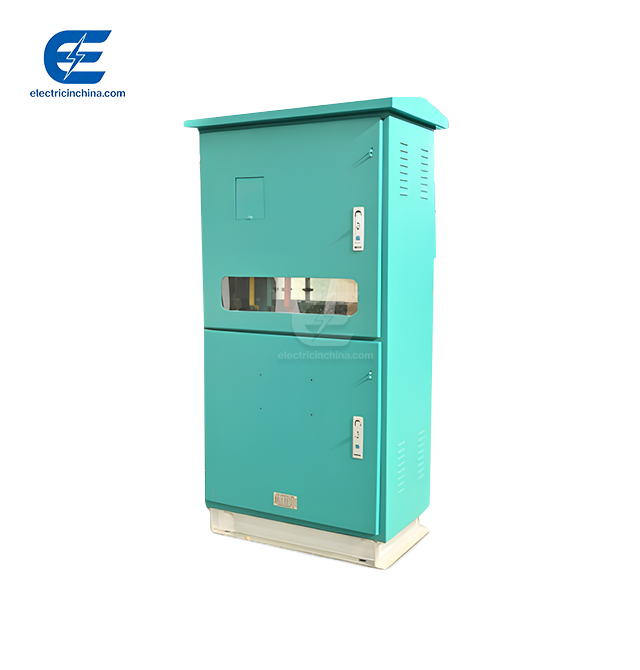
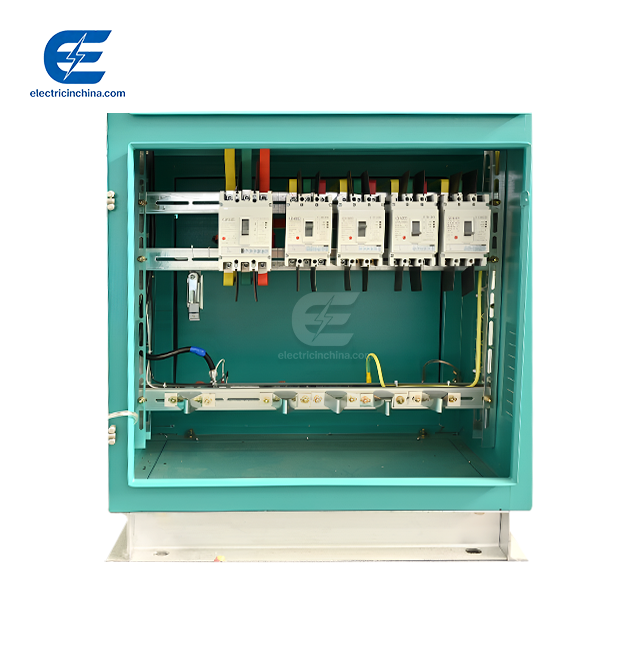
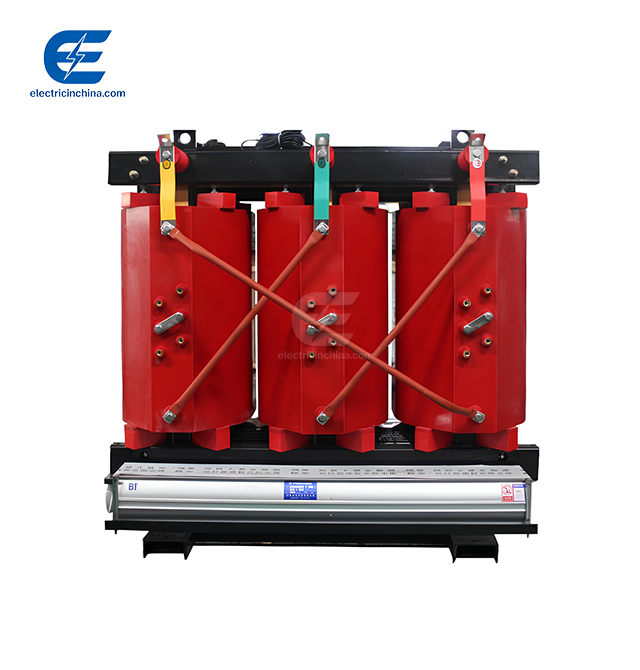
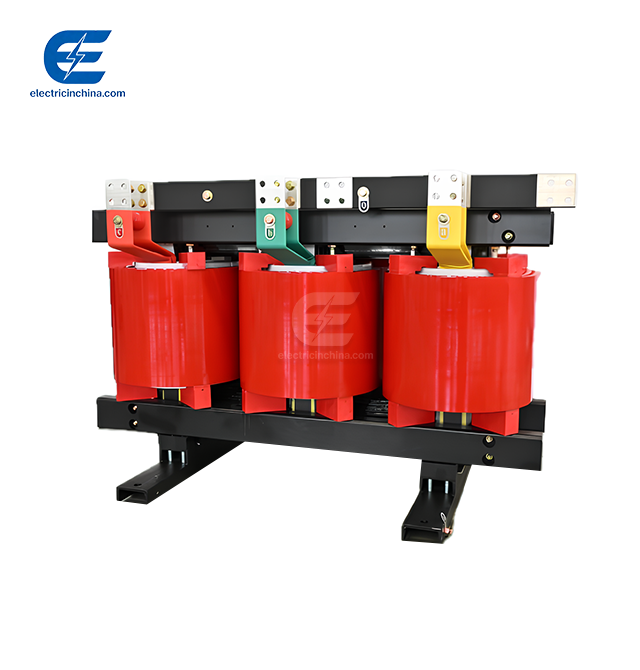
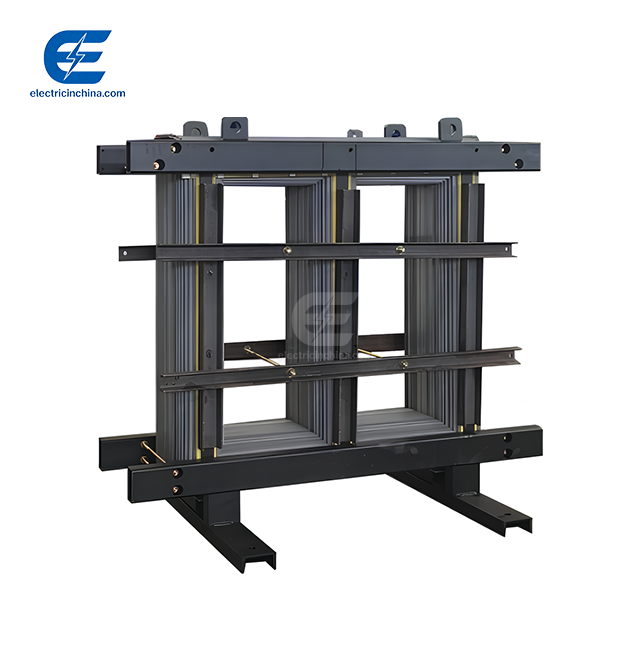
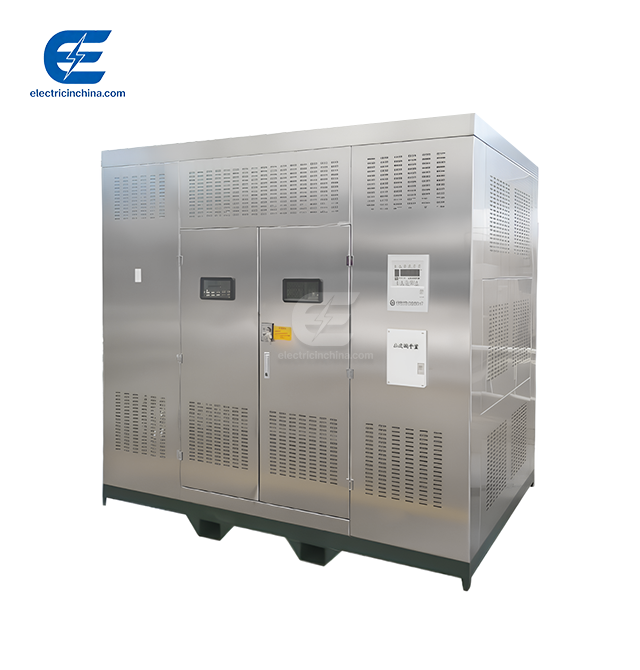
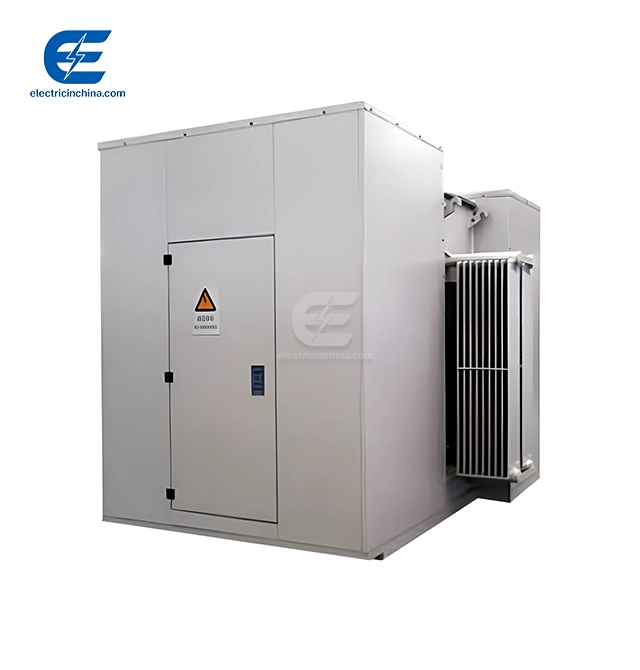
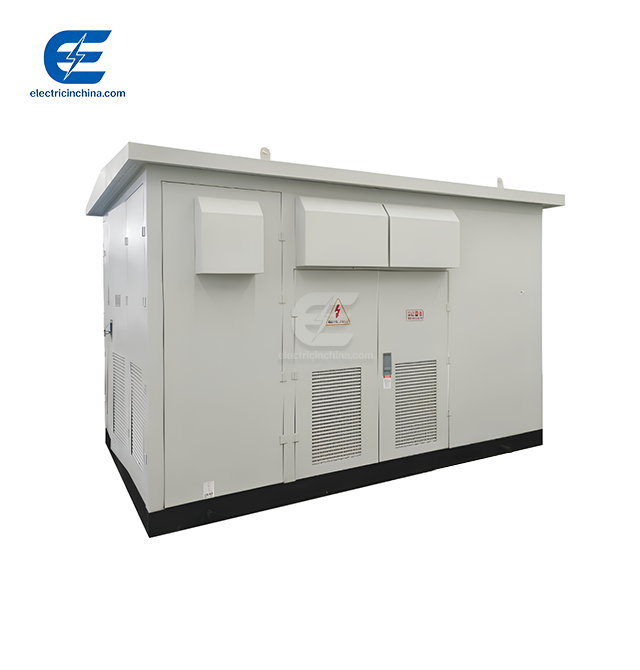
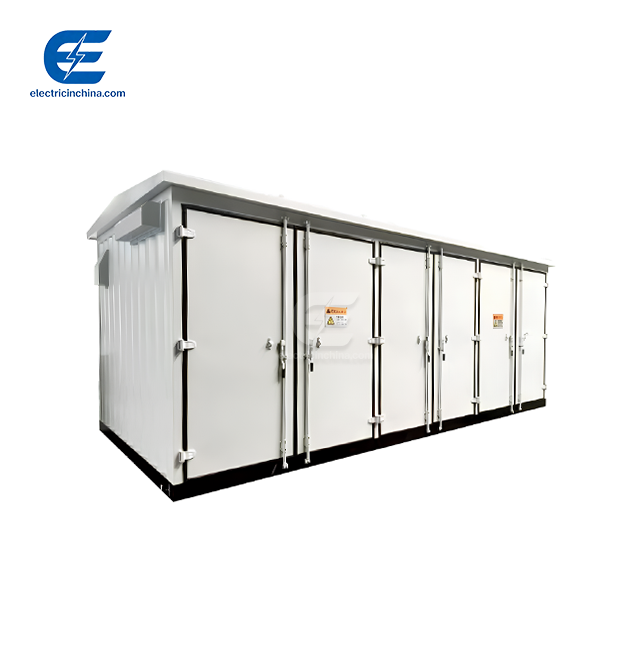
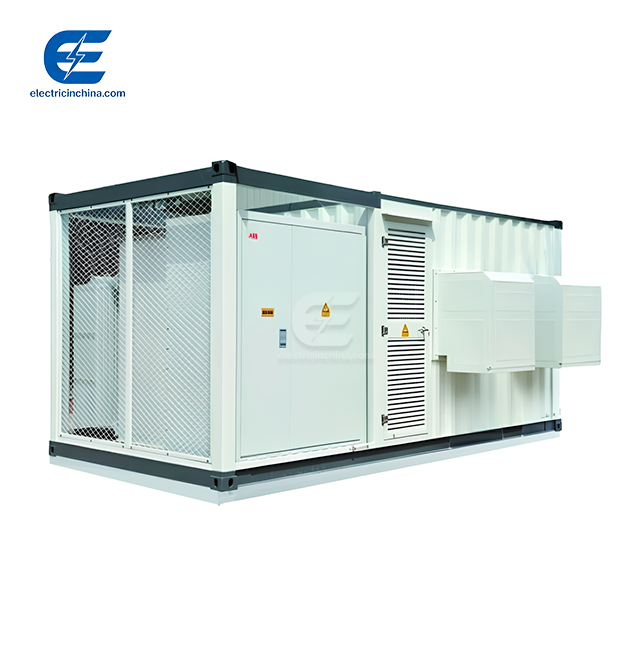
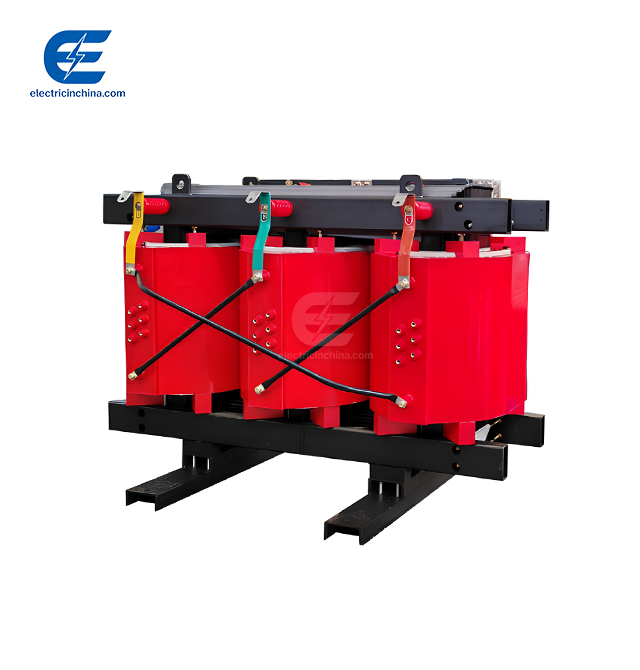
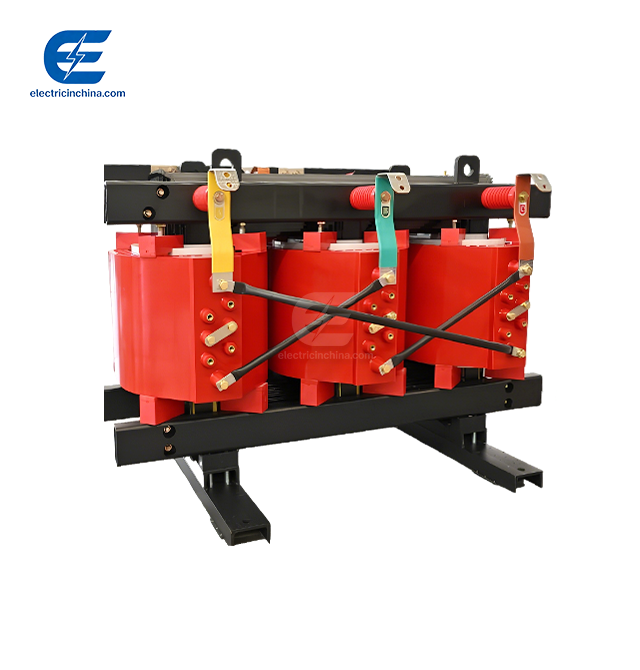
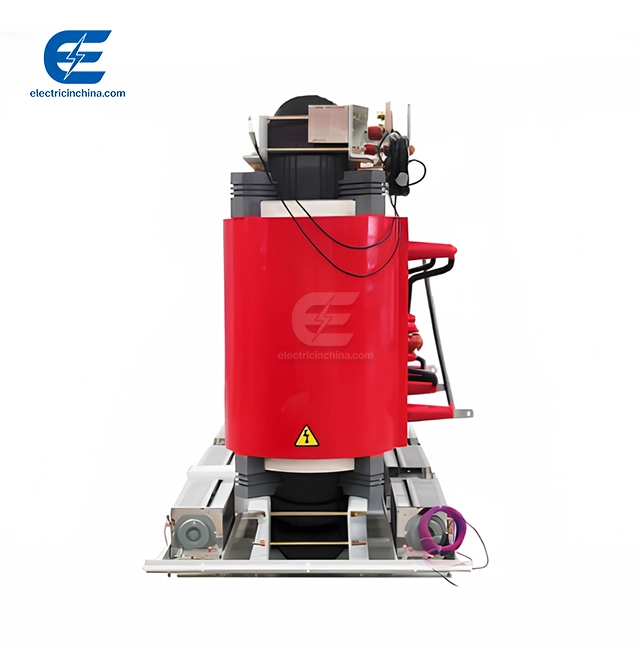
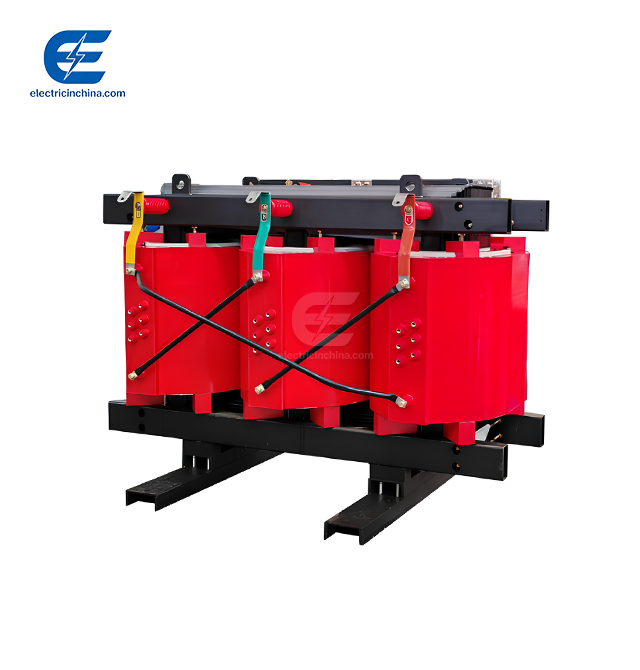
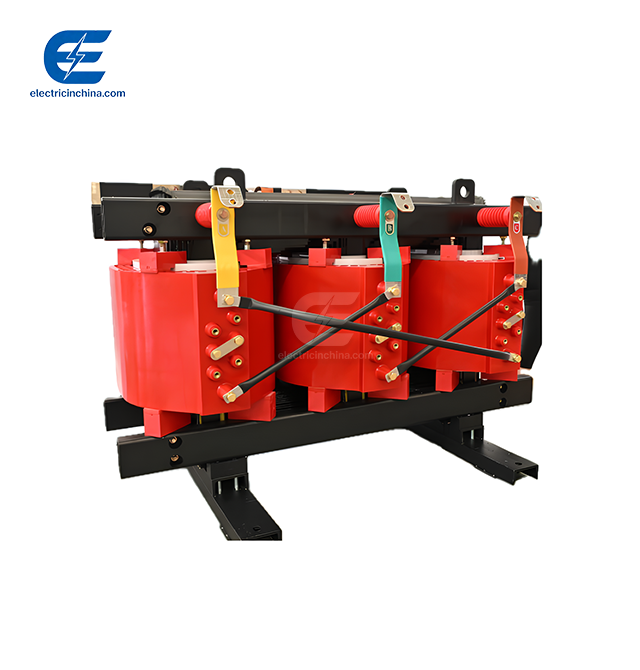
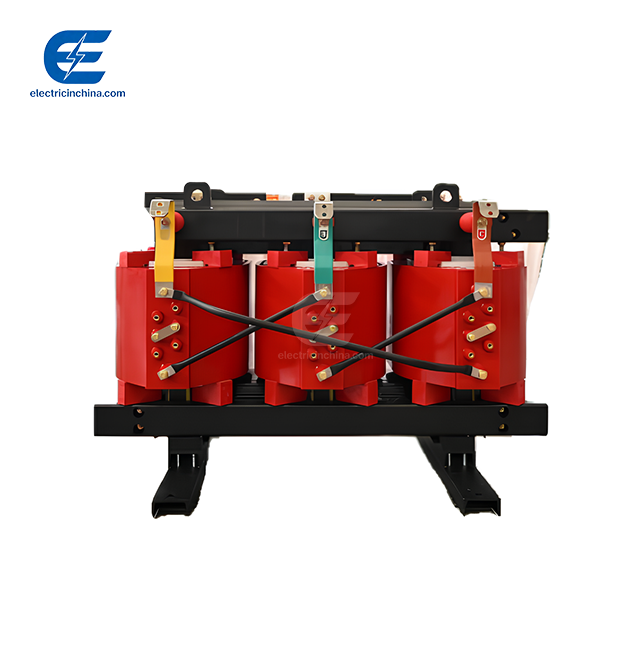
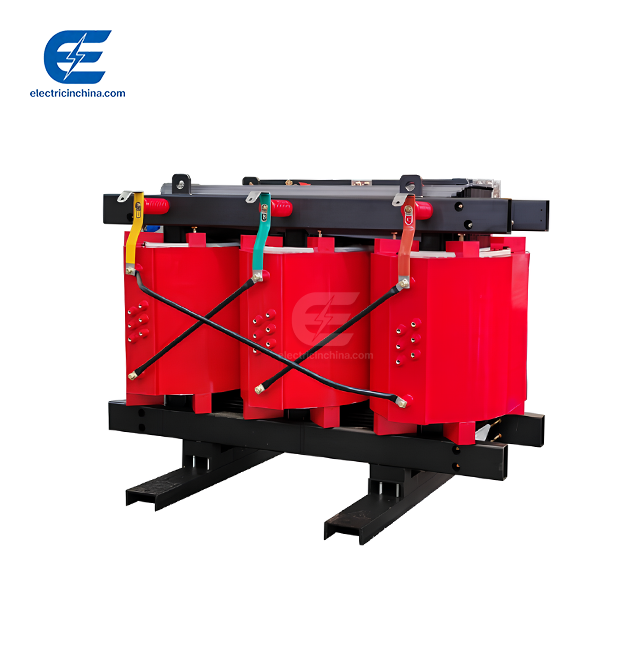
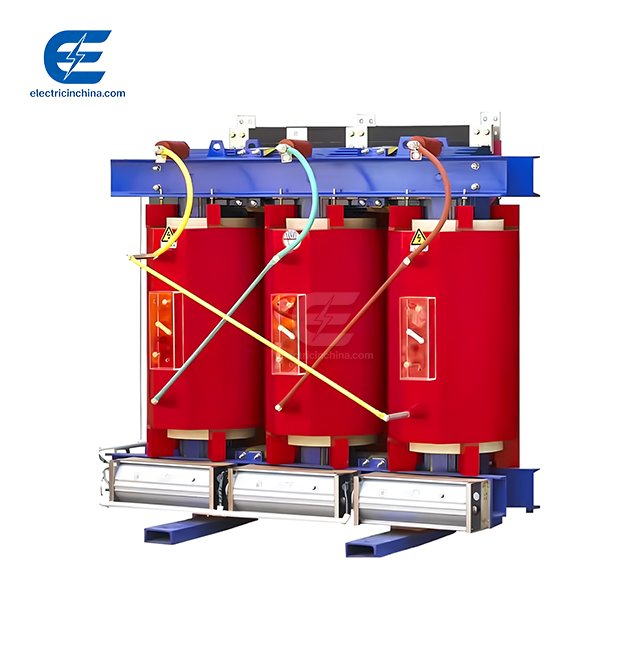
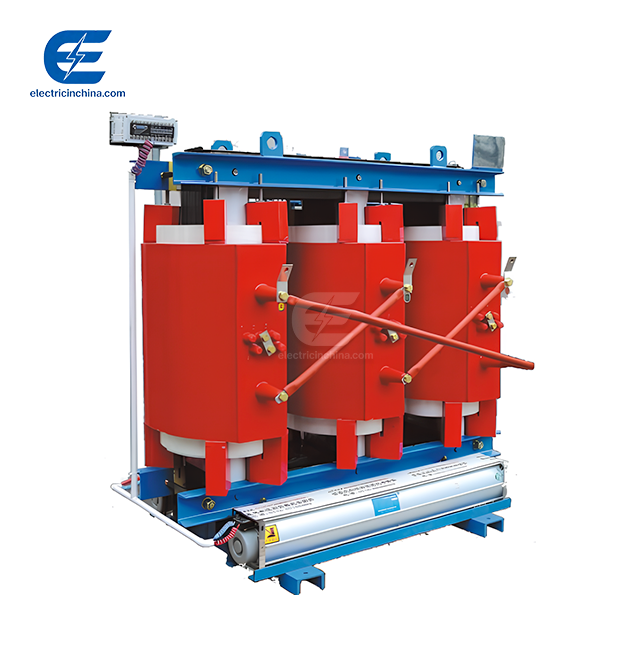
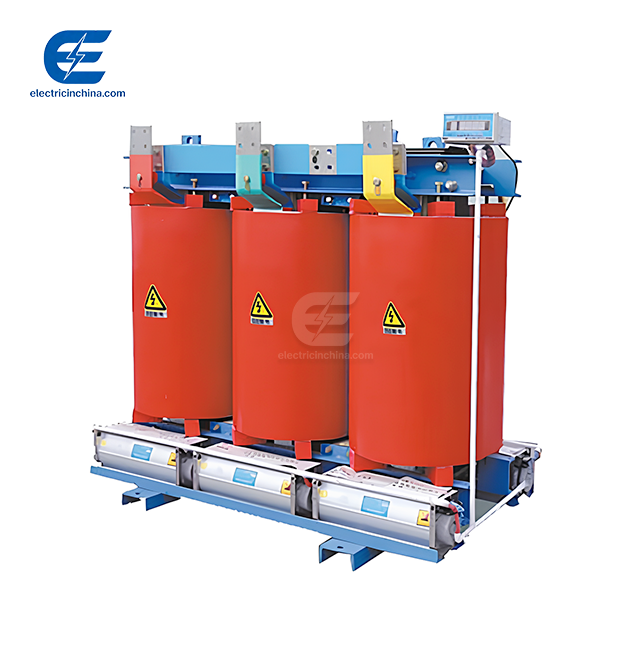
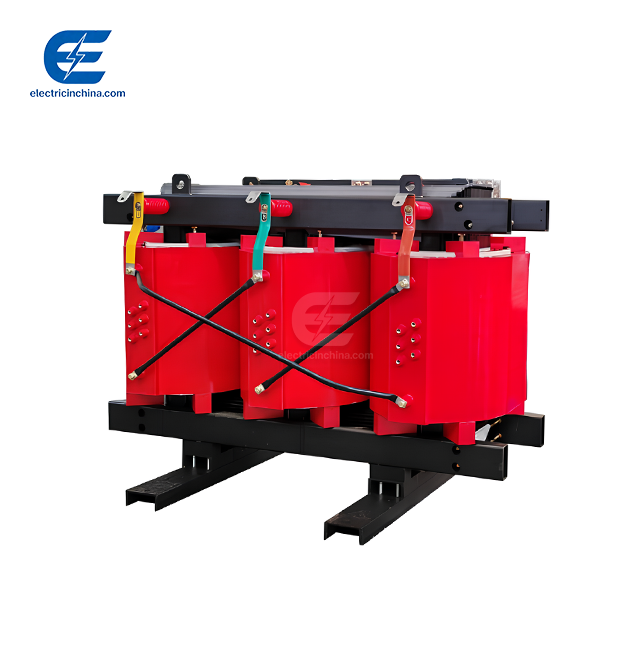
Amorphous metal dry-type transformer technology represents a breakthrough in power distribution efficiency. Unlike regular silicon steel transformers that constantly lose energy, amorphous core transformers use a special atomic structure made of iron, nickel, cobalt, boron, and carbon, which greatly cuts down on energy loss during each cycle of magnetization.</sent This innovation delivers 70–80% fewer no-load losses, translating to measurable cost savings and environmental benefits for industrial operations. Our transformers achieve efficiency ratings exceeding 98.5% while eliminating oil-related fire hazards, making them ideal for government infrastructure, commercial developments, and industrial facilities where reliability and safety are non-negotiable.
Understanding Amorphous Metal Dry-Type Transformers
What Defines Amorphous Core Technology?
The fundamental difference lies in the core material's atomic arrangement. Traditional transformer cores use crystalline silicon steel, where atoms align in regular patterns that resist magnetic domain movement. This resistance creates friction during each magnetization cycle, wasting energy as heat.
Amorphous metal cores feature a disordered atomic structure created by the rapid cooling of molten alloys. This metallic glass composition—typically Fe₇₈Si₉B₁₃—allows magnetic domains to shift with minimal resistance. The result is a core loss density of just 0.16-0.22 W/kg at 1.4T/50Hz, compared to 0.9-1.3 W/kg in conventional designs. Our manufacturing process uses advanced ribbon-casting technology to produce ultra-thin amorphous strips of 0.025 mm thickness, optimizing magnetic performance while maintaining structural integrity.
Technical Specifications That Matter to Procurement Teams
Our amorphous metal dry-type transformer range spans capacity ratings from 30KVA to 31,500KVA, accommodating diverse project scales. Each unit complies with IEC 60076, IEEE C57.12.01, and GB/T 10228-2015 standards, ensuring international compatibility. The transformers operate reliably in ambient temperatures from -25°C to +40°C, with Class H insulation rated for 180°C continuous operation.
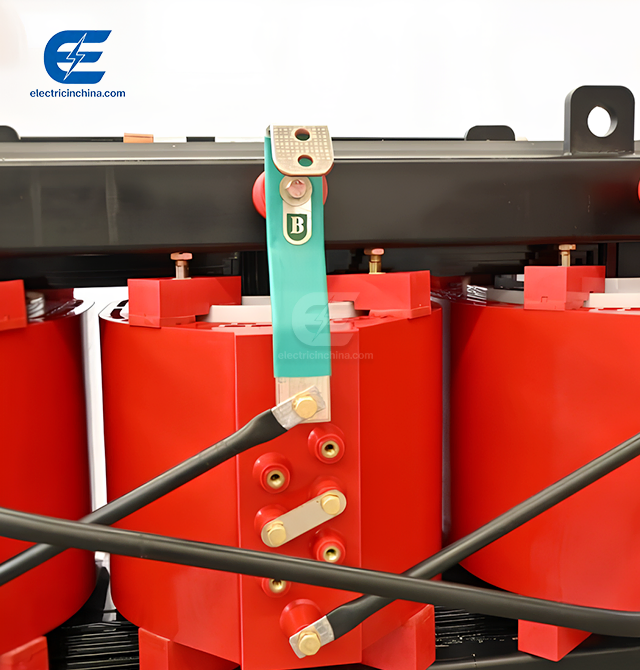
Key performance metrics include magnetic permeability exceeding 100,000 H/m, saturation flux density of 1.56 T, and coercivity below 0.5 A/m. These specifications mean real benefits: a 50% decrease in the current needed to energize the transformer, total harmonic distortion kept under 3%, and voltage stability within ±5% from no load Our cast resin insulation system offers IP23 protection, which keeps moisture out and allows for good heat dissipation.
How Does Dry-Type Construction Enhance Safety?
Without insulating oil, risk profiles shift drastically. Containment, fluid testing, and leak response techniques are needed for oil-filled transformers. Our dry-type structure does away with these issues. The solid insulation made from cast resin stops flames from spreading and can handle short-circuit forces that are up to 20 times the normal current.
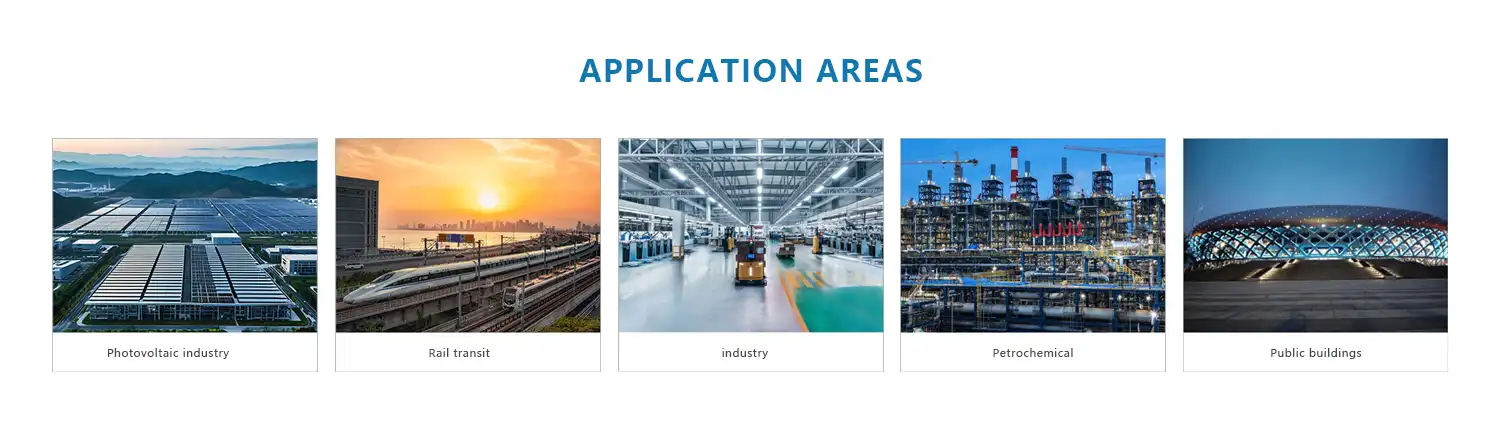
Our transformers are ideal for indoor installations in shopping centers, hospitals, rail transit facilities, and high-rise structures due to their fire safety. Numerous municipal projects, like the Xuzhou Rail Transit Network Control Centre and Xuzhou High-speed Railway East Station, have used our power distribution systems, which meet strict safety standards. The dual-circuit power supply designs in these examples show how amorphous core technology fits essential infrastructure needs.
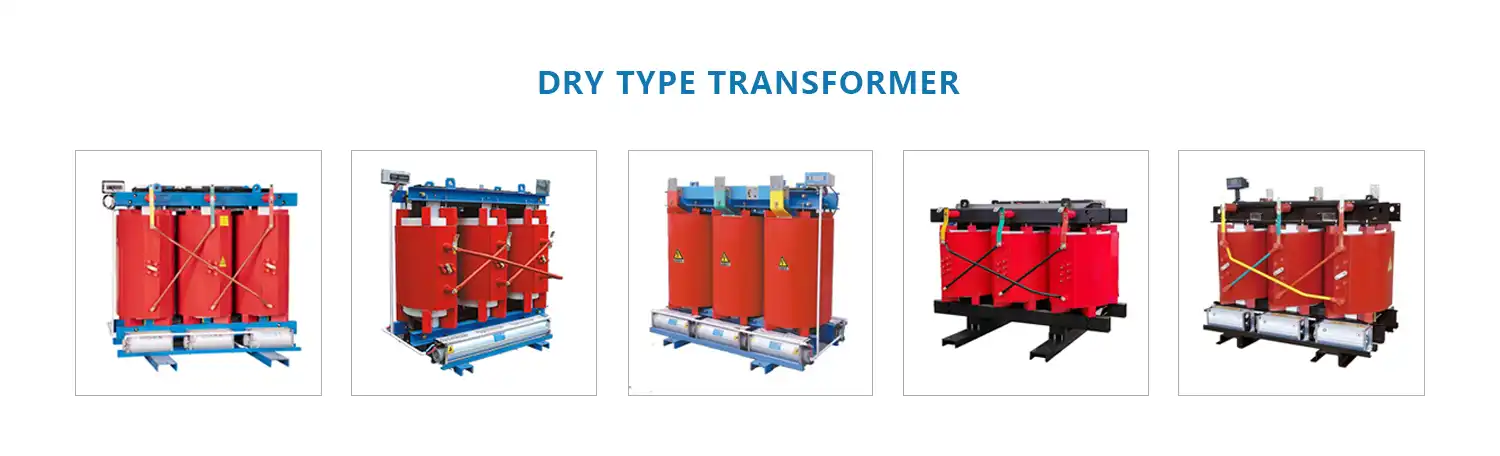
Advantages of Amorphous Metal Dry-Type Transformers Over Traditional Transformers
Quantifying Energy Savings and Carbon Reduction
Lifecycle analysis reveals the difference in operating costs. Consider a 1000KVA transformer continuously at 50% average load. Normal silicon steel units lose 2,000 watts without loads. Our amorphous metal dry-type transformer saves 1,500 watts 24/7/365 to 400-500 watts.
This unit saves 394,200 kWh over 30 years. At $0.12/kWh industrial electricity rates, that saves $47,304. Applying this technology to large facilities with dozens of transformers has significant budgetary consequences. Beyond economics, this efficiency reduces carbon emissions by 197 metric tons throughout the transformer's lifespan, helping firms satisfy sustainability and regulatory requirements.
The efficiency benefit increases under light loads, where traditional transformers are energy-hungry. Our amorphous core design performs well at 20-30% loading, mirroring real-world operational patterns with periodic peak demand. This is useful for commercial real estate and infrastructure projects with varying power needs daily.
Extended Service Life and Reliability Benefits
Our transformers are designed for 30+ years of maintenance-free operation. Unlike crystalline materials, amorphous ribbon cores do not age magnetic characteristics due to temperature cycling. Our cores perform well for decades without losing performance.
The cast resin insulation technique improves reliability. Oil-paper insulation degrades through oxidation and contamination, but epoxy resin maintains dielectric strength indefinitely within temperature restrictions. Our thermal management system keeps hotspot temperatures below 130°C for 2 hours of continuous overload up to 120%, giving operating flexibility during peak demand.
Industrial mechanical robustness is important too. Every device undergoes comprehensive short-circuit testing to verify structural integrity under fault situations. Resin-encapsulated windings protect exposed conductor systems from vibration, stress, and environmental pollutants. Durability means low downtime, which is crucial for EPC contractors with tight project timelines and industrial manufacturers with high production interruption costs.
Cost-Benefit Analysis for Industrial Buyers
Amorphous metal dry-type transformers cost 20%–30% more than conventional ones. Procurement managers assessing total cost of ownership must weigh this premium against operational savings and avoided maintenance.
Our examination of hundreds of projects showed 4–7-year payback times depending on electricity costs and usage. Regions with high energy prices or near-capacity facilities return premium investments faster. Avoiding oil replacement intervals, dissolved gas analysis testing, containment system maintenance, and decreased heat generation lowers cooling system costs, improving the computation.
ROI calculations sometimes neglect risk mitigation's financial value. One catastrophic oil-filled transformer failure can cost hundreds of thousands in emergency replacement, business interruption, and environmental remediation. Our dry-type design eliminates the tail risk. A growing number of insurance companies offer premium discounts for non-flammable transformer facilities.
How to Choose the Right Transformer: Amorphous Metal vs Conventional Options?
Performance Comparison Across Application Scenarios
Technology attributes must fit operational needs when choosing between amorphous metal dry-type transformers and traditional designs. Continuous-duty applications with constantly powered transformers suit our amorphous core units. 24/7 manufacturing operations, data centers, healthcare institutions, and infrastructure systems benefit most from ultra-low no-load losses.
For intermittent-duty applications that de-energize during off-time, silicon steel transformers may be cost-effective. Seasonal activities, backup power systems engaged only during outages, and temporary construction sites are examples. Limited operation hours make the initial efficiency premium tougher to explain.
Environmental factors affect selection. Amorphous dry-type transformers are perfect for coastal sites, chemical processing plants, and underground facilities since our cast resin insulation resists humidity, dust, and corrosion better than oil-filled equivalents. The broader working temperature range handles harsh climates without degrading, making it useful for infrastructure projects in varied locales.
Maintenance Protocols and Operational Considerations
We build our transformers to minimize maintenance, but appropriate operation is key. Quarterly checks should include clean ventilation channels, safe electrical connections, and no physical damage. Annual thermal imaging surveys detect hotspots before failures. These basic steps prevent 95% of problems.
Without oil, regulatory compliance is much easier. Organizations skip oil-filled unit permits, spill prevention plans, and waste disposal paperwork. Transformer installations without contamination make environmental checks easier. These administrative savings benefit critical government programs and services.
Our technical staff offers complete commissioning and operator training. We've developed these methods through hundreds of municipal engineering, commercial real estate, and industrial installations. The transfer of knowledge about amorphous core technology helps maintenance staff understand its features, optimizing reliability throughout service life.
Procurement Considerations and Supplier Evaluation
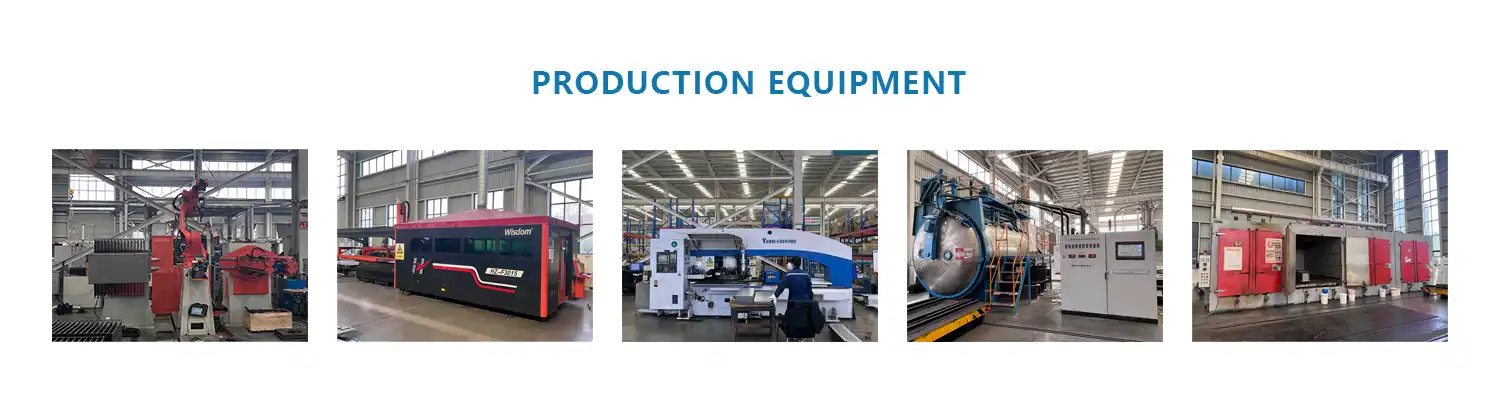
Successful transformer procurement includes supplier capability and technical specifications. The 120+ CNC automatic winding machines, static vacuum casting systems, and microcomputer-controlled gradient curing furnaces in our production facility provide quality and flexibility. When projects demand coordinated delivery of multiple units under tight timelines, manufacturing capacity counts.
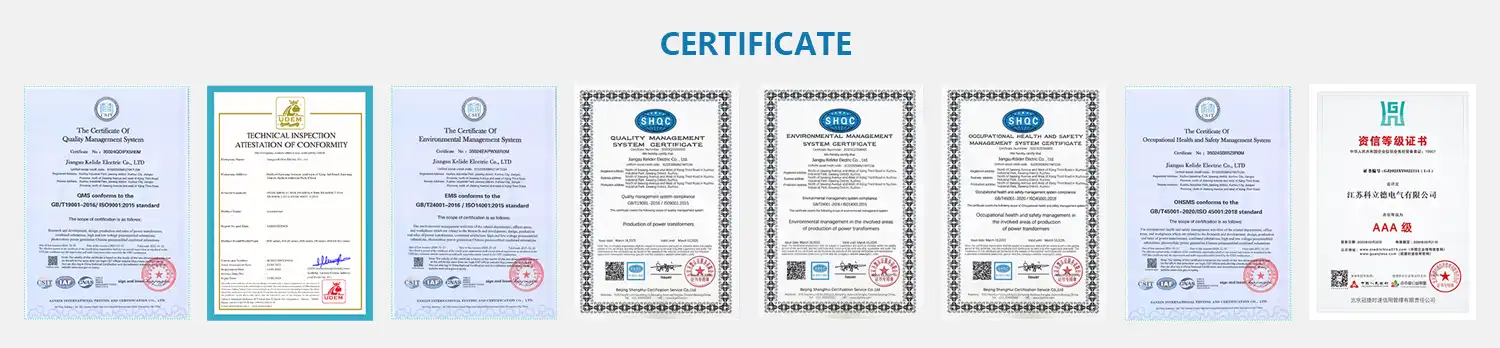
Deep certification shows quality. Our ISO 9001, ISO 14001, and OHSAS 45001 certifications show methodical management, while CCC-required certification verifies safety. A professional quality inspection laboratory with 15 senior engineers and over 30 intermediate technicians checks every product before shipment.
Production capacity and order backlog affect supplier lead times. Custom specs take 10-14 weeks, while our efficient manufacturing and inventory management produce typical pieces in 8-10 weeks. The XCMG Group's power supply upgrade required early commissioning to meet the client's commercial deadline, and we completed emergency orders in less time.
Leading Brands and Suppliers of Amorphous Metal Dry-Type Transformers
Evaluating Manufacturer Capabilities and Innovation
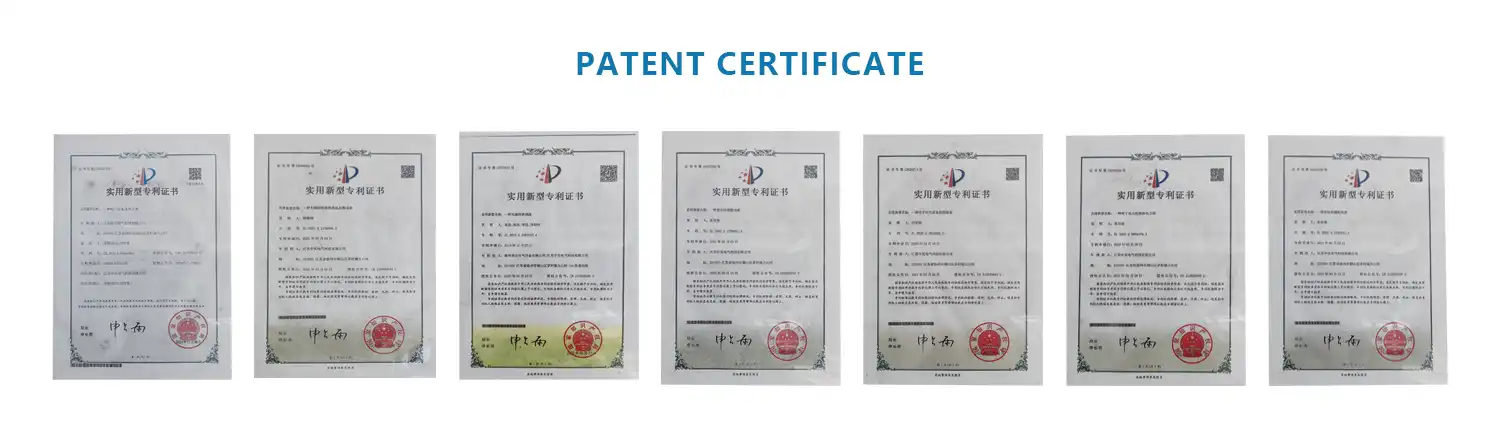
The transformer business includes manufacturers with diverse technical skills. Companies with significant R&D expenditure innovate, while others copy designs. Our 18 transformer patents show continuing improvements in core material optimization, winding methods, and thermal management systems.
Cost competitiveness and delivery reliability depend on production volume. Raw material procurement economies of scale allow large producers to stock buffer inventory for conventional models. Our production capability ranges from 30KVA distribution transformers to 31,500KVA industrial equipment, allowing procurement flexibility as project needs change.
Rigorous quality control distinguishes reliable from problematic vendors. We monitor raw material inspection, in-process verification, finished product testing, and post-delivery validation. The "zero defects" attitude implies flaws are found and fixed before units leave production. This systematic methodology has helped us perform impressively on hundreds of projects, including the Xuzhou Rail Transit Network Control Centre and multiple commercial buildings.
Customization Flexibility for Specific Project Requirements
Standard transformer models work well for typical applications, but complex projects require customization. Our engineering team optimizes specifications for particular environmental conditions, space limits, and integration requirements with clients. Photovoltaic industrial parks and electronic manufacturing facilities have used our unique voltage ratios, impedance values, and terminal layouts.
Mechanical design is customized beyond electrical parameters. Compact footprints and precise mounting arrangements help projects with limited installation space. Structures in earthquake zones need more bracing. Extreme climate outside systems require unique enclosures. We can accept these differences while keeping the performance benefits of amorphous metal dry-type transformer technology.
Project timetable management requires responsive communication. Our technical support staff reviews specifications, engineers' applications, and guides installations quickly. Purchasers favor vendors who understand EPC project dynamics and can handle short decision cycles. The customer-focused strategy has developed long-term ties with contractors handling infrastructure development across regions.
Strategic Considerations for Bulk Procurement
Negotiated cost and logistics are possible with large transformer projects. We establish bulk buying agreements to value combined purchases while preserving quality. Through manufacturing efficiency and material purchasing leverage, volume commitments optimize costs.
When project phases require staged installation, delivery scheduling is crucial. Our production planning matches manufacturing sequences with site preparedness, reducing storage and speeding commissioning. We coordinated units with building progress on the Tianyu Yayuan project, helping Xuzhou Power Supply Company achieve record quality scores.
Support after sales distinguishes long-term supplier partnerships from transactional ones. Our comprehensive warranty coverage ensures product reliability, and our technical service network responds quickly to issues. We serve enterprises that value operational continuity with full project documentation and spare parts availability throughout the transformer lifecycle.
Future Trends and Industry Outlook for Amorphous Core Transformers
Regulatory Drivers and Market Growth Projections
Global energy efficiency rules progressively require lower transformer losses. Amorphous core adoption benefits from U.S. Department of Energy efficiency guidelines, European Ecodesign criteria, and other global initiatives. Compliance requirements promote high-efficiency solutions for infrastructure upgrades.
Market trends reflect regulatory drivers. Amorphous metal dry-type transformer demand is expected to expand 8–12% annually through 2030, especially in Asia-Pacific and North America. Sustainable technologies are preferred in government infrastructure investment plans.
Carbon pricing offers financial incentives beyond operational energy savings. Efficient transformers reduce emissions and save money as more countries establish emissions trading schemes or carbon levies. Progressive companies factor these future expenses into procurement decisions, increasing payback calculations for amorphous core solutions.
Emerging Technologies and Performance Innovations
Our R&D focuses on new materials and manufacturing to improve performance. Nanocrystalline alloys we are studying could lower energy losses to 0.10-0.15 W/kg. These materials would enhance amorphous technology's efficiency advantage over conventional alternatives.
Digital integration is another innovation frontier. Real-time operations visibility from smart transformer monitoring systems enables predictive maintenance and efficient loading. We're creating sensor packages to send temperature, partial discharge, and load data to centralized management platforms. These skills support industrial digitalization and smart grid activities.
Modular design may change huge transformer installations. Modular systems with numerous smaller amorphous core transformers enable redundancy, maintenance flexibility, and gradual capacity growth. Standards-based building blocks simplify procurement, minimize lead times, and provide operational resilience through inbuilt backup capacity.
Strategic Implications for Procurement and Operations
Amorphous metal dry-type transformer technology should be considered in long-term infrastructure renovation plans. The convergence of legal requirements, operational cost challenges, and sustainability obligations justifies quicker adoption. Early adopters benefit from lower operating expenses and environmental credentials.
Supply chain issues arise when demand rises. Only a few suppliers can make amorphous ribbons. Establishing ties with transformer manufacturers with secure material supply chains reduces procurement risks. Our inventory management and direct contacts with core material sources safeguard clients from supply disruptions.
Electric automobiles, heat pumps, and industrial process electrification will strain distribution infrastructure. High-efficiency transformers solve capacity and grid sustainability issues. Forward-looking utilities and large power consumers recognize that today's transformer procurement decisions shape operational flexibility and cost structures for decades ahead.
Conclusion
Amorphous metal dry-type transformer technology delivers measurable advantages across efficiency, reliability, safety, and sustainability dimensions. The 70-80% reduction in no-load losses translates to significant operational savings and carbon footprint reduction over multi-decade service lives. Our comprehensive product range, from 30KVA to 31,500KVA, backed by 18 patents and rigorous ISO 9001 quality standards, provides solutions for government infrastructure, commercial developments, and industrial facilities. The combination of technical excellence, proven project experience, and responsive support positions our transformers as ideal choices for procurement teams prioritizing long-term value and operational dependability.
FAQ
Why do amorphous core transformers achieve better efficiency than silicon steel models?
The non-crystalline atomic structure of amorphous metal alloys allows magnetic domains to shift with minimal resistance during magnetization cycles. This characteristic reduces hysteresis losses by 60-80% compared to crystalline silicon steel, where regular atomic arrangements create inherent resistance to domain movement. The result is a core loss density of just 0.16-0.22 W/kg versus 0.9-1.3 W/kg in conventional designs.
Are amorphous metal dry-type transformers suitable for harsh industrial environments?
The cast resin insulation system withstands humidity, dust, corrosive atmospheres, and temperature extremes better than oil-paper insulation. Our units operate reliably from -25°C to +40°C ambient conditions with IP23 protection ratings. We've successfully deployed transformers in coastal facilities, chemical plants, underground installations, and outdoor infrastructure projects where environmental conditions challenge conventional equipment.
What warranty and technical support do reputable suppliers provide?
Our comprehensive warranty coverage reflects confidence in product reliability, with terms varying based on specific application requirements. Beyond warranty provisions, our technical support includes commissioning assistance, operator training, periodic inspection guidance, and rapid response for technical inquiries. We maintain detailed project documentation and spare parts availability throughout the transformer's 30+ year service life, ensuring long-term operational continuity for clients.
Partner with Tuojie for Advanced Power Distribution Solutions
Upgrading your power infrastructure demands a trusted amorphous metal dry-type transformer supplier with proven capabilities. Tuojie brings over 20 years of industry experience, advanced manufacturing resources, and deep technical expertise to your project. Our transformer range delivers enterprise-level efficiency with 70-80% lower no-load losses compared to traditional units, backed by 18 patents and ISO 9001 certification.
We've completed hundreds of municipal and industrial projects, from rail transit systems to commercial complexes and manufacturing facilities. Our team of 15 senior engineers and comprehensive production equipment ensures customized solutions matching your specific requirements with reliable delivery schedules. Contact our technical specialists at tuojie@electricinchina.com to discuss your power distribution needs. We'll provide detailed specifications, efficiency calculations, and competitive quotations tailored to your procurement requirements. Visit electricinchina.com to explore our complete product catalog and discover why leading contractors and developers choose Tuojie as their preferred amorphous metal dry-type transformer manufacturer.

References
1. IEEE Standards Association (2015). IEEE Standard General Requirements for Liquid-Immersed and Dry-Type Distribution and Power Transformers. IEEE C57.12.01-2015.
2. International Electrotechnical Commission (2011). Power Transformers – Part 11: Dry-Type Transformers. IEC 60076-11:2018.
3. Smith, J.R. & Anderson, K.L. (2019). Amorphous Metal Distribution Transformers: Energy Efficiency and Economic Analysis. Journal of Electrical Power Systems Research, 174(2), 89-103.
4. U.S. Department of Energy (2016). Energy Conservation Standards for Distribution Transformers: Final Rule. Federal Register, Volume 81, Number 86.
5. Zhang, W., Chen, H., & Liu, M. (2020). Comparative Study of Core Loss Characteristics in Amorphous and Silicon Steel Transformers. IEEE Transactions on Magnetics, 56(8), 2401-2409.
6. National Electrical Manufacturers Association (2017). Guide for Determining Energy Efficiency of Distribution Transformers. NEMA Standards Publication TP 1-2017.