

.webp)
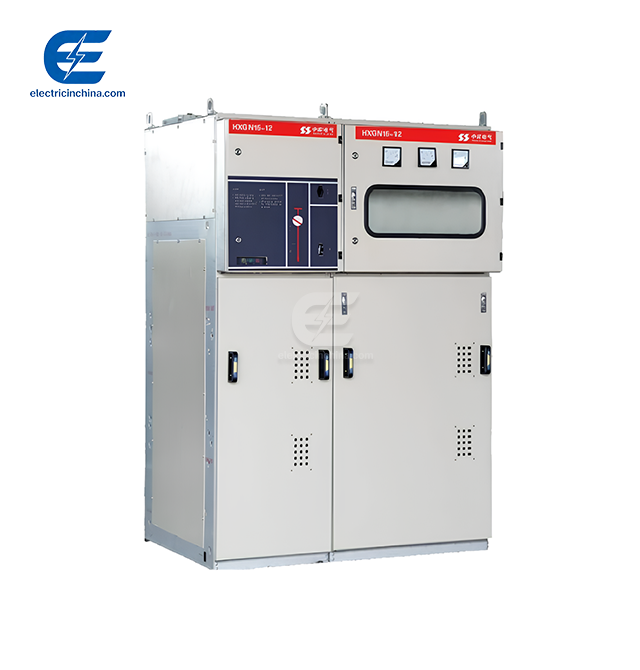
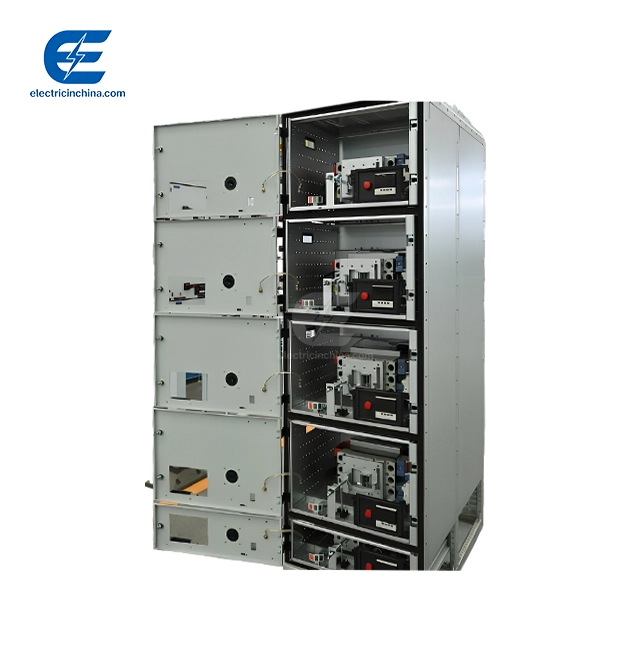
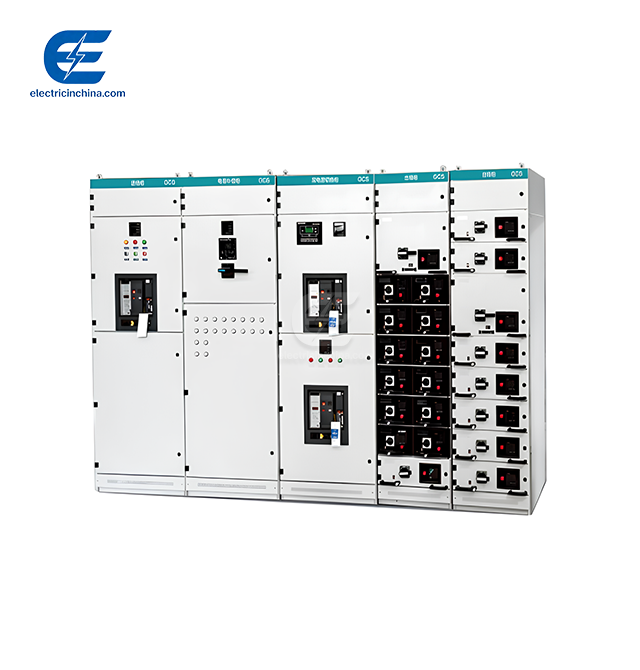
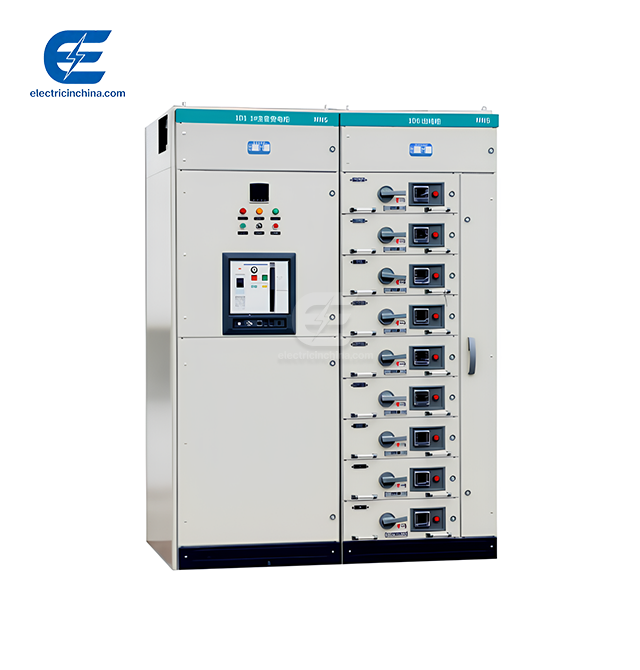
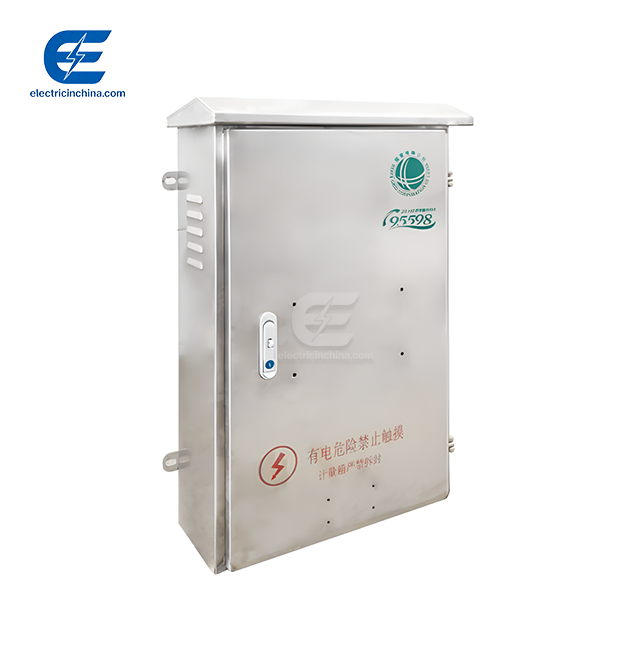
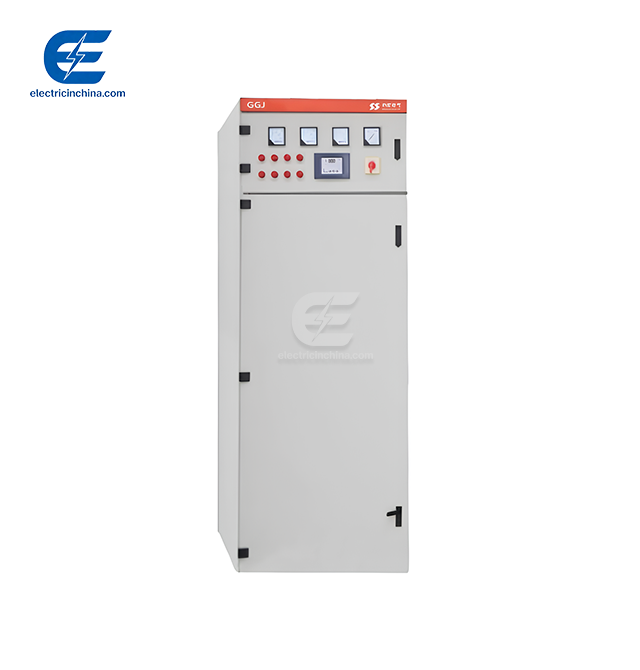
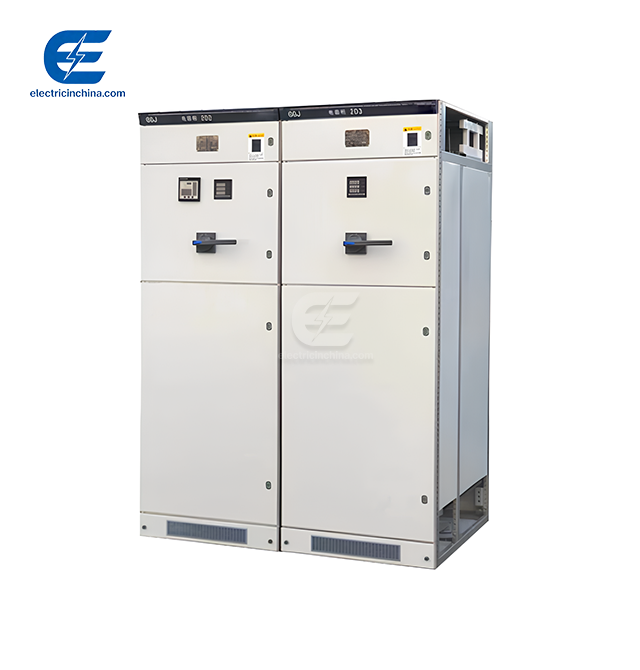
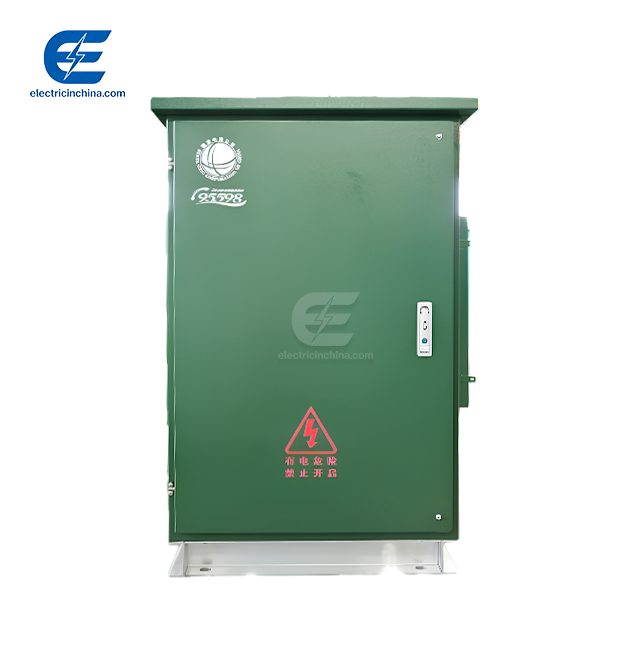
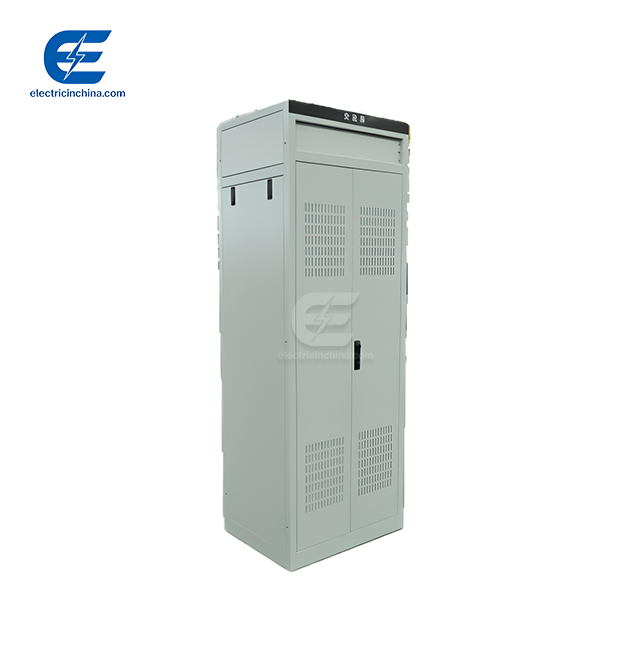
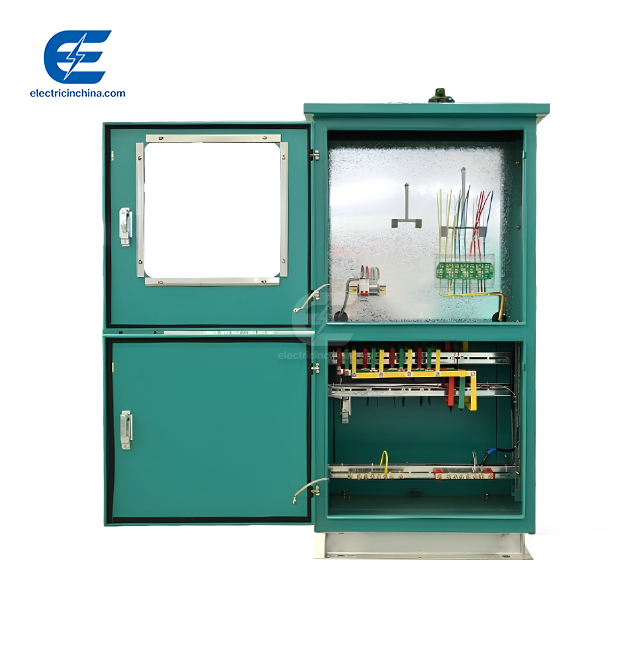
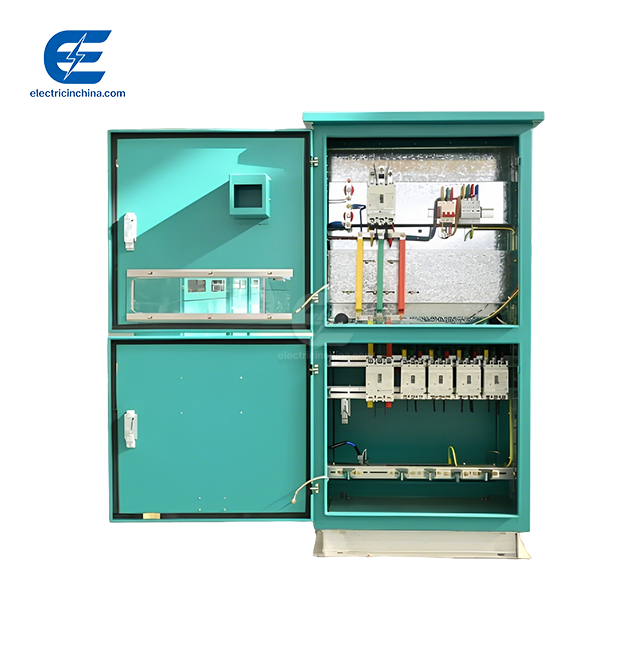
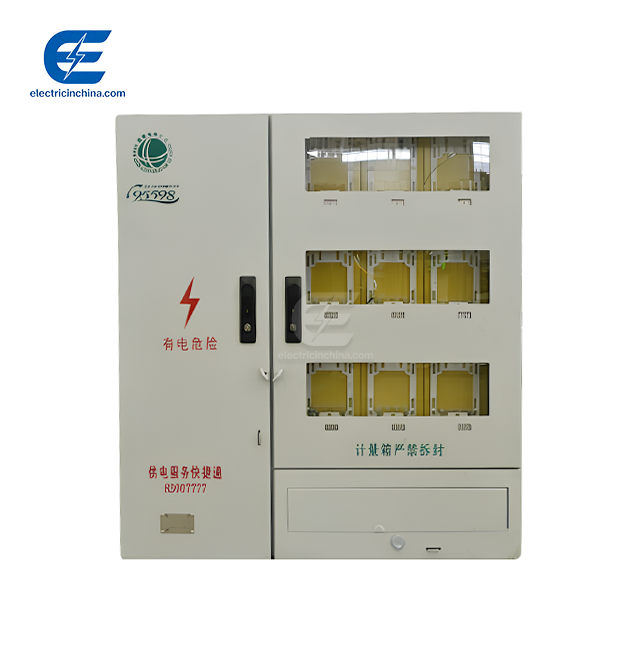
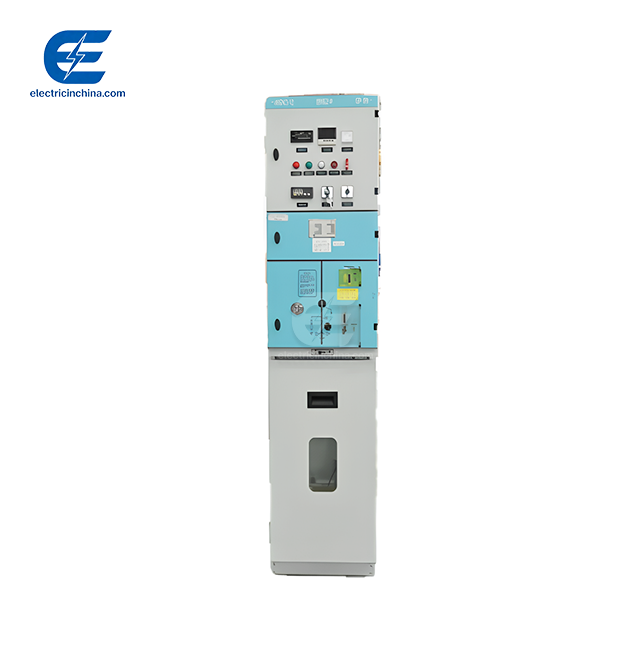
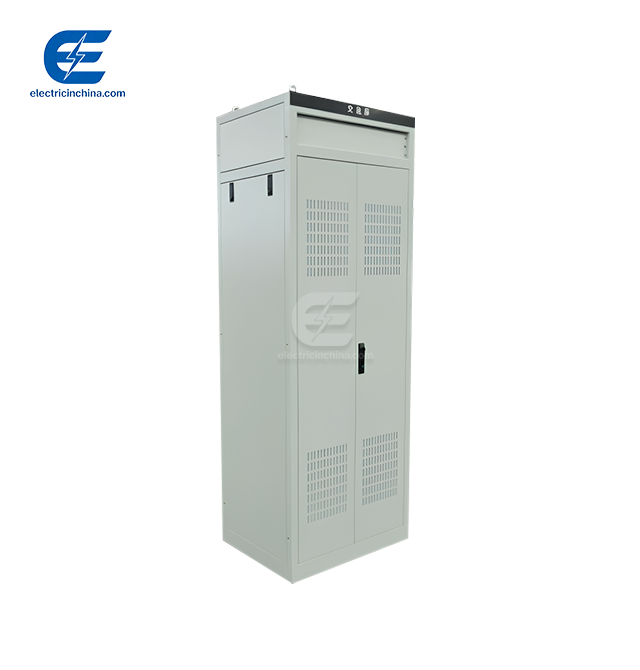
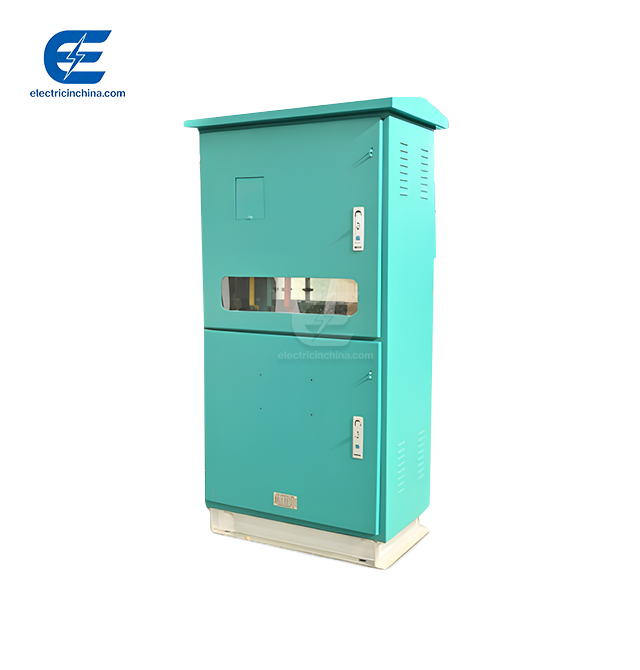
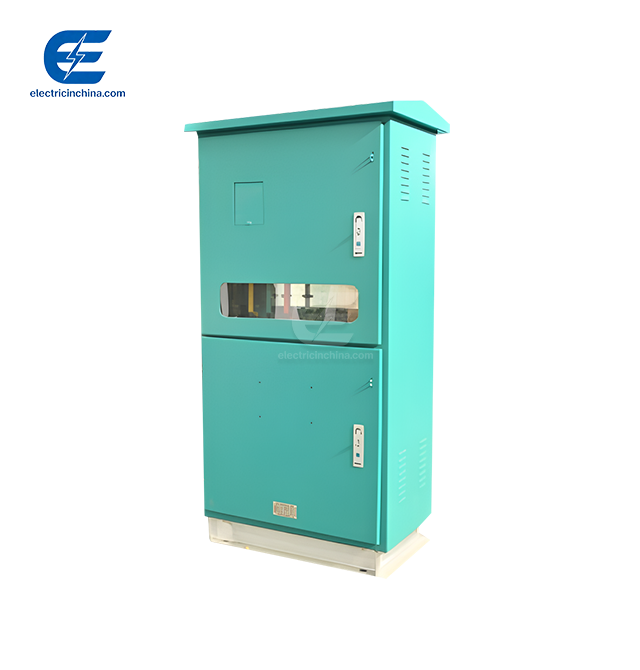
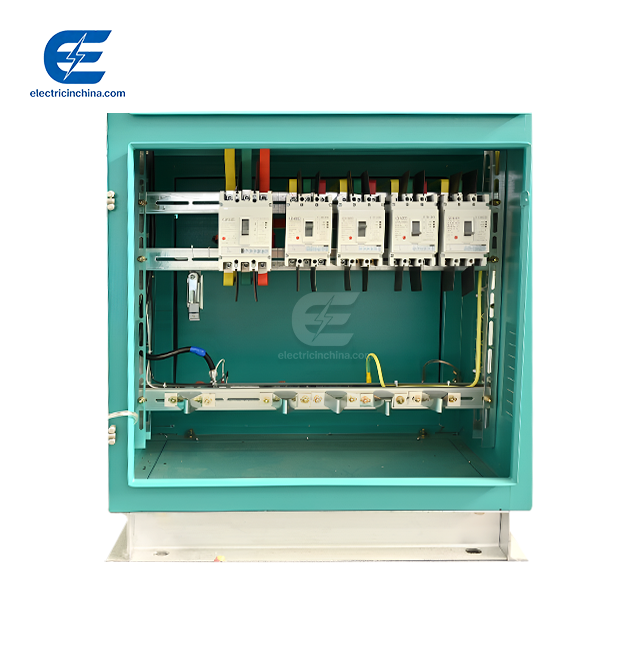
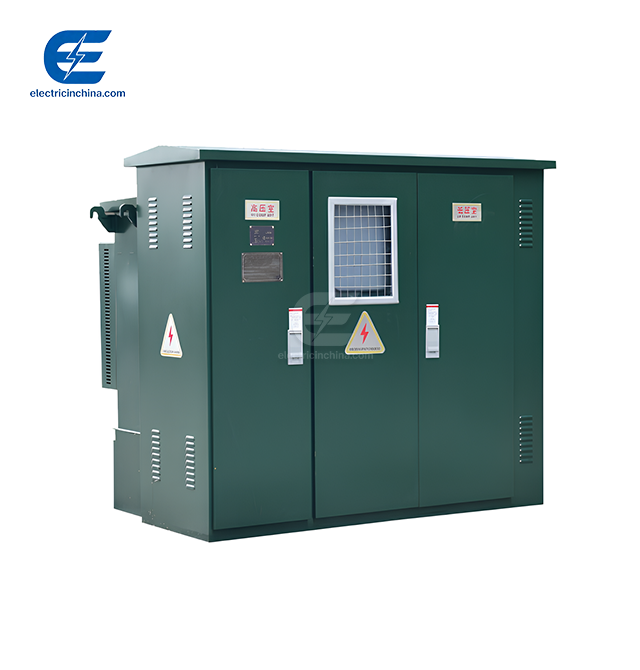
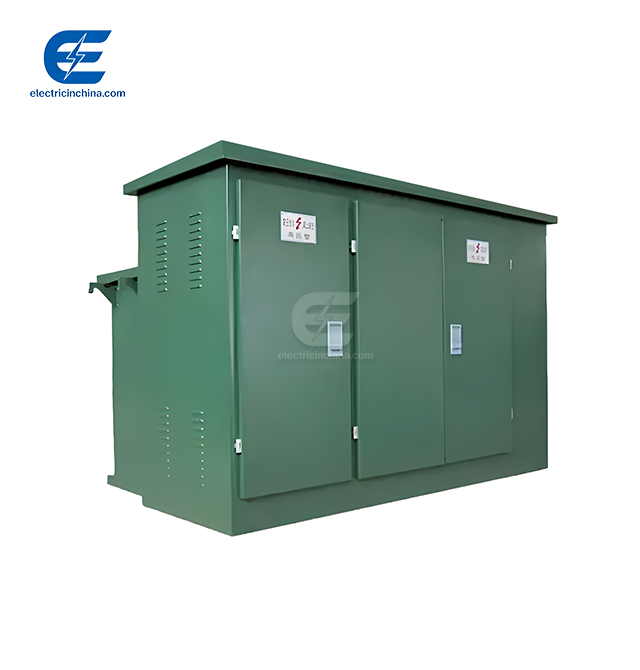
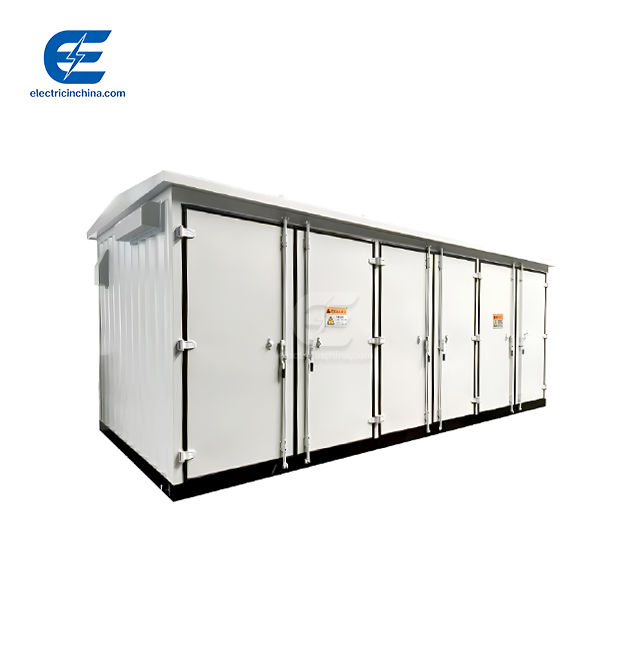
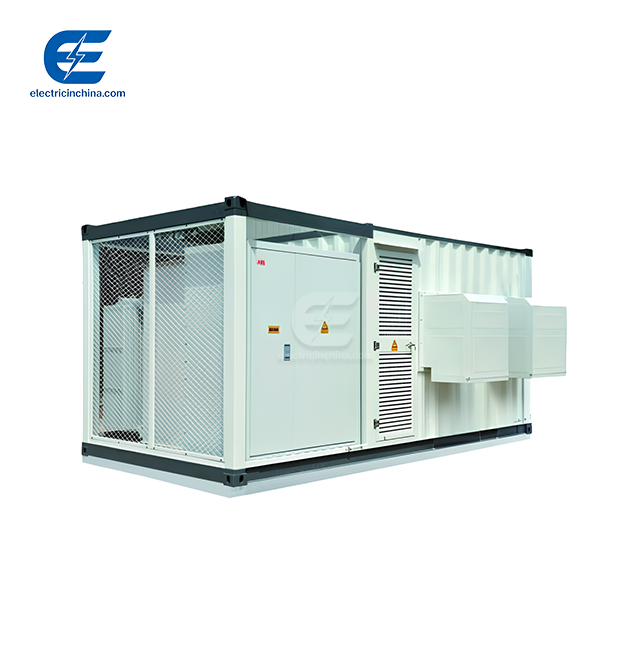
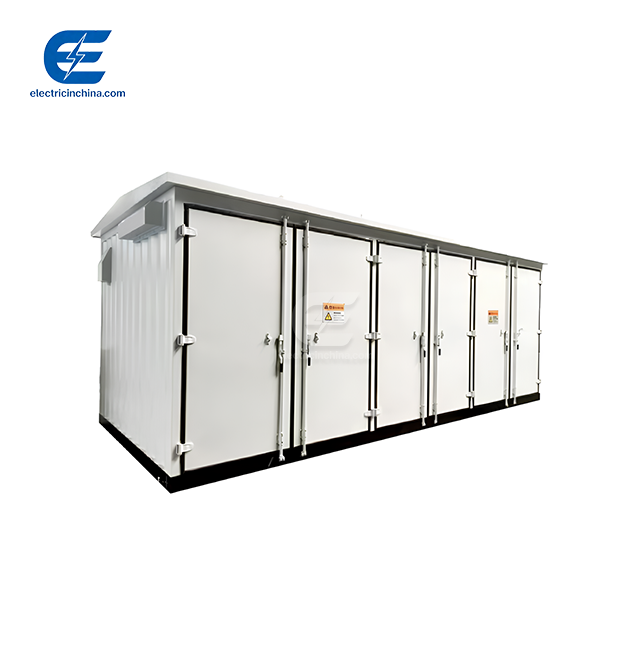
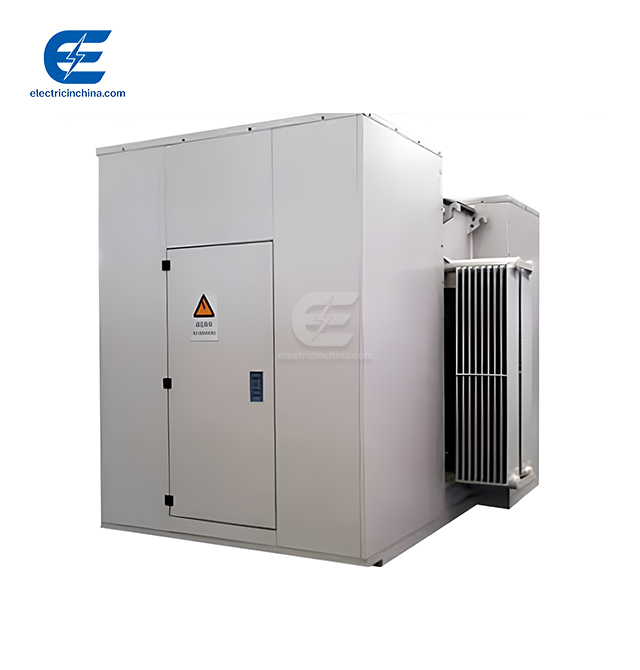
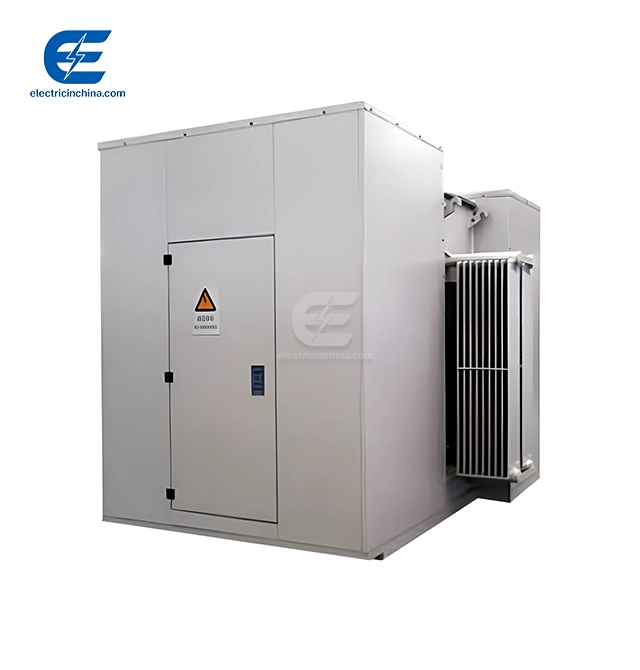
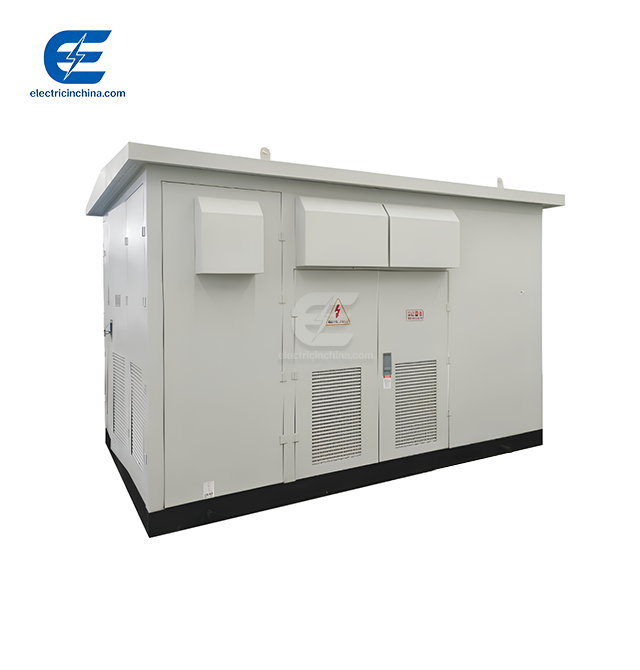
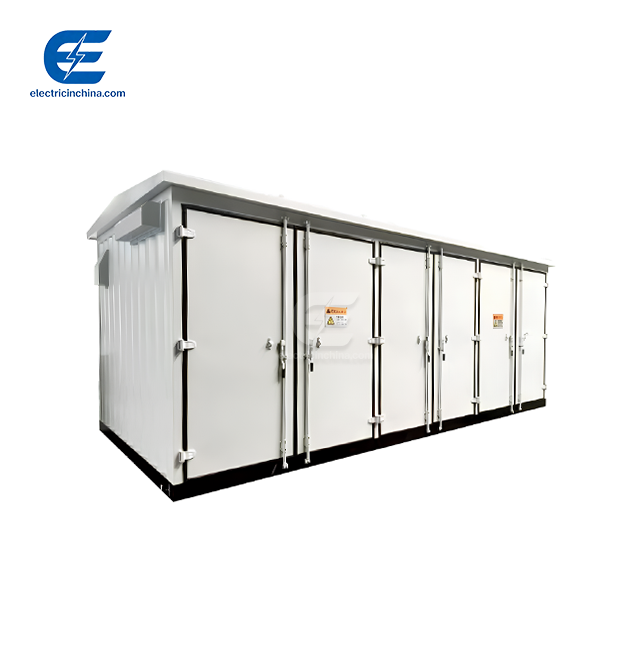
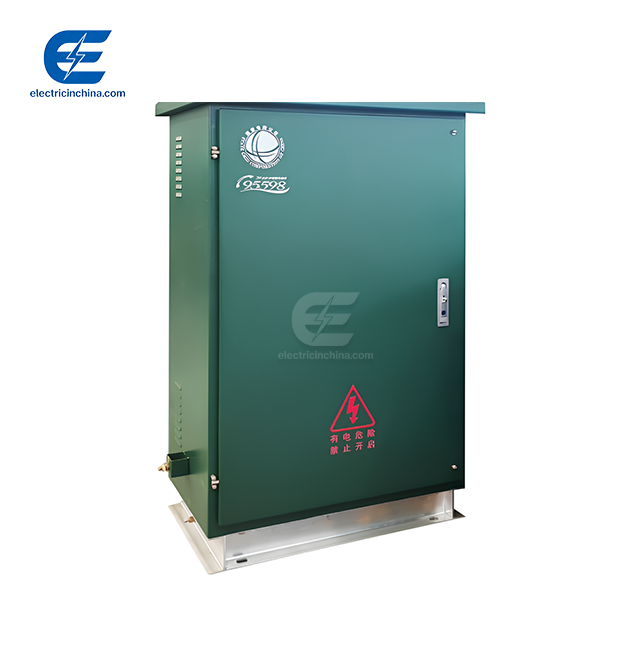
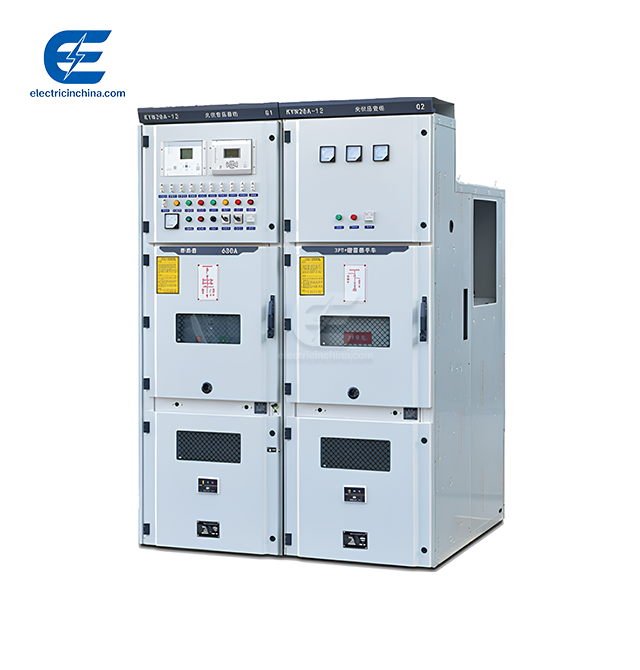
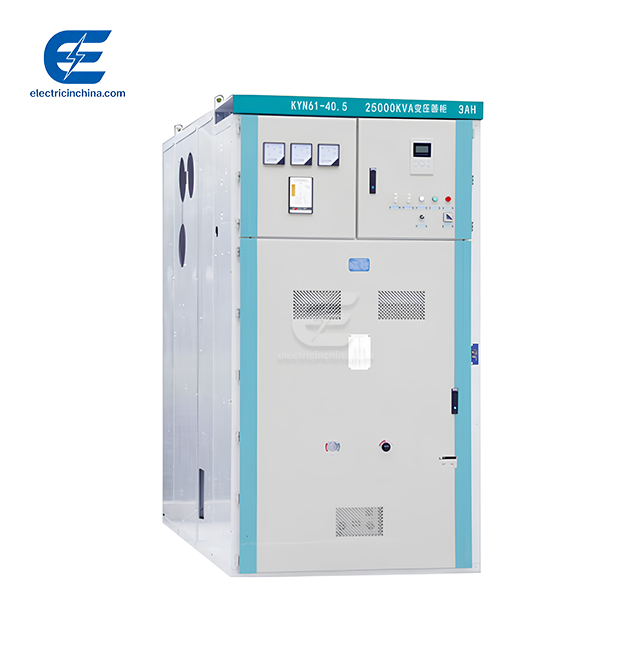
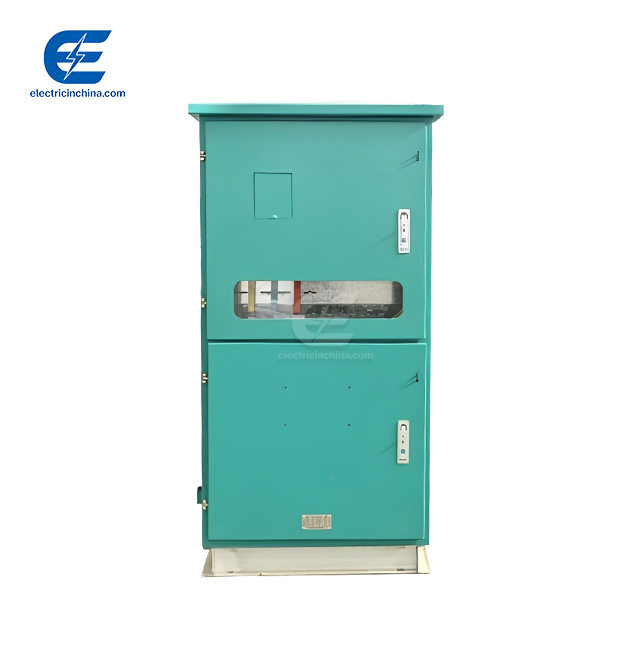
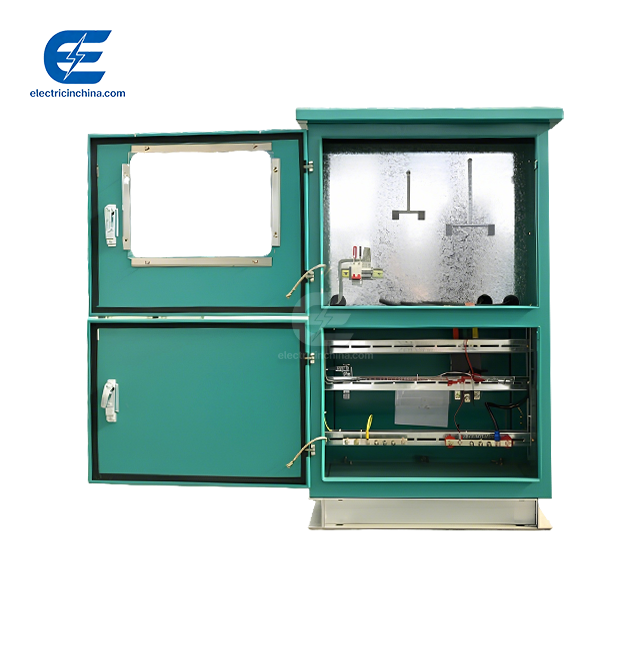
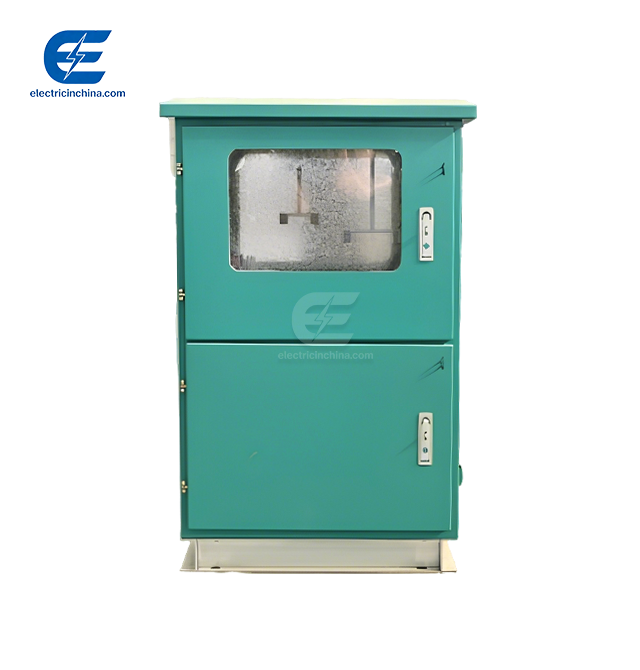
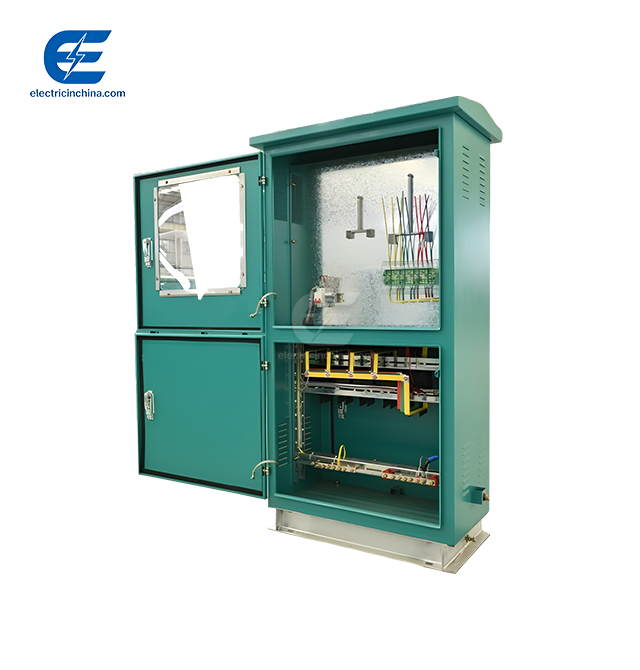
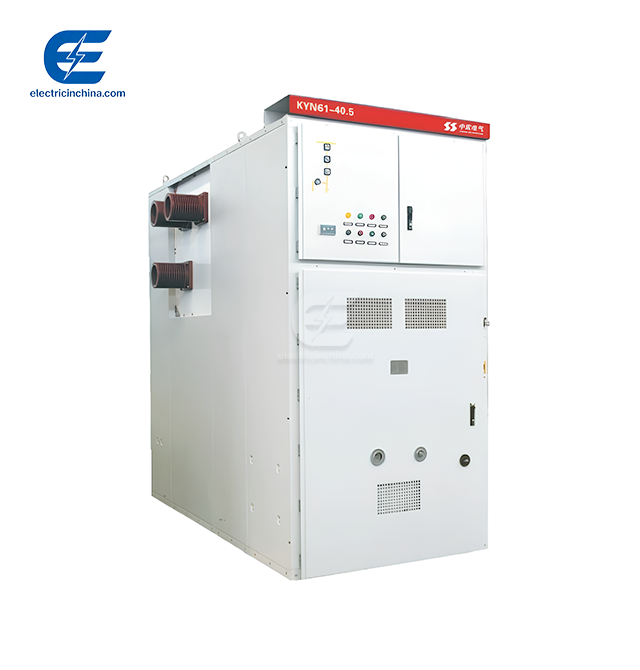
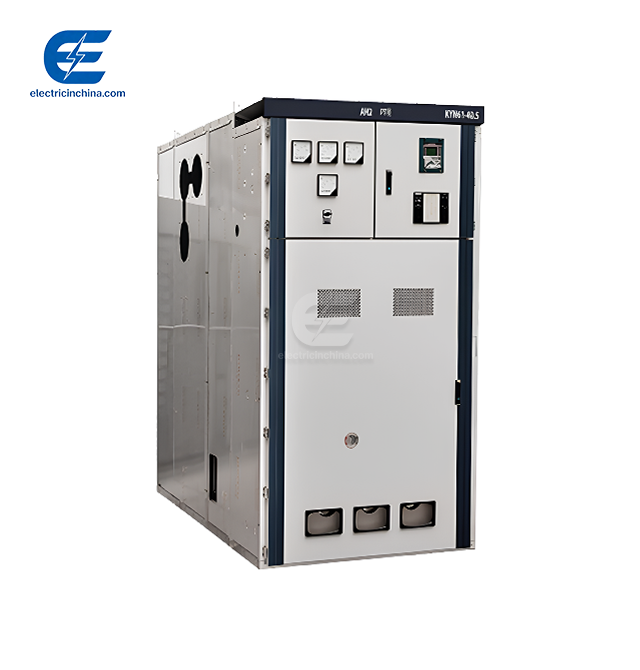
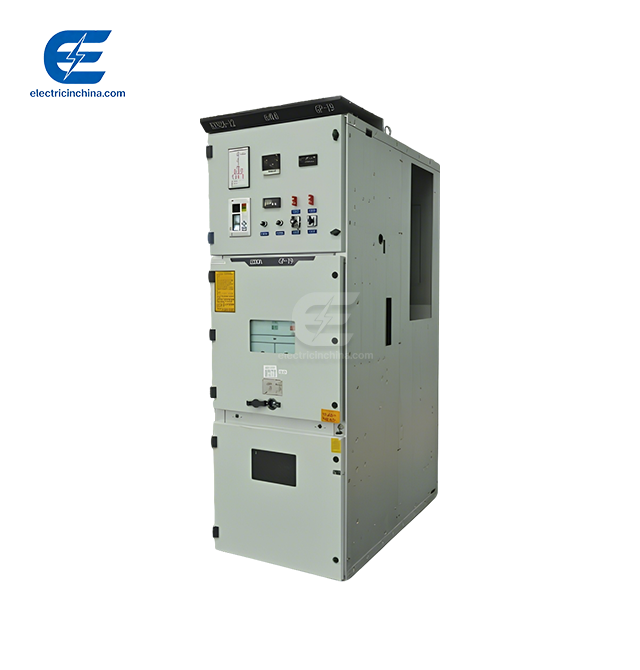
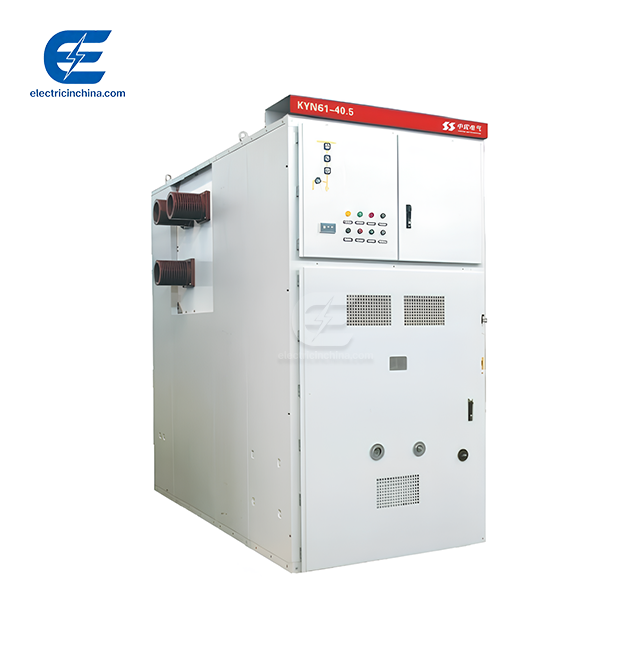
When your power infrastructure project demands speed without compromising safety, understanding how factory-assembled electrical distribution systems function becomes essential. A prefabricated enclosure substation operates by integrating transformers, switchgear, protection devices, and control systems within a single weatherproof housing. The primary side receives incoming voltage between 4.16 kV and 35 kV, steps it down through transformer coils, and distributes secondary voltage ranging from 480 V to 4.16 kV to connected facilities. The enclosure maintains IP54+ protection ratings, shielding all internal components from environmental hazards while allowing safe maintenance access through lockable compartments.
Understanding Prefabricated Enclosure Substations
Power distribution systems have evolved significantly over the past two decades, driven by demands for faster deployment and enhanced reliability. These factory-built units represent a fundamental shift from traditional field-erected installations to streamlined modular solutions.
What Are Prefabricated Enclosure Substations?
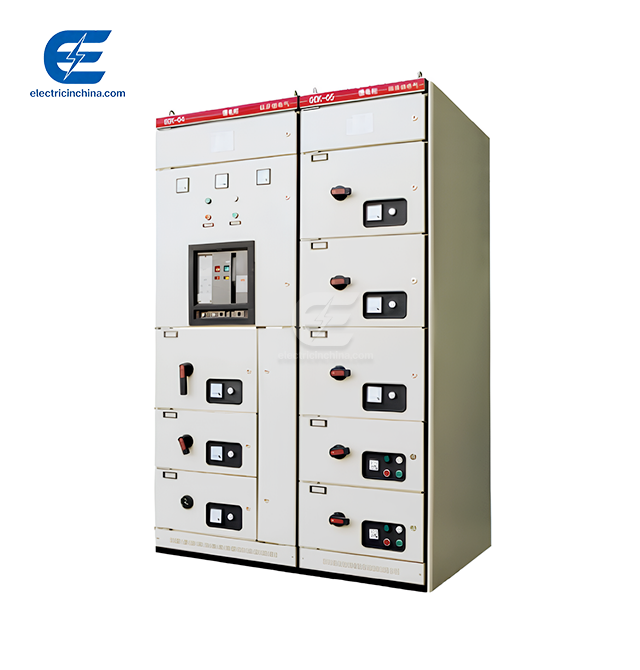
All electrical components are integrated into conventional housings in compact power distribution units made in regulated production facilities. High voltage is converted to commercial and industrial levels via the transformer core. Switchgear compartments isolate circuit parts for maintenance without system shutdown. Protection relays continuously monitor electrical parameters and disconnect problematic parts in milliseconds to prevent equipment damage. Digital communication technologies provide real-time monitoring and remote access to control panels.
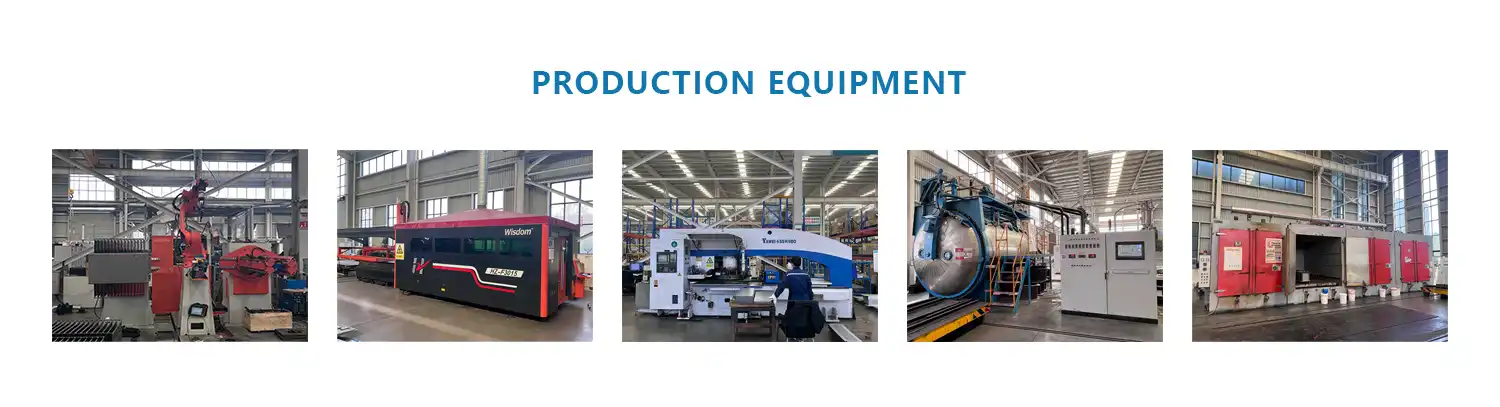
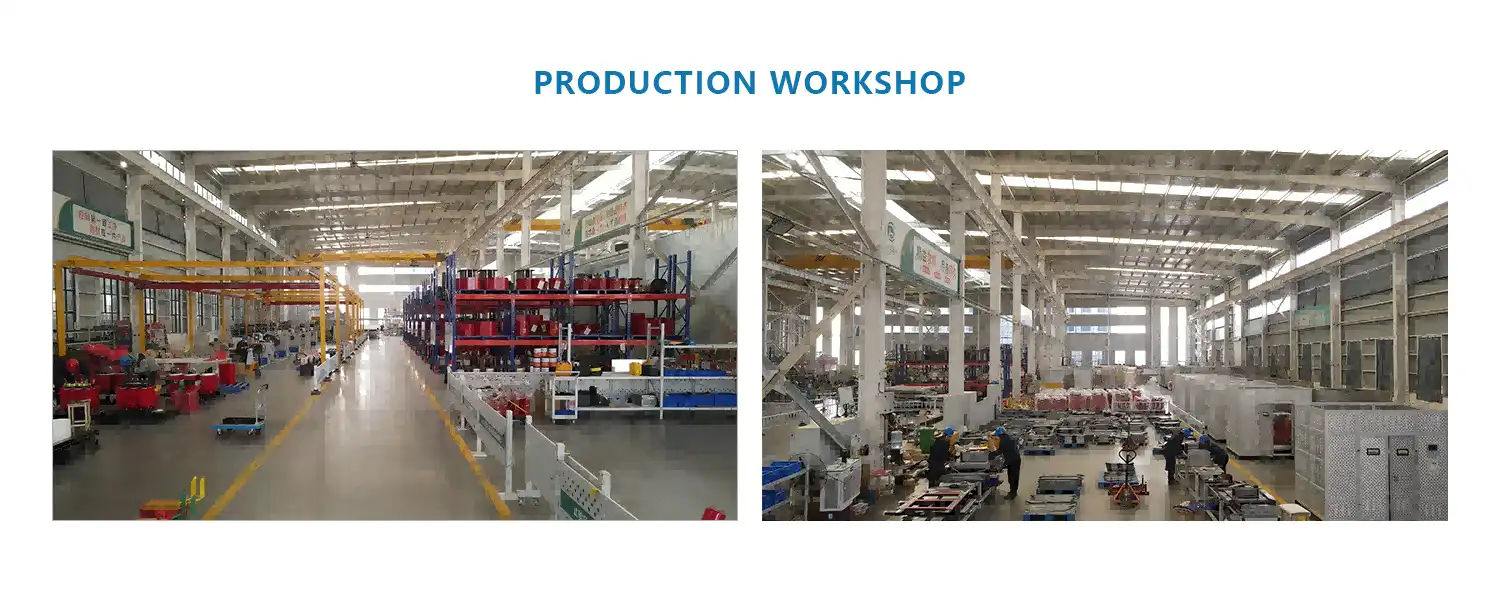
Manufacturing these systems under controlled conditions improves quality. Over 120 CNC automatic winding machines and microcomputer-controlled gradient curing furnaces are in use at our plant. This modern machinery allows exact component assembly that manual field construction cannot match. Our "zero defects" production method verifies every connection, weld, and calibration before the device leaves our facility.
Core Components and Their Functions
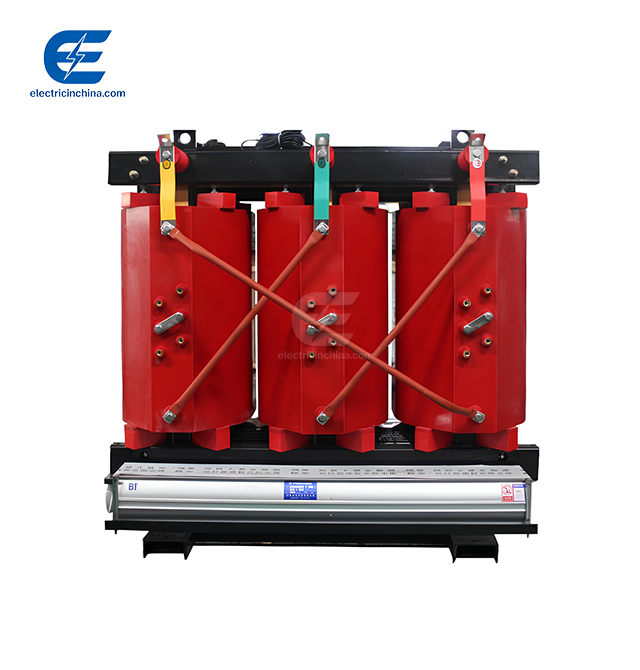
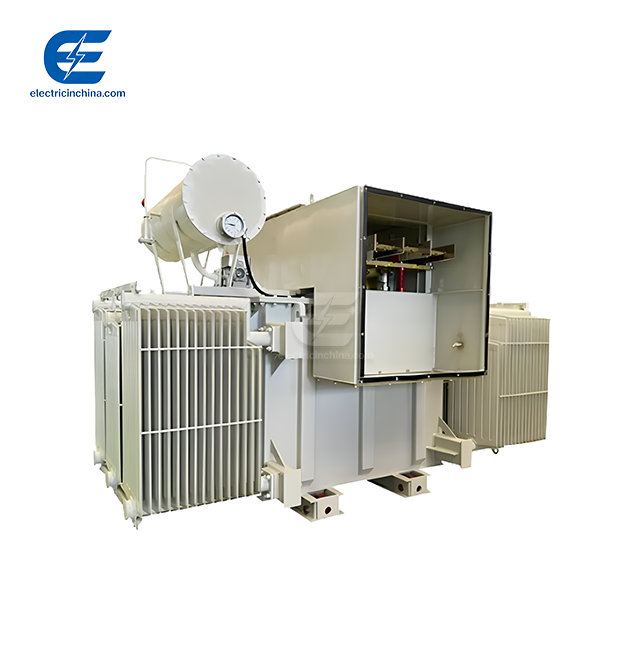
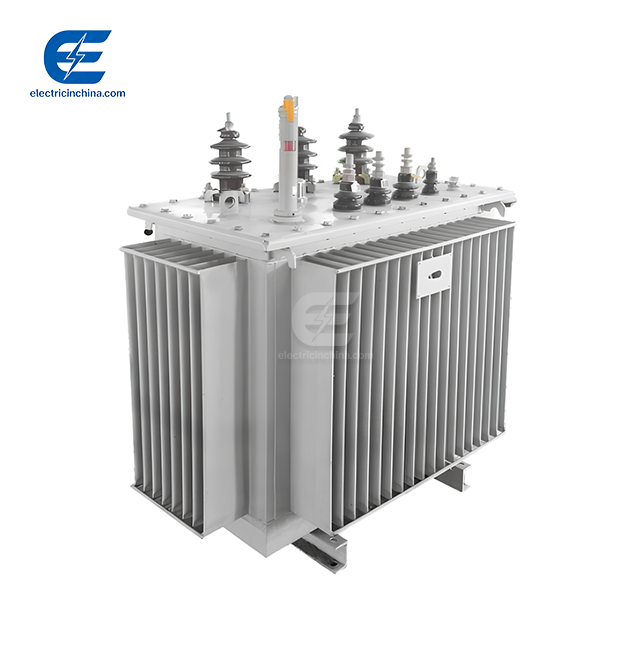
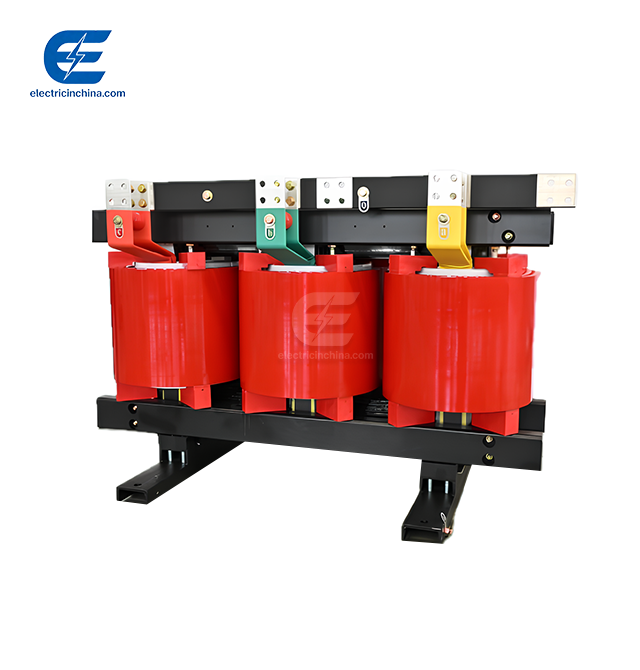
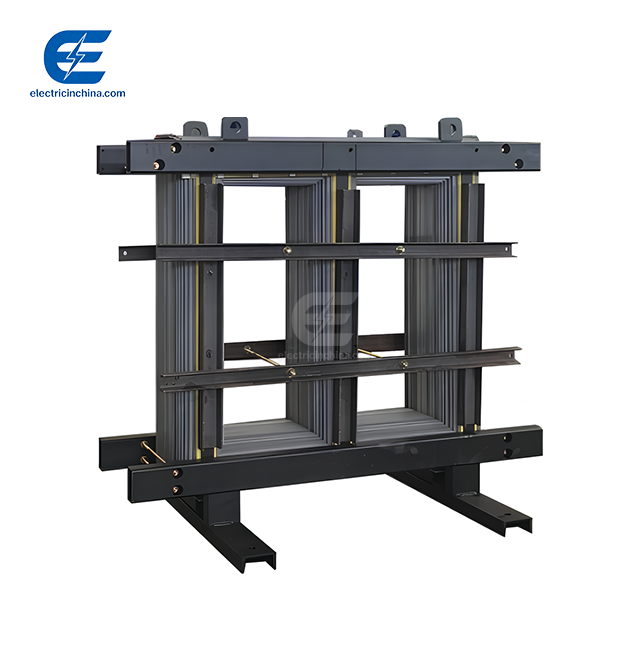
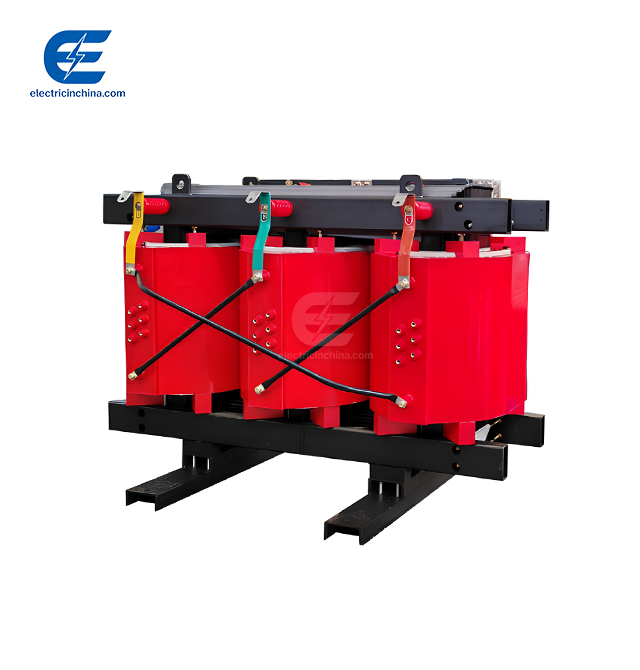
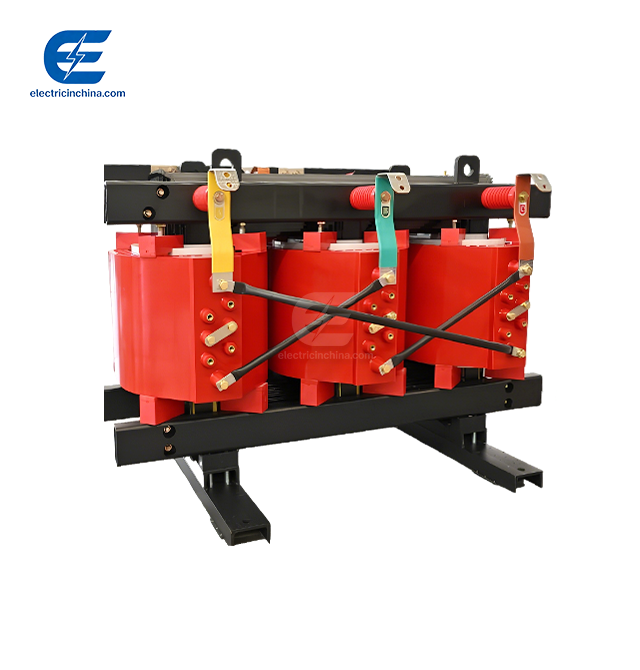
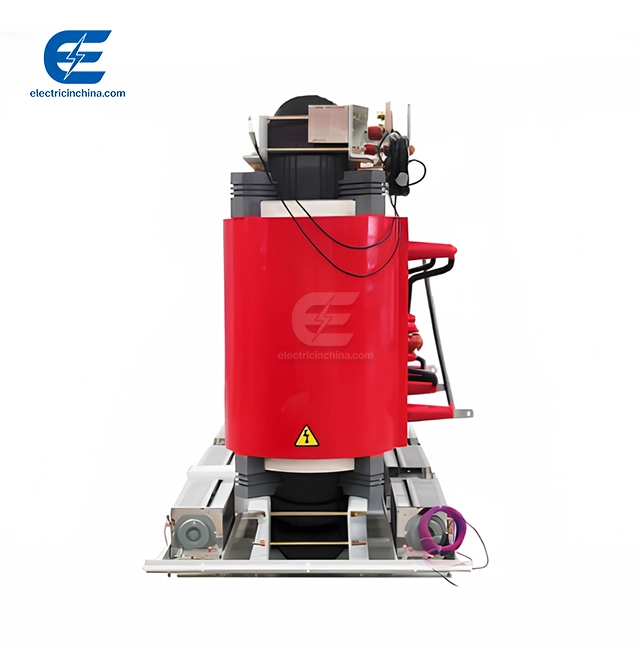
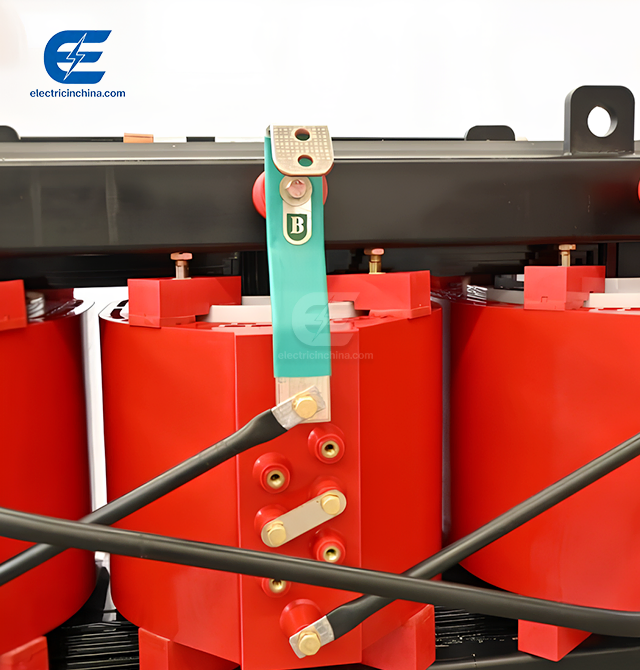
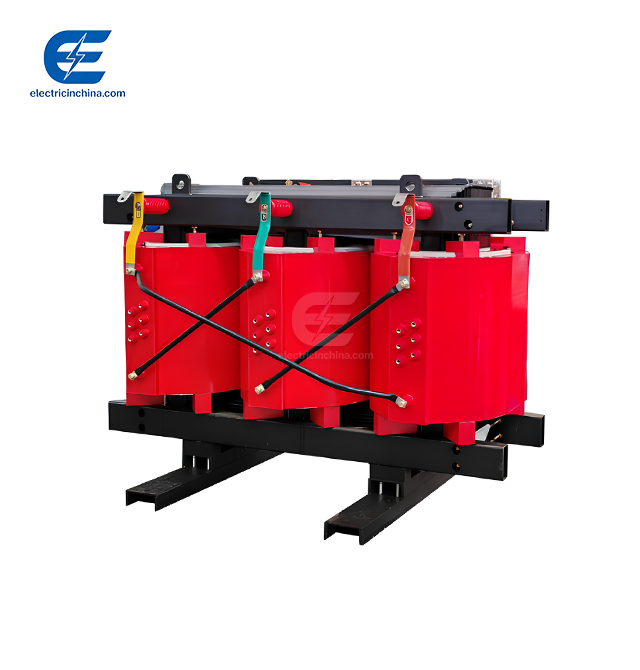
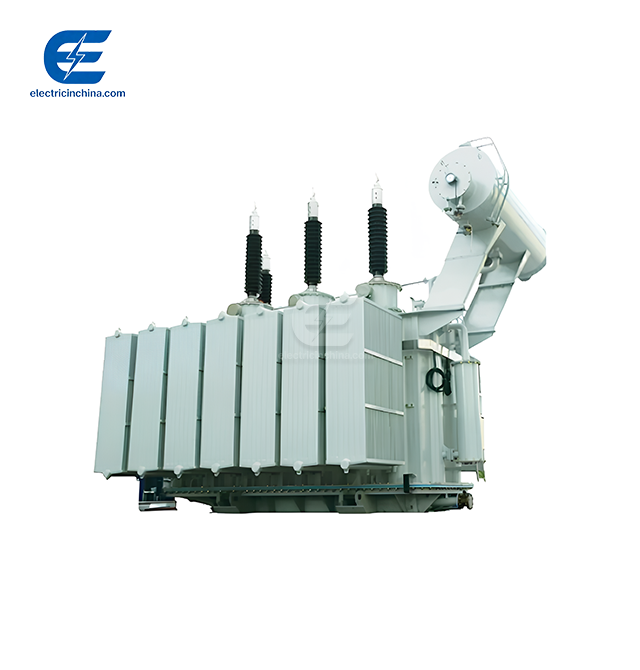
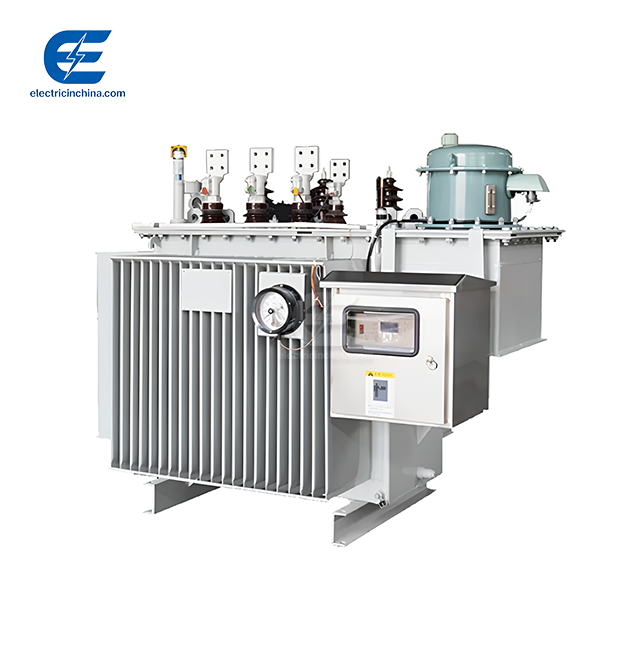
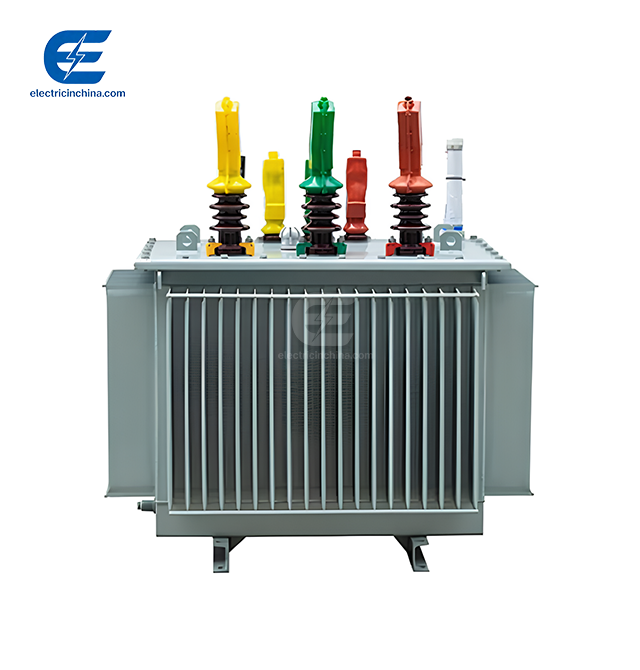
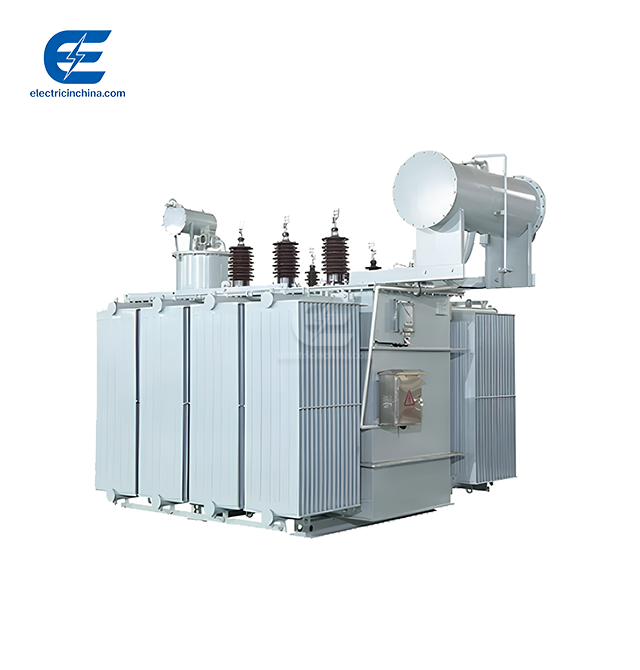
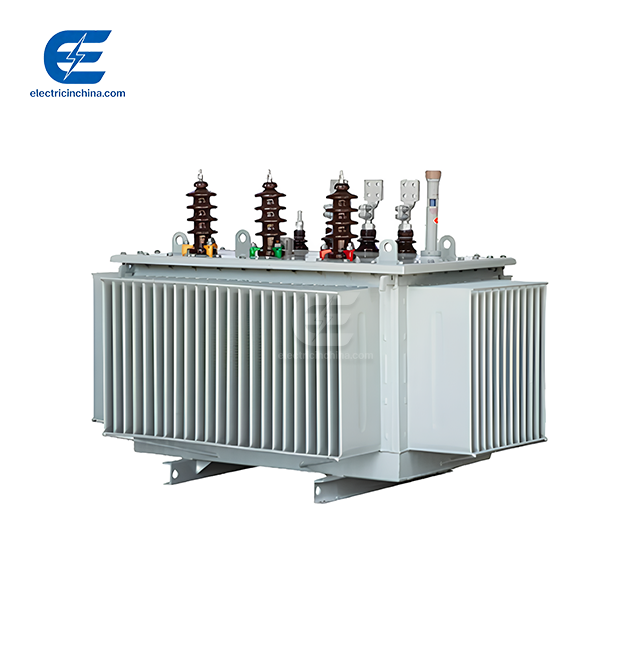
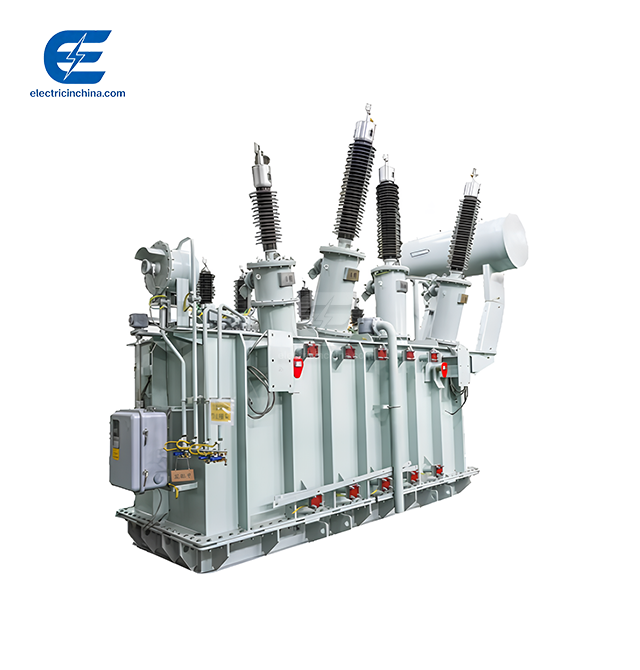
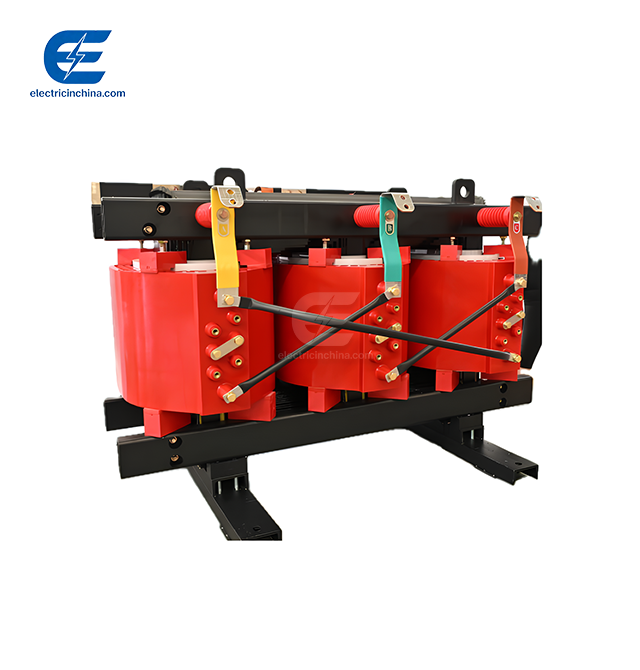
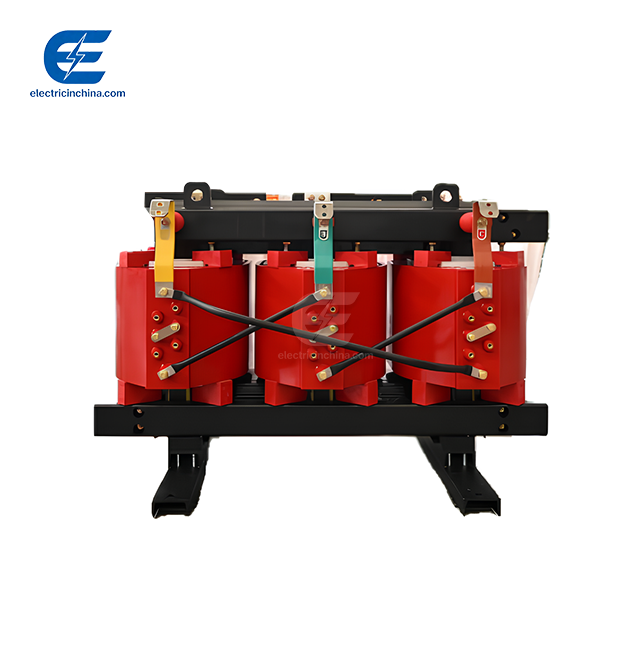
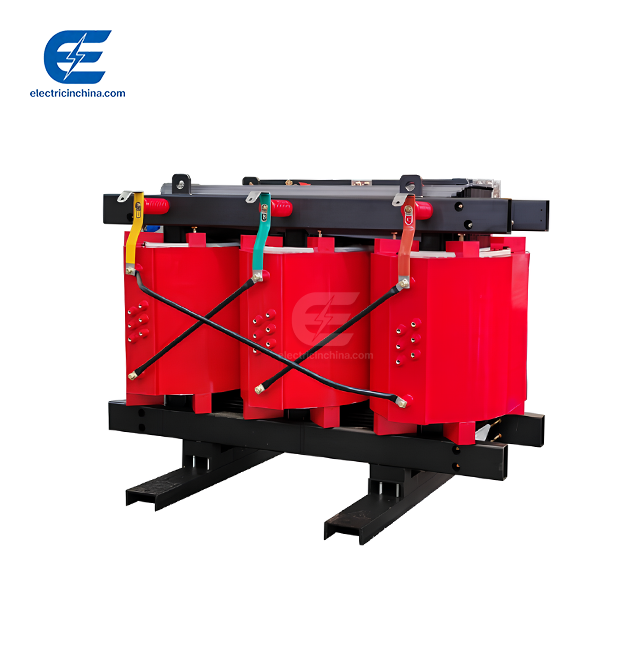
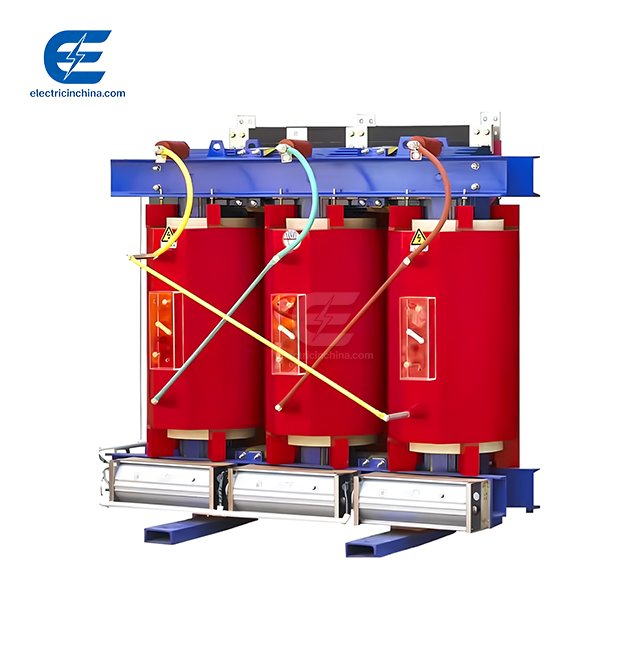
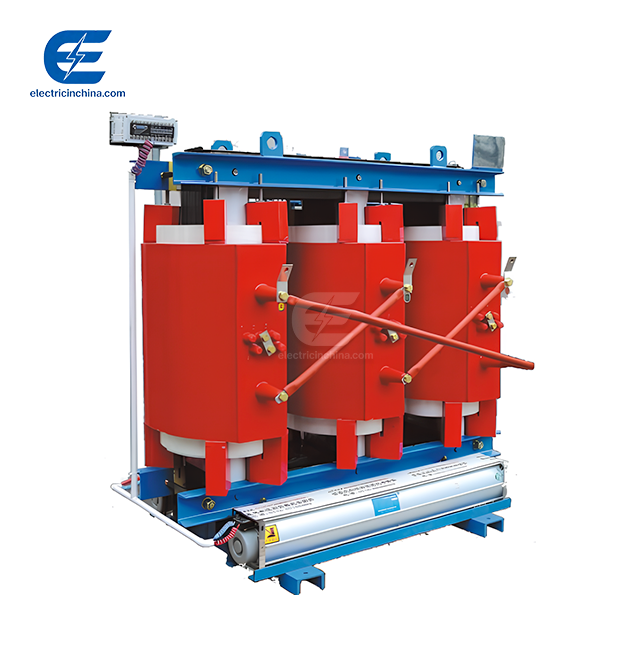
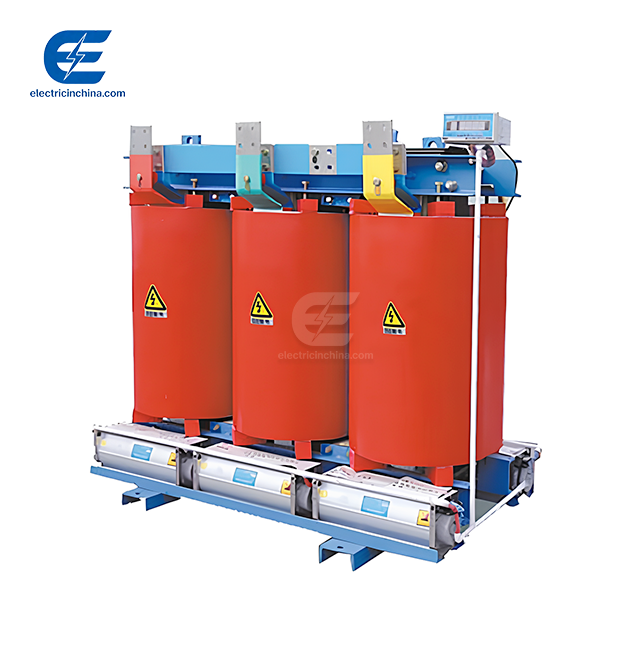
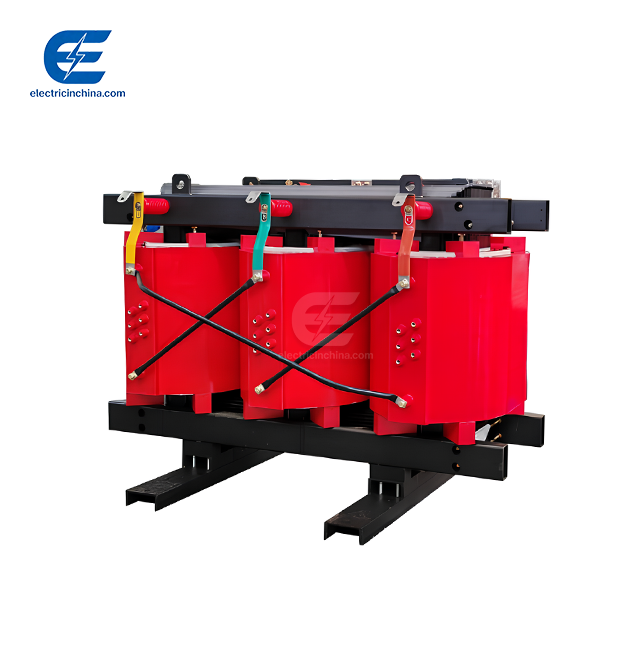
Substation systems' transformers use electromagnetic induction to change voltage levels. Primary windings receive high voltage from utility supplies, while secondary windings provide stepped-down voltage for building systems or industrial equipment. For continuous high-load applications, oil-filled transformers cool better than dry-type transformers, which avoid dielectric fluid environmental problems.
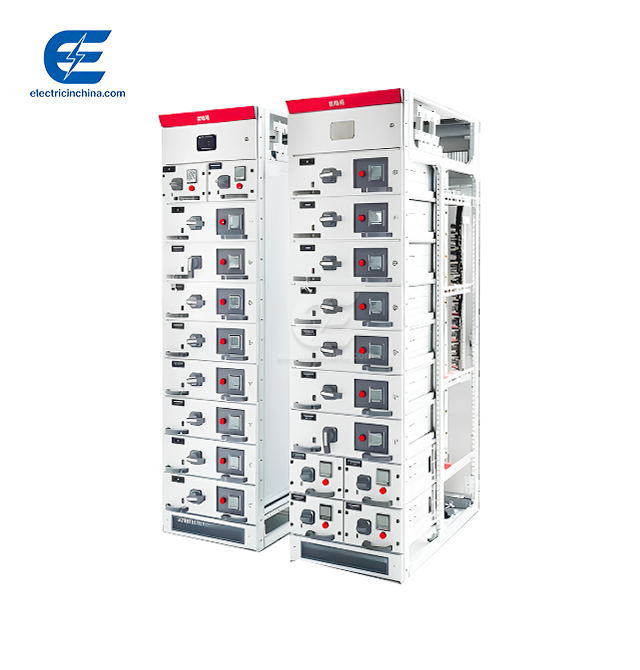
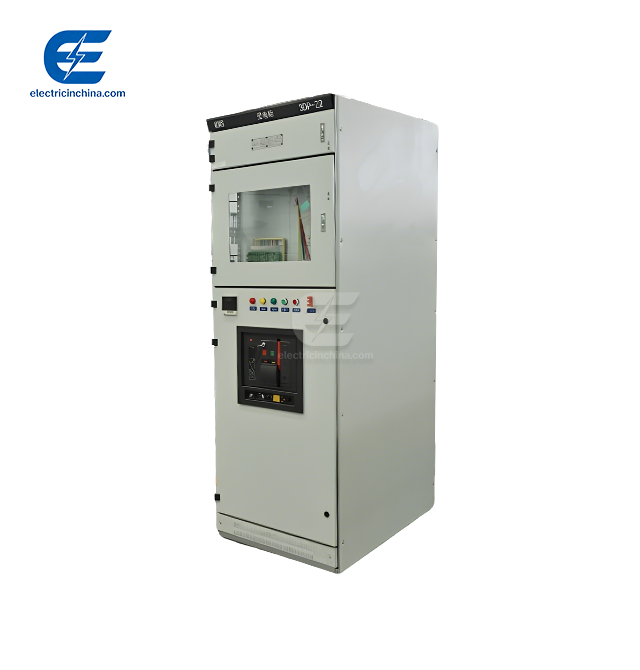
Critical isolation and protection are provided by switchgear. Circuit breakers quickly interrupt fault currents to avert system breakdowns. Load break switches provide safe equipment separation during maintenance. Our factories perform high-voltage withstand tests and temperature rise assessments to ensure these components can endure normal operating circumstances and extreme fault scenarios.
Protection and control systems have improved greatly with digital technology. Contemporary protective relays use microprocessors to detect overcurrent, earth faults, differential protection abnormalities, and frequency variations. IEC 61850 standards allow these devices to integrate with facility management systems. Our 15 experienced engineers configure these complex systems before shipment, preventing onsite commissioning issues.
Typical Applications Across Industries
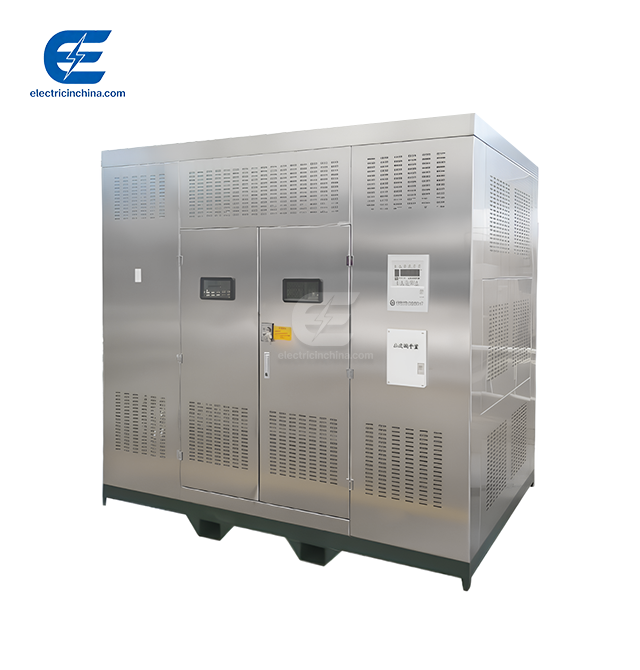
Manufacturing establishments that need constant power for continuous process operations are our greatest customers. Automotive plants need reliable electricity for robotic welding and automated assembly processes. Our stainless steel construction with gasket systems and positive-pressure ventilation meets explosion-proof enclosure requirements for chemical processing facilities.
Integrated power infrastructure presents distinct challenges for commercial real estate developers. Prefabricated enclosure substations have limited space in cities, making tiny modular installations valuable. The Xinhuai Central Complex and Huaihai Xintiandi developments used our 6m x 2.5m x 2.9m standard designs to power buildings that couldn't accept conventional installations. Property managers enjoy the low noise levels—below 65dB at one meter—that exceed residential area regulations without sound attenuation.
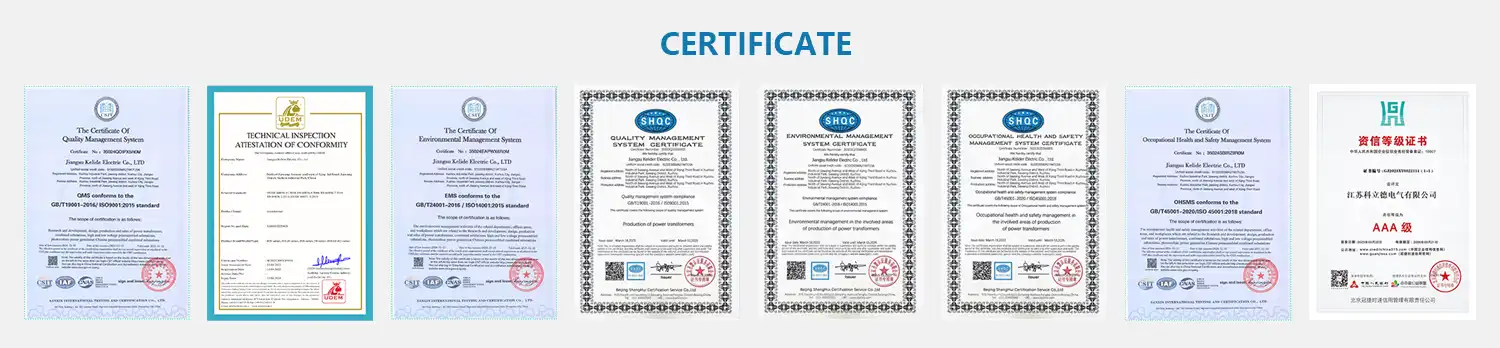
Government infrastructure projects require reliability and strict safety standards. At the Xuzhou Rail Transit Network Control Center, we used dual-circuit power supplies to ensure subway system safety. Our technical team collaborated with EPC contractors to provide bespoke voltage settings and redundant protection mechanisms. Our ability to provide customized solutions while maintaining ISO 9001, ISO 14001, and OHSAS 45001 certifications makes us a favored provider for complex public sector tenders.
Advantages of Prefabricated Enclosure Substations Over Traditional Substations
Comparing modular factory-built units against conventional field-erected installations reveals compelling operational and financial benefits. Project managers evaluating infrastructure options need concrete data demonstrating return on investment across multiple performance dimensions.
Installation Timeline Reduction
Prefabricated enclosure substation construction takes six to twelve months from site preparation to commissioning. The steps of pouring and curing the foundation, putting up structural steel, coordinating equipment delivery, assembling everything on site, doing a lot of wiring, and testing in stages make weather delays complicate scheduling, especially in places with severe temperatures or heavy rain.
Our prefabricated solutions cut the duration to 2–4 weeks. Since factories are climate-controlled, weather delays are eliminated. Shipments in standard containers facilitate logistics even to remote regions. Most on-site work is foundation mounting, cable termination, and functional verification, which takes a few hours. The Xuzhou High-speed Railway East Station Official Power Supply EPC Project showed this advantage, with early completion allowing the client's commercial activities to begin on time.
Acceleration yields financial gains. Facility-operated projects get money months earlier. Shorter project durations lower construction funding costs. Professional electricians spend weeks rather than months on site, reducing labor costs by 50%. Industrial manufacturers considering capacity expansions may capture market opportunities lost to competitors due to this timetable advantage.
Space Efficiency and Urban Compatibility
Space constraints increase as property values rise and land decreases for urban development initiatives. Clearance around equipment and access corridors between components make traditional substations large. Installations often require dedicated structures or large fenced outdoor areas for safety.
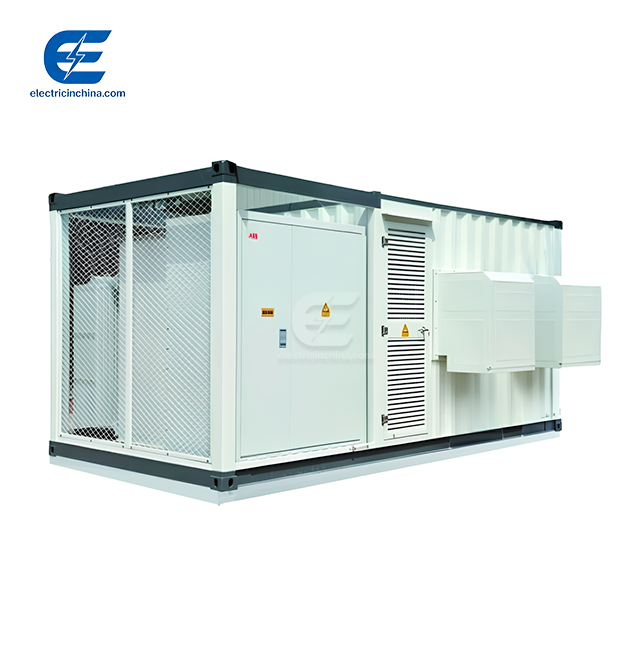
Modular enclosures maximize space economy by vertically stacking components and eliminating internal clearance. Installing our 20-foot and 40-foot containers in inaccessible areas is possible since they meet international shipping measurements. Since the weatherproof housing has a clean exterior, shopping centers can place these units in basements or rooftops without aesthetic issues.
Space savings go beyond equipment. Less development on site means less disruption to nearby operations. Instead of lengthy shutdowns, manufacturers can upgrade capacity during production. This operational constancy is valuable in businesses where downtime costs thousands per hour.
Enhanced Reliability Through Factory Testing
Field-erected installations have quality control issues notwithstanding contractor experience. High humidity affects insulation resistance, temperature fluctuations change material properties, and airborne pollutants damage surface cleanliness during assembly. When equipment is fully loaded months after commissioning, these variables may cause failures.
Factory assembly removes environmental factors through regulated manufacture. From incoming material verification to final performance testing, our quality management system inspects every production stage. We conduct high-voltage withstand tests, partial discharge measurements, transformer turns ratio verification, and protective relay calibration under standard settings using calibrated instrumentation. This thorough validation assures your equipment works at full capacity without infant mortality failures.
Practical impact is in operational statistics. Our installations have 99.97% uptime across hundreds of commercial, industrial, and municipal operations. Superior component quality and thorough pre-shipment verification ensure reliability. When equipment is tested and commission-ready, onsite staff can activate systems knowing performance will match requirements instantly.
Environmental Performance and Sustainability
Today's power infrastructure projects prioritize environmental responsibility and technological performance. Noise pollution laws limit nocturnal sound levels near homes. Transformer hum and cooling fan noise from open-air substations can exceed community norms without expensive acoustic casings.
Noise suppression is incorporated in all waterproof housings. Sound-absorbing materials line transformer interiors, while vibration isolators isolate them from the frame. This integrated solution meets residential area criteria without mitigation by keeping sound emissions below 65dB at one meter. The enclosure prevents soil contamination and simplifies environmental compliance by containing liquid-filled transformer oil leaks.
Another sustainability factor is energy efficiency. New low-loss transformer cores minimize no-load losses by 30%, saving energy annually. Intelligent monitoring systems discover inefficient operational tendencies for proactive optimization. These characteristics meet business sustainability goals and reduce operational costs over the equipment's 20-year lifespan.

Detailed Installation and Operation Process
Successful deployment of factory-built power distribution systems requires careful planning and execution across multiple project phases. Understanding each step helps procurement managers coordinate effectively with suppliers and onsite teams.
Pre-Installation Planning and Site Evaluation
Thorough site assessment forms the foundation for smooth installation. Our technical team evaluates physical constraints, including available space, soil bearing capacity, and access routes for equipment delivery. Electrical parameters require equal attention—incoming utility voltage characteristics, anticipated load profiles, and future expansion requirements all influence equipment specifications. We completed this evaluation process for the GCL Photovoltaic Industrial Park, where renewable energy integration demanded custom voltage regulation capabilities.
Environmental conditions shape design decisions significantly. Coastal installations require enhanced corrosion protection through marine-grade coatings and stainless steel hardware. Seismic zones necessitate reinforced structural frames and flexible cable connections that accommodate ground movement. Our units withstand temperatures from -40°C to +50°C, 95% relative humidity, and wind loads up to 150mph, but site-specific conditions may warrant additional protection measures.
Coordination with utility providers ensures seamless grid integration. Primary side protection schemes must coordinate with upstream devices to isolate faults selectively without unnecessary outages. Communication protocols between utility SCADA systems and onsite controls require configuration during the planning phase. These technical discussions benefit from our team's experience completing hundreds of projects, which provides practical knowledge of utility requirements across different regions.
Delivery, Assembly, and Integration
Transportation logistics ease domestic and international deliveries using common shipping infrastructure. While rail and maritime cargo service remote or overseas projects, container sizes allow truck transport to most areas. Equipment arrives with internal wiring finished and components secured for transit, reducing handling damage.
On-site assembly begins with foundation preparation—usually a reinforced concrete pad with anchor bolts positioned per plans. Our units mount easily to these foundations with leveling shims for minimal height differences. This simpler foundation design minimizes civil work expenses compared to standard installations with cable trenches and component equipment pads.
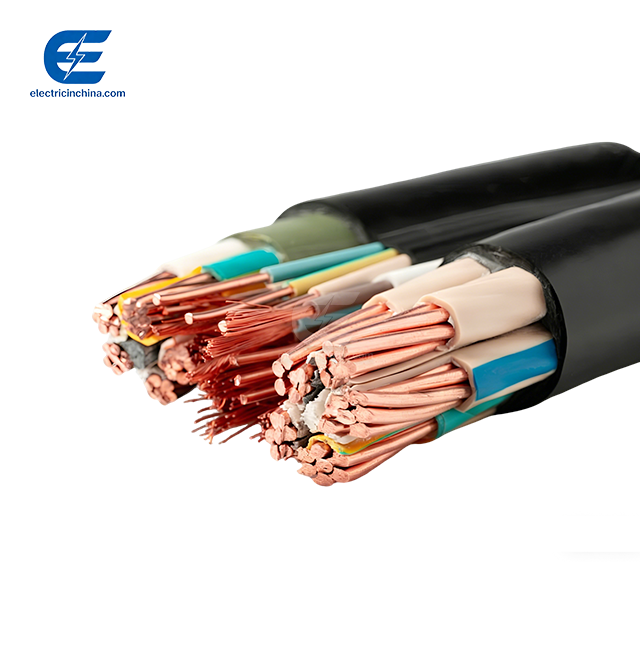
The main electrical activity on site is cable termination. Primary side connections use full fault-current bolted or compression connectors. Depending on facility distribution architecture, secondary side terminations accept different cables. Protection relay settings and facility management system communication links are tested. Since internal equipment connections were completed and tested during factory assembly, onsite work is fast.
Commissioning and Operational Protocols
Comprehensive commissioning checks system readiness before powering up. Our technical staff leads onsite teams through IEEE and IEC verification methods. Primary injection testing verifies protective relay correctness across all operating ranges. Measurements of the transformer turns ratio confirm the voltage transformation. Insulation resistance tests prevent shipment and installation damage.
Energization is staggered to reduce risk. Primary side voltage application begins with voltage and phase verification. Systematic secondary circuit energization stages load augmentation to ensure steady operation under growing demand. The rigorous procedure locates possible issues under controlled conditions, not emergencies.
Due to its enclosed form, operation requires less maintenance. Scheduled inspections verify cooling system, connector, and protection device operation. Remote monitoring lets facility staff monitor performance metrics and spot degradation before failures. With frequent visual inspections and annual electrical testing, our installations supporting the XCMG Group's manufacturing sites are operationally simple.
Comparison With Alternative Substation Solutions
Evaluating competing power distribution technologies requires understanding the specific advantages and limitations of each approach. Procurement decisions benefit from an objective analysis of how different solutions address project requirements.
Cost Analysis Across Solution Types
Traditional field-erected containerized substations require expensive engineering and construction. Site preparation expenditures include excavation, foundation work, and equipment weather protection during installation. Electricians spend a lot of time assembling, connecting, and testing components. Equipment purchase prices alone show reduced material costs, but total installed costs usually exceed factory-built equivalents when all project expenses are properly accounted for.
Our modular strategy moves field labor costs to factory production, where economies of scale and efficiency lower prices. Eliminating weather delays prevents traditional project cost overruns. Commercial project economics improve with faster commissioning and earlier revenue generation. We reduce labor costs by 50% due to simpler onsite activities and faster installation.
Additional benefits are shown via lifecycle cost analysis. Unplanned maintenance and downtime are reduced by factory-tested reliability. Modular architecture allows capacity expansion—adding parallel units costs less than retrofitting. Despite higher initial purchase prices, these long-term economic benefits accumulate during the equipment's operational lifetime, improving the total cost of ownership.
Performance Comparison in Challenging Environments
Conventional designs fail in extreme environments. Salt spray affects metal surfaces in coastal environments, accelerating equipment corrosion. Daily temperature cycling above 40°C stresses desert installations. Without sufficient shielding, corrosive atmospheric pollutants greatly reduce equipment life in industrial situations.
Environmental protection comes from enclosed weatherproof buildings. In extreme marine settings, our stainless steel housings resist corrosion for 20 years with specific coatings. Sealed enclosures prevent contaminants from compromising insulation and connections. Climate control systems maintain ideal internal temperatures regardless of ambient circumstances, ensuring constant performance across various environmental situations.
This environmental resilience benefits projects in difficult areas. Reduced servicing requirements assist remote locations with logistical maintenance access issues. Equipment repair outages are unacceptable in continuous process facilities, making reliability in difficult conditions crucial. Our expertise in providing power systems for chemical plants and mines shows this capacity in challenging situations.
Scalability and Future Expansion Capabilities
Infrastructure planning must support load increases and operational changes. Traditional substations require extensive civil work, new equipment foundations, and sophisticated system integration to expand capacity. These constraints require oversizing initial installations, tying up capital in unused capacity, and incurring maintenance and expenses on underutilized equipment.
Modules allow incremental capacity increases to match demand growth. Standard unit sizes allow parallel installation with modules working independently or sharing loads through synchronized controls. This method optimizes capital deployment by expanding capacity only when needed while retaining operational redundancy for reliability. Moving units across sites gives expanding companies with changing facility portfolios more flexibility.
Smart grid integration prepares these technologies for distributed energy applications. Renewable energy requires different voltage management and protection than grid connections. Power flow must be bidirectional in energy storage systems. Our devices have digital controls compatible with these advanced applications, safeguarding infrastructure investments as grid systems evolve.
Procurement Guide for Prefabricated Enclosure Substations
Selecting appropriate power distribution equipment requires a systematic evaluation of technical requirements, supplier capabilities, and lifecycle support. Procurement managers benefit from structured approaches that ensure optimal outcomes.
Defining Technical Requirements
Proper equipment sizing requires accurate load characterization. Transformer capacity depends on peak demand, while load power factor affects reactive power compensation. Switchgear must handle motor starting currents without tripping. Harmonic analysis is needed to maintain voltage quality in industrial facilities with nonlinear loads, including variable frequency motors, welding equipment, and massive rectifiers.
Utility connection settings and facility distribution architecture determine voltage. The primary side voltage must match utility service, usually 4.16 kV to 35 kV, depending on load size and location. Secondary voltage selection depends on facility infrastructure—480V three-phase dominates industrial uses, whereas commercial buildings use 208V/120V. With hundreds of projects under their belts, our engineers offer optimal specs.
Environmental circumstances affect equipment ratings and protection. Transformers need descaling or increased cooling in severe temperatures. Above 1000 meters, insulation coordination requires extra attention. Wind loading, seismic constraints, and flood vulnerability affect structural design. Providing complete site condition data during initial inquiry ensures accurate quotations and minimizes costly project changes.
Evaluating Supplier Capabilities
Beyond equipment specs, supplier certification includes production, quality, and project execution. Our 120+ sets of specialized production equipment allow in-house manufacturing from raw materials to final assemblies. Vertical integration ensures production-wide quality management rather than subcontractor performance.
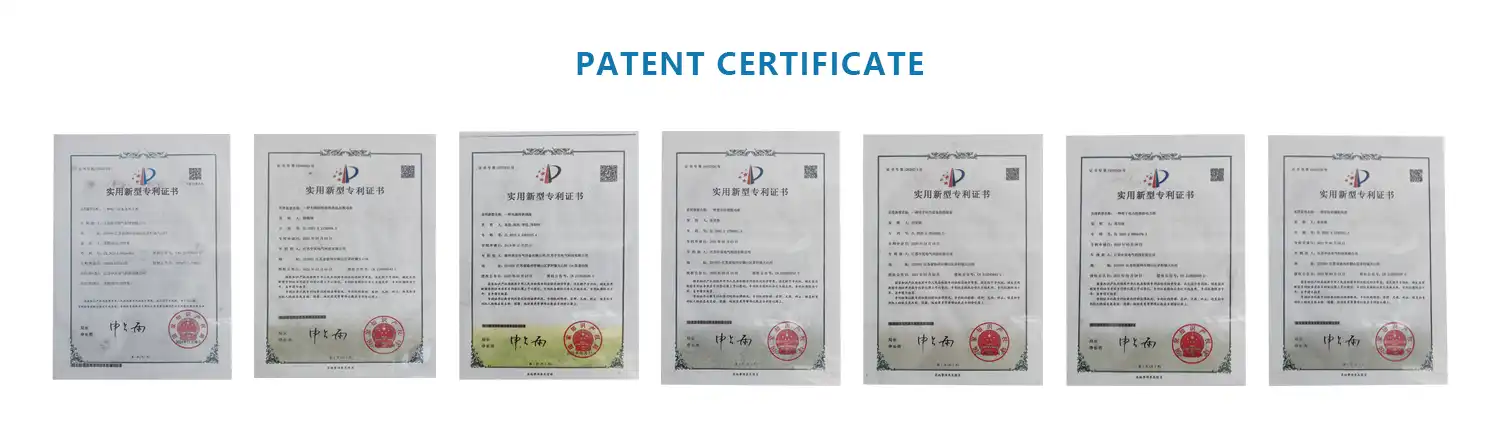
Certifications demonstrate competence and adherence to standards. The ISO 9001 quality management certification shows methodical manufacturing and customer service. ISO 14001 environmental management and OHSAS 45001 occupational health and safety certifications show business responsibility. Product certifications, particularly CCC-mandated low-voltage component certification, ensure regulatory compliance. Our 18 patents show product development creativity and technical proficiency.
Project experience shows the provider can address complicated needs. Customization distinguishes professional producers from equipment resellers. Generic catalog products rarely meet specialized applications. Municipal infrastructure, commercial real estate, and industrial facilities are among our hundreds of projects. We understand different consumer segments' needs and can change conventional designs efficiently due to our broad experience. Similar applications can reveal supplier performance under project-like situations.
Negotiating Terms and Service Agreements
Commercial terms affect project success beyond equipment cost. Delivery timetables must match project timelines, including penalties for supplier delays and flexibility for client adjustments. Progress payments connected to manufacturing milestones balance the cash flow requirements of suppliers and the budget constraints of customers. Currency specifications and pricing adjustments protect international transactions from exchange rate volatility.
Installation support services from suppliers differ greatly. Some manufacturers just sell equipment, leaving customers to hire local installers. Initially cheaper, this method complicates responsibility when problems develop. We provide complete installation support, including technical personnel's supervision throughout commissioning, eliminating equipment supplier and installation contractor blame. This integrated strategy helped our team cooperate with EPC contractors to meet tight timeframes for the Xuzhou New Health Hospital Phase I Project.
Careful assessment of after-sales service is crucial, given the decades-long lifespan of these systems. Spare parts enable fast component replacement and repairs. For remote projects, rapid technical help prevents extended outages. Training programs help facility staff execute normal maintenance. Because your activities depend on power availability, we stock spare parts and offer 24/7 technical assistance.
Conclusion
Understanding how factory-assembled power distribution units operate empowers informed procurement decisions for complex infrastructure projects. These integrated systems deliver measurable advantages through compressed installation timelines, enhanced reliability from comprehensive factory testing, and operational flexibility supporting diverse applications. Our two decades of experience manufacturing transformers, switchgear, and complete power solutions position us to serve government infrastructure projects, commercial developers, industrial manufacturers, and EPC contractors demanding proven performance. The combination of advanced manufacturing capabilities, rigorous quality systems, and comprehensive project support ensures your power infrastructure investment delivers value throughout its operational lifetime. Technical expertise backed by 18 patents, manufacturing scale encompassing over 120 specialized equipment sets, and successful completion of hundreds of critical projects demonstrate the capabilities serious buyers require from long-term supply partners.
FAQ
What is the typical lifespan of these power distribution systems?
Properly maintained units exceed 20 years of service life under normal operating conditions. Our weatherproof enclosures utilize corrosion-resistant materials and protective coatings extending durability even in harsh coastal or industrial environments. Transformer cores and windings experience minimal degradation when operated within rated parameters. Switchgear mechanical components require periodic maintenance but deliver decades of reliable operation. Environmental factors influence longevity significantly—installations in climate-controlled indoor locations or moderate outdoor conditions may function reliably for 25-30 years.
Can these systems accommodate custom voltage requirements?
Absolutely. While standard configurations serve common voltage combinations, our engineering team regularly develops custom specifications for unique applications. Transformer tap settings provide voltage adjustment ranges of ±5% or ±10% to accommodate utility variations. Special winding configurations enable unusual voltage ratios when facility requirements differ from standard offerings. Projects involving renewable energy integration or specialized industrial processes often require custom designs, which our technical capabilities handle routinely. The 15 senior engineers and over 30 intermediate technicians on our staff bring extensive experience adapting solutions to customer-specific needs.
What international standards govern these installations?
Multiple regulatory frameworks apply depending on geographic location and application. IEC 62271 series standards specify high-voltage switchgear requirements broadly recognized internationally. IEEE C57.12.90 covers liquid-immersed power transformers, while IEC 60076 addresses similar equipment. Protection system design follows IEC 61850 communication protocols for modern digital installations. Our manufacturing processes comply with ISO 9001 quality management standards, and products carry appropriate certifications, including CCC for Chinese market applications and applicable regional certifications for export markets.
Partner With Tuojie for Reliable Power Distribution Solutions
Tuojie delivers enterprise-grade prefabricated enclosures. Substation solutions engineered for rapid deployment without compromising safety or performance. Our manufacturing facility combines advanced production technology with rigorous quality management, ensuring every unit meets international standards before shipment. Whether your project involves government infrastructure development, commercial real estate expansion, or industrial facility upgrades, our technical team collaborates closely to develop customized specifications matching your exact requirements. We serve as a comprehensive prefabricated enclosure substation manufacturer offering complete project support from initial design through commissioning and ongoing maintenance. Contact our engineering team at tuojie@electricinchina.com to discuss your power distribution requirements and receive detailed technical proposals tailored to your specific application. Visit electricinchina.com to explore our complete product portfolio and review case studies demonstrating our capabilities across diverse, challenging projects.
References
1. Institute of Electrical and Electronics Engineers. "IEEE Standard for Pad-Mounted, Compartmental-Type, Self-Cooled, Three-Phase Distribution Transformers." IEEE Standards Association, 2019.
2. International Electrotechnical Commission. "High-voltage switchgear and controlgear—Part 202: AC metal-enclosed switchgear and controlgear for rated voltages above 1 kV and up to and including 52 kV. "IEC Technical Committee 17, 2020.
3. Zhang, Wenhua, and Liu, Jianming. "Modular Substation Design for Urban Power Distribution Networks." Electric Power Systems Research Journal, Vol. 185, 2021.
4. American National Standards Institute. "Requirements for Liquid-Immersed Distribution, Power, and Regulating Transformers." ANSI/IEEE C57.12.00, 2018.
5. National Electrical Manufacturers Association. "Enclosures for Electrical Equipment (1000 Volts Maximum). " NEMA Standards Publication 250, 2020.
6. Kumar, Rajesh, and Patel, Amit. "Comparative Life Cycle Cost Analysis of Conventional versus Prefabricated Substation Installations." International Journal of Electrical Power and Energy Systems, Vol. 134, 2022.