

.webp)
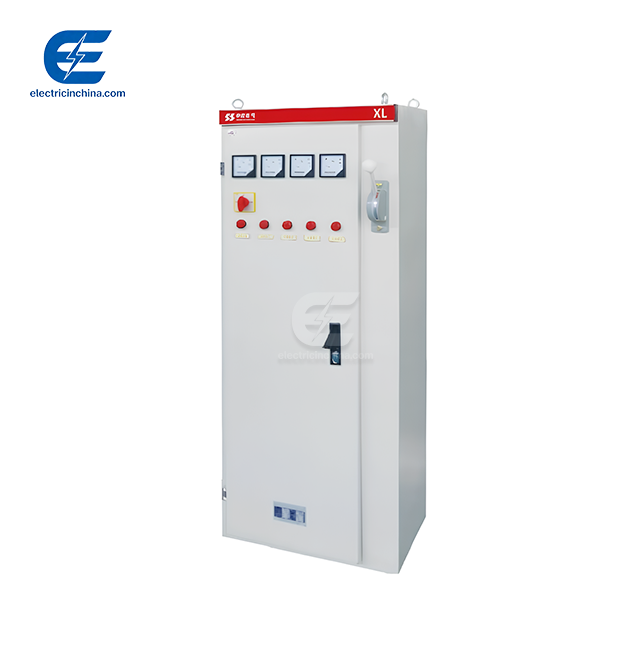
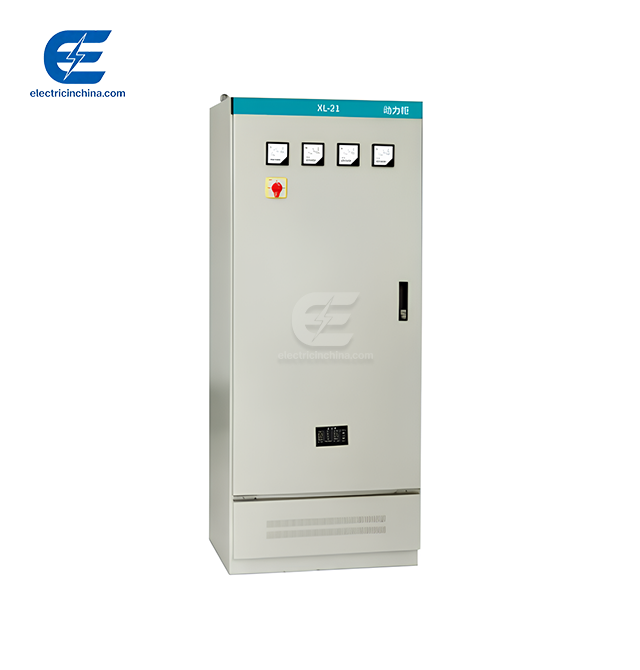
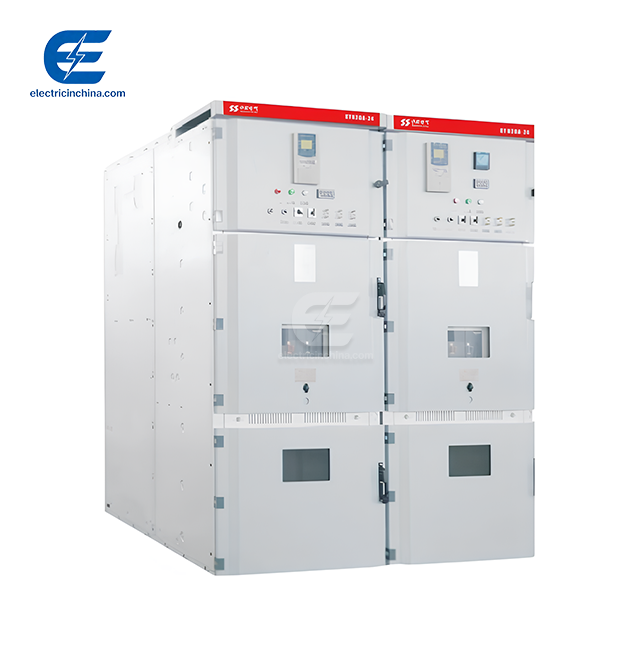
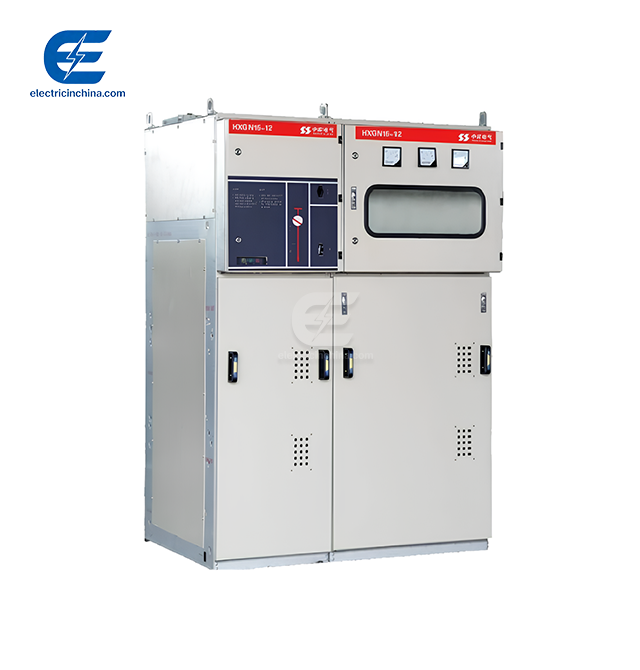
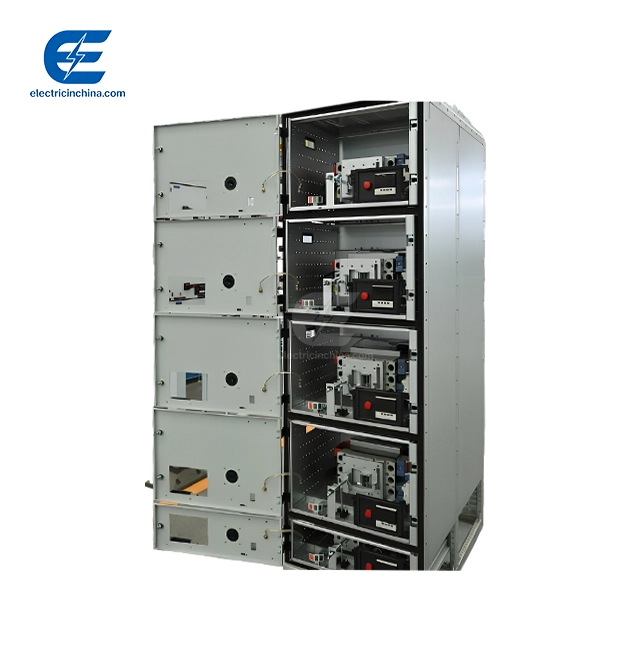
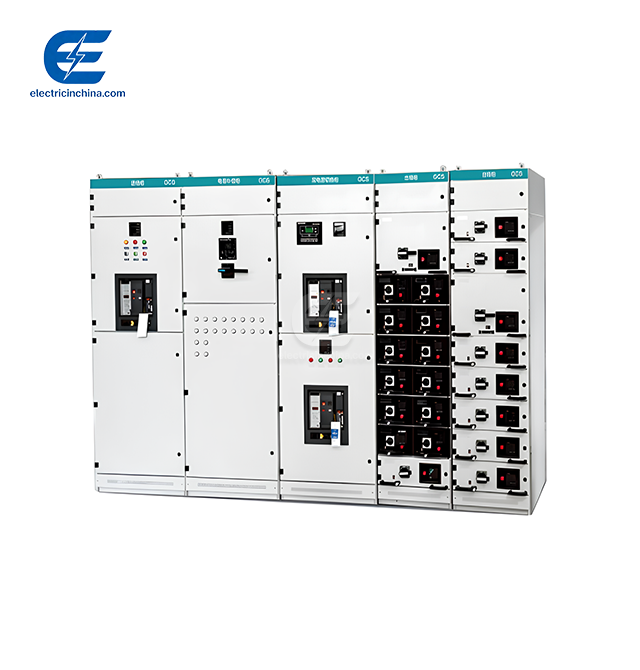
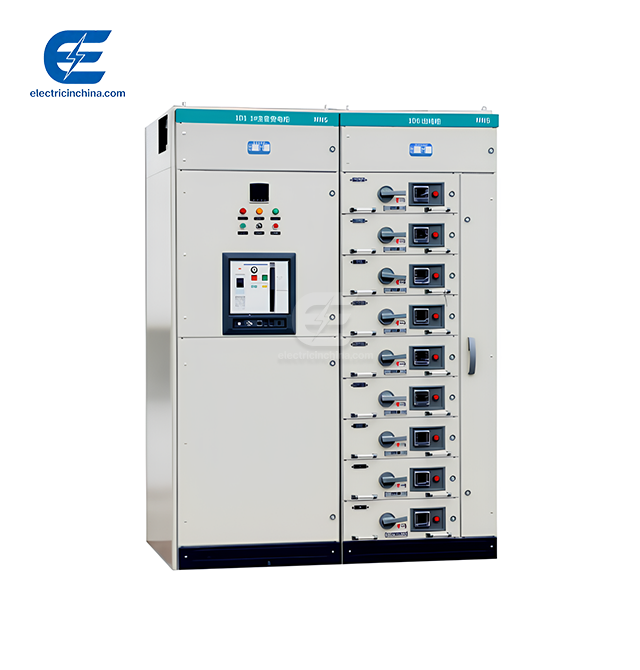
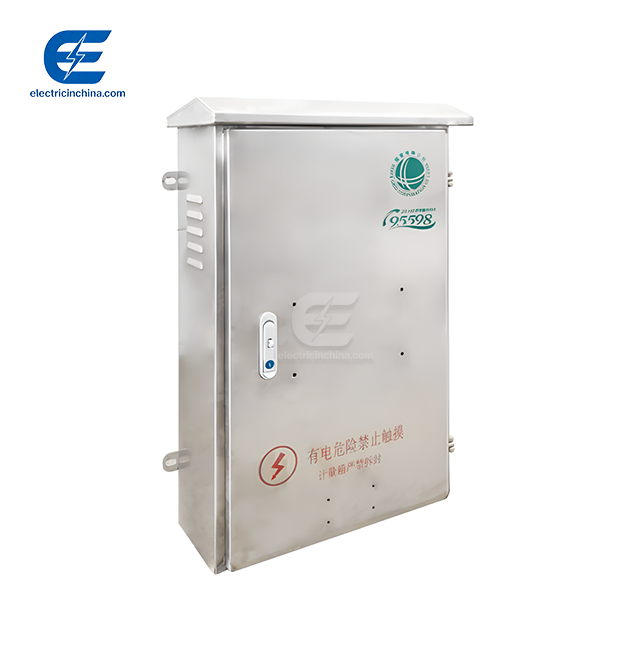
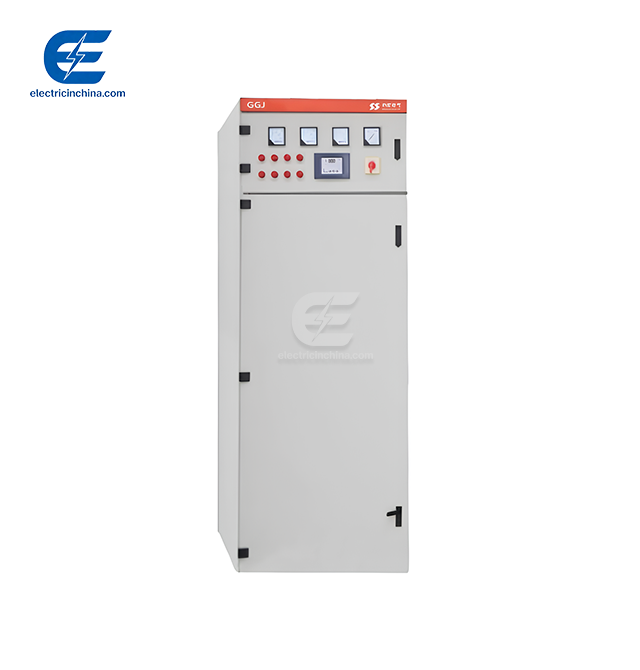
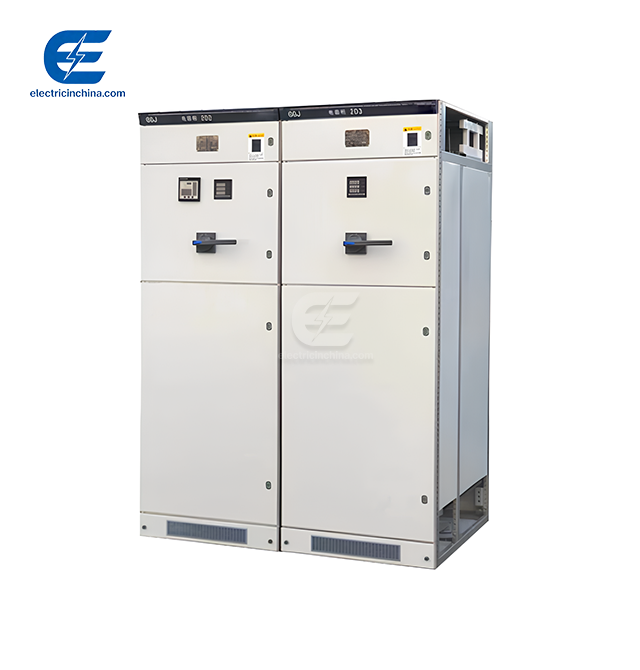
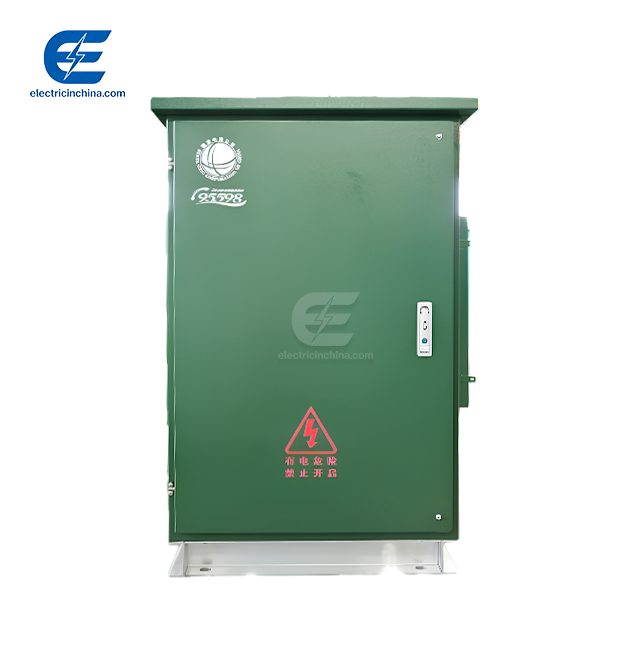
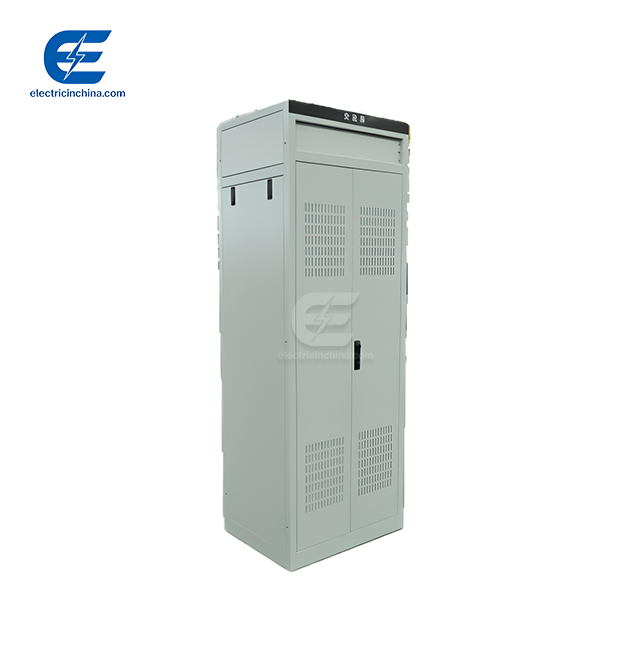
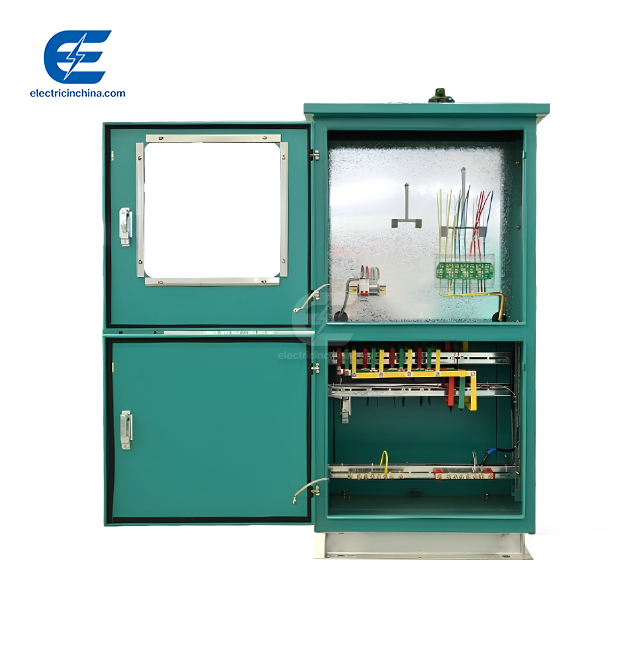
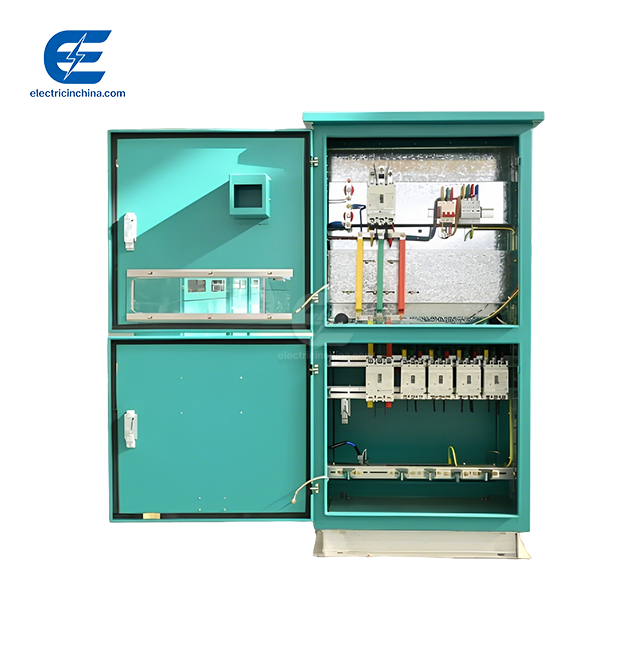
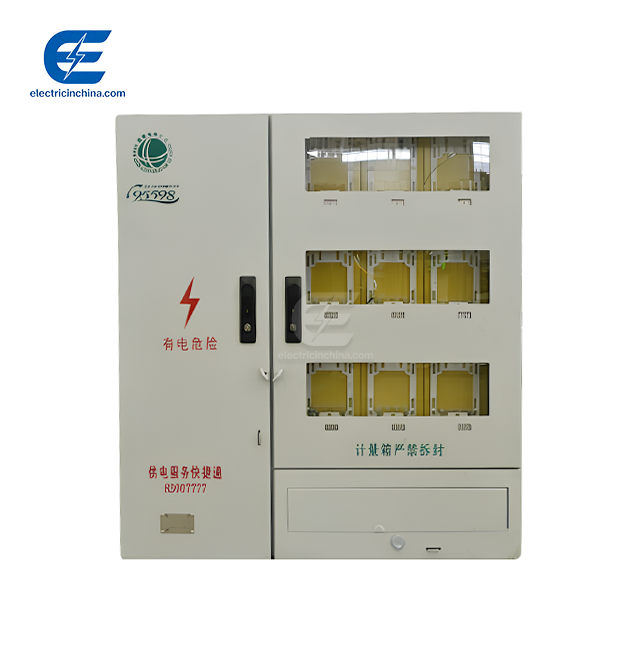
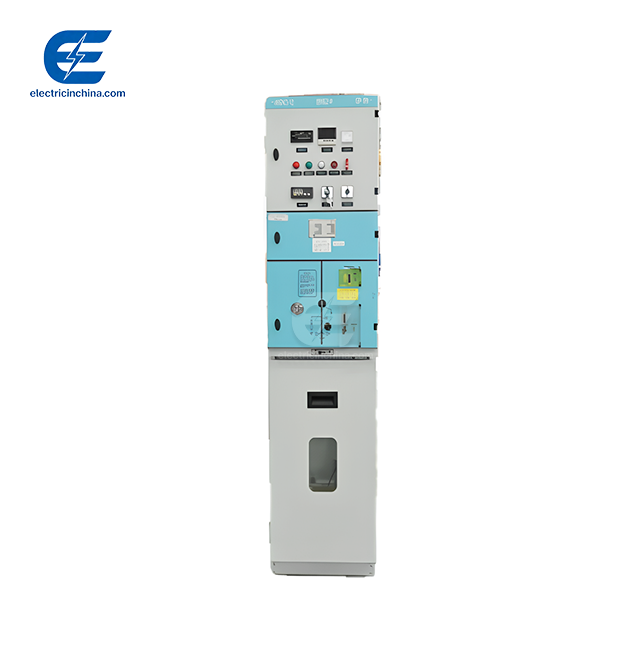
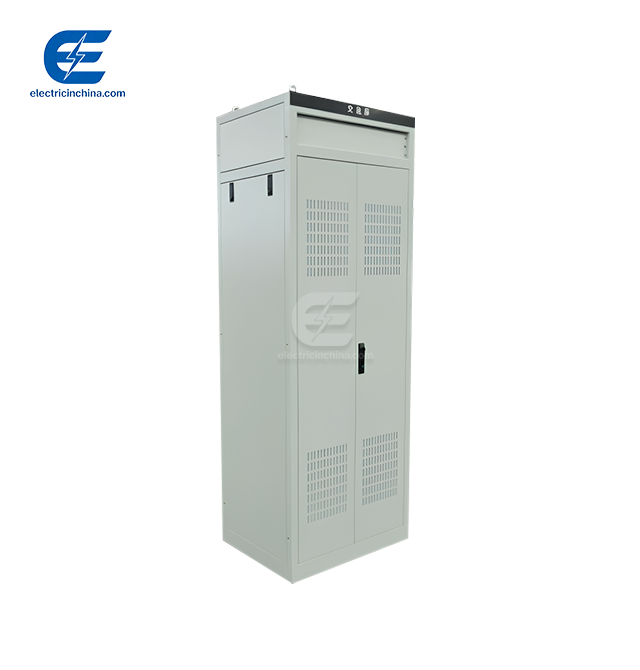
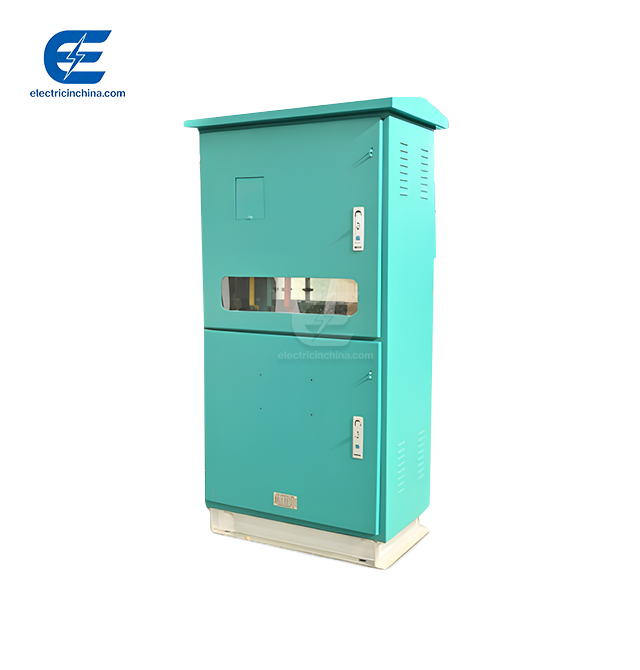
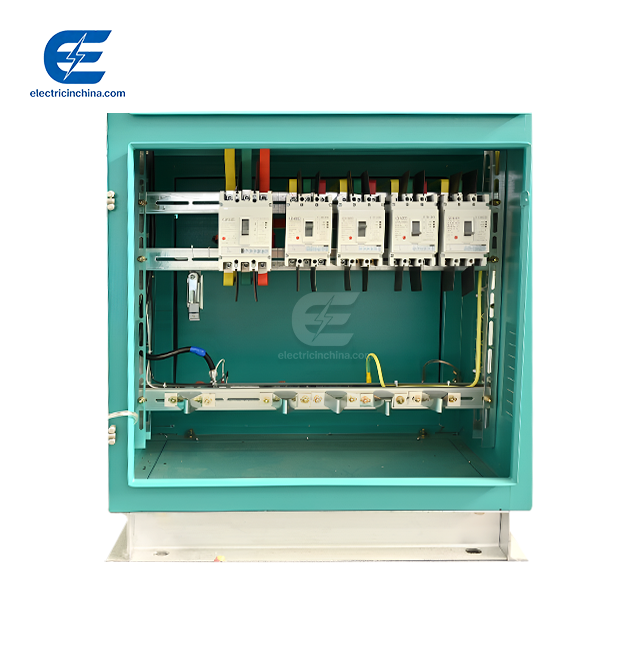
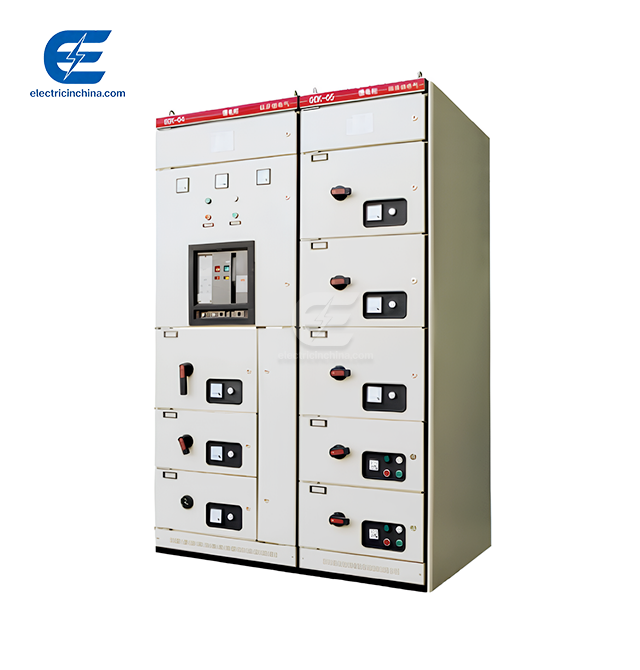
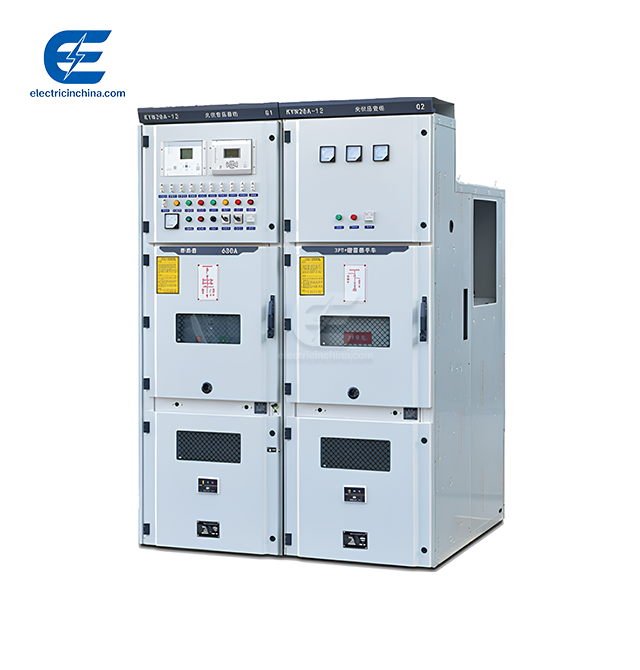
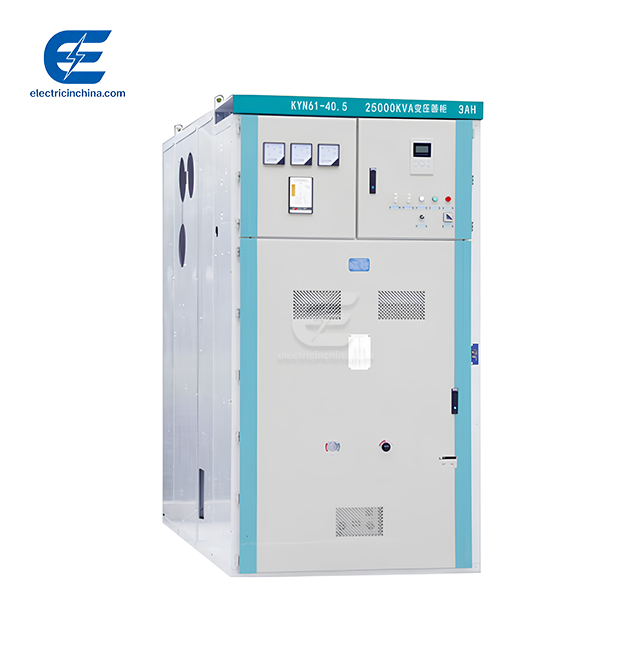
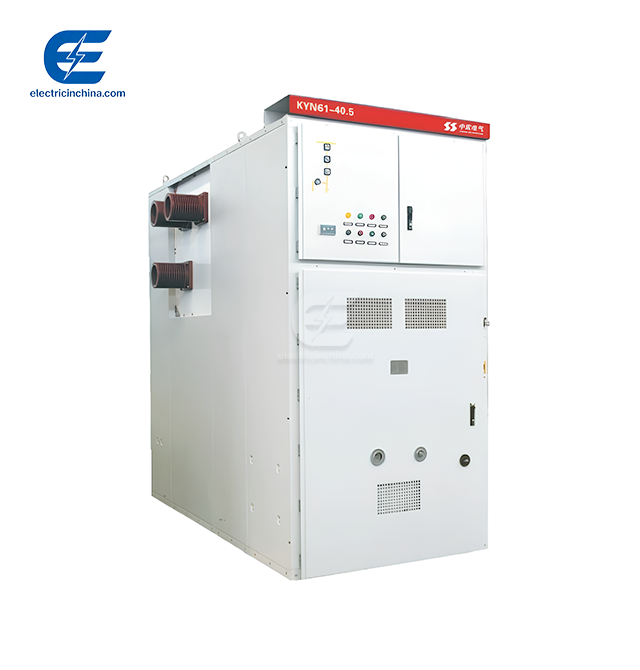
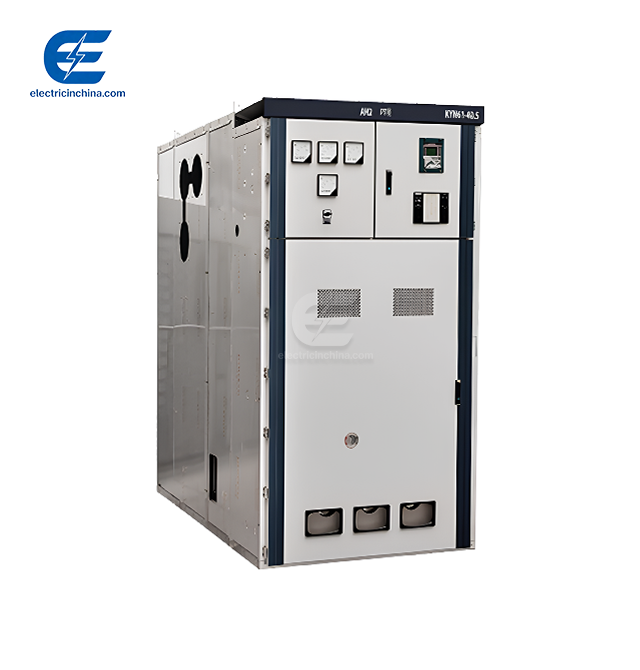
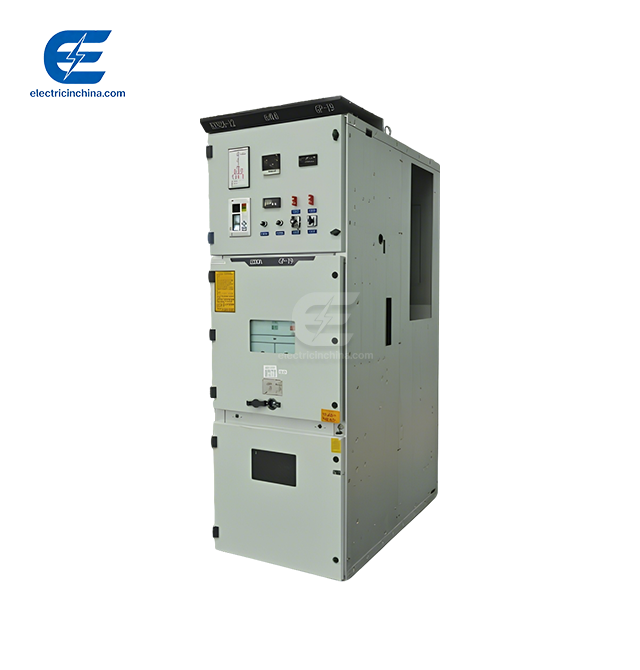
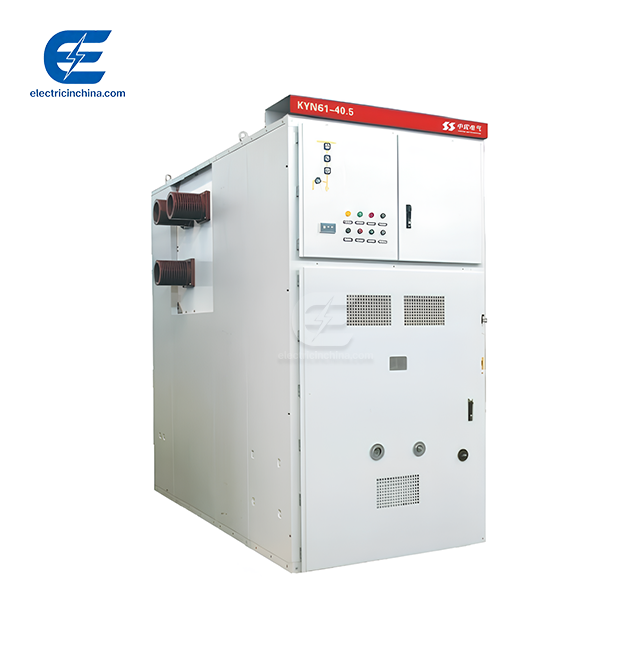
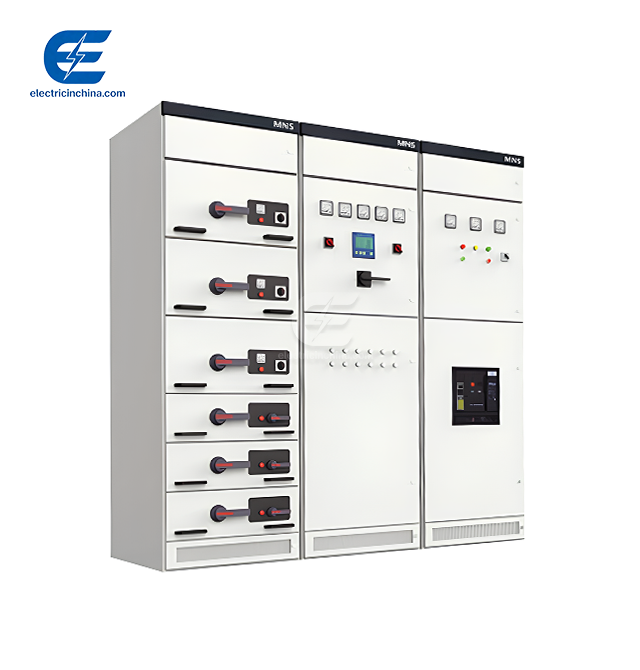
Inflatable ring main switchgear represents a significant advancement in sustainable medium-voltage power distribution, particularly when addressing environmental concerns in modern electrical infrastructure. The equipment utilizes SF6 gas-insulated technology within fully sealed compartments, drastically reducing gas leakage compared to conventional gas-insulated switchgear. Operating at 12–36kV with a compact footprint that saves 60–70% space, this technology minimizes material consumption and land use—two critical factors in environmental impact assessment. The sealed stainless steel construction eliminates the need for frequent maintenance interventions, reducing resource consumption over its operational lifespan of 25+ years. While SF6 remains a potent greenhouse gas, the sealed design and extended service life without maintenance create a substantially lower environmental profile than alternatives requiring regular servicing and component replacement.
Understanding Inflatable Ring Main Switchgear and Its Environmental Impact
The Design Principles Behind Sustainable Power Distribution
Modern electrical distribution equipment must achieve operational excellence and environmental responsibility. Our medium-voltage systems use hermetically sealed stainless steel compartments with SF6 gas insulation. This design differs from air-insulated switchgear, which requires a lot of space and environmental exposure. The ring arrangement allows electricity to flow through various paths, ensuring supply continuity during equipment maintenance or unexpected breakdowns.
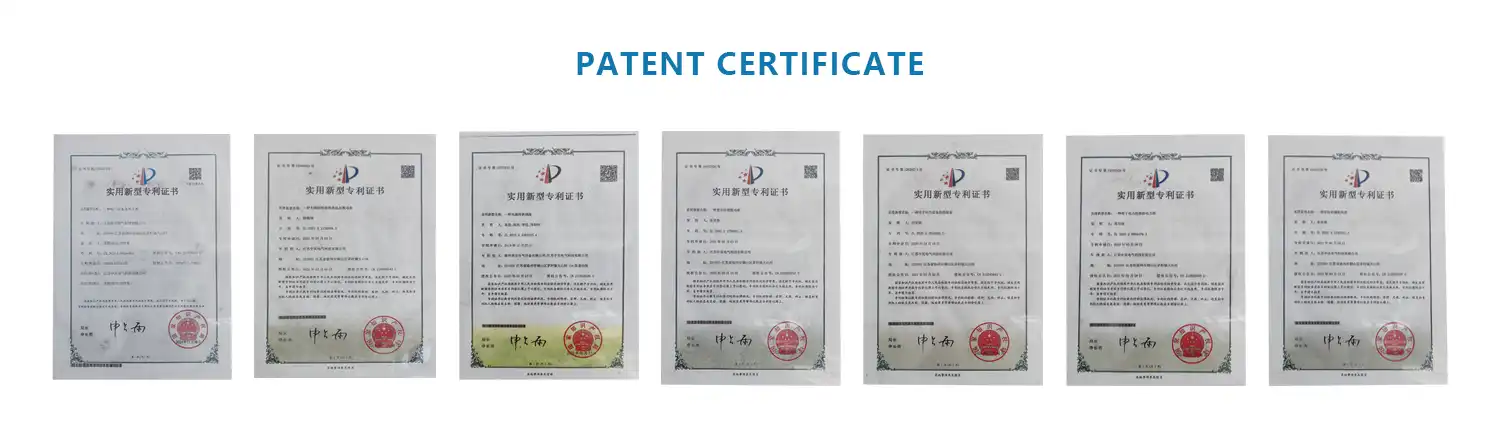
The sealed design eliminates gas escape, a major environmental issue with gas-insulated equipment. Our manufacturing method uses 18 unique inventions from 15 senior engineers to achieve strict environmental and performance standards. Modular architecture offers flexible installation in space-constrained urban substations, reducing environmental impact.
Operational Mechanisms That Reduce Environmental Impact
At 1.3-1.5 bar, our equipment's SF6-filled compartments provide greater dielectric strength and effective insulation with less gas volume than prior technology. This efficiency reduces SF₆ gas per installed unit, lowering the manufacturing-to-decommissioning environmental effect. The entirely welded construction removes bolted connections and flanges, which cause leaks in previous systems, attaining IEC 62271-200 leak rates below 0.5% yearly.
The sealed units need no gas for 25 years of typical operation. The absence of gas handling, replacement gas cylinder transportation, and service truck and technician carbon emissions is due to this maintenance-free feature. Over 100 municipal and commercial projects show 99.9% equipment availability in severe coastal, desert, and tropical regions.
Comparative Environmental Benefits Over Traditional Technologies
Inflatable ring main switchgear needs more space to install, which means more building materials, land, and energy are needed to build the facility. Our small technologies save 60–70% space, minimizing the environmental impact of infrastructure development. When comparing lifecycle emissions, sealed gas compartments eliminate air-insulated alternatives' continuous maintenance activities, which generate waste, consume transportation fuel, and require resource-intensive component replacements.
Bolted gas-insulated switchgear loses gas faster, requiring occasional replenishment. These actions enhance equipment lifetime SF₆ emissions. Our welded construction and superior sealing technology minimize this leakage pathway, ensuring enterprise-grade electrical performance from 12kV to 36kV with minimal environmental impact.
Eco-Friendly Features and Safety of Inflatable Ring Main Switchgear
Leak-Proof Design Minimizing Environmental Risks
Our fully sealed stainless steel shell permanently blocks gas escape, moisture infiltration, and contamination. SF6 is prevented from escaping during regular operations, extreme weather, and seismic activity by its hermetic seal. In different installation situations, our IP67 rating offers dust-tightness and temporary water immersion protection, retaining seal integrity.
Every production unit undergoes extensive leak testing, employing helium trace gas detection technologies sensitive to leak rates below 10⁻⁹ mbar·l/s. This quality assurance process at our testing laboratory with advanced detection technology ensures each compartment fulfills our strict environmental protection criteria. ISO 14001 environmental management system criteria ensure consistent environmental performance from manufacture to field installation.
Extended Lifecycle Reducing Waste Generation
Equipment longevity directly impacts environmental sustainability by reducing manufacturing frequency, transportation emissions, and disposal requirements. Our ring main units deliver reliable service exceeding 25 years without requiring component replacement or significant maintenance interventions. This extended operational life comes from corrosion-resistant materials, robust mechanical design, and the protective properties of SF₆ gas that prevent oxidation and degradation of internal components.
The maintenance-free operation eliminates consumable parts like air filters, desiccant breathers, and contact lubricants common in air-insulated equipment. Over a quarter-century of service, this translates to substantial waste reduction—no discarded filters, no contaminated lubricants requiring special disposal, and no replaced components entering waste streams. Our adherence to ISO 9001 quality management standards ensures manufacturing precision that supports this remarkable service life.
Recyclable Materials and Resource Efficiency
We choose materials that enable late-life recycling and resource recovery. The fundamental structure's stainless steel enclosures, copper conductors, and aluminum components recycle over 90%. Certified reclamation equipment can collect SF6 gas at capture rates exceeding 95% for environmental recycling or disposal when units reach decommissioning age.
Compact design considers material efficiency as well as space. Substations use less steel, concrete, and building materials because they are 60–70% smaller than conventional systems. Resource conservation occurs throughout the project lifecycle, from raw material extraction to production, transportation, installation, and decommissioning.

Comparing Inflatable Ring Main Switchgear With Other Switchgear Technologies
Environmental Impact Assessment Across Technologies
The inflatable ring main unit requires high physical clearances to prevent electrical flashover through air gaps, resulting in enormous equipment rooms that use many building materials and energy for climate. Over decades, these spaces' heating, cooling, and dehumidification energy use emits significant carbon. Due to its sealed gas-insulated design, our equipment works reliably from -30°C to +40°C without climate control.
By eliminating insulating gases, vacuum switchgear has environmental benefits, but voltage ratings and interrupting capacity limit its use. Contact erosion requires vacuum interrupter replacement, generates maintenance waste, and requires specialized disposal for depleted vacuum bottles. The gas's exceptional arc-quenching capabilities support our SF6-insulated contacts' performance standards throughout service life without replacement.
Total Cost of Ownership and Environmental Compliance
Evaluating switchgear technology requires examining lifecycle costs that include environmental compliance expenditures. Traditional gas-insulated switchgear with higher leak rates face increasing regulatory scrutiny and potential carbon taxation on SF₆ emissions in many jurisdictions. Our ultra-low leak rate design minimizes exposure to these evolving regulatory costs while demonstrating environmental stewardship that aligns with corporate sustainability commitments.
The maintenance-free characteristic delivers financial savings while simultaneously reducing environmental impact. Eliminating scheduled maintenance visits saves transportation emissions, technician labor, and the environmental burden of manufacturing replacement parts. We've calculated that over a 25-year operational period, our sealed systems avoid approximately 50+ maintenance interventions typical of air-insulated equipment, translating to measurable reductions in lifecycle carbon footprint.
Reliability Metrics Supporting Sustainable Operations
Industrial facility production disruptions require energy-intensive restart procedures, whereas commercial building power outages activate fossil fuel backup generators. Our 99.9% availability rating reduces environmental impacts by delivering stable electricity even in difficult settings when conventional equipment degrades and fails.
Our design's ring arrangement automatically provides redundancies in power during maintenance or faults. This dependability architecture avoids duplicate backup systems, reducing equipment quantities and environmental impact. Our technology simplifies substation designs, saving resources and improving dependability.

Applications and Benefits of Eco-Friendly Inflatable Ring Main Switchgear in Power Systems
Urban Distribution Networks Achieving Sustainability Goals
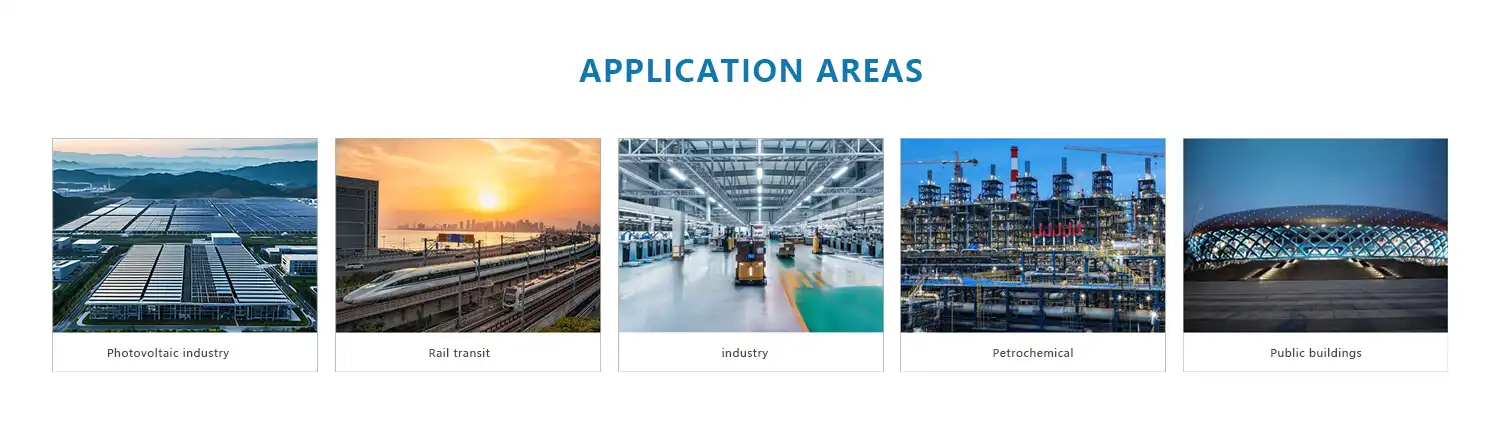
Municipal utilities face intensifying pressure to reduce environmental impact from infrastructure while expanding service to growing urban populations. We've supplied compact switchgear solutions for substations serving commercial districts and high-density residential areas where space constraints make traditional equipment impractical. The reduced footprint enables utilities to establish distribution points closer to load centers, minimizing transmission losses and improving overall system efficiency.
Our equipment performs exceptionally in coastal installations where salt-laden air causes rapid corrosion in conventional switchgear. The sealed design maintains consistent operation without the accelerated maintenance cycles and premature replacement common in these aggressive environments. This durability translates to reduced lifecycle resource consumption and lower environmental impact per unit of electrical energy delivered.
Industrial Facilities Integrating Renewable Energy
On-site solar arrays and wind generation in manufacturing and data centers complicate power distribution. Our modular ring main units integrate renewable sources seamlessly while keeping grid access for backup power. The equipment's bidirectional power flow facilitates feed-in systems that return excess renewable generation to the utility grid, boosting clean energy use.
Ring topologies reduce system reconfiguration and expansion downtime. New production lines or renewable generation capacity can be added without energy-intensive shutdown and restart procedures. Operational continuity helps the environment by sustaining effective production operations and preventing waste from interrupted manufacturing cycles.
Critical Infrastructure Meeting Green Building Standards
Airports, hospitals, and educational institutions pursue green building certifications that evaluate electrical infrastructure's environmental performance. Our equipment contributes to LEED and similar rating systems through demonstrated efficiency, reduced maintenance requirements, and minimized operational environmental impact. The compact installation footprint supports efficient building designs that optimize land use and reduce construction material consumption.
We completed the Xuzhou Rail Transit Network Control Centre project with a dual-circuit power supply design, ensuring absolute operational safety while meeting stringent environmental standards. The installation demonstrates how advanced inflatable ring main unit technology supports critical infrastructure sustainability goals without compromising reliability requirements. Similar performance characteristics benefit hospital facilities where power continuity directly impacts patient care while institutional sustainability commitments demand environmental responsibility.
Proven Performance in Harsh Environmental Conditions
Deserts with significant temperature swings, tropical regions with high humidity, and arctic regions with subzero temperatures challenge traditional electrical equipment. Our sealed SF6 compartments maintain dielectric performance in these various environments without energy- and resource-intensive environmental control systems. In seismic zones, equipment has proven reliable under ground acceleration while retaining gas seal integrity.
This environmental adaptability allows sustainable power distribution technology to be used in tough regions with the same environmental performance as moderate climate installations. The continuous reliability throughout environmental conditions lowers the need for large backup systems and redundant equipment, which increases resource consumption and environmental effects.
Procurement Guide for Eco-Friendly Inflatable Ring Main Switchgear
Essential Selection Criteria Balancing Environment and Performance
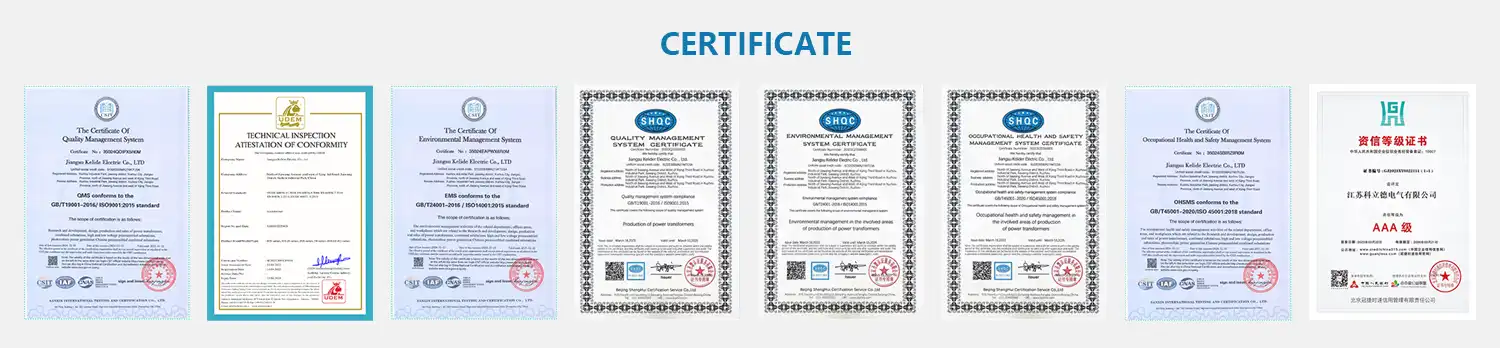
Medium-voltage switchgear procurement professionals must balance environmental goals with operational needs and budget constraints. Professionals buying medium-voltage switchgear should look at tested leak rates, how recyclable the materials are, the expected lifespan supported by aging tests, and the manufacturer's environmental management certifications. Our ISO 14001 certification shows systematic environmental responsibility in manufacturing.
Equipment specifications should specify SF6 gas amounts, compartment sealing mechanisms, and estimated leak rates. Our technical paper details our welded construction technology and leak testing protocols that reach rates below 0.5% yearly. Transparency helps procurement decisions emphasize environmental performance alongside electrical specs by comparing competing technologies and manufacturers.
Manufacturer Credentials and Quality Assurance
Suppliers with environmental and technical expertise decrease project risk and enhance sustainability. Our 20+ years of industry experience and continual investment in advanced production equipment allow us to operate over 120 CNC automatic winding machines and microcomputer-controlled curing systems. This innovative production ensures consistent product quality and environmental benefits as promised in technical standards.
We employ 15 senior engineers and over 30 intermediate technicians who use 18 unique ideas to increase product performance. This engineering depth guarantees that equipment will meet stringent operational requirements and retain environmental integrity over its lifetime. Our stringent quality monitoring from raw material procurement to finished product delivery prevents non-conforming products from reaching customers.
Certification Requirements and Regulatory Compliance
Environmental compliance and performance certifications are increasingly required for electrical equipment purchases. We follow worldwide standards with ISO 9001 quality management, ISO 14001 environmental management, and OHSAS 45001 occupational health and safety certifications. Low-voltage components feature National CCC mandatory certification for Chinese market entry, proving regulatory compliance.
High-voltage switchgear for international projects may need IEC 62271 series certification, IEEE C37 for North American installations, or regional requirements for target markets. Our experienced quality inspection laboratory can perform these certification testing processes, guaranteeing products fulfill different international regulations without costly third-party verification for each project.
Installation and After-Sales Support Considerations
The environmental benefits of sophisticated switchgear technology depend on proper installation and monitoring throughout its lifespan. We give detailed installation instructions and technical support to assure field performance. Our one-stop solution covers site evaluation, specific configuration design, installation supervision, and commissioning support to prevent environmental or electrical performance issues.
Performance verification, gas pressure monitoring, and end-of-life decommissioning guidance to maximize SF6 recovery should be part of long-term after-sales service. Customer maintenance staff receive monitoring and environmental best practices training. Our equipment's environmental benefits are realized throughout its service life thanks to this support system.
Conclusion
The environmental profile of modern switchgear technology depends on a comprehensive evaluation spanning manufacturing, operational performance, maintenance requirements, and end-of-life considerations. Sealed gas-insulated designs with ultra-low leak rates, extended maintenance-free service life, and compact footprints deliver measurable environmental advantages over traditional alternatives. The technology's proven reliability across diverse applications—from urban distribution networks to critical infrastructure and industrial facilities—demonstrates that environmental responsibility and operational excellence are complementary rather than competing objectives. Procurement professionals seeking to balance sustainability commitments with performance requirements will find that advanced switchgear designs support both goals simultaneously, particularly when supplied by manufacturers with verified environmental management systems and extensive technical expertise.
FAQ
How does sealed SF6 design compare environmentally to SF6-free alternatives?
While SF₆-free technologies eliminate greenhouse gas concerns, they face technical limitations in voltage ratings, interrupting capacity, and operational temperature ranges that restrict application scope. Sealed SF6 systems with leak rates below 0.5% annually minimize atmospheric emissions while delivering superior electrical performance across wider voltage ranges. The key environmental consideration involves total lifecycle impact—equipment requiring frequent maintenance and earlier replacement may generate a greater cumulative environmental burden despite avoiding SF₆ gas.
What maintenance practices sustain environmental benefits throughout service life?
Annual gas pressure verification ensures seal integrity without requiring gas handling or replenishment. Contact resistance measurements every 3-5 years confirm electrical performance without component replacement. Moisture content analysis detects any seal degradation early, enabling corrective action before environmental impact occurs. These minimal interventions contrast sharply with air-insulated equipment requiring frequent cleaning, component replacement, and disposal of consumable maintenance materials throughout comparable service periods.
Which certifications verify environmental and performance claims?
ISO 14001 environmental management certification demonstrates systematic environmental responsibility in manufacturing operations. IEC 62271-200 compliance verifies electrical performance and leak rate specifications for gas-insulated metal-enclosed switchgear. Type testing reports from accredited laboratories provide independent verification of claimed performance characteristics. Third-party gas leak detection testing validates achieved leak rates against manufacturer specifications, offering procurement professionals objective performance evidence supporting environmental claims.
Partner With Tuojie for Sustainable Power Distribution Solutions
Tuojie delivers enterprise-grade medium-voltage distribution equipment engineered for environmental responsibility and operational excellence. Our inflatable ring main switchgear manufacturer credentials include ISO 9001, ISO 14001, and OHSAS 45001 certifications, backed by 18 patents and over 20 years of proven performance across municipal, commercial, and industrial projects. We provide comprehensive one-stop service encompassing customized design, rapid production utilizing 120+ sets of advanced manufacturing equipment, quality-assured delivery, and complete installation support. Contact our engineering team at tuojie@electricinchina.com to discuss your project requirements and discover how our sealed gas-insulated technology can advance your sustainability objectives while delivering the reliability and performance your critical applications demand.
References
1. International Electrotechnical Commission. "High-voltage switchgear and controlgear—Part 200: AC metal-enclosed switchgear and controlgear for rated voltages above 1 kV and up to and including 52 kV." IEC 62271-200:2021.
2. IEEE Power and Energy Society. "IEEE Guide for Gas-Insulated Substations Rated Above 52 kV." IEEE Standard C37.122.1-2019.
3. Intergovernmental Panel on Climate Change. "Climate Change 2021: The Physical Science Basis - Assessment of Greenhouse Gases Including SF6 in Electrical Equipment." Cambridge University Press, 2021.
4. National Institute of Standards and Technology. "Leak Testing Guidelines for Medium-Voltage Electrical Equipment." NIST Technical Report 8412, 2020.
5. European Committee for Electrotechnical Standardization. "Environmental Aspects - Material Efficiency Considerations for Switchgear and Controlgear." CENELEC Technical Report 50648:2019.
6. American Society for Testing and Materials. "Standard Practice for Evaluation of Environmental Performance in Electrical Distribution Equipment." ASTM D8099-20.