

.webp)
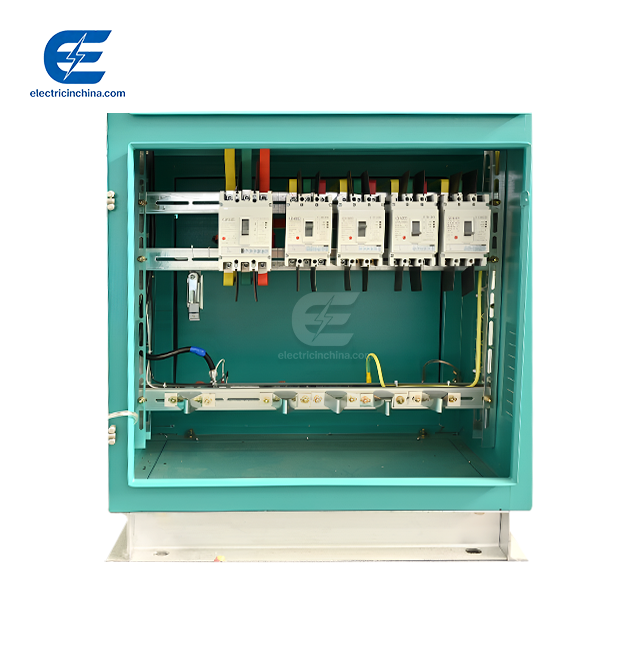
Selecting between 10kV and 35kV oil type transformer configurations depends heavily on project scale, distribution infrastructure requirements, and environmental conditions. The oil type transformer 10kV-35kV range serves distinct purposes within power systems—10kV units typically handle secondary distribution and localized industrial loads, while 35kV transformers connect primary transmission networks to distribution substations. Understanding these operational boundaries enables procurement managers to match voltage ratings with actual load profiles, regulatory compliance needs, and long-term maintenance strategies. We've witnessed countless projects where voltage misalignment resulted in premature equipment failures or inefficient power distribution, underscoring the importance of informed selection criteria grounded in real-world application contexts.
Understanding Oil-Immersed Transformers in the 10kV-35kV Range
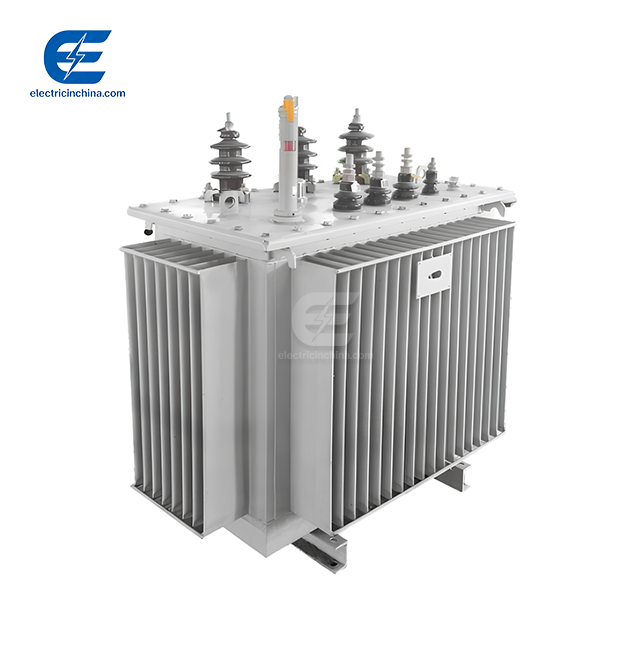
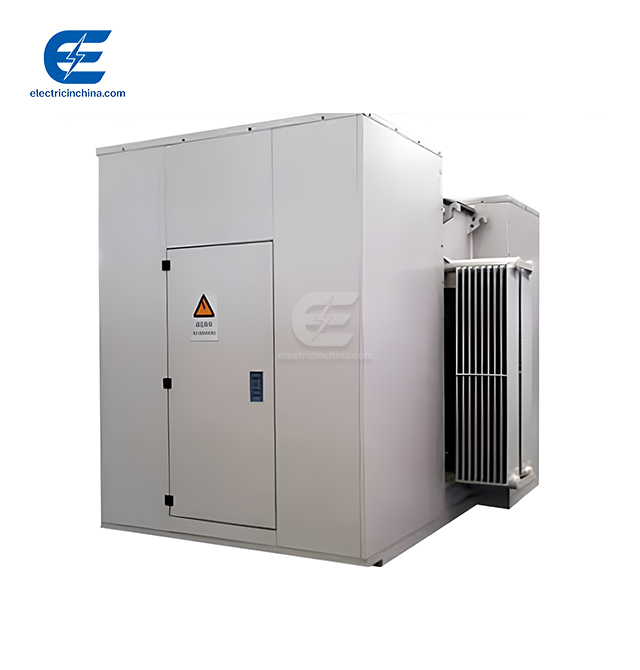
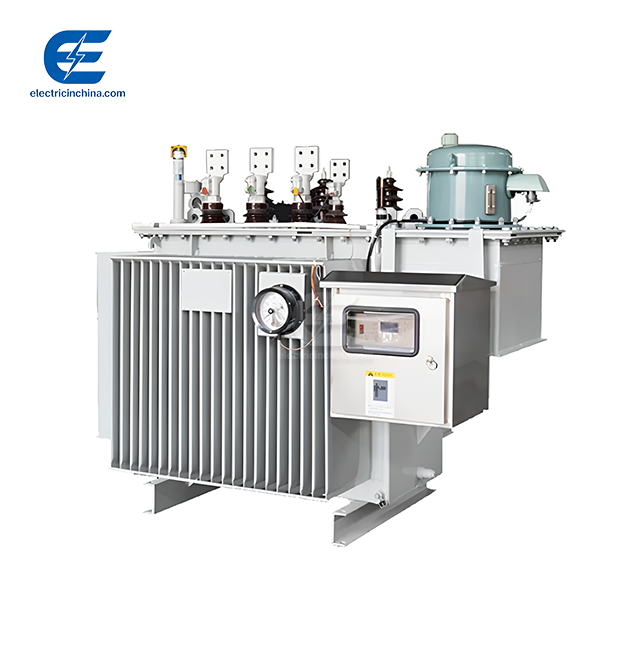
Mineral oil is used as both an insulator and a coolant in oil-immersed transformers, which have been shown to be reliable in medium-voltage settings. At Tuojie, we make these units with high-quality silicon steel cores and carefully planned winding arrangements that make sure the magnetic flux is spread out evenly and energy is lost as little as possible.
Core Construction and Operational Principles
The basic design uses copper or aluminum windings that are submerged in shielding oil that meets the requirements of IEC 60296. The core materials of our transformers have a lamination thickness of 0.27 mm, which gives them a magnetic flux density of 1.65 to 1.70T. This way of building lets heat escape quickly through natural airflow or forced-air cooling systems, keeping winding temperatures within safe operating ranges even when the load is constant. The oil moves through radiators or cooling tubes, moving heat from the windings to the outside, where air from the outside cools the parts.
Insulation Systems and Voltage Stress Management
The way voltage stress is distributed is very different in 10kV and 35kV setups. The 10kV medium-voltage oil-immersed transformer has insulation systems rated for a Basic Impulse Level (BIL) of 75kV, which is enough for distribution networks that are exposed to lightning on a moderate level. On the other hand, 35kV units need 170kV BIL ratings and better insulation coordination through bigger oil gaps, stronger bushing insulators, and cellulose-based barrier systems. Our S11 and S20 series transformers have H-class insulation ratings (180°C), which means they can handle higher temperatures and last longer than 30 years if they are properly maintained.
Maintenance Requirements for Extended Durability
When you follow the right upkeep steps, your transformer will stay in good shape for a long time. Every year, the oil should be thoroughly tested to find out the amount of dissolved gases, the amount of water that is less than 20ppm, and the dielectric breakdown voltage that is higher than 60kV. We suggest that you follow the guidelines in ASTM D1816 and IEC 60422 for these tests so that you can find small problems before they get worse. Changing the oil in a Medium-voltage oil-immersed transformer usually needs to be done every 15 to 20 years, but the exact time depends on how often it is monitored. Temperature tracking devices keep an eye on the top-oil and winding temperatures and sound alarms when the set limits are crossed. Measurements of winding resistance at all tap points should stay within 2% of each other between phases, which proves the link is solid.

Differences in Applicable Scenarios for 10kV and 35kV Oil-Immersed Transformers
The application setting is the main factor that decides whether 10kV or 35kV voltage ratings are better for the project. Over decades of service, these choices affect the cost of capital, the efficiency of operations, and the dependability of the system.
Load Capacity and Distribution Architecture
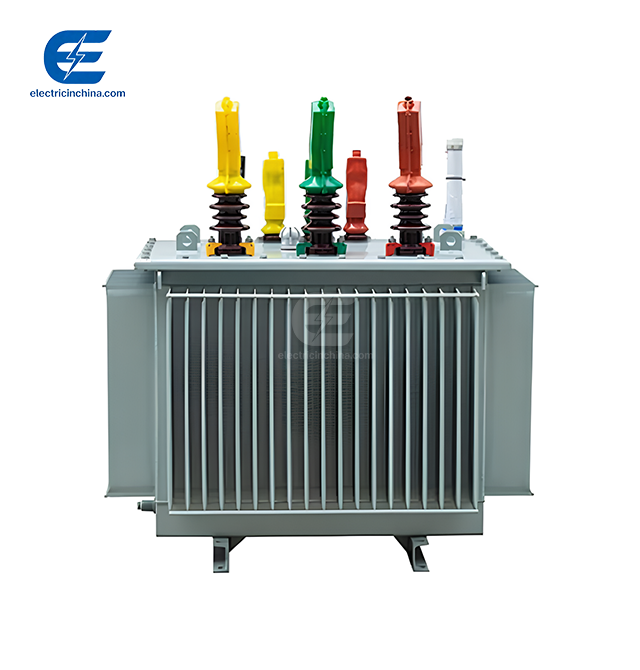
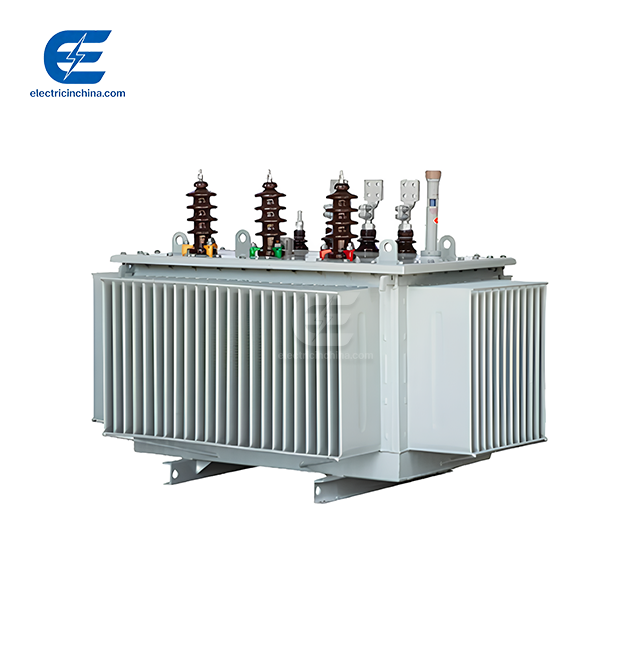
The 10kV power distribution transformer works best in localized situations where load centers stay within a few kilometers of where the transformer is located. This amount of voltage is usually used in factories, shopping malls, and apartment buildings. Transformers with capacities between 50kVA and 2500kVA serve places with a lot of traffic. These units can connect straight to customer distribution panels by changing the voltage to 400V or 690V on the secondary side.
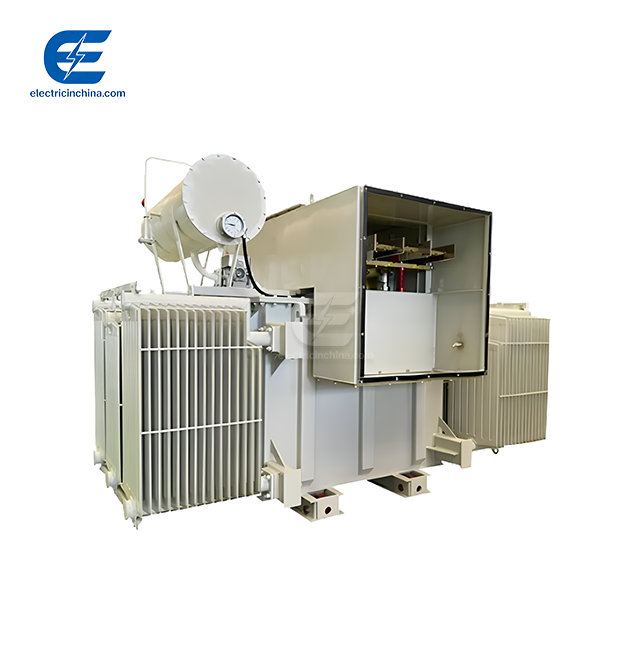
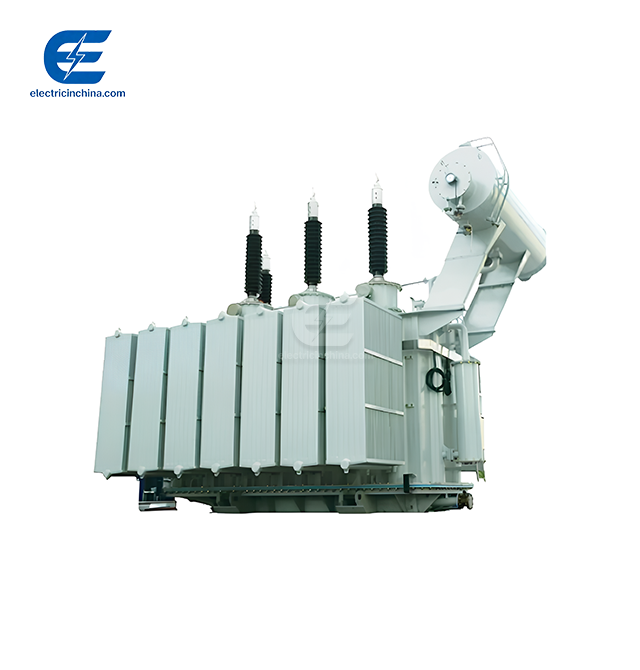
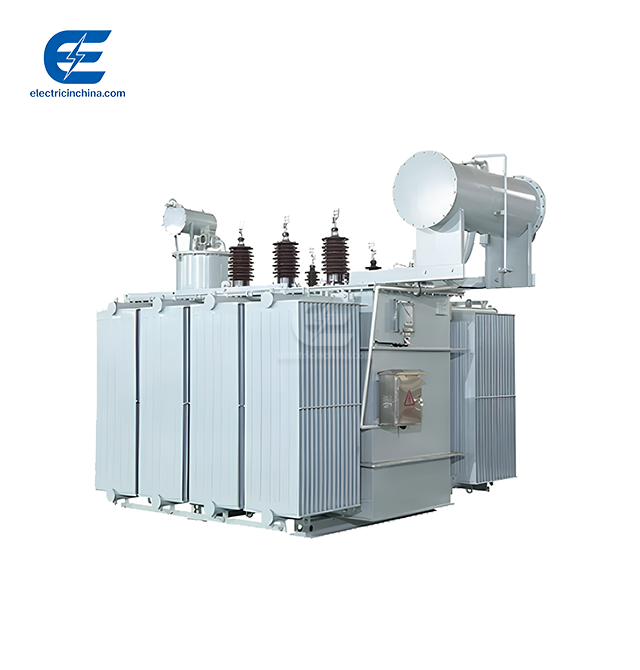
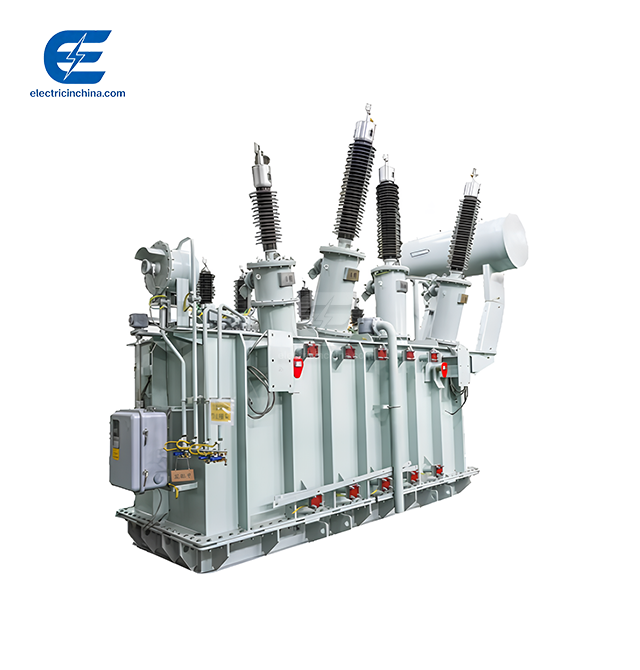
On the other hand, 35kV substation transformers act as main distribution hubs, stepping down transmission voltages to power many 10kV circuits over large service areas. Utility companies put these bigger units—which are usually rated between 5MVA and 25MVA—in key spots to cut down on transmission losses over long distances. Industrial complexes with heavy machinery, steel mills, and chemical processing plants often need 35kV supply voltages to handle continuous loads of more than 5MW while keeping the voltage stable within ±2.5% of the demand level.
Environmental Adaptability and Climate Resilience
Coastal installations and tropical areas are rough places to work because of the humidity, salt spray, and high temperatures that can damage transformers. Designs that are immersed in oil naturally hold up better in these situations than dry-type options. The sealed tank design keeps out wetness that would damage insulation systems, and the oil can handle temperatures up to 50°C without losing its heat capacity. Our transformers have coatings that don't get damaged by weather, hardware made of stainless steel, and better gasket sealing systems that keep their IP23 to IP54 ratings for as long as they work.
Oil-immersed technology makes it easier to maintain remote sites like wind farms, solar substations, and mining operations. The self-contained cooling system doesn't need much maintenance, and it only needs to be checked every six months instead of every three months. Going from -40°C to +55°C doesn't affect operations because the oil's pour point specifications make sure that the fluid's viscosity stays good enough for heat transfer at all temperatures.
Noise Considerations and Installation Logistics
Putting transformers near noise-sensitive areas is affected by their acoustic leaks. Modern Oil type transformer 10kV-35kV designs have mounting systems that dampen vibrations and core constructions that keep sound levels below 55dB at a distance of one meter. In order to follow local noise laws, urban substations, hospital sites, and educational institutions choose these quieter units.
Different voltage classes also have different installation requirements for indoor and outdoor areas. The 10kV distribution transformer can often be found in electrical rooms of buildings where limited area requires a small size. Outdoor 35kV substations need concrete pads, surrounding fences, and service areas that can handle larger tanks—units that are bigger than 10MVA can be six meters long and weigh 45,000 kg with oil. For these projects, transportation logistics and crane access become very important planning factors.

Comparative Analysis: 10kV vs 35kV Oil-Immersed Transformers and Alternative Technologies
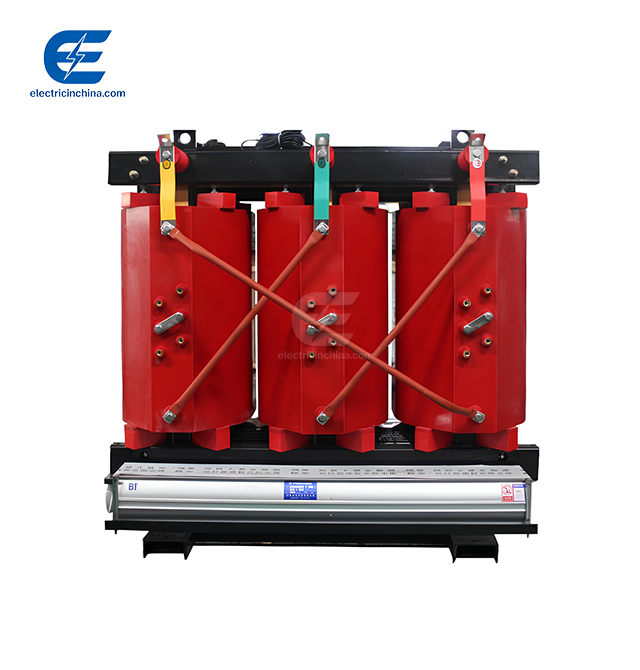
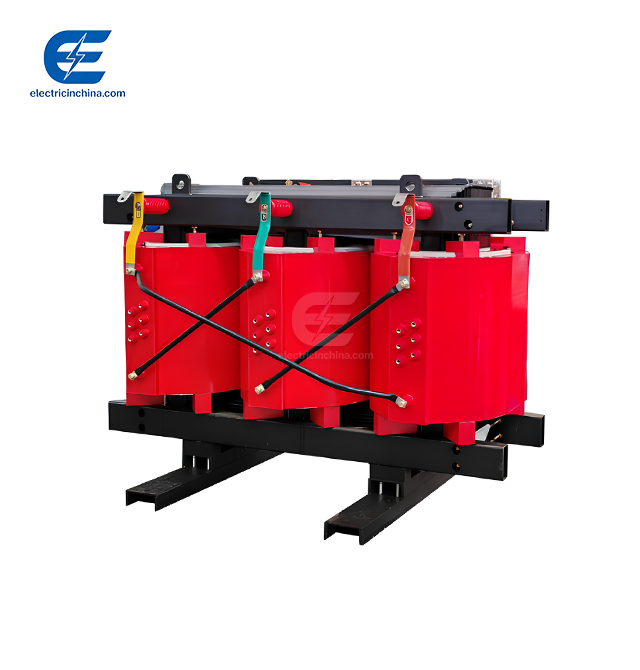
When making a purchase choice, it's helpful to know how oil-immersed technology stacks up against dry-type, cast resin, and gas-insulated options in terms of important performance indicators.
Efficiency and Lifecycle Cost Analysis
The no-load losses for our S11 oil-immersed transformer are between 0.8kW (500kVA) and 18kW (10MVA), and the load losses are between 5.5kW and 85kW, depending on the capacity grade. These numbers show 15–25% better results than previous designs, made possible by using better core materials and winding geometry. Over the course of 25 years, these improvements in efficiency save a lot of money on energy costs, making up for the higher starting capital investment compared to dry-type units.
The S20 series improves performance even more, with ratings of 98.5 to 99.2% efficiency, which means that big industry users will save money on their operating costs. Total cost of ownership calculations show that oil-immersed technology is more cost-effective for high-capacity and open setups. Dry-type transformers work well indoors, where fire safety is more important than efficiency, but they cost more over their lifetime because they can't handle too much overload and lose heat more quickly.
Voltage Regulation and Fault Tolerance
In our oil-immersed designs, short-circuit withstand capability goes up to 25 times the rated current. This gives strong protection during system faults. Arc-quenching features of the oil stop failures from spreading, and pressure relief valves let gases produced by internal problems escape safely. Tap switches let you change the voltage by ±5% in several places, so the quality of the supply stays the same even when load conditions change during the day's demand cycles.
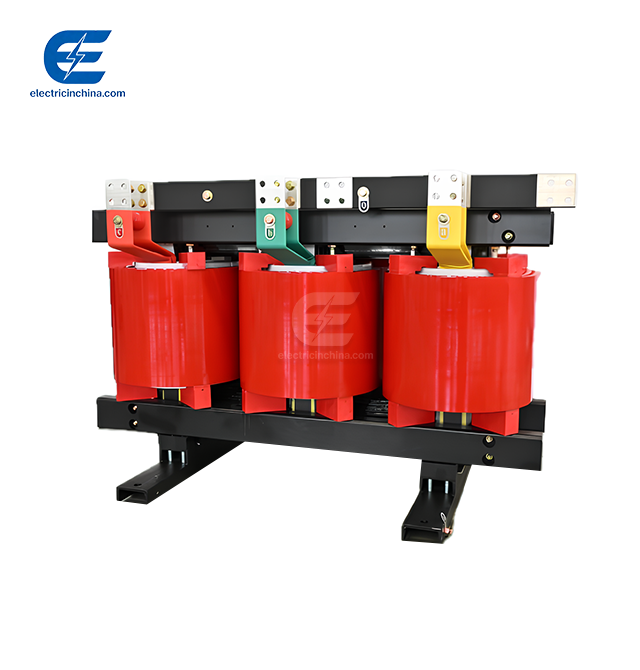
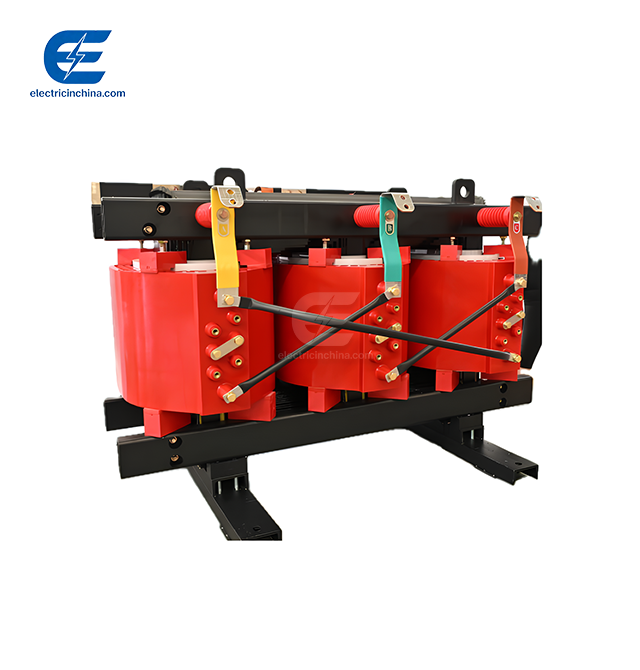
Gas-insulated transformers are better at keeping out fires, but they need to be maintained by people who know what they're doing and cost more to fix when they break down inside. While cast resin units don't have to worry about handling oil, they are less efficient at cooling, which means they can't handle too much load. This is a big problem for project-based applications where demand patterns can change quickly over time.

Procurement Considerations for 10kV-35kV Oil-Immersed Transformers
For buying to go smoothly, it's not enough to just meet technical requirements. Reliability of suppliers, following certification rules, and value-added services that help complete projects are also important.
Certification and Quality Assurance Standards
Our manufacturing processes at Tuojie are in line with the management systems for ISO 9001, ISO 14001, and OHSAS 45001, which makes sure that the quality of each batch of products is the same. For the Chinese market, all products must have CCC certification. For international projects, they must also meet the IEC 60076 series, IEEE C57.12.00, and ANSI standards. Before any unit ships to a customer site, it goes through a full set of tests in our professional quality inspection lab. These include dielectric testing at 2.5 times the rated voltage, impulse voltage tests that simulate lightning strikes, temperature rise validation under rated loads, and acoustic emissions measurement.
These licenses give purchasing managers written proof that the product is reliable, which meets the needs of tenders and legal requirements. We keep thorough test reports and factory acceptance testing records that help with warranty claims and getting insurance to cover expensive setups.
Customization Capabilities and Technical Support
Each job has its own problems that need custom answers. Our technical team, which is made up of 15 senior engineers, more than 30 intermediate technicians, and 17 senior technicians, works with customers to make sure that the transformer specs are best for the conditions at each site. For operations above 1000 meters, derating calculations are needed. Coastal installations need better corrosion protection packages, and seismic zones need IEEE 693 qualification with stronger mounting systems.
We've finished hundreds of important power projects using Medium-voltage oil-immersed transformers that show how good we are at customizing things. The Xuzhou Rail Transit Network Control Center project used dual-circuit 35kV supply designs that made sure subway systems could work safely at all times. Our early delivery of the XCMG Group power supply upgrade showed that we can meet tight project deadlines without lowering quality standards. EPC companies trust our ability to help with complicated infrastructure projects because we have worked on projects like these before.
Delivery Timelines and After-Sales Service
Standard production lead times range from 8 to 12 weeks, depending on the capacity ratings and level of customization. However, we have a large inventory of over 120 sets of CNC automatic winding machines, static vacuum casting systems, and automated foil winding equipment that can speed up delivery when project schedules require it. When you sign a bulk purchase deal for more than one unit, you can get better prices and more flexible production schedules that help you save money on your purchases.
The full warranty covers everything for 24 months after the product is put into use, and fast expert help is available through a number of different channels. Our service network offers supervision during installation, help with commissioning, and training for operators to make sure that the handover of the project goes smoothly. Annual oil analysis, thermographic checks, and predictive tests are all part of routine maintenance contracts that make sure assets are always available for as long as the transformer is in use.

Best Practices for Selecting the Right Oil-Immersed Transformer Voltage Level
Strategic decision-making frameworks help procurement professionals choose the right voltage with confidence, balancing the needs of the current project with the needs of future growth.
Matching Specifications to Load Profiles
Accurately predicting the load is the first step in choosing the right size transformer. We suggest figuring out peak demand with a 20% growth margin over the expected project lifespan, taking into account changes in demand during different times of the year and the possibility of expanding capacity. 35kV primary distribution feeding multiple step-down transformers closer to load centers reduces copper losses in secondary circuits, which is good for industrial manufacturing operations that have heavy loads all the time.
10kV distribution voltages are usually best for commercial real estate projects and city infrastructure because they allow for shorter cable runs and average load rates, which is how most utility networks are set up. Our work on the Xinhuai Central Complex and the Huaihai Xintiandi sites showed that choosing the right voltage can lower the cost of building and increase the efficiency of running mixed-use developments.
Safety and Regulatory Compliance
Local electrical codes, utility interconnection standards, and environmental laws limit the voltages that can be chosen. In many places, 10kV installations are only allowed to be installed a certain distance from private areas. To serve load centers spread out over large areas, 35kV distribution is required. Fire safety rules might say that extra containment systems need to be 110% of the total oil amount. This adds to the cost of infrastructure, which affects the choice of technology.
In areas prone to earthquakes, the mechanical design needs to be better. To meet IEEE 693 approval standards, transformers must have flexible bushing connections and stronger tank construction. Our designs can handle earthquakes with a level of strength up to Zone 4. This protects important assets during natural disasters that could otherwise lead to catastrophic failures and long power outages.
Lifecycle Cost Optimization
To figure out the total cost of ownership, you have to add up how much energy an item uses, how much it costs to maintain, and how much it loses in value over its expected service life. Even though 35kV medium-voltage oil-immersed transformers cost more at first, heavy industrial users save thousands of dollars a year on operational costs because they are more efficient at larger capacities. The 10kV power distribution transformer requires less money to set up and is better for smaller installations where higher efficiency gains don't justify the higher price.
Environmental compliance benefits are pushing high-efficiency tools more and more. In many places, transformers that are more efficient than the minimum standards can get direct refunds or accelerated depreciation plans, which can help projects make more money. Our S20 line is eligible for these programs because it has been shown to be more efficient and to have less of an effect on the environment than older versions.

Conclusion
To choose between 10kV and 35kV Oil type transformer 10kV-35kV configurations, you need to look at the load needs, the environment, and your long-term operational plans. The 10kV grade works best for localized distribution tasks with heavy loads, while 35kV systems work best for main distribution over large service areas. For outdoor installations and high-capacity uses, oil-immersed technology has been shown to be reliable, better at managing heat, and more cost-effective. Partnering with manufacturers who offer certified quality, the ability to customize, and full technical support throughout the lifecycle of the project is key to successful procurement. Tuojie is a reliable partner for medium-voltage transformer solutions that meet the highest international standards. With 20 years of experience working on hundreds of infrastructure, commercial, and industrial power projects, we are experts in our field.
FAQ
What maintenance intervals apply to oil analysis and replacement in 10kV-35kV transformers?
It is still necessary to do full oil tests once a year, which should include measuring moisture, dissolved gases, and dielectric strength according to ASTM D1816 and IEC 60422 standards. These tests find small problems before they become big problems, which protects big investments in capital. Under normal working conditions, full oil replacement happens about every 15 to 20 years. However, the real replacement date is set by constant tracking based on how fast the oil wears down.
How do seismic requirements affect transformer selection and installation?
In earthquake-prone areas, transformers that serve important structures must meet the requirements set by IEEE 693. This is done by using bendable bushing connections and stronger mounting systems. With special tank strengthening and vibration isolation features, our designs can handle ground motion up to Zone 4 level without the structure breaking. Engineered base designs and anchoring systems chosen by structural engineers familiar with local earthquake codes are needed for installation.
Can 10kV and 35kV transformers operate in parallel configurations?
According to IEEE C57.12.00 standards, for parallel operation to work, the voltage ratios must be the same, the impedance must match within 7.5%, and the vector group configurations must be the same. When properly set up, load sharing accuracy achieves 90–110% equal distribution between units, giving critical applications operational flexibility and redundancy. Our expert team helps set up safety relays and coordinate impedance so that parallel operation is safe.
Partner with Tuojie for Reliable Oil Type Transformer 10kV-35kV Solutions
Tuojie has been making Oil type transformer 10kV-35kV systems for over 20 years. These systems are used in government buildings, factories, and business projects all over the world. We are a well-known Oil type transformer 10kV-35kV provider, and we combine ISO 9001, ISO 14001, and OHSAS 45001-approved production processes with extensive customization capabilities suited to your project's unique environmental conditions and regulatory requirements. Our professional quality inspection lab, 18 registered patents, and high-tech production tools, such as over 120 sets of CNC winding machines and automated casting systems, make sure that quality is always consistent and deliveries are always on time. Our expert team can help you with everything from the initial design and specification to installation support and long-term maintenance services. This is true whether your project needs 10kV distribution transformers or 35kV substation units. Get in touch with Tuojie right away at tuojie@electricinchina.com to talk about your power distribution needs and get customized transformer solutions based on hundreds of successful installations. You can look at all of our products at electricinchina.com.

References
1. IEEE Standard C57.12.00-2015: General Requirements for Liquid-Immersed Distribution, Power, and Regulating Transformers, Institute of Electrical and Electronics Engineers, New York, 2015.
2. IEC 60076-1:2011 Power Transformers - Part 1: General, International Electrotechnical Commission, Geneva, Switzerland, 2011.
3. ASTM D1816-12: Standard Test Method for Dielectric Breakdown Voltage of Insulating Oils of Petroleum Origin Using VDE Electrodes, American Society for Testing and Materials, West Coshohocken, PA, 2012.
4. Harlow, J.H., Electric Power Transformer Engineering, Third Edition, CRC Press, Boca Raton, Florida, 2017.
5. IEEE Standard 693-2018: Recommended Practice for Seismic Design of Substations, Institute of Electrical and Electronics Engineers, New York, 2018.
6. Kulkarni, S.V. and Khaparde, S.A., Transformer Engineering: Design, Technology, and Diagnostics, Second Edition, CRC Press, Boca Raton, Florida, 2013.