

.webp)
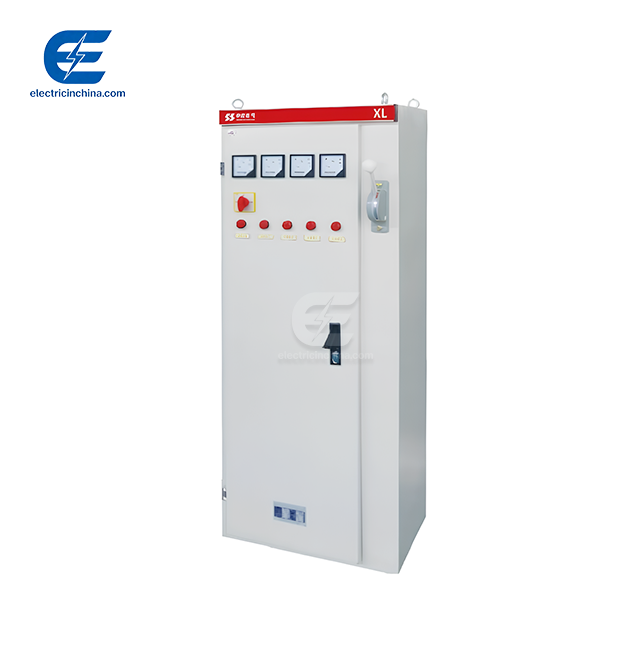
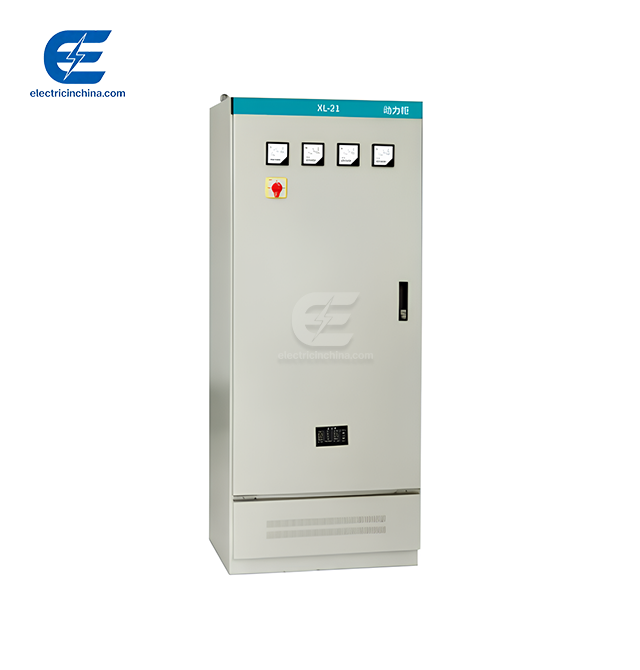
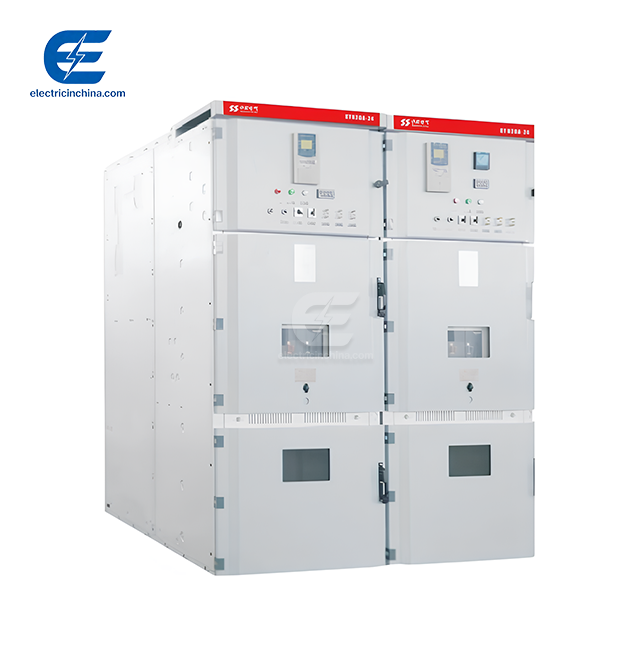
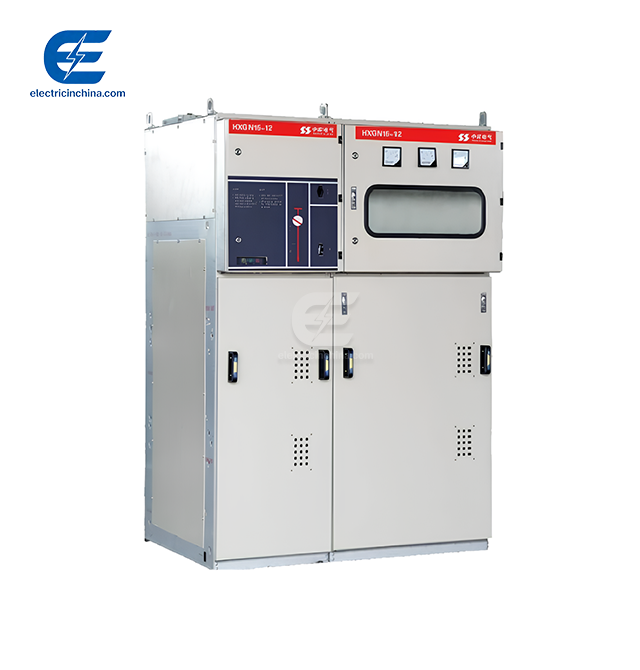
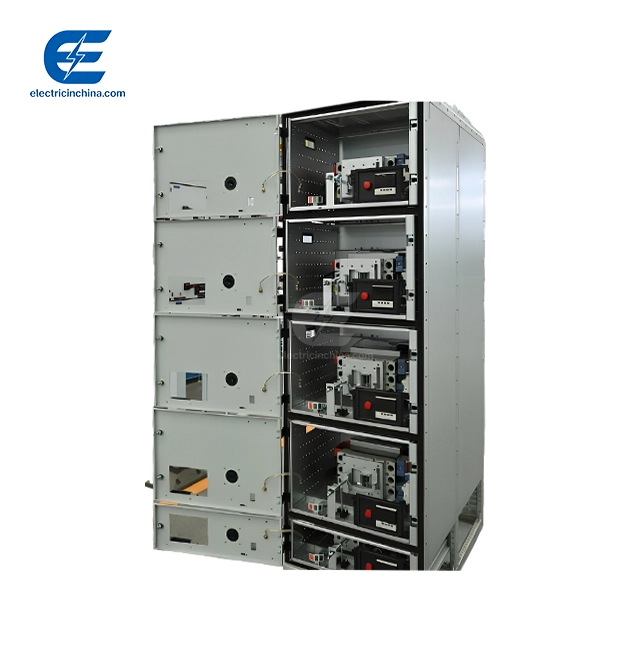
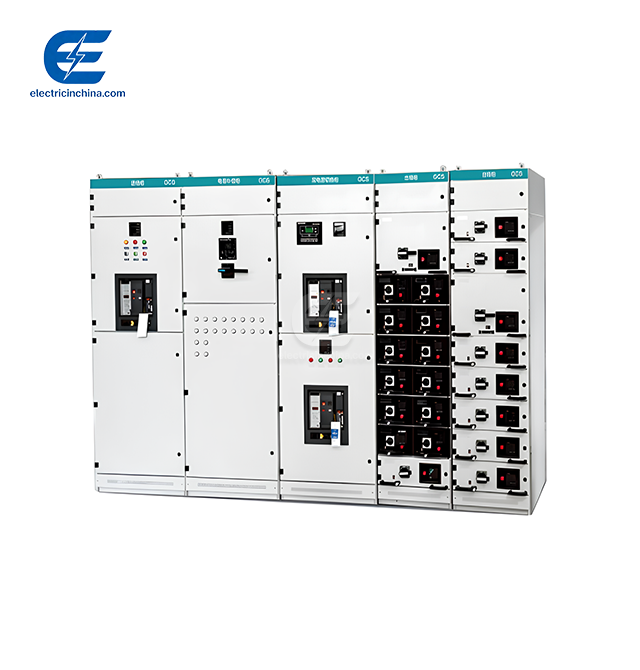
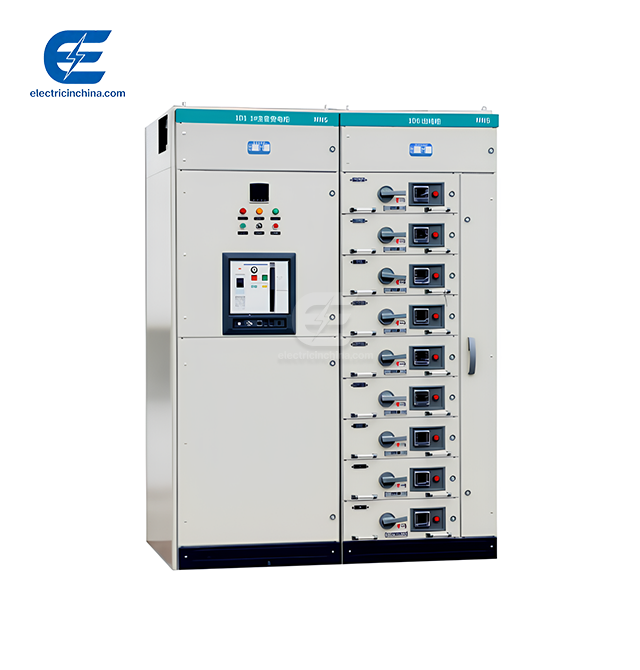
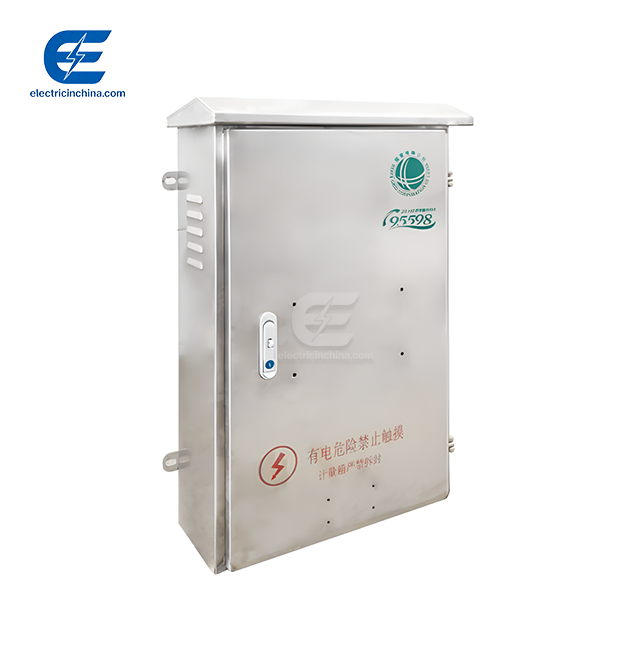
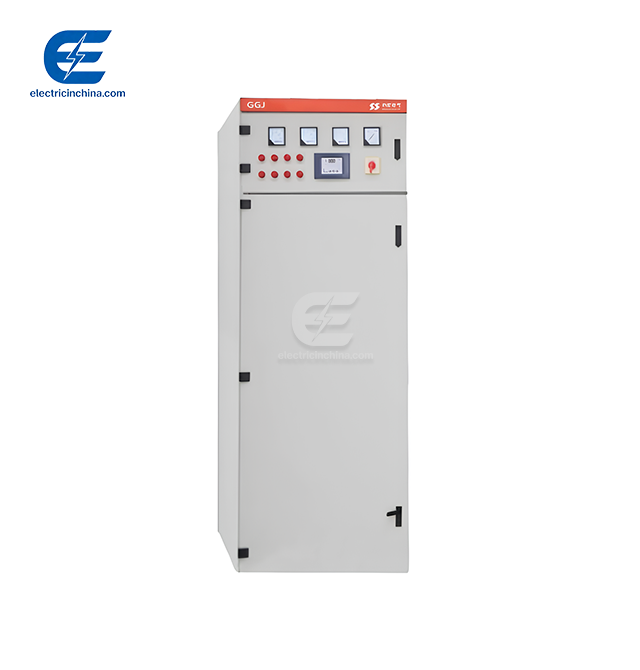
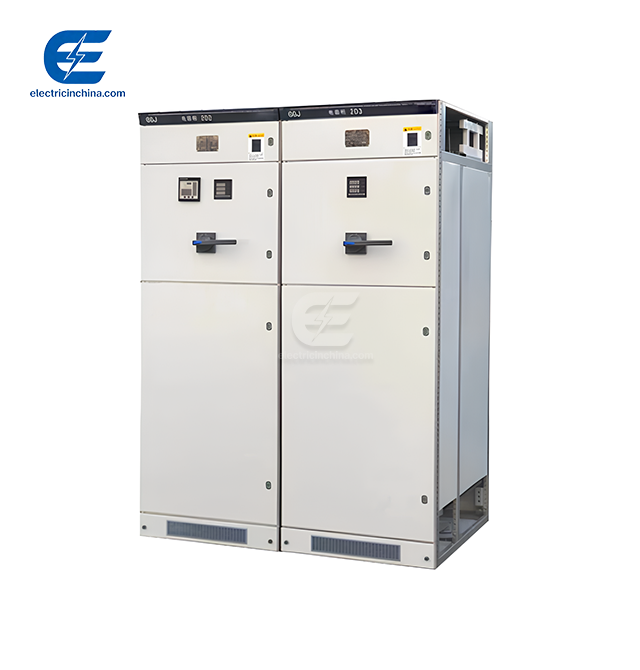
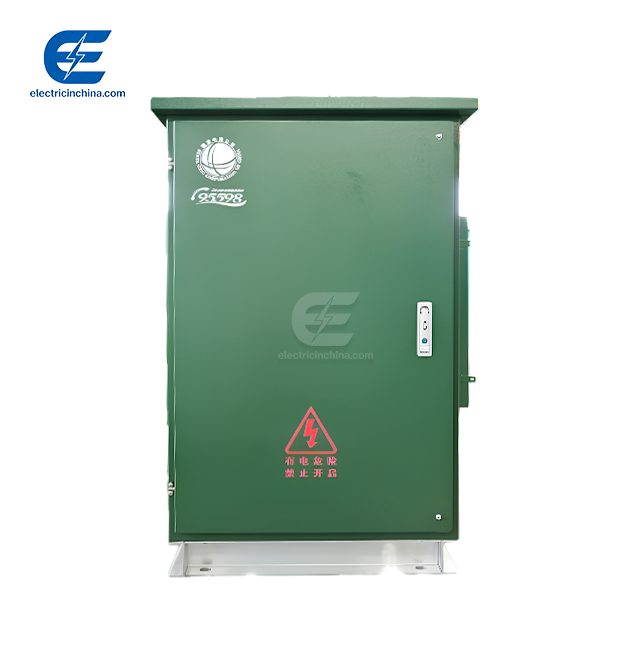
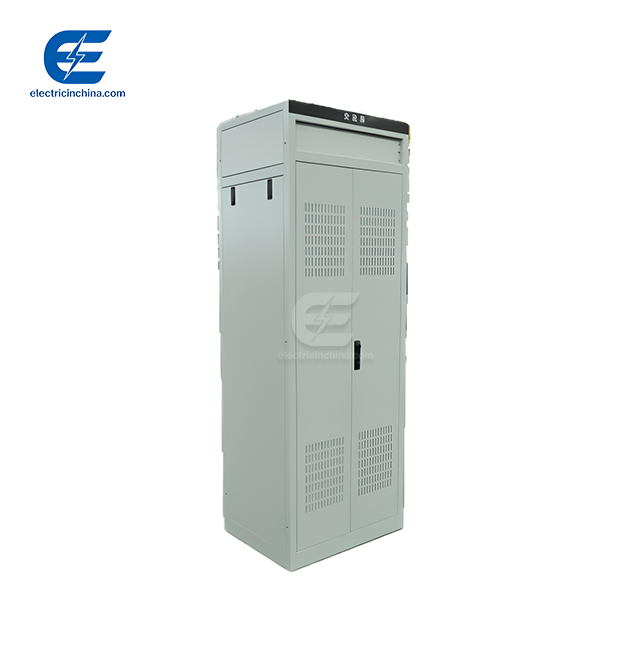
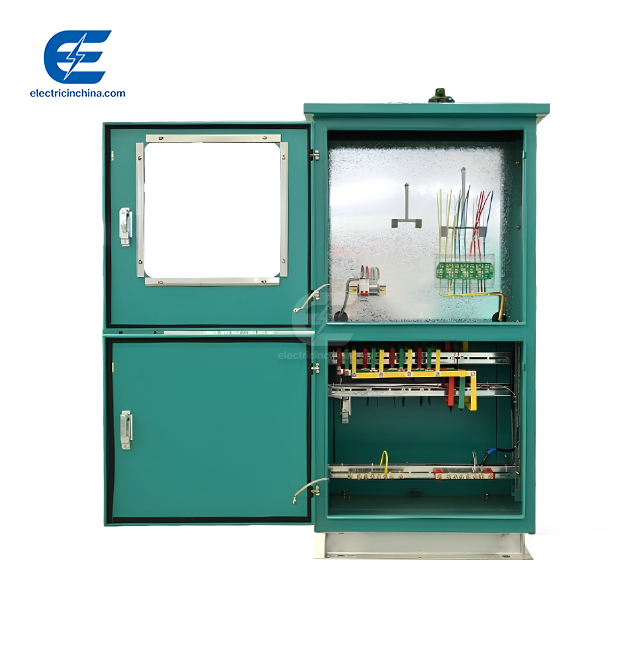
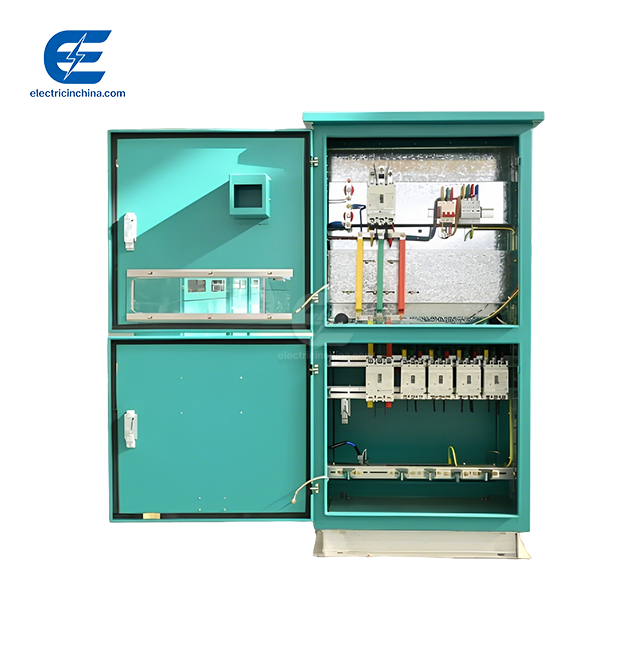
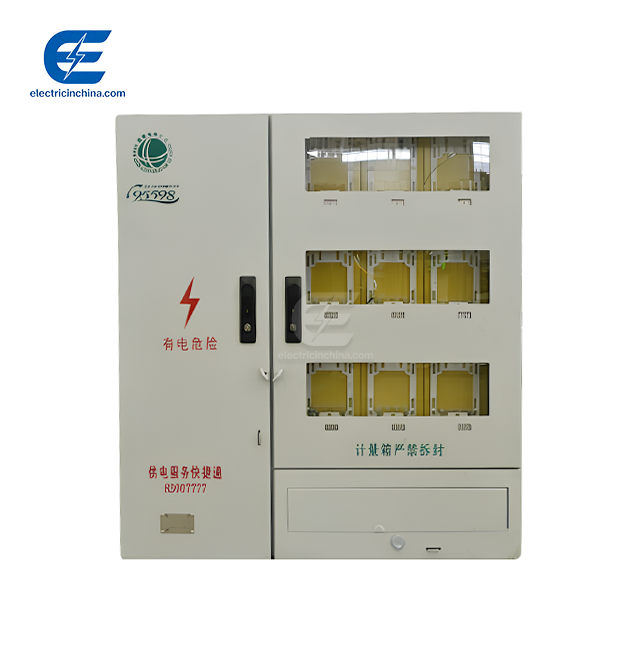
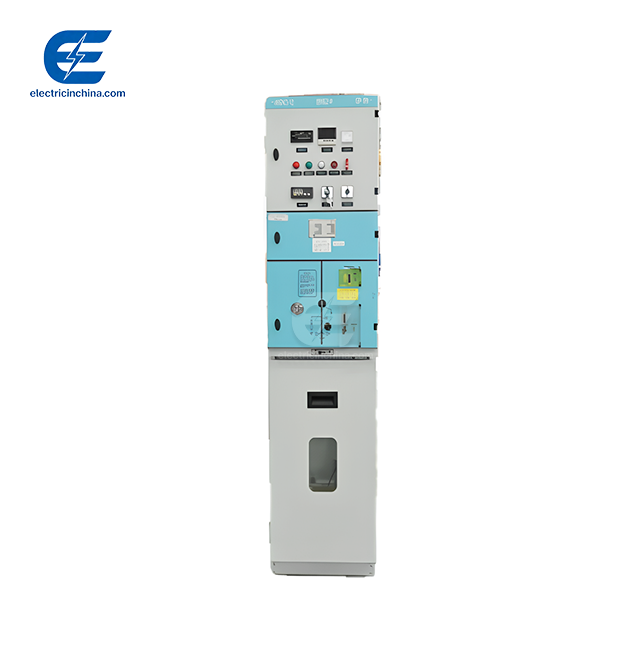
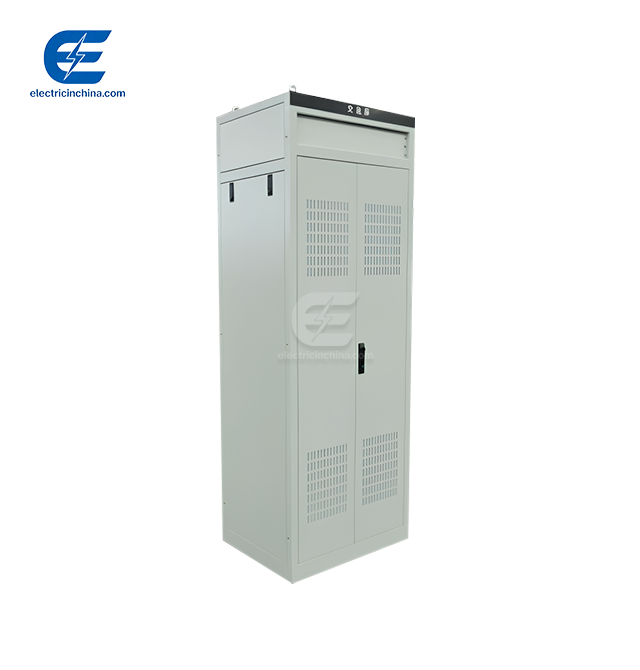
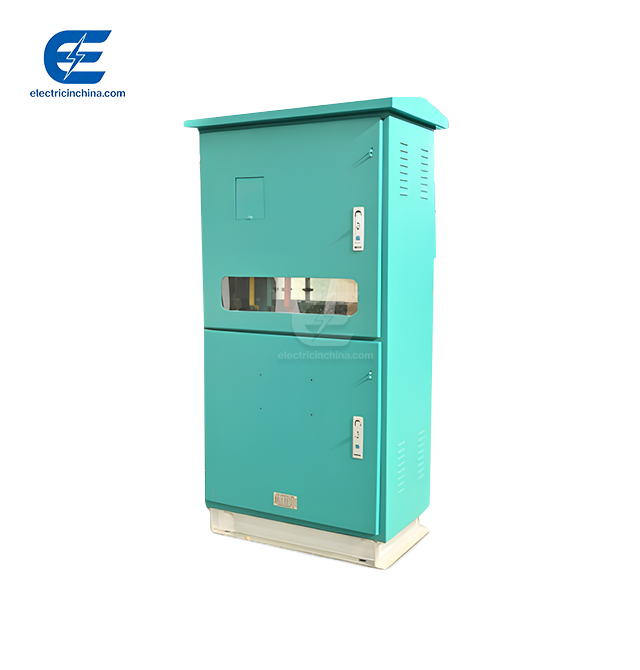
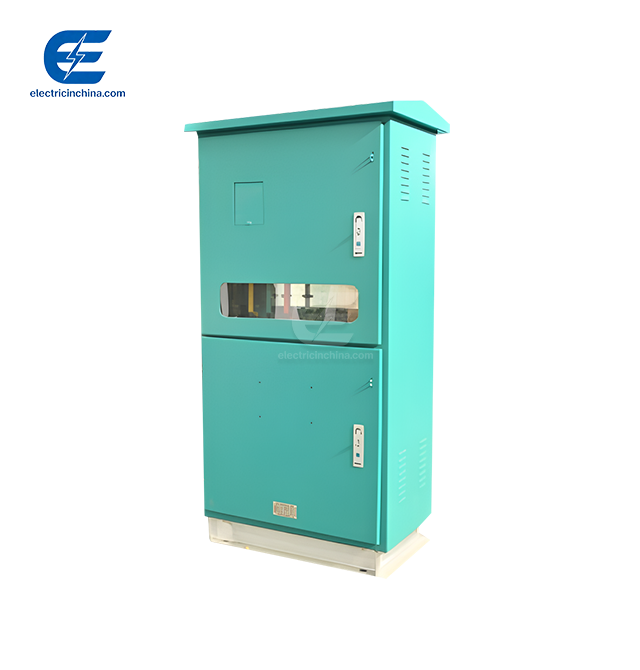
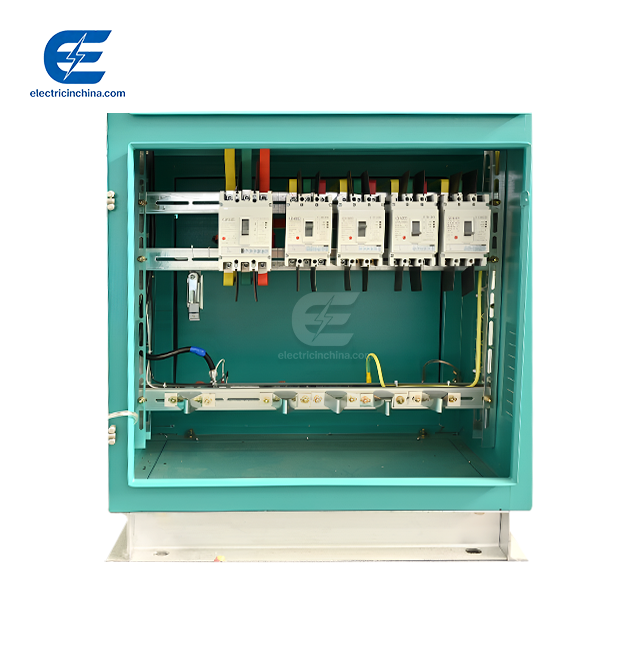
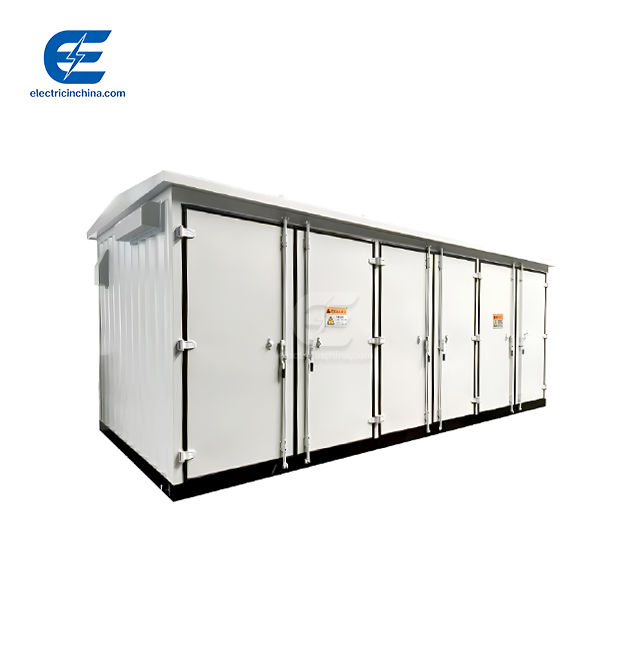
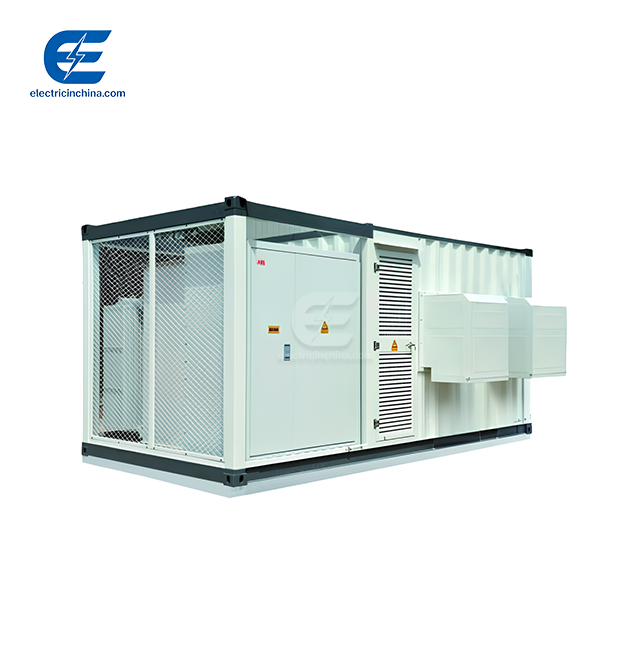
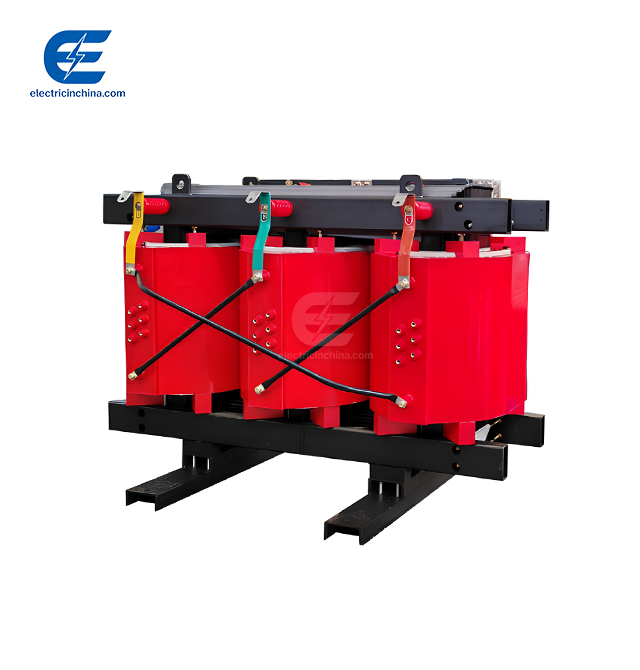
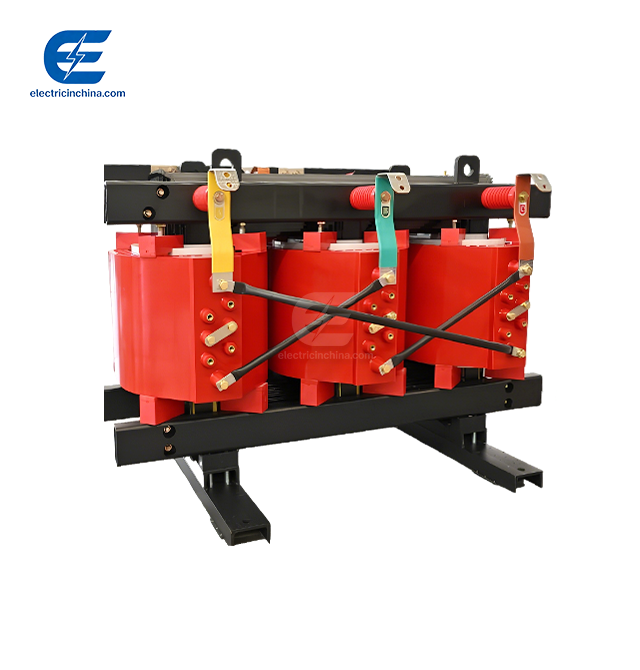
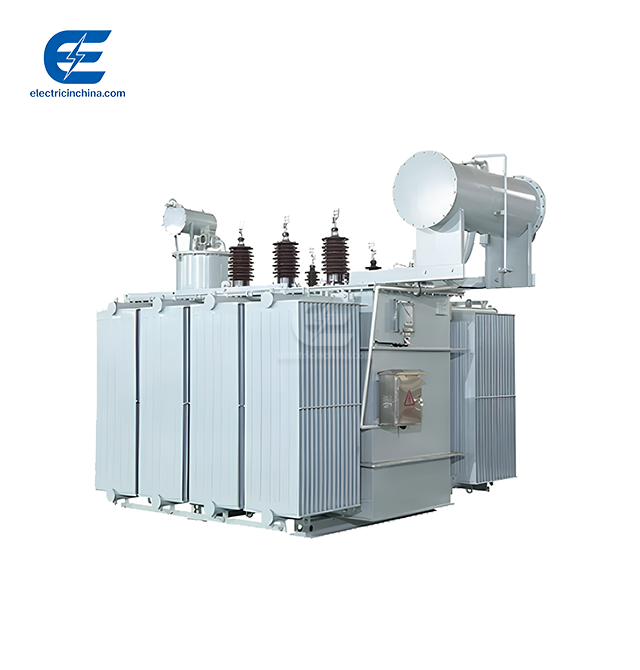
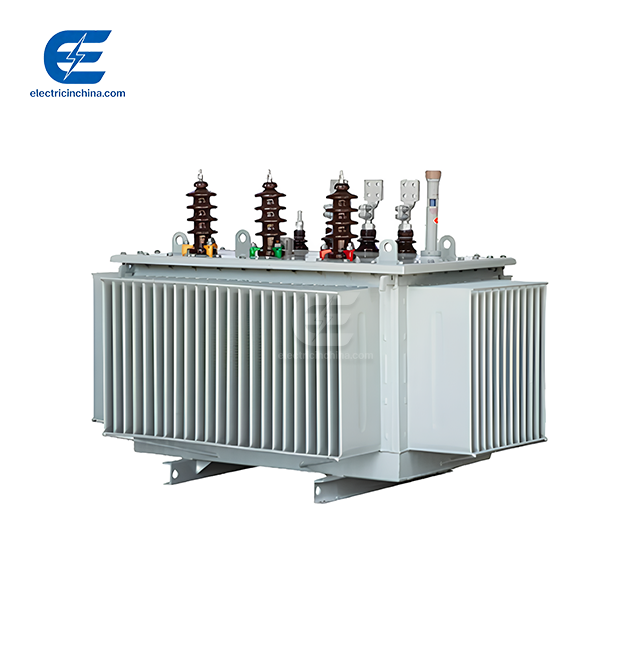
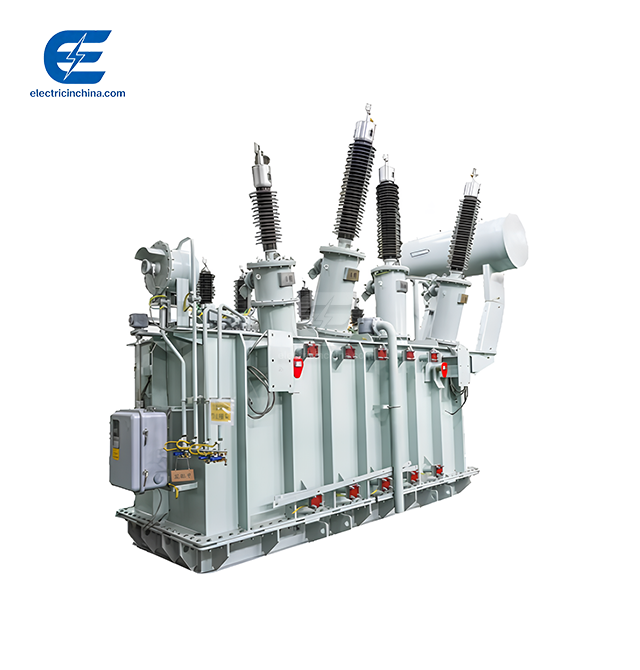
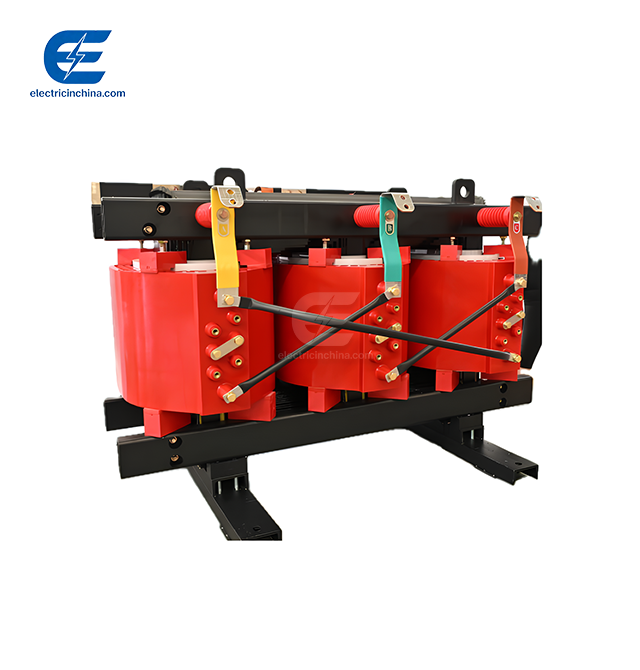
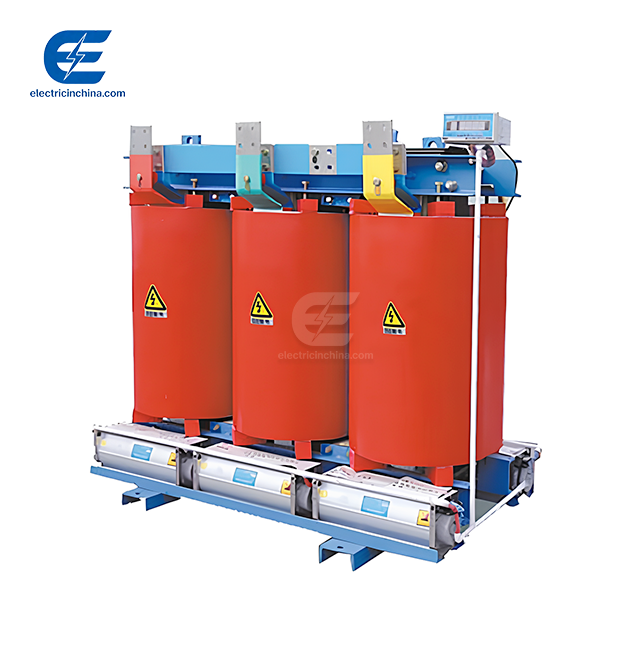
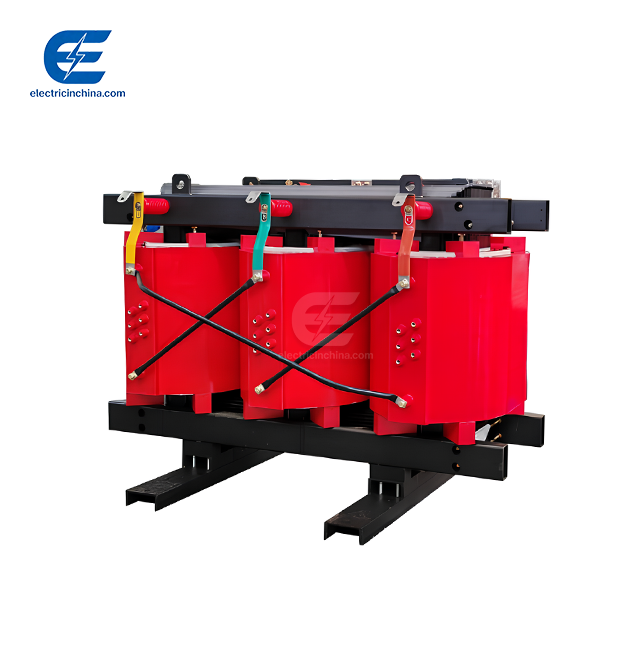
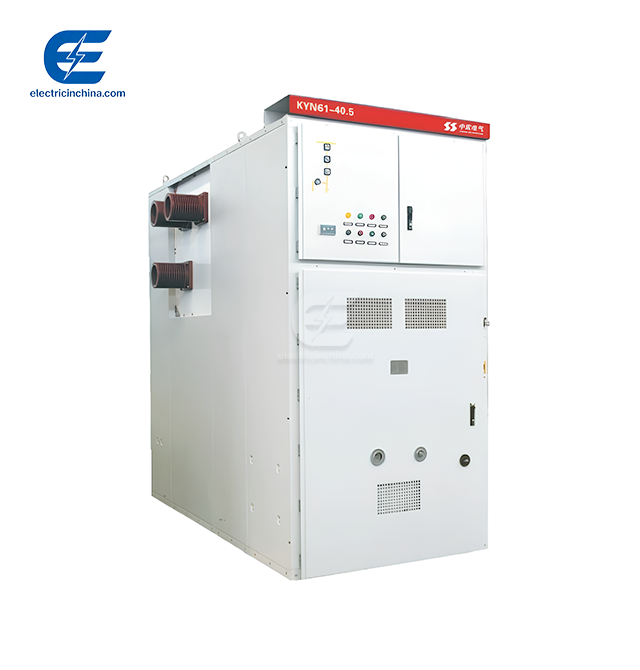
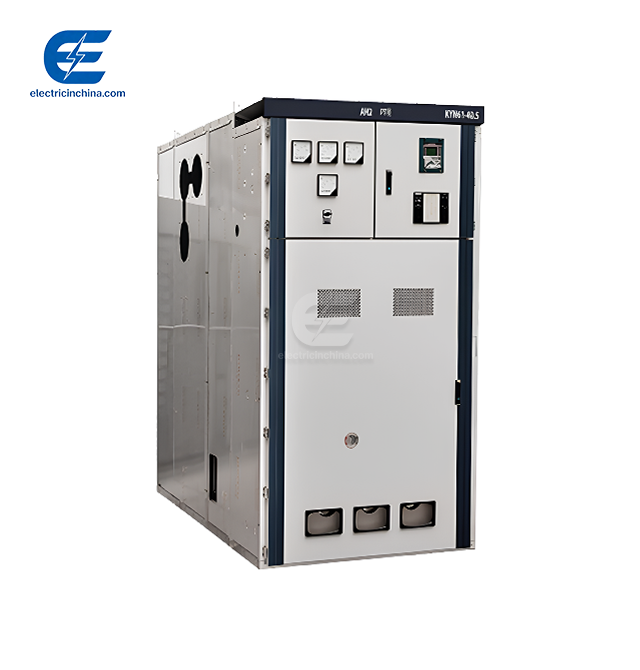
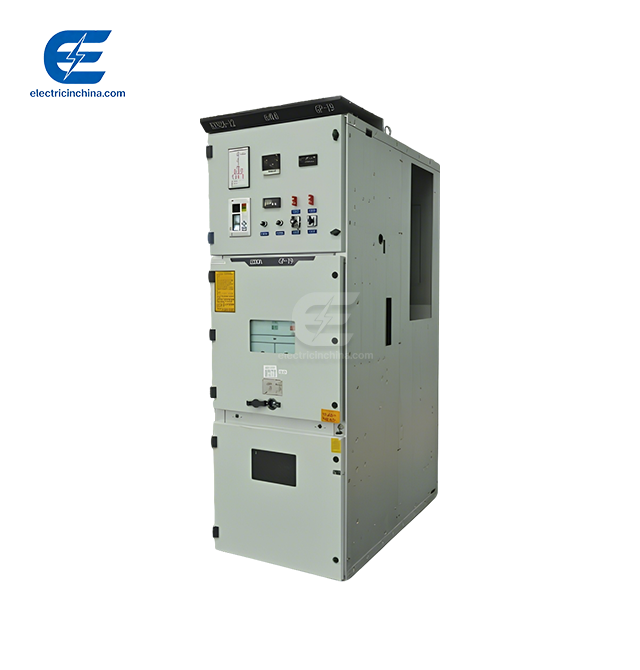
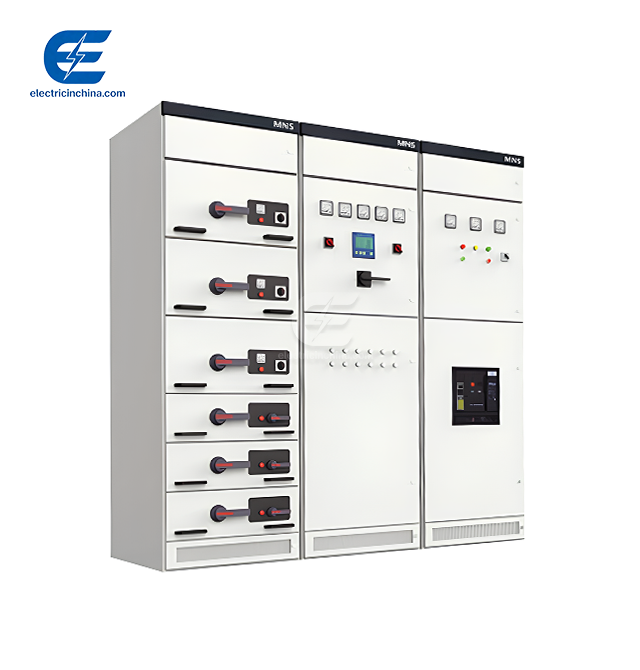
Selecting the right compact transformer for solar applications involves balancing technical specifications, environmental resilience, and supplier reliability to ensure your investment delivers consistent performance across decades. A Solar Power Compact Substation Transformer represents more than a voltage conversion device—it functions as the critical interface between photovoltaic generation and grid infrastructure. These specialized units consolidate multiple components into space-efficient configurations while addressing the unique challenges solar installations present, from fluctuating generation patterns to harsh environmental conditions. When procurement teams evaluate options for government infrastructure projects or commercial developments, the decision must account for efficiency ratings exceeding 98.5%, certification compliance, and proven project execution from manufacturers with verifiable quality control systems.
Critical Criteria for Selecting the Right Compact Transformer
Capacity Planning and Load Assessment
To find the right Solar Power Compact Substation Transformer capacity, you need to look at both the current output patterns and the plans for future growth. We suggest that transformers be sized so that they can handle 125–130% of the peak power of the inverter. This gives you room for overloading without lowering efficiency. For safety reasons, a 5MW solar array with string inverters that produce 1500V AC would usually need a 6.5MVA transformer to handle peak generation. In contrast to regular uses, load dynamics are very different in solar production. Daily and seasonal trends can be predicted, but weather changes cause rapid changes in voltage that transformers must handle without failing to regulate.
Efficiency Ratings and Performance Benchmarks
Over the 25- to 30-year lifecycle of a solar plant, every percentage point of transformer loss directly lowers the project's returns. Transformers made for solar use should have efficiency values of at least 98.7% at 50% load and at least 98.5% at full load. Under normal conditions of use, these numbers show core losses, turning resistance, and random losses. We've seen that differences in efficiency of only 0.3% between competing products have a big effect on revenue on installations with many megawatts of power. As proof of performance, factory test records should include measures of impedance voltage, no-load losses, and load losses.
Environmental Adaptation Requirements
The operating setting has a big effect on the choice of transformer and how long it lasts. Extreme temperatures above 50°C, UV radiation that damages exterior parts, and sand getting into cooling systems are some of the problems that desert installations have to deal with. Coastal areas need better corrosion protection through special coatings and construction that is sealed to keep salt out. At elevations above 3000 meters, the air density drops, which affects the cooling capacity and requires derating formulas or better cooling systems. Temperature rise tests according to IEC 60076-2 confirm thermal performance, and IP protection grades (usually at least IP54 for outdoor solar uses) make sure the product is sealed well against the elements. Choosing transformers that have been tested and rated specifically for your site conditions keeps the warranty valid and stops failures before they happen.
Safety Features and Maintenance Accessibility
Quality Solar Power Compact Substation Transformers are different from basic models because they have built-in safety systems. Differential protection according to IEEE C37.91 finds problems inside the circuit, and overcurrent protection that takes into account the time-current features of solar panels stops damage from grid disturbances or short circuits. Voltage regulation by automatic tap changers keeps output within ±2.5% even when input voltage changes. This protects equipment downstream and makes sure that grid code rules are followed. When grid links fail, anti-islanding security that meets IEEE 1547 standards stops energized activity. This keeps utility workers and equipment safe. Long-term running costs are affected by how easy it is to do maintenance. Designs that include condition tracking systems allow for predictive maintenance, which cuts the need for planned interventions by up to 40% compared to time-based maintenance procedures.

Comparing Solar Power Compact Substation Transformers to Alternatives
Compact Versus Conventional Configurations
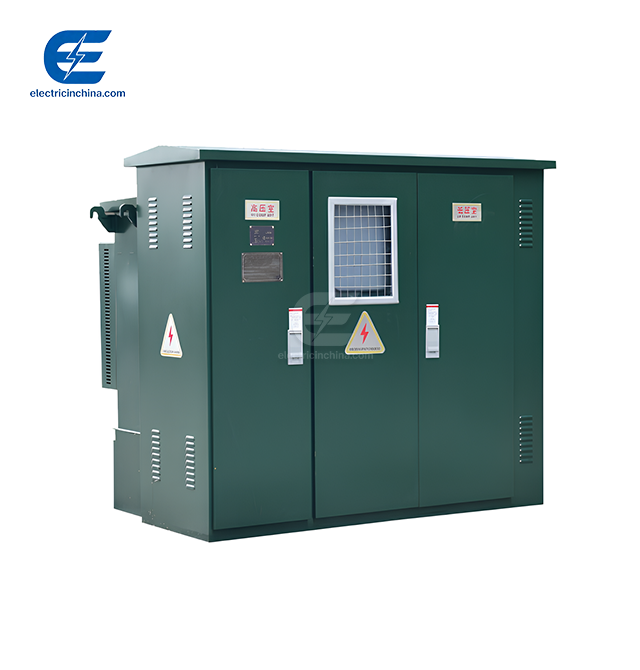
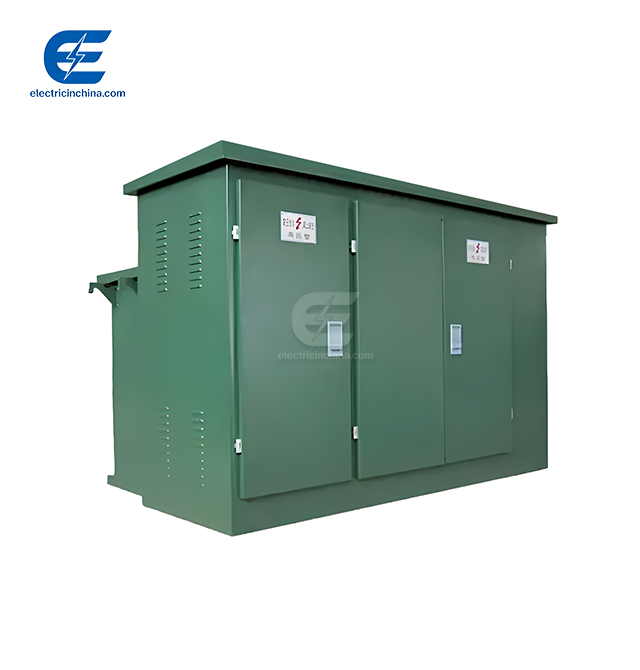
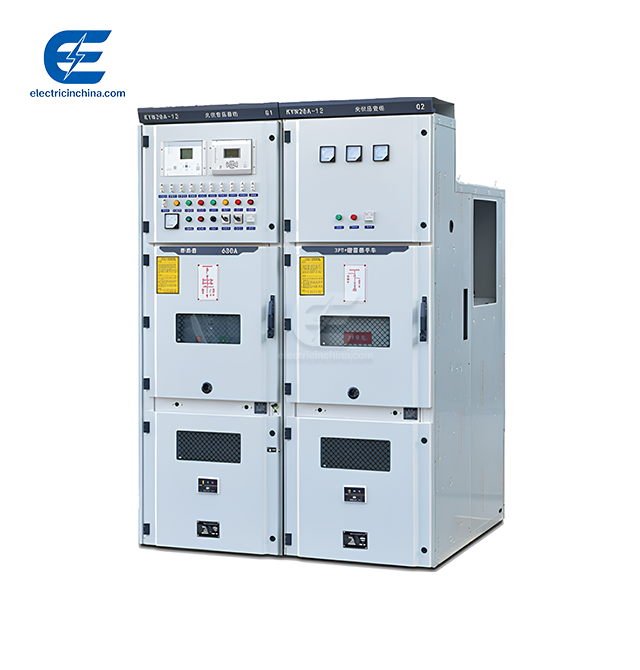
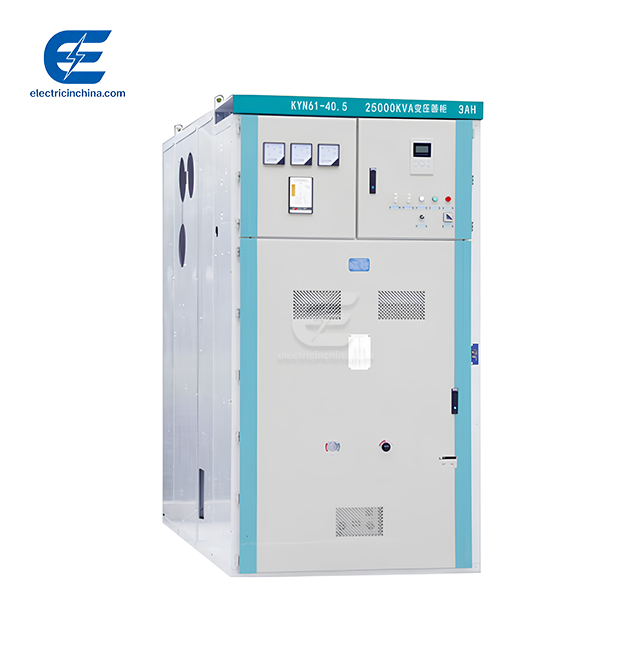
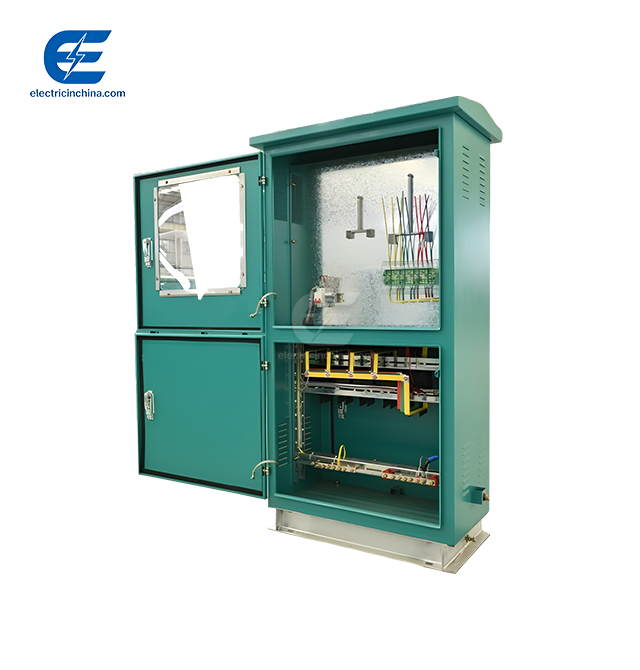
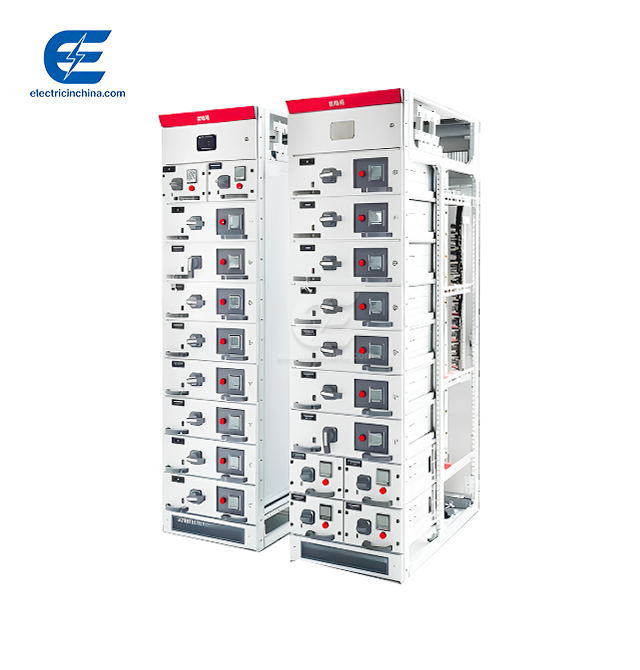
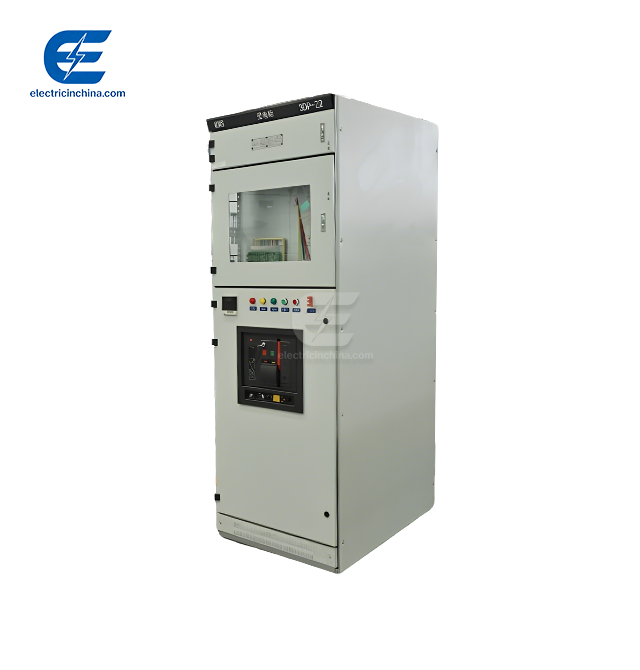
In traditional substation designs, the transformer, switchgear, and protection equipment are spread out over several buildings, which takes up a lot of space and makes the connections between them very complicated. These parts are all built into a single factory-assembled unit in compact substations. This cuts installation space needs by 60% and commissioning time by a large amount. The combined design makes it easier to coordinate protections and lowers the number of possible failure points by testing integrated systems in the factory. Normal setups, on the other hand, make it easier to swap parts and give you more options for making changes in the future. Conventional designs may work better for projects with lots of room and unknown future growth needs. On the other hand, compact designs work better for business developments with limited land and standard utility-scale installations.
Solar-Optimized Features Versus Standard Pad-Mounted Units
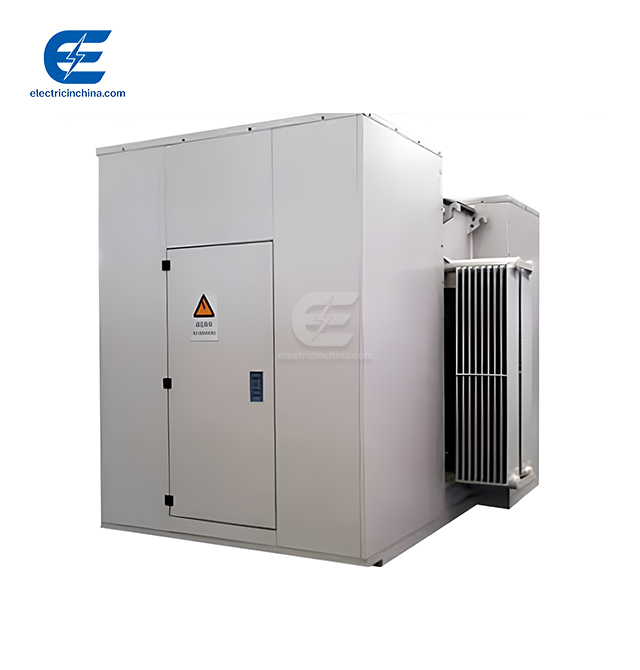
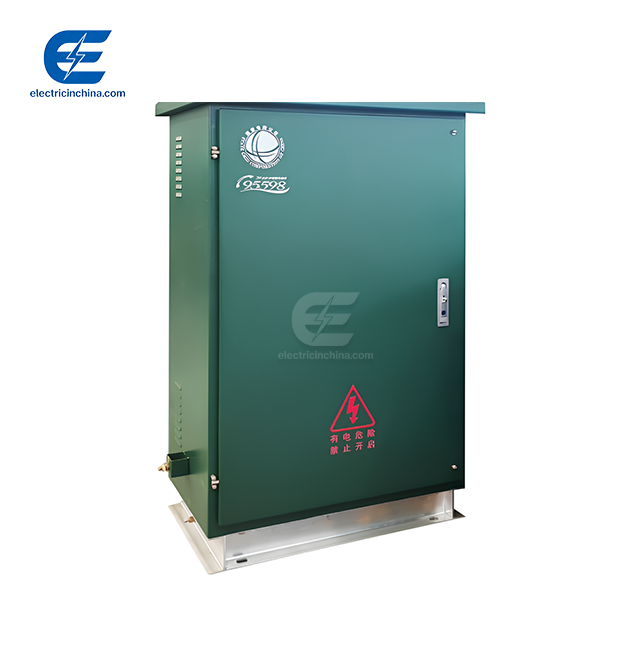
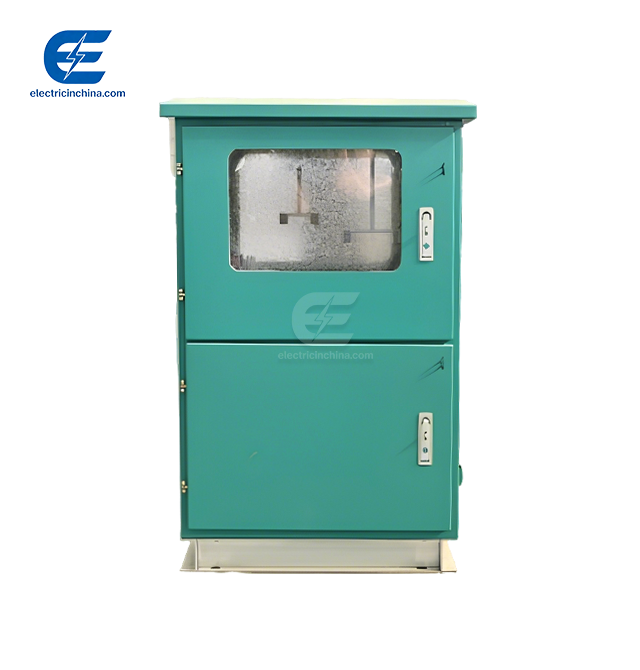
Standard pad-mounted transformers made for utility or industrial power don't have certain traits that solar uses need. Solar Power Compact Substation Transformer units have special cooling systems that deal with the daily generation cycles, harmonic filtering that fixes distortions caused by inverters, and protection systems that work with the way the solar plant works. The insulation systems can handle the higher temperatures that are common in solar environments, and the grounding designs make sure that they are compatible with electromagnetic fields according to the IEC 61000 series. Environmental sealing gets the higher protection rates needed for solar installations that aren't being watched, and mounting arrangements work with the limited space that is common in solar farms, where land use directly affects the economics of the project.
Total Cost of Ownership Analysis
The initial purchase price only makes up 30–40% of the total cost of the transformer over its lifetime. The economics of a project are greatly affected by operational costs like energy losses, upkeep work, and part replacements. A 15% more expensive transformer that is 0.5% more efficient usually pays for itself in three years on a 10MW system and then continues to save money as long as it is in use. To compare goods, you have to figure out the present value of the energy that will be lost over the product's expected lifetime, add up the expected costs of upkeep based on the manufacturer's service records, and take into account the availability of replacement parts. Manufacturers who have established service networks and a collection of extra parts lower the risk of downtime, which can wipe out any savings made by longer outages.
Evaluating Manufacturers and Supply Chain Reliability
Beyond product specs, the choice of supplier has a big impact on the success of the project. When specifying and customizing equipment, it's helpful to work with manufacturers who have done similar projects on similar scales before. We give top priority to sellers who have ISO 9001 quality management systems, ISO 14001 environmental certifications, and OHSAS 45001 occupational health standards. This is because these models show a methodical approach to making sure that the products we sell are consistent. Production capacity is important for projects that need a lot of units delivered at the same time. Manufacturers with a wide range of equipment, such as CNC automatic winding machines and vacuum casting systems, can show that they can produce a lot of units without sacrificing quality. In addition to lab test reports, project portfolios that show successful installations in similar settings and conditions are objective proof of how well a product works in the field.

Procurement Considerations for B2B Buyers
Supplier Vetting and Qualification Criteria
Setting clear standards for qualifying suppliers before asking for quotes is the first step in effective procurement. Technical skills should show that the company can make the products they say they can by checking the facility or getting third-party certifications. They should also show that they have the right testing tools for the regular and type tests that are needed by the standards. Financial stability checks keep the supply chain from being interrupted when suppliers are having problems with their businesses. Checking with past customers who had similar projects can show how well the supplier did at meeting delivery deadlines, providing quick technical support, and handling warranty claims. Suppliers who offer engineering support during specification development add value beyond just providing the product. They can help you choose the best Solar Power Compact Substation Transformer for your project and avoid costly mistakes in the specifications being found during commissioning.
Customization Options and Engineering Support
Standard store items rarely perfectly fit the needs of a specific job. Capacity rates, voltage configurations, tap changer ranges, cooling systems, safety schemes, and environmental specs can all be changed to fit your needs. Manufacturers with in-house engineering teams and a wide range of production tools can make changes more cost-effectively than vendors who rely on third-party fabrication, which takes longer and costs more for non-standard specs. We've found that providers who are ready to change designs based on environmental data and load profiles specific to the project produce better results than those who push standard goods no matter how well they fit the application. When engineers work together on the procurement process, they can find ways to improve operational performance or lower the total cost of installation.
Lead Times and Project Scheduling Integration
The supply schedules for transformers have a direct effect on the total project timelines and costs. Standard configurations from manufacturers who keep stock may ship within 8 to 12 weeks. Custom designs, on the other hand, usually take 16 to 20 weeks from the time the order is placed until they are tested and approved by the factory. Lead times can go up to 24 weeks for complicated projects with many pieces or unique features. When buying from foreign makers, planning your purchases should take into account how long testing takes, how long it takes to ship internationally, and how long it takes to clear customs. We suggest placing orders for transformers early on in the project, even before the site is fully prepared, so that delivery of equipment doesn't become a critical path item that slows down the project's completion and revenue generation.
Warranty Terms and After-Sales Support Structure
Warranty coverage varies a lot between suppliers, which has a big effect on how risks are shared. Standard warranties cover problems with the way the product was made for 18 to 24 months after it has been put into use. However, makers who are sure their products will work well offer longer warranties for up to five years. The warranty terms should make it clear what kinds of failures are covered, how long service calls take to be fixed, and who pays for the work costs. Companies that have local service networks or approved service partners can respond faster than companies that need to send plant staff to handle all service needs. Long-term maintainability depends on the availability of spare parts. Suppliers who keep regularly replaced parts in stock and promise parts availability for 25 years or more make upkeep cost-effective throughout the life of a transformer.

Final Recommendations and Best Practices
Step-by-Step Selection Framework
A systematic evaluation process is needed to choose the right transformer. Start by writing down the project's needs, such as the amount of room it needs, the surroundings, the voltage levels, and the capacity needs. Create technical specs that include these factors along with the necessary safety margins. Ask qualified manufacturers for proposals and then evaluate them based on a number of factors, such as technical compliance, manufacturing quality, project experience, delivery timelines, and the total cost of ownership. Shortlist candidates who clearly meet the most important requirements. Then, do thorough evaluations that may include checking references and, if possible, visiting the factory. Purchasing managers should make evaluation grids that give key criteria point values. This way, offers can be compared objectively. Technical specifications should be given the most weight (usually 40–50% of the total score) because products that don't meet performance standards cause problems that can't be fixed by cutting costs. 25–30% of the weight should go to supplier skills and project experience. This shows how important it is to work with producers who have been around for a while. The leftover weight for review is given to delivery schedules and business terms. This structured approach keeps people from making decisions based only on the initial price, and it makes sure that all important factors are taken into account when selecting a Solar booster transformer.
Real-World Application Examples
For government building projects, reliability must be proven, and full paperwork must be provided. When we finished the Xuzhou Rail Transit Network Control Center project, the transformer specification included a dual-circuit supply design and better seismic protection. Suppliers with experience in critical infrastructure applications and a lot of factory test documentation were given more weight in the selection process. Before they were sent out, the picked Solar Power Compact Substation Transformer units were put through witnessed factory acceptance testing. The test results showed that they met all performance requirements. Along with technical performance, commercial real estate projects put an emphasis on making the best use of space and looking good. For projects like the Xinhuai Central Complex, small transformers had to work in electrical rooms that weren't very big and had to be quiet enough for mixed-use buildings. The chosen pad-mounted units had sound-dampening casings that kept noise levels below 50dB at a 1-meter distance. This met both scientific requirements and community standards. Customization and operational freedom are important in industrial manufacturing setups. Transformers were needed for the XCMG Group factory growth project so that it could handle future increases in capacity and work with the plant's current electrical systems. Modular designs that allow for parallel operation make it possible to add capacity in stages to match production growth without having to buy new equipment.
Essential Procurement Checklists
Before you buy a transformer, make sure these important steps have been taken. Make sure that the technical specs cover all of the important factors, such as the required capacity, voltage levels, environmental conditions, security needs, and relevant standards. Check that the goods being offered come with all the extras that are needed, like bushings, tap changers, safety relays, cooling systems, and tracking instruments. Check the factory's test methods to make sure they include the regular tests needed by IEC 60076-1, such as the turns ratio, insulation resistance, voltage withstand, and load losses. Set clear delivery terms that include Incoterms, the shipping method, the necessary packaging for safety during travel, and, if needed, help with installation. Certified test reports, quality certifications, material certifications for major parts, operation and maintenance manuals, and suggestions for spare parts should all be required as documentation. Warranty contracts must make it clear what is covered, how long it lasts, what isn't covered, how to file a claim, and how quickly the company will respond to your request. Payment terms should be in line with the project's goals. Usually, deposits are set up, progress payments are tied to manufacturing milestones, and the final payment is made after the project has been successfully commissioned. These basics of buying keep buyers and sellers from misunderstanding each other and make sure everyone knows what is expected of them.

Conclusion
Selecting the optimal Solar Power Compact Substation Transformer requires balancing technical specifications, environmental adaptations, supplier capabilities, and lifecycle economics. We've outlined the systematic evaluation process that helps procurement teams move beyond superficial product comparisons to identify solutions genuinely aligned with project requirements. The frameworks presented here—from capacity assessment through supplier qualification—provide actionable tools for making confident decisions. Projects succeed when electrical infrastructure matches the demanding operational profiles solar installations present, and when manufacturers deliver not just equipment but comprehensive support throughout procurement, installation, and decades of operation with a Solar booster transformer.
FAQ
What operational lifespan should buyers expect from solar substation transformers?
Quality Solar Power Compact Substation Transformer units made just for solar uses have working lives of more than 30 years if they are properly maintained. These long-lasting warranties are made possible by better insulation, sealed construction that keeps water out, and cooling designs that work with the daily changes in temperature that come with solar generation. According to IEEE standards, accelerated aging tests show that transformers that are properly defined lose less than 1% of their efficiency over 25 years. When units have condition tracking systems that allow for predictive maintenance, they should be available more than 99.7% of the time during their working lives.
How do solar transformers handle fluctuating generation patterns?
Solar irradiance changes quickly, causing load changes that transformers have to handle without losing control of the voltage or putting too much stress on their parts. Solar-optimized transformers have special tap changers that keep the voltage within ±2.5% across a wide range of loads. They also have automatic cooling systems that change based on the load at any given time, and thermal management systems that are made for cycling rather than steady-state conditions. Protection systems work with the way a solar plant works by telling the difference between normal changes in power and faults that need to be fixed.
What standards prove quality and work with grids?
IEC 60076 series compliance for transformer electrical and thermal performance, IEEE C57 standards for North American use, and UL 1741 certification proving grid interconnection safety are all important qualifications. Environmental certificates according to IEC 60068 show that the product can handle changes in temperature, humidity, and contamination. Quality management certifications, such as ISO 9001, and manufacturing environment standards show that production is being controlled in a planned way. Buyers should ask for certified test reports that show testing that was done in the factory, not just claims that the standards were met.
Partner With Tuojie for Your Solar Transformer Needs
For more than 20 years, Tuojie has been making power transformers that are specifically designed for tough solar uses. Our Solar Power Compact Substation Transformers are made with advanced design features that have been proven to work in hundreds of successful projects in the industrial, business, and government infrastructure sectors. We keep our ISO 9001, ISO 14001, and OHSAS 45001 certifications, as well as the CCC certification that all of our goods must have. This shows that we are committed to systematic quality management and constant growth. We have 15 senior engineers, more than 30 intermediate workers, and 120 sets of advanced industrial equipment, such as CNC automatic winding machines and vacuum casting systems. With this infrastructure, we can give you solar transformer options that are perfect for your climate, your capacity needs, and your project's schedule. We have 18 patents that show how innovative our transformer technology is, and we offer full help from developing the initial specifications to installation and testing. We offer complete power distribution solutions that are backed by strict quality control and on-time delivery. This is true whether you need a dependable Solar Power Compact Substation Transformer maker for utility-scale solar farms or specialized units for business developments. Email our team at tuojie@electricinchina.com to talk about your project needs and get thorough technical offers that fit your needs.

References
1. Institute of Electrical and Electronics Engineers (IEEE). "IEEE Standard for Interconnection and Interoperability of Distributed Energy Resources with Associated Electric Power Systems Interfaces." IEEE Std 1547-2018.
2. International Electrotechnical Commission (IEC). "Power Transformers - Part 2: Temperature Rise for Liquid-Immersed Transformers." IEC 60076-2:2011.
3. National Renewable Energy Laboratory. "Best Practices in Photovoltaic System Operations and Maintenance." Technical Report NREL/TP-7A40-73822, 2019.
4. IEEE Power and Energy Society. "Guide for Loading Mineral-Oil-Immersed Transformers and Step-Voltage Regulators." IEEE Std C57.91-2011.
5. Solar Energy Industries Association. "Solar Power Procurement: Best Practices for Commercial and Industrial Buyers." Industry Guideline, 2021.
6. International Renewable Energy Agency (IRENA). "Renewable Energy Technologies: Cost Analysis - Solar Photovoltaics." Working Paper, 2020.