

.webp)
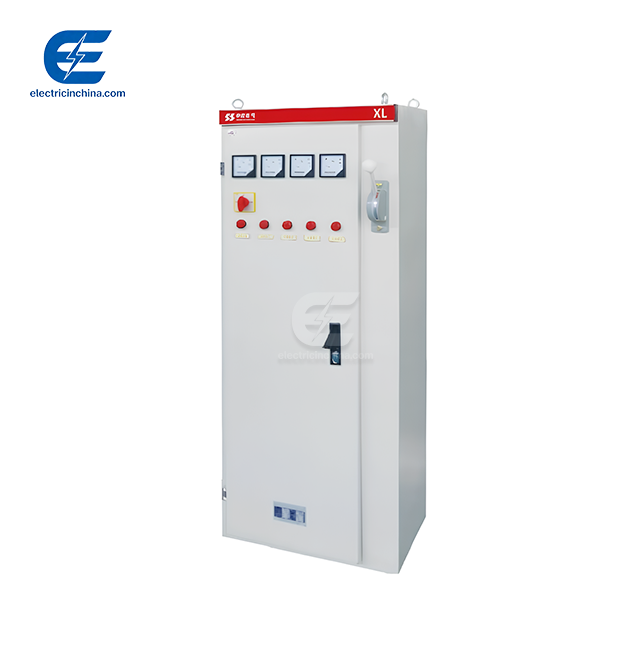
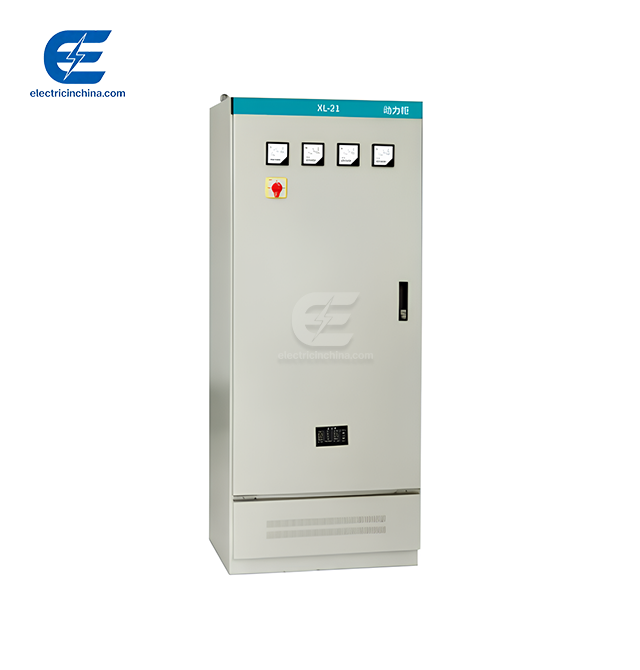
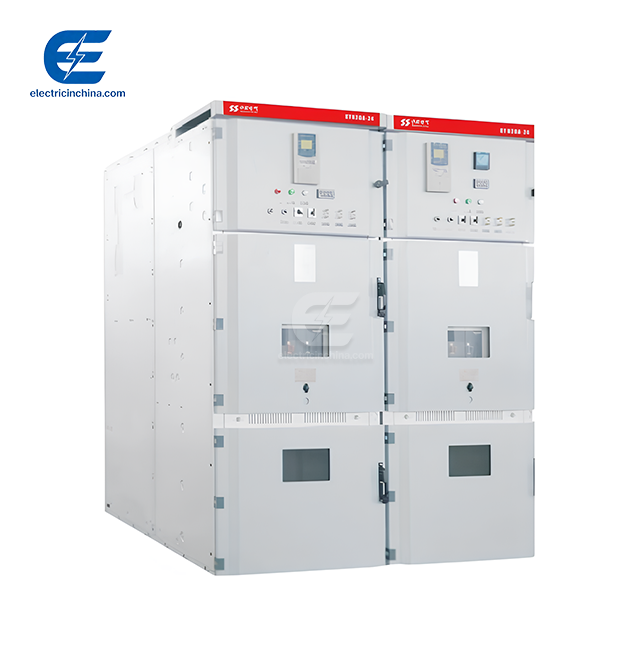
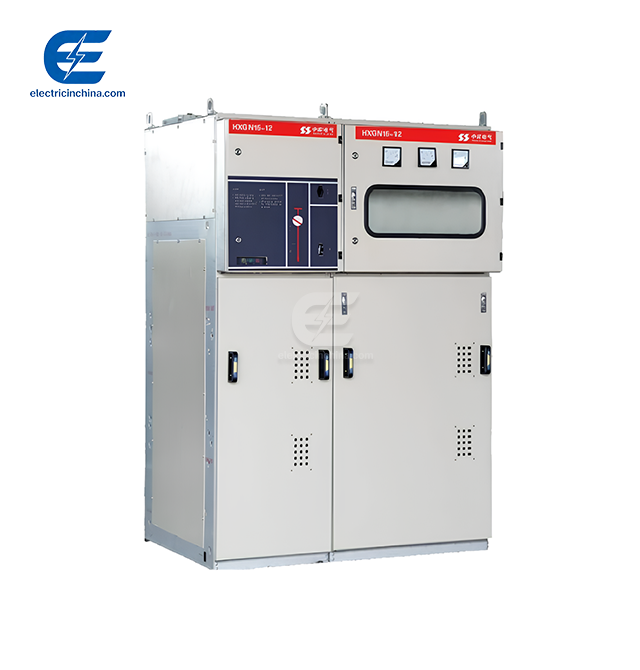
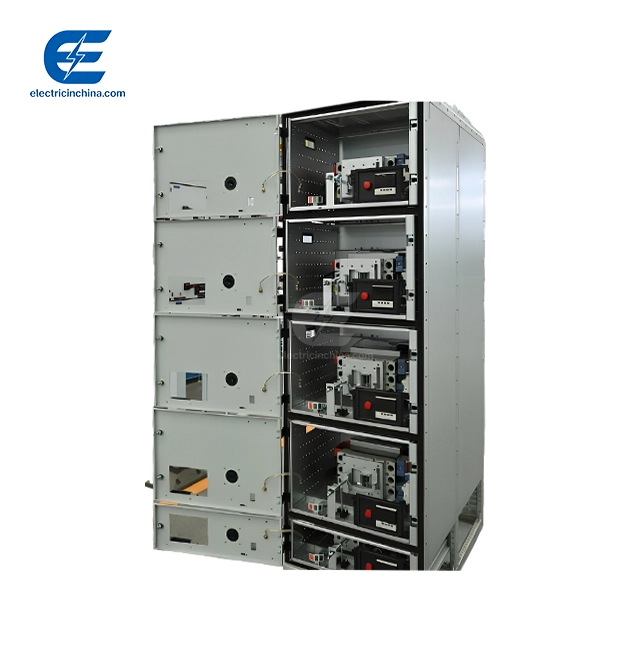
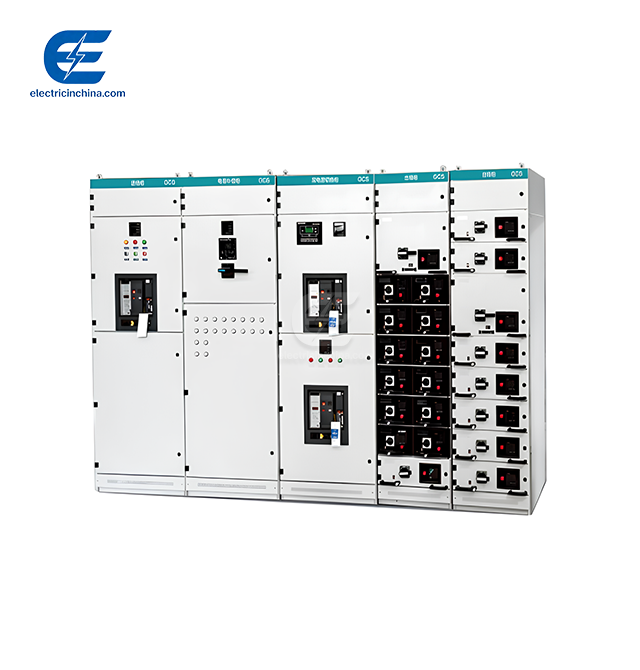
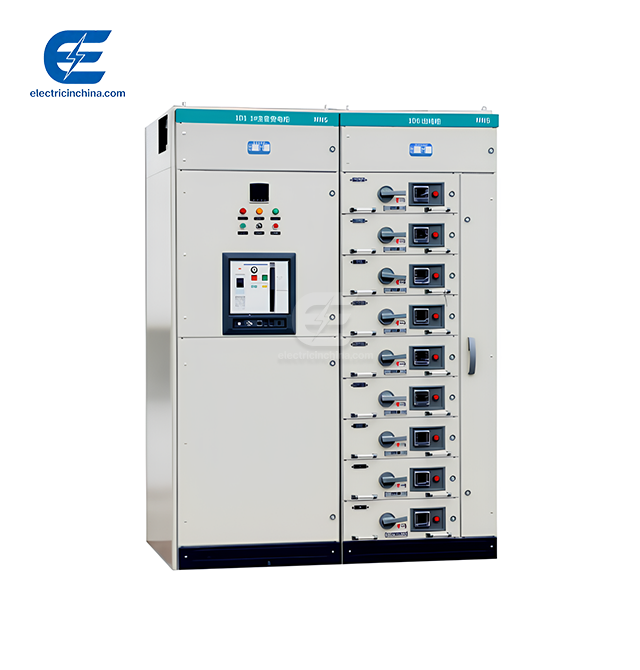
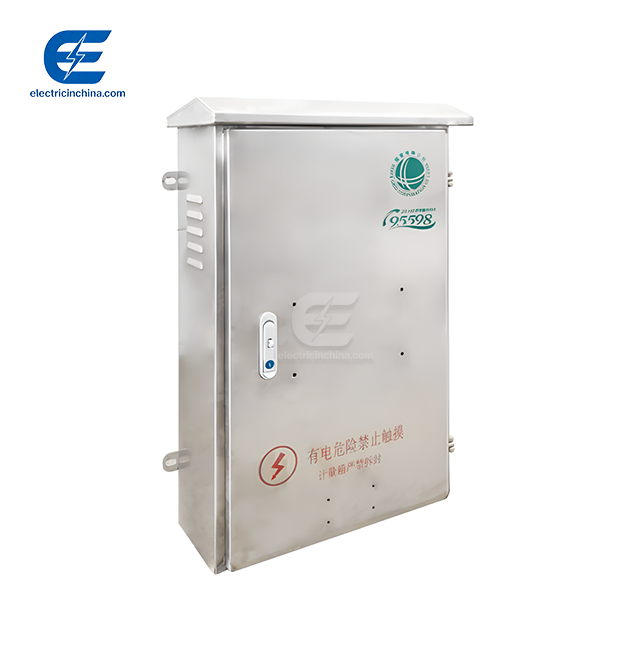
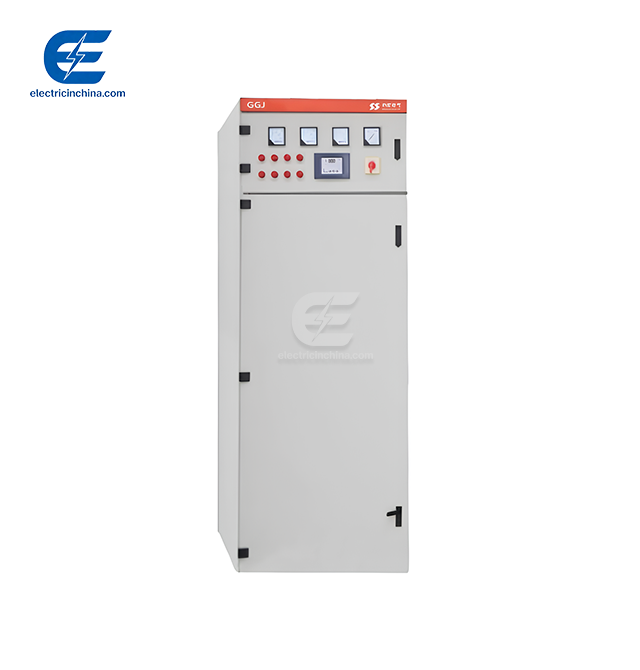
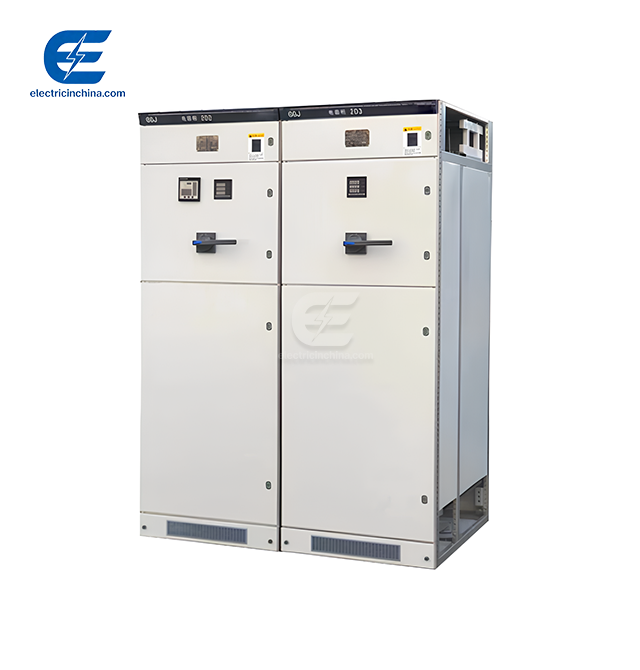
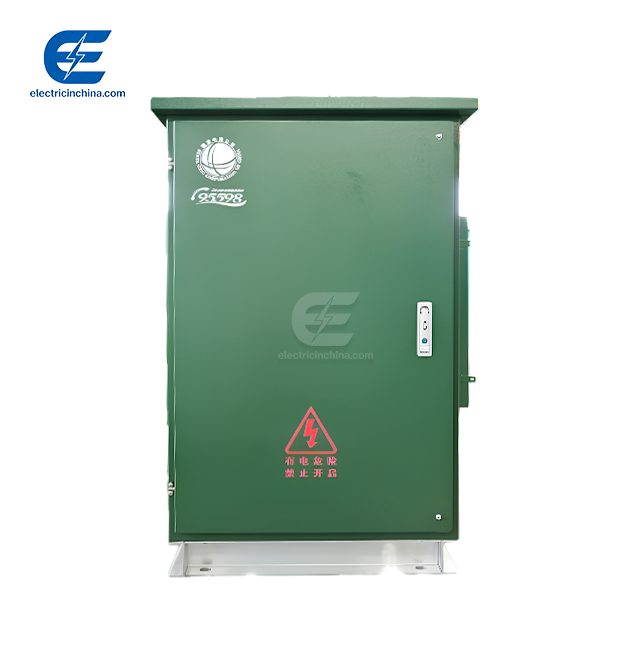
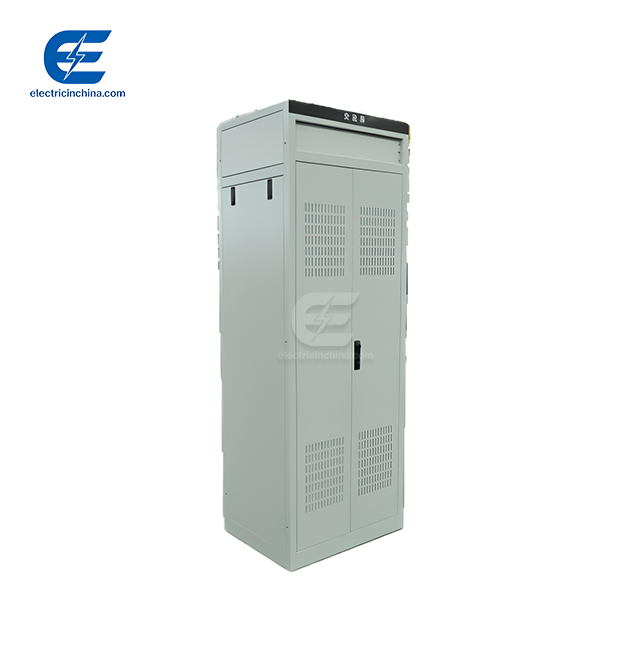
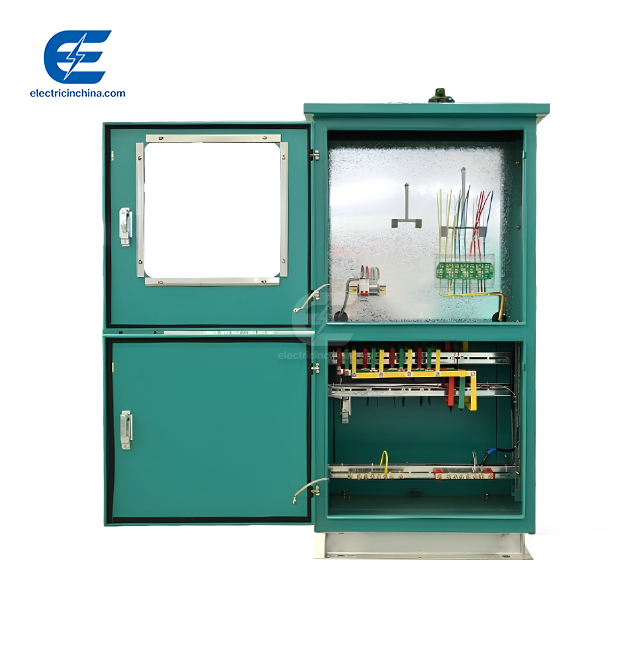
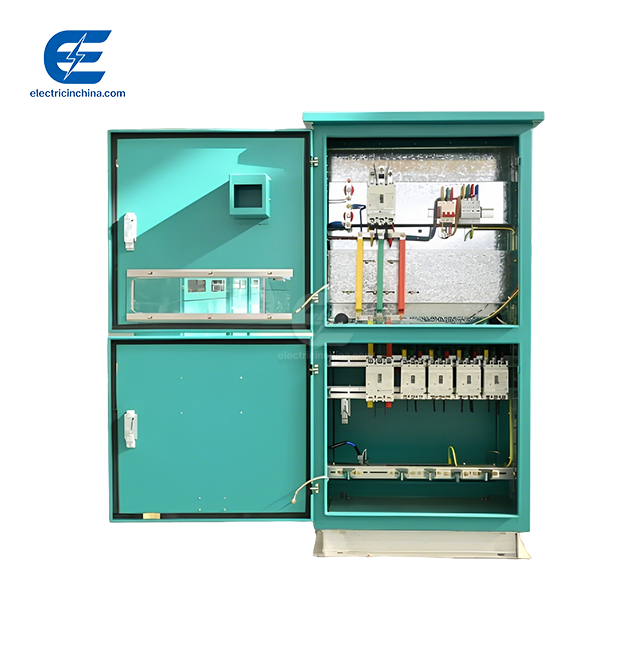
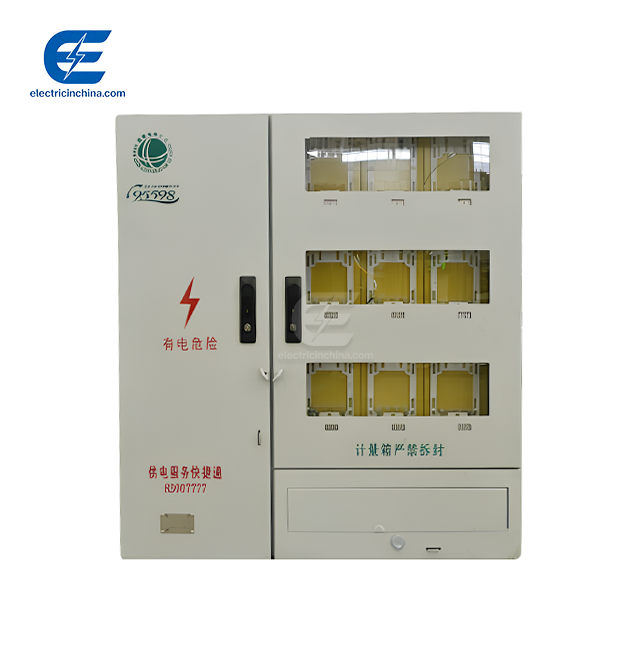
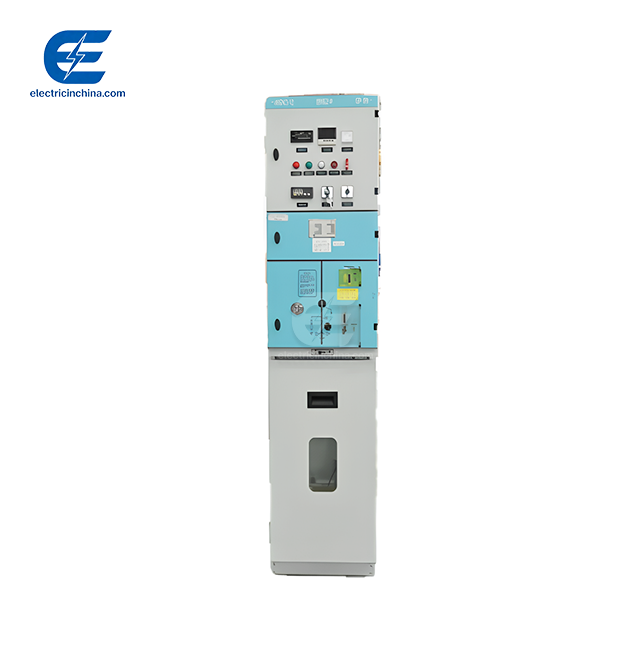
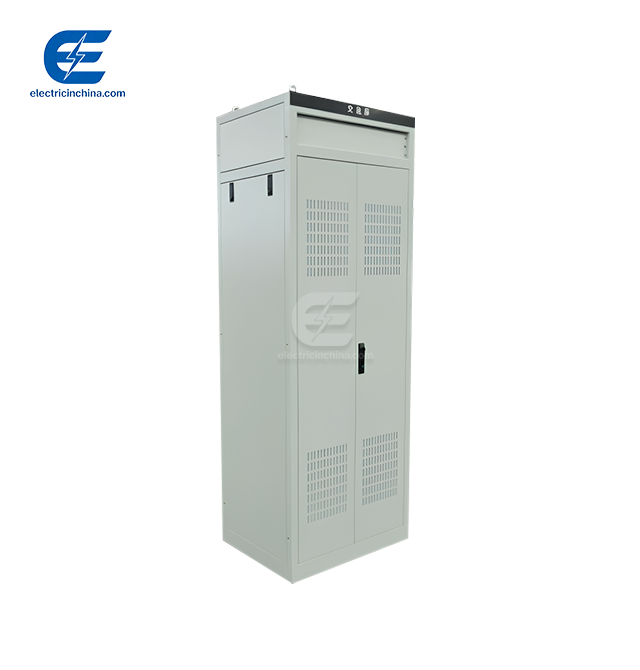
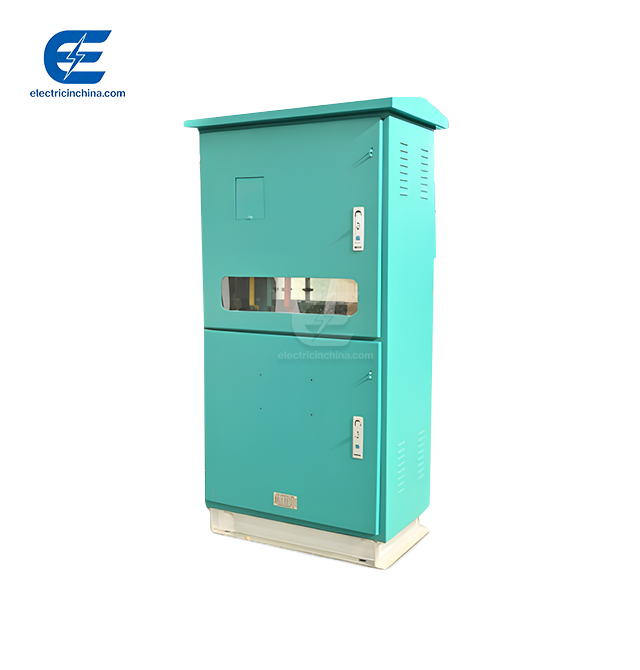
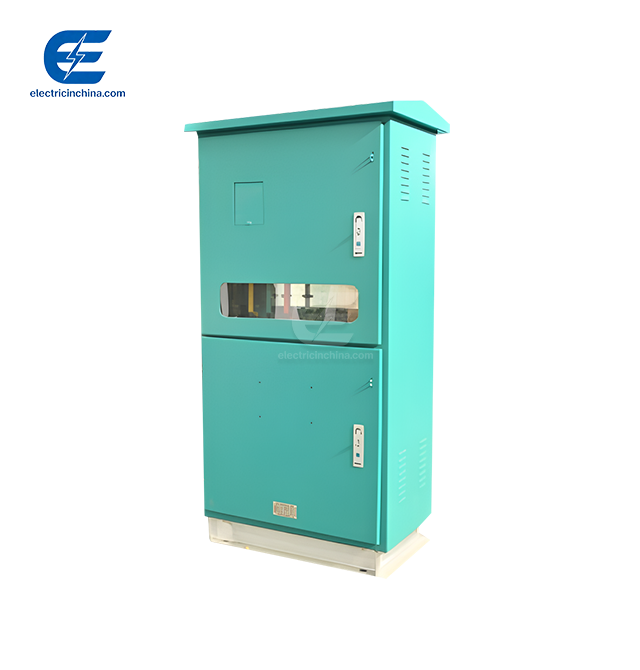
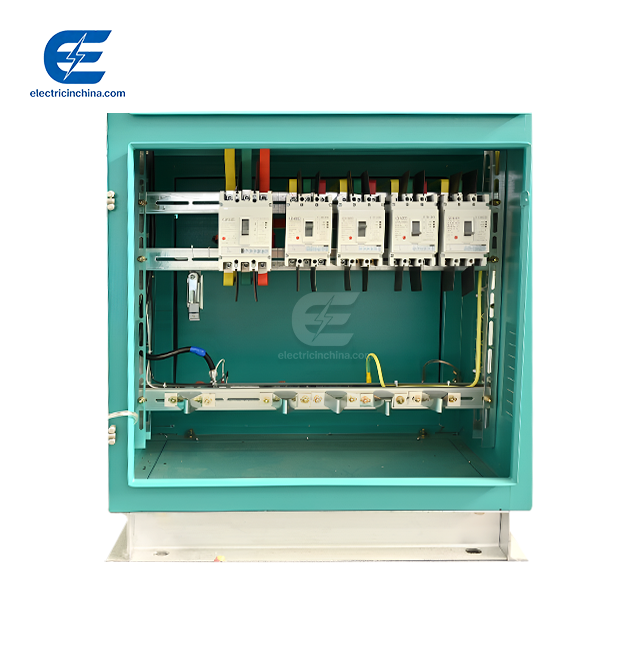
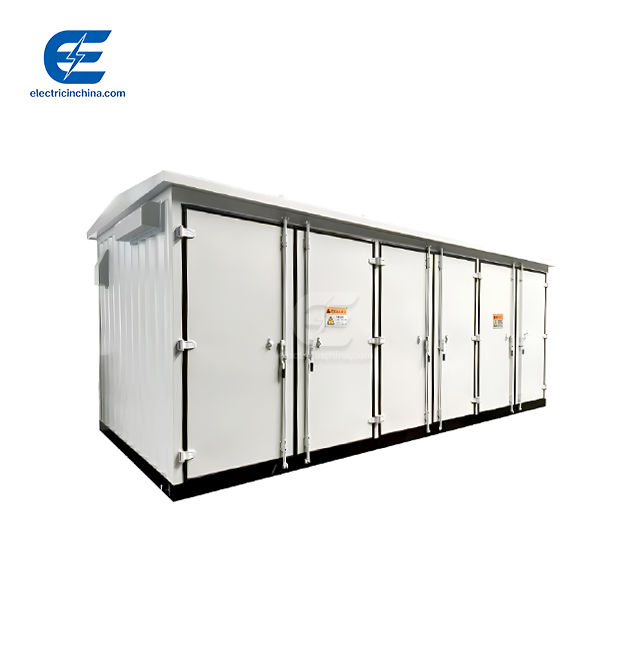
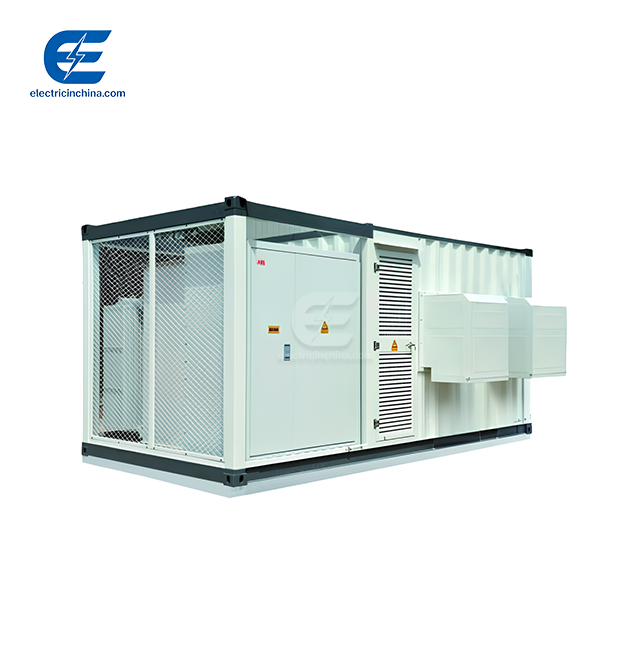
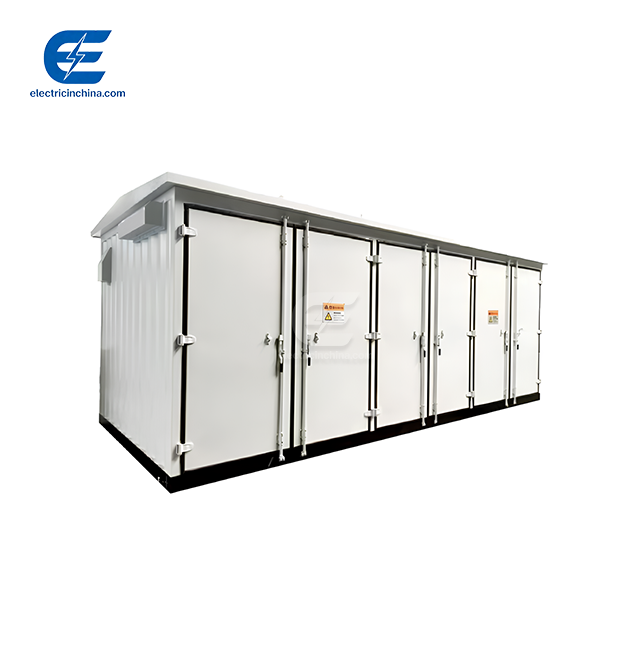
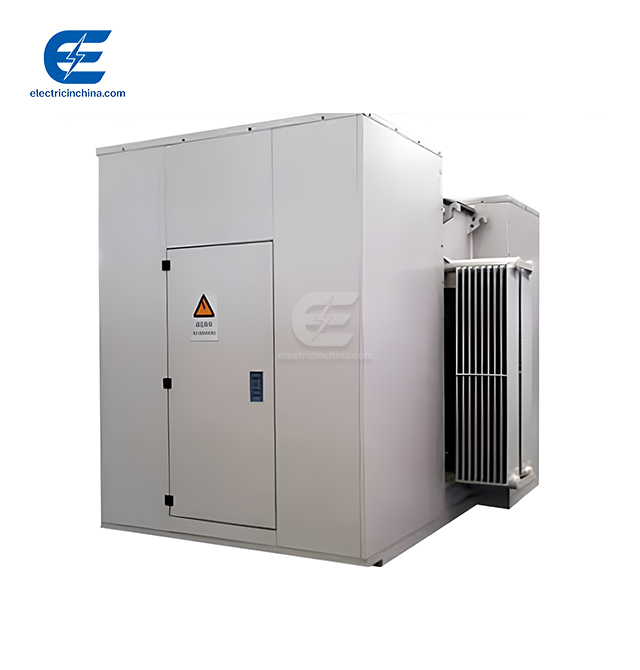
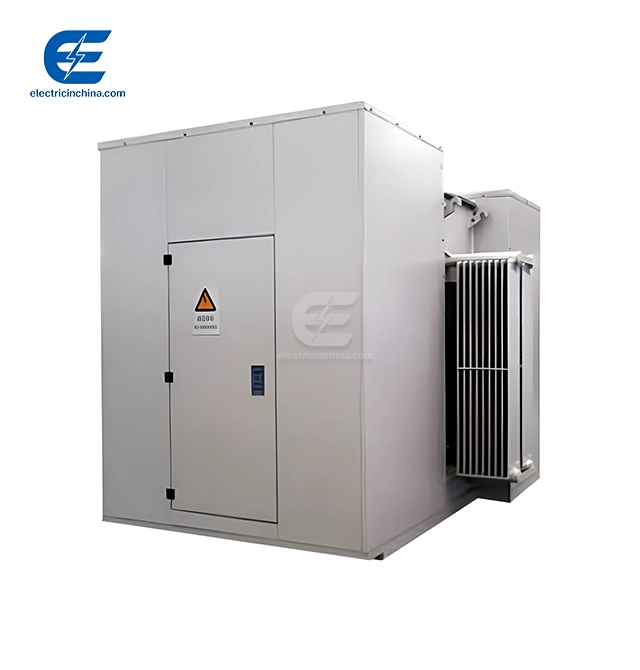
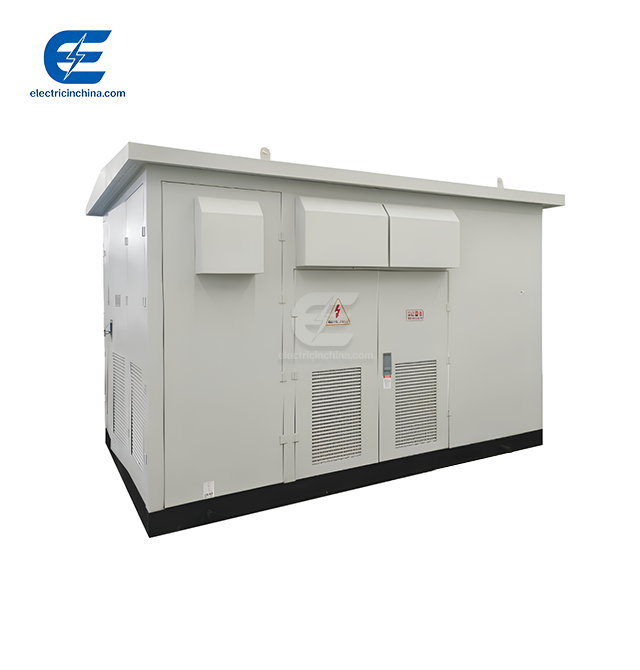
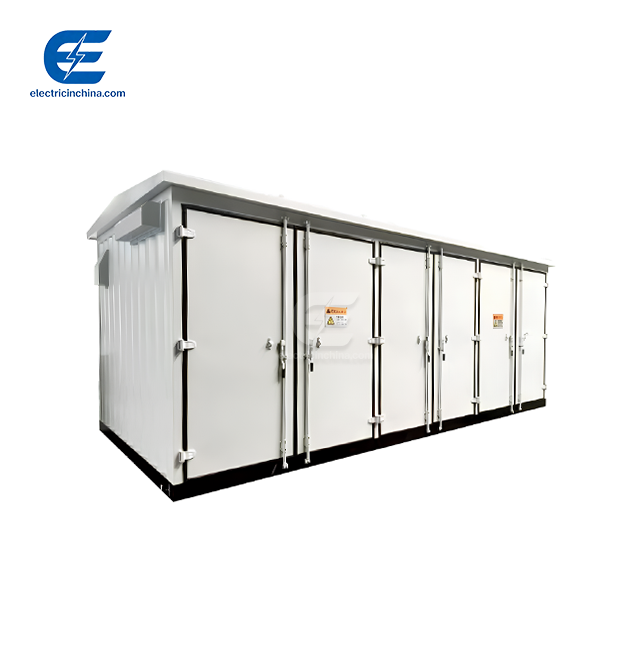
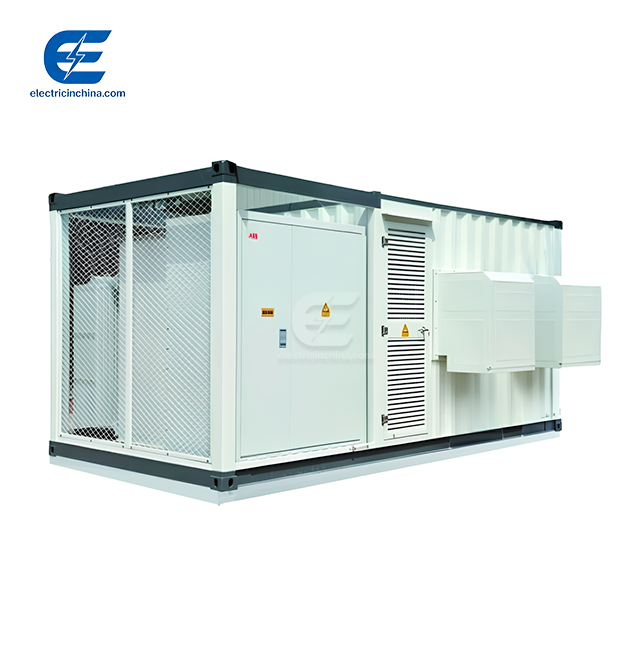
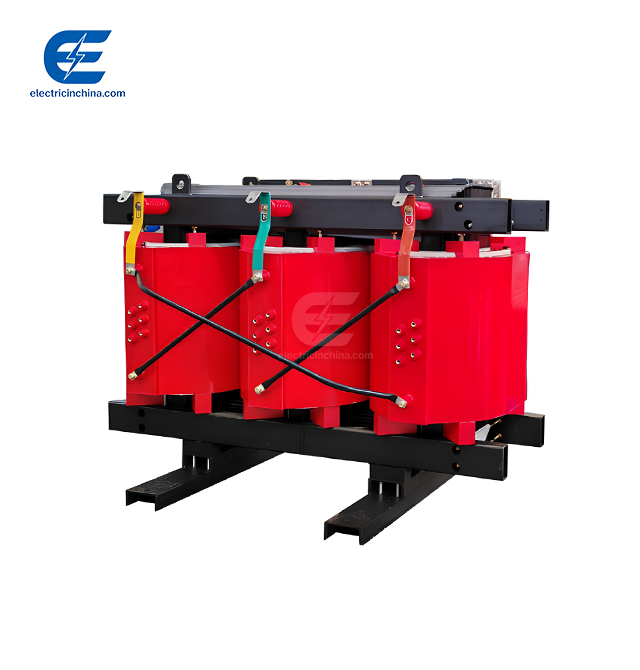
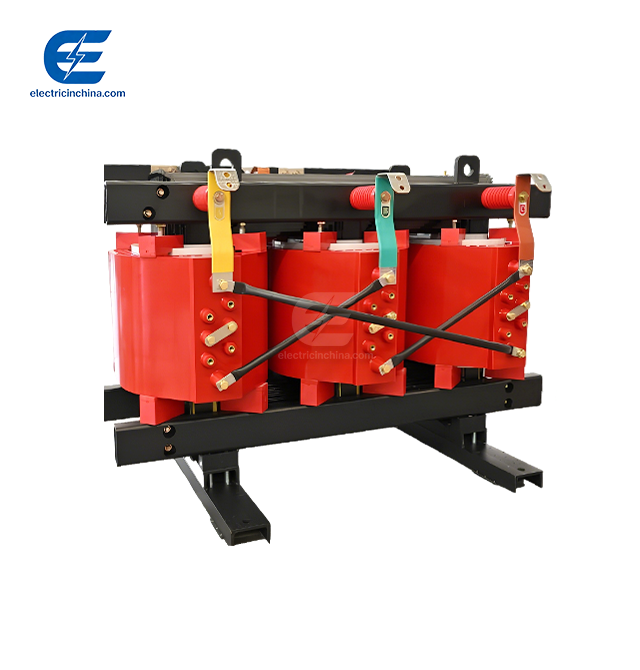
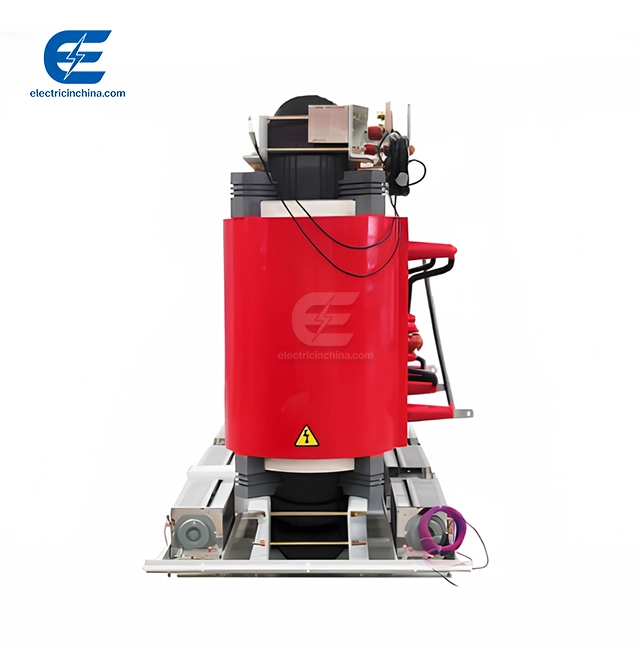
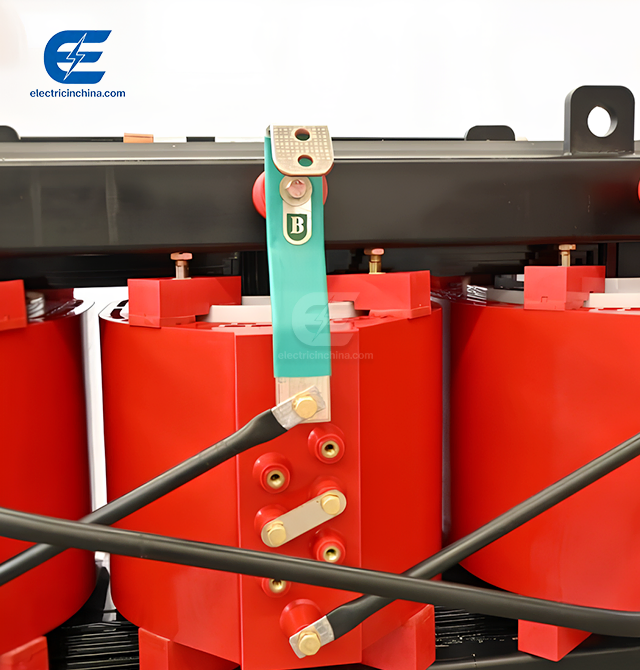
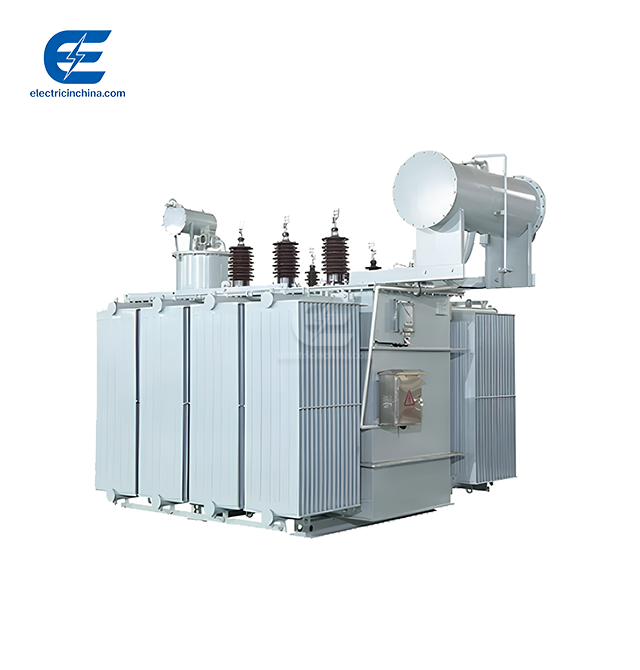
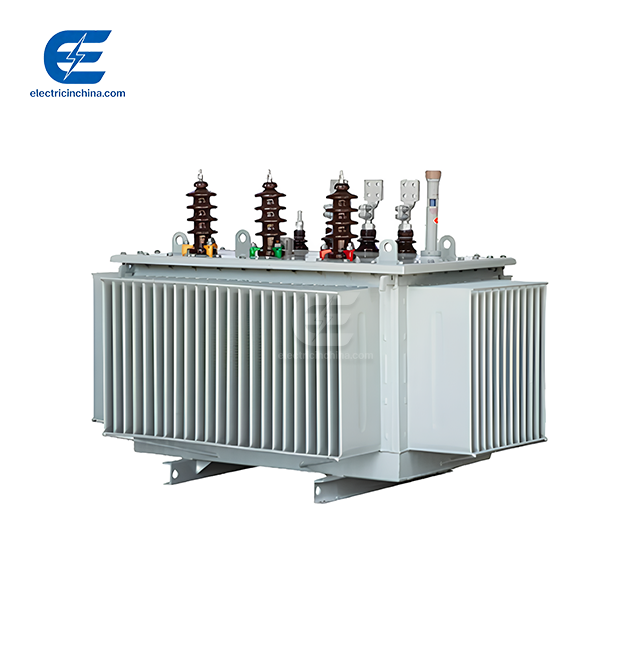
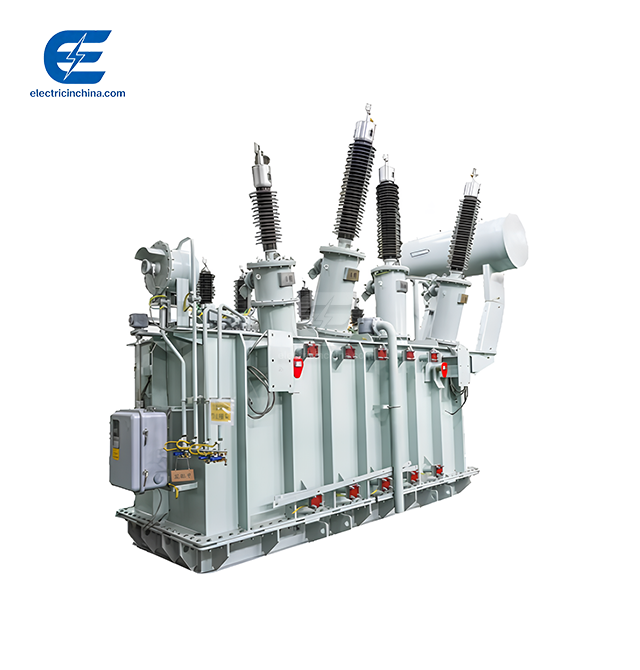
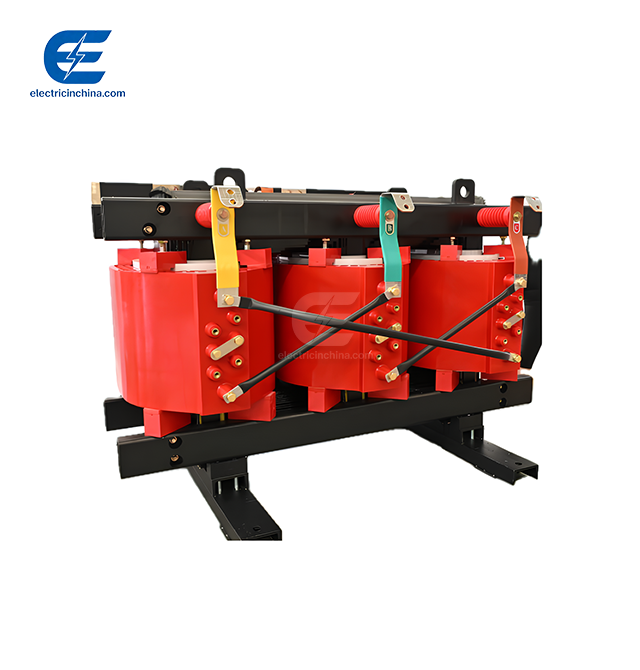
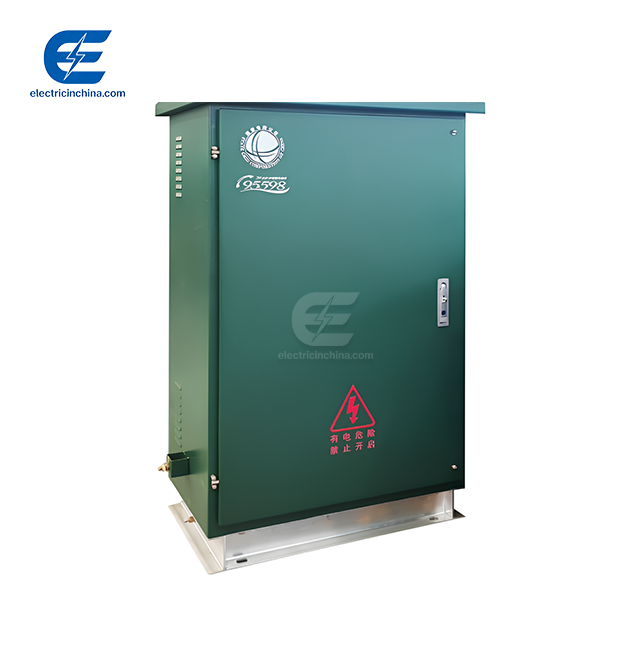
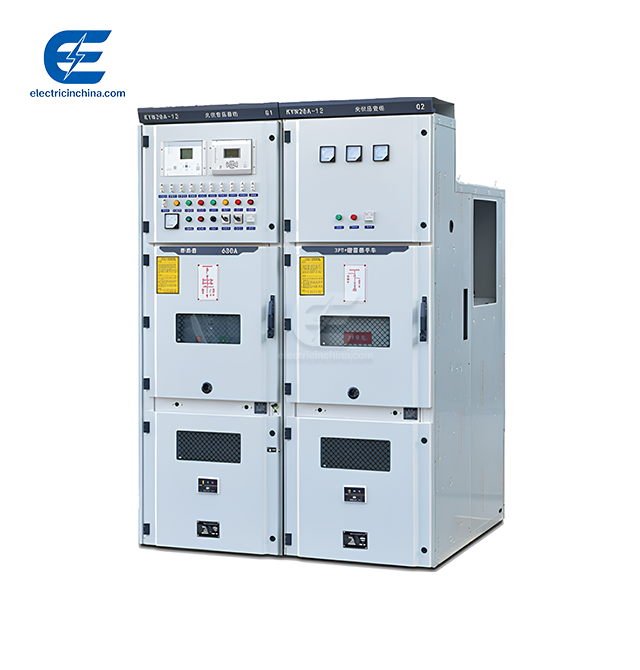
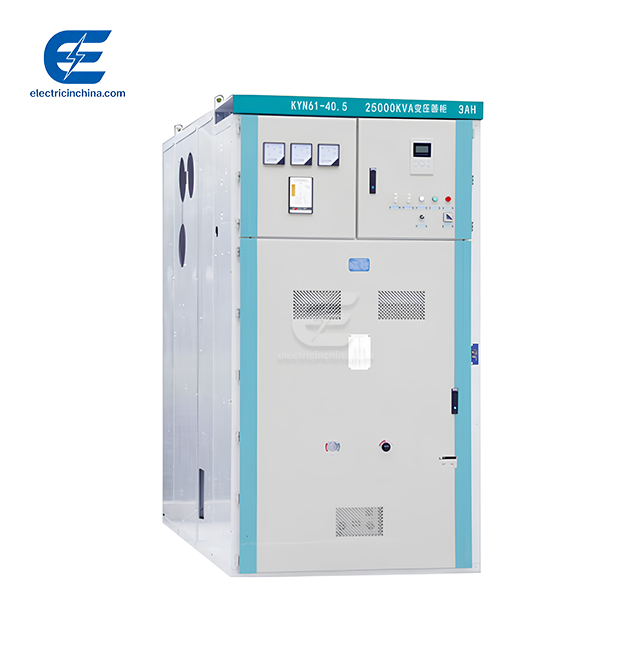
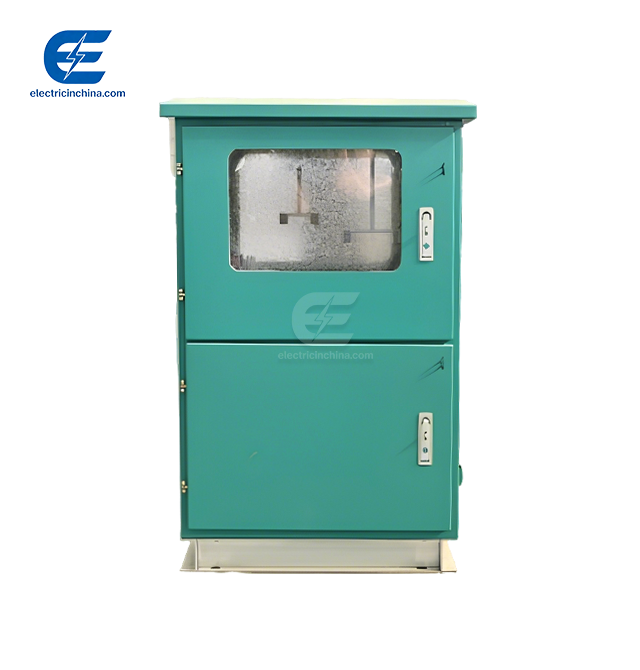
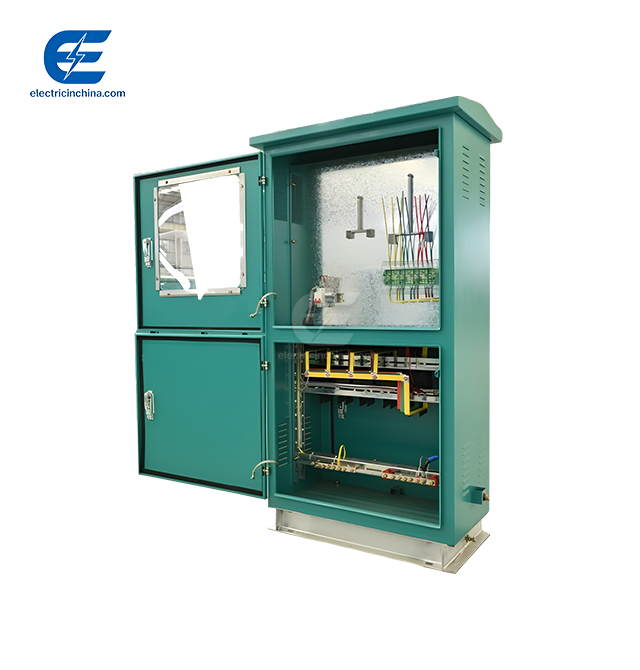
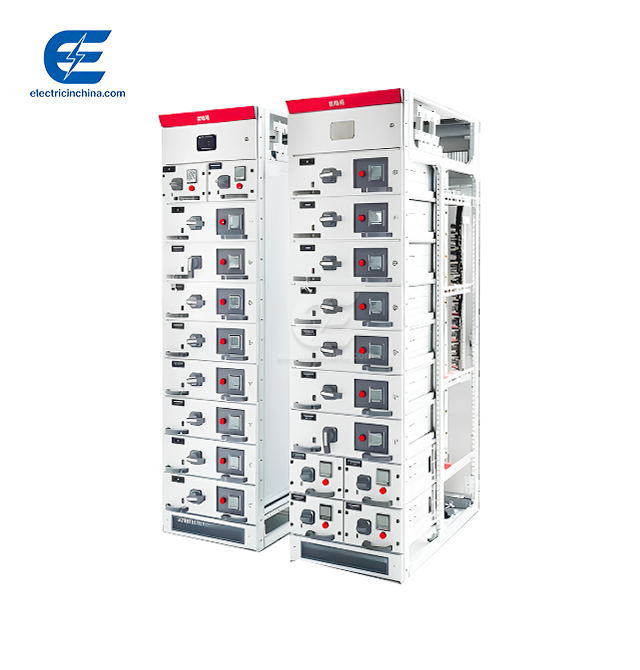
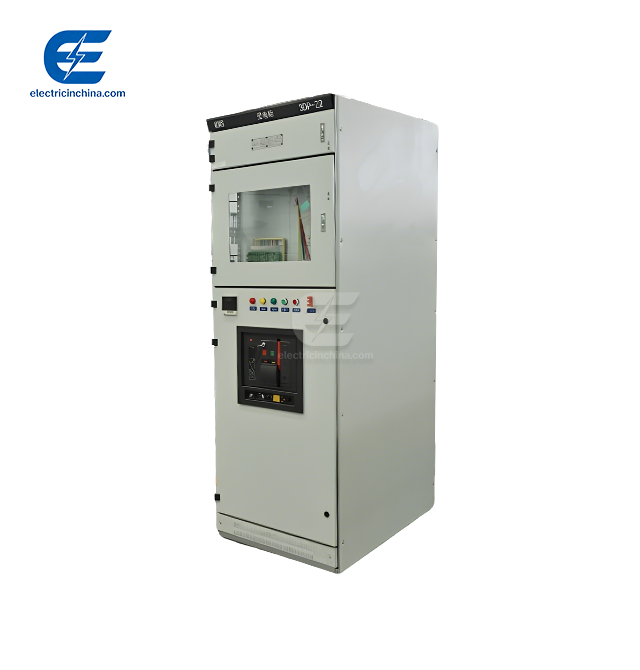
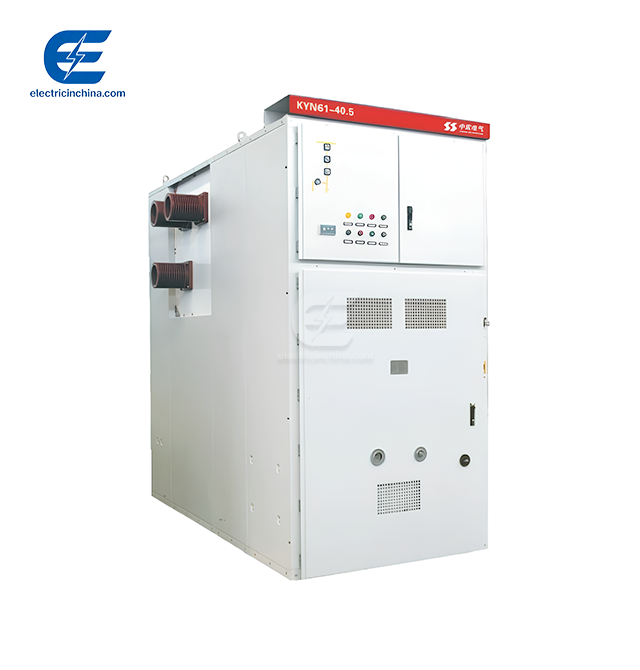
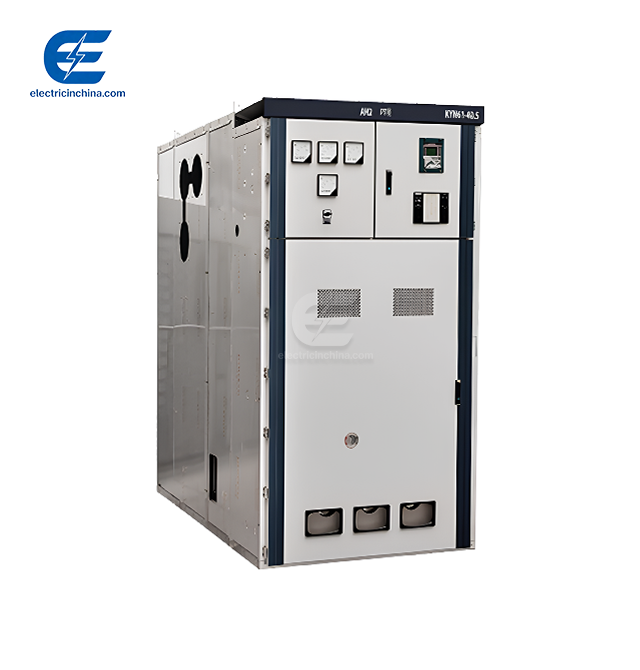
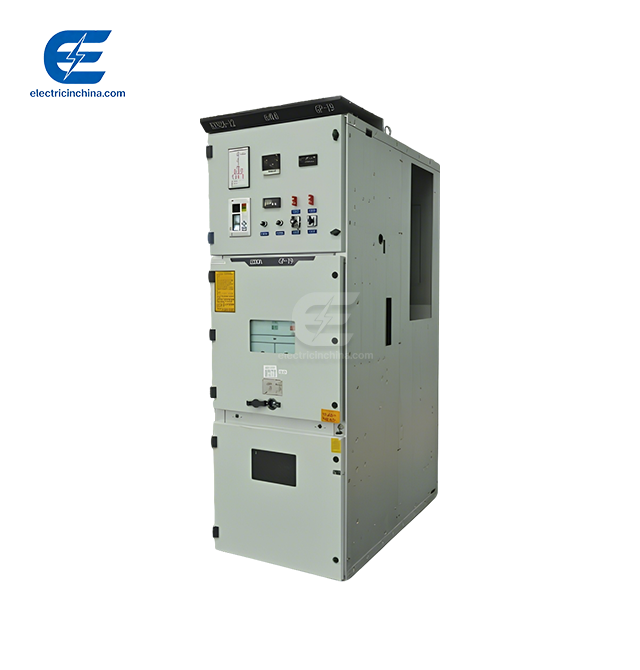
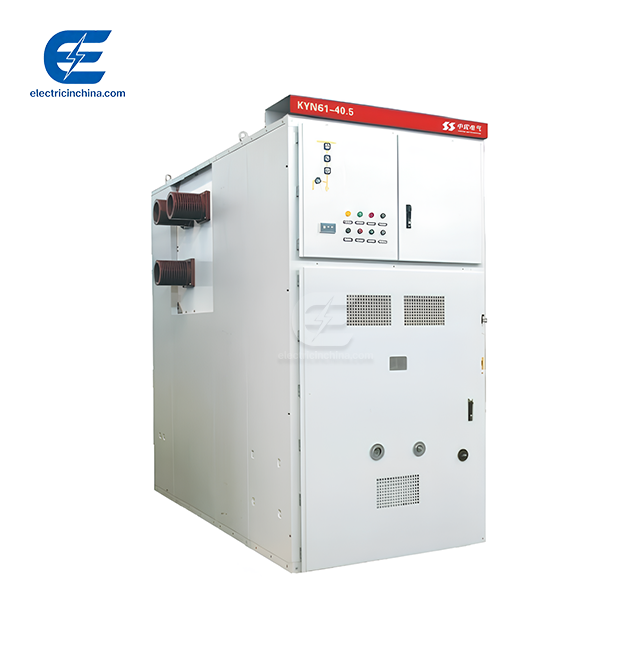
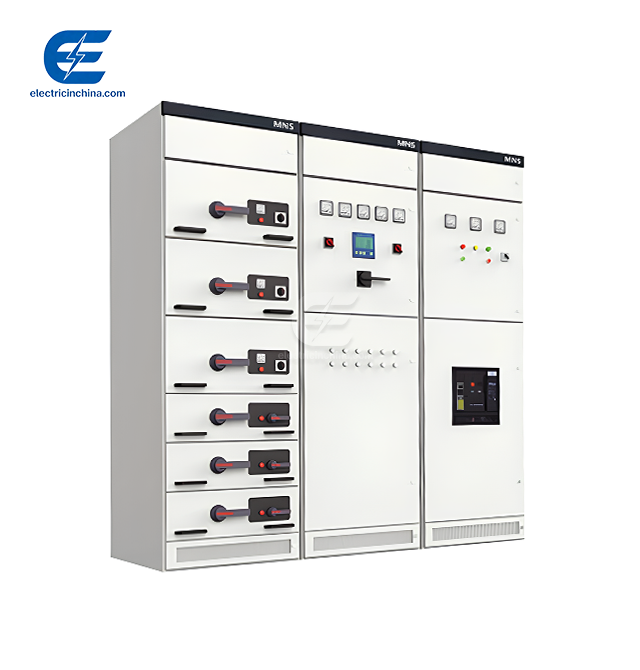
When selecting transformers for solar substations, decision-makers face a critical choice between compact and box-type designs. The Solar Power Compact Substation Transformer often emerges as the superior option for projects requiring space optimization, rapid deployment, and integrated functionality. These units combine traditional transformer technology with modern compact engineering, reducing installation footprints by up to 60% while delivering comparable performance. However, box-type transformers remain valuable for specific applications requiring modularity and simplified field assembly. The optimal selection depends on project scale, site constraints, environmental conditions, and long-term operational priorities.
Comparative Analysis: Performance, Efficiency, and Costs
Decisions about what to buy are based on measurable performance measures and lifecycle costs. Our research shows a few important differences that have a direct effect on project ROI.
Energy Efficiency and Loss Characteristics
Advanced magnetic materials and better cooling systems help the Solar Power Compact Substation Transformer keep core losses below 0.1% at full load. ONAN (Oil Natural Air Natural) or ONAF (Oil Natural Air Forced) cooling is used in most configurations. This keeps the temperature stable even during peak generation times. Field measurements from our projects at the GCL Photovoltaic Industrial Park show that they are consistently more than 98.7% efficient, even when the load changes. This means that the annual energy flow goes up in a way that can be measured. Box-type transformers have similar losses at no load and full load when they use the same core materials and winding designs. At the component level, performance is equal, but the quality of the installation has a big effect on how well it works in real life. Factory-optimized busbar connections and built-in heat management help compact units, while field-assembled box-type systems depend more on how well they are installed.
Total Cost of Ownership Analysis
The price of acquisition is only one part of lifecycle economics. Compact transformers usually cost 15 to 25 percent more than similar box-type units when they are first bought. This is because they require more factory integration work and thorough testing. However, this difference at the start becomes much smaller when you consider installation costs: Small units cut down on on-site labor by 30–40%, require less base work because their weight is distributed more evenly, and don't need any wires between switchgear and transformers that are housed separately. We saw 22% lower total installation costs on the Xuzhou High-speed Railroad East Station EPC project, even tho the equipment prices were higher. Commissioning Time: Before a system is shipped, it is tested in the factory to make sure it works properly. This cuts the time it takes to set up from weeks to days. This speeding up is especially helpful for EPC workers who are facing contractual milestone fees or developers who want to start making money faster. Maintenance Economics: Condition-based maintenance methods are made possible by integrated diagnostic systems in small transformers. This cuts down on the number of planned interventions by about 40% compared to traditional methods. Remote tracking lets you plan maintenance ahead of time using IEEE C57.152 rules, which makes it easier to send technicians and keep spare parts on hand.
Space Utilization and Site Development Costs
Buying land and getting the site ready for installation are big project costs, especially when the installation is in a developed area or on difficult terrain. When compared to traditional methods, compact transformers require 40–70% smaller areas, which directly lowers the cost of building work. This space efficiency was used by the Xuzhou Fantawild Adventure commercial development project to keep operational areas as quiet as possible while keeping the full power capacity. Box-type transformers need bigger installation spaces to fit their separate parts and allow for repair access. This bigger footprint means that a stronger base is needed, cables will have to be routed farther, and the surrounding fence might need to be bigger.

Application Scenarios and Selection Criteria for B2B Procurement
Finding the right transformer technology for a project is important for both technical and financial success. Working with a wide range of customers has shown us clear application patterns.
Utility-Scale Solar Installations
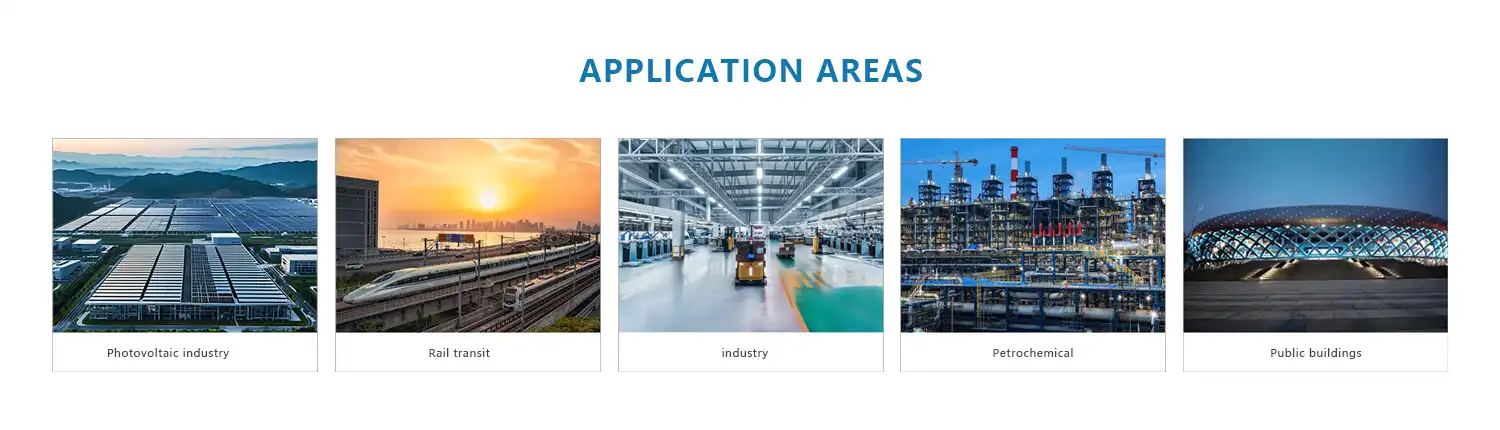
Compact transformers at collector substations are very helpful for large solar farms that cover large amounts of land and produce many megawatts of electricity. These projects put reliability, efficiency, and lowering the cost of operations and maintenance at the top of their list of priorities. The Solar Power Compact Substation Transformer meets these needs by having a single piece of construction that eliminates possible weak spots and complete tracking systems that allow for centralized fleet management. In utility uses, where sites are often in harsh desert, high-altitude, or coastal areas, environmental resiliency is very important. Our small units have coatings that are resistant to UV light, construction that keeps dust and water out, and upgraded cooling systems that have been tested according to IEC 60076-2 for 50°C ambient conditions. Accelerated aging tests show that performance drops by less than 1% over 25 years, which supports the 30+ year working lifespans that are expected in utility purchase requirements.
Commercial and Industrial Developments
When commercial real estate projects, factories, and data centers use solar power on-site, they have to deal with certain issues. Compact solutions are better when there isn't much room, they need to work with existing electrical infrastructure, or they look better. Noise standards usually require transformers to work below 50dB in crowded areas. This can be done by building acoustic barriers into small designs. Our work offering full power services for projects like Xinhuai Central Complex and Huaihai Xintiandi showed that small transformers make solar integration possible without taking up valuable building space. The Tianyu Yayuan project got record-breaking quality assessment scores in part because the equipment was chosen strategically to work with the limitations of the site.
Project-Based Procurement Evaluation Framework
Structured evaluation methods are needed by government agencies, infrastructure developers, and EPC contractors who work through tender processes. We suggest judging plans based on these factors: Technical Compliance: Check for ISO 9001, ISO 14001, and OHSAS 45001 certifications, as well as product-specific approvals like UL 1741 for grid connections and National CCC Mandatory Certification for components. Request factory test reports that show the product meets the requirements of IEC 60076-3. These reports should include proof that the turns ratio is within ±0.5% of the required level and that the insulation resistance is higher than 1000MΩ at 25°C.Vendor Qualifications: Look at the knowledge of the seller by looking at similar-sized and more difficult projects they have worked on in the past. Our portfolio of more than 120 equipment installations in municipal engineering, commercial developments, and industrial facilities gives procurement managers confidence in our ability to carry out their plans. The makeup of your technical team is important.
Future Trends and Innovations in Solar Substation Transformers
As new needs arise in the solar sector in areas like automation, sustainability, and grid modernization, the transformer business continues to change.
Advanced Materials and Efficiency Improvements
More work on amorphous metal cores and nanocrystalline materials could lead to even lower no-load losses, which could mean efficiency gains of 0.3 to 0.5 percentage points over current silicon steel designs. Right now, the cost of production keeps it from being widely used, but within five years, economies of scale may make it possible for more people to use it. Our research and development dollars are mostly going toward testing these materials so that they can be used in the next version of Solar Power Compact Substation Transformer platforms.
IoT Integration and Predictive Maintenance
IoT-enabled tracking systems are being added to more and more modern compact transformers. These systems give real-time information on working factors such as dissolved gas analysis, temperature profiling, and vibration characteristics. These diagnostic tools allow for proactive maintenance methods that choose the best time to step in and stop major breakdowns. Remote tracking cuts down on the need for site visits, which is especially helpful for utility-scale setups that are spread out geographically. Our manufacturing integration includes communication interfaces that support the DNP3, IEC 61850, and Modbus protocols, making them well-suited for Solar booster transformer applications and allowing SCADA systems to work seamlessly with larger substation automation systems.
Sustainability and Environmental Compliance
More and more, environmental laws require insulating fluids that are less likely to catch fire and transformer cooling systems that release fewer greenhouse gases. Natural ester and manufactured ester dielectric fluids are better at resisting fire and breaking down naturally, breaking down more than 90% according to ASTM D6868. They can be used instead of mineral oils in setups that care about the environment. These fluids make it possible to work in places where fire safety infrastructure would normally make it impossible to put transformers. Manufacturers focus on making products that can be recycled, have longer work lives, and can be fixed up using ideas from the circular economy. Our quality management follows the "zero defects" theory, which makes parts last longer and makes it easier to recover materials in the end.

Troubleshooting, Maintenance, and Supplier Support
Operational reliability depends on how well things are installed, how often they are maintained, and how quickly problems are fixed when they happen.
Installation Best Practices
The structure will be stable, and heat will be able to escape properly if the base is properly prepared. Foundations need to have level mounting surfaces that are within 0.5 mm/meter of each other, load distribution that matches the weight distribution of the transformer, and enough space for cooling air to flow. When it comes to lightning protection and fault current dissipation, grounding systems need extra care, with resistance values usually listed below 4 ohms. Cable terminations demand careful execution following manufacturer specifications regarding torque values, phase spacing, and protection against the environment. Our installation supervision services help contractor teams make key connections, which cuts down on problems during commissioning and guarantees claims.
Maintenance Protocols and Diagnostic Approaches
Integrated diagnostic systems in compact transformers make condition-based maintenance possible. Regular checks include making sure the cooling system works, looking at the connections and joints for signs of corona discharge, and taking samples of oil to analyze the dissolved gases. DGA testing can find problems early by looking for specific gas patterns that show situations like partial discharge, arcing, or thermal decline. Temperature tracking systems that have trip values of 85°C stop thermal damage when things aren't working right. Our units have fiber-optic temperature sensors that can continuously monitor hotspots in the windings with an accuracy of ±1°C. This lets us take action before the insulation breaks down.
Supplier Partnership Considerations
When you choose suppliers who are committed to a long-term relationship, your business will gain greatly. Providers of full technical support should be able to respond to emergencies 24 hours a day, seven days a week, guarantee the arrival of extra parts, and conduct regular performance reviews. Our service philosophy puts customer success first by allowing responsive communication (tuojie@electricinchina.com) and proactive engagement to meet new needs. Training programs that teach facility staff how to fix problems and do maintenance tasks make the facility less reliant on outside service providers and speed up response times. We offer training that is specifically designed for each location and operating situation. This training is backed up by full documents and the option for remote consultation.

Conclusion
Choosing between compact and box-type transformers depends on the needs of the project, the limitations of the site, and the company's long-term goals for operations. The Solar Power Compact Substation Transformer has strong benefits for uses that value saving space, quick installation, and built-in features. It has also been tested and proven to work reliably in tough conditions. Box-type designs are still useful for projects that need a lot of flexibility or serviceability at the component level. For buying to go well, suppliers must be carefully evaluated based on their professional skills, ability to meet certification requirements, ability to adapt to customer needs, and dedication to providing excellent service. When companies work with experienced makers, they get custom solutions, full support, and the confidence to carry out projects that have been successfully completed in a variety of settings, including applications involving Solar booster transformer systems.
FAQ
What are the primary advantages of compact transformers over box-type designs?
Compact transformers have smaller installation footprints (40–70%), faster commissioning through testing and integration in the factory, and advanced diagnostic systems that allow for planned maintenance. These units are more than 98.5% efficient thanks to better heat control and high-quality core materials. Even tho they cost more to buy, small solutions are often more cost-effective over their lifetime because they require less work, are faster to build, and require less money to maintain.
How do environmental conditions influence transformer selection?
Specialized configurations are needed for harsh environments like deserts with temperatures of 50°C or higher, high-altitude sites above 3000 meters, and coastal areas with salt contamination. These conditions can be handled by compact transformers with better UV-resistant coats, sealed construction that keeps contaminants out, and better cooling systems. Suppliers who have done outdoor testing according to IEC standards can be sure that their work will continue to work well even in tough circumstances.
What certifications and compliance standards should procurement managers verify?
Some important certifications are ISO 9001 for quality management, ISO 14001 for environmental management, and OHSAS 45001 for occupational safety. Some product-specific approvals are also needed, like UL 1741 for grid interconnection and IEC 60076 compliance for power transformers. National CCC Mandatory Certification checks the quality of the equipment and parts. Ask for factory test reports that show that regular tests were done correctly, and look for suppliers that have related patents that show they can come up with new technologies.
Partner with Tuojie for Superior Solar Power Solutions
Choosing the right Solar Power Compact Substation Transformer provider has a big effect on the success of the project, the stability of operations, and the long-term return on investment. Tuojie has more than 20 years of experience providing custom power solutions to industrial facilities, commercial developments, and government infrastructure projects in a wide range of environmental conditions. We can create and make transformers using more than 120 pieces of high-tech equipment, such as CNC winding machines and automatic casting systems. We have ISO 9001, ISO 14001, and OHSAS 45001 certifications, as well as National CCC approvals. Our technical team of 15 senior engineers and 30 or more intermediate technicians has 18 patents, which means they can come up with new ways to solve problems that are related to your voltage needs, space limitations, or environmental issues. During production, we have strict quality control measures in place to make sure that every Solar Power Compact Substation Transformer meets the highest performance standards before it is sent out. From the first consultation to overseeing the installation and ongoing support for maintenance, we offer procurement managers a one-stop service and a responsive partnership. Contact Tuojie today at tuojie@electricinchina.com to discuss your solar substation requirements. Visit our comprehensive resource portal at electricinchina.com to explore detailed specifications, review our extensive project portfolio, and request a customized quotation. Let our proven expertise and commitment to technical excellence power your solar infrastructure success.
References
1. IEEE Standards Association, "IEEE Standard for Interconnection and Interoperability of Distributed Energy Resources with Associated Electric Power Systems Interfaces," IEEE 1547-2018.
2. International Electrotechnical Commission, "Power Transformers - Part 2: Temperature Rise for Liquid-Immersed Transformers," IEC 60076-2:2011.
3. Chen, W., & Zhang, L., "Comparative Performance Analysis of Compact and Conventional Substation Transformers in Photovoltaic Applications," Journal of Renewable Energy Engineering, Vol. 15, No. 3, 2022, pp. 287-304.
4. National Renewable Energy Laboratory, "Best Practices for Operation and Maintenance of Photovoltaic and Energy Storage Systems," Technical Report NREL/TP-7A40-78823, 2021.
5. Zhou, X., Wang, H., & Liu, Y., "Life Cycle Cost Assessment of Solar Substation Equipment: A Decision Framework for Project Developers," Solar Energy Materials and Solar Cells, Vol. 219, 2021, pp. 110-125.
6. American National Standards Institute, "IEEE Guide for Loading Mineral-Oil-Immersed Transformers and Step-Voltage Regulators," IEEE C57.91-2011, Revision of IEEE Std C57.91-1995.