

.webp)
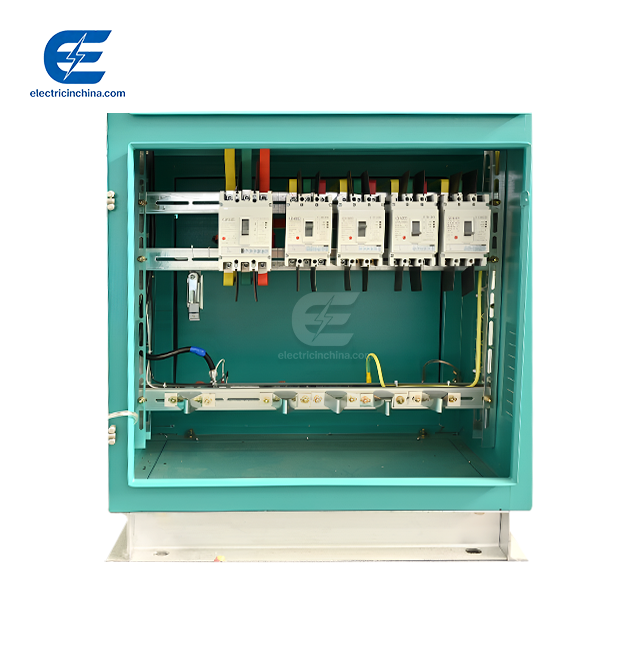
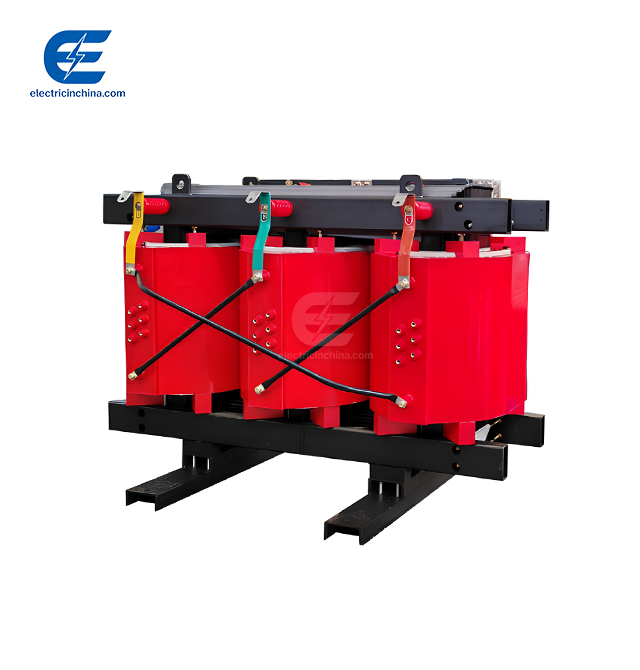
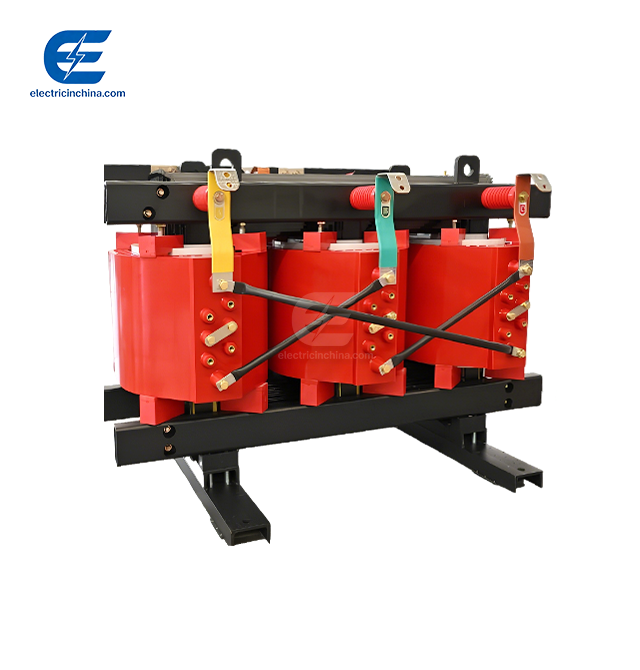
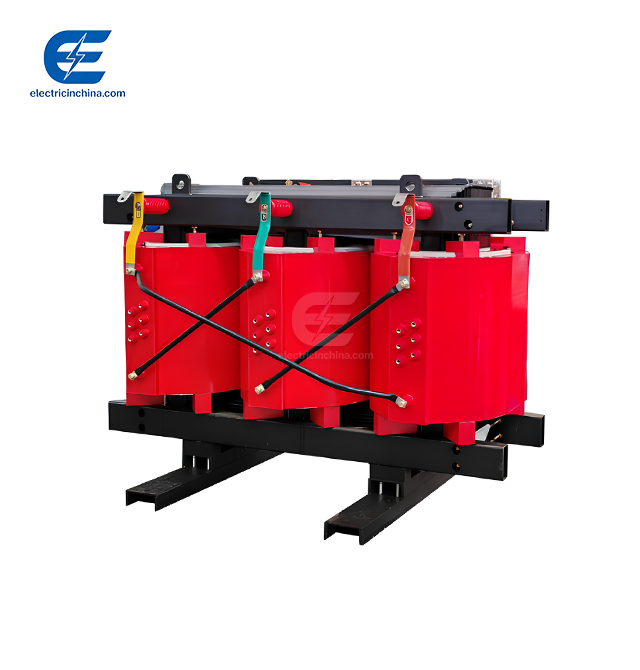
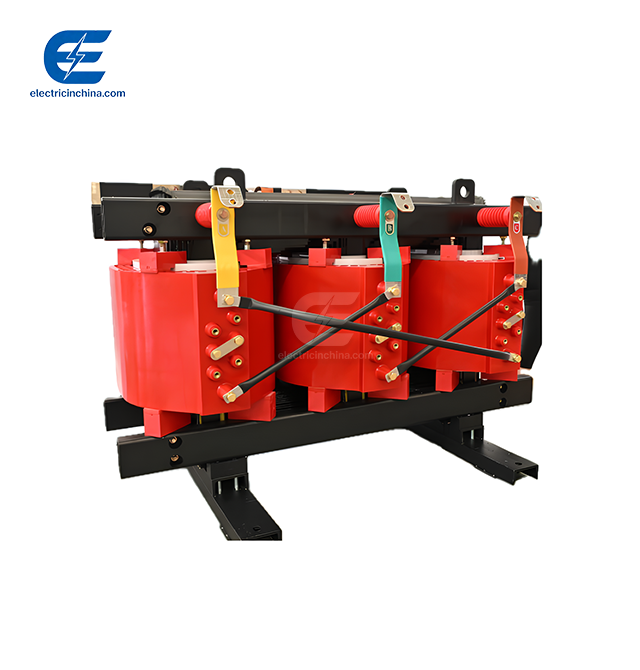
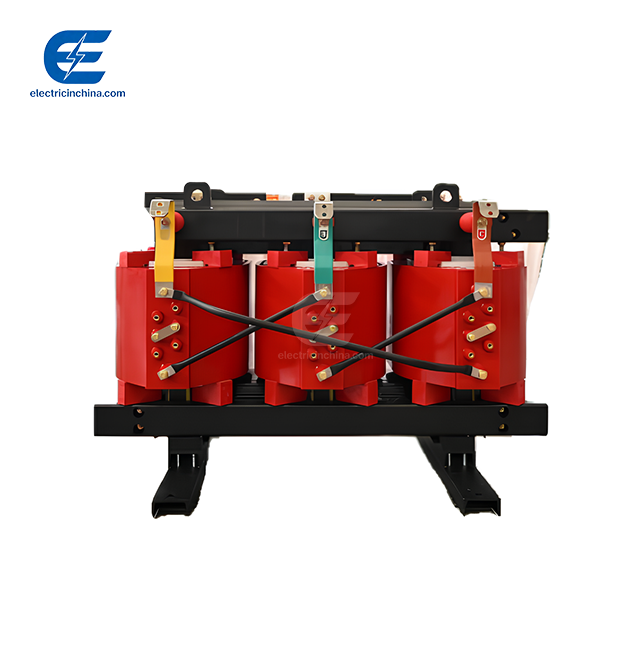
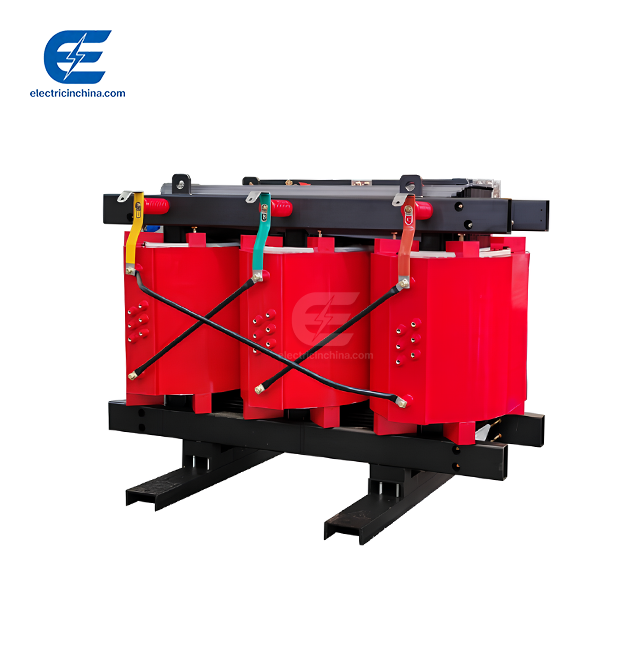
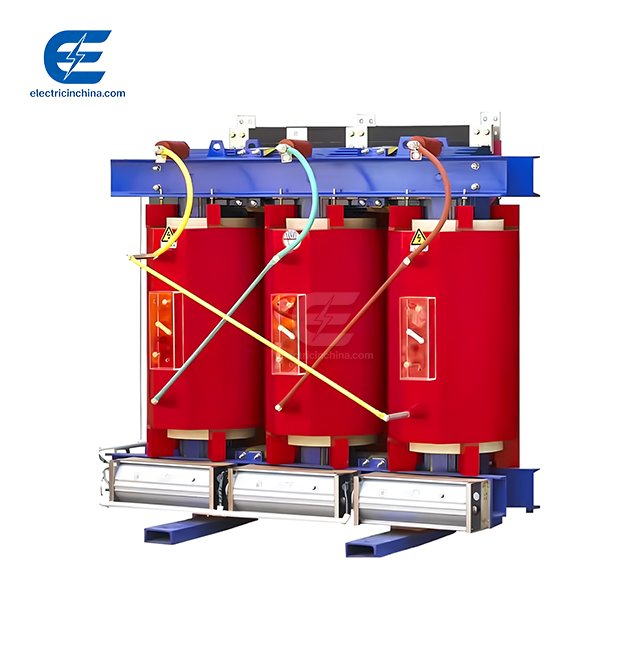
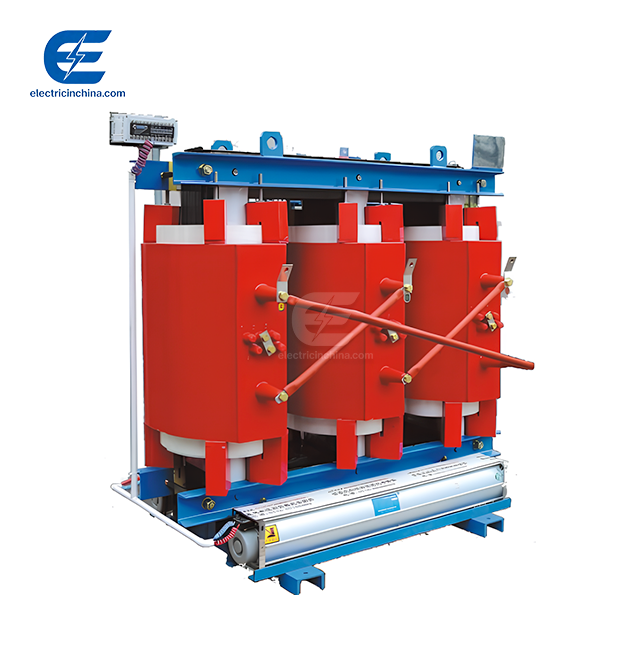
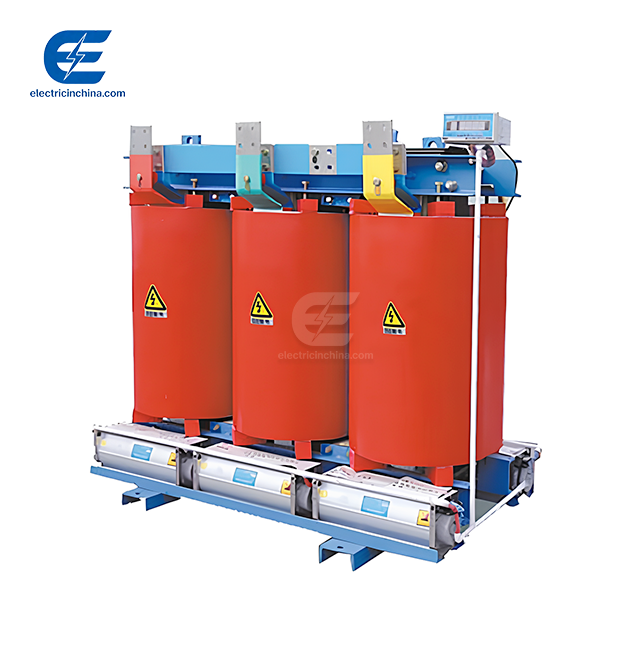
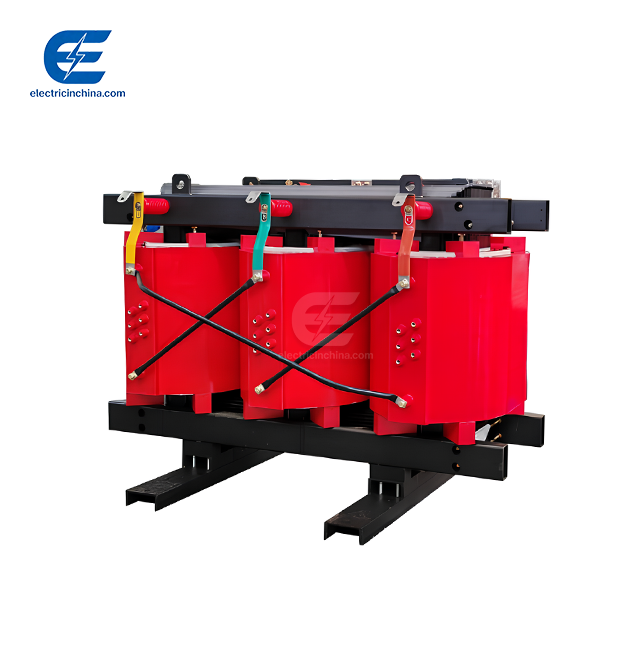
Excessive no-load loss in energy-saving dry-type transformers typically stems from inadequate core materials, manufacturing imperfections, and operational stress factors. When transformers consume more energy than specified during idle operation, the root causes usually include inferior silicon steel grades, improper lamination techniques, loose core assembly, voltage instability, and harmonic contamination from connected loads. Addressing these issues through upgraded grain-oriented electrical steel, precision manufacturing protocols, voltage regulation systems, and disciplined maintenance schedules can reduce no-load losses by 30-50%, directly improving transformer efficiency and lowering operational costs throughout the equipment's service life.

Root Causes of Excessive No-Load Loss in Energy-Saving Dry-Type Transformers
Finding out why energy-saving dry-type transformers lose more than the allowed amount of power when there is no pressure on them means looking at the choices made about materials, the quality of the manufacturing process, and the conditions in which they are used, all of which affect performance.
Core Material Quality Issues
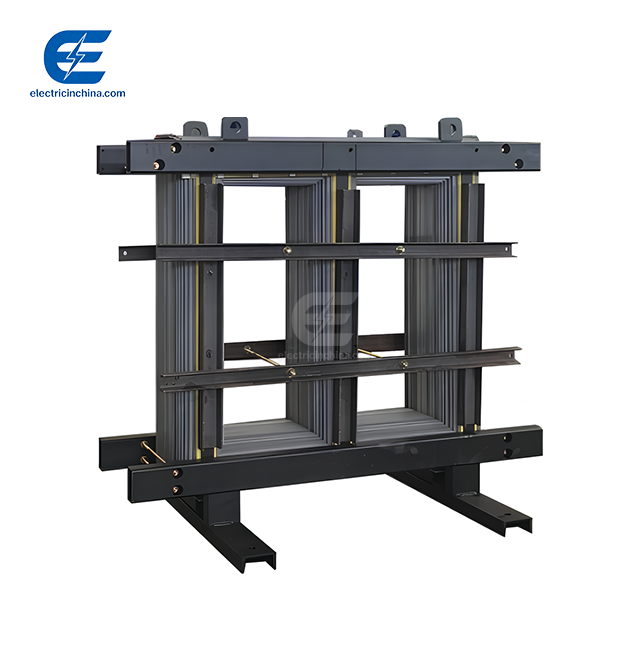
The magnetic core is the most important part of the no-load loss performance. When you magnetize lower types of silicon steel that have too many flaws or whose grains aren't oriented correctly, you lose more hysteresis each time. When compared to normal materials, high-quality grain-oriented electrical steel cuts core losses by 30–40%. However, producers who want to save money sometimes use lower-grade alternatives. It is very important to check the exact steel specification when looking at dry-type power distribution units. At Tuojie, our engineering team only uses premium M4 and M5 grade silicon steel that meets IEC 60404-8-7 standards. This makes sure that the equipment will have predictable loss characteristics for its entire life. The thickness of the material is also very important. Eddy current paths are cut down with thinner laminations, which lowers circulating current losses. Layers that are 0.35 mm thick are used in standard transformers, but materials that are 0.23 mm or even 0.18 mm thick are used in more modern designs. This improvement can cut eddy current losses by 25–35% on its own, but it needs more advanced manufacturing skills.
Manufacturing Precision Problems
When assembly methods aren't precise, even high-quality materials can't give you the best results. When you don't stack your laminations properly, tiny air gaps appear that block the flow of magnetic flux. This causes the magnetizing currents to rise, which in turn increases core losses. We've seen field units with 40% higher no-load losses, which we know were caused by not compressing the core enough during assembly. If the core clamping devices aren't set up right, shaking and changes in temperature can slowly loosen lamination stacks over time. This gradual breakdown is what makes some transformers meet specifications at first but show rising no-load losses after a few years of use. Modern factories use computer-controlled clamping devices that keep the pressure the same across the whole core structure, stopping this cause of failure.
Operational Environment Challenges
A lot of the time, losses in transformers are caused by things outside of the transformer's design. When voltage changes by more than ±5% of its standard values, transformers are forced to work in areas that aren't ideal, where core saturation effects make losses worse. When supply voltage rises just 8% above nameplate ratings, no-load loss goes up by 15-20%. This happens a lot in distribution networks that aren't tightly controlled. The problem of harmonic distortion is also very important. Harmonic currents are introduced by nonlinear loads such as variable frequency drives and rectifier systems. These currents cause more eddy current losses in transformer cores. If the total harmonic distortion level is above 8%, no-load losses can go up by 10–25%, based on the harmonic range. Strong methods for reducing harmonics are especially needed in industrial sites with a lot of motor control equipment.
Aging and Maintenance Neglect
Transformer cores slowly break down because of things like insulation breaking down between laminations, moisture getting in and changing the magnetic properties, and mechanical stress from temperature cycles. When units are used in harsh settings without regular care, they break down faster. When we looked at industrial transformers, the ones that didn't have regular testing programs had 18–30% higher no-load losses after ten years than the ones that were well taken care of.

Optimization Principles for Reducing No-Load Loss
To get the lowest possible no-load losses for an Energy-saving dry-type transformer, you need to use a combination of design optimization, excellent manufacturing, system-level changes, and careful upkeep.
Advanced Core Material Selection
When you upgrade to high-permeability, low-loss silicon steel, you can see and feel the benefits right away. Our research team recommends electrical steel that is grain-oriented and has specific core loss values below 0.9 W/kg at 1.5T and 50Hz. This meets the strictest efficiency standards. Step-lap core joint designs cut down on losses even more by getting rid of the high-reluctance paths that traditional butt joints create in the magnetic circuit. This building method needs advanced manufacturing skills, but it cuts core losses by an extra 10–15 percent compared to regular reduction joints. When it comes to specific uses, amorphous metal cores are the best way to get low loss. The core losses of these materials are 70–80% lower than those of standard silicon steel. However, because the materials are more expensive and the production process is more complicated, they are only used in high-end uses where the investment is worth it in terms of lifecycle cost optimization.
Manufacturing Excellence Standards
Better loss performance is directly linked to more precise manufacturing. At Tuojie, we use CNC automatic wrapping machines and microcomputer-controlled gradient curing ovens to make sure that the quality of our stacking and lamination is always within 0.02 mm across our whole production line. Our collection of more than 120 pieces of equipment allows us to control the process in a way that sites that use manual assembly methods can't. Core annealing processes remove mechanical stresses that were put on the material during production, bringing it back to its ideal magnetic properties. Controlled atmosphere annealing at carefully controlled temperatures gets rid of any remaining stresses that could make hysteresis losses worse. This step of heat treatment takes a long time and costs a lot, but it lowers core losses by 8–12% compared to parts that haven't been annealed.
System-Level Solutions
Putting in automatic voltage regulators keeps the source voltage within ±2% safety bands. This stops the core saturation effects that cause losses to rise. Active harmonic filters reduce distortion caused by nonlinear loads, which protects not only the transformer but also the whole distribution system. Our project to upgrade the power supply at XCMG Group showed that adding voltage conditioning cut overall system losses by 22%. The extra equipment paid for itself in 31 months just by saving energy. Optimized loading strategies are also very important. When you look at both no-load and load losses together, operating transformers between 40 and 70% of their rated capacity usually gives you the best overall efficiency. Instead of oversizing for theoretical peak demands that rarely happen, people in charge of procurement should specify transformer sizes that fit real load patterns.
Maintenance Protocol Implementation
Setting up regular check plans stops damage from getting worse over time. As part of our maintenance programs, we do annual thermographic surveys to find hot spots that mean localized core damage, power factor testing every two years to find insulation degradation, and full five-year evaluations to compare actual no-load loss to original specifications. These methods allow early action before small problems get worse and cause big problems with efficiency. Monitoring vibrations finds core clamps that are becoming loose before they do a lot of damage. Accelerometers put in key areas keep an eye on things all the time and send repair alerts when vibration signatures change from normal patterns. This proactive method stops the slow loss of efficiency that most people don't notice until their yearly energy audits show big cost increases.

Case Studies: Successful Reduction of No-Load Loss in Industry Applications
Implementations in the real world prove that optimization methods work for every Energy-saving dry-type transformer by showing that they can produce results in a variety of operating settings.
Manufacturing Facility Retrofit
A semiconductor production company that was paying 18% more for energy than expected hired our engineering team to look into their distribution system. Six 2000 kVA dry-type transformers showed average no-load losses of 0.42%, which is almost twice as much as the original specification of 0.22%. According to the root cause analysis, the core was damaged by working for a long time in a setting with a lot of vibrations and problems with voltage control. We replaced the broken units with new ones that had stronger mounting systems and improved M4 silicon steel cores. At the same time, we put in equipment to condition the voltage so that the supply would stay stable within ±1.5%. After the construction, tests showed that there were no-load losses of 0.18%, which is 57% less than the baseline conditions when the system was degraded. The six units saved more than $47,000 a year in energy costs, and the simple return period was 4.2 years, taking into account the cost of the equipment and the time it took to install it.
Commercial Building Optimization
A high-rise office building in the Northeast regularly used 12–15% more electricity than it was supposed to. 40% of the extra energy was found to be coming from transformer losses in their power distribution system. The building had eight 1500 kVA transformers that were working at average loads of 35–45% of their capacity, which made the system less efficient. As part of our answer, we replaced four transformers with properly sized 1000 kVA units with ultra-low-loss cores and set up a load control system that made the best use of how the transformers were used. We also fixed problems with the power quality by adding harmonic filters, which cut the total harmonic distortion from 14% to 4%. Together, the actions cut generator losses by 34%, saving the company $38,600 a year and making the power quality better for all of its sensitive computer equipment.
Infrastructure Project Success
During the Xuzhou Rail Transit Network Control Center project, we used advanced transformer specs from the beginning of the planning process. This kept us from having to pay a lot of money to fix things that didn't work right the first time. The design of the two-circuit power source included twelve specially made dry-type transformers that had no-load losses of less than 0.20% and efficiency scores of more than 99.0%. Before installation, strict factory acceptance tests made sure the system worked well, and commissioning procedures made sure the voltage regulation and harmonic mitigation systems were working correctly. After three years of use, yearly efficiency testing shows that performance has stayed within 2% of the original specs. This is proof that the right materials were used, the manufacturing quality was high, and the maintenance routine was followed correctly. According to Xuzhou Power Supply Company, the project met very high quality standards.

Purchasing Guide: Choosing Energy-Saving Dry-Type Transformers with Low No-Load Loss
Structured evaluation models that look at technical specs, source skills, and total ownership costs can help procurement professionals choose the right Energy-saving dry-type transformer.
Technical Specification Priorities
Verified no-load loss scores are the basis for making smart buying choices. Testing standards like IEC 60076-1 or IEEE C5 7.12.01 should be used in specifications, and guarantyd maximum numbers should be used instead of usual ranges. When you demand that sellers provide certified test reports from accredited labs, you can trust the performance claims that are made. We provide full documentation from our quality testing center that is ISO 9001-certified. This includes measurements of loss at multiple voltage points that show performance in a range of working situations. Specifications for core materials should be carefully looked over. The papers for buying things should clearly list the types of grain-oriented silicon steel, the thickness of the lamination, and the ways that the core is built. Unspecifications like "high-efficiency core" don't have standards that can be enforced, which could let inferior materials be used instead. There is no doubt about the quality of our parts because our technical documentation includes full material certifications that can be traced back to test reports from the steel mill. Ratings of efficiency are helpful for comparing things, but they include both no-load and load losses. Transformers that are at least 98.5% efficient usually have core materials that are more advanced and designs that are better. However, efficiency alone doesn't show the difference between no-load loss and load loss. Units with the same efficiency rate may have very different no-load loss characteristics, which can have different effects on lifecycle costs based on how they are actually used.
Supplier Evaluation Criteria
The ability to manufacture has a direct effect on the quality and consistency of the product. Suppliers with modern factories that use automatic processes get more consistent results than those who use human assembly methods. When evaluating a supplier, we suggest taking a tour of the facility to look at how to handle laminates, put together cores, and follow quality control rules. Our Tuojie production lines have more than 120 sets of high-quality equipment, such as CNC static vacuum casting machines and automatic foil winding machines, which allow for the precise manufacturing needed to keep losses to a minimum. Technical knowledge is what sets good sellers apart from average ones. Teams of 15 or more senior engineers and a lot of patents show that they can really come up with new ideas instead of just putting together bought parts. Our 18 patents cover improvements to core construction, new ways to manage heat, and better ways to make things, all of which work together to give our clients the better performance they want. When a supplier has worked on similar projects before, it gives you confidence that they understand your unique operational needs. Suppliers who have worked on hundreds of industrial, commercial, and government infrastructure projects know what it's like to face problems during installation and what the government and contractors expect in terms of performance. The Xuzhou High-speed Railroad East Station power supply project and several industrial park developments are in our portfolio, showing that we can handle a wide range of difficult tasks.
Total Cost of Ownership Analysis
The price of the generator is only one part of its lifetime costs. Energy losses over the usual 25–30-year working lives of most equipment far outweigh the costs of buying it in the first place. A full cost model includes the price of the item, the cost of installation, the estimated energy costs based on the site's power rates and load profiles, the costs of upkeep, and finally the costs of getting rid of the item. When you look at two 1500 kVA transformers that cost $8,000 more than each other but have no-load losses of 0.20% and 0.30%, respectively, you can see that the lower-loss unit saves about $2,800 a year at $0.10/kWh energy rates when it is always on. Over the course of 25 years, the energy savings add up to more than $70,000, which is almost nine times the initial price premium. This study explains why procurement professionals at top companies put proven efficiency ahead of the lowest possible purchase costs. Costs and timelines for projects are affected by how much is bought and how well the seller can handle transportation. Suppliers who keep a lot of stock on hand and can produce in a variety of ways can meet the tight delivery plans that are common in infrastructure and business development projects. Our production planning tools and wide range of equipment allow us to deliver unique solutions in shorter amounts of time while still meeting quality standards. For example, we finished the Xuzhou Fantawild Adventure project early, which shows that this is possible.

Conclusion
Too many no-load losses hurt the environmental and economic performance that modern dry-type transformers should have. Root reasons that include the quality of the core materials, the accuracy of the manufacturing process, operating stresses, and the way upkeep is done all add up to make lifetime costs much higher. To get the best results, you need to use premium grain-oriented silicon steel, precise assembly methods, voltage control systems, harmonic mitigation, and well-organized maintenance procedures. Real-life case studies show that targeted interventions can lead to reductions of 30–50%, which quickly pay for themselves through energy savings. Purchasing managers should focus on confirmed low-loss specifications, check the manufacturing skills and technical know-how of suppliers, and do a full total cost of ownership analysis. They should know that small upfront costs for better efficiency pay off big in the long run with Energy-saving dry-type transformer solutions.
FAQ
How often should no-load loss testing occur on installed transformers?
Power factor testing once a year checks for degradation and gives early warnings. Every five years, full no-load loss measurements compare actual performance to specifications. Facilities that work in tough conditions with a lot of shaking, high temperature changes, or problems with the power quality should be checked more often. Our maintenance plans include thermographic surveys that find localized core damage between formal test intervals. This lets us take action before the efficiency drops by a lot.
Can harmonic filters really reduce no-load losses measurably?
Total harmonic distortion is kept below 5% by active harmonic filters. This stops the extra eddy current losses that harmonic frequencies cause in transformer cores. When proper harmonic avoidance is put in place, facilities with large nonlinear loads often see no-load loss decreases of 10-15%. In addition to lowering transformer loss, the filters offer other benefits such as better power factor, lower wire heating, and longer equipment life across the entire distribution system. This makes them cost-effective purchases.
What certifications verify transformer efficiency claims?
Product-specific testing according to IEC 60076 or IEEE C57.12 standards gives verified performance data, while ISO 9001 quality management certification shows that the manufacturing process is organized. The most reliable tests come from third-party labs that are approved sites. Our transformers are certified by ISO 9001, ISO 14001, and OHSAS 45001, and all of them are tested in our certified laboratory before being sent out. We also provide full documentation to back up our guaranteed specifications.
Partner with Tuojie for Proven Low-Loss Transformer Solutions
Choose the right Energy-saving dry-type transformer provider, as it will have a direct effect on the long-term costs and dependability of your project. Tuojie has been designing and making power distribution equipment for government infrastructure, commercial developments, and industrial facilities for more than 20 years. This equipment is used in a wide range of demanding situations. Our technical team of 15 senior engineers and 30+ intermediate technicians uses 18 patents to make transformers with no-load losses that are always below 0.20%. This is backed up by full testing records from our ISO-certified quality lab. Whether you need unique solutions for rail transit systems, high-rise business buildings, or industrial manufacturing plants, we can deliver transformers on time that meet the strictest efficiency standards thanks to our inventory of more than 120 pieces of advanced equipment and strict quality control procedures. Find out why leading EPC contractors and procurement professionals choose Tuojie as their trusted Energy-saving dry-type transformer manufacturer for mission-critical power distribution applications by emailing tuojie@electricinchina.com and telling them about your project needs. You can find full technical specs and case study documentation at electricinchina.com.

References
1. McLaren, P.G. and Oraee, H. (2018). "Core Loss Mechanisms in Power Transformers: Material Science and Manufacturing Impact." IEEE Transactions on Power Delivery, Vol. 33, No. 4, pp. 1876-1884.
2. Kulkarni, S.V. and Khaparde, S.A. (2017). Transformer Engineering: Design, Technology, and Diagnostics, Second Edition. CRC Press, Boca Raton, FL.
3. International Electrotechnical Commission (2020). IEC 60076-1: Power Transformers - Part 1: General, Third Edition. Geneva, Switzerland.
4. Harlow, J.H. (ed.) (2019). Electric Power Transformer Engineering, Third Edition. CRC Press, Boca Raton, FL.
5. Chen, X., Wang, S., and Liu, Y. (2021). "Optimization Strategies for Reducing No-Load Losses in Dry-Type Distribution Transformers." Journal of Electrical Engineering & Technology, Vol. 16, No. 3, pp. 1547-1558.
6. Institute of Electrical and Electronics Engineers (2019). IEEE C57.12.01: Standard for General Requirements for Dry-Type Distribution and Power Transformers. New York, NY.