

.webp)
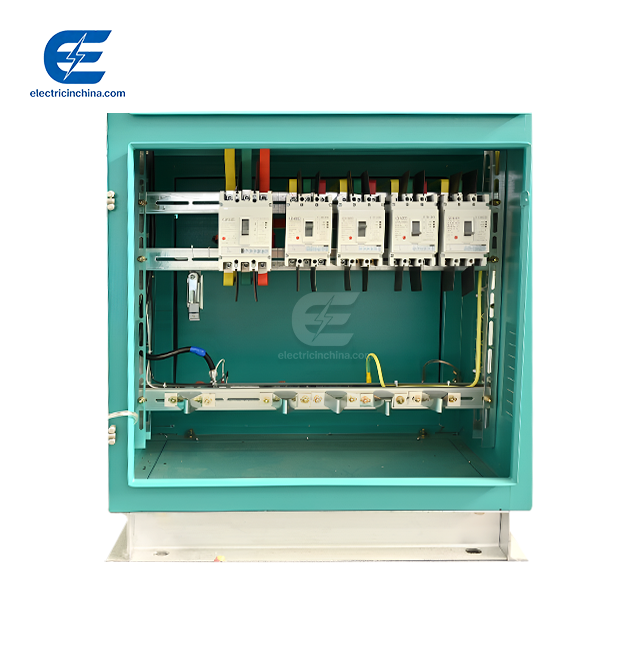
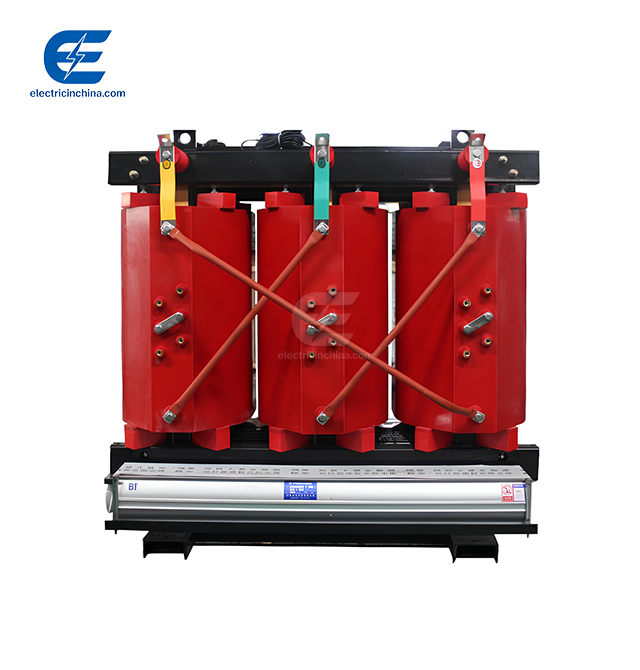
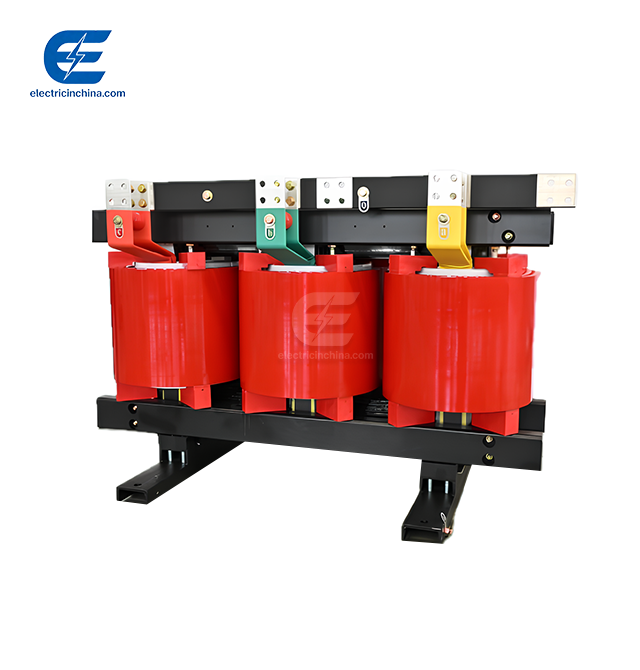
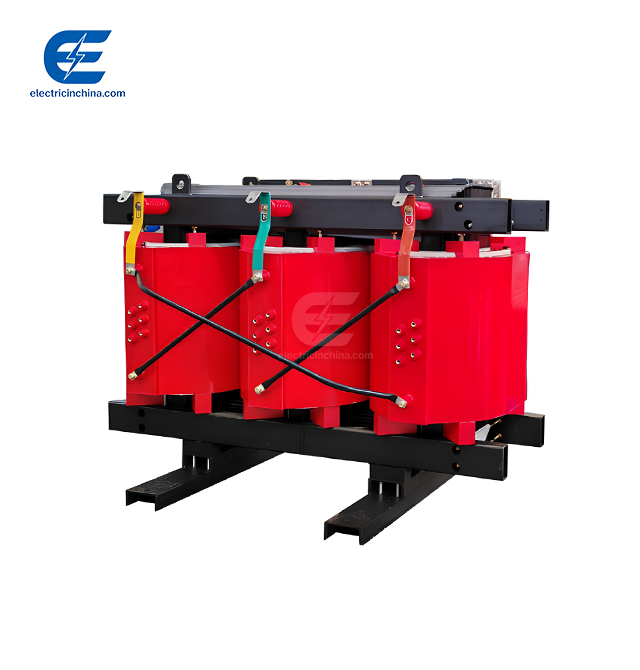
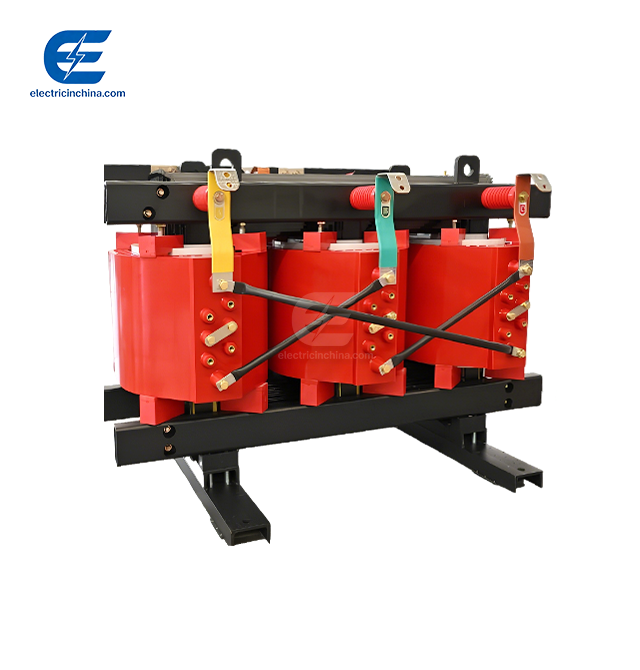
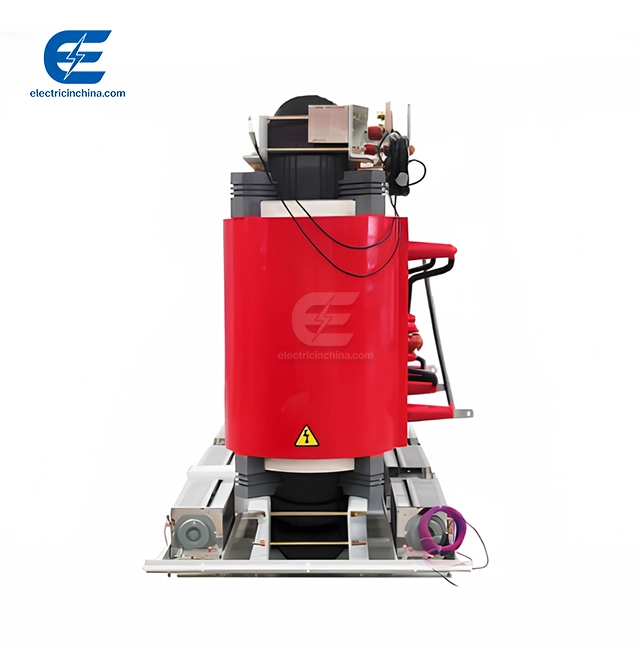
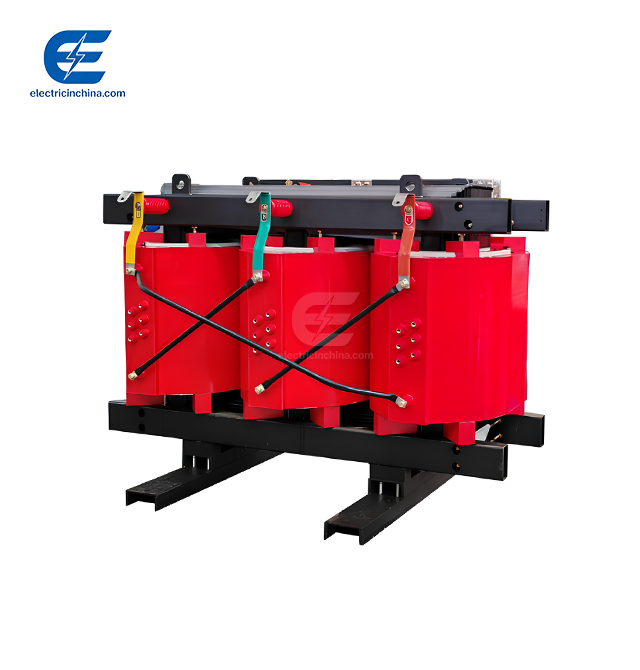
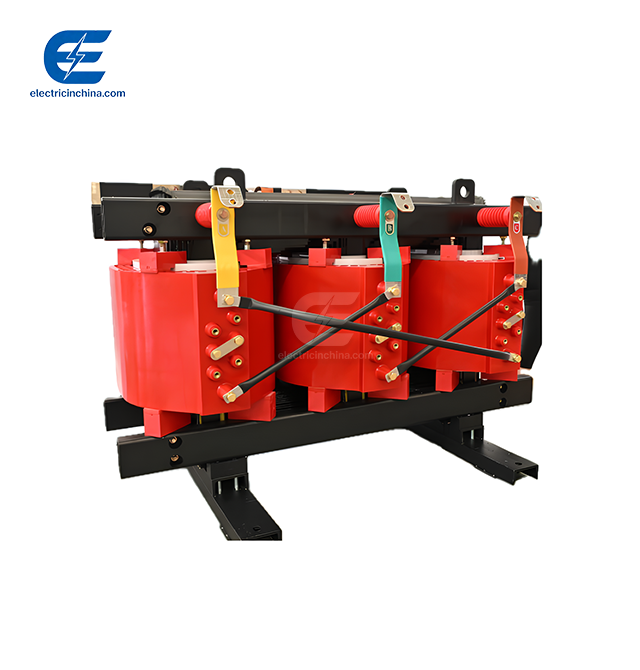
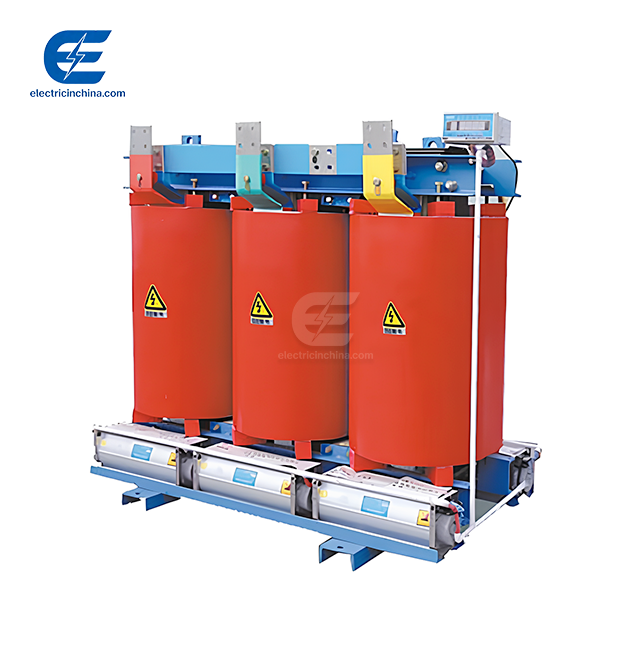
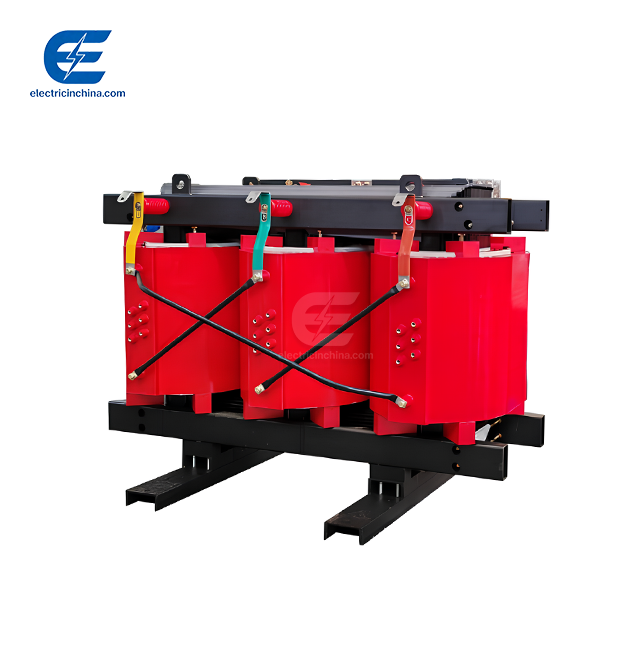
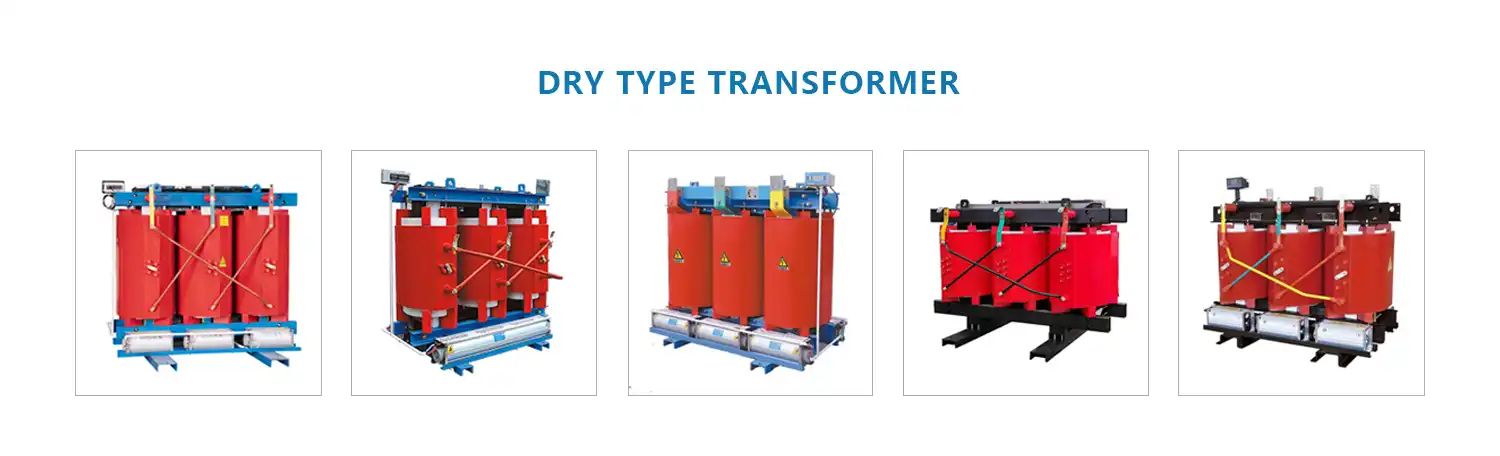
Overheating in energy-saving dry-type transformers represents one of the most prevalent reliability challenges facing industrial facilities, commercial developments, and infrastructure projects today. An energy-saving dry-type transformer is an advanced electrical power distribution device that uses air or solid insulation instead of liquid dielectrics, incorporating high-efficiency design principles to minimize energy losses during voltage transformation. When these critical assets exceed their designed thermal limits—typically above 155°C for Class H insulation—operational efficiency declines sharply, insulation materials degrade prematurely, and equipment failure becomes imminent. Understanding the root causes and implementing practical solutions protect your investment while ensuring uninterrupted power delivery to mission-critical operations.
Main Causes of Overheating in Energy-Saving Dry-Type Transformers
Electrical Overloads and Load Imbalances
The main reason why distribution transformers get hot is that they are used for long periods of time at or above their nameplate capacity. When businesses grow without updating their electrical systems, transformers carry ongoing loads that are higher than their 100% limit, which causes the windings to lose too much I²R. Unbalanced loads in three-phase systems lead to uneven current flow, which makes some windings overheat while others work within normal limits. For project-based buying, the transformer capacity must be carefully specified with enough safety gaps (20–30%) to account for future growth and changes in load.
Environmental Conditions Affecting Thermal Performance
The area where Energy-saving dry-type transformer air-cooled transformers are installed has a big effect on how well they cool. Natural convection is slowed down by poor ventilation, which traps heat around enclosures and stops it from escaping properly. Dust and other particles that build up on the sides of windings act as insulators, making heat transfer 20–40% less effective. High temperatures in the room, especially in electrical rooms that are closed off and don't have climate control, reduce the amount of thermal headroom that is available. When humidity levels are higher than 85%, condensation forms. This creates routes for moisture that damage insulation and raise dielectric losses.
Aging Insulation and Moisture Ingress
Thermal cycling, UV exposure, and chemical reactions with airborne contaminants all break down epoxy resin insulation systems over time. Even well-kept transformers lose insulation over the course of 15 to 20 years of use, which lowers their thermal tolerance. Moisture getting in thru tiny cracks or bad seals speeds up the aging process because water molecules increase dielectric losses and lower heat conductivity. Long-term moisture protection is important for long-term performance and is determined by quality control during manufacturing, which includes vacuum pressure impregnation and proper sealing.
Installation Errors and Connection Faults
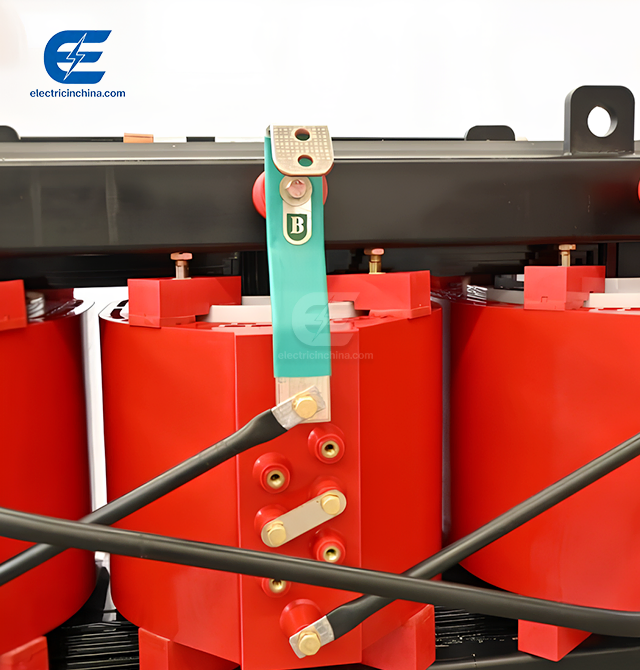
When torque is applied incorrectly during link assembly, high-resistance joints are made that cause localized heating when the load is applied. Hotspots with temperatures 50–100°C higher than the surrounding areas are caused by loose busbar connections, cable lugs that aren't properly crimped, and terminal surfaces that have rusted. If installation teams aren't properly trained, they might put transformers too close to walls or other equipment, blocking wind pathways that are needed for cooling. These mistakes that could have been avoided show how important it is to work with experienced sources who offer full installation help and quality checks.
Quick and Effective Solutions to Prevent and Mitigate Overheating
Implementing Load Management and Monitoring Systems
Real-time temperature tracking tools keep an eye on important thermal parameters all the time, so you can take action before damage happens. Modern dry-type transformers with PT100 or PT1000 sensors send accurate data about the temperature of the windings to building management systems. When certain levels are reached, alarms go off. Load management strategies, such as demand response programs and load reducing routines, keep overloading from happening for a long time during times of high demand. Automated load transfer systems help makers by spreading the demand for electricity across several transformers, keeping each one from getting too hot.
Optimizing Installation Environment and Ventilation
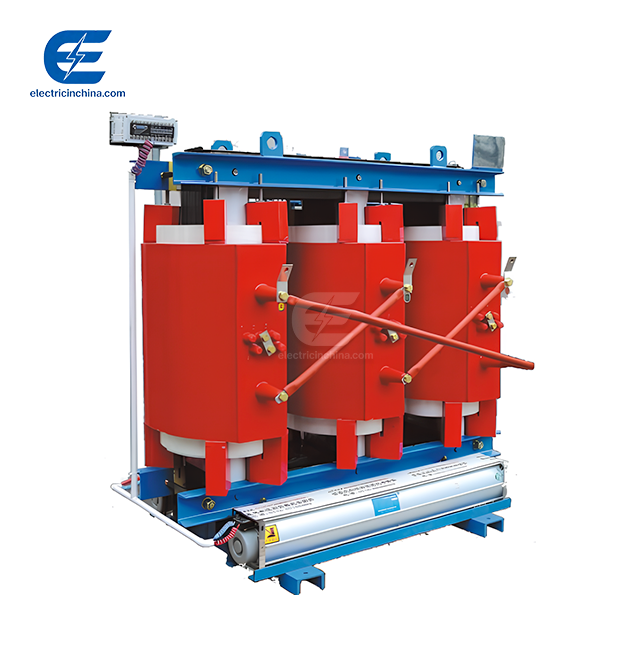
The right environmental design makes sure that there is enough wind around transformer boxes to cool them down. For natural airflow cooling, we suggest keeping at least 1 meter of space on all sides. Larger areas are better for units with more cooling capacity. Putting in forced-air ventilation systems with fans that are controlled by a thermostat increases cooling by 30 to 50 percent, letting the system work in tough environmental conditions. Cleaning on a regular basis gets rid of the dust that builds up on the winding surfaces and cooling channels, allowing for better heat transfer again. Controlling humidity with dehumidifiers keeps relative humidity below 70%, which keeps coastal and tropical sites from having problems with wetness.Putting these environmental controls in place has real benefits for the way the building works. Temperature drops of 15 to 25°C make insulation last a lot longer, and better cooling efficiency cuts down on the energy used by transformer losses. When commercial companies and infrastructure projects put money into good air infrastructure, it lasts longer and costs less over its entire life.
Maintenance Protocols and Inspection Best Practices
Overheating prevention strategies are based on planned maintenance programs. Every year, thermographic surveys find hotspots that are starting to form before they cause failures. These surveys record the temperature patterns at all connection points and winding surfaces. Verifying the connection force every two years protects the mechanical soundness and gets rid of joints with high resistance. Using megohm meters to test insulation resistance finds moisture entry and degradation, giving early warning of possible problems. Power factor measurements show changes in the quality of the load, which helps with decisions about maintenance and when to replace things.
Upgrading to Advanced Cooling Technologies
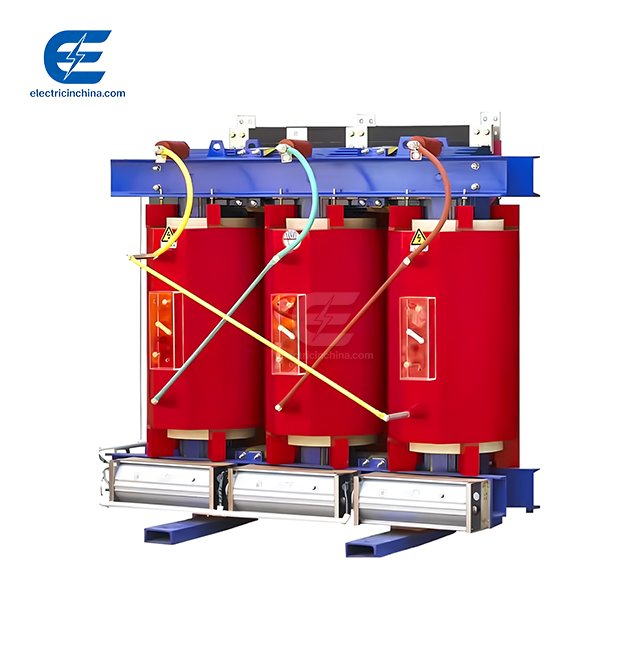
The thermal performance of modern Energy-saving dry-type transformers has been significantly improved by new cooling technologies. When premium grain-oriented silicon steel is used in optimized core designs, no-load losses are kept to 0.15 to 0.20% of maximum capacity, which means less heat is produced. Better spacing between the conductors and more advanced winding configurations make natural convection airflow through coil structures better. When needed, hybrid cooling systems that use both natural airflow and thermostatically controlled forced air cooling can provide an extra 40 to 60 percent of thermal capacity. This means that load changes can be handled without having to oversize the base transformer ratings.
Case Studies: How Leading Brands Address Overheating Challenges
Industry Solutions and Technological Innovations
Leading makers have come up with sophisticated ways to handle heat that have led to measurable gains in performance. Schneider Electric's EcoDesign transformers have improved cooling channel designs that make the surface area 35% bigger. This makes it easier for heat to escape without making the transformers bigger. ABB's DryFlex transformers use thermal modeling software during the design process to make sure that the winding layouts are the best they can be for all operating conditions. These technology improvements lower hotspot temperatures by 20 to 30°C compared to older designs. This makes them last longer and be more reliable.
Real-World Application Results and ROI
A California factory that makes semiconductors got rid of old transformers and replaced them with high-efficiency dry-type units with better cooling systems. This cut energy losses by 28% and got rid of the need for two emergency shutdowns a year. The project paid for itself in 18 months by saving money on energy costs and avoiding downtime costs. A commercial development in Texas put in place full thermal monitoring on twelve transformers. This found and fixed ventilation problems that lowered average operating temperatures by 22°C, which is expected to add 8 to 10 years to the expected service life. For project-based procurement, these case studies show that smart investments in good tools and the right way to put it pay off in a big way.

Long-Term Strategies for Overheating Prevention and Transformer Reliability
Selecting High-Quality Products and Reliable Suppliers
For transformers to last a long time, you should only buy approved goods from companies that have a history of quality control and technical know-how. Certifications like ISO 9001, ISO 14001, and OHSAS 45001 show that quality management is carried out in a planned way throughout the whole production process. IEC 60076 series compliance proves that the product meets international performance standards, and CCC mandatory approval makes sure that it meets national safety standards. Professionals in charge of buying things should give preference to sellers who offer full warranties (usually for 5 to 10 years) and service support that includes emergency reaction, spare parts availability, and expert advice.Established makers with 20 years or more of experience in the field bring a wealth of knowledge to the table that leads to better product creation and customer service. The engineers on their teams, which are made up of senior engineers and experienced techs, come up with unique solutions that work in any setting and meet any application needs. This level of technical detail is very helpful when choosing transformers for difficult installations that need better cooling, extra environmental protection, or the ability to work with renewable energy systems.
Training and Empowering Operations Teams
Investing in training for operators and maintenance staff makes it much easier to find problems quickly and fix them correctly. Teams can spot unusual working conditions before they get worse by going through thorough training programs that cover thermal principles, tracking methods, and troubleshooting procedures. Workshops that show the right way to do inspections, like figuring out what a thermographic scan means and making sure the link is solid, boost confidence and skills. Facilities that only use reactive maintenance methods have much higher failure rates and shorter equipment lifespans than those that encourage proactive maintenance cultures thru regular training refreshers and knowledge sharing.

Conclusion
To stop dry-type power transformers from overheating, you need to know what the root causes are and follow thru with tried-and-true solutions. Electrical overloads, bad weather, old insulation, and mistakes made during installation can all cause thermal problems that lower efficiency and raise running costs. These risks can be reduced by using load control systems, making sure there is enough air flow, keeping to strict check plans, and choosing advanced transformer designs that can cool better. Long-term operating success is guaranteed by strategic relationships with experienced makers that offer approved goods, technical support, and unique solutions. Protecting these important assets through proper responsemanagement pays off in a big way by making tools last longer, using less energy, and reducing downtime in business, industrial, and infrastructure settings with Energy-saving dry-type transformer solutions.
FAQ
How can I identify overheating in my dry-type transformer before it fails?
Regular thermographic checks show strange temperature patterns, with hotspots that are 15°C or more warmer than the surrounding areas, indicating problems. Changes in the amount of noise you can hear are a sign of problems with the core or the link. Keep an eye out for changes in the color of the epoxy glue or strange smells. By connecting temperature monitors to alarm systems, you can keep an eye on things all the time. When winding temperatures get close to the Class H limits of 155°C, the alarms will go off, letting you take action before damage happens.
What are the key differences in overheating risks between dry-type and oil-filled transformers?
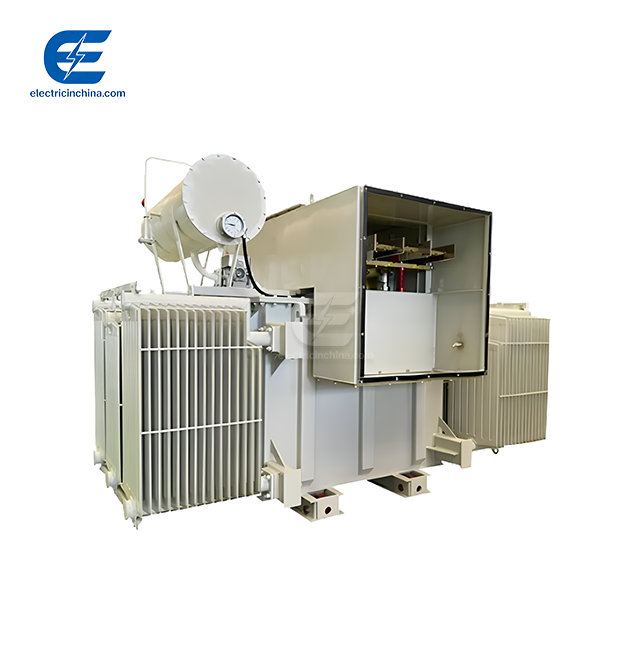
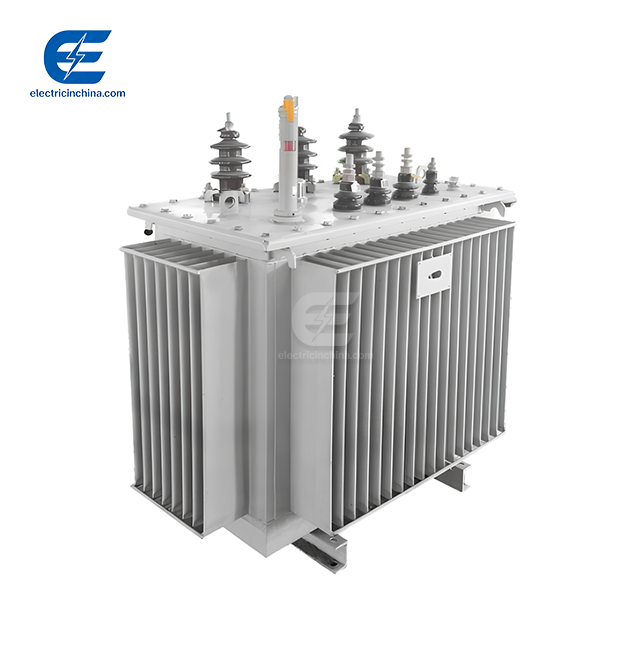
Since dry-type units only use air to cool, they are more affected by changes in the air temperature and the amount of airflow available than oil-immersed types. But they don't have the fire risks that come with flammable coolants and need less maintenance. Oil-filled transformers can handle short overloads better because they have more thermal mass, but long-term upkeep is harder because the oil breaks down from being overheated for a long time. Load management and weather control are important for both types.
Can upgrading to energy-saving transformers reduce overheating problems?
Newer dry-type transformers produce 20–40% less heat than older ones because they lose less copper and core material. They are 98.5–99.2% efficient. Better cooling channel designs and optimized winding configurations help get airflow faster. These things work together to lower working temperatures by 15–30°C at the same load level. This greatly lowers the risk of burning, saves money on energy, and makes insulation systems last longer by reducing thermal stress.
Partner with Tuojie for Reliable Energy-Saving Dry-Type Transformer Solutions
Power distribution infrastructure will work well in the long run if you choose the right Energy-saving dry-type transformer supplier. Tuojie has been developing, producing, and providing custom transformer solutions that meet the strict needs of government building projects, business developments, and industrial sites for more than 20 years. Our goods have been certified by ISO 9001, ISO 14001, and OHSAS 45001, and all of them have also been certified by CCC and meet IEC 60076 worldwide standards. Our technical team, which includes 15 senior engineers and more than 30 intermediate techs, can help you with your unique application needs and make sure that the thermal performance is optimal and that the product will last for a long time. We are committed to innovation and have more than 120 sets of advanced manufacturing equipment, such as CNC automatic winding machines and microcomputer-controlled gradient curing ovens, to make sure that our work is always of high quality and that projects are finished on time. You can email our team at tuojie@electricinchina.com to talk about your needs with an experienced Energy-saving dry-type transformer maker who knows how important it is to handle heat in power distribution systems. Visit electricinchina.com to see our full line of products and learn how our all-in-one solutions can improve the efficiency of your project's electrical infrastructure.

References
1. Chen, W., & Liu, X. (2021). Thermal Analysis and Cooling Optimization of Dry-Type Transformers for Industrial Applications. IEEE Transactions on Power Delivery, 36(4), 2234-2243.
2. Kumar, S., & Patel, R. (2020). Insulation Aging and Thermal Management in Energy-Efficient Dry-Type Transformers. International Journal of Electrical Power & Energy Systems, 118, 105-117.
3. Martinez, J., & Thompson, A. (2022). Predictive Maintenance Strategies for Preventing Transformer Overheating in Commercial Buildings. Energy and Buildings, 256, 111-124.
4. Schneider Electric. (2021). EcoDesign Dry-Type Transformers: Technical Guide for Thermal Performance and Reliability. Schneider Electric Technical Publication Series.
5. Wang, H., Zhang, Y., & Li, M. (2020). Environmental Factors Affecting Thermal Performance of Dry-Type Distribution Transformers. Journal of Electrical Engineering & Technology, 15(3), 1245-1256.
6. Zhang, Q., Anderson, P., & Brown, D. (2023). Advanced Cooling Technologies for High-Efficiency Dry-Type Transformers in Critical Infrastructure. Power Engineering Review, 43(2), 78-92.