

.webp)
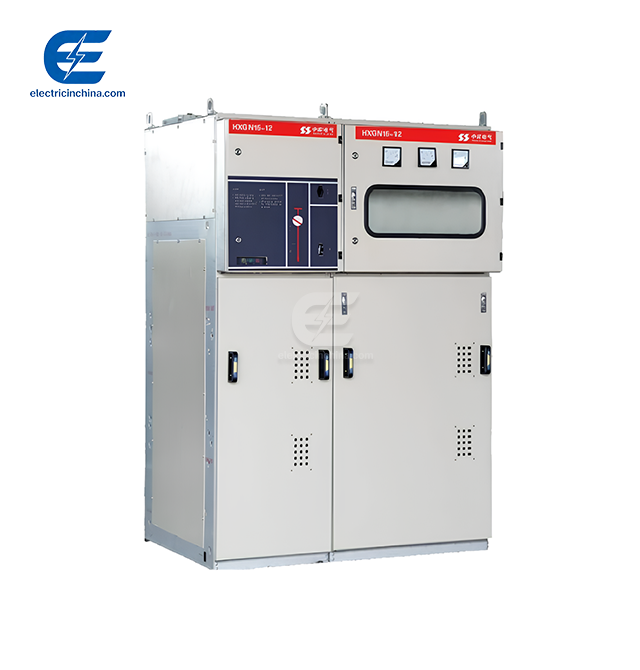
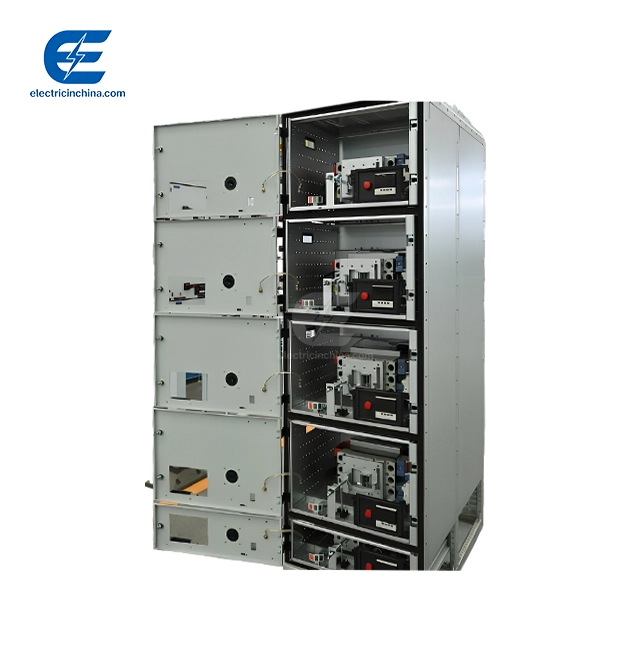
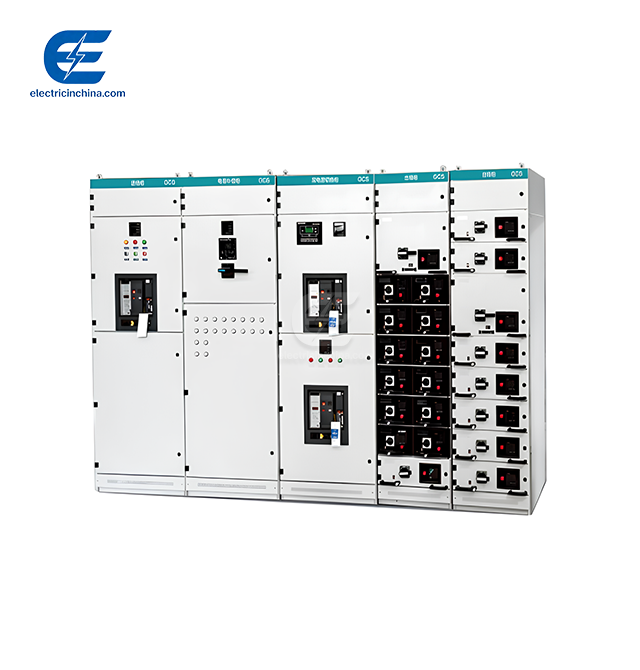
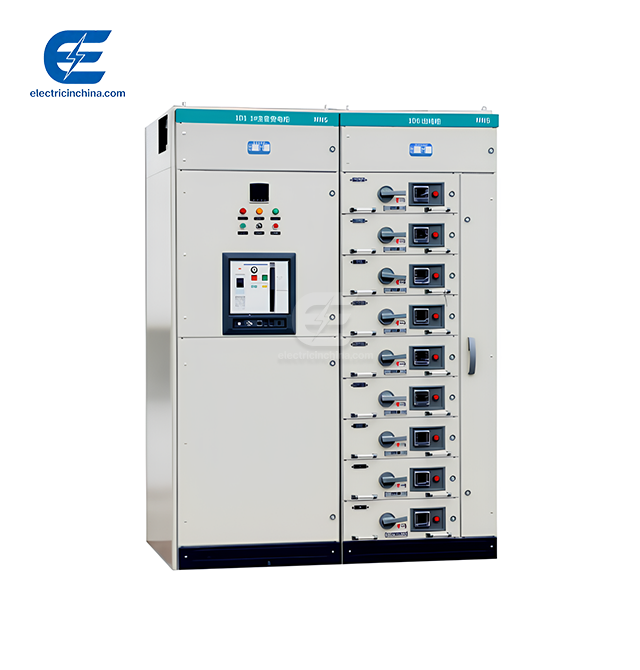
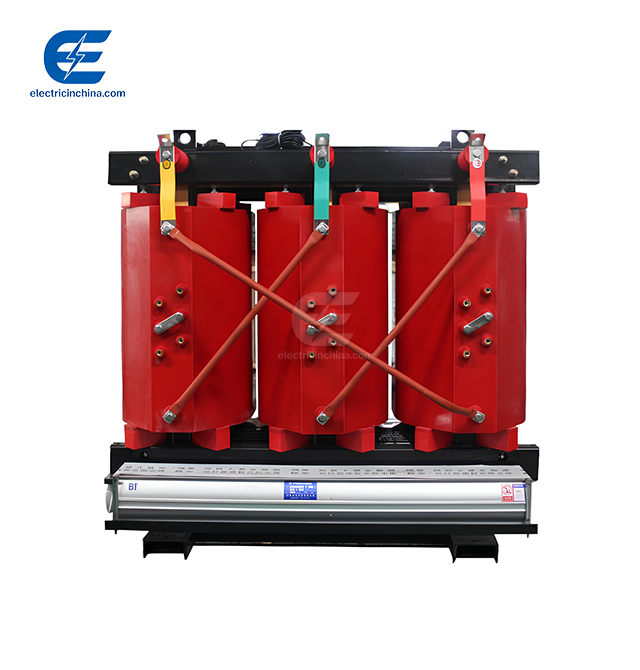
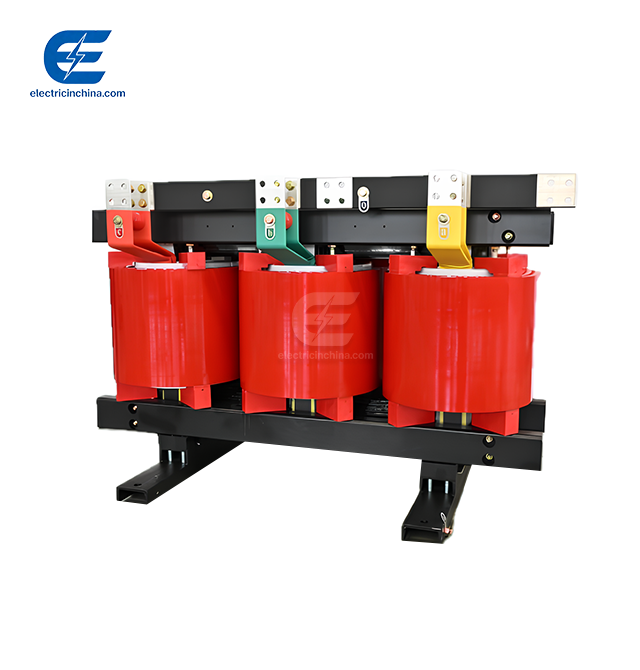
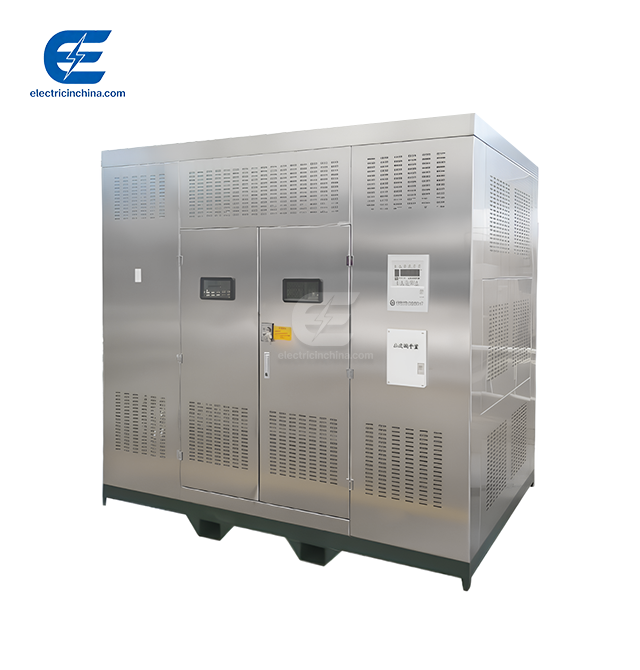
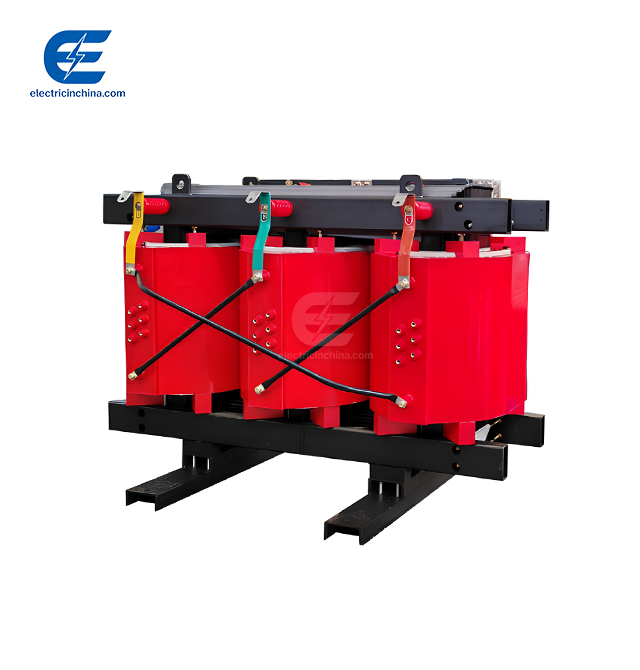
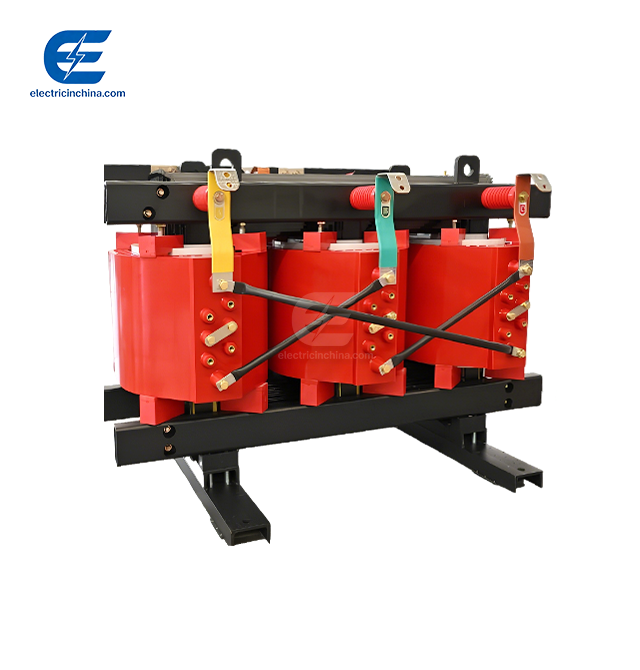
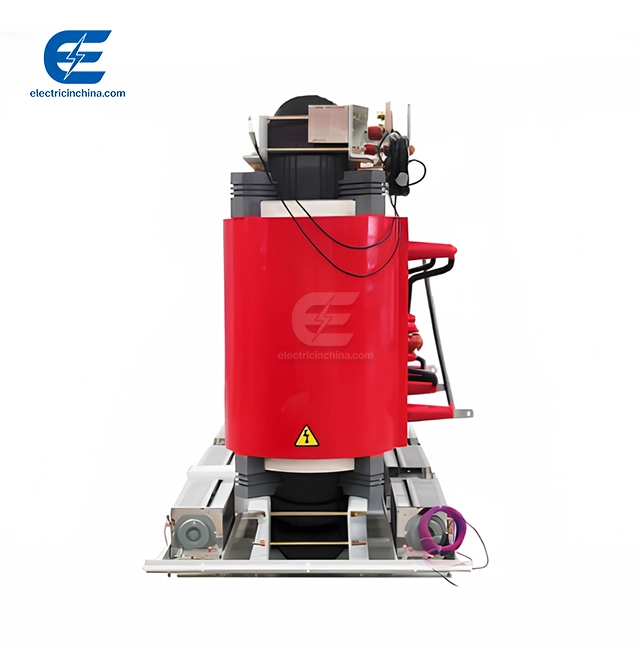
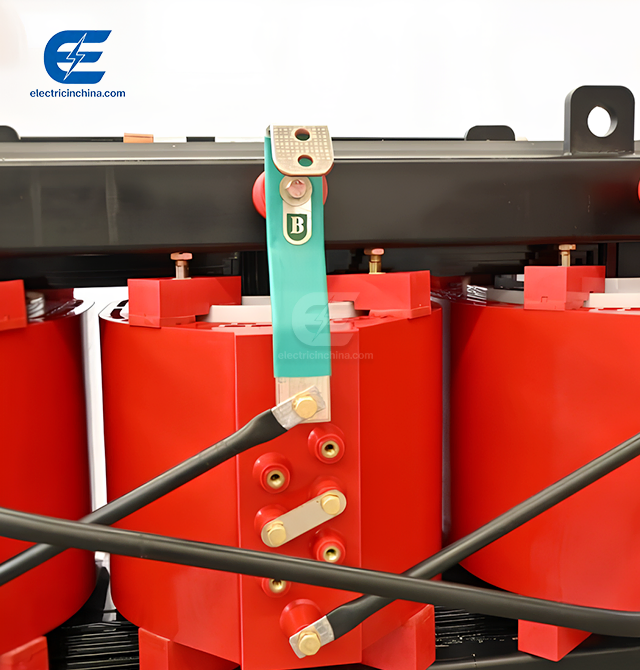
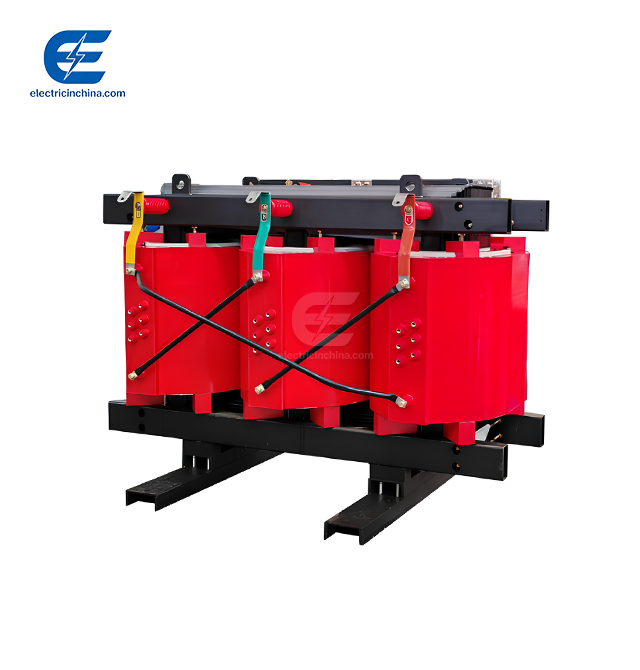
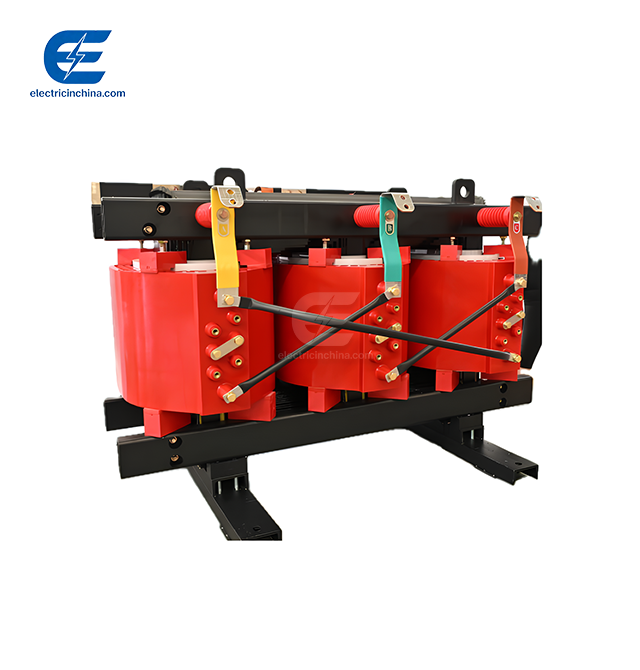
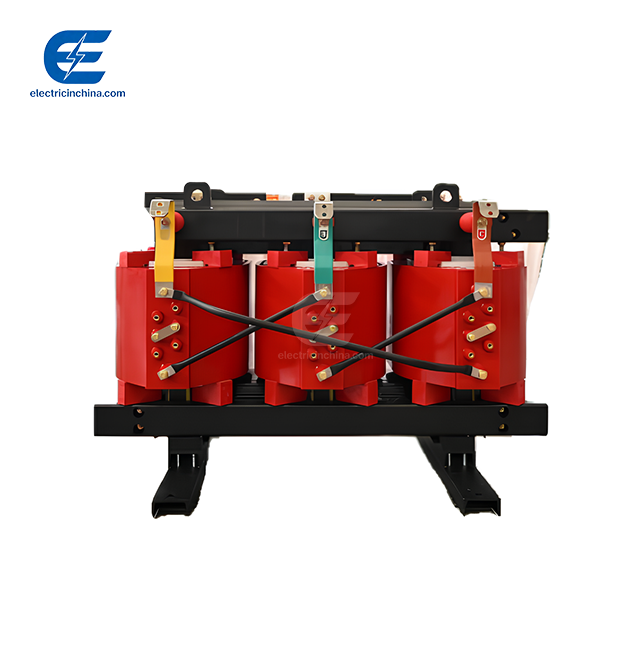
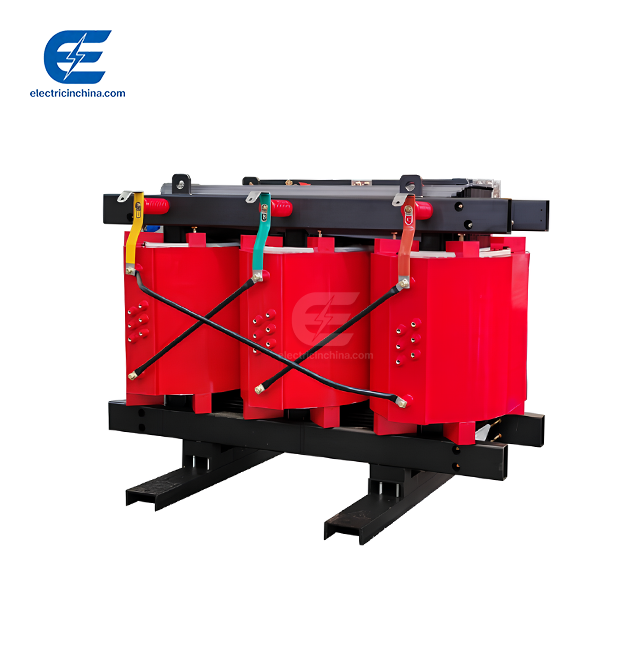
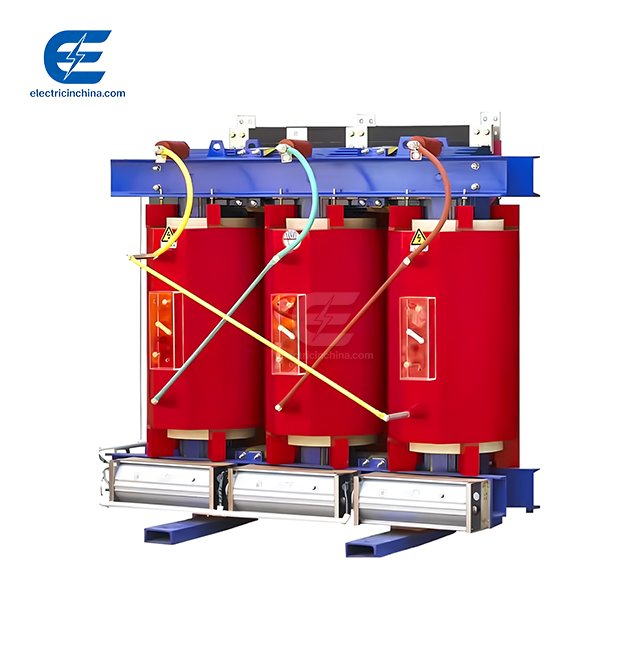
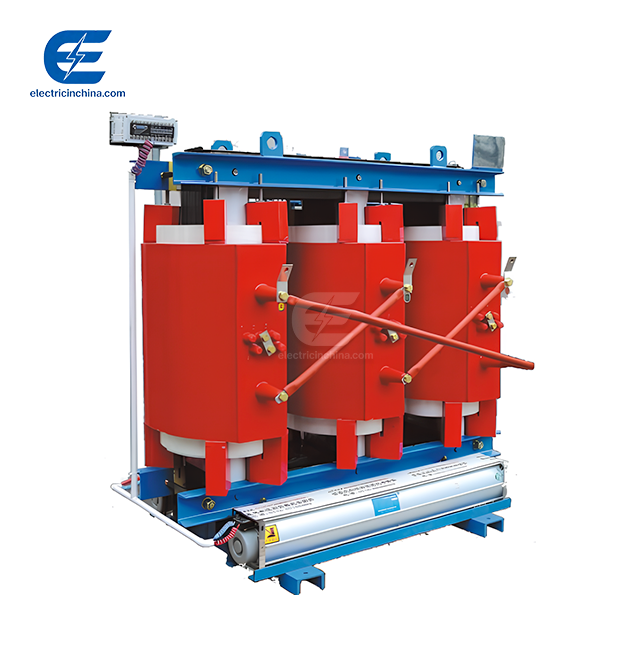
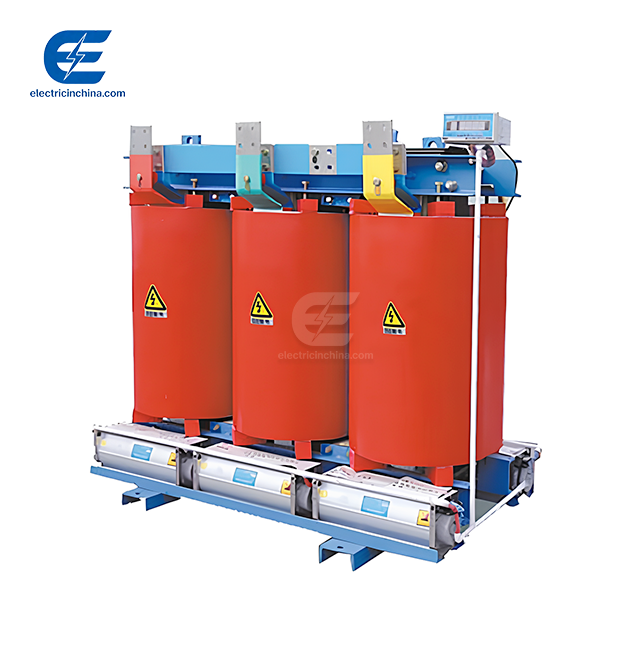
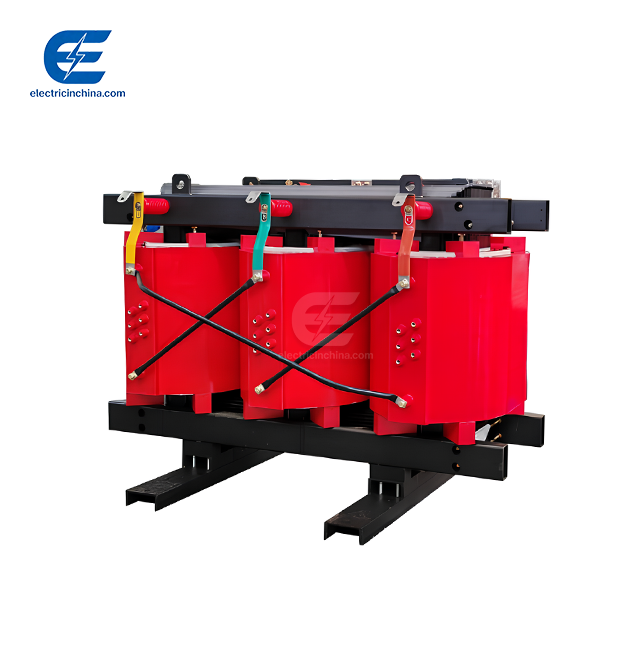
When evaluating dry-type power transformers for infrastructure or industrial applications, procurement professionals often encounter two prominent insulation technologies: epoxy-cast and resin-encapsulated configurations. The fundamental difference lies in their manufacturing approach and structural design. Epoxy-cast dry-type power transformers feature windings entirely molded within a solid epoxy resin mass through vacuum casting, creating a monolithic structure with exceptional moisture resistance and mechanical strength. Resin-encapsulated units, by contrast, apply protective resin coatings over pre-wound coils, preserving the winding's inherent flexibility while delivering robust environmental protection. Both technologies eliminate liquid insulation risks, yet their distinct material properties and construction methodologies significantly impact performance, maintenance requirements, and suitability across diverse operating environments.
Understanding Dry-Type Power Transformers
Fundamental Operating Principles
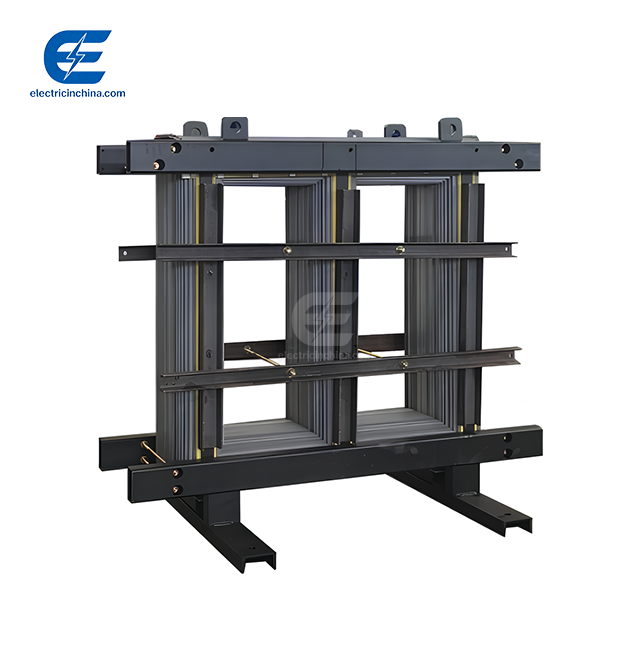
Dry-type power transformers change voltage without using liquid coolants. Instead, they use airflow and solid insulation materials to get rid of the heat they make while they're working. The core assembly, which is usually made of silicon steel laminations or an advanced amorphous alloy, connects the primary and secondary windings magnetically. Insulation systems that use Class F or Class H materials keep copper or metal wires safe from damage caused by heat and electricity. This design gets rid of the fire risks that come with mineral oil and makes installation easier in places where people are living or where the environment is important.
Core Advantages of Solid Insulation Technology
The move in business and industrial areas toward dry-type power transformers is due to a number of strong operational benefits. These units are very easy to install because they don't need any special ventilation, oil containment systems, or fire control equipment. They only need normal temperature clearances. Maintenance intervals are much longer than for liquid-filled counterparts, which lowers lifecycle costs by cutting down on inspections and getting rid of oil testing protocols. Environmental safety gets a lot better, especially in places like hospitals, data centers, and schools where the risk of contamination is too high. Modern designs are also very efficient. For example, luxury models with amorphous metal cores cut no-load losses by 70–80% compared to regular silicon steel construction.
Distinguishing Epoxy-Cast from Resin-Encapsulated Construction
The main difference between these two shielding methods is how they are made. Epoxy-cast dry-type power transformers go through vacuum pressure casting, which means that pre-wound coils are put into precise molds and covered with thermosetting epoxy cement. This process makes a solid structure that is all the same and has the same dielectric properties all the way through the winding volume. A different method is used for resin-encapsulated transformers. First, the windings are made and then put together. Finally, they are treated with protected resin compounds by dipping, spraying, or vacuum pressure impregnation. The glue goes through the structure of the winding without filling up all the spaces between the turns. This keeps the coil's original mechanical properties and protects the surroundings at the same time. These differences in building lead to measured differences in how well the structure resists water, heat, and damage.
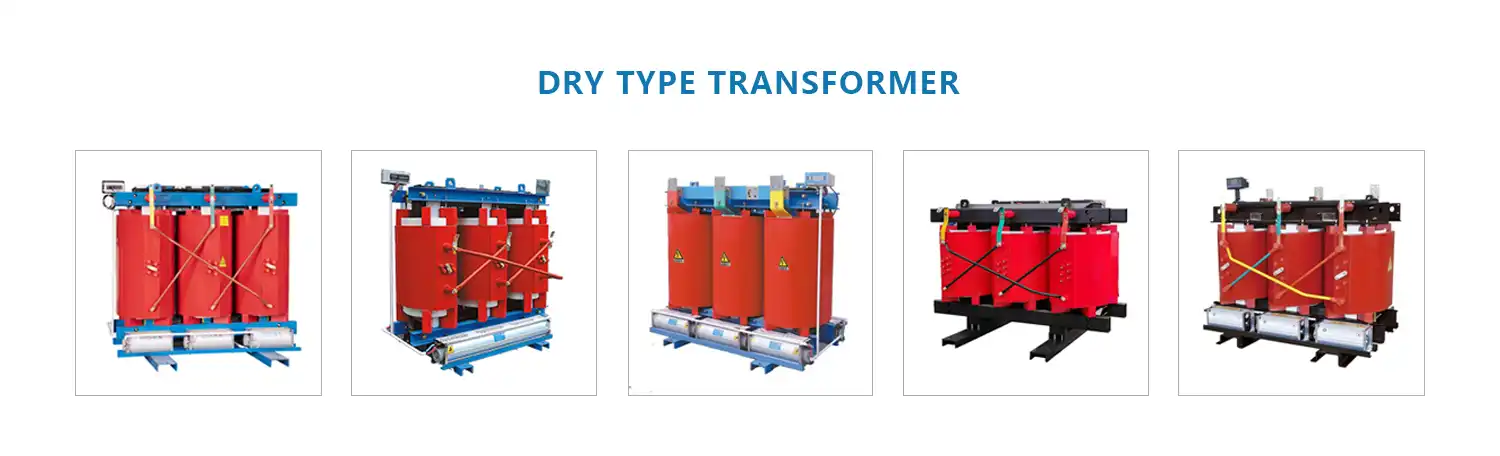
Key Differences Between Epoxy-Cast and Resin-Encapsulated Dry-Type Transformers
Manufacturing Process Comparison
For epoxy-cast production, high-tech vacuum casting tools are used to pour degassed epoxy material into hot molds that already have windings and core sections in place. Curing takes place in ovens with varying temperatures over 24 to 48 hours, creating units that are stable in size and have few empty spaces inside. In our factory, we use CNC static vacuum casting tools and microcomputer-controlled gradient curing ovens to make sure that the quality is the same for all voltage classes, from 10kV to 35kV. For resin-encapsulated production, a different process is used. To make it, windings are wound on special machines, heated, and then filled with solventless resin systems in a controlled atmosphere. This method works with different winding shapes and lets you check the quality in the middle of the process, which isn't possible with vacuum casting.
Performance and Reliability Characteristics
Epoxy-cast dry-type power transformers are better at getting rid of heat in small spaces because the resin comes into direct contact with all the conductor surfaces, making good thermal paths to surfaces that radiate heat. Under the same load situations, temperature rise values stay 10-15% lower than those of similar resin-encapsulated designs. However, resin-encapsulated units perform better when they are overloaded because the structure of the windings stays mechanically flexible, allowing for thermal expansion without creating stress concentrations inside the unit. Because it doesn't absorb water, epoxy-cast building is highly recommended. When made correctly, the monolithic resin structure completely blocks moisture from getting in. This means that it can be used reliably in coastal areas, chemical processing plants, and other high-humidity settings without the need for extra enclosures. For resin-encapsulated transformers, the encasing materials need to be carefully chosen, and they may need extra IP-rated enclosures to get the same level of moisture protection. Our SCBH15 and SCBH19 series epoxy-cast units have worked well in marine port substations and pharmaceutical cleanrooms where other designs failed because the insulation broke down too quickly.
Safety and Environmental Compliance
Both methods meet strict fire safety standards, getting flame-retardant ratings of F1 or higher under IEC 60076-11. Flame-retardant additives are used in epoxy formulations to stop burning without creating harmful halogenated gases. This meets UL and NEMA standards for installations in public buildings. When made correctly, resin-encapsulated designs that use polyester or modified epoxy systems have the same fire performance. End-of-life recyclability is becoming a more important part of environmental impact studies. Resin-encapsulated units may be better because they make it easier to separate materials during decommissioning. Our manufacturing processes, which are ISO 14001-certified, focus on sustainability throughout the whole lifecycle of a product. This includes choosing sustainable materials, using energy-efficient methods of production, and planning how to get rid of waste.
Maintenance Requirements and Lifecycle Economics
Different types of dry-type power transformers have very different maintenance schedules and methods. Epoxy-cast units usually only need to be thermally scanned, their connection torque checked, and their ventilation systems cleaned every 24 to 36 months. The sealed winding structure stops dust and moisture from building up, which weakens insulation systems over time. Resin-encapsulated transformers need to be inspected more often—often once a year in harsh environments—to check the integrity of the resin coating and find any possible tracking that might be forming on the winding surfaces. Repair costs are also very different. Because epoxy-cast windings are one-piece constructions, they can't be fixed in the field and need to be replaced completely when big problems happen. In some cases of failure, resin-encapsulated designs allow for targeted fixes, which could cut down on downtime and restoration costs. When figuring out the total cost of ownership, these things have to be weighed against differences in the original purchase price, which tend to favor resin-encapsulated options by 15 to 25 percent in similar rates.

Application Scenarios and Use Case Analysis
Optimal Environments for Epoxy-Cast Technology
Epoxy-cast dry-type power transformers work great in situations where they need to be completely dry and have limited access for maintenance. Our project collection shows how well they work in a variety of tough situations. For the Xuzhou Rail Transit Network Control Center to be set up, it needed transformers that could work reliably in underground vaults with high humidity and limited airflow. The epoxy-cast SCBH15 series units we sold met IP54 security standards without the need for extra enclosures. This kept the system's stability throughout the 35kV dual-circuit power supply design. Another great place for them is in chemical processing plants, where corrosive air quickly breaks down regular insulation systems. In a recent installation at the GCL Photovoltaic Industrial Park, epoxy-cast transformers were chosen for substations that would be exposed to solvent fumes and airborne particles that would damage resin-encapsulated options within months.
Resin-Encapsulated Transformer Applications
The temperature flexibility and serviceability of resin-encapsulated designs make them better for industrial manufacturing settings with changing loads and outdoor exposure. Resin-encapsulated dry-type power transformers rated for frequent starting currents from heavy machinery and welding equipment were used in the XCMG Group factory expansion project. The mechanical strength of the winding structure allowed it to handle the repeated temperature cycling without developing the tiny cracks that are sometimes seen in hard epoxy-cast units that are put through similar duty cycles. Resin-encapsulated technology is also better for temporary building power uses because it is easier to move and fix on the job site, and it protects against moisture better than cast designs. The transformer is usually 20–30% lighter than epoxy-cast versions, which makes it easier to set up and requires less foundation in portable substation setups.
Comparative Case Study: Commercial Development Project
The Xinhuai Central Complex project gave us direct data on how these technologies compare in terms of performance. In the first phase, resin-encapsulated transformers were used in mechanical equipment rooms with changing HVAC loads. In the second phase, epoxy-cast units were selected for power distribution in data centers that needed to keep running without interruption and have better fault tolerance. During their 36 months of use, the resin-encapsulated transformers had two minor insulation tracking problems that needed to be fixed in the field. These were done within 48 hours without having to replace the unit. The epoxy-cast installations didn't need any maintenance other than regular thermal checks. A study of energy use showed that the epoxy-cast units were 1.2% more efficient because they had better thermal management. At industrial power rates, this means that each transformer saves $4,800 per year. These real-life examples show how application-specific decisions have a direct effect on business performance and costs over the lifecycle.

Procurement Considerations: Choosing the Right Solution for Your Needs
Technical Specification Development
For procurement to work well, detailed specifications must be created that are in line with the needs of the project. The voltage class you choose relies on the design of the distribution system. In North America, 10kV, 20kV, and 35kV ratings meet different utility interface standards. To figure out the capacity, you need to do a thorough load analysis that takes into account diversity factors, plans for future growth, and the need for overload tolerance. Our engineers help clients find the best transformer size by looking at power quality studies that find harmonic content, voltage regulation needs, and fault current coordination parameters. Specifications for the environment must include things like altitude, temperature ranges, standards for earthquakes, and levels of pollution that affect the choice of insulation class and enclosure grades.
Cost-Benefit Analysis Framework
Epoxy-cast dry-type power transformers usually cost 15–25% more than similar resin-encapsulated transformers. This is because they are made with more complicated methods and better materials. But when you figure out the total cost of ownership, you have to include the energy savings that come from less energy loss, longer maintenance intervals, and fewer failures. At normal industrial electricity rates, a 1500kVA epoxy-cast unit with amorphous alloy core technology saves $6,000 to $8,000 a year in energy costs compared to resin-encapsulated designs. Over the course of 25 years, these operational savings will more than cover the initial premium and make the system more reliable. On the other hand, resin-encapsulated procurement may give a better return on investment for uses with low duty cycles and easy access to repair facilities.
Supplier Evaluation and Partnership Criteria
Before deciding on final specs, procurement teams should look at the technical skills and quality assurance systems of potential providers. Our manufacturing qualifications include ISO 9001, ISO 14001, and OHSAS 45001 certifications, which show that we handle quality in a systematic way during planning, production, and testing. The professional quality inspection lab has test equipment just for transformers that can do routine and type testing according to IEEE and IEC standards. For big projects, production ability is very important. Our 120+ equipment sets, which include CNC automatic winding machines and automatic foil winding machines, let us deliver many units within tight EPC schedules. Customization is what sets premium providers apart, since standard stock items rarely perfectly meet the voltage, impedance, connection group, or IP protection needs of a particular project.
Having long-term ties with suppliers based on past project experience greatly lowers the risk of buying. Tuojie's experience with government infrastructure, business real estate, and industrial manufacturing shows that we can handle difficult power distribution tasks. For the Xuzhou High-speed Railroad East Station official power supply EPC project, it was necessary to coordinate the delivery of several transformers, test them on-site, and turn them on within strict deadlines set by the railroad authority. Our all-around approach to project management, which includes design advice, installation help, and guarantee service, makes sure that we can work well with general builders and utility companies. When looking for dry-type power transformer suppliers, check to see if they can provide single-source accountability for parts like cables, protection systems, and switchgear. Our "one-stop solution" method makes buying easier, speeds up project timelines, and makes it clear who is responsible for how well the system works.

Future Trends and Innovations in Dry-Type Power Transformers
Advanced Materials and Manufacturing Technologies
New discoveries in materials science keep changing the limits of what transformers can do. Our SCBH15 and SCBH19 lines use amorphous alloy core technology, which is the biggest step forward in efficiency in decades. Compared to traditional silicon steel construction, it cuts no-load losses by 70–80%. New nanocrystalline core materials promise even more improvements, with next-generation designs possibly being able to cut losses by 90%. The main goals of new improvements in insulation systems are to make them more resistant to partial discharge and to higher temperature ratings. Class C insulation systems that are being developed will allow continuous operation at 180°C, which will increase power density by 30–40% within the same physical footprint. Automation in manufacturing also improves quality consistency. For example, our investment in CNC-controlled production equipment reduces the variation caused by human error while still allowing precise customization to meet strict requirements.
Digital Integration and Predictive Maintenance
The coming together of dry-type power transformers and Industrial Internet of Things (IIoT) tools makes it possible to handle assets in completely new ways. Integrated sensor kits that check the temperature of the windings, the environment, the load current, and the partial discharge action send data to cloud-based analytics engines in real time. Machine learning systems find patterns of wear and tear years before regular inspections can find problems. This lets repair workers plan ahead and avoid unplanned outages. Our plan for future growth includes making smart transformers that can work with major building management systems and utility SCADA networks and have built-in monitoring. These digital features are especially helpful for spread infrastructure portfolios where the costs of manual checking become too high.
Sustainability and Regulatory Evolution
Environmental laws are having a bigger effect on how transformers are designed and bought. Title 20 efficiency standards in California and upcoming rules from the federal Department of Energy will set limit loss levels for distribution transformers. This means that for many uses, high-efficiency technologies like amorphous cores will be needed. Recyclability standards are being added to procurement specs as a result of the circular economy. This supports designs that use separate materials and clearly defined end-of-life processing paths. Our ISO 14001 environmental management system takes these issues into account at all stages of a product's life, from making sure that raw materials don't contain conflict minerals to having take-back programs for units that have been turned off. When reviewing transformer proposals, procurement teams that care about the environment should look at the environmental certifications, energy management practices, and recorded recycling agreements of each provider.

Conclusion
When choosing between epoxy-cast and resin-encapsulated dry-type power transformers, you need to think carefully about the technical needs, the working conditions, and the cost over the life of the transformer. For important infrastructure uses where dependability can't be sacrificed, epoxy-cast technology offers better resistance to moisture, less upkeep, and better thermal management. Resin-encapsulated designs are cheaper, easier to fix, and have been shown to work well in factory settings with changing loads and easy-to-use maintenance systems. Both technologies meet today's safety standards and don't harm the environment as oil-filled alternatives do. Structured specification creation, thorough supplier evaluation, and total cost of ownership analysis are all parts of successful buying that make sure the features of the transformer match the project's objectives. To meet project goals within the allocated budget, the best option strikes a balance between initial investment, operating efficiency, maintenance needs, and long-term dependability.
FAQ
Which technology performs better in corrosive environments?
Epoxy-cast dry-type power transformers are better at resisting chemicals because they are made of a single piece of resin that keeps corrosive agents from getting into the winding assemblies. Industrial sites that work with acids, solvents, or salty air should ask for epoxy-cast units that have the right IP security ratings. To get the same amount of safety in these kinds of settings, resin-encapsulated transformers need extra enclosures.
What maintenance intervals apply to each transformer type?
Every 24 to 36 months, epoxy-cast units usually need to be inspected. This includes thermal scans, link checking, and cleaning the ventilation. In harsh settings, resin-encapsulated transformers need to be inspected once a year to check the stability of the coating and find any tracking growth. Power quality monitoring should be done on a regular basis on both technologies to find loading patterns that may speed up aging.
How do repair costs compare between these technologies?
When damage is limited to a small area, resin-encapsulated dry-type power transformers are cheaper to fix because technicians can get to and fix the damaged winding sections while they are still in the field. Because epoxy-cast units are so solid, they need to have the entire coil replaced after major faults. This raises the cost of repair but makes sure the unit works like new after it's been fixed. For lifecycle economics, procurement teams should look at how likely it is that something will fail, how much it will cost to fix, and how easy it is to get repairs done.
Partner with Tuojie for Your Dry-Type Power Transformer Requirements
Finding a supplier that can help you with transformer purchases that is both technically knowledgeable, excellent at making things, and offering full project support is not easy. With more than 20 years of experience, Tuojie has been providing custom power solutions to government buildings, business projects, and industrial facilities in tough markets. There are 15 senior engineers and more than 30 intermediate workers on our engineering team. They offer application-specific advice to help you choose the best dry-type power transformers for your needs. We can make power transformers with 10kV to 35kV grades, capacities from 50kVA to 2,500 kVA, and full customization of voltage, impedance, and safety specs. This makes us your one-stop shop for dry-type power transformers. Quality management systems like ISO 9001, CCC certification, and strict inspection protocols make sure that products meet international standards and are reliable. Our wide range of services and "one-stop" approach make it easier for you to buy what you need, whether you're looking for SCBH15 amorphous alloy units for maximum efficiency or custom solutions for unique environmental problems. Get in touch with our team at tuojie@electricinchina.com to talk about your project needs and find out how our track record of hundreds of successful setups can help you reach your infrastructure goals. You can look at all of our products at electricinchina.com and ask for full technical specs for your purpose.

References
1. IEEE Standard C57.12.01-2015, "IEEE Standard for General Requirements for Dry-Type Distribution and Power Transformers," Institute of Electrical and Electronics Engineers, 2015.
2. International Electrotechnical Commission, "IEC 60076-11:2018 Power Transformers - Part 11: Dry-Type Transformers," Geneva, Switzerland, 2018.
3. Bean, R.L., Chackan, N., Moore, H.R., and Wentz, E.C., "Transformers for the Electric Power Industry," McGraw-Hill Professional Publishing, 2019.
4. National Electrical Manufacturers Association, "NEMA ST 20-2020: Dry-Type Transformers for General Applications," Rosslyn, Virginia, 2020.
5. Kulkarni, S.V. and Khaparde, S.A., "Transformer Engineering: Design, Technology, and Diagnostics," CRC Press, Second Edition, 2017.
6. Zhang, J. and Li, W., "Advanced Materials and Insulation Technologies in Modern Dry-Type Power Transformers," Electric Power Systems Research Journal, Volume 195, 2021.