

.webp)
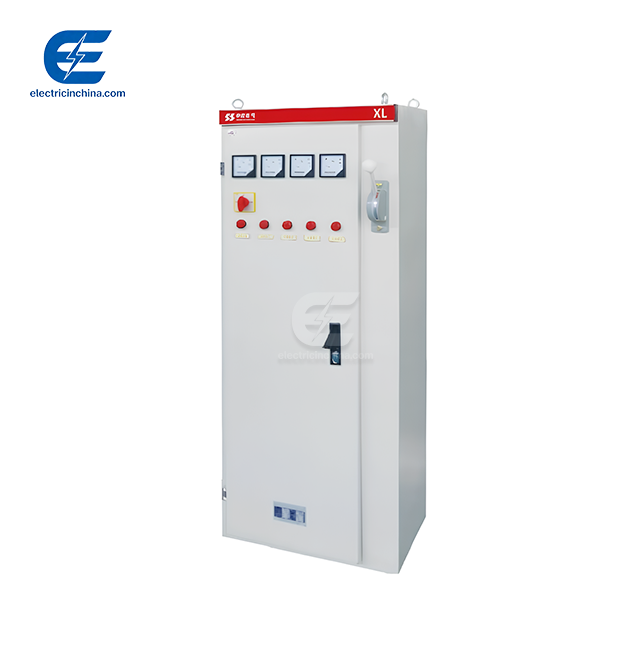
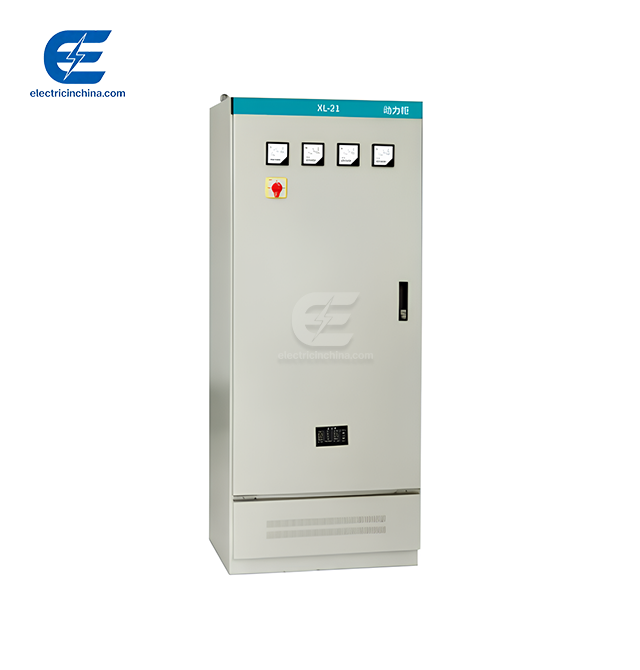
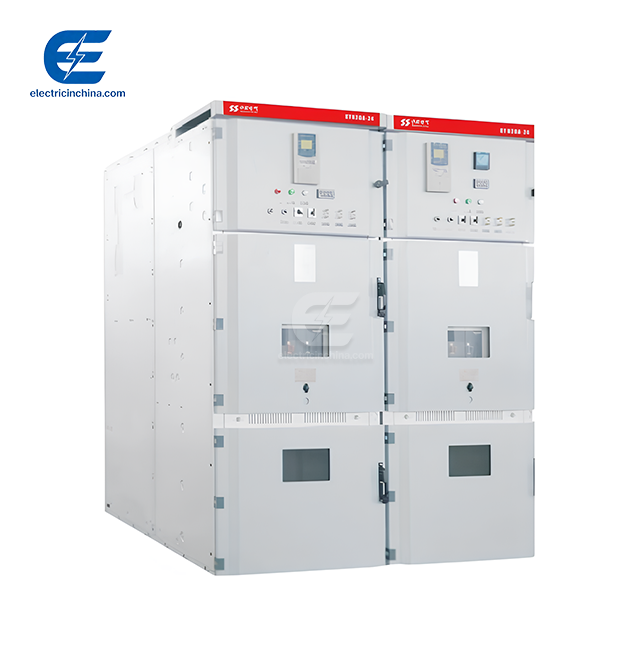
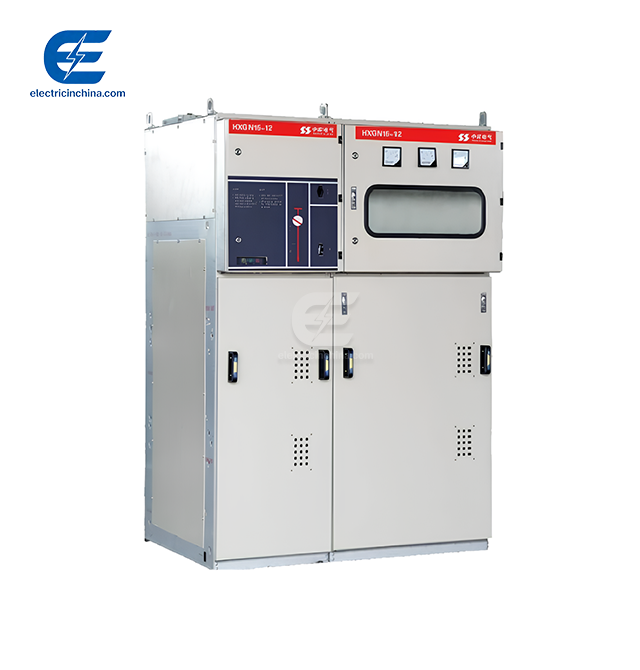
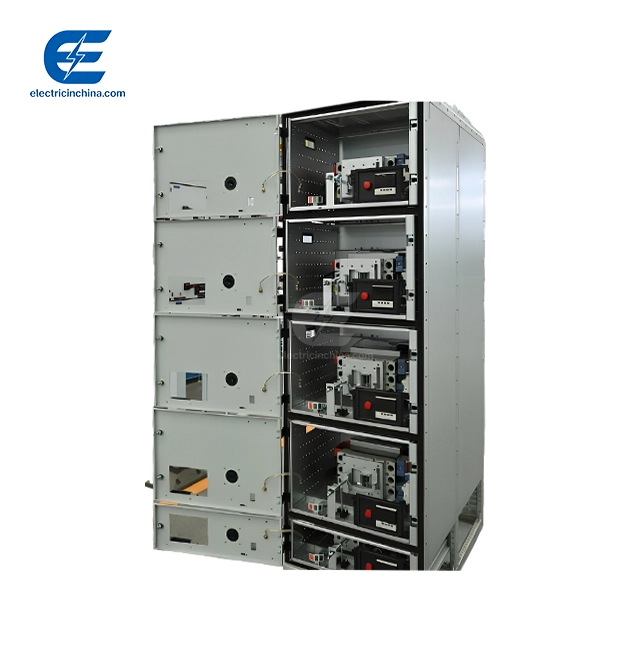
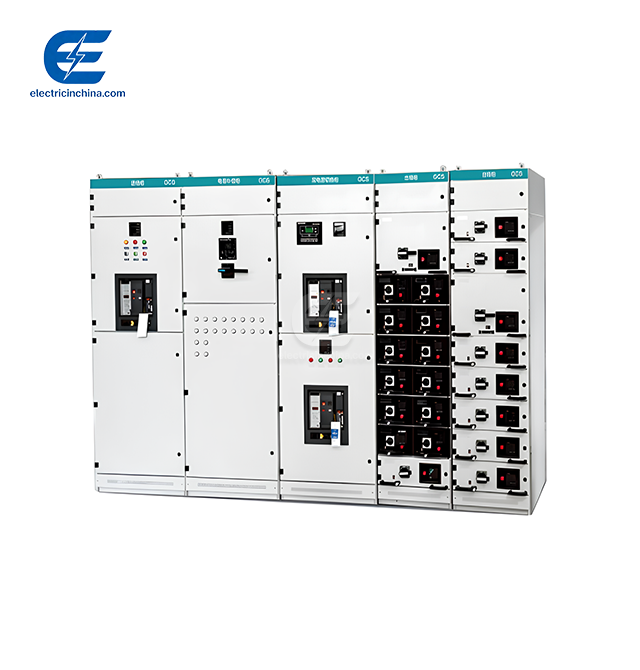
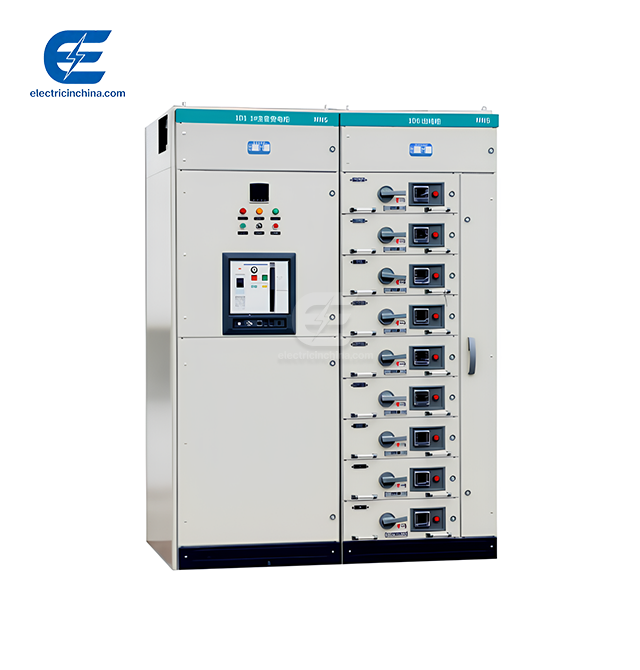
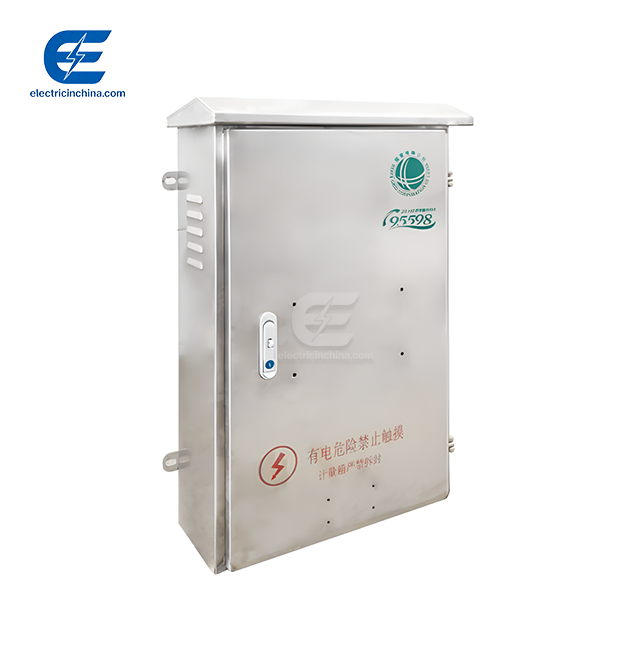
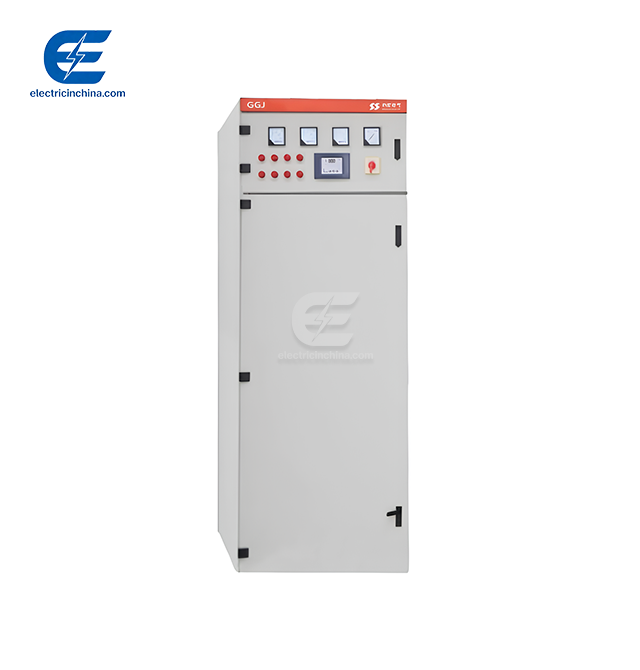
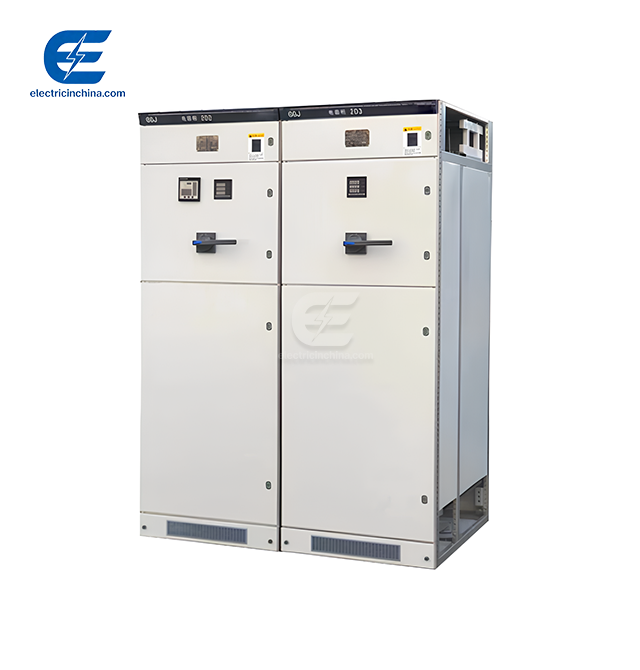
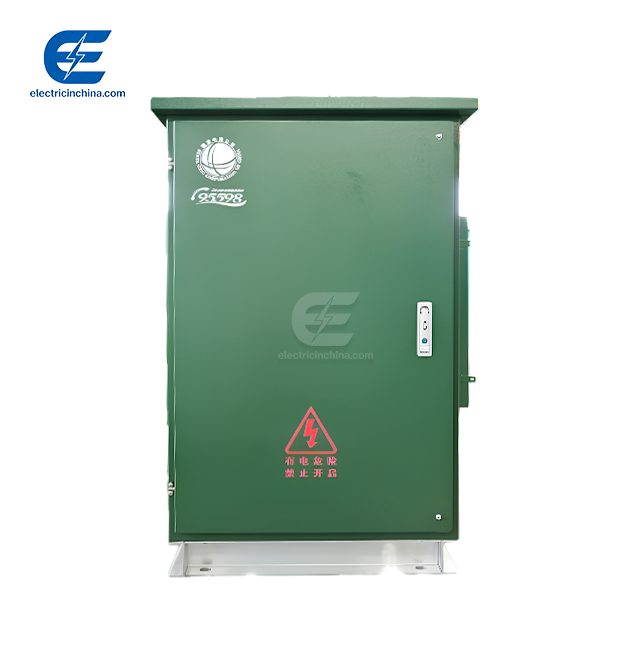
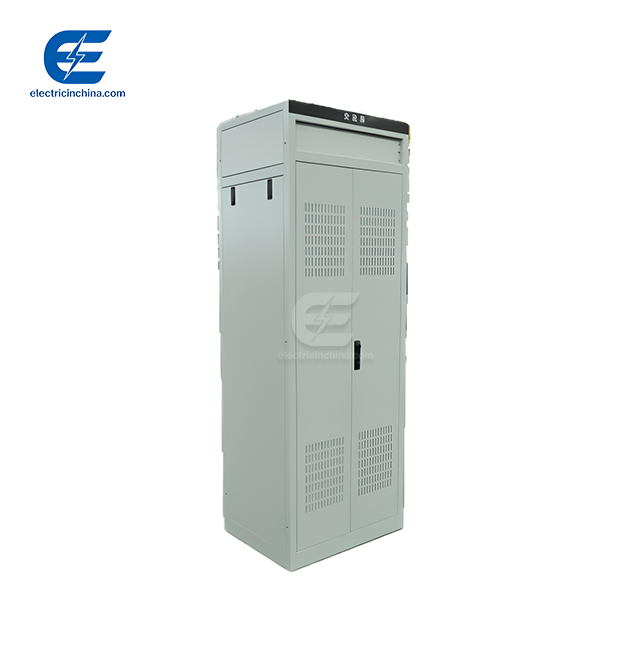
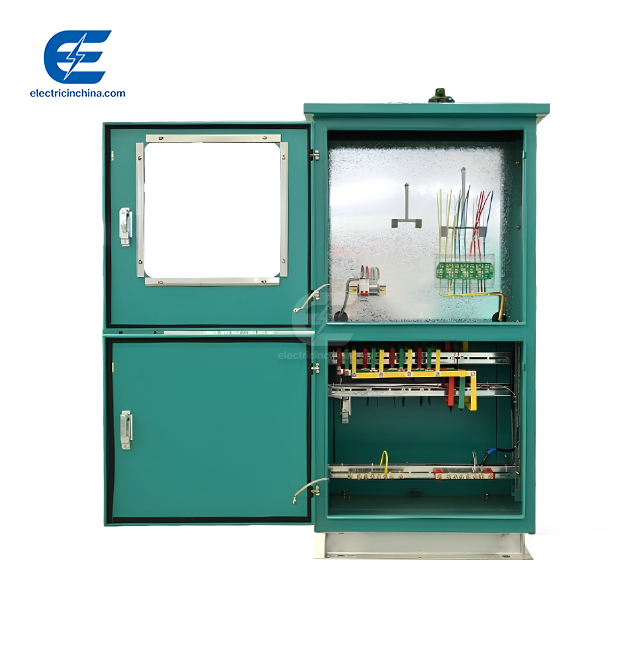
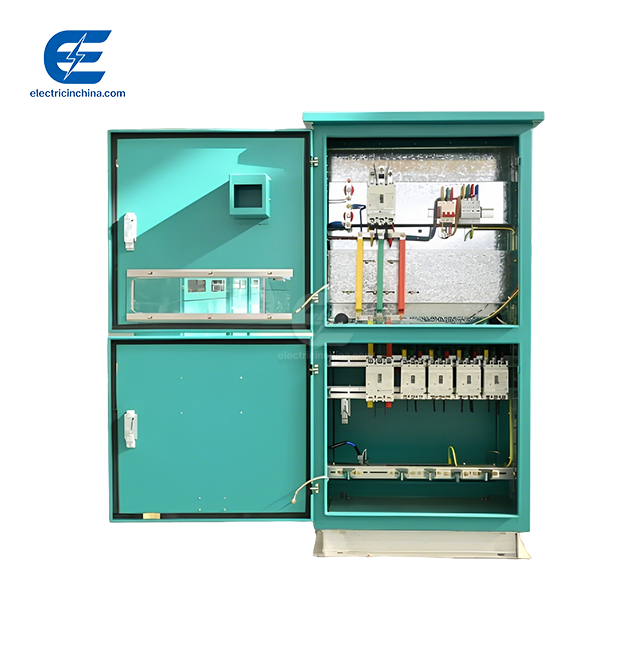
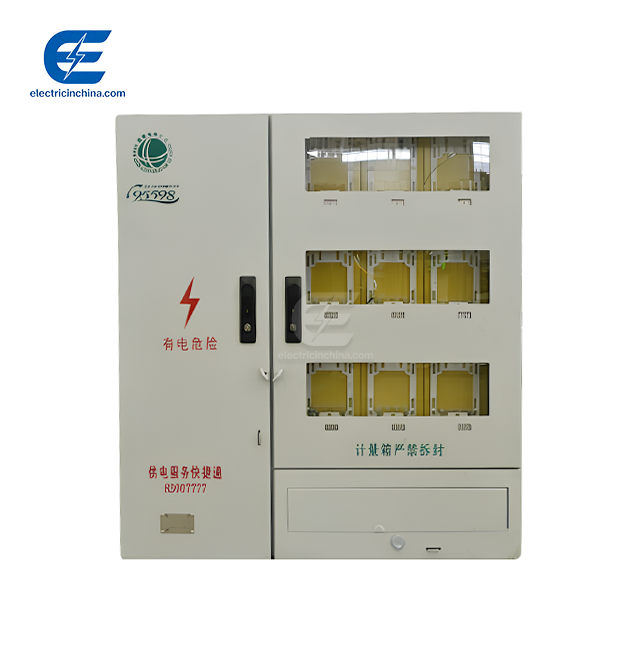
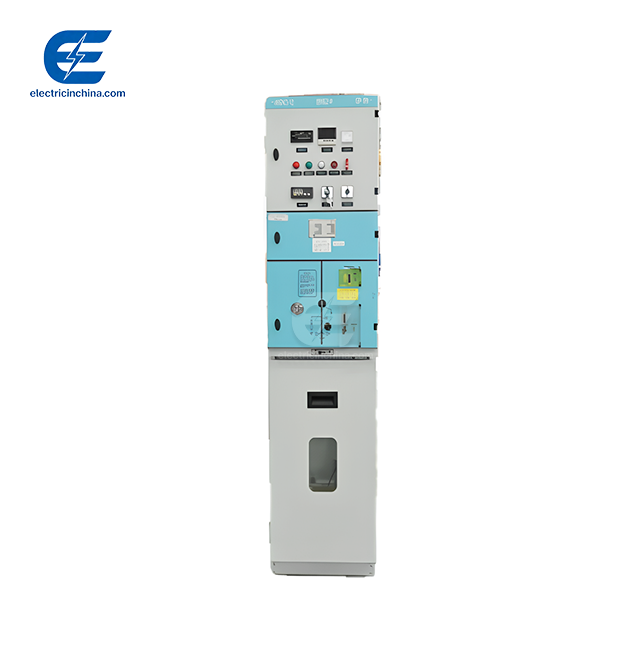
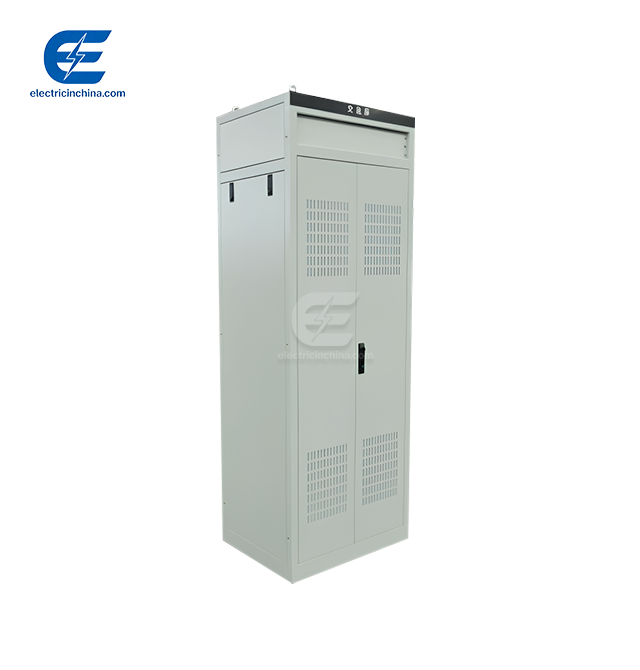
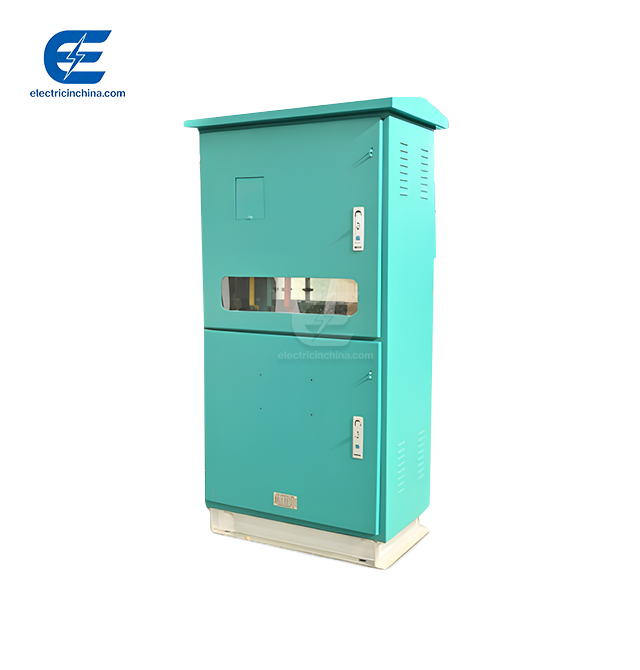
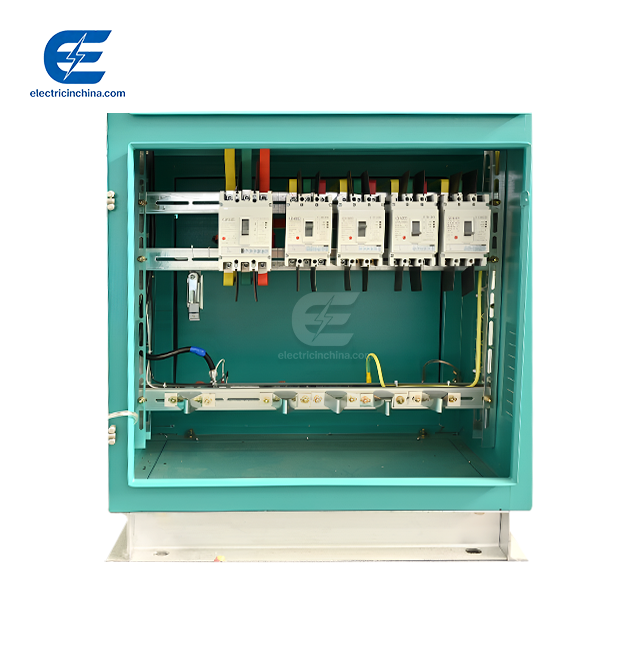
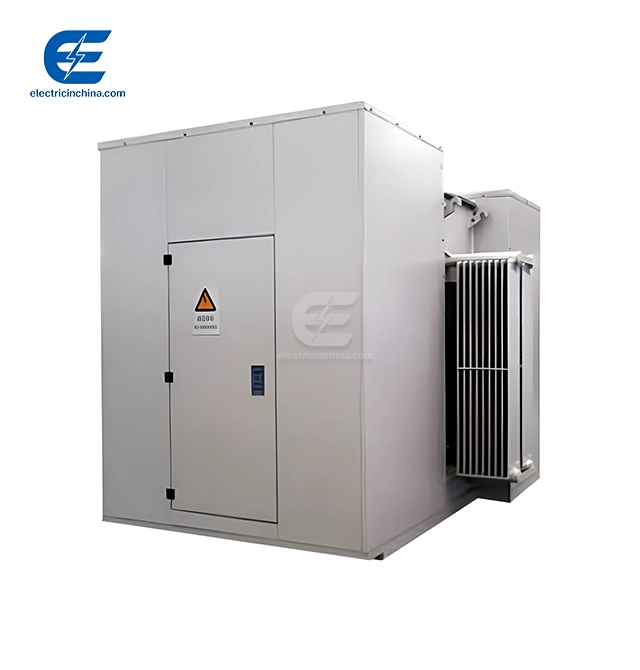
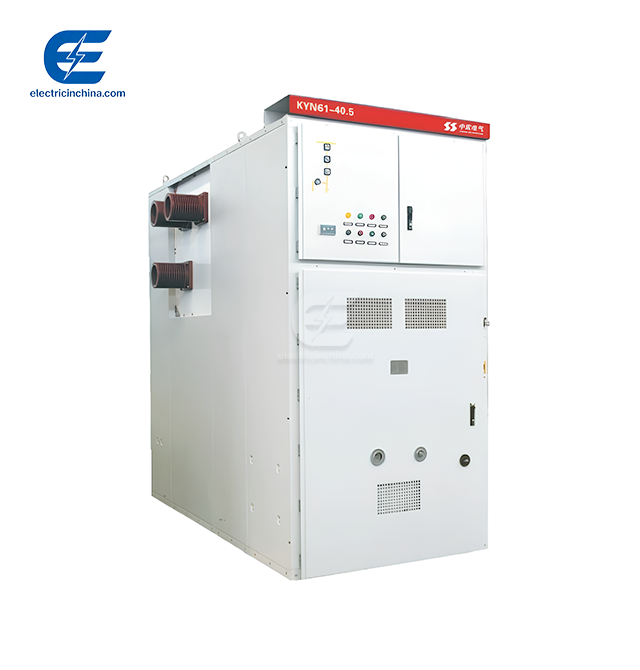
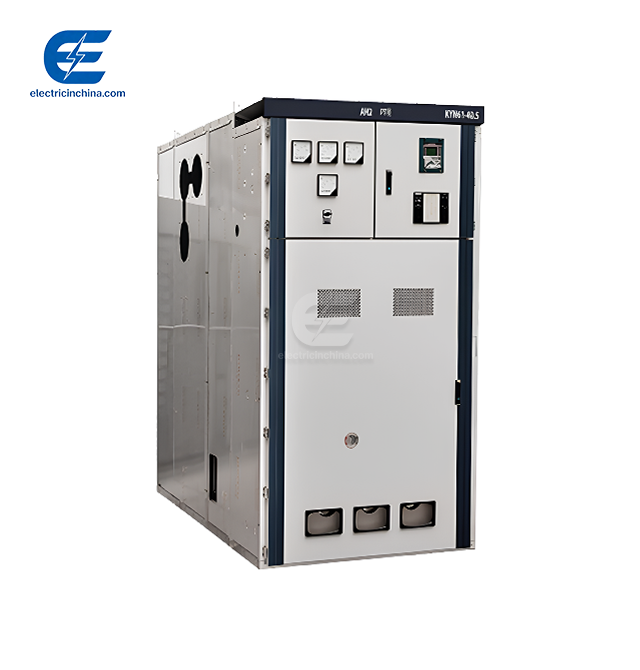
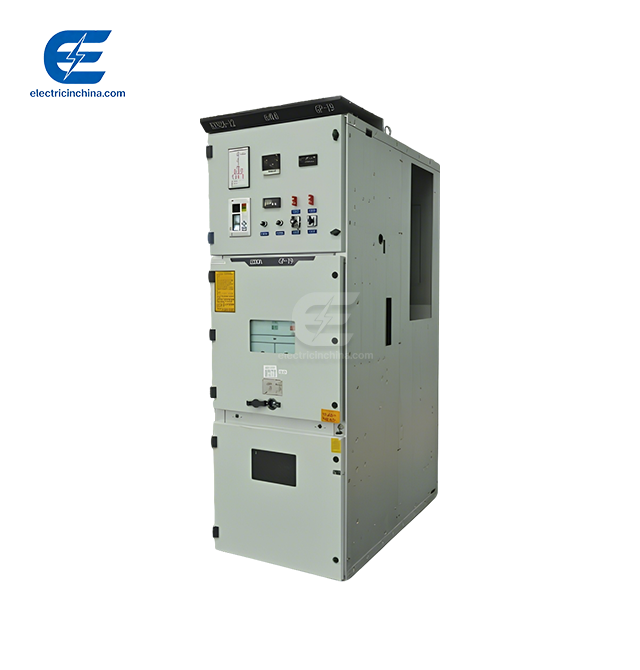
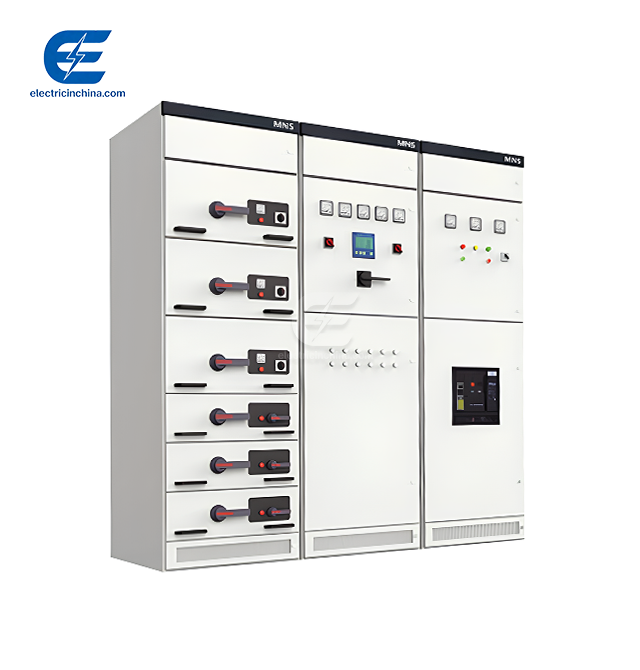
When evaluating power infrastructure for solar installations, understanding the distinction between a Solar Power Compact Substation Transformer and prefabricated solar substations proves essential for project success. A Solar Power Compact Substation Transformer integrates voltage transformation, switchgear, and protection systems into a single, factory-tested unit occupying up to 60% less space than conventional configurations. Prefabricated solar substations, meanwhile, offer modular enclosures housing multiple electrical components with an emphasis on rapid deployment. Both solutions address critical needs in modern photovoltaic projects, yet their operational profiles, installation demands, and long-term cost implications differ substantially. Selecting the appropriate technology impacts system reliability, maintenance accessibility, and overall project economics for decades to come.
Understanding Compact Transformers and Prefabricated Solar Substations
Core Components of Solar Power Compact Substation Transformers
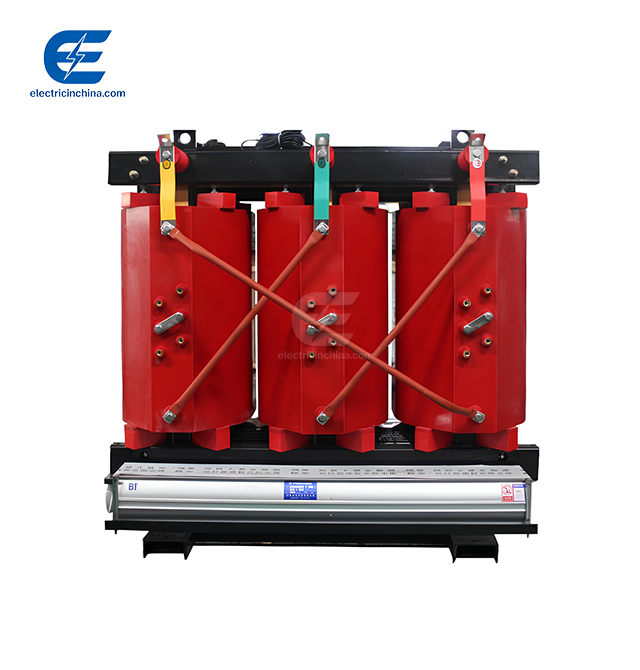
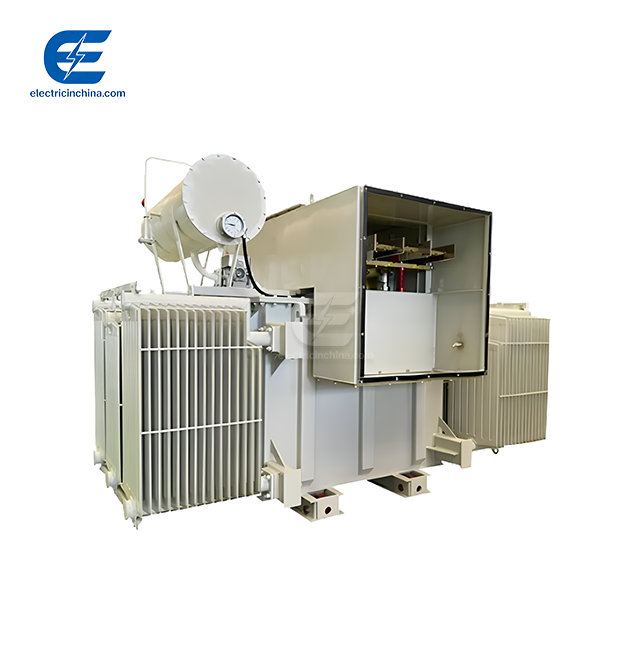
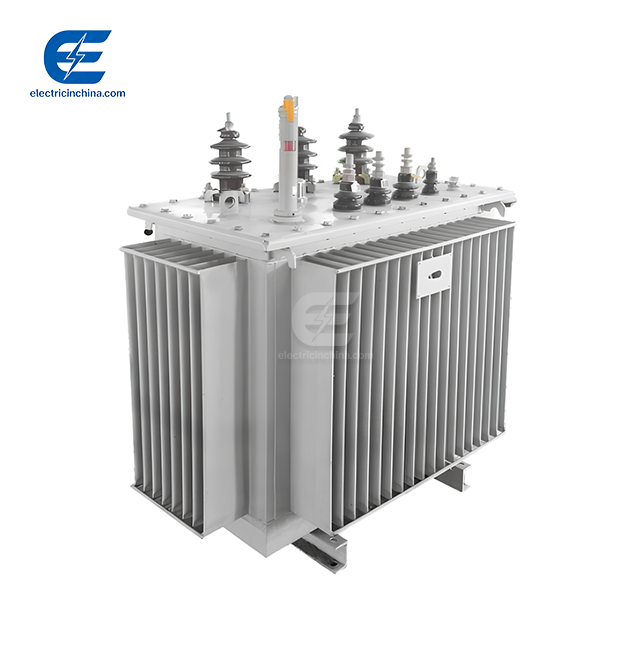
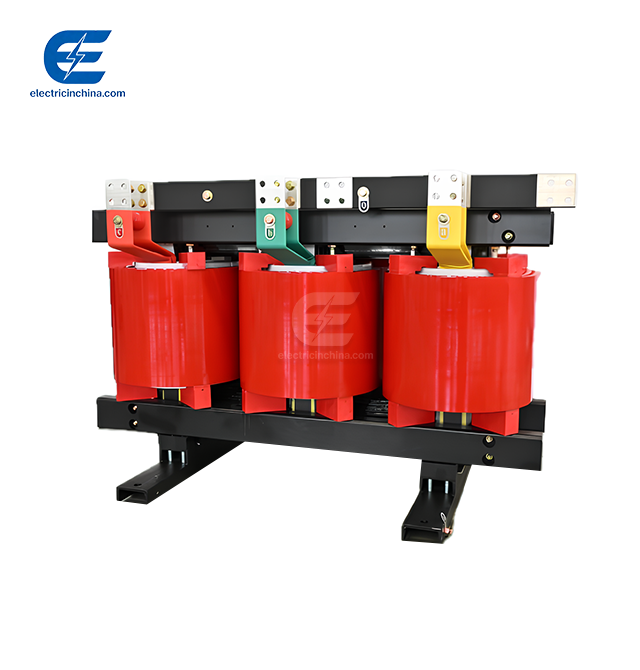
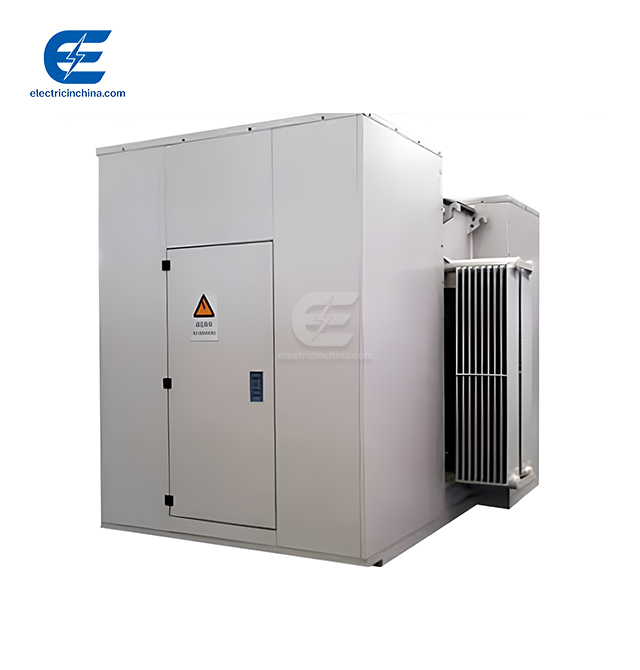
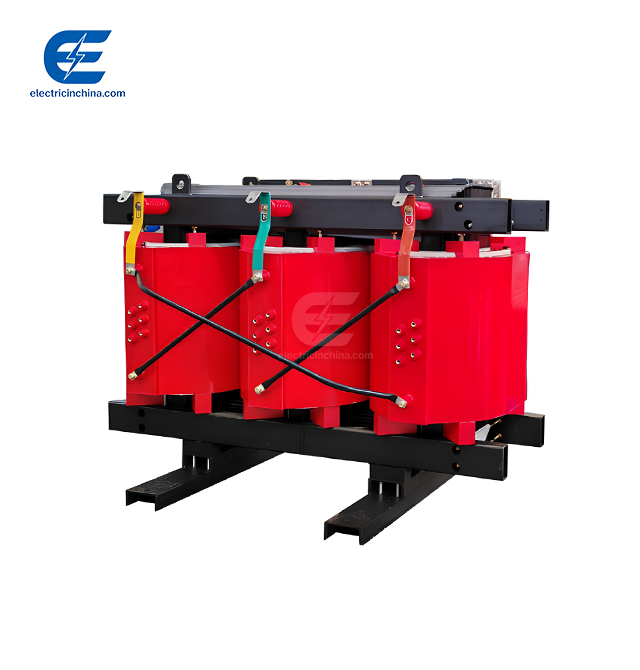
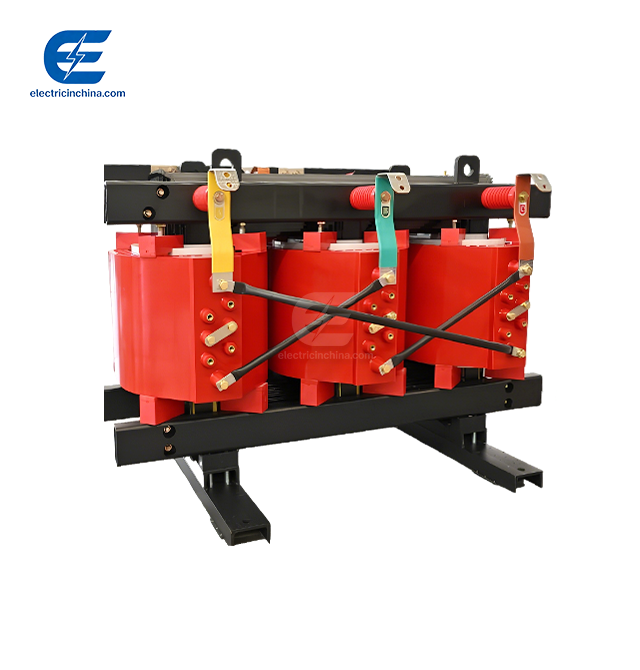
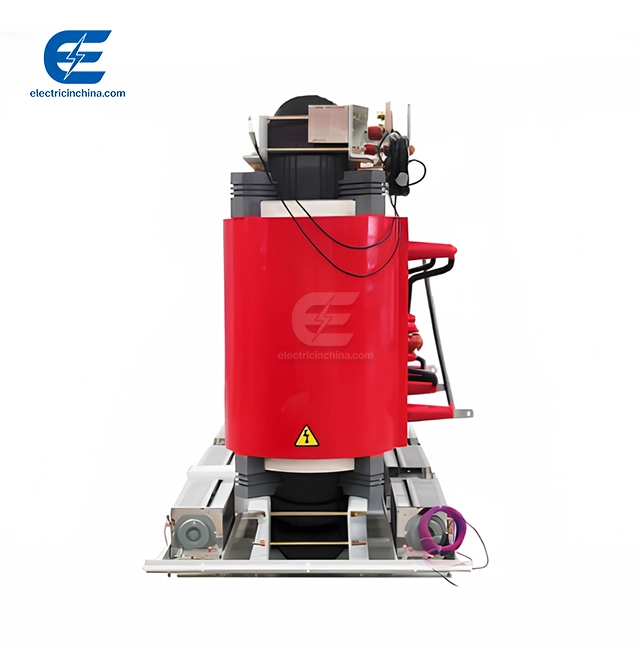
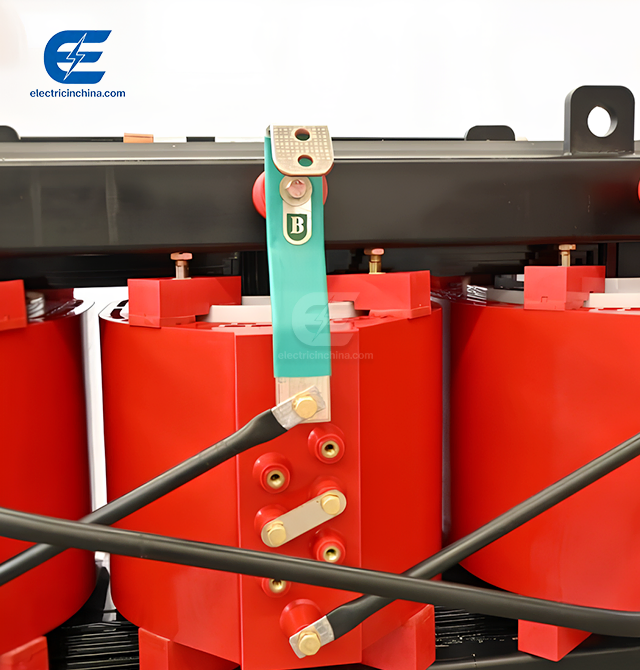
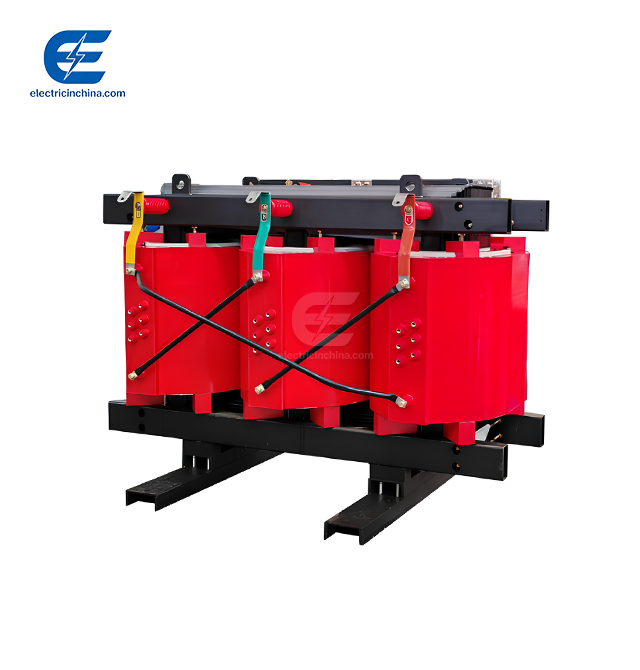
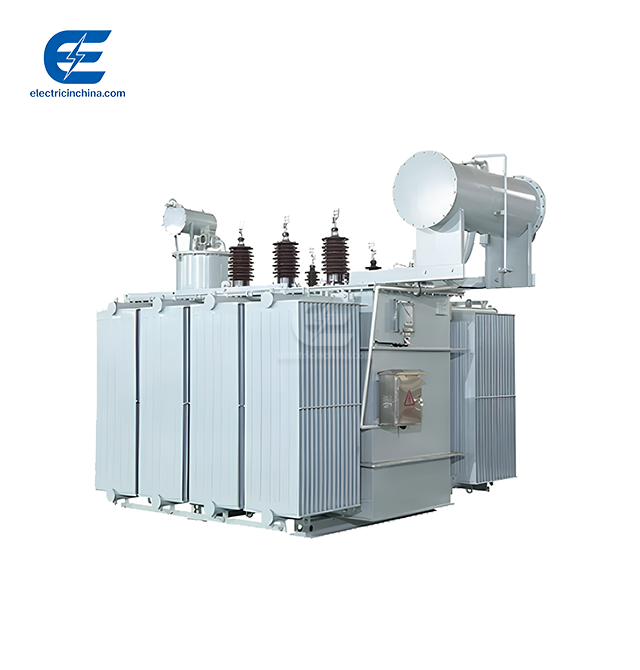
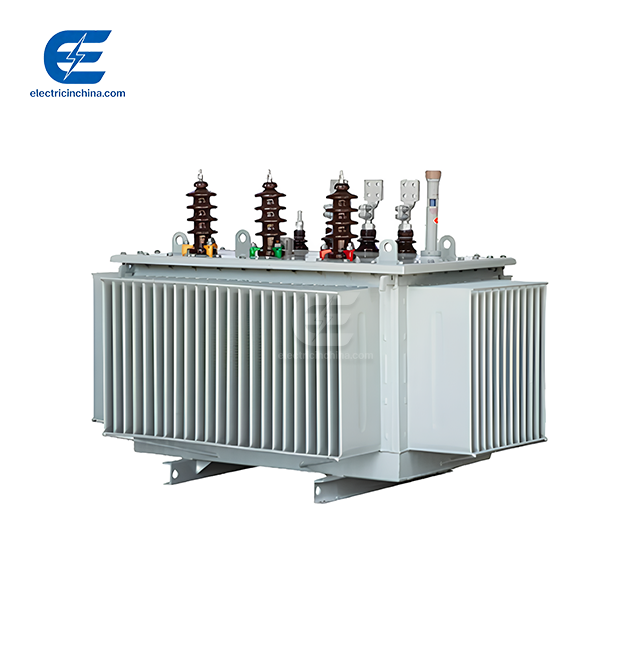
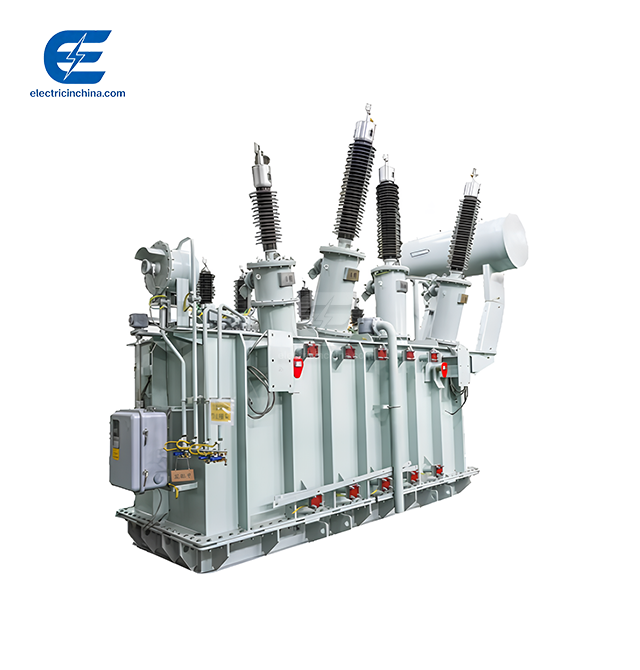
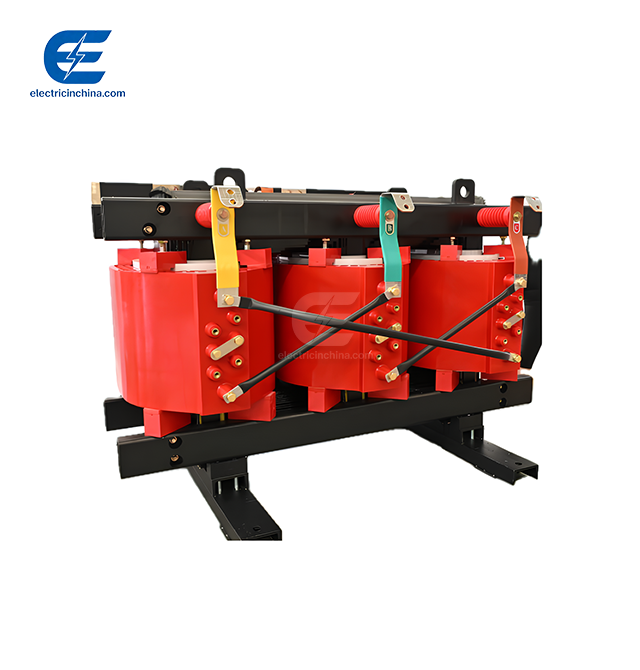
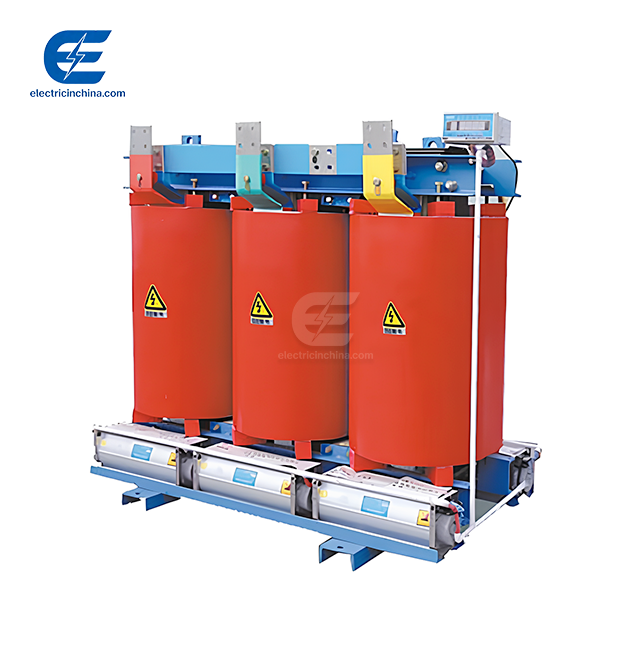
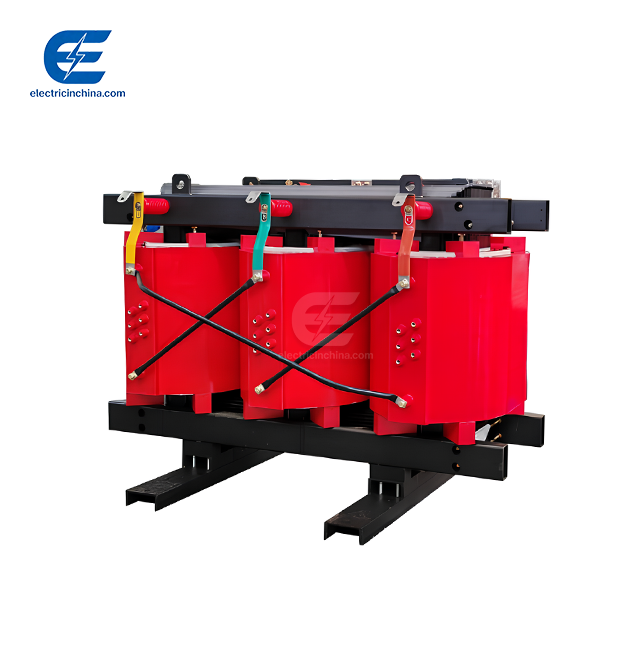
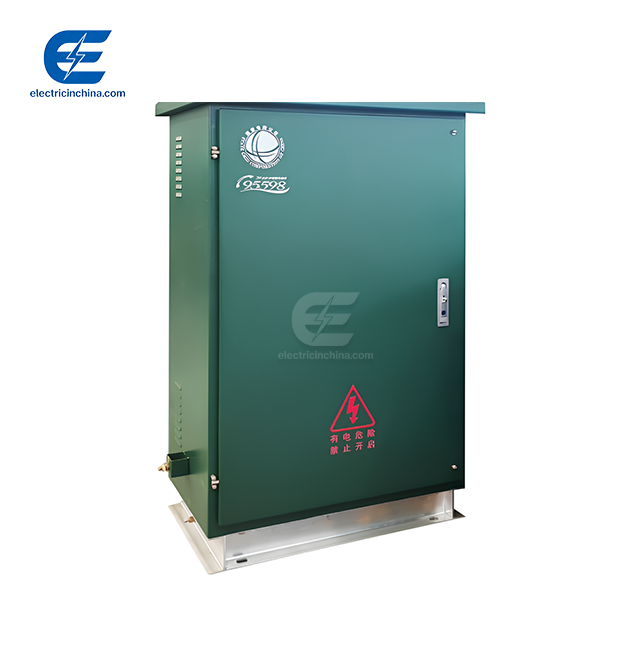
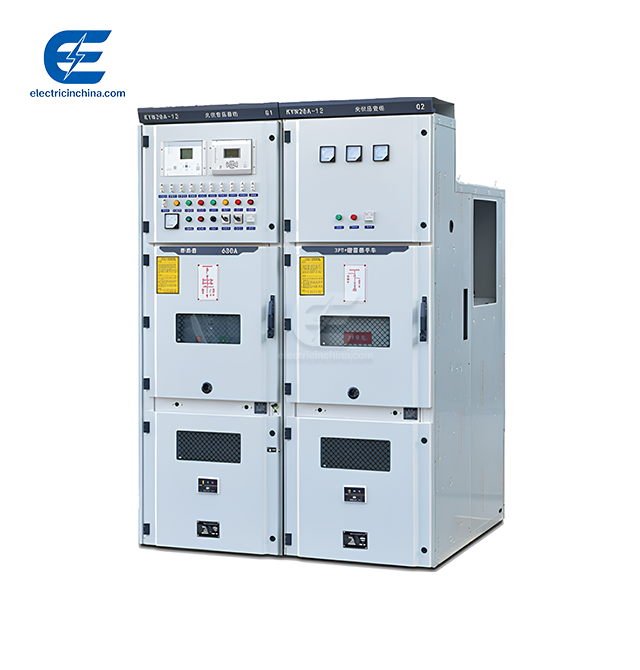
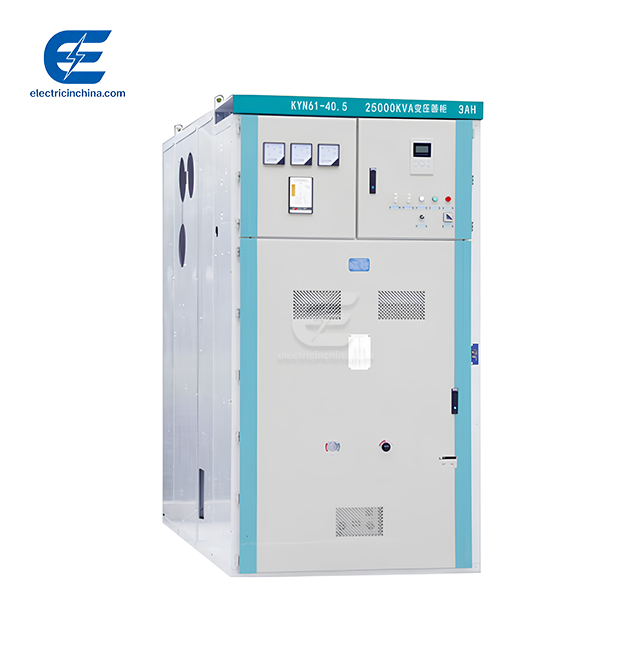
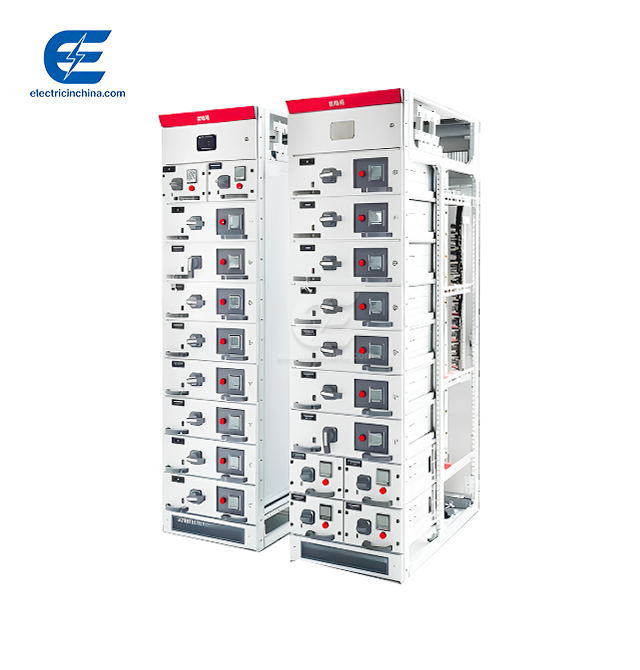
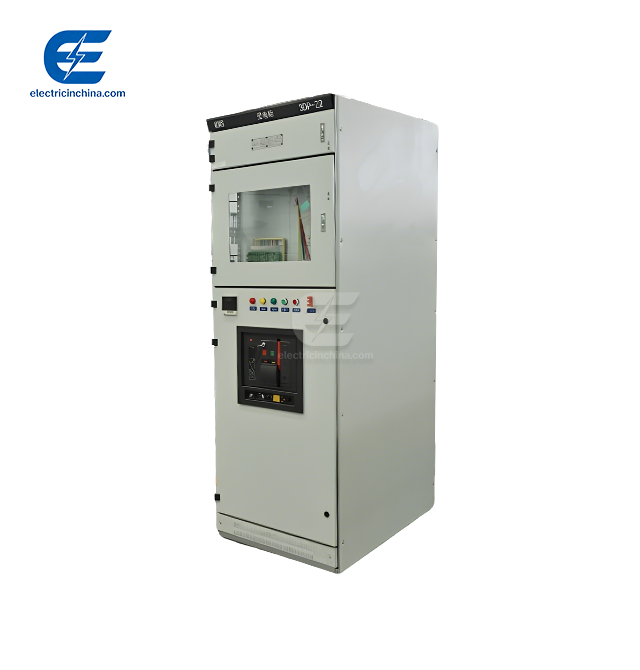
Electrical tasks like voltage conversion, medium-voltage switches, low-voltage distribution panels, and safety relays are all housed in a single Solar Power Compact Substation Transformer. The core of the transformer is made of cold-rolled grain-oriented silicon steel, which has core losses of less than 0.1% at full load. The windings use high-conductivity aluminum or copper wires with Class H insulation systems that can handle 180°C of constant operation. These units have automatic tap changers that keep the voltage control within ±2.5% even when the sun's irradiance changes, differential protection according to IEEE C37.91, and real-time dissolved gas analysis tools that let you plan maintenance ahead of time. Factory assembly and thorough testing following IEC 60076 processes make sure that systems arrive at installation sites fully configured and needing little to no integration on-site.
Design Structure of Prefabricated Solar Substations
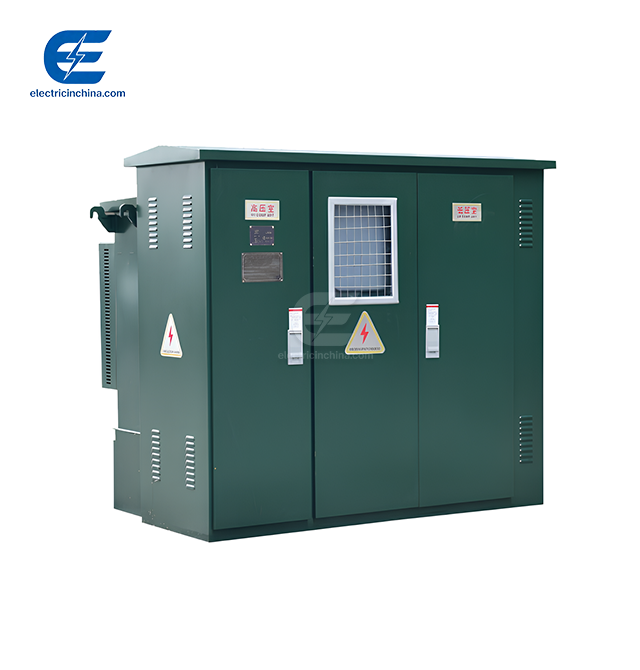
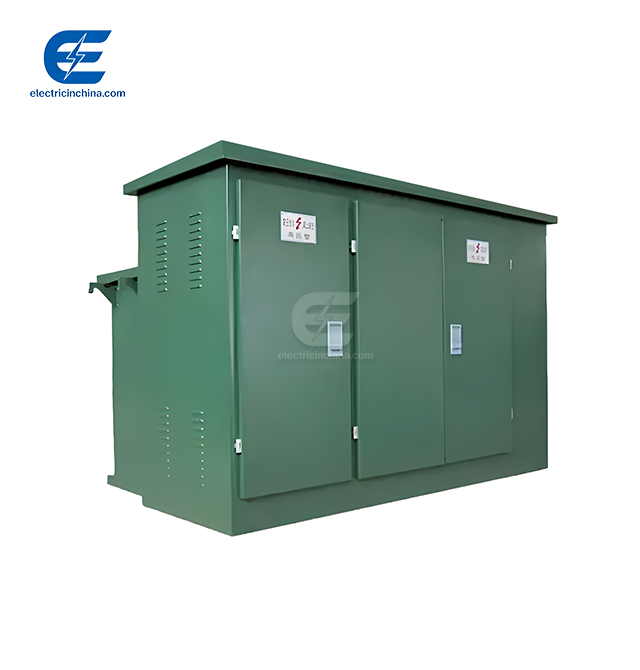
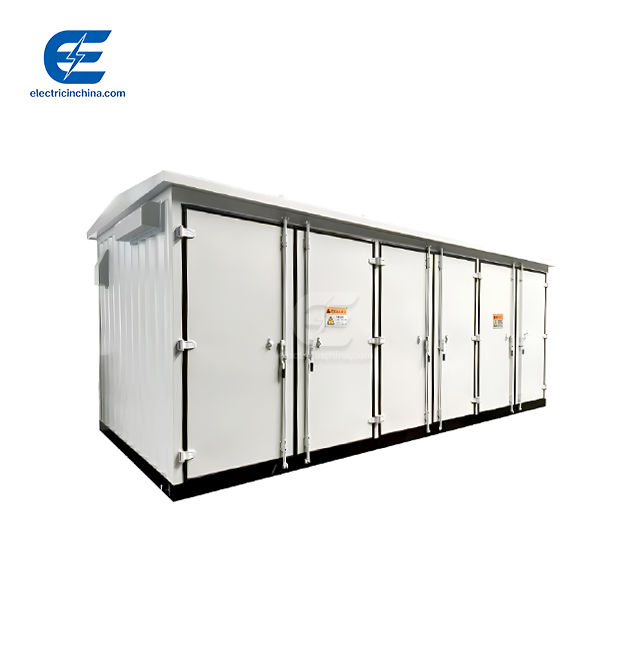
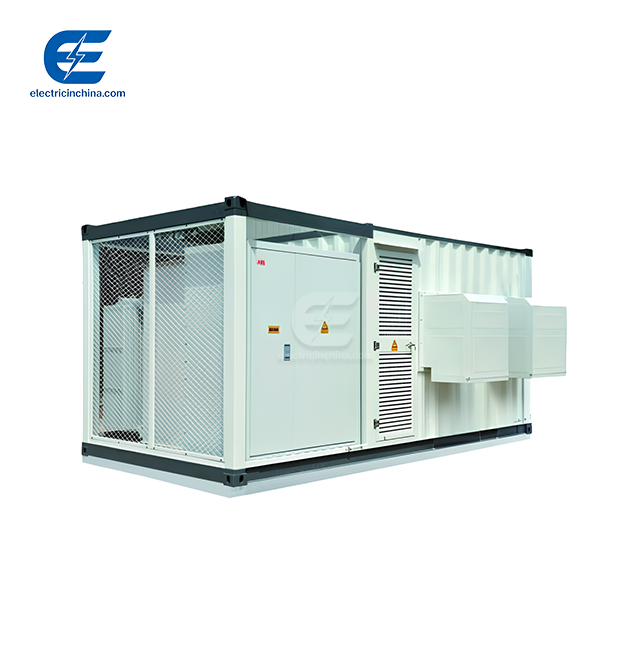
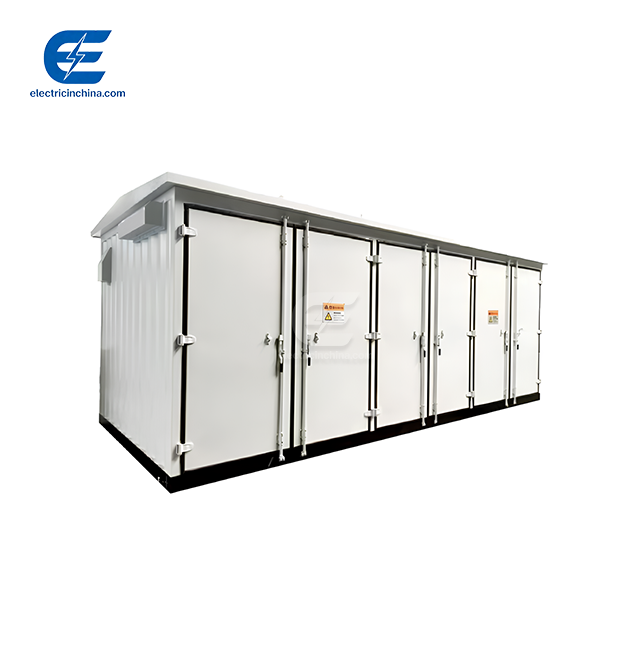
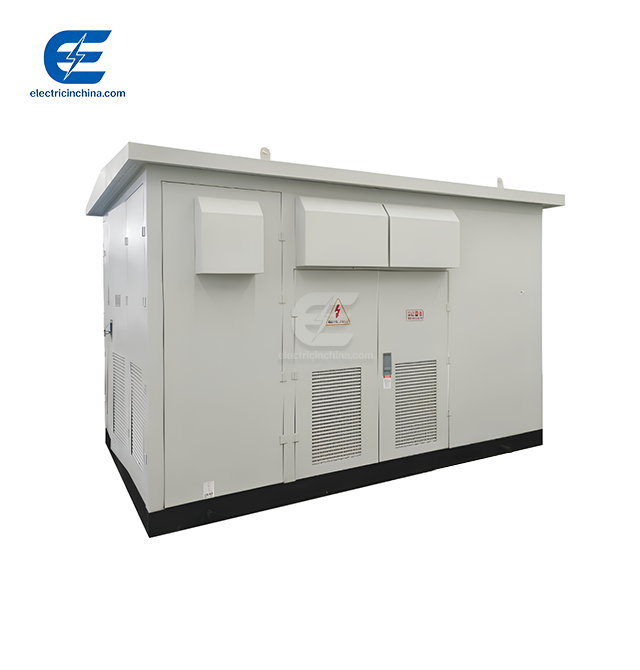
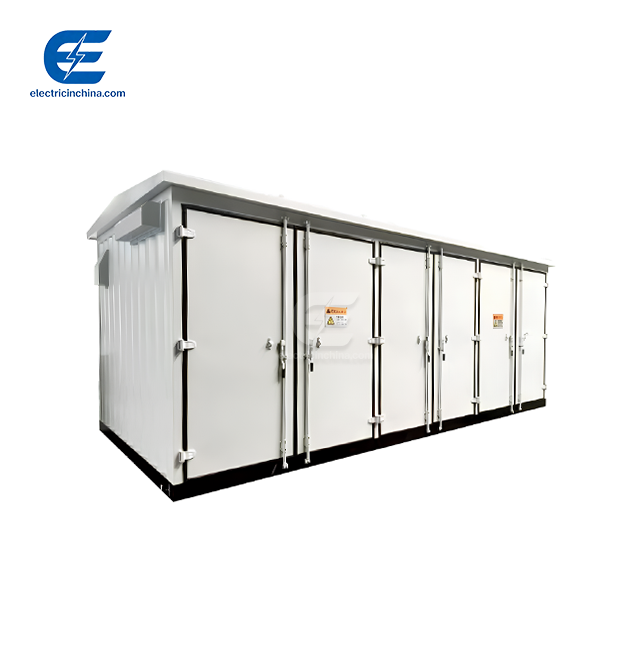
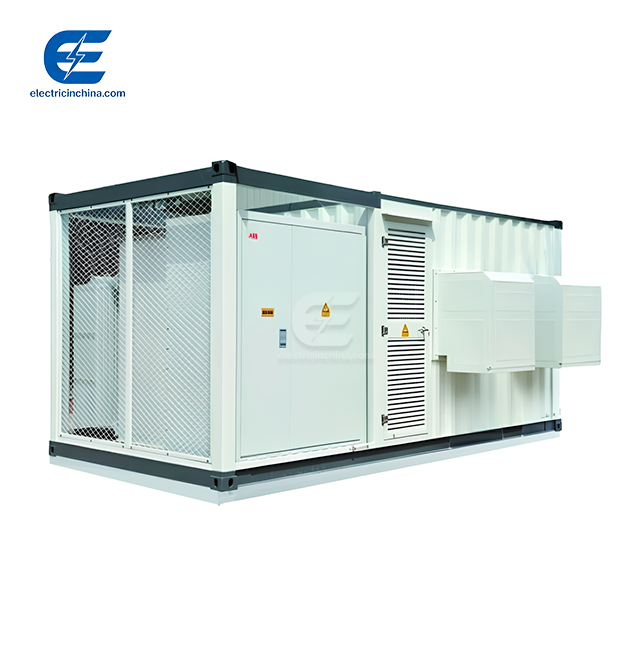
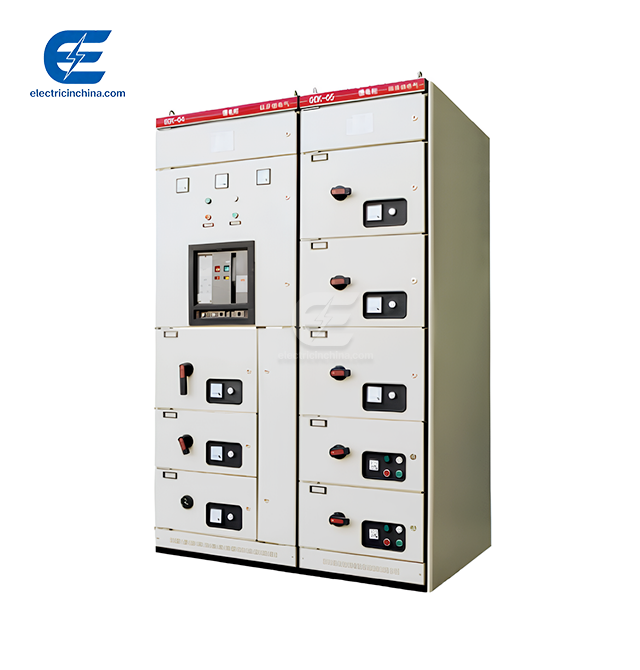
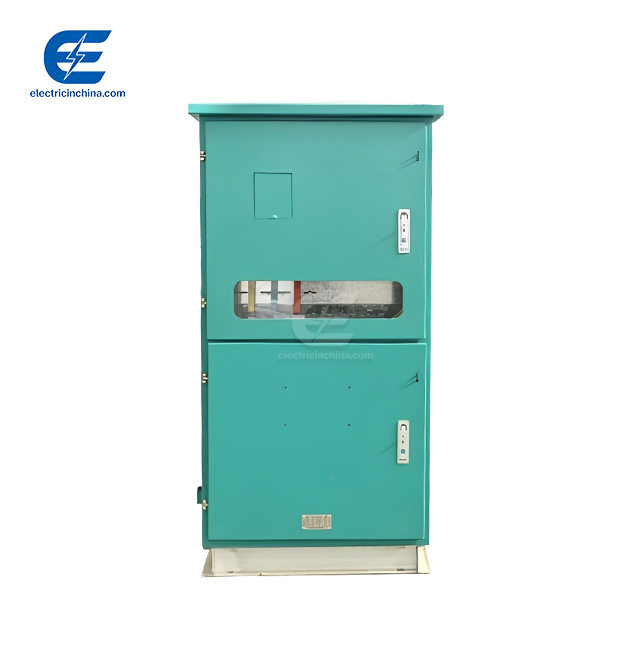
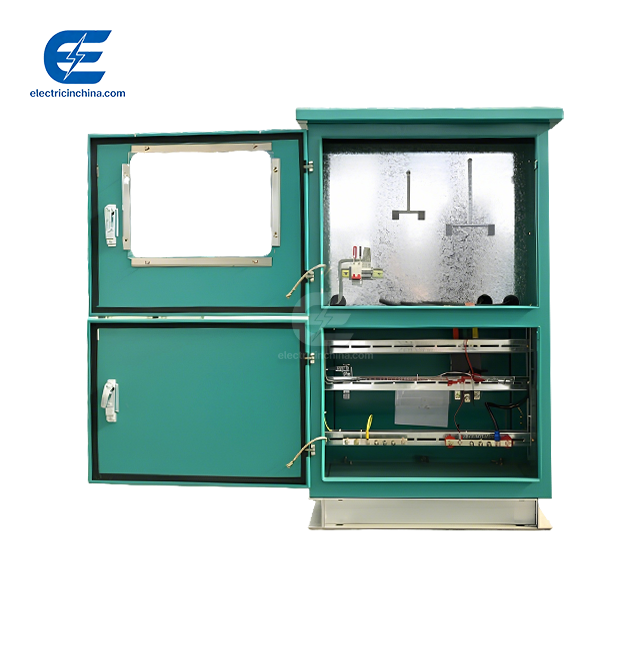
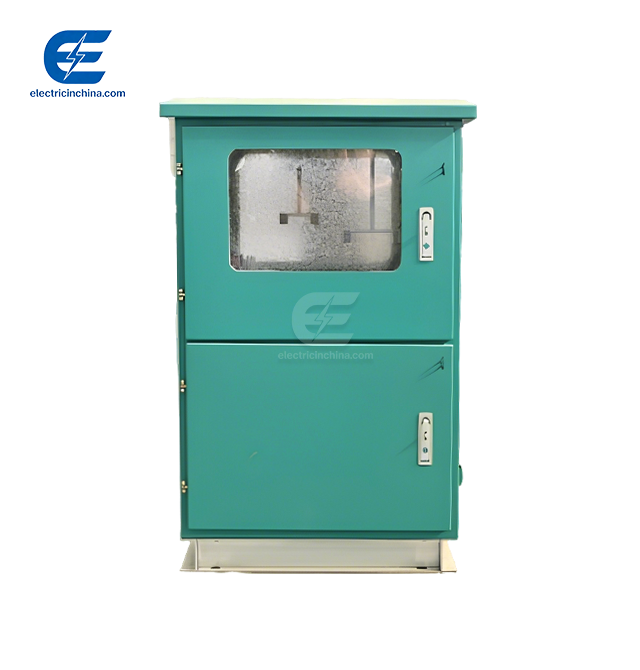
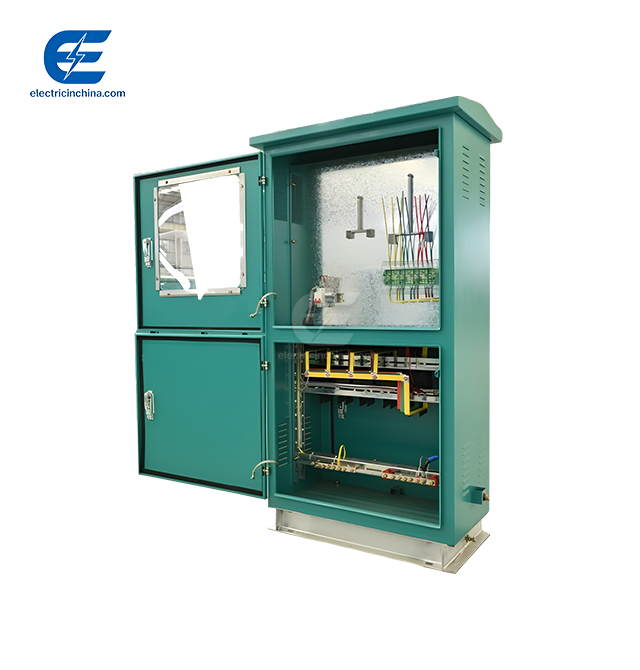
Prefabricated solar substations use a modular design where different parts, like transformers, circuit breakers, disconnect switches, and control systems, come as separate units that can be put together in standard enclosures or containers. This method puts flexibility first, so procurement teams can choose the best equipment from a number of different manufacturers and change layouts to fit the needs of each site. The modular approach allows for gradual capacity growth as solar panels get bigger, but it requires a lot of work to be done on-site, like wiring between components, integrating control systems, and making sure that the protection plan works as a whole. Environmental protection depends on the design of the enclosure rather than the building as a whole. For outdoor installations, NEMA 3R or IP54 grades provide resistance to dust and water.
Technical Specification Comparison
Both systems can change voltages over similar ranges, with main values ranging from 690V to 35kV and secondary voltages up to 138kV for transmission interconnection. Power outputs range from 500kVA for local generation to 40MVA for utility-scale solar farms with more than 100MW of total capacity. Solar Power Compact Substation Transformers have a 98.7% efficiency rate because they have a better magnetic circuit design and built-in cooling pathways. On the other hand, prefabricated assemblies usually have a 98.3% efficiency rate because of extra connection losses between separate parts. The biggest difference can be seen in their physical sizes. For example, a 2.5MVA compact transformer only needs about 15 square meters of installation space, while an equivalent prefabricated configuration needs 35 square meters. The type of foundation needed depends on how much weight is on it. Integrated designs concentrate loads, while modular systems spread weight across many equipment pads.

Key Differences Between Compact Transformers and Prefabricated Solar Substations
Design Philosophy and Construction Methodology
The main difference is the strategy for integration. Holistic engineering is used in compact transformer designs to make the best use of electromagnetic interactions, patterns of heat dissipation, and mechanical stresses throughout the whole system during the early stages of development. Based on field reliability data from installations that have been up and running for more than 15 years, this unified approach gets rid of interface vulnerabilities between parts that were sourced from different places. This cuts down on potential failure points by about 40%. We've made transformer systems with special grounding matrices and shielding configurations that keep electromagnetic interference levels below 40 dB²V/m at 30MHz. This keeps nearby communication infrastructure from being affected, which is especially important in commercial developments with lots of electronic systems.Component-agnostic designs are used in prefabricated substations, which give buyers more options but make cooperation more difficult. To make implementation work, detailed specifications must be made to make sure that the functions of the transformer tap changer, the ratings for interrupting circuits, and the protective relays are all compatible. This modularity is helpful when the needs of the project require specific brand preferences that are set by standardizing existing infrastructure, or when buying strategies use competitive bidding across equipment categories.
Performance Characteristics and Efficiency Implications
Thermal control has a direct effect on the lifespan and working efficiency of transformers. Solar Power Compact Substation Transformers use unified cooling strategies that optimize the radiator surface area, oil circulation paths, and heat exchanger placement as a whole. For capacities below 5MVA, advanced designs use ONAN (Oil Natural Air Natural) cooling, and for bigger units, ONAF (Oil Natural Air Forced) setups with thermostatically controlled fans keep the winding temperature above 65K. This thermal control keeps the insulation's integrity. Accelerated aging tests showed that its performance dropped by less than 1% over 25 years of use, even in dry settings with temperatures above 50°C. Temperature management in prefabricated installations depends a lot on how the enclosures are ventilated a nd how far apart the parts are. When solar systems experience both peak generation and peak outdoor temperatures at the same time in the summer afternoons, inadequate airflow paths can create localized hot spots that speed up the degradation of insulation. Our engineering experience with solar projects in coastal areas and high-altitude areas above 3000 meters shows that integrated thermal design gives better performance stability in harsh environments.
Installation Requirements and Maintenance Accessibility
Construction schedules make compact transformer deployment a lot more likely. When factory-assembled units arrive, they are ready to connect to incoming feeders and outgoing distribution circuits. Within 48 to 72 hours of delivery, commissioning sequences are finished. The foundation requirements are simplified to reinforced concrete pads that support concentrated loads. This gets rid of the need for multiple equipment pads, cable trenches, and interconnecting conduit systems that are needed for prefabricated assemblies. We finished the Xuzhou Rail Transit Network Control Center power supply system using small transformers and completed dual-circuit commissioning three weeks earlier than planned. This was a huge benefit because the project had to work with wider rail system activating dates. Accessibility for maintenance comes with trade-offs that need to be weighed against practical objectives. Compact designs put service entry points in key places, but the high density of parts may make it hard to work on larger projects at once. Prefabricated designs allow for large gaps between equipment, which makes replacing parts easier, but they also need nearby systems to be shut down at the same time for repair work to be done. Both methods work with condition-based maintenance plans and have built-in detection systems that check the levels of dissolved gasses, the activity of partial discharges, and the temperature profiles. With IEEE C57.152-compliant remote monitoring, predictive maintenance scheduling is possible, which cuts unplanned downtime by 35–40% compared to standard time-based maintenance methods.
Procurement Considerations and Cost Analysis
When comparing the initial capital expenditure, you need to look at the total installed costs, which include civil works, commissioning services, and transportation logistics. Solar Power Compact Substation Transformers have higher unit prices because they require more factory integration labor and strict testing protocols. However, this higher price often goes down when the benefits of lower civil construction costs, faster project completion, and lower commissioning costs are properly modeled. Our study of recent EPC projectsthe shows thatsystem's activationare just as cheap as premade options for projects bigger than 10MVA, and the benefits get bigger as the capacity goes up. When evaluating a seller, warranty systems should be looked at very carefully. Leading manufacturers offer 24- to 30-month warranties that cover guarantees on materials, workmanship, and performance. For critical infrastructure applications, longer warranties are available. For normal compact transformer specs, delivery times are usually between 16 and 20 weeks. For customized designs that need to deal with specific environmental conditions or grid connection needs, delivery times may go up to 24 weeks. While prefabricated parts usually ship more quickly, total project timelines get longer because of the time needed for building and integration on-site.

Advantages of Using Solar Power Compact Substation Transformers
Space Optimization and Site Footprint Reduction
In business and industrial zones, the cost of buying land often goes over $500 per square meter. This makes the space economy one of the most important economic drivers. Solar Power Compact Substation Transformers have a much smaller footprint than regular substations, which makes it possible to install them in crowded cities where regular substations would not work. In the Tianyu Yayuan commercial development project, we used small transformers that only took up 18 square meters each, instead of the usual 45 square meters. This freed up valuable land for construction that could make money while maintaining full electrical capacity. This saving of room goes beyond the transformer's own size. Less space is needed around electrical equipment because of built-in fire suppression systems and lower spacing requirements.
Compliance with International Standards and Certifications
Regulatory compliance is a must in both government building projects and foreign EPC contracts. We keep our ISO 9001 quality management, ISO 14001 environmental management, and OHSAS 45001 health and safety at work certifications up to date across all of our production activities. Our Solar Power Compact Substation Transformers go through a lot of tests that are based on the IEC 60076 series standards. These tests make sure that the transformers work well in hot conditions and can handle high voltages and short circuits. These certifications give purchasing teams written proof that the product is reliable, which speeds up the approval process with regulatory bodies and meets tender standards that require widely known quality systems.
Scalability and Future Expansion Capabilities
Solar setups often have their capacity increased in stages as the need for energy rises or as more land becomes available for array placement. Several strategies can be used to make compact transformer designs expandable: multiple units can work together in parallel using the same bus structures; future upgrades to tap changers will make voltage regulation better; and energy storage systems can be added as the cost of batteries drops. Modern compact designs are adaptable, so they can add small amounts of capacity without replacing all of the infrastructure. This protects the original capital investments while allowing the system to grow. When we designed transformer systems for photovoltaic industrial parks, we made sure they could grow by 40%. This was done by adding bus extensions and more paralleling between transformers, which turned out to be very useful as factories made more products over the years.
Proven Reliability Through Project Experience
Real-world performance data backs up the benefits of compact transformers in a wide range of situations. The XCMG Group's project to improve its power source needed it to be completely reliable so that it could support precise manufacturing tasks that couldn't wait for voltage changes or power outages. We provided compact transformer systems that were available 99.7% of the time during their first five years of operation, with no unexpected outages caused by transformer breakdowns. The GCL Photovoltaic Industrial Park installation is resistant to the environment because it is sealed, which keeps dust out of high-particulate-count industrial environments and keeps the thermal performance even tho the ambient temperature regularly exceeds 45°C during summer operation. These sites, which include utility-scale solar farms, rail transit systems, and business developments, show that compact transformers are reliable even in tough working conditions.

Comparing Leading Brands of Solar Power Compact Substation Transformers
Technological Innovations and Market Positioning
Transformer makers around the world have come up with unique methods to meet the needs of solar applications. Siemens focuses on digital integration with IoT-enabled monitoring platforms that offer real-time analytics on performance and algorithms for predicting when maintenance will need to be done. ABB focuses on high-efficiency core materials and advanced cooling technologies that aim to boost efficiency in places with high ambient temperatures. Schneider Electric focuses on modular designs within small frames, which let customers make their own setups while still getting the benefits of factory assembly. These technological differences meet the needs of different customers, such as digital access for operators handling distributed solar portfolios, thermal performance for sites in the desert, or configuration freedom for a wide range of project needs.
Service Networks and Technical Support Quality
Lifecycle costs and operational continuity are greatly affected by the post-installation support infrastructure. We've set up a full-service team with 15 senior engineers and more than 30 intermediate techs who can quickly answer technical questions and fix problems on-site when needed. This level of technical knowledge makes it possible to offer customized commissioning help, operator training programs, and preventative maintenance services that make equipment last longer than 30 years. Regional service centers are run by international manufacturers, but reaction times and parts supply vary a lot depending on where the center is located and the local partnership networks that are in place. The quality of technical help shows up during the system planning stages as well. Our engineering team works with customers to come up with the best transformer specs based on their needs for connecting to the grid, the surroundings, and their plans for future growth. This consultative method is different from transactional supplier relationships that are only about selling tools. Instead, it encourages partnerships where technical knowledge helps the project succeed as a whole. We've helped customers figure out how to meet complicated grid code requirements, create protection coordination studies, and find the best transformer size for non-standard solar array configurations. These are some of the value-added services that set comprehensive solution providers apart from vendors of standard equipment.
Transparent Pricing and Warranty Commitments
The prices of Solar Power Compact Substation Transformers are based on how customizable they are, how much power they can handle, and how environmentally friendly they need to be. The price range for standard 2.5MVA units with ONAN cooling and basic protection systems is between $45,000 and $65,000, depending on the voltage ratings and certification needs. The price range for high-capacity 10MVA setups with ONAF cooling, advanced diagnostic systems, and earthquake approval is usually between $180,000 and $240,000. We provide clear quotes that include the prices of the base equipment, any extra features that you might want, the cost of transportation, and the cost of commissioning services. This lets you accurately calculate the total cost of ownership during the review steps of the buying process. For solar projects requiring step-up voltage conversion, Solar booster transformer solutions can be integrated into the overall transformer configuration according to the project's voltage and capacity requirements. The warranty covers materials, workmanship, and performance for 24 months after the system is put into service. It makes sure that the rated efficiency, temperature rise limits, and insulation resistance meet the promises made in the specification. There are choices for extended warranties that cover key infrastructure applications for an extra 60 months. This is because replacement costs and fines for losing operations are high enough that premium service agreements are worth it. These guarantee structures, along with our 20-year history of operation and well-documented project portfolio, give procurement workers the peace of mind they need to make big capital investments.

How to Choose Between Compact Transformers and Prefabricated Solar Substations for Your Project
Assessing Project-Specific Requirements
The selection process starts with a full list of requirements that include technical factors, site features, and operational top priorities. Power capacity analysis should look at the maximum output of the solar array, as well as future growth stages, environmental derating factors for installations at high elevations or extreme temperatures, and the voltage levels at utility connection points that control grid interconnection. We suggest working with experienced transformer makers early on in the design process. This is because early cooperation helps find problems like harmonic resonance risks, voltage regulation needs when generation conditions change, and coordinating safety with utility systems.Site constraints often limit the options that can be used. Urban installations with limited space, rooftop solar projects, and brownfield redevelopments often need compact transformer configurations because of limited space and hard access for construction equipment. Utility-scale solar farms in rural areas with lots of land may be able to fit premade substations if the buying strategy values flexible parts over efficient use of space. Environmental factors like the chance of earthquakes, being exposed to salt fog along the coast, and wide temperature differences call for specific design features that are possible in both types of solutions but are put into action using different engineering methods.
Evaluating Total Cost of Ownership
A full financial analysis looks at more than just the initial purchase price. It also looks at things like installation costs, running costs, maintenance needs, and end-of-life issues. Because they require less civil work, make commissioning easier, and shorten building plans, compact transformers save money on installation costs. This means that business solar projects can start making money sooner. When both solutions use modern diagnostic systems that allow condition-based maintenance strategies, the operating costs are about the same. However, compact designs may have a slight advantage because they use less cooling energy in forced-air configurations, as they are better at managing heat. Maintenance cost estimates should take into account how often failure modes really happen and how hard they are to fix. Our field data shows that about 0.3% of compact transformers' primary components fail every year, needing service from the manufacturer. On the other hand, about 0.5% of prefabricated assemblies fail, likely because they have more connection points and inter-component interfaces. Even tho these data differences are small, they add up over the 25–30 years that most solar systems are used.
Long-Term Support and Supplier Partnership
When choosing a supplier, the criteria must put long-term relationship viability ahead of just buying equipment. We've built relationships with customers that last over many projects and decades, which gives them access to technical help, parts, and institutional knowledge about how to put things in a certain way. This partnership method is especially helpful when trying to figure out how to fix problems with complex system relationships or when trying to improve performance years after the system was first set up. Support efficiency is greatly affected by how close it is to the support person. Local manufacturing and service skills allow for quick responses to pressing technical needs, easier logistics for replacing parts, and low-cost regular maintenance visits. While international suppliers may offer good prices, they can make things more difficult when it comes to warranty claims, emergency repairs, or regulatory compliance demonstrations that need manufacturer representatives. When evaluating a purchase, these practical factors should be weighed against differences in the original cost, keeping in mind that the lowest purchase price does not always mean the lowest total cost of ownership over the life of the equipment.
Customized Recommendations by Application Category
Utility-scale solar farms with more than 20MW of power can gain a lot from compact transformers because they come in standard designs, are easier to install, and have been proven to work. The combined safety systems and efficient use of space are great for EPC contractors who want to speed up the building process and lower the risk of commissioning. For these mission-critical uses, we suggest small configurations with ONAF cooling, full diagnostic systems, and longer warranties. When it comes to distributed solar projects that serve businesses, factories, and community fields, the choices are more complicated. Prefabricated substations are helpful because they are flexible, even if the existing electrical infrastructure needs to be integrated with certain brands of equipment or when capacity is added in stages with uncertain timelines. On the other hand, business developments with limited room and projects that need to be up and running quickly prefer small transformer options, even if they may cost more per unit.

Conclusion
Choosing between Solar Power Compact Substation Transformers and prefabricated solar substations depends on the needs of the project, taking into account things like budget, time, space, and how the system will work in the long term. Compact transformers work great in situations where small sizes, faster building plans, built-in reliability, and easier starting processes are needed. Solar booster transformer solutions are flexible enough to accommodate a gradual increase in capacity, different brand tastes for parts, and cases where modular procurement strategies work well with an organization's procurement frameworks. When properly chosen and installed, both solutions work reliably. However, compact designs are becoming more popular for utility-scale solar installations, commercial developments, and infrastructure projects that need to be reliable and stick to the schedule. This is because they have integrated engineering, factory testing, and take up less space.
FAQ
What maintenance practices optimize Solar Power Compact Substation Transformer efficiency?
Using integrated diagnostic systems to guide condition-based maintenance protocols improves Solar Power Compact Substation Transformer performance and extends its useful life. Regular dissolved gas analysis finds early signs of insulation failures before they become big problems, and thermal tracking finds strange temperature patterns that mean the cooling system is breaking down or is overloaded. Monitoring vibrations shows problems with the mechanical stability of devices that clamp or change taps. These predictive methods, which are in line with IEEE C57.152 rules, cut down on repair times by 40% compared to standard time-based schedules. They also make systems more reliable by finding problems early on.
How do compact transformers compare with traditional configurations in solar applications?
Solar Power Compact Substation Transformers take up 40–70% less space, are 98.7% efficient compared to 98.3% in standard designs, and can be put in 60–80% faster than traditional mixes of separately installed transformers and switchgear. The integrated design gets rid of connection losses between components and lowers the number of possible failure spots. This makes the product more reliable, with over 99.5% uptime in documented field installs. The sealed construction and built-in cooling systems protect the environment better and give better performance in difficult solar farm environments like deserts and high altitude sites.
What customization options exist for prefabricated solar substations?
Prefabricated substations can be customized in many ways, such as by choosing the voltage level, the size and number of circuit breakers, the configuration of protection relays, and the architecture of the control system. Outdoor walk-in buildings, ISO container forms for quick deployment, and custom shelters that meet specific environmental or esthetic needs are all enclosure choices. This adaptability lets the system work best for each project's needs, such as integrating with existing infrastructure, allowing for gradual capacity growth, and providing the specific grid interconnection features required by utility interconnection agreements.
Partner with Tuojie for Your Solar Power Transformer Needs
Picking the right Solar Power Compact Substation Transformer provider will determine the success of the project for many years to come. Tuojie has more than 20 years of experience developing, building, and starting up power transformers for government buildings, business developments, and industrial facilities in harsh conditions. Our 15 senior engineers and 30+ intermediate technicians offer full technical support, from developing the initial specifications to long-term maintenance partnerships. This makes sure that your solar installation works as well and reliably as possible. We make Solar Power Compact Substation Transformers, certified by ISO 9001, ISO 14001, and OHSAS 45001, and all of our products are put through a lot of tests in our professional quality inspection laboratory, which has more than 120 sets of high-tech tools. We have CNC automatic winding machines, static vacuum casting systems, and microcomputer-controlled gradient curing furnaces in our factory. These allow us to make solutions that are tailored to your specific needs in terms of aesthetics, grid integration, and project timelines. As a reliable Solar Power Compact Substation Transformer manufacturer, we've finished hundreds of power projects, such as rail transit systems, high-speed railroad facilities, and photovoltaic industrial parks, that had strict quality standards and had to be delivered on time. Email our engineering team at tuojie@electricinchina.com to talk about your solar transformer needs and get a full technical plan with clear pricing, delivery dates, and warranty promises. Visit electricinchina.com to learn more about our wide range of products and read case studies that show how we've helped customers around the world get reliable power solutions for tough solar uses.

References
1. IEEE Standards Association. (2019). IEEE Guide for Transformer Fire Safety Practices - IEEE Standard C57.152-2019. Institute of Electrical and Electronics Engineers.
2. International Electrotechnical Commission. (2018). Power Transformers - Part 2: Temperature Rise for Liquid-Immersed Transformers - IEC 60076-2:2011+AMD1:2018. IEC Technical Committee 14.
3. Kulkarni, S.V., & Khaparde, S.A. (2017). Transformer Engineering: Design, Technology, and Diagnostics (2nd Edition). CRC Press, Taylor & Francis Group.
4. Harlow, J.H. (Ed.). (2012). Electric Power Transformer Engineering (3rd Edition). CRC Press, Boca Raton.
5. Kennedy, B.W. (2020). Solar Power Substations: Design and Integration Strategies for Photovoltaic Applications. Renewable Energy Technical Publications.
6.McNerney, G.R., & Richardson, J.M. (2016). Compact Substation Transformers: Modern Design Practices and Performance Optimization. Power Systems Engineering Quarterly, Volume 12, Issue 3, pp. 45-78.