

.webp)
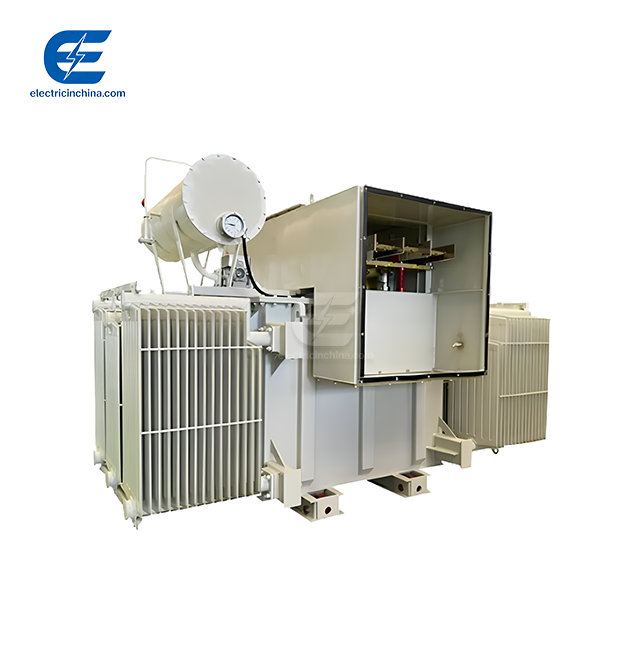
Selecting the appropriate oil-immersed power transformer requires understanding load requirements, environmental conditions, and efficiency standards. These transformers use mineral oil for cooling and insulation, making them ideal for industrial applications where high capacity, durability, and cost-effectiveness matter. The right power selection balances technical specifications with operational needs, ensuring stable performance across steel mills, chemical plants, infrastructure projects, and renewable energy installations. This guide addresses critical selection criteria that help procurement managers and engineers make informed decisions aligned with project timelines and budget constraints.

Critical Factors in Power Selection for Industrial Applications
A thorough load study is the first step in choosing the right power. If you know about high demand, daily load curves, and plans for future growth, you can avoid undersizing, which can lead to overheating, or oversizing, which loses money.
Defining Load Requirements and Capacity
Load assessment includes finding the total connected load, using diversity factors, and adding safety margins, which are usually between 15% and 25%. Extreme load changes happen in steel factories with electric arc furnaces, so they need Oil-immersed power transformers that can handle harmonic distortion and voltage sags. Chemical processing plants need to be able to run all the time, because even short breaks can mess up production cycles. Mining activities have to deal with high temperatures and mechanical movements that change the way equipment is designed.
Environmental and Safety Considerations
The position of the installation affects the level of protection needed. Outdoor units need to have waterproof housing and finishes that won't rust. For health and safety reasons, indoor substations need designs with low noise levels below 50dB. Coastal areas need special coatings to protect against salt spray. Petrochemical plants have explosive atmospheres, so they have to be built in a way that prevents oil leaks that could start fires from happening.
Efficiency Standards and Performance Metrics
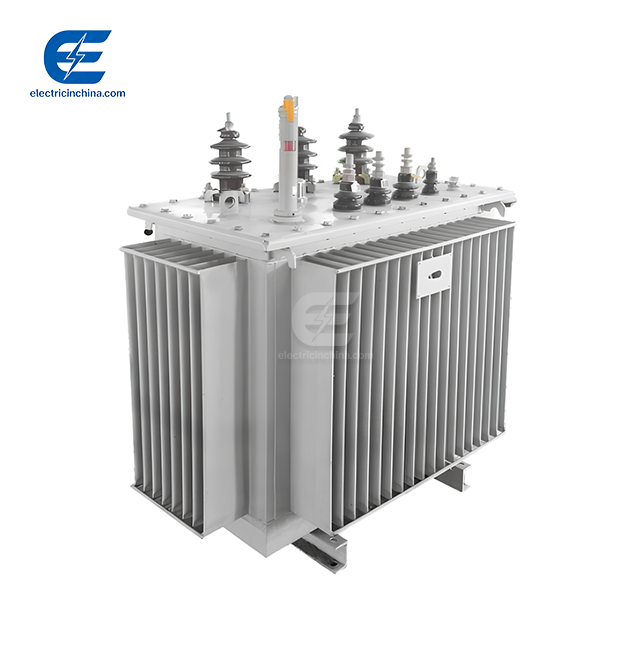
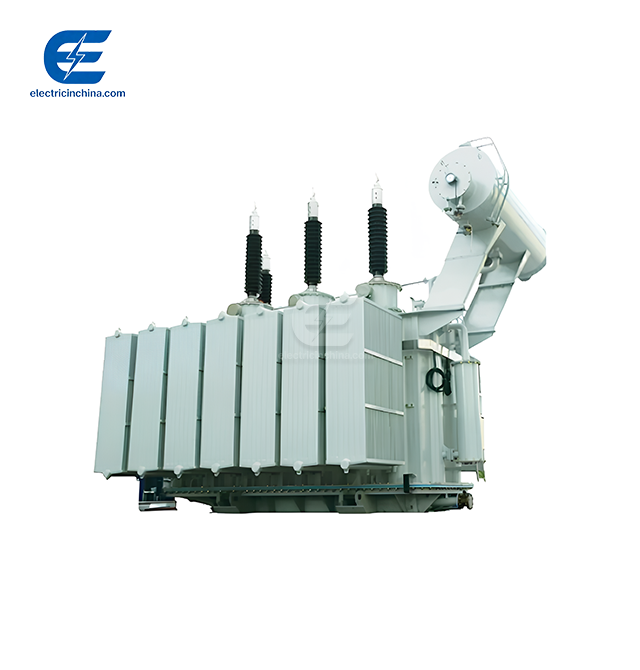
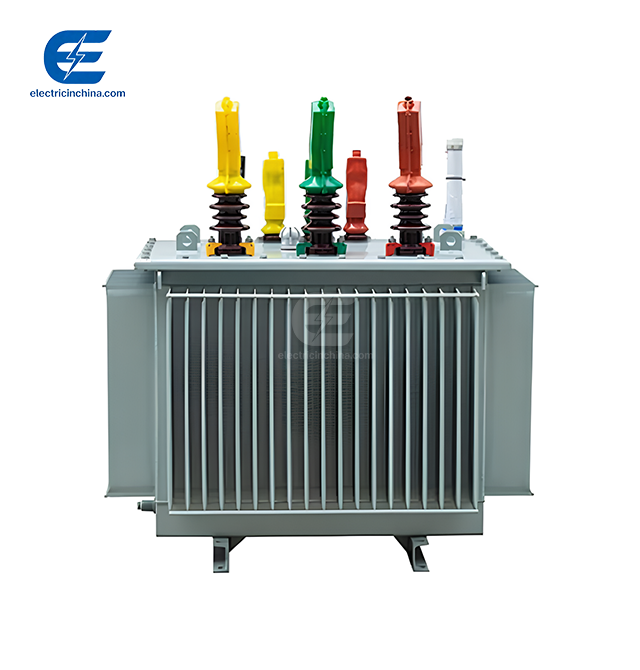
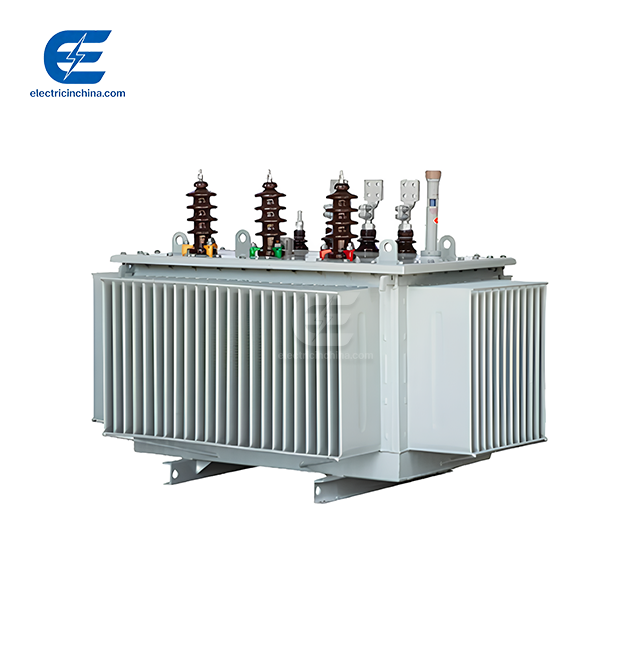
No-load losses happen all the time, no matter what the load is, and they add up to big energy costs over time. With the help of cutting-edge core materials, the S11 type 35 kV oil-immersed power transformer can lower these losses. Load losses depend on the flow of current and have an effect on operating costs during times of high demand. Impedance voltage affects the ability to withstand short circuits and the control of voltage. Temperature rise limits make sure that the windings stay within safe temperature ranges, which are usually 65K for designs that are submerged in oil. These factors have a direct effect on the total cost of ownership over 25 to 30 years of work.
Balancing Technical Performance with Operational Needs
When buying something, people weigh the initial cost of the item against its lifetime costs. Higher-efficiency units cost more up front, but they save enough energy over time to make the extra cost worth it. Maintenance costs and unplanned downtime are cut down by buying from manufacturers with a history of reliability. Standardized designs make it easier to keep track of extra parts than options that are highly personalized. When thinking about the supply chain, you should know that lead times can be anywhere from 8 to 16 weeks for standard ratings and 20 to 30 weeks for custom configurations.

Methodical Approach to Selecting the Right Oil-Immersed Transformer
An organized selection method lowers the risks and makes sure that the equipment's abilities match the needs of the project. This method helps teams make sure they're making good buying choices by guiding them through technical review.
Step-by-Step Load Assessment
To start, write down all the loads that are connected, along with their rated power and when they should be used. Find the maximum demand by using the right diversity factors for the type of load. Set aside some of your facility's ability for future growth, usually 20 to 30 percent. Think about the need for power factor adjustment that lowers the flow of current and the losses that come with it. Check the voltage control to make sure the supply stays stable even if the load changes.
Evaluating Cooling Methods
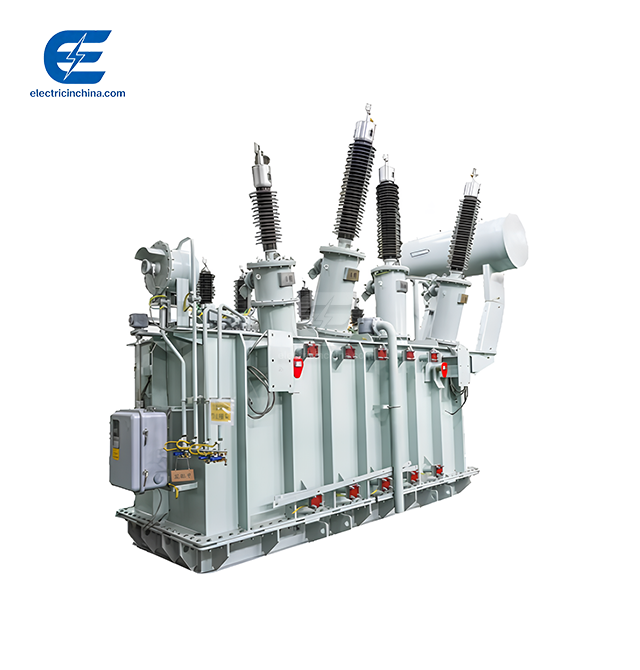
In mild conditions, natural airflow cooling works well for smaller units up to 2.5MVA. Forced air cooling raises the capacity to 10MVA by using fans to help get rid of heat. It can handle 25MVA and more with forced oil movement and air cooling. Designs that are cooled by water are used in places where noise reduction is important or where temperatures regularly rise above 40°C. Each method changes the size, upkeep needs, and costs of running the business.
Selecting Appropriate Insulation Systems
Different types of mineral oil have different pour points and levels of resistance to oxidation. When it comes to thermal aging, paraffinic oils are better than naphthenic oils at low temperatures. Inhibited oils have extra ingredients that make them last longer in tough situations. During operation, oil filter systems keep the oil pure by getting rid of wetness and particles that weaken the dielectric strength.
Comparing Alternative Technologies
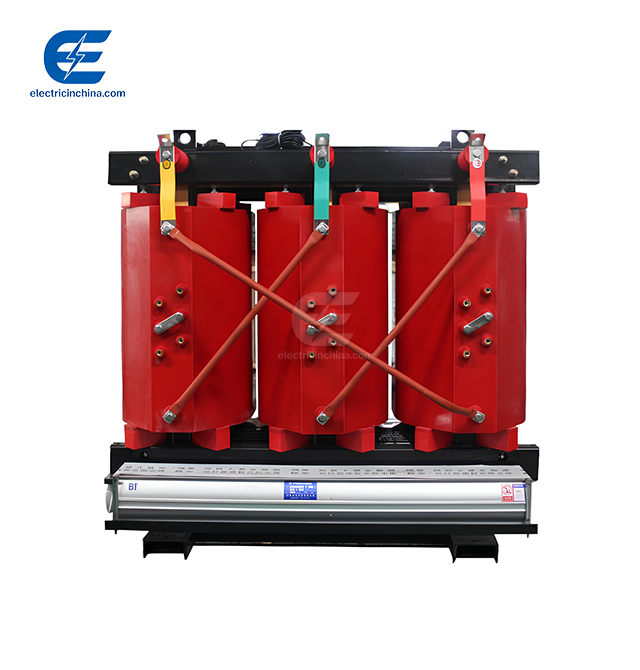
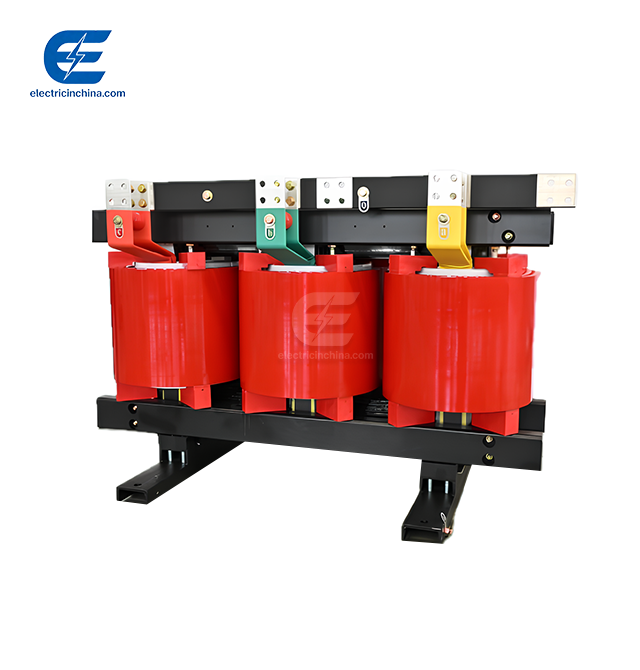
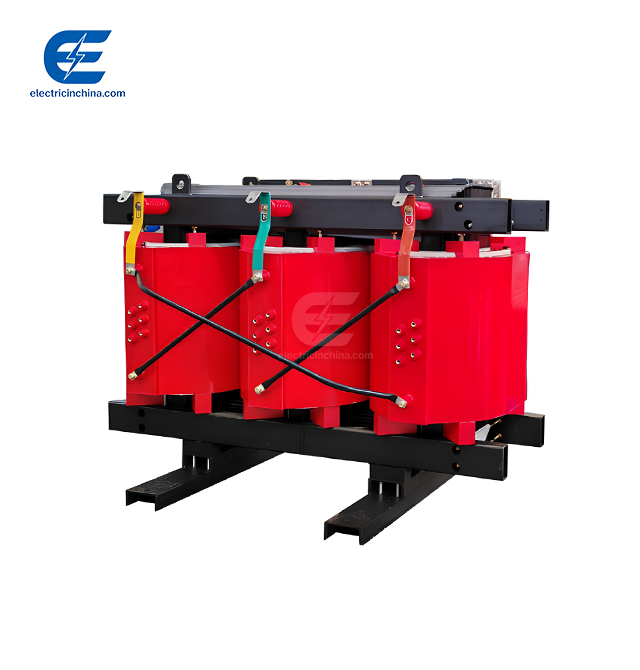
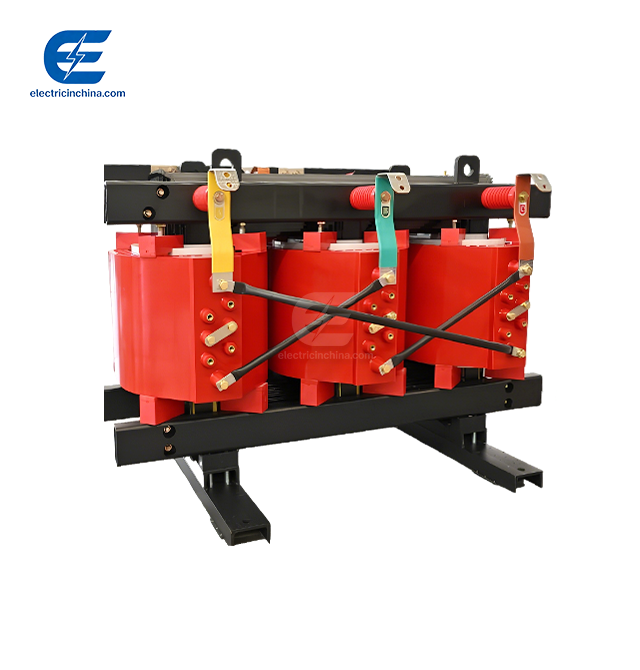
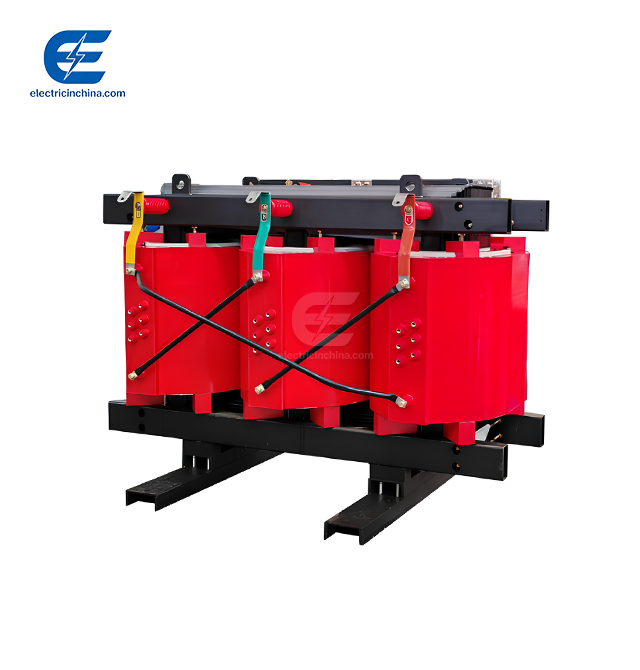
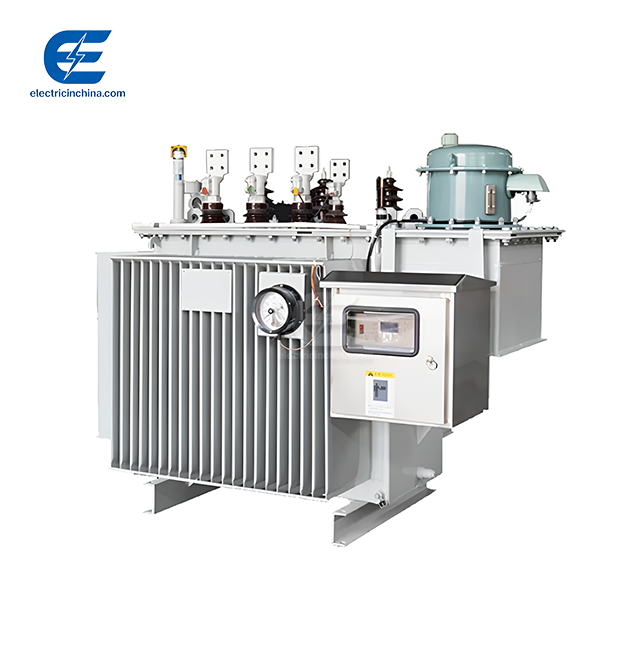
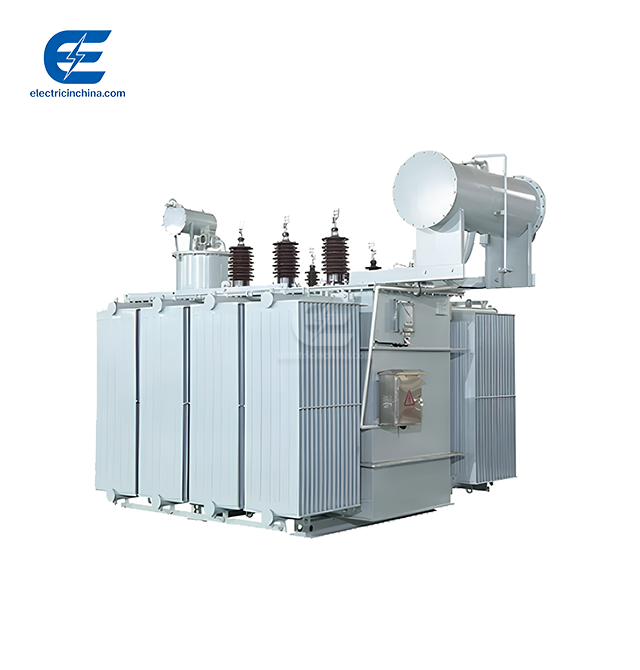
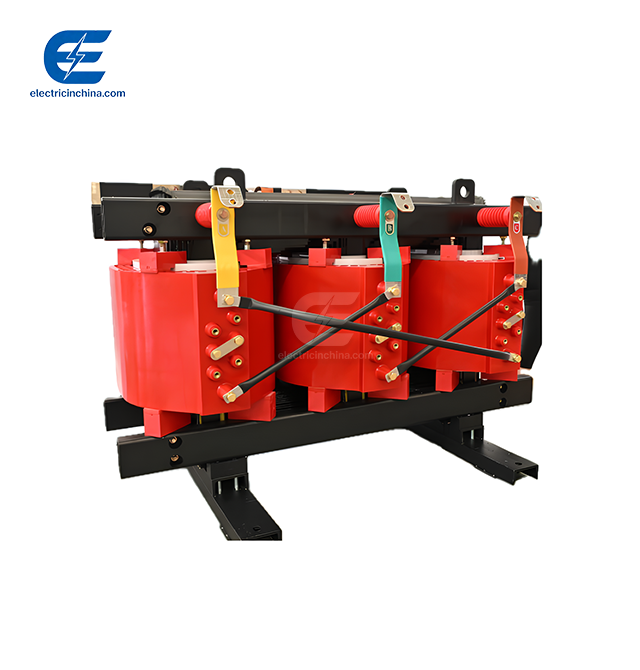
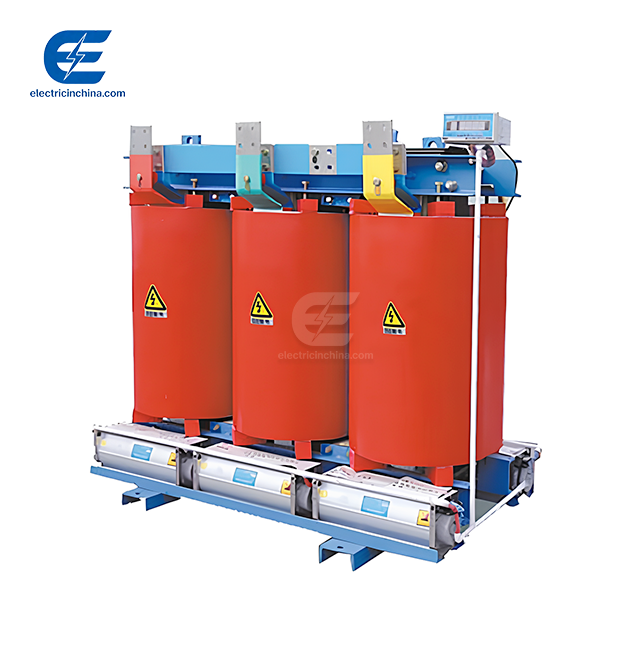
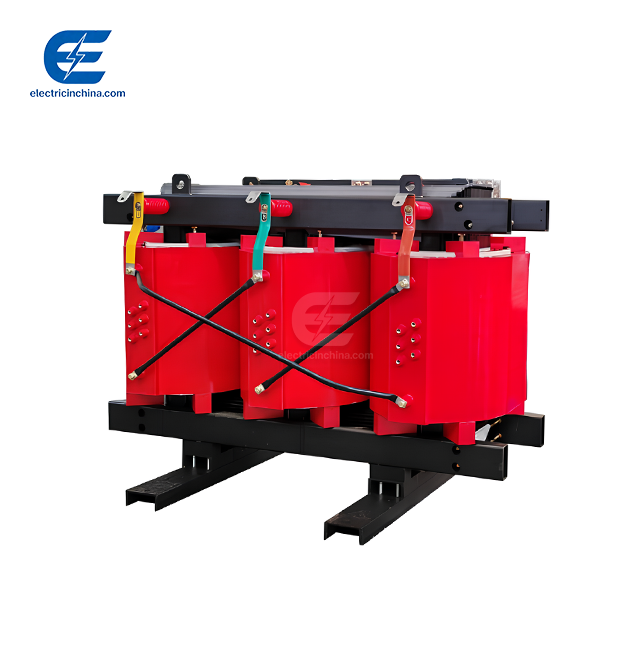
Oil-immersed power transformer designs work best in high-power situations where thermal mass keeps temperature changes stable. Dry-type transformers work well indoors, where fire codes don't allow flammable liquids. Cast plastic units are better at handling pollution and humidity, but they cost a lot more per MVA. The S9 Oil-immersed power transformer for industrial use is useful in a variety of settings, including the production of steel, the processing of chemicals, and mines, where tough construction is required. Knowing about these trade-offs makes it easier to match technology to the needs of an application.
Evaluating Manufacturers and Certifications
Suppliers with a good reputation keep quality management systems that are approved to ISO 9001 standards. Environmental certifications, such as ISO 14001, show that a company is making good products. Regulatory compliance is ensured by product approvals, such as CCC certification requirements in certain areas. Type test reports, routine test processes, and quality control practices should all be part of technical documents. Reference projects in similar businesses give you confidence in the supplier's skills.
Maintenance and Testing as Part of Power Selection Strategy
Lifecycle reliability depends on strict testing methods and preventative maintenance plans. Long-term value is best achieved by taking these factors into account when making initial selection decisions.
Common Failure Modes and Prevention
Moisture getting into insulation leads to dielectric failures. Sealed tank designs in S13-35kV units keep the equipment from being exposed to air, which speeds up the aging process. Overloading causes thermal stress that breaks down the cellulose insulation around the windings. Proper sizing with enough gaps stops mistakes before they happen. Internal insulation is worn away by partial discharge activity, which can be found through dissolved gas analysis before a catastrophic breakdown happens.
Essential Testing Procedures
Before a shipment goes out, performance is checked by factory acceptance testing. Ratio checking makes sure that the turn numbers are correct. Vector group testing makes sure that the phase relationships are correct. Short-circuit strength can be confirmed by measuring impedance. No-load loss tests show how well the device works at its maximum voltage. When measuring load loss, the full maximum current is used. Impulse voltage tests act like lightning strikes to make sure that insulation can handle short-term voltage spikes. Checking the quality of oil involves checking for breakdown voltages higher than 30kV, dissolved gas analyzes that find early signs of problems, and moisture content checks below 10ppm levels. These thorough tests provide written proof that the Oil-immersed power transformer is working properly.
Ongoing Maintenance Requirements
Testing for acidity, measuring interfacial tension, and counting particles are some of the ways that degradation trends are tracked by taking oil samples once a year. Infrared thermography can find hot spots that mean links are loose or there are problems with the cooling system. Monitoring partial discharge finds insulation problems that are starting to form. Using dissolved gas analysis to figure out the levels of fault gases like hydrogen, acetylene, and carbon monoxide can show signs of heat or electrical stress. Regular checks make sure that the oil level is right, the gaskets are intact, and the cooling system works. Oil-immersed transformer maintenance should include these regular checks to help identify potential issues early.
Safety Guidelines and Compliance
National electrical codes and manufacturer specifications are used to guide installation. When there is a fault, grounding systems stop dangerous potential differences. Pressure release systems safely let out internal overpressure. In indoor substations, fire control systems keep oil from starting a fire. Arc flash hazards and the right way to use lockout-tagout during maintenance are taught to employees.

Procurement Tips and Best Practices for B2B Buyers
For strategic buying to work, suppliers need to be carefully evaluated, and contracts need to be clear so that project interests are protected.
Identifying Qualified Suppliers
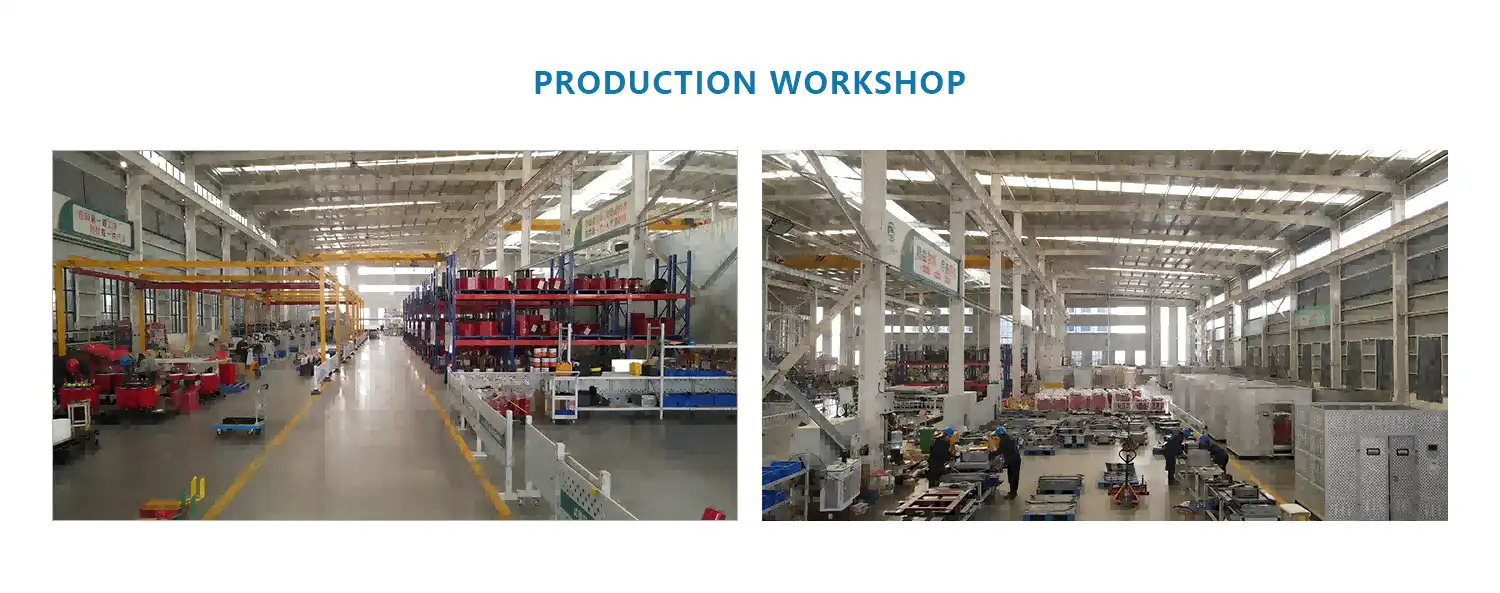
Look into producers who have a history of success in similar situations. Look over case studies that show how installations worked well in similar fields. Check the production ability to make sure that deliveries happen on time even if there are other orders coming in at the same time. Check out the technical support available, such as engineering help during the development of specifications. Quality control labs with high-tech testing tools show that the production process is improved. Companies like Tuojie that have been in the business for more than 20 years show a strong dedication to product growth and customer happiness.
Evaluating Pricing and Delivery Terms
Ask for detailed quotes that break down the costs of the equipment, transportation, insurance, and supervision during installation. Compare prices in a clear way that takes into account differences in efficiency that affect the total cost of energy. Make delivery schedules clearer by adding times for design approval, manufacturing finish, testing in the plant, and shipping. Punishments for being late keep project deadlines safe, and realistic schedules keep production from being rushed, which would lower quality. Deposits are usually due when the order is placed, payments are made as the goods are being made, and the final amount is due before the goods are shipped.
Warranty Analysis and After-Sales Support
Standard guarantees cover problems with the way the product was made for 12 to 24 months after it has been put into use. Guarantees that parts will be available and faster repair services may be part of extended coverage. As part of technical support, installation supervision, commissioning help, and operator training should all be included. Spare parts are easy to find, especially for specialized parts, so there is little downtime during fixes. Service networks with local representatives can respond faster than producers that are far away.
Customization Capabilities
Standard catalog items work well for many uses, but some projects may need voltage levels, impedance values, or mechanical setups that aren't available in stock. Manufacturers who have design freedom can meet special needs without charging too much. Adapting to the local environment by doing things like fixing the height, bracing against earthquakes, or protecting against hot weather shows that you are a good expert. Customization usually adds 4–8 weeks to the lead time compared to regular units.
Conclusion
The load needs, weather conditions, efficiency goals, and lifetime costs must all be carefully considered when choosing industrial-grade Oil-immersed transformer power transformers. Knowing how things work, how each part does its job, and what that means for maintenance helps you make smart choices that balance technical performance with budget constraints. Long-term capital investments come with risks, but they can be kept to a minimum by using structured procurement processes that focus on qualified suppliers, clear pricing, and full support. These tried-and-true methods help purchasing managers and engineers choose reliable tools that can be used continuously in a wide range of workplace settings.

FAQ
What factors most influence oil-immersed transformer lifespan?
Service life is based on how much insulation is lost. Moisture control through sealed tank designs stops things from aging faster. Managing temperature with the right size and cooling systems keeps the purity of the cellulose. Dielectric properties last longer when oil quality is maintained by sampling and reconditioning it on a regular basis. Mechanical parts are protected by proper fitting, which stops harm from vibration and corrosion. Units that are used at their rated capacity and are regularly maintained have service lives of 30 to 40 years for an Oil-immersed power transformer.
How does oil quality affect transformer performance and safety?
Oil that is contaminated lowers the electrical strength, which raises the chance of a fault. When moisture is absorbed, the breakdown voltage drops from 40kV to less than 20kV, which lets flashovers happen. Dissolved gases are a sign of internal problems that need to be fixed. Oxidation makes shielding materials acidic, which shortens their life. Particulates make conductive paths that make insulation less effective.
What distinguishes oil-immersed from dry-type transformers in industrial contexts?
Oil-immersed power transformers can handle higher power levels more efficiently and can handle short-term overloads better. Dry-type designs work well indoors where fire codes don't allow them, but they cost 30 to 50 percent more per MVA capacity. When it comes to maintenance, oil units need to be tested on a regular basis, while dry units only need to be cleaned and inspected. Thermal efficiency supports oil cooling for heavy industrial loads above 5MVA, where it's harder to get rid of heat.
Partner with Tuojie for Your Industrial Transformer Needs
It has effects on project success and operational reliability for decades after choosing the right Oil-immersed power transformer manufacturer. Tuojie has been developing, making, and selling certified power equipment that meets foreign standards for more than 20 years. Our ISO 9001, ISO 14001, and OHSAS 45001 certifications show that we care about safety and quality. With 18 patents, 15 senior engineers, and more than 30 intermediate techs, we can make products that work in a wide range of environmental conditions. Our advanced production facilities have more than 120 sets of specialized equipment, such as CNC winding machines and automated testing systems, that make sure that the products we make are accurate and that the quality is always high. We offer complete power distribution solutions based on our years of experience working on projects in municipal infrastructure, business real estate, and industrial sites. This includes creating the initial specifications, overseeing the installation, and providing ongoing technical support. Email our team at tuojie@electricinchina.com to talk about your unique needs and get expert advice on how to choose the best transformer options. You can look at our full line of products at electricinchina.com and find out how our services as an Oil-immersed power transformer provider can help you reach your procurement goals.
References
1. IEEE Standard C57.12.00-2015, "General Requirements for Liquid-Immersed Distribution, Power, and Regulating Transformers," Institute of Electrical and Electronics Engineers, 2015.
2. IEC 60076-1:2011, "Power Transformers – Part 1: General," International Electrotechnical Commission, 2011.
3. Heathcote, M.J., "The J&P Transformer Book: A Practical Technology of the Power Transformer," 13th Edition, Elsevier Science & Technology, 2007.
4. Kulkarni, S.V. and Khaparde, S.A., "Transformer Engineering: Design, Technology, and Diagnostics," Second Edition, CRC Press, 2012.
5. Harlow, J.H., "Electric Power Transformer Engineering," Third Edition, CRC Press, 2017.
6. National Electrical Manufacturers Association, "NEMA Standards Publication TP 1-2002: Guide for Determining Energy Efficiency for Distribution Transformers," 2002.