

.webp)
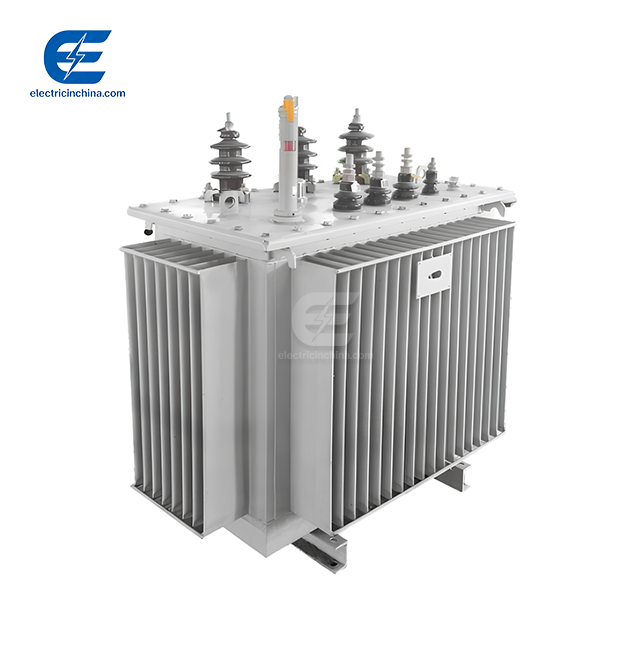
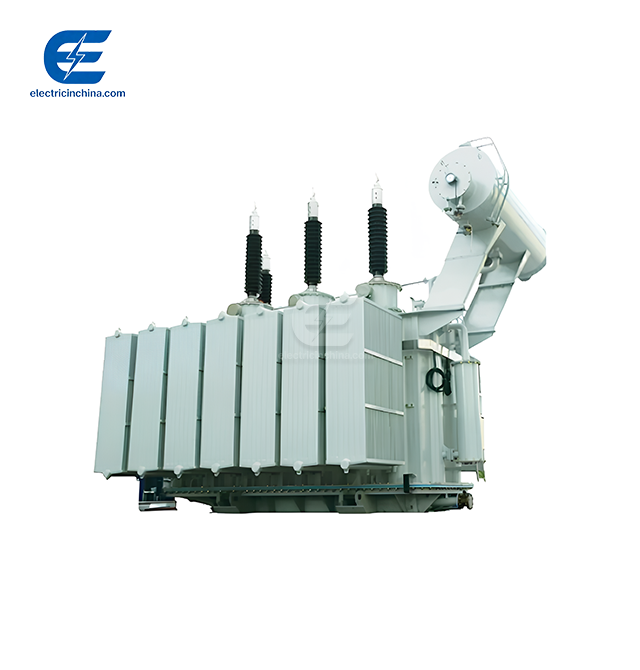
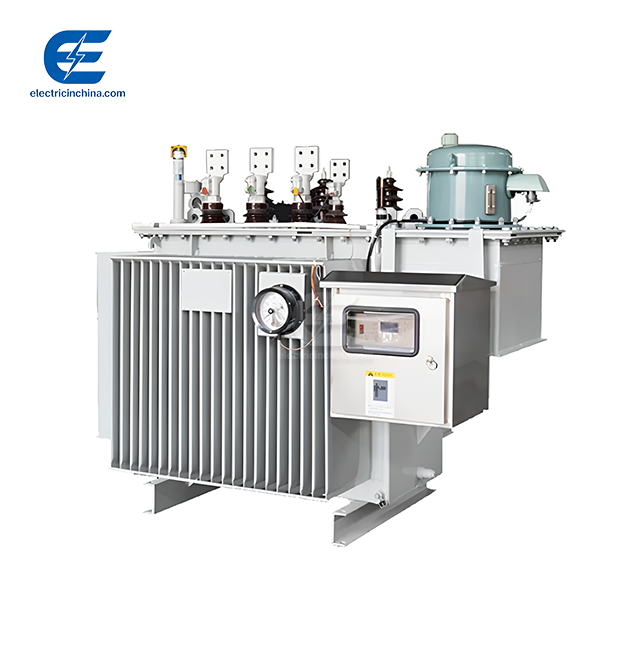
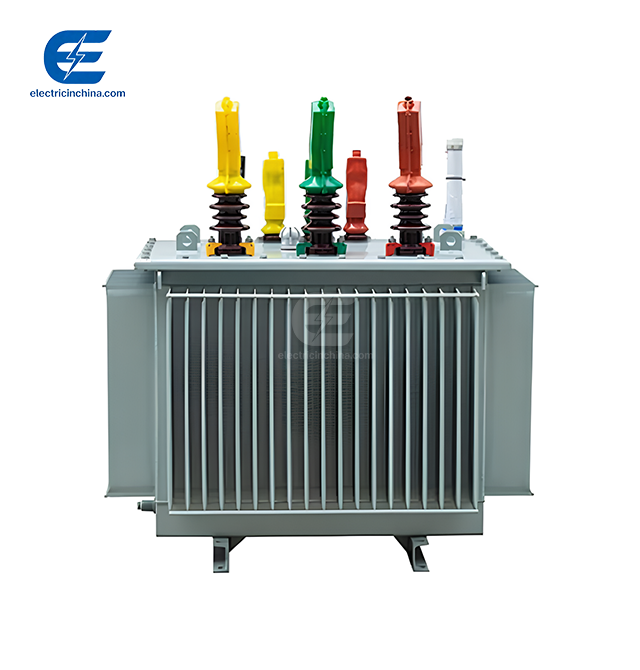
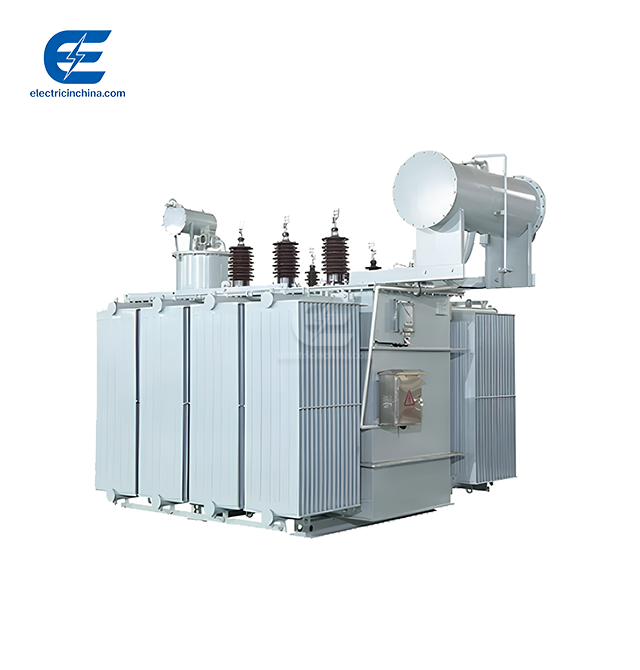
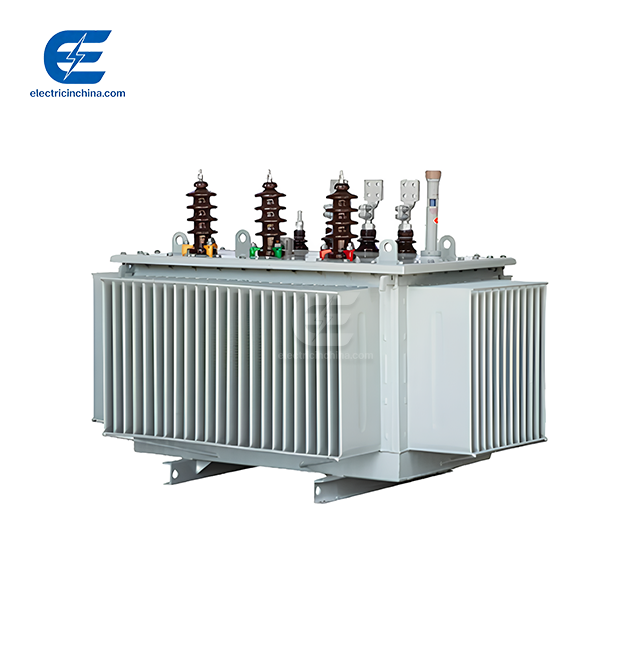
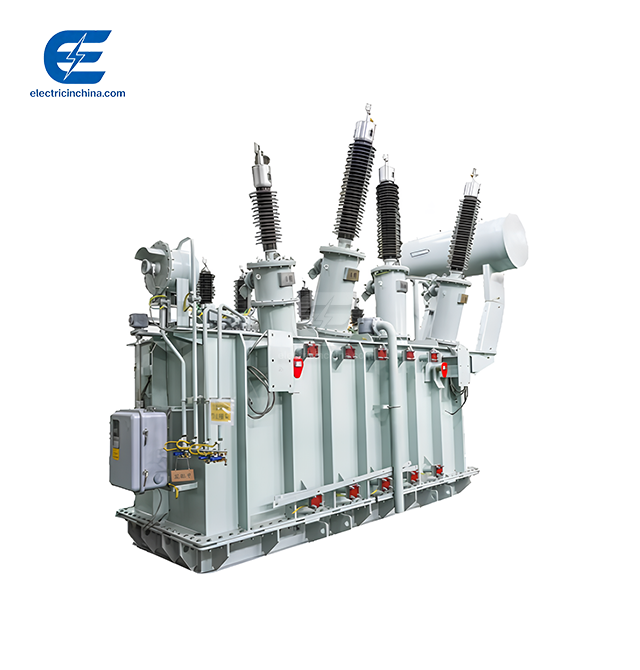
Selecting the appropriate capacity for an oil type transformer 10kV-35kV involves evaluating your facility's total connected load, applying diversity factors, accounting for future expansion needs, and ensuring compliance with IEC 60076 or IEEE C57.12.00 standards. The process requires balancing technical efficiency with safety margins—typically 20-30%—while considering environmental conditions such as ambient temperature and altitude that directly impact the transformer's thermal performance and long-term reliability.
Key Factors to Consider When Selecting Transformer Capacity
When choosing capacity, you need to do a full analysis that includes more than just load figures. You also need to look at operational facts and environmental limits.
Load Requirements and Growth Projections
The connected load of your building is a good place to start, but it rarely gives the whole story. Load diversity happens in manufacturing operations because not all equipment is used at the same time. Depending on how the operations are set up, diversity factors need to be between 0.6 and 0.85. The load patterns of a steel mill with steps of production that happen one after the other are different from those of a chemical processing plant that runs all the time. When figuring out peak demand, you have to take into account things like motor starting currents that can hit 6 to 8 times full-load amperage, temporary construction loads during building expansions, and changes in HVAC systems that happen with the seasons. When specifying capacity, we suggest estimating how much the load will grow over the next 10 to 15 years, since fixing transformers that are too small will cost a lot and cause problems with operations.
Voltage Compatibility and System Integration
Your Oil type transformer 10kV-35kV's voltage class must exactly match the network equipment that is already in place. A 10kV main line can't connect straight to 35kV equipment; it needs extra steps of transformation. Vector group setups, like Dyn11 or Yyn0, determine phase relationships and neutral grounding methods. These, in turn, affect the ability to work in parallel and ground fault prevention schemes. The short-circuit resistance, which is usually between 4% and 8%, affects the fault current levels and how well the safety works with the breakers upstream. If the impedance values of two parallel transformers don't match, circulating currents and uneven load sharing can happen, which makes the system less efficient as a whole.
Environmental Conditions and Installation Context
Through derating factors, the ambient temperature has a direct effect on the power values of transformers. Normal ratings are based on a daily temperature of 30°C and an ambient temperature of 40°C at its warmest. For installations in dry areas or equipment rooms that are closed off, it may be necessary to go up from ONAN (Oil Natural Air Natural) cooling to ONAF (Oil Natural Air Forced) cooling with extra fans. Because we've worked on projects in Xuzhou, where summer temperatures regularly reach over 35°C, we know that we shouldn't just use generic specifications when figuring out capacity. Instead, we should use regional climate data. The quantity of the air and how well it cools depend on the elevation. For installations above 1000 meters, the capacity needs to be lowered by about 0.4% for every 100 meters of slope gain. Because of the risk of earthquakes in areas prone to them, mounting measures must be strengthened according to IEEE 693 standards without blocking airflow paths for cooling.

Step-by-Step Approach to Calculating and Verifying Transformer Capacity
A methodical approach makes sure that the capacity you choose meets both short-term operational needs and long-term reliability goals.
Calculate Total Connected Loads with Diversity Factors
Start by making a list of all the electrical loads, such as motors, lights, HVAC systems, and process equipment, along with their nameplate ratings. Use the right variety factors based on how they are used. 0.7 to 0.8 is usually used for motor loads in industrial buildings, while 0.6 to 0.7 is sometimes used for lighting and outlet circuits in commercial buildings. The equation is now: Effective Load = (Connected Load ÷ Diversity Factor). Because of starting currents, motor loads need extra care. A 200kW motor with a 7× starting current draws 1400kW of load for a short time. Transformers can handle these transients, but when motors start up often or at the same time, they need extra capacity that goes beyond what is needed for steady-state calculations.
Account for Transformer Losses and Efficiency
Modern S11 and S20 series oil-type transformers 10kV-35kV no-load losses run from 0.8kW for 500kVA units to 18kW for 10MVA capacity, indicating constant energy consumption regardless of load. At full capacity, load losses range from 5.5kW to 85kW and are proportional to the square of the current. These losses must be added to the total cost of ownership over the 25–30-year life of the transformer. With an efficiency rate of 98.5 to 99.2%, a 2000kVA generator that is working at 80% load gives off about 25 to 30kW of heat. This heat output needs enough airflow in tight spaces and is taken into account when figuring out the HVAC load for generator rooms.
Apply Safety Margins and Standards Compliance
The IEC 60076 and IEEE C57.12.00 standards say that transformers should be used at less than 80% of their named capacity when things are going as planned. This will protect the insulation and leave room for the load to grow. A building with an estimated load of 1600kVA should list a minimum generator capacity of 2000kVA. This 25% margin allows for temporary overloads without going over the thermal limits. It also increases the operational lifetime of insulation systems by lowering the stress of thermal cycling. The project we worked on at the Huaihai Biomedical Industrial Park showed how good capacity reserves help processes run smoothly. We chose transformers with a 30% overhead capacity, which let the factory add two production lines without having to buy new equipment during its three-year phase of growth.
Consider Maintenance and Aging Impacts
Transformer capacity slowly decreases as insulation wears out, winding resistance rises due to thermal cycling, and cooling system efficiency falls. Monitoring the amount of dissolved gas, moisture levels, and electrical strength in oil on a yearly basis lets us know early on when capacity is being reached, before catastrophic breakdowns happen. Comprehensive testing according to ASTM D1816 and IEC 60422 guidelines should determine how often to do maintenance. Usually, maintenance is done once a year, and oil needs to be replaced every 15 to 20 years under normal working conditions.

Comparing Oil-Immersed Transformers with Alternative Solutions for 10kV-35kV Applications
Different transformer systems work best in different settings and with different limitations. By understanding these trade-offs, you can make smart choices about what to buy that are in line with the needs of your project.
Efficiency and Thermal Performance
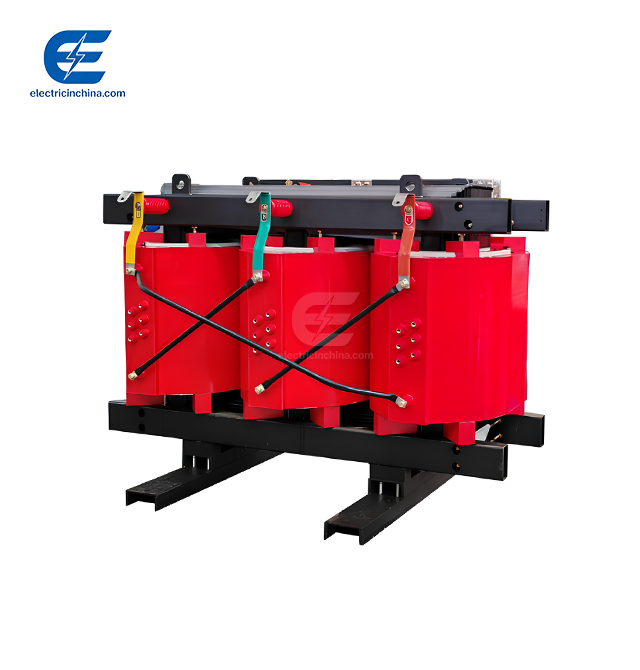
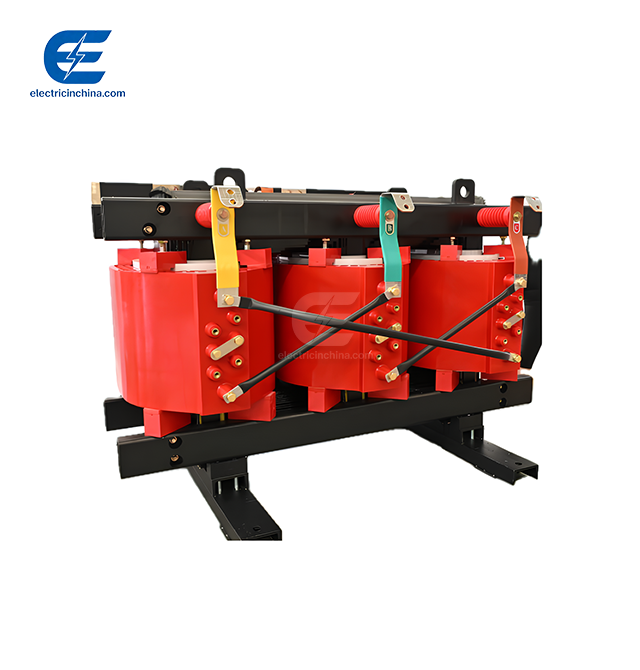
Oil type transformer 10kV-35kV versions provide better thermal control through liquid cooling, with winding temperatures rising no more than 65K even when fully loaded. This is better than dry-type transformers, which get hotter by 80 to 100K degrees when they're loaded the same way. The lower operating temperatures make insulation last longer, from 20 years to 30 years or more. This lowers the cost of replacement over its lifetime, even tho it costs more at first. Gas-insulated transformers that use SF6 can be made even smaller, but they release greenhouse gases when they are turned off, which is bad for the environment. Even tho the flash point of the mineral oil used in most transformers is above 140°C, it still creates a fire risk that needs to be reduced with CO2 or foam fire control systems.
Lifecycle Costs and Maintenance Requirements
Oil-immersed designs need to be checked for oil leaks and possibly replaced more often than dry-type designs, which makes upkeep more difficult. Over a 25–30-year service period, the longer operational lifespan and higher efficiency more than make up for these maintenance costs. According to our estimates, an oil-type transformer 10kV-35kV with 98.8% efficiency saves between $15,000 and $25,000 in energy costs over 20 years compared to a 98.2% efficient dry-type unit of similar capacity, assuming that electricity costs $0.10/kWh and that the unit is typically 60% loaded.
Safety Profiles and Installation Flexibility
Dry-type transformers can be installed indoors without the need for fire control systems. This makes them good for building-integrated uses where oil storage systems would not work. To keep the environment clean, oil-filled units need secondary containment that is 110% of the total oil volume. This adds to the cost of civil engineering but makes it possible to place them outside with weatherproof shelters. We used oil-immersed transformers in outdoor substations for the rail transit power supply system we built for the Xuzhou Rail Transit Network Control Center. This provided the dual-circuit supply reliability needed for subway operations while reducing the size of the building's footprint.

Procurement and Supplier Considerations for 10kV-35kV Oil-Immersed Transformers
The choice of supplier has a big effect on project results beyond the initial cost of tools. It affects delivery reliability, the quality of expert help, and the project's long-term success.
Certifications and Manufacturing Standards
The ISO 9001 quality management certification shows that the manufacturing process is controlled in a planned way, and the ISO 14001 environmental certification shows that the company handles materials and waste in an environmentally friendly way. OHSAS 45001 workplace health certification ensures that production processes meet safety standards for oil-type transformers 10kV-35kV designed for critical infrastructure, lowering the risk of liability associated with equipment flaws. Product-specific certifications show that technical standards have been met. For products going to China, CCC (China Compulsory Certification) is required. For installations in North America, UL listing is needed, and for projects in the European Union, CE marking is needed. Our 18 patents in transformer design and manufacturing show that we are always coming up with new ideas that make our products more reliable and effective in a wide range of situations.
Delivery Timelines and Production Capacity
Custom-engineered transformers usually take 12 to 16 weeks to make from the time the order is confirmed until they leave the plant. Another 2 to 4 weeks are needed for foreign shipping and customs clearance. When project deadlines get tight, suppliers who keep enough raw materials on hand and are open with their production schedules can handle faster delivery. We take care of more than 120 sets of specialized equipment, such as CNC automatic winding machines and microcomputer-controlled curing ovens. This lets us work on several projects at once without lowering quality or lengthening wait times. Medium-voltage transformers rarely have minimum order quantities because most projects only need 1 to 5 units. However, knowing a supplier's production capacity helps you figure out if they can handle multi-phase projects or needs for future growth without any qualification delays.
After-Sales Support and Technical Assistance
During the start-up stages of a project, installation management and commissioning support are very helpful. When suppliers send technical staff to the site to help with initial wiring, testing for insulation, and coordinating protection relays, they lower the risks of commissioning and speed up the project's completion. As part of the Xuzhou High-speed Railroad East Station Official Power Supply EPC Project, we provided full installation support for Medium-voltage oil-immersed transformer equipment and made sure that the testing protocols for transformer equipment and upstream utility connections were in sync. Long-term technical support that includes having access to extra parts, training for everyday maintenance, and emergency troubleshooting services keeps operations running smoothly. Our quality testing laboratory does oil research for customers and gives them thorough reports on the amount of dissolved gas, the level of moisture, and suggested maintenance tasks based on IEC 60422 interpretation criteria.

Practical Tips and Best Practices for Long-Term Transformer Capacity Management
Active capacity management keeps transformers working longer and stops them from breaking down when they're least expected, which would stop activities.
Maintenance Checklist and Inspection Routines
Visual checks should be done once a month to check the oil level indicators, the condition of the pressure relief valve, and the connections on the outside for signs of overheating or loose hardware. Every three months, infrared thermography finds hot spots that mean there are problems inside the machine or a blockage in the cooling system before they become major problems. Every year, full tests are done that check for dissolved gases, moisture levels below 20ppm, acidity levels below 0.04mg KOH/g, and breakdown voltages above 30kV.
Evaluating Load Changes and Upgrade Timing
Modern tracking systems give real-time load data that shows how things are actually being used compared to how they were supposed to be used at the start. Facilities that are always running at more than 85% of their capacity should look into upgrade options before thermal stress speeds up the aging of the insulation. On the other hand, transformers that are constantly underused below 40% capacity don't work as well because they lose a bigger portion of their total output to no-load losses. Adding more power to a parallel generator lets you expand in stages without having to buy new equipment. To meet the IEEE C57.12.00 standards for 90–110% equal load sharing between units, this method needs exact voltage ratios and careful impedance matching (within a 7.5% error). We used flexible capacity additions in our work on the GCL Photovoltaic Industrial Park power transfer project. This lets production grow stages happen without system downtime.
Conclusion
Technical calculations must be balanced with operational realities and long-term strategic planning in order to choose the right capacity for an Medium-voltage oil-immersed transformer 10kV-35kV. Procurement managers and engineers can choose transformer solutions that work well for 25 to 30 years by carefully checking the loads that are connected, using the right diversity and safety factors, taking environmental conditions into account, and working with qualified suppliers who offer full support. The methods described here, from detailed load analysis to lifecycle capacity management, show how to make smart choices that lower the initial investment and total ownership costs for important infrastructure projects while still making sure they work reliably.
FAQ
How do I accurately figure out how much power my facility needs from the transformer?
Start by making a full load inventory that includes the nameplate values of all the related equipment. Use the right diversity factors for your operations—for industrial use, they are usually between 0.7 and 0.85. Include plans for motor starting currents, growth in the future, and changes in the seasons. To get the recommended capacity number, add the losses of the transformer and add 20 to 30 percent as a safety cushion.
What kind of maintenance does a transformer need to keep its capacity over time?
An annual oil study that checks for dissolved gasses, moisture levels below 20ppm, and breakdown voltages above 30kV helps find problems early. Every three months, infrared thermography finds hot spots that are starting to form. Based on results from continuous monitoring that meet ASTM D1816 standards, oil should be changed about every 15 to 20 years.
Can I run more than one oil-immersed transformer at the same time to get more power?
For parallel functioning, the voltage ratios must be the same, the impedance must match within 7.5%, and the vector group setup must be the same. When set up correctly according to IEEE C57.12.00 standards, load sharing accuracy gets 90–110% equal spread between units, allowing for flexible capacity growth without having to buy new equipment.
Partner with Tuojie for Your Medium-Voltage Transformer Requirements
The success of your project depends on how well you choose the Oil type transformer 10kV-35kV provider. The power transformers that Tuojie designs, makes, and sells meet the strictest international standards and are backed by ISO 9001, ISO 14001, and OHSAS 45001 certifications. We have worked on government infrastructure projects, business developments, and industrial makers for more than 20 years, which gives us a unique understanding of the problems that EPC contractors and project-based procurement teams face. Our technical team, which includes 15 senior engineers and more than 30 intermediate techs, has been awarded 18 patents for new transformer ideas. These patents turn advanced research into real-world changes in your operations' reliability. We've completed hundreds of great projects, from the Xuzhou Rail Transit Network Control Center to XCMG Group's factories, by mixing high-quality technical work with quick customer service. Contact us at tuojie@electricinchina.com to talk about your specific needs with experienced application engineers who understand your operational needs and can suggest solutions that are tailored to your environment and performance goals.
References
1. IEEE Standards Association (2010). IEEE Standard General Requirements for Liquid-Immersed Distribution, Power, and Regulating Transformers (IEEE C57.12.00-2010). Institute of Electrical and Electronics Engineers, New York.
2. International Electrotechnical Commission (2011). Power Transformers - Part 1: General (IEC 60076-1:2011). IEC Central Office, Geneva, Switzerland.
3. Harlow, James H. (2012). Electric Power Transformer Engineering, Third Edition. CRC Press, Boca Raton, Florida.
4. Kulkarni, S.V. and Khaparde, S.A. (2013). Transformer Engineering: Design, Technology, and Diagnostics, Second Edition. CRC Press, Boca Raton, Florida.
5. American Society for Testing and Materials (2016). ASTM D1816-12: Standard Test Method for Dielectric Breakdown Voltage of Insulating Oils of Petroleum Origin Using VDE Electrodes. ASTM International, West Conshohocken, Pennsylvania.
6. McNutt, W.J. and Johnson, W.M. (1986). Transformer Loading and Thermal Analysis. IEEE Transactions on Power Delivery, Volume 1, Issue 2, Pages 345-354.