

.webp)
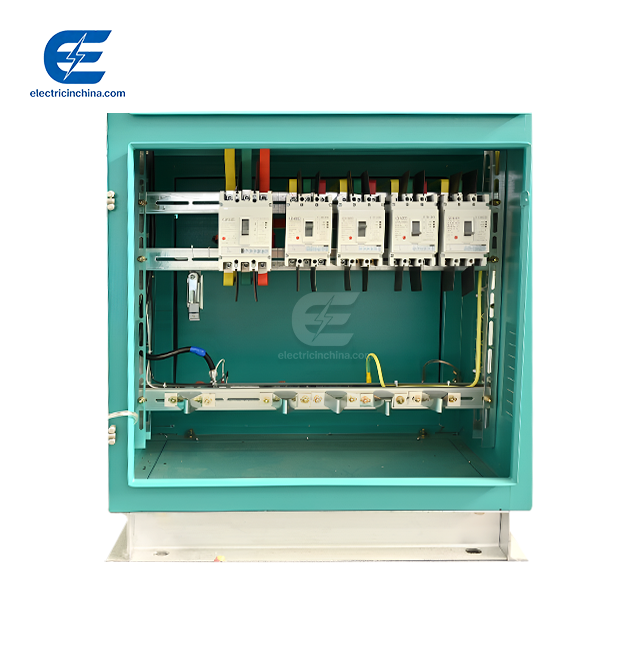
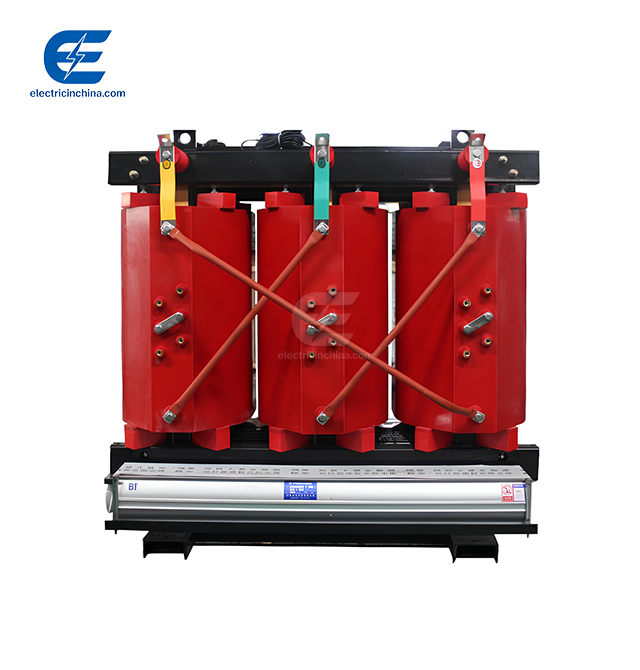
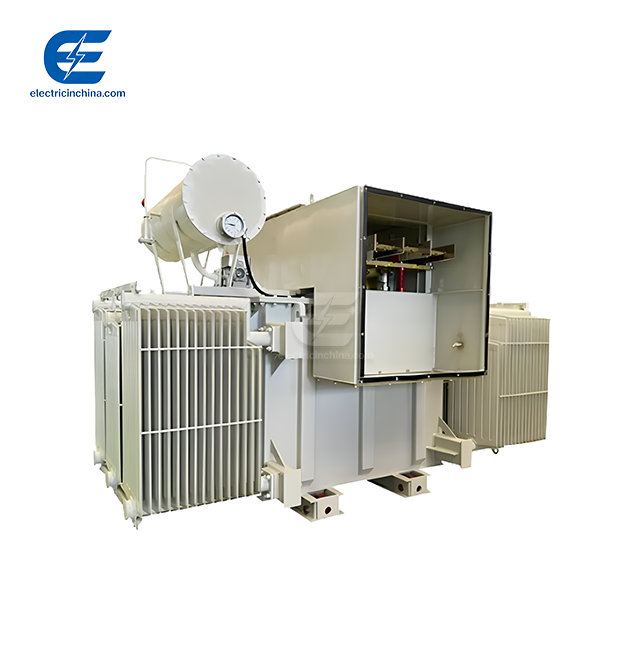
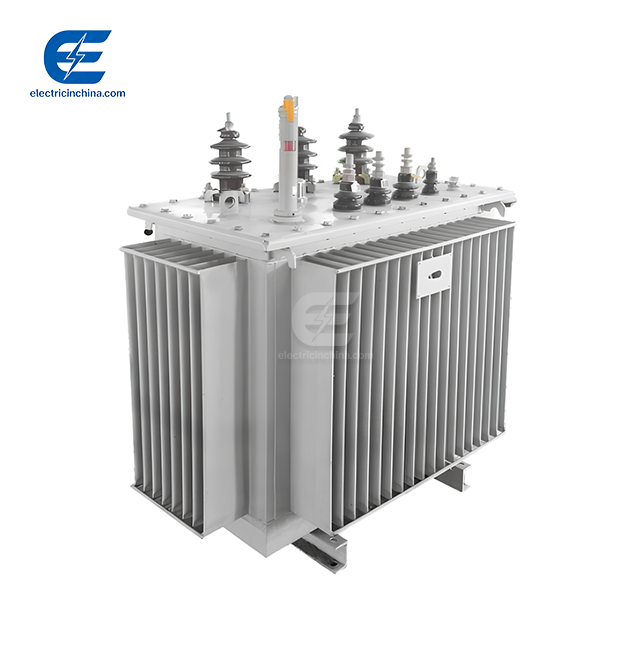
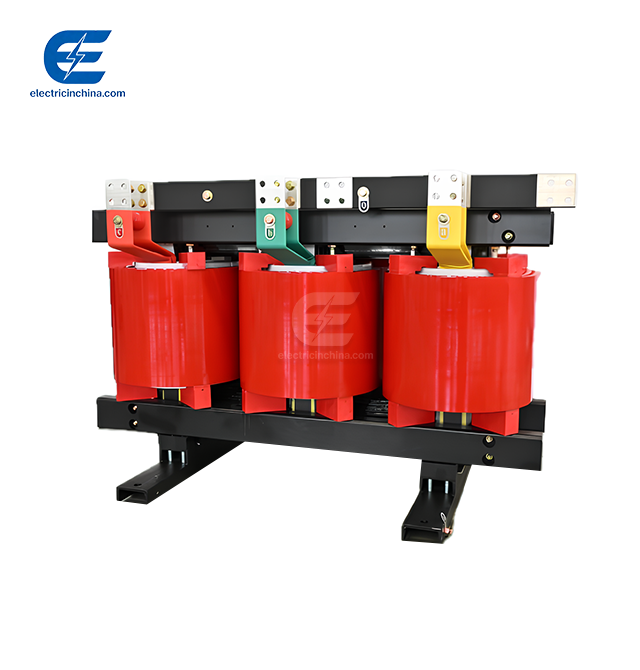
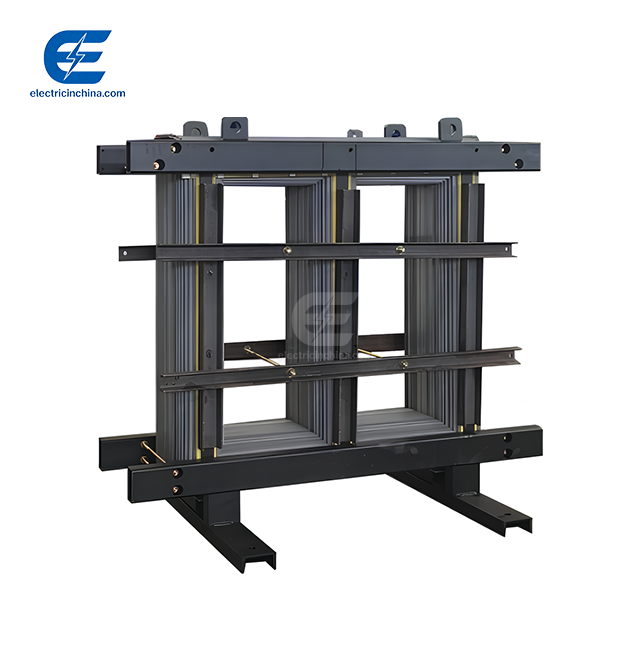
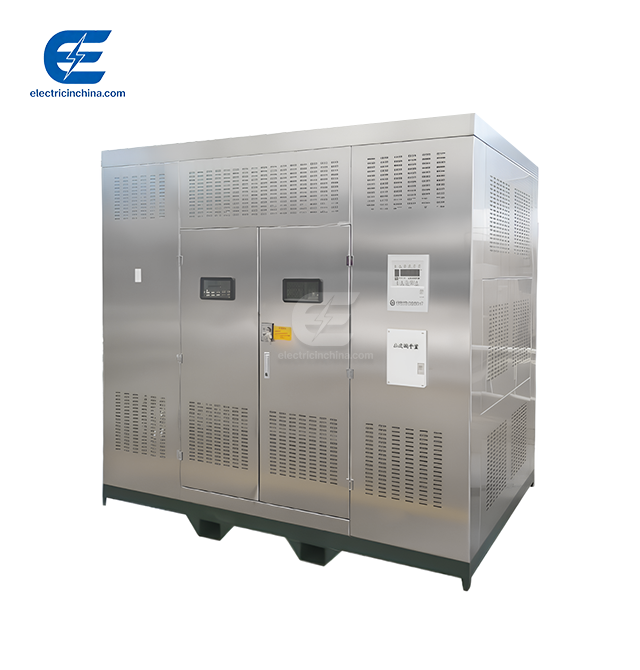
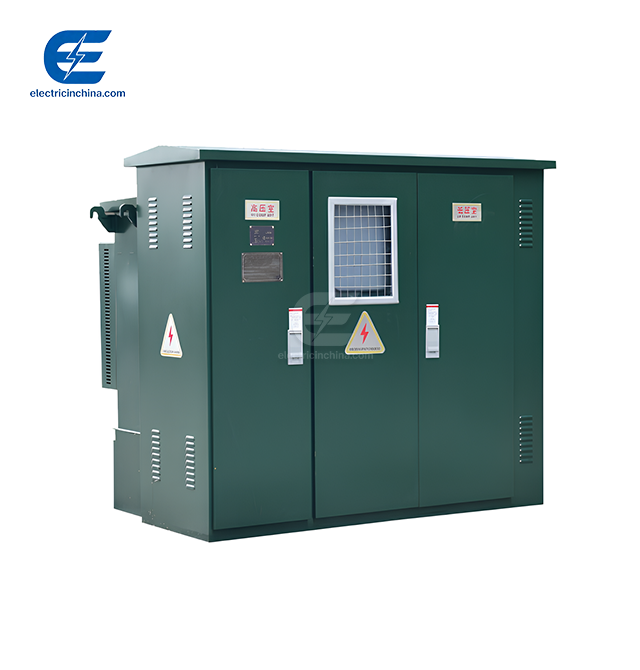
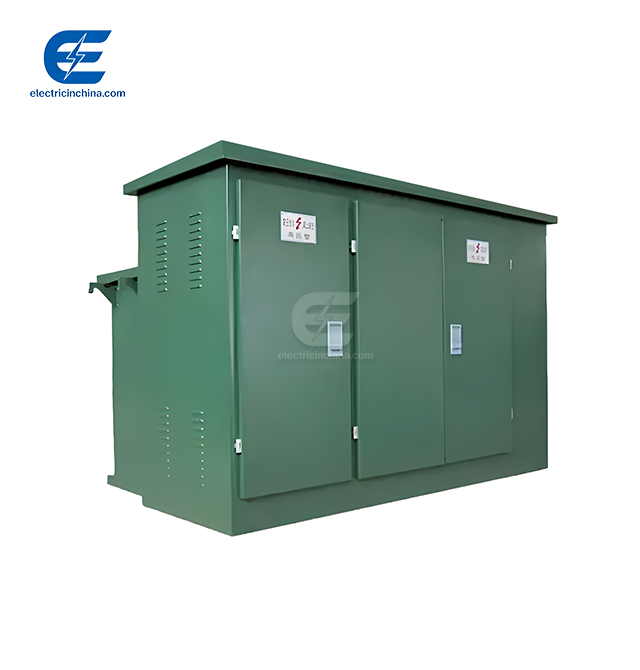
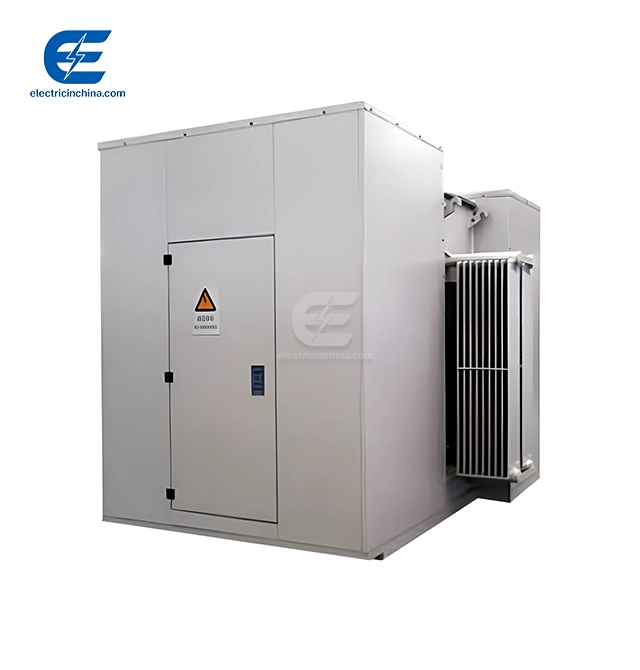
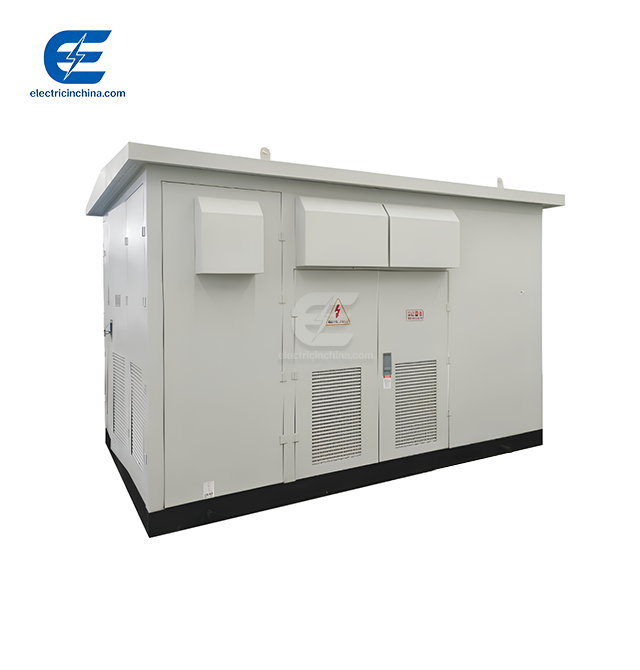
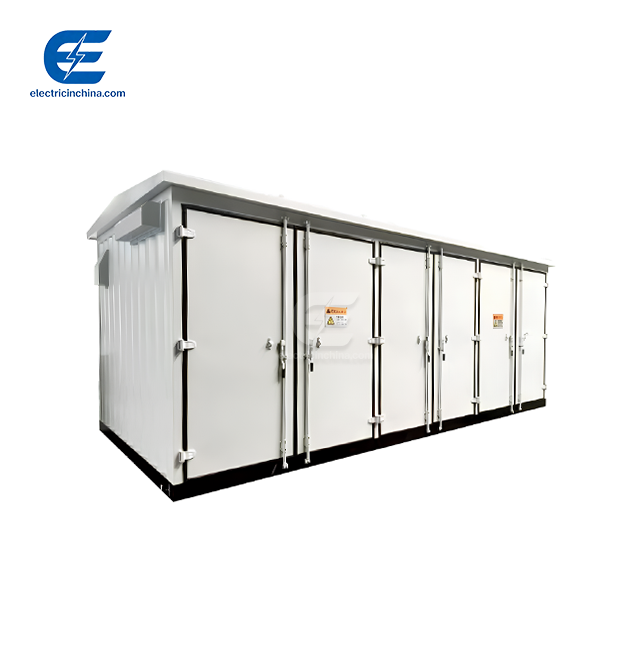
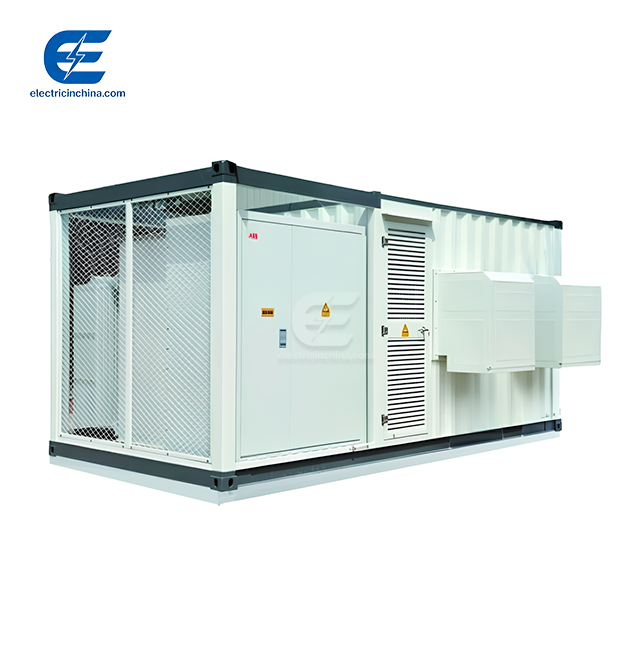
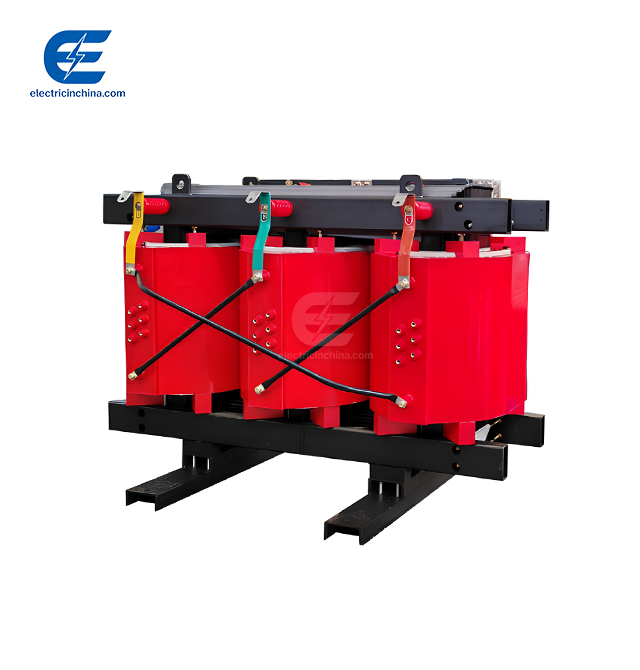
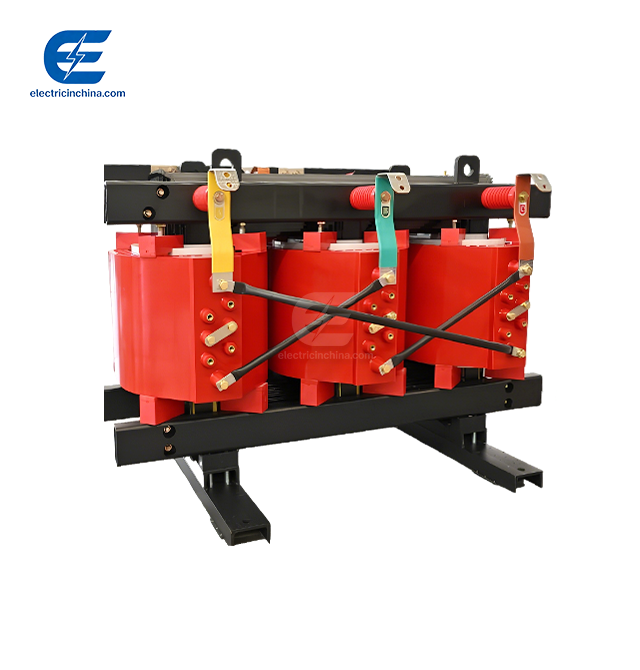
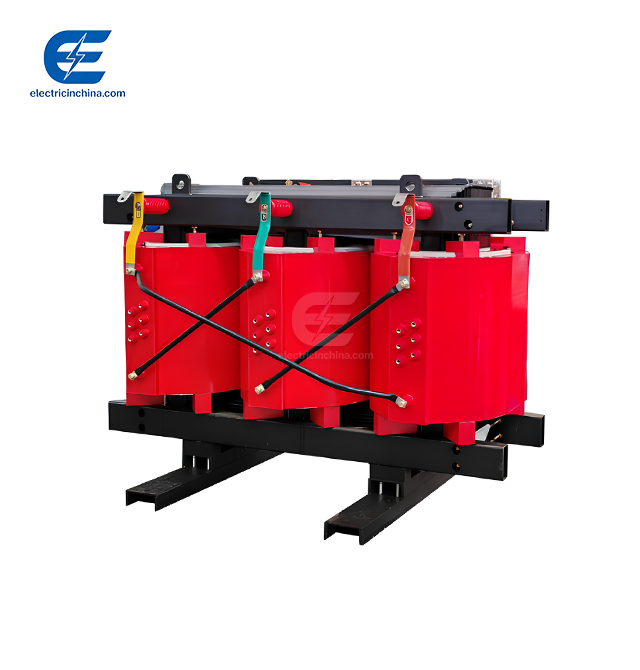
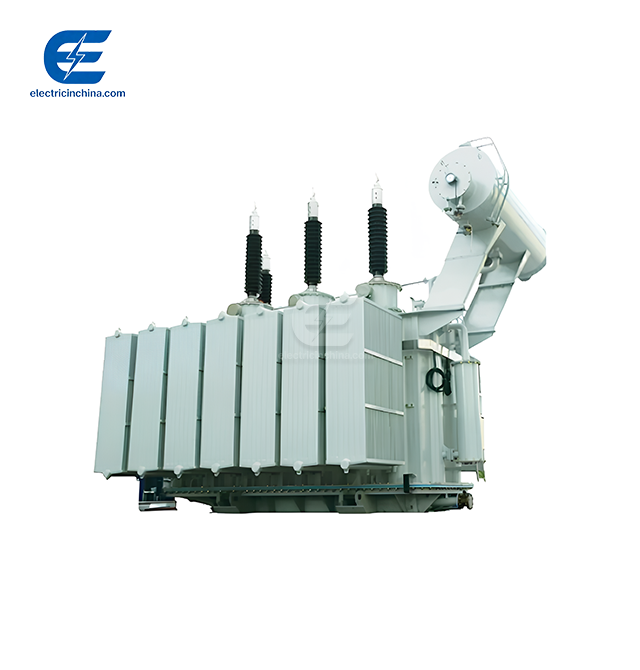
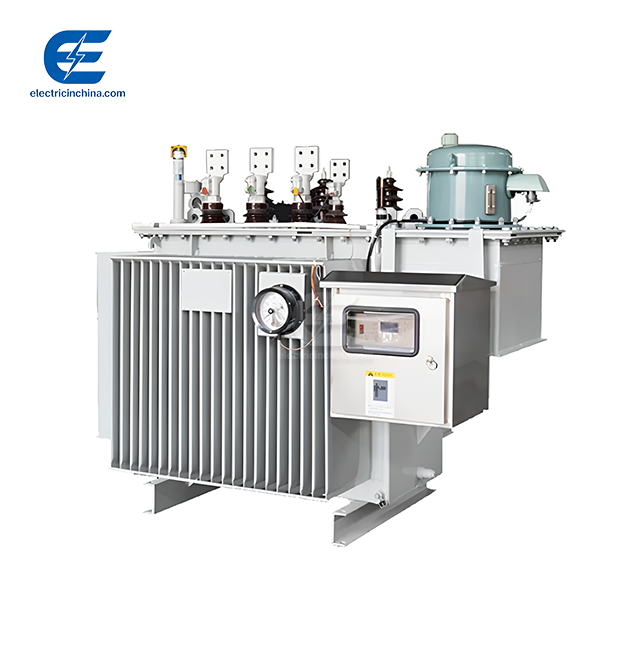
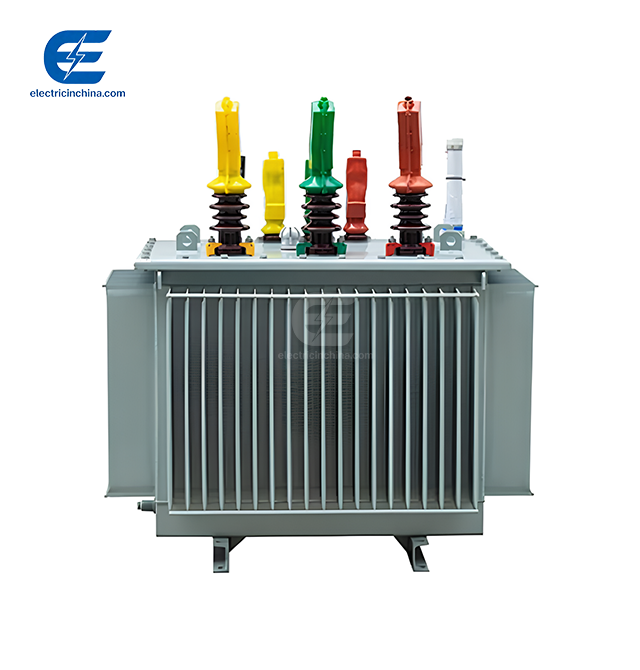
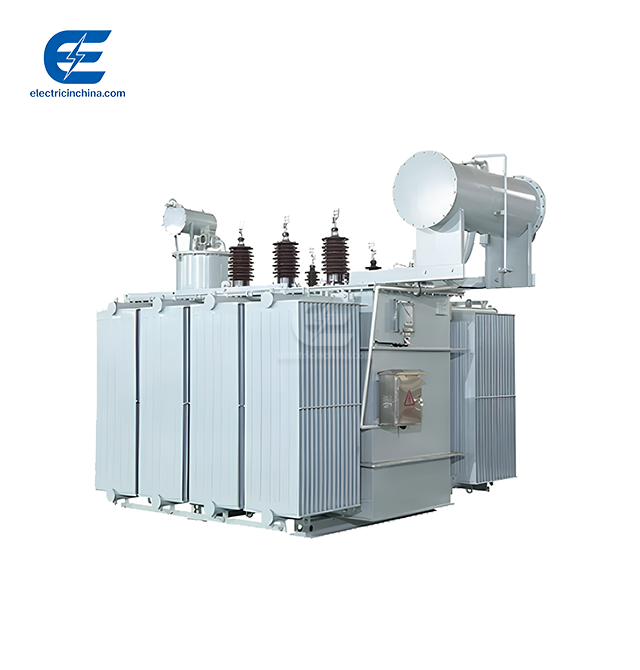
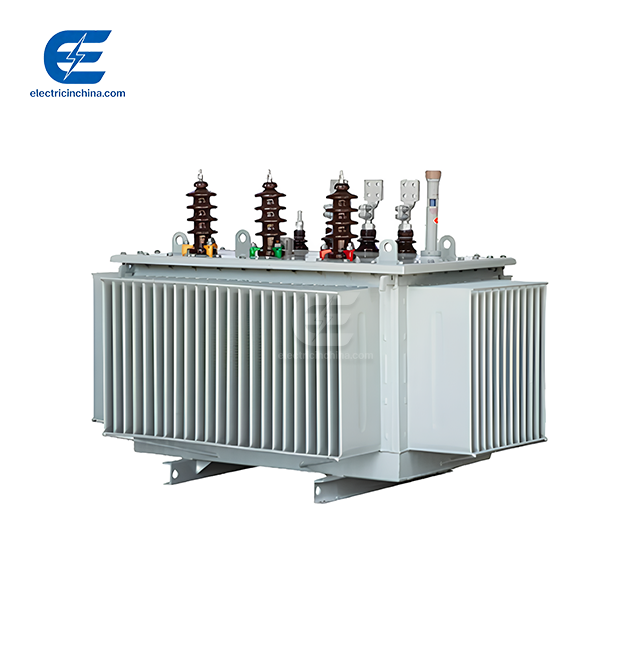
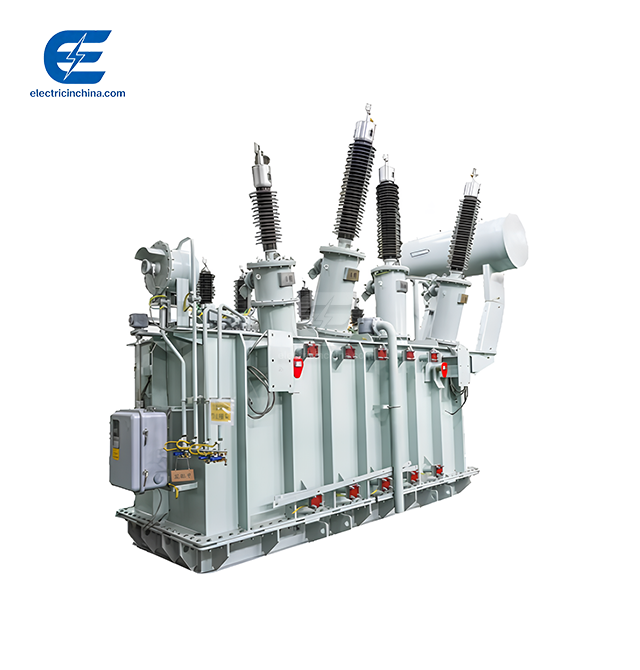
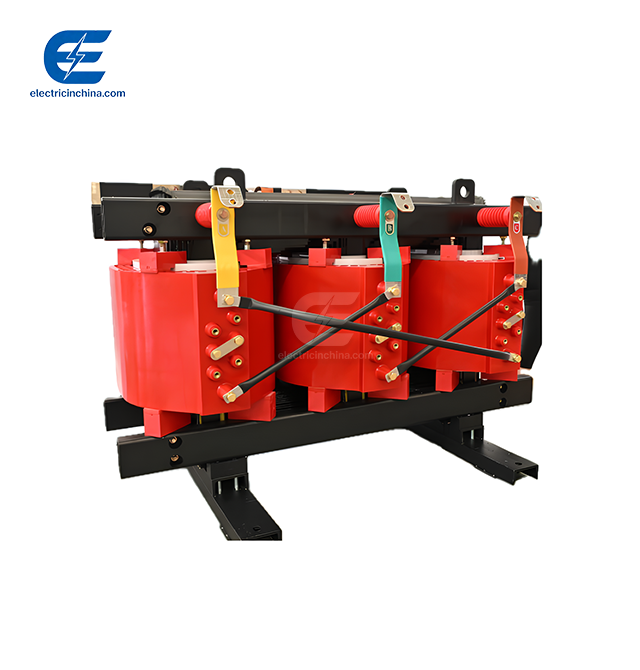
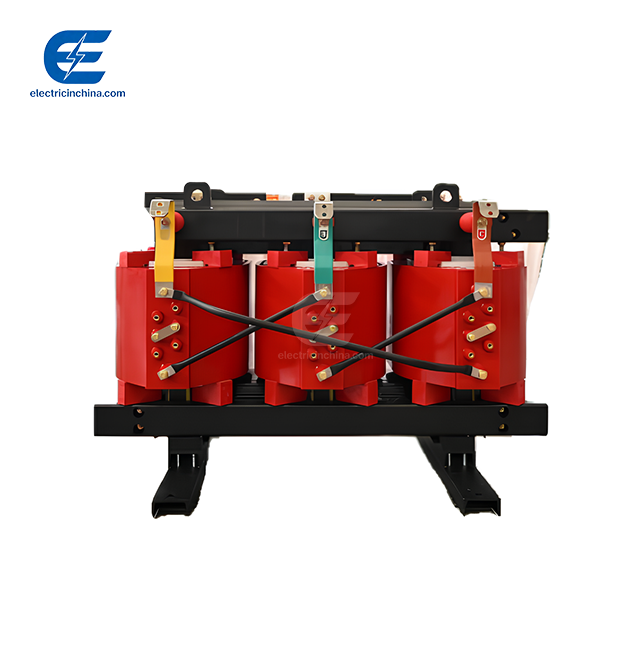
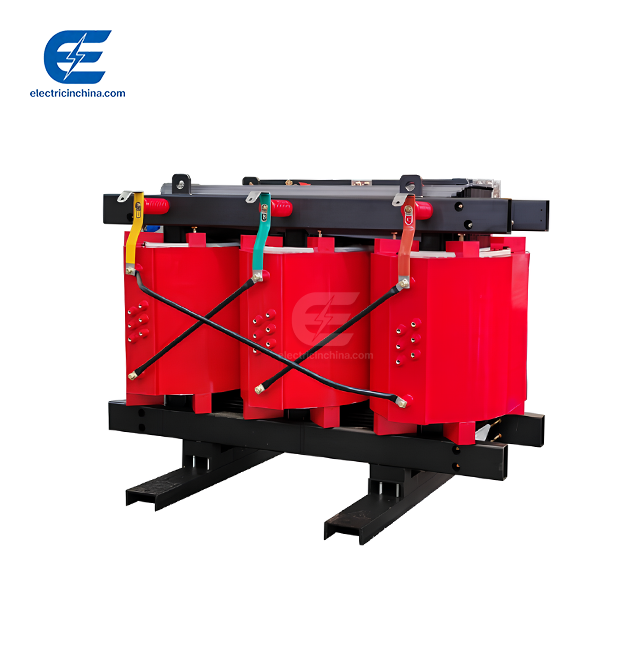
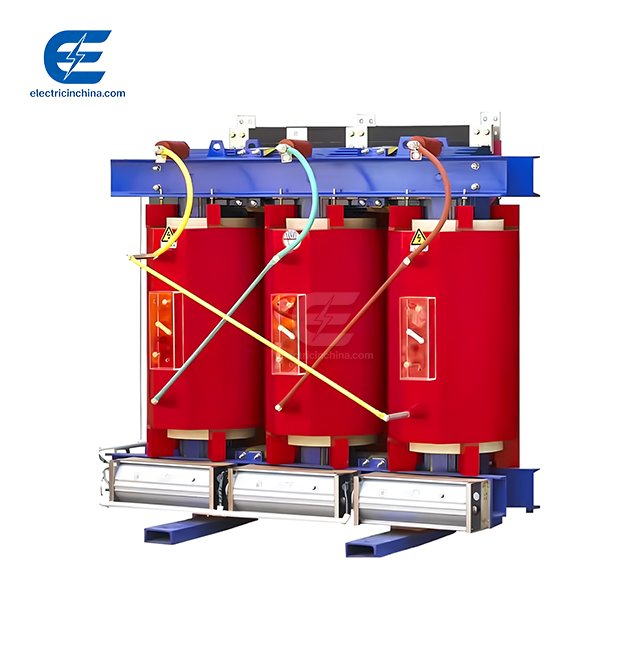
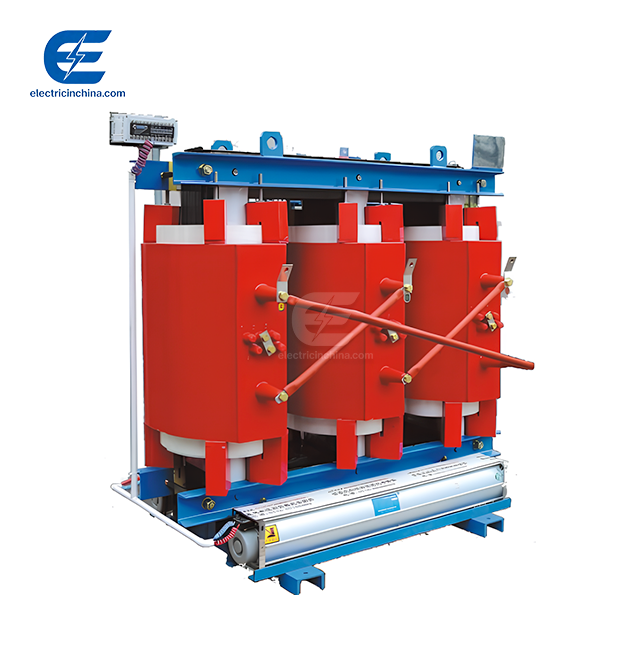
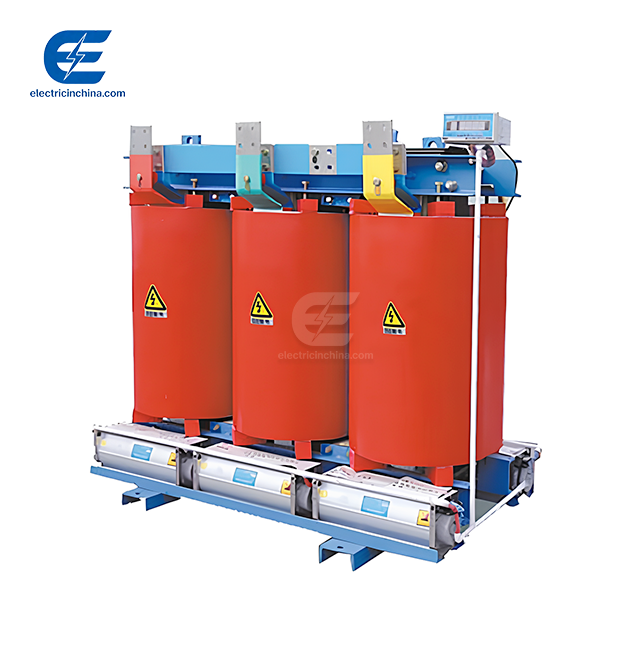
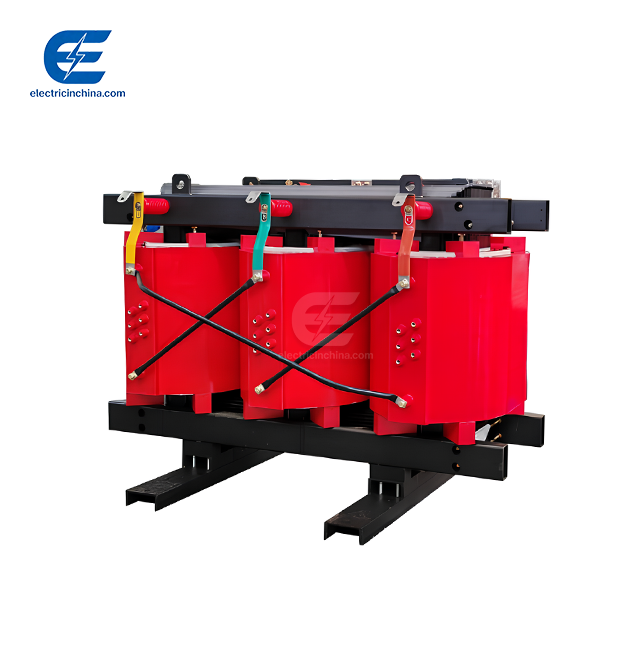
When choosing between dry-type power transformers and oil-immersed units, procurement professionals face a decision that significantly impacts operational safety, lifecycle costs, and environmental compliance. Dry-type power transformers utilize air or solid resin insulation systems, eliminating fire hazards and simplifying installation in sensitive environments such as hospitals, data centers, and high-rise buildings. Oil-immersed transformers depend on mineral or synthetic oils for cooling and insulation, delivering exceptional performance under heavy-load outdoor conditions but requiring stringent fire prevention measures. Understanding these fundamental differences empowers project managers and EPC contractors to select equipment aligned with specific infrastructure requirements and regulatory standards.
Key Differences Between Dry-Type and Oil-Immersed Transformers
Structural and Safety Characteristics
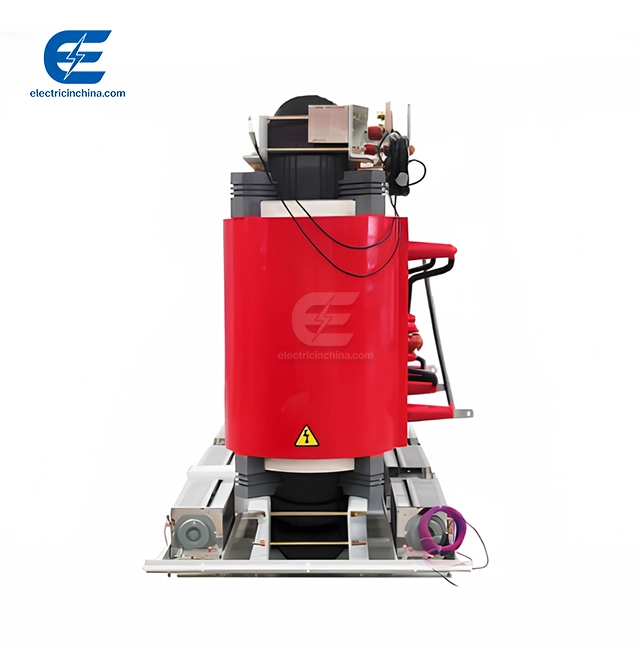
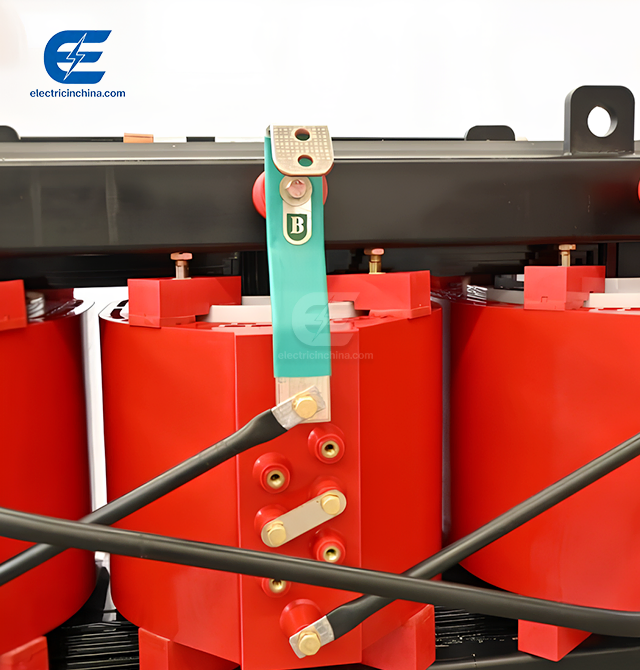
Dry-type power transformers have shielding systems with a Class H rating that can withstand continuous running at 180°C. Through vacuum pressure impregnation (VPI) methods, manufacturers add several layers of epoxy resin. This makes barriers that don't absorb water and maintain dielectric stability even in humid environments. Enclosures with ventilation and protection grades from IP20 to IP54 keep dust from building up and let air flow naturally across moving surfaces. For oil-immersed units, full containment systems are needed, with concrete bunds, oil-level monitors, and pressure release devices. Mineral oil protection slowly wears down due to oxidation and contamination, so dissolved gas analysis (DGA) is needed on a regular basis to find early signs of problems. While oil is great at putting out arcs during internal faults, a catastrophic tank rupture can release flammable liquids and toxic byproducts of decomposition.
Performance and Efficiency Metrics
Modern amorphous metal dry-type power transformers, like the SCBH15 and SCBH19 models, are much more efficient than older ones. Compared to regular silicon steel cores, these units cut no-load losses by 70–80%. For a typical 1000kVA installation, this means annual energy savings of over 15,000 kWh. The amorphous metal has a narrow hysteresis loop that keeps the exciting current below 0.5% of its maximum capacity and reduces core magnetization losses. Due to better circuit cooling, oil-immersed transformers usually have slightly higher full-load efficiency, with losses being 2-3% lower at rated capacity. Depending on the core construction and tank vibration damping, sound pressure levels range from 55 to 65dB. For cast-resin dry-type power transformers, the range is only 45 to 55dB. Thermal time constants are very different. Dry-type power transformers hit equilibrium temperature in two to three hours, while oil-immersed types take six to eight hours. This changes how well they handle overloads and faults.
Maintenance Requirements and Operational Costs
Dry-type power transformers don't need much regular care besides visual checks and thermal imaging scans once a year. Since there is no oil, there are no costs for checking the dielectric strength, maintaining the filter system, or getting rid of contaminated fluids in the surroundings. Vacuum-cast windings don't let water or chemicals in, so with good air control, they can last longer than 30 years. For oil-immersed units, you need to take samples of the oil every three months and measure the winding resistance once a year to see how it's breaking down. Replacement gaskets, maintenance on bushings, and servicing of tap changers all add to the cost of labor over time. In seaside or industrial settings, painting and protecting tanks from rust use more resources. Over the course of 25 years, the total cost of upkeep can be more than 18–22% of the original cost of the tools.

Cost Analysis and Long-Term Value
Initial Investment Considerations
According to budgets for buying things, dry-type power transformers cost 20–35% more than oil-filled units of the same voltage and volume. A 1000kVA 10kV cast-resin transformer usually costs $18,000 to $24,000, while an oil-immersed type costs $14,000 to $18,000. This higher price is because of the high-tech materials used in the production process, such as epoxy resin systems, precision winding fixtures, and automated vacuum casting equipment. Installation costs are lower for dry-type configurations because they don't need as much infrastructure for oil containment. Projects don't have to pay for the digging that is needed for fire control systems, concrete bunds, and wells for tracking the environment that are required forreachl-filled equipment. When you choose to put a transformer indoors, its size is reduced by 30–40%. This saves you a lot of money in expensive urban real estate markets.
Lifecycle Economic Analysis
Total cost of ownership calculations need to take into account differences in energy use over service periods of many decades. At $0.12/kWh industrial energy rates, an amorphous alloy dry-type power transformer that uses 300W of power when there is no load saves $850 a year compared to a silicon steel oil unit that uses 1,200W. This economic edge has a net present value of more than $18,500 when it is added up over 30 years at a discount rate of 3%. Assessing the risk of downtime adds another layer to economic analysis. When an oil-immersed generator fails, it usually takes 4 to 6 weeks to fix or replace because the oil has to be drained, inspected inside, and then put back into service. Dry-type power transformers can replace modular windings in three to five days, which cuts down on production interruption costs that can reach more than $50,000 per day in industries that use continuous processes.
Selection Criteria and Recommendations for B2B Procurement
Environmental and Safety Factors
Article 450 of the National Electrical Code says that dry-type power transformers setups must be used in 1000 kVA 10 kV cases that work with burning materials, explosive atmospheres, or sensitive electrical equipment. Clean rooms used to make medicines, plants that make semiconductors, and food processing plants can't handle the chance of oil pollution. Cast-resin transformers are required by the government for healthcare infrastructure projects to meet strict Joint Commission accreditation standards and keep patients safe. Outdoor utility substations in remote areas are better off with designs that are submerged in oil and can withstand temperature changes from -40°C to +50°C without losing their rating. In dry climates, the sealed construction keeps sand out, and in humid climates, it keeps water from damaging the building. Stainless steel tanks that don't rust and nitrogen blanketing systems that protect against salt spray damage are used in coastal wind farms.
Load Profile and Capacity Planning
Dry-type power transformers are better for applications with variable loads and a lot of cycling because they respond quickly to temperature changes and handle overloads. Every day, the load on uninterruptible power supply (UPS) systems in data centers changes from 30% to 100%. This is exactly the kind of situation that cast-resin designs are made for, as they can handle a 150% short-term overload. The lights and HVAC loads in shopping malls change in similar ways. Continuous heavy-duty industrial processes like arc furnaces, rolling mills, and electrolysis cells need transformers that are submerged in oil and can handle 110 to 120% overload for a long time. Because oil cooling systems have a high thermal inertia, they can handle short-term load spikes and keep turning hot-spot temperatures below safe levels. This strong temperature performance is needed for mining operations that work 24 hours a day, seven days a week at full capacity.
Technicatransformerions and Customization
Voltage control needs affect the choice of transformer based on the impedance and wound tap configurations. Dry-type power transformers can change taps by ±2.5% or ±5% using off-load tap changers that work best with power sources that are pretty stable. Long distribution lines or paralleling generators can cause big changes in voltage in buildings, so they may need on-load tap switches that are more often built into oil-immersed designs. Custom solutions that fit the specifics of each job are an important thing to think about when buying something. Tuojie is an expert in engineered configurations that include dual-voltage secondary windings, harmonic-rated designs for variable frequency drive (VFD) loads, and anchorage systems that meet IEEE 693 standards and are qualified for seismic use. Our 15 senior engineers work with clients to make sure that the impedance values, connection groups (Dyn11, Yyn0), and IP security levels are all right for each installation setting.

Maintenance and Operational Best Practices for Dry-Type Transformers
Protocols for Preventive Inspections
To get the most out of an asset's life, dry-type power transformers need to be inspected regularly, with a focus on the state of the insulation and air system. Visual checks every three months show that dust builds up on the surfaces of the windings, making it harder for heat to escape, which could cause thermal trips during times of high load. Airborne contaminants in industrial settings mean that cleaning needs to be done more often with compressed air or HEPA-filtered vacuum systems. Every year, thermal imaging scans are done under load conditions to find hot spots that are starting to form before the insulation starts to break down. Temperature differences of more than 10°C between similar stages are a sign of winding imbalances or ventilation blockages that need to be looked into right away. Ultrasonic partial discharge testing every three to five years can find insulation failures before they get too bad. This lets you change the wire before a big problem happens.
Troubleshooting Common Issues
Strange noises like humming or crackling can be a sign of a problem with the electrical or mechanical parts. Loose core lamination causes low-frequency vibrations that can be heard when the power is turned on. This can be fixed by tightening the mounting clamps and isolation pads again. When there is partial discharge activity, high-frequency cracking and an ozone smell are common. This means that the insulation surface is tracking, which needs to be looked at by a professional. If the temperature goes above the nameplate ratings even though the load is normal, it could mean that there isn't enough airflow or that the thermal sensors are broken. Check that the temperature inside stays below the 40°C limit and that the lengths between things are farther apart than the minimum requirements, which are usually 1 meter around the unit's edge. If air intake or exit pipes get blocked, cooling will only work 15 to 25 percent as well. This needs to be fixed right away to stop aging from happening faster.
Monitoring Technology Integration
Modern dry-type power transformers have digital monitoring systems that keep an eye on operational parameters and predict when maintenance is due. Temperature sensors built into the winding layers send data to building management systems or SCADA platforms in real time. This lets technicians diagnose problems remotely and look at trends. Predictive algorithms find trends of slow performance loss weeks before they become critical. This helps you plan maintenance better and keep more spare parts on hand. When power quality analyzers are integrated, the whole system can be seen, including the levels of harmonic distortion, voltage imbalance, and load factor trends. When used with transformers, anti-harmonic dry-type power capacitors lower the risk of resonance in buildings with a lot of VFDs. This keeps early failure modes caused by high-frequency voltage stress from happening.
Conclusion
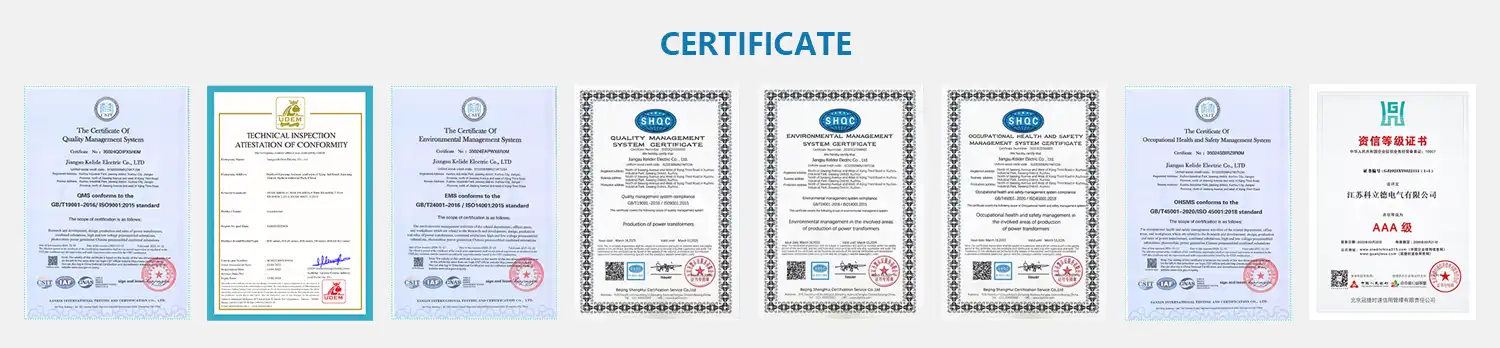
When deciding between dry-type power transformers and oil-immersed transformers, safety requirements, environmental conditions, and the overall cost of ownership must all be carefully considered. Dry-type power transformers work great in indoor fire-safe situations, need little upkeep, and can be set up quickly. This is especially true when amorphous metal cores save a lot of energy. Oil-immersed designs are still the best choice for heavy-duty outdoor substations and high-capacity industrial processes that need the best thermal performance. Procurement workers should give more weight to sellers who have a wide range of certifications, such as ISO 9001 quality management and product-specific approvals like CCC certification. Technical skills like custom building, fast shipping, and assistance after installation are what set trusted partners apart from commodity sellers. Strictly defining voltage classes, capacity ratings, impedance values, and environmental protection levels ensures that equipment meets the needs of the project and follows the rules for a long time.
FAQ
What are the primary safety advantages of dry-type transformers?
Dry-type power transformers that don't use flammable insulating oils don't pose the fire and blast risks that come with them. This means that they can meet the strict building rules for hospitals, schools, and high-rise buildings. The epoxy resin insulation is safe and doesn't pollute the environment. It doesn't have any PCBs or other dangerous materials that need special disposal procedures. Their F1 non-flammable rating means that they can be installed without fire control systems, smoke detectors, or infrastructure for keeping oil contained.
Can dry-type units operate in outdoor environments?
There are outdoor-rated dry-type power transformers with better weather protection (IP54 or IP65), but standard cast-resin models need to be installed in a protected area to keep them safe from direct rain, snow, and UV light. When used outside, oil-immersed designs are usually best, unless environmental laws don't allow oil-filled equipment or placement room limits require small designs. Talk to the makers about coatings that don't rust and changes that can be made to the air for semi-exposed areas.
How do amorphous alloy cores improve efficiency?
When compared to crystalline silicon steel, the disordered atomic structure of amorphous metal cuts down on magnetic domain realignment losses by 70–80%. When these advanced cores are used in the SCBH15 and SCBH19 series of dry-type power transformers, they achieve no-load losses below 150W for 1000kVA ratings, compared to 700–900W for regular designs. This economy means lower energy costs and a faster return on investment, especially in situations where the machine is only used for short periods of time.
Partner with Tuojie for Reliable Dry-Type Power Transformer Solutions
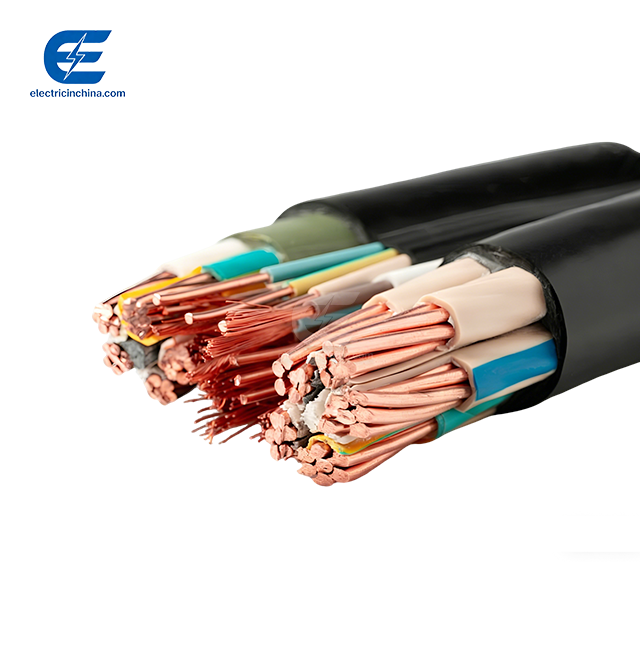
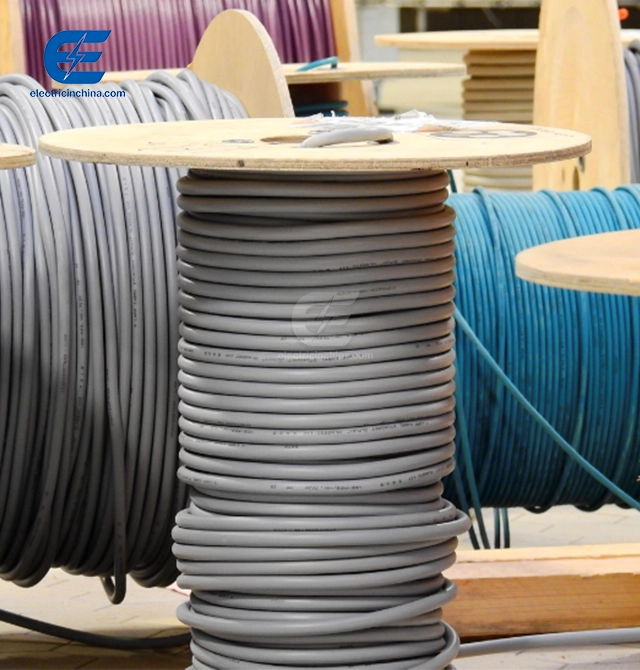
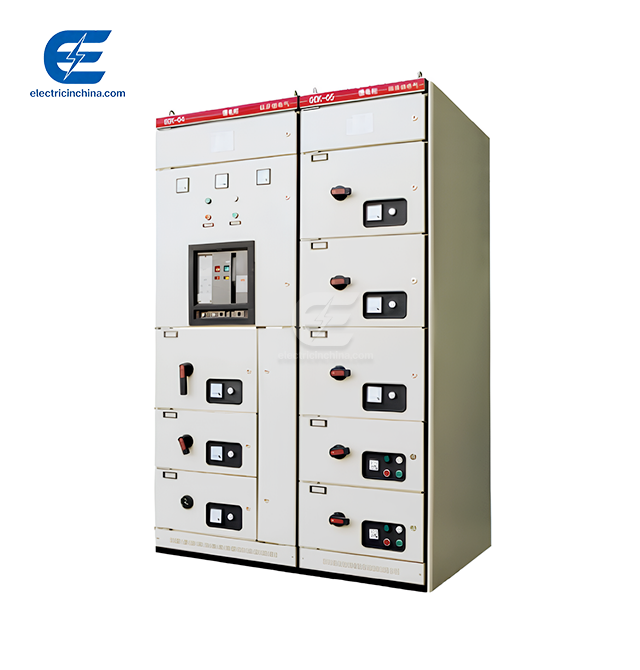
Tuojie stands ready to support your next infrastructure project. They have a wide range of dry-type power transformers available in 10kV, 20kV, and 35kV voltage classes, with capacities ranging from 50kV2,500 kVA00kVA. We have been making dry-type power transformers for over 20 years and have worked with government agencies, business developers, and industry clients. We offer custom solutions and are certified by ISO 9001, ISO 14001, and CCC. To make sure that products are of the highest quality and arrive on time, our engineering team uses 18 patents and cutting-edge production tools such as CNC automatic winding machines and vacuum casting systems. Get in touch with our technical experts at tuojie@electricinchina.com to talk about your unique needs for voltage regulation, harmonic mitigation, and space efficiency. We offer all-in-one purchasing services for transformers, low-voltage switchgear, cables, and other related equipment, along with full documentation to support bids and EPC project execution. You can look through our catalog of products at electricinchina.com and ask for a detailed technical proposal that is tailored to your operational environment and performance goals.
References
1. IEEE Standard C57.12.01-2015, "IEEE Standard for General Requirements for Dry-Type Distribution and Power Transformers," Institute of Electrical and Electronics Engineers, New York, 2015.
2. International Electrotechnical Commission, "IEC 60076-11: Power Transformers - Part 11: Dry-Type Transformers," Geneva, Switzerland, 2018.
3. National Electrical Manufacturers Association, "NEMA ST 20-2020: Dry-Type Transformers for General Applications," Rosslyn, Virginia, 2020.
4. Kulkarni, S.V. and Khaparde, S.A., "Transformer Engineering: Design, Technology, and Diagnostics," CRC Press, Boca Raton, Florida, 2017.
5. Heathcote, Martin J., "J & P Transformer Book: A Practical Technology of the Power Transformer," Thirteenth Edition, Newnes Publishing, Oxford, United Kingdom, 2017.
6. Zhang, Lianggong and Chen, Wei, "Application and Development of Amorphous Alloy Distribution Transformers in Smart Grid Systems," Proceedings of the International Conference on Electrical Engineering and Industrial Systems, Beijing, 2019.