

.webp)
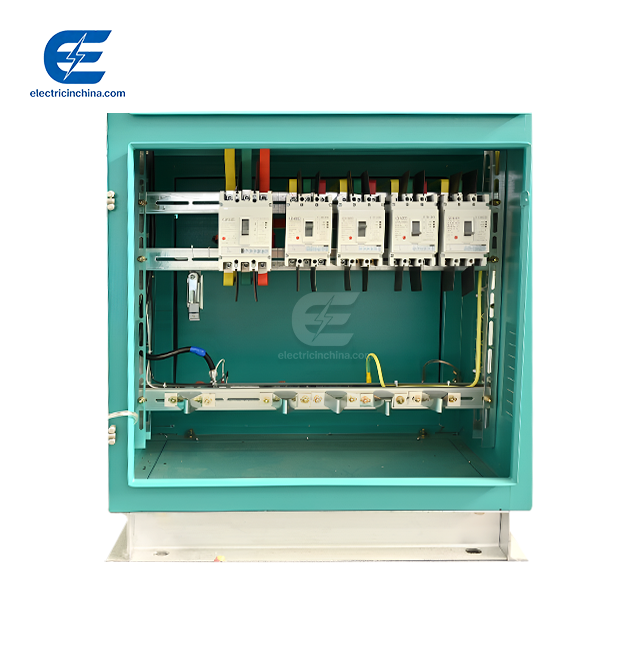
Selecting the correct capacity for an oil-immersed power transformer directly impacts operational reliability, cost efficiency, and system safety. An appropriately sized transformer ensures stable voltage regulation under varying load conditions while preventing overheating, insulation breakdown, and premature equipment failure. For B2B procurement teams managing government infrastructure, commercial development, or industrial facilities, matching transformer capacity to actual load demand—while accounting for future expansion—prevents costly downtime and optimizes capital investment over decades of service life.
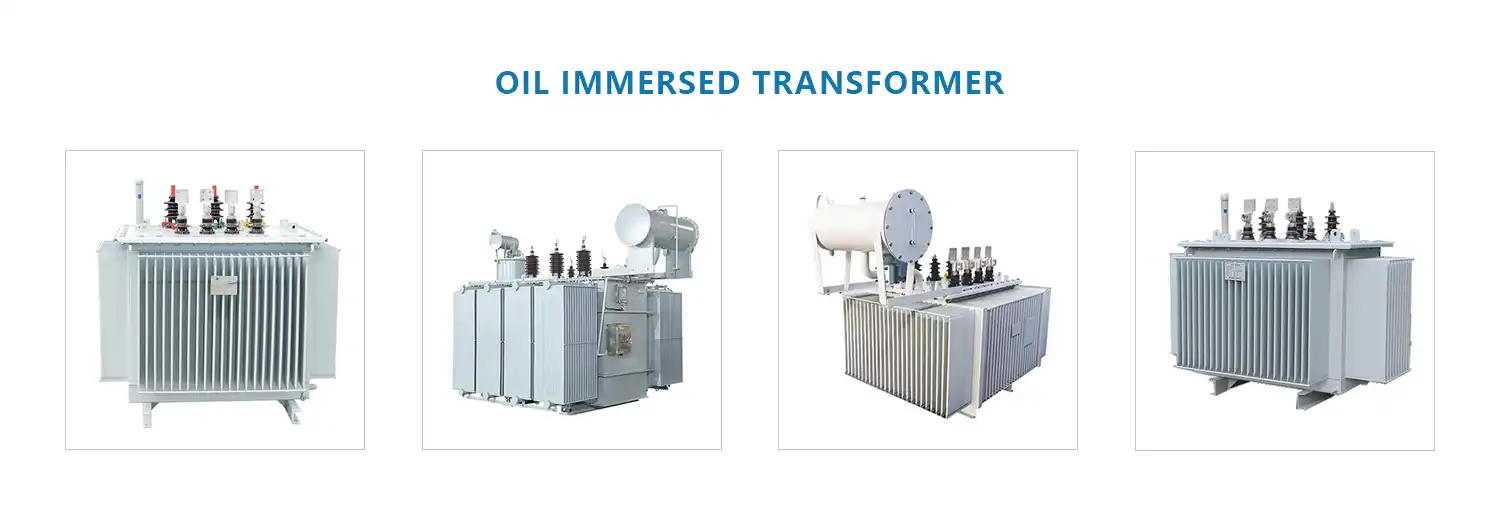
Core Criteria and Metrics for Selecting Transformer Capacity
Load Profile Analysis and Growth Forecasting
Finding out the capacity of an oil-immersed power transformer starts with a full load profile analysis that looks at both peak demand and steady operating levels over the course of a day, a week, or a season. Instead of depending on the nameplate values of connected equipment, we suggest collecting load data for at least 12 months in order to find the real peak demand times. The diversity factor, which usually ranges from 0.6 to 0.85 depending on process coordination, comes from the fact that industrial facilities don't usually run all of their equipment at the same time. Due to staggered batch processes, a chemical company with 15MVA of fixed equipment might only need 11MVA at its peak. Growth forecasting adds another level of complexity. For example, business developers have to think about how the mix of tenants will change over the next 10 to 15 years, and industrial makers need extra space for their production lines to grow. As a matter of course, we leave a 20–30% capacity margin above the calculated peak demand to account for realistic growth scenarios without having to replace the transformers too soon.
Environmental and Operational Variables Affecting Capacity
The ambient temperature has a big impact on the capacity of a transformer because it changes how well it cools and how well it handles heat. Standard ratings are based on an average ambient temperature of 30°C. Installations in tropical areas where the average temperature is 40°C need to lower their capacity by about 10 to 15 percent to keep the windings safe. Altitude also affects cooling because less dense air makes it less effective at removing heat. Installations above 1,000 meters require extra derating factors that are spelled out in IEEE and IEC standards. The capacity that can be reached is directly related to the cooling method chosen. Natural oil circulation with natural air cooling (ONAN) gives a base level of capacity, while forced oil circulation with forced air cooling (OFAF) can boost capacity ratings by 33% or more for the same core and winding design. When real estate developers plan rooftop installations, they have to deal with stricter noise limits that might make forced cooling methods impossible, even though they have better capacity. This shows how environmental restrictions and technical requirements interact when choosing capacity.
Regulatory Compliance and Safety Standards
Transformers are safe to use in both normal and emergency load situations as long as they follow international safety and regulatory standards. IEC 60076 series standards set limits on temperature rise, coordination requirements for insulation, and short-circuit withstand capabilities. These directly affect capacity rates and fitness for use. The IEEE C57 standards offer similar advice that is widely used in North American markets. They cover a wide range of topics, from the ability to load materials under changing environmental conditions to the levels of dissolved gases needed to find faults. Government infrastructure projects and EPC contractors usually need certification paperwork that shows that the equipment meets ISO 9001 quality management, ISO 14001 environmental compliance, and OHSAS 45001 safety standards. For Chinese-made equipment, they also need product-specific CCC certification. These certifications show that the manufacturing process includes quality control, design validation testing, and traceability systems. This is something that big companies need for risk management and warranty enforcement over many years of service.
Key Factors Influencing Transformer Capacity Selection
Comparing Oil-Immersed and Dry-Type Transformer Technologies
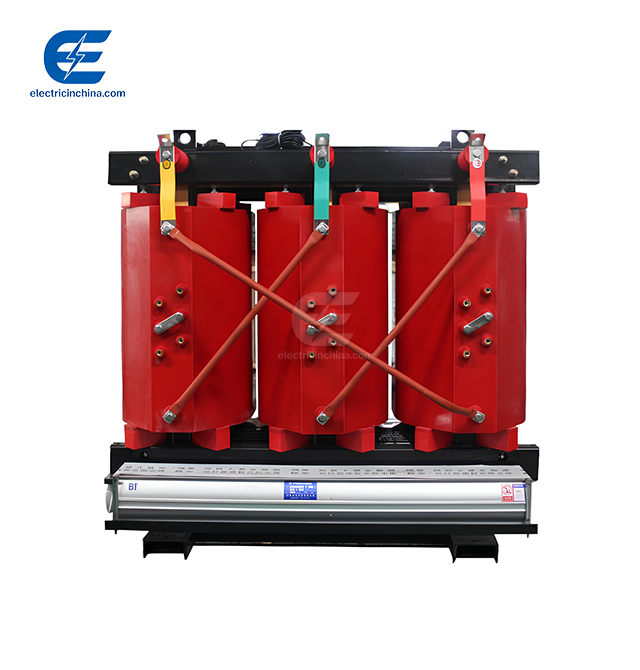
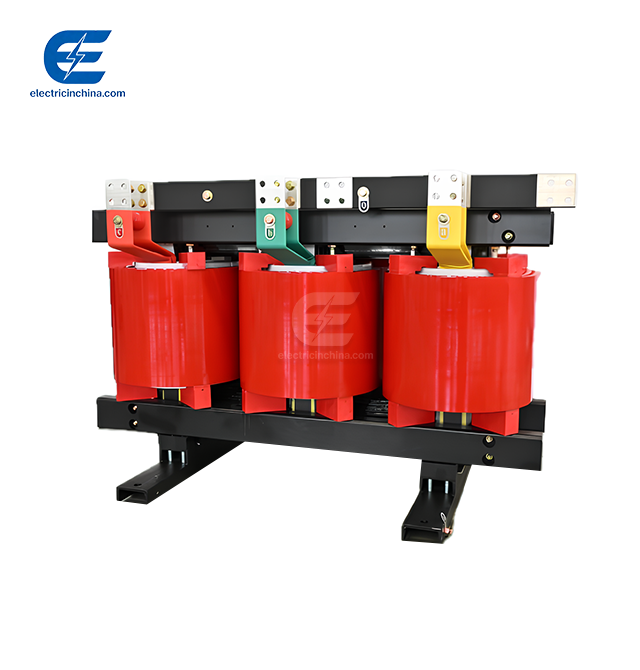
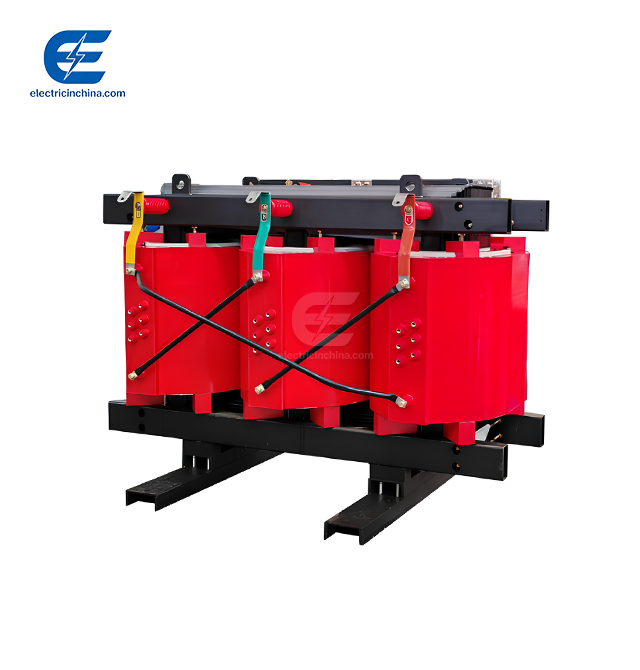
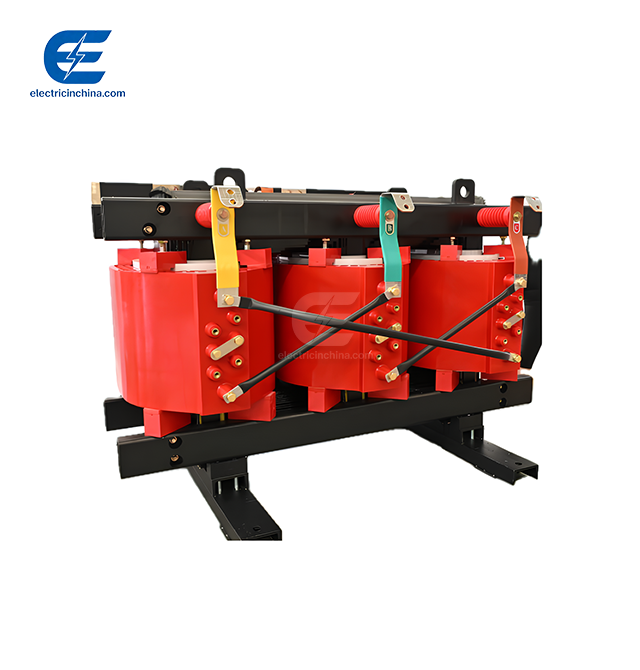
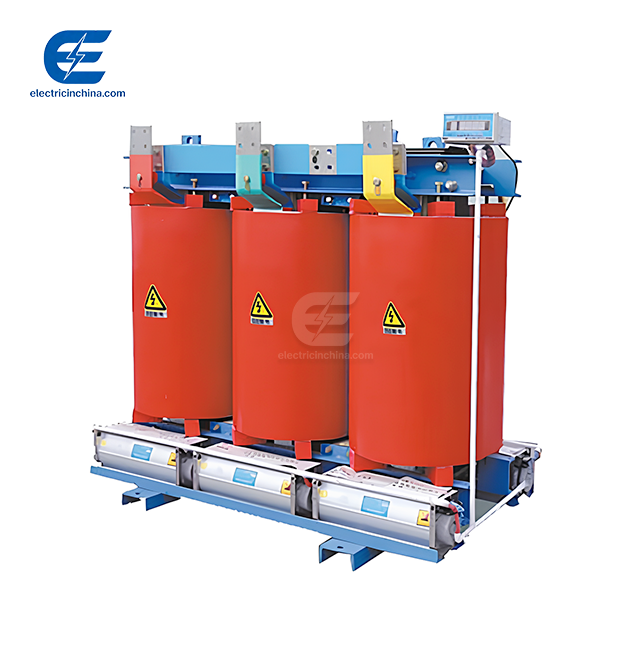
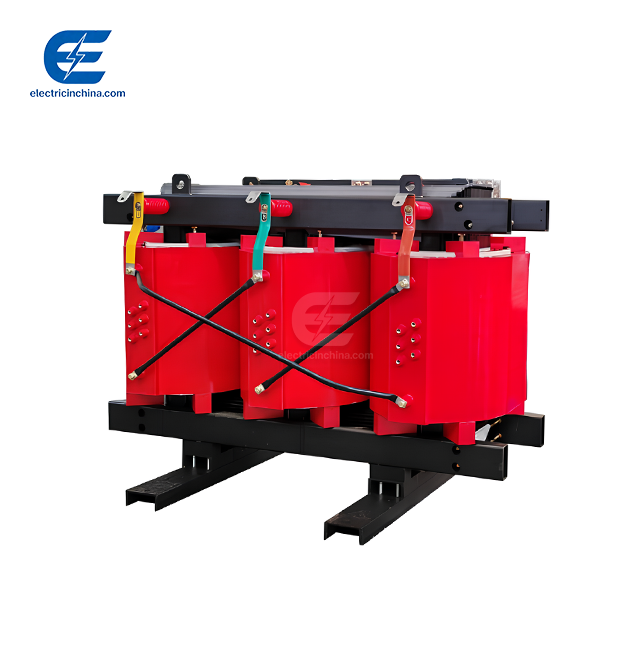
For heavy industrial uses that need rates above 2.5MVA, oil-immersed power transformers are better at both capacity and cooling than dry-type options. The mineral oil that flows through an oil-immersed power transformer absorbs heat from the windings about 1,000 times better than dry-type units that are cooled by air. This lets a lot more power fit into the same space. This better heat performance means lower costs: a 10MVA oil-immersed power transformer usually costs 40–50% less than a dry-type unit of the same size and takes up the same amount of floor space. Industrial makers who work in non-explosive settings always choose oil-immersed designs because they are more efficient, have more capacity, and have lower operational costs. Dry-type transformers can still be used for installations inside occupied buildings, in places with explosive atmospheres, and in situations where minimizing environmental impact is more important than maximizing capacity. However, oil-immersed technology is better for most industrial power distribution needs, both technically and economically.
How Cooling Methods Impact Capacity and Efficiency
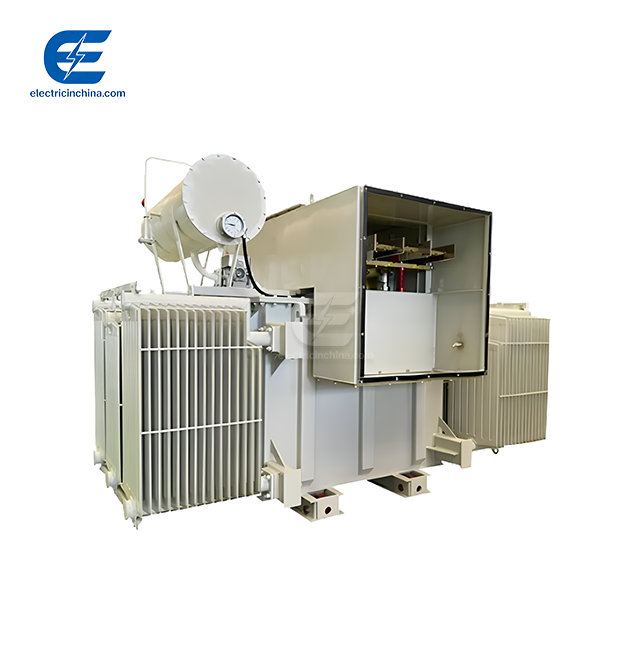
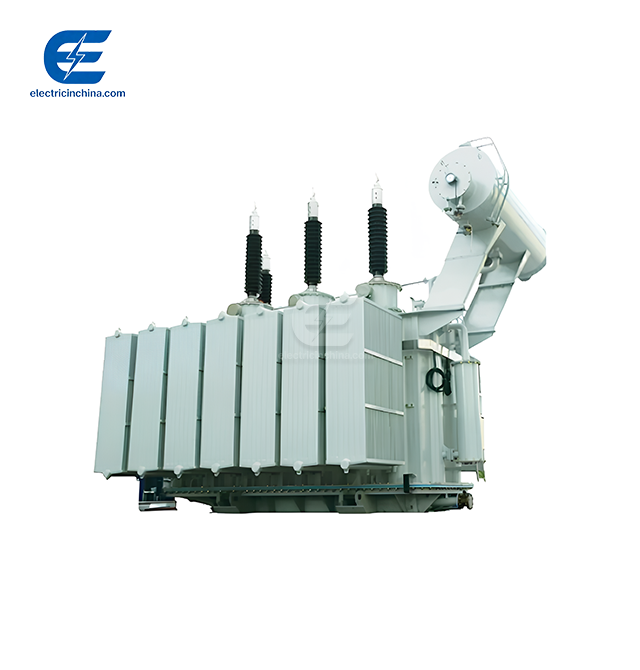
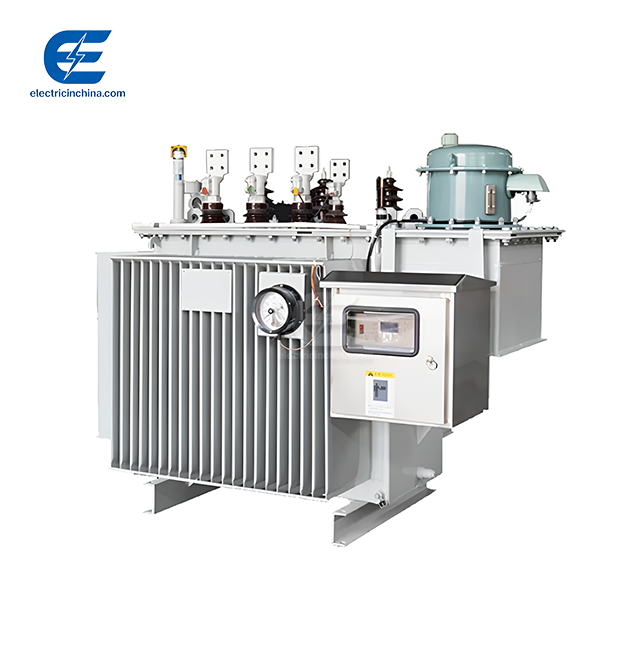
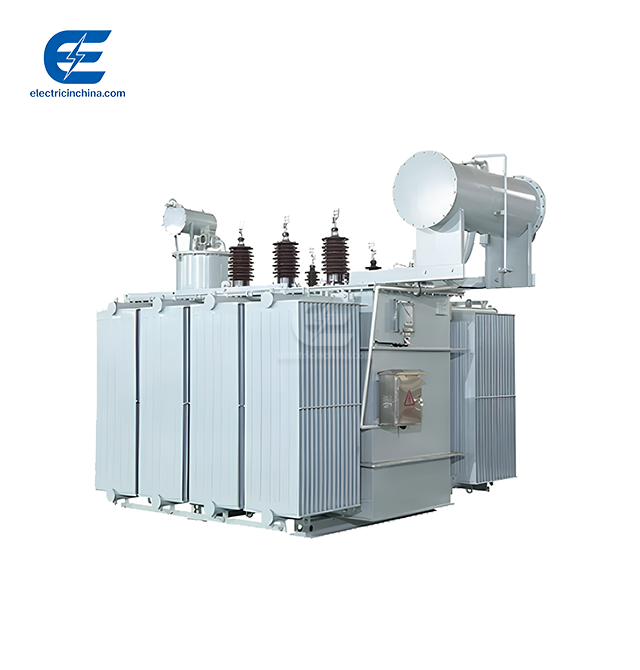
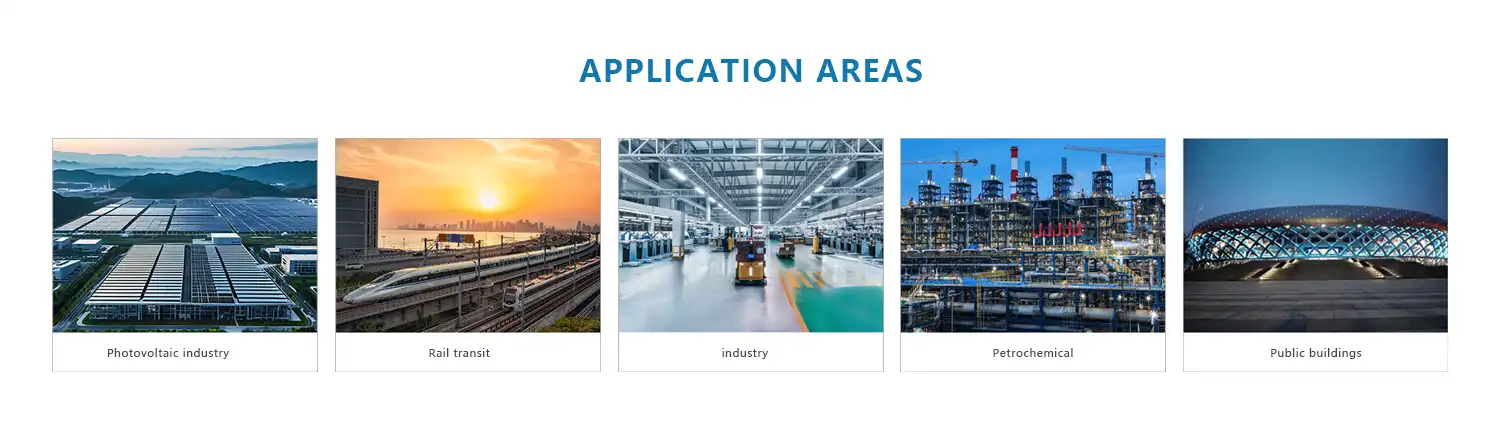
Different ways of cooling have direct effects on the maximum capacity that can be reached and the operational efficiency of the oil-immersed power transformer across the whole load range. Natural oil circulation with natural air cooling (ONAN) depends on currents that move through the transformer tank and passive heat loss through vents or the corrugated sides of the tank. This setup is very reliable and doesn't use any extra power, but it limits the amount of work that can be done for a given core size. When you use pumps and fans to speed up oil flow and air movement across cooling surfaces, you get forced oil circulation with forced air cooling (OFAF). This makes it possible to achieve 133% or higher capacity ratings compared to the basic ONAN design. This idea is shown by the S9 oil-immersed power transformer for industrial uses: steel factories use OFAF cooling to deal with high electrical loads from electric arc furnaces while keeping the power supply stable even when there is a lot of harmonic distortion and voltage changes. In the same way, mining operations profit because forced cooling makes it possible to build small substations in underground installations that are limited on space while still providing enough power for continued operation of crushers, conveyor systems, and extraction equipment across multiple shifts.
Understanding Transformer Losses and Efficiency Optimization
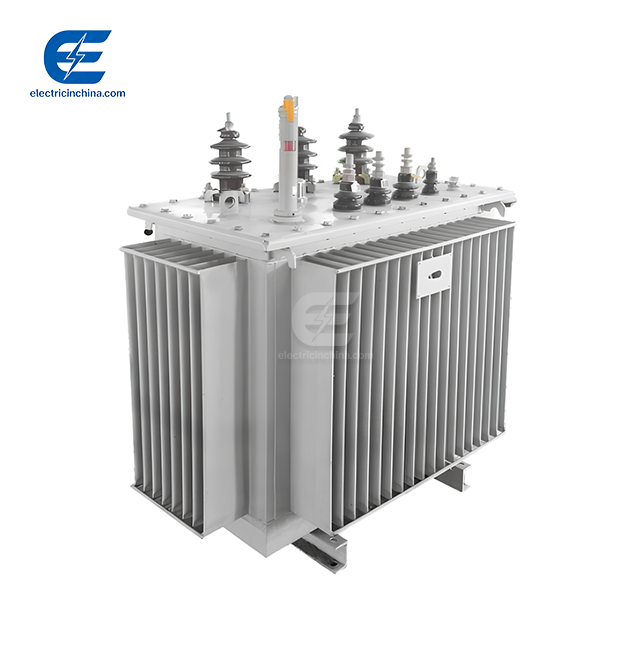
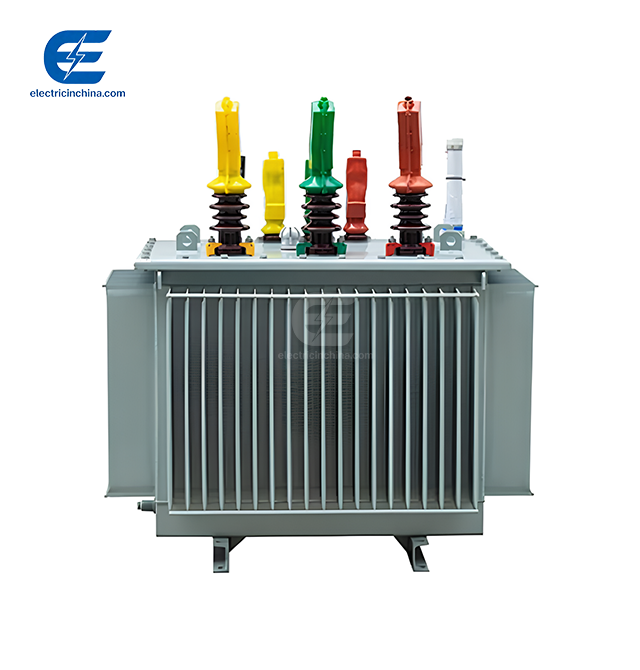
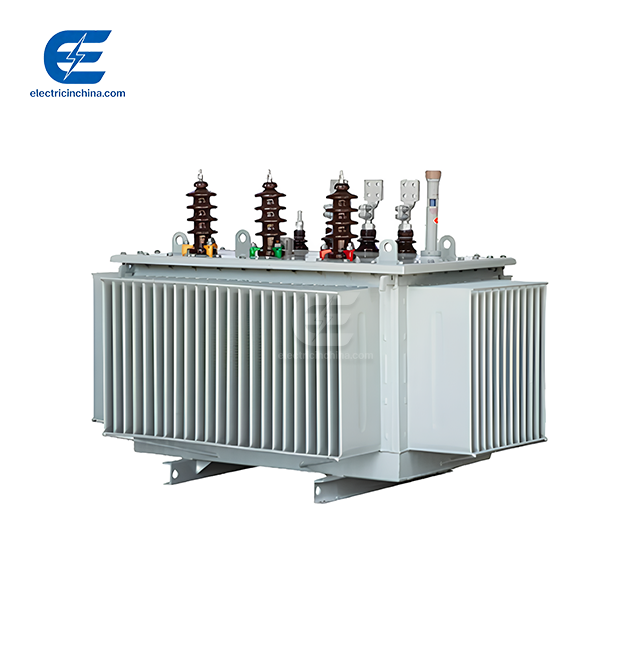
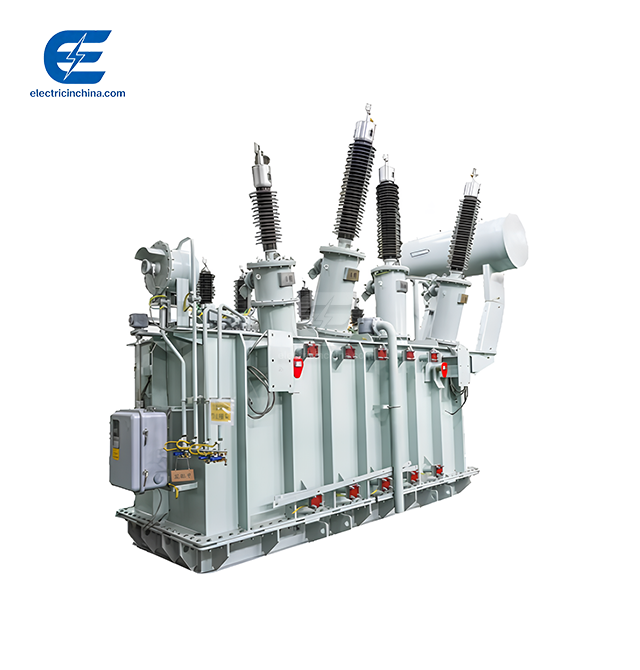
There are two different types of losses in a transformer: no-load losses, which happen all the time no matter how much load is on it, and load losses, which change with the square of the load current. The S11 type 35KV oil-immersed power transformer cuts these losses by a lot thanks to its precision-laminated silicon steel cores, which achieve 25–30% reductions compared to older designs. These losses are caused by core magnetization and happen 24 hours a day, seven days a week. Load losses come from winding resistance and stray electromagnetic fields. As loading gets close to rated capacity, load losses get much worse. Understanding this relationship helps choose the right capacity by showing the best working points: when transformers are loaded to 50–70% of their rated capacity, they usually work at their most efficient, matching low losses with high capital costs. When it comes to industrial facilities, places where loads stay mostly the same should choose a capacity that targets this efficiency sweet spot. On the other hand, places where loads change a lot should choose bigger capacity ratings that keep acceptable efficiency across the working range. When you do a lifecycle cost study of different capacity choices against expected load profiles, you'll often find that slightly larger transformers have lower total ownership costs because they lose less energy, even though they cost more at first.
Practical Steps to Determine the Right Capacity for Your Industrial Transformer
Conducting Comprehensive Load Analysis
To choose the right capacity, you need to do a systematic load analysis using standard tools and forecasting methods in your industry. To begin, make a list of all the connected devices and their nameplate values, as well as their working times and job cycles. For example, for motors, the demand factor should be between 0.7 and 0.8 because not all units run at the same time. For lights and HVAC systems, it should be between 0.8 and 1.0 depending on how many people are using them, and for process equipment, it should be based on the output schedule. For example, in a pharmaceutical manufacturing plant, the 8MVA total capacity of reaction tanks, centrifuges, HVAC systems, and other equipment is cut down to 5.6MVA maximum demand by using demand factors that are unique to each piece of equipment. Adding a 1.25-volt safety gap for future growth gives you the 7MVA power you need. A standard 10MVA oil-immersed power transformer gives you enough headroom while still running at a good efficiency level. We use load forecasting software that looks at hourly demand profiles over a year to find busy times that affect capacity needs and load management methods that can lower the size of transformers that need to be used.
Consulting OEM Specifications and Technical Datasheets
Manufacturers give important advice on choosing the right size by including thorough technical datasheets that describe performance features, working limits, and customization options. These papers show important information like how impedance voltage affects the amount of short-circuit current, temperature rise data for different loading conditions, and derating factors for installations that aren't the norm. Our engineering team keeps up-to-date huge technical libraries with transformer specs from the world's biggest makers. This lets us do comparative research that helps us find the best solutions for each project. Customization options are another important part of the datasheet. Changes to voltage ratios, tap changer configurations, bushing arrangements, and the ability to integrate a protection system all affect how well a transformer fits the needs of an application. For projects with unusual voltage levels or limited space, early OEM consultation is very helpful. This way, design changes can be made before production starts, which avoids the need for expensive field retrofits or performance losses that happen when standard products don't fit perfectly with site conditions.
Cost-Benefit Analysis for Informed Procurement Decisions
A cost-benefit analysis compares the initial costs of procurement with the savings that will be made in the long run. This helps procurement workers make choices that are both financially sound and in line with the goals of the power infrastructure. Over a normal 30-year service life, the initial capital cost only makes up 25–35% of the total cost of ownership. The other 65-75% is made up of energy losses, which include both constant no-load losses and changing load losses. Over the course of 30 years, the loss-related energy costs for a 5MVA oil-immersed power transformer at 60% average load will cost about 180,000 USD, far exceeding the original 45,000 USD purchase price. When you compare premium efficiency models with 15% lower losses, you can see that they save more than $27,000 over the life of the system, even though they cost $8,000 more at first. This is a great return on investment for companies that care about lifecycle economics. Our purchasing teams use net present value analysis to do these calculations, which take into account things like rising energy costs, differences in maintenance costs, and changes in expected service life. This careful financial modeling shows over and over that buying high-efficiency oil-immersed power transformers from makers with a history of quality control is a better deal than going with low-bid options that don't come with certification paperwork or performance proof.
Maintenance, Testing, and Lifespan Considerations in Capacity Selection
Oil Testing Protocols and Capacity Preservation
Keeping the Oil-immersed transformer capacity at its best is directly related to testing the oil regularly to check the dielectric strength, dissolved gas concentrations, moisture content, and acidity levels. Dielectric strength testing shows that the oil keeps the breakdown voltage above 30kV, which makes sure that there is enough protection between the high-voltage windings and the grounded parts. Dissolved gas analysis (DGA) finds early signs of faults by measuring levels of hydrogen, acetylene, and carbon monoxide. These levels show signs of partial discharge, burning, or cellulose breakdown before they become major problems. We suggest that oil be sampled every three months for transformers that are part of important infrastructure and help with government projects and data centers, where unexpected power outages can have very bad effects. For less important industrial applications with backup capacity or flexible production schedules, testing once a year is enough. If a moisture content analysis shows levels above 10ppm, the oil must be reclaimed or replaced right away. This is because too much moisture speeds up the aging of insulation and lowers both dielectric strength and thermal performance, which means that the transformer can't handle as much power even though its nameplate rating stays the same. Chemical processing plants that are near humid coastlines have a higher chance of getting water in, which means they need sealed breather systems and might need to be inspected more often.
Preventing Common Faults from Capacity Mismatches
Overloading and oil leaks are two common problems that can be directly linked to transformer values not matching up with what the application needs. When there is chronic overloading, the windings get too hot, which breaks down the cellulose insulation. For every 8°C rise in temperature, the insulation's projected life is cut in half because chemicals break down faster. An oil-immersed power transformer with a rating of 2MVA that is constantly loaded at 2.4MVA might fail in 8–10 years instead of the 30 years that were planned for in the design. When thermal cycling from changing loads damages gaskets and stresses tank seams, oil leaks happen. Transformers that are the right size and work within their thermal design limits have a lot fewer seal failures and the costs that come with them. Using thorough preventative maintenance plans can greatly increase the lifespan of a transformer. For example, yearly infrared thermography surveys can find hot spots that mean problems are starting to appear, partial discharge testing can find insulation that is breaking down, and oil filtration can get rid of contaminants before they affect the dielectric performance. EPC contractors who include these maintenance needs in project specs show that they know that the choices made at the beginning about capacity selection have long-lasting effects on operating performance and the total cost of ownership.
Planning for Future Capacity Expansion
Growing industrial demand can be met by scalable designs and paths for future capacity upgrades that support long-term asset management goals. By choosing transformer spots with enough room for installing parallel units, you can add more units without having to rebuild the whole substation. Many factories put in a single 5MVA oil-immersed power transformer at first, with foundations and switchgear that are designed for a future 10MVA overall capacity. This can be reached by adding a second parallel unit when the demand for power increases enough to justify the cost. This staged approach finds the best time to deploy capital while avoiding the inefficiencies and high costs of installing systems that are way too big at first. Load tap switches that are built into oil-immersed power transformers add another level of freedom. They allow the voltage to be changed by ±5% to ±10%, which can adapt to changes in utility voltage and load characteristics without requiring any physical changes. Our project portfolio includes a lot of government infrastructure installations where careful initial capacity selection and expansion planning helped keep service reliable through decades of urban growth and rising load densities. This proves the strategic value of doing a full capacity analysis during the project design phase instead of making emergency upgrades after making bad initial capacity decisions.
Conclusion
Selecting the right capacity for industrial Oil-immersed transformer power transformers necessitates a thorough load analysis, environmental assessment, and lifetime cost evaluation in line with your organization's working needs and future growth plans. We've looked at a lot of technical factors that affect system reliability, energy costs, and asset longevity over the course of many decades. These factors include the effects of cooling methods, how to improve efficiency, maintenance protocols, and planning for scalability. When it comes to procurement, organizations that prioritize thorough capacity analysis always have better results than those that make quick decisions based only on initial capital costs. Our work on government infrastructure projects, commercial developments, and industrial facilities shows that choosing the right transformers can help you reach your strategic goals by reducing downtime, improving energy efficiency, and extending the life of your equipment.
FAQ
How frequently should transformer oil testing occur?
Critical infrastructure transformers that serve government projects, data centers, and facilities that need to be online 99.9% of the time should have oil tests every three months that check the moisture content, measure the dielectric strength, and look for dissolved gases. Testing can usually be put off until once a year for standard industrial applications that have backup power or operations that can be changed easily. More frequent tracking is helpful for chemical plants and sites that are in harsh environments with high humidity, extreme temperature changes, or corrosive atmospheres. Testing every six months helps find degradation trends before they affect oil-immersed power transformer performance or capacity delivery.
Can transformer capacity be upgraded after installation?
It's hard to increase the physical capacity after installation because the core and winding designs set basic rate boundaries. However, there are several effective ways to increase capacity: adding forced cooling systems (fans and pumps) can raise ratings by 25–33% for transformers that were originally designed with ONAN cooling; installing two or more transformer units in parallel doubles capacity and provides redundancy; and using advanced monitoring systems allows for dynamic rating strategies that safely use short-term overload capabilities during times of high demand while staying within thermal limits.
What advantages do oil-immersed transformers offer over dry-type units for large industrial operations?
For big industrial activities that need ratings above 2.5MVA, oil-immersed power transformers offer better capacity, efficiency, and cost-effectiveness. Mineral oil cooling moves heat about 1,000 times better than air cooling in dry-type systems. This lets much higher power densities happen at 40–50% lower costs for the same capacity ratings. This construction is strong enough to withstand harsh environmental conditions like extreme temperatures, dust, vibration, and moisture, achieved works reliably for 30 years. It is used in steel manufacturing, mining, and chemical processing, among other industrial settings.
Partner with Tuojie for Your Oil-Immersed Power Transformer Solutions
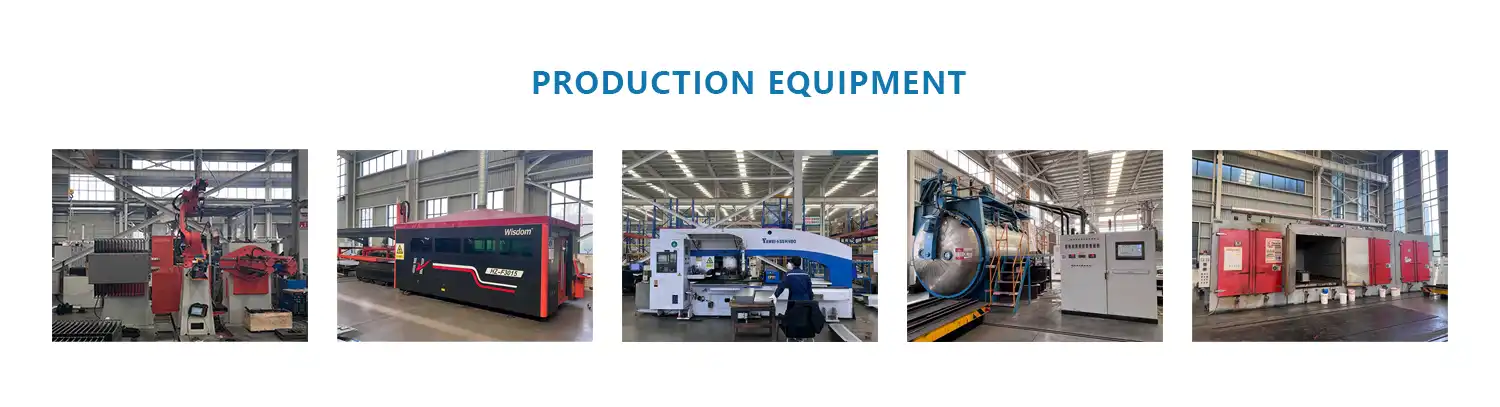
Transformer solutions that are reliable, efficient, and long-lasting should be used in your industrial power infrastructure. Tuojie specializes in designing, manufacturing, and supplying oil-immersed power transformers that meet the highest international standards. These transformers have ISO 9001, ISO 14001, and OHSAS 45001 certifications, and all of their products are required to have CCC certification as well. Twenty years of working in this field, helping with government building projects, business developers, and industrial manufacturers, has made us better at choosing the right capacity and making things fit your needs. We take care of more than 120 sets of high-tech equipment, such as CNC automatic winding machines and microcomputer-controlled gradient curing furnaces. This lets us make solutions that are specific to your needs and the conditions in which they work. We offer full technical support, from the initial load analysis through installation and planning for maintenance throughout the product's lifetime, as a reputable oil-immersed power transformer manufacturer.We have completed hundreds of successful projects, such as the Xuzhou High-speed Railroad East Station official power supply EPC, which used dual-circuit designs for maximum reliability, the XCMG Group power supply upgrades, which were finished ahead of schedule to ensure that production could start on time, and the GCL Photovoltaic Industrial Park transmission systems, which show how well we can integrate renewable energy. Email our engineering team at tuojie@electricinchina.com to talk about the size of transformers you need and to get detailed quotes that fit your project needs. You can look at our whole line of products at electricinchina.com and find out why medium-sized to large businesses always choose Tuojie for long-term, reliable power delivery partnerships. We're dedicated to providing you with high-quality goods, on-time delivery, and all-in-one solutions that give your operations the dependability and cost-effectiveness your business needs.
References
1. Bean, R.L., Chackan, N., Moore, H.R., and Wentz, E.C. (1959). Transformers for the Electric Power Industry. New York: McGraw-Hill Book Company.
2. Heathcote, M.J. (2007). J & P Transformer Book: A Practical Technology of the Power Transformer (13th ed.). Oxford: Newnes/Elsevier.
3. IEEE Standard C57.91-2011. IEEE Guide for Loading Mineral-Oil-Immersed Transformers and Step-Voltage Regulators. New York: Institute of Electrical and Electronics Engineers.
4. International Electrotechnical Commission. (2011). IEC 60076-1: Power Transformers – Part 1: General (3rd ed.). Geneva: IEC.
5. Kulkarni, S.V. and Khaparde, S.A. (2013). Transformer Engineering: Design, Technology, and Diagnostics (2nd ed.). Boca Raton: CRC Press.
6. McNutt, W.J. (1990). "Insulation Thermal Life Considerations for Transformer Loading Guides," IEEE Transactions on Power Delivery, 5(2), pp. 1996-2005.