

.webp)
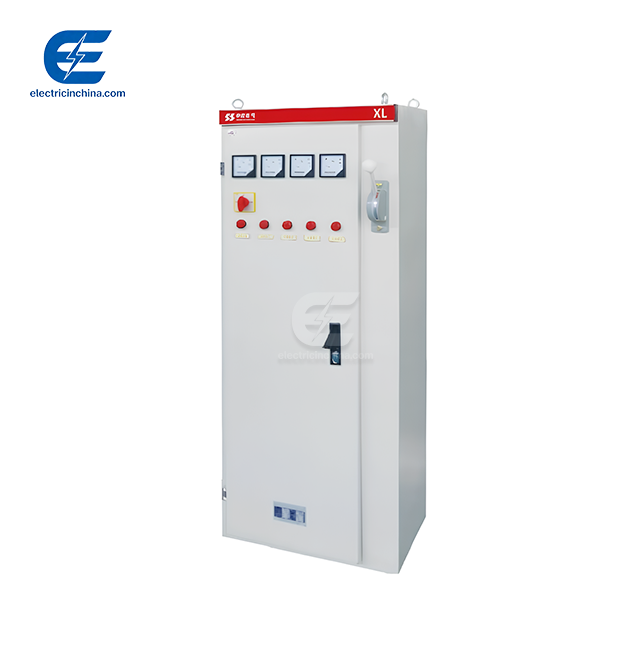
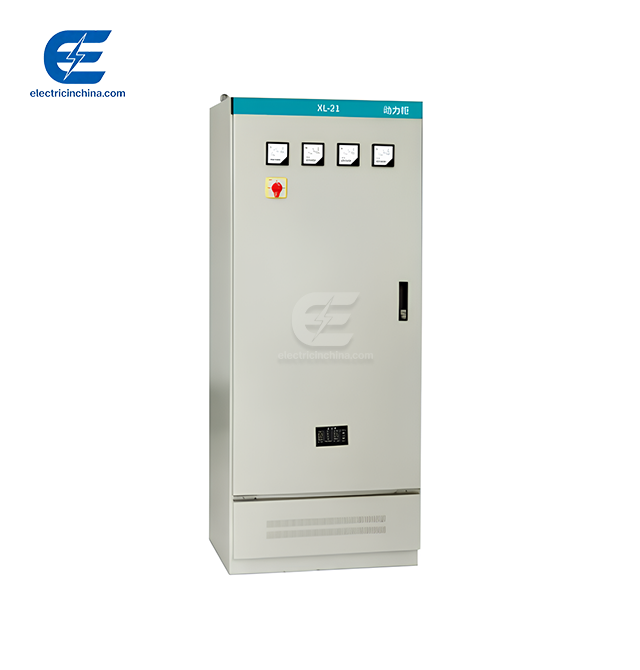
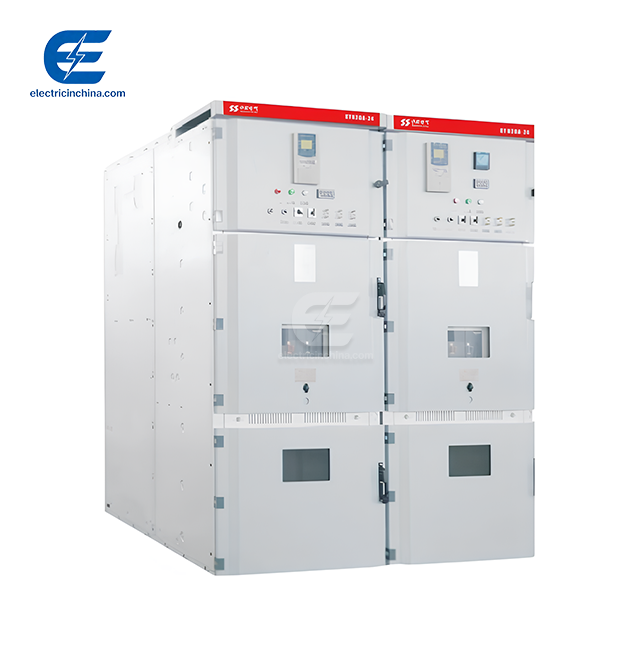
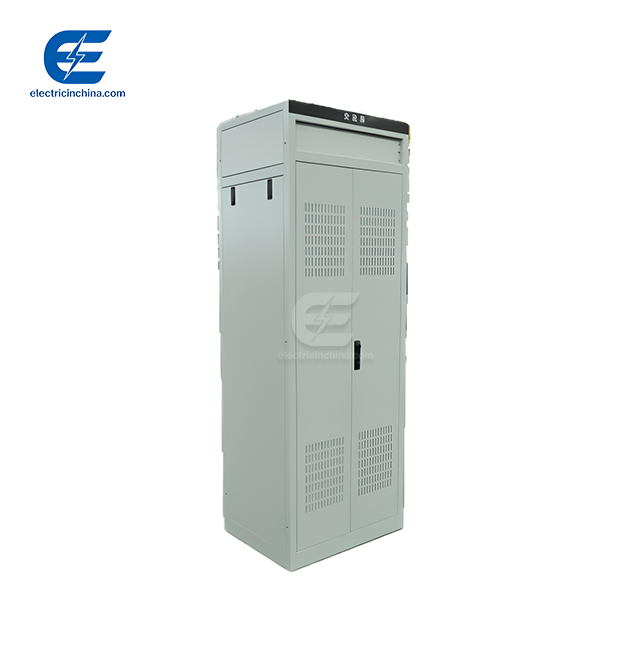
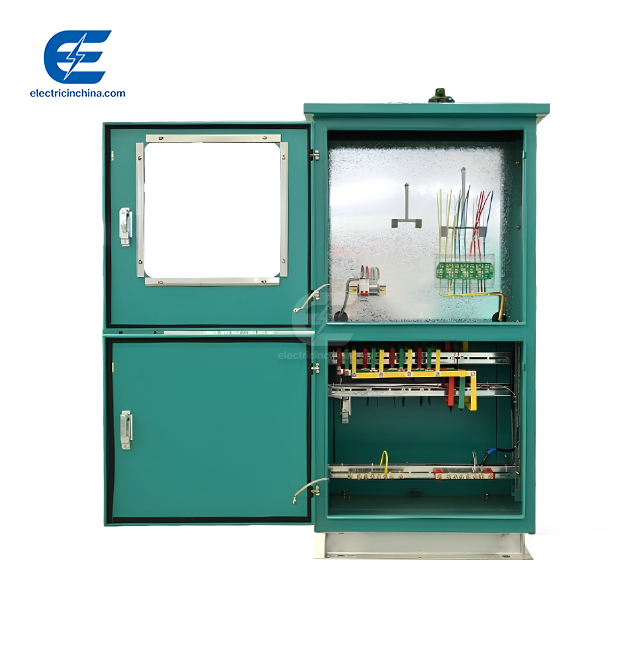
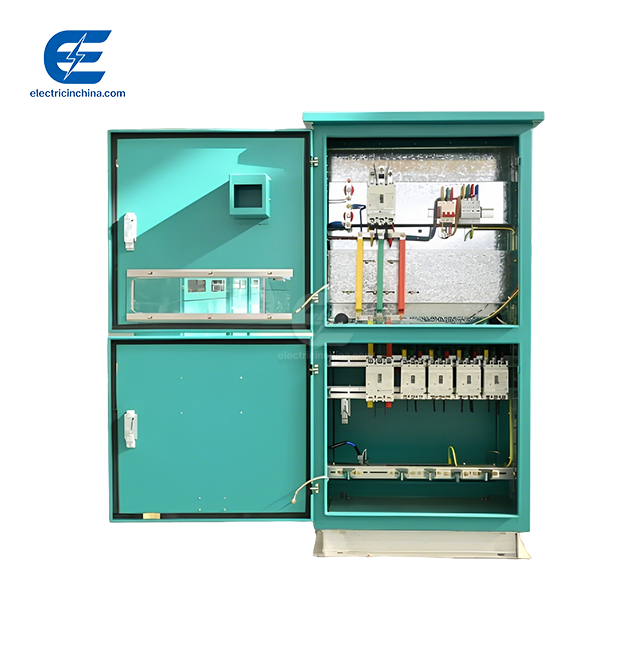
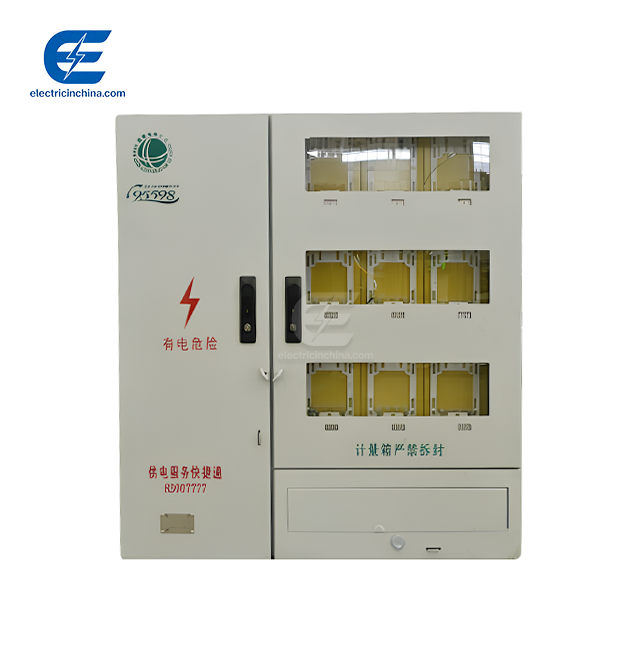
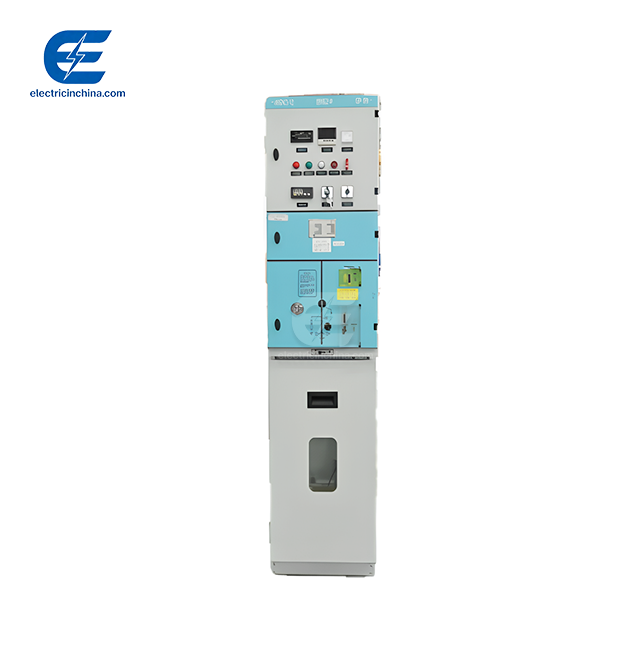
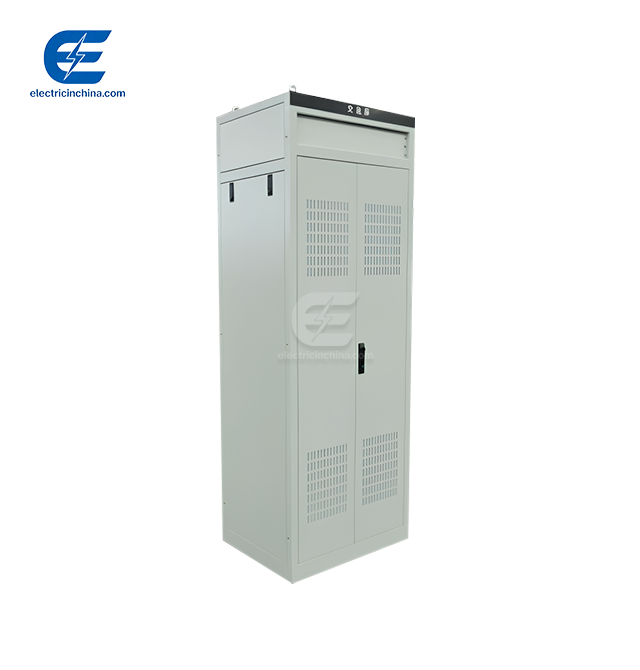
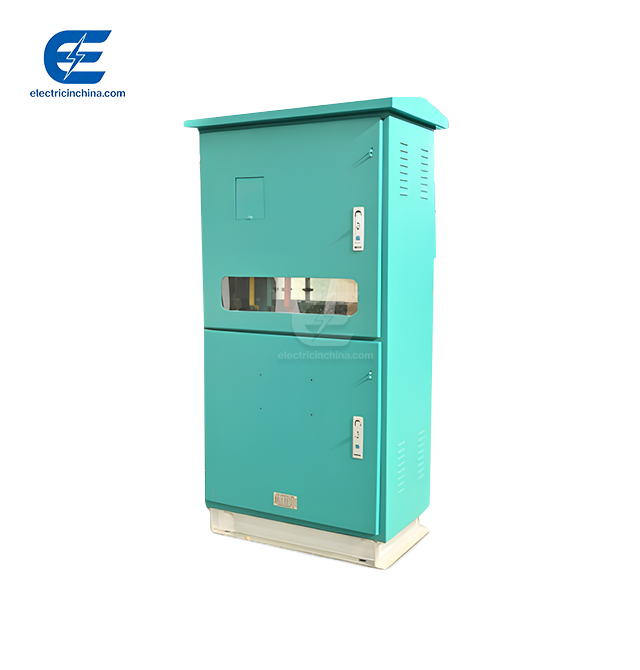
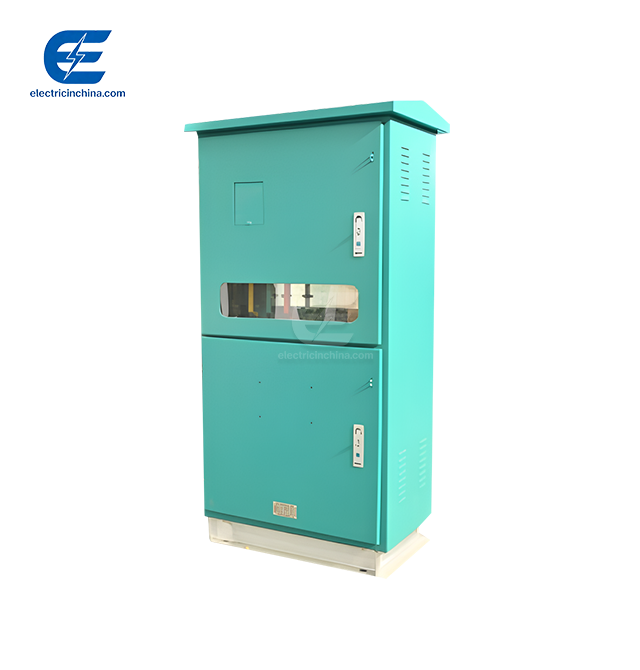
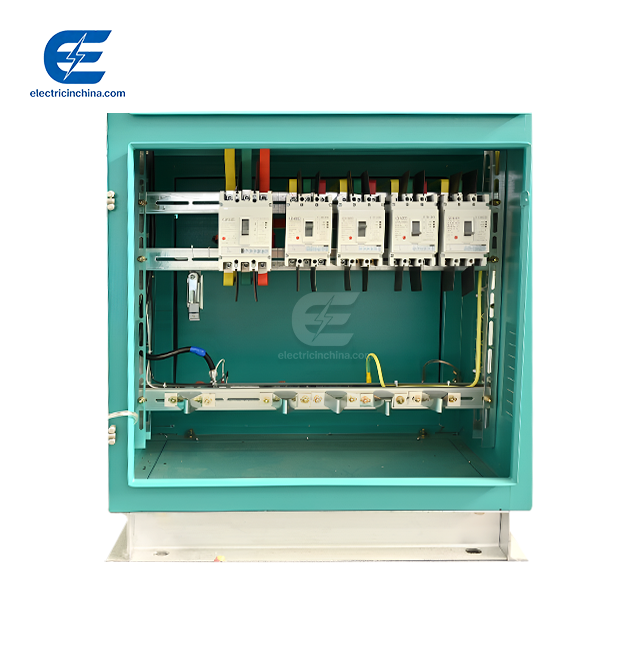
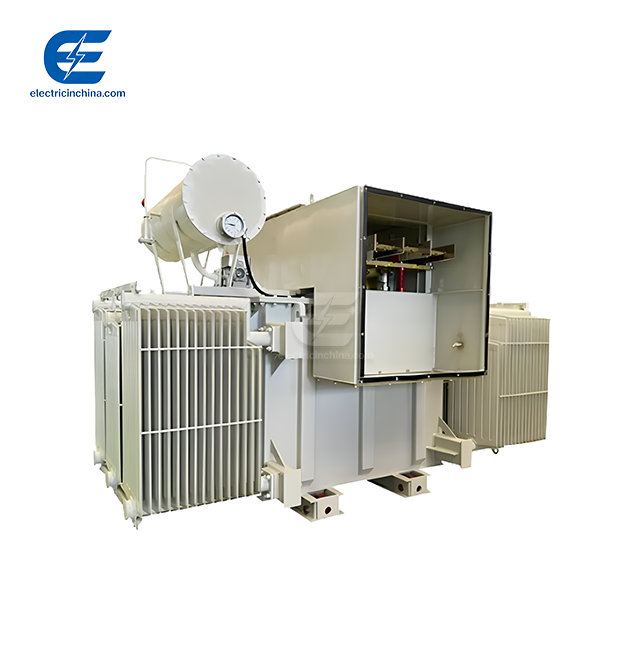
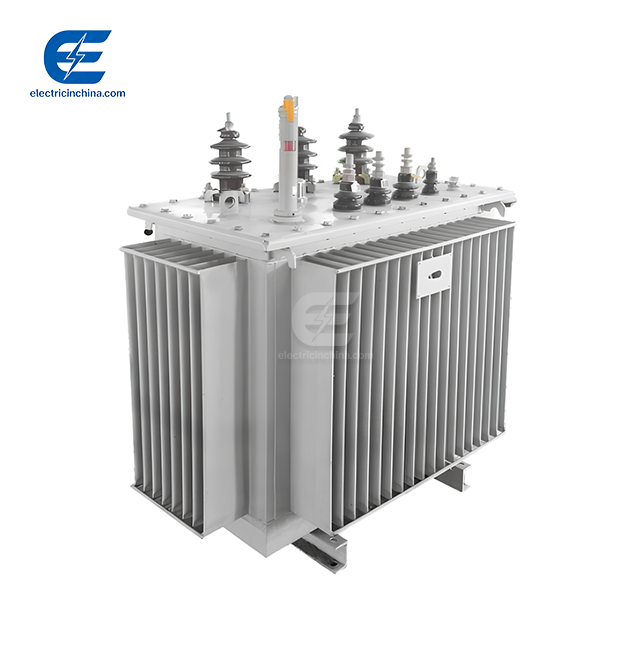
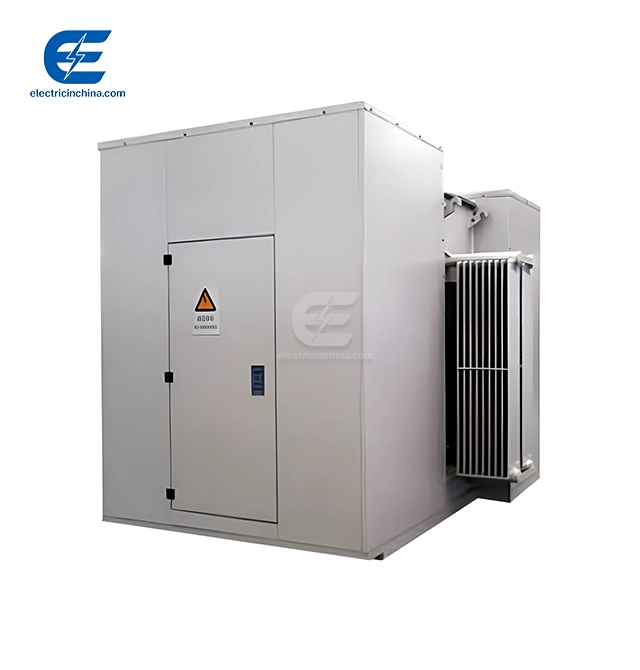
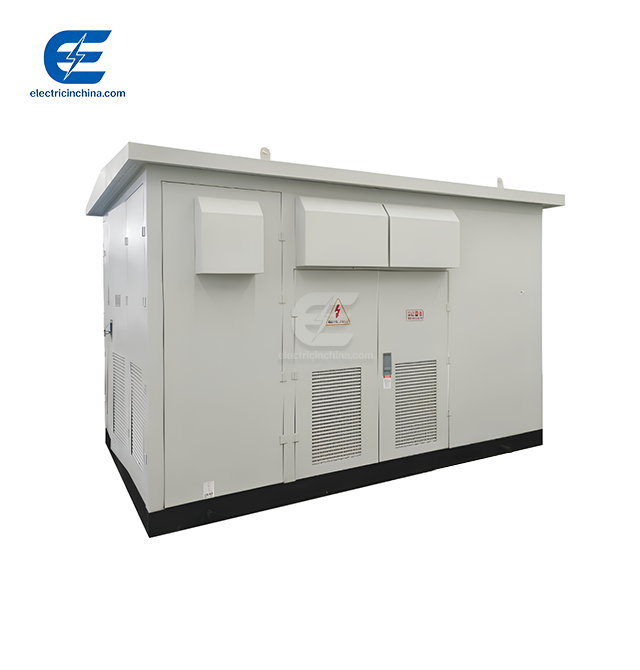
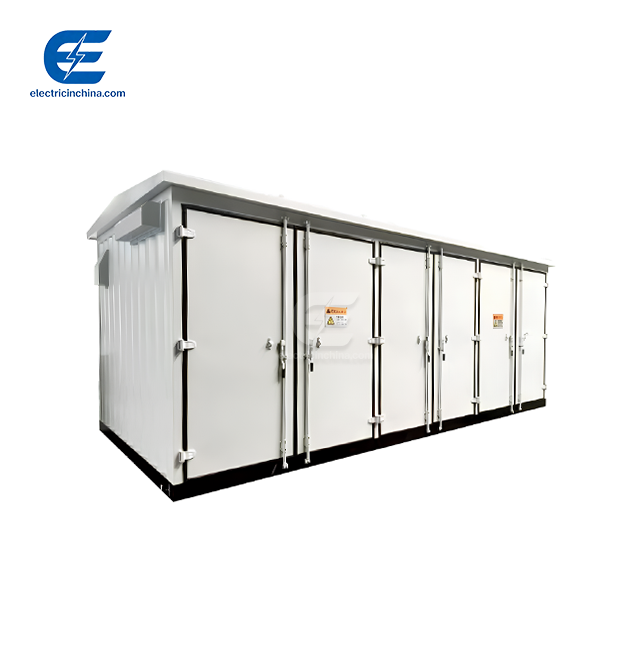
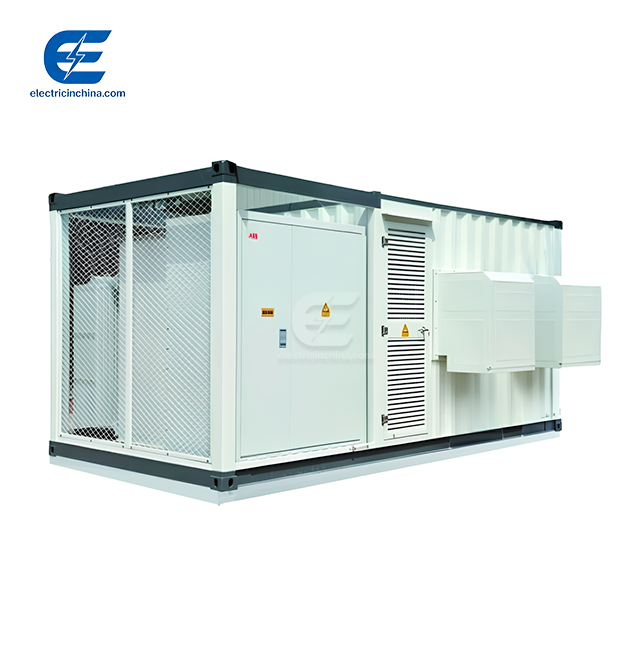
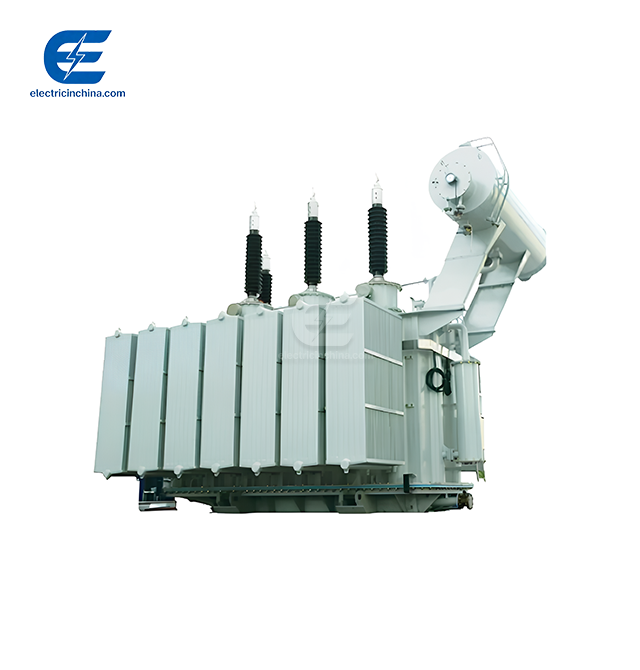
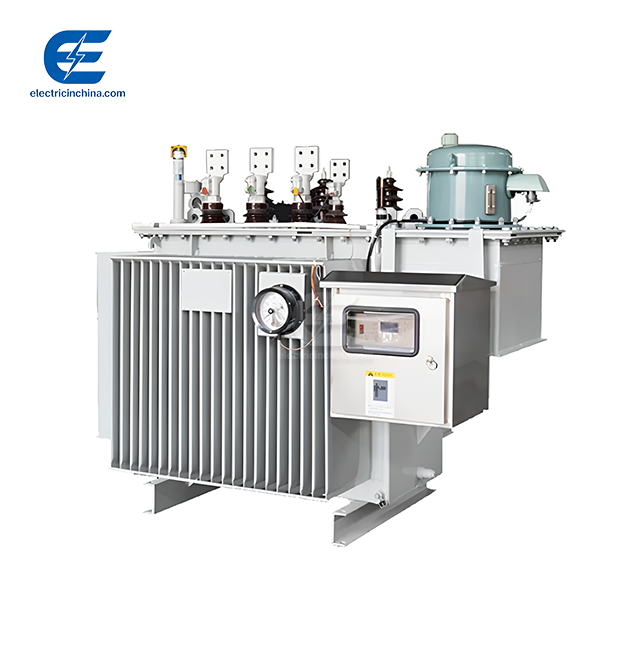
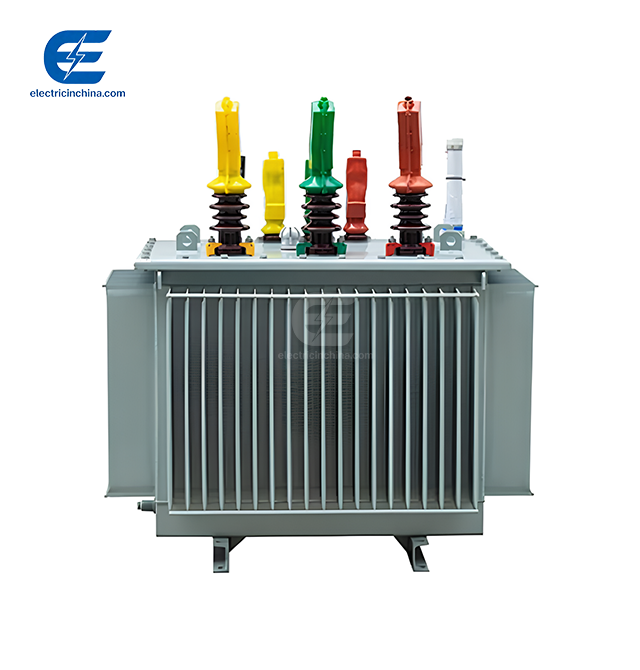
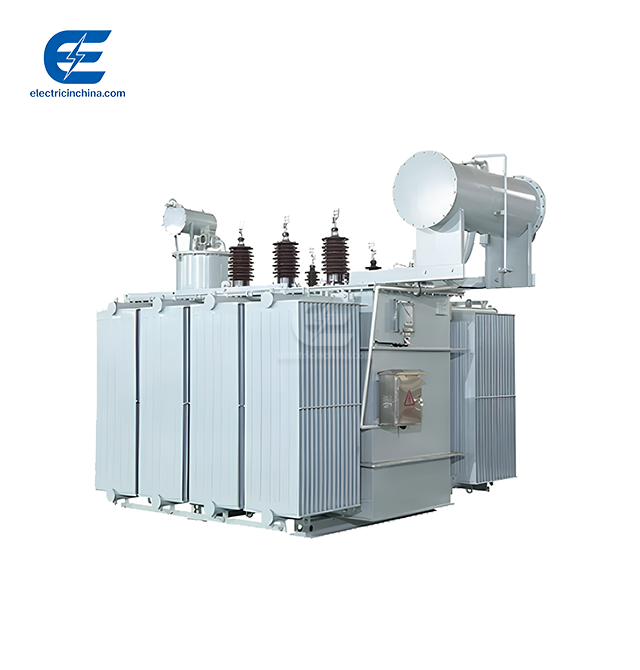
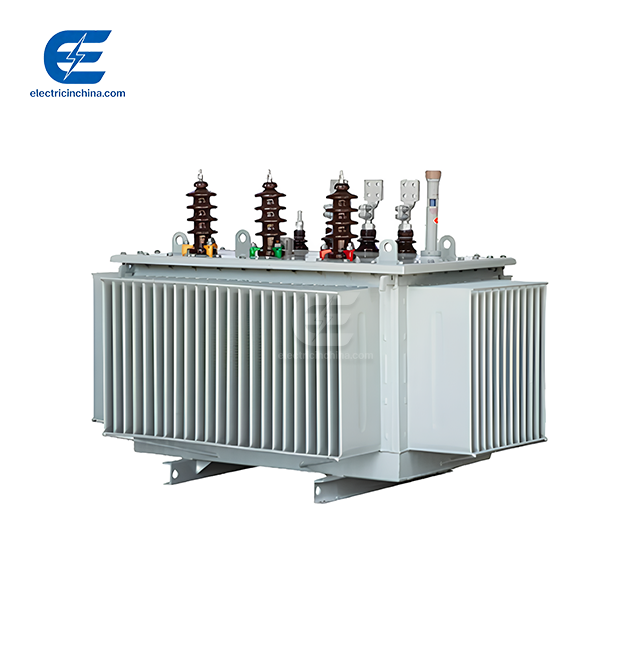
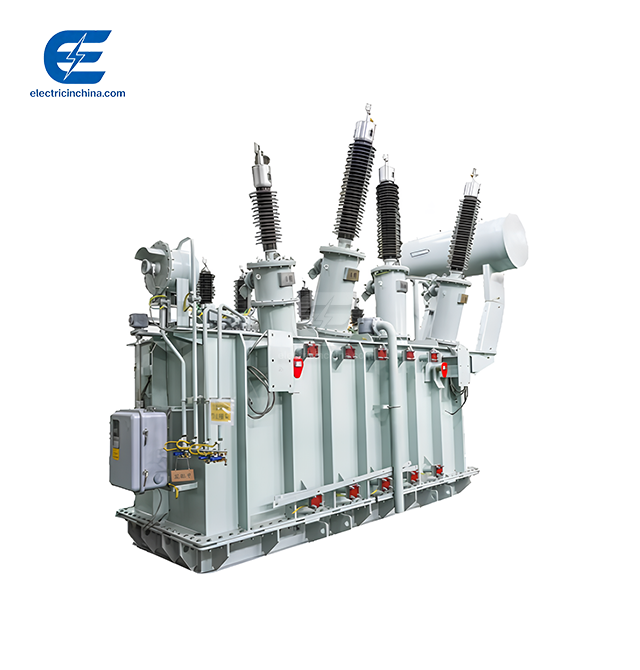
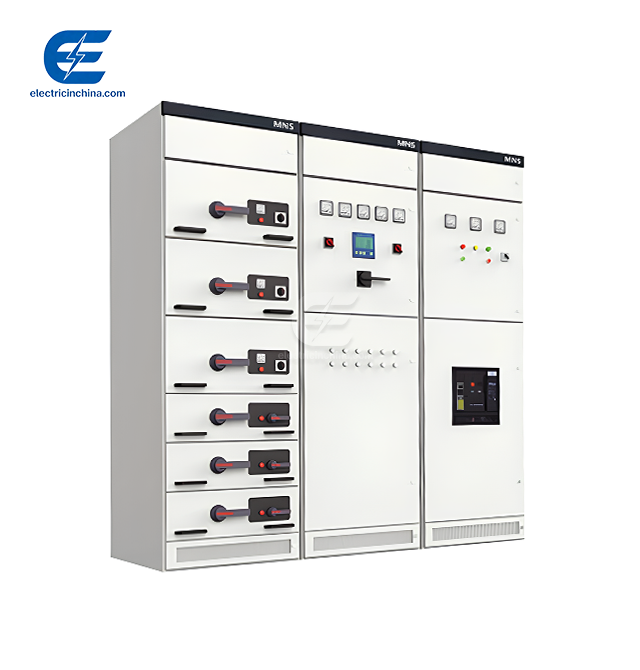
Selecting an oil type transformer 10kV-35kV requires balancing technical performance, operational safety, and long-term reliability. These medium-voltage transformers serve as critical infrastructure components in industrial facilities, commercial developments, and utility networks. The key selection criteria include matching rated capacity to actual load requirements, verifying compliance with international standards like IEC 60076, ensuring proper insulation oil specifications, and evaluating supplier certifications. Beyond initial specifications, procurement teams must assess lifecycle costs, customization capabilities, delivery timelines, and after-sales support to secure transformers that deliver consistent performance across demanding operational environments.
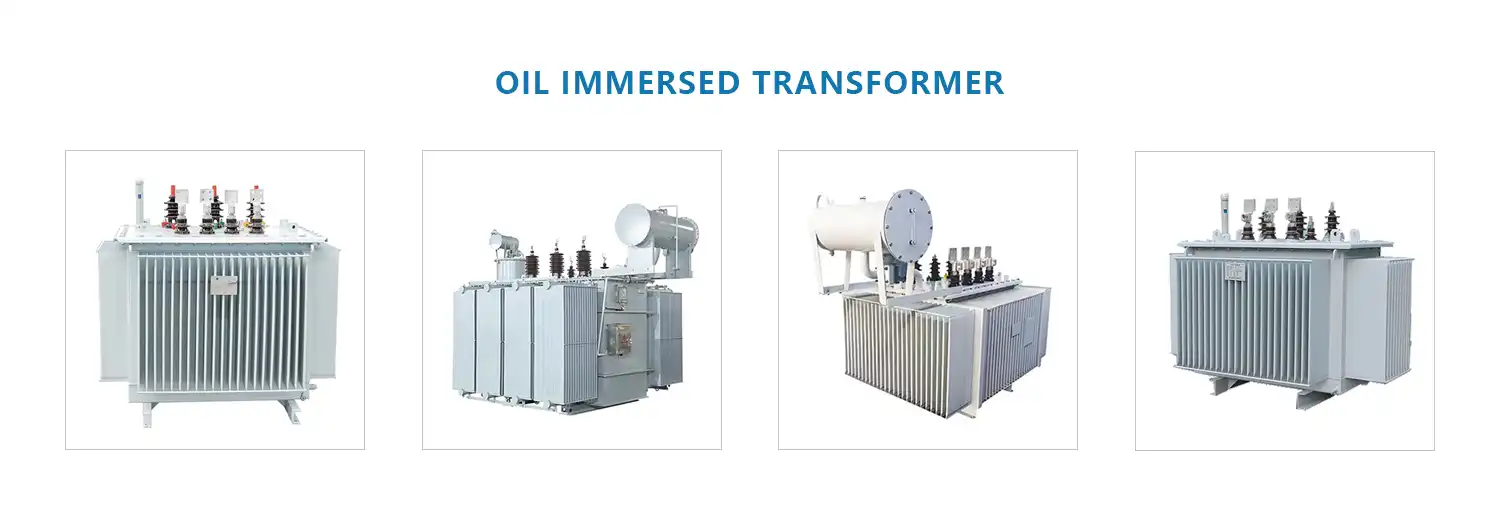
Key Technical Specifications and Standards to Consider
Voltage Ratings and Capacity Matching
There are differences between 10kV and 35kV Oil type transformer 10kV-35kV units that go beyond the standard voltage. These differences include how the shielding works, the size, and the type of application that the transformer can handle. Distribution-level loads are usually handled in commercial buildings, data centers, and light industrial buildings by units built for 10kV service. These units have Basic Impulse Level values of 75kV so they can handle transients caused by lightning.35kV transformers, on the other hand, are used in utility substations, big industrial plants, and renewable energy sites that need to change the voltage from transmission networks to distribution networks in a step-up or step-down way. Their 170kV BIL rating gives them better protection against switching surges and atmospheric overvoltages. Ratings for capacity range from 50kVA for specialized uses to 25MVA for large-scale industrial operations, with standard increments that match typical load profiles.
Critical Standards and Certification Requirements
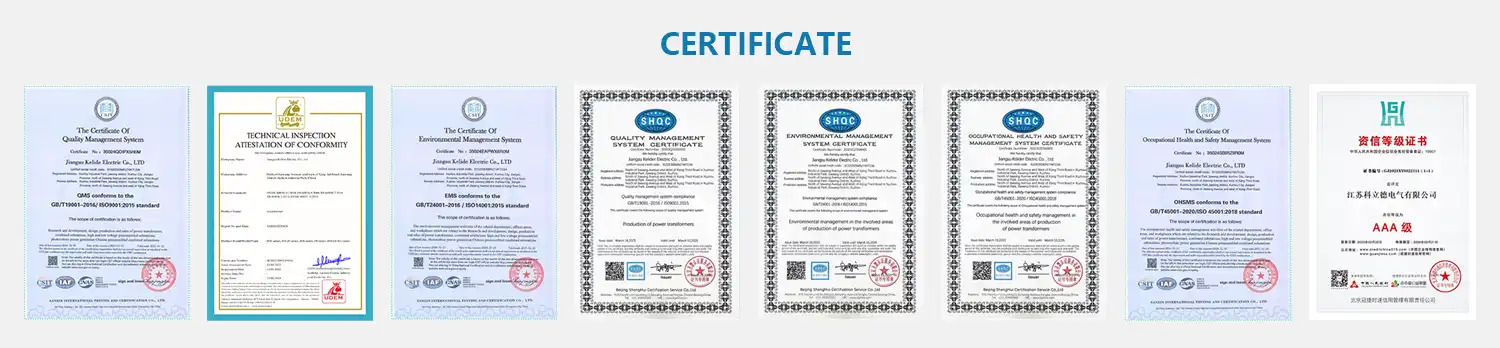
Every part of designing, making, and testing an Oil type transformer 10kV-35kV has to follow international standards. Power transformers must meet certain performance standards set by the IEC 60076 series. These standards include limits on no-load losses, load losses, impedance voltage, and temperature rise. Following these rules ensures that your equipment can work with power systems around the world and makes it easier to combine equipment used on different international projects.We keep our ISO 9001 quality management, ISO 14001 environmental management, and OHSAS 45001 workplace health certifications, which shows that we are dedicated to thorough quality control. All of our goods are put through rigorous factory acceptance testing, which includes dielectric tests at 2.5 times the rated voltage, surge voltage tests that mimic lightning strikes, and temperature rise checks when the transformer is fully loaded. Before being sent out, these strict protocols make sure that every transformer meets certain performance standards.
Transformer Oil Specifications and Quality Impact
The type of oil used has a direct effect on how well and how long an Oil type transformer 10kV-35kV works. Mineral oil is still the most common choice for medium-voltage transformers because it is cheap, has good insulating qualities, and doesn't change much when it gets hot. Mineral oil of good quality has a breakdown voltage greater than 60kV, a pour point below -45°C for use in cold climates, and a specific resistance greater than 1×10¹²Ω·m to keep leaking currents to a minimum.The oil must also be chemically stable so that it doesn't oxidize or turn into sludge over many years of use. We only accept oils that meet the minimum performance standards set by IEC 60296 for mineral shielding oil that has not been used. Some specific uses benefit from synthetic esters, which are better at biodegradation and fire resistance but cost more at first. The choice is based on rules about the environment, fire safety, and an analysis of the total lifecycle cost.
Comparing Oil-Immersed Transformers with Alternatives
Oil-Filled Versus Dry-Type Transformers
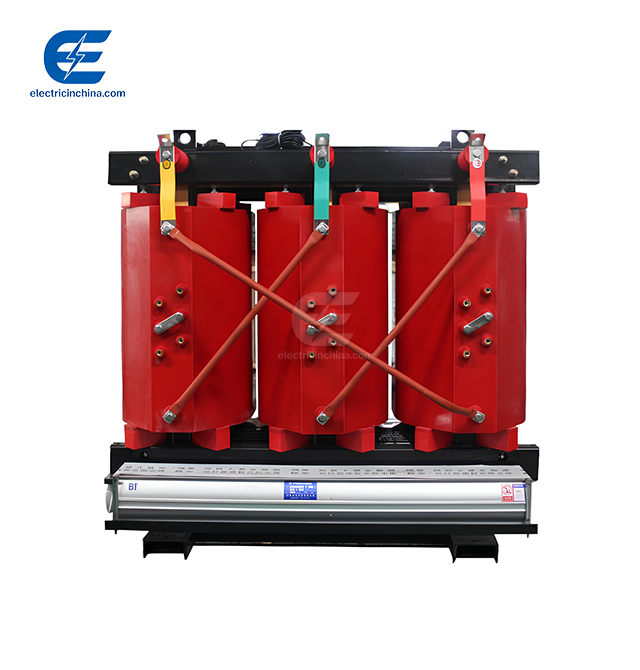
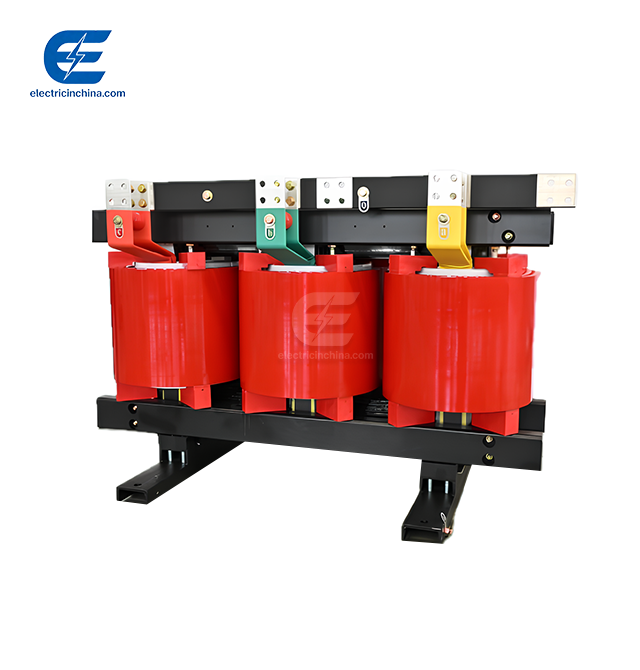
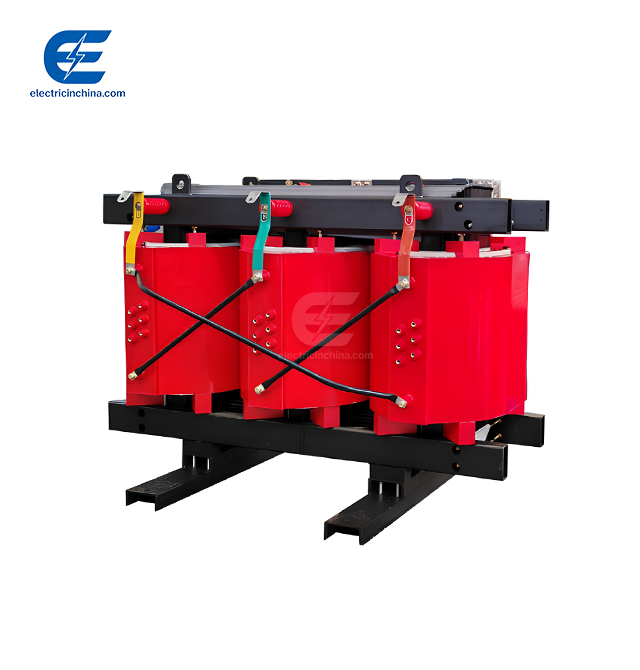
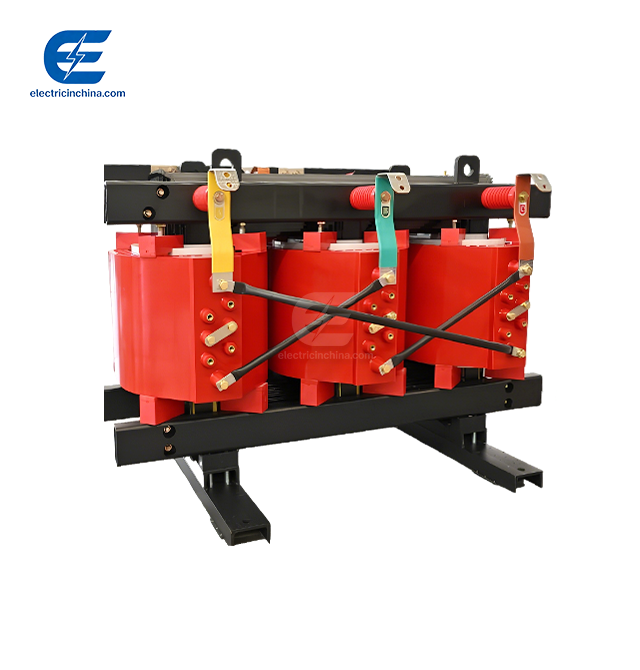
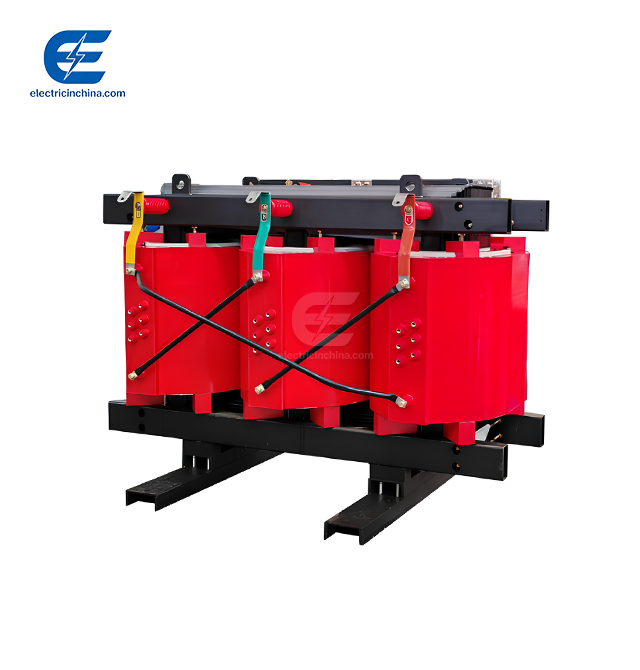
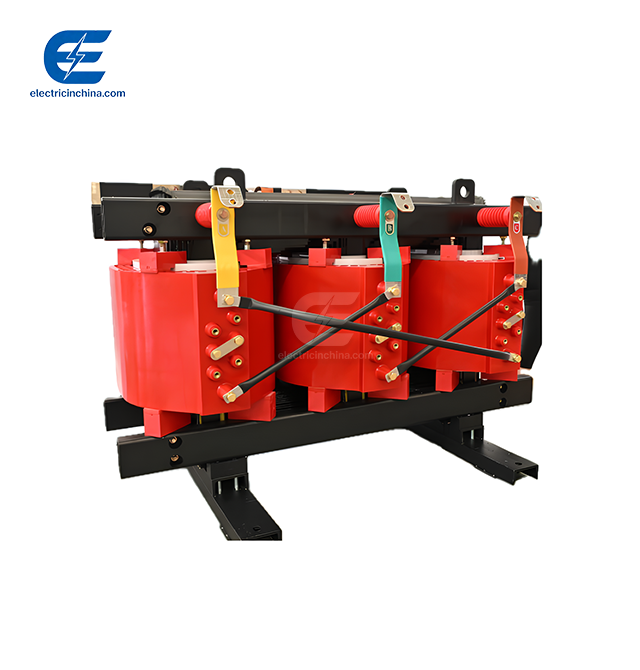
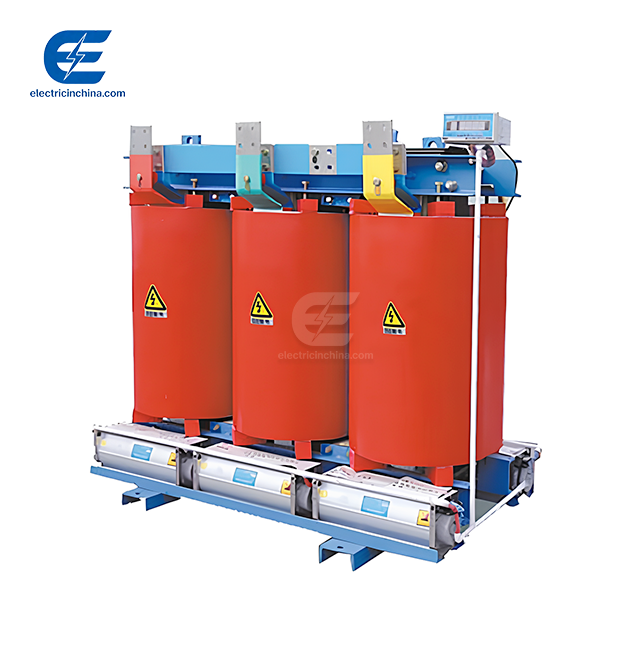
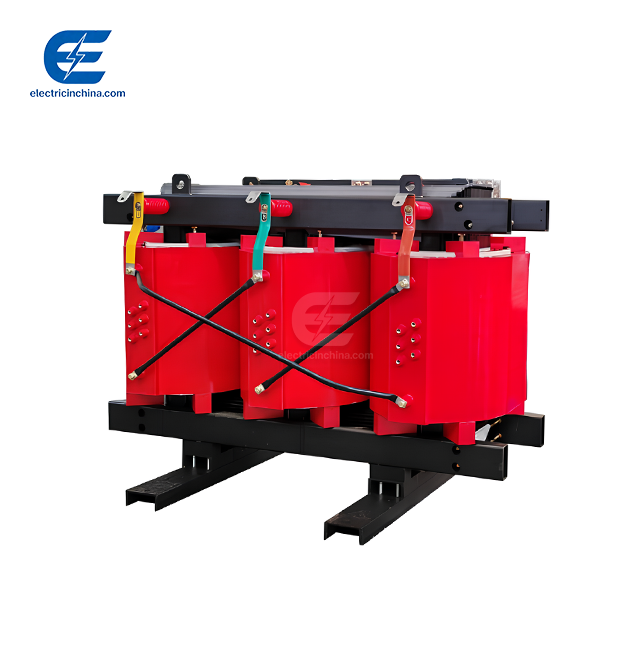
When deciding between an Oil type transformer 10kV-35kV and a dry-type option, a number of working factors must be considered. Oil-filled transformers work best in high-capacity situations where smaller sizes and lower operating temperatures are possible because they cool more efficiently. Because they can handle more overload, they can be temporarily run at 120 to 150% of the75 kV rated load during times of high demand without wearing out faster, which gives them more practical freedom for changing loads.Dry-type transformers don't need to be tested for oil or replaced, so they don't pose the fire risk that comes with burning liquids. They also need very little upkeep. They do, however, take up more space for the same capacity values and work less efficiently when big loads are applied continuously. Because they don't have liquid cooling, they are also more likely to be damaged by high temperatures, which could shorten their useful life in harsh industrial settings.
Gas-Insulated Transformers and Niche Applications
Gas-insulated oil-type transformers that use SF6 or other gases come in small sizes that are perfect for urban substations that don't have a lot of room. These units get rid of the need to handle oil and offer great insulating performance and fire protection. However, their higher starting cost and unique maintenance needs mean that they can only be used in cases where saving room makes the extra cost worth it.The effects of SF6 gas on the environment—it is a strong greenhouse gas that can warm the Earth 23,500 times more than CO2—have led to more strict rules. Modern options that use concentrations of fluoronitrile gasses are better for the environment, but they make it harder to handle and recycle gasses. Although Oil type transformer 10kV-35kV units continue to be our top choice for most applications due to their proven reliability and advantageous economics, we evaluate gas-insulated options for clients who have severe space constraints.
Voltage Level Considerations for Future Scalability
Choosing the right voltage values for an Oil type transformer 10kV-35kV affects the system's long-term ability to operate in diffeoil-types and grow. While 10kV transformers are the most cost-effective way to meet instant distribution needs, 35kV units allow for load growth and make it easier to connect to higher-voltage transmission networks as infrastructure improves. If an industrial facility plans to increase its capacity, it is best to install 35kV equipment at first so that it doesn't have to be replaced when the loads do.When figuring out the total cost of ownership, you need to take into account how efficient things are at different power levels. Higher-voltage transformers usually have lower percentage losses compared to their rated capacity. This means that they use less energy over the course of their lifetime. We help our clients figure out the best voltage rating for their long-term needs by modeling lifecycle costs like energy losses, upkeep costs, and final replacement situations.
Practical Guide to Selecting the Right Oil-Immersed Transformer
Defining Power Capacity and Load Characteristics
The right way to choosoil-type type transformer 10kV-35kV starts with a correct load analysis. During the equipment's 30-year service life, procurement teams should keep track of peak demand, average ongoing load, and expected growth. Units should be big enough to handle the maximum load that is expected at 80–90% of their rated capacity. This will give them thermal room for changes in the ambient temperature and short-term overloads.Transformer design needs are affected by load factors such as power factor, harmonic content, and cycle patterns. Harmonic currents are made by variable speed drives and other nonlinear loads. They raise winding losses and make it important to pay close attention to K-factor ratings. In industrial settings with a lot of motor starting loads, transformers need to have the right impedance to keep inrush currents low while keeping voltage regulation good during normal operation.
Efficiency Standards and Loss Evaluation
Load losses and no-load losses have a direct effect on the Oil type transformer 10kV-35kV running costs over its entire life. No-load losses for our S11 series models range from 0.8kW for 500kVA units to 18kW for 10MVA capacity values, which is a big improvement over previous-generation designs. Load losses range from 5.5kW to 85kW based on capacity, and at rated load, the efficiency is between 98.5% and 99.2%. Procurement professionals should use projected electricity costs and load factors to figure out the present value of energy losses when comparing different offers. A transformer that is more efficient but costs more at first often has a better lifecycle value, especially in situations where it is constantly being used a lot. We give you full loss estimates and lifecycle cost models to help you make smart decisions that are in line with your company's budget.
Environmental Compatibility and Installation Requirements
The environmental factors at a site affect the design specs and construction arrangements for an Oil type transformer 10kV-35kV. To handle salt spray, coastal areas need to make sure that tank surfaces and external fittings have better corrosion protection. For sites above 1000m, lower air density makes it harder for heat to escape, so cooling systems need to be lowered or made stronger to make up for it.Places that are prone to earthquakes need special anchoring rules and stronger structures. When properly anchored in accordance with IEEE 693 qualification standards, Oil type transformer 10kV-35kV units can withstand earthquakes up to Zone 4 ratings. Our designs include strong mounting pads and bendable bushing connections so they can handle ground motion without breaking or leaking oil. Extreme temperatures are also taken into account when making specs. For example, cold climates may need low-temperature oil formulations and extra warmth, while hot climates may need forced-air cooling or bigger radiators.
Supplier Reliability and Customization Capabilities
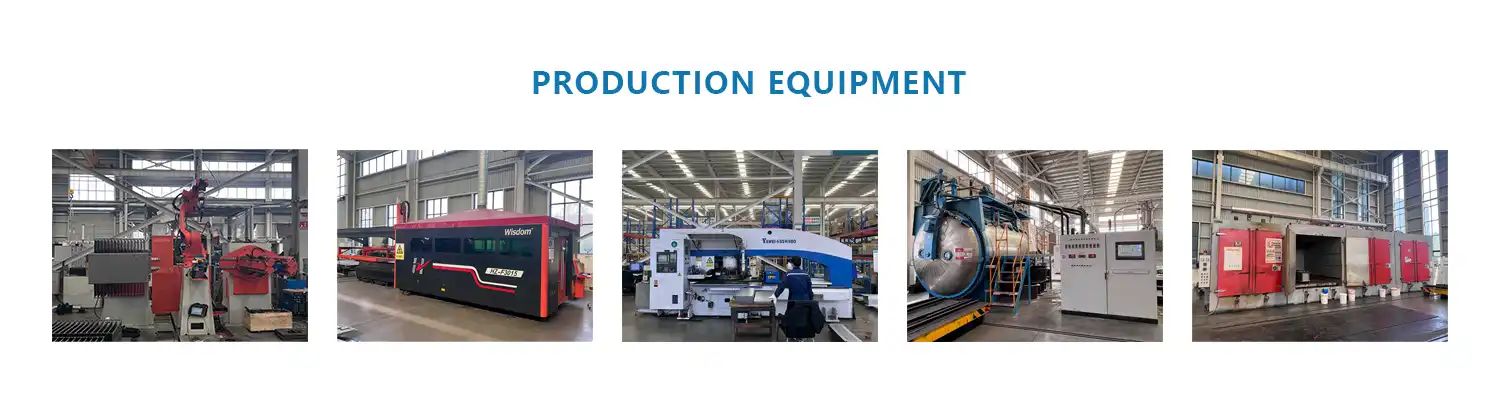
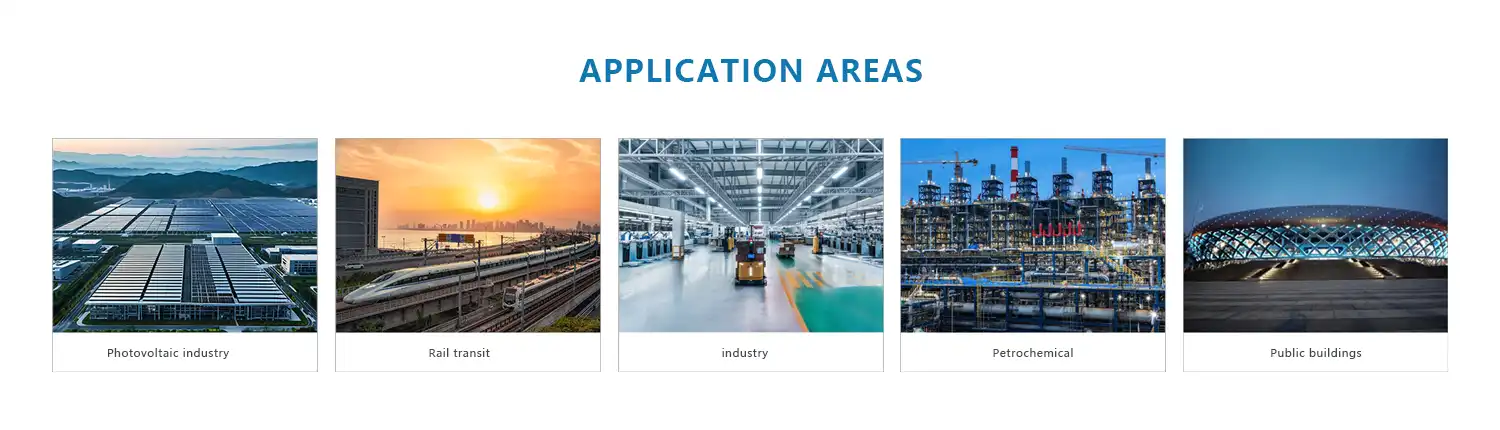
Getting an Oil type transformer 10kV-35kV is complicated because you have to look at more than just the product specs. You also have to look at the capabilities and support infrastructure of the suppliers. When a company is looking at possible providers, it should check their producing capacity, quality control systems, and delivery success records. Our state-of-the-art factories have more than 120 sets of specialized machinery, such as CNC automatic winding machines, static vacuum casting systems, and microcomputer-controlled gradient curing ovens. We have 15 senior engineers, more than 30 intermediate technicians, and 17 senior technicians who are very good at making customized solutions that fit a wide range of needs. We can change standard designs to fit strange environmental conditions, add specialized monitoring systems, or work with different voltage ratios and tap configurations thanks to this technical ability. We have 18 patents, which shows that we are committed to coming up with new ideas and making transformer technology better all the time.
Trusted Brands and Supplier Selection Strategies
Evaluating Manufacturer Credentials and Track Record
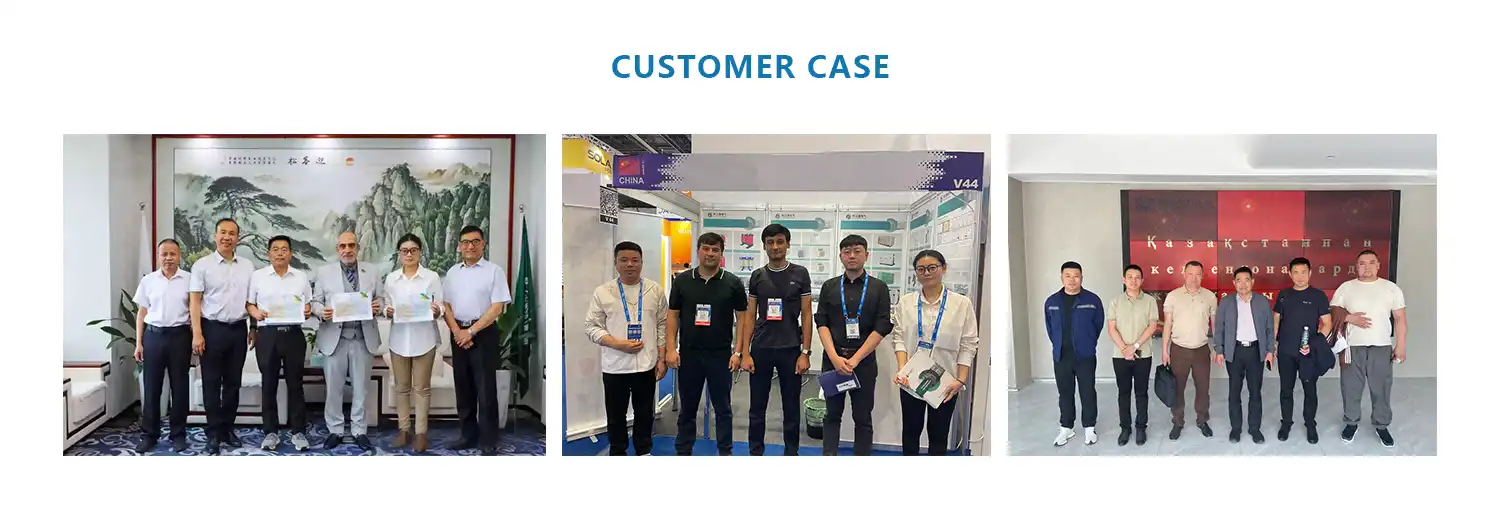
It's important to do your research before choosing an Oil type transformer 10kV-35kV provider. You should look at their manufacturing skills, quality systems, and project experience. Quality control labs run by well-known manufacturers do things like electrical testing, oil analysis, thermal imaging, and vibration analysis on every unit to make sure it meets the requirements. From buying the base materials to putting the machine into service, we keep a close eye on the whole process to make sure there are no problems at any point. Medium-voltage oil-immersed transformer project knowledge is a concrete sign of a supplier's skills. We've been in business for 20 years and have finished hundreds of important power projects, such as the Xuzhou Rail Transit Network Control Center, the Xuzhou High-speed Railroad East Station, and upgrades to XCMG Group facilities. As you can see, these projects show that we can provide customized Oil type transformer 10kV-35kV solutions that meet strict performance standards and tight deadlines.
Certification Verification and Standards Compliance
Real licenses from well-known organizations give you peace of mind about Oil type transformer 10kV-35kV quality and following the rules. Teams in charge of buying things should ask for copies of ISO 9001, ISO 14001, and OHSAS 45001 certificates and check that they are still good and cover the right things. Our CCC certification for electrical goods makes sure they meet Chinese state safety standards. Following IEC and IEEE standards makes sure they can be used anywhere in the world.Additional proof comes from factory acceptance testing that is seen by representatives of the client or third-party inspectors. Customers are welcome to see the whole testing process, which includes applied voltage tests, temperature rise measurements, and impulse voltage tests that look like lightning strikes. This level of openness builds trust and lets buying teams make sure that provided equipment meets requirements before sending it out and installing it.
After-Sales Support and Technical Assistance
Long-term operational success depends on having spare parts and technical support for your Oil type transformer 10kV-35kV that you can rely on. We keep a lot of information about all of our goods, like operation instructions, maintenance schedules, and troubleshooting tips. Our technical team trains clients' employes on things like how to do regular maintenance, how to take oil samples, and how to read condition tracking results.The warranty terms should make it clear how long the service lasts, what to do if something goes wrong, and how to repair parts. We offer a full warranty and quick technical support to keep downtime to a minimum in the unlikely event that equipment problems happen. Our well-established supply chain makes sure that spare parts arrive quickly, and our service network can send field techs to do diagnostics and fixes on-site when needed.
Conclusion
To choose the best Medium-voltage oil-immersed transformer 10kV-35kV, you need to carefully look at its technical specs, working needs, and the supplier's abilities. It's important to make sure that voltage ratings and capacities are correctly matched to the characteristics of the load, that international standards are followed, and that the lifecycle costs, such as energy losses and maintenance needs, are calculated. Environmental factors, room limitations, and the need for long-term expansion should all be taken into account when comparing oil-immersed and other technologies. Partnering with well-known makers with track records, full approvals, and strong after-sales support lowers the risk of buying something and increases its stability over many years of use.
FAQ
What is the expected maintenance interval for oil analysis and replacement?
Every year, all kinds of tests should be done on the oil of an Oil type transformer 10kV-35kV, such as measuring the electrical strength, dissolved gasses, and moisture content. The real time to change the oil is determined by regular checks using standard tests such as ASTM D1816 and IEC 60422. Normal use calls for replacing the oil every 15 to 20 years, but this time frame can be shortened or lengthened by constant condition assessment based on test results, which depends on environmental and working stresses.
How do oil type transformer 10kV-35kV units perform in seismic zones?
As long as they are properly anchored according to IEEE 693 seismic qualification standards, Oil type transformer 10kV-35kV units can withstand earthquakes up to Zone 4 levels. The design of the tank includes bendable bushing connections and stronger fastening pads so that the structure can withstand movement on the ground. In areas prone to earthquakes, safe operation depends on following the manufacturer's instructions and local building rules during installation.
Can these transformers operate in parallel configurations?
For parallel operation to work with an Oil type transformer 10kV-35kV, the voltage ratios must be the same, the resistance must match within 7.5%, and the vector group setup must be the same. The accuracy of load sharing rests on the impedance tolerance. When stated correctly according to IEEE C57.12.00 standards, 90–110% uniform loading is usually achieved between units. For redundancy or capacity expansion, stable parallel operation is made possible by the right synchronization equipment and protective relaying.
Partner with Tuojie for Reliable Oil Type Transformer 10kV-35kV Solutions
Tuojie is an expert at creating, producing, and selling power transformers that meet the strictest worldwide standards. The fact that our Oil type transformer 10kV-35kV products are certified by ISO 9001, ISO 14001, OHSAS 45001, and CCC shows that we are dedicated to quality and safety at all times. We offer custom solutions that are made to fit your environment and operational needs thanks to our professional technical team of 15 senior engineers and more than 120 sets of advanced production equipment. We offer full help from developing the initial specifications to installation and testing as an experienced provider. Our wide range of projects, including infrastructure for the government, business real estate, and manufacturing for industry, shows that we can complete difficult power system projects on time and on budget. Email our team at tuojie@electricinchina.com to talk about your transformer needs and get competitive quotes and full technical specs. Check out our website at electricinchina.com to see all of our power distribution options and learn how our "one-stop service" makes buying things for big projects easier.
References
1. International Electrotechnical Commission. (2011). Power transformers – Part 1: General. IEC 60076-1:2011.
2. Institute of Electrical and Electronics Engineers. (2015). IEEE Standard General Requirements for Liquid-Immersed Distribution, Power, and Regulating Transformers. IEEE C57.12.00-2015.
3. Harlow, J.H. (2012). Electric Power Transformer Engineering (3rd ed.). CRC Press, Boca Raton, Florida.
4. American Society for Testing and Materials. (2017). Standard Test Method for Dielectric Breakdown Voltage of Insulating Oils of Petroleum Origin Using VDE Electrodes. ASTM D1816-12.
5. Kulkarni, S.V., & Khaparde, S.A. (2013). Transformer Engineering: Design, Technology, and Diagnostics (2nd ed.). CRC Press, Boca Raton, Florida.
6. McNutt, W.J., & Leibfried, T. (2011). Transformer Maintenance Guide (2nd ed.). National Grid Energy Transmission and Distribution, Springfield, Massachusetts.