

.webp)
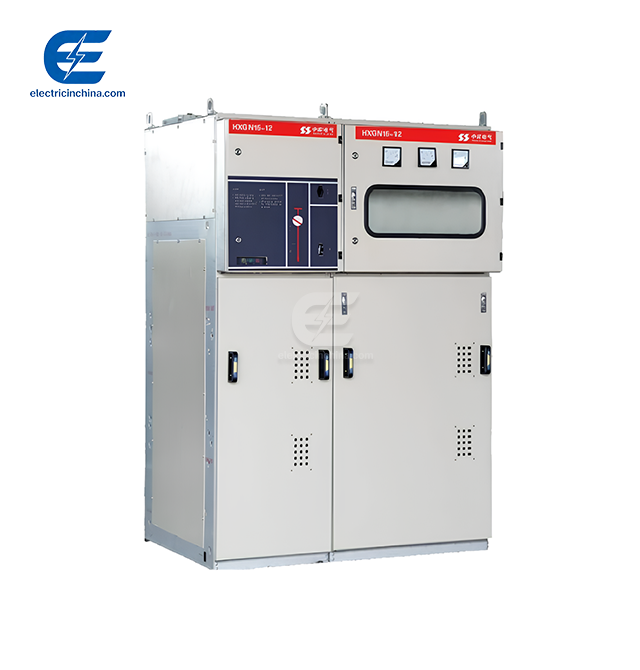
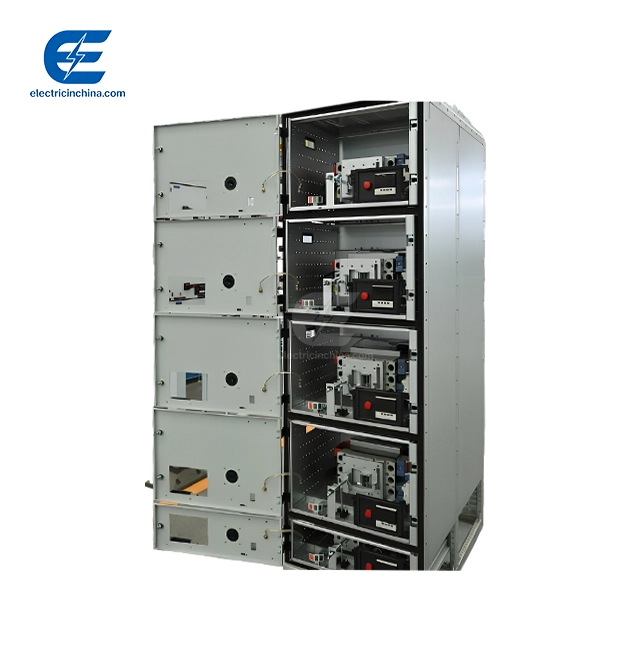
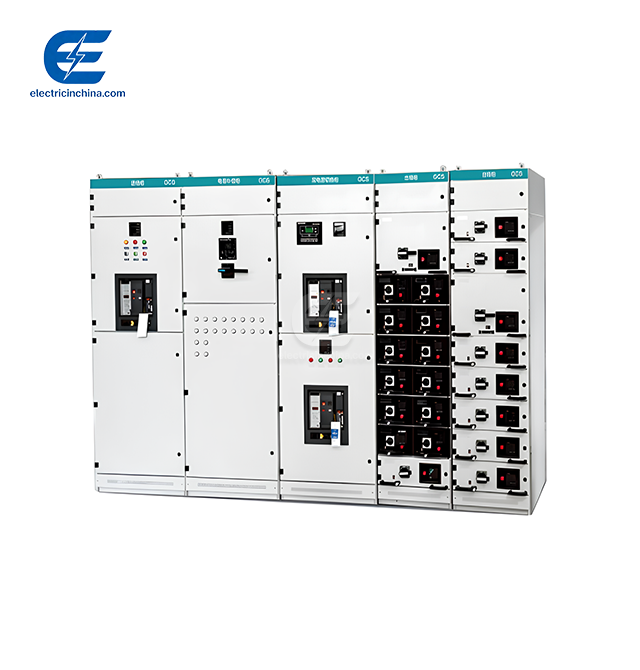
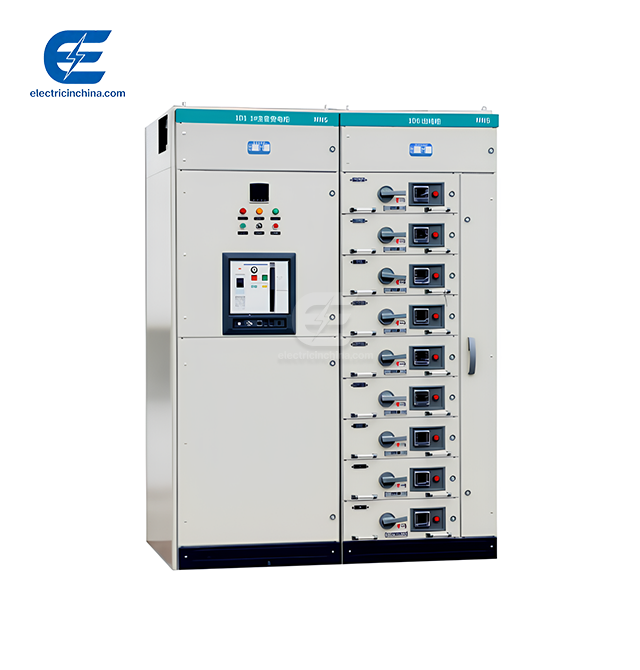
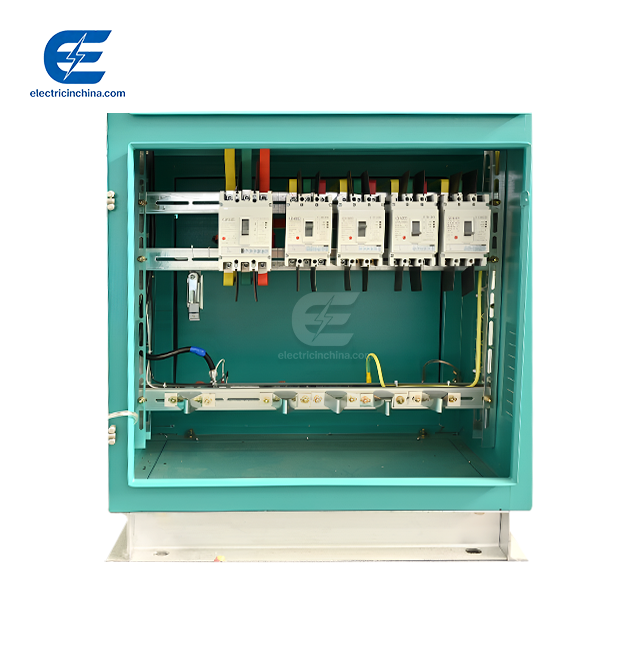
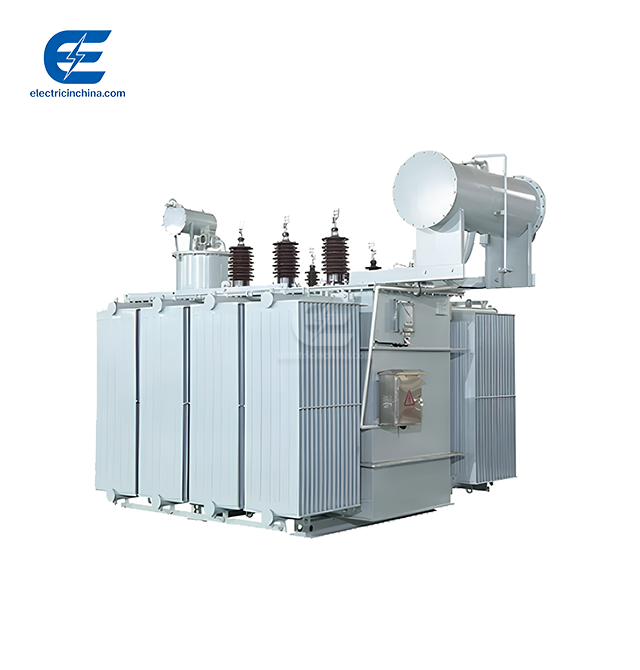
An oil-immersed power transformer is a voltage conversion device utilizing mineral or synthetic oil as both an insulating medium and cooling agent, designed to reliably transfer electrical energy between circuits at different voltage levels. These transformers are categorized by voltage class—ranging from low voltage (below 1kV) to extra-high voltage (above 230kV)—and each category addresses specific industrial requirements across power generation, distribution, and end-use applications. Understanding how voltage levels correspond to operational contexts enables procurement teams to select transformers that balance technical performance, safety standards, and long-term cost efficiency.
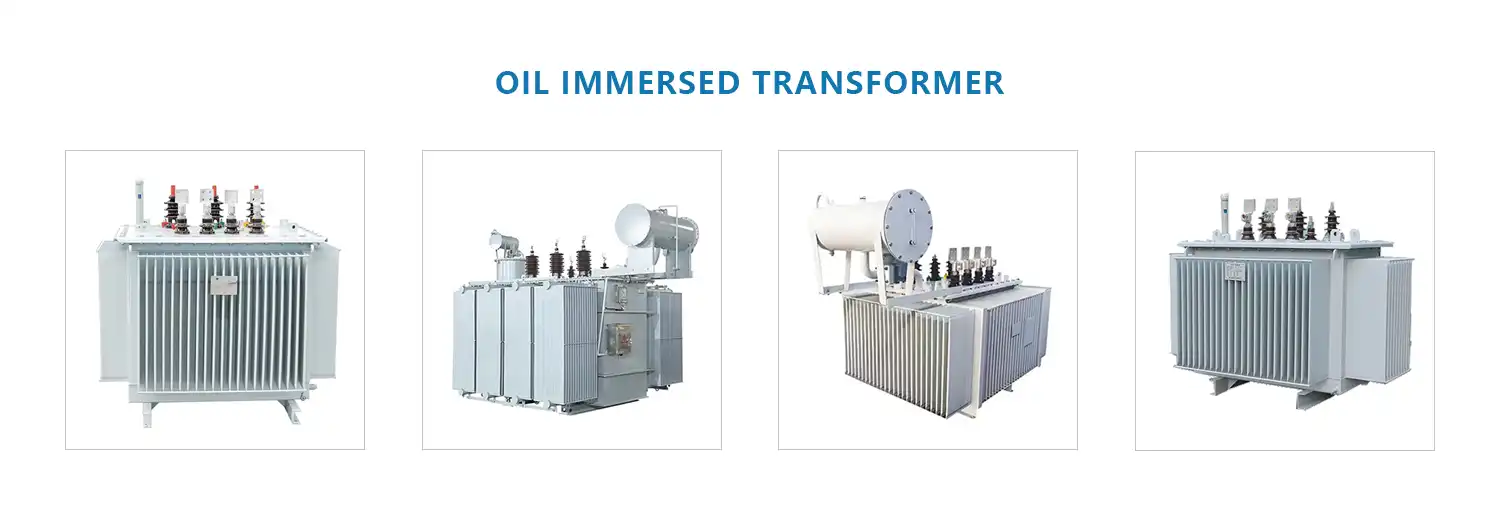
Understanding Voltage Levels in Oil-Immersed Power Transformers
Voltage classification is the basis for choosing a transformer. It has a direct effect on design factors and the suitability of the transformer for the purpose. Based on their operational ratings, transformers are put into four primary voltage classes by the industry.
Standard Voltage Classifications and Their Ranges
Low voltage transformers work below 1kV and are usually used in localized distribution systems that need to have small areas and easy procedures for installation. Medium voltage units, which range from 1kV to 36kV, are the backbone of area power grids. High voltage transformers work with voltages between 36kV and 230kV and carry large amounts of power along transmission lines. Extra-high voltage equipment is above 230kV and helps send large amounts of power over long distances while minimizing efficiency losses. For each voltage level, different core materials, insulation thicknesses, and cooling arrangements are needed. Our factories make transformers for all voltage levels. They use high-permeability cold-rolled grain-oriented silicon steel cores that cut no-load losses by up to 30% compared to older S9 series units.
How Voltage Ratings Influence Transformer Design
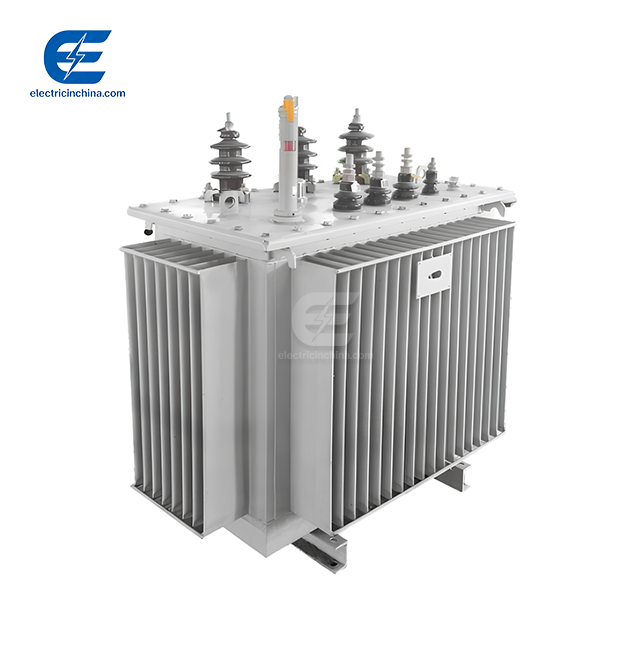
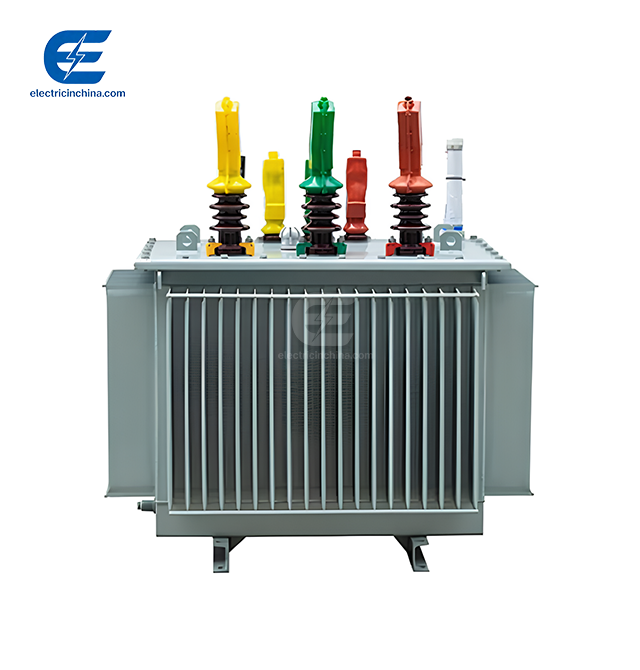
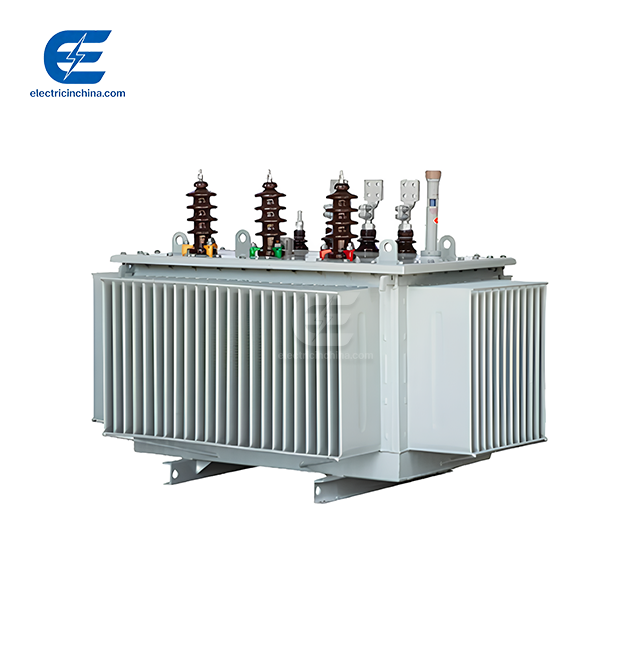
Voltage ratings affect important engineering choices throughout the lifecycle of a transformer. To keep the dielectric from breaking down, higher voltage classes need bigger insulation gaps, which means the parts are bigger and heavier. The S11 type 35KV oil-immersed power transformer is a good example of this relationship. Its fully sealed construction keeps out moisture from the air, and its precision-laminated cores lower noise pollution to meet standards for urban environments. To account for higher magnetic flux levels, core sizes grow proportionally with voltage, and winding configurations get more complicated to handle electrical pressures. The capability of a cooling system decreases as the voltage level rises because higher rates cause more heat to be generated while the system is running. When we make each transformer, we keep these interdependencies in mind. To do this, we use thermal simulations and microcomputer-controlled gradient curing furnaces to make sure that the insulation works best across a range of temperatures.
International Standards Governing Voltage Specifications
Transformers meet world safety and efficiency standards when they meet IEC 60076 and ANSI C57 standards. IEC standards set different levels of requirements for insulation coordination, temperature rise limits, and the amount of voltage that an impulse can handle. ANSI standards set the rules for measuring dielectric strength, dissolved gas analysis limits, and impedance voltage tolerances. Our quality control systems are ISO 9001- and ISO 14001-approved, and they make sure that every transformer goes through strict factory acceptance tests. These tests include checking the ratio, making sure the vector group is correct, and testing for partial discharge below 100pC levels. This framework for approval gives international EPC companies proof that transformers will work successfully in a variety of regulatory settings. The S13-35kV oil-immersed power transformer series meets these standards by achieving optimal low-loss performance that meets GB/T 6451 level 13 efficiency ratings. This helps North American utility networks deal with the problems caused by their aging grid infrastructure.
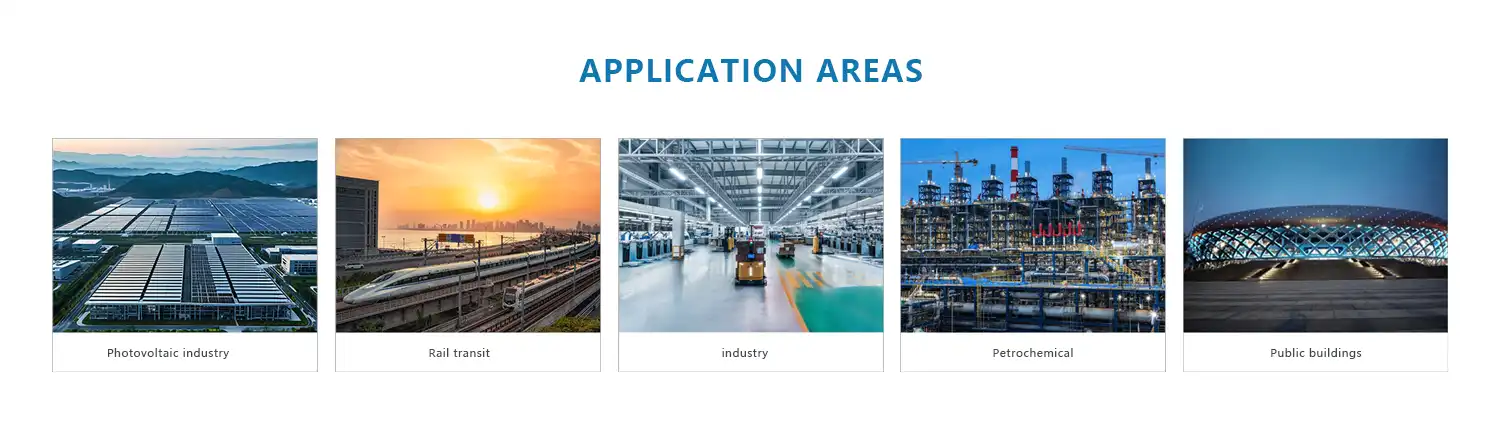
Common Applications for Different Voltage Levels
Different business areas have different needs when it comes to how they run and how much power they need to handle.
Low and Medium Voltage Transformer Applications
In the 10kV to 35kV range, distribution transformers are used in utility substations for cities, business developments, and industrial manufacturing sites. The Xuzhou High-speed Railroad East Station power supply EPC project we worked on shows how medium-voltage transformers keep the grid stable in high-traffic infrastructure settings. These units have two separate power supplies that work together to make sure they keep working even when there is an emergency or maintenance on the equipment. 5-25MVA transformers are used in commercial buildings like the Xinhuai Central Complex to keep the power factor right and balance the loads from HVAC systems, elevator banks, and data centers. Mining companies use tough, oil-immersed power transformers in underground substations. The sealed tank design keeps coal dust and mineral particles from getting inside and contaminating the equipment. The sealed design gets rid of oil conservators, which cuts down on upkeep times and increases the insulation's useful life in harsh settings where daily temperature changes are greater than ±30°C.
High and Extra-High Voltage Industrial Uses
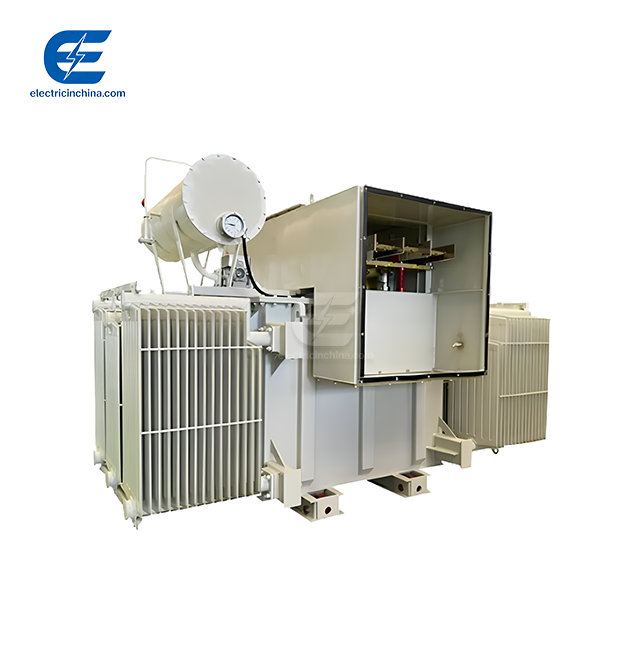
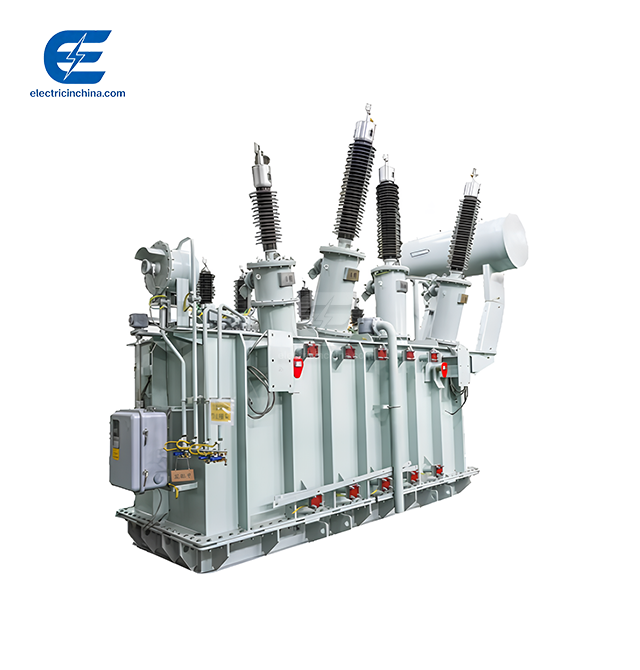
Heavy industrial sites and transmission substations need transformers with a rating above 36kV so they can handle loads of many megawatts with little line loss. In steel factories, 50-100MVA units run electric arc furnaces and rolling mills. In these places, harmonic distortion and voltage sag require strong short-circuit resistance capabilities. Chemical processing plants need reactors and distillation units to always have power, and they often ask for designs that are submerged in oil to work better in areas that are rated for explosives. Our technical team designed custom power solutions for the XCMG Group factory expansion. 110kV transformers were delivered early to help with production ramp-ups that had to happen quickly. Adding renewable energy poses its own problems. For example, wind farms and solar sites need transformers with load tap changers and advanced tracking systems to handle changing output while still following the grid code. We meet these needs by doing thorough design reviews that take into account how height affects the performance of insulation and making sure that installations in seismically active areas are safe.
Key Factors in Selecting the Right Voltage Level
To choose the best voltage, you need to carefully look at the features of the load, the environment, and the prices over its entire life.
Matching Voltage to Load Requirements and Safety Margins
Accurate load forecasts stop under-specification, which can cause warming and failure before its time, or over-specification, which raises capital costs for no reason. To find the right kVA ratings with 20–30% safety margins, engineers look at peak demand profiles, diversity factors, and future growth needs. Specifications for tap changers are affected by the need to regulate voltage. On-load tap changers keep voltage stable within ±5% of the load, while off-circuit designs work best in situations where demand patterns are stable. The ability to withstand short-circuit current must match the fault levels in the system, which are usually given as impedance voltage percentages ranging from 4% to 10% based on the voltage class. Our 15 senior engineers and more than 30 intermediate technicians do detailed load studies for government infrastructure projects to make sure that the transformer specifications are the best they can be in terms of both initial investment and operational efficiency.
Environmental Influences on Voltage Level Choice
Temperature, altitude, and humidity levels in the air have a big effect on how well a transformer works and must be taken into account when choosing a voltage. Installations above 1000 meters need to lower the power or add more cooling systems because the lower air density makes it harder for heat to escape. Coastal areas with a lot of salt water need sealed tanks and bushing materials that don't rust so that the insulation doesn't break down. In very cold places, insulating fluids made from synthetic esters must stay fluid below -40°C. In tropical places, mineral oils with high flash points are better for fire safety. We make cooling systems that work best in each location. ONAN (oil natural, air natural) configurations work best in mild areas, while ONAF (oil natural, air forced) setups handle high temperatures by removing heat with the help of fans. During the manufacturing process, we use computational fluid dynamics analysis to check the thermal performance of transformers in a variety of operating environments. This makes sure that the transformers meet their nameplate ratings in the real world, not just in a lab.
Efficiency Optimization and Lifecycle Cost Considerations
Over the 25 to 30 years that a transformer is in use, its operating costs, which often go beyond its buying price, are determined by its no-load losses and load losses. These days, oil-immersed power transformers use amorphous metal cores or high-grade silicon steel laminations to keep no-load losses below 0.15% of stated capacity. Load losses go up as the square of the current, so efficiency gains are especially useful in places that are always busy, like data centers and factories. Our S11 line cuts no-load losses by 25–30% compared to its predecessor, the S9. This means that utility companies that manage big transformer fleets can save real money. Total ownership costs are affected by how easy it is to do maintenance. For example, sealed transformers don't need regular oil samples or breather replacement, but they do need special diagnostic tools to keep an eye on their health. We give EPC contractors who are managing multiple project sites at the same time full maintenance training and set up local service networks to reduce the risk of downtime as much as possible.
Oil-Immersed Transformer Types, Insulation, and Cooling Methods Linked to Voltage Levels
To deal with different electrical and thermal loads, technical setups change systematically across voltage classes.
Insulating Oil Types and Their Voltage-Specific Properties
For transformers below 110kV, mineral oil is still the most common insulation medium. It has a high dielectric strength above 30kV breakdown voltage and is still very cheap. Both natural and man-made ester-based fluids have flash points above 300°C, which makes them better at preventing fires and makes them suitable for use in indoor substations and installations that need to be sensitive to the environment. Synthetic hydrocarbons improve performance in wide temperature ranges and increase the life of insulation by lowering the rate at which it breaks down. Different types of oils produce different dissolved gas measurement methods. For example, mineral oils produce hydrogen and acetylene when faults start, while ester fluids produce carbon monoxide as the main fault gas. We have full quality control labs with chromatography tools to make sure the oil is pure during production. This keeps the moisture level below 10ppm and the acidity level high enough to keep cellulose insulation systems from breaking down due to corrosion.
Cooling System Design Across Voltage Classifications
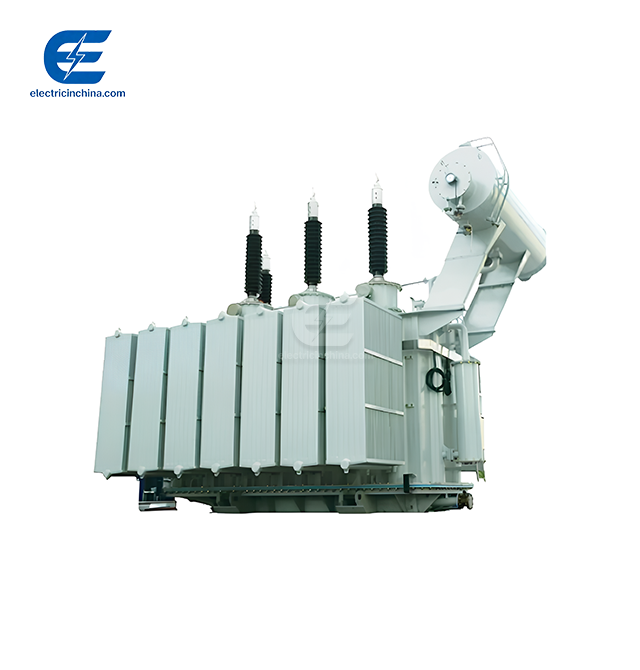
Low-voltage transformers usually use ONAN cooling, in which oil moves through vents or corrugated tank sides by natural convection without using any extra energy. Medium voltage units that work above 5MVA often have ONAF systems with fans that turn on when the load is highest. This makes the thermal capacity 30–40% better than natural cooling. Oil-forced setups are used in high-voltage transformers. Motor-driven pumps move oil through external heat exchanges, which lets them be small even tho they have multi-megawatt ratings. Extra-high voltage sites may choose OFWF systems to get the most cooling out of substations with limited room. Our CNC automatic winding tools and static vacuum casting equipment make windings with the best possible space between the conductors. This improves oil circulation patterns, lowers hotspot temperatures, and makes insulation last longer.
Comparing Oil-Immersed and Dry-Type Technologies
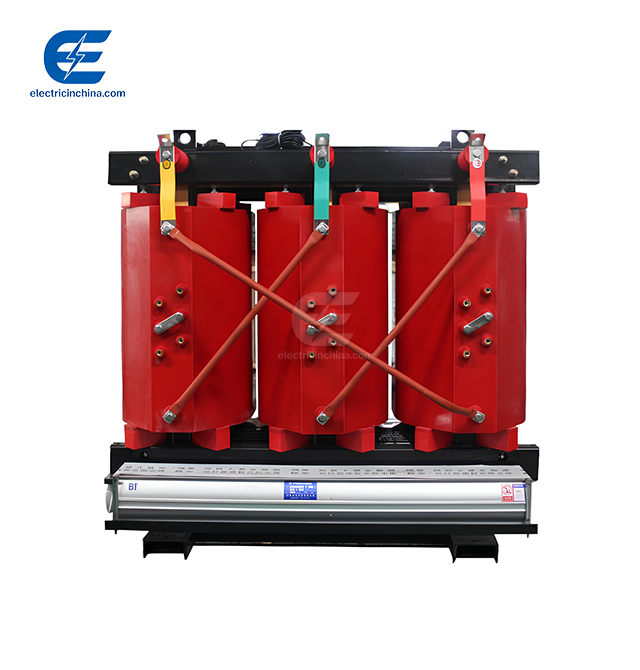
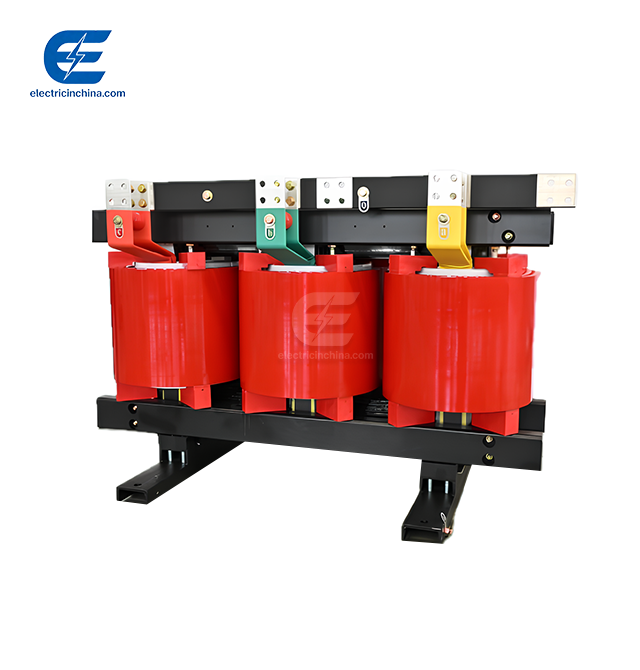
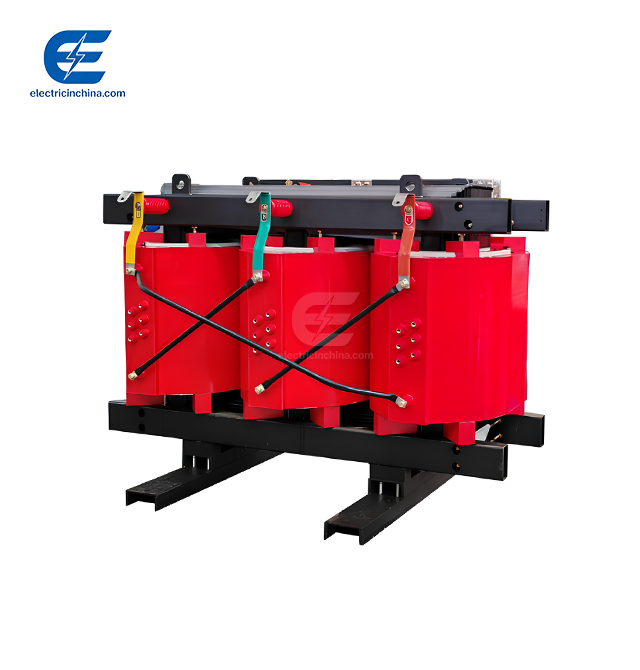
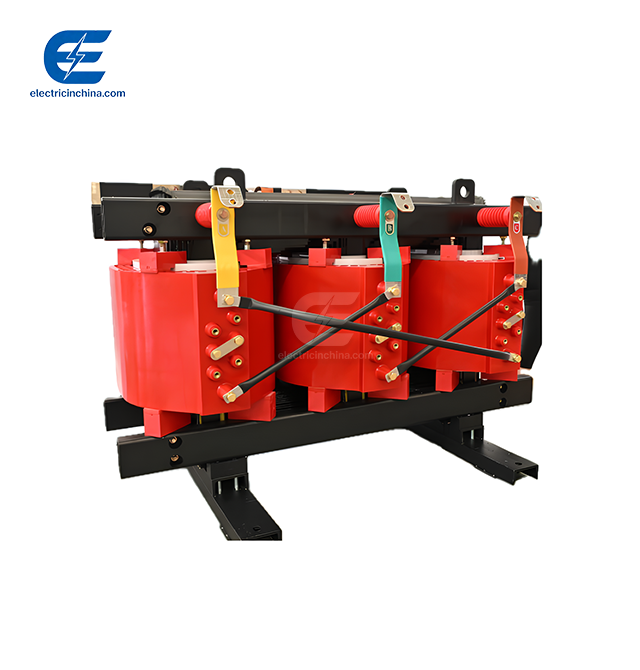
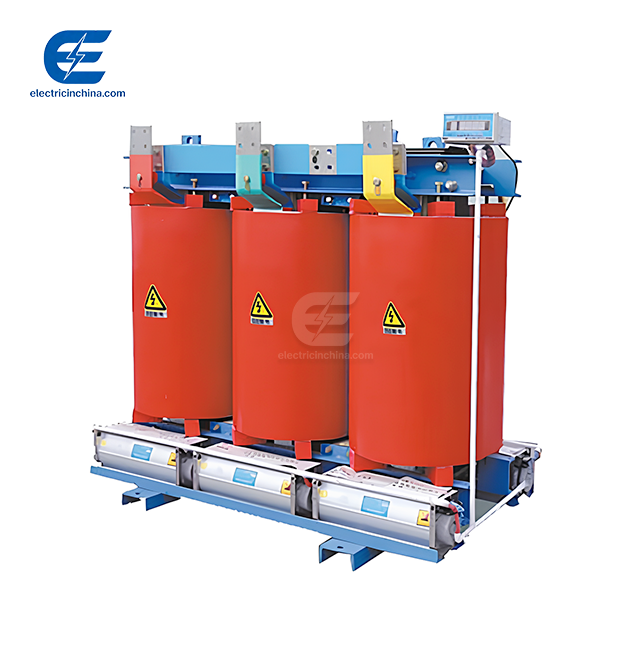
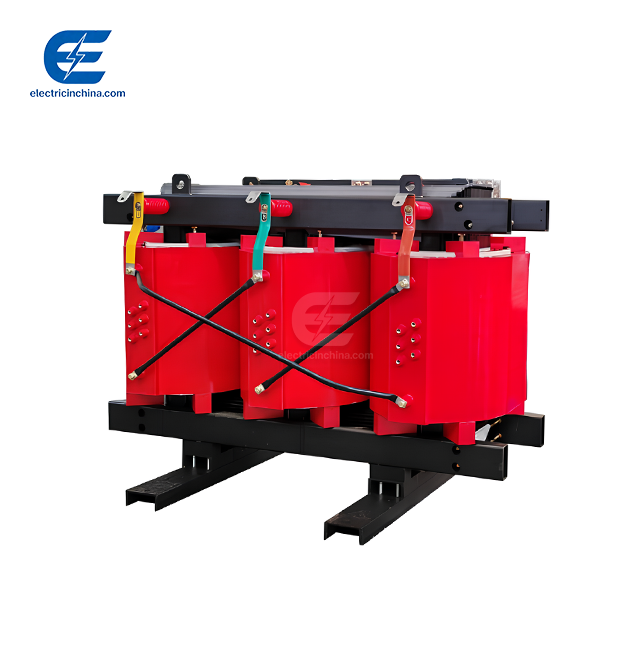
When choosing between oil-filled and cast plastic transformers, there are trade-offs between how well they work and how much they cost. When there is an emergency, oil-immersed power transformers can handle up to 150% of their normal load for long periods of time, while dry-type systems don't have much thermal margin. Fire safety rules say that dry-type installations should be used in buildings with people inside, but ester-filled transformers offer the same level of safety while being more efficient. Oil-immersed technology has better resistance to partial discharge and voltage surges, which are important benefits for high-reliability uses in data centers and hospitals. We help buying managers with these evaluations by showing them lifecycle cost analyzes that take into account differences in efficiency, the need for upkeep, and the time between replacements to find the best solutions for each project's requirements.
Procurement Insights: Sourcing Oil-Immersed Power Transformers by Voltage Level
For buying to go smoothly, clear specifications must be made, and suppliers must be evaluated in a way that fits with the project's schedule.
Essential Technical Parameters Beyond Voltage Rating
Full transformer specifications include many parameters that affect each other and determine how well the transformer works. The Oil-immersed transformer kVA rating has to take future load growth and variety factors into account, and the impedance voltage selection has to balance the need to limit fault current with the need to regulate voltage. The phase relationships are set by the vector group name. For example, Dyn11 configurations are good for utility uses, while Yyn0 configurations are better for industrial plants with sensitive electronic loads. The temperature rise class affects how long the insulation will last. 65K designs offer normal performance, while 55K specs increase operational longevity. Our 17 senior technicians help the procurement teams make detailed technical schedules that list the types of bushings that are needed, any extra equipment that is needed, and the environmental protection ratings that are right for the installation sites.
Manufacturing Lead Times and Customization Benefits
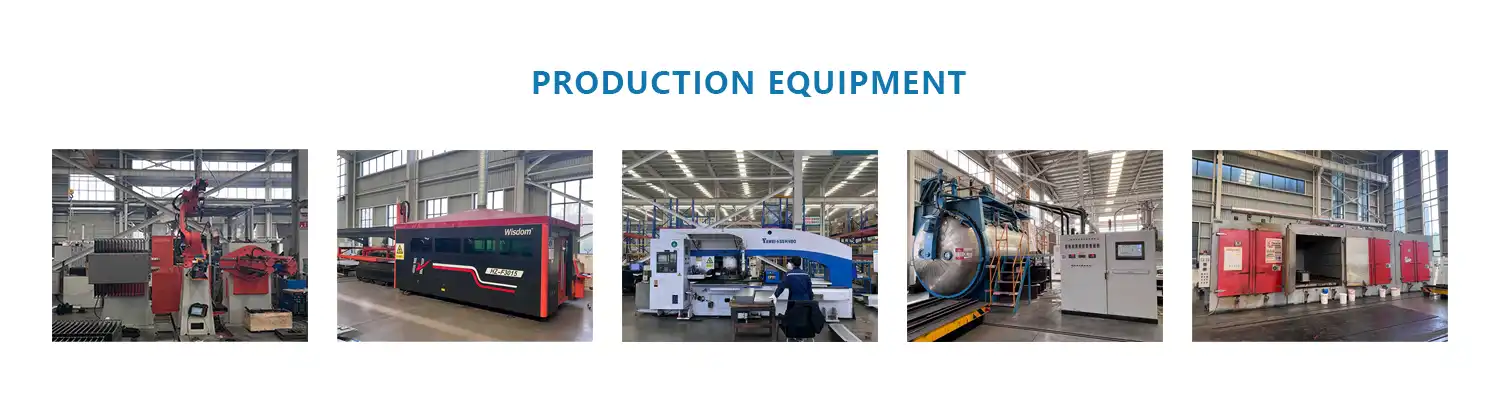
Standard stock transformers usually ship between 8 and 12 weeks, but engineered solutions need 16 to 24 weeks to allow for design approval, prototype testing, and scheduling of production. Getting suppliers involved early in the design development phase is helpful for complicated projects with a lot of power levels or unique features. We take care of more than 120 sets of high-tech production tools, such as automatic foil wrapping machines and gradient curing furnaces, which allow multiple manufacturing processes to run at the same time. This speeds up delivery times for important building projects that need to be finished quickly. Customization options go beyond just electrical specs; they also include seismic qualification, altitude derating, harmonic filtering, and monitoring systems that are built right in. Our 18 patents show that we are always coming up with new ways to make things that are of higher quality and don't take as long to make—important benefits for EPC workers who have to meet tight project deadlines.
Evaluating Supplier Capabilities and Support Infrastructure
Instead of just looking at the original price, criteria for choosing a supplier should focus on technical competence, quality assurance systems, and networks for help after delivery. Audits of manufacturing facilities check the capacity to make things, the accuracy of the equipment, and the methods for tracking raw materials that make sure the quality of the finished goods is always the same. Having certifications like ISO 9001, ISO 14001, and OHSAS 45001 shows that you care about quality management and being good to the environment. Total ownership costs are affected by after-sales service, such as starting help, spare parts availability, and emergency repair response times. We are a vertically integrated company, which means that we do all of our own planning, production, testing, and field services. Our history shows that we can finish hundreds of power projects in the government infrastructure, business development, and industrial manufacturing sectors. Because our team has so much experience, we can predict problems that will come up in a project and suggest tried-and-true solutions that speed up approvals and shorten the time needed for commissioning on-site.
Conclusion
Picking the right voltage level is an important part of buying a transformer because it has a direct effect on how reliable the system is, how efficiently it works, and how much it costs over its whole time. When procurement workers know how voltage classifications connect to application needs, they can choose equipment that has the best technical performance and the lowest cost. Oil-immersed transformer power transformers continue to outperform competing technologies in middle- and high-voltage uses in terms of overload capacity, thermal control, and life. We can make a wide range of products, have worked on many projects, and are dedicated to quality control. This lets us provide custom transformer solutions that meet the strict needs of North American government infrastructure projects, commercial developments, and industrial installations.
FAQ
How do I determine the appropriate voltage level for a new facility?
Do a full load study that takes into account the ratings of all the connected equipment, demand factors, and planned growth. The supply of voltage at the utility interconnection often limits the choice of main voltage. The choice of secondary voltage is based on how well it works with equipment and how much it costs to run the distribution system. During the early stages of planning, hire experienced electrical engineers to look at different voltage situations using lifecycle cost modeling.
What maintenance practices extend oil-immersed transformer lifespan?
Do dissolved gas analysis once a year to find small problems before they become big ones. Every two years, check the quality of the oil by checking its acidity, moisture level, and electrical strength. During planned downtime, check the amounts of oil in the bushings, the pressure release devices, and the parts of the cooling system. Thermographic surveys find strange heating patterns that mean the connection is breaking down or there are core faults that need to be fixed right away.
Can existing transformers be upgraded to higher voltage ratings?
Upgrading the voltage is usually not possible because the insulation methods, core sizes, and coil configurations are all made to work best with certain voltage classes. Replacing transformers that are too small with ones that are the right size will save you money in the long run compared to trying to make changes in the field, which can compromise safety and void manufacturer warranties.
Partner with Tuojie for Reliable Oil-Immersed Power Transformer Solutions
The success of a project depends on choosing the right oil-immersed power transformer provider who can guarantee quality, deliver on time, and offer full expert support. Tuojie has been making things for more than 20 years and has ISO-certified production methods and a lot of experience with EPC projects in the business, industry, and government sectors. Together with procurement workers, our engineering team comes up with unique solutions that work with the site's surroundings and load characteristics. We have a large collection on hand and can adjust our production schedule to meet tight project deadlines without lowering the quality of our work. You can talk to our technical experts about your transformer needs at tuojie@electricinchina.com. You can also find out why top EPC companies choose Tuojie as their oil-immersed power transformer manufacturer. You can look through our full catalog of products and read through case studies on electricinchina.com. These will show you that we can deliver complex power delivery solutions on time and on budget.
References
1. International Electrotechnical Commission. (2018). Power Transformers – Part 1: General Requirements. IEC Standard 60076-1, Edition 3.0.
2. IEEE Power and Energy Society. (2020). IEEE Standard for General Requirements for Liquid-Immersed Distribution, Power, and Regulating Transformers. IEEE Std C57.12.00-2020.
3. Harlow, J.H. (2017). Electric Power Transformer Engineering, Third Edition. CRC Press, Boca Raton, Florida.
4. ABB Transformers. (2019). Transformer Handbook: Design, Application and Selection. Technical Documentation Series, Volume 4.
5. Kulkarni, S.V. & Khaparde, S.A. (2021). Transformer Engineering: Design, Technology, and Diagnostics, Second Edition. CRC Press, Taylor & Francis Group.
6. CIGRE Working Group A2.37. (2016). Transformer Reliability Survey: Interim Report. CIGRE Technical Brochure 642, Paris, France.